
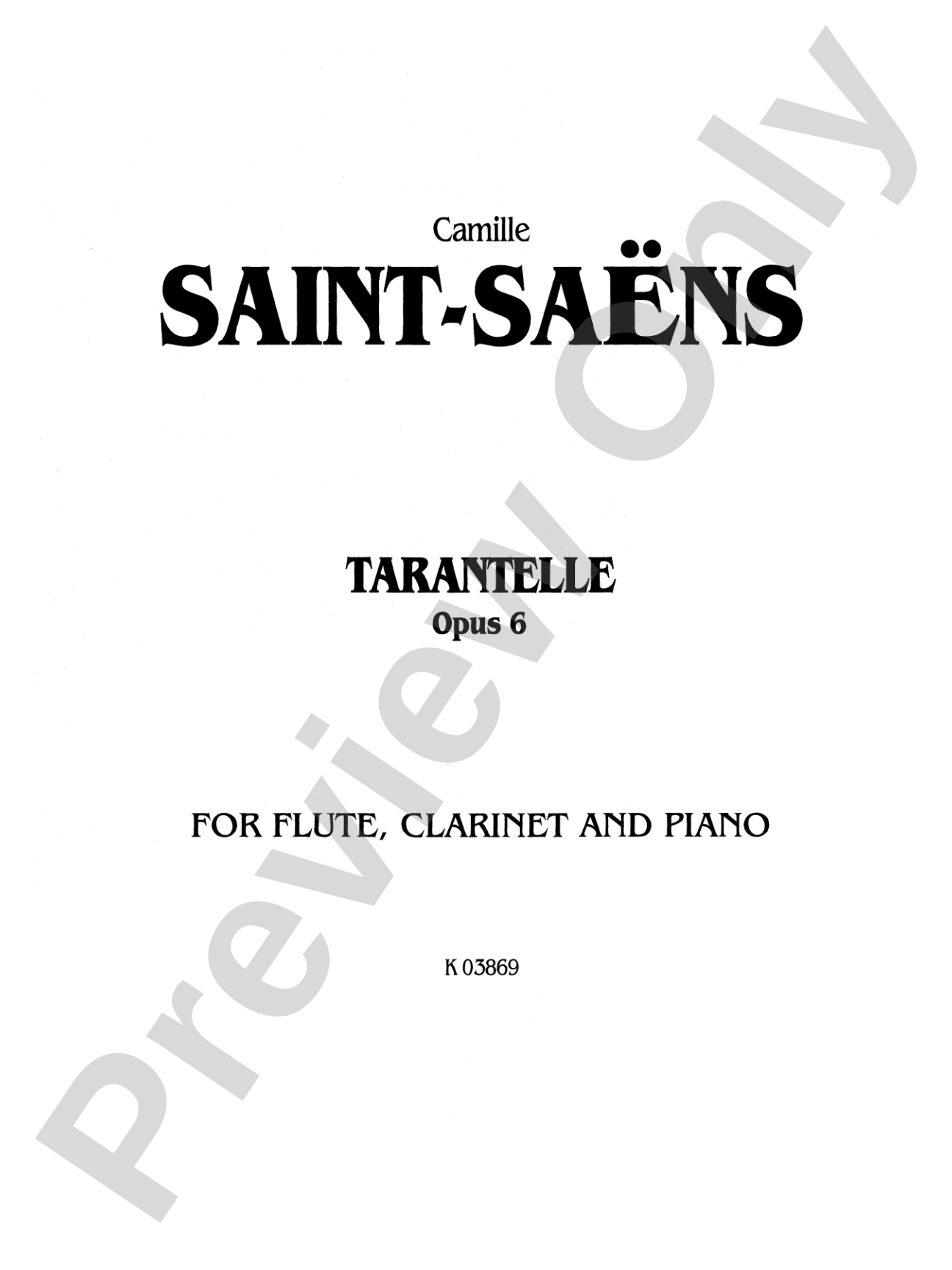
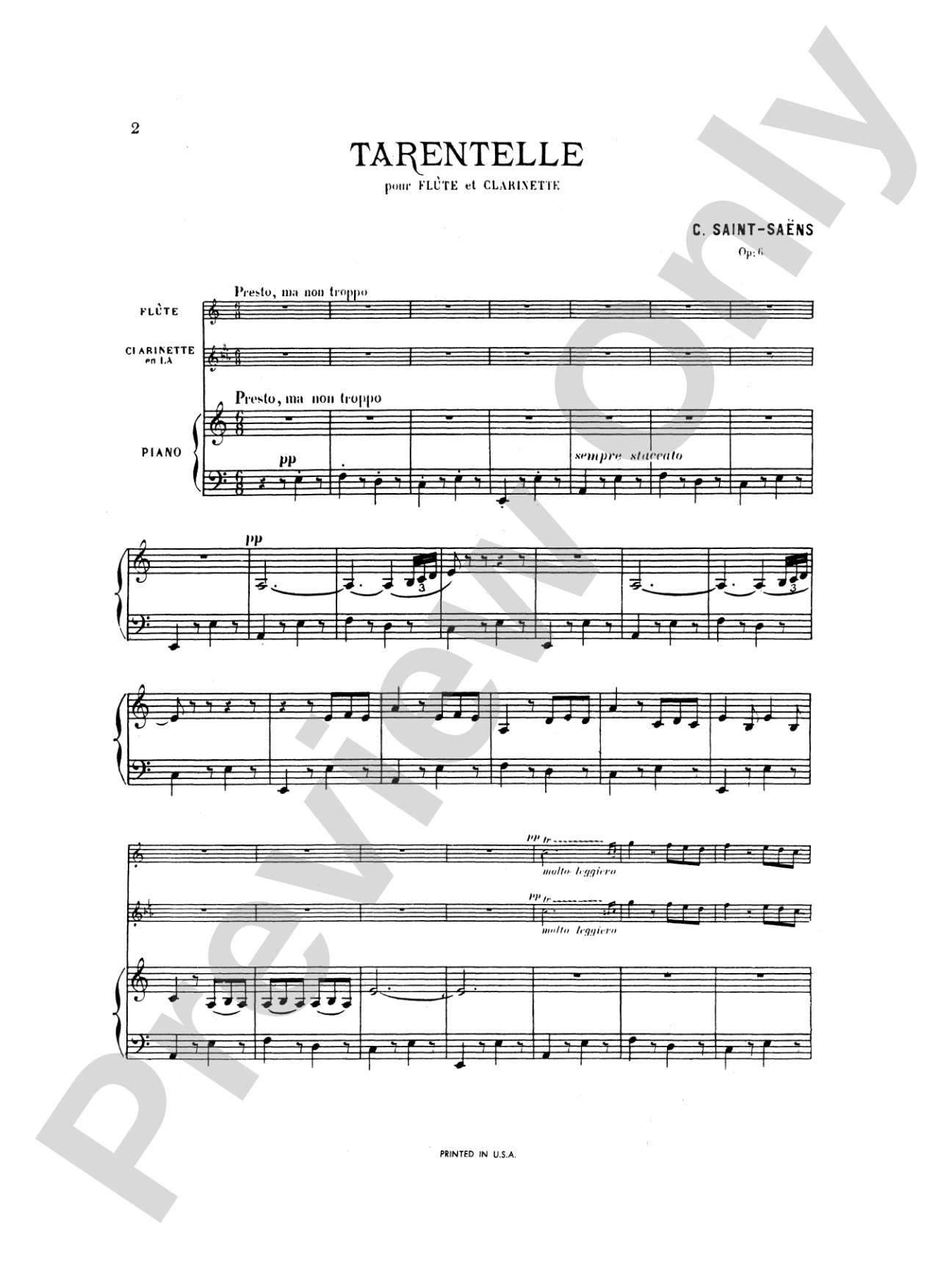
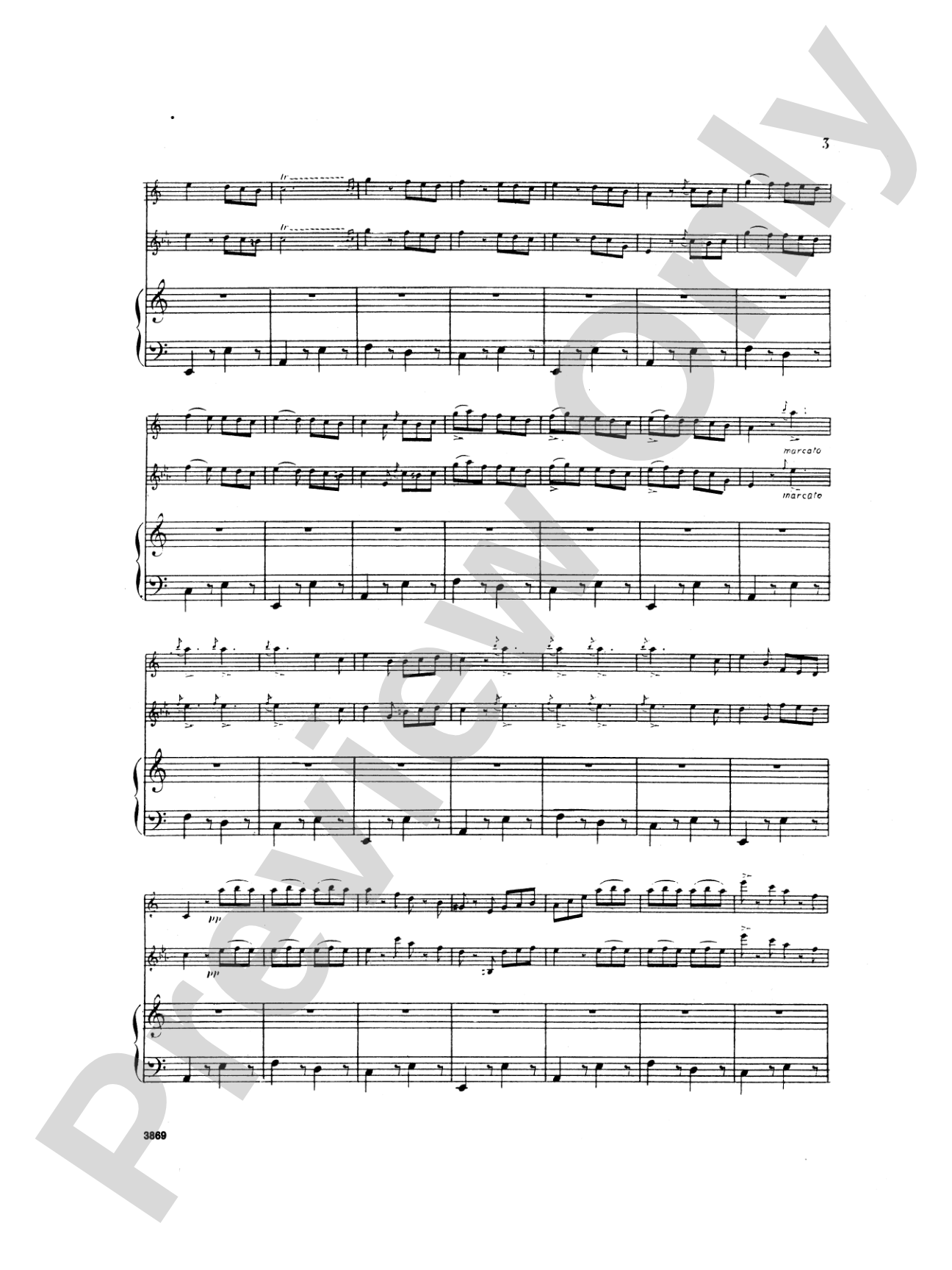
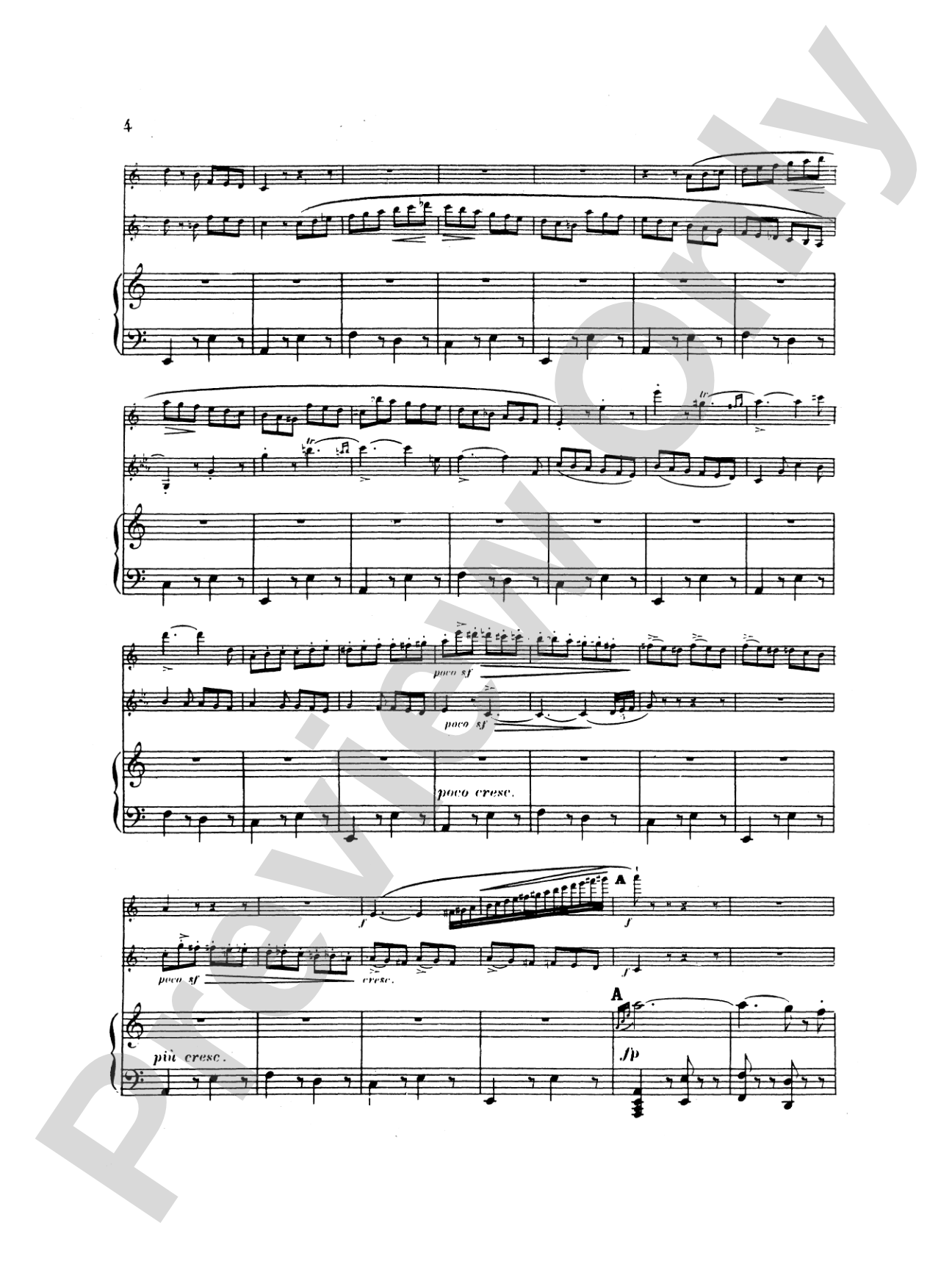
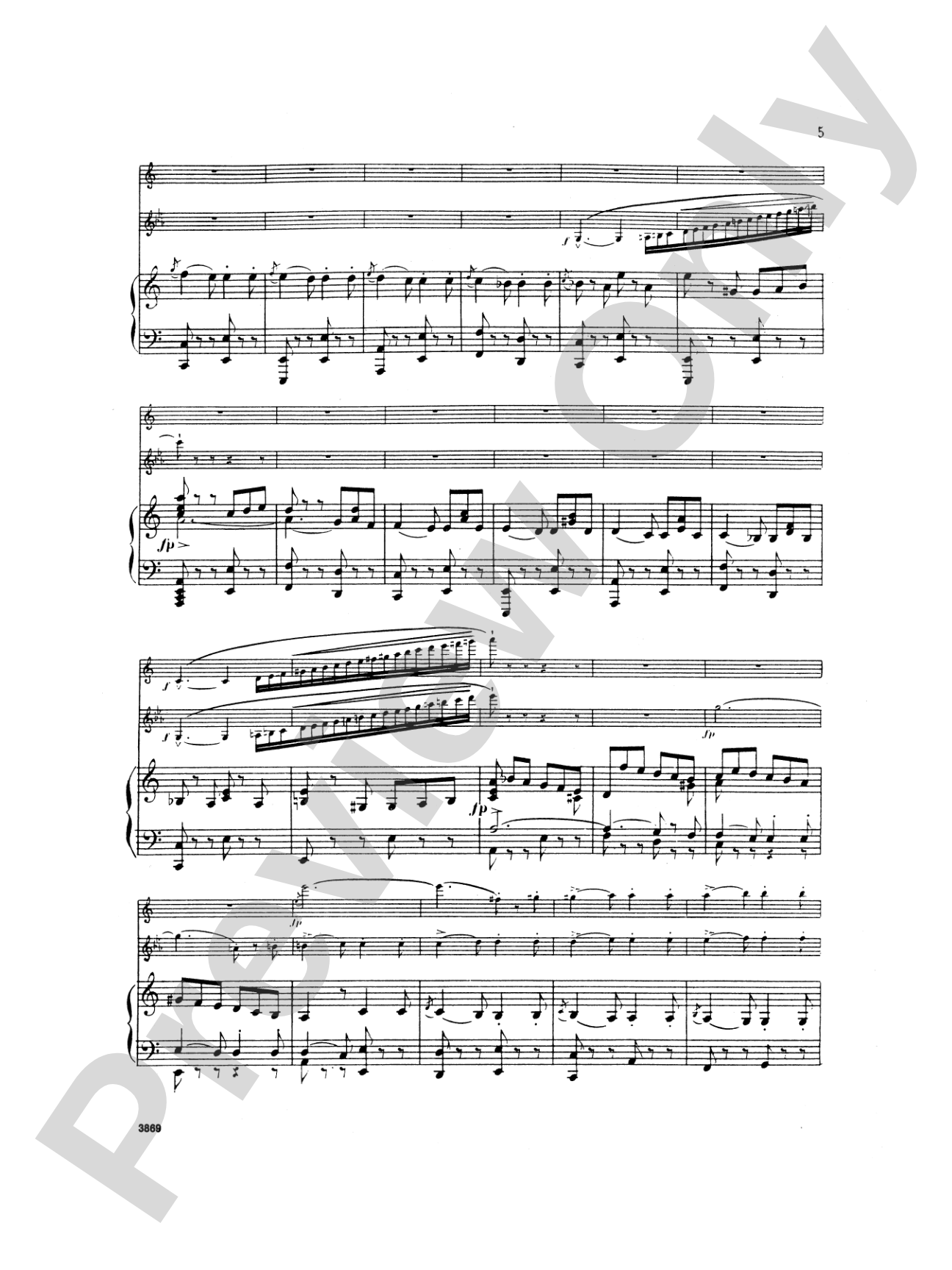
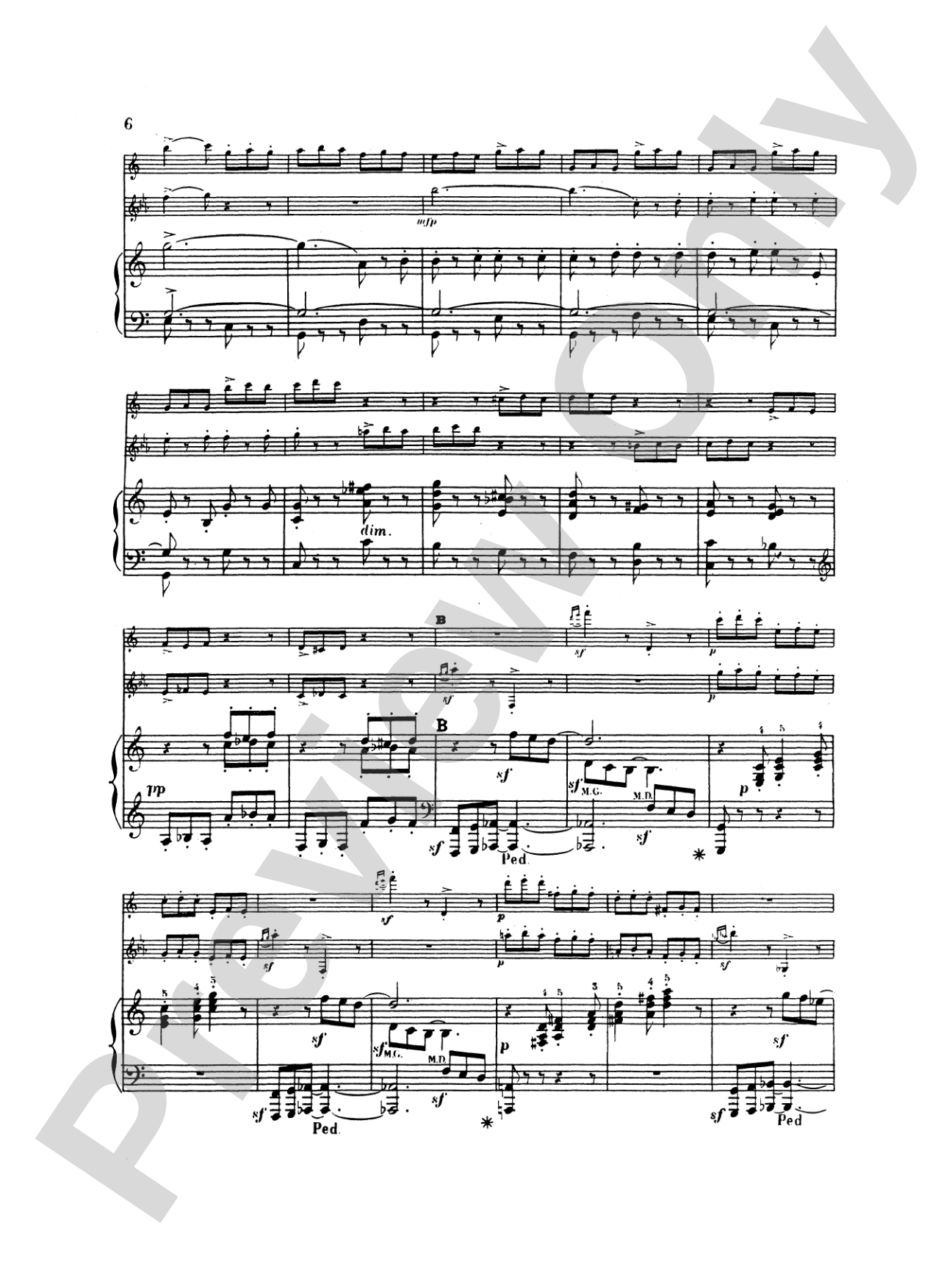
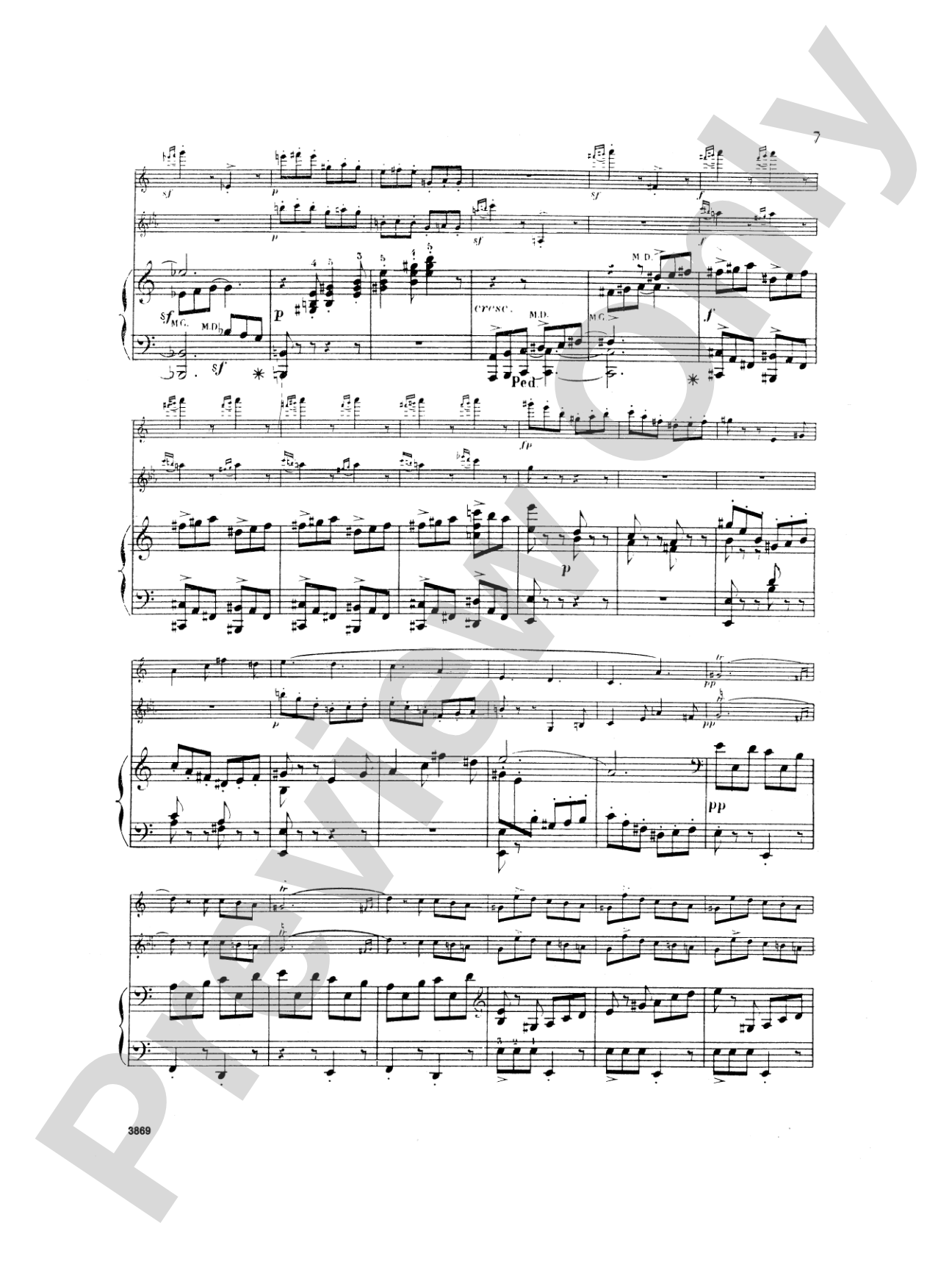
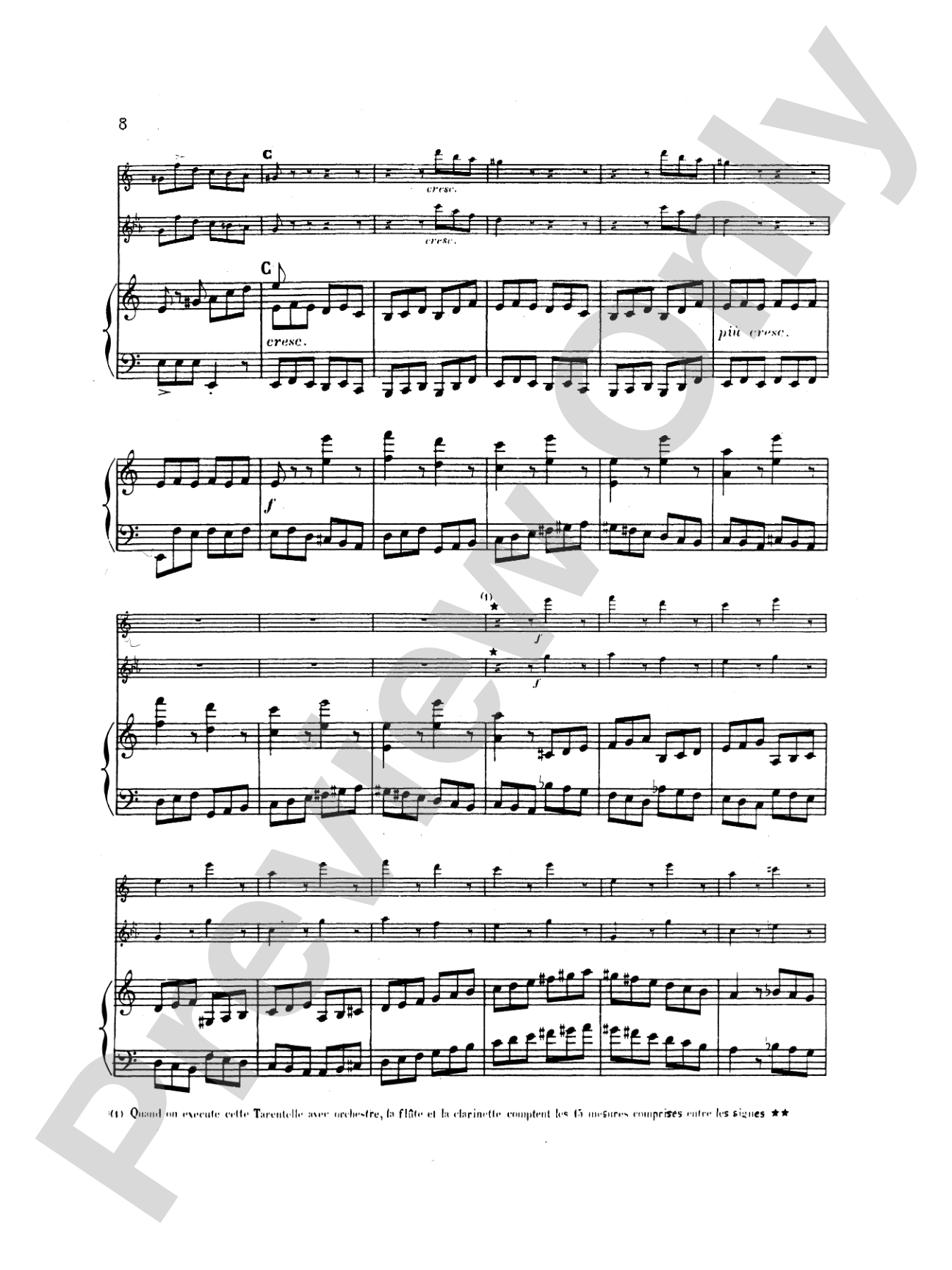
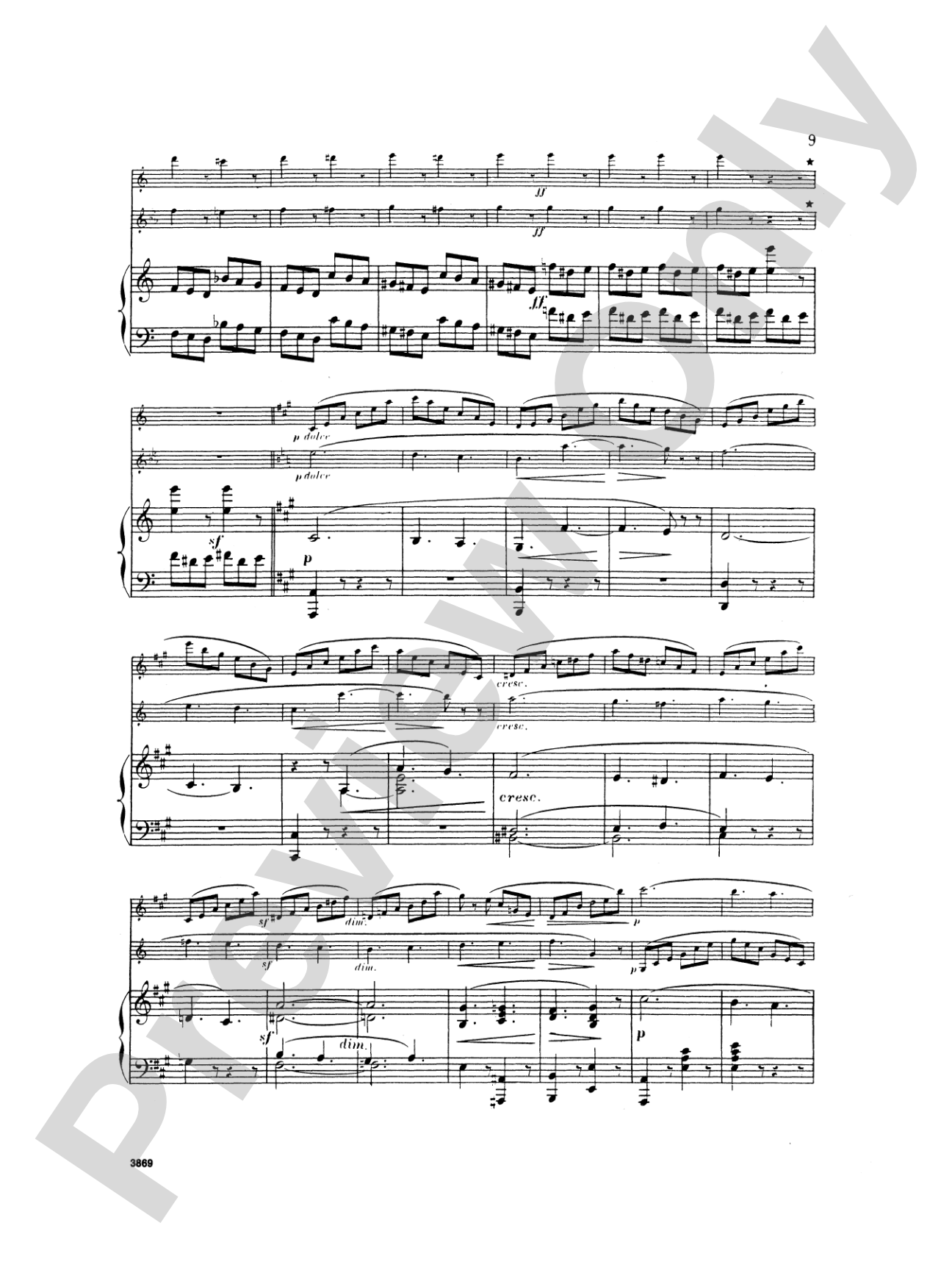
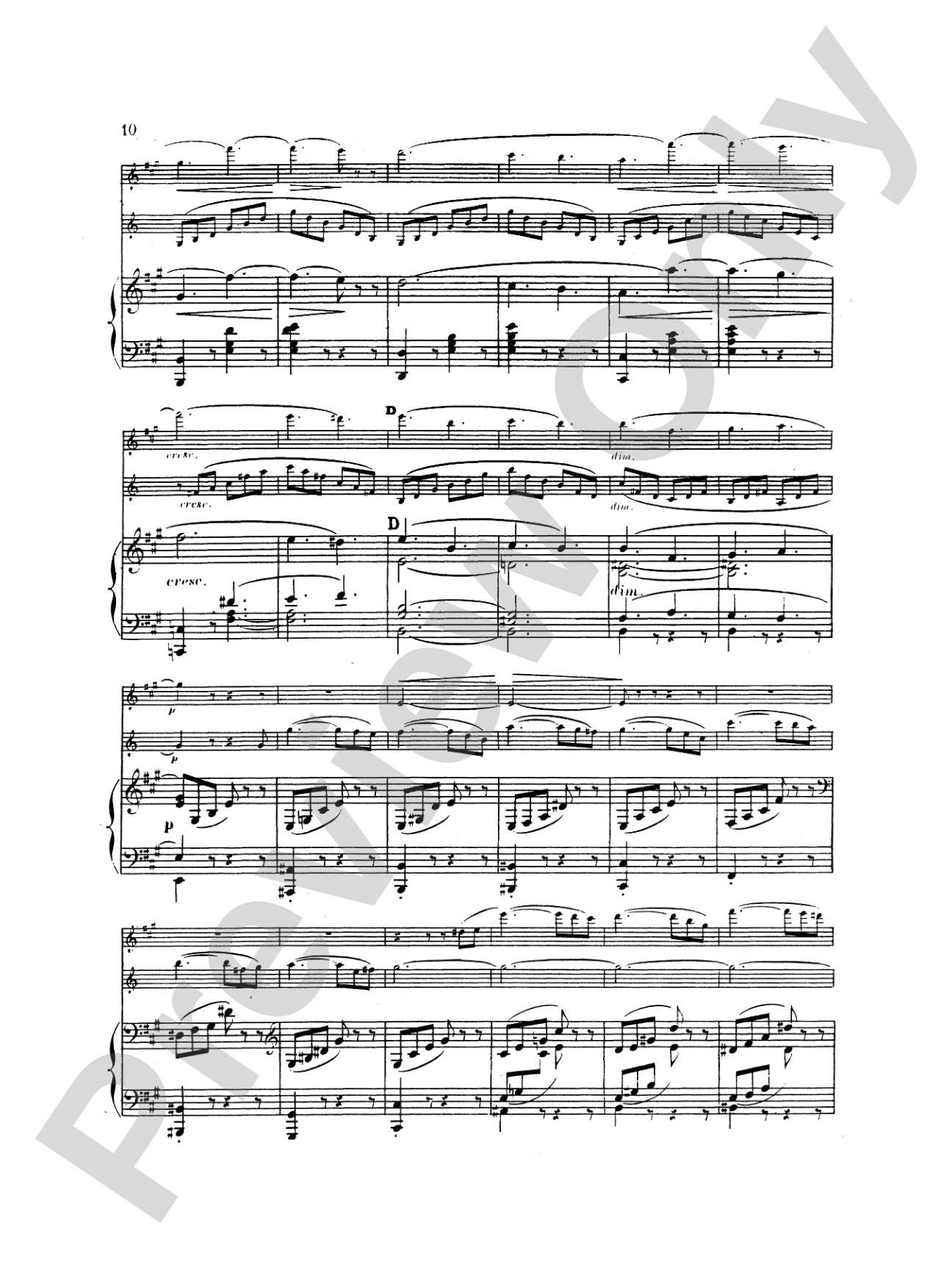
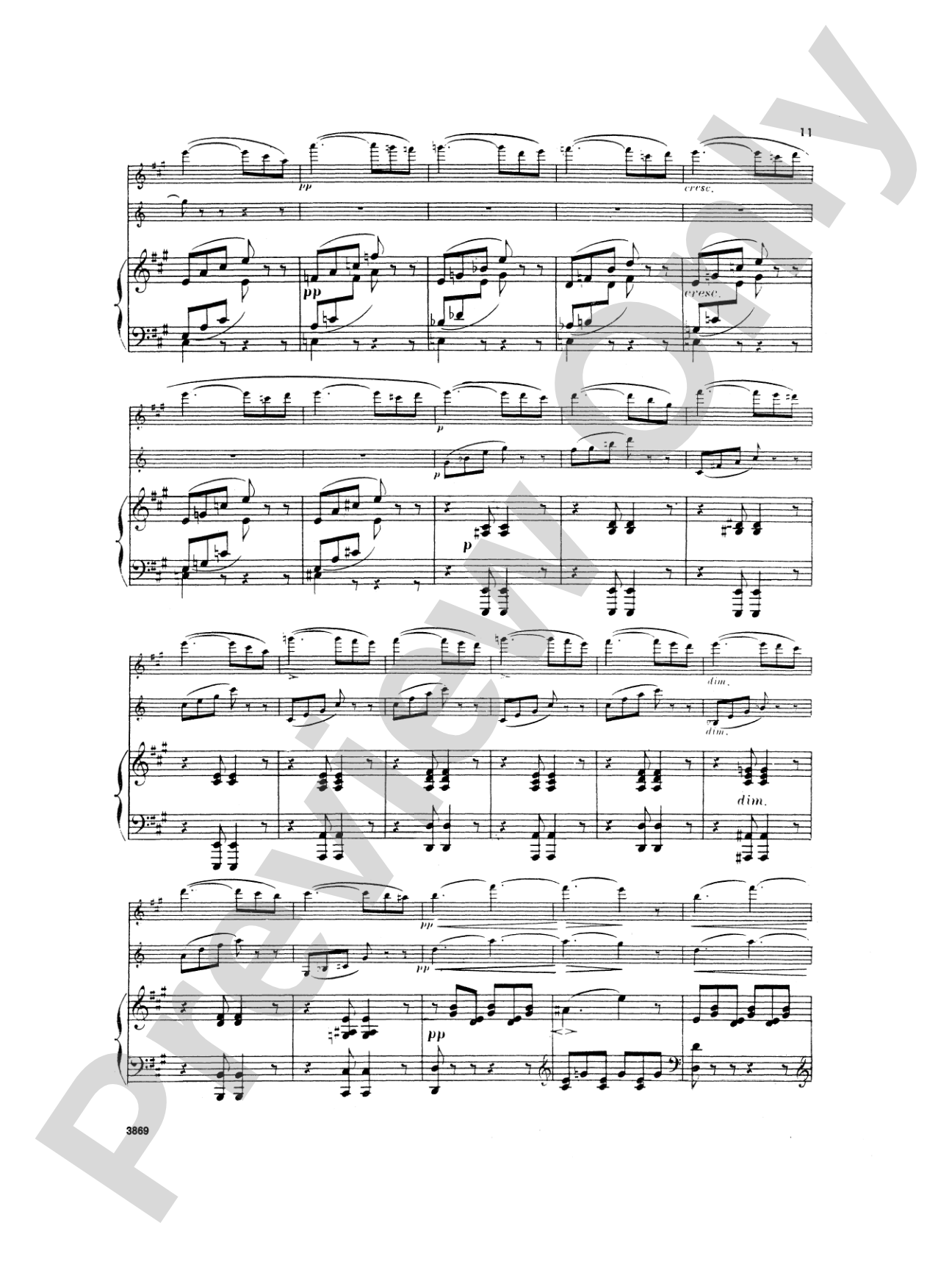
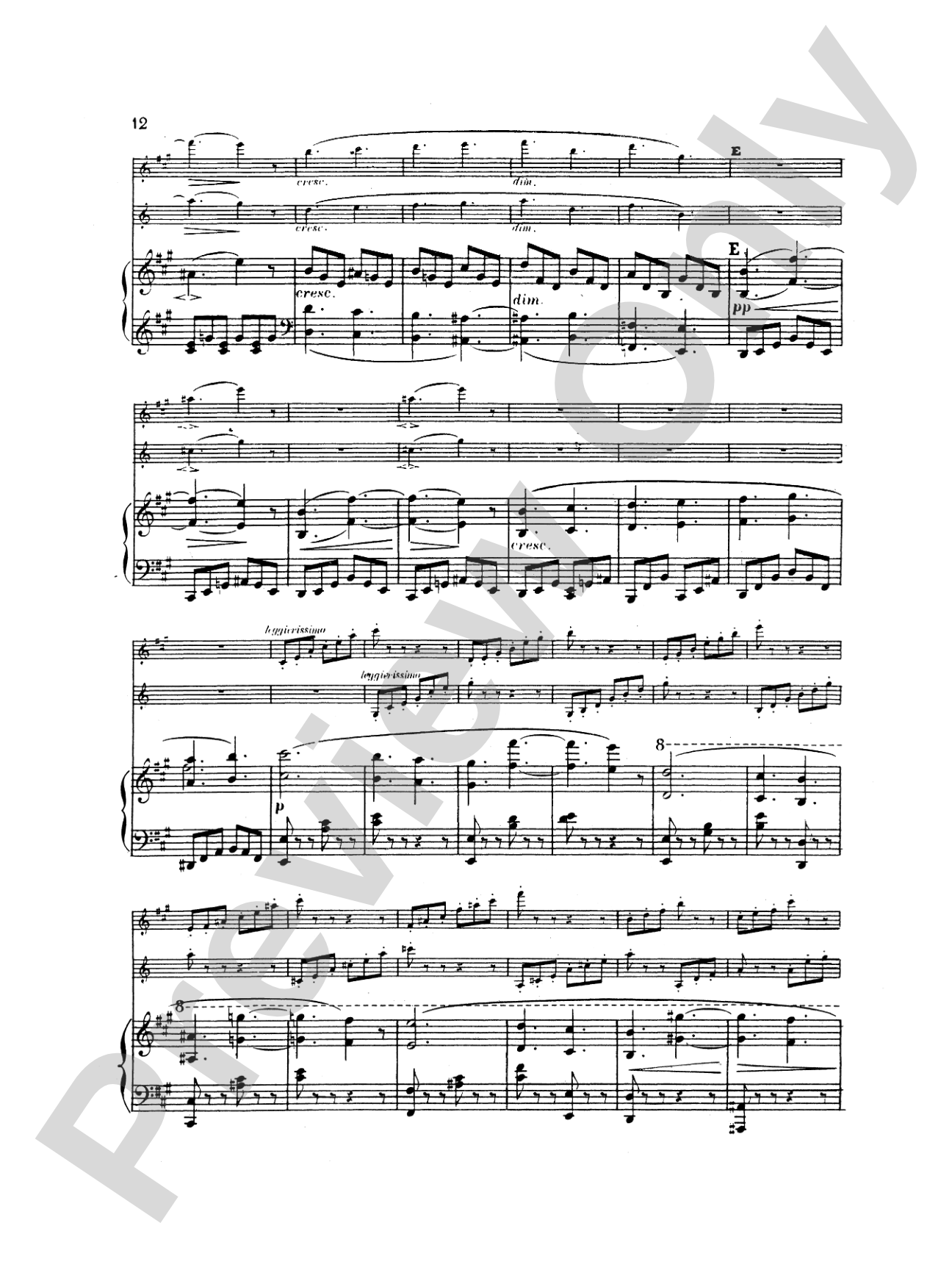
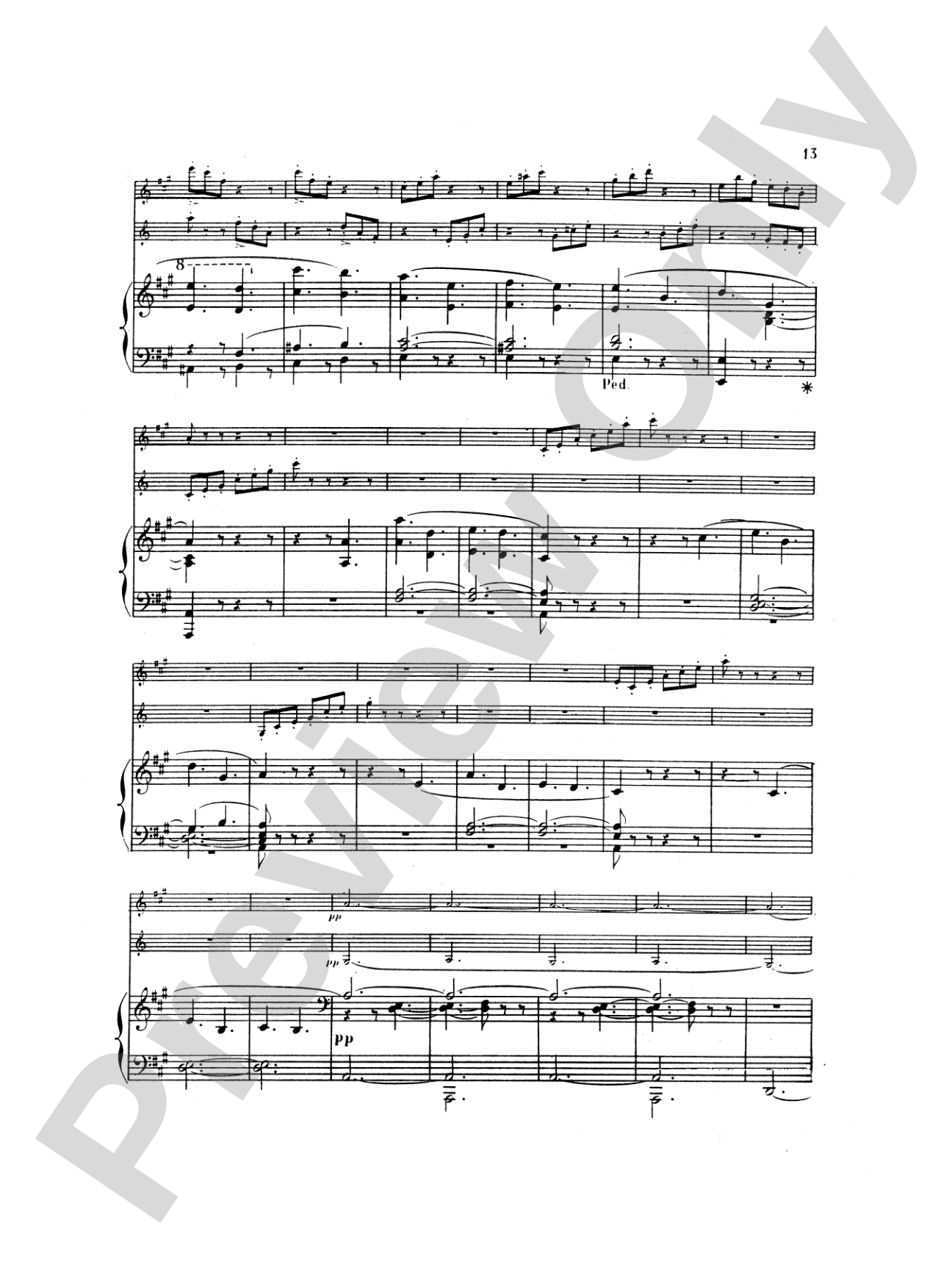
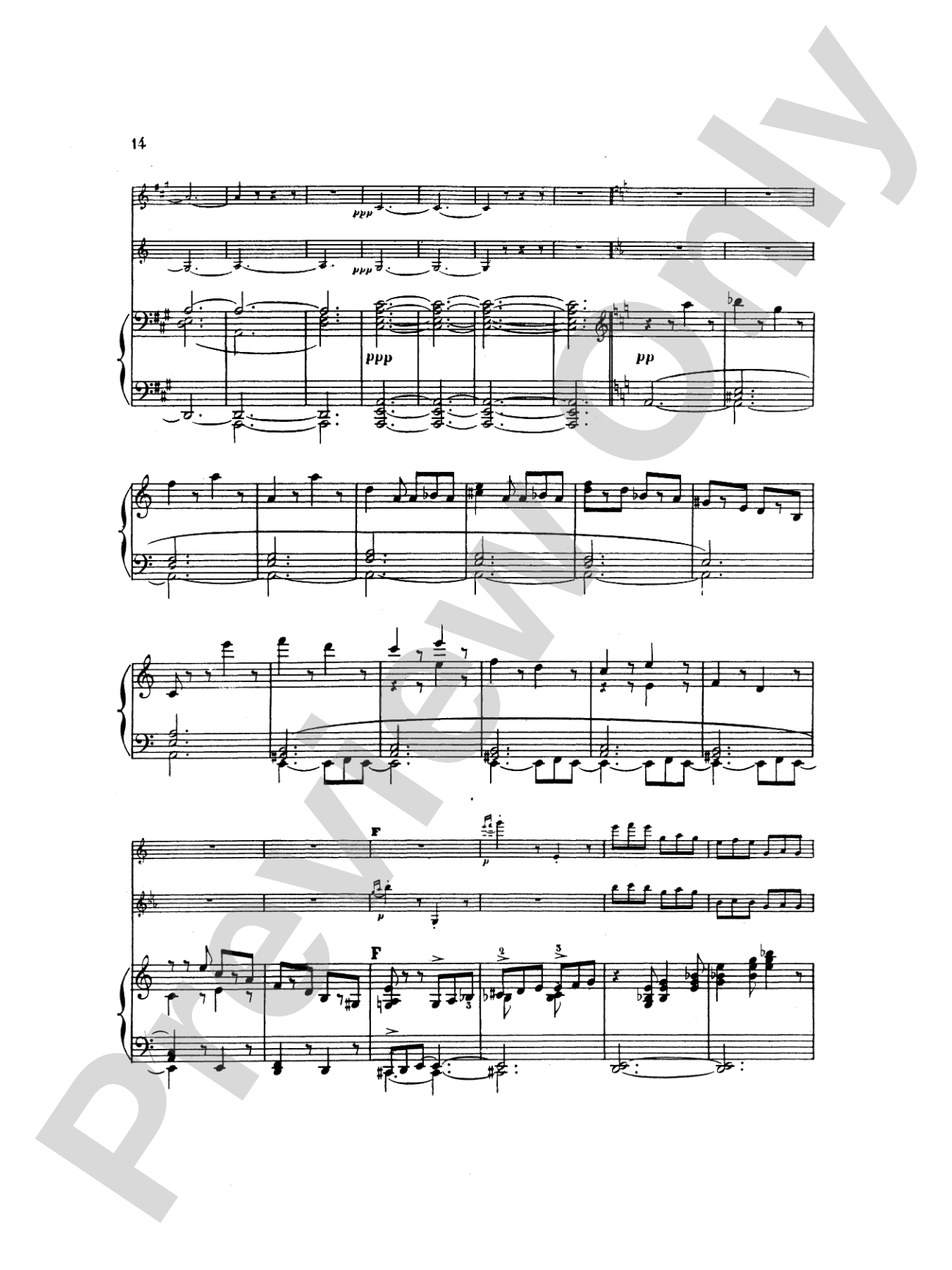
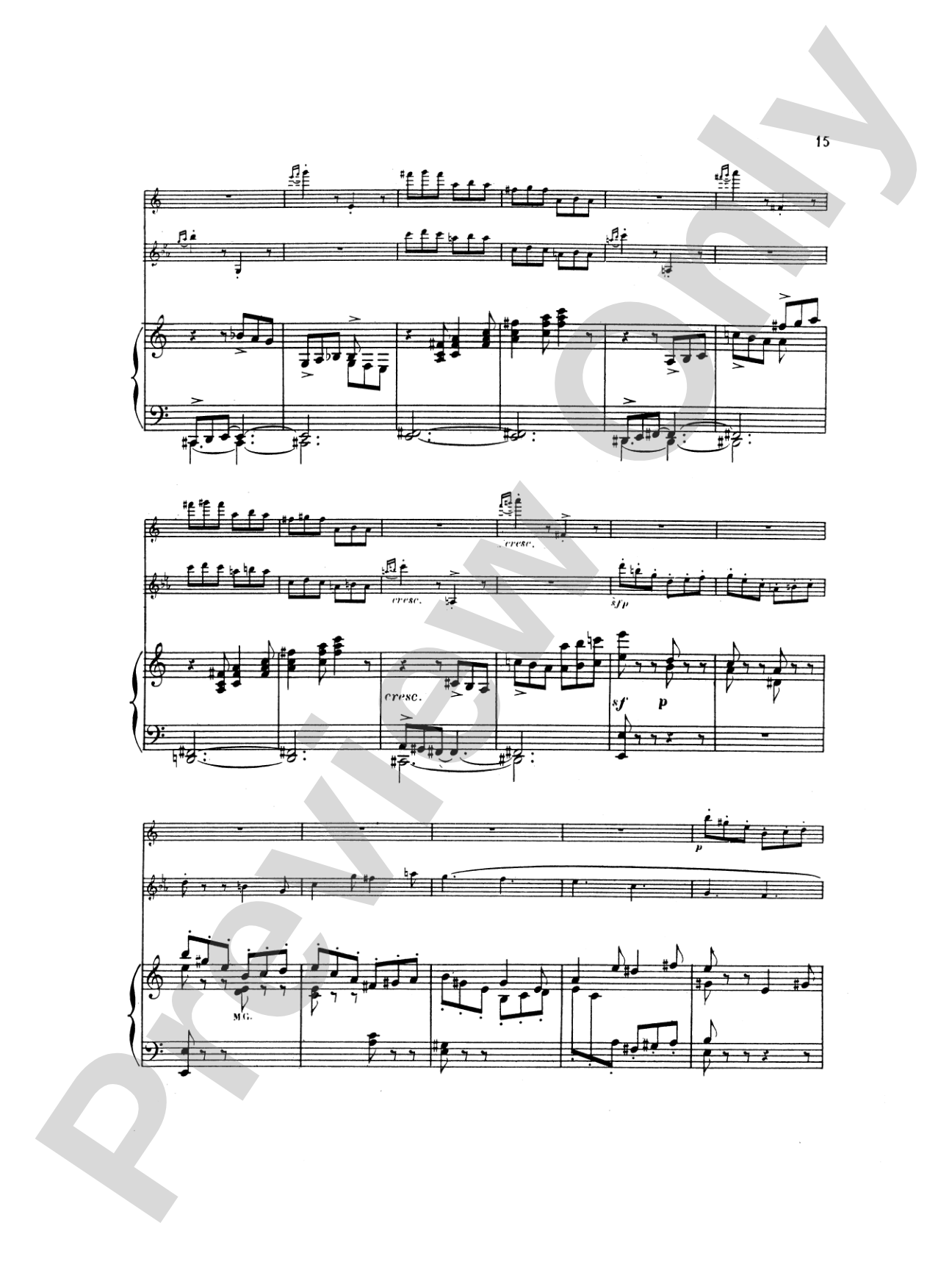
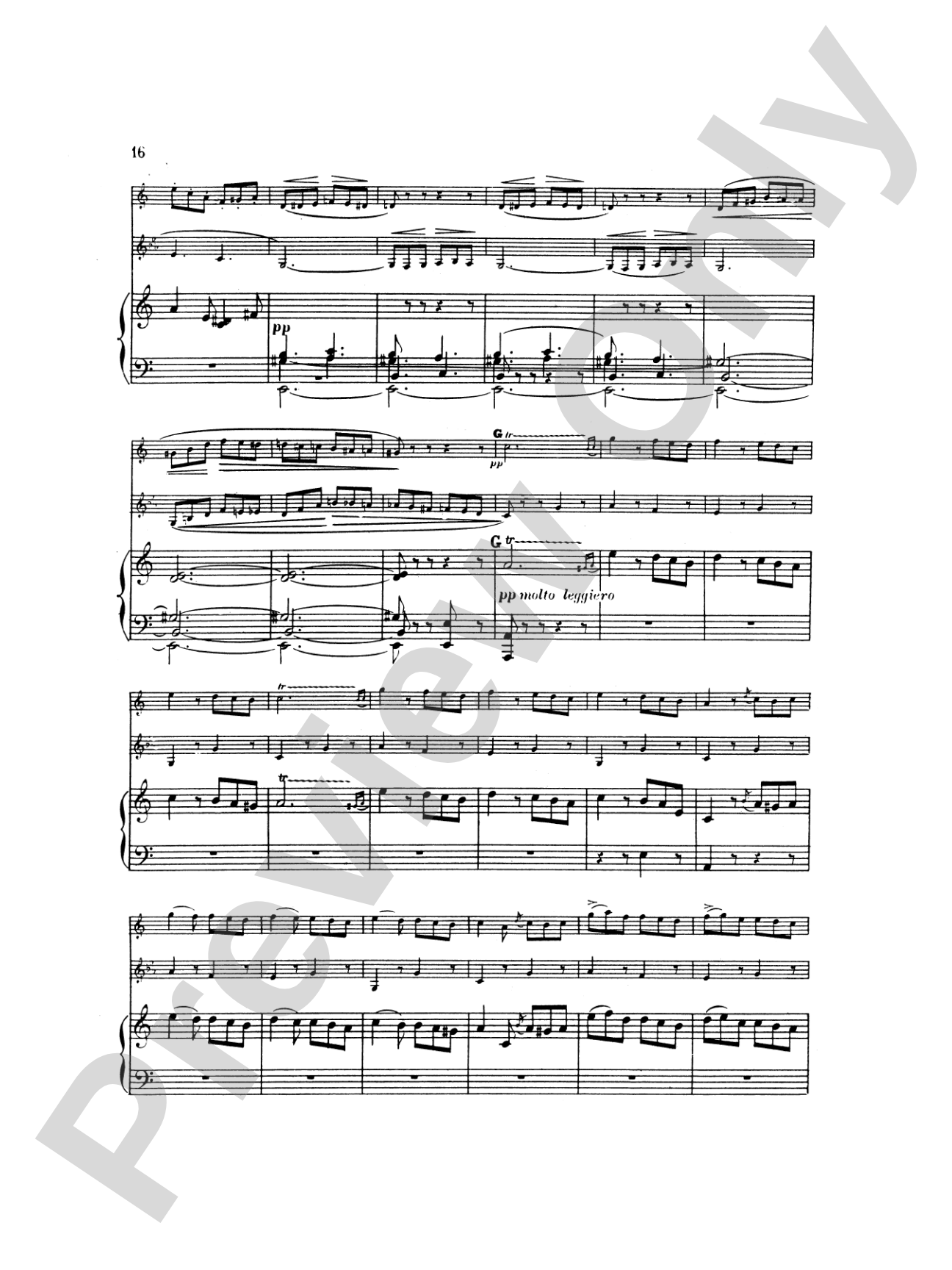
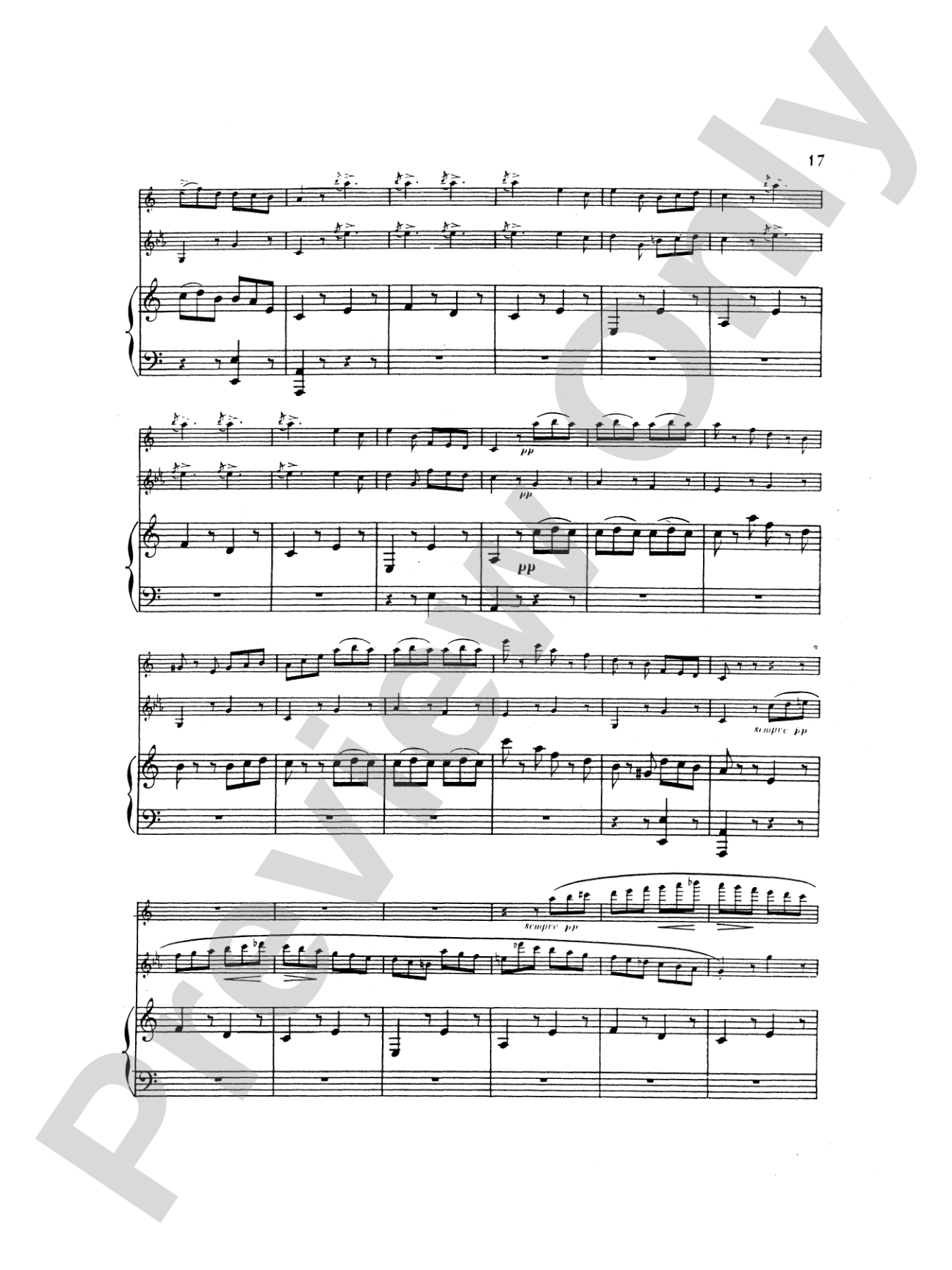
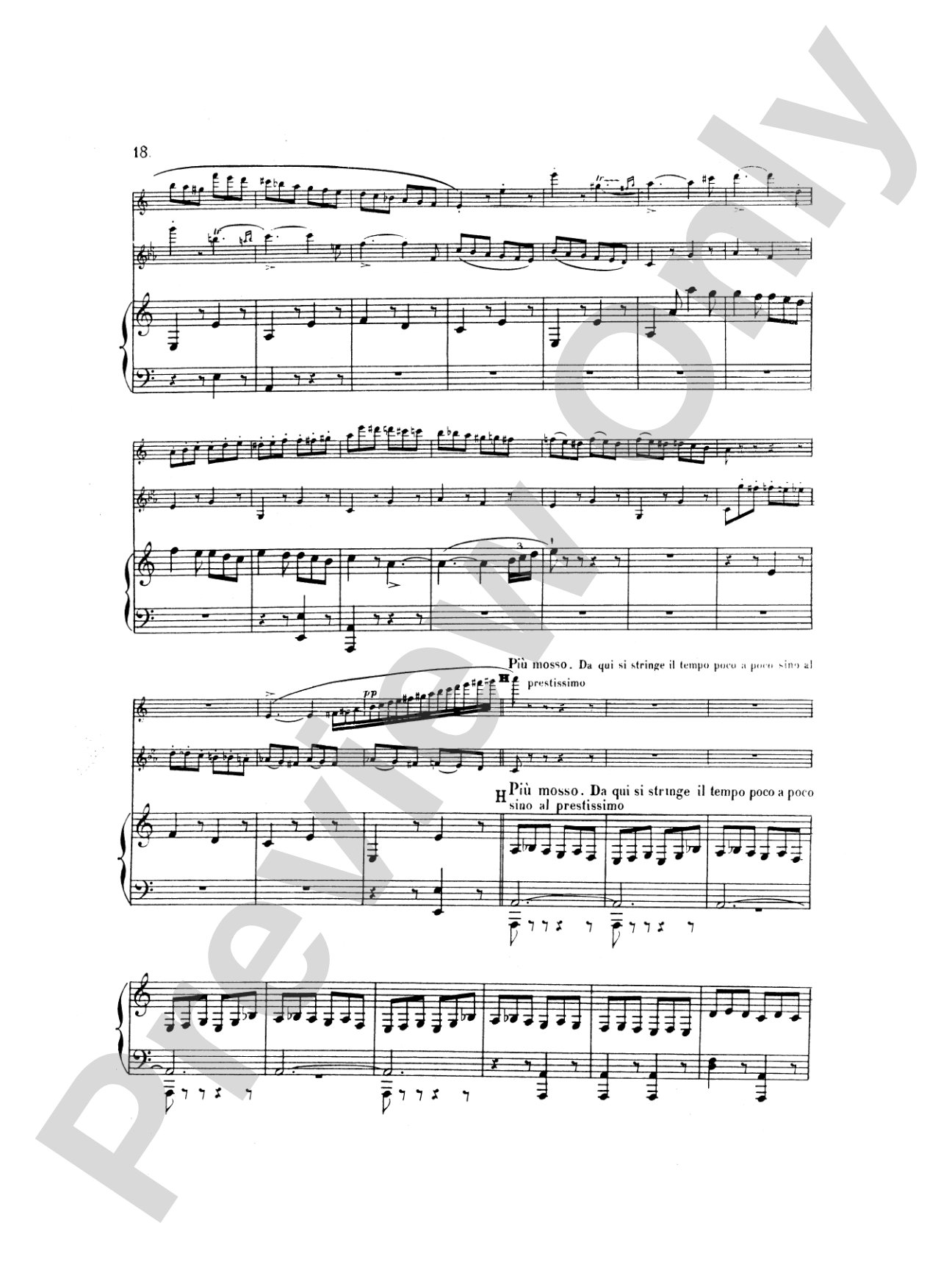
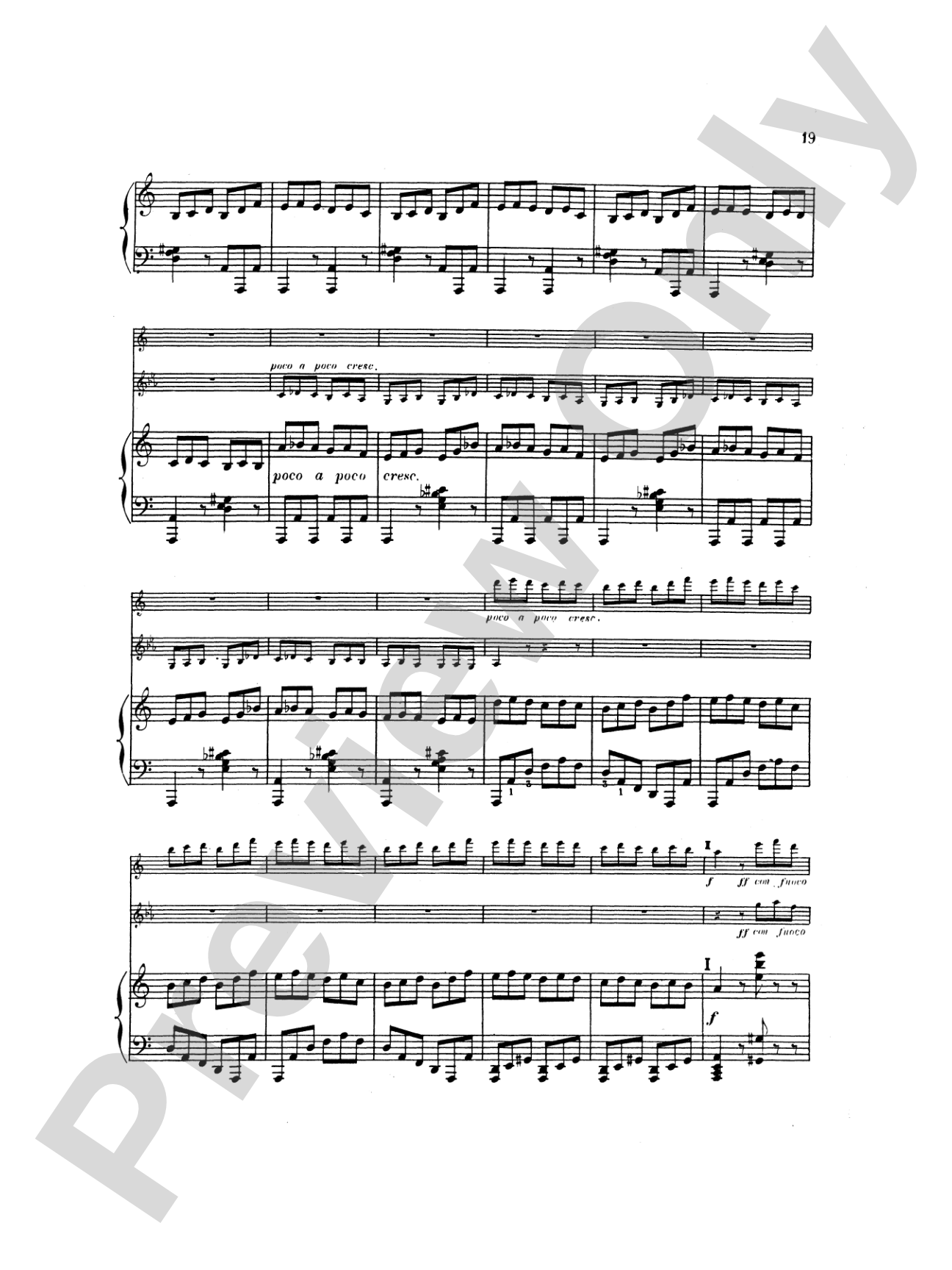
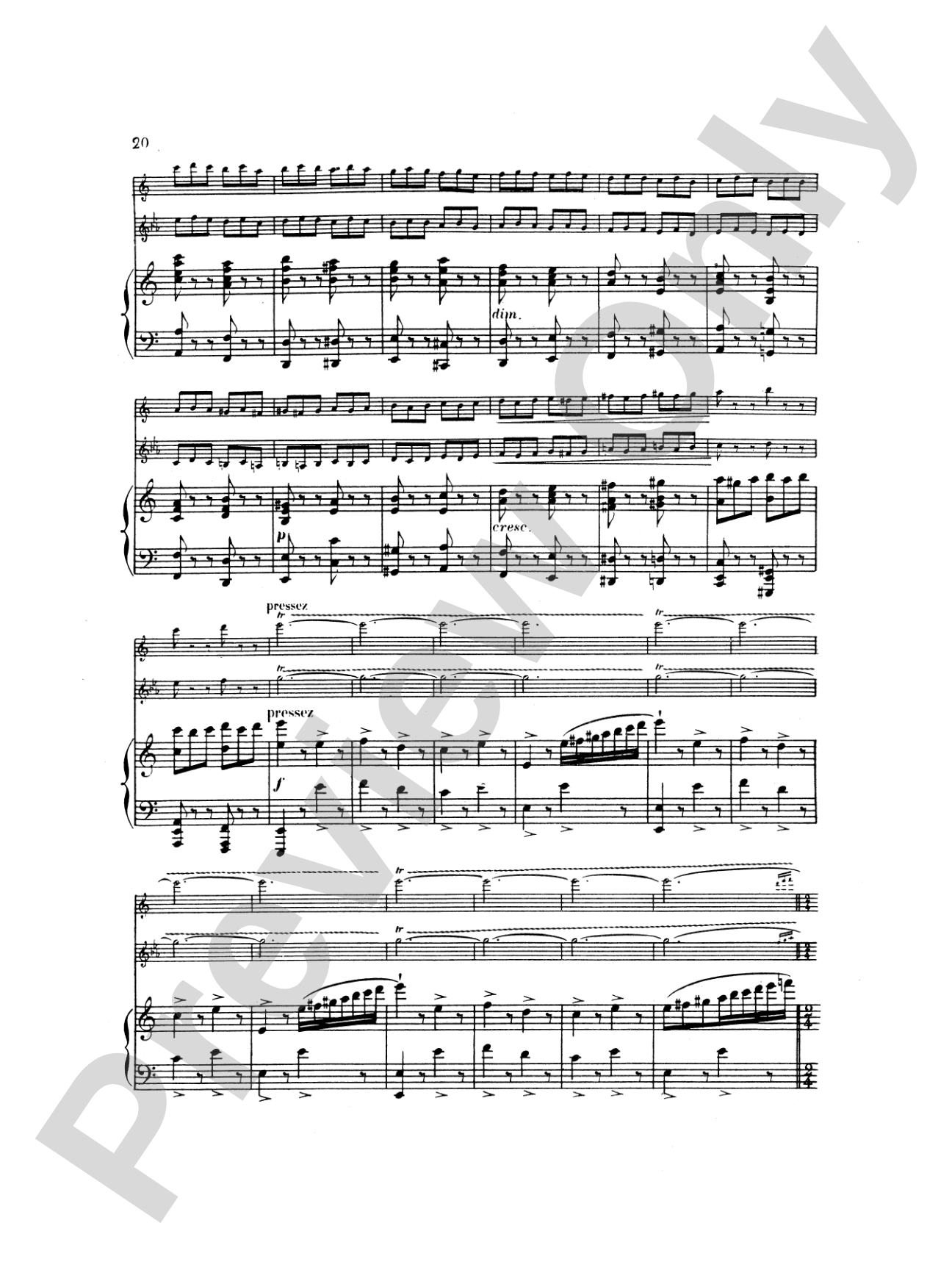
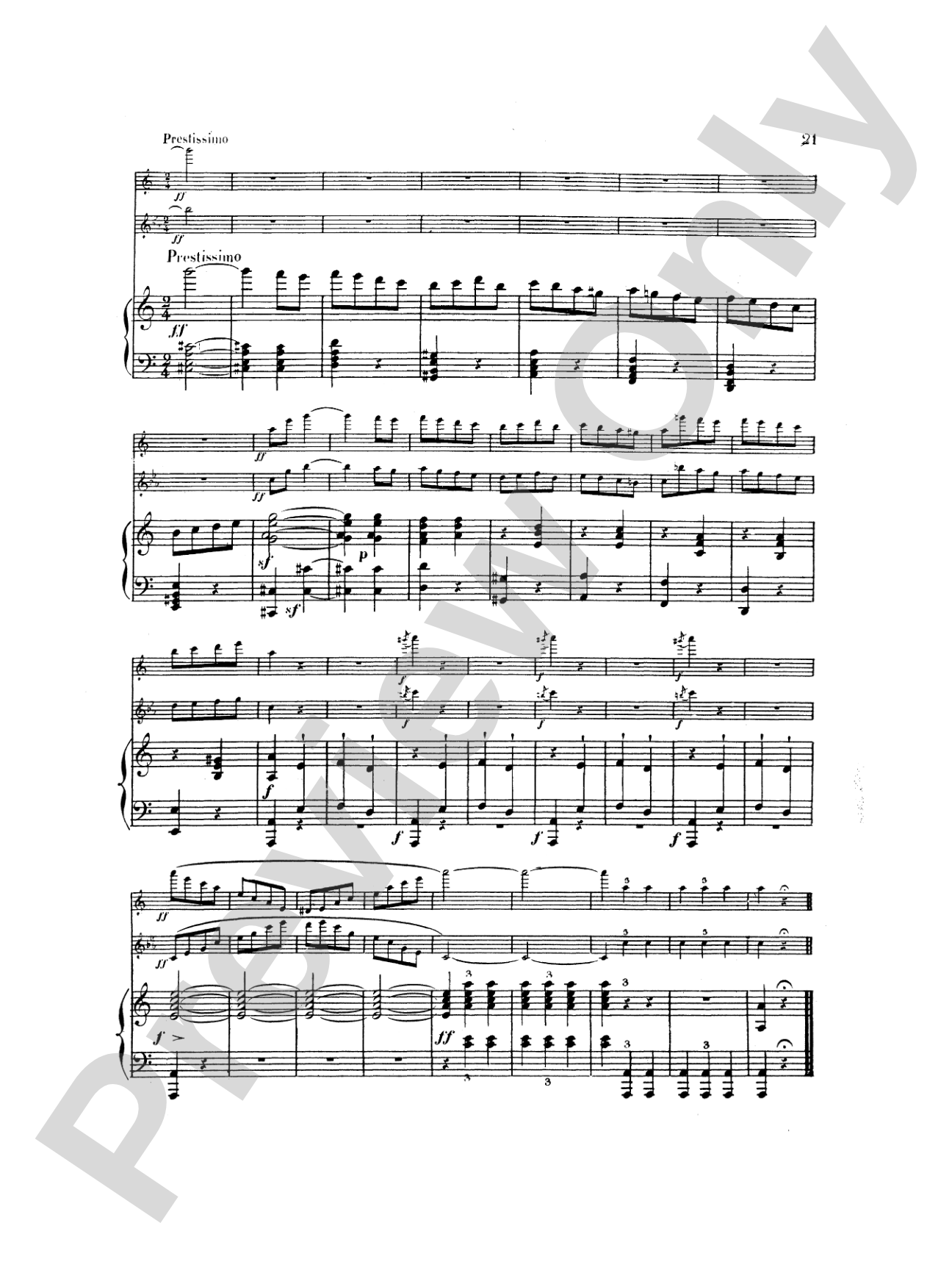




Saint-Saëns: Tarantelle, Op. 6: Chamber Duo Score & Parts
By Camille Saint-Saëns
Item: 00-PK-0003310

$9.95
Pickup currently not available
Parts Added to Cart!
Related Items
Tarantelle, Opus 6: Chamber Duo Score & Parts |
$9.95
|
View |
Description


Don't just read it, hear it, play along with it, and watch your students grow with it. In MakeMusic Cloud, Saint-Saëns: Tarantelle, Op. 6: Chamber Duo Score & Parts comes alive with professional accompaniment, adjustable tempo, and built-in practice tools that turn solo practice into real progress.
Open in the Player
Jump straight in and assign it today.
Start Your Free Trial
Open this title and explore the full library in minutes.
Sample Audio
No sample audio found.
Sample Video
No sample videos found.
Additional Details
Series:
Kalmus Edition
Publisher:
Alfred Music
Page Count:
40
SKU:
00-PK-0003310
Instrumentation:
Flute & Clarinet (with Piano)
More about this title
About the Composer: Camille Saint-Saëns
Camille Saint-Saëns (1835, 1921) was a prolific French composer whose technical mastery and melodic gift made him one of the most performed composers of the Romantic era. His output spanned symphonies, concertos, operas, and chamber works, all marked by structural clarity and instrumental brilliance. Saint-Saëns had a particular gift for writing music that demands virtuosity without sacrificing lyricism, making his works essential repertoire for advancing musicians.
His chamber works reveal a different side from the grand orchestral gestures he's famous for. These pieces showcase his ability to craft intimate, conversational textures while maintaining the elegance and harmonic sophistication that define his style. The Tarantelle sits within a body of duo and chamber writing that demonstrates why Saint-Saëns remained respected by serious musicians throughout his long career.
Why we love this
The Tarantelle's energy and brilliance invite genuine musical dialogue between flute and clarinet, each instrument given equal moments of prominence and support. The work's driving rhythm and dancing melodic lines reward musicians who commit to rhythmic clarity and textural independence, making it a standout choice for chamber ensembles seeking repertoire with both technical substance and immediate appeal.
What to expect
The Tarantelle captures the restless energy of its namesake dance; the music spins forward with infectious rhythm and sparkling clarity. Melodic phrases tumble and interweave with virtuosic flair, creating an atmosphere of breathless elegance and Mediterranean vitality. The work feels both technically demanding and genuinely joyful, balancing virtuosity with warmth.
Who it's for
Advanced high school and college-level flutists and clarinetists who can navigate rapid passagework and respond to chamber ensemble demands. This duet serves pianists seeking meaningful collaborative literature that goes beyond simple accompaniment. Directors programming chamber works for recitals, competitions, or festival performances will find a piece that showcases both individual artistry and ensemble refinement.
How to get the most out of it
- Establish the tarantella rhythm as the foundation: the swinging pulse drives the entire work and must feel organic, not mechanical. Lock this in at slow tempo before adding the melodic lines.
- Clarify the dialogue between flute and clarinet by listening carefully to when you lead and when you accompany. The written parts create a natural conversation; honor it through dynamic shape and phrasing.
- Balance the piano part as true chamber accompaniment, not mere background. The keyboard voice often provides harmonic and rhythmic anchoring that lets the wind players breathe and shape their lines.
- Work the technical passages by isolating them at concert tempo first. Accuracy in rapid figuration allows the performers to find musicality rather than scrambling through notes.
How to use it
Pair this Tarantelle with other Romantic chamber works to showcase Saint-Saëns' chamber music legacy on a concert program. It serves equally well as a recital showcase for flute and clarinet duos, offering substantial musical weight in a compact, engaging package. The work's relatively brief duration makes it an ideal pairing with a longer suite or multi-movement work.
Skills your students will build
- Ensemble interdependence and shared leadership within a chamber setting
- Fast articulation and finger work in rapid sixteenth-note passages
- Stylistic interpretation of Romantic-era dance forms
- Balance and blend between flute and clarinet across different registers
- Reading and responding to a written score that frequently trades melodic material