
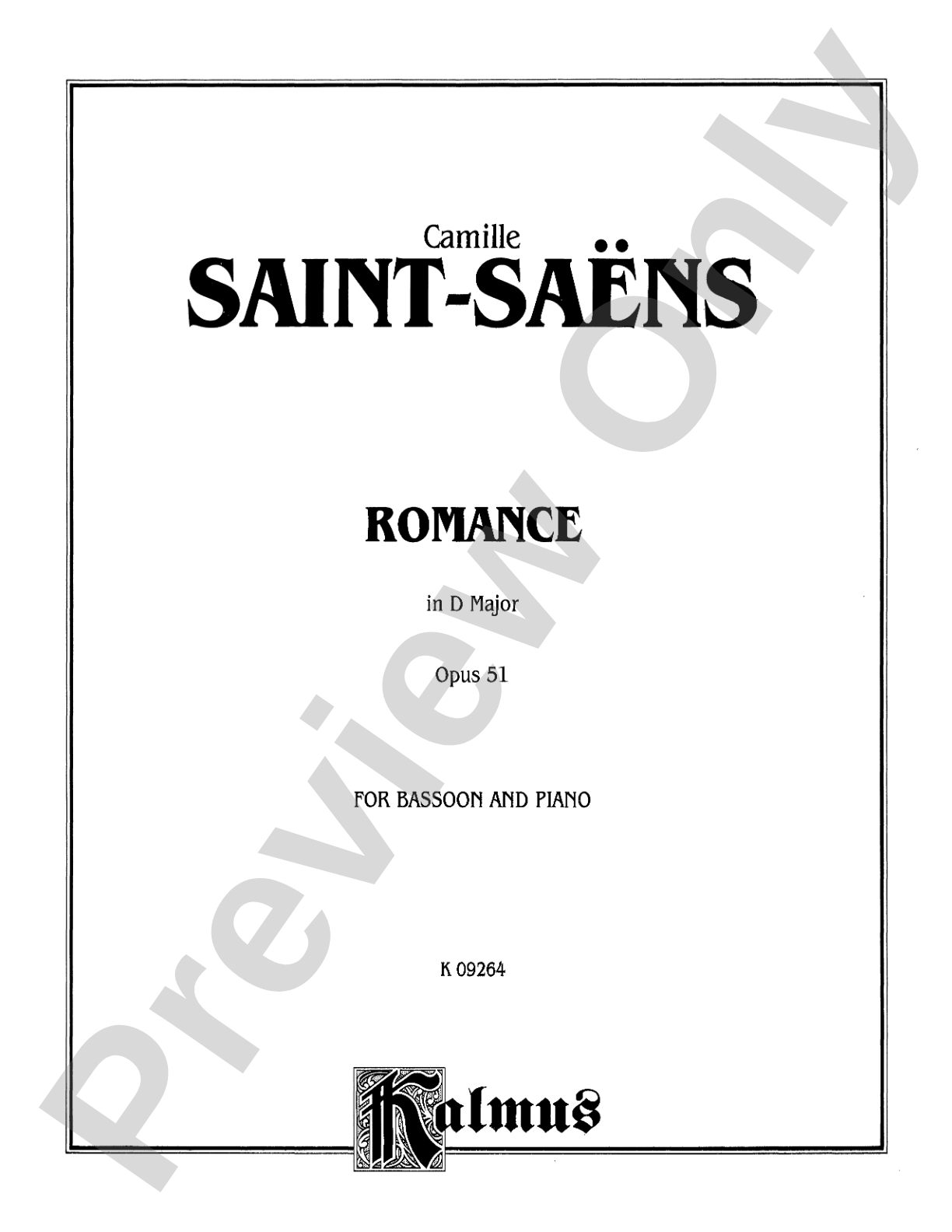

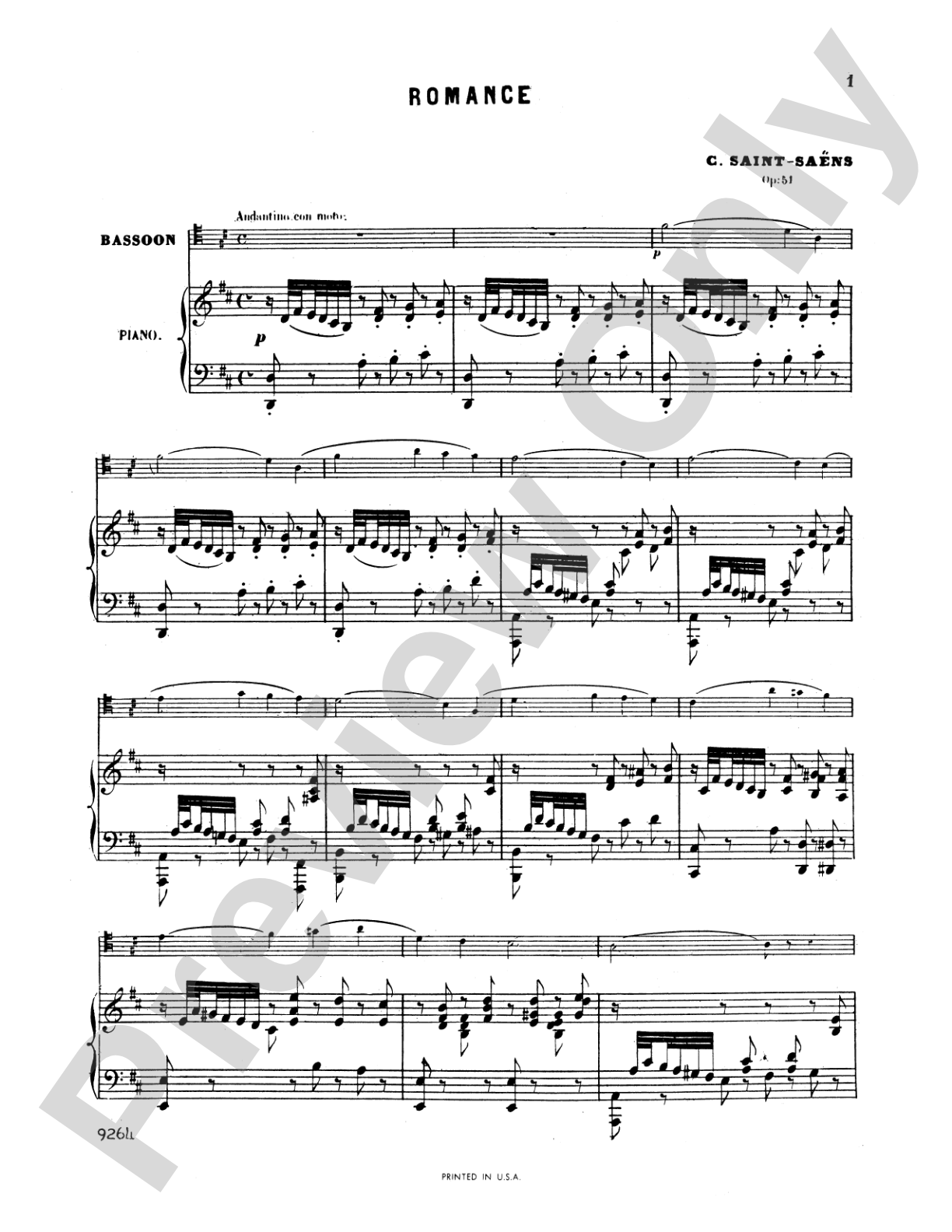
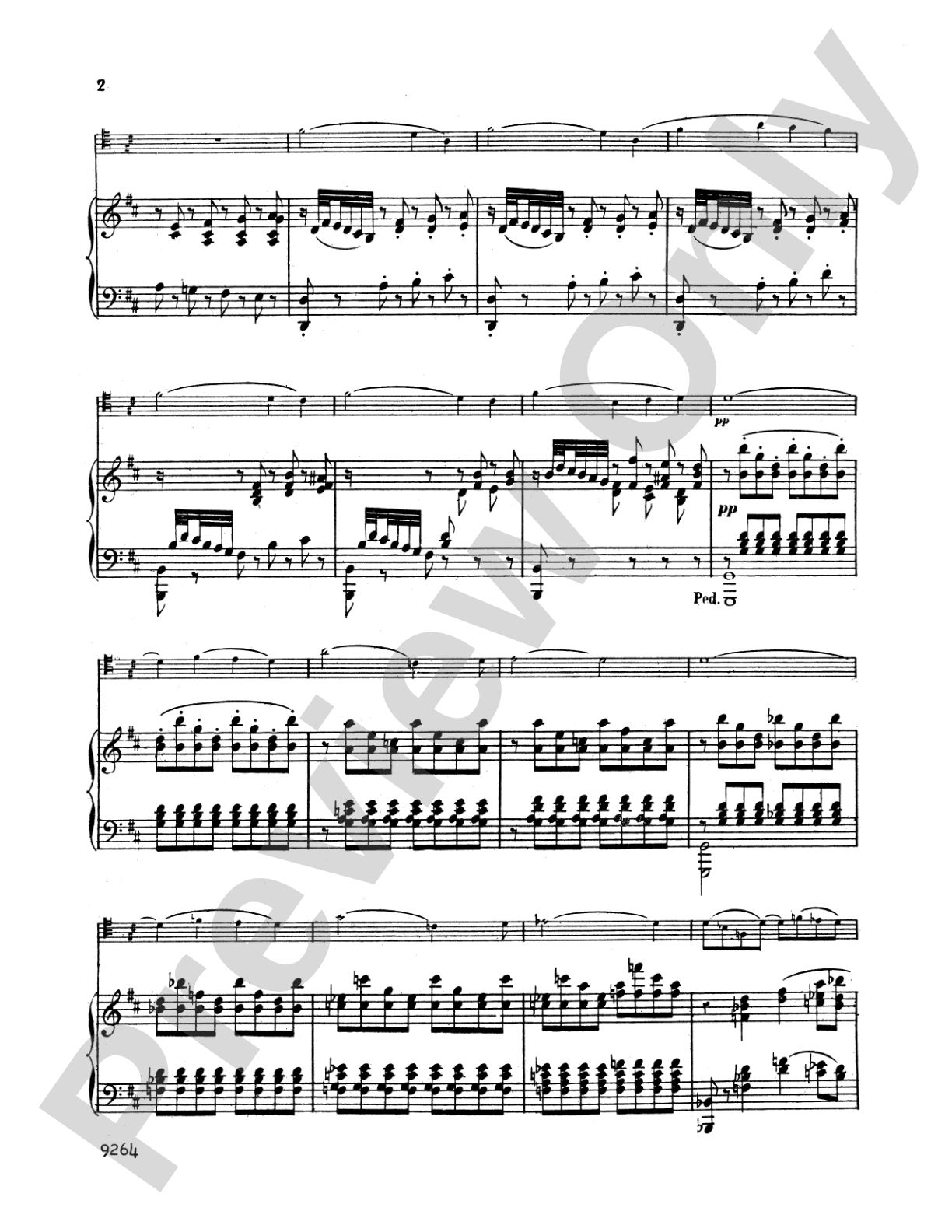
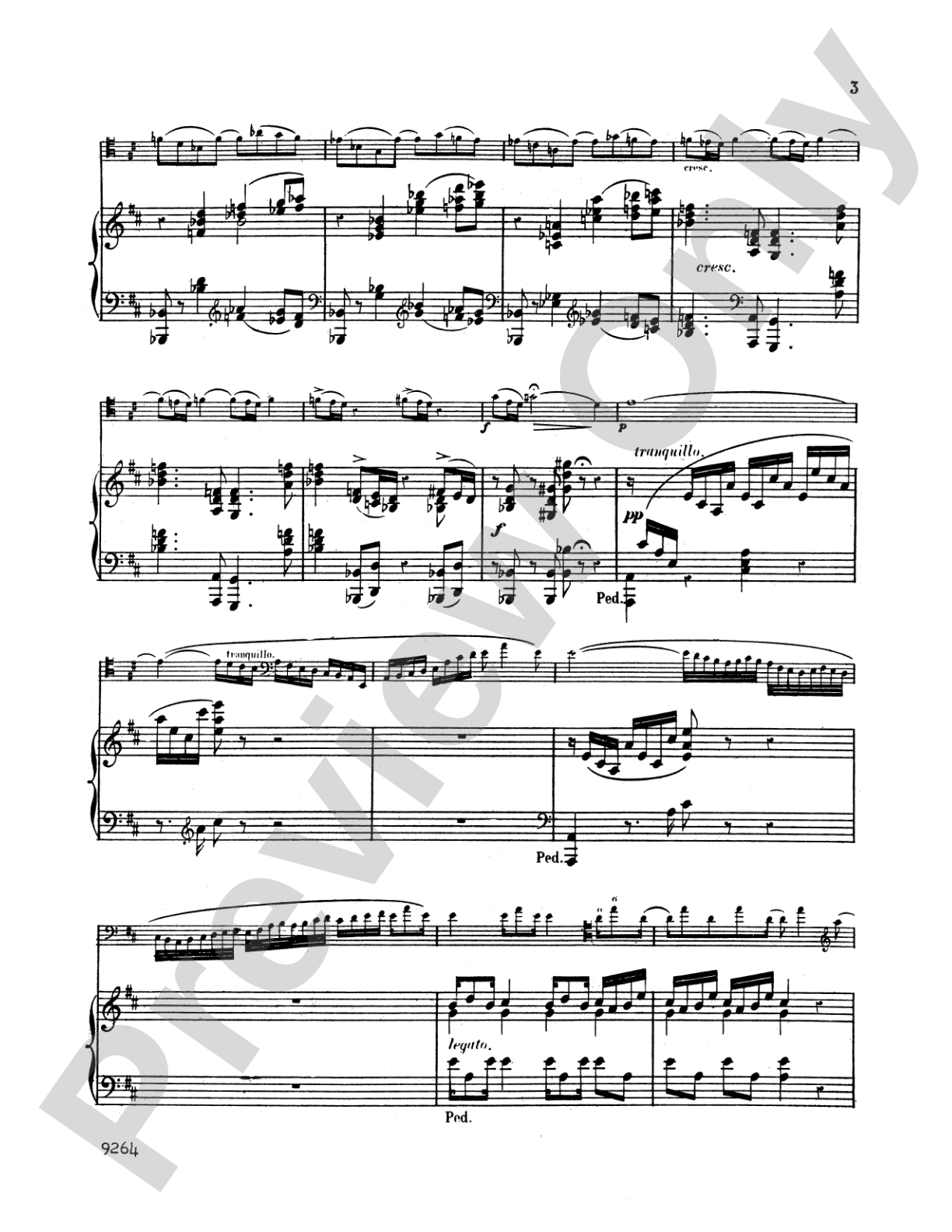
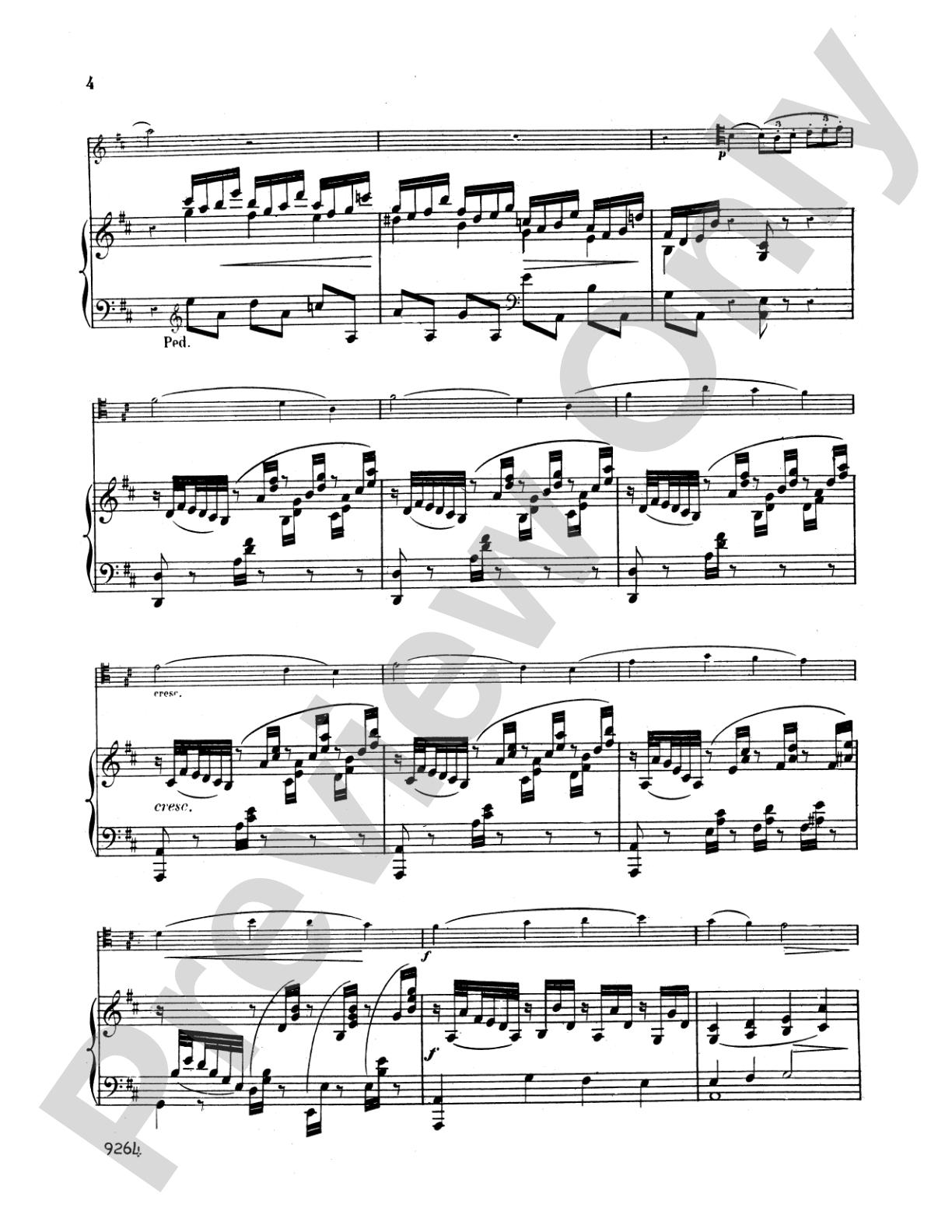
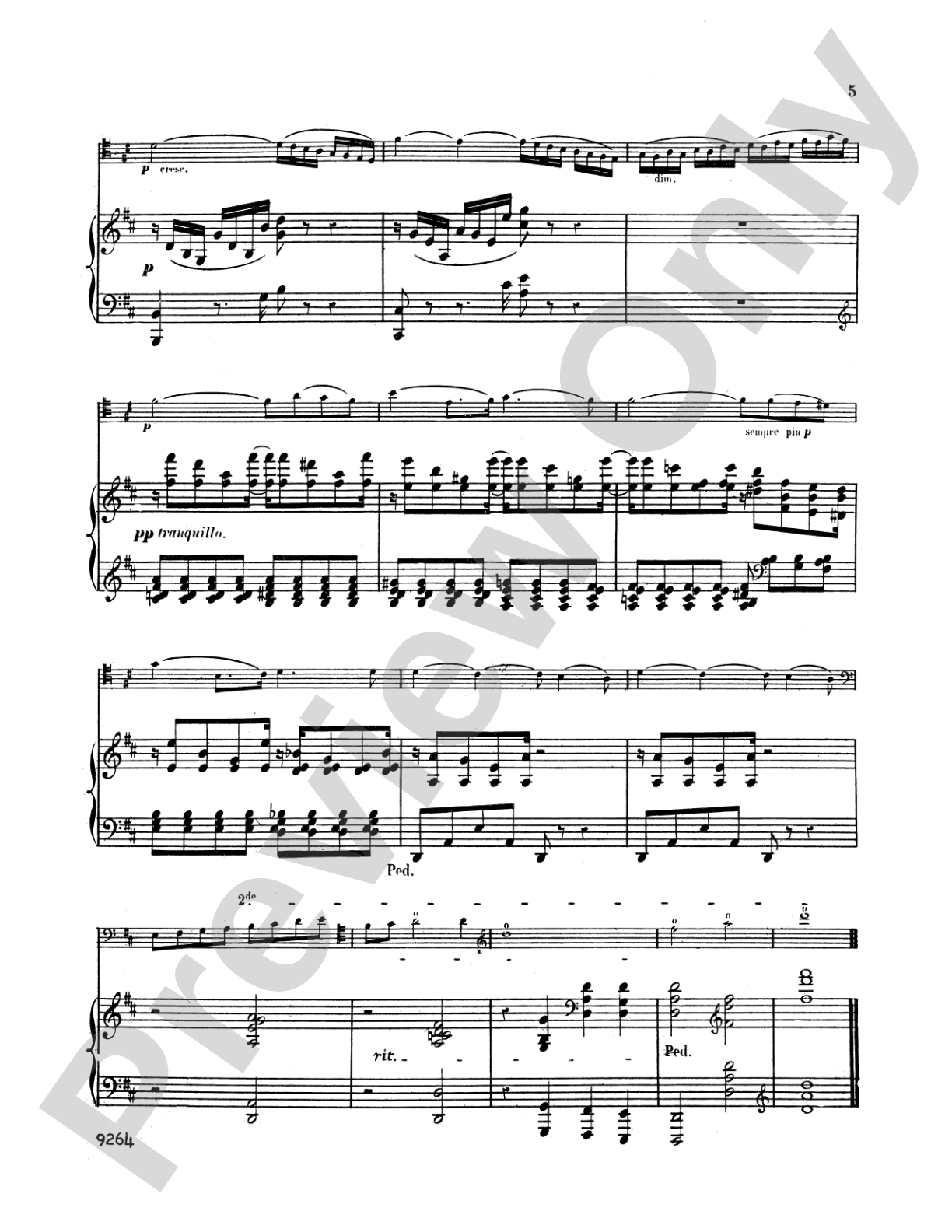


Saint-Saëns: Romance in D Major, Op. 51: Bassoon & Piano Part(s)
By Camille Saint-Saëns
Item: 00-PK-0003727

$6.99
Pickup currently not available
Buy Extra Parts (Digital PDF Download)
| Product | Price | Quantity |
|---|---|---|
| Saint-Saëns: Romance in D Major, Op. 51 | $5.99 |
Parts Added to Cart!
Related Items
Romance in D Major, Opus 51: Bassoon & Piano Part(s) |
$6.95
|
View |
Description
A Basson solo with Piano Accompaniment composed by Camille Saint-Saëns.


Don't just read it, hear it, play along with it, and watch your students grow with it. In MakeMusic Cloud, Saint-Saëns: Romance in D Major, Op. 51: Bassoon & Piano Part(s) comes alive with professional accompaniment, adjustable tempo, and built-in practice tools that turn solo practice into real progress.
Open in the Player
Jump straight in and assign it today.
Start Your Free Trial
Open this title and explore the full library in minutes.
Sample Audio
No sample audio found.
Sample Video
No sample videos found.
Additional Details
Series:
Kalmus Edition
Publisher:
Alfred Music
Page Count:
10
SKU:
00-PK-0003727
Instrumentation:
Bassoon & Piano
More about this title
About the Composer: Camille Saint-Saëns
Camille Saint-Saëns (1835-1921) was a French composer, organist, and pianist whose prolific output spanned nearly every musical genre. Known for his technical mastery and gift for memorable melody, Saint-Saëns bridged Romantic lyricism with classical form, creating works that remain central to concert life and music education. His chamber and solo repertoire showcases his deep understanding of instrument capabilities.
Beyond composition, Saint-Saëns was an influential teacher and advocate for new music, championing younger composers while building a catalogue that includes three symphonies, concertos for virtually every major instrument, operas, and a vast collection of character pieces and salon works. His Romance in D Major represents the kind of accessible yet refined writing that made his music beloved across Europe and remains standard repertoire for aspiring and professional bassoonists.
Why we love this
Saint-Saëns understood the bassoon's lyrical potential in ways many nineteenth-century composers did not. This Romance sits in a grateful tessitura, avoids gratuitous technical display, and instead asks the soloist to sing with warmth and character over a supportive piano part. It's the kind of piece that sounds rich and rewarding in the hands of a prepared player without becoming a slog.
What to expect
The piece unfolds with unhurried elegance, favoring singing melody over virtuosic display. Lush harmonic colors and a supportive piano accompaniment create an intimate salon atmosphere, while careful dynamic shaping reveals the emotional depth of Saint-Saëns' Romantic sensibility. It's a work that rewards patient, expressive playing.
Who it's for
This Romance suits advanced high school bassoonists, college-level students, and professional players preparing contest or recital repertoire. It demands solid tone control, secure intonation across the full range, and interpretive maturity, making it ideal for musicians ready to step beyond etude collections into the standard solo literature.
How to get the most out of it
- Shape the opening melody with long, sustained phrases rather than articulating every note entrance. Saint-Saëns wrote for legato above all else.
- Balance the tone across your range, paying particular attention to the upper register passages so they project without shrillness.
- Work closely with your accompanist on the rubato inherent in the Romantic idiom; the piano part contains subtle rhythmic elasticity that should complement, not fight, your phrasing.
- Listen for moments where the harmonic rhythm accelerates or slows, and adjust your air support and vibrato intensity to highlight these structural points.
How to use it
Program this as a standalone feature in a woodwind recital or as a centerpiece in a mixed chamber concert. Its moderate length and accessible tunefulness also make it suitable for college or high school solo competitions, where it demonstrates both technical proficiency and musical sophistication without overwhelming an audience.
Skills your students will build
- Sustained legato phrasing across long melodic arcs
- Dynamic control and shaping at quiet and moderate volumes
- Secure intonation in the upper and lower bassoon registers
- Rubato and expressive timing within a Romantic harmonic context
- Collaborative listening and ensemble balance with an accompanist