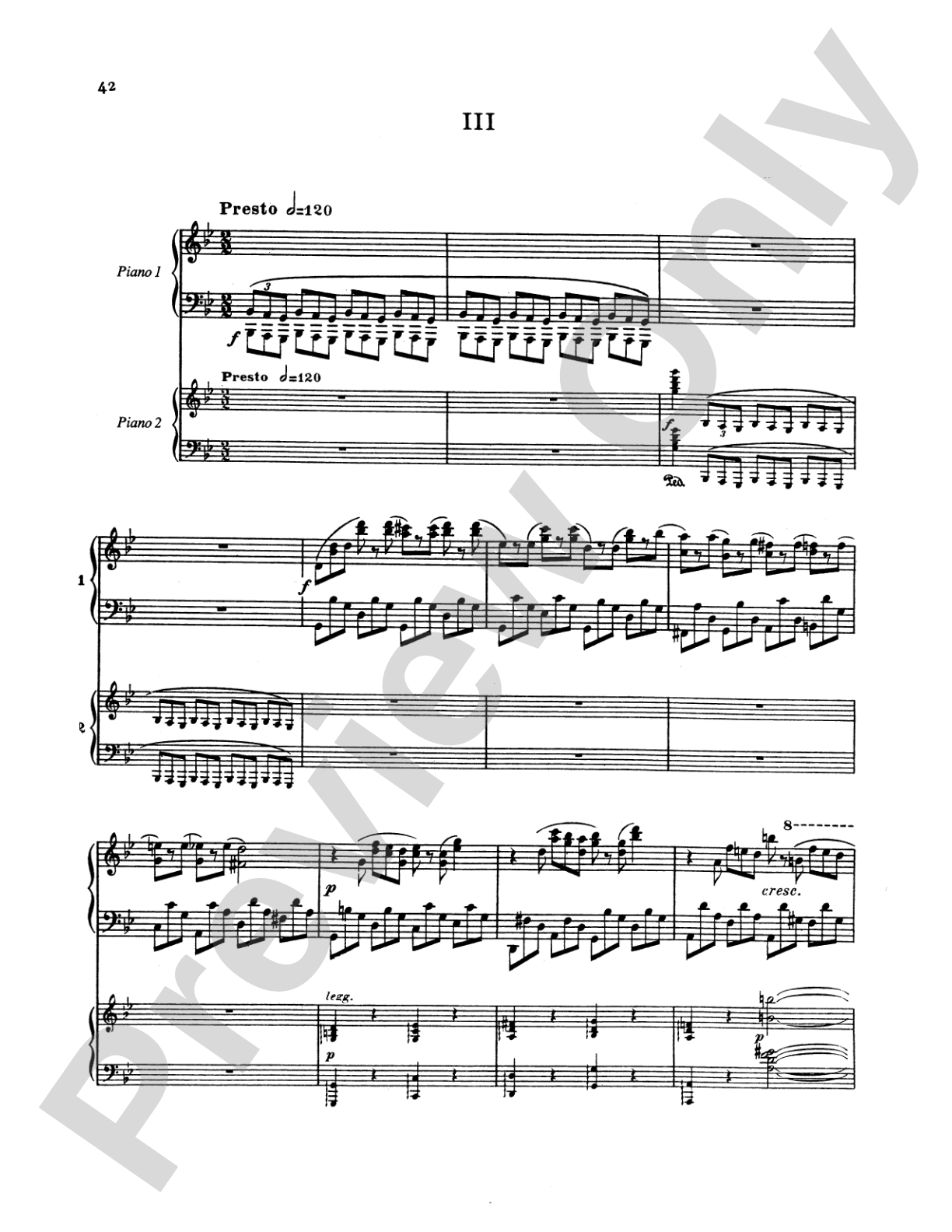
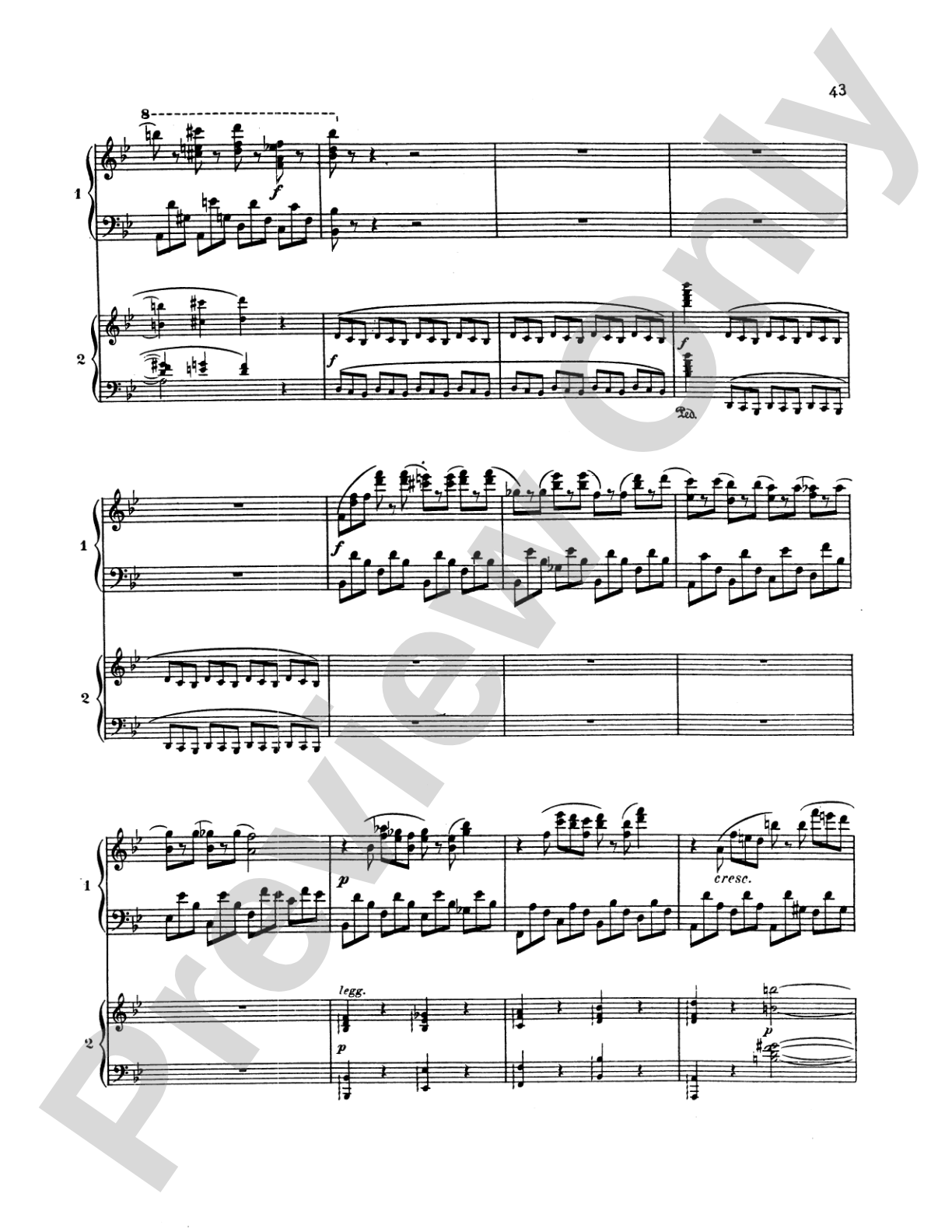
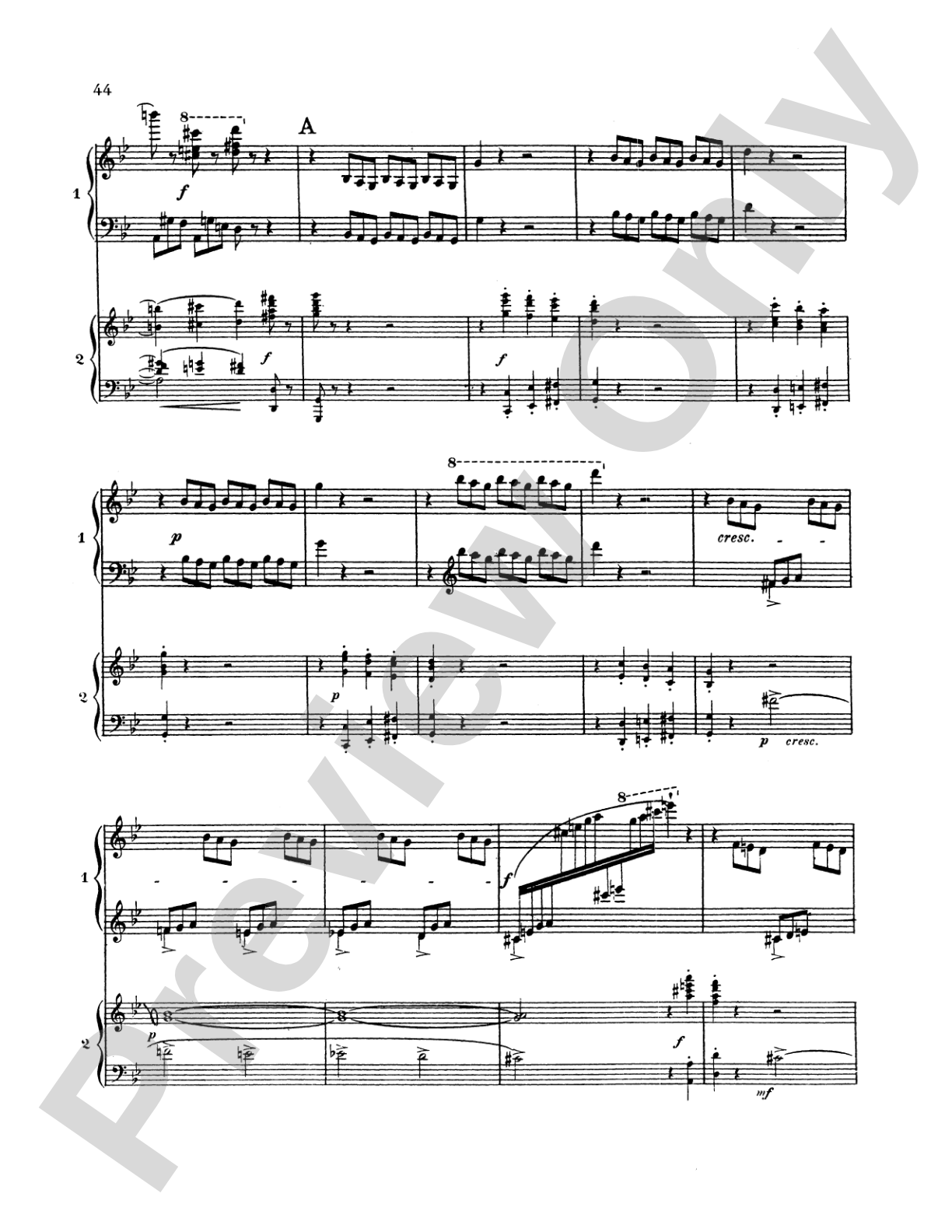
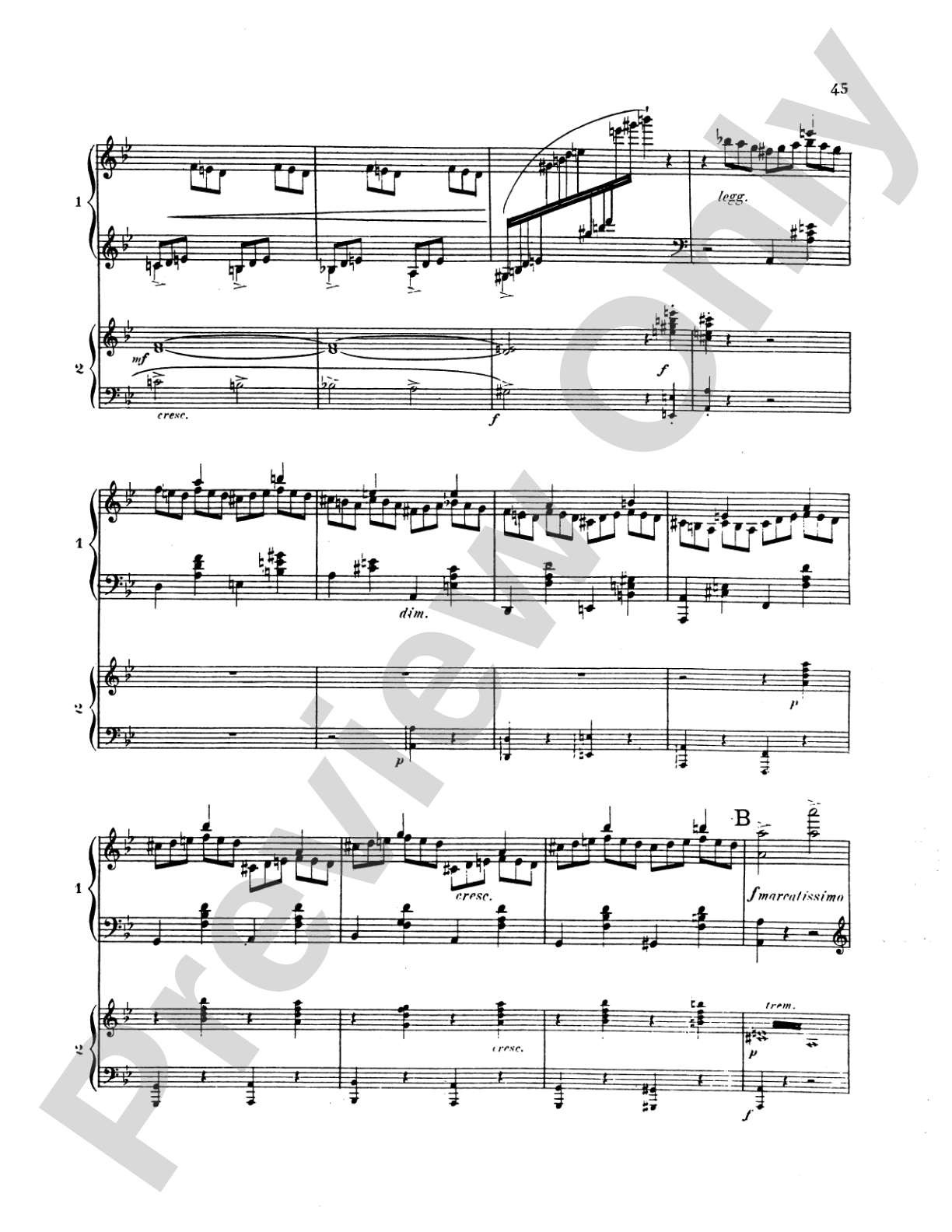
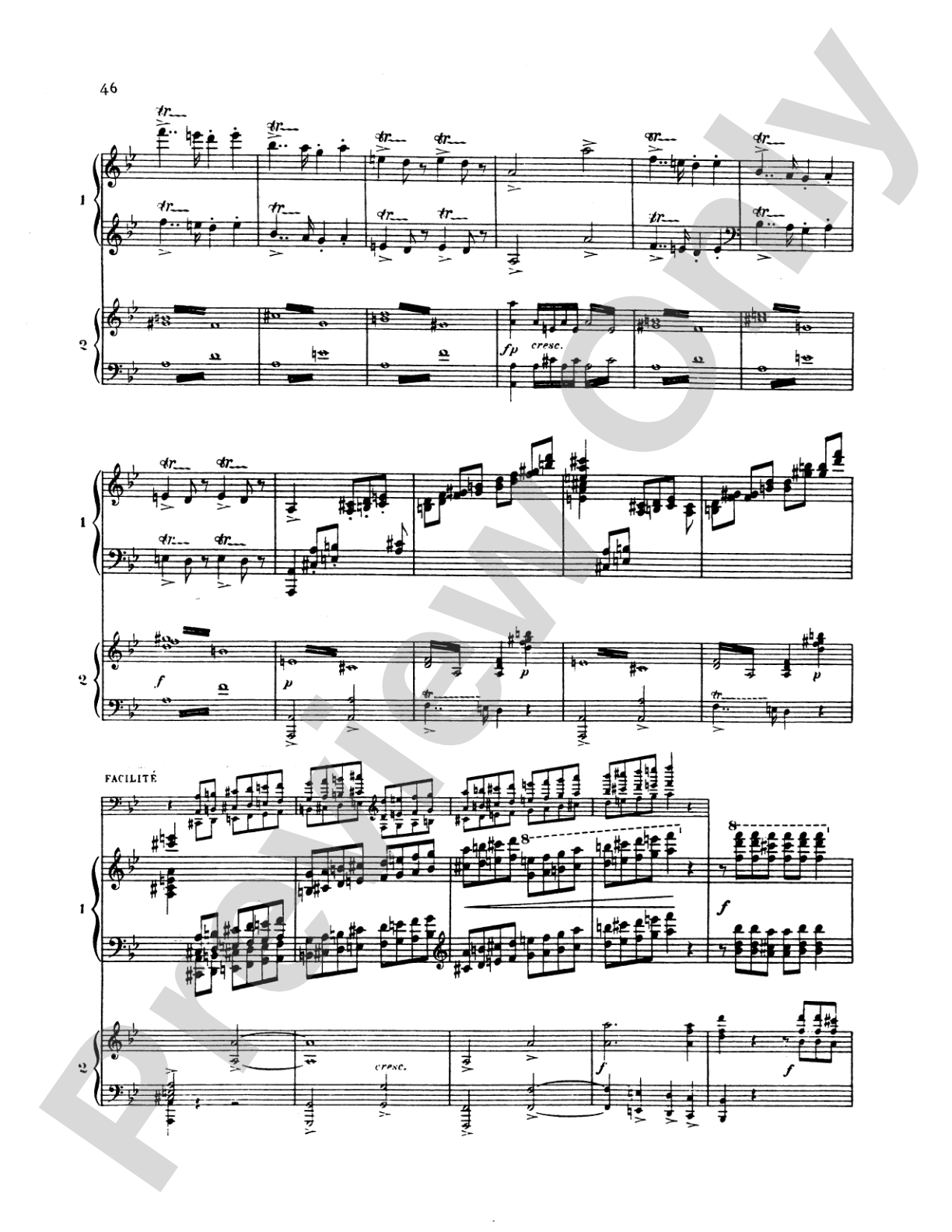
Saint-Saëns: Piano Concerto No. 2 in G Minor, Op. 22
By Camille Saint-Saëns
Item: 00-PC-0009068
Pickup currently not available
Description
Don't just read it, hear it, play along with it, and watch your students grow with it. In MakeMusic Cloud, Saint-Saëns: Piano Concerto No. 2 in G Minor, Op. 22 comes alive with professional accompaniment, adjustable tempo, and built-in practice tools that turn solo practice into real progress.
Jump straight in and assign it today.
Open this title and explore the full library in minutes.
Sample Audio
Sample Video
Additional Details
More about this title
About the Composer: Camille Saint-Saëns
Camille Saint-Saëns (1835-1921) was a French composer of extraordinary technical mastery and prolific output. He excelled across every major genre—orchestral, chamber, operatic, and keyboard music—and his works remain central to the concert repertoire. His piano concertos are celebrated for their virtuosity, melodic richness, and orchestral brilliance; the Second Concerto in particular showcases the lyrical and dramatic gifts that made him one of the nineteenth century's most performed composers.
Saint-Saëns' music rewards both amateur and professional musicians. His writing is direct and rewarding, never gratuitous, which makes his larger works accessible to advancing students while maintaining the sophistication that keeps them fresh for experienced players.
Why we love this
The Second Concerto is Saint-Saëns at his most generous: sweeping romantic melody, brilliant passage work, and genuine drama across three movements. This two-piano arrangement preserves the concerto's grandeur while opening it to musicians who might not have access to a full orchestra, and the partnership between two pianists creates an entirely different kind of musical conversation than a soloist and accompaniment.
What to expect
Romantic grandeur in miniature. The opening flows with French elegance and graceful lyricism, building to passages of genuine virtuosity that feel both natural and exhilarating. The slow movement settles into intimate beauty, while the finale returns with triumphant energy and brilliant keyboard writing that demands precision and joy.
Who it's for
Advanced pianists who have completed standard concerto repertoire and are ready for the technical and musical demands of Saint-Saëns' dramatic language. This arrangement also serves duet partners looking for substantial, rewarding repertoire that showcases both players equally. Teachers can use this for advanced student collaborations or community piano partnerships.
How to get the most out of it
- Balance the dialogue between the two pianos carefully in the first movement. The primo part carries the primary melodic line, but the secondo's accompaniment and counter-lines need clarity to sustain the orchestral richness.
- Pay attention to the conductor-like role the primo player takes. Clear phrasing and gesture from the primo pianist helps the secondo player lock into ensemble rhythm and breathing.
- The second movement's intimate character demands sensitive pedaling on both instruments. Avoid muddying the texture; clarity will emphasize the lyrical beauty rather than obscure it.
- Synchronize the runs and passage work in the finale through practice at slow tempo first. Both pianists must commit to identical articulation and evenness so the virtuosity feels unified rather than competitive.
How to use it
Position this as a centerpiece for a concert dedicated to keyboard literature or Romantic repertoire. The concerto's substantial length and sophisticated character work equally well as a recital finale or a standalone feature; audiences respond to its combination of accessibility and virtuosity. Consider programming it to frame a concert that includes smaller Saint-Saëns chamber works, allowing the concerto to showcase his range.
Skills your students will build
- Ensemble balance and communication between two independent piano parts
- Romantic-era ornamentation and phrasing in concerto style
- Coordinated passagework and runs between two performers at varying tempos
- Independence of hands while maintaining unified musical direction
- Pedal coordination in shared acoustic space
- Interpretation of a large-scale three-movement form in arranged orchestral writing