
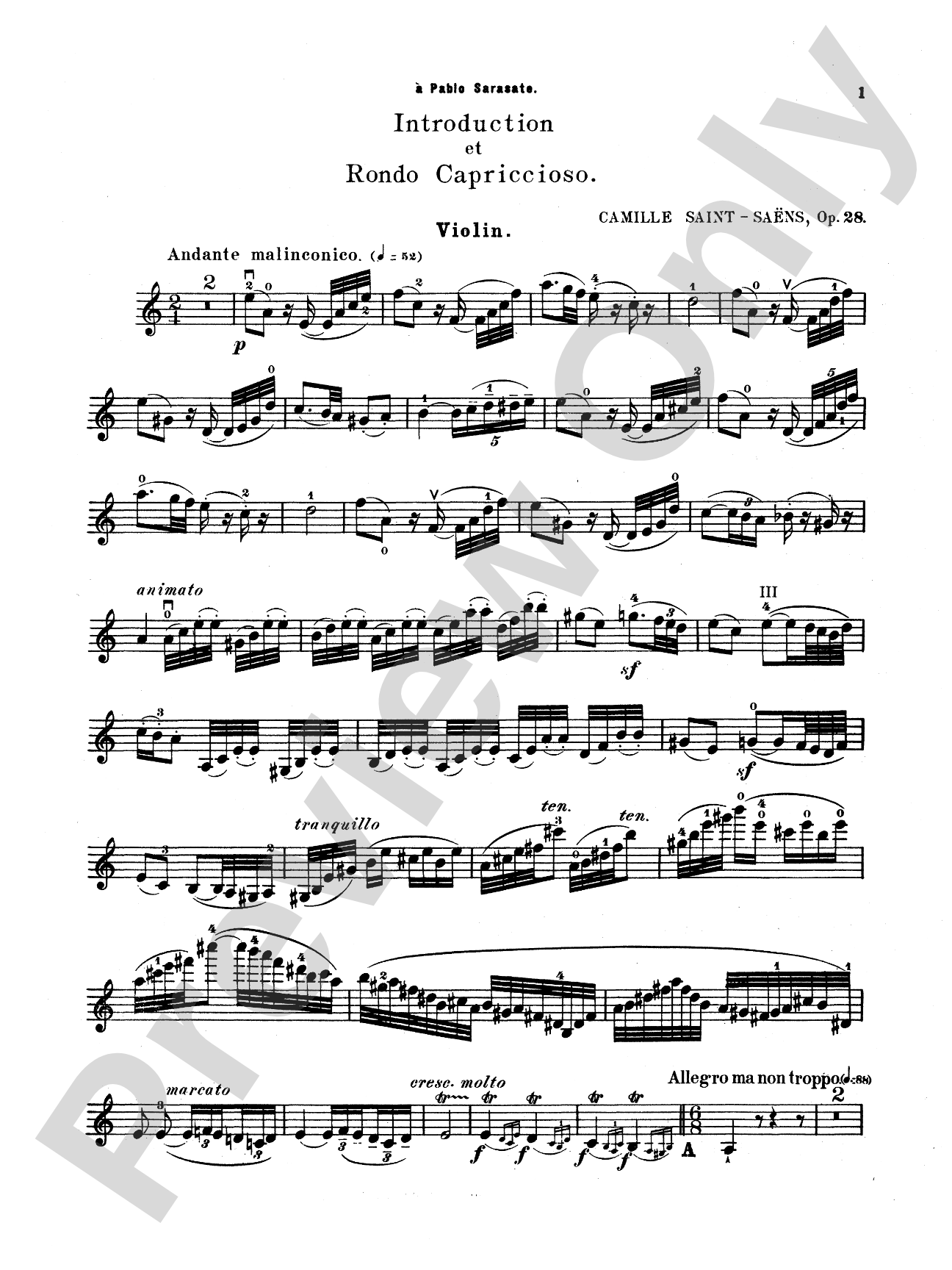
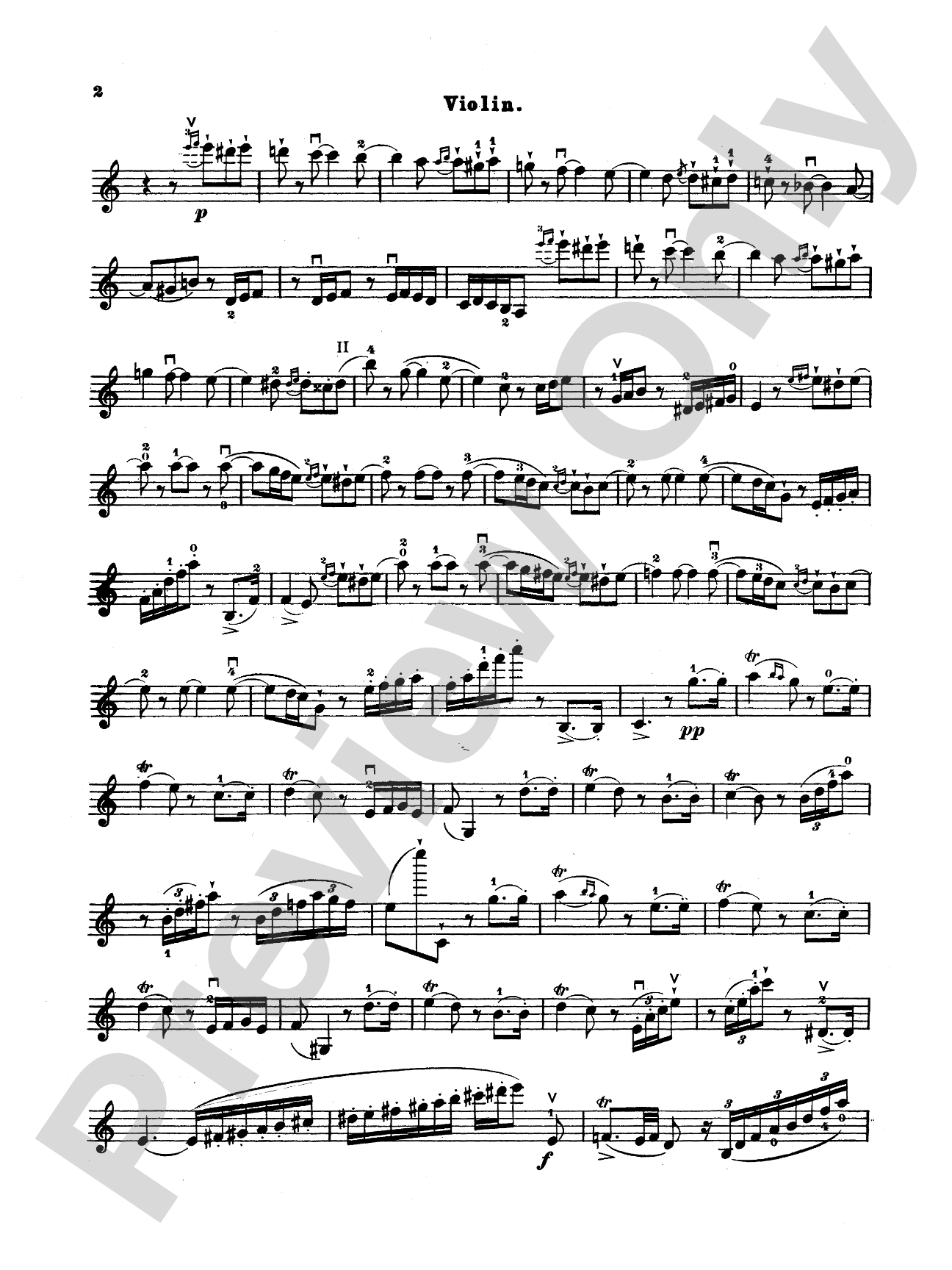
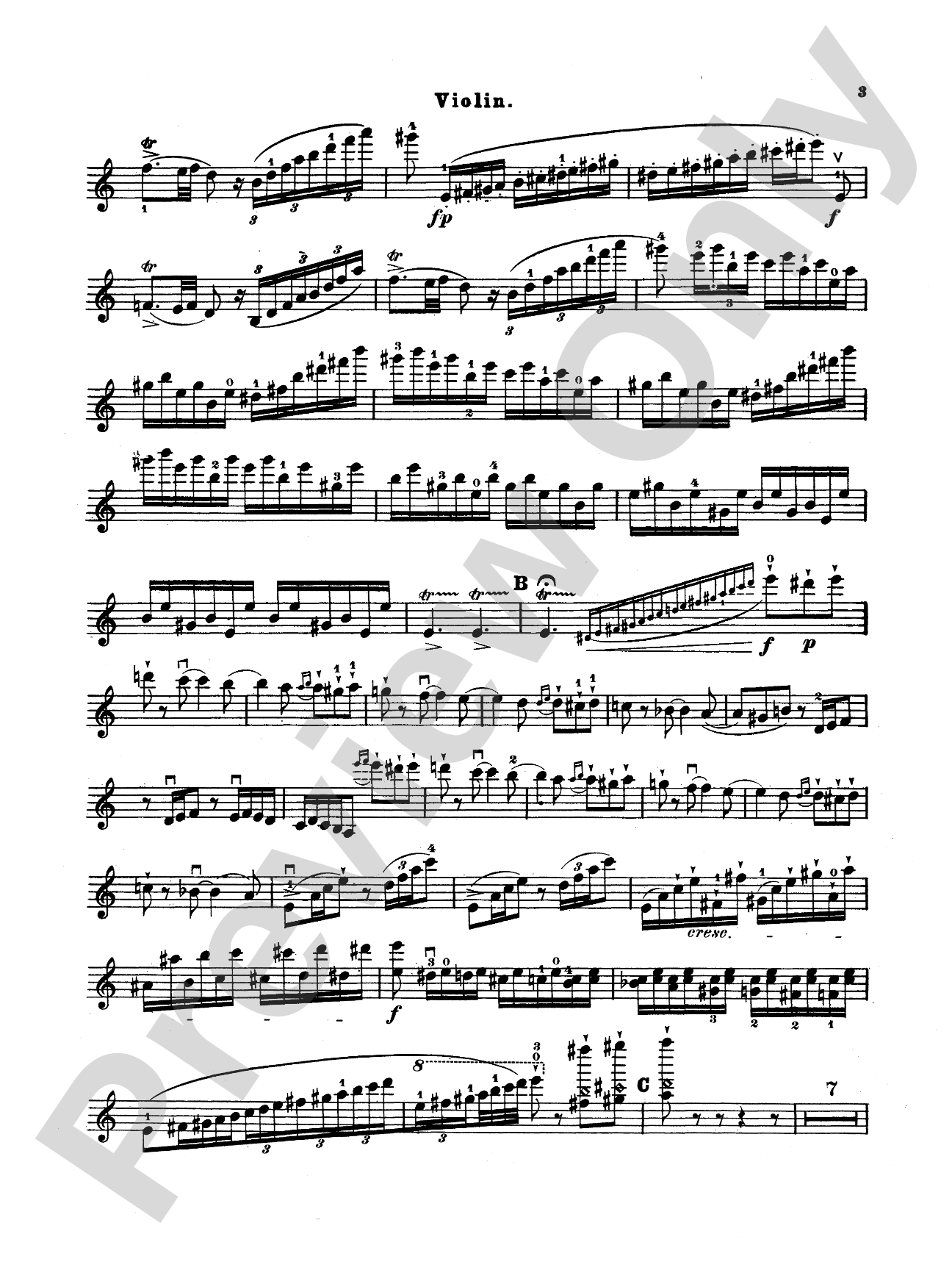
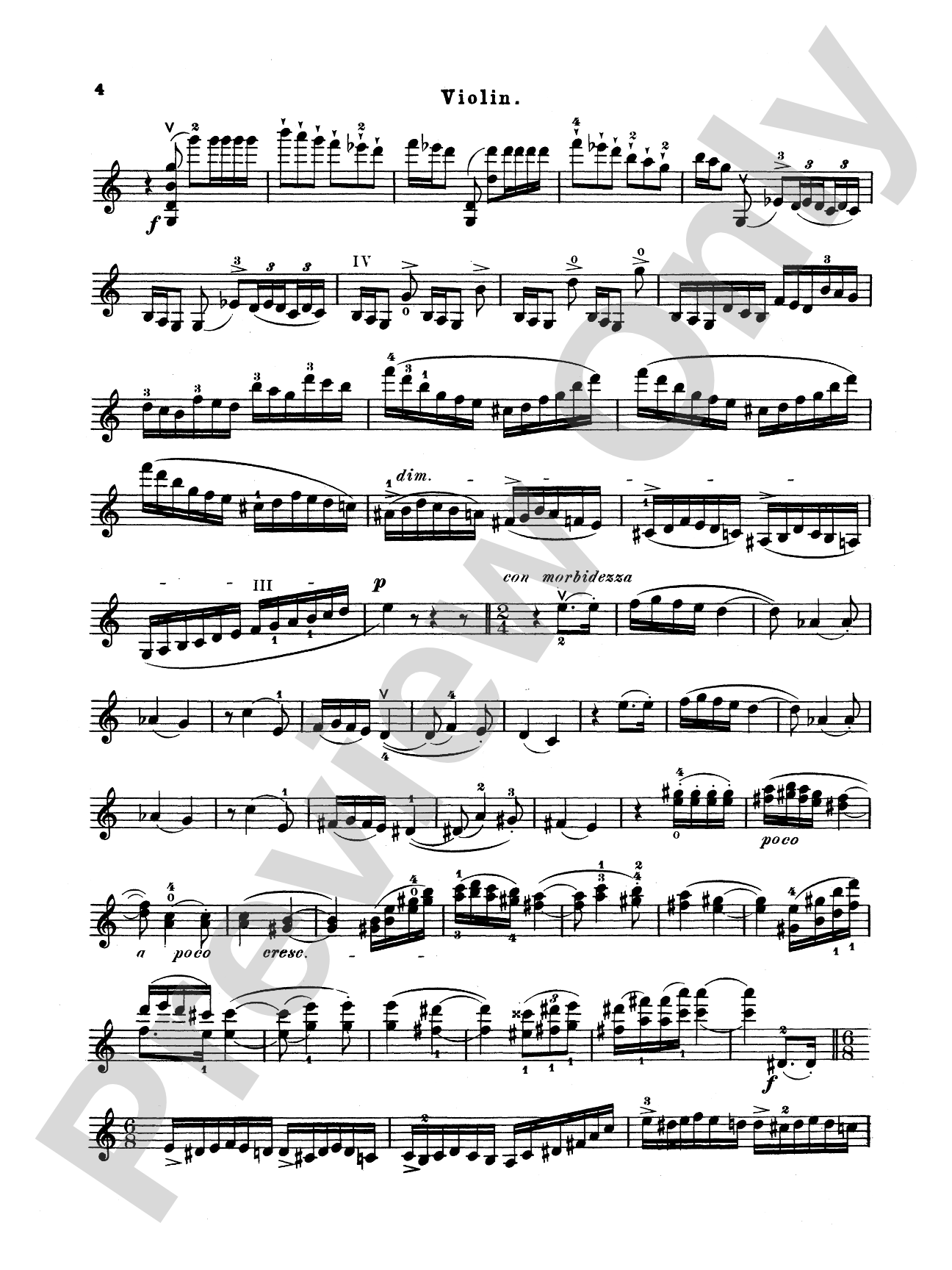
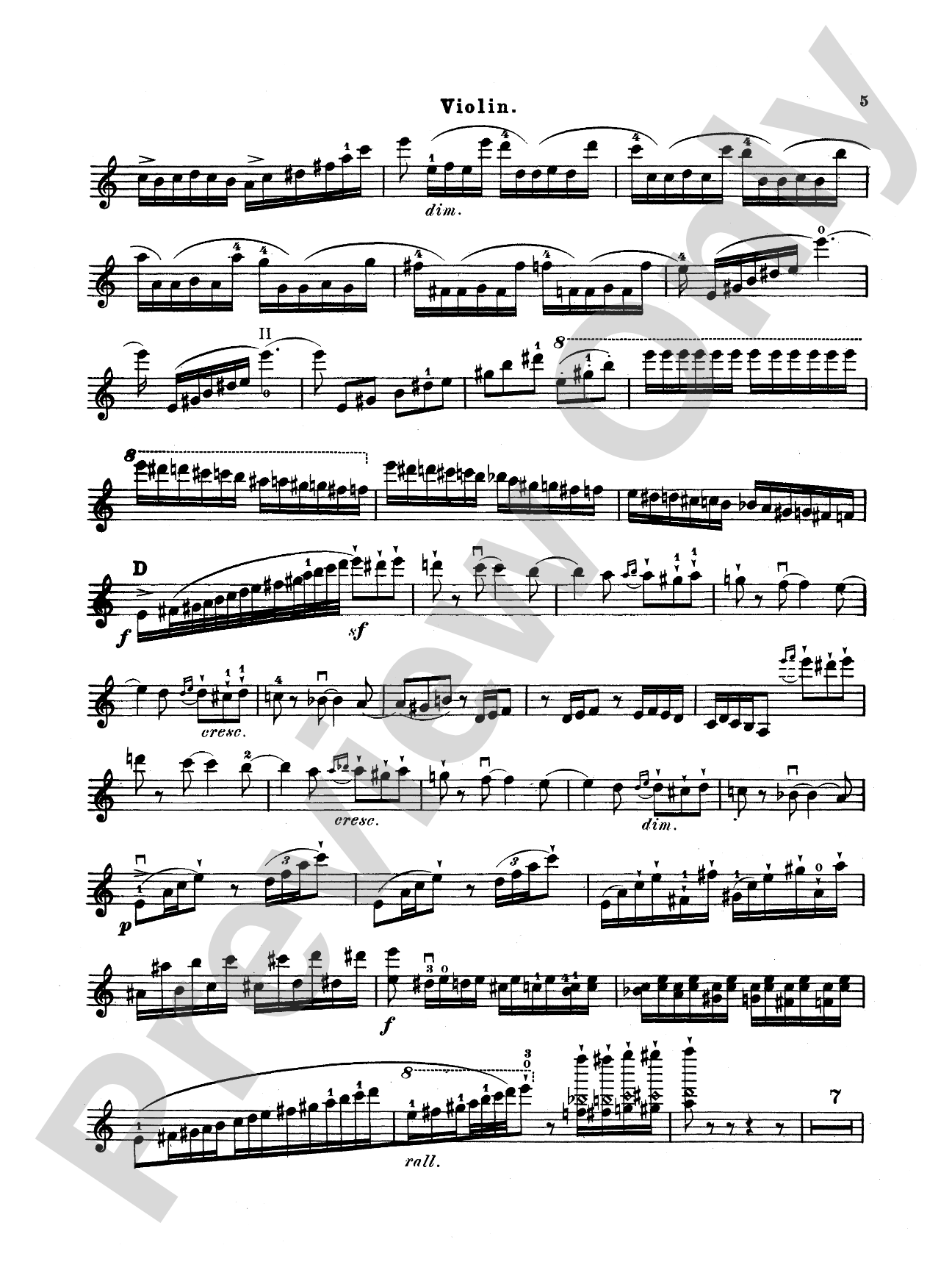
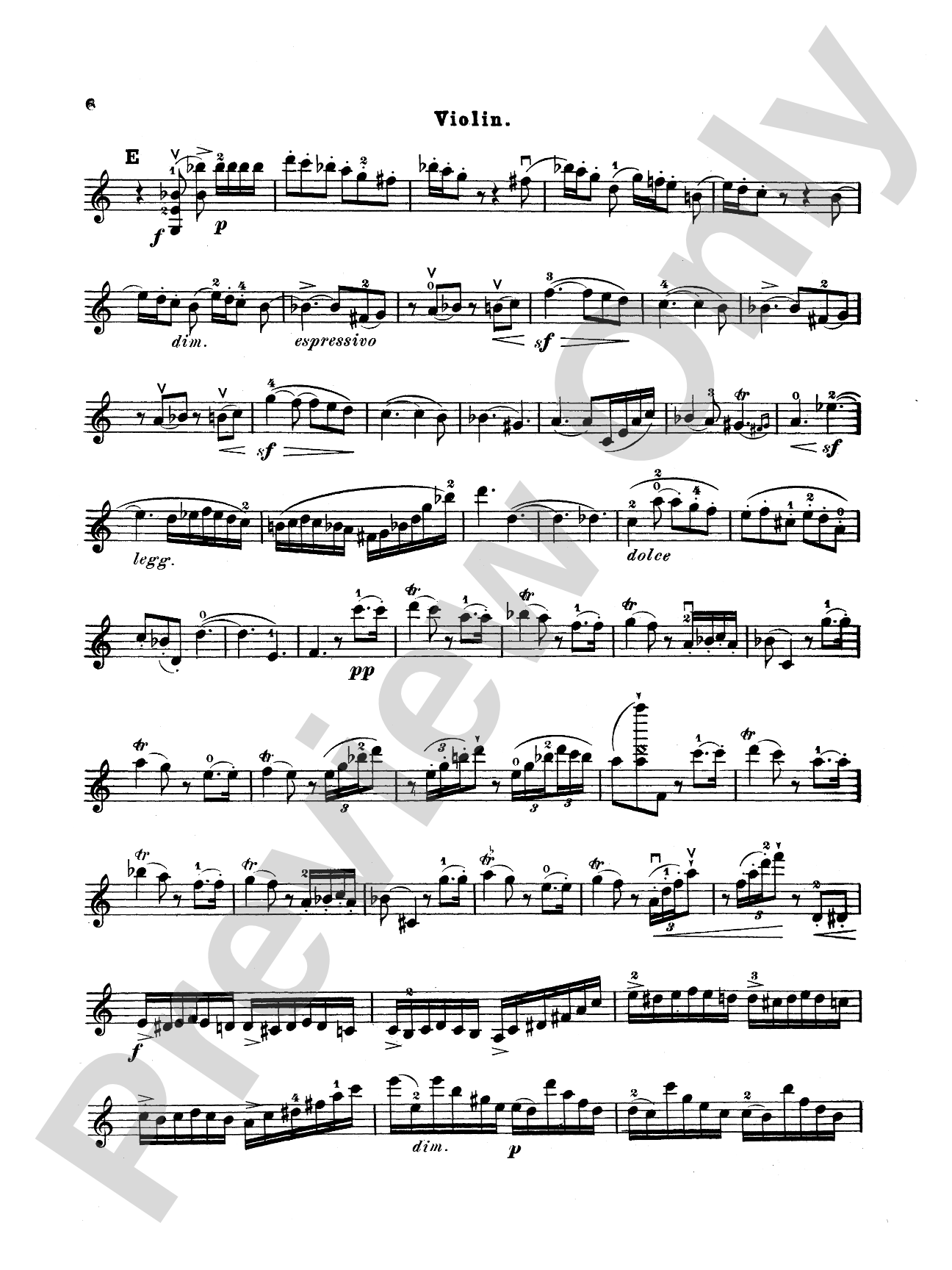
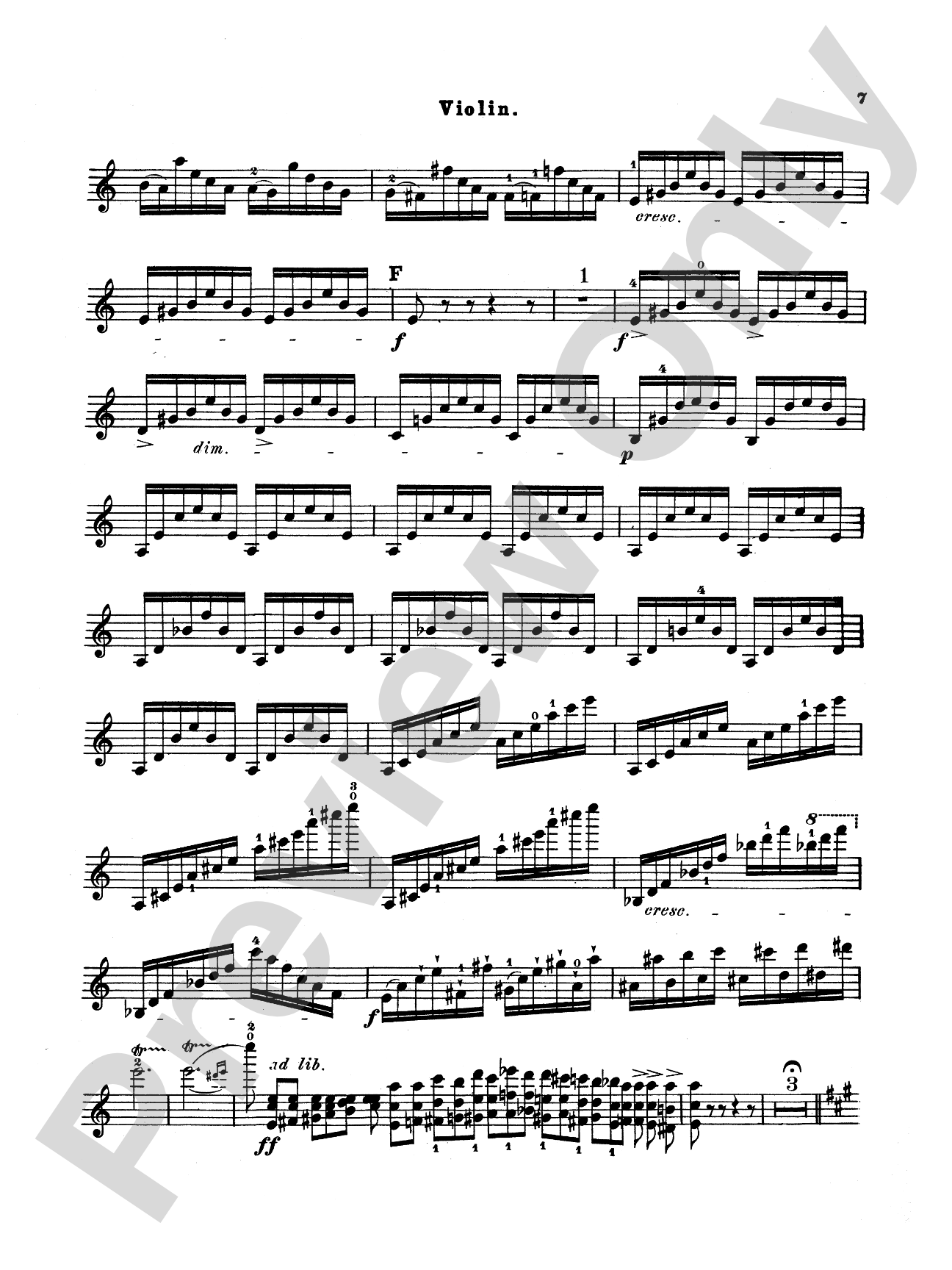
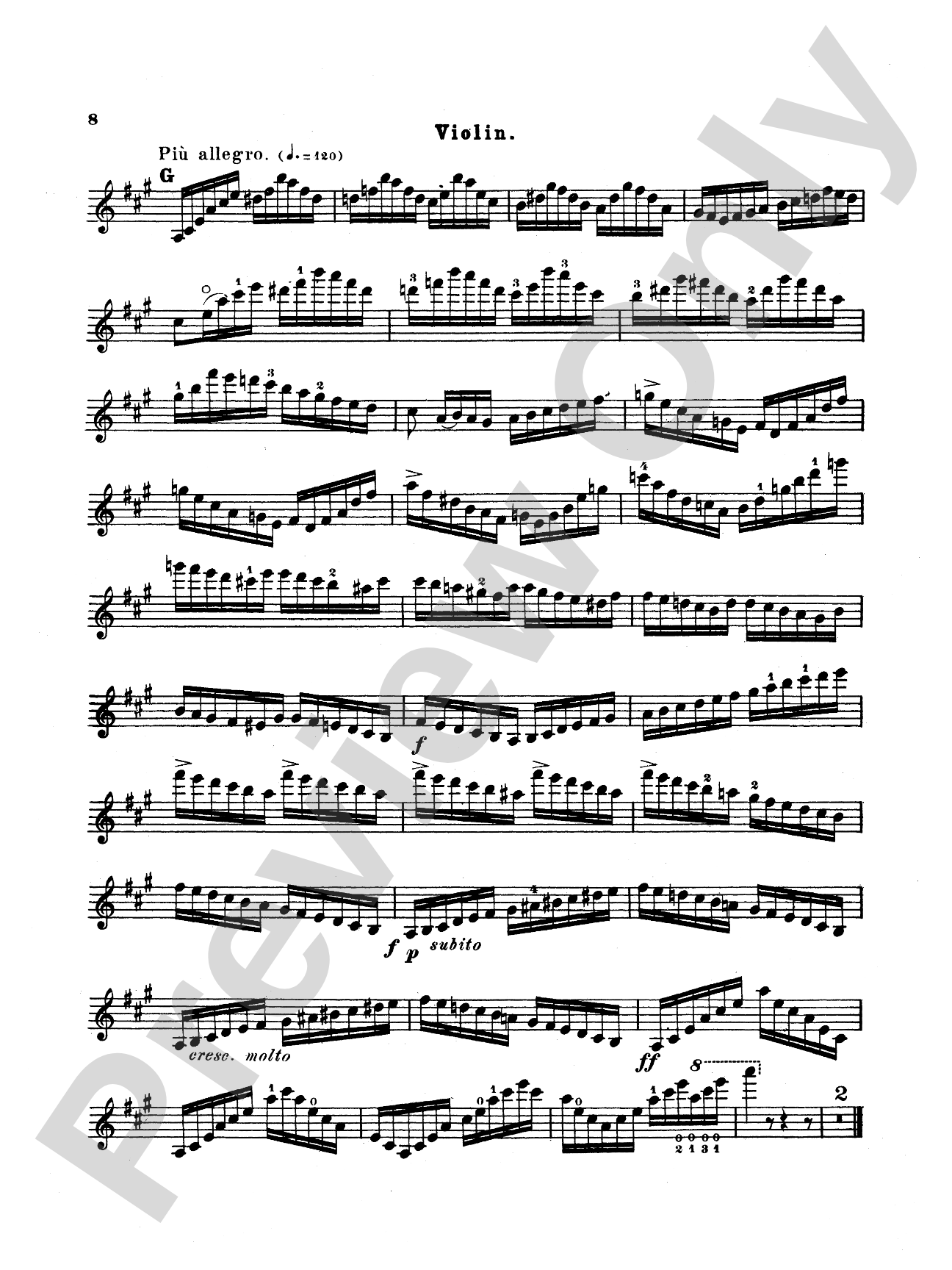

Saint-Saëns: Introduction and Rondo Capriccioso, Op. 28: Violin Book
By Camille Saint-Saëns
Item: 00-PK-0003304

$7.99
Pickup currently not available
Buy Extra Parts (Digital PDF Download)
| Product | Price | Quantity |
|---|---|---|
| Saint-Saëns: Introduction and Rondo Capriccioso, Op. 28 | $2.99 | |
| Saint-Saëns: Introduction and Rondo Capriccioso, Op. 28 | $2.99 |
Parts Added to Cart!
Related Items
Introduction and Rondo Capriccioso, Opus 28: Violin Book |
$7.95
|
View |
Description
A Violin solo with Piano Accompaniment composed by Camille Saint-Saëns.


Don't just read it, hear it, play along with it, and watch your students grow with it. In MakeMusic Cloud, Saint-Saëns: Introduction and Rondo Capriccioso, Op. 28: Violin Book comes alive with professional accompaniment, adjustable tempo, and built-in practice tools that turn solo practice into real progress.
Open in the Player
Jump straight in and assign it today.
Start Your Free Trial
Open this title and explore the full library in minutes.
Sample Audio
No sample audio found.
Sample Video
No sample videos found.
Additional Details
Series:
Kalmus Edition
Publisher:
Alfred Music
Page Count:
28
SKU:
00-PK-0003304
More about this title
About the Composer: Camille Saint-Saëns
Camille Saint-Saëns (1835, 1921) was a French composer of extraordinary technical facility and musical sophistication. He commanded every instrument in the orchestra and wrote across all genres, producing operas, symphonies, concertos, and chamber works that remain central to the repertoire. His gift for memorable melody combined with genuine harmonic invention made him one of the most performed composers of his era, a status his best works have never lost.
Saint-Saëns composed for virtuosos and understood what made a piece both musically rewarding and performable. The Introduction and Rondo Capriccioso exemplifies this philosophy: it offers genuine artistic substance alongside technical brilliance, requiring the soloist to be both musician and athlete. His ability to balance structural clarity with Romantic expressiveness explains why his concertos and character pieces remain favorites in the studio and on the concert stage.
Why we love this
Saint-Saëns' balance of technical demand and musical interest sets this apart from flashier competition pieces. The Introduction gives you room to establish character and control before the Rondo's energy takes over, making this rewarding for players at the upper-intermediate and advanced levels who are ready for real musical storytelling alongside virtuosity.
What to expect
The piece opens with introspective elegance, a spacious melody that invites you to find depth within restraint. Once the Rondo arrives, the mood pivots entirely toward sparkle and momentum, with the violin dancing over the piano's rhythmic energy in passages that feel effortless when prepared but require genuine virtuosity beneath the surface.
Who it's for
This work suits advanced high school violinists and college-level players preparing for auditions, competitions, or recital performances. It demands secure intonation in higher positions, rhythmic flexibility, and the ability to project character over technical display.
How to get the most out of it
- Shape the Introduction with dynamic restraint and clarity of articulation. The piece's impact depends on your ability to hold back initially and let the music unfold, not on rushing or over-playing early passages.
- Anchor the Rondo's rhythmic drive through the piano part. The accompaniment's pulse is your foundation; work with your pianist to establish a shared tempo before the violin launches into rapid passagework.
- Attend carefully to Saint-Saëns' slur markings and bowings in the faster sections. His notation is specific about phrasing and weight distribution; following his intentions clarifies texture and prevents the Rondo from becoming undifferentiated runs.
How to use it
This pairs well on a recital with a Baroque sonata and a contemporary work, providing a confident centerpiece that showcases romantic virtuosity. It also works effectively as a solo concerto performance with piano, allowing you to demonstrate both lyrical control and technical facility in one substantial piece.
Skills your students will build
- Expressive phrasing in the Introduction register shift and range management from lower positions to high passages
- Bow control through sustained legato and rapid, articulate figures
- Collaboration with piano accompaniment, especially rhythmic coordination in the Rondo's faster sections
- Intonation security in multiple registers, particularly in rapid passagework
- Stylistic understanding of Romantic-era violin writing and character development across contrasting sections