


Saint-Saëns: Danse Macabre (Transcr. Franz Liszt)
By Camille Saint-Saëns / transcr. Franz Liszt
Level: Intermediate / Advanced
Item: 00-PC-0012923
$8.95
Pickup currently not available
Description


Don't just read it, hear it, play along with it, and watch your students grow with it. In MakeMusic Cloud, Saint-Saëns: Danse Macabre (Transcr. Franz Liszt) comes alive with professional accompaniment, adjustable tempo, and built-in practice tools that turn solo practice into real progress.
Open in the Player
Jump straight in and assign it today.
Start Your Free Trial
Open this title and explore the full library in minutes.
Sample Audio
No sample audio found.
Sample Video
No sample videos found.
Additional Details
Series:
Kalmus Edition
Publisher:
Alfred Music
Page Count:
24
SKU:
00-PC-0012923
More about this title
About the Composer: Camille Saint-Saëns
Camille Saint-Saëns (1835-1921) was a French composer, organist, and pianist whose technical mastery and prolific output shaped French Romantic music. He composed across all genres—symphonies, concertos, operas, chamber works—and remained a commanding figure in music until his death. Saint-Saëns possessed an extraordinary gift for orchestration and wrote with crystalline clarity, qualities that made his works both immediately appealing and enduringly substantial.
Danse Macabre stands among his most inventive creations, a symphonic poem that depicts the medieval folk legend of Death playing a midnight fiddle to summon skeletons from their graves. Saint-Saëns's orchestral version premiered in 1875 and became a masterpiece of program music; Liszt's transcription captures the work's theatrical brilliance and virtuosic demands within the constraints of the keyboard.
Why we love this
Liszt's transcription distills the orchestral brilliance of Saint-Saëns's most famous symphonic poem into a vehicle for advanced pianists who want to engage with genuine virtuosity and dramatic storytelling. The piece demands technical command across the full keyboard range while remaining structurally transparent enough that musical intent never gets buried under difficulty. Few works at this level offer such vivid narrative arc combined with the chance to develop genuine interpretive maturity.
What to expect
Eerie and propulsive, with moments of grotesque humor alongside genuine darkness. The tritone-based theme and relentless rhythmic drive create an atmosphere of supernatural urgency, while the rapid figurations and sudden harmonic swerves evoke skeletons dancing in the moonlight. Beneath the theatrical machinery lies the melancholy of the old folk legend itself: Death's midnight fiddle summoning the dead to their eternal waltz.
Who it's for
Advanced intermediate to early advanced pianists ready for a concert piece that combines technical rigor with genuine artistic substance. This transcription suits students preparing for auditions, recital programming, or festival competitions who want a work that challenges their virtuosity while offering real musical maturity. Pianists familiar with the orchestral version will appreciate discovering how Liszt solved the problem of translating percussion effects, orchestral doublings, and dramatic orchestration onto the piano.
How to get the most out of it
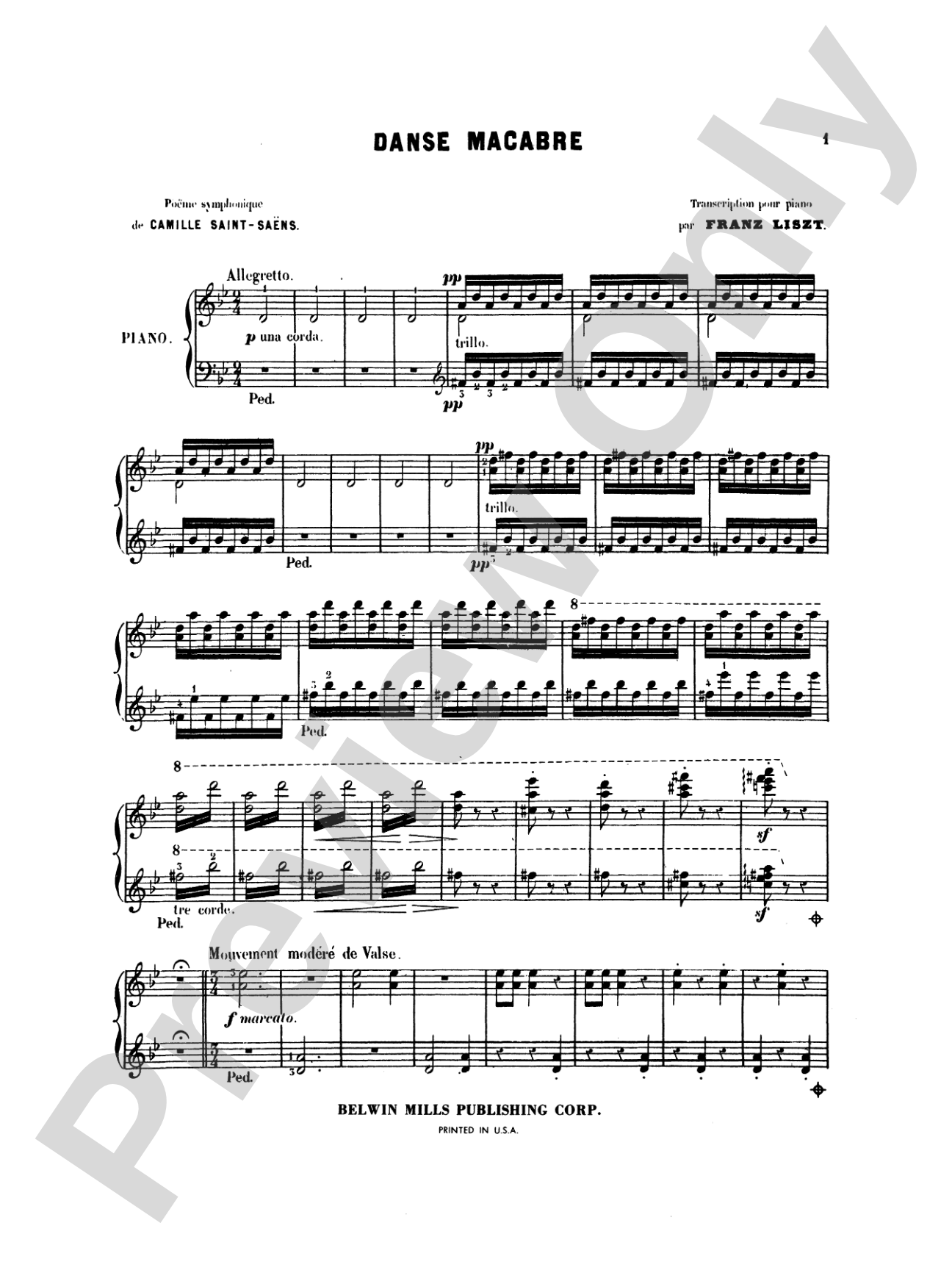
- Shape the opening tritone figure with rhythmic precision but without stiffness; it should feel like an incantation gathering momentum rather than a mechanical pattern.
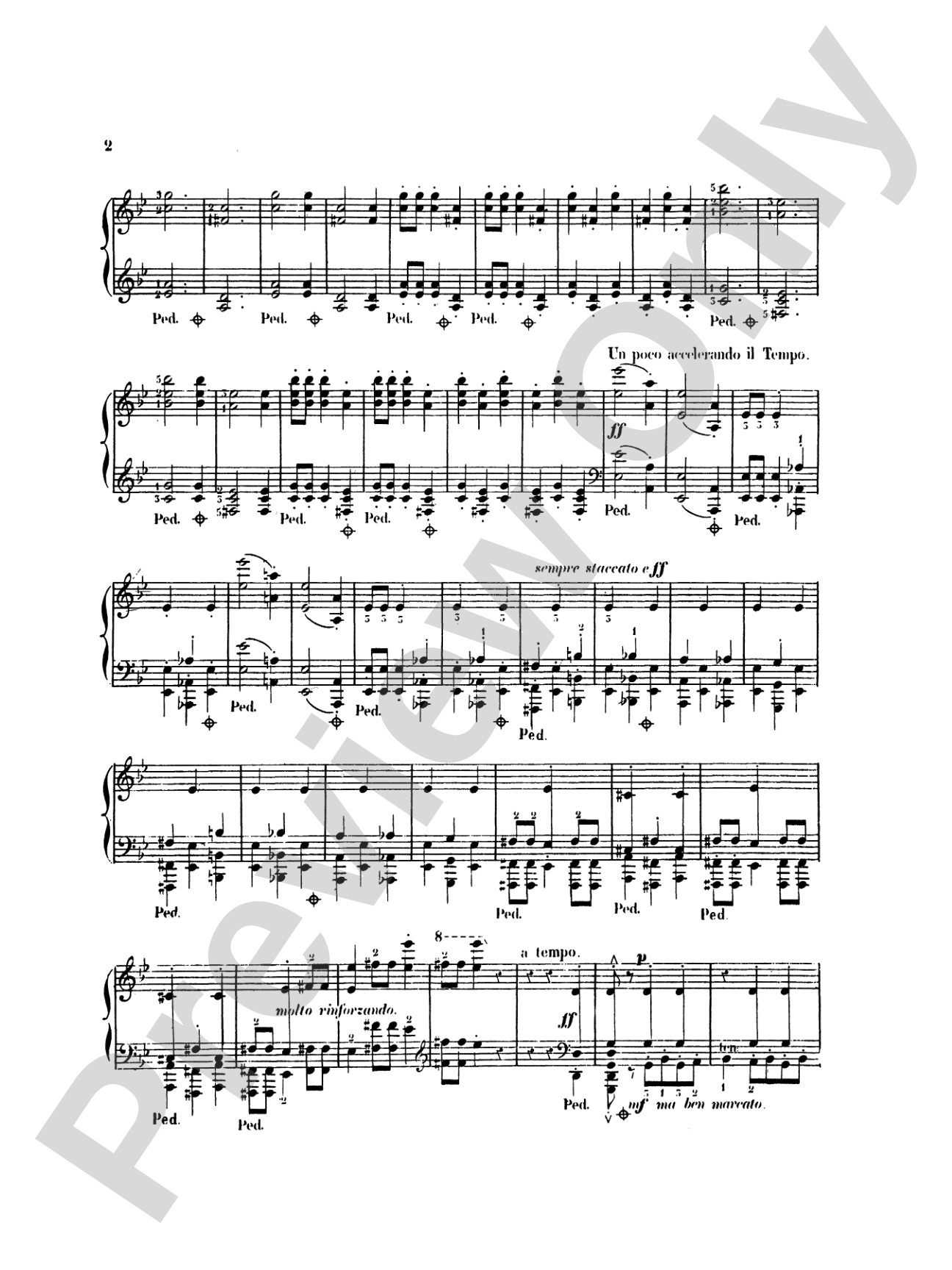
- Balance the left hand ostinato so it propels the music forward without drowning out the thematic material in the right hand, especially during the rapid passagework sections.
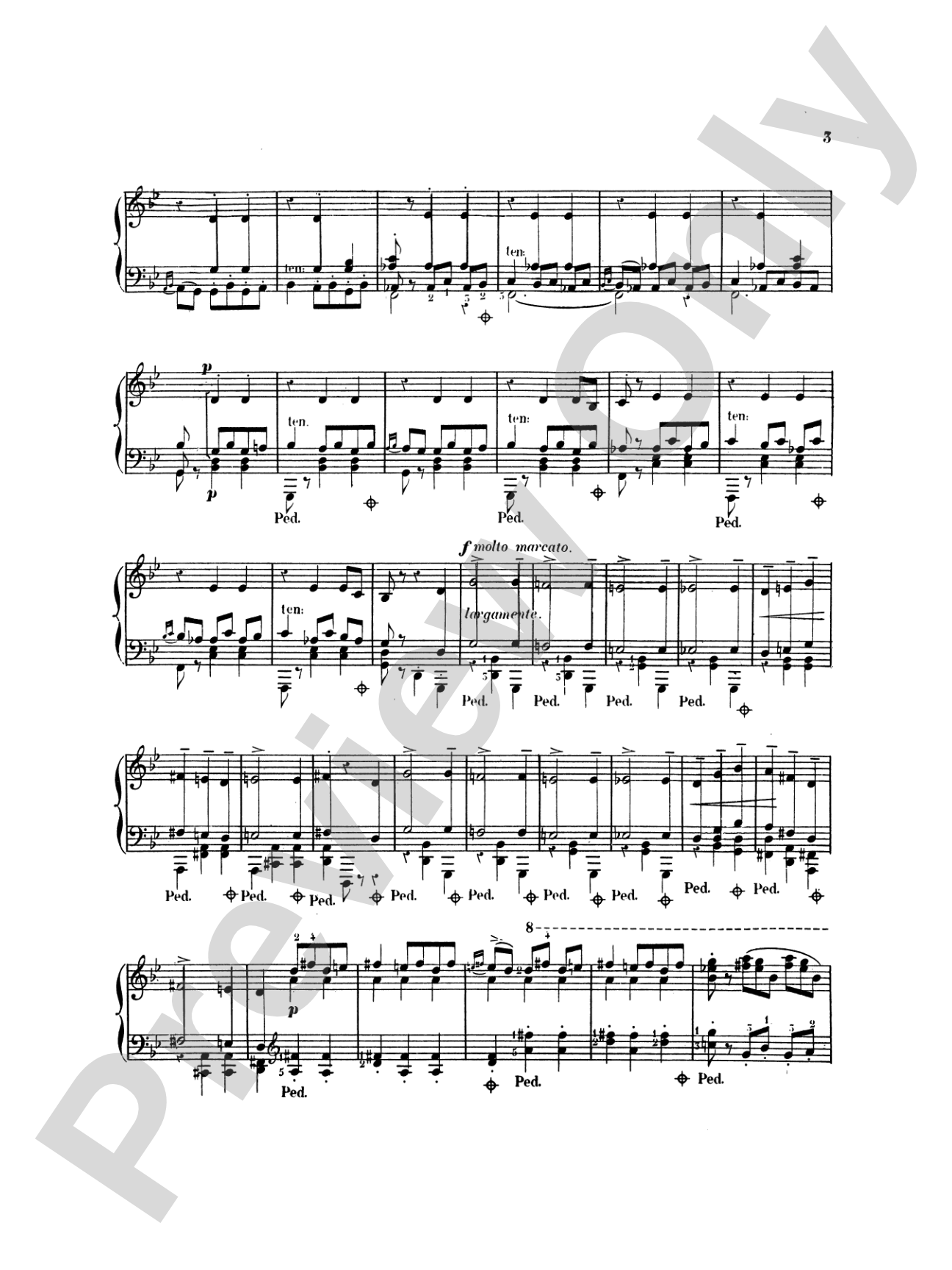
- Emphasize the sudden harmonic shifts and key changes that depict the grotesque dance; these moments of tonal disruption are where the piece's theatrical power lives.
- Approach the galloping sections with clarity in the accompanying figures so that the overall texture remains audible under tempo, resisting the urge to blur detail through excessive pedal.
How to use it
This works powerfully as a recital centerpiece or as a standalone dramatic statement on a mixed program. Program it alongside other Romantic character pieces or virtuosic works to showcase both technical achievement and interpretive range. It also serves as an effective vehicle for demonstrating how keyboard transcriptions expand the concert repertoire while honoring orchestral source material.
Skills your students will build
- Sustained left-hand ostinato control while managing right-hand thematic material and rapid passagework
- Harmonic awareness across tonal shifts and chromatic disruptions
- Rapid scalar and arpeggiated figuration executed with clarity and rhythmic precision
- Pedal management in texturally complex passages where clarity must be preserved
- Interpretive choices about character, tempo flexibility, and dramatic pacing in program music