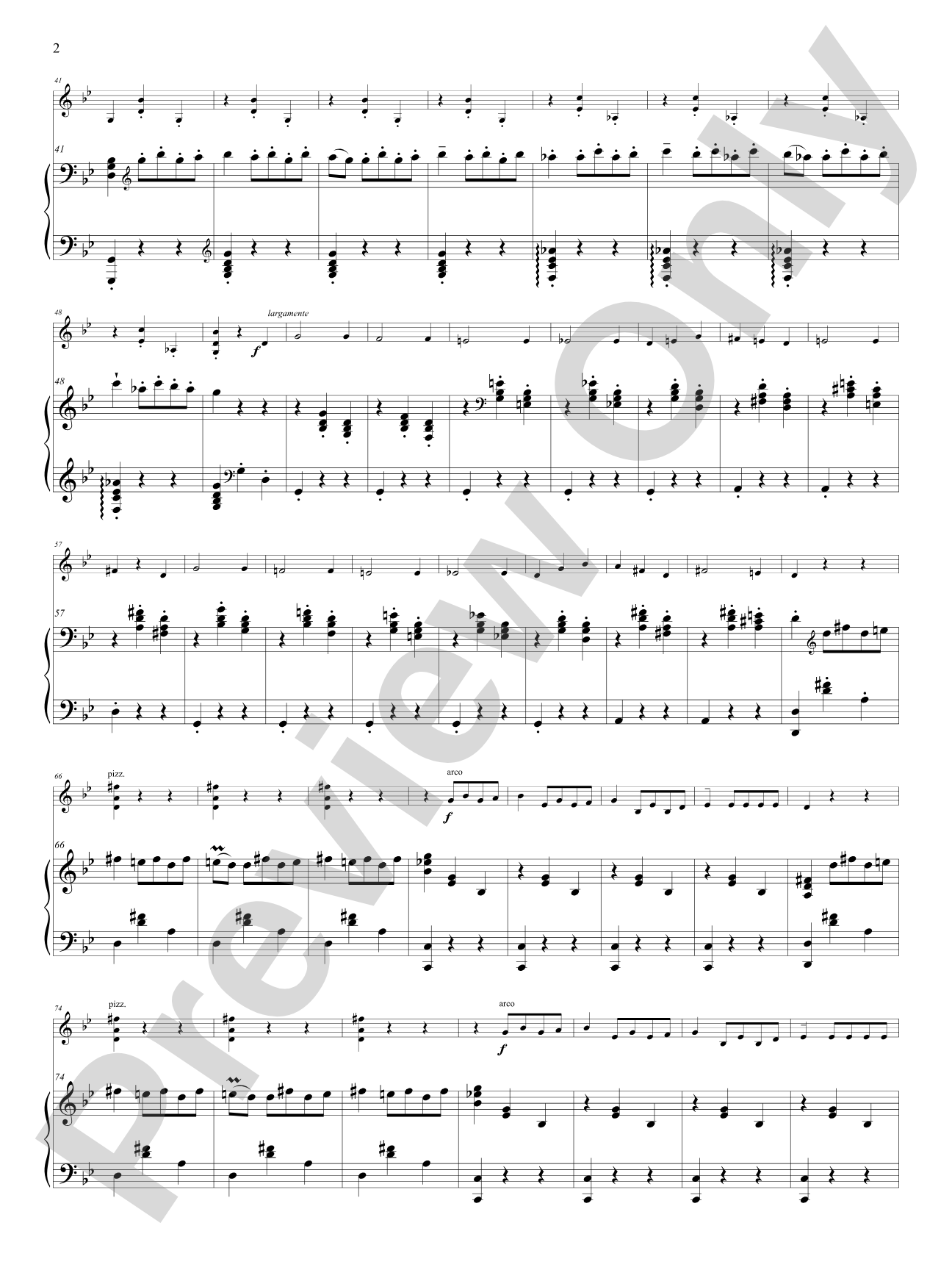
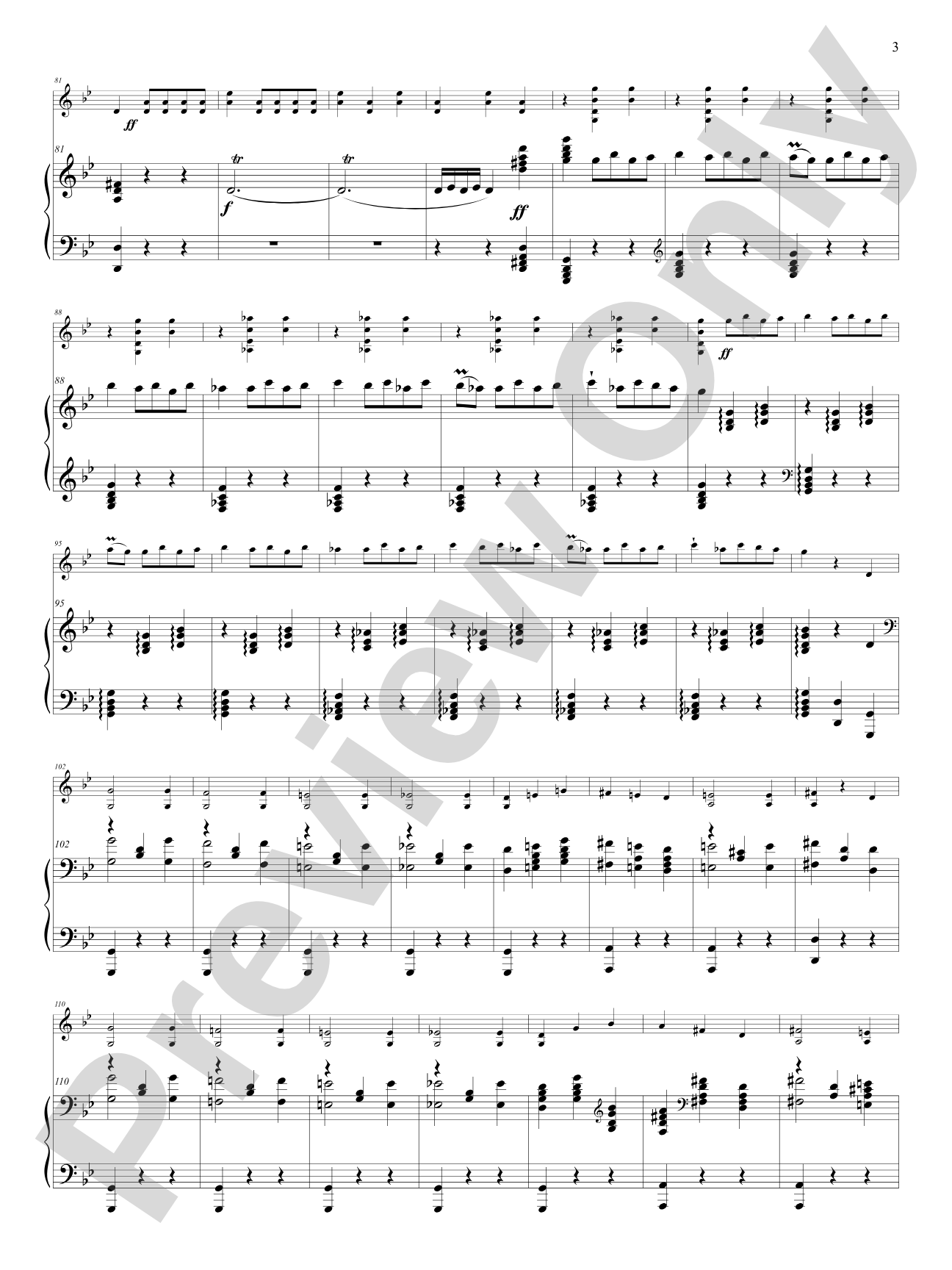
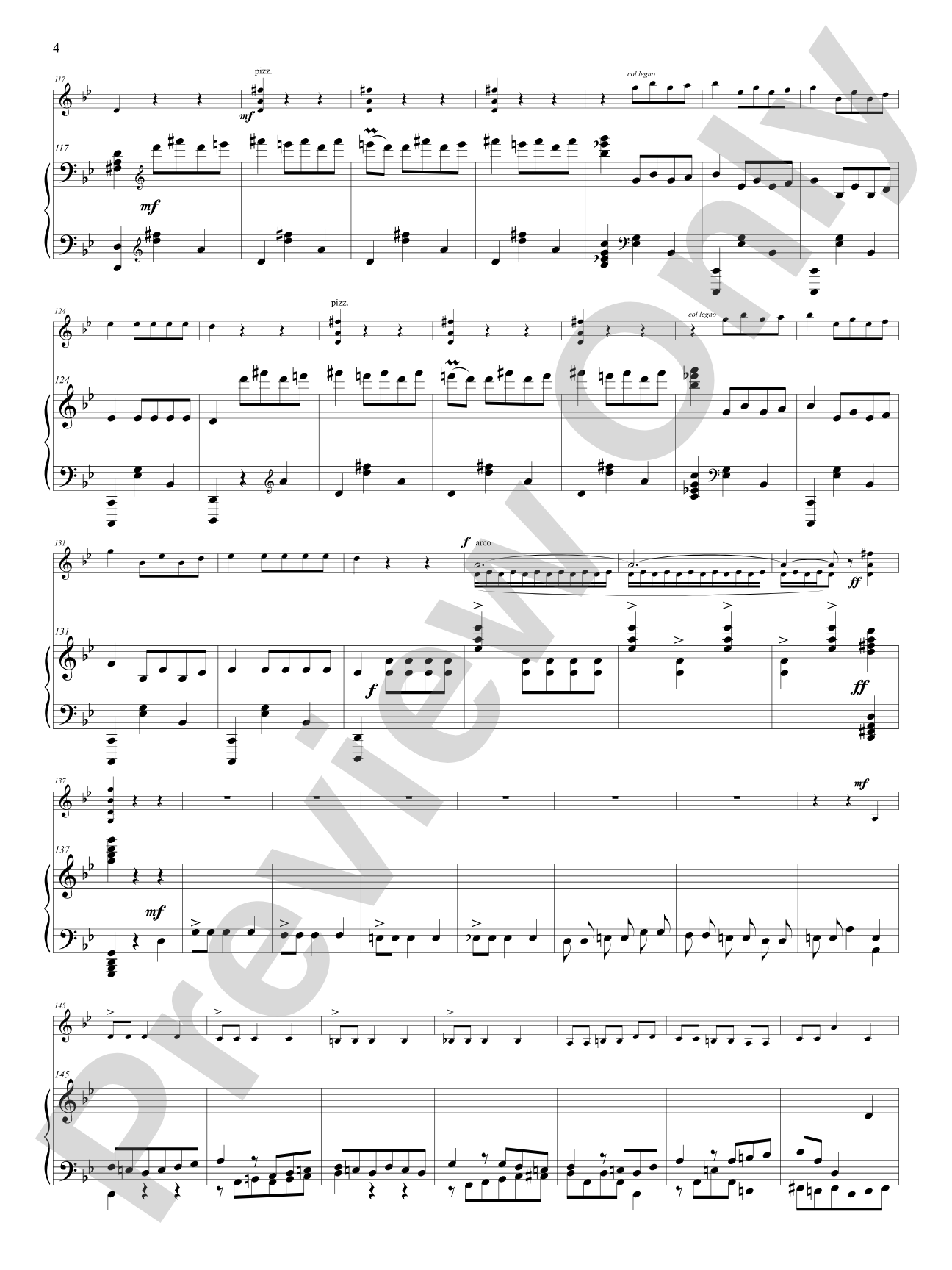
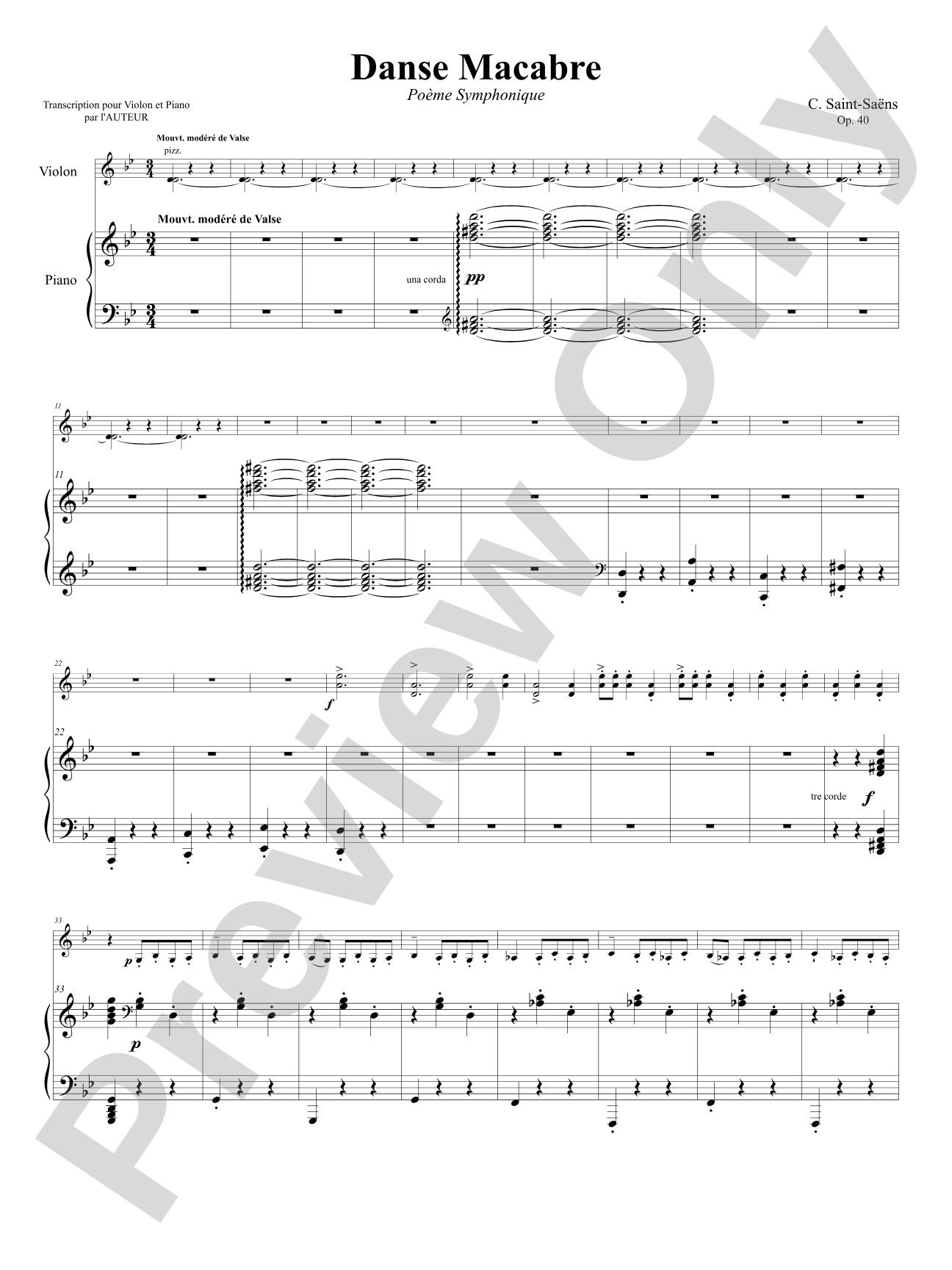
Saint-Saëns: Danse Macabre, Op. 40 Sheet Music Preview

Saint-Saëns: Danse Macabre, Op. 40

By Camille Saint-Saëns

Item: 00-PC-0010260

Digital Download
$3.99
Description
Transcribed by Composer

Don't just read it, hear it, play along with it, and watch your students grow with it. In MakeMusic Cloud, Saint-Saëns: Danse Macabre, Op. 40 comes alive with professional accompaniment, adjustable tempo, and built-in practice tools that turn solo practice into real progress.

Sample Audio
No sample audio found.
Sample Video
Additional Details
Series: Kalmus Edition
Publisher: Alfred Music
Page Count: 24
SKU: 00-PC-0010260

More about this title

About the Composer: Camille Saint-Saëns

Camille Saint-Saëns (1835-1921) was a French composer, organist, and pianist whose technical mastery and prolific output made him one of the most performed composers of the Romantic era. He excelled across genres—symphonies, concertos, operas, and orchestral tone poems—and his writing for strings remains among the most idiomatic and grateful in the repertoire.

Saint-Saëns understood the violin intimately and wrote for it with both virtuosic flair and genuine musicality. His orchestral works, including Danse Macabre, showcase his gift for memorable melody, structural clarity, and orchestration that modern educators still study for its elegance and effectiveness.

Why we love this

This transcription preserves one of the most recognizable orchestral works in classical music while centering the violin in a way that demands both technical command and theatrical presence. The piece builds naturally for advanced students who are ready to own a substantial solo role, offering the kind of ear-catching material that justifies serious preparation.

What to expect

Danse Macabre opens with a restless, almost mischievous energy that grows into something genuinely unsettling. The famous solo line dances across the fingerboard with a skeletal elegance, while the music oscillates between moments of theatrical humor and genuine darkness. By the final pages, what began as a character study has become a whirlwind of nervous energy.

Who it's for

This edition is designed for advanced intermediate to advanced high school violinists and college-level students preparing for competitions, festivals, or solo recitals. Pianists accompanying this work need solid musicianship and comfort with Romantic-era textures and occasional chromaticism.

How to get the most out of it

  • The opening G string solo sets the tone for the entire piece. Shape it with a slight lean into the low notes before the famous two-note figure emerges; this clarifies the comic-sinister character Saint-Saëns intended.
  • Pay close attention to the rhythmic precision when the piece accelerates. The syncopation between violin and piano becomes the engine of the drama, so lock in with your accompanist early in rehearsals.
  • Balance the dramatic passages with the lighter, almost dance-like moments that follow. Saint-Saëns moves between these moods deliberately, and a violinist who can shift color and bow weight will bring out the full character arc.
  • The return to familiar material in the later sections is an opportunity to play with slightly more freedom than the opening; you've established the theme, so lean into its inevitability with confidence.

How to use it

This work commands a program on its own merit and typically appears as a finalist's piece in competitions or as a centerpiece of a senior recital. It also programs well as a dramatic anchor in a mixed solo or chamber concert, where its orchestral color and technical brilliance create strong contrast with smaller or earlier-Romantic works.

Skills your students will build

  • Sustained control over wide dynamic range, from sinister pianissimo to virtuosic forte
  • Secure intonation in upper positions and across the full fingerboard
  • Rhythmic coordination with a piano accompanist through changing tempos and textures
  • Character interpretation and tonal shading across both lyrical and percussive passages
  • Endurance and technical fluency through extended sixteenth-note figures and rapid position changes

You May Also Like