
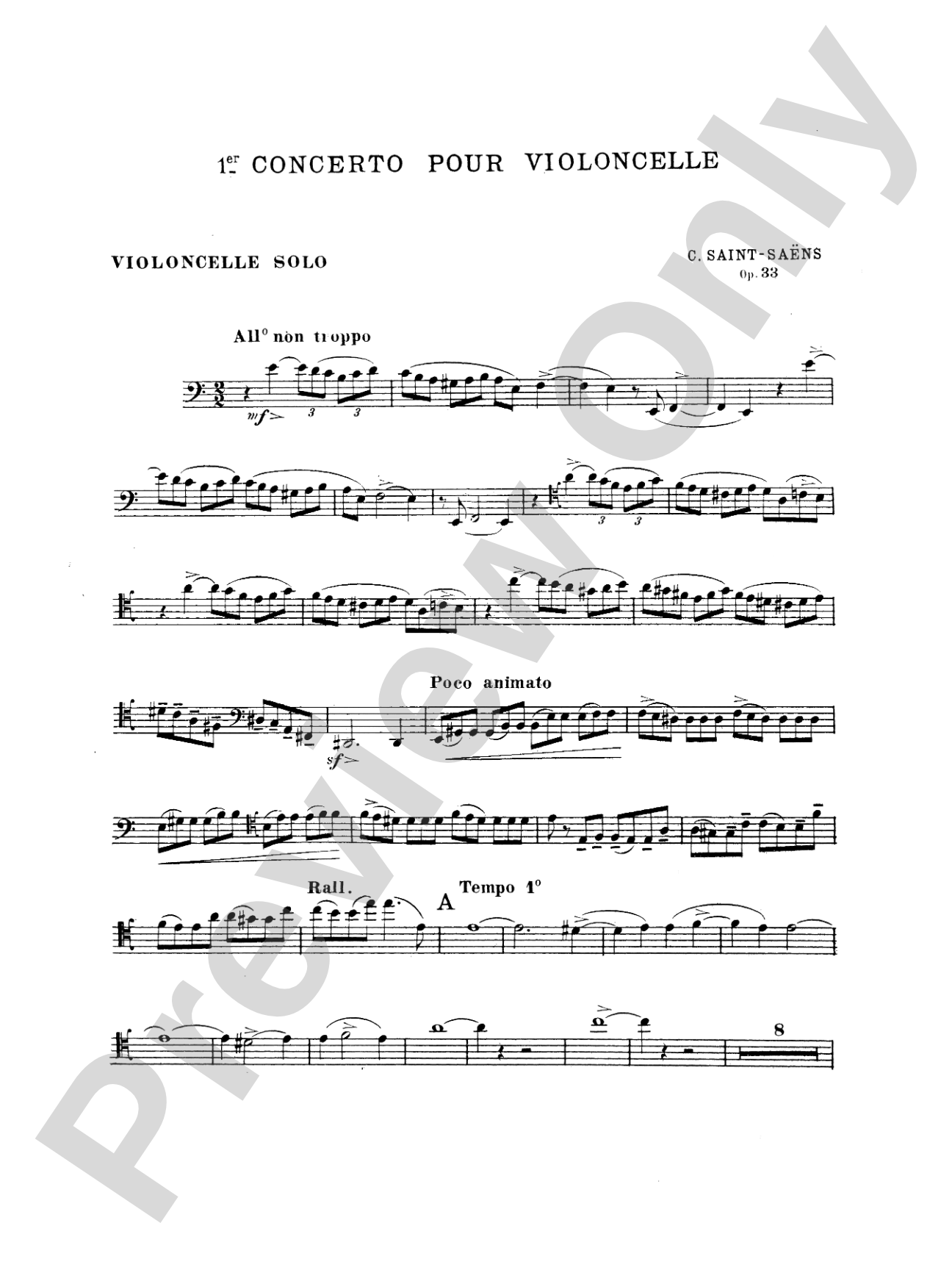
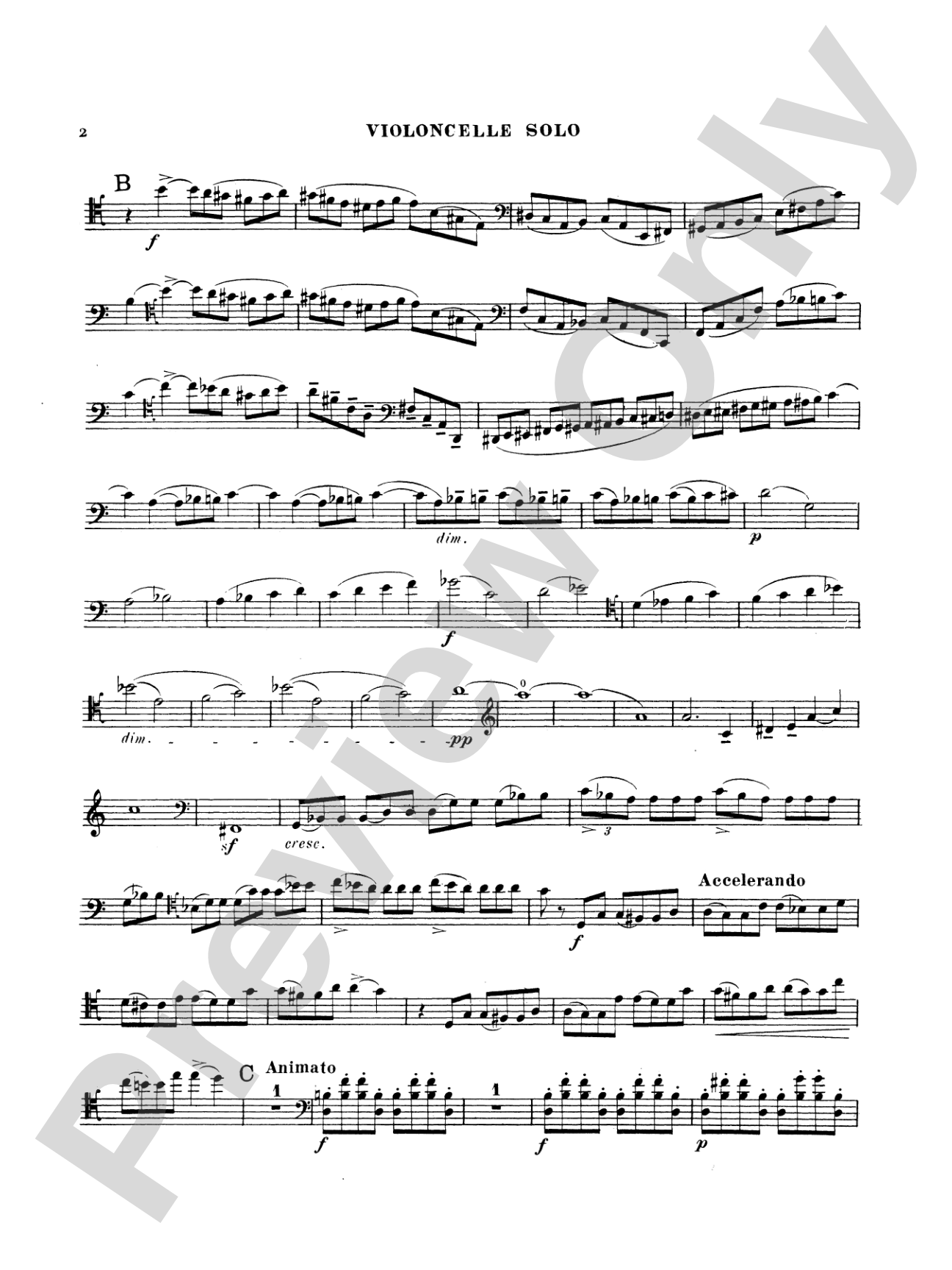
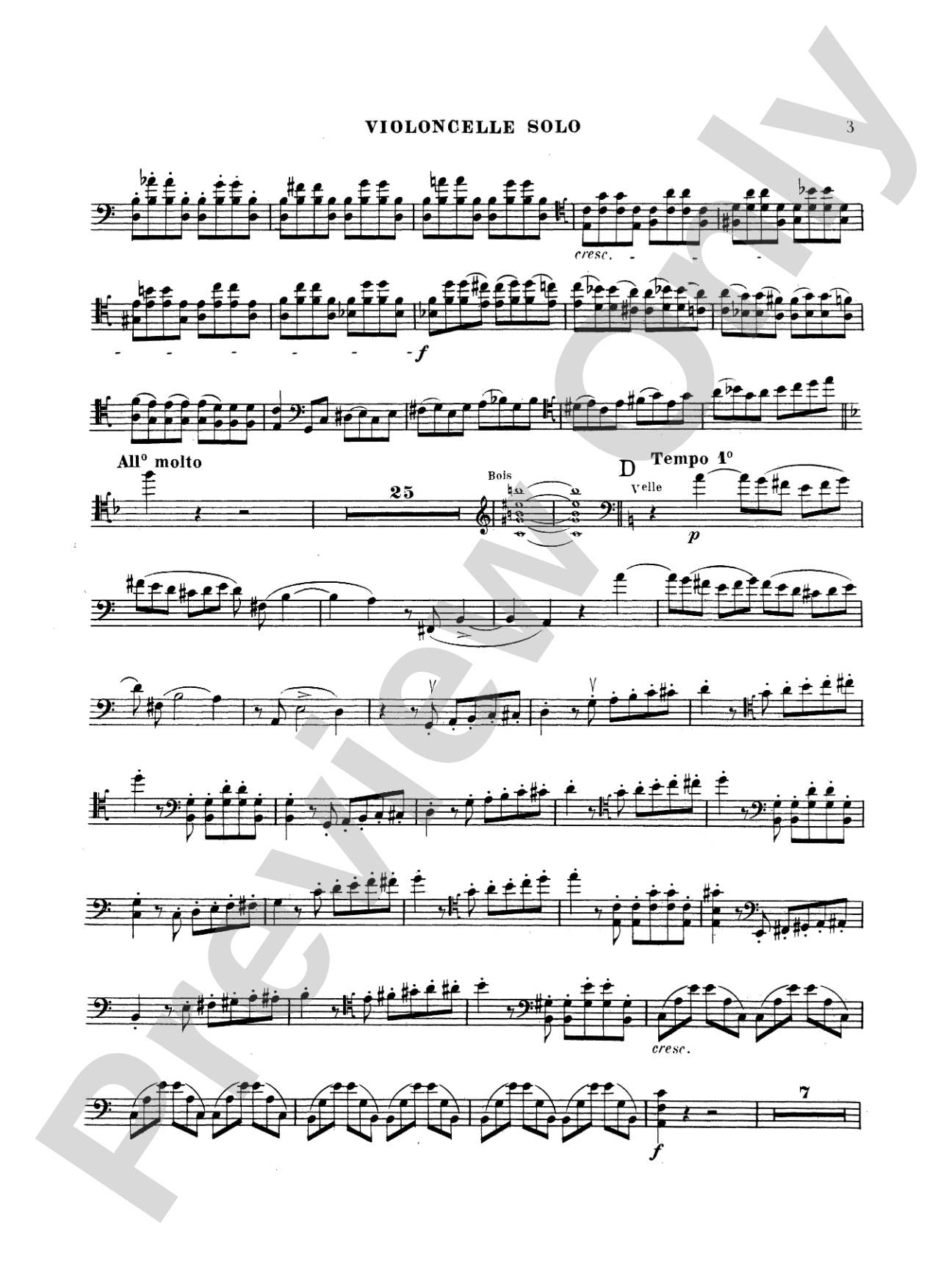
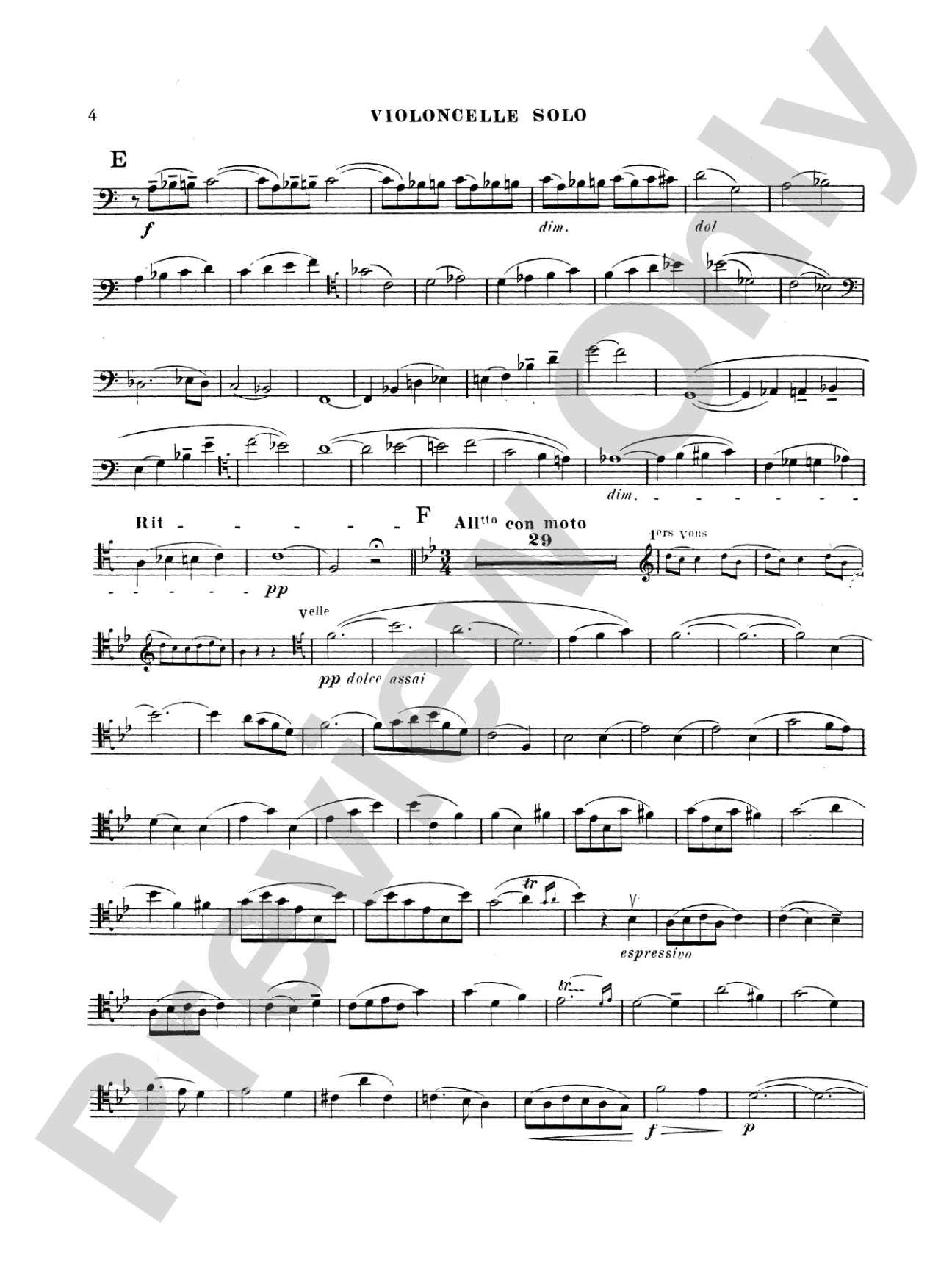
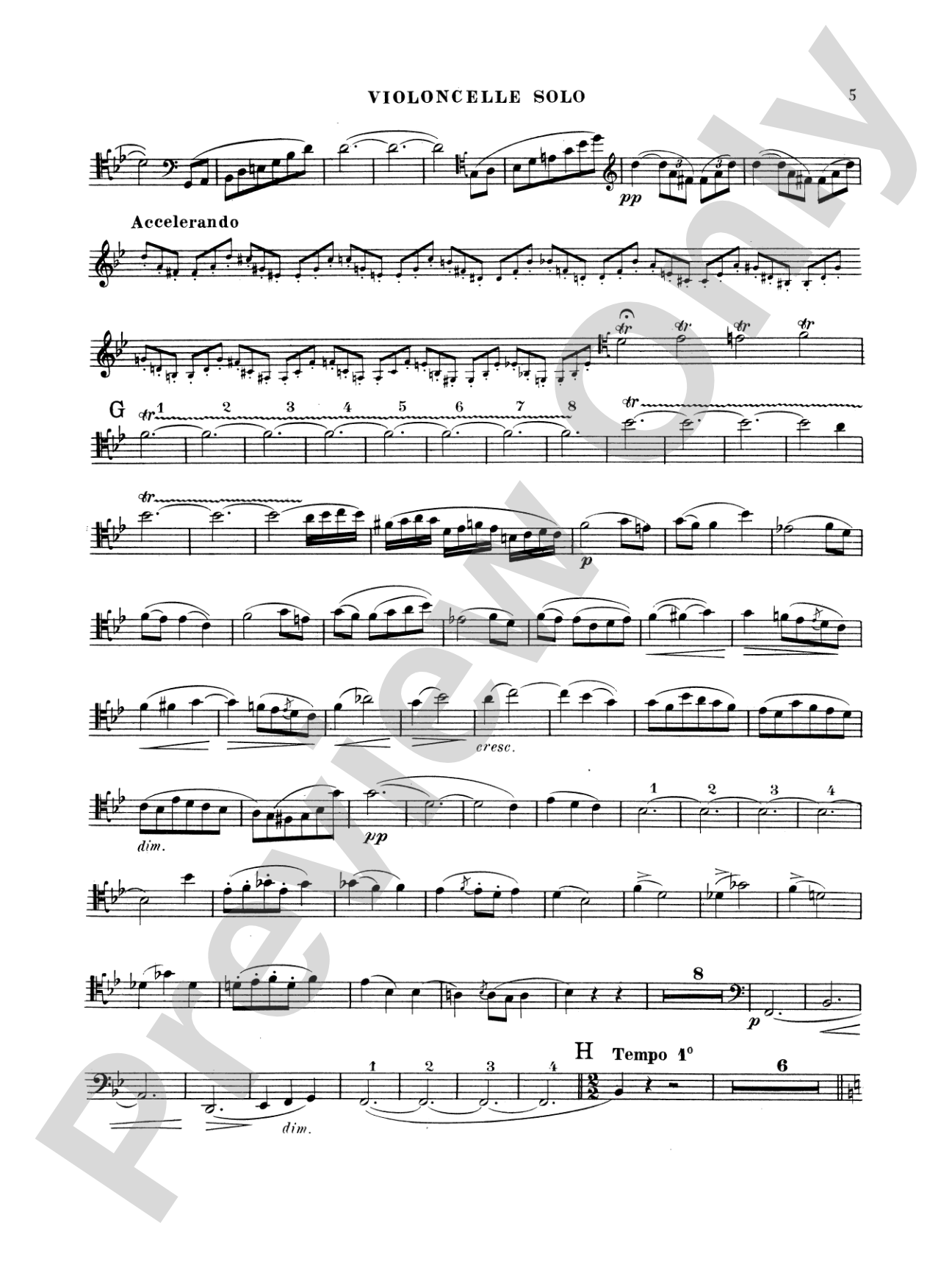
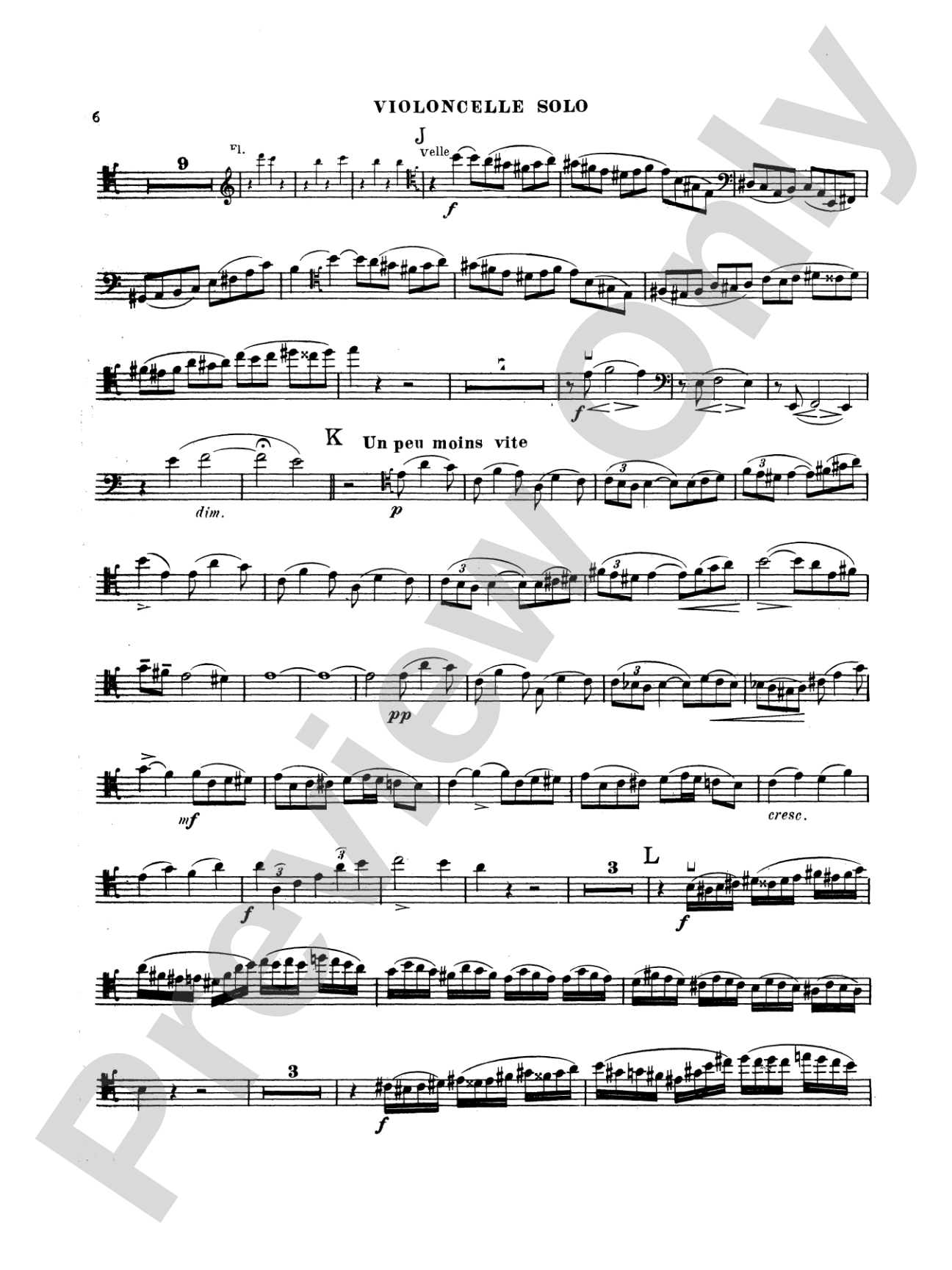
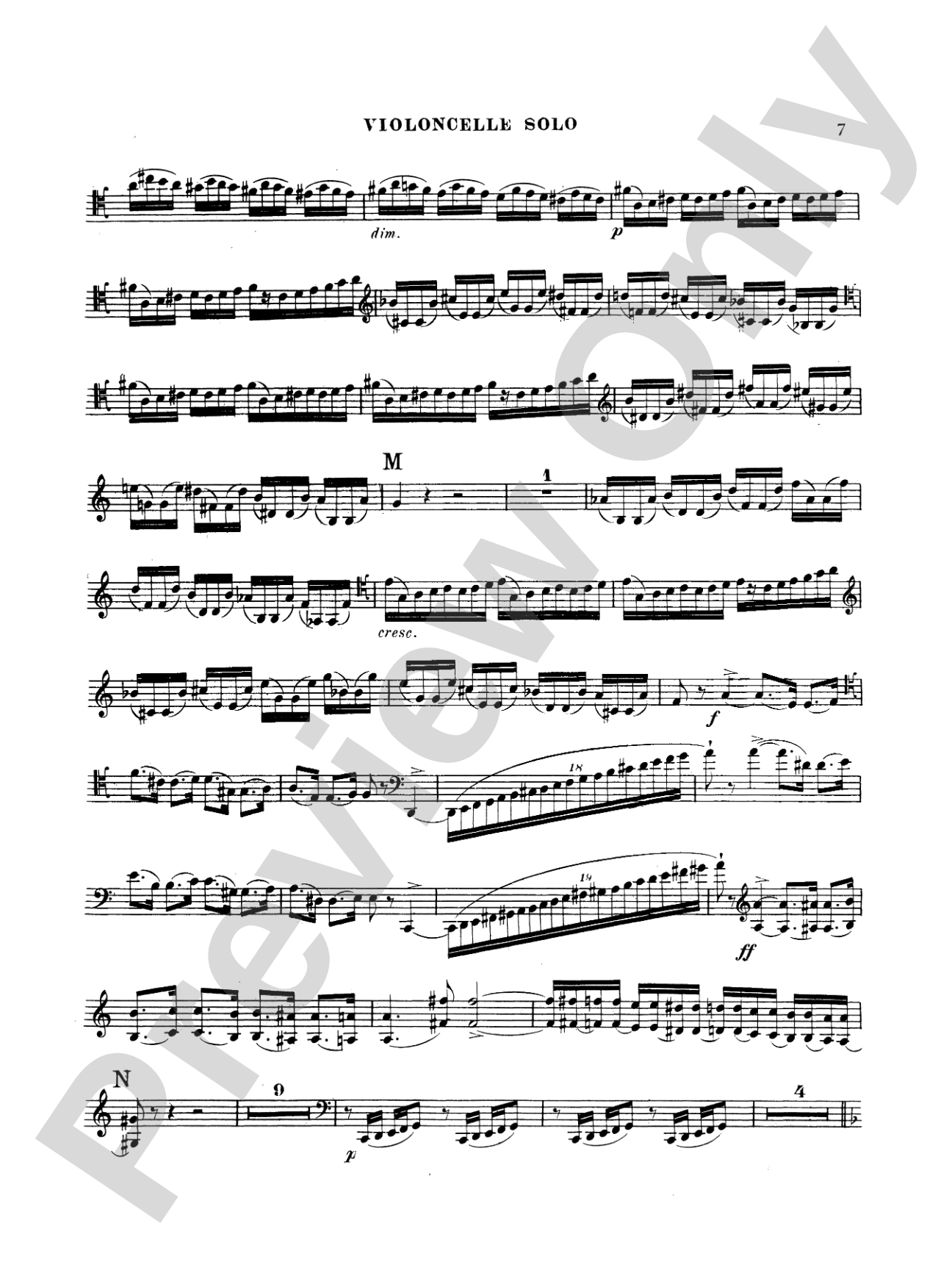
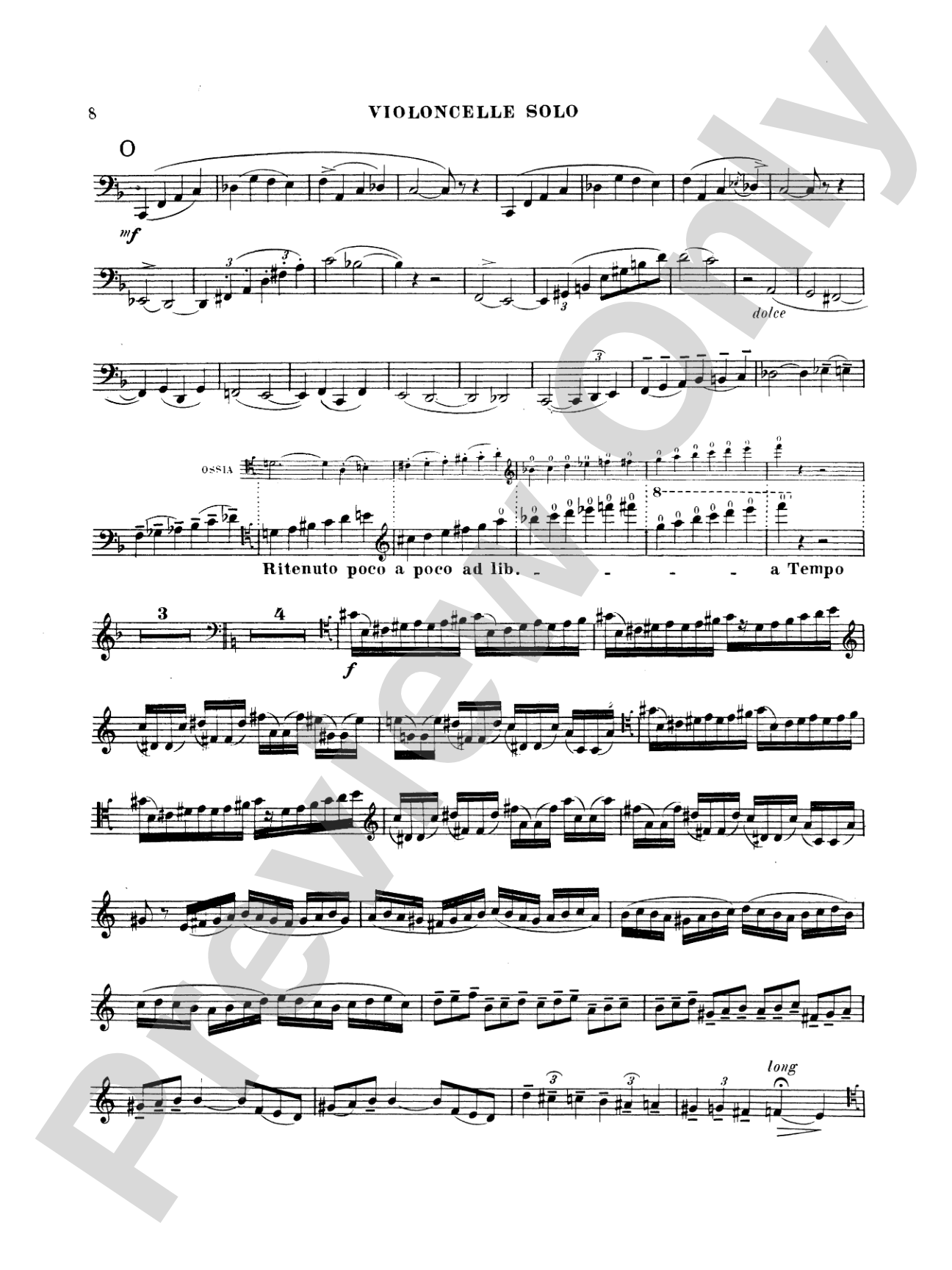
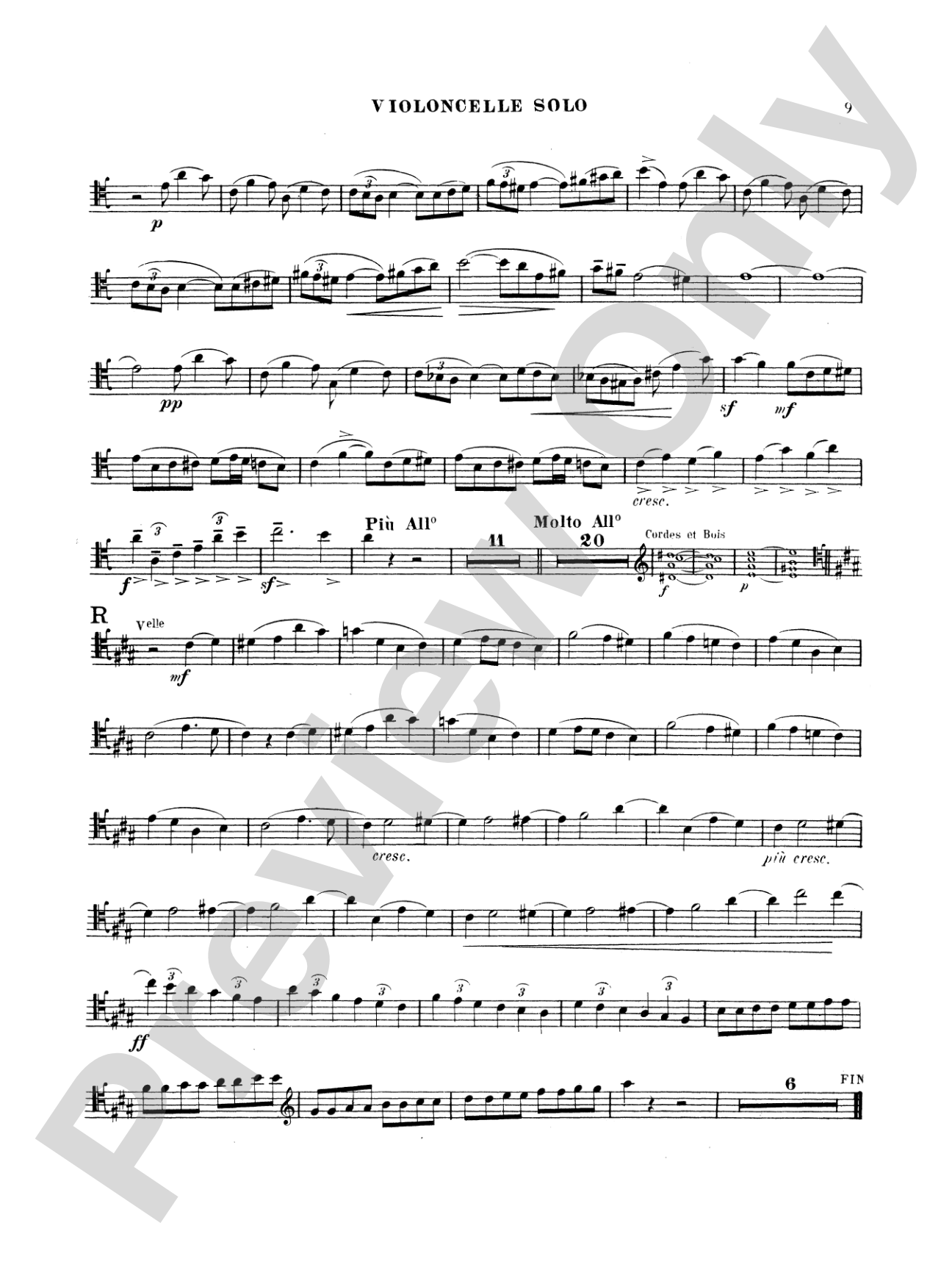




Saint-Saëns: Cello Concerto No. 1, Op. 33: Cello Book
By Camille Saint-Saëns
Item: 00-PK-0003311

$10.99
Pickup currently not available
Buy Extra Parts (Digital PDF Download)
| Product | Price | Quantity |
|---|---|---|
| Saint-Saëns: Cello Concerto No. 1, Op. 33 | $4.99 | |
| Saint-Saëns: Cello Concerto No. 1, Op. 33 | $4.95 |
Parts Added to Cart!
Related Items
Cello Concerto No. 1, Opus 33: Cello Book |
$10.95
|
View |
Description
A Cello solo with Piano Accompaniment composed by Camille Saint-Saëns.


Don't just read it, hear it, play along with it, and watch your students grow with it. In MakeMusic Cloud, Saint-Saëns: Cello Concerto No. 1, Op. 33: Cello Book comes alive with professional accompaniment, adjustable tempo, and built-in practice tools that turn solo practice into real progress.
Open in the Player
Jump straight in and assign it today.
Start Your Free Trial
Open this title and explore the full library in minutes.
Sample Audio
No sample audio found.
Sample Video
No sample videos found.
Additional Details
Series:
Kalmus Edition
Publisher:
Alfred Music
Page Count:
40
SKU:
00-PK-0003311
More about this title
About the Composer: Camille Saint-Saëns
Camille Saint-Saëns (1835-1921) was a French composer, organist, and pianist whose technical mastery and prolific output shaped the Romantic era. He wrote across every major genre—operas, symphonies, concertos, chamber music, and sacred works—and championed the music of younger contemporaries while maintaining his own distinctive voice rooted in classical form and harmonic invention.
Saint-Saëns composed the Cello Concerto No. 1 in 1872 for the renowned cellist Auguste Tolbecque. The work became one of the cornerstone concertos of the cello repertoire, balancing lyrical melody with technical display and earning its place as a standard for advanced students and professionals alike.
Why we love this
This concerto opens doors to one of the most rewarding works in the cello canon without the extreme technical demands of later Romantic concertos. The writing sits beautifully under the fingers, allows the cellist to sing through long lyrical passages, and demonstrates how intelligent orchestration (here, the piano part) supports rather than overwhelms the soloist. Contest judges and recital audiences recognize it immediately, and cellists remember preparing it for years afterward.
What to expect
The concerto flows between intimate lyricism and virtuosic brilliance, never losing its graceful character even during the most technically demanding passages. You'll experience the Romantic cello voice at its most eloquent, with Saint-Saëns' gift for memorable melody creating moments that feel both composed and spontaneous. The work balances technical challenge with genuine musicality, rewarding preparation with performances that resonate long after the final note.
Who it's for
This edition serves cellists preparing for competitions, festivals, and recitals, as well as those studying the standard concerto repertoire at the intermediate-advanced and professional levels. The Kalmus Edition provides an accessible, reliable score for performers ready to engage seriously with nineteenth-century French writing for the instrument.
How to get the most out of it
- Shape the opening theme with long, connected phrases; Saint-Saëns expects legato playing that spans multiple measures. Resist rushing into the technical passages that follow.
- Balance your tone between the lyrical first theme and the more assertive material in the middle section. The concerto rewards both lyricism and brilliance, but one should never dominate the other.
- Work closely with your pianist on the cadenza sections. The piano part is not mere accompaniment; Saint-Saëns gives the pianist real musical material that must breathe with you.
- Listen for the dialogue between cello and piano in the slower sections. Treat the piano as a conversation partner, not background, and adjust your phrasing to match.
How to use it
Program this as the centerpiece of a recital or concerto competition. Pair it with a contemporary work or earlier Baroque suite to highlight how Saint-Saëns modernized the cello's role while respecting its lyrical heritage. The concerto's 25-minute span (typically) makes it ideal for a full solo recital or the featured work in a festival competition.
Skills your students will build
- Sustained legato phrasing across multiple measures
- Vibrato control and tonal shaping in lyrical passages
- Technical passage work including rapid position shifts and scalar figures
- Rhythmic precision in dialogue with an independent piano accompaniment
- Interpretation of Romantic-era expression marks and nuanced dynamics
- Chamber music listening and response with a pianist