Saint-Saëns: Arte de Tañer Fantasia Sheet Music Preview

Saint-Saëns: Arte de Tañer Fantasia

By Tomas de Santa Maria

Item: 00-PC-0009052

Digital Download
$0.99
Description
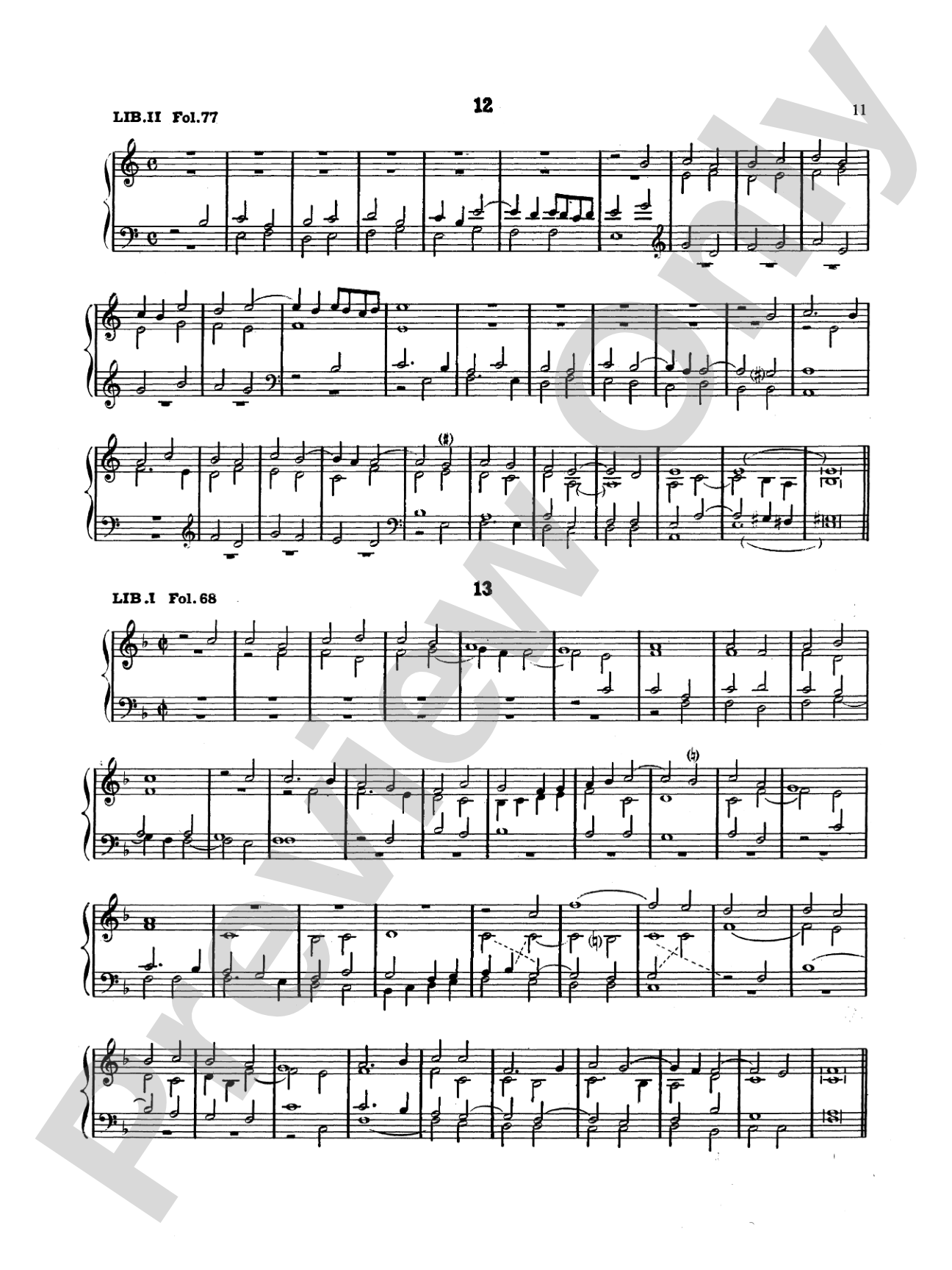
An Organ solo composed by Tomas de Santa Maria.

Don't just read it, hear it, play along with it, and watch your students grow with it. In MakeMusic Cloud, Saint-Saëns: Arte de Tañer Fantasia comes alive with professional accompaniment, adjustable tempo, and built-in practice tools that turn solo practice into real progress.

Sample Audio
No sample audio found.
Sample Video
Additional Details
Series: Kalmus Edition
Publisher: Alfred Music
Page Count: 24
SKU: 00-PC-0009052

More about this title

About the Composer: Camille Saint-Saëns

Camille Saint-Saëns (1835-1921) was a French composer, organist, and pianist whose technical mastery and prolific output shaped late 19th-century music. He served as organist at the Madeleine in Paris for nearly two decades, a position that deepened his understanding of the instrument and its expressive possibilities. His compositional voice balanced structural clarity with romantic sensibility, making him equally at home in symphonic and sacred contexts.

Saint-Saëns' organ works remain central to the recital repertoire, prized for their architectural precision and keyboard brilliance. He composed numerous pieces for the instrument, from intimate character studies to large-scale fantasias that exploit the full range of organ sonorities. His influence on organ music extends through pedagogy as well; his works continue to challenge and inspire organists at all levels.

Why we love this

Saint-Saëns writes organ music that balances technical display with genuine musicality. The fantasia form allows him to move fluidly between contrasting sections, keeping performers and audiences engaged without sacrificing compositional substance. Organists gravitate toward his work because it rewards both careful practice and interpretive freedom.

What to expect

The music unfolds with a blend of introspection and virtuosity. Lyrical passages give way to brilliant passagework, then resolve into harmonically rich, meditative moments. Throughout, there is a sense of architectural inevitability; each gesture feels both spontaneous and precisely calculated.

Who it's for

Advanced organists preparing recital repertoire or building a foundation in Romantic-era keyboard music will find this fantasia rewarding. Music teachers introducing students to compositional forms beyond Bach will appreciate how Saint-Saëns' structure clarifies sectional design while maintaining expressive momentum.

How to get the most out of it

  • Plan registration changes carefully; mark them into your score before the first rehearsal so you can execute them smoothly without losing momentum.
  • Balance left-hand figuration against melody; the accompaniment should support without overwhelming, so practice hands separately until the textural hierarchy is clear.
  • Attend to phrase shapes across longer sections rather than note-to-note execution. Saint-Saëns' architectural sense rewards broad, singing lines.
  • Use the sustaining pedal judiciously to blend harmonies while maintaining clarity. The organ's natural resonance can muddy if you over-pedal.

How to use it

Feature this as the centerpiece of a recital exploring Romantic organ music, pairing it with works by Widor, Franck, or Buxtehude to trace the instrument's evolution. Alternatively, program it as a concert opener or interlude where its technical polish and formal clarity provide welcome contrast to larger ensemble works.

Skills your students will build

  • Navigating sectional contrasts within fantasia form
  • Coordinating complex manual and pedal figurations
  • Managing registration to shape phrase articulation
  • Sustaining interpretive focus across 24 pages of continuous music
  • Reading dense harmonic language with chromatic voice-leading

You May Also Like