Sacred Songs & Solos, Book 1 Cover Image

Sacred Songs & Solos, Book 1: Piano Book

$7.95 USD
Sale price  $7.95 USD Regular price 
Skip to product information
Sacred Songs & Solos, Book 1 Cover Image

Sacred Songs & Solos, Book 1: Piano Book

8 Well-Loved Hymns Arranged as Both Traditional Song Accompaniments and Stirring Piano Solos for Intermediate Pianists

Arranged by Margaret Goldston

Level: Intermediate

Item: 00-14754

$7.95
Shipped

One moment…

Description
Each book contains eight well-known hymns arranged as both traditional song accompaniments and piano solos. Both volumes were written for the intermediate pianist who is searching for impressive arrangements for worship. The song versions are arrangements similar to standard hymnals yet are easier to play. The more elaborate solo versions are showy arrangaments suitable for preludes, offertories and postludes. Peaceful, lyrical solos are included for the meditative moments of the church service.

Sacred Songs & Solos, Book 1: Piano Book isn't in MakeMusic Cloud just yet...but it could be. Let us know you'd like to see it, and you'll help shape what comes next. In the meantime, start a free trial and dive into thousands of interactive titles your students can play along with today.

Sample Pages

Sample Audio
No sample audio found.
Sample Video
Additional Details
Publisher: Alfred Music
Page Count: 32
ISBN10: 0-7390-2020-X
ISBN13: 978-0-7390-2020-3
UPC: 038081135168
SKU: 00-14754

More about this title

About the Arranger: Margaret Goldston
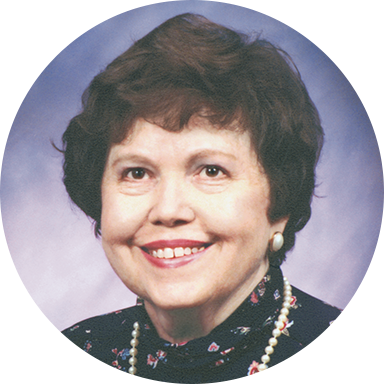
Margaret Goldston

Margaret Goldston (1932–2003) spent decades building a thriving piano studio in North Carolina while establishing herself as both a composer and educator. She earned her Bachelor of Music degree in piano performance from Louisiana State University and later studied composition privately with Pulitzer Prize winner Robert Ward, whose influence shaped her approach to writing accessible yet sophisticated music for students.

Goldston's contributions to music education earned recognition throughout her career: she received the Composer of the Year award from the North Carolina Federation of Music Clubs in both 1983 and 1994, and LSU honored her as School of Music Alumnus of the Year in 1991. Beyond composing, she was an active clinician who led masterclasses and workshops across the United States and Canada. Her legacy continues through her compositions, which remain fixtures on NFMC Junior Festivals lists and contest programming nationwide. In 2020, she was posthumously named a Foundation Fellow by the Music Teachers National Association.

Why we love this

Goldston gives you two distinct ways to use each hymn within the same collection, solving a real scheduling puzzle for church musicians. The simpler accompaniment versions let you support congregational singing without technical strain, while the more elaborate solo arrangements deliver genuine musical substance for offertories and preludes. The variety means you're not hunting through multiple books to cover different liturgical moments.

What to expect

These arrangements honor the reverent character of well-known hymns while introducing gentle textural variety that keeps the music engaging to play and listen to. The solo versions carry a meditative quality, inviting the pianist to shape intimate moments of worship with thoughtful phrasing and subtle harmonic color. You'll find the familiar melodies grounded in accessible but accomplished keyboard writing.

Who it's for

Intermediate pianists working in church settings or preparing sacred repertoire for recitals will find this collection immediately useful. Whether you're accompanying congregational singing during services or looking for substantial yet approachable solo material for worship services, these arrangements speak to your level without oversimplifying the music.

How to get the most out of it

  • Balance the hymn tune clearly in the right hand when playing the accompaniment versions, keeping left-hand textures transparent so congregational singers stay grounded
  • Practice the solo versions hands separately first, since the more elaborate textures can obscure the hymn melody if both hands haven't internalized their individual lines
  • Shape longer phrases by bringing out structural moments in the arrangement rather than playing through with uniform volume; listen to where the harmony shifts and let that guide your pacing
  • Use the pedal conservatively in the peacefully lyrical pieces, engaging it for atmospheric effect but releasing it to prevent harmonic muddiness across multiple changes

How to use it

Use the accompaniment versions during worship services where you need to support congregational singing, then return to the same hymns later in the year as solo pieces for offertories or postludes. This dual-purpose approach means each hymn serves multiple liturgical functions throughout the church calendar. The lyrical solo versions work especially well during communion or quiet meditation moments when the congregation needs musical support rather than active participation.

Skills your students will build

  • Playing hymn arrangements with clarity and support for congregational singers
  • Managing textural complexity in the right hand while maintaining steady accompaniment patterns in the left
  • Sustaining musical line through longer phrases with intentional shaping and pedal use
  • Translating one melody through varied harmonic settings and accompaniment figures
  • Balancing embellishment with transparency in devotional music

You May Also Like