Sacred Inspirations Cover Image

Sacred Inspirations: Piano Book

$8.99 USD
Sale price  $8.99 USD Regular price 
Skip to product information
Sacred Inspirations Cover Image

Sacred Inspirations: Piano Book

11 Favorite Hymns and Spirituals Arranged for Early Intermediate to Intermediate Pianists

Arranged by George Peter Tingley

Level: Early Intermediate / Intermediate

Item: 00-17024

$8.99
Shipped

One moment…

Description
George Peter Tingley warmly arranges 11 favorite hymns and spirituals in this uplifting collection for early intermediate and intermediate pianists. He tastefully preserves the simple beauty of each classic tune while employing easy-to-ready pianistic textures in a variety of major keys (A, B-flat, C, D, E-flat, F and G). For generations these songs have offered hope, comfort, celebration and renewal. You'll find these arrangements gratifying and inspiring in every way!

Sacred Inspirations: Piano Book isn't in MakeMusic Cloud just yet...but it could be. Let us know you'd like to see it, and you'll help shape what comes next. In the meantime, start a free trial and dive into thousands of interactive titles your students can play along with today.

Sample Pages

Sample Audio
No sample audio found.
Sample Video
Additional Details
Publisher: Alfred Music
Page Count: 24
ISBN10: 0-7390-0914-1
ISBN13: 978-0-7390-0914-7
UPC: 038081175638
SKU: 00-17024

More about this title

About the Arranger: George Peter Tingley
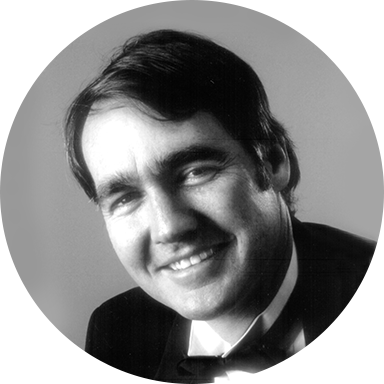
George Peter Tingley

George Peter Tingley combines formal training with deep roots in American musical tradition. A Bay Area composer and pianist, he holds degrees in Piano Performance from California State University, Hayward, and both Bachelor and Master degrees in Music Theory from USC. His formative years included study with the renowned Nadia Boulanger in Paris during the 1970s, an experience that shaped his understanding of composition across multiple genres.

Tingley's prolific output for music education includes over 75 published piano pieces since 1989. His work ranges from solo recital pieces like Reverie (Alfred, 1991) to collaborative repertoire such as Fiddle and the Tuba, a teacher-student duet collection recognized by the National Federation of Music Clubs. He has also composed for performance at the highest levels, including a theme for Olympic figure skater Kristi Yamaguchi that was orchestrated and recorded with Tingley as piano soloist.

Why we love this

These arrangements honor the melodic and harmonic integrity of sacred classics without overwhelming students with technical demands. Tingley's pianistic textures remain musical and idiomatic, making each piece rewarding to play rather than merely playable. The variety of keys and the accessible span create natural progression through the collection, offering students confidence and genuine musical satisfaction.

What to expect

Familiar melodies emerge with renewed resonance in these arrangements. Each piece invites contemplation and gentle expression rather than technical display, creating space for the pianist to connect emotionally with music that has offered solace and hope for generations.

Who it's for

Early intermediate and intermediate pianists seeking meaningful repertoire that connects musical skill-building with spiritual depth. These pieces work equally well for private studio students building confidence and expression, or for group recitals where sacred music creates a cohesive, uplifting program.

How to get the most out of it

  • Balance melody and accompaniment by listening to the overall shape of each hymn; these arrangements succeed when the familiar tune remains clear and singing, not buried in texture.
  • Explore the dynamic range within each piece. Even early intermediate arrangements benefit from subtle shaping that brings out the emotional arc of the spiritual or hymn.
  • Approach each key shift as a chance to refresh your touch and voicing. The variety of major keys across the collection (A, B-flat, C, D, E-flat, F, G) offers natural opportunities to practice tonal coloration.
  • Allow the simplicity of the arrangements to work for you. Clarity and warmth matter more than virtuosity; focus on singing the melodies with your hands.

How to use it

Program one or several pieces as a thematic recital set, or weave them throughout a multi-genre concert to provide moments of reflection between contrasting styles. These arrangements also work well for community events, educational performances, or as repertoire for students seeking to deepen their interpretive skills beyond standard classical solos.

Skills your students will build

  • Singing quality melody with clear voice leading across varied harmonic textures
  • Reading and transposing across seven major keys
  • Accompanying a melody independently while maintaining ensemble awareness
  • Shaping phrase structure and managing dynamic contrast within accessible technical frameworks
  • Interpreting sacred music with appropriate sensitivity and expression

You May Also Like