S.O.S. (arr. Dirk Kokx) Sheet Music Preview

S.O.S. (arr. Dirk Kokx): SAB Choral Octavo

As performed by ABBA / Arranged by Dirk Kokx

Item: 35-DS00489498

Digital Download
$2.99
Description

S.O.S. (arr. Dirk Kokx): SAB Choral Octavo isn't in MakeMusic Cloud just yet...but it could be. Let us know you'd like to see it, and you'll help shape what comes next. In the meantime, start a free trial and dive into thousands of interactive titles your students can play along with today.

Sample Audio
No sample audio found.
Sample Video
Additional Details
Publisher: Hal Leonard
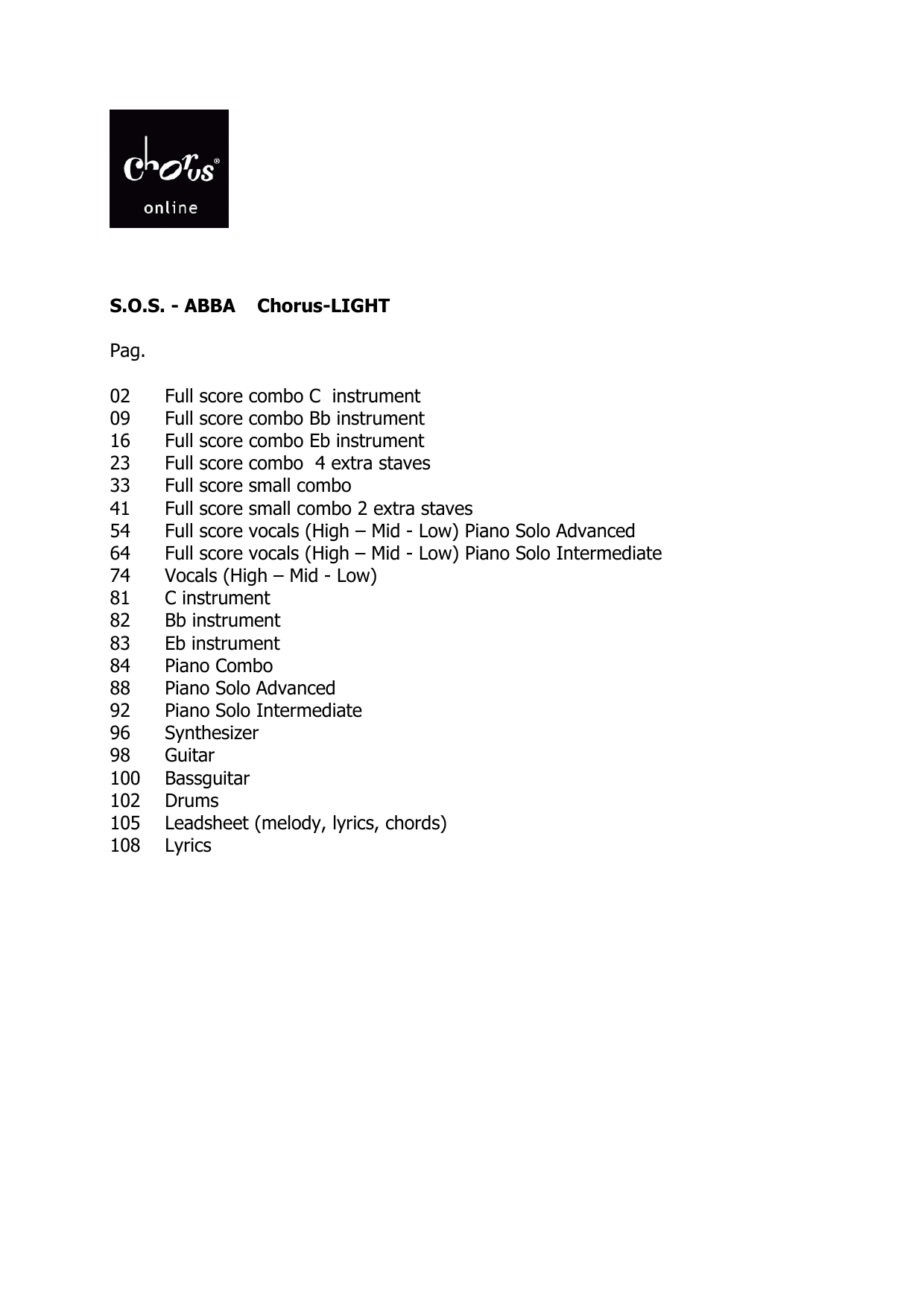
Page Count: 108
SKU: 35-DS00489498

More about this title

About the Artist: ABBA

ABBA emerged from Sweden in the 1970s to become one of the most commercially successful pop groups in history. Their catalog combines infectious melodies, sophisticated harmonies, and impeccable production values that have made their songs enduring fixtures in popular culture. For choral directors, ABBA's material offers rich harmonic content and memorable hooks that engage singers and audiences alike.

The group's influence on contemporary music education cannot be overstated. Their songs have been arranged across every conceivable ensemble type, and their appeal transcends generational and stylistic boundaries. When students encounter ABBA in a choral setting, they're learning from composers and arrangers who understood how to balance accessibility with genuine musical substance.

Why we love this

Dirk Kokx's arrangement captures what made the original so irresistible while giving SAB choirs a version that sits naturally across three parts. The soprano line carries the memorable melody without overshadowing the alto and bass lines, which provide harmonic support and rhythmic vitality that keep the texture from feeling thin. Programming this means you have a proven crowd-pleaser that your singers will actually want to learn.

What to expect

Propulsive and urgent, with the kind of driving energy that makes a room come alive. The original's emotional stakes (that plea of "S.O.S.") translate into an arrangement that feels both sophisticated and immediately accessible. This is music designed to move people, whether they're expecting it or not.

Who it's for

SAB choirs seeking contemporary pop material that actually sounds good when performed a cappella or with accompaniment. This works for high school mixed choirs, community ensembles, or any director who wants to broaden their repertoire beyond traditional choral standards while maintaining musical credibility. Students who've never sung ABBA will discover why the group's melodies have lasted five decades.

How to get the most out of it

  • Attend to the rhythmic precision in the rhythm section parts; ABBA's songs rely on groovy, locked-in rhythms that fall apart if anyone drifts. Have your altos and basses tap out their parts independently before full ensemble rehearsals.
  • The vocal tone works best when bright and forward. Encourage your singers to think "pop vocal" rather than classical tone production, which will feel more authentic to the material and give the piece its proper energy.
  • Balance the soprano melody against the harmonic texture beneath it. The lower voices shouldn't disappear, but they also shouldn't compete for attention. A full rehearsal with the recorded accompaniment (if available) will help your singers find the right dynamic landscape.
  • Land the key moments with clarity and confidence. Pop arrangements live or die by their precision at structural turning points like key changes or rhythmic hits. Mark these in rehearsal and drill them separately.

How to use it

Consider pairing this with other pop or contemporary arrangements to anchor a second-half program section that feels current and connected to your singers' lives. It also works beautifully as an opener if you're building toward a formal or classical finale. The piece has enough melodic weight that it won't feel lightweight even in a traditional concert context.

Skills your students will build

  • Singing pop/contemporary vocal production with forward, bright resonance
  • Rhythmic precision and groove in syncopated parts
  • Balancing melody against harmonic accompaniment
  • Reading three-part mixed voicing across multiple staves
  • Maintaining energy and conviction in a high-register soprano line

You May Also Like