
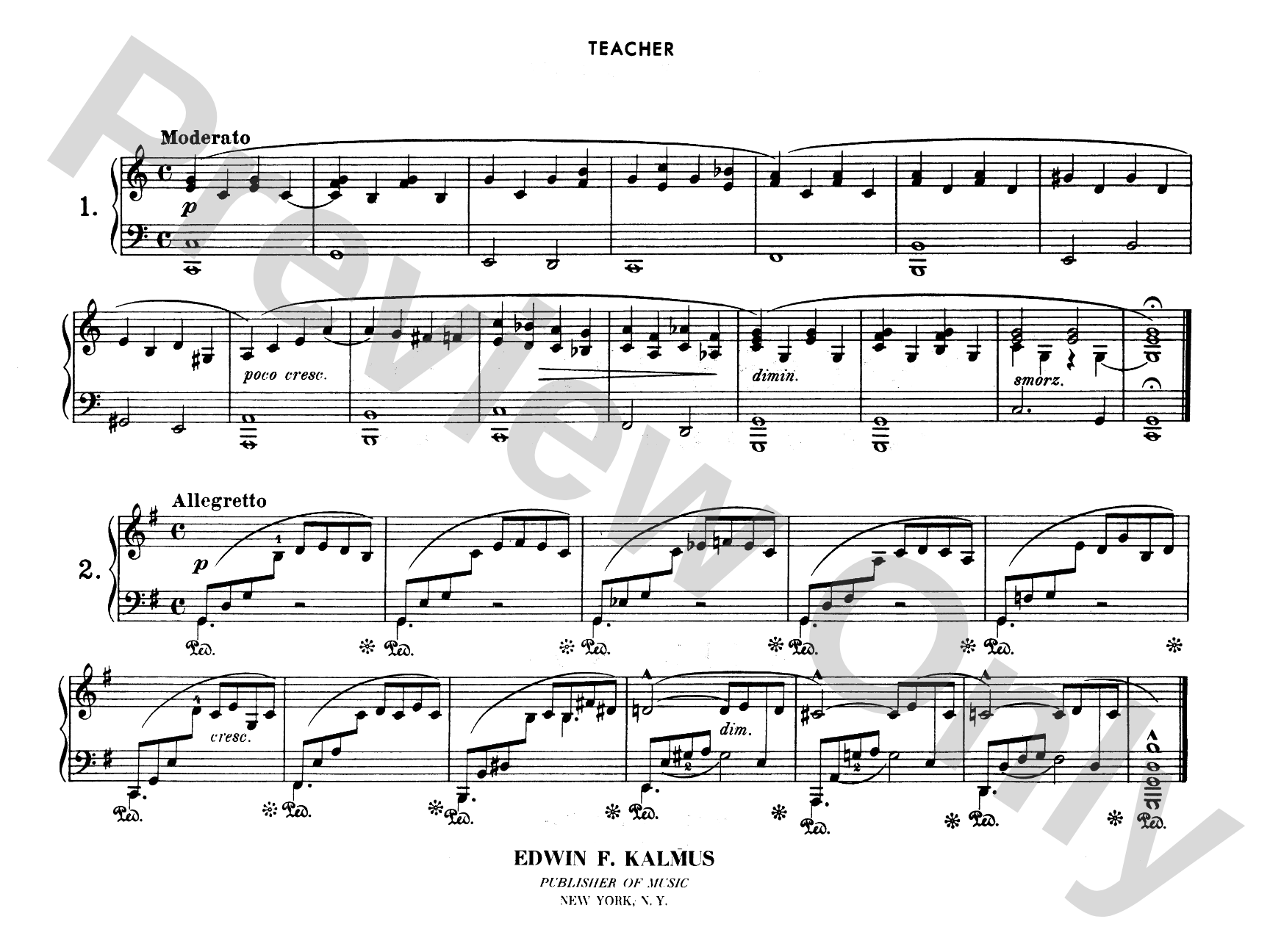
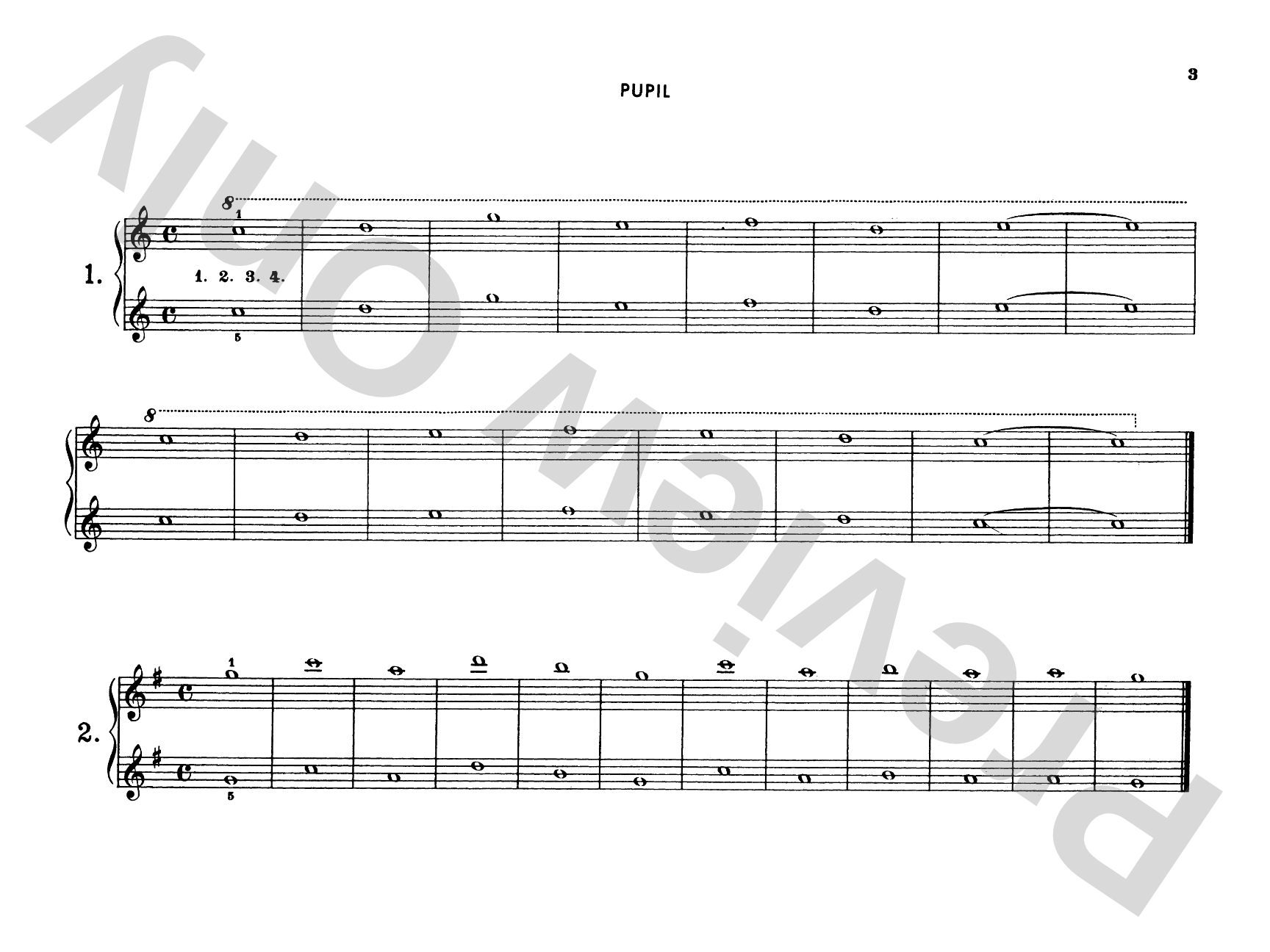
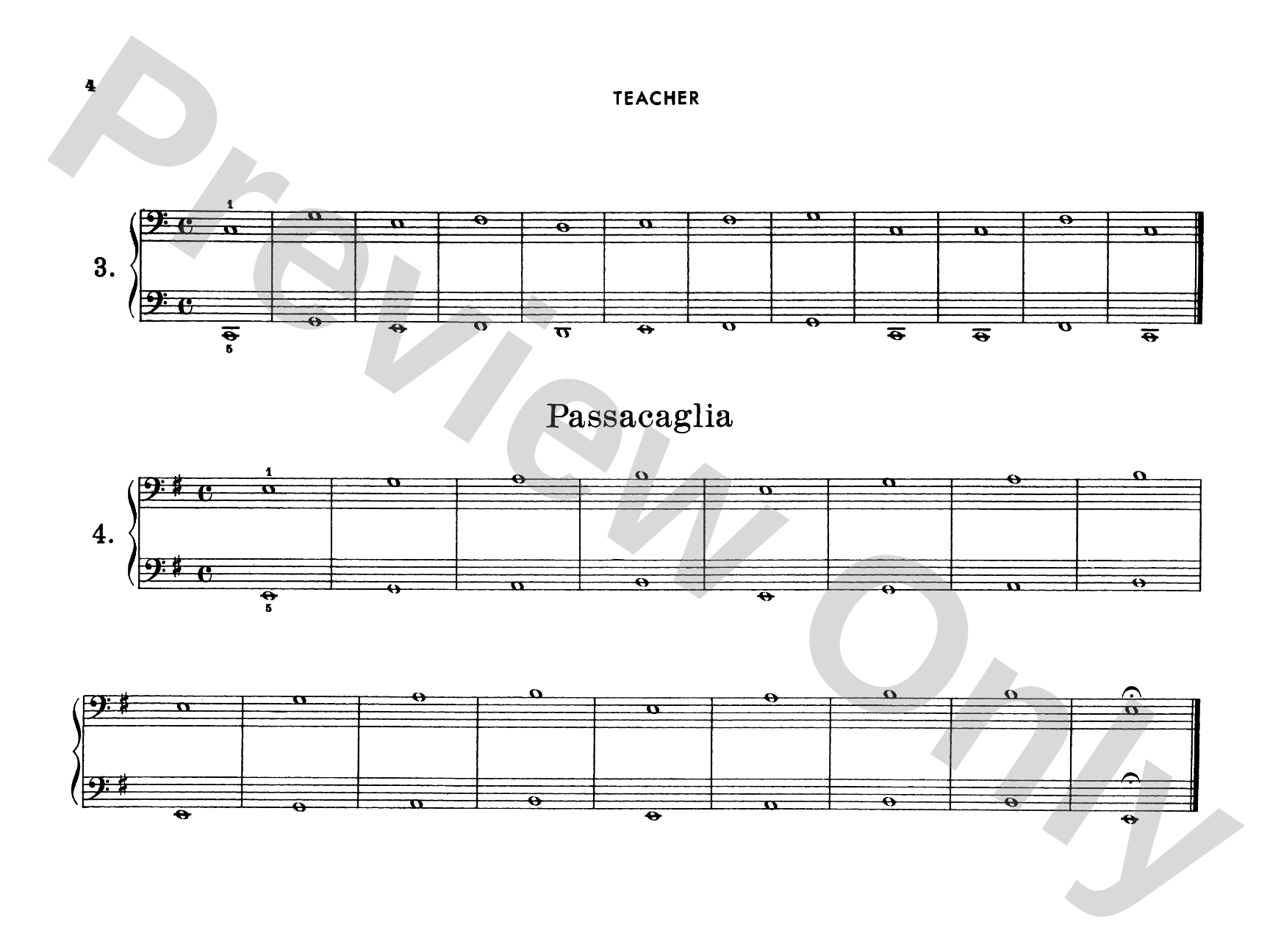
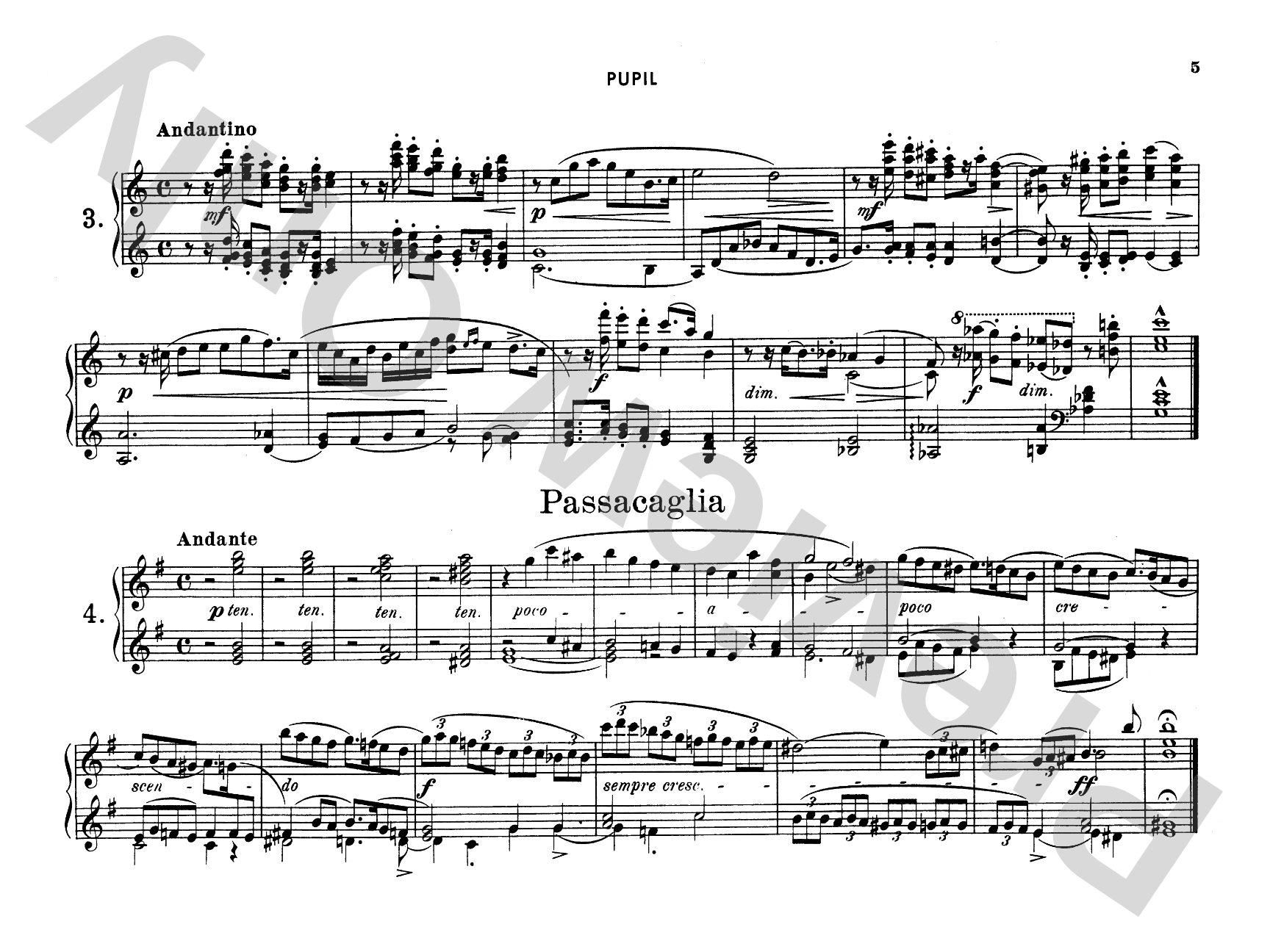
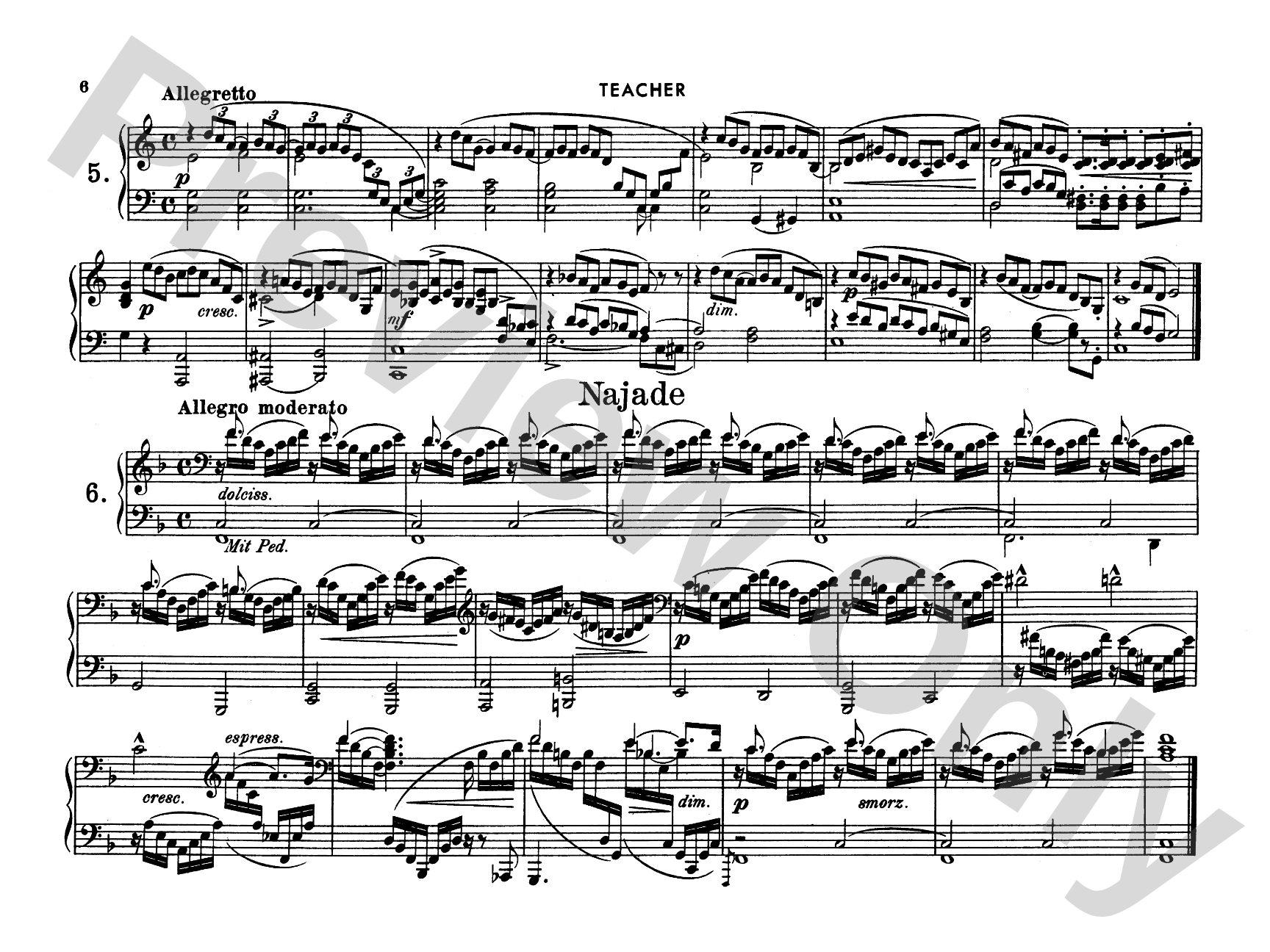
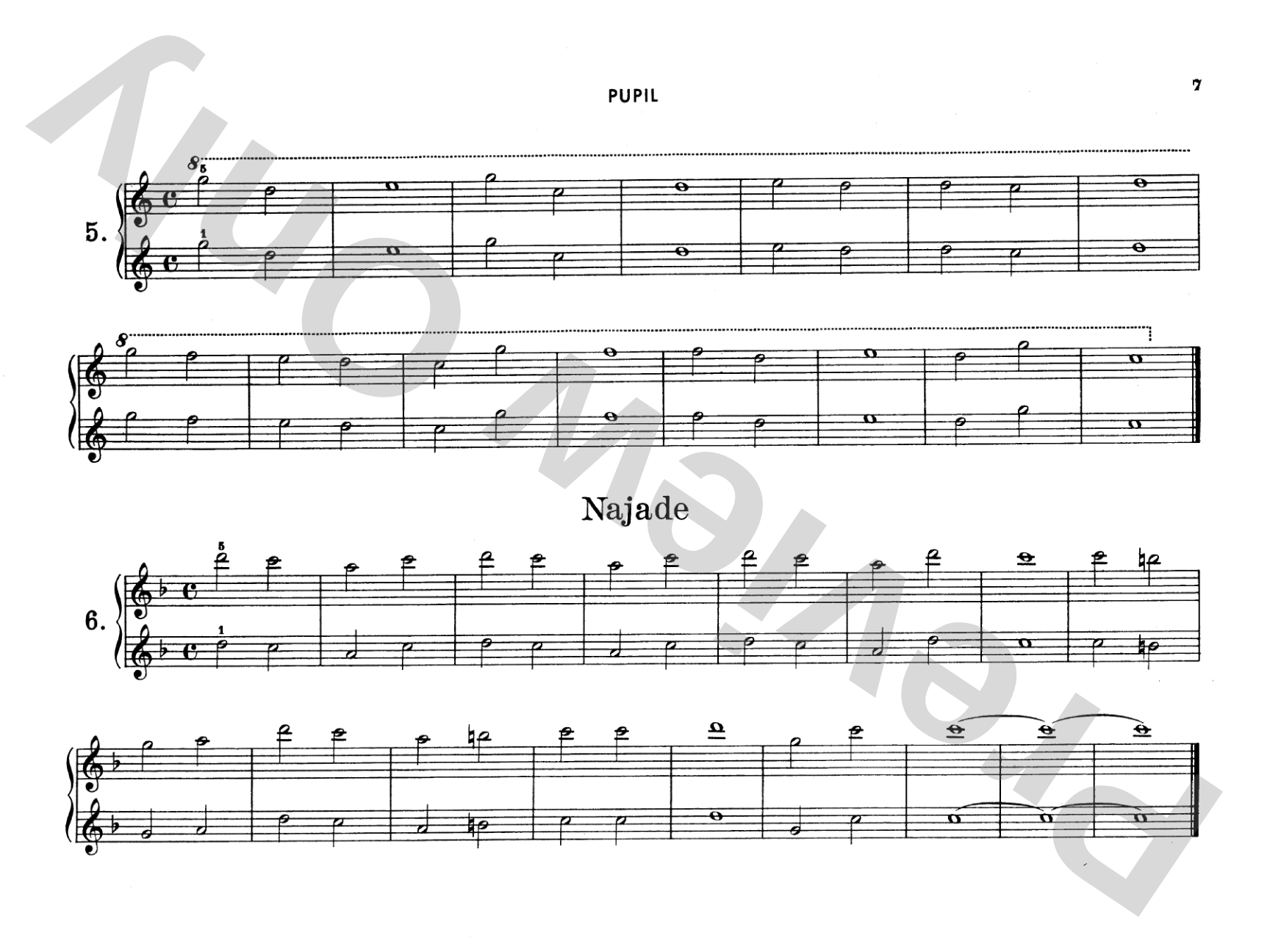
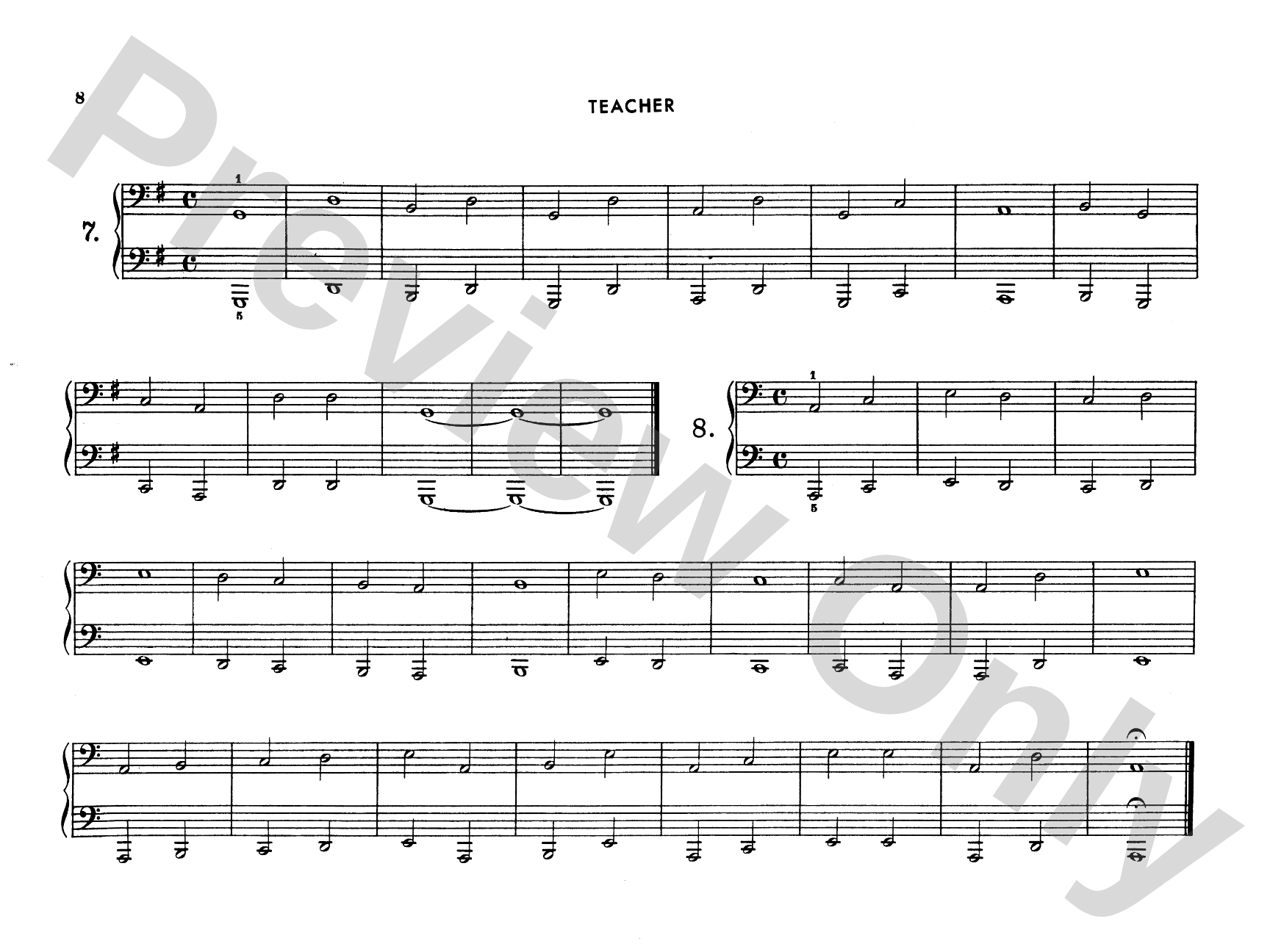
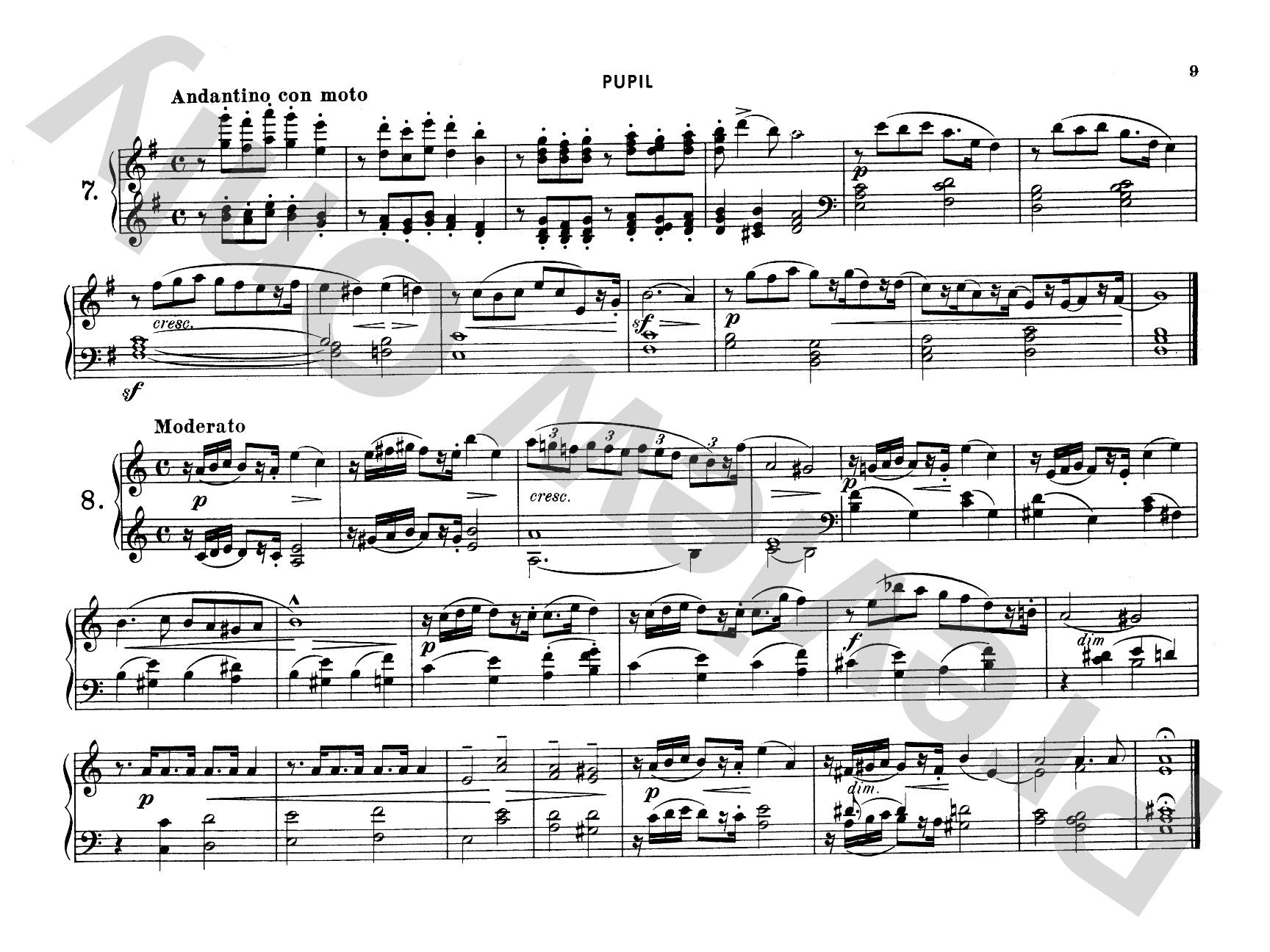
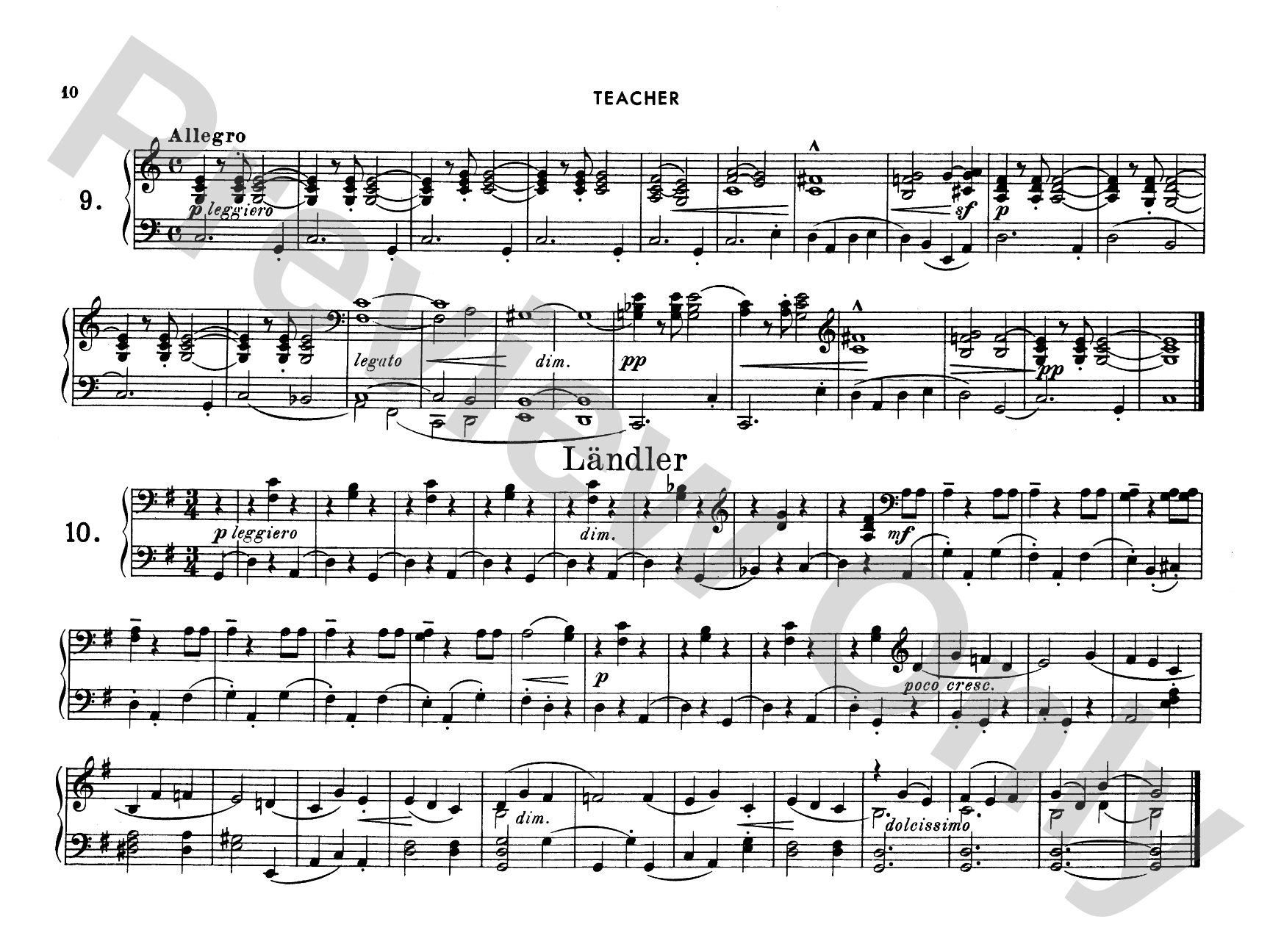
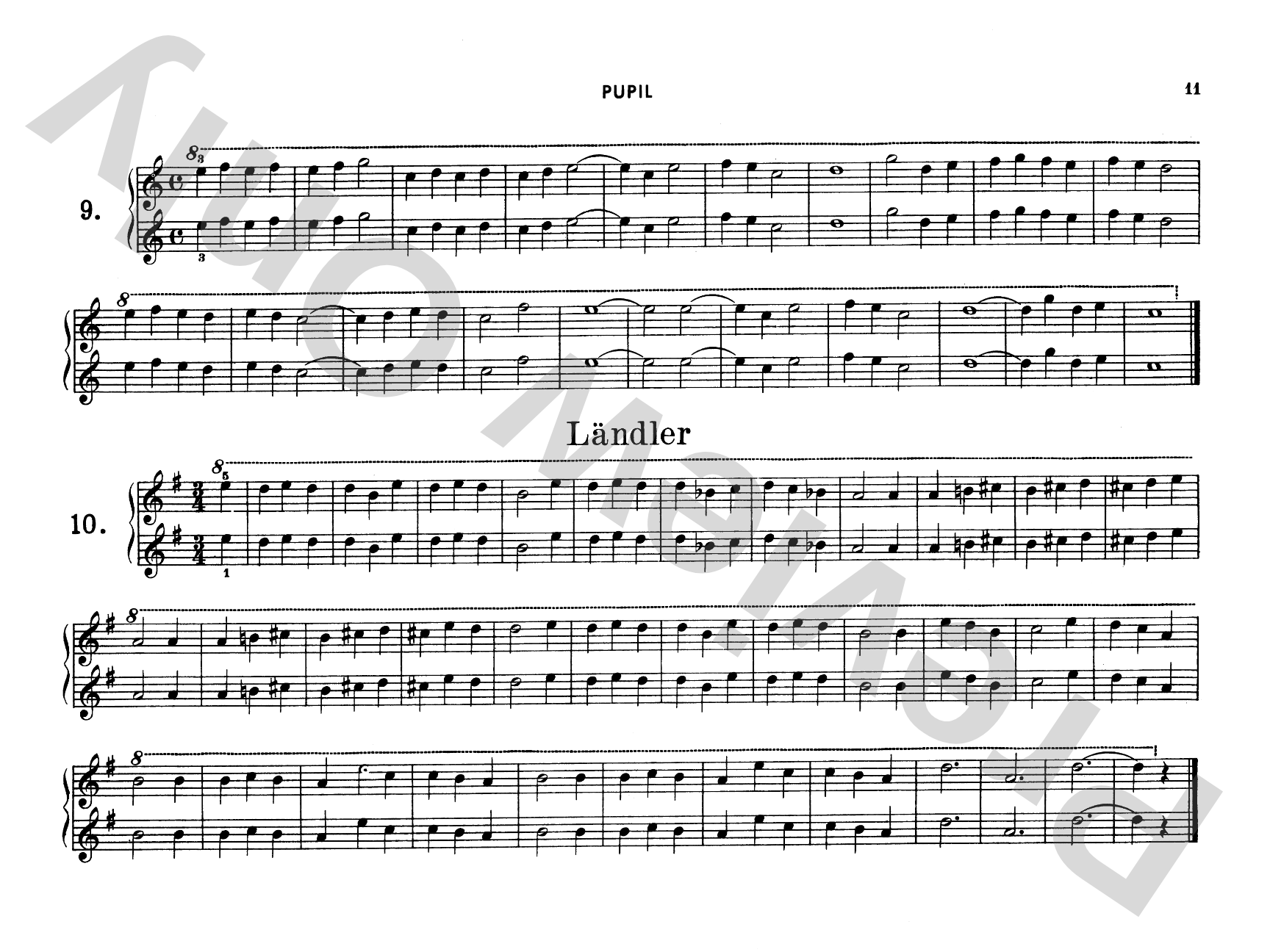
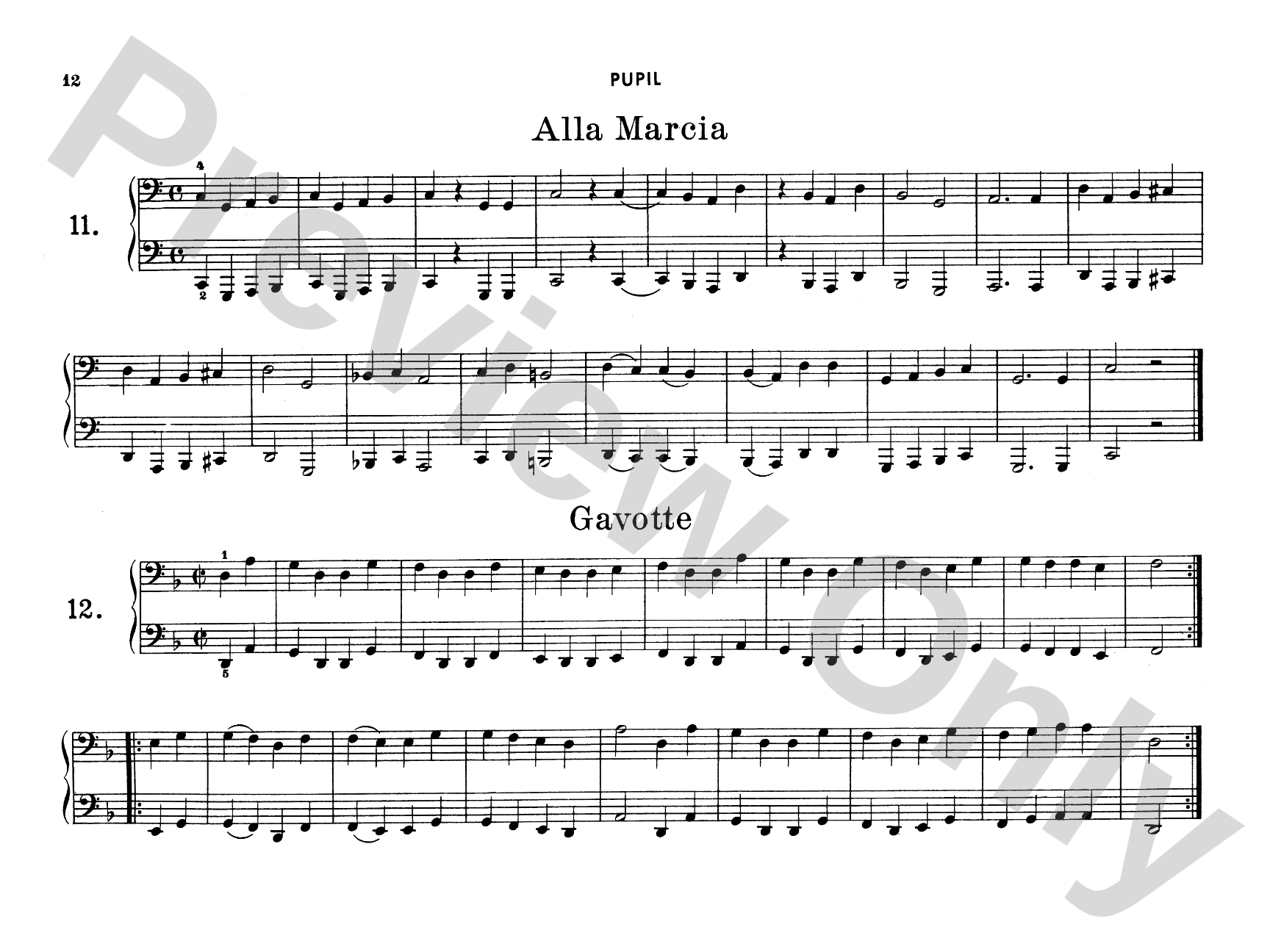
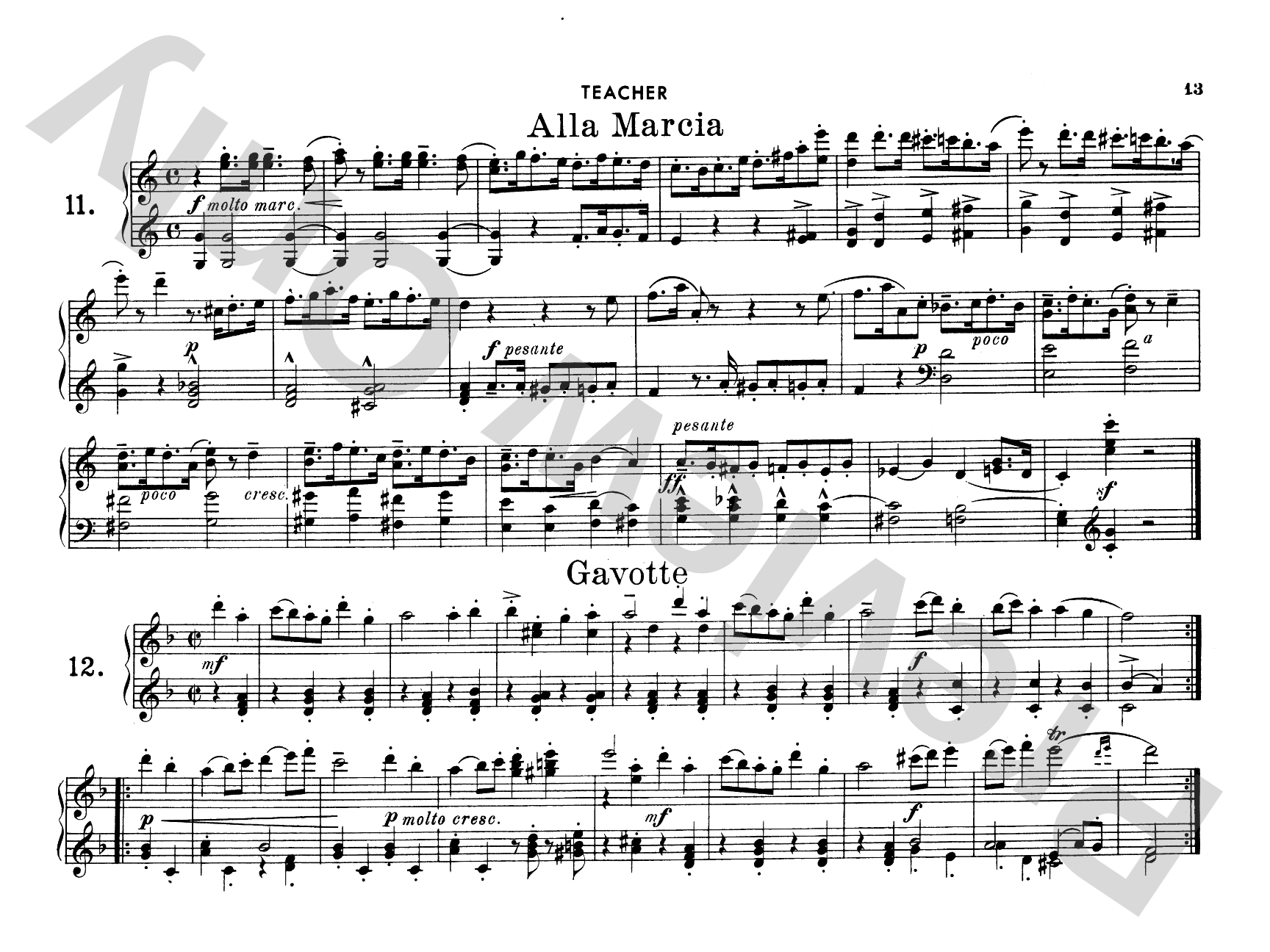
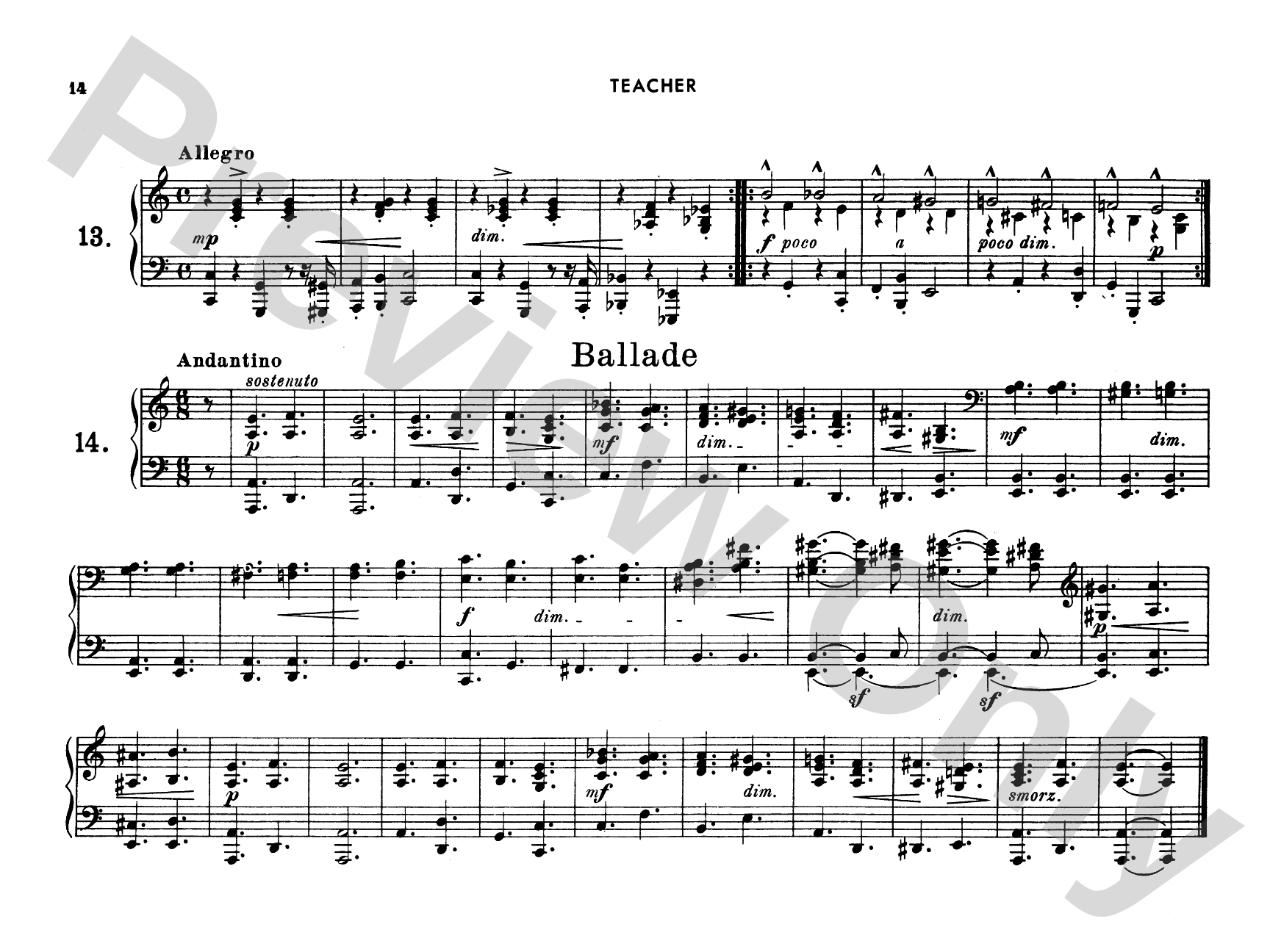
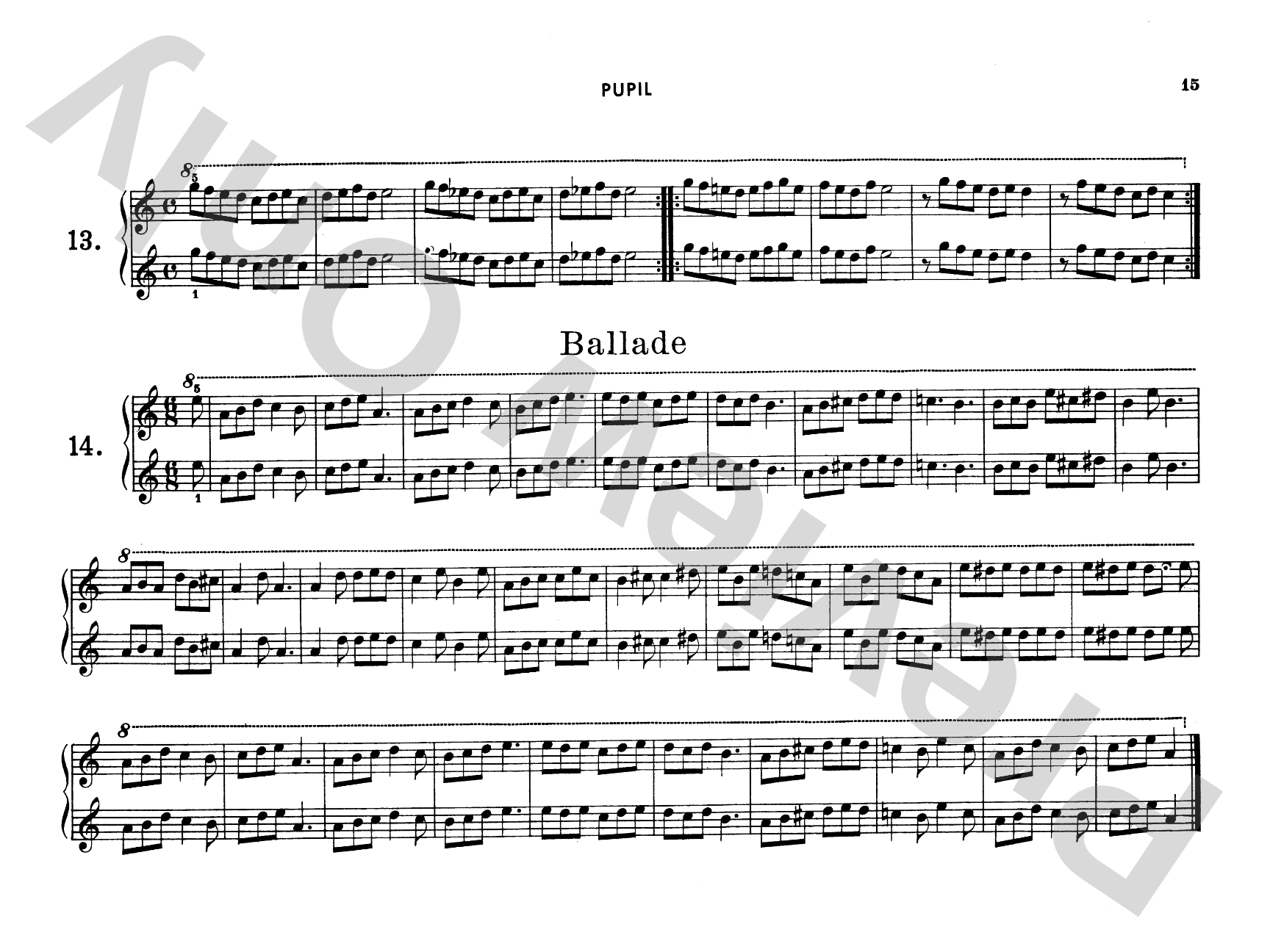
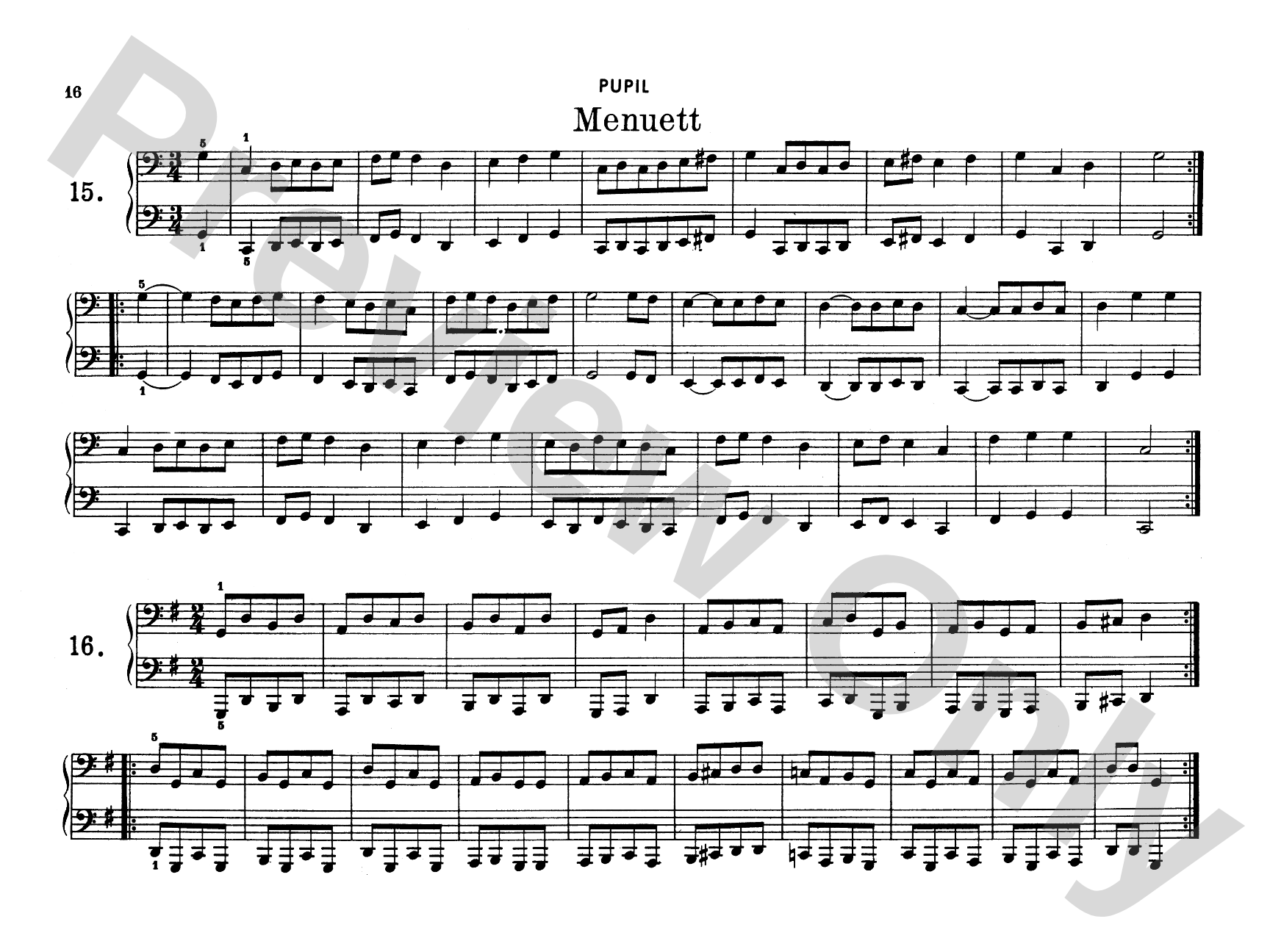
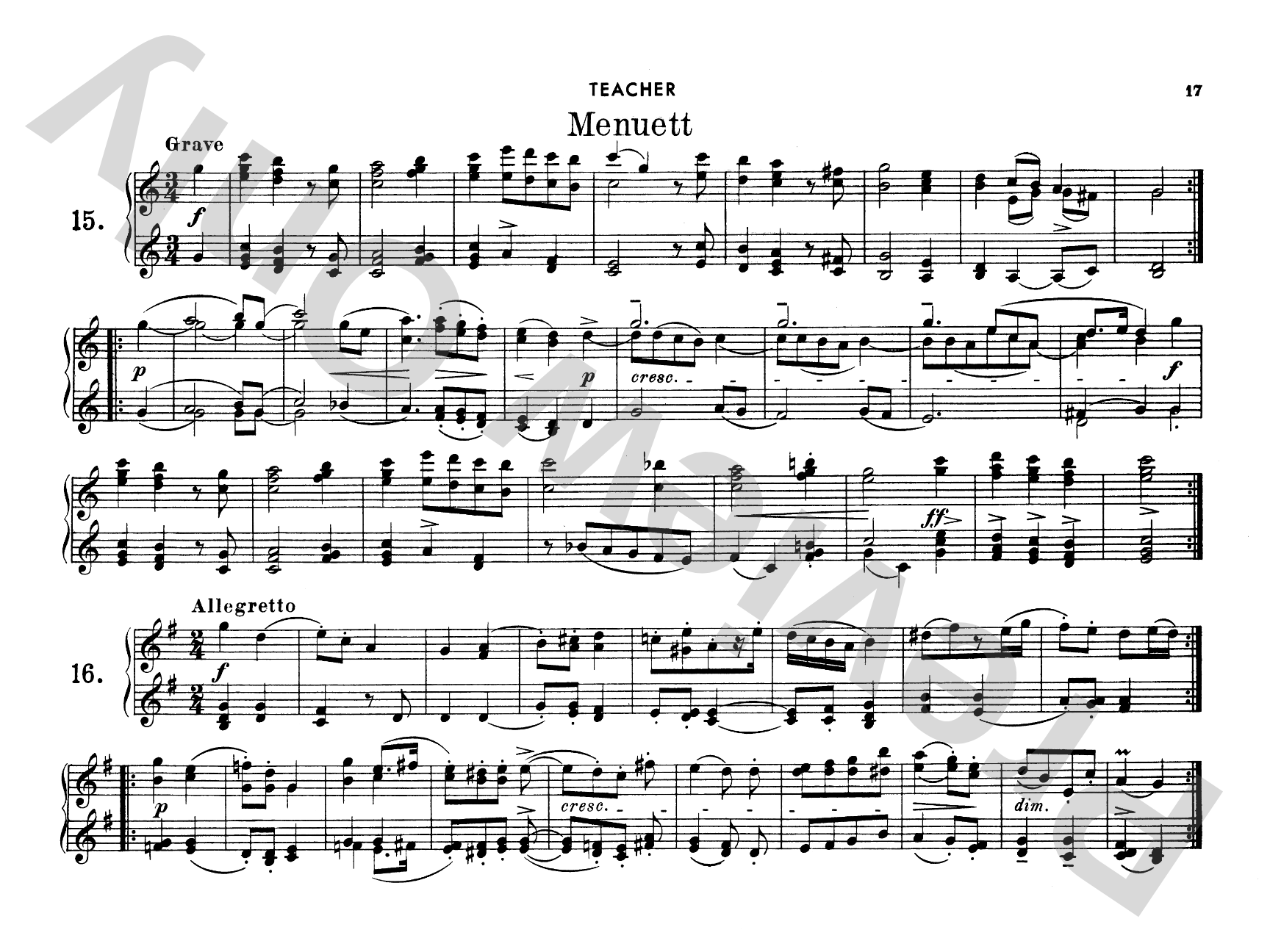
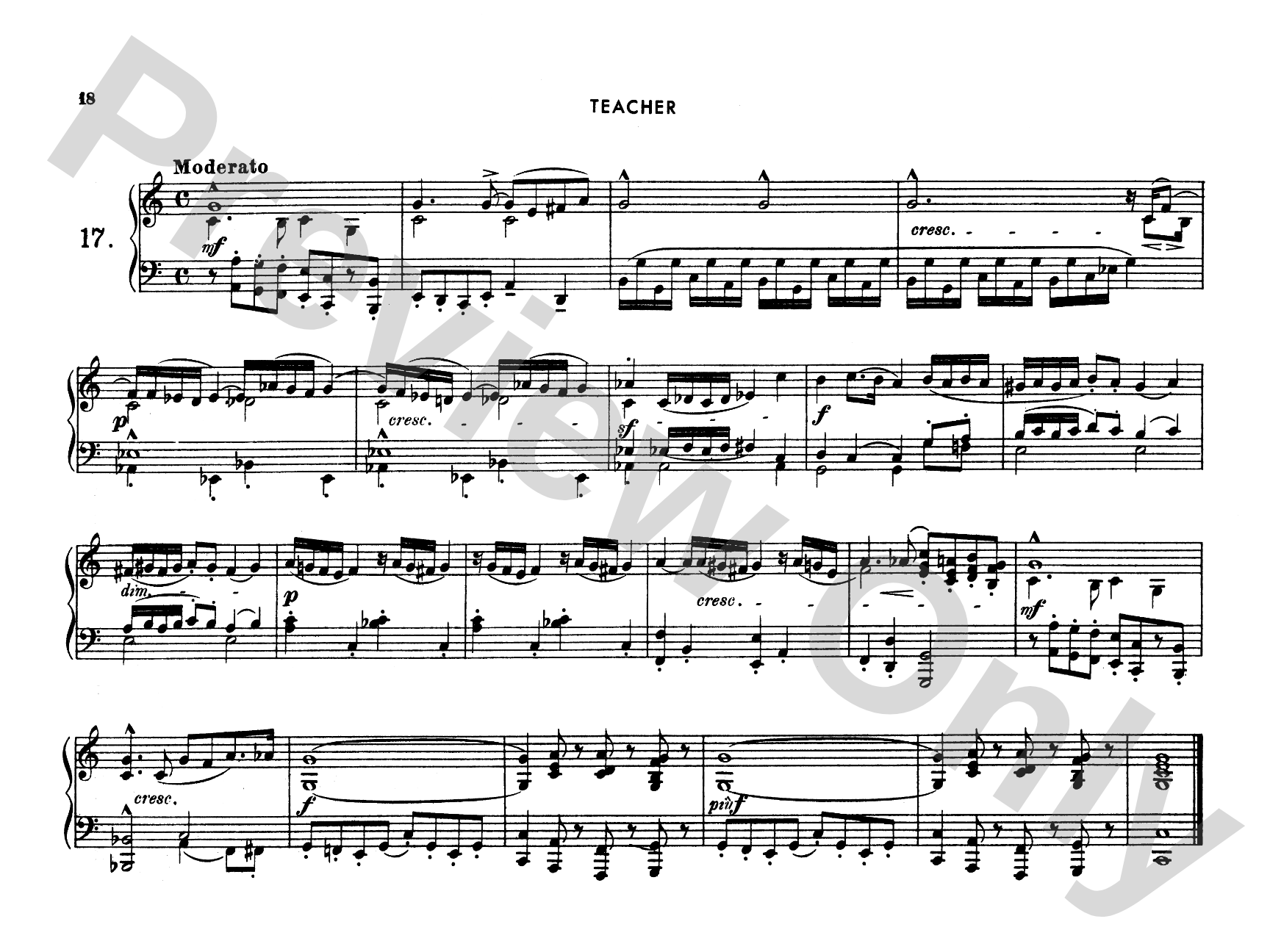
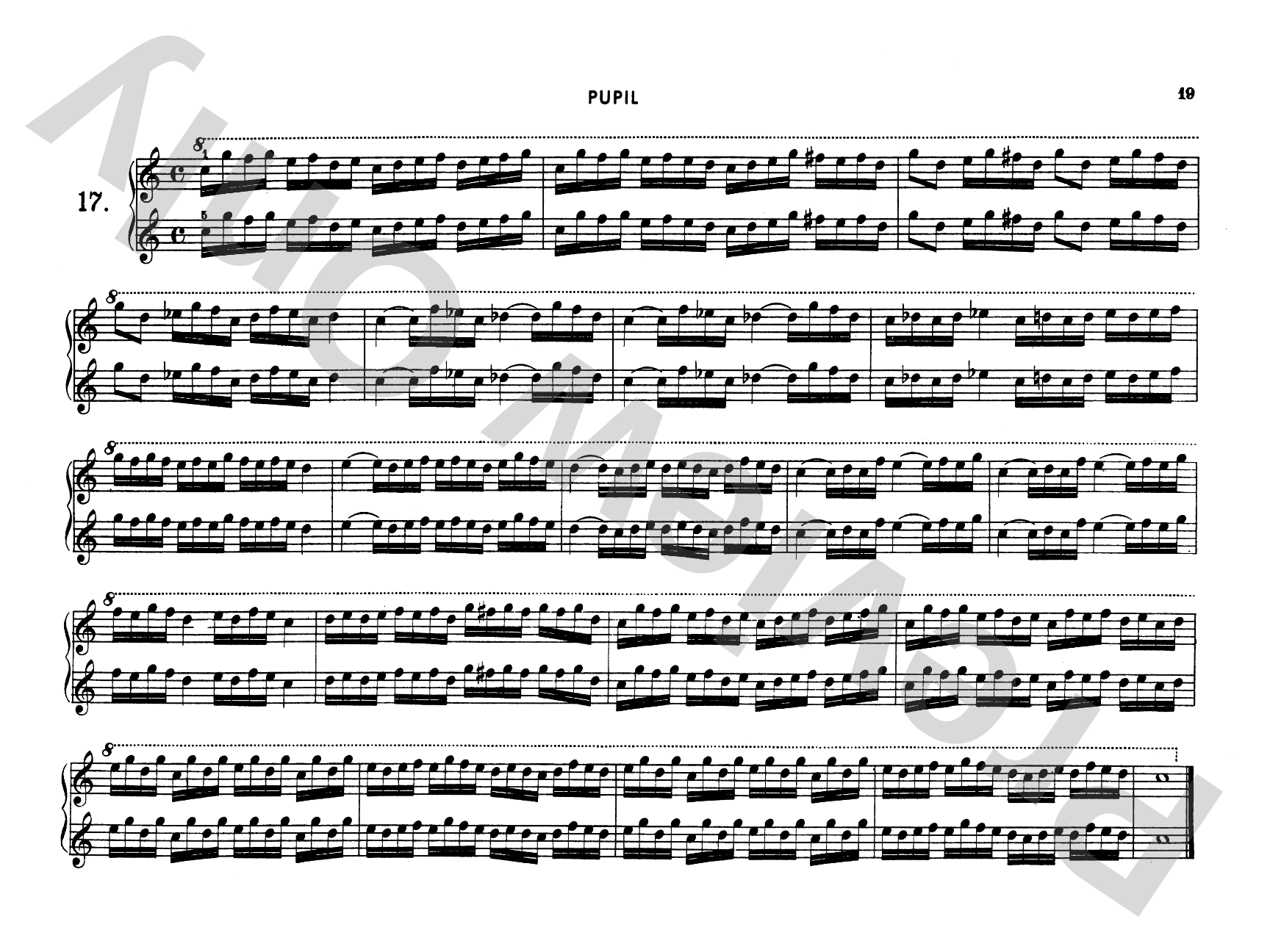
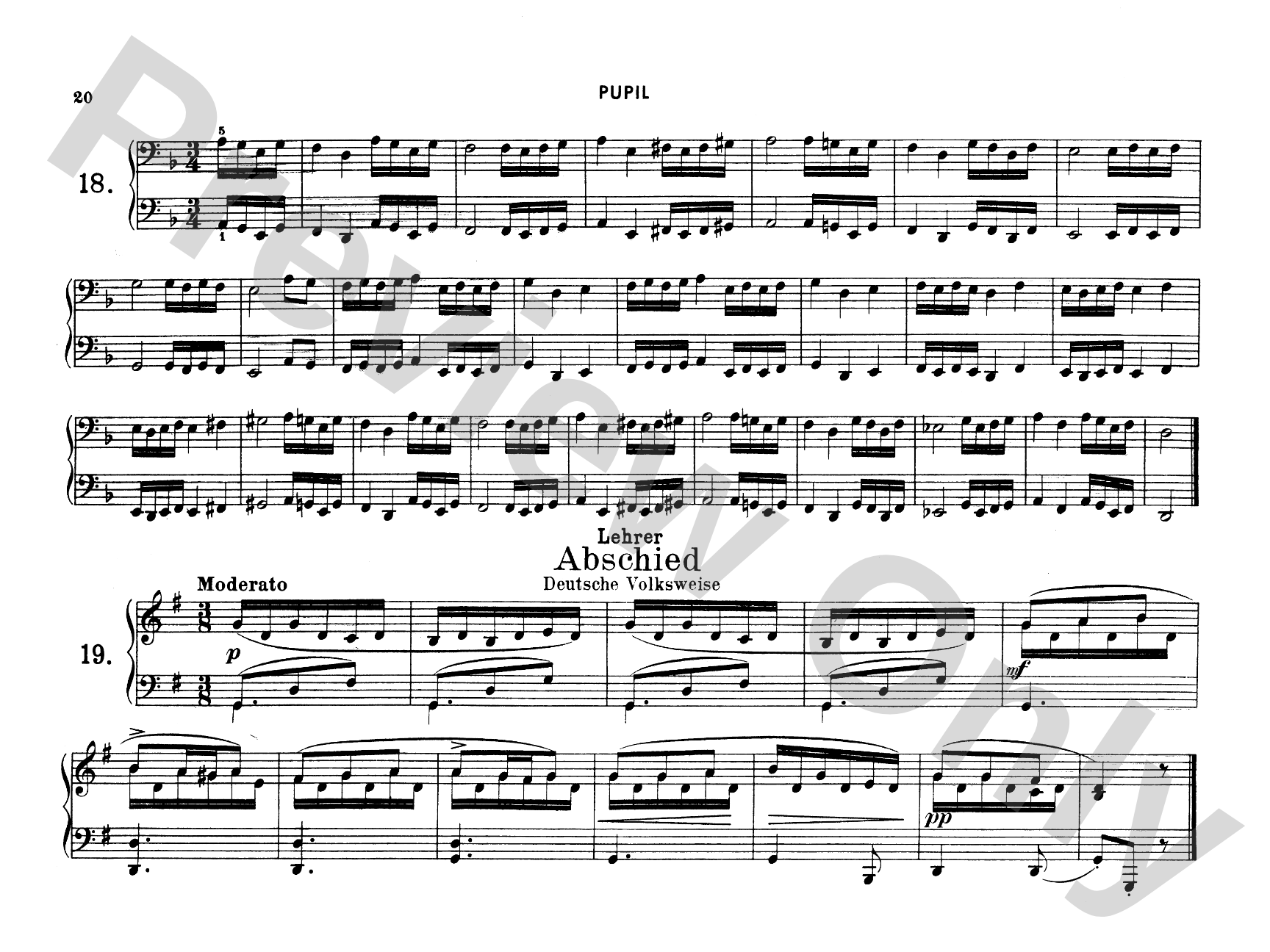
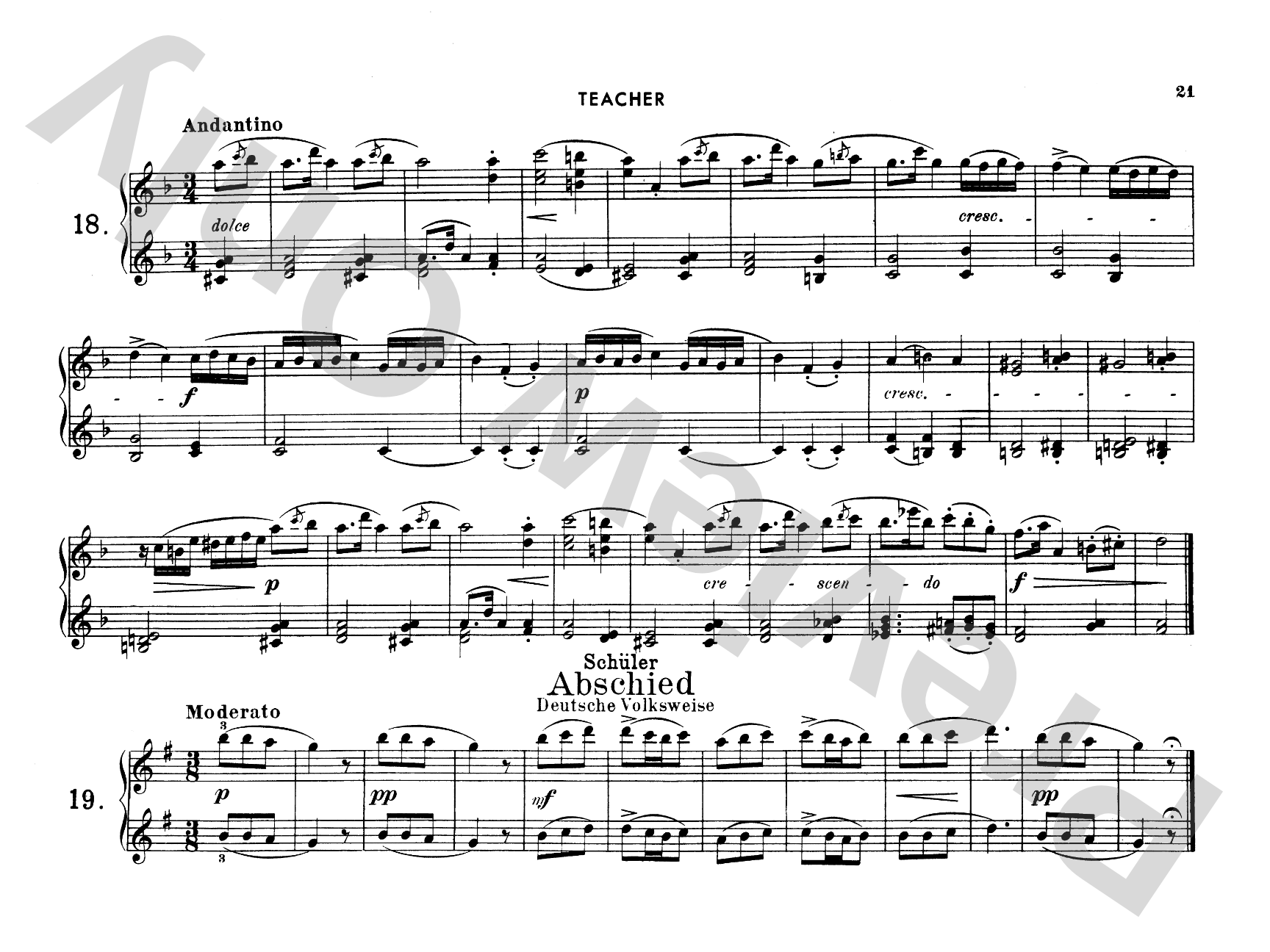

Ruthardt: Teacher and Pupil: Piano Duet (1 Piano, 4 Hands) Comb Bound Book
By Adolf Ruthardt
Level: Intermediate
Item: 00-PK-0003298

$9.99
Pickup currently not available
Buy Extra Parts (Digital PDF Download)
| Product | Price | Quantity |
|---|---|---|
| Ruthardt: Teacher and Pupil | $0.99 | |
| Ruthardt: Teacher and Pupil | $0.99 | |
| Ruthardt: Teacher and Pupil | $0.99 | |
| Ruthardt: Teacher and Pupil | $0.99 | |
| Ruthardt: Teacher and Pupil | $0.99 | |
| Ruthardt: Teacher and Pupil | $0.99 | |
| Ruthardt: Teacher and Pupil | $0.99 | |
| Ruthardt: Teacher and Pupil | $0.99 | |
| Ruthardt: Teacher and Pupil | $0.99 | |
| Ruthardt: Teacher and Pupil | $0.99 | |
| Ruthardt: Teacher and Pupil | $0.99 | |
| Ruthardt: Teacher and Pupil | $0.99 | |
| Ruthardt: Teacher and Pupil | $0.99 | |
| Ruthardt: Teacher and Pupil | $0.99 |
Parts Added to Cart!
Related Items
Teacher and Pupil: Piano Duet (1 Piano, 4 Hands) Comb Bound Book |
$9.99
|
View |
Description
Expertly arranged piano duet (1 piano, 4 hands) from our Kalmus Edition.


Don't just read it, hear it, play along with it, and watch your students grow with it. In MakeMusic Cloud, Ruthardt: Teacher and Pupil: Piano Duet (1 Piano, 4 Hands) Comb Bound Book comes alive with professional accompaniment, adjustable tempo, and built-in practice tools that turn solo practice into real progress.
Open in the Player
Jump straight in and assign it today.
Start Your Free Trial
Open this title and explore the full library in minutes.
Sample Audio
No sample audio found.
Sample Video
No sample videos found.
Additional Details
Series:
Kalmus Edition
Publisher:
Alfred Music
Page Count:
48
SKU:
00-PK-0003298
More about this title
About the Composer: Adolf Ruthardt
Adolf Ruthardt (1859–1933) was a German composer and pedagogue whose works for piano duet became staples of nineteenth-century music education. His writing emphasizes clear textures and balanced part-writing, making his duets accessible to intermediate students while maintaining genuine musical substance. Ruthardt understood the practical demands of teaching studios and concert halls alike, crafting pieces that reward careful listening from both players and audiences.
Why we love this
Ruthardt's duet writing feels built for the actual acoustics and logistics of four hands at one keyboard rather than adapted from orchestral thinking. The score distributes musical interest evenly between primo and secondo parts, so neither player sits through pages of accompanying figures. This is the kind of piece that builds genuine partnership between teacher and student.
What to expect
Ruthardt's music sits comfortably in the Romantic tradition without the dramatic gestures or technical fireworks of bigger names. The piece unfolds with a sense of proportional elegance, its themes graceful and its harmonies warm but not sentimental. There is something intimate about it, the kind of music that fills a room with purpose and invites the listener into a moment of genuine musical conversation.
Who it's for
This duet suits intermediate pianists ready to experience ensemble playing without the complexity of managing two separate instruments. Teachers often use it to introduce students to the listening and coordination skills that duet playing demands, and it works equally well as a studio recital piece for a teacher-student team or two advanced students at similar levels.
How to get the most out of it
- Balance the melodic lines by testing both parts separately first; Ruthardt often weaves the theme between primo and secondo, and clarity depends on each player knowing where the primary voice lives.
- Attend to the pedaling layout in the score. One player will control the sustain pedal, so establish this early and practice the release points together to avoid harmonic mud.
- Shape phrases across the full texture rather than within individual parts. What sounds thin when one hand plays alone becomes coherent when both players voice their lines with attention to the architecture of the whole.
- Lock the rhythmic foundation by isolating any syncopations or rubato moments and practicing them slowly with the metronome before adding interpretation.
How to use it
Program this as a showcase for the teacher-student relationship in a recital setting, or include it in a concert devoted to piano duet literature where its formal clarity and balanced writing offer contrast to more contemporary or virtuosic duet arrangements. It also serves as valuable repertoire for studio classes or ensemble days when students benefit from hearing how two pianists can shape a single instrument into multiple voices.
Skills your students will build
- Coordinating rhythmic and dynamic control between two players at one keyboard
- Following and balancing independent melodic lines while maintaining ensemble unity
- Executing smooth and intentional pedal changes from one player's position
- Sustaining musical phrase shape across the full texture of both parts
- Reading and interpreting Romantic-era articulation and phrasing conventions