



Rustic Dance: String Orchestra Conductor Score & Parts
By Mark Williams
Grade: 1
Item: 00-PK-0000558

$46.00
Pickup currently not available
Buy Extra Parts (Digital PDF Download)
| Product | Price | Quantity |
|---|---|---|
| Rustic Dance: Score | $8.00 | |
| Rustic Dance: 1st Violin | $5.99 | |
| Rustic Dance: 2nd Violin | $5.99 | |
| Rustic Dance: 3rd Violin (Viola [TC]) | $5.99 | |
| Rustic Dance: Viola | $5.99 | |
| Rustic Dance: Cello | $5.99 | |
| Rustic Dance: String Bass | $5.99 | |
| Rustic Dance: Piano Accompaniment | $5.99 |
Parts Added to Cart!
Description
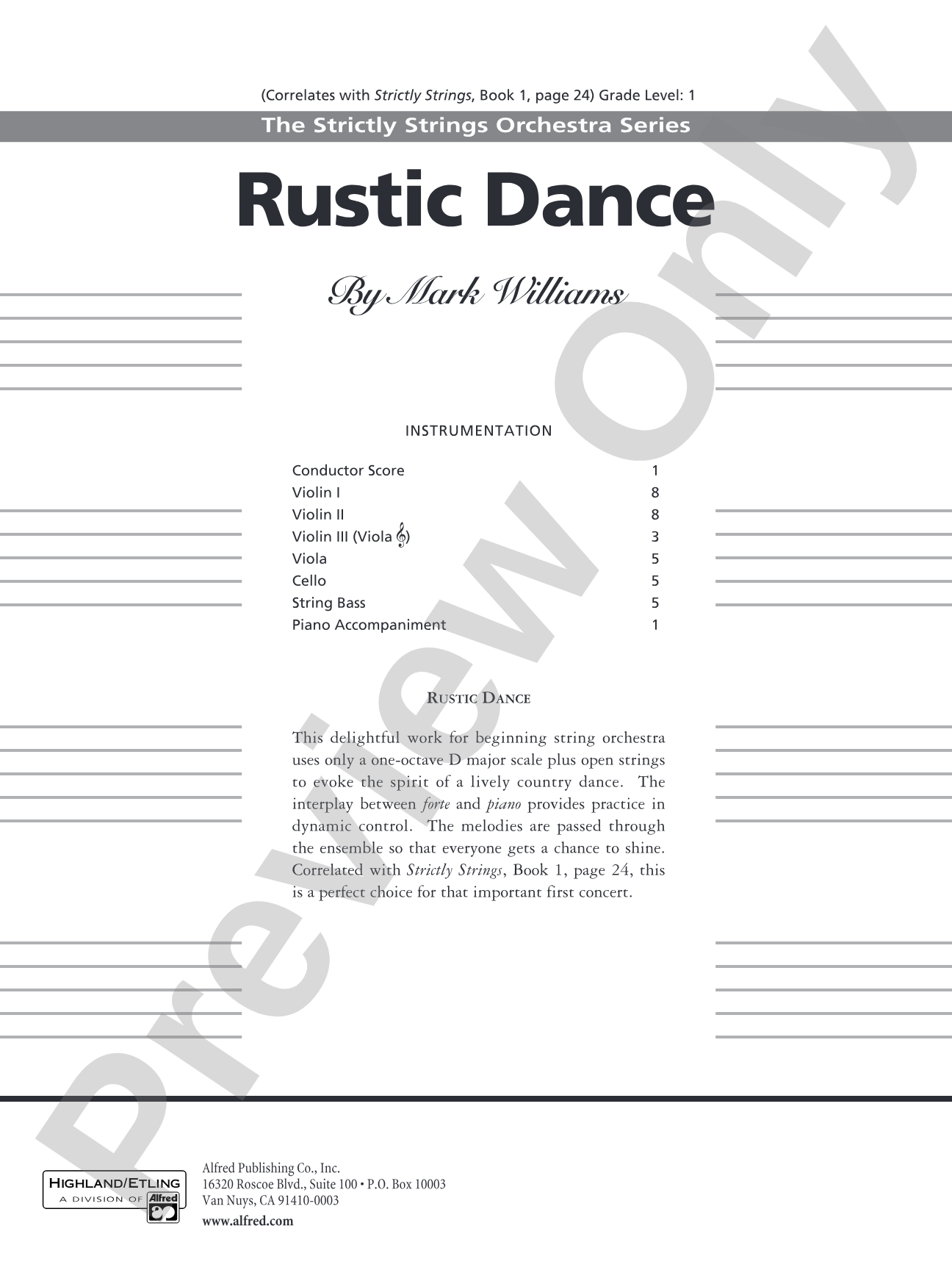
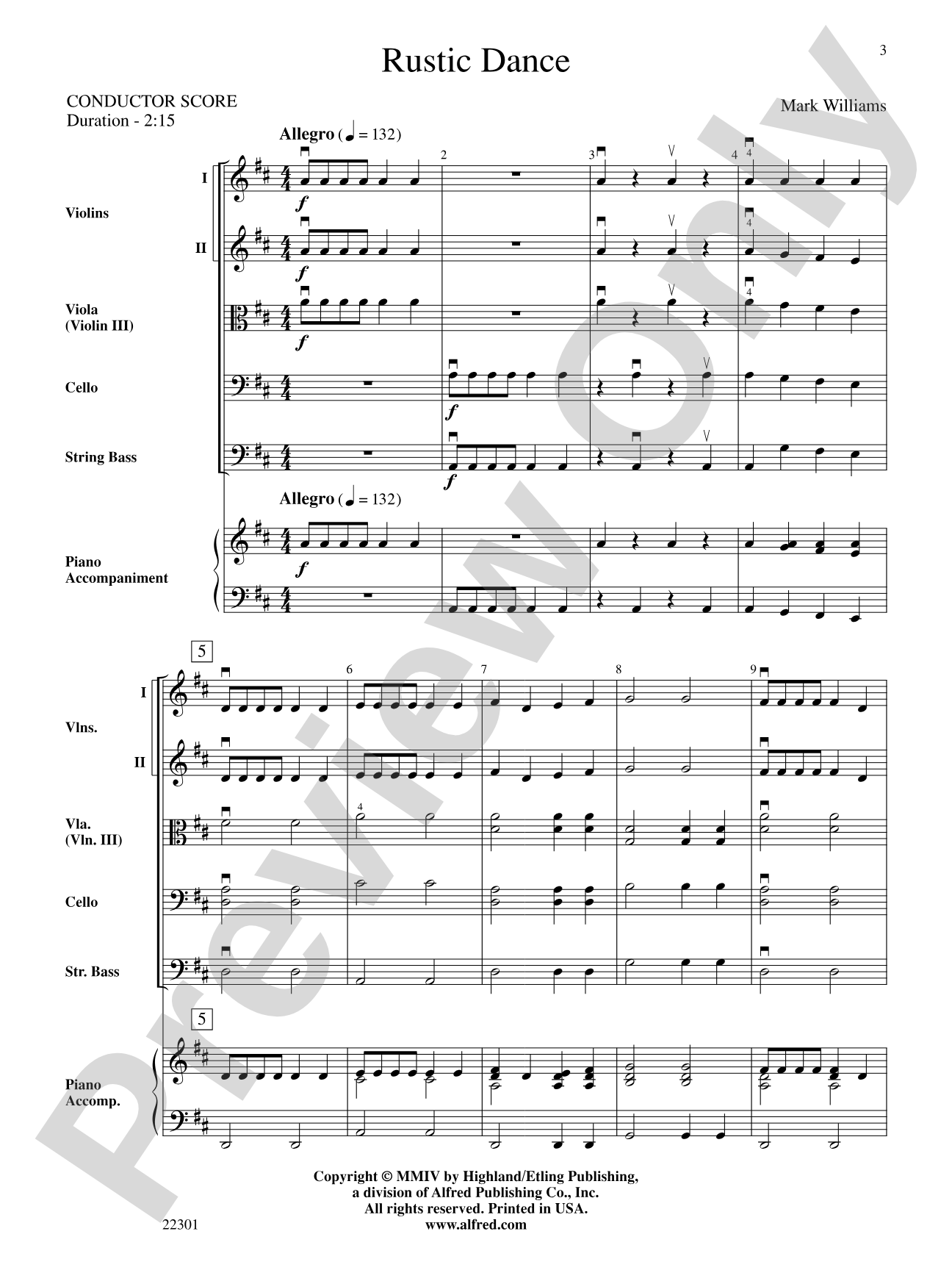
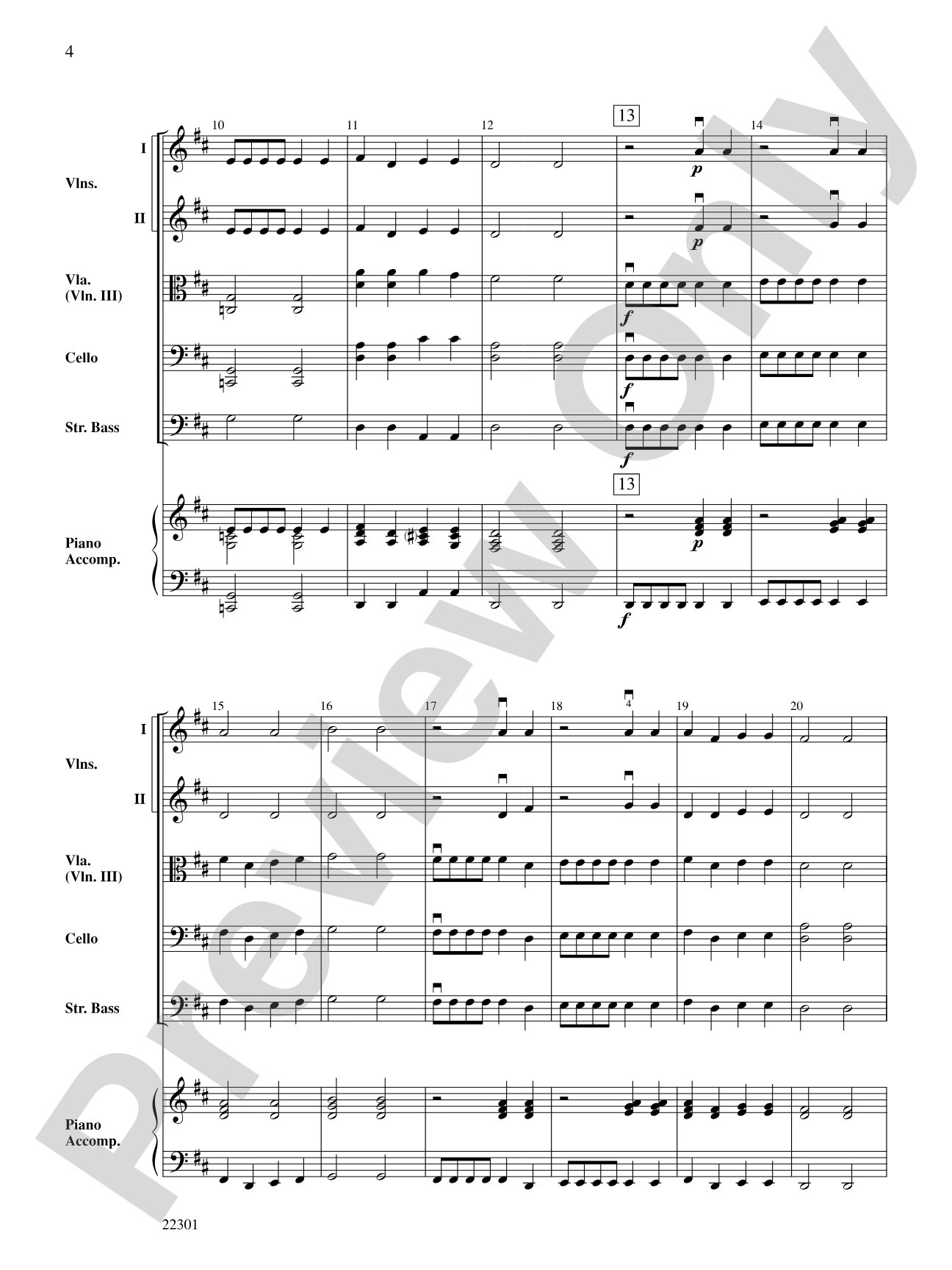
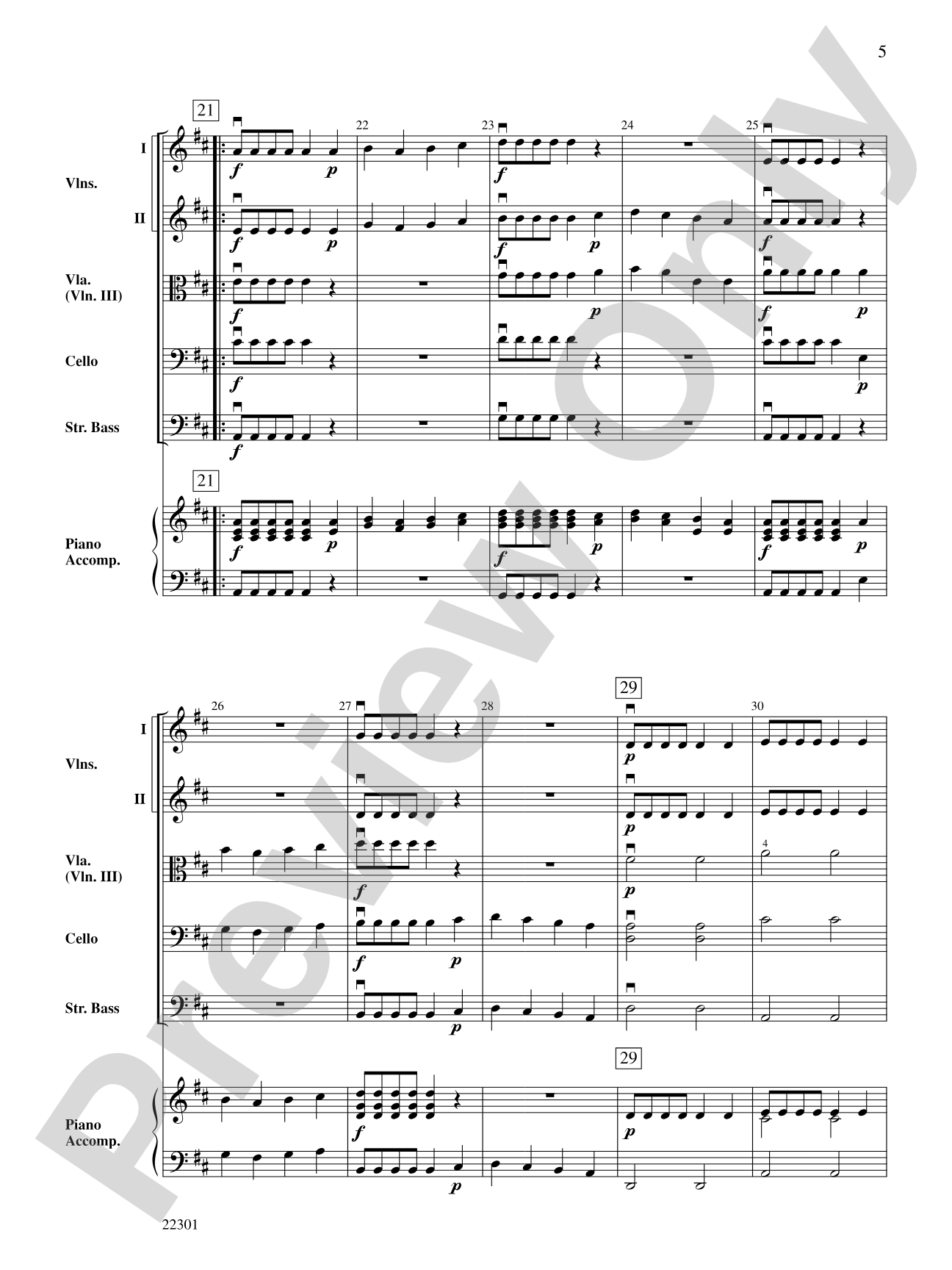
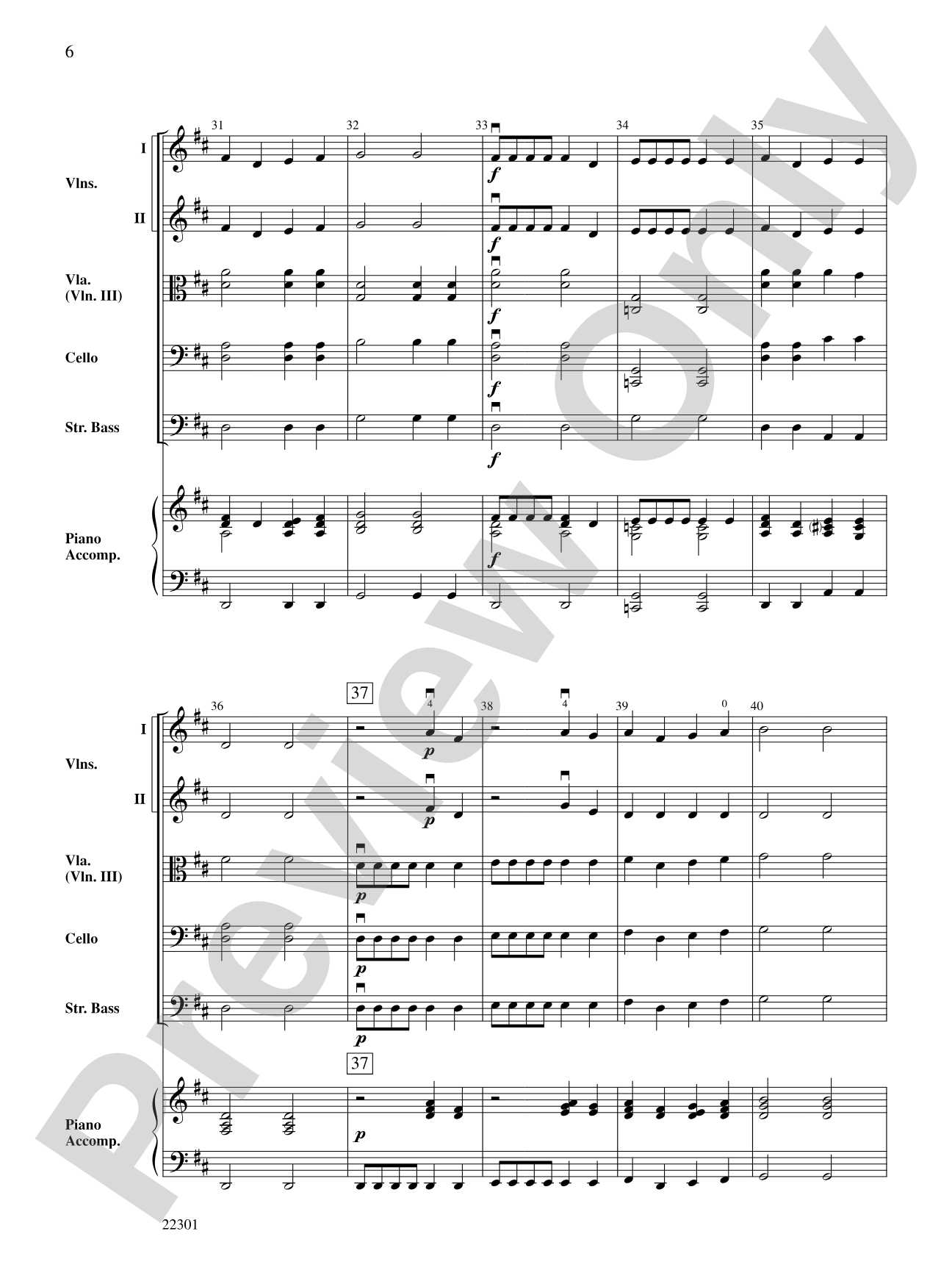
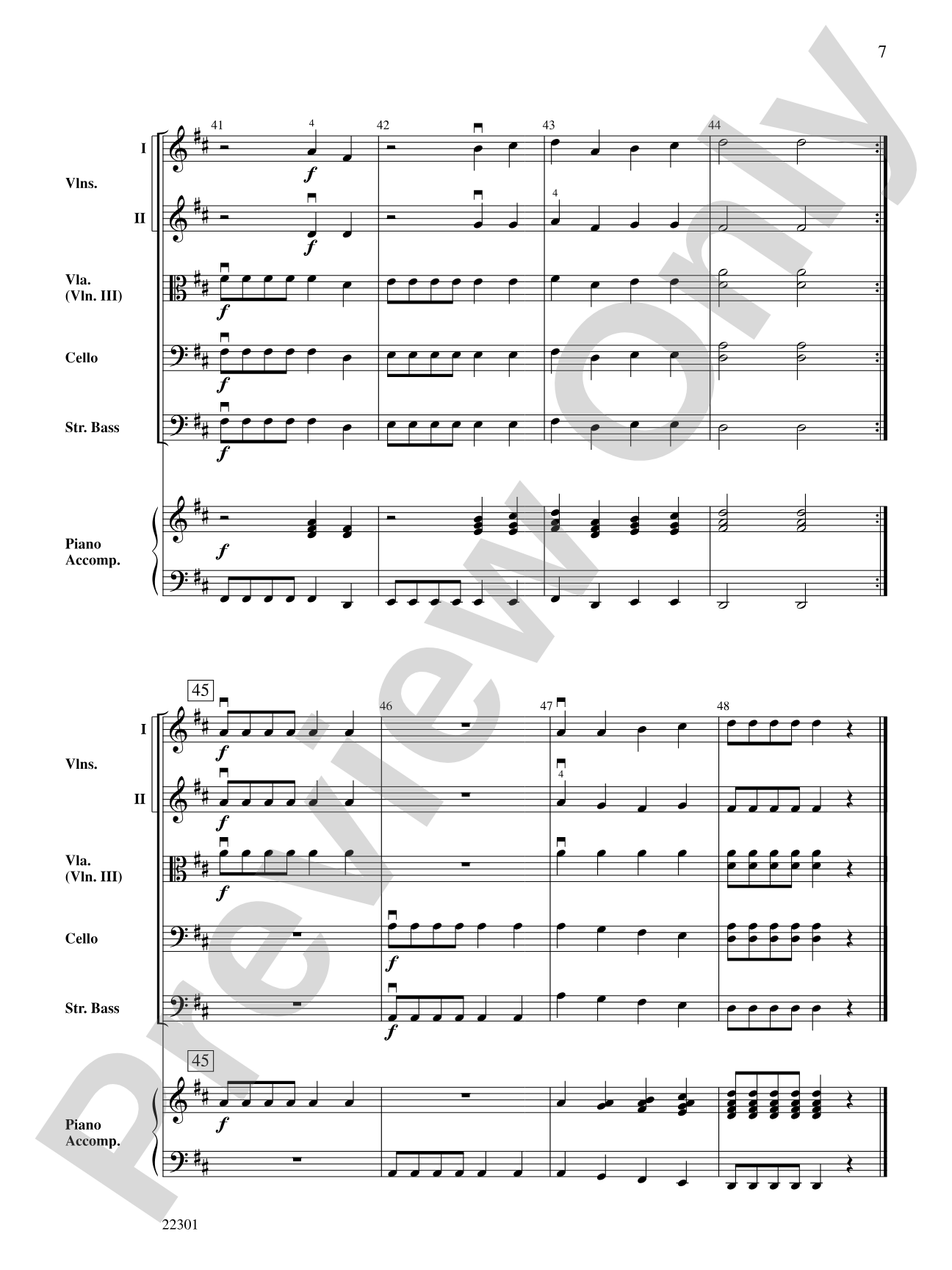
This delightful work for beginning string orchestra uses only a one-octave D major scale plus open strings to evoke the spirit of a lively country dance. The interplay between forte and piano provides practice in dynamic control. The melodies are passed through the ensemble so that everyone gets a chance to shine, making it the perfect choice for that important first concert. Correlated to Strictly Strings, Book 1, page 24.


Don't just read it, hear it, play along with it, and watch your students grow with it. In MakeMusic Cloud, Rustic Dance: String Orchestra Conductor Score & Parts comes alive with professional accompaniment, adjustable tempo, and built-in practice tools that turn solo practice into real progress.
Open in the Player
Jump straight in and assign it today.
Start Your Free Trial
Open this title and explore the full library in minutes.
Sample Audio
1
Audio File
--:--
0:00
0:00
Sample Video
No sample videos found.
Additional Details
Series:
Highland/Etling Strictly Strings
Publisher:
Alfred Music
Page Count:
70
SKU:
00-PK-0000558
More about this title
About the Composer: Mark Williams

Mark Williams built a prolific career composing for young musicians across North America and beyond. With over 200 published works and a teaching background rooted in elementary band programs throughout Washington state, Williams understood firsthand what students at every level could achieve. He earned degrees from Eastern Washington University and served as a woodwind performer and arranger for the 560th Air Force Band while maintaining an active schedule as a clinician and guest conductor in 34 states, five Canadian provinces, and Australia.
Beyond the page, Williams was a versatile musician who performed regularly on bassoon and directed the Spokane British Brass Band as both conductor and artistic director. His contributions to music education earned recognition including the Western International Band Clinic's Gralia Competition and multiple ASCAP Special Awards. He co-authored the Accent on Achievement Band Method, a foundational resource that shaped instrumental pedagogy for generations of students and teachers.
Why we love this
This piece understands exactly what beginning string orchestras need: a vehicle for genuine musicmaking that doesn't require technical wizardry. The strategic use of D major and open strings removes barriers to success while the dynamic interplay between forte and piano gives students real interpretive choices. Rotating the melody through the ensemble ensures every stand gets a moment in the spotlight, building ensemble confidence and individual ownership in one seamless package.
What to expect
Rustic Dance captures the infectious energy of a country gathering, spirited but never frantic. The accessible melodic content and rhythmic simplicity create room for genuine musicality to emerge, while the rotation of themes invites a sense of playfulness and discovery as each section realizes the tune is theirs to shape.
Who it's for
Beginning string orchestra students in their first year or two of study make up the primary audience for this piece. Directors preparing a debut concert will find this work ideal for showcasing young players' ability to execute basic dynamic control and listen to ensemble texture.
How to get the most out of it
- Shape the dynamic contrasts deliberately. The shift between forte and piano is the musical heart of the piece; mark these changes clearly in parts and conduct them with visible precision so students track the expressive intent.
- Balance melody and accompaniment carefully as the tune passes between sections. Listen for clarity in whichever part holds the line at any given moment.
- Establish a steady pulse early in rehearsals using the open strings as an anchor. Young string players find security in those resonant unison notes.
How to use it
Position this as a cornerstone piece for a first or second concert, where its straightforward technical demands allow focus on ensemble blend and dynamic response. It pairs well with other Grade 1 literature that emphasizes rhythmic or melodic variety while maintaining the same approachable scope. The work's cheerful character makes it an excellent opener or lighter encore that leaves audiences smiling without diminishing the serious musicianship on display.
Skills your students will build
- Dynamic control between forte and piano
- Playing in D major using a limited range
- Sustained open string technique for resonance
- Following melody passages as they shift between sections
- Ensemble listening and balance