
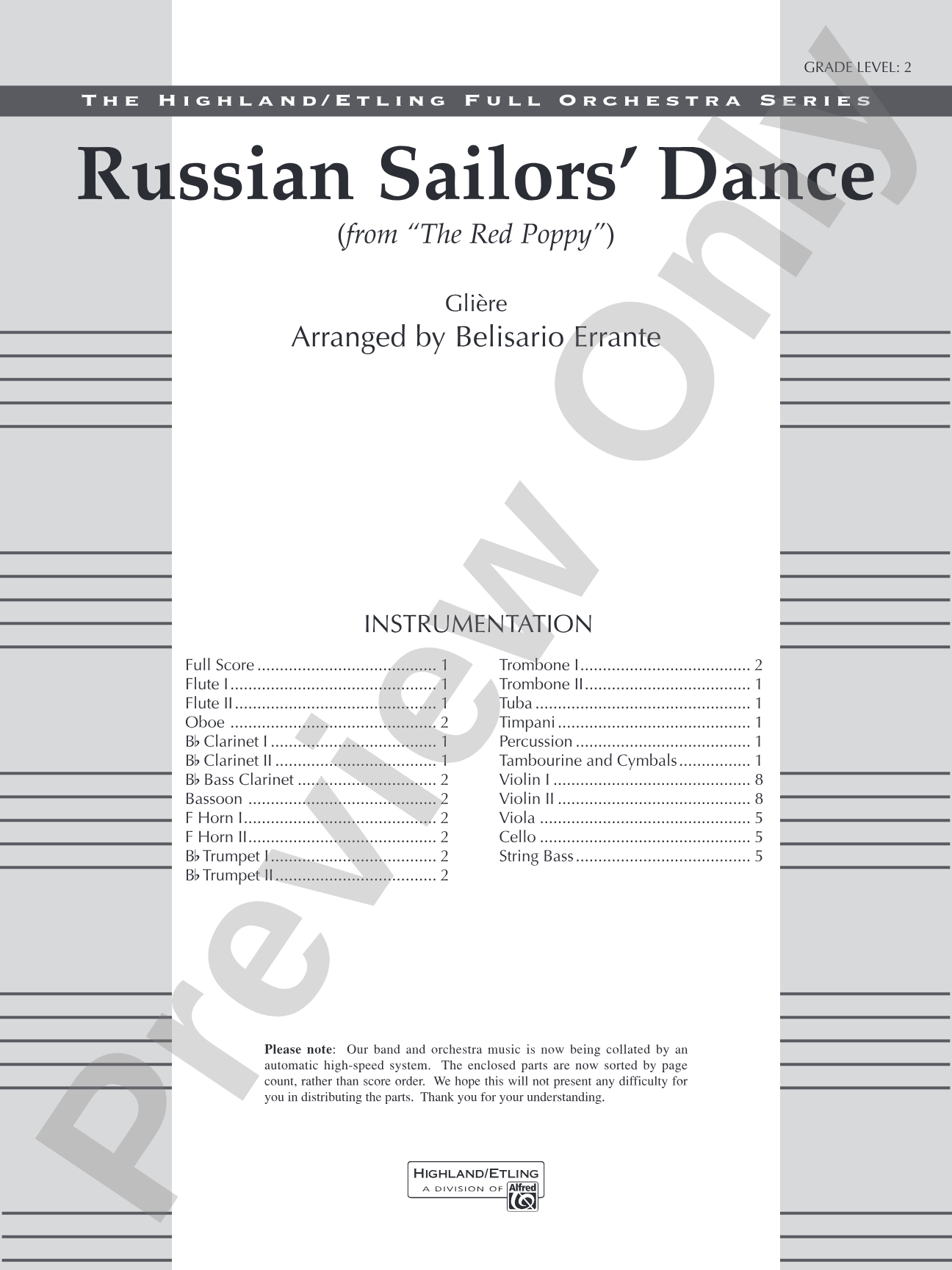

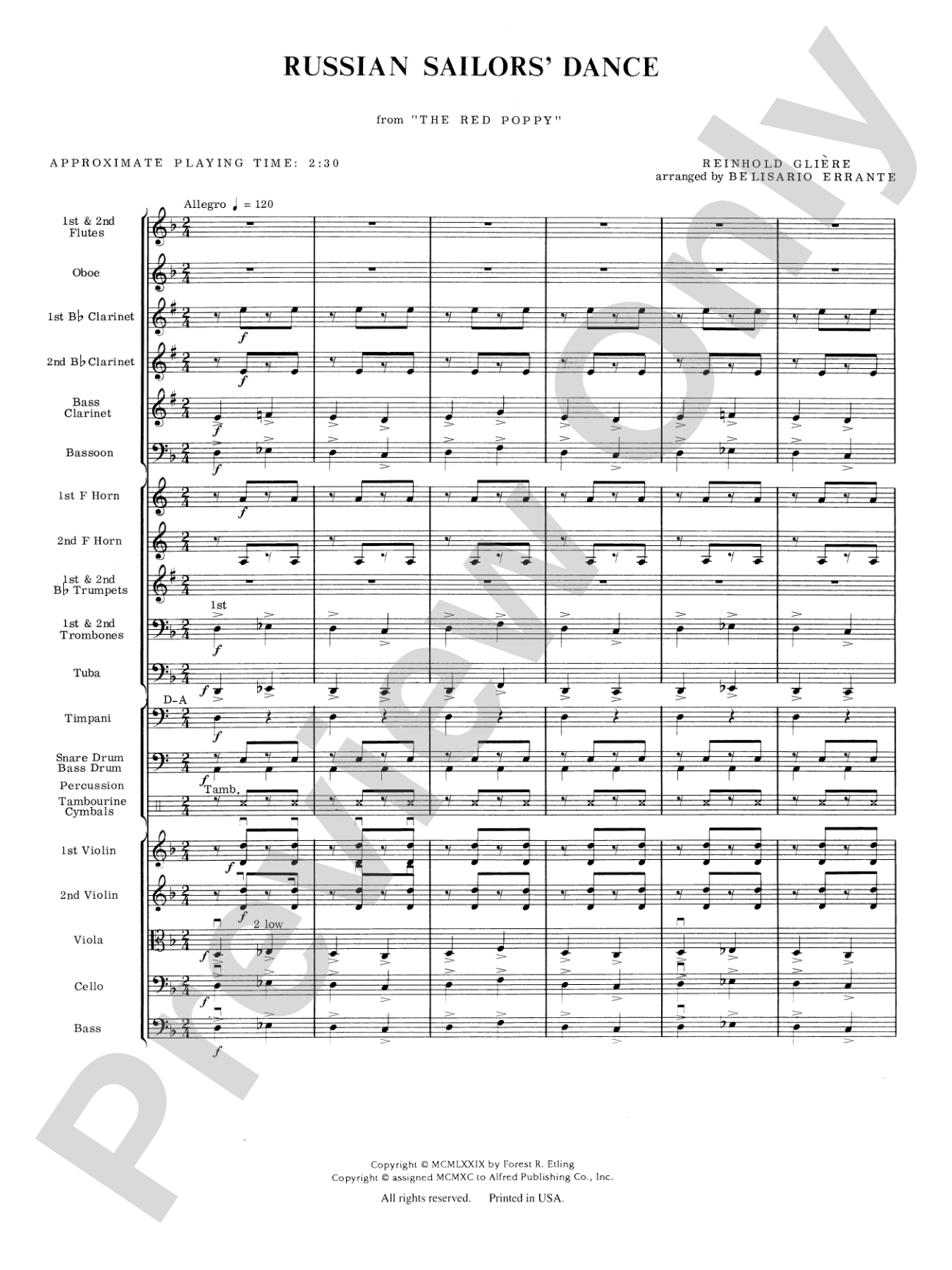
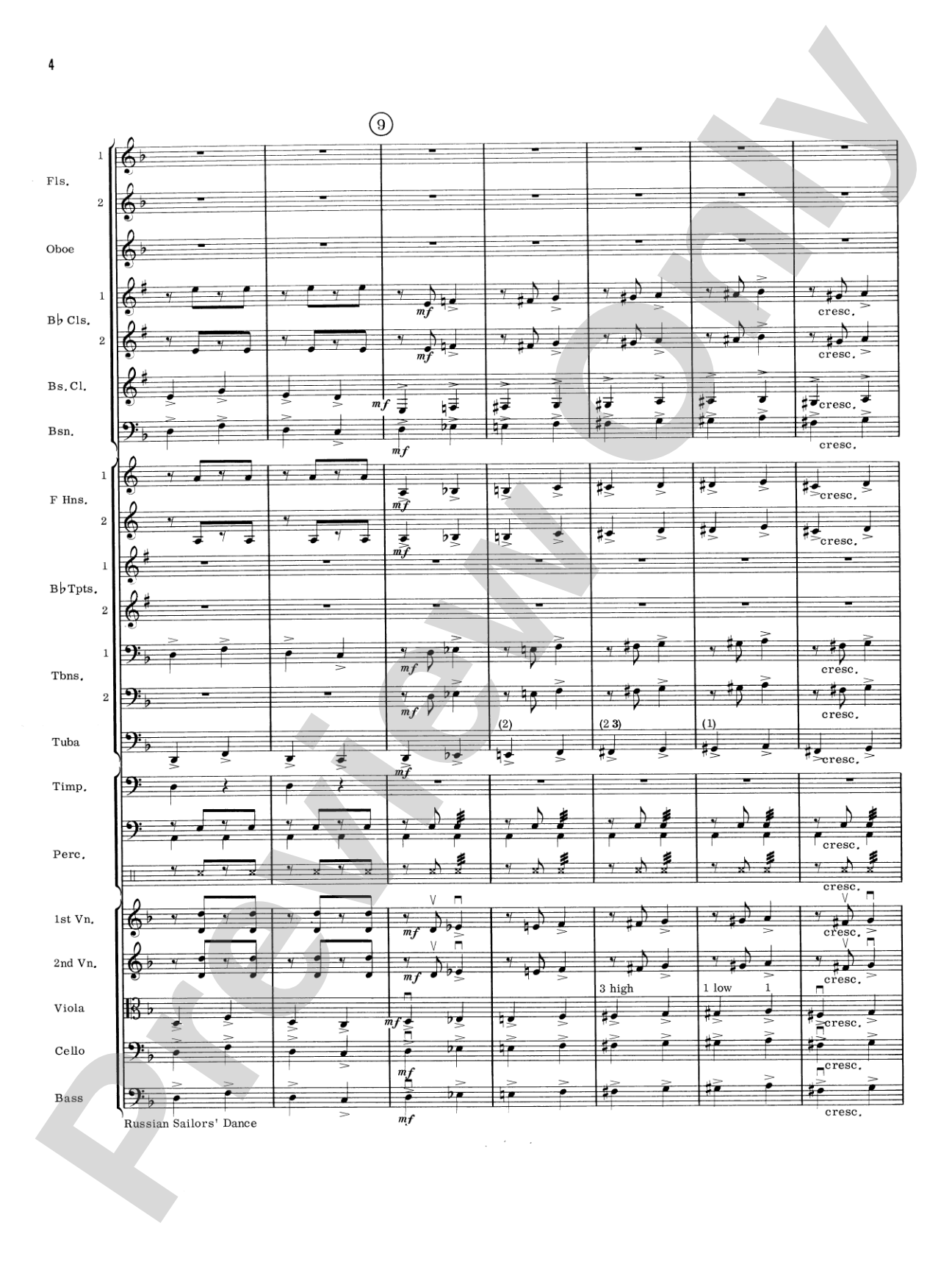
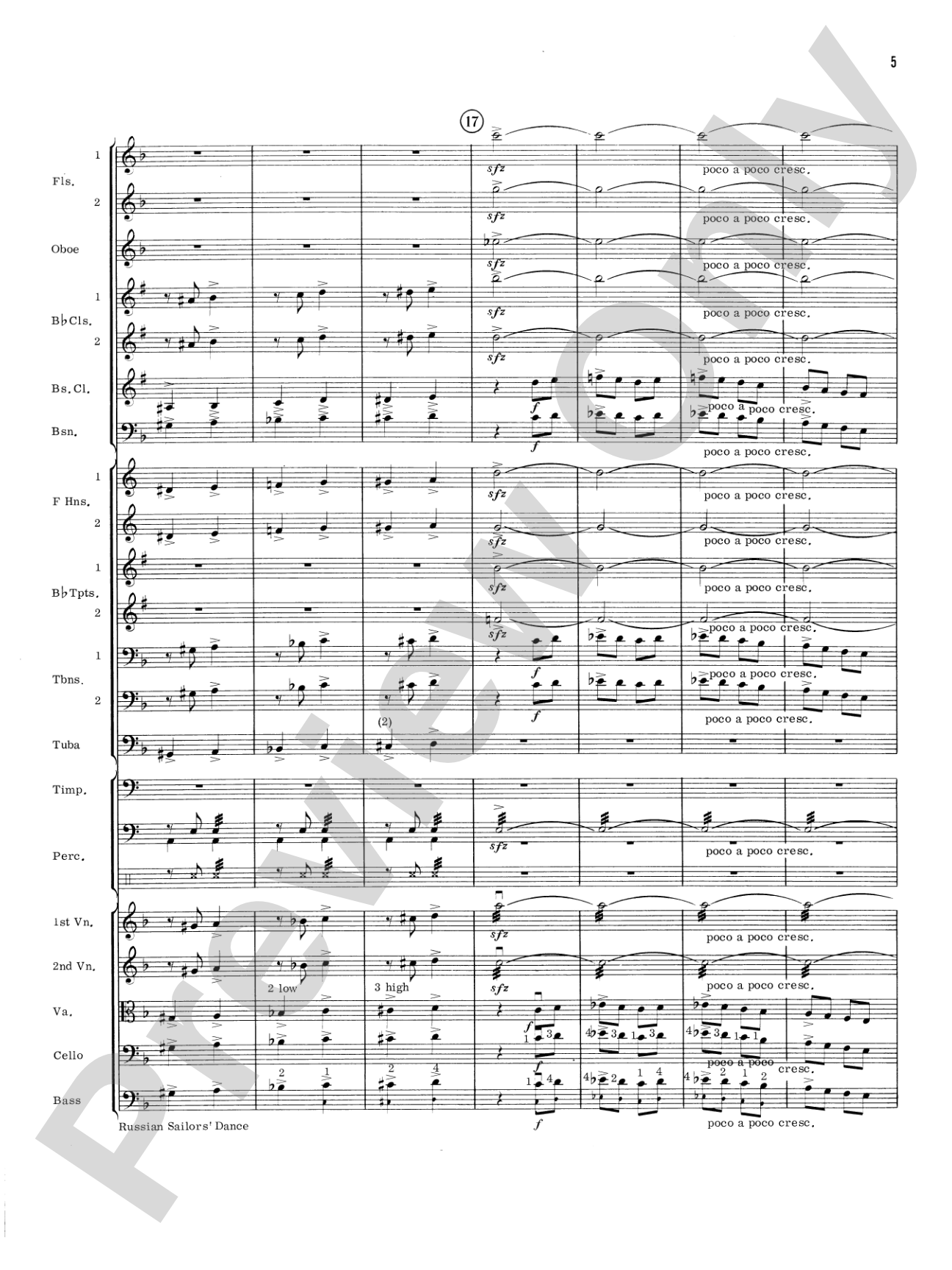
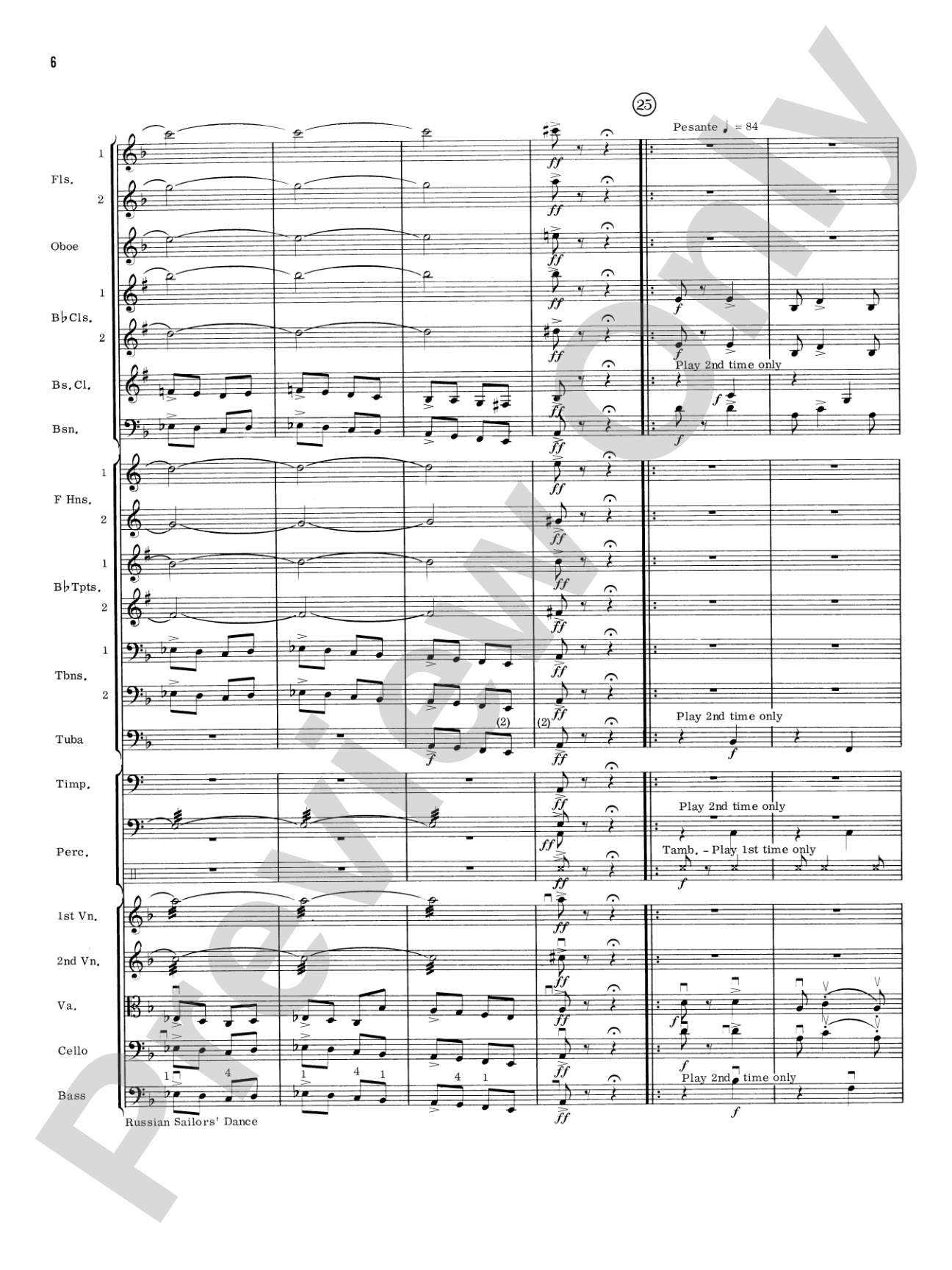
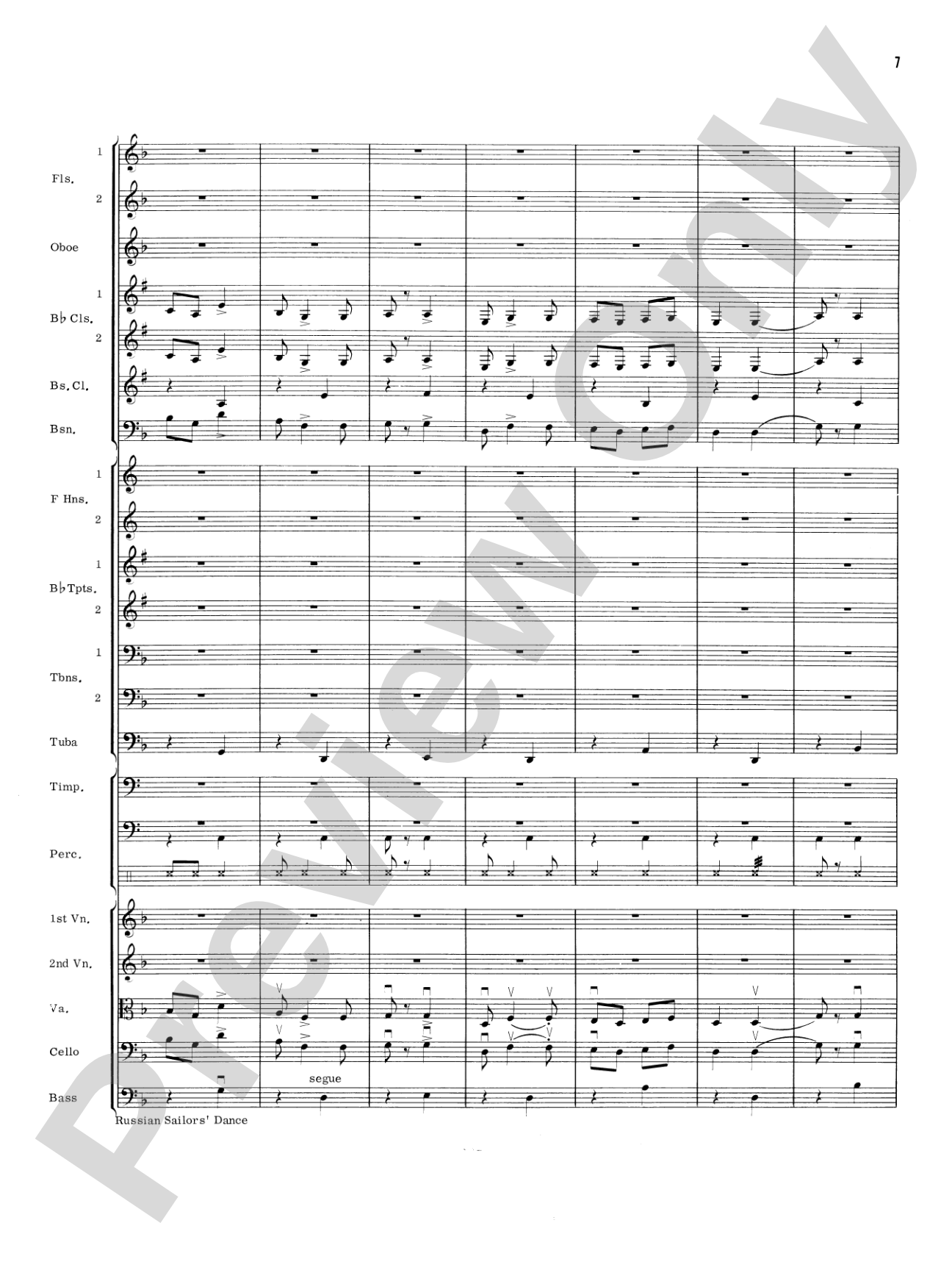
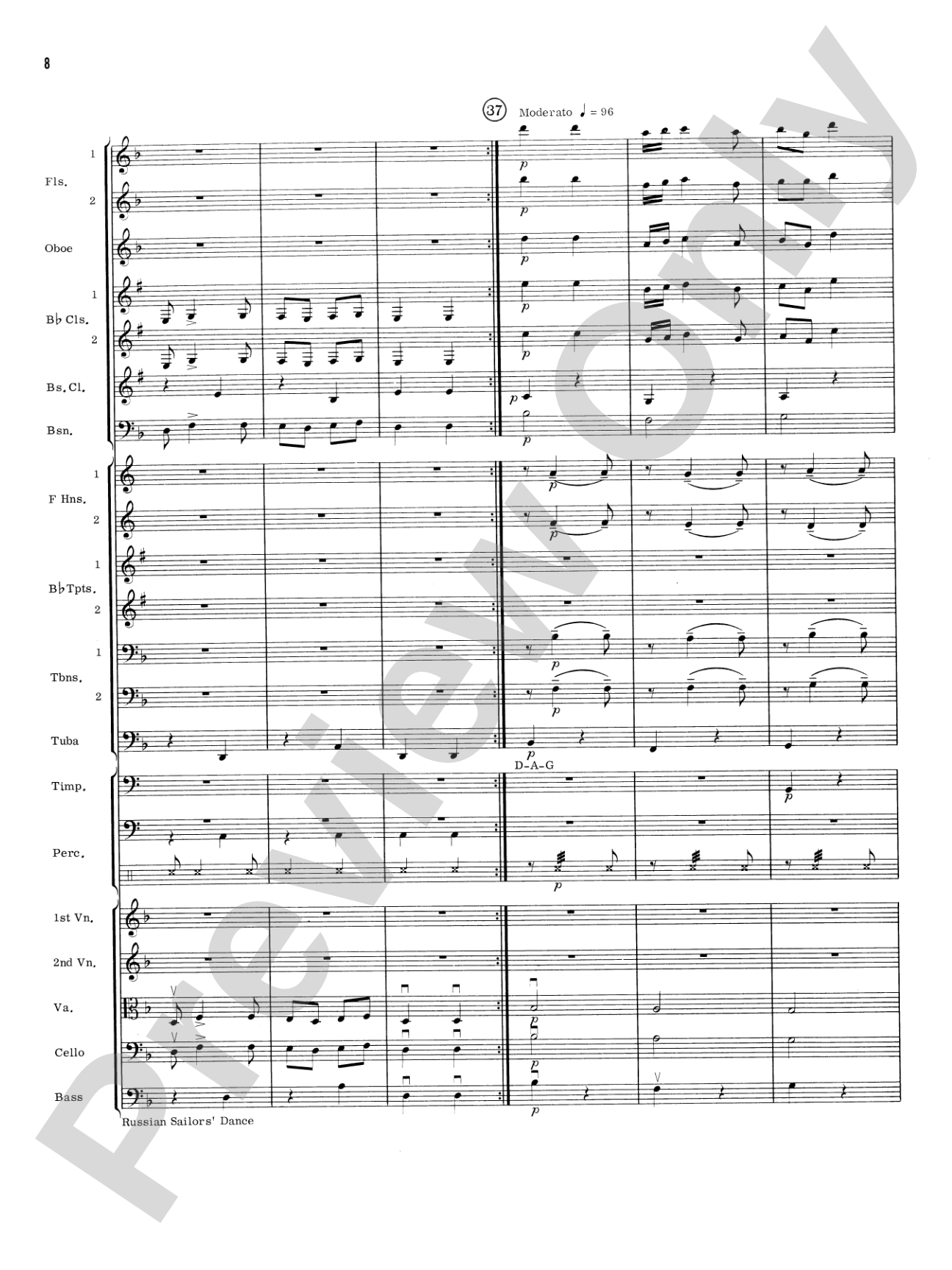
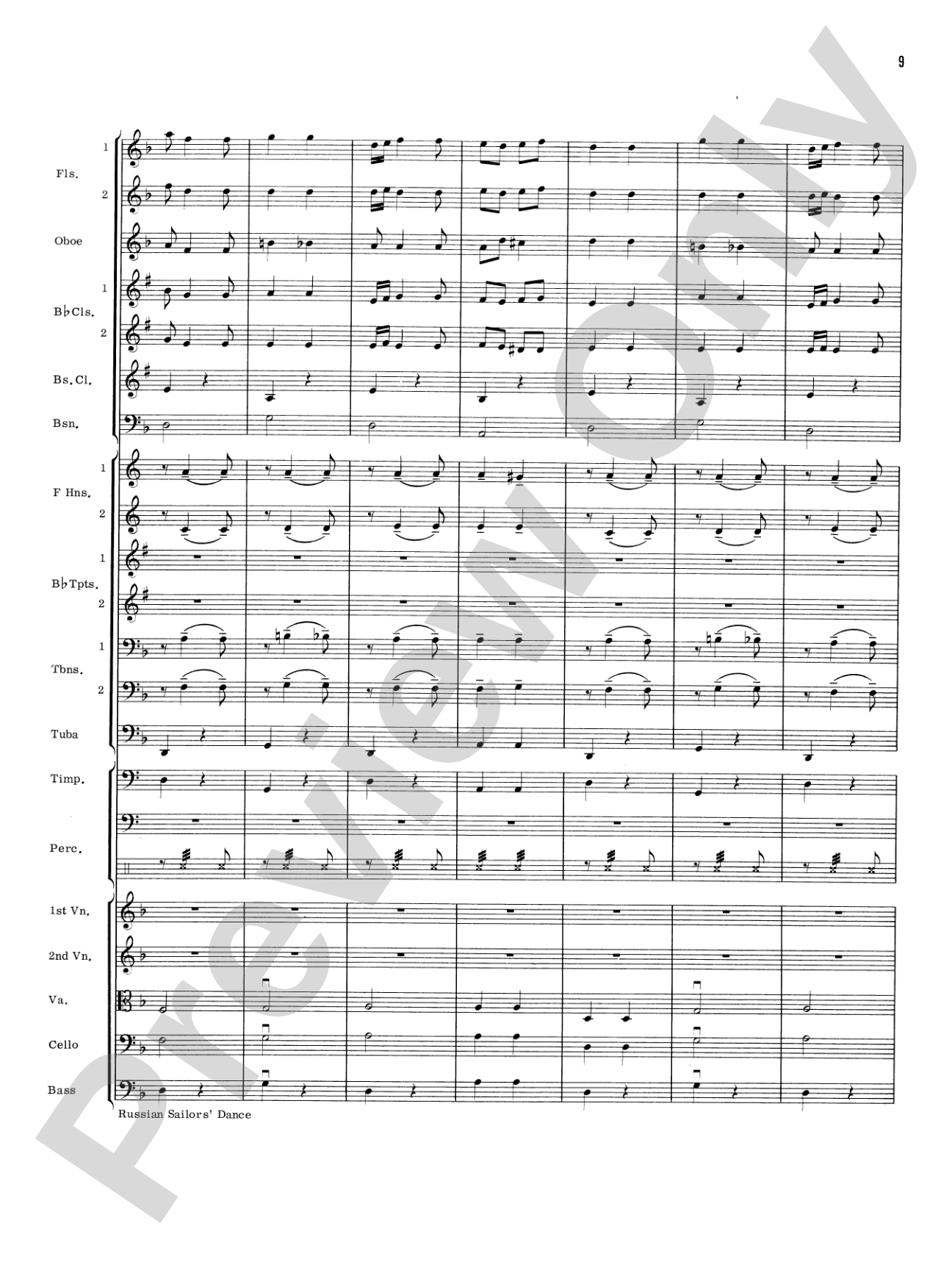
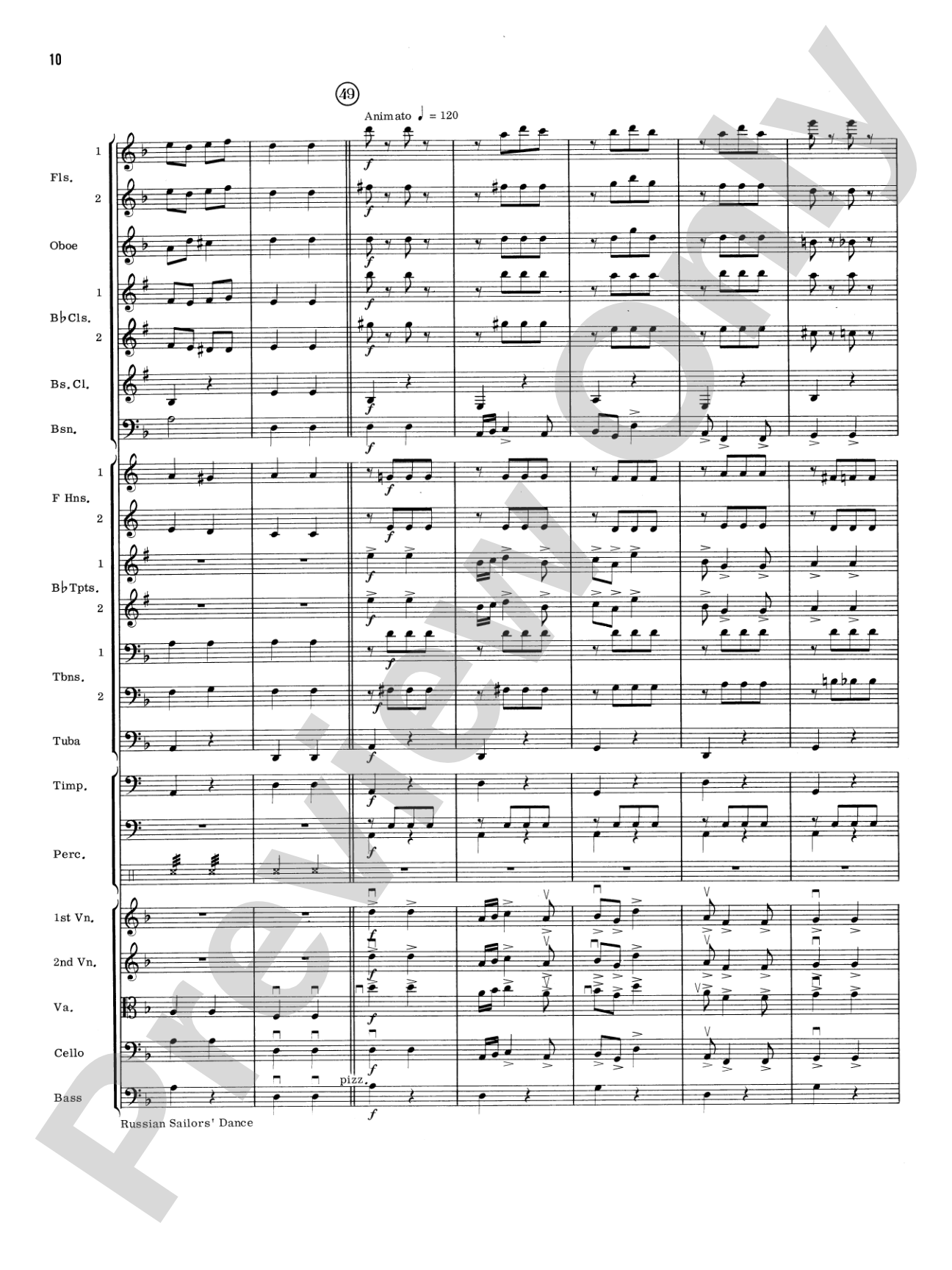
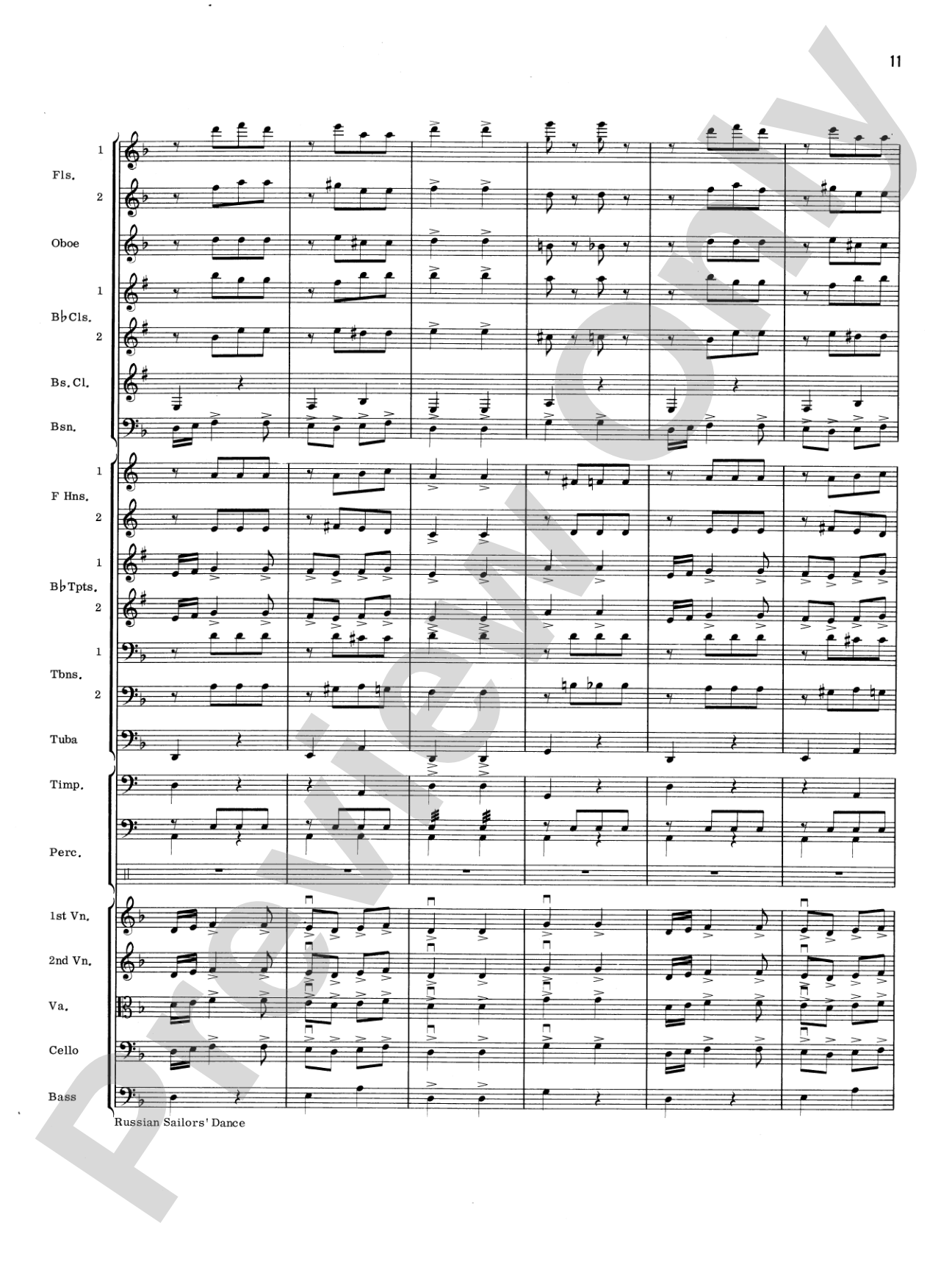
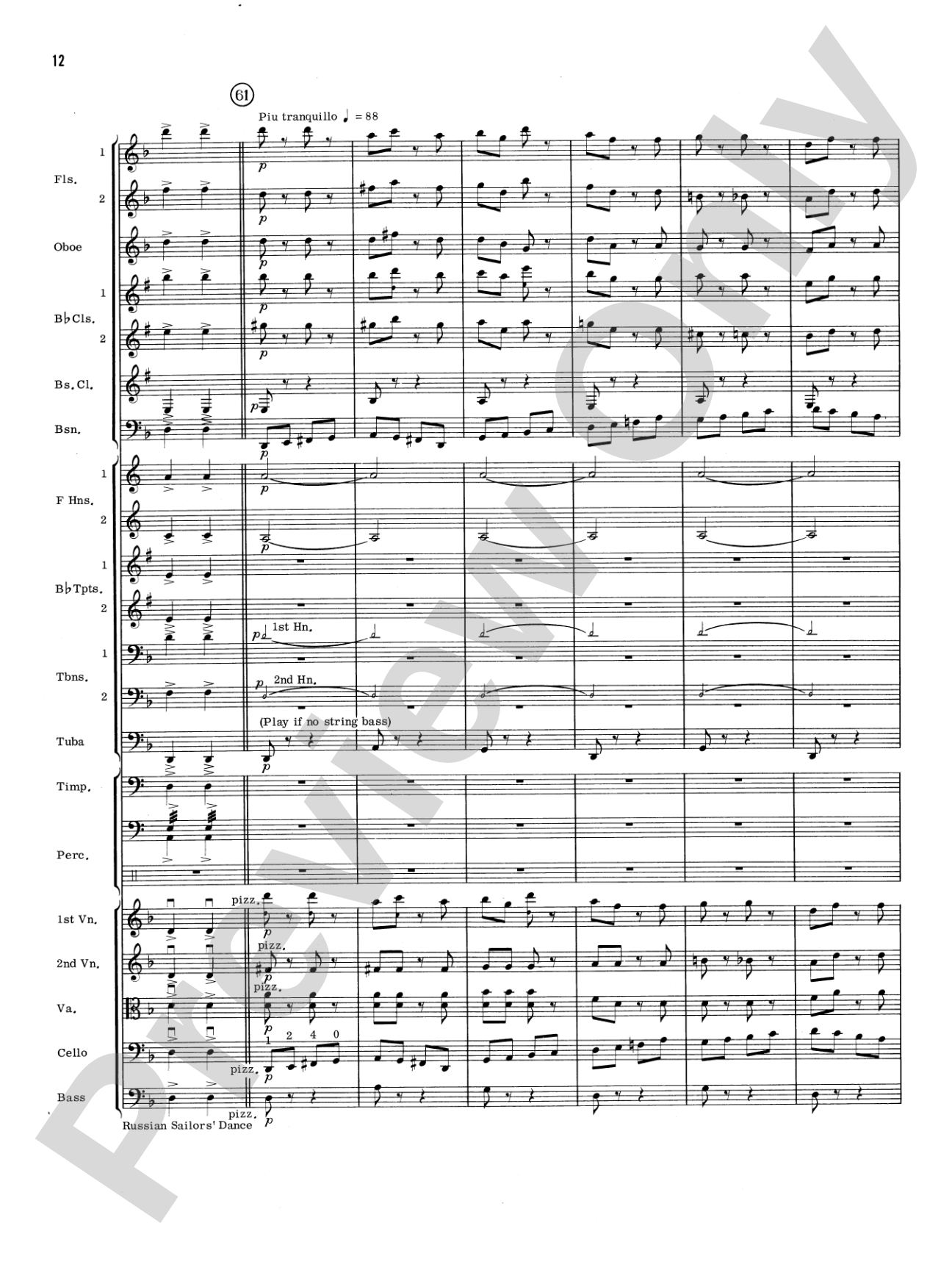
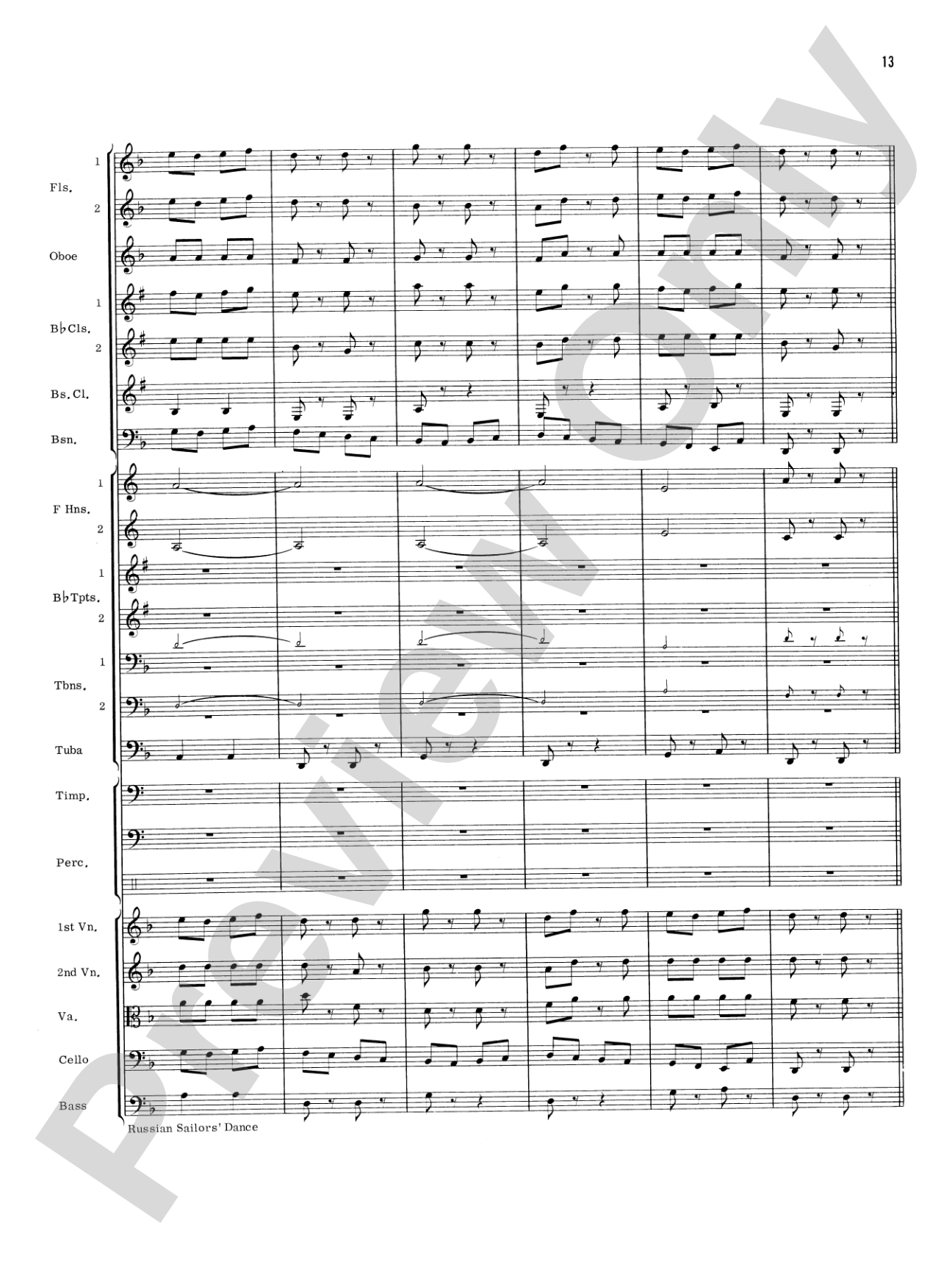
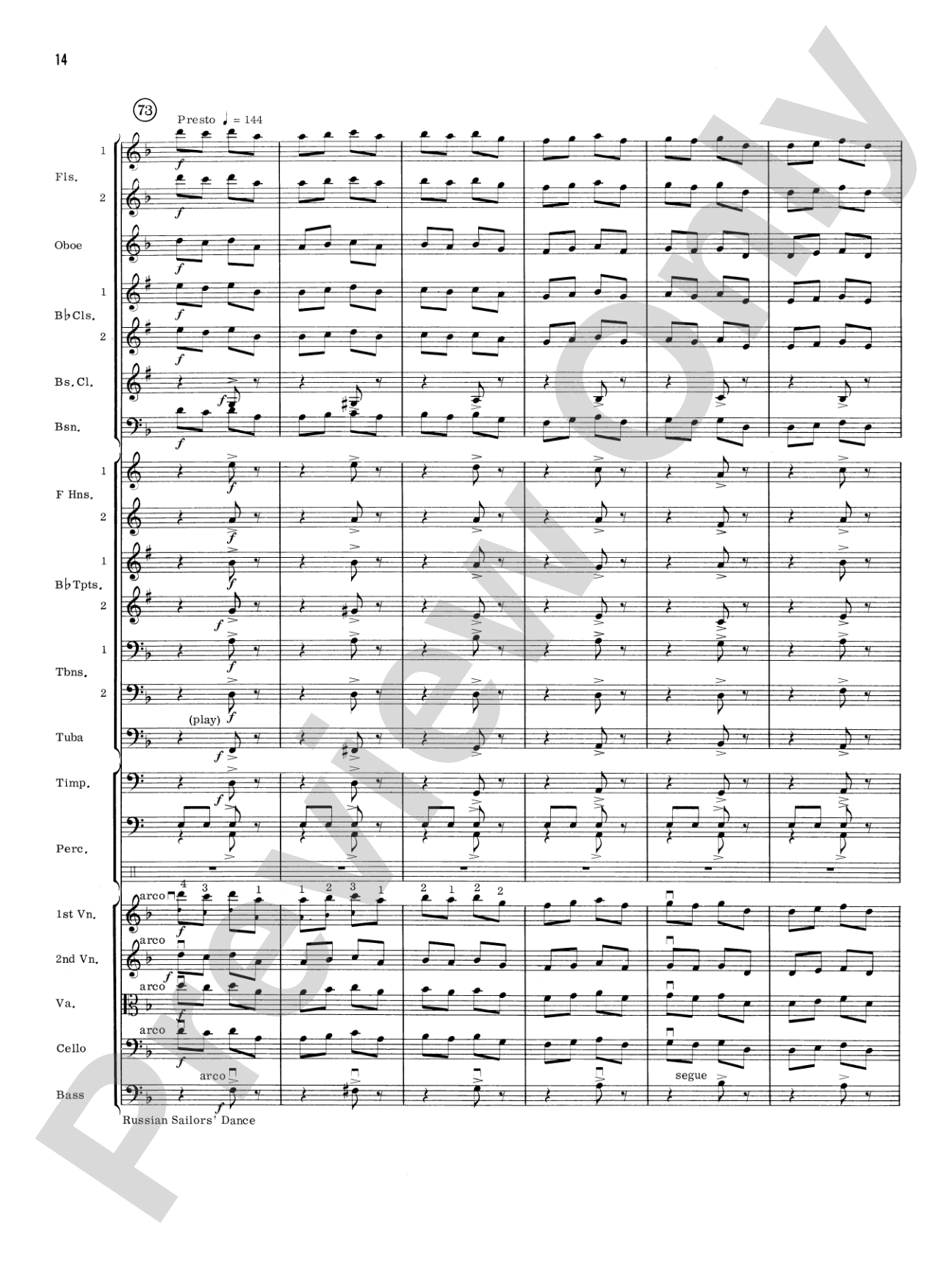
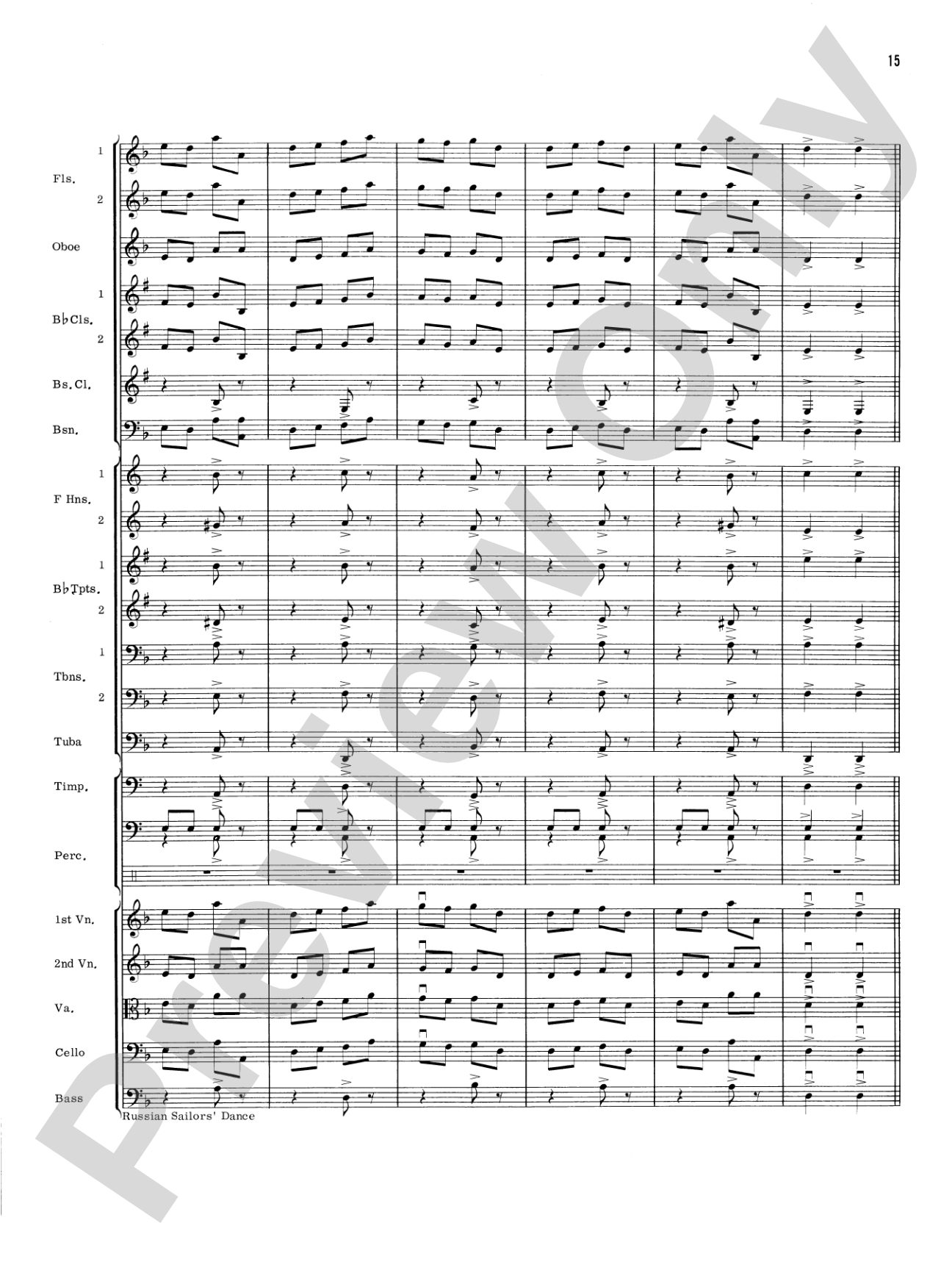
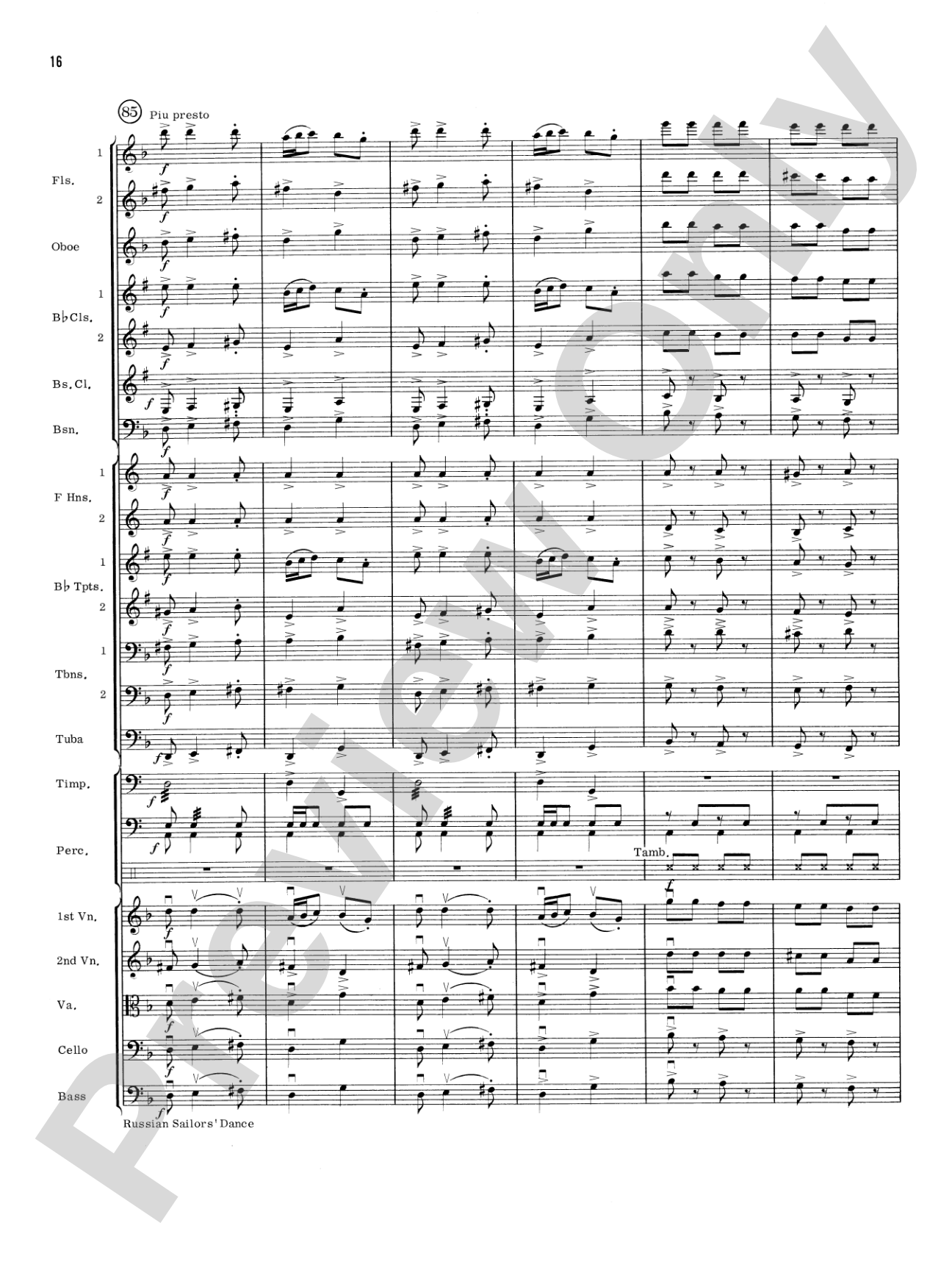
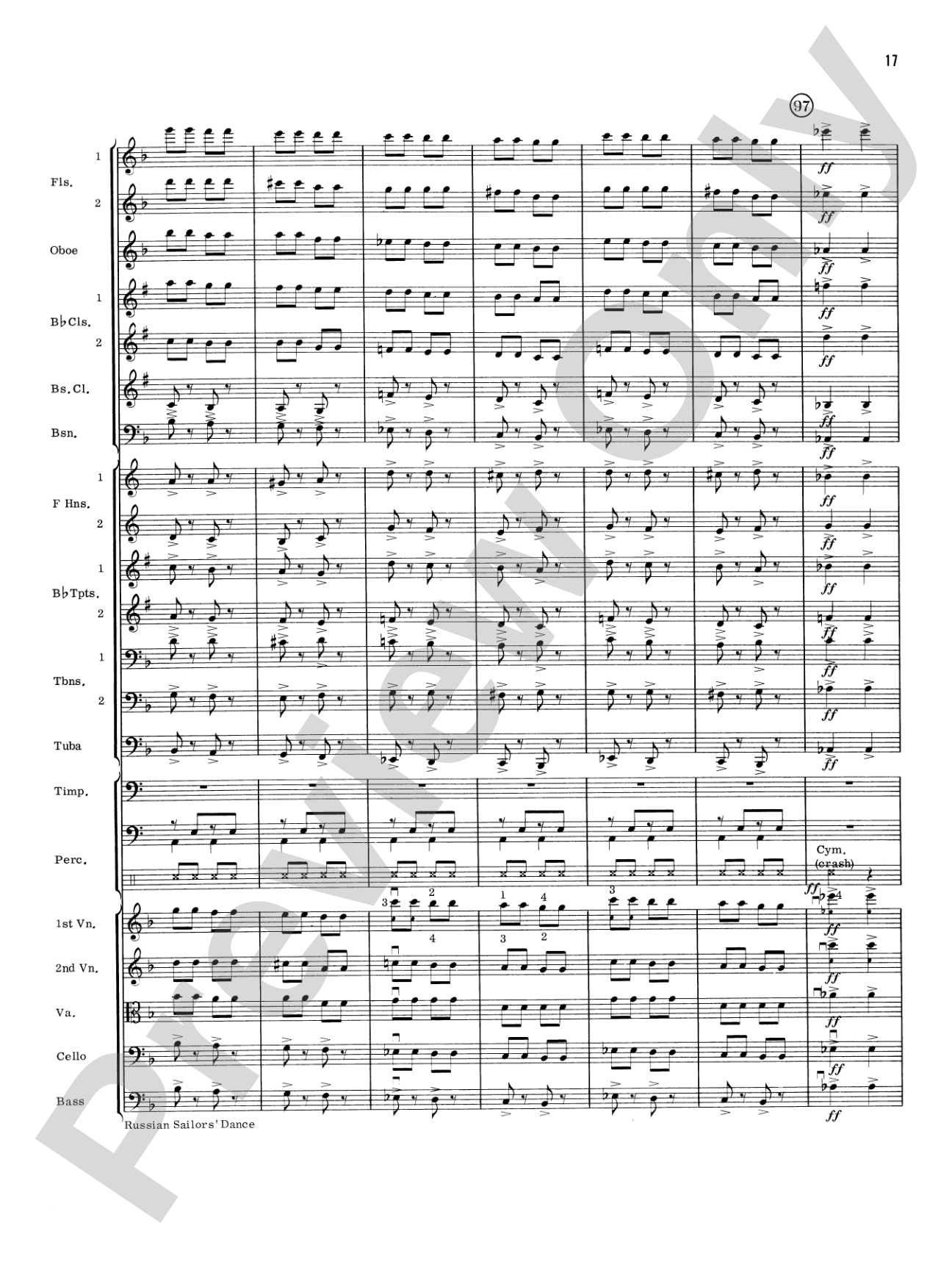
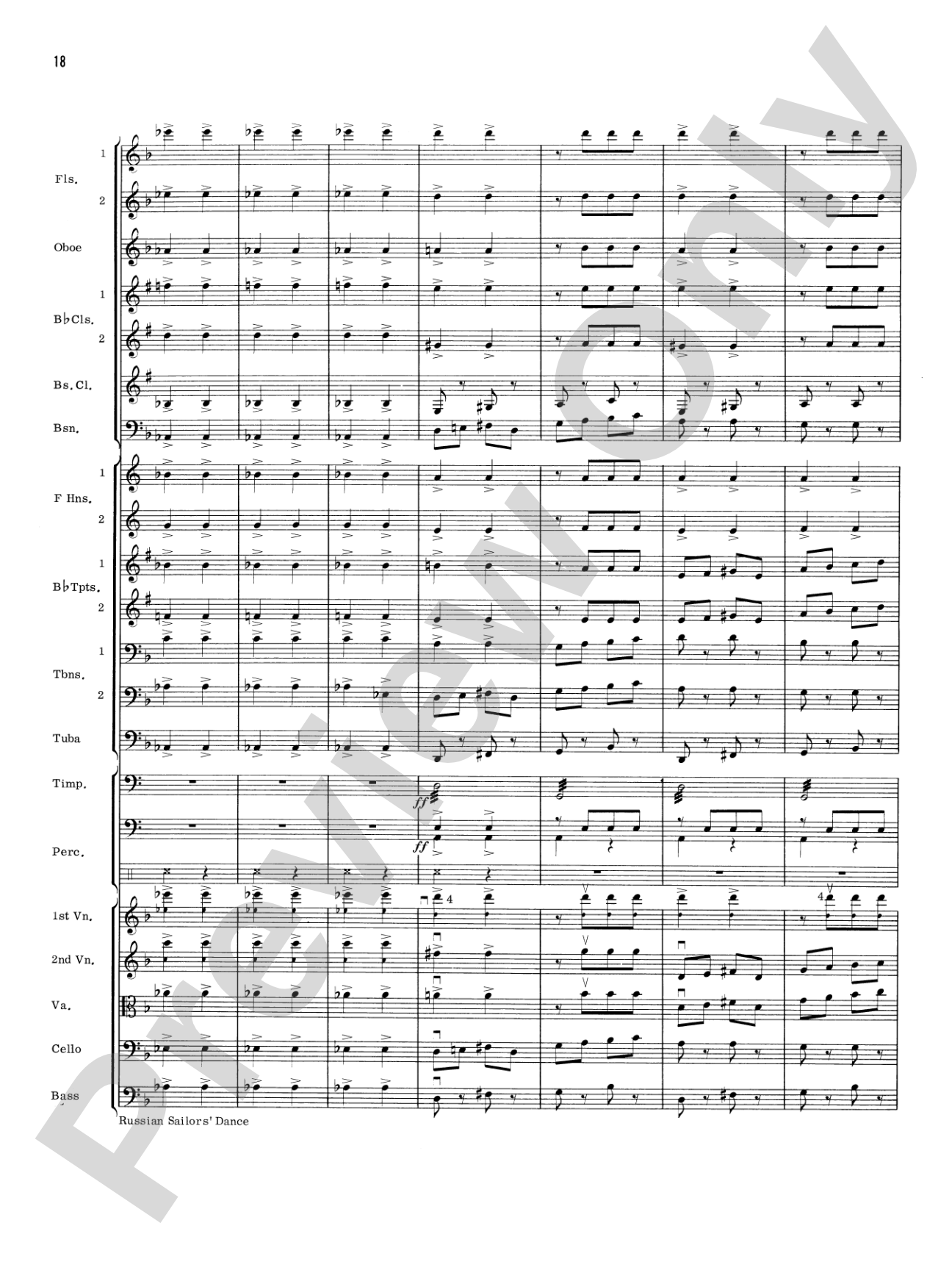
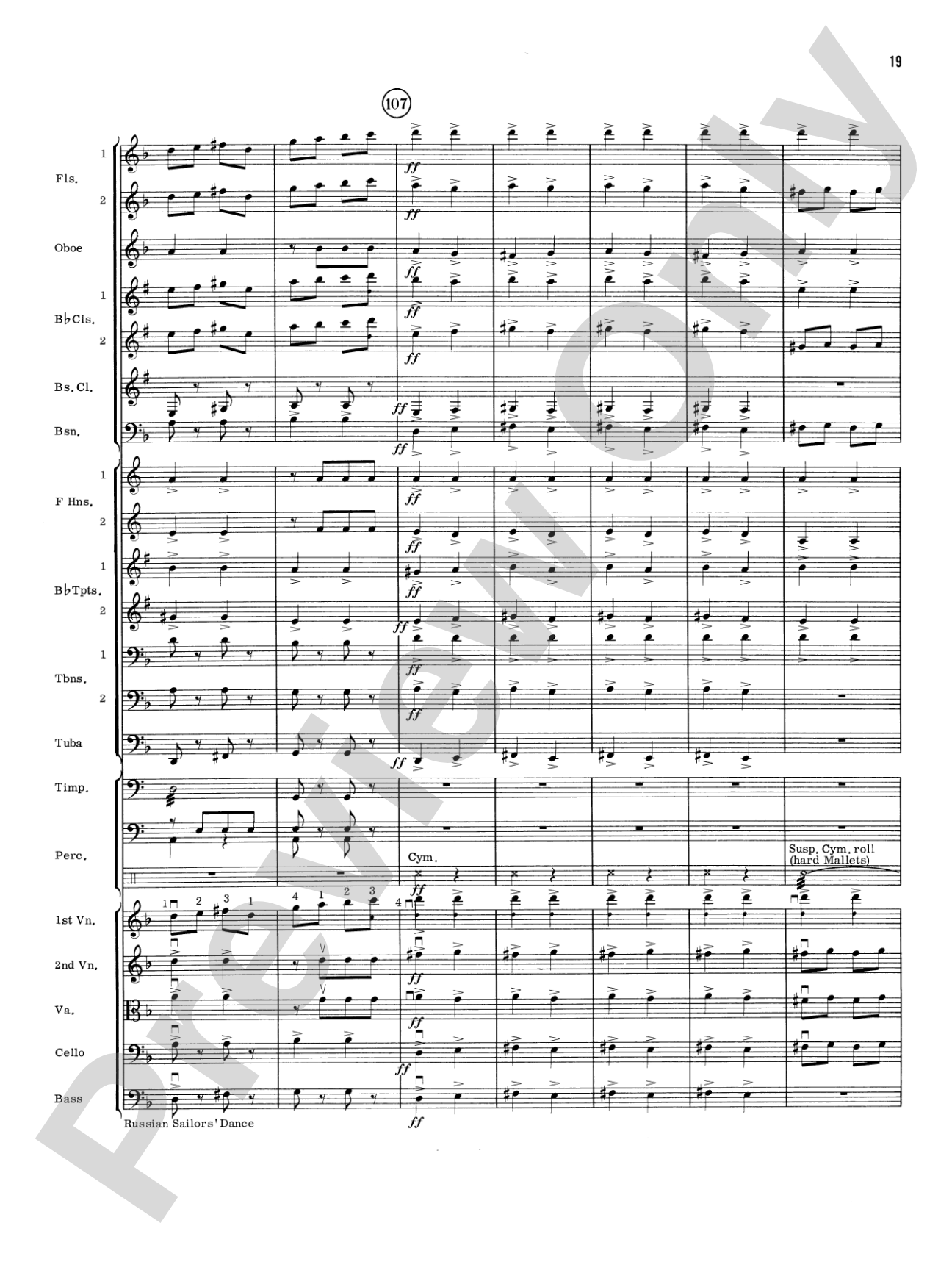
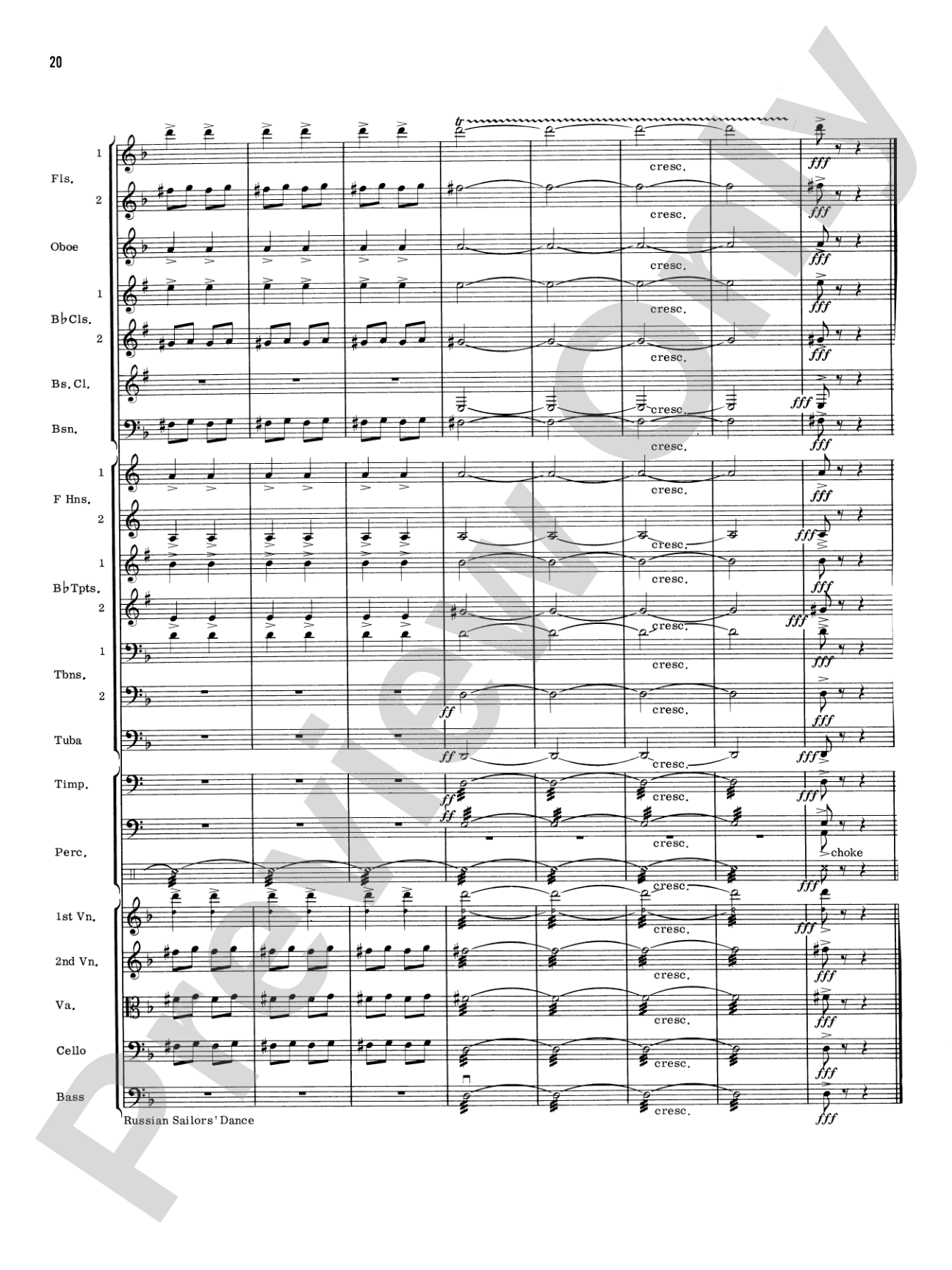

Russian Sailors' Dance: Score
By Reinhold Glière / arr. Russell Errante
Grade: 2
Item: 00-PR-0000044
$9.00
Pickup currently not available
Description


Don't just read it, hear it, play along with it, and watch your students grow with it. In MakeMusic Cloud, Russian Sailors' Dance: Score comes alive with professional accompaniment, adjustable tempo, and built-in practice tools that turn solo practice into real progress.
Open in the Player
Jump straight in and assign it today.
Start Your Free Trial
Open this title and explore the full library in minutes.
Sample Audio
No sample audio found.
Sample Video
No sample videos found.
Additional Details
Series:
Highland/Etling Full Orchestra
Publisher:
Alfred Music
Page Count:
75
SKU:
00-PR-0000044
More about this title
About the Composer: Reinhold Glière
Reinhold Glière (1875–1956) was a Russian composer and conductor whose prolific output spanned ballet, orchestral works, and chamber music. His music bridged the Romantic era and modernism, drawing on Russian folk idioms while maintaining lyrical, accessible melodies that have endured in the concert repertoire and educational settings.
Why we love this
Russell Errante's arrangement transforms this iconic Russian character piece into an energetic, fully realized orchestral work that sits comfortably at Grade 2. The writing balances accessibility with genuine musical substance, giving every section of the orchestra something engaging to play while keeping the quirky rhythmic drive and folk flavor that make the original so memorable.
What to expect
Brisk and playful, with the spirited swagger of a sea shanty filtered through Russian orchestral color. The piece bounces forward with nautical humor and energy, evoking sailors in motion with clever orchestration and folksy melodic turns that feel fresh even at first reading.
Who it's for
Conductors building a Grade 2 orchestra with strong rhythmic chops and ensemble precision. This works equally well for groups that thrive on character pieces and ensembles preparing for festival play.
How to get the most out of it
- Lock in the rhythmic pulse early in rehearsals. The nautical swagger of this piece depends on tight ensemble rhythms, so establish a clear, steady tempo before layering in expression.
- Balance the melody across your scoring. If the tune lives in only one section, the piece loses its character; make sure secondary parts support and shadow the primary line so the folk song quality reads clearly.
- Mark dynamic changes in parts before the first rehearsal. Grade 2 musicians need visible reminders about sudden shifts in volume, especially in passages that move between soft and loud quickly.
- Let the percussion drive the personality. The rhythmic vitality of Russian Sailors' Dance lives in its articulation and energy, so encourage your percussionists to lead with confidence while brass and woodwinds lock onto their pulse.
How to use it
Program this as a concert opener or midpoint palette cleanser alongside Romantic-era overtures and character pieces. It fits naturally in a multicultural or world music concert, and its contest-appropriate length and straightforward demands make it ideal for festival rotations without overshadowing larger works.
Skills your students will build
- Ensemble rhythmic precision in syncopated and driving meters
- Sectional independence while maintaining unified pulse
- Character interpretation and stylistic articulation within Russian folk idioms
- Reading conductor score and individual parts simultaneously
- Dynamic contrast and contrast in simple orchestral textures