
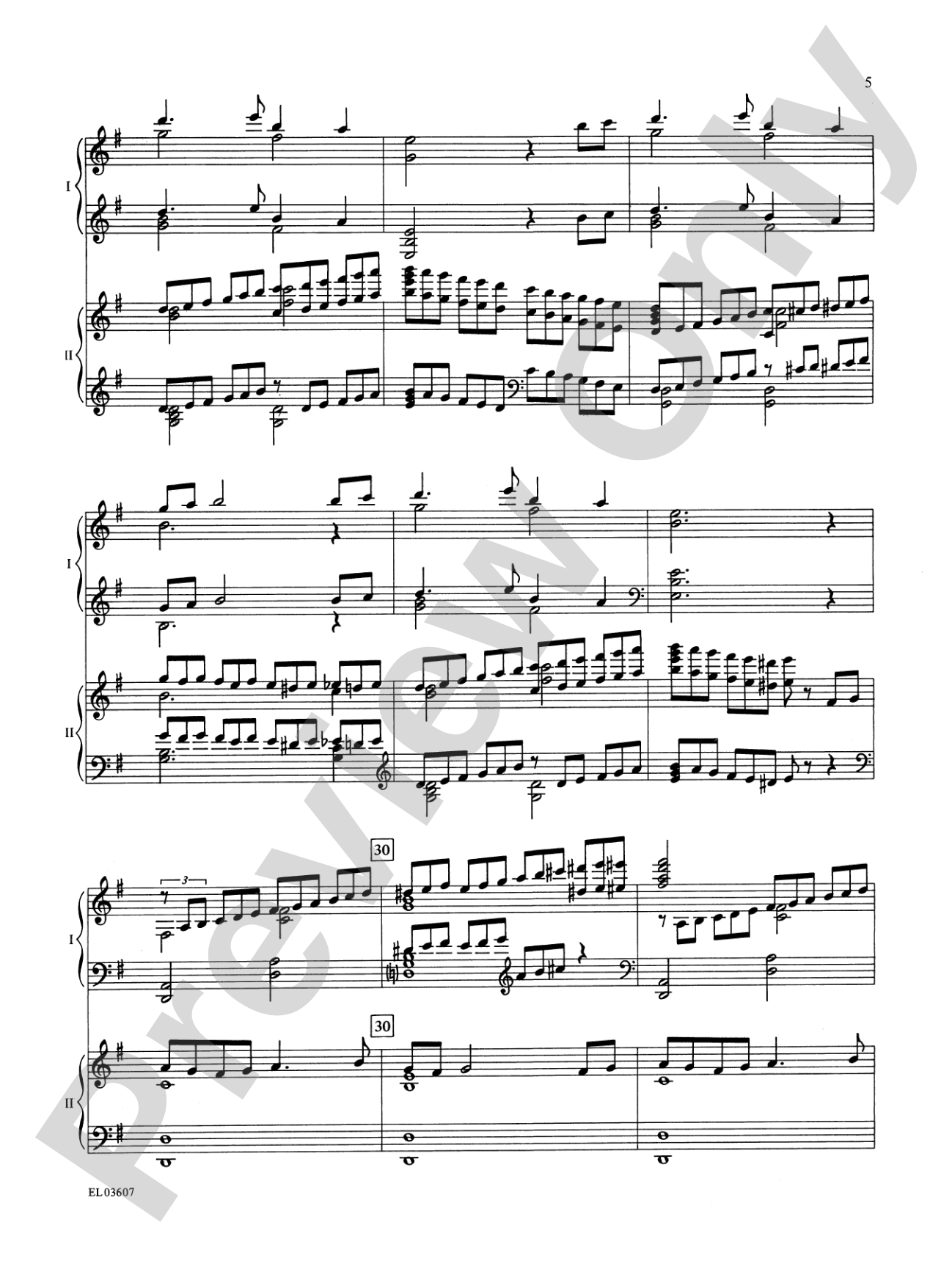
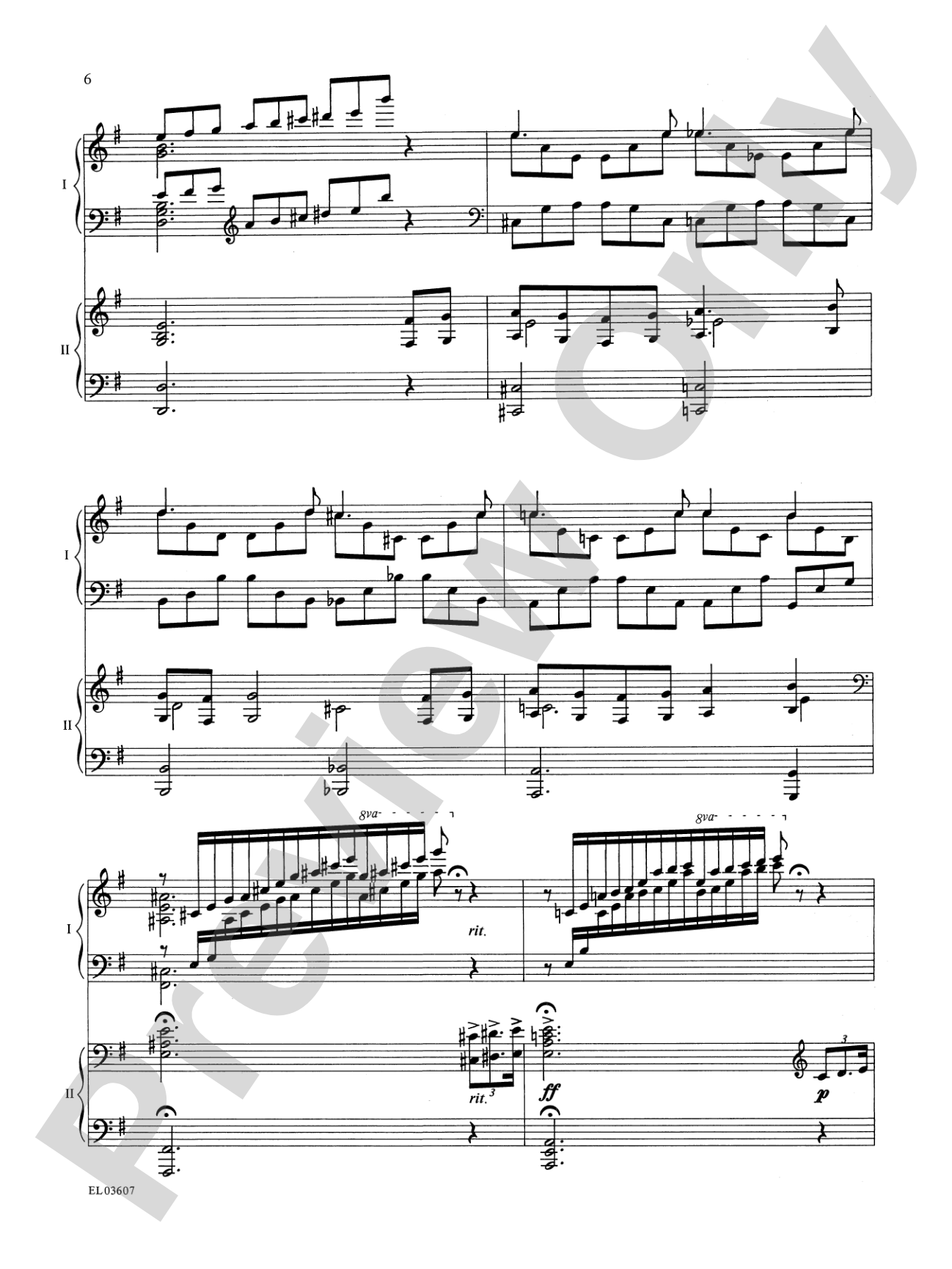
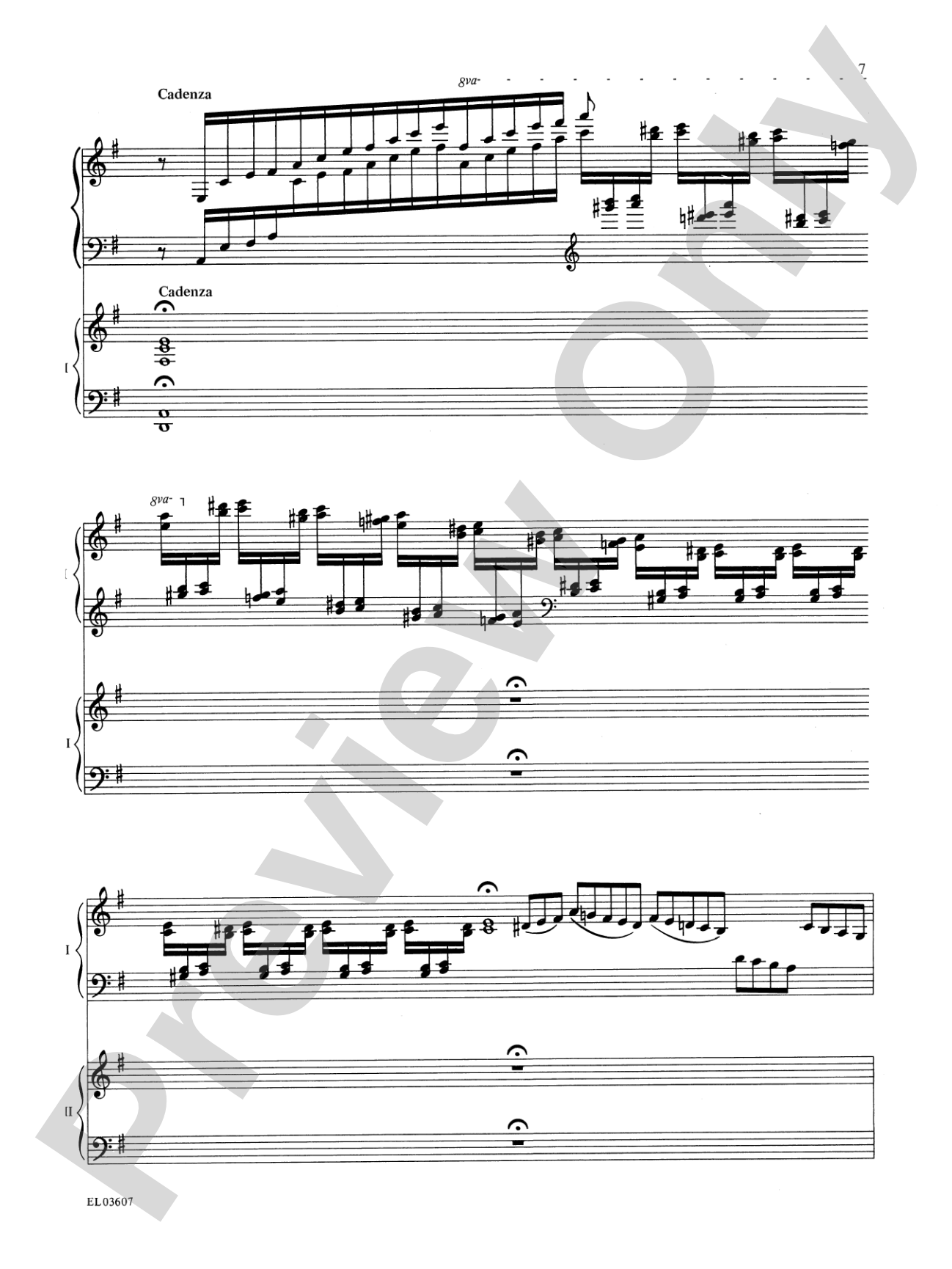
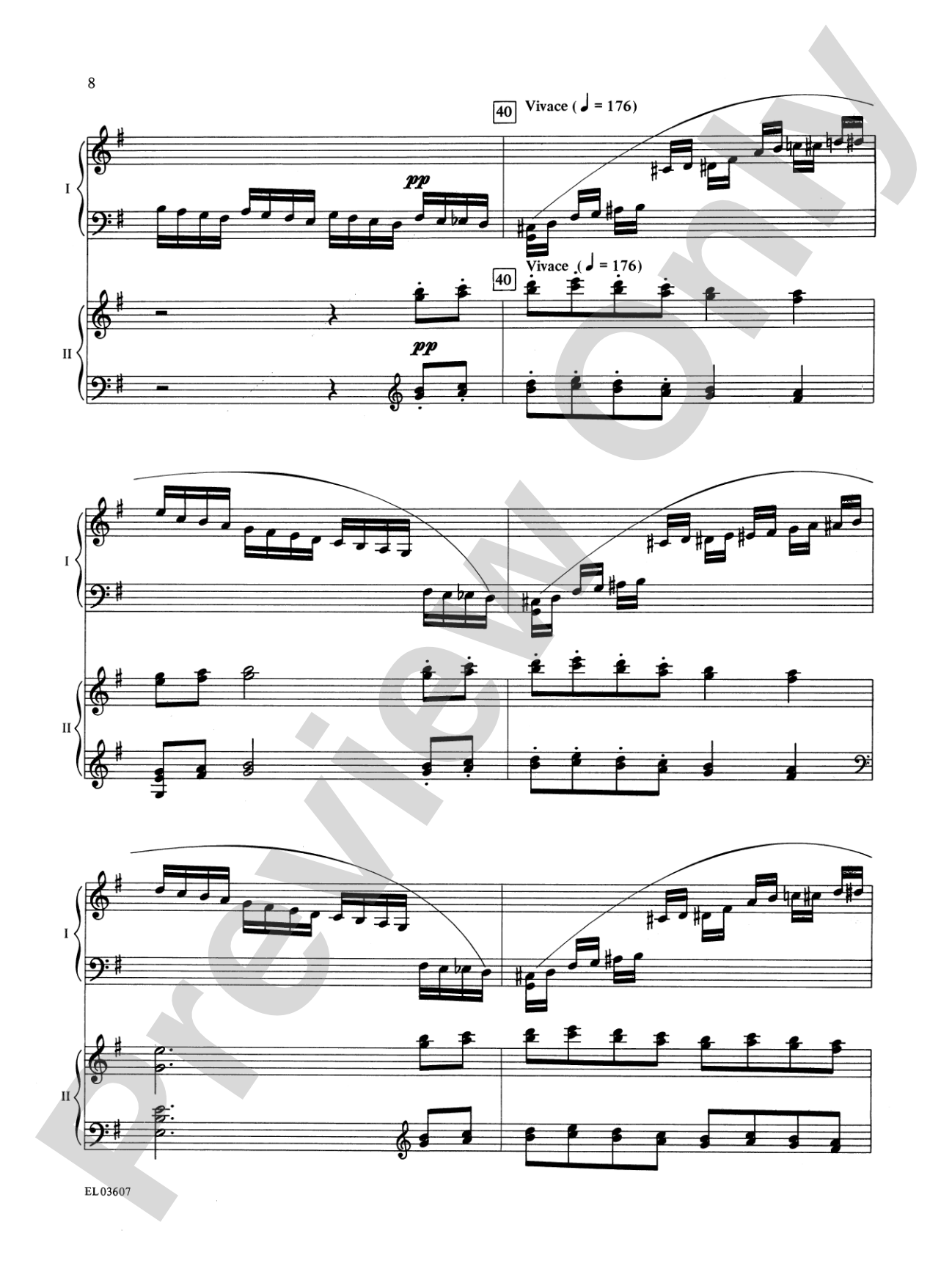

Russian Rhapsody - Piano Duo (2 Pianos, 4 Hands): Piano Duets & Four Hands
By Sergei Rachmaninoff / ed. Maurice Hinson
Level: Advanced
Item: 00-PB-0000598
$8.99
Pickup currently not available
Related Items
Russian Rhapsody: Piano Duo (2 Pianos, 4 Hands) Book (2 copies required) |
$8.99
|
View |
Description
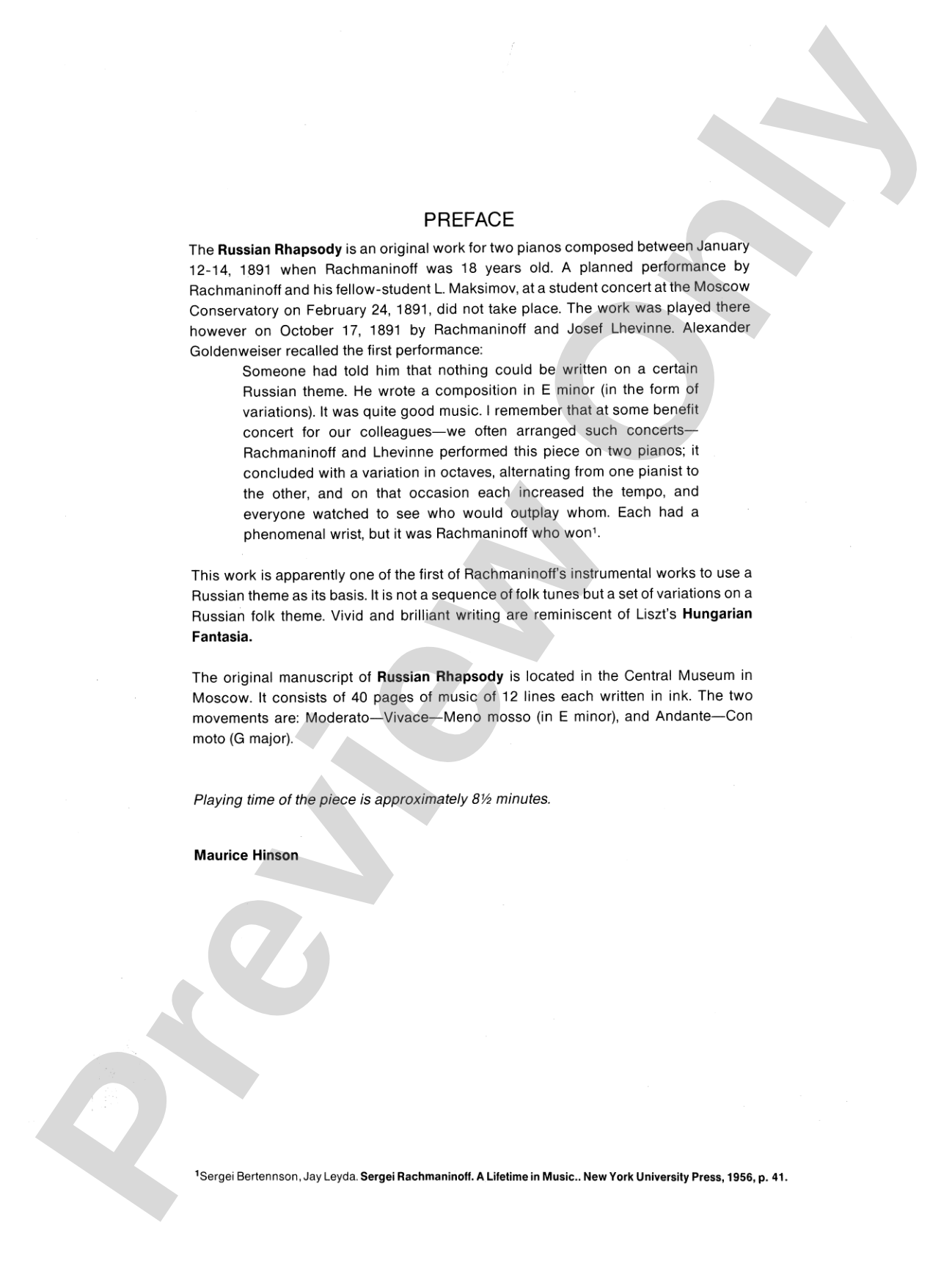
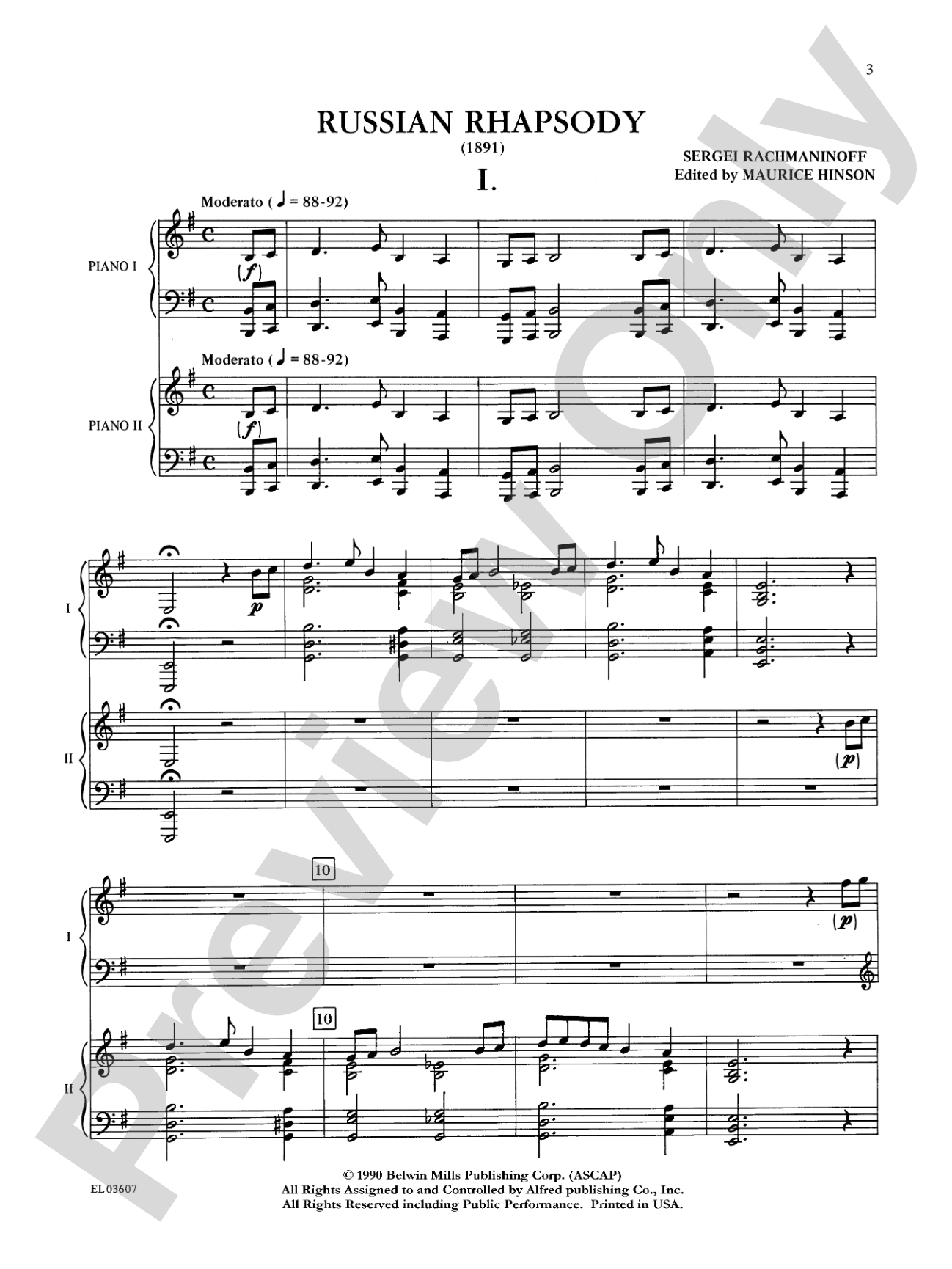
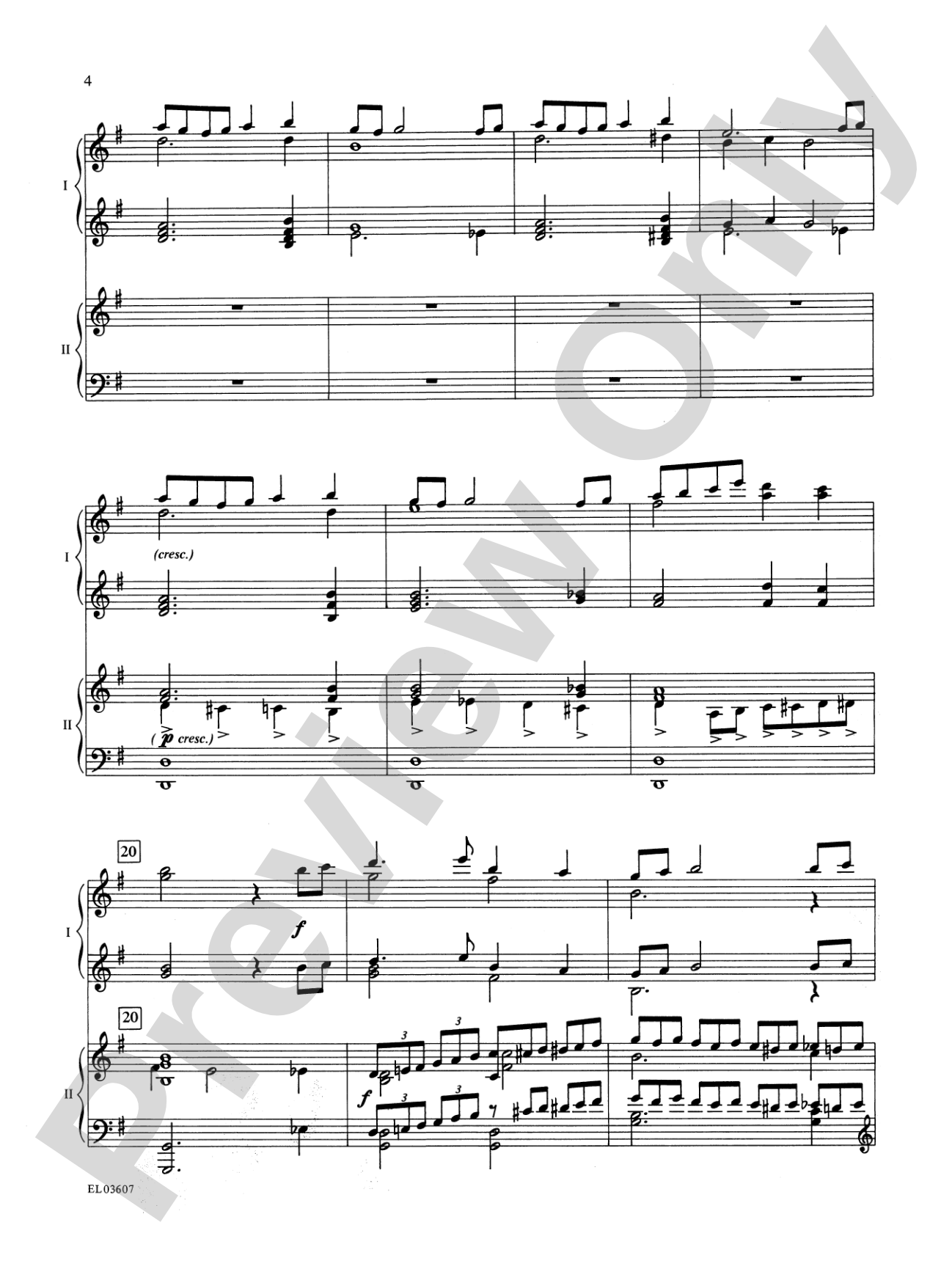
This wonderful composition for two pianos, four hands from Rachmaninoff's early writings was discovered and edited by noted editor and educator Maurice Hinson. Long unavailable in the U.S., Russian Rhapsody is a must for advancing students and two-piano teams. A Federation Festivals 2024-2028 selection.


Russian Rhapsody - Piano Duo (2 Pianos, 4 Hands): Piano Duets & Four Hands isn't in MakeMusic Cloud just yet...but it could be. Let us know you'd like to see it, and you'll help shape what comes next. In the meantime, start a free trial and dive into thousands of interactive titles your students can play along with today.
Request This Title
Tell us you want it.
Start Your Free Trial
Explore everything that's ready to play right now.
Sample Audio
No sample audio found.
Sample Video
No sample videos found.
Additional Details
Series:
Belwin Edition: The Piano Works of Rachmaninoff
Publisher:
Alfred Music
Page Count:
36
SKU:
00-PB-0000598
More about this title
About the Composer: Sergei Rachmaninoff
Sergei Rachmaninoff stands as one of the most significant composers of the late Romantic and early 20th-century eras. A virtuoso pianist in his own right, he understood the instrument's capabilities at the deepest level, which shaped every work he wrote for keyboard. His compositions balance lush harmonic language with technically demanding passages that demand precision and interpretive maturity from performers.
Rachmaninoff's early works, including Russian Rhapsody, showcase the compositional voice that would define his legacy: sweeping melodic lines, rich harmonic colorations, and an instinctive sense of drama. Though he later became known for large-scale concertos and symphonies, these formative pieces reveal his mastery of intimate musical storytelling and his gift for writing music that rewards both the performer and the listener.
Why we love this
Rachmaninoff's Russian Rhapsody channels the grandeur and emotional intensity his name is known for, but compressed into the two-piano format where every moment counts. Maurice Hinson's editorial work brings a piece long unavailable in the U.S. back into reach, complete with the scholarly foundation that advanced students need. Its selection for Federation Festivals recognition signals that this is serious repertoire with staying power, not a curiosity.
What to expect
Russian Rhapsody unfolds with the sweep and fervor of a great 19th-century orchestral work, translated into the intimate (yet expansive) world of two pianos. The piece moves between moments of passionate declaration and introspective lyricism, held together by Rachmaninoff's gift for melody and harmonic color that deepens with each phrase.
Who it's for
Advanced piano duet teams and two-piano ensembles ready to tackle 20th-century concert repertoire with symphonic scope. Students working toward festival competitions or recitals will find in Russian Rhapsody the technical challenge and musical substance that maturity requires.
How to get the most out of it
- Shape the melodic material across both pianos as though it's being sung by a single voice. Coordinate breathing and phrasing between players so that when the theme passes from one instrument to the other, the listener hears continuity, not a handoff.
- Balance the weight of octaves and block chords carefully. Rachmaninoff often uses the lower piano to anchor harmony; let that foundation sit firmly without overwhelming the upper voices.
- Attend to the pedaling as a shared responsibility. Test how much sustain each piano needs in the space where you're performing, and agree on when each player will change pedal to avoid muddiness across the two instruments.
- Honor the dynamic range. Rachmaninoff rarely settles for middle ground; push into the softer passages with real pianissimo control, and let the fortissimo sections bloom without fear.
How to use it
Position this as a centerpiece on a recital or chamber concert where you want to showcase advanced pianistic collaboration. Pair it with other Russian or early 20th-century works to create a focused program, or use it as the anchor piece that demonstrates technical mastery and musical depth alongside lighter repertoire.
Skills your students will build
- Coordinating tempo and phrasing across two independent instruments
- Balancing melody and accompaniment in an ensemble setting
- Executing Rachmaninoff's harmonic language and pedal technique
- Managing dynamic contrast and emotional intensity in advanced romantic-era writing
- Reading and interpreting editorial suggestions in scholarly editions