
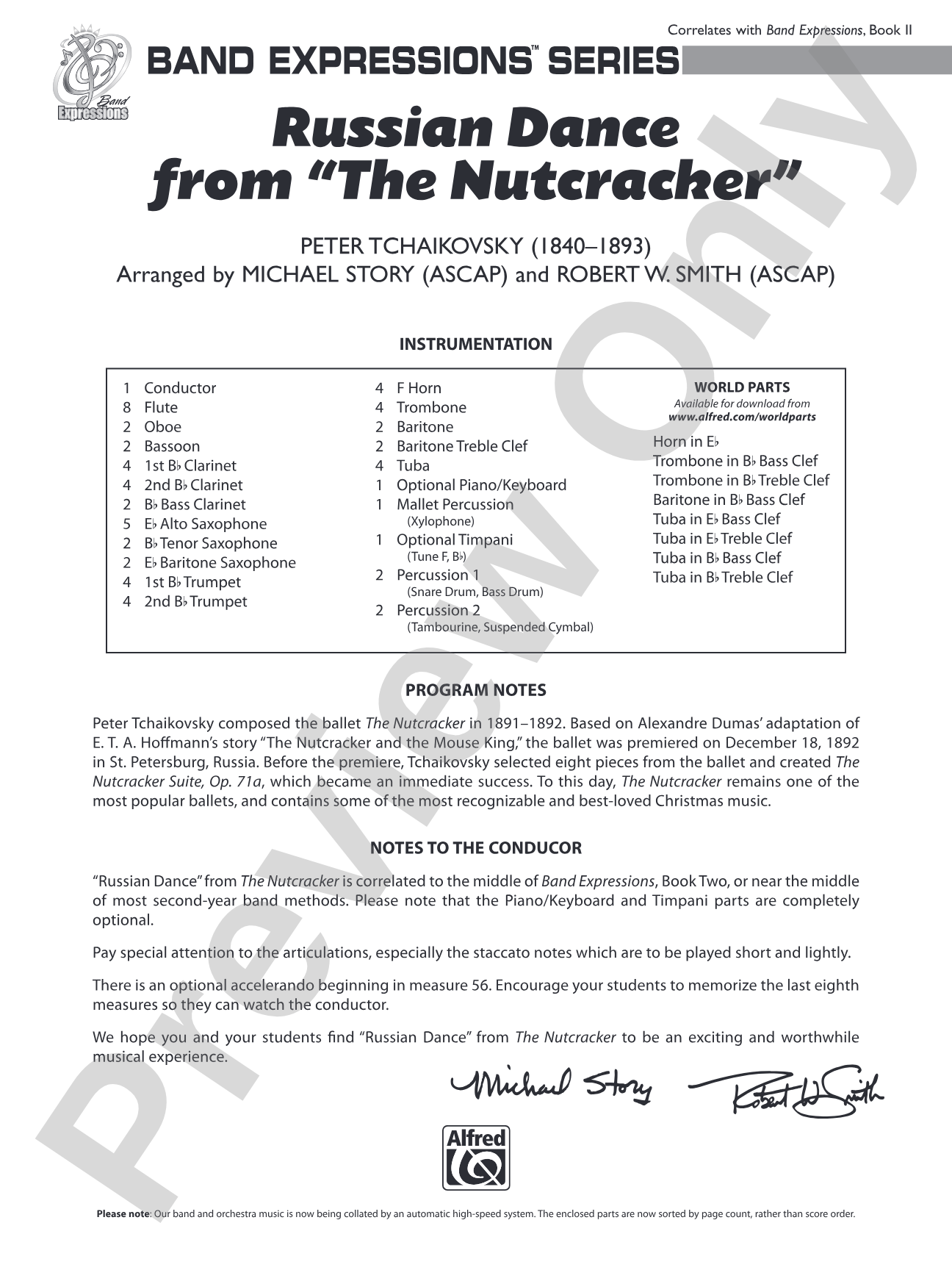

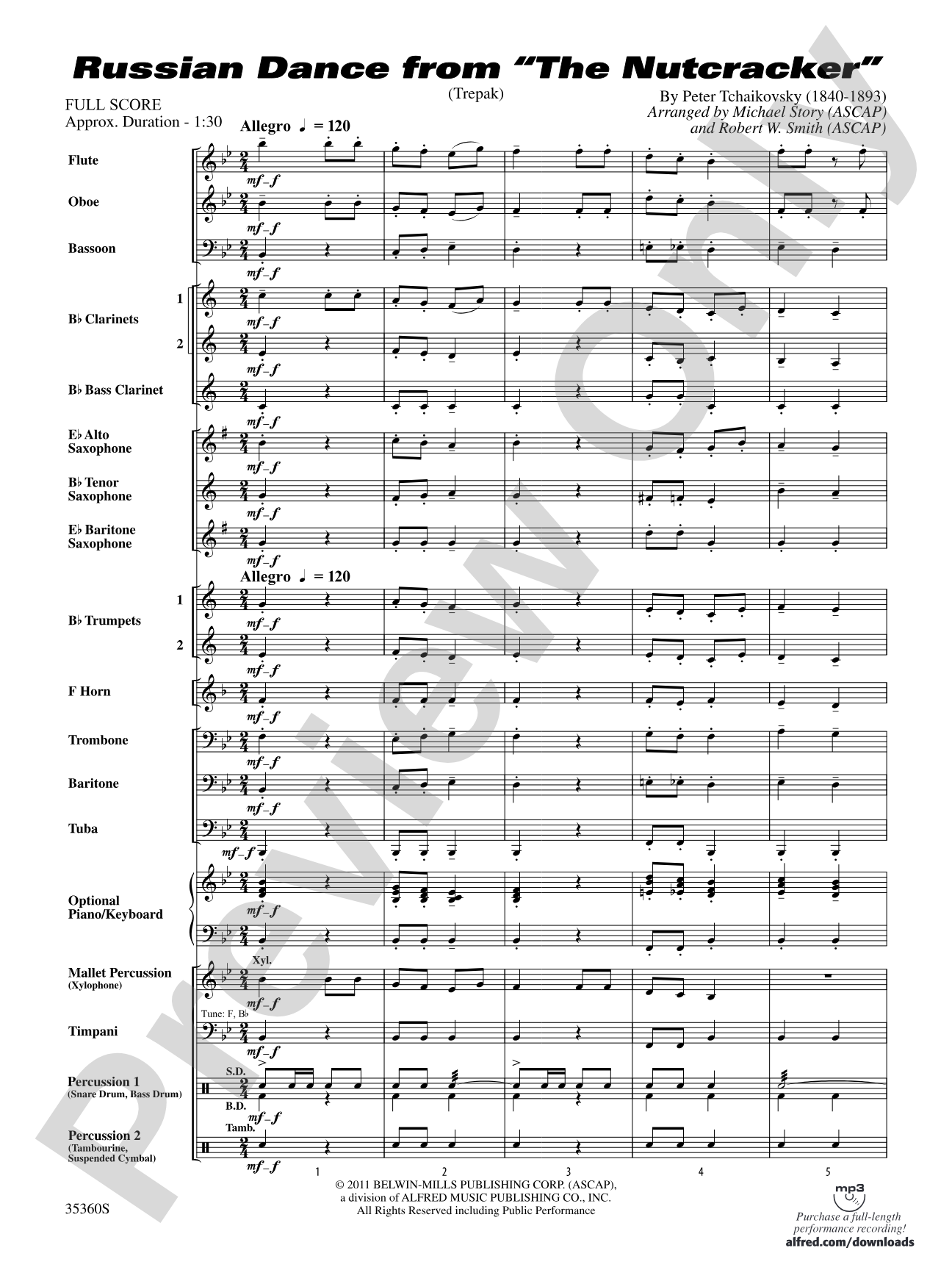
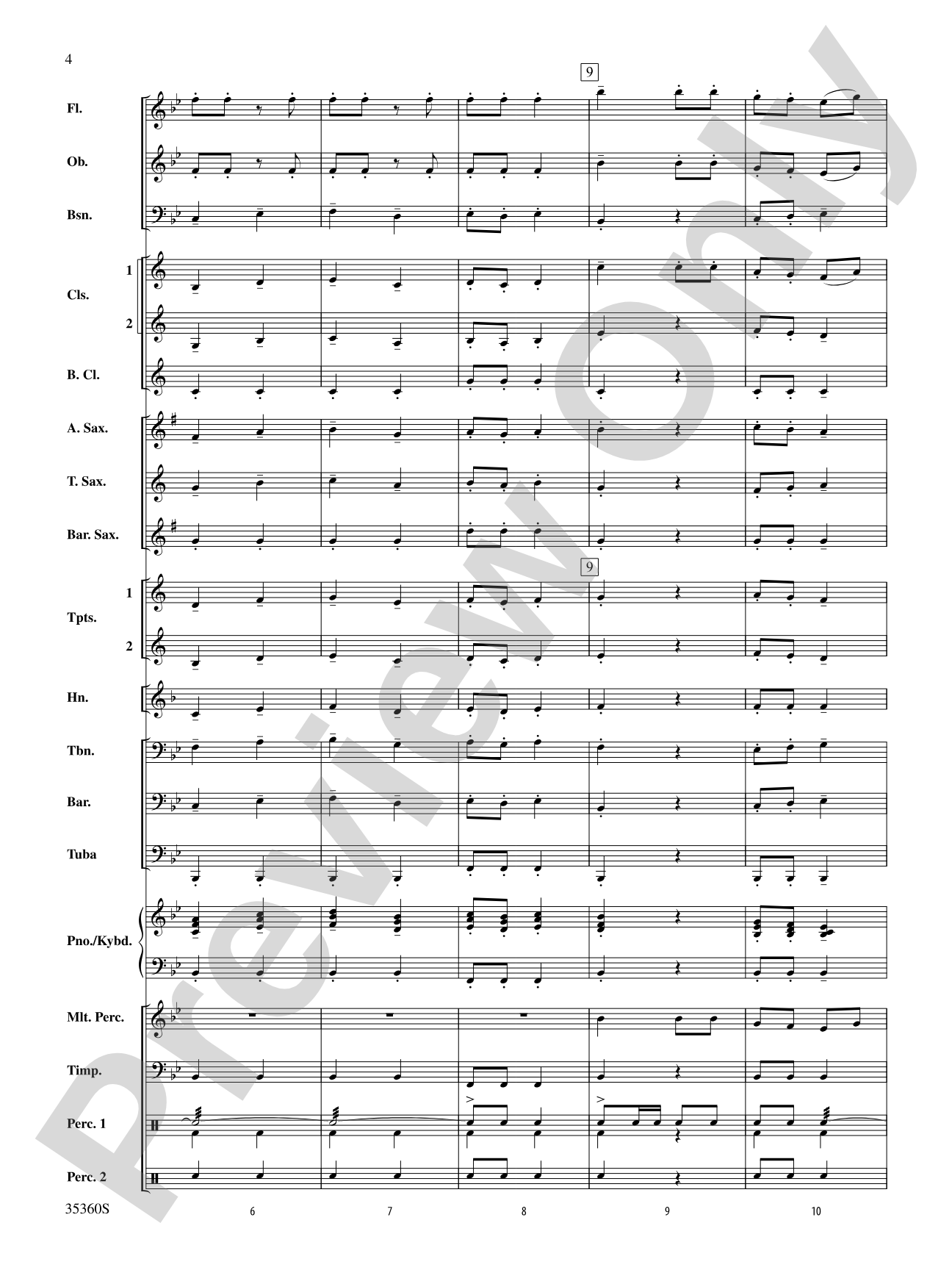
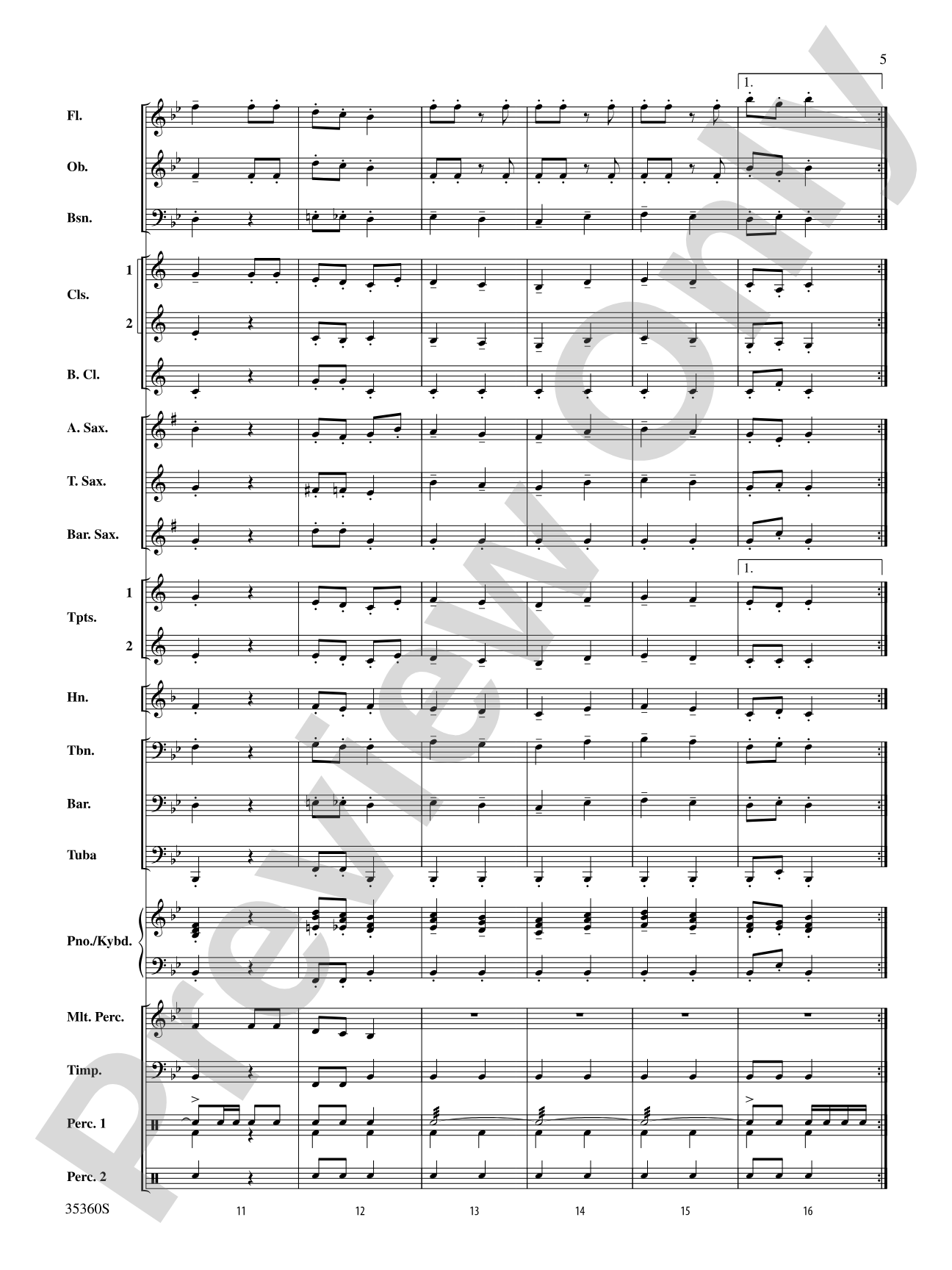
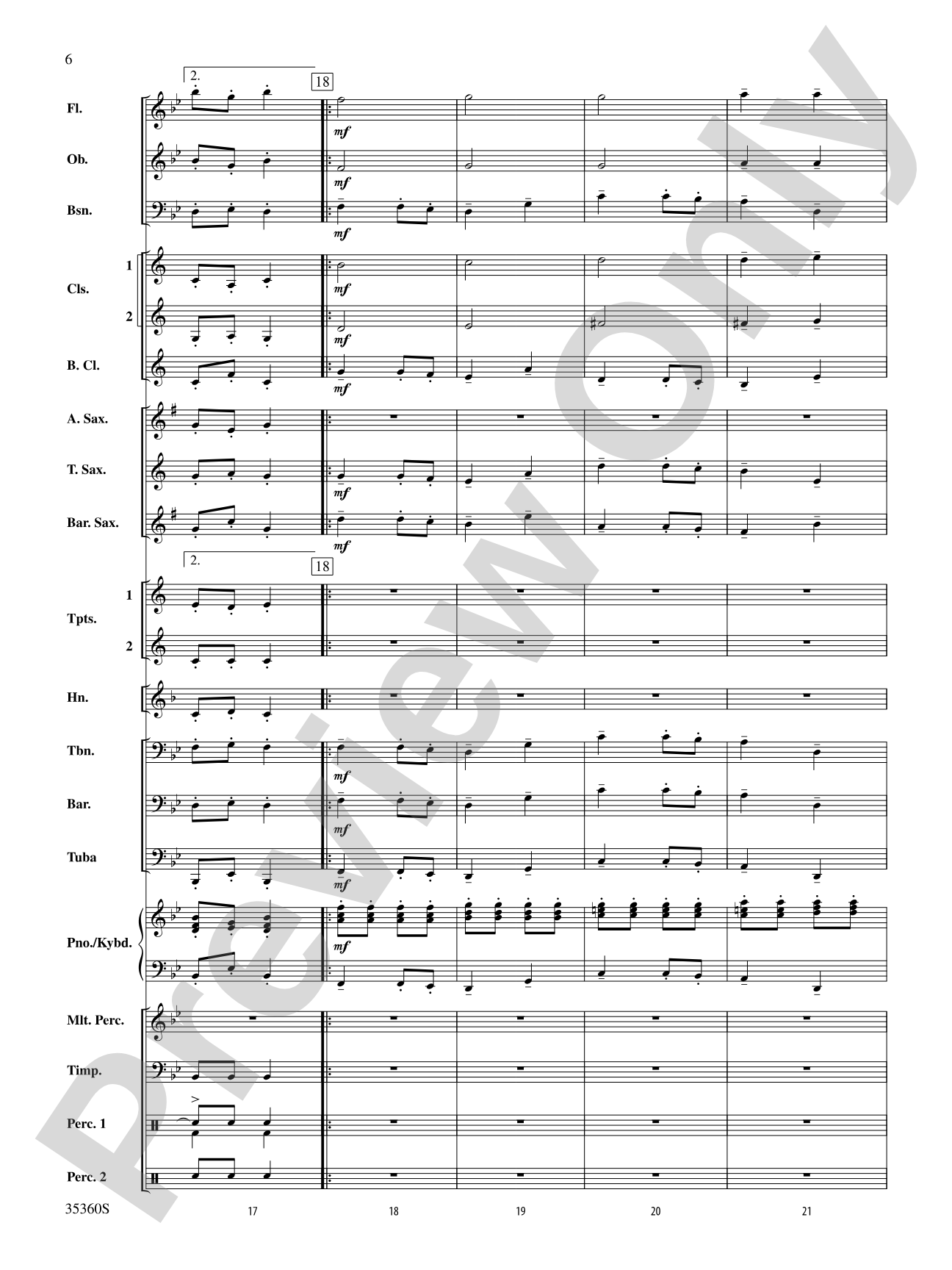
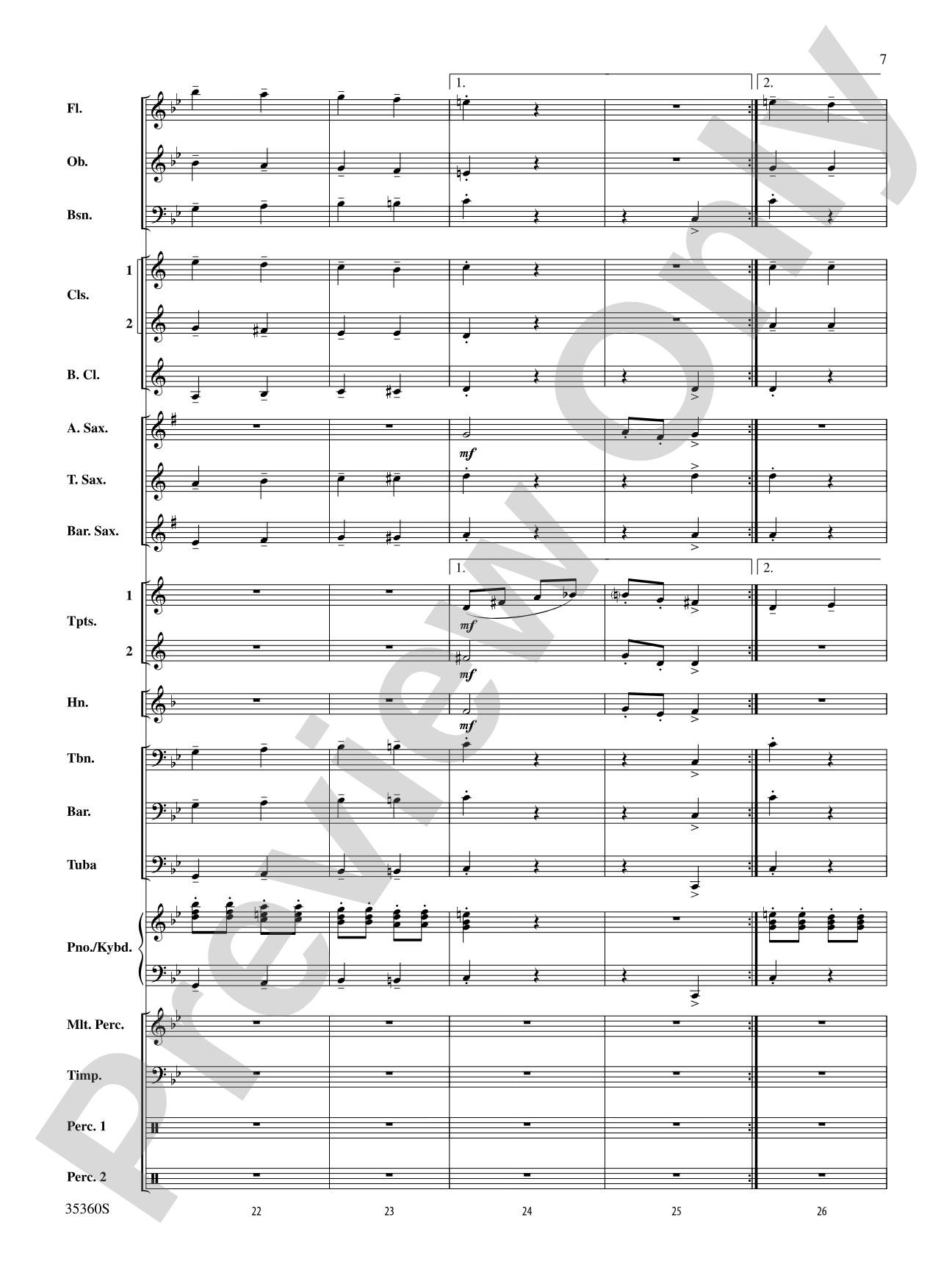
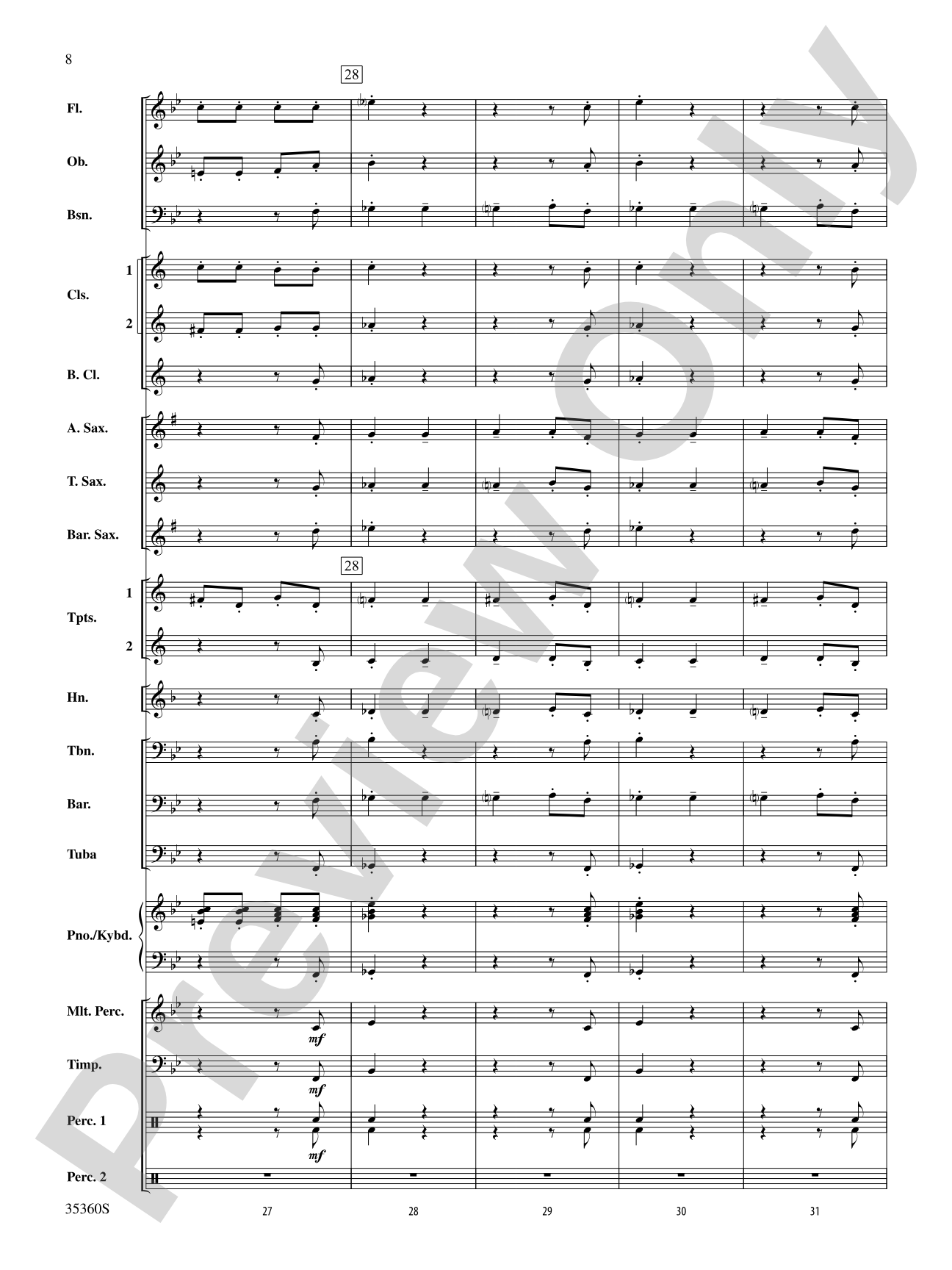
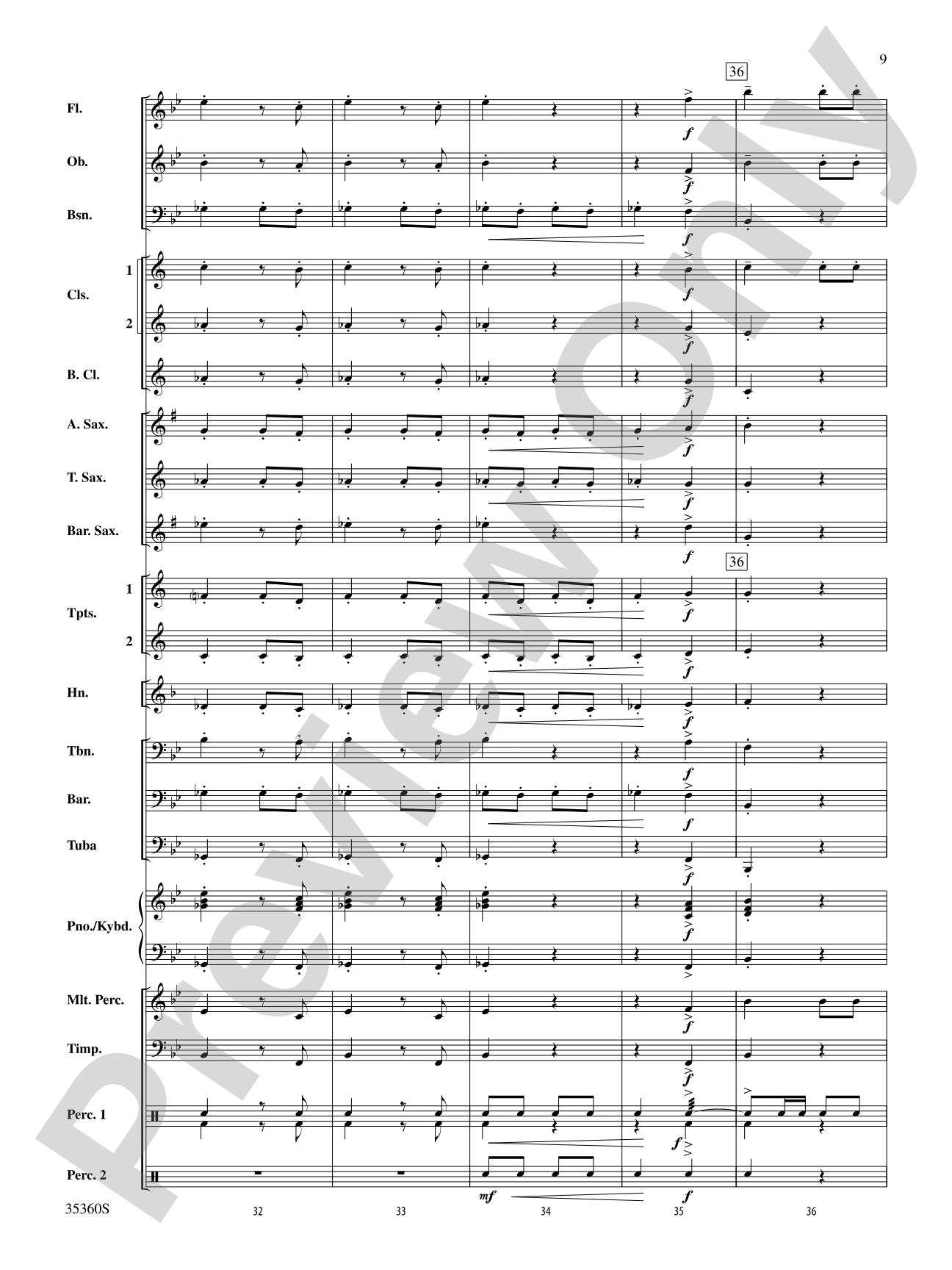
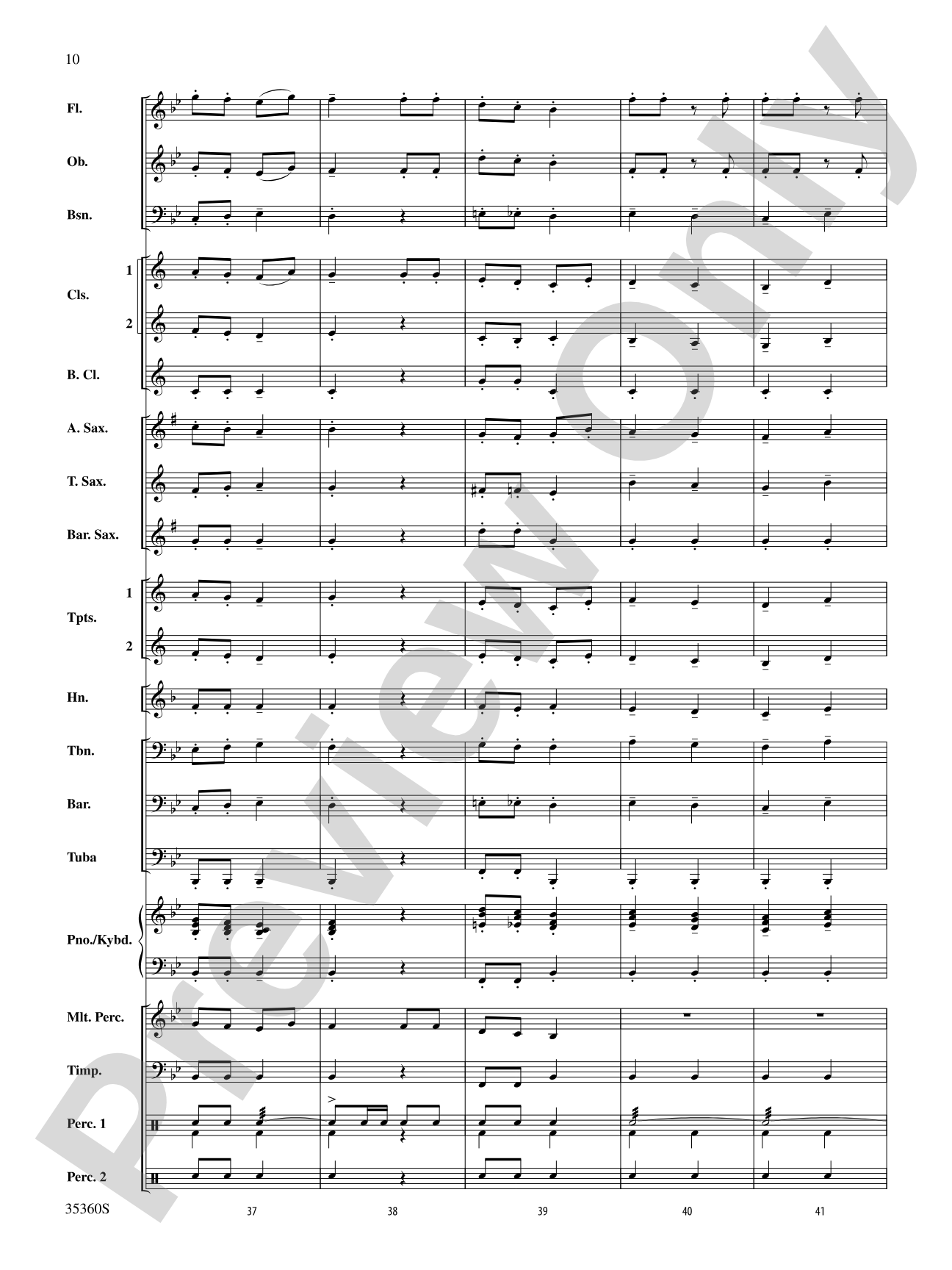
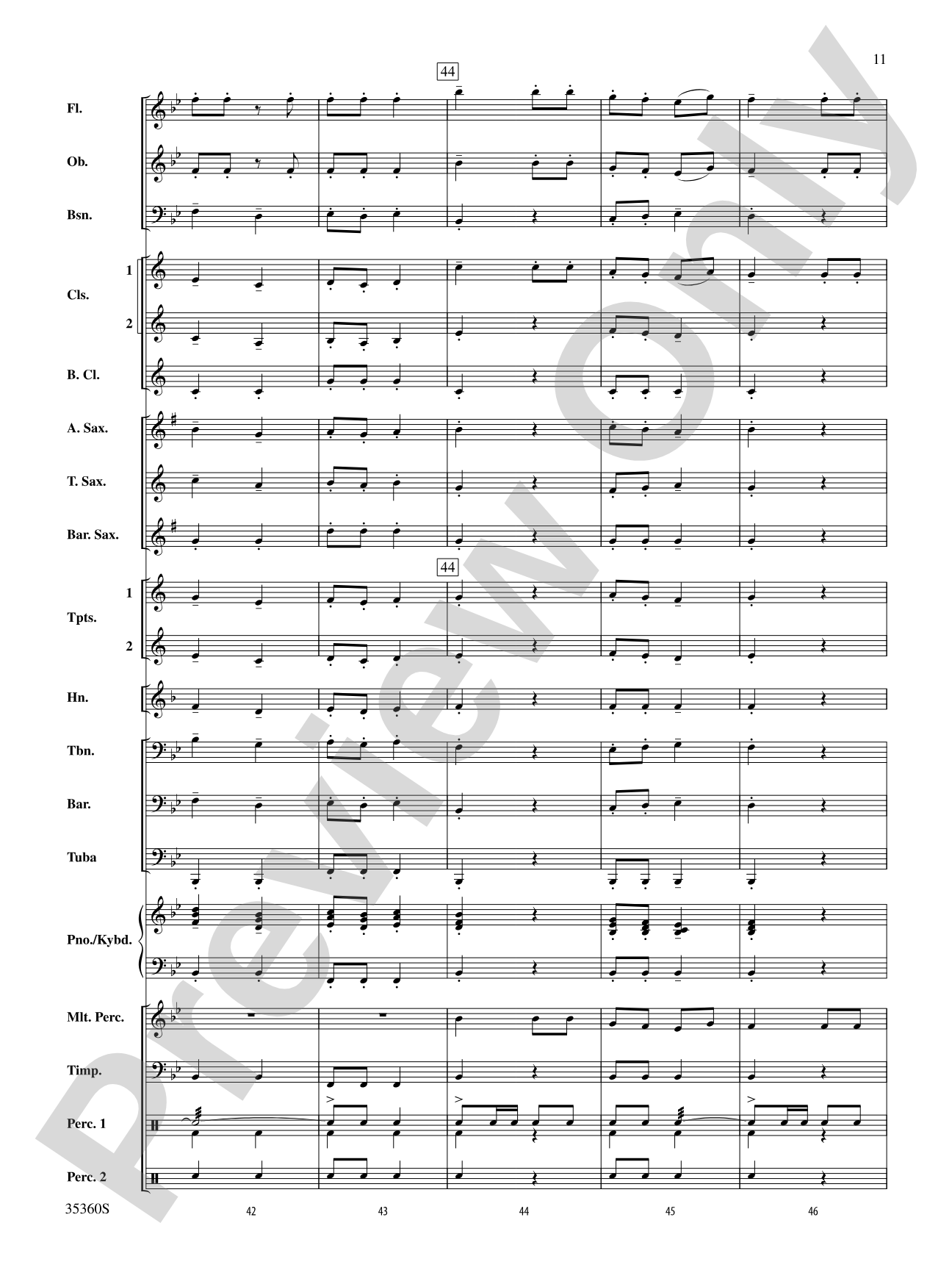
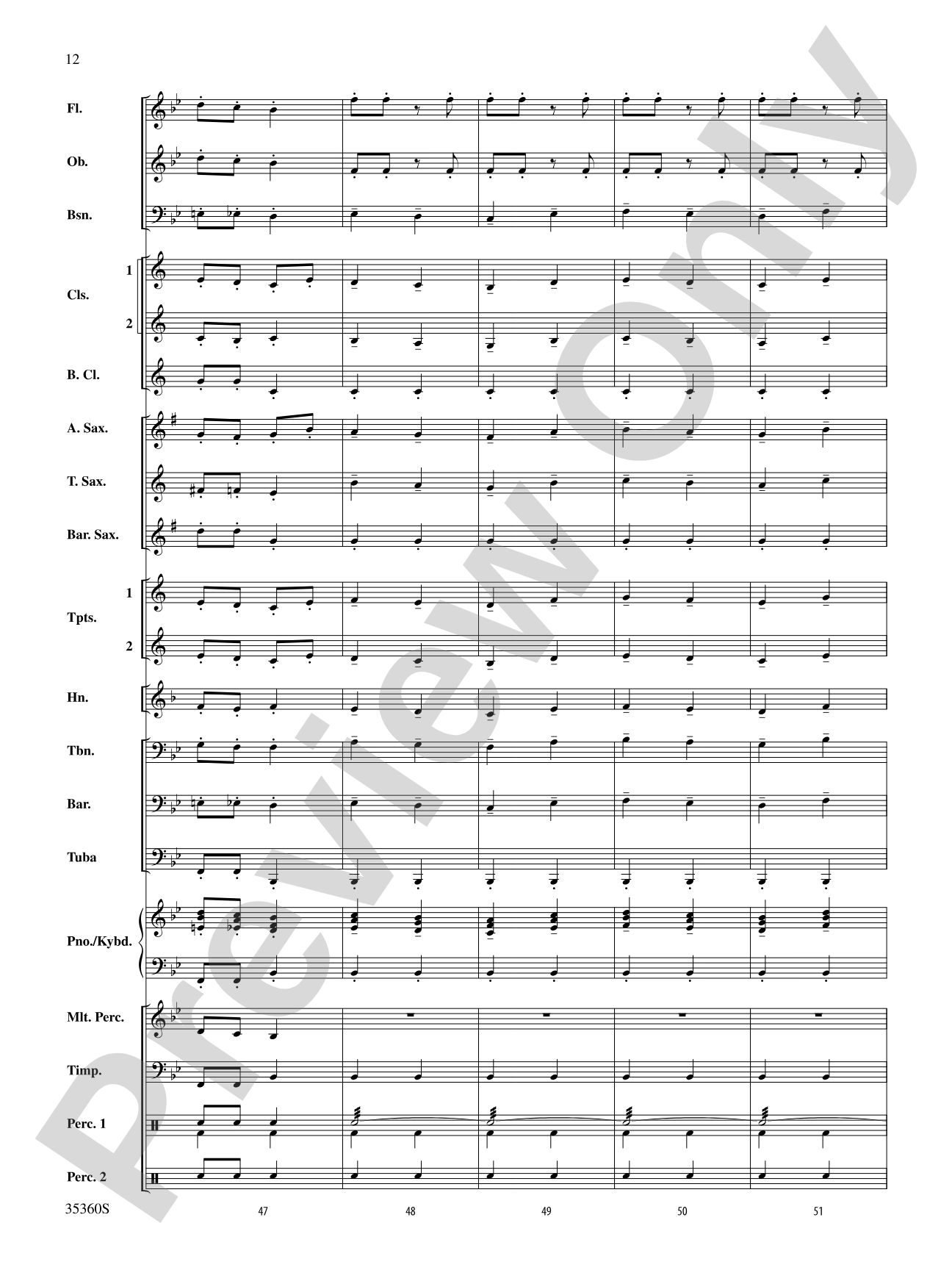
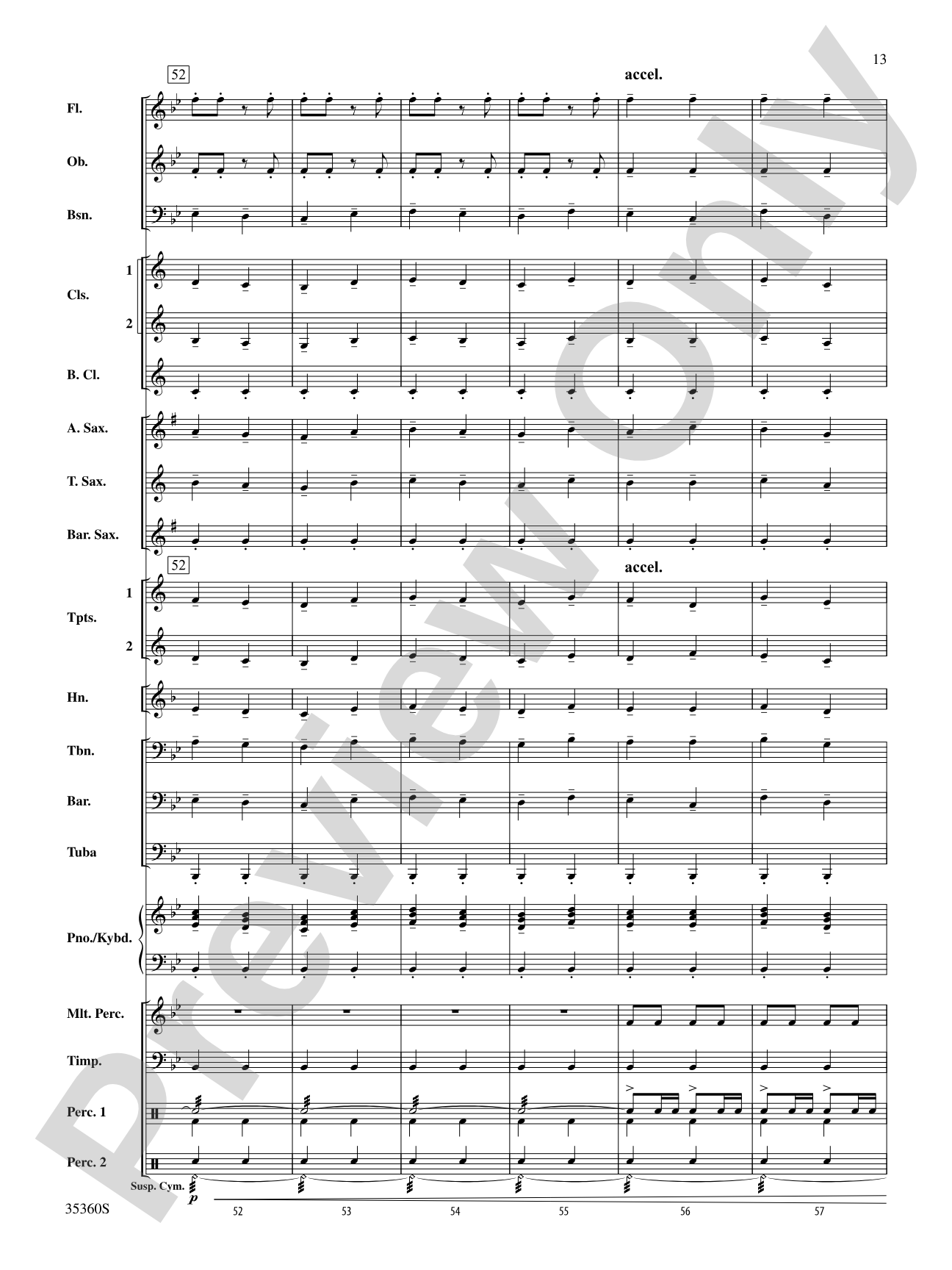
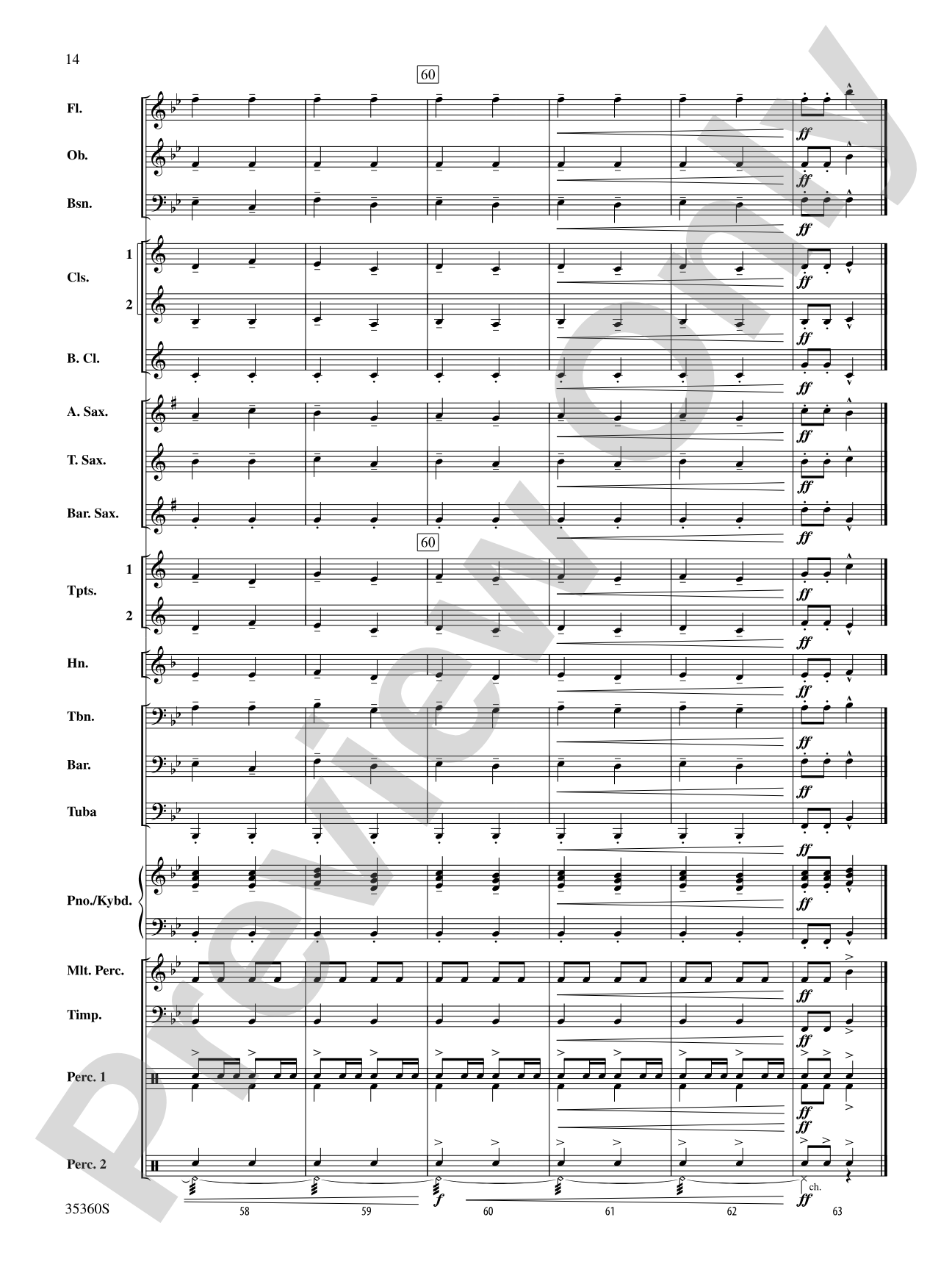



Russian Dance from The Nutcracker: Concert Band Conductor Score & Parts
Trepak
By Peter Ilyich Tchaikovsky / arr. Robert W. Smith and Michael Story
Grade: 2 (Easy)
Item: 00-PK-0004626

$56.00
Pickup currently not available
Buy Extra Parts (Digital PDF Download)
Parts Added to Cart!
Description
Peter Tchaikovsky composed the ballet The Nutcracker in 1891 and 1892 based on Alexandre Dumas' adaptation of E. T. A. Hoffmann's story The Nutcracker and the Mouse King. This setting is targeted toward the middle of most second-year band methods. Bring Tchaikovsky into your developing band's repertoire. A grand selection! This title is available in MakeMusic Cloud.


Don't just read it, hear it, play along with it, and watch your students grow with it. In MakeMusic Cloud, Russian Dance from The Nutcracker: Concert Band Conductor Score & Parts comes alive with professional accompaniment, adjustable tempo, and built-in practice tools that turn solo practice into real progress.
Open in the Player
Jump straight in and assign it today.
Start Your Free Trial
Open this title and explore the full library in minutes.
Sample Audio
1
Audio File
--:--
0:00
0:00
Sample Video
No sample videos found.
Additional Details
Series:
Band Expressions
Publisher:
Alfred Music
Page Count:
126
SKU:
00-PK-0004626
More about this title
About the Composer: Peter Ilyich Tchaikovsky
Peter Ilyich Tchaikovsky (1840-1893) was a Russian Romantic composer whose works bridged Western European symphonic tradition and distinctly Russian musical character. His ballet scores remain cornerstones of concert and educational repertoire, celebrated for their memorable melodies, rich orchestration, and emotional directness that speaks immediately to performers and audiences alike.
The Nutcracker, premiered in St. Petersburg in 1892, has become inseparable from the winter season. Tchaikovsky's gift for writing singable, accessible themes made this ballet ideal for arrangement across ensemble types and levels. For developing musicians, his work offers the dual reward of playing genuine masterwork material while building technique and musical maturity.
Why we love this
This arrangement plants your band squarely in real concert repertoire without overwhelming second-year players. Smith and Story have crafted a setting that preserves Tchaikovsky's melodic generosity while respecting what your developing ensemble can execute with confidence. The Russian Dance sits at exactly the right complexity level to feel substantial without requiring advanced technical facility.
What to expect
Spirited and festive without sentimentality. The Russian Dance pulses with rhythmic vitality and bright orchestral colors, capturing the motion and merriment of the ballet's marketplace scene. Tchaikovsky's gift for memorable melody shines through; players will find themselves humming this long after rehearsal ends.
Who it's for
Concert bands at the Grade 2 level, particularly those midway through their second year of study when technical security and musical interpretation begin to mature together. Any director seeking to introduce student musicians to genuine ballet music, especially in winter concert programming.
How to get the most out of it
- Shape the lyrical moments with genuine phrasing rather than a straight march tempo; Tchaikovsky's melodic lines benefit from subtle dynamic shaping even at this grade level.
- Lock in the ensemble's rhythmic precision during the more driving sections. The character of this piece depends on clarity and forward momentum in the accompaniment figures.
- Balance the melody across your sections. If trumpet carries the primary line, ensure clarinet and alto sax voices emerge enough to add harmonic color without muddying the texture.
- Bring out the distinctive Russian character by attending to Tchaikovsky's harmonic color. Avoid a generic march approach; let the arrangement's orchestral thinking guide your dynamic shading and voice independence.
How to use it
Anchor a winter concert with this recognizable masterwork, or pair it with other holiday selections to create a cohesive seasonal set. It works equally well as a standalone statement piece that signals to your audience that your young musicians are engaging serious repertoire.
Skills your students will build
- Phrasing and dynamic shaping of lyrical melodies
- Ensemble rhythmic precision in moderately fast passages
- Voice independence and balance in orchestral textures
- Attention to harmonic color and sustained tone quality
- Musical expression within the concert band idiom