
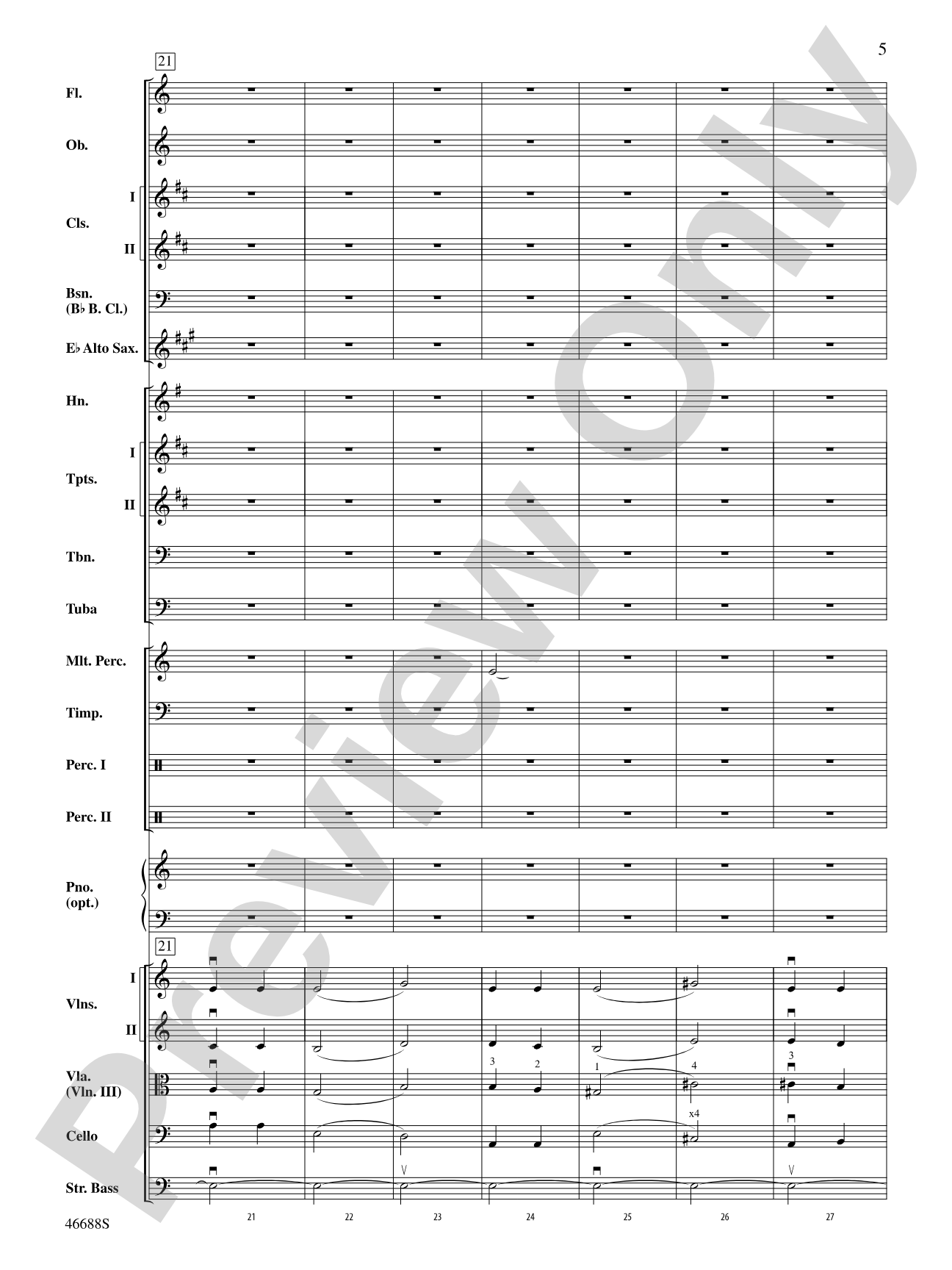
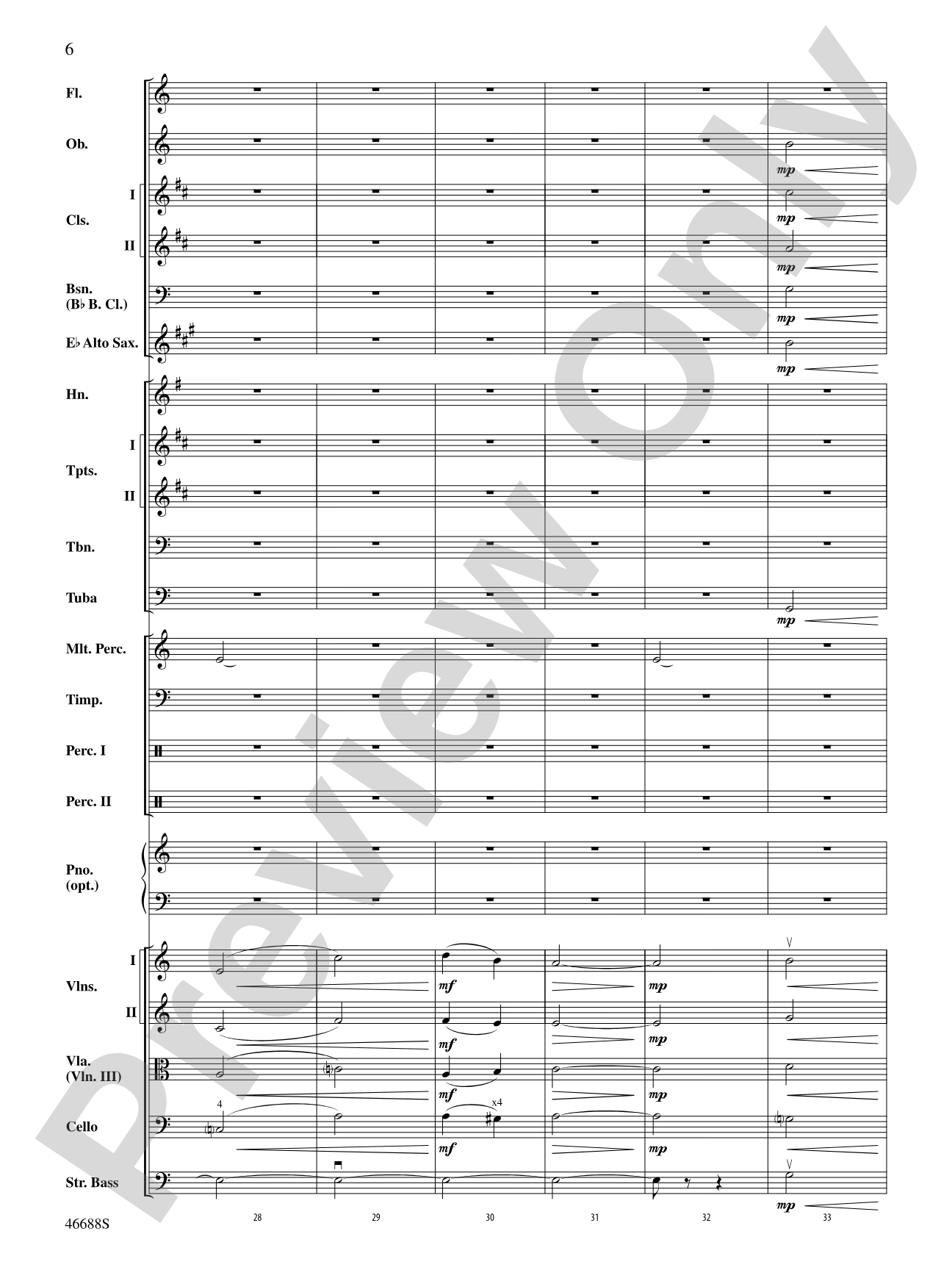
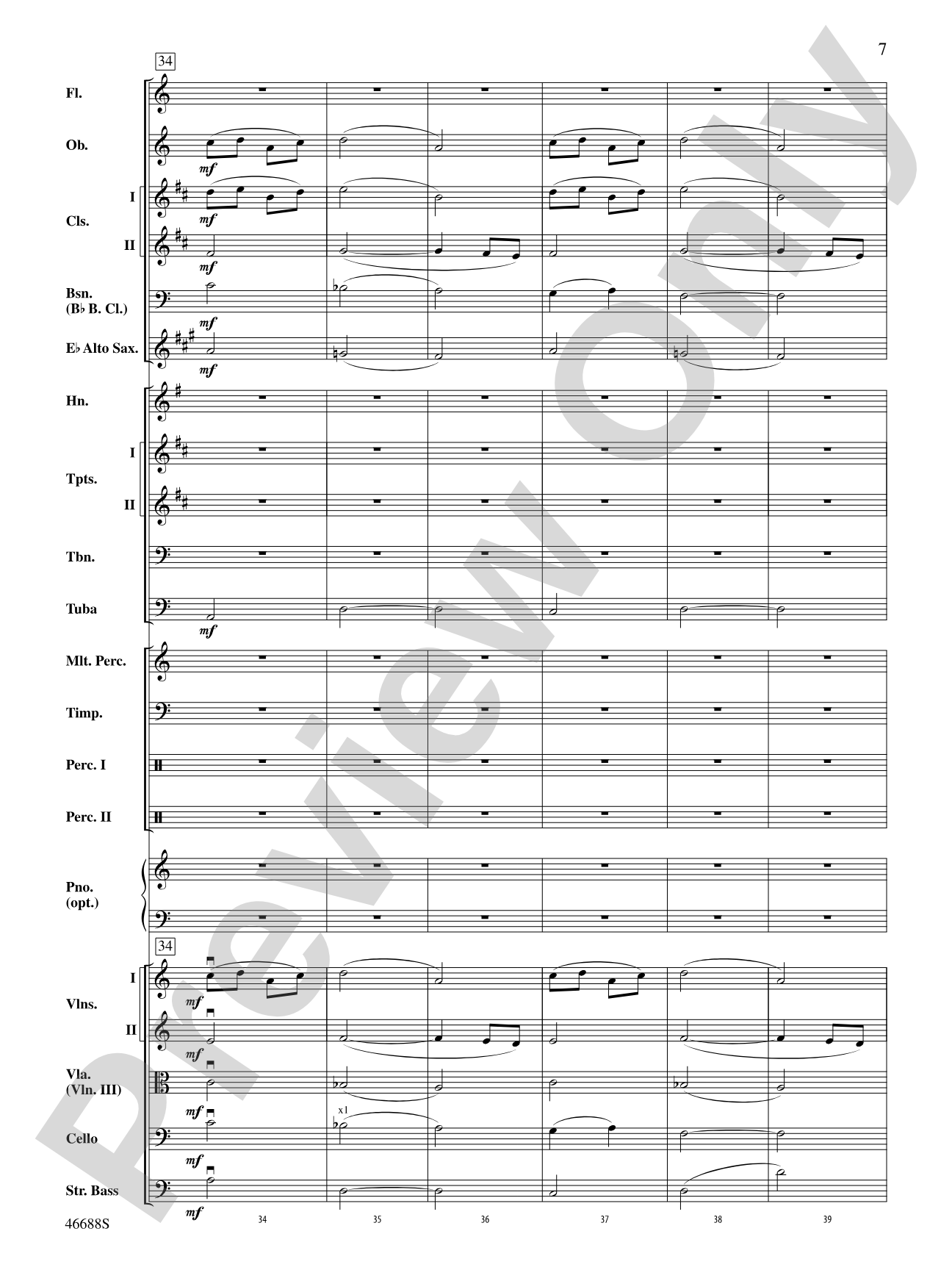
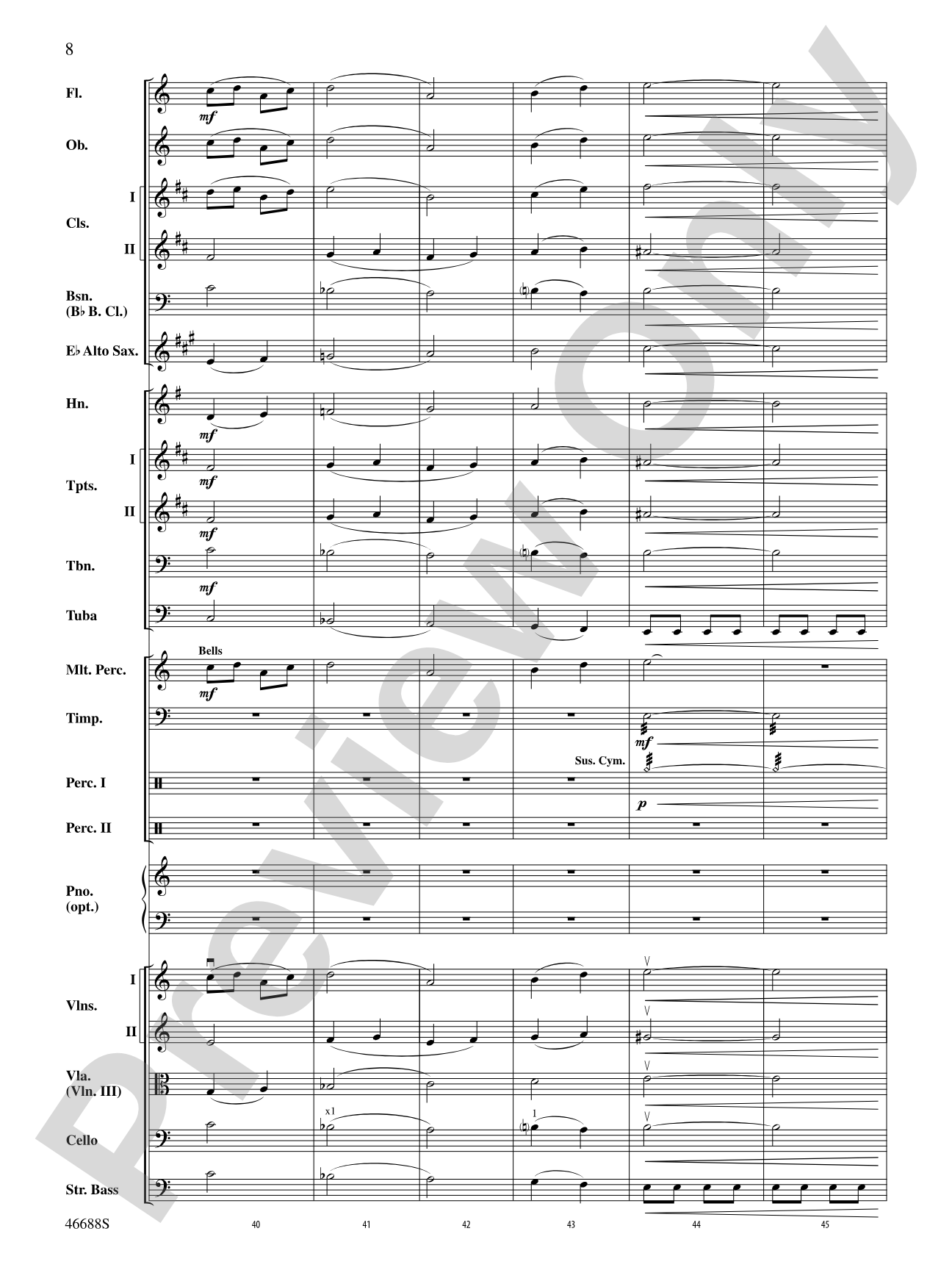
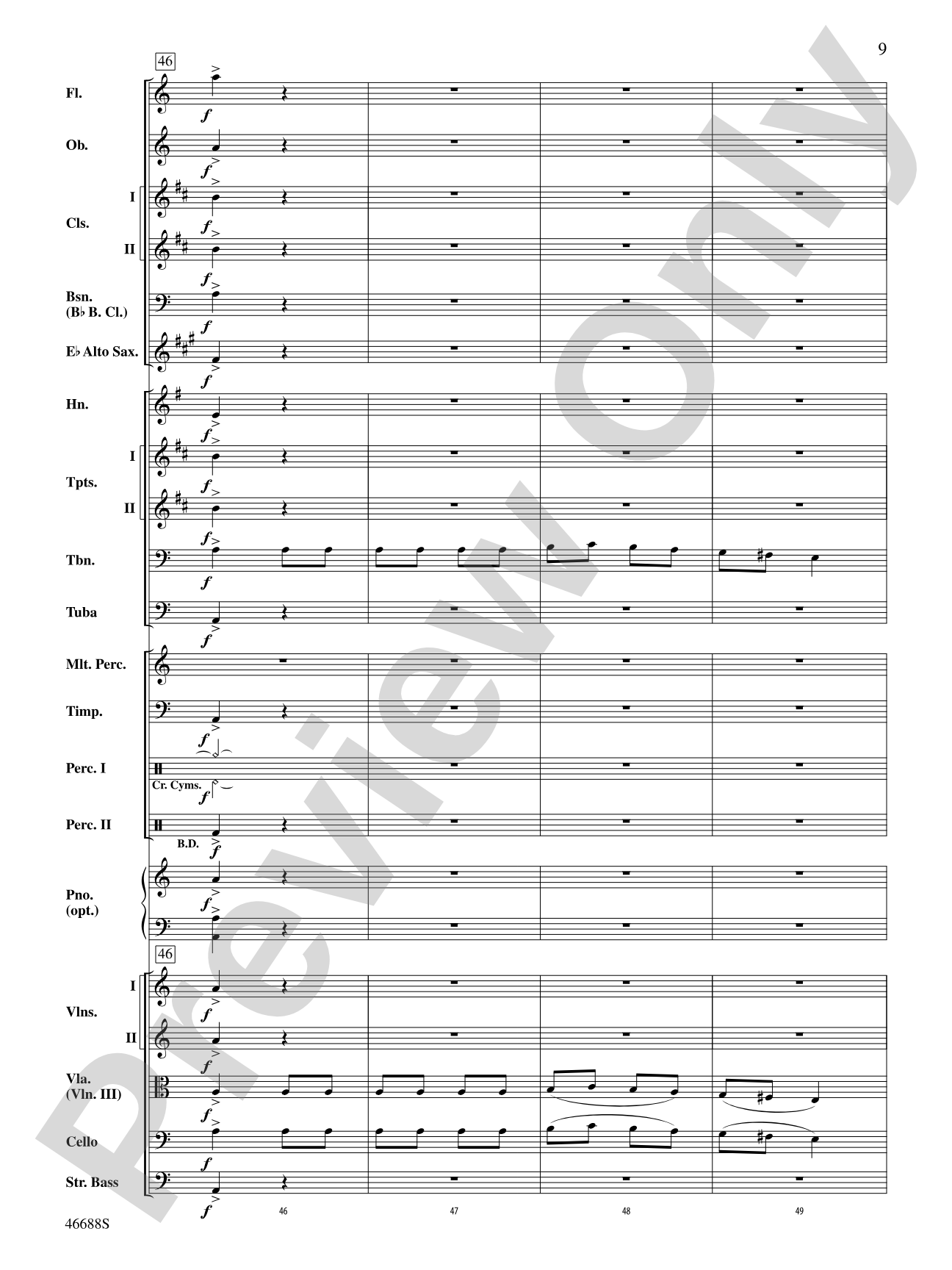
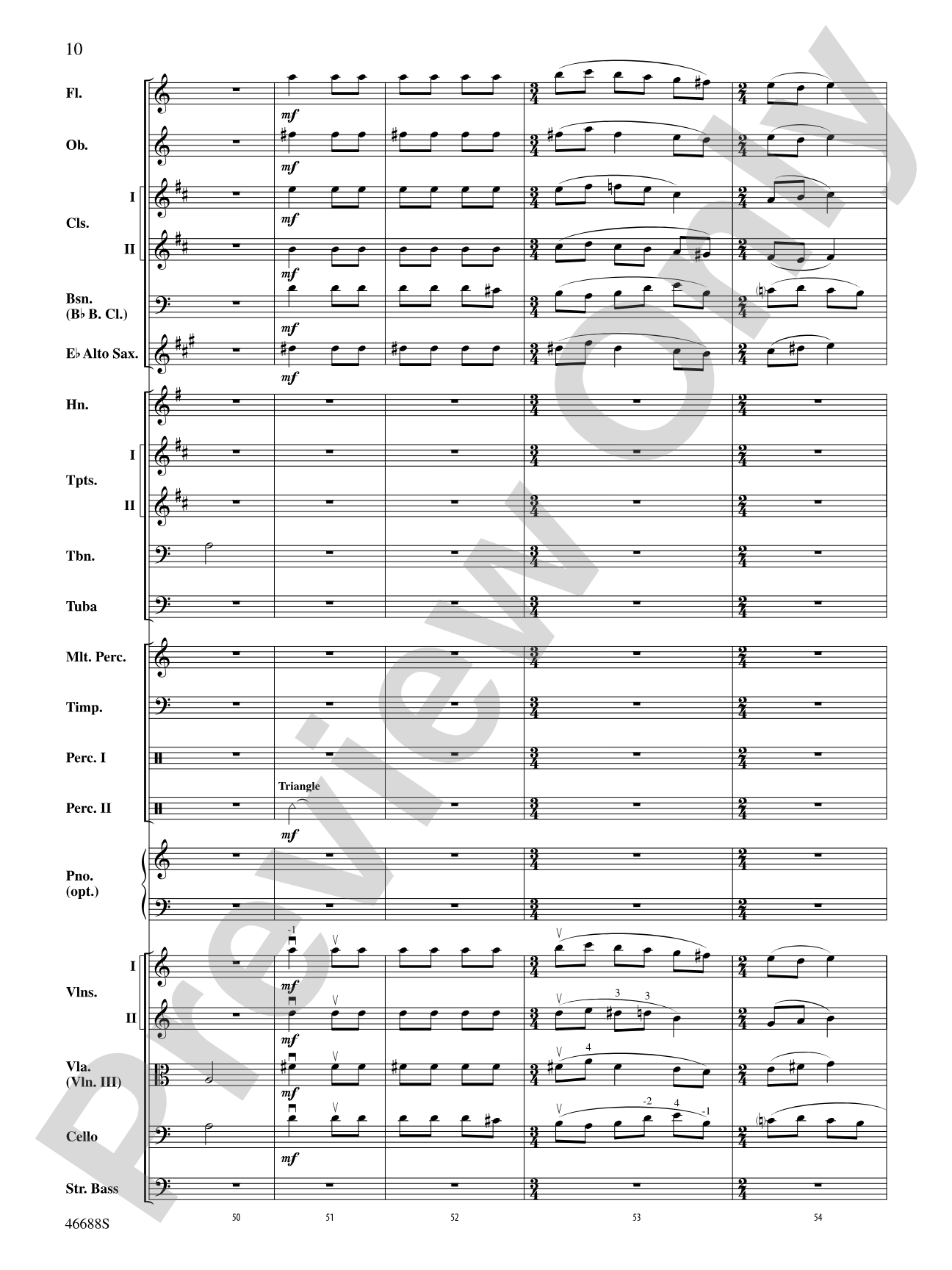
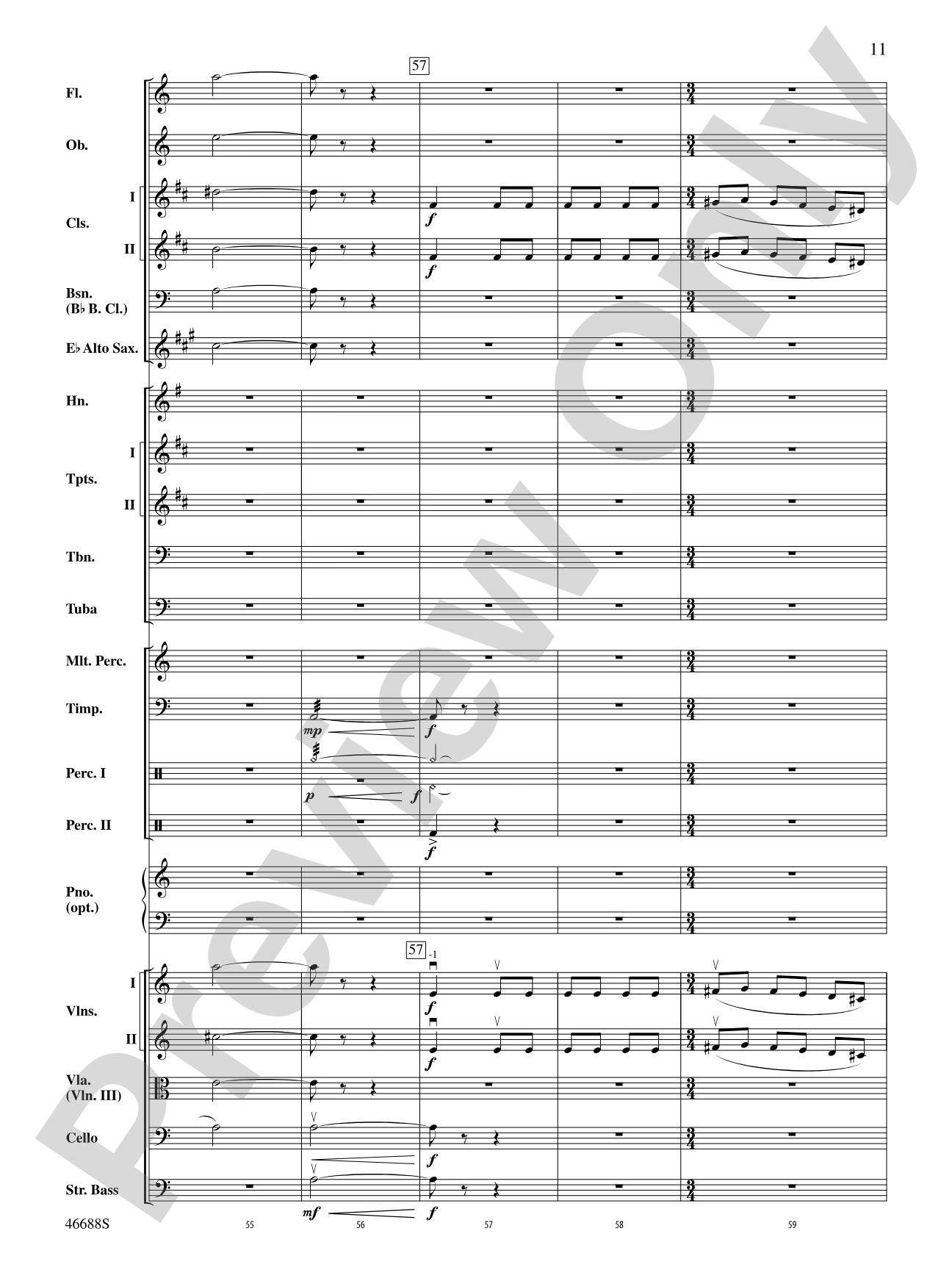
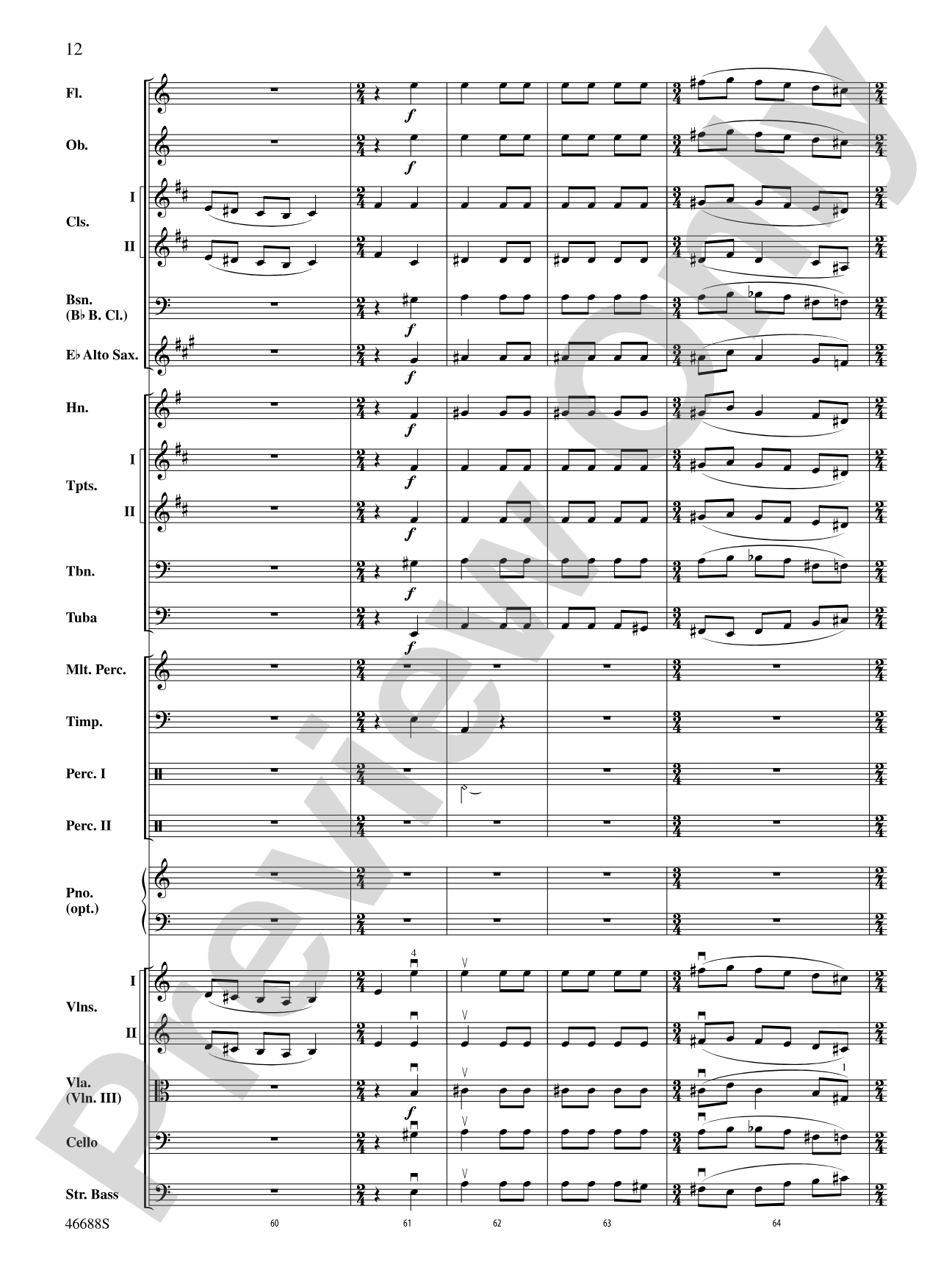
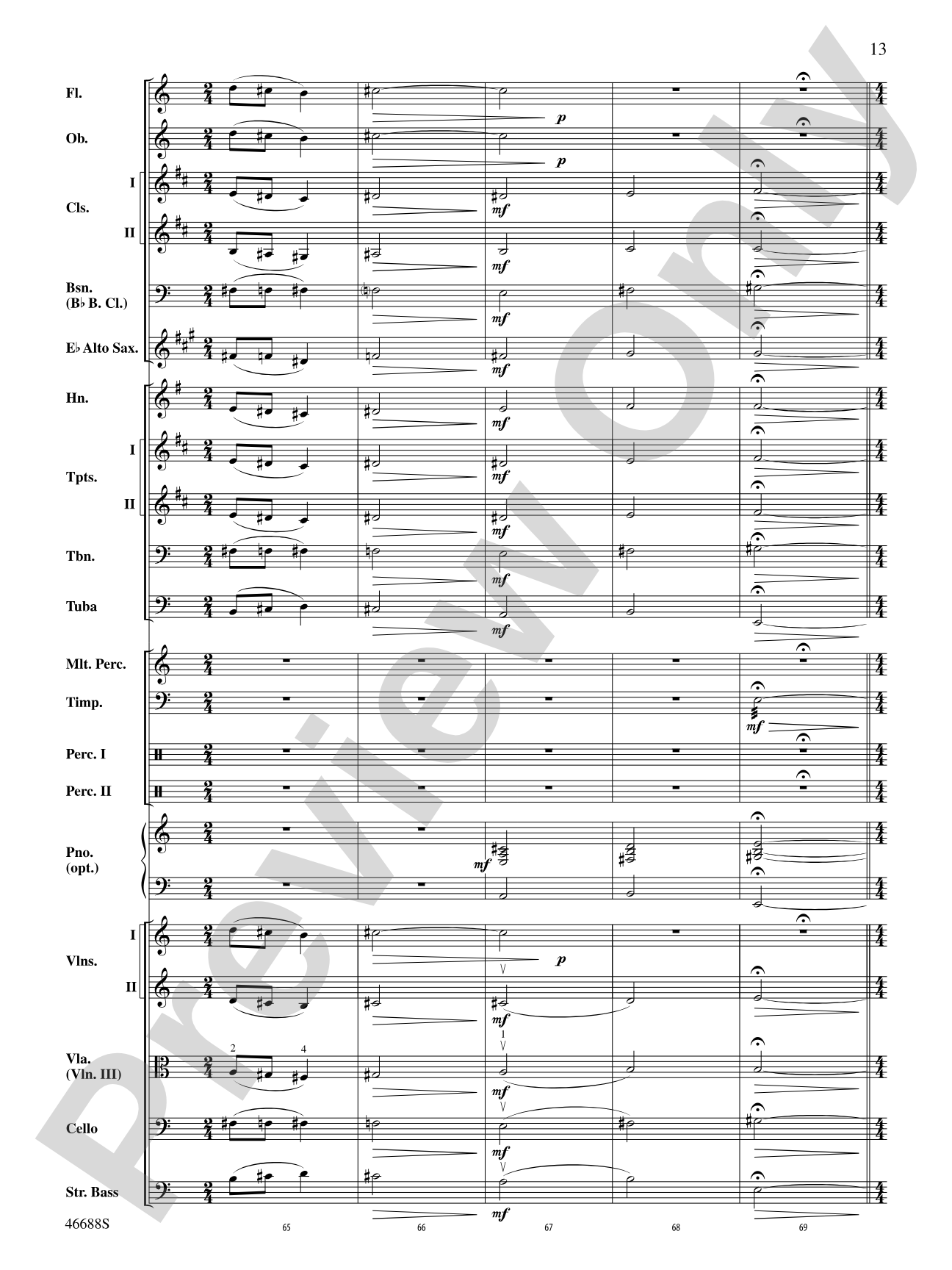
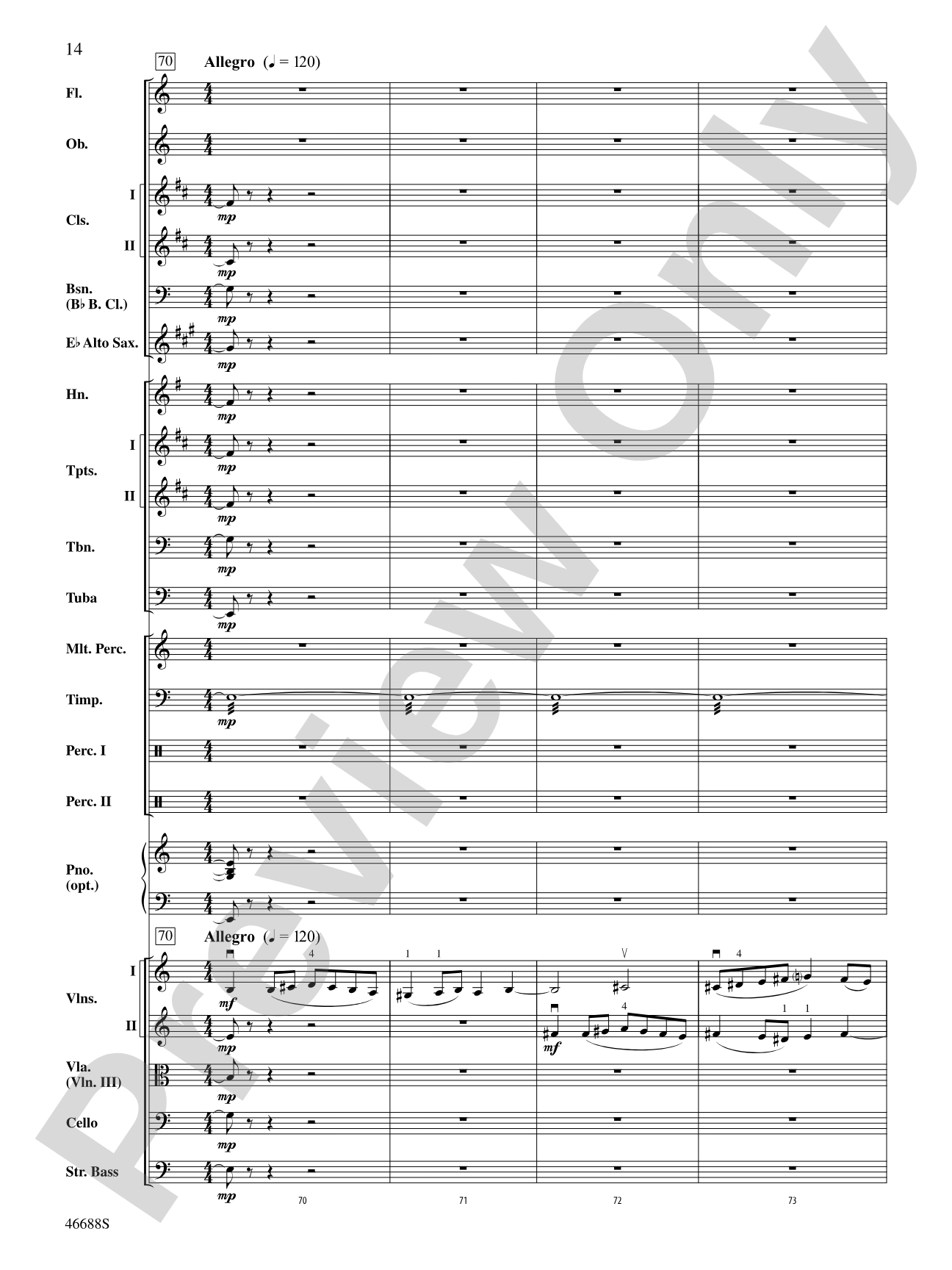
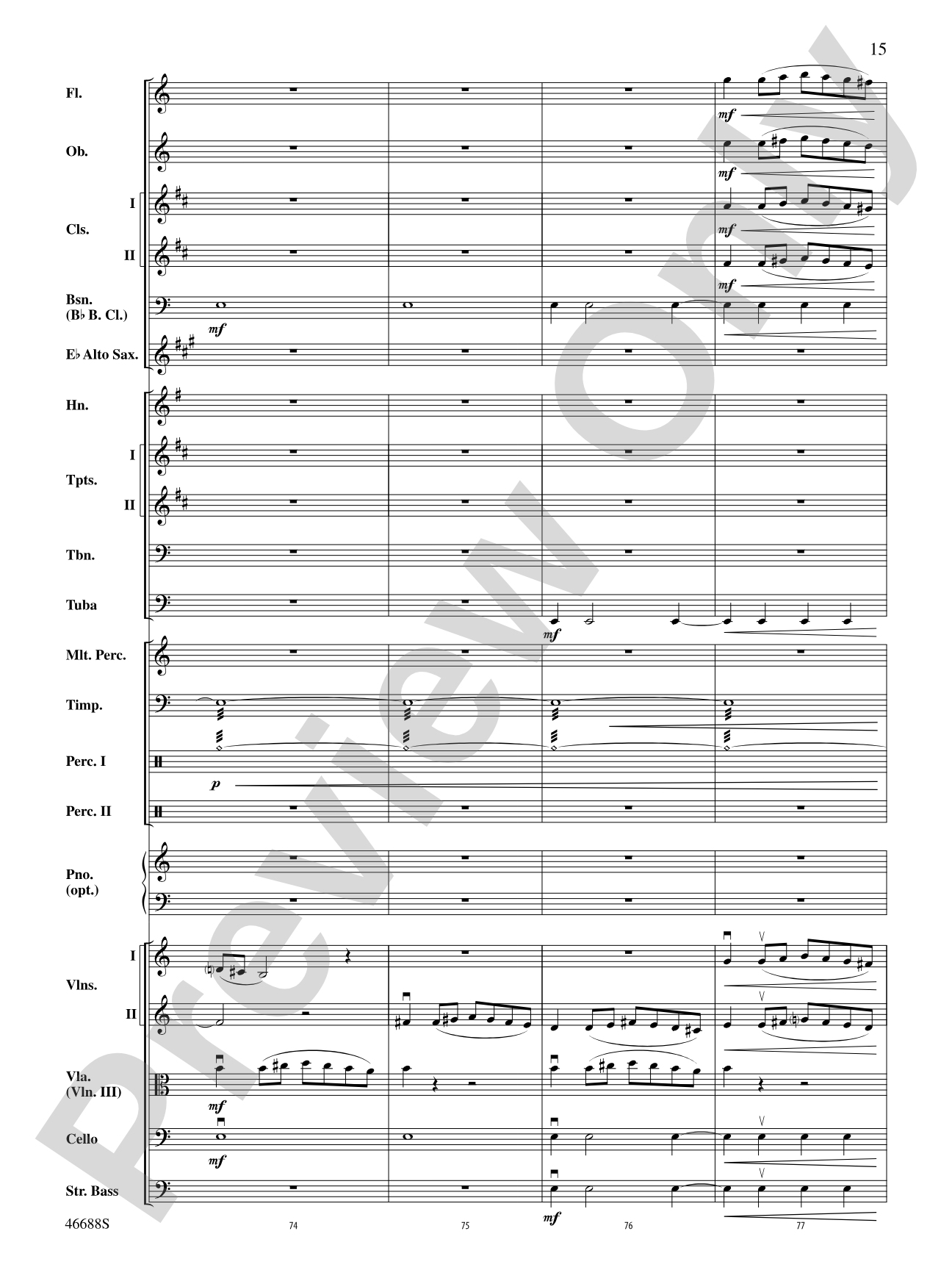
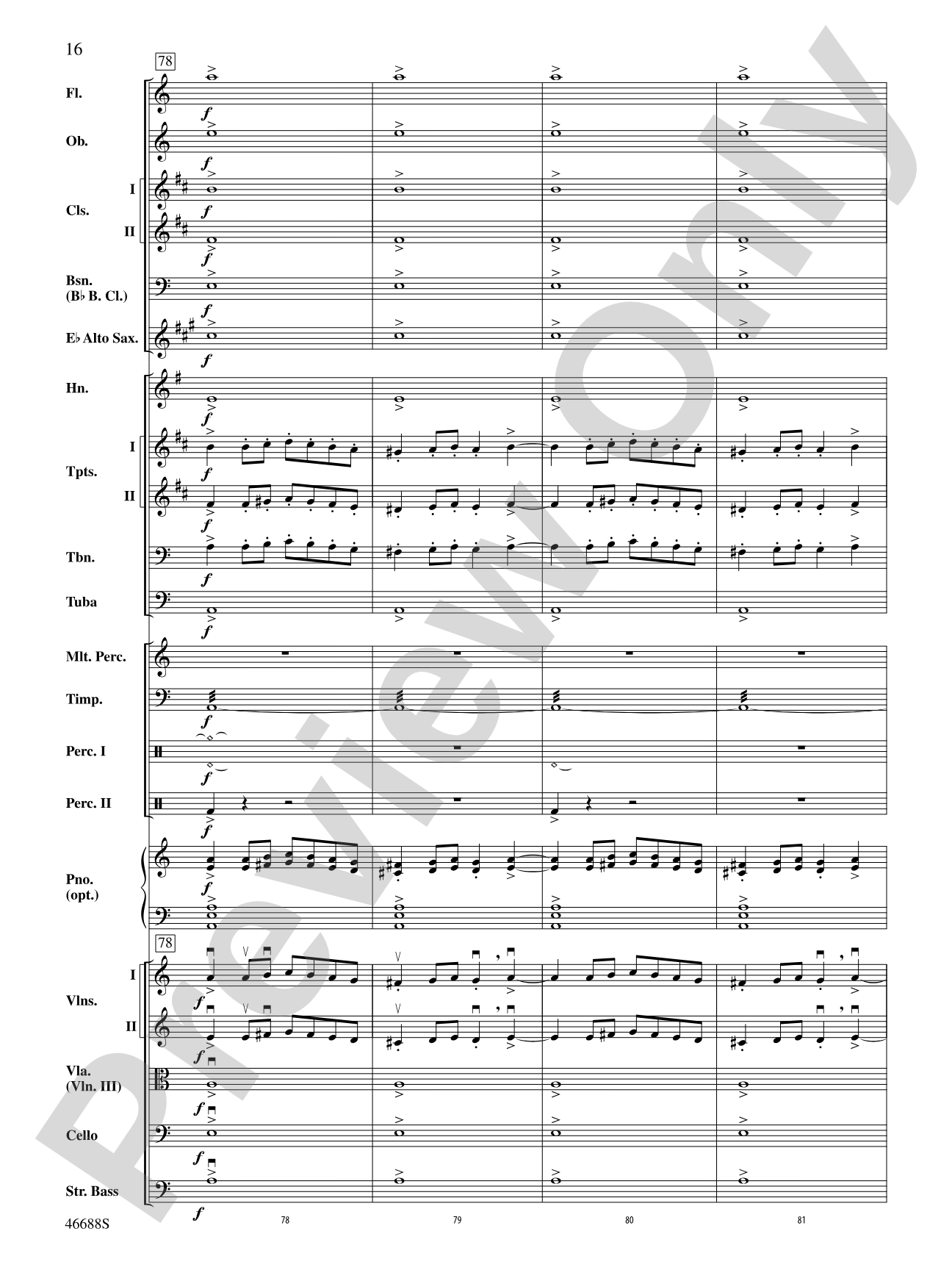
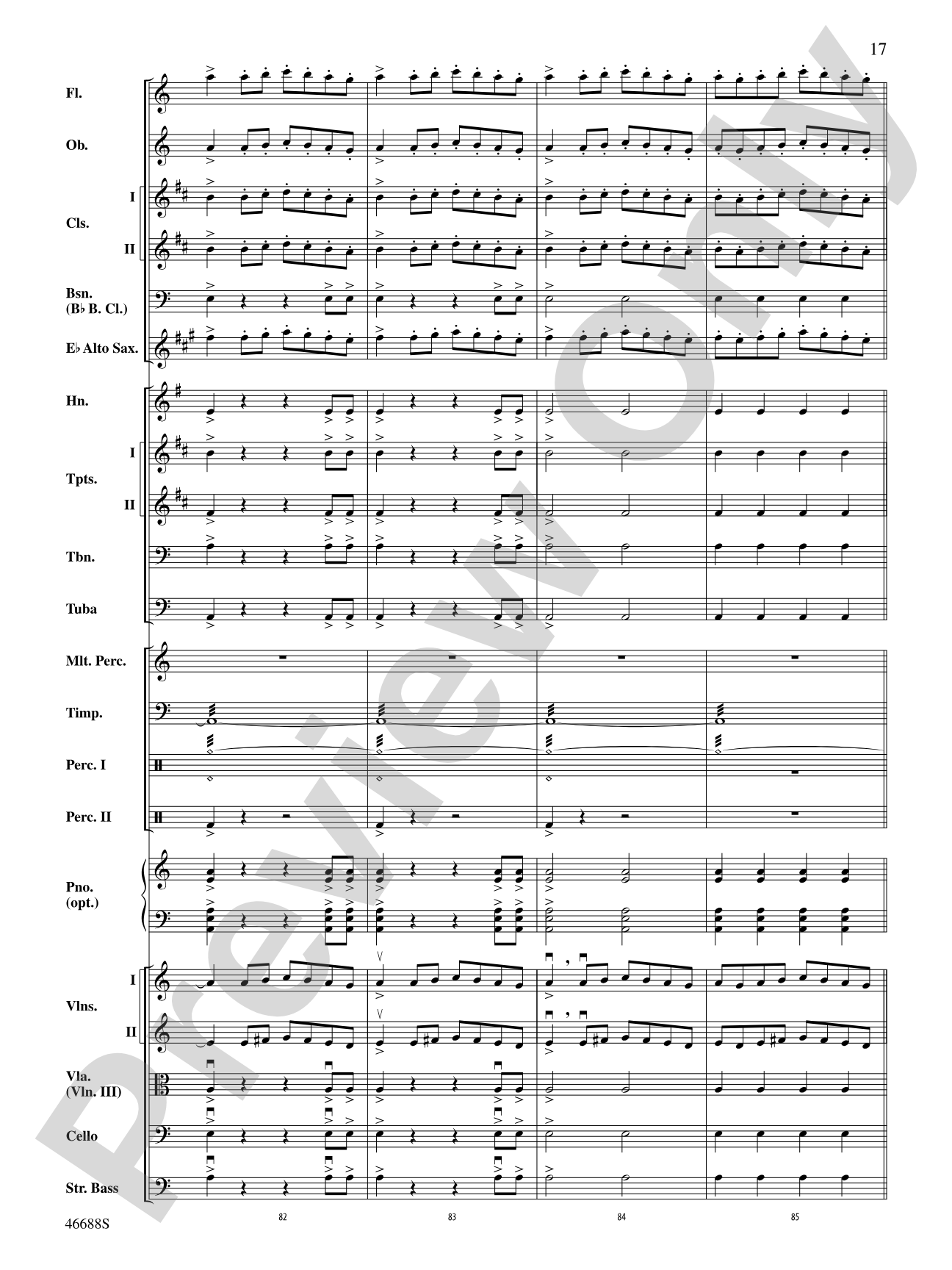
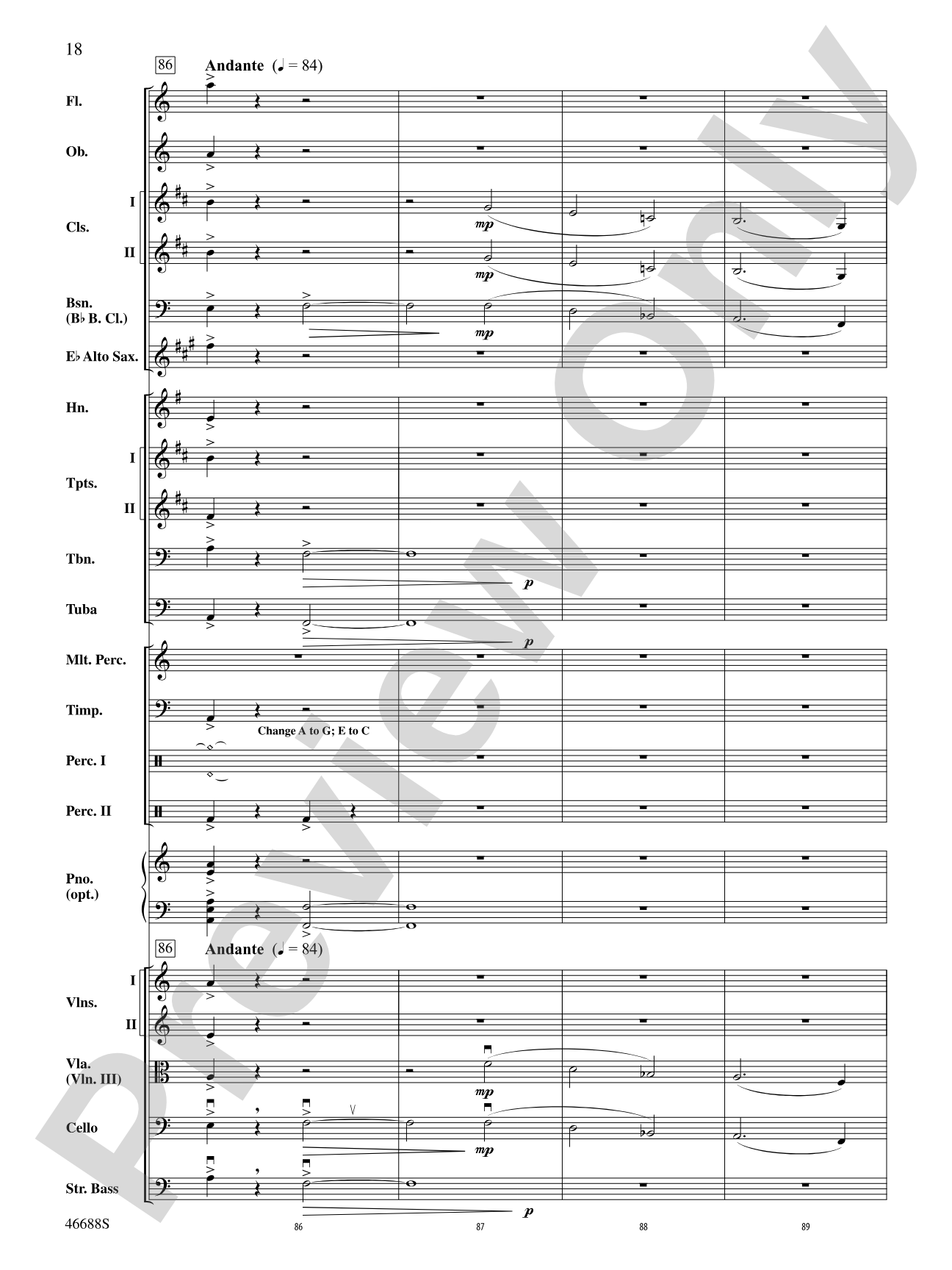
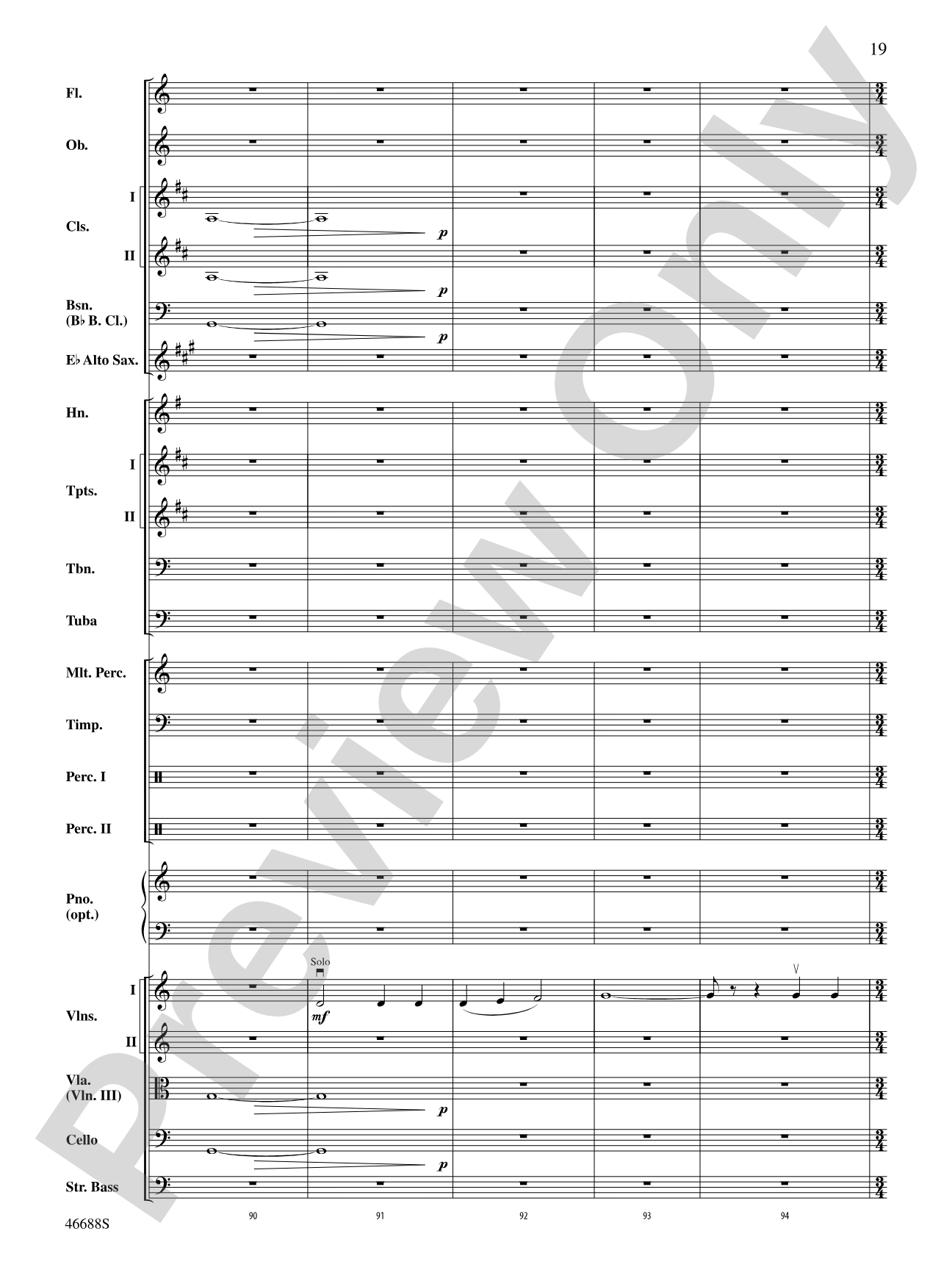
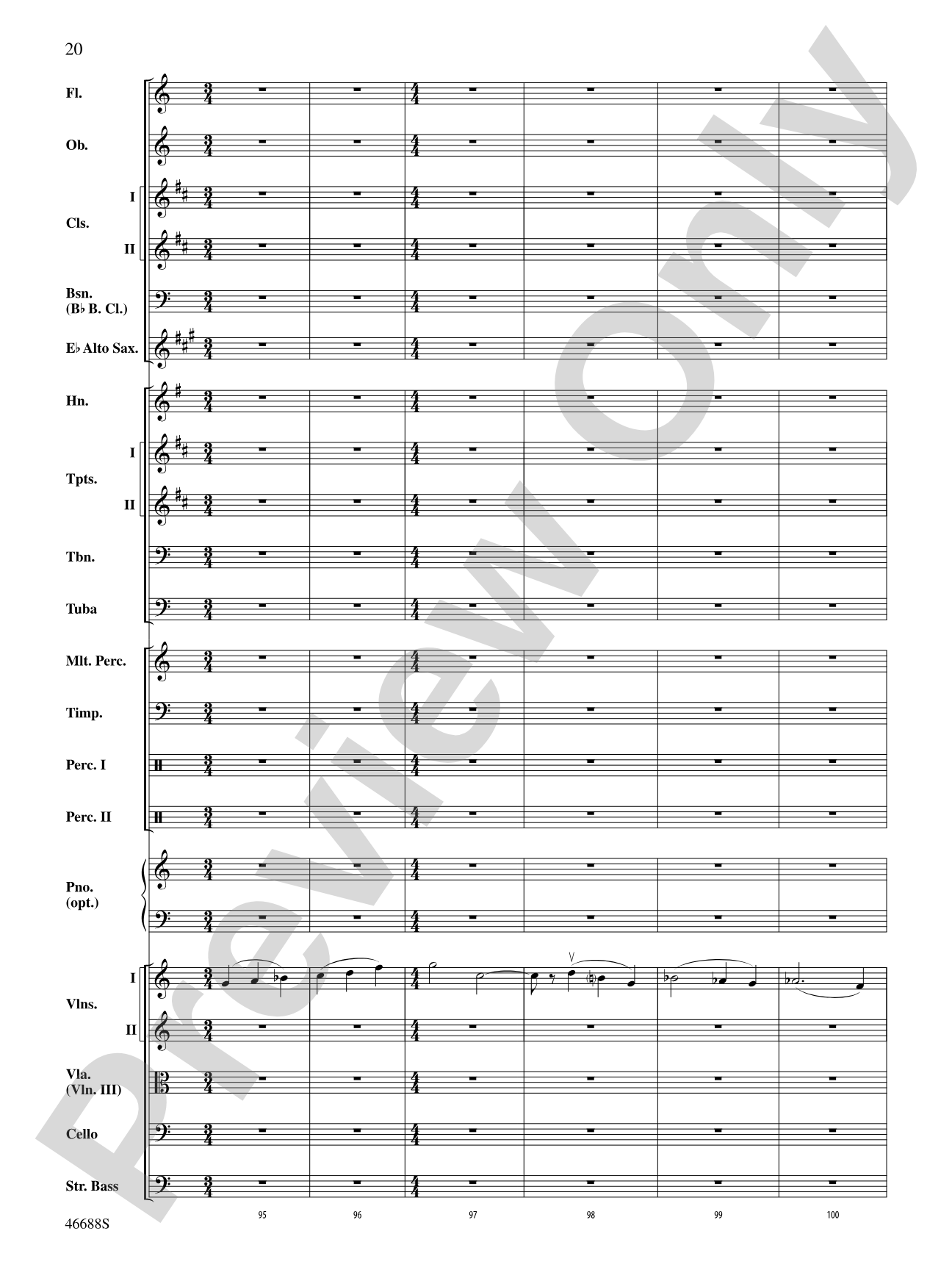
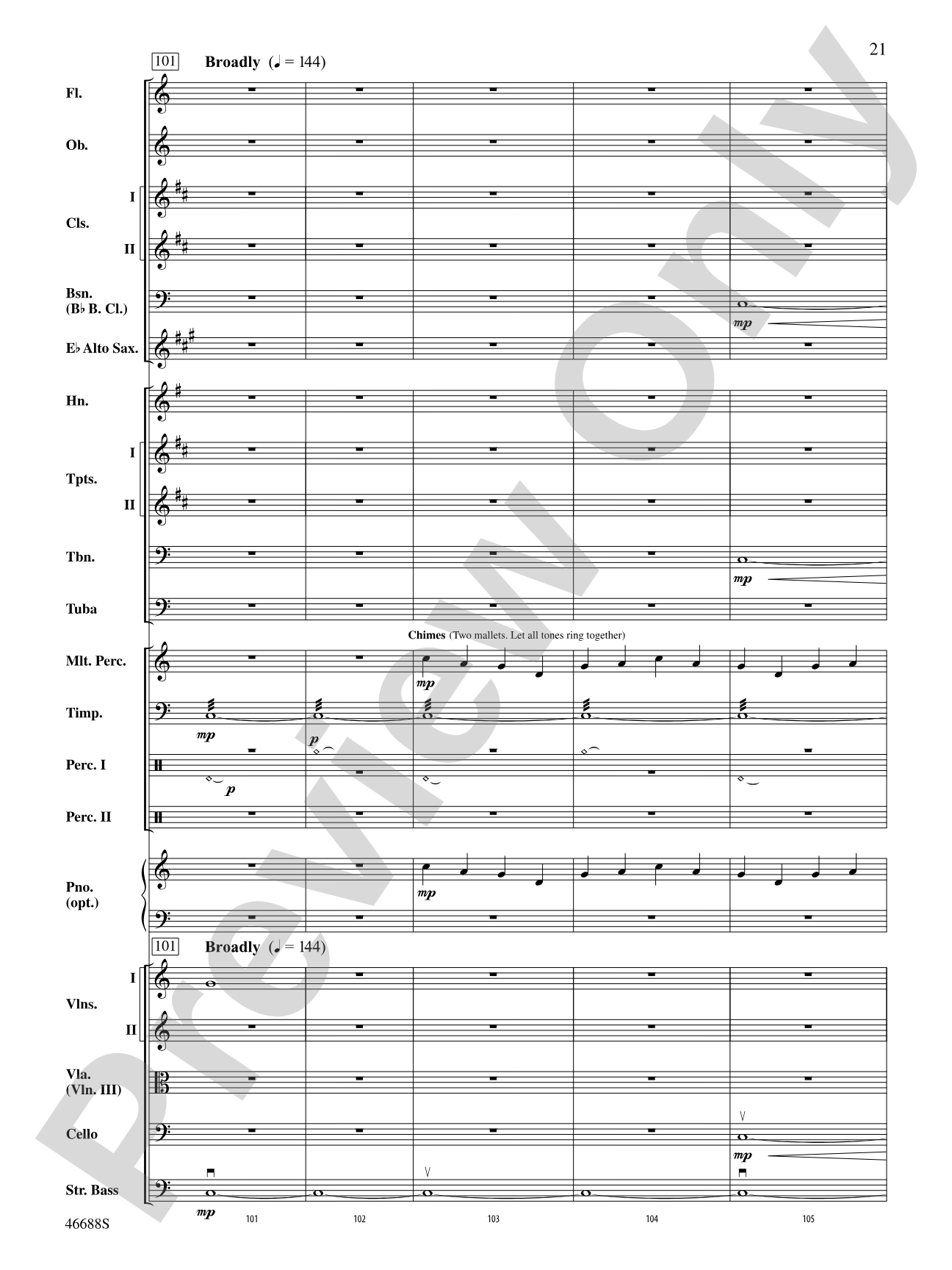
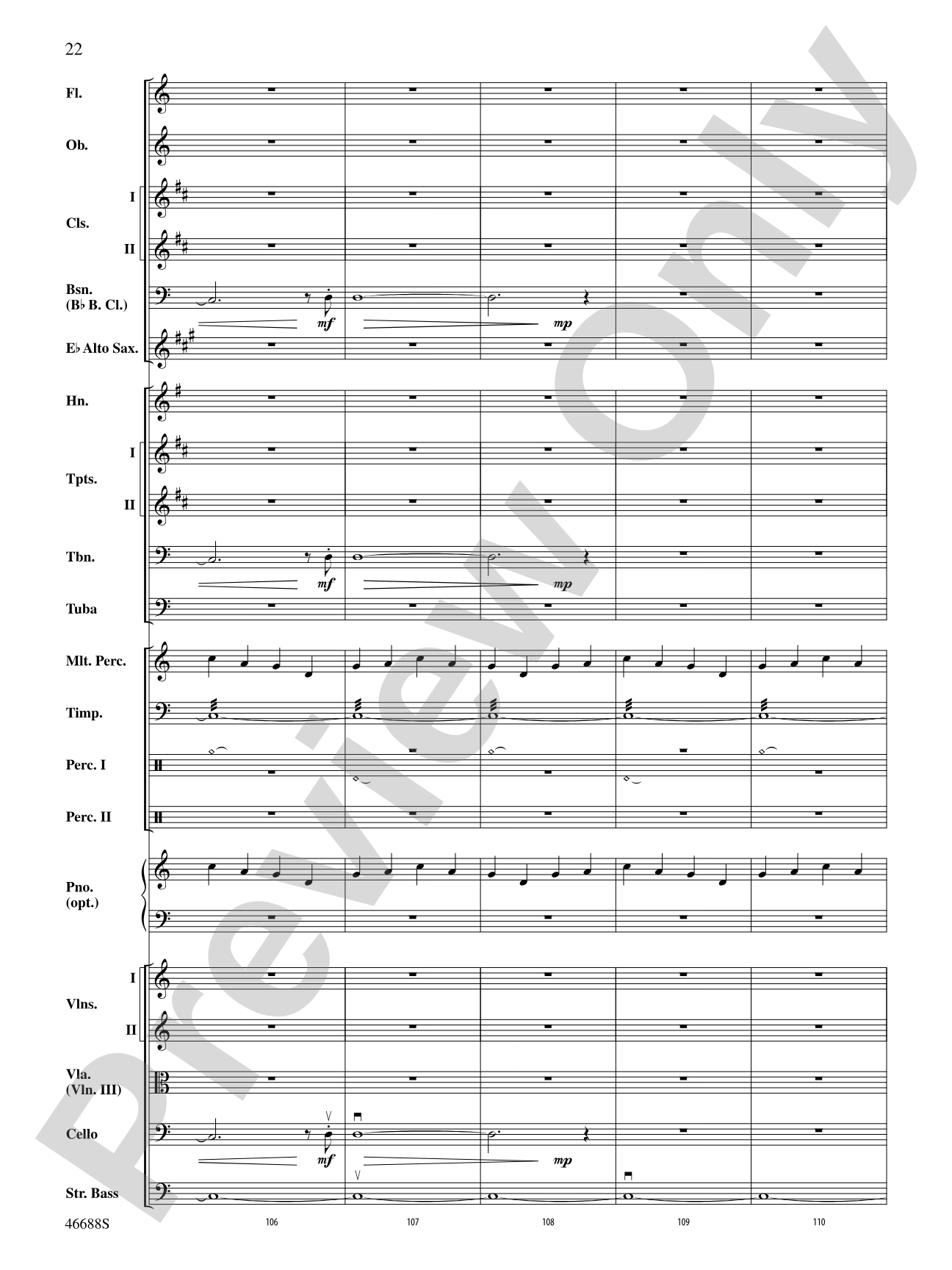
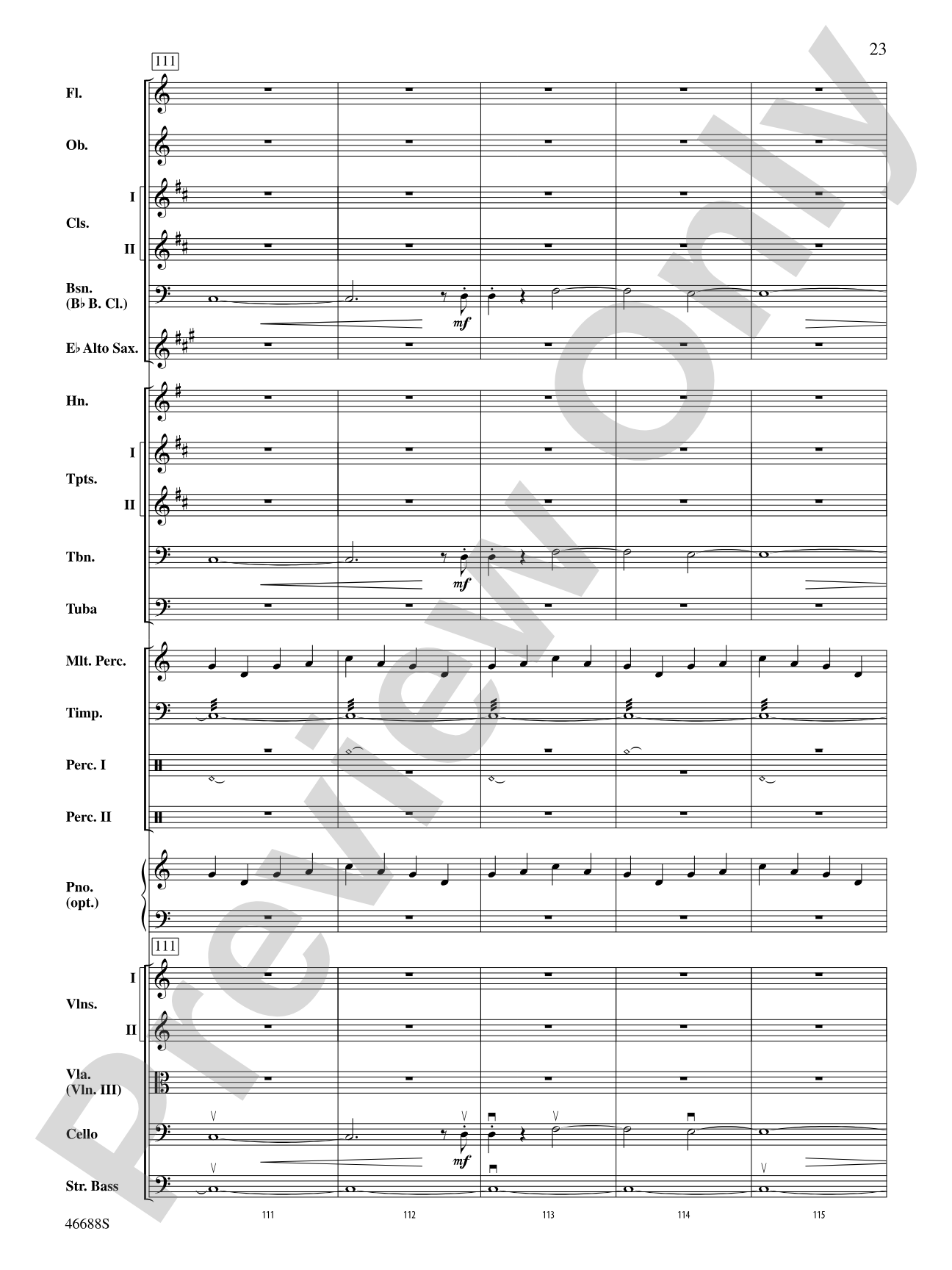
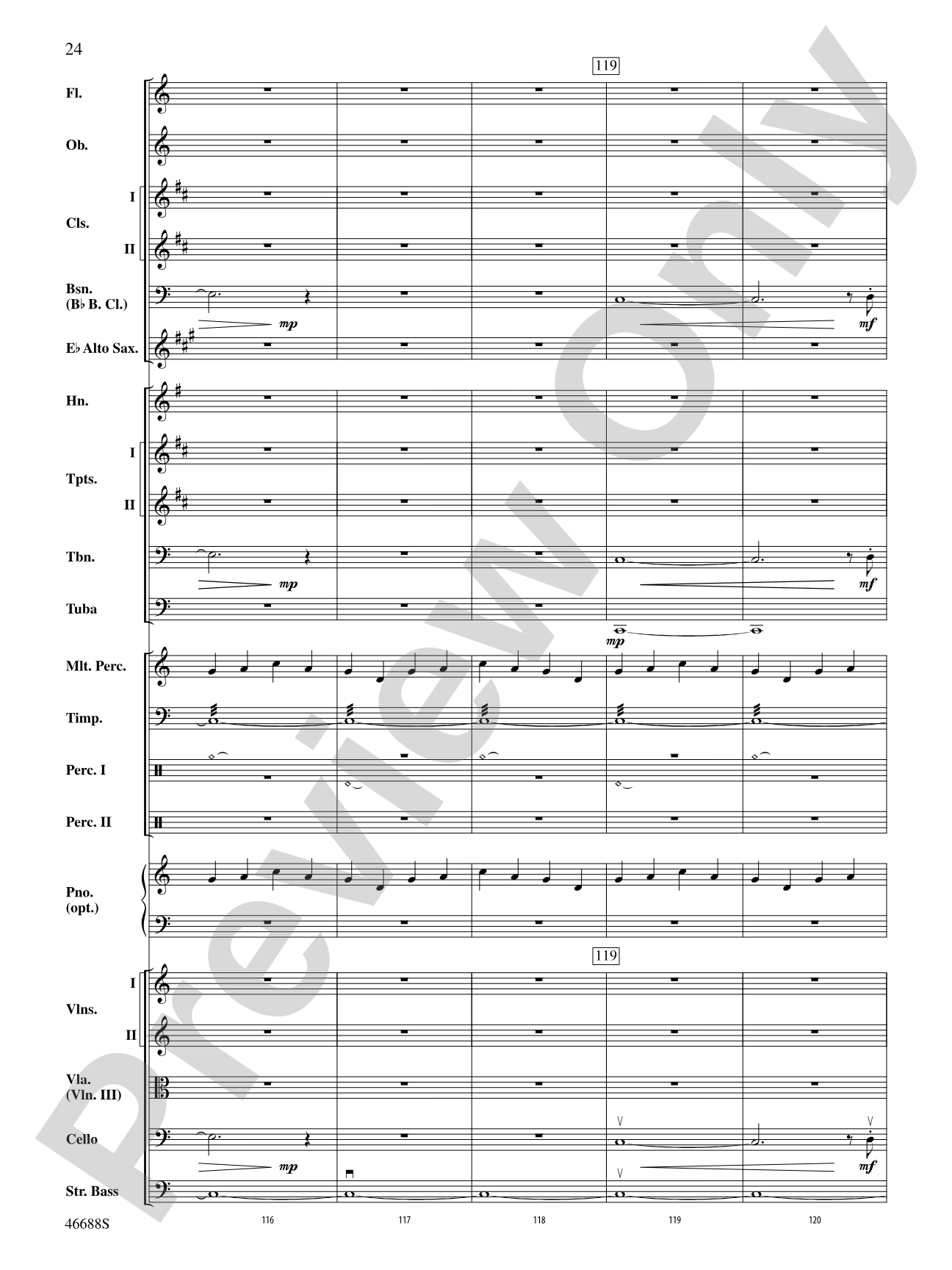

Russian Christmas Music: Score
By Alfred Reed / arr. Michael Story
Grade: 2.5
Item: 00-PR-0006035
$10.00
Pickup currently not available
Description
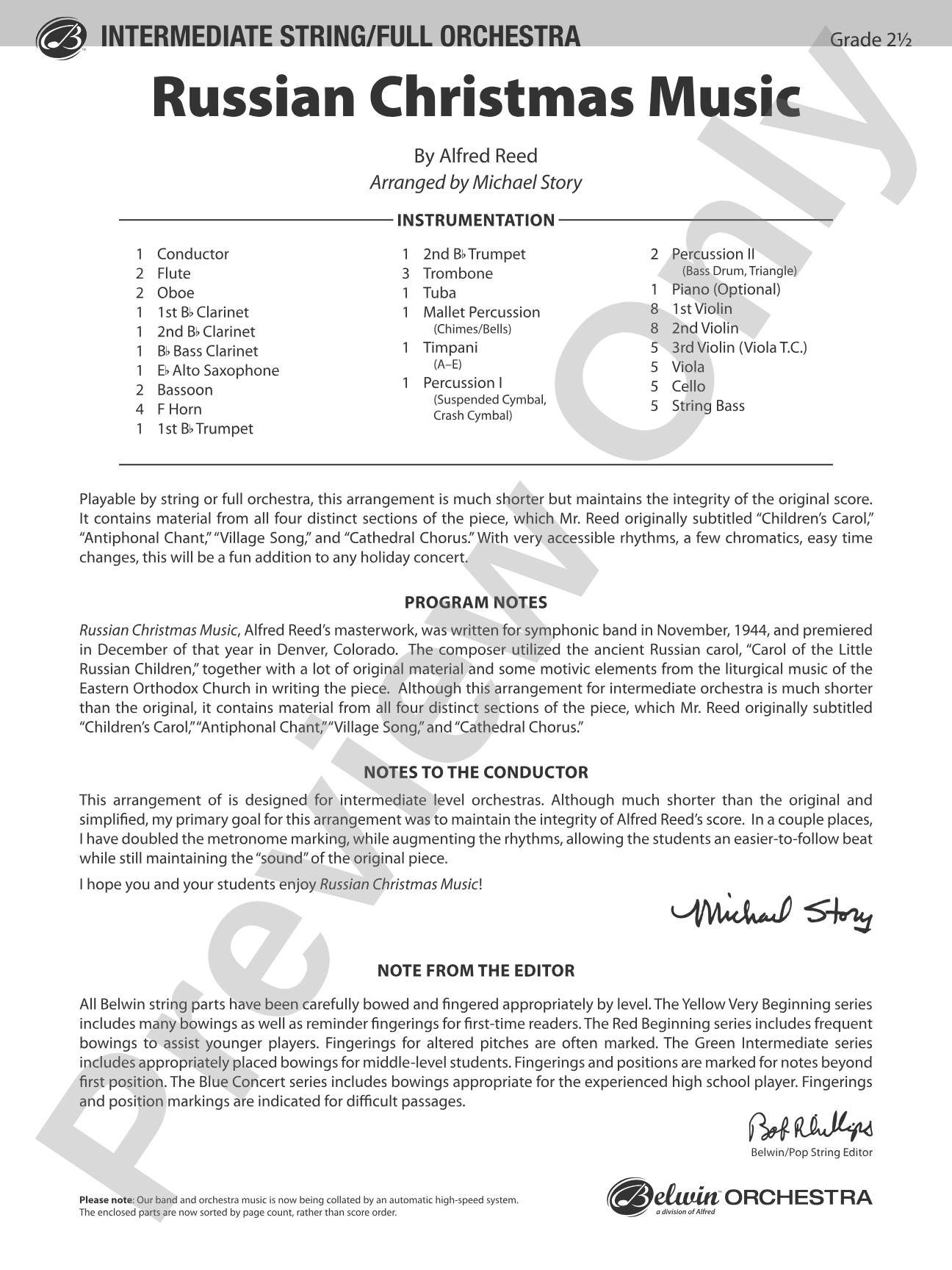
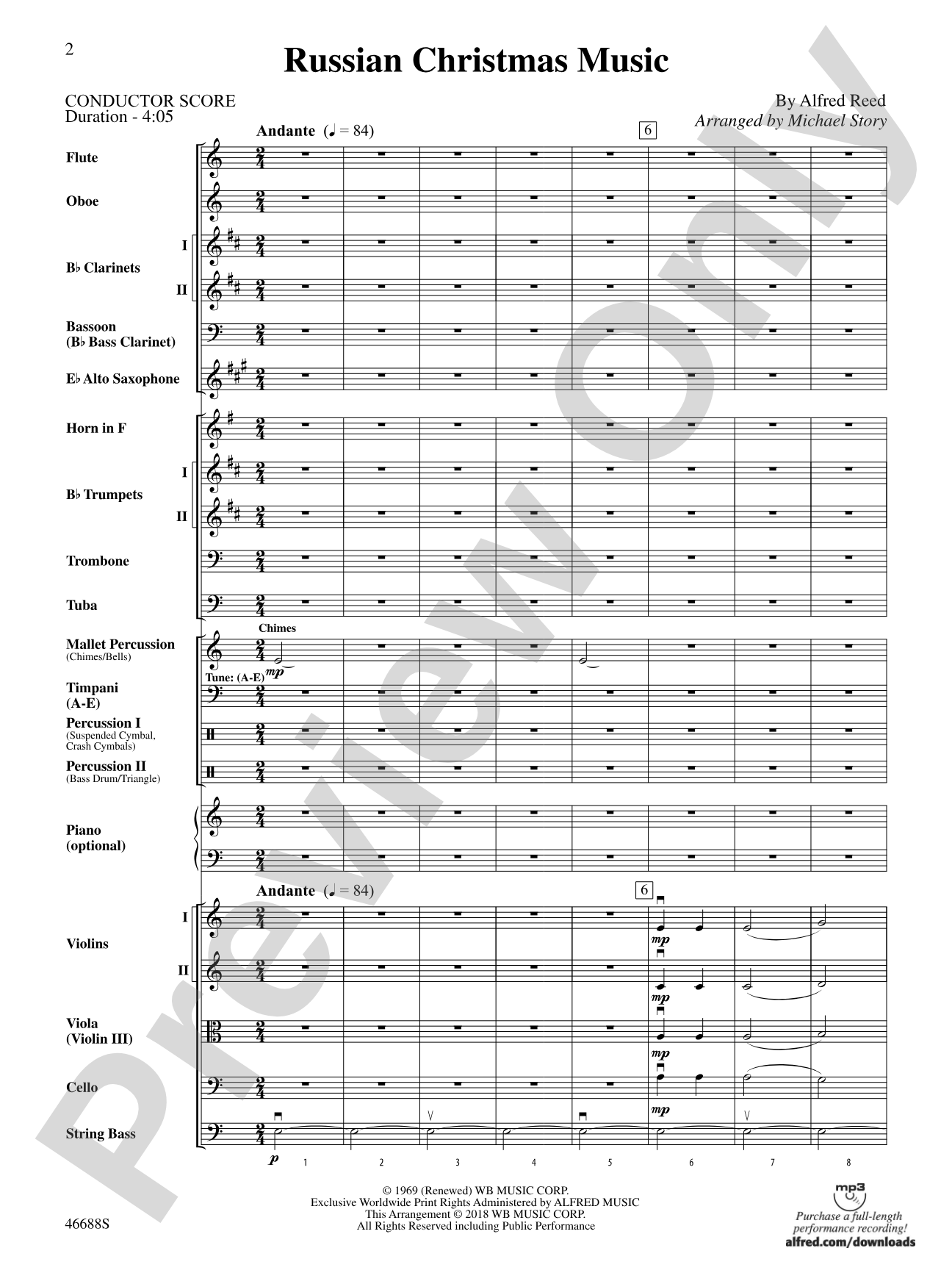
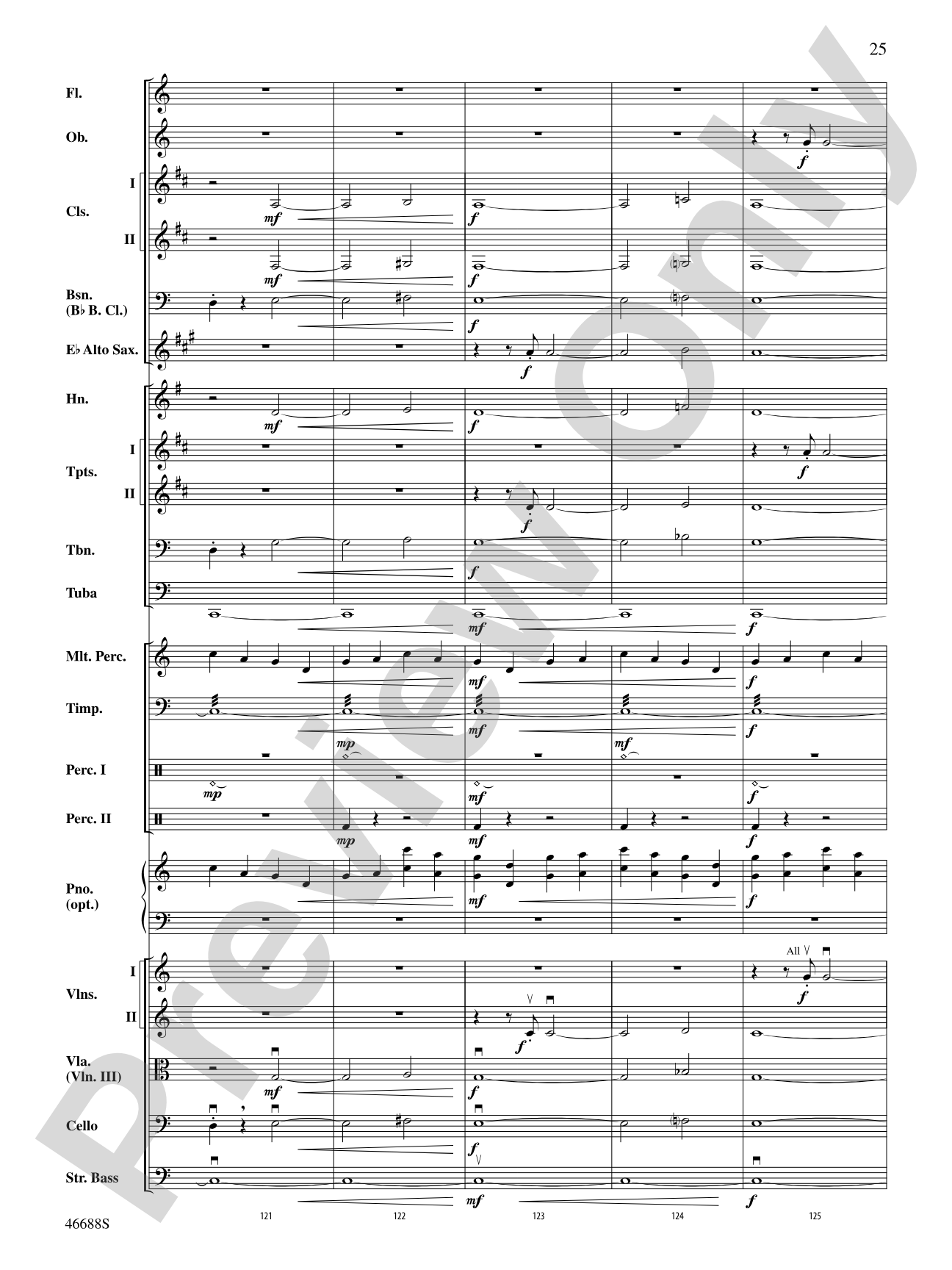
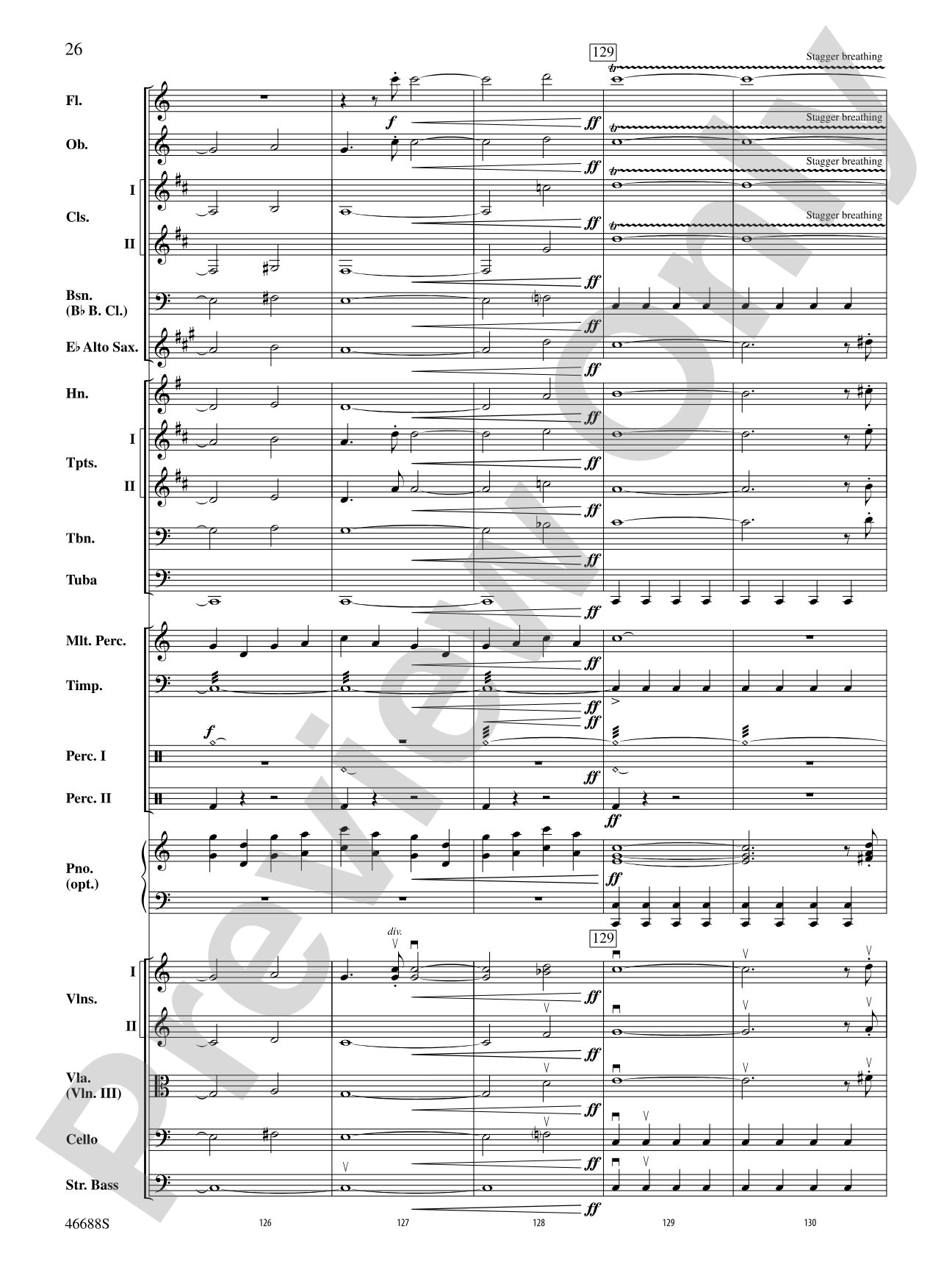
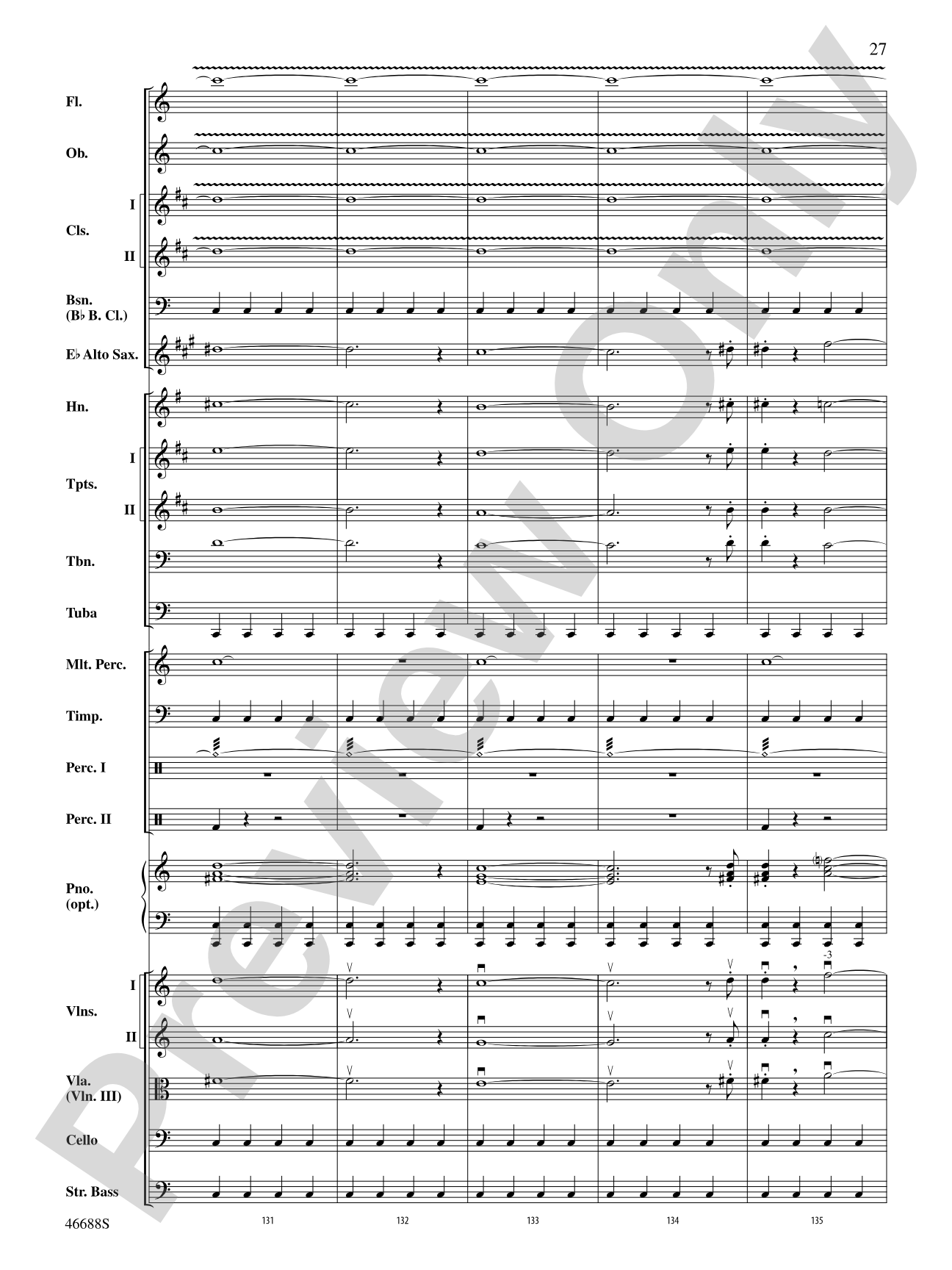
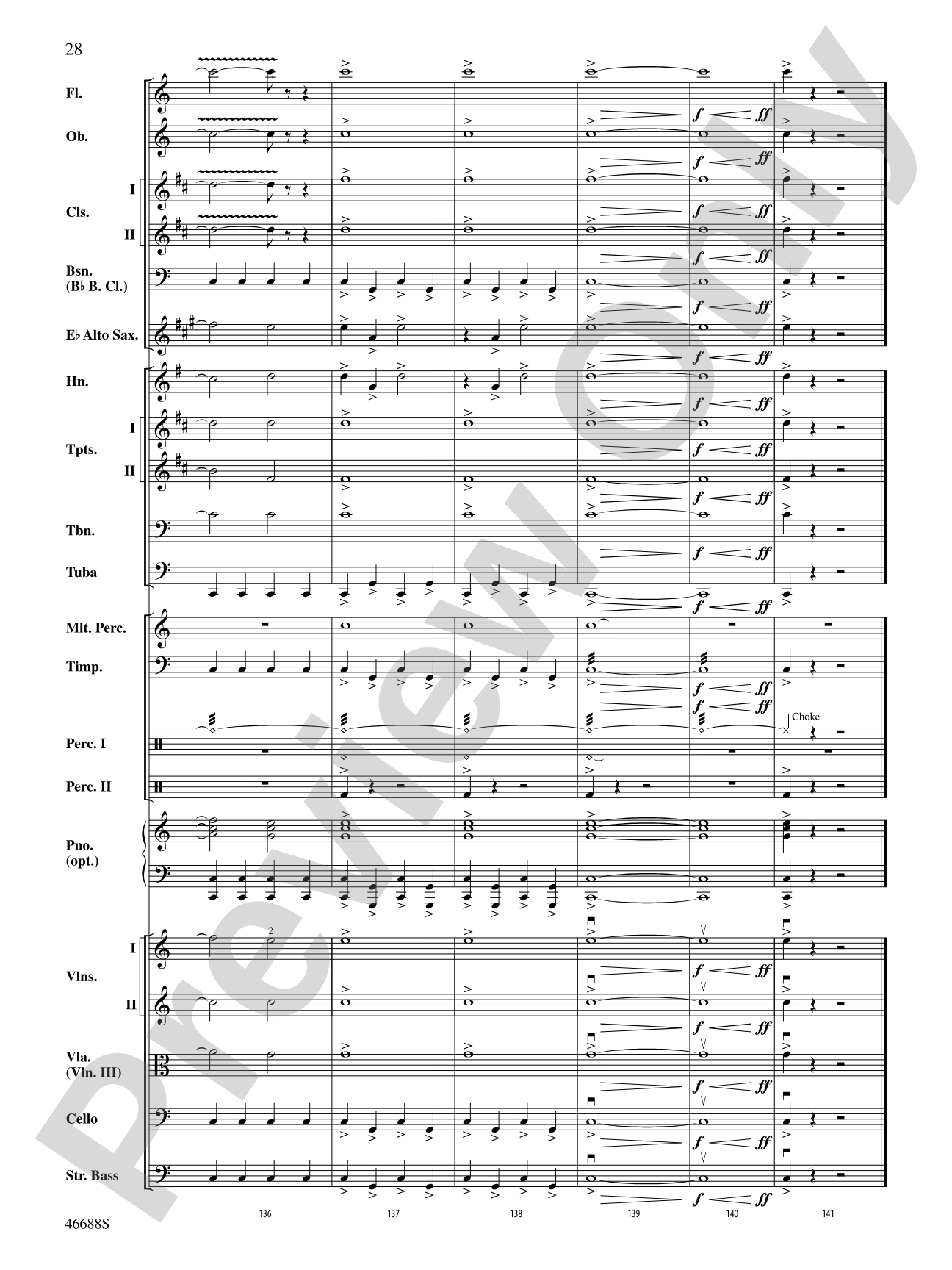
Playable by string or full orchestra, this arrangement by Michael Story of Russian Christmas Music by Alfred Reed is much shorter, but maintains the integrity of the original score. It contains material from all four distinct sections of the piece, which Mr. Reed originally subtitled "Children's Carol," "Antiphonal Chant," "Village Song," and "Cathedral Chorus." With very accessible rhythms, a few chromatics, and easy time changes, this will be a fun addition to any holiday concert.


Don't just read it, hear it, play along with it, and watch your students grow with it. In MakeMusic Cloud, Russian Christmas Music: Score comes alive with professional accompaniment, adjustable tempo, and built-in practice tools that turn solo practice into real progress.
Open in the Player
Jump straight in and assign it today.
Start Your Free Trial
Open this title and explore the full library in minutes.
Sample Audio
1
Audio File
--:--
0:00
0:00
Sample Video
Additional Details
Series:
Belwin Intermediate String/Full Orchestra
Publisher:
Alfred Music
Page Count:
244
SKU:
00-PR-0006035
More about this title
About the Composer: Alfred Reed
Alfred Reed stands among the most prolific and performed composers of band and orchestral music in American education. His output spans decades of carefully crafted works that balance musical substance with accessibility, making him a fixture in concert programs across middle and high schools. Reed's gift for memorable melody and transparent orchestration has made his music foundational to how young musicians develop musicality and ensemble skill.
Why we love this
Michael Story's arrangement captures the emotional sweep of Reed's original without overwhelming younger players. You get all four character movements of the piece, the carol, chant, village song, and cathedral chorus, distilled into a performance that breathes and lands with real impact, leaving your audience moved rather than relieved the piece ended.
What to expect
The piece unfolds like a journey through Russian winter traditions, from the innocent charm of children singing carols to the grandeur of a cathedral bell ringing across snow. The writing balances folk simplicity with moments of harmonic depth, creating warmth and minor-key melancholy in equal measure.
Who it's for
This is ideal for orchestras and string programs at the 2.5 grade level looking for a substantive holiday work that won't derail their winter concert prep schedule. Players get a complete musical experience, sectional variety, modal color, and the satisfaction of performing a recognized masterwork, without the technical demands that would stretch rehearsal time.
How to get the most out of it
- Balance the antiphonal writing carefully; the back-and-forth between sections should feel conversational, not rigid. Coach your players to listen across the ensemble rather than inward at their own part.
- Take time in the cathedral chorus section. Its power depends on a unified, sustained sound, so resist the urge to push forward.
- The time signature changes, while straightforward rhythmically, require solid counting discipline. Mark the transitions clearly in rehearsal until they become second nature.
How to use it
Slot this into your December concert as the centerpiece or closing number; its emotional arc and familiar thematic material make it memorable for audiences while giving your musicians a genuine accomplishment to hang their hats on. The shorter length also means you can pair it with lighter fare earlier in the program.
Skills your students will build
- Reading and executing time signature changes in a musical context
- Listening and balancing between antiphonal sections
- Sustaining long tones with consistent intonation and tone quality
- Identifying and shaping distinct musical characters within a single work
- Playing with modal harmony and chromatic movement