Rule the Roost Cover Image

Rule the Roost: Jazz Ensemble Conductor Score & Parts

$48.00 USD
Sale price  $48.00 USD Regular price 
Skip to product information
Rule the Roost Cover Image

Rule the Roost: Jazz Ensemble Conductor Score & Parts

By Kris Berg

Grade: 3 (Medium)

Item: 00-33358

makemusic Cloud badge

Need it now?

Buy Digital Version
$48.00
Shipped

One moment…

Description
The chicken saga continues! Kris Berg brings you this funky Tower of Power groove. Solos are written out for tenor and trombone, lead trumpet range is to written A, and the bass part is critical and somewhat challenging---that's the story. It's a clucking good time.

Don't just read it, hear it, play along with it, and watch your students grow with it. In MakeMusic Cloud, Rule the Roost: Jazz Ensemble Conductor Score & Parts comes alive with professional accompaniment, adjustable tempo, and built-in practice tools that turn solo practice into real progress.

Sample Pages

Sample Audio
0:00
0:00
Sample Video
Additional Details
Series: Jazz Band Series
Publisher: Alfred Music
Page Count: 94
UPC: 038081382418
SKU: 00-33358

More about this title

About the Composer: Kris Berg
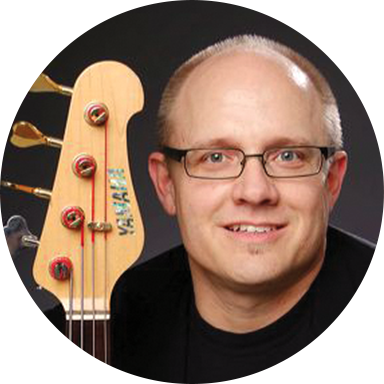
Kris Berg

Kris Berg leads the Jazz Studies program at Collin County Community College in Texas, where he earned both his bachelor's and master's degrees in jazz studies from the University of North Texas. His work has shaped the Collin jazz ensembles into festival regulars at Montreux, and he founded both the Collin Jazz Fest and the Texas All-Star Jazz Camp to develop the next generation of jazz musicians.

As a prolific arranger and composer for Belwin Jazz, Berg's charts are performed and recorded internationally. He's collaborated with major jazz voices including Kurt Elling, Randy Brecker, Peter Erskine, and Clark Terry, and serves as an artist clinician for Yamaha Corporation. His method book Bass Lines in Minutes has become essential reading for jazz educators and students alike.

Why we love this

Berg nails the balance between accessibility and genuine funk here. The written solos for tenor and trombone keep the ensemble locked in while giving featured players room to shine, and that demanding bass line creates real stakes for your section. You get a fully realized, playable arrangement that doesn't shortchange musicality for the sake of simplicity.

What to expect

Funky and propulsive, with that unmistakable Tower of Power pocket that makes audiences lean forward. There's playfulness in the conceptual thread, but the music itself is serious about its commitment to the groove.

Who it's for

Jazz ensembles at the middle school through early high school level looking for material with real personality and a groove that sticks. Your rhythm section needs to be willing to work; this isn't a plug-and-play arrangement, but the payoff is a tightly constructed performance vehicle.

How to get the most out of it

  • Lock the bass part first. This line drives the entire groove, so have your bass player nail the feel before sectionals. The challenge here is intentional and pays off.
  • Let the rhythm section establish the Tower of Power vibe in rehearsal before bringing in the horns. The pocket matters more than precision on the hits initially.
  • Write out the trumpet range ceiling (A) for your lead player so they understand the ballistic trajectory of the solo sections.
  • Feature your tenor and trombone soloists in rehearsal once they've learned the written parts. These arrangements reward preparation and ownership.

How to use it

Program this as a mid-set energy boost on a jazz concert, especially if you're following a ballad or modal tune. It works well as a showcase for your best rhythm section players and gives your tenor and trombone soloists a stage that highlights their individual voices.

Skills your students will build

  • Locking into a defined groove and maintaining pocket discipline
  • Reading and executing written jazz solos with style and articulation
  • Managing upper register demands (trumpet to written A)
  • Building complex walking bass lines and supporting harmonic motion
  • Balancing written section work with conversational solo phrasing

You May Also Like
