
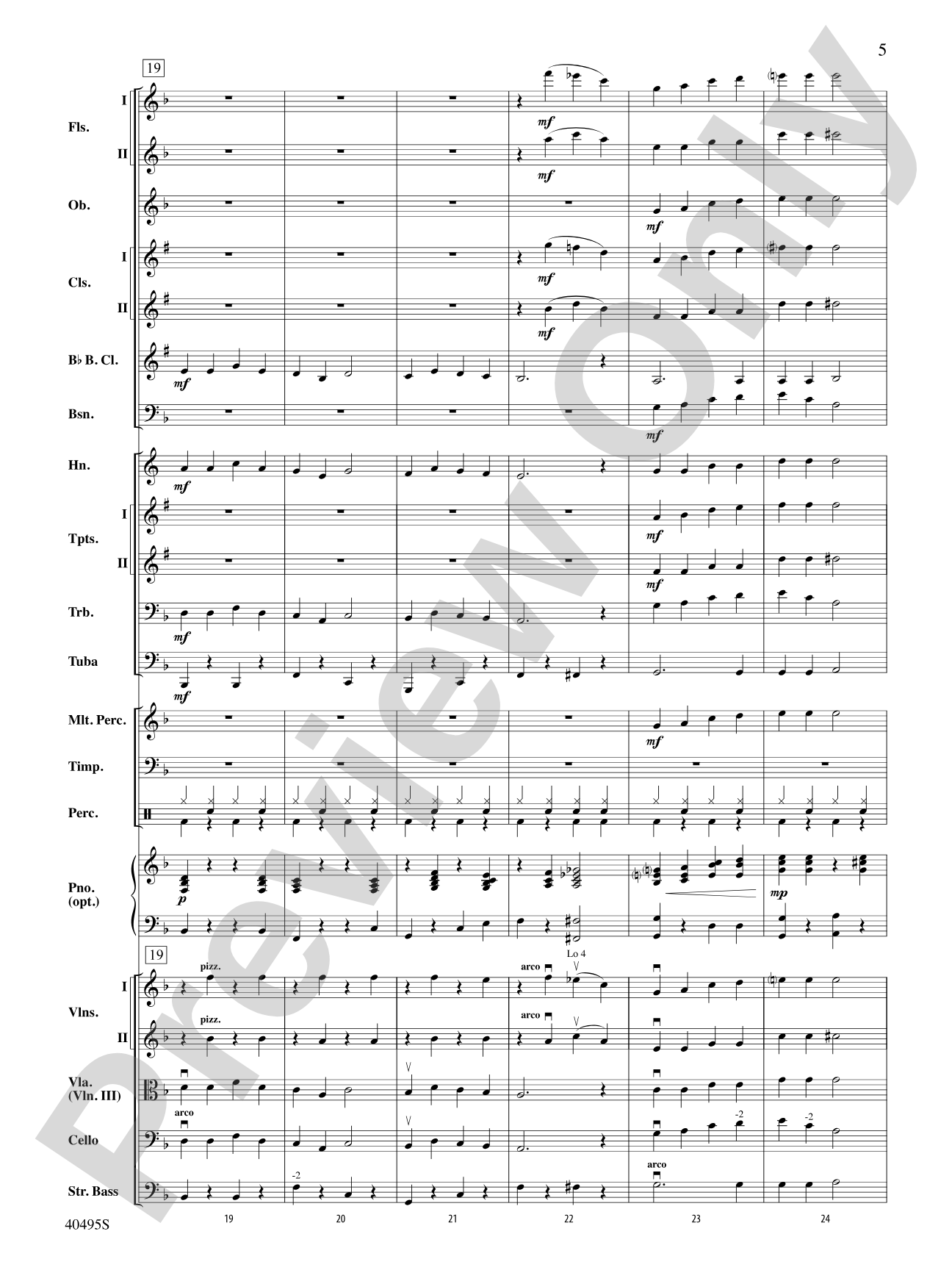
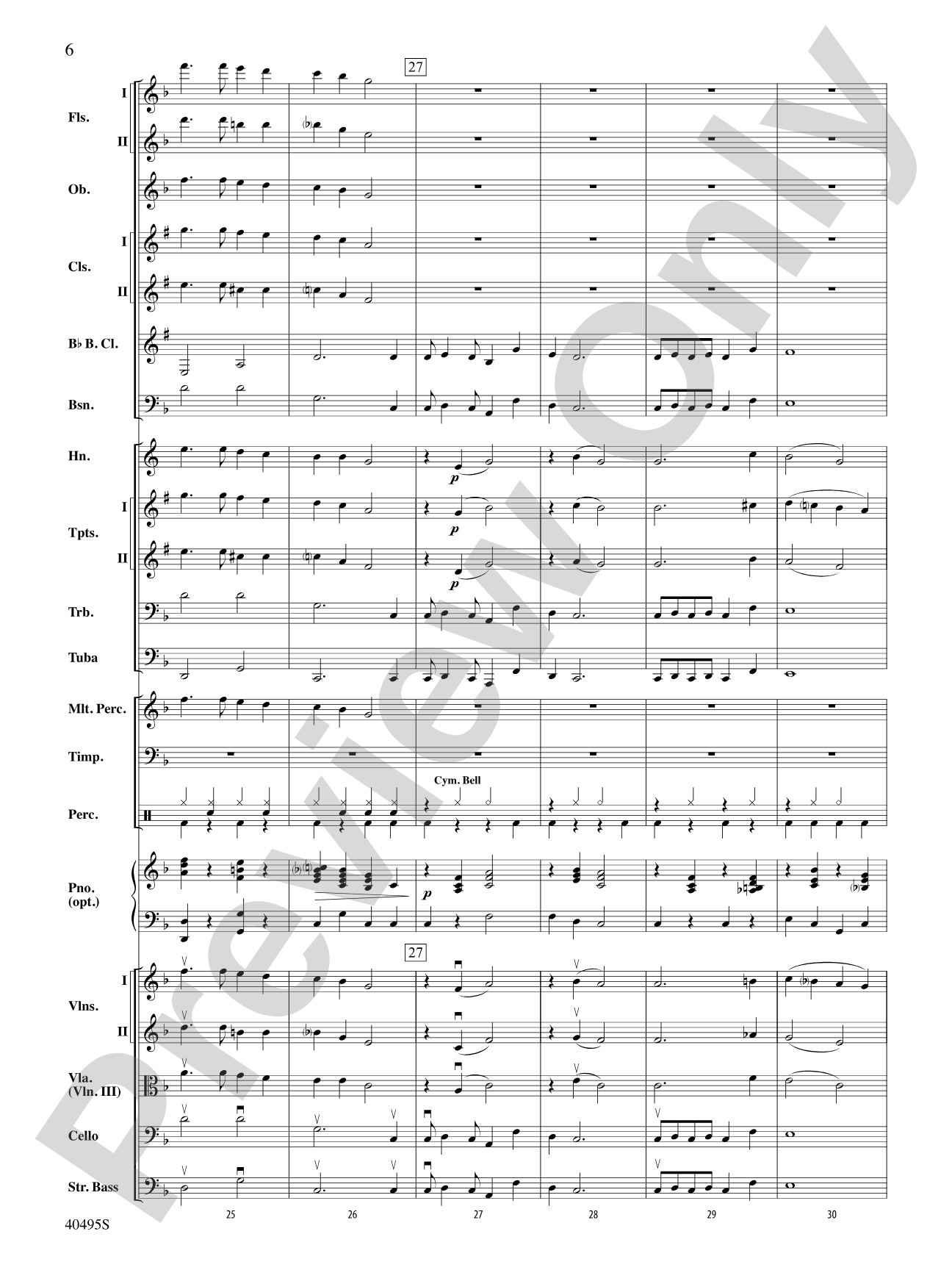
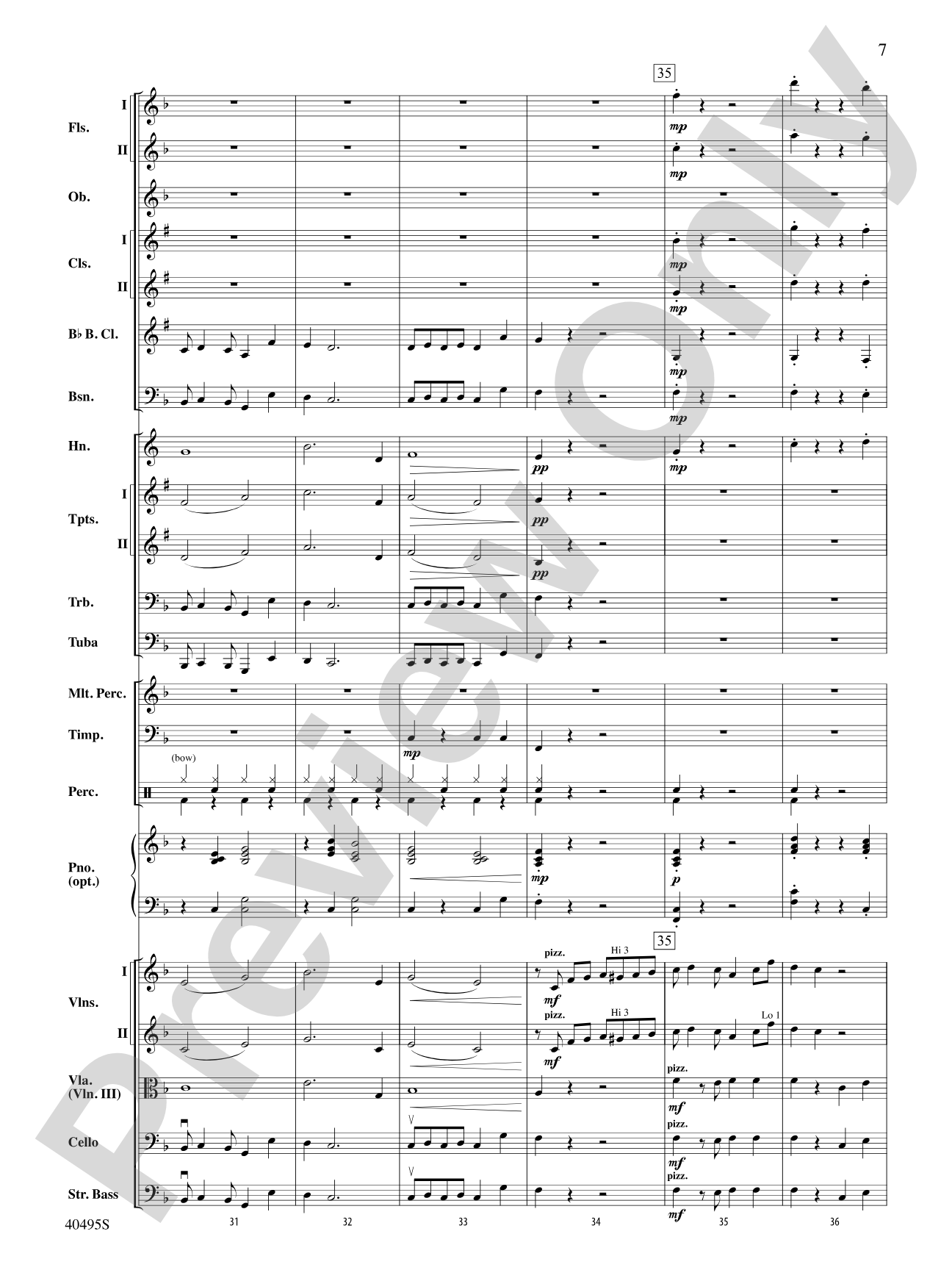
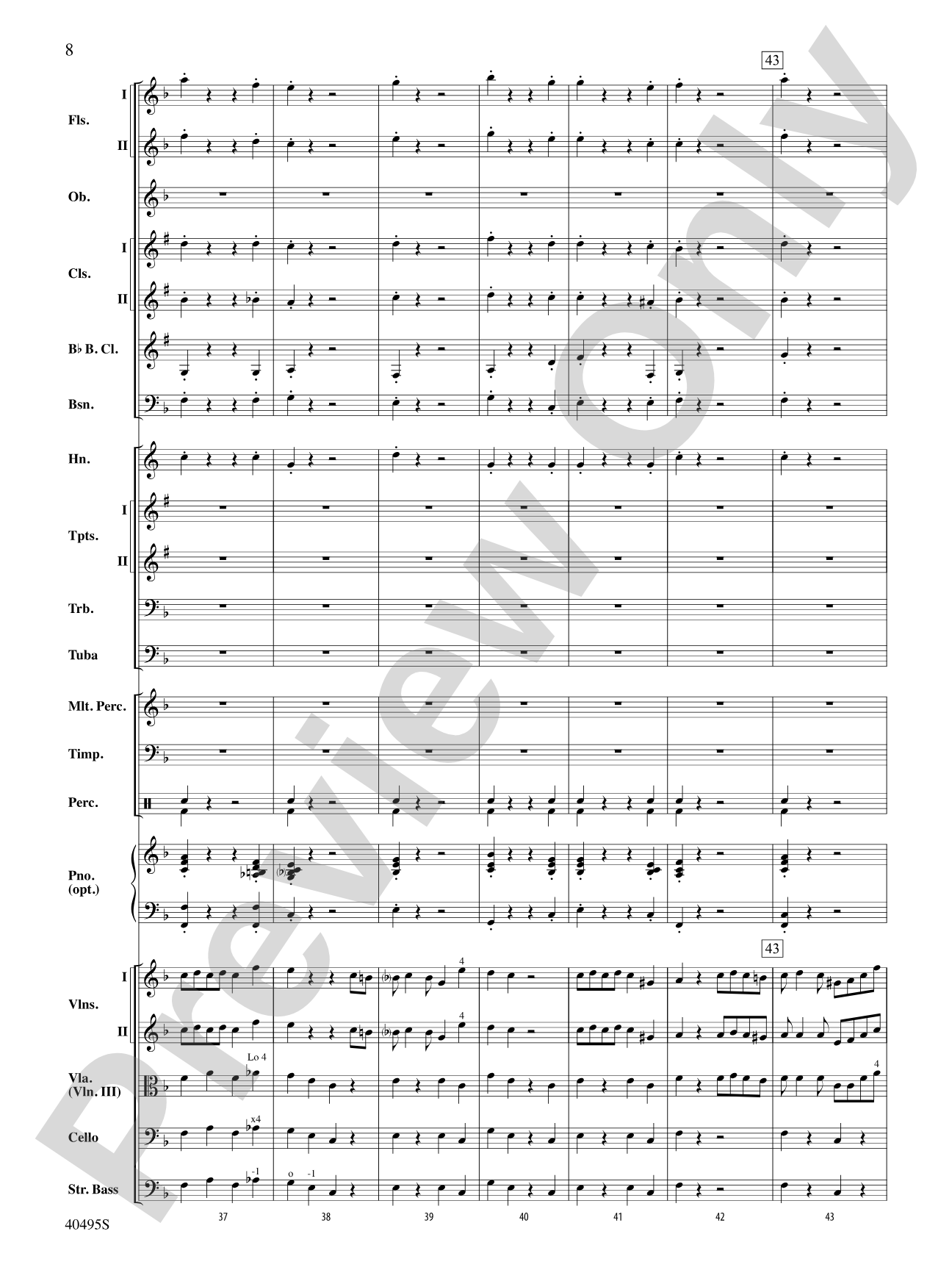
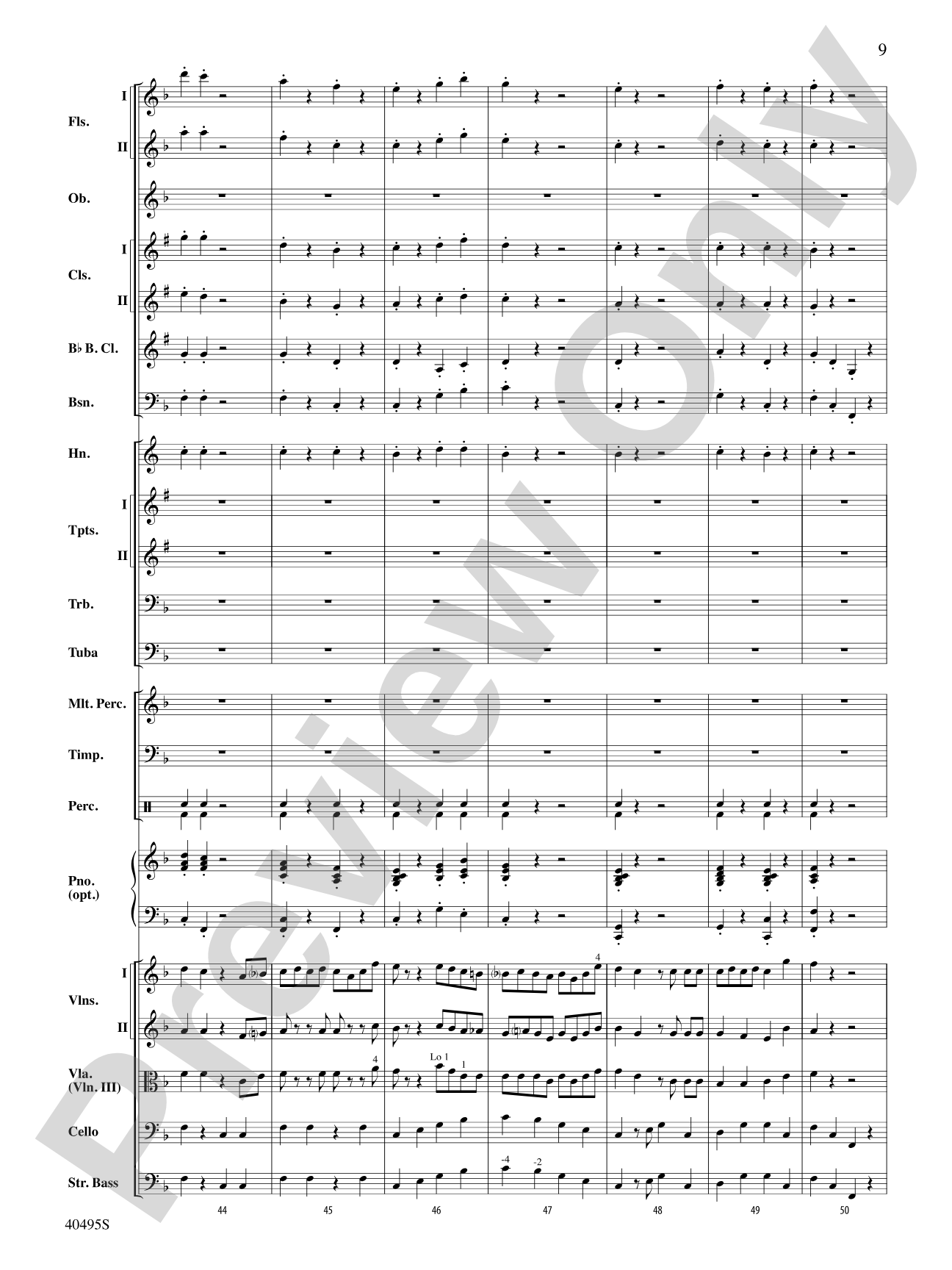
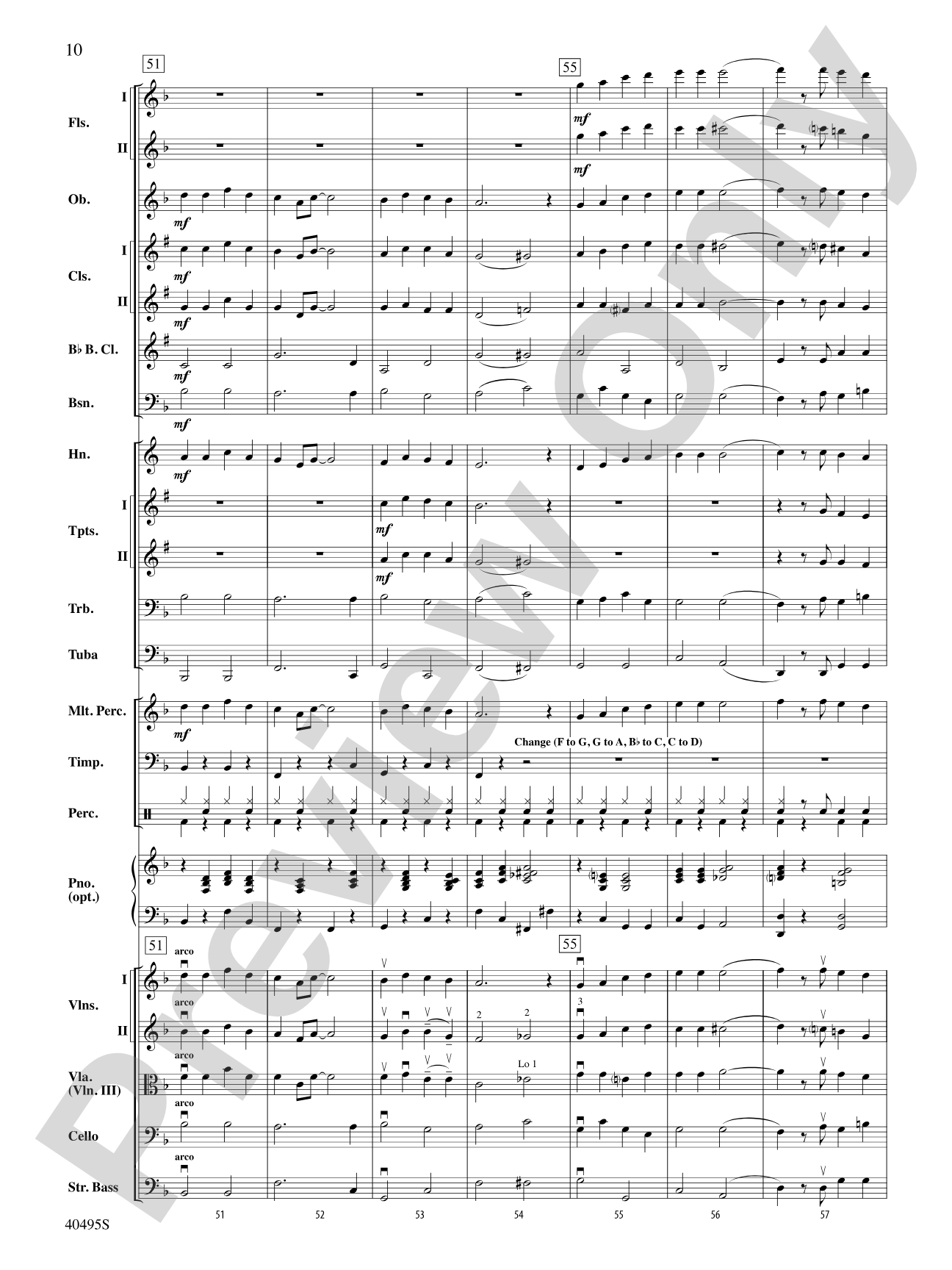
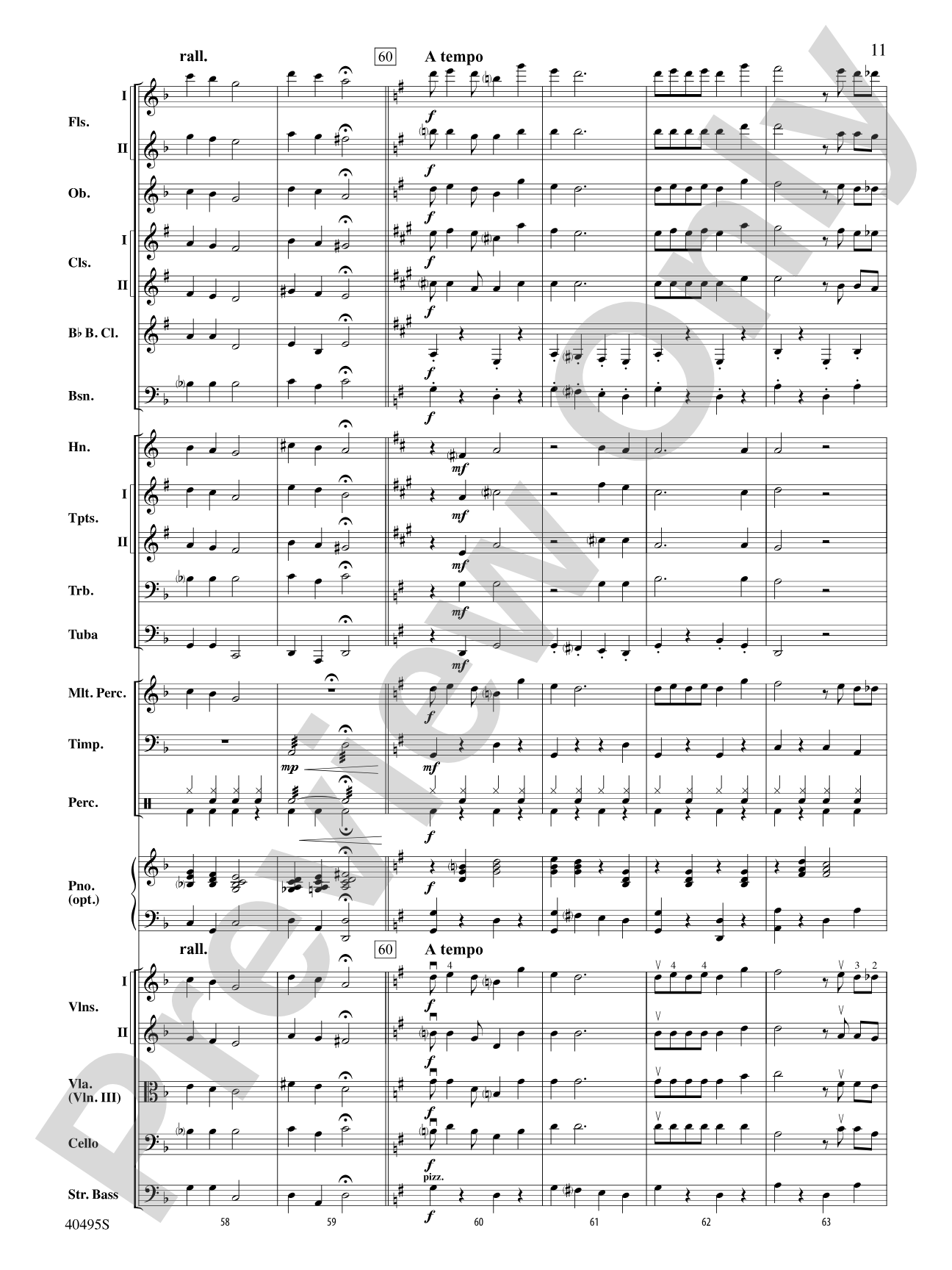
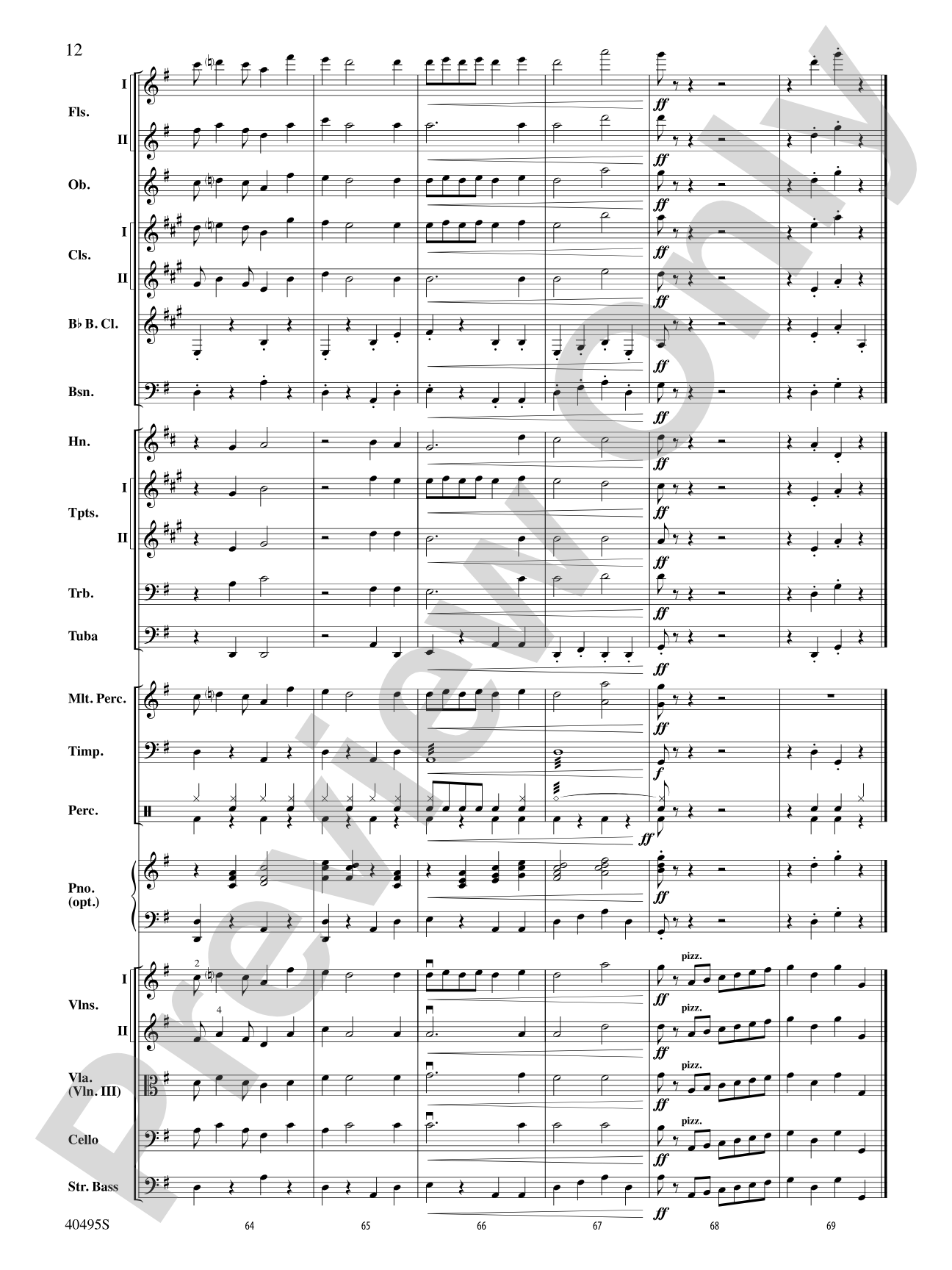

Rudolph, the Red-Nosed Reindeer: Full Orchestra Conductor Score & Parts
Words and music by Johnny Marks / arr. Jack Bullock
Grade: 2.5
Item: 00-PK-0006450

$70.00
One moment…
Description
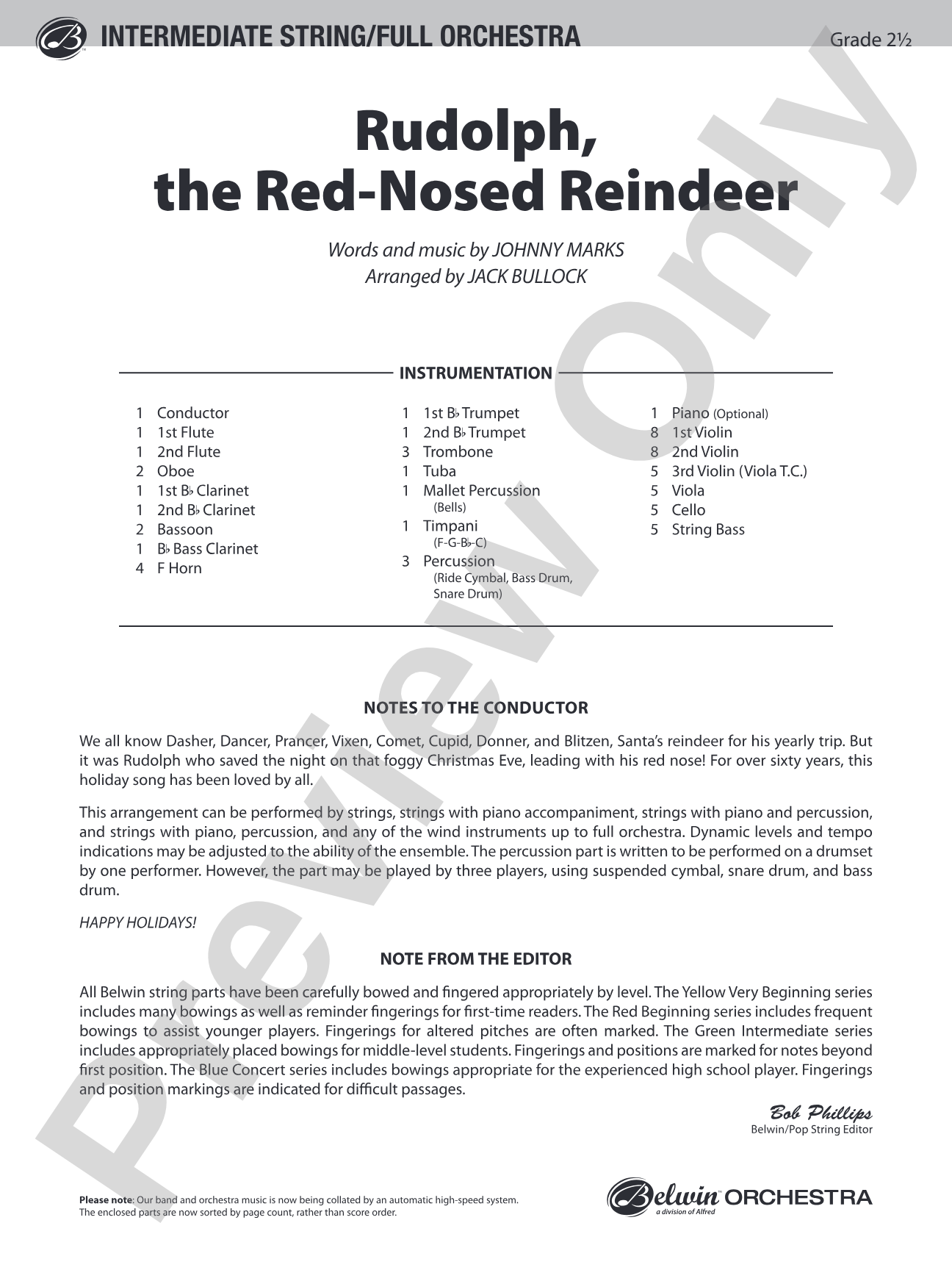
We all know Dasher, Dancer, Prancer, Vixen, Comet, Cupid, Donner, and Blitzen---Santa's reindeer for his yearly trip. But it was Rudolph who saved the night on that foggy Christmas Eve, leading with his red nose! For over sixty years, this holiday song has been loved by all. This flexible setting can be performed by strings alone or with the addition of any combination of piano and winds. (2:10)


Don't just read it, hear it, play along with it, and watch your students grow with it. In MakeMusic Cloud, Rudolph, the Red-Nosed Reindeer: Full Orchestra Conductor Score & Parts comes alive with professional accompaniment, adjustable tempo, and built-in practice tools that turn solo practice into real progress.
Open in the Player
Jump straight in and assign it today.
Start Your Free Trial
Open this title and explore the full library in minutes.
Sample Audio
1
Audio File
--:--
0:00
0:00
Sample Video
No sample videos found.
Additional Details
Series:
Pop Intermediate String/Full Orchestra
Publisher:
Alfred Music
Page Count:
156
SKU:
00-PK-0006450
More about this title
About the Composer: Johnny Marks
Johnny Marks (1909-1985) composed and wrote lyrics for some of the most enduring holiday songs in American popular music. His gift for crafting instantly memorable melodies and singable, story-driven lyrics made him a dominant force in seasonal repertoire, with "Rudolph, the Red-Nosed Reindeer" becoming perhaps his most iconic contribution to American culture.
Marks's compositions have been performed millions of times across concert halls, schools, and living rooms. His ability to write music that appeals equally to children and adults, while remaining musically substantial, made his work a natural fit for educational ensembles seeking holiday repertoire with genuine musical integrity.
Why we love this
Jack Bullock's orchestration gives this beloved melody genuine orchestral depth without sacrificing accessibility. The flexibility to perform with strings alone or layer in winds and piano means you can adapt the piece to your ensemble's instrumentation, making it workable whether you're programming for a large full orchestra or a smaller group.
What to expect
This setting captures the warmth and gentle humor of the original story. The melody glides through the orchestra with a bright, purposeful character—there's nothing mawkish here, just the straightforward charm of a reindeer finding his moment to shine. The orchestration feels celebratory without being oversaturated.
Who it's for
Orchestra directors programming holiday concerts will find this a practical solution for ensembles ranging from string orchestras to full orchestras. Grade 2.5 makes it accessible to middle and early high school players, and the optional instrumentation means you're not locked into needing every section.
How to get the most out of it
- Balance the melody across string sections when performing without winds. The tune travels through violins, violas, and cellos, so coordinate bowing patterns to ensure smooth voice leading and even tone quality throughout.
- If adding winds and piano, use your rehearsals to establish clear sectional independence. Strings carry the foundation; winds and piano add color and support without overpowering the core melodic line.
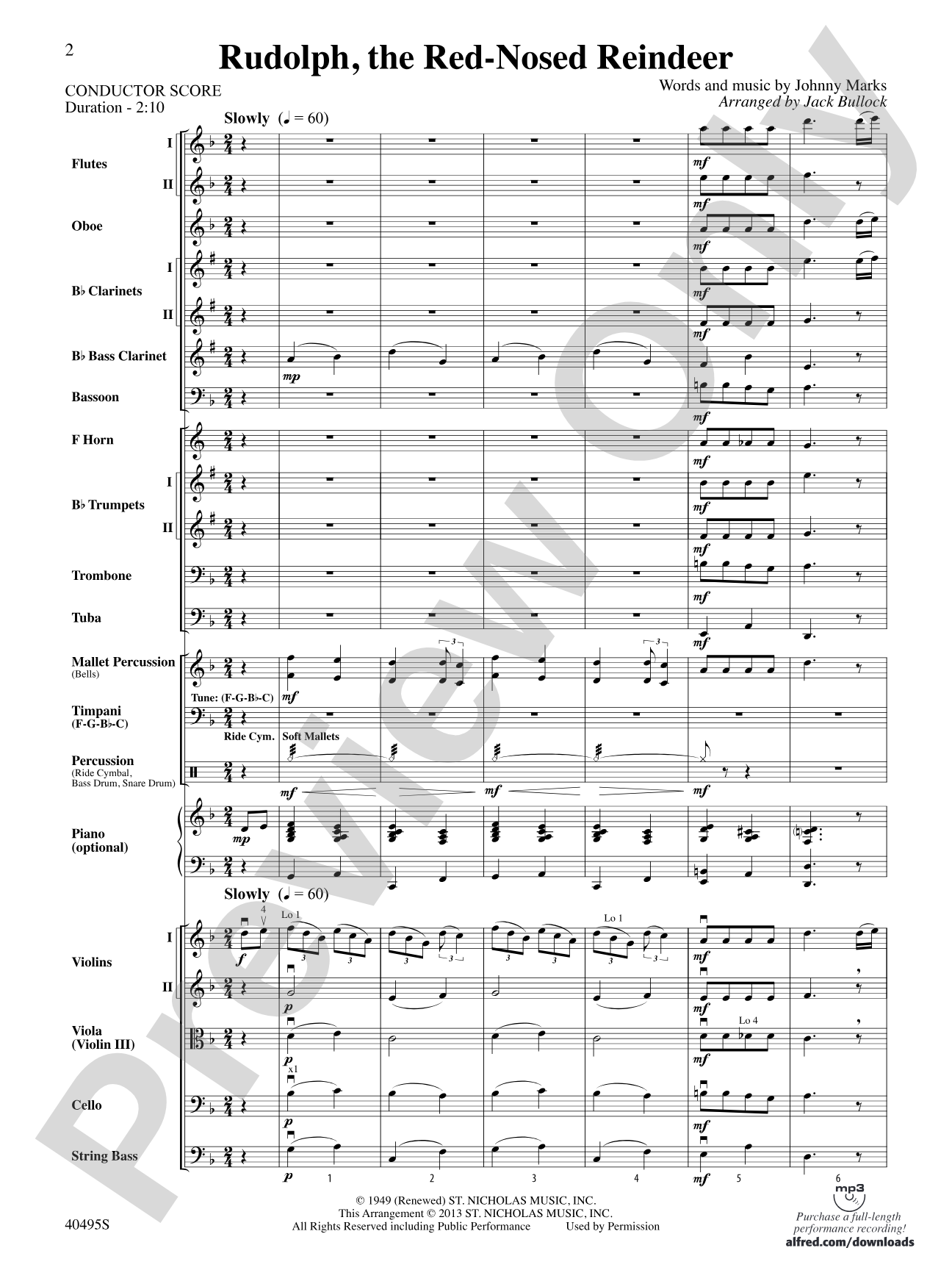
- Keep the 2:10 runtime in perspective during rehearsal planning. This setting moves at an easy pace, giving younger players time to lock in rhythmic values and ensemble balance without rushing the charming character of the piece.
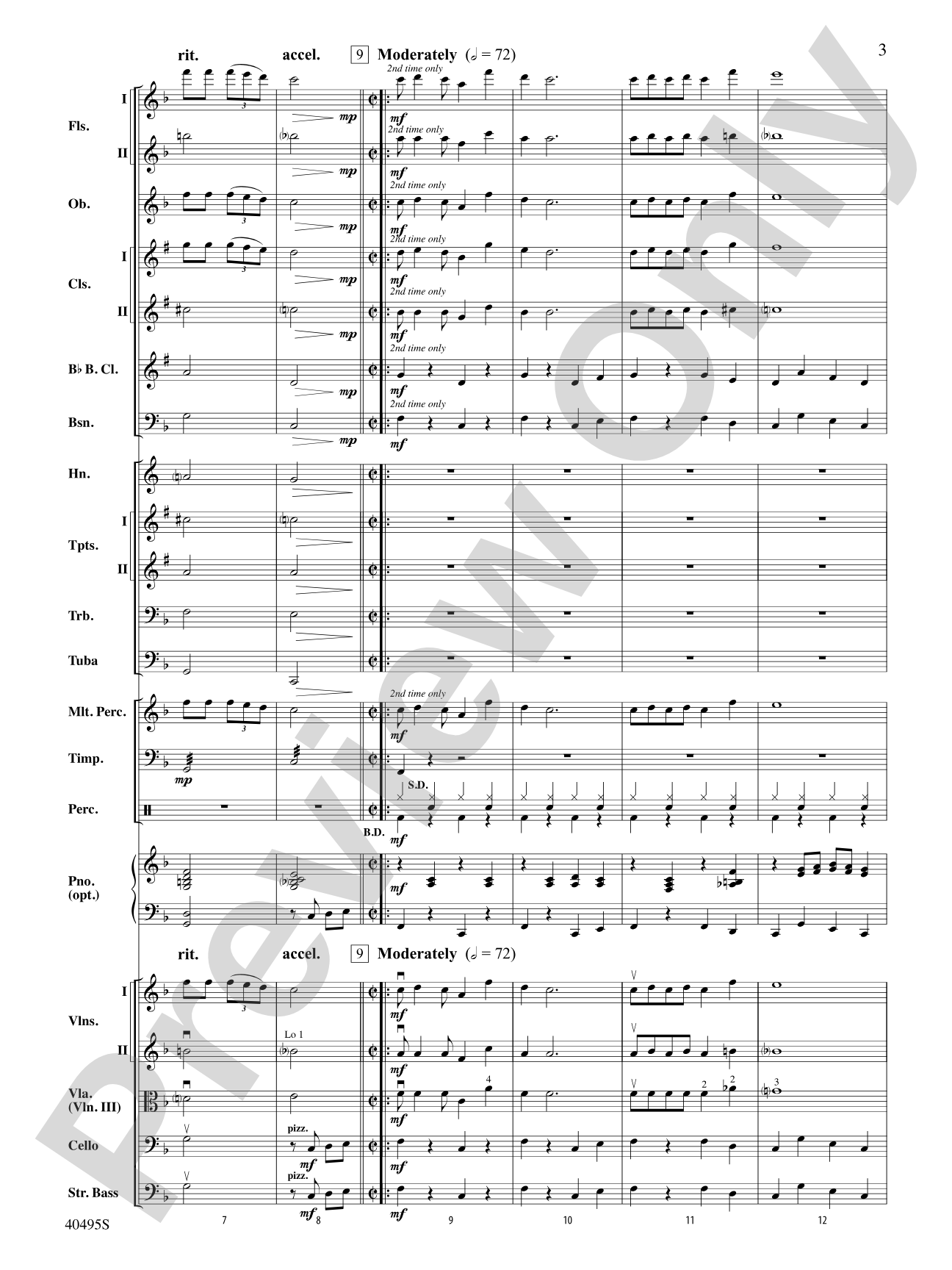
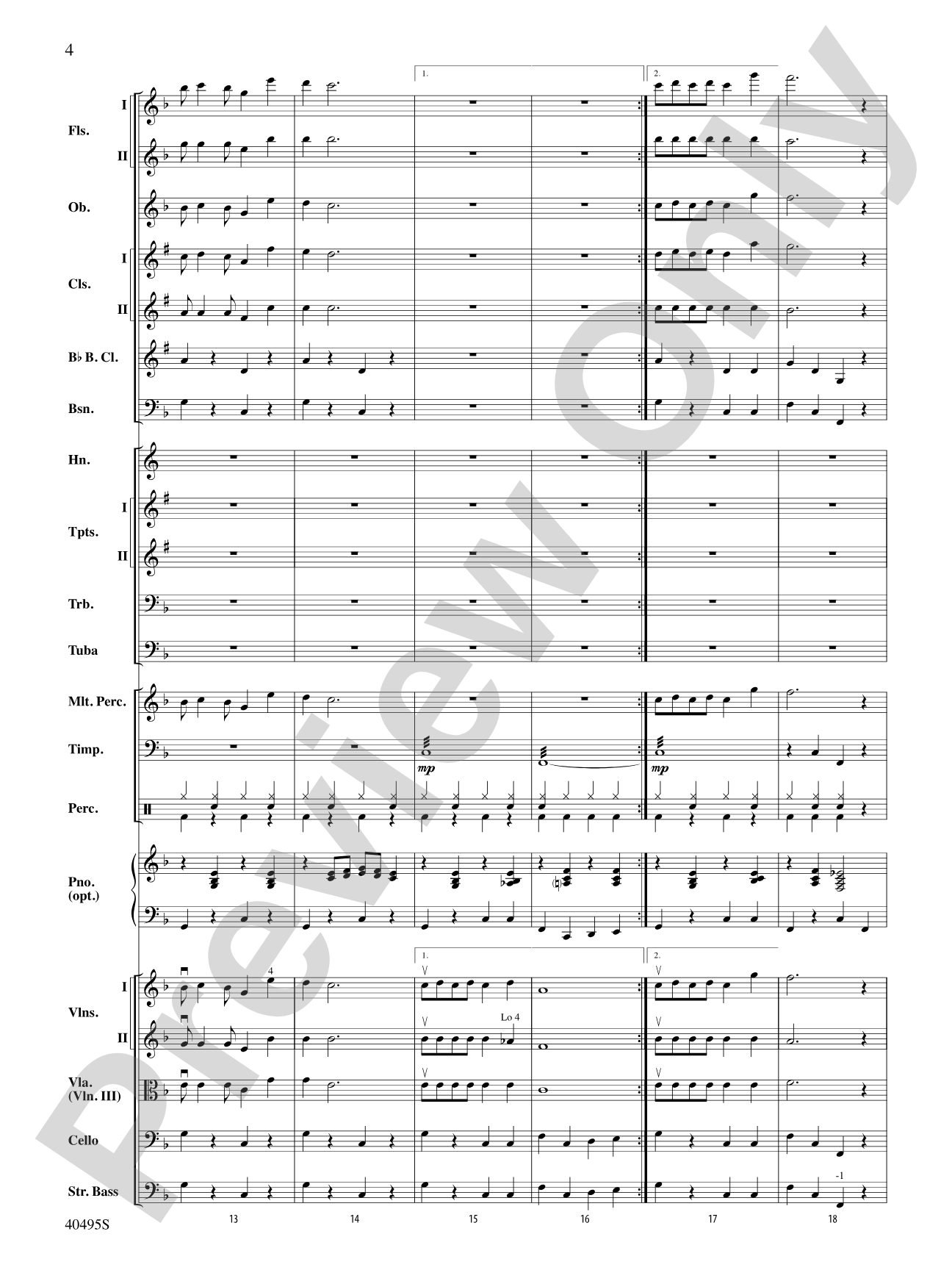
- Attend to articulation markings in the conductor score to shape phrase clarity. Even at Grade 2.5, clear articulation distinguishes sections and keeps the familiar melody fresh rather than pedestrian.
How to use it
Place this as a centerpiece in a holiday concert's main section, not as an opener or closer. It pairs naturally alongside other seasonal favorites and works equally well as a concert staple or a school assembly feature. The moderate difficulty and familiar tune make it an effective bridge between more challenging repertoire and lighter audience-pleasing numbers.
Skills your students will build
- Reading multiple orchestral staves and following conductor cues across full orchestra layout
- Balancing individual sections (strings, winds, percussion) within an ensemble texture
- Sustaining melodic phrasing across sectional changes and orchestration shifts
- Navigating simple syncopation and rhythmic precision at moderate tempo
- Collaborating flexibly when instrumentation varies from rehearsal to performance