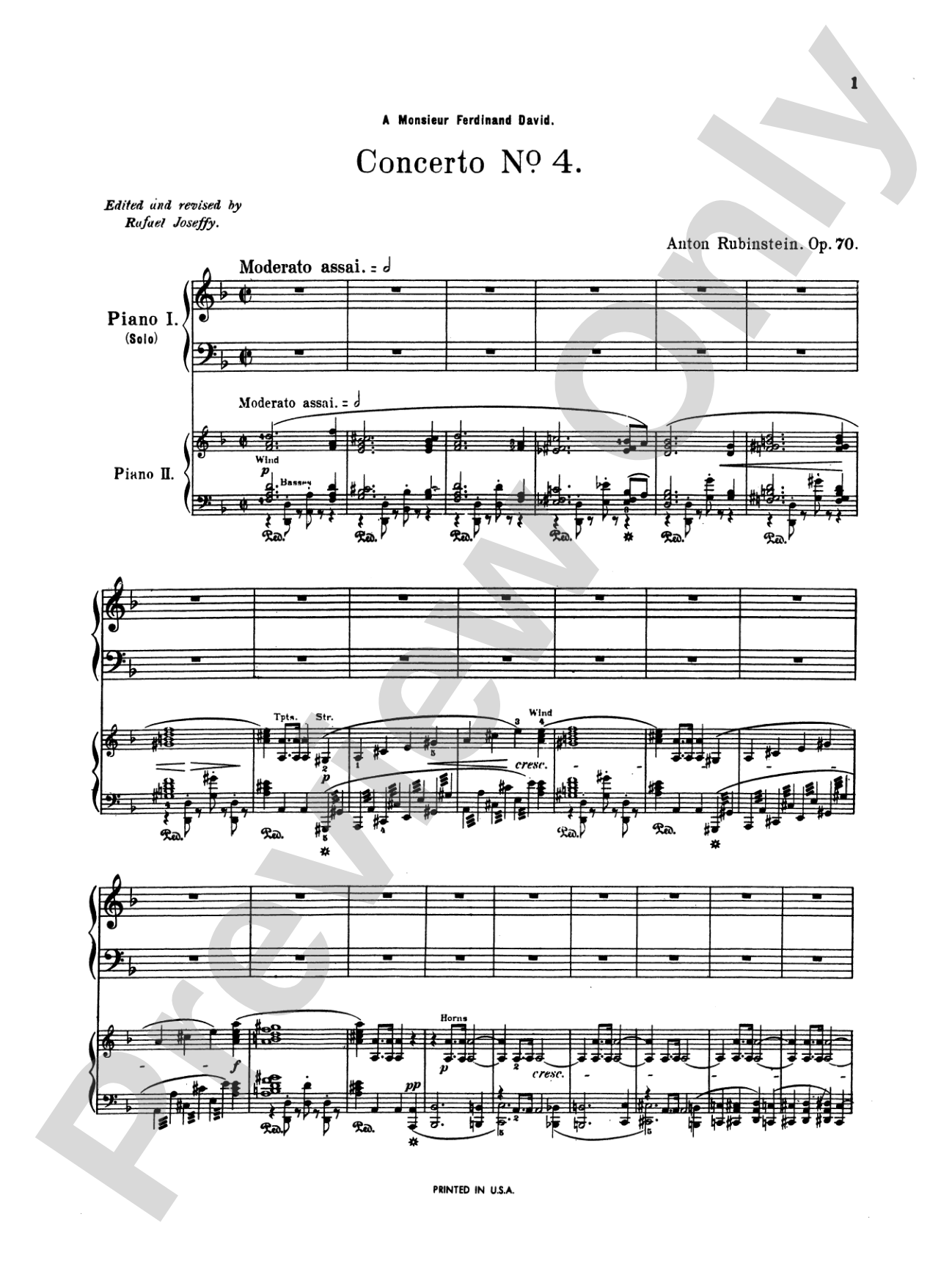
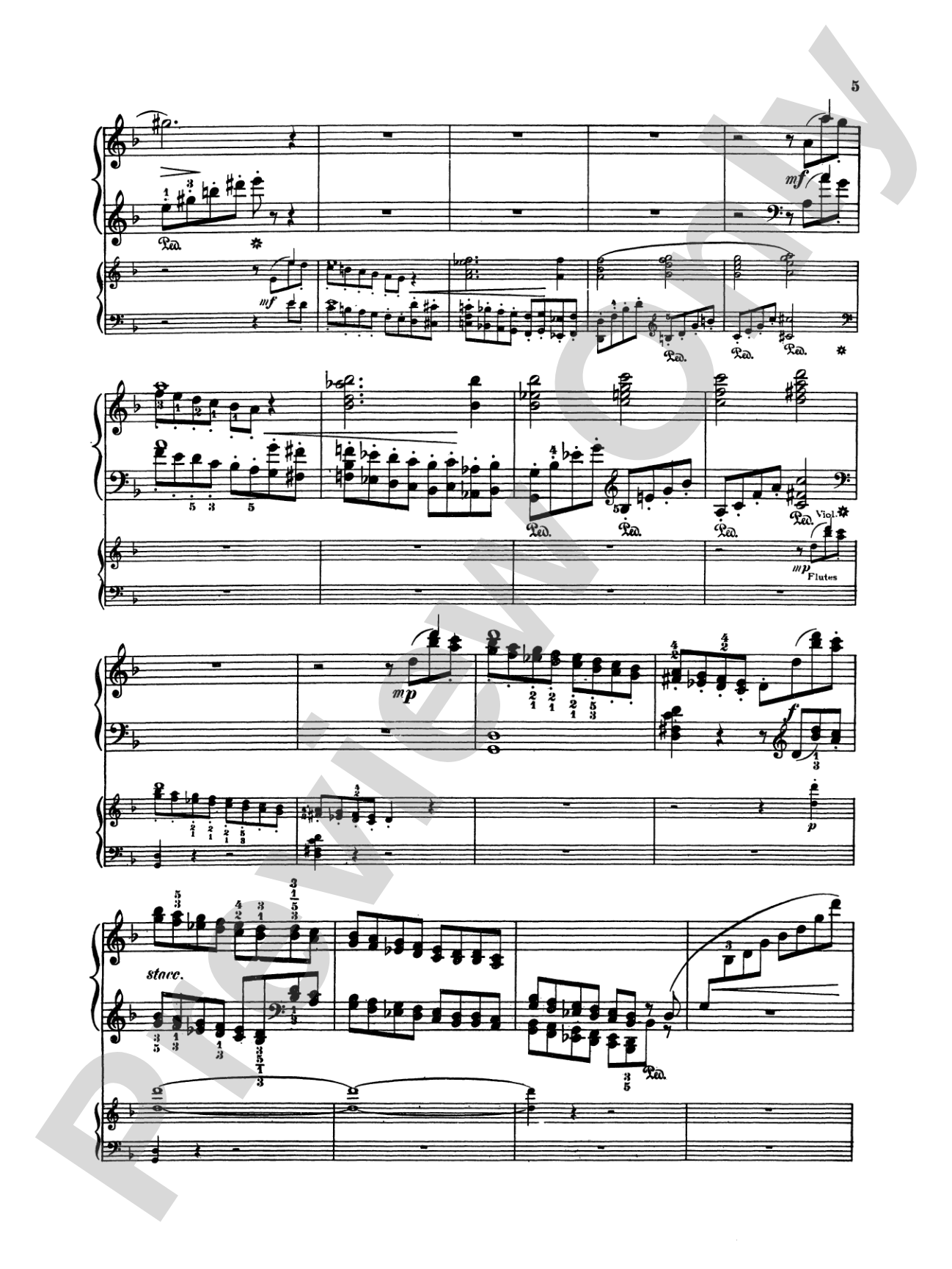
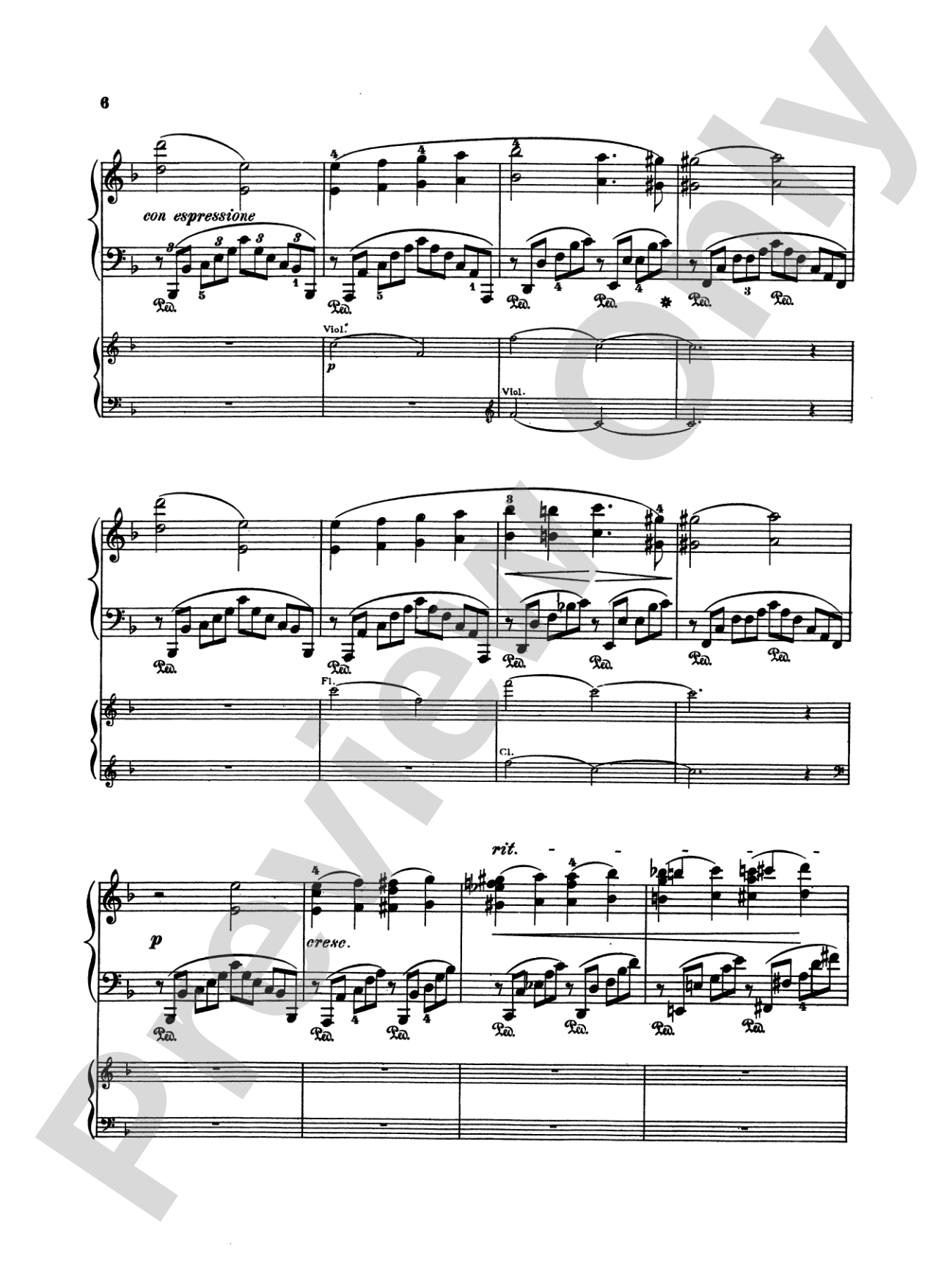
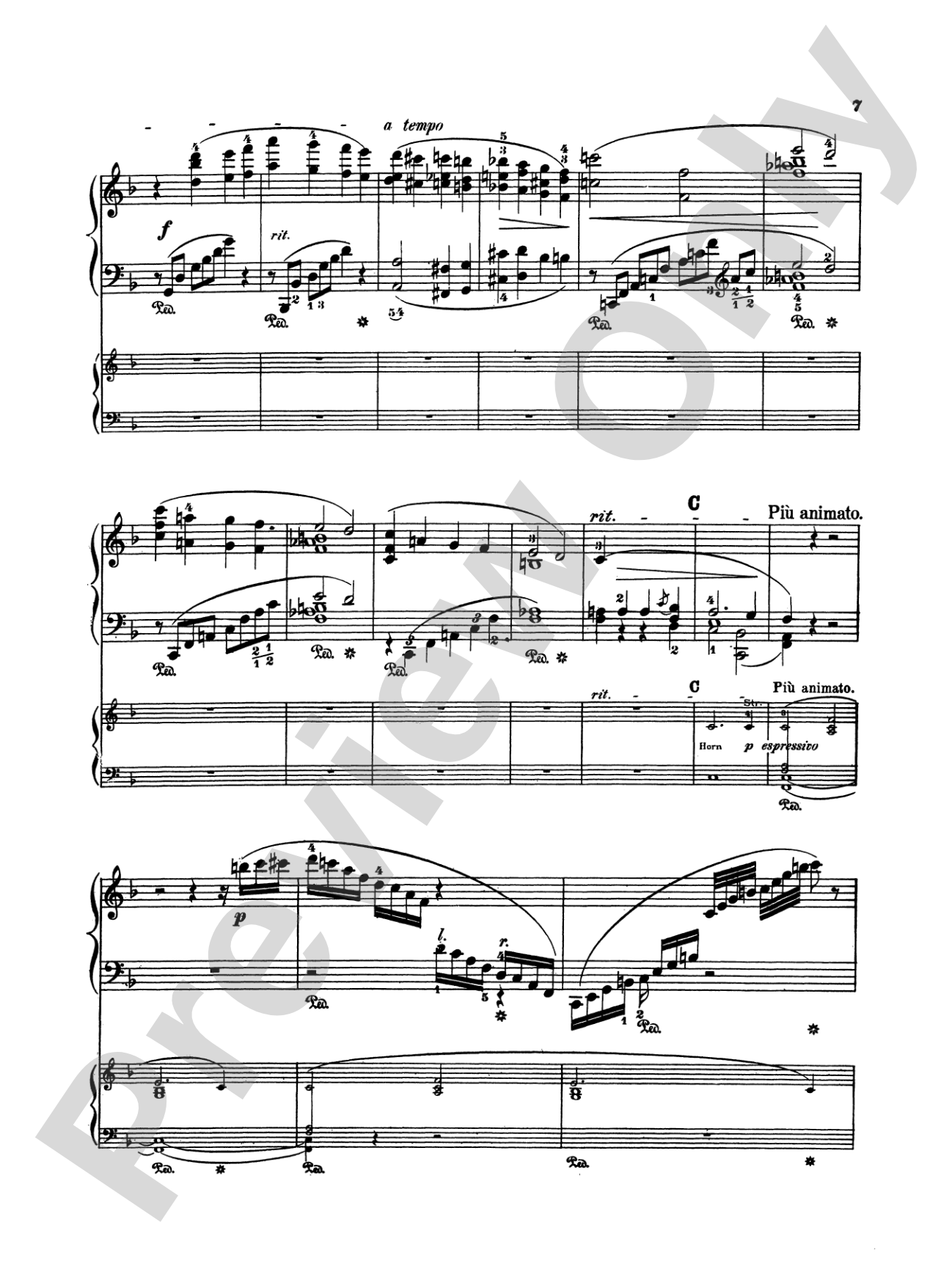
Rubinstein: Piano Concerto No. 4, Op. 70
By Anton Rubinstein / ed. Rafael Joseffy
Level: Advanced
Item: 00-PC-0012712
Pickup currently not available
Description
Don't just read it, hear it, play along with it, and watch your students grow with it. In MakeMusic Cloud, Rubinstein: Piano Concerto No. 4, Op. 70 comes alive with professional accompaniment, adjustable tempo, and built-in practice tools that turn solo practice into real progress.
Jump straight in and assign it today.
Open this title and explore the full library in minutes.
Sample Audio
Sample Video
Additional Details
More about this title
About the Composer: Anton Rubinstein
Anton Rubinstein (1829-1894) was a towering figure in Russian musical life, equally accomplished as a pianist, composer, and conductor. He founded the St. Petersburg Conservatory in 1862 and shaped an entire generation of Russian musicians through his teaching and advocacy for rigorous classical training.
Rubinstein's five piano concertos occupy a secure place in the Romantic repertoire, blending virtuosic display with lyrical depth. His Piano Concerto No. 4 in D minor, Op. 70, represents his mature compositional voice, balancing technical brilliance with the orchestral richness that defined his orchestral writing.
Why we love this
This arrangement preserves the grandeur and architectural sweep of Rubinstein's orchestral writing in a format that remains genuinely playable by two advanced pianists. The Joseffy arrangement respects the original's dramatic arc while capitalizing on the sonic possibilities of two pianos, making this an excellent festival selection that demands serious musicianship without requiring an orchestra.
What to expect
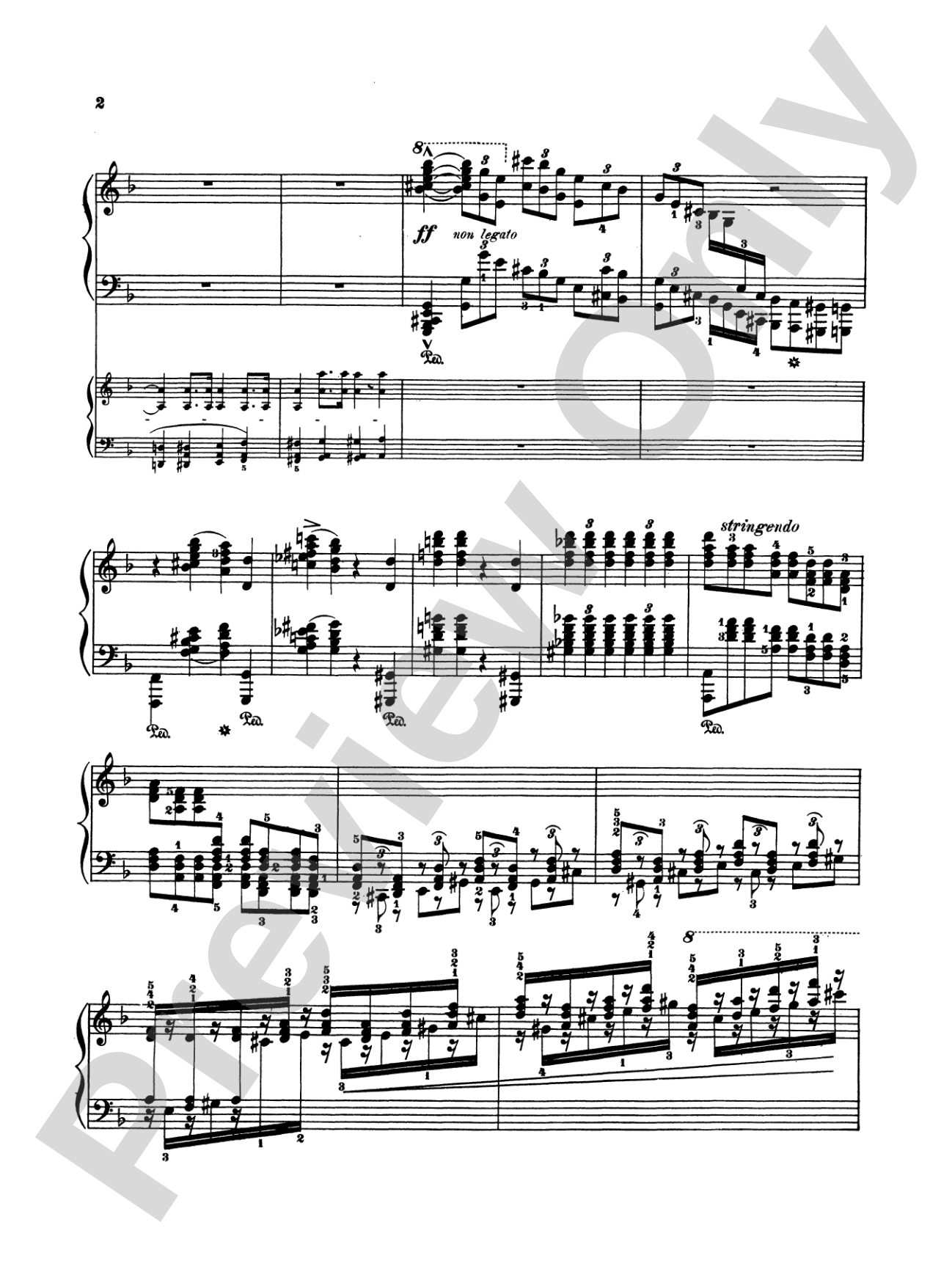
Rubinstein's D minor concerto unfolds with Romantic fervor, alternating between stormy virtuosity and moments of genuine lyricism. The work embraces nineteenth-century orchestral ambitions: sweeping melodies, driving rhythmic figures, dramatic key shifts, and passages that showcase both technical command and interpretive depth.
Who it's for
This is repertoire for two advanced pianists seeking a substantial four-hand work that delivers the scope and drama of a full concerto. It serves festival competitors, ensemble pianists preparing for competitions like Federation Festivals, and studio partnerships looking to expand their two-piano repertoire beyond lighter fare.
How to get the most out of it
- Establish clear communication about tempo and phrasing before rehearsals begin; the two pianos must move as one despite sitting separately, so regular eye contact and a shared understanding of structural breathing points are essential.
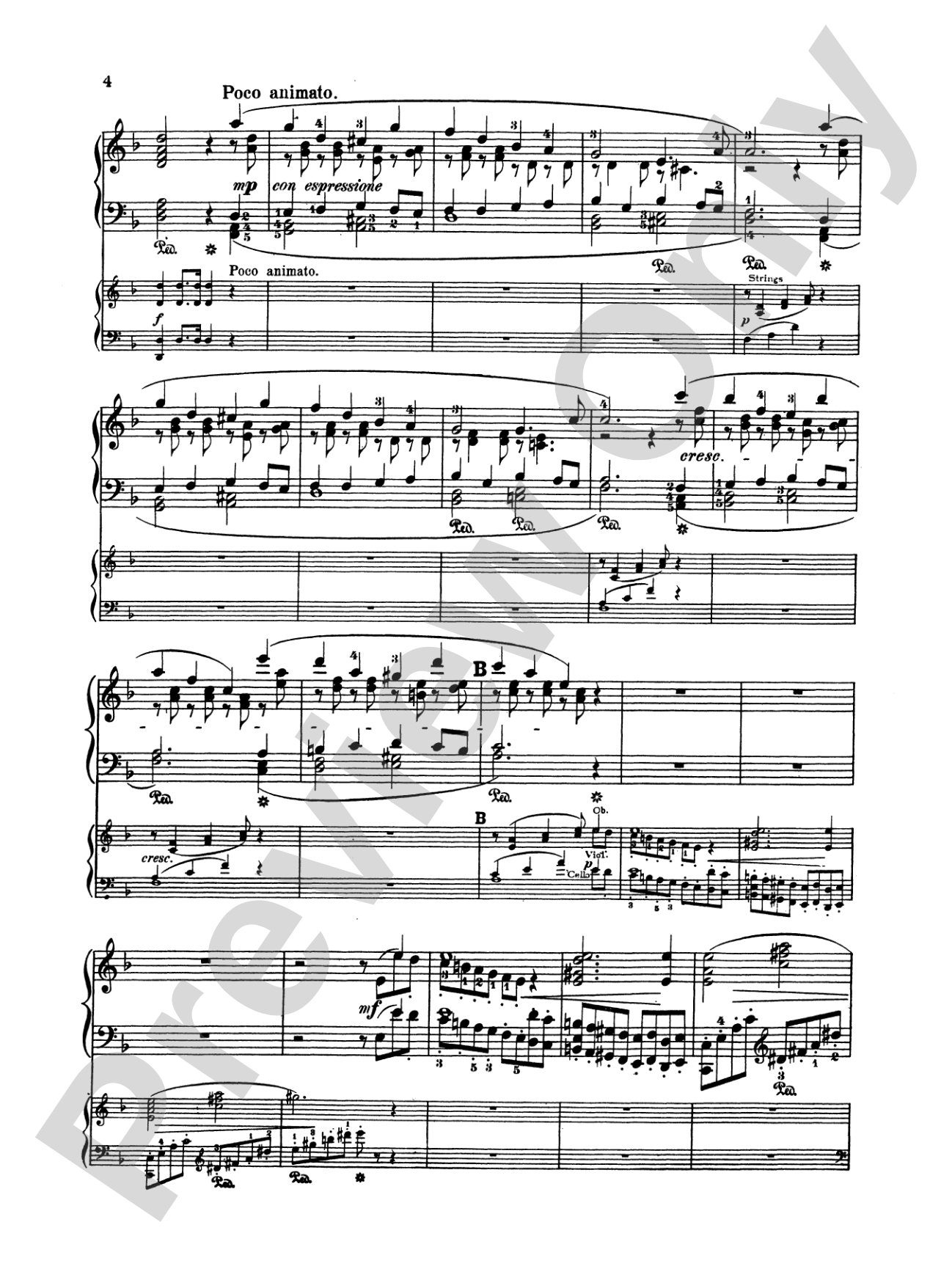
- Balance the distribution of melody and accompaniment between the two pianos with care. Neither player should dominate; instead, think of the ensemble as a single four-handed instrument where voices pass fluidly between the two keyboards.
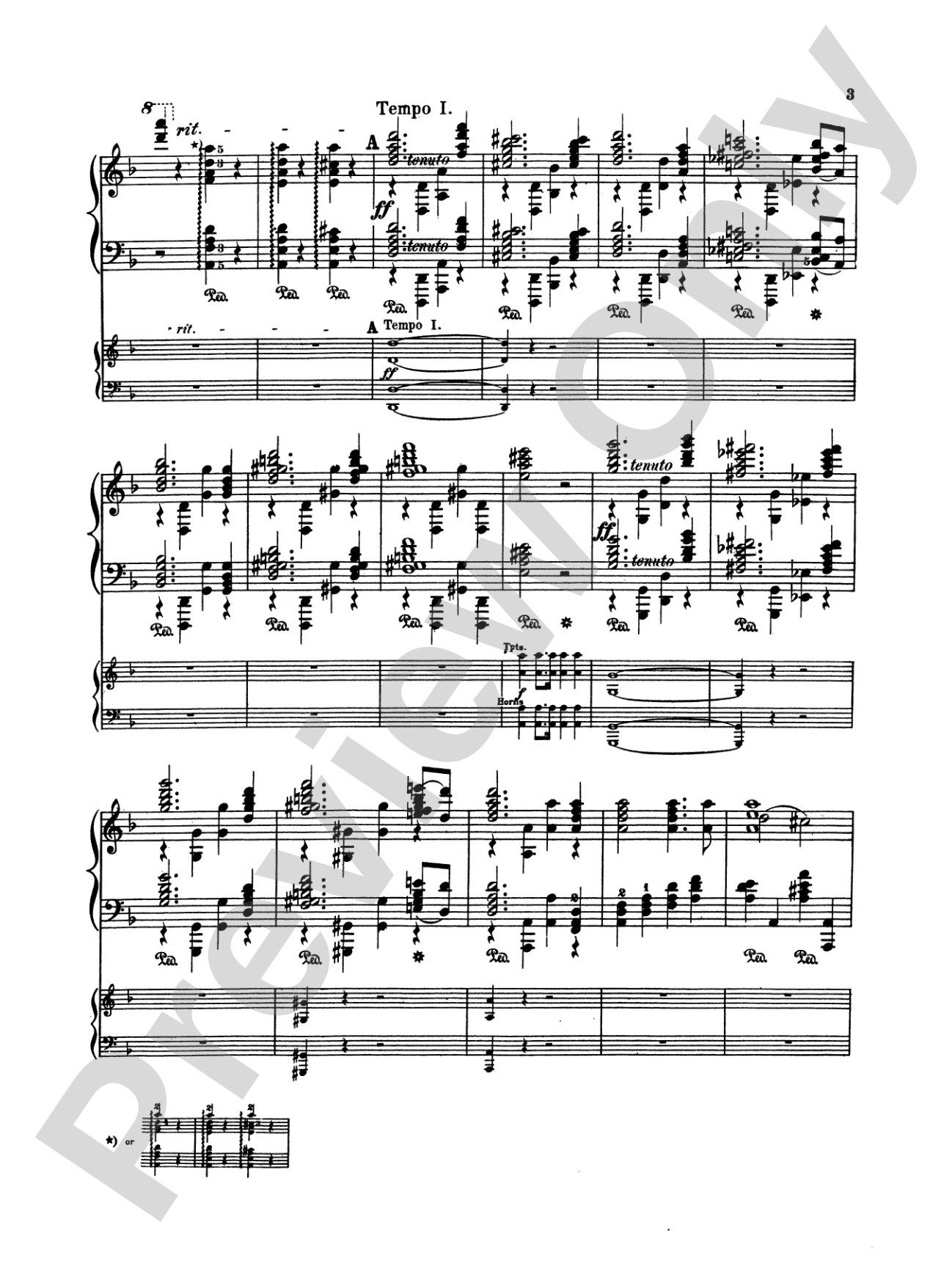
- Pay attention to the pedaling coordination between both pianos, especially during sustained harmonic passages. Synchronized pedal work will integrate the sound and prevent muddiness when both instruments sustain rich chords.
- Shape the virtuosic passages with confidence and clarity. These moments should feel propulsive and energetic, not rushed; precision in rhythmic alignment between the two players makes technical passages shine.
How to use it
This concerto works powerfully as a feature for a two-piano team on a recital or festival program, commanding a full half-program slot on its own or paired with a single-piano work by the same composer. Its Federation Festivals listing makes it ideal for pianists preparing for those competitions, and its Romantic grandeur pairs well alongside chamber works or orchestral repertoire from the same era.
Skills your students will build
- Coordination and independence between two keyboard players at an advanced level
- Balancing independent melodic lines while maintaining ensemble cohesion
- Interpretation of Romantic-era orchestral textures adapted for two pianos
- Stamina and focus required for extended virtuosic passages
- Collaborative listening and adjustment in a duo setting