
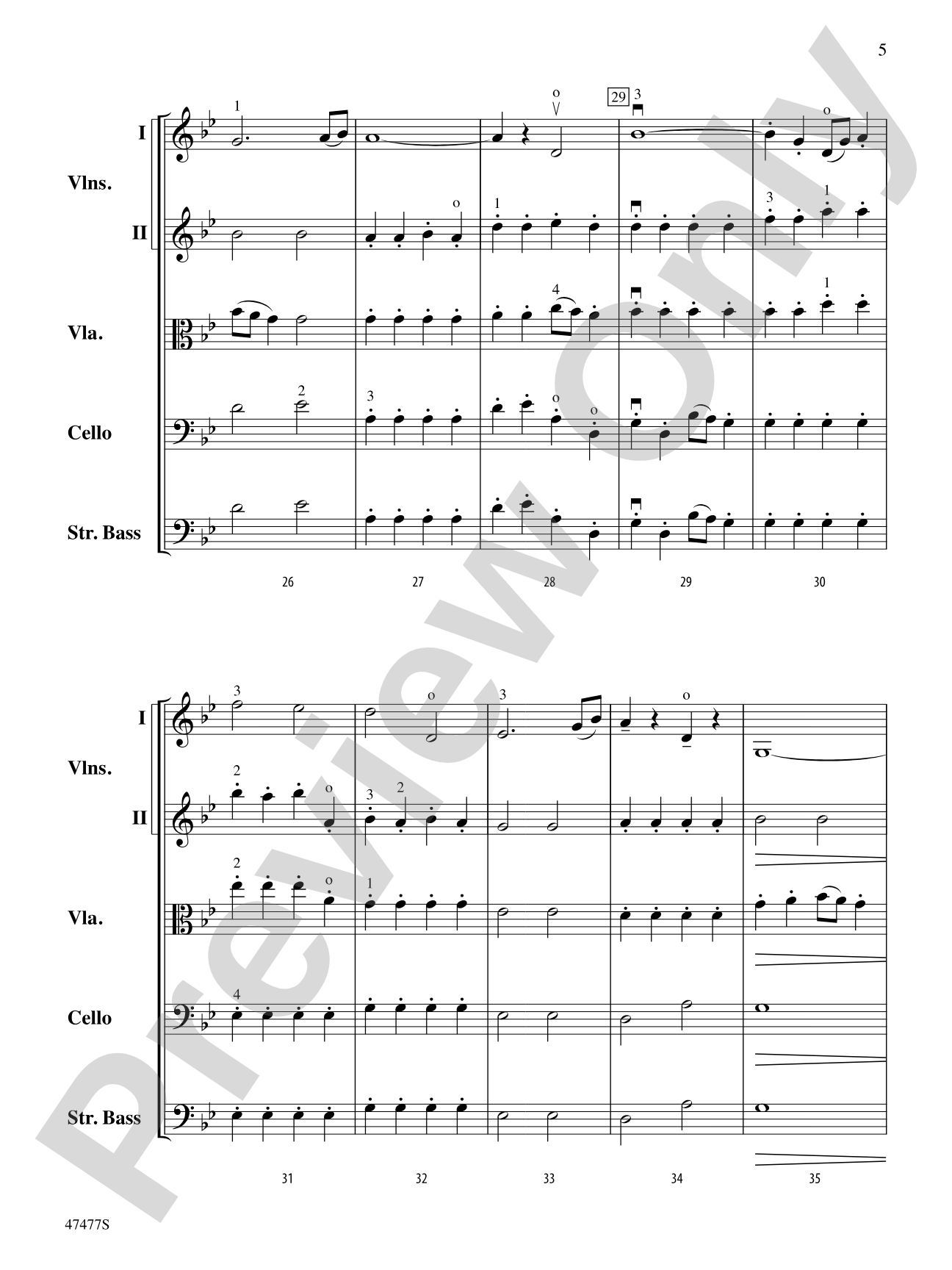
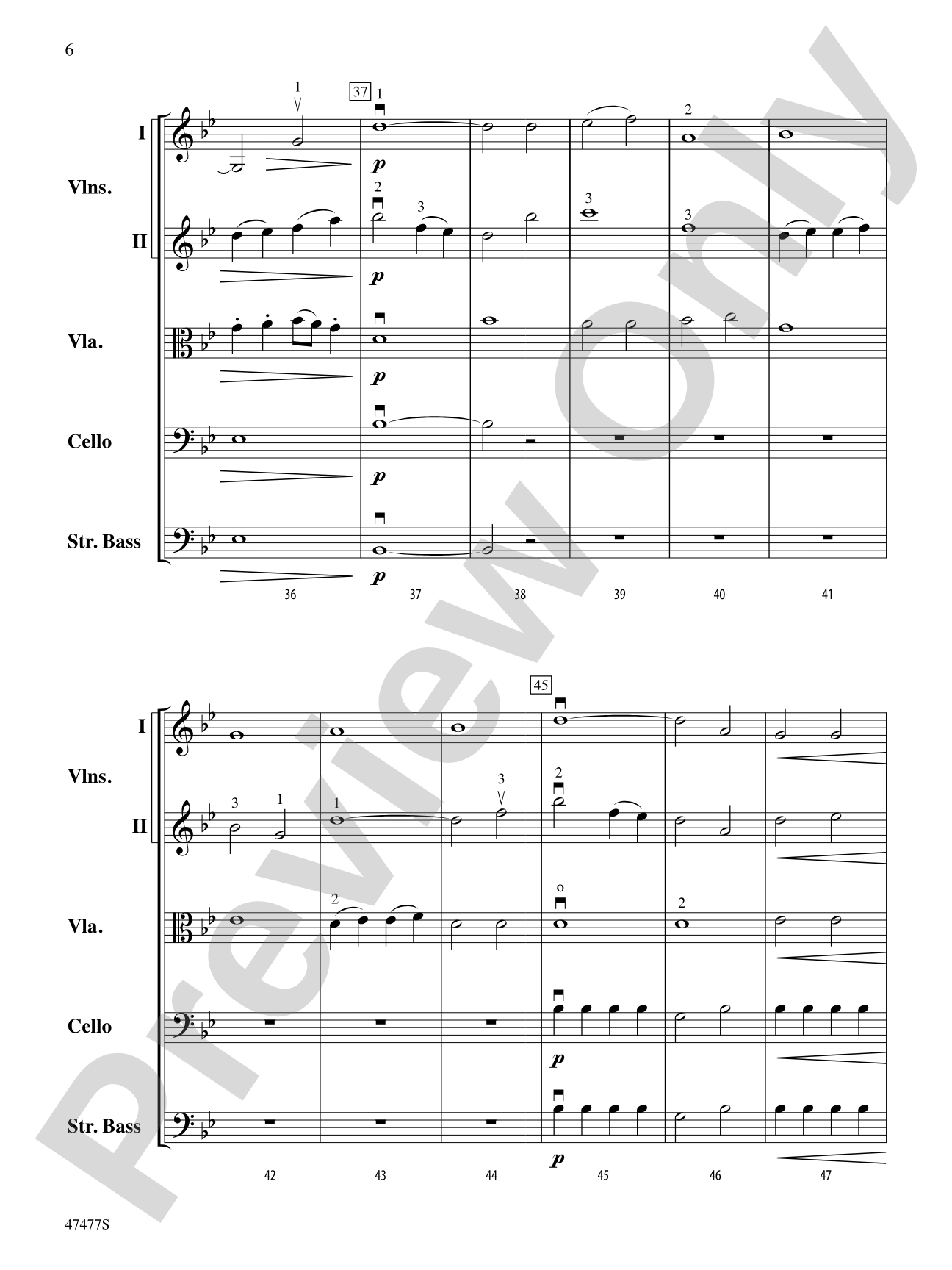
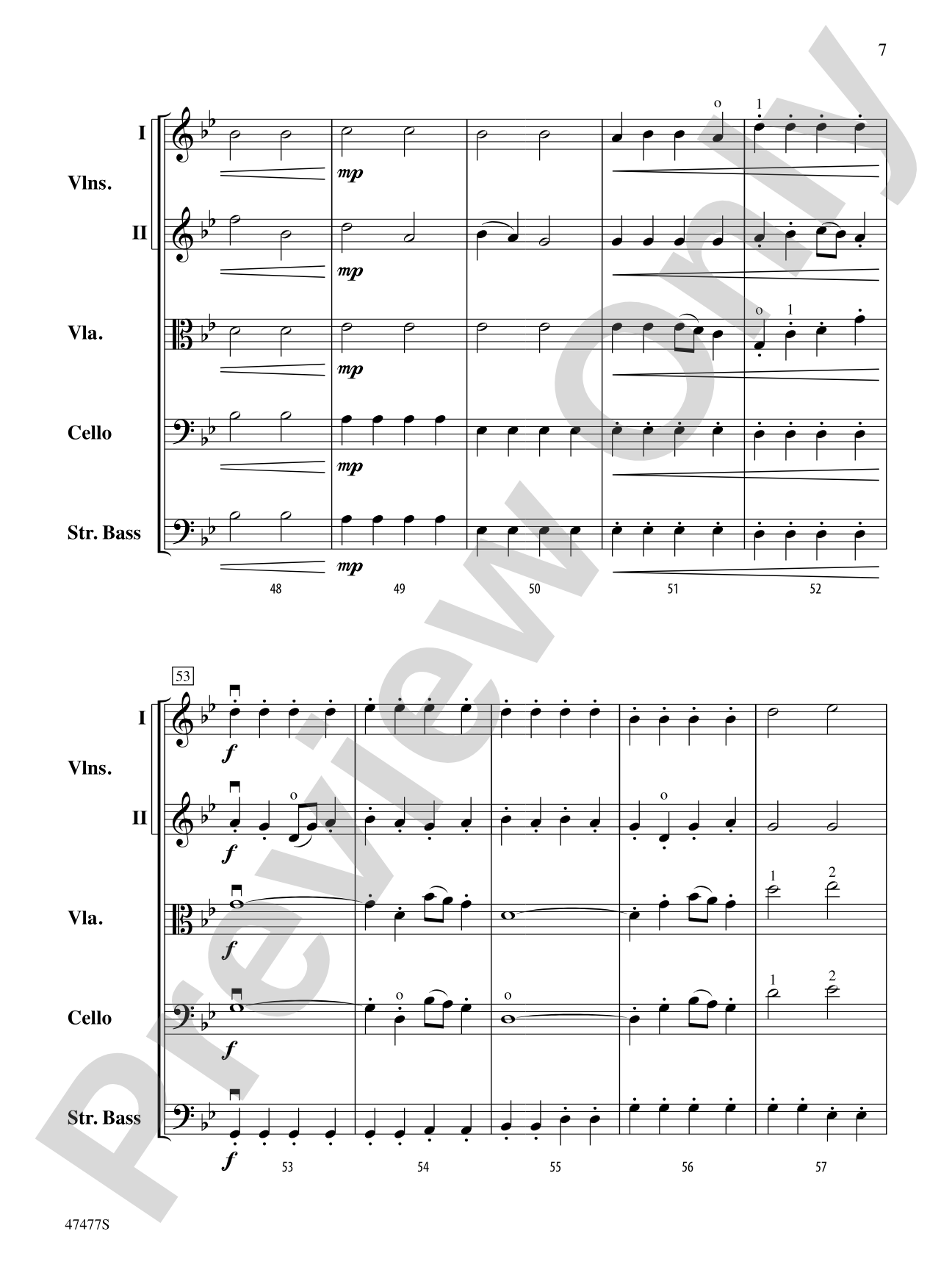
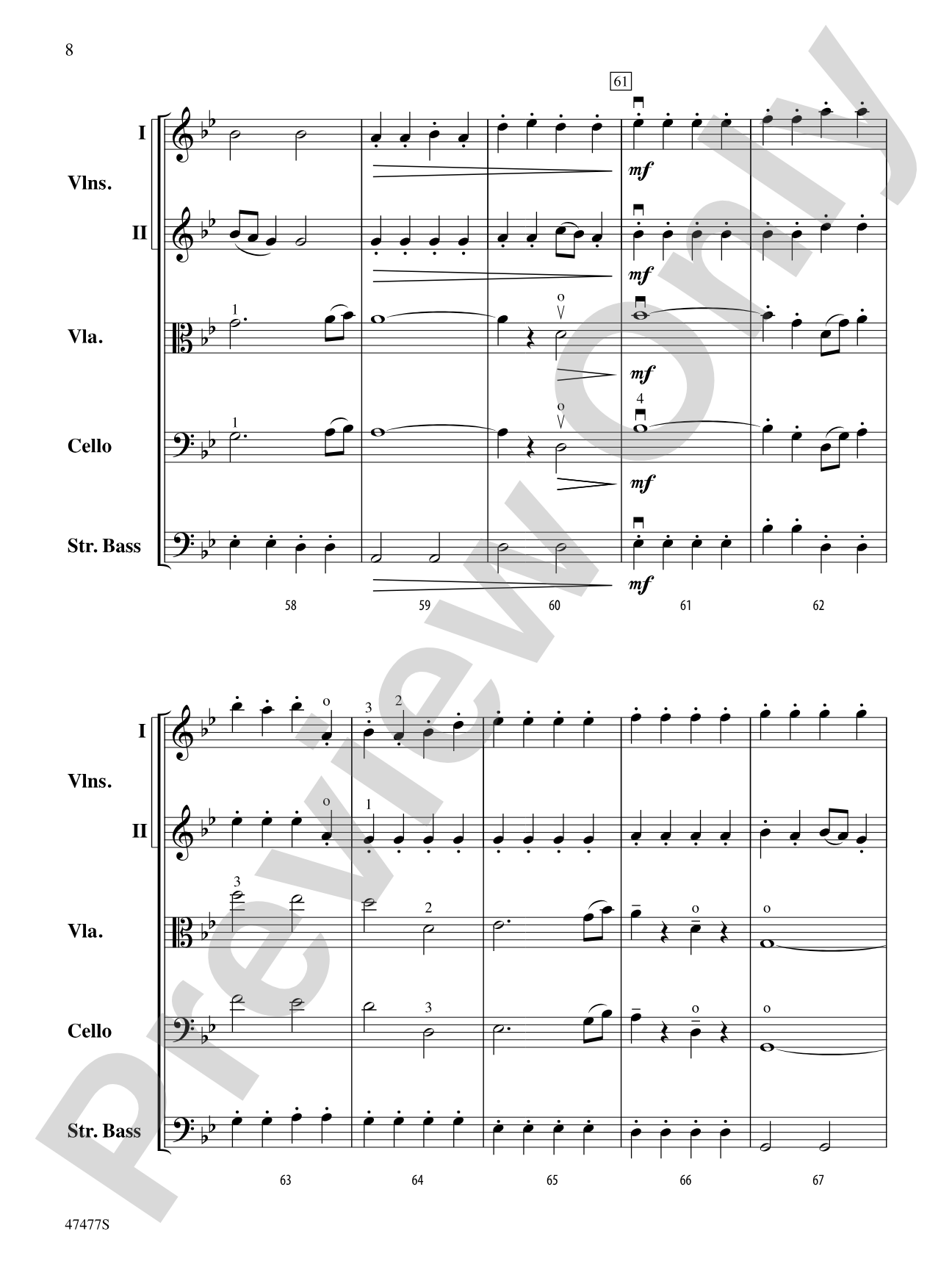
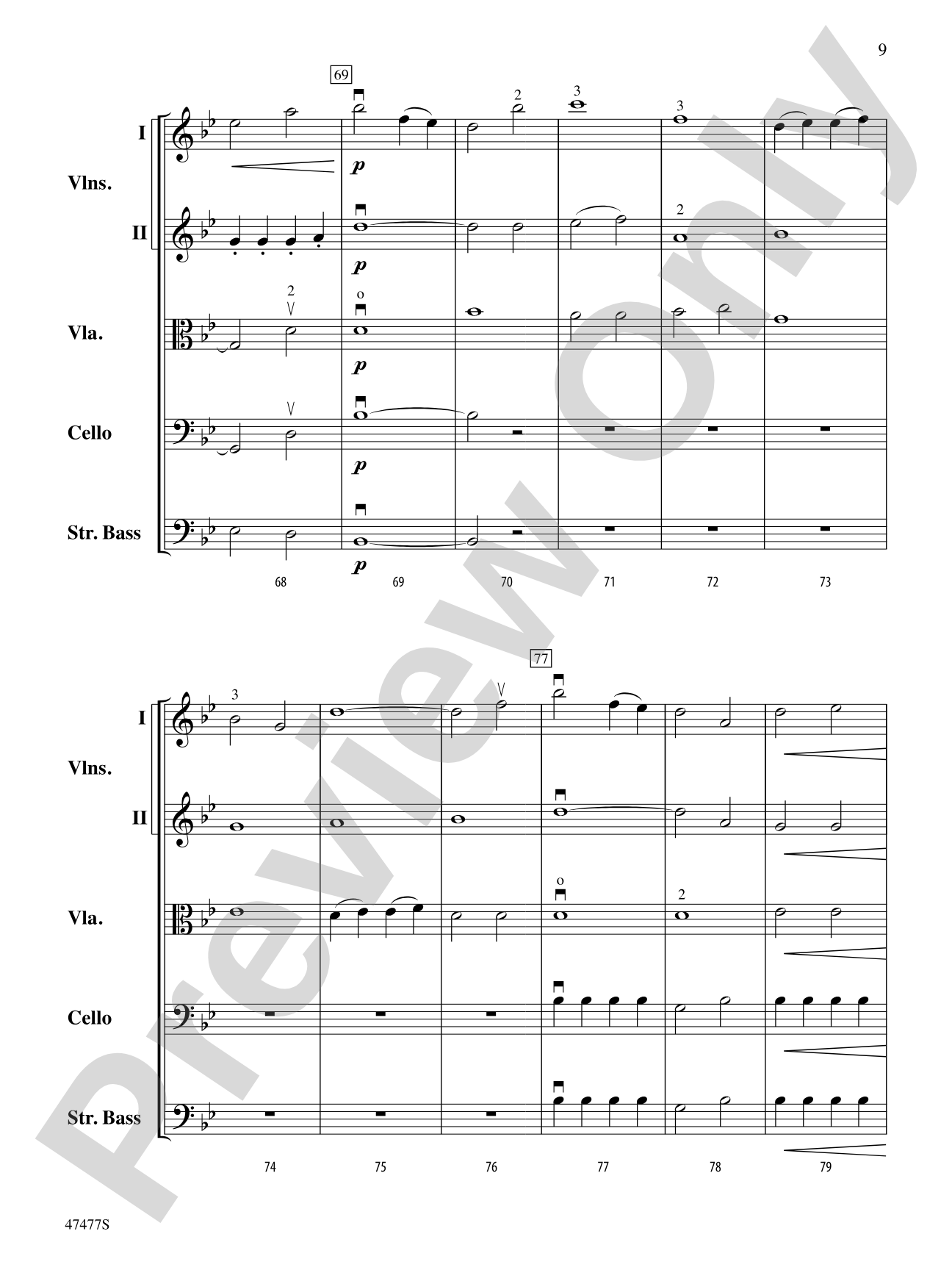
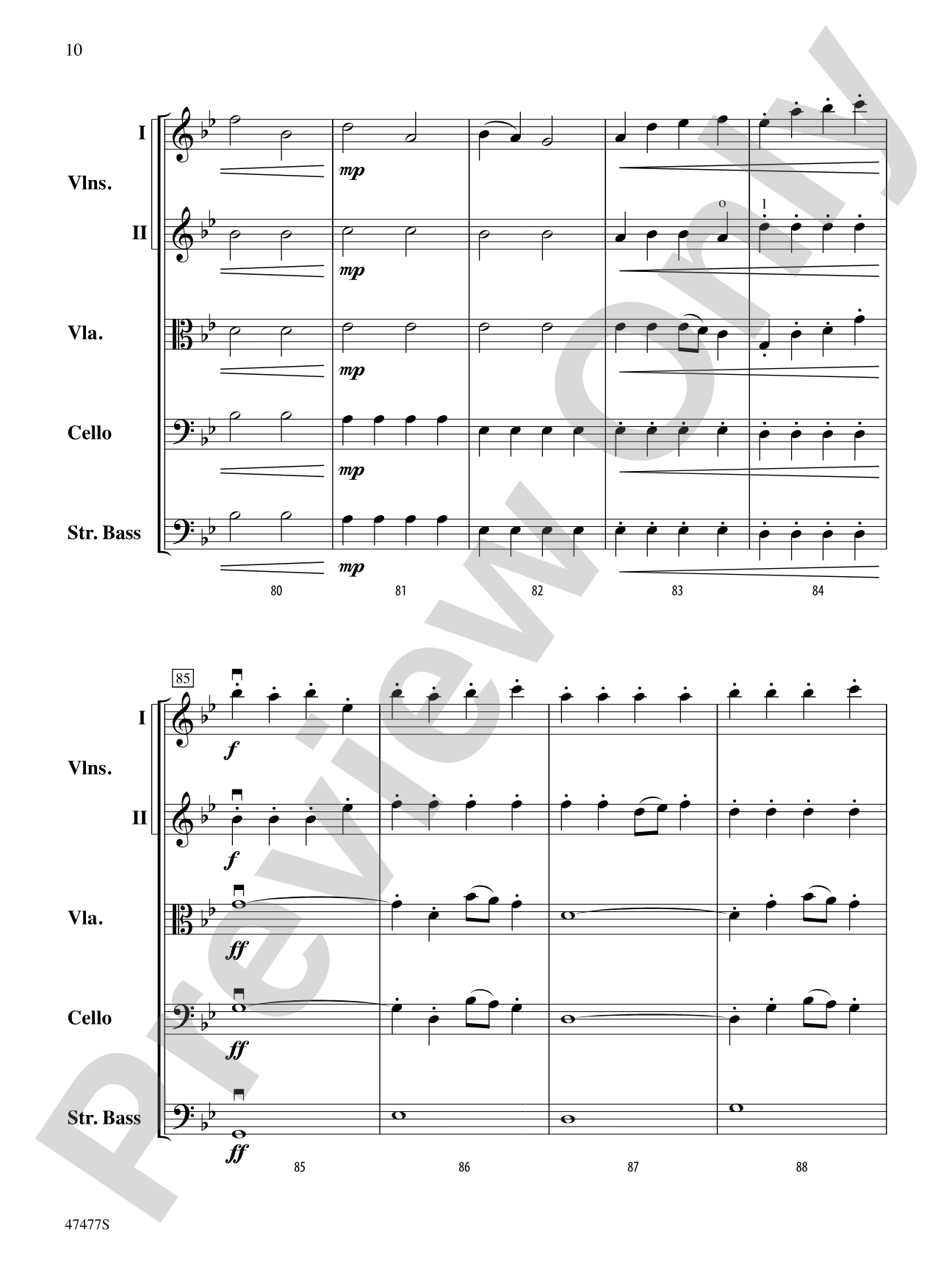
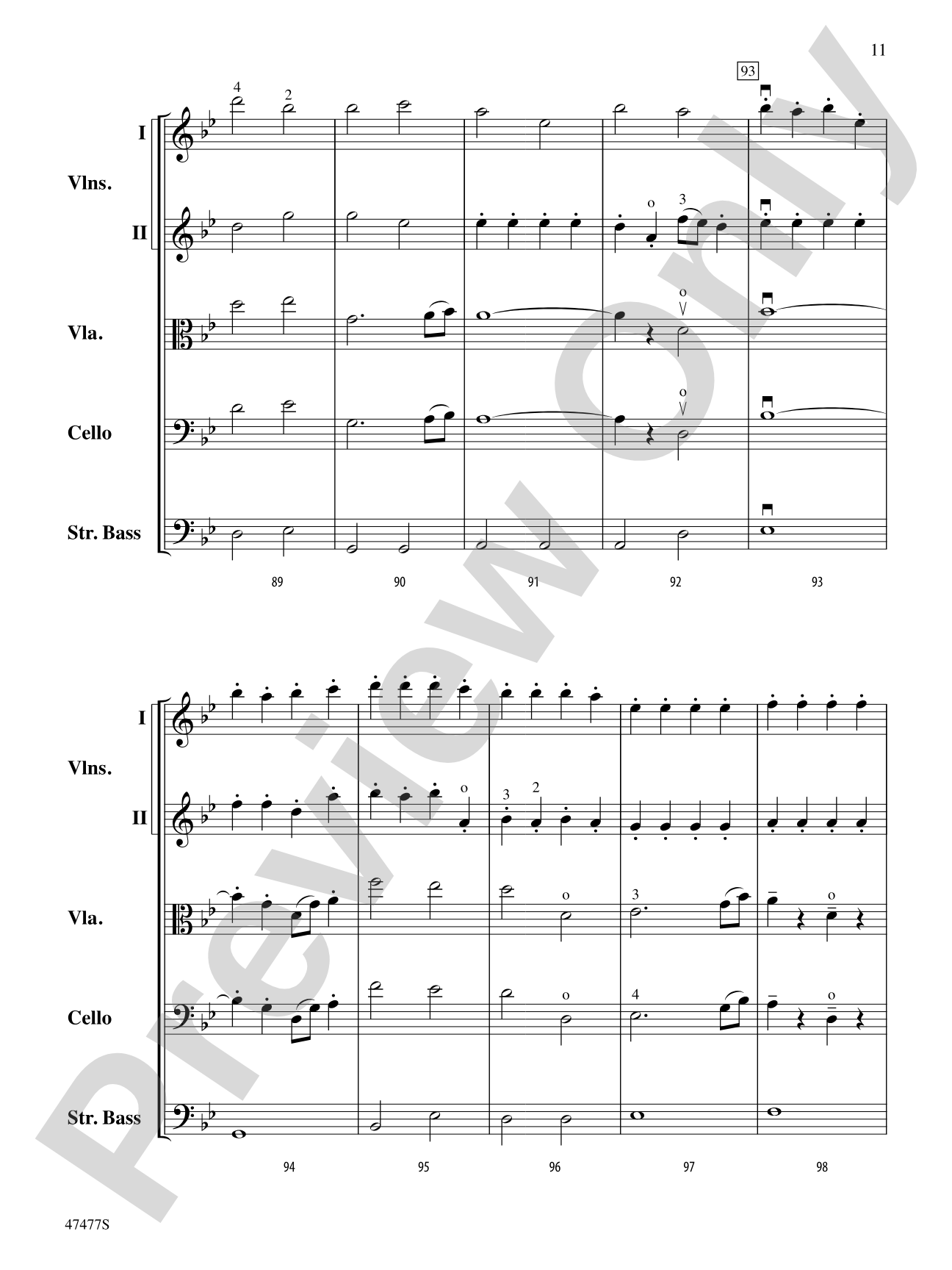
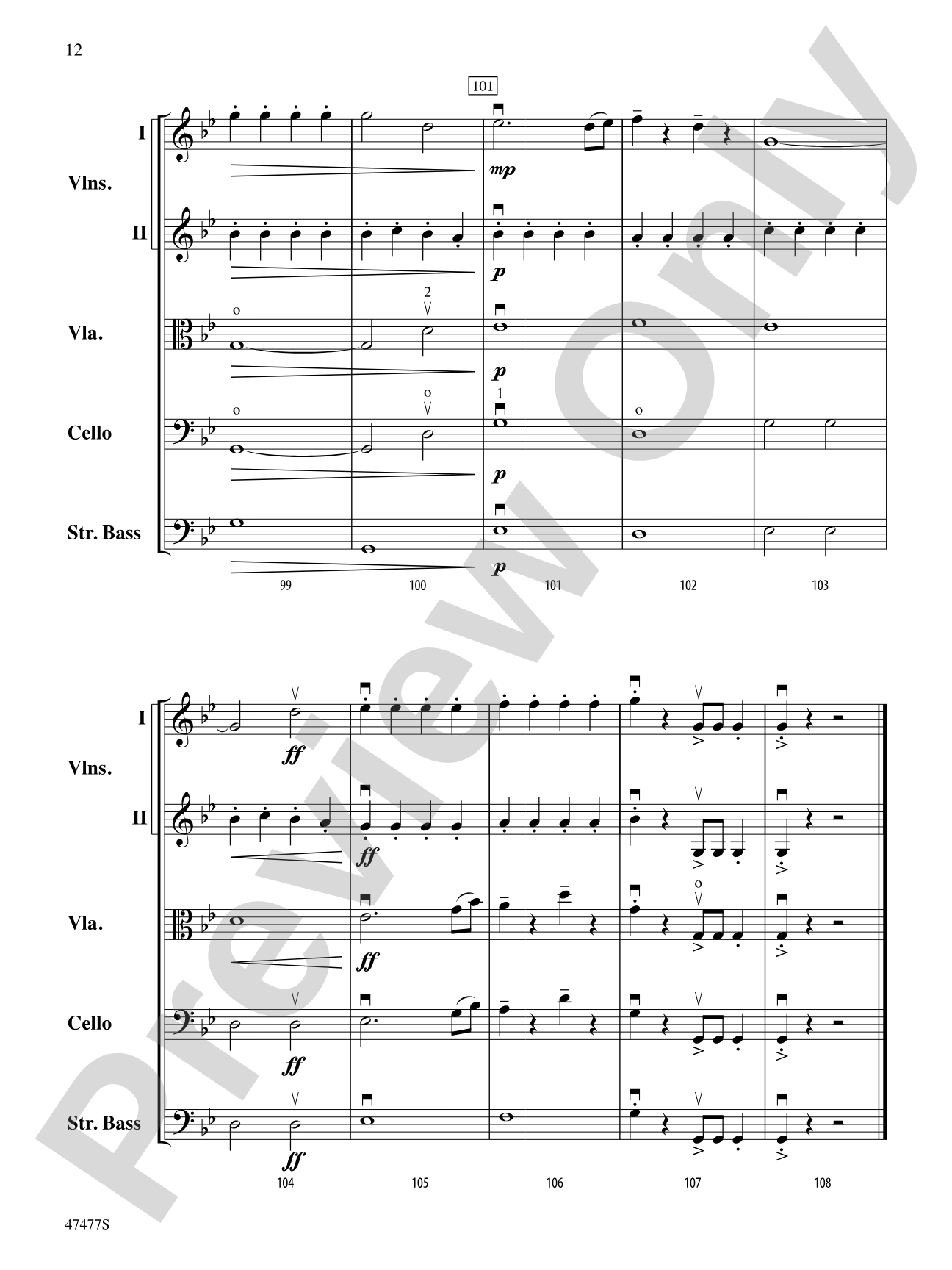

Rubicon: Score
By Doug Spata
Grade: 3
Item: 00-PR-0006210
$9.00
Pickup currently not available
Description
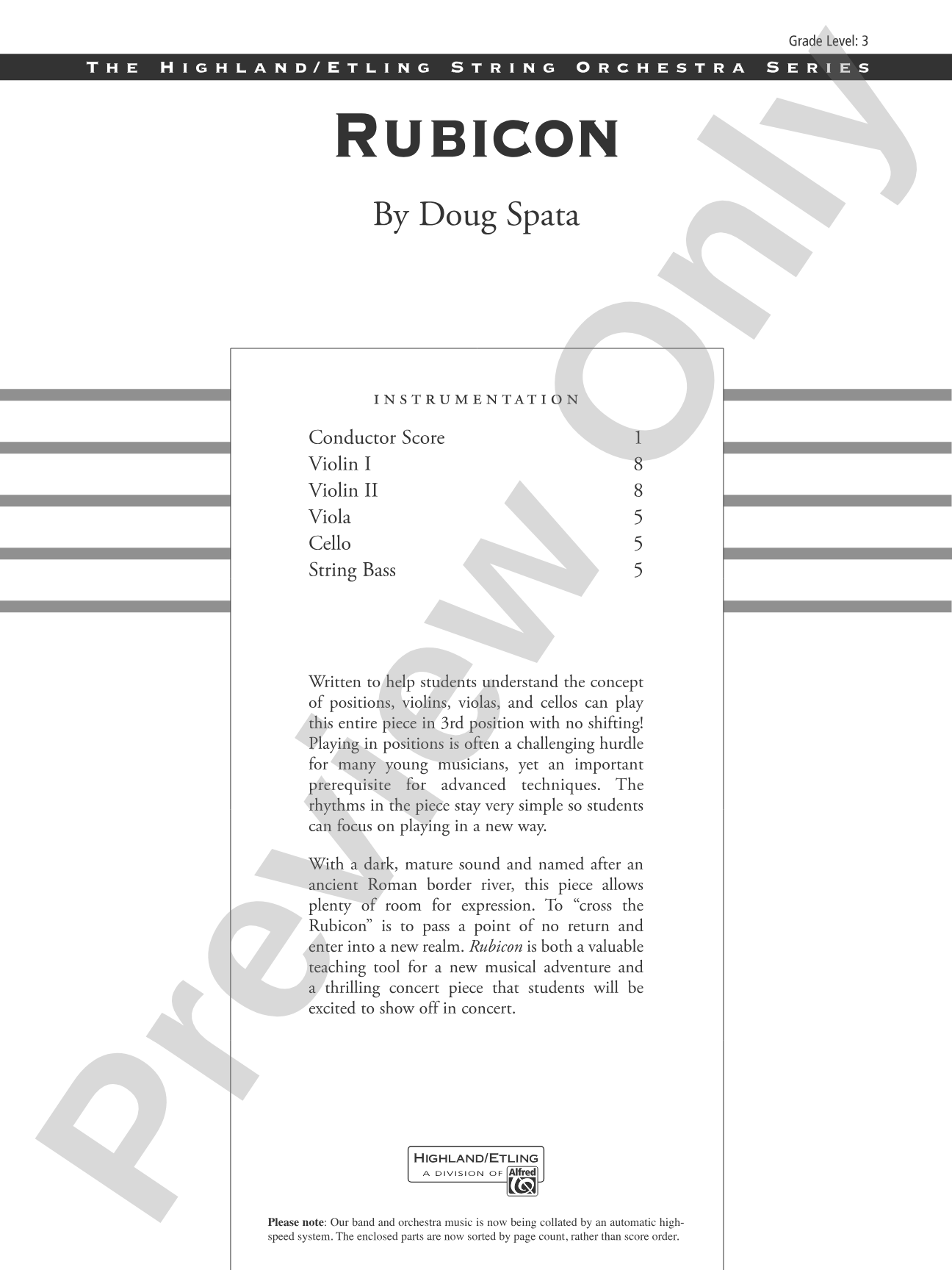
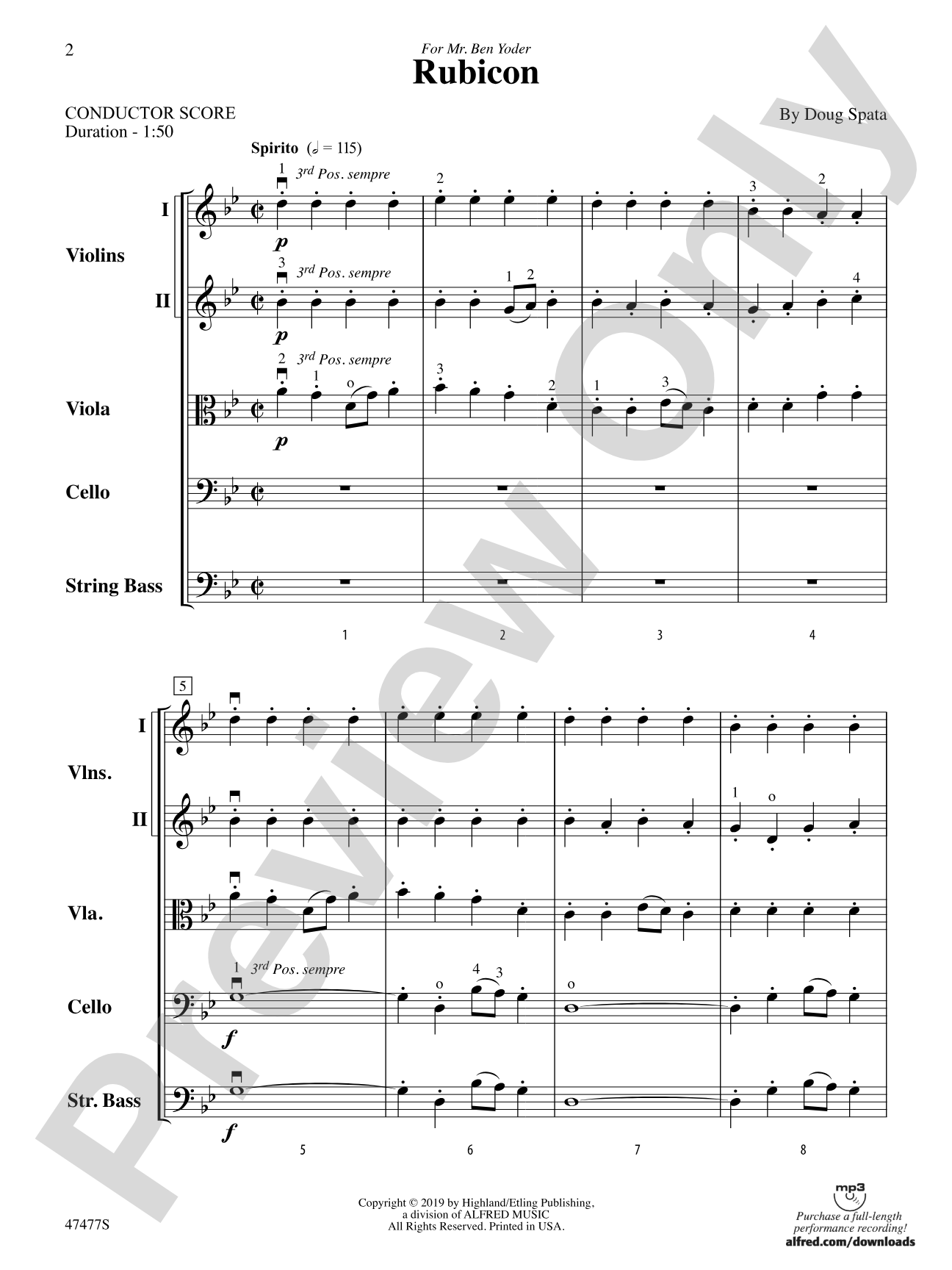
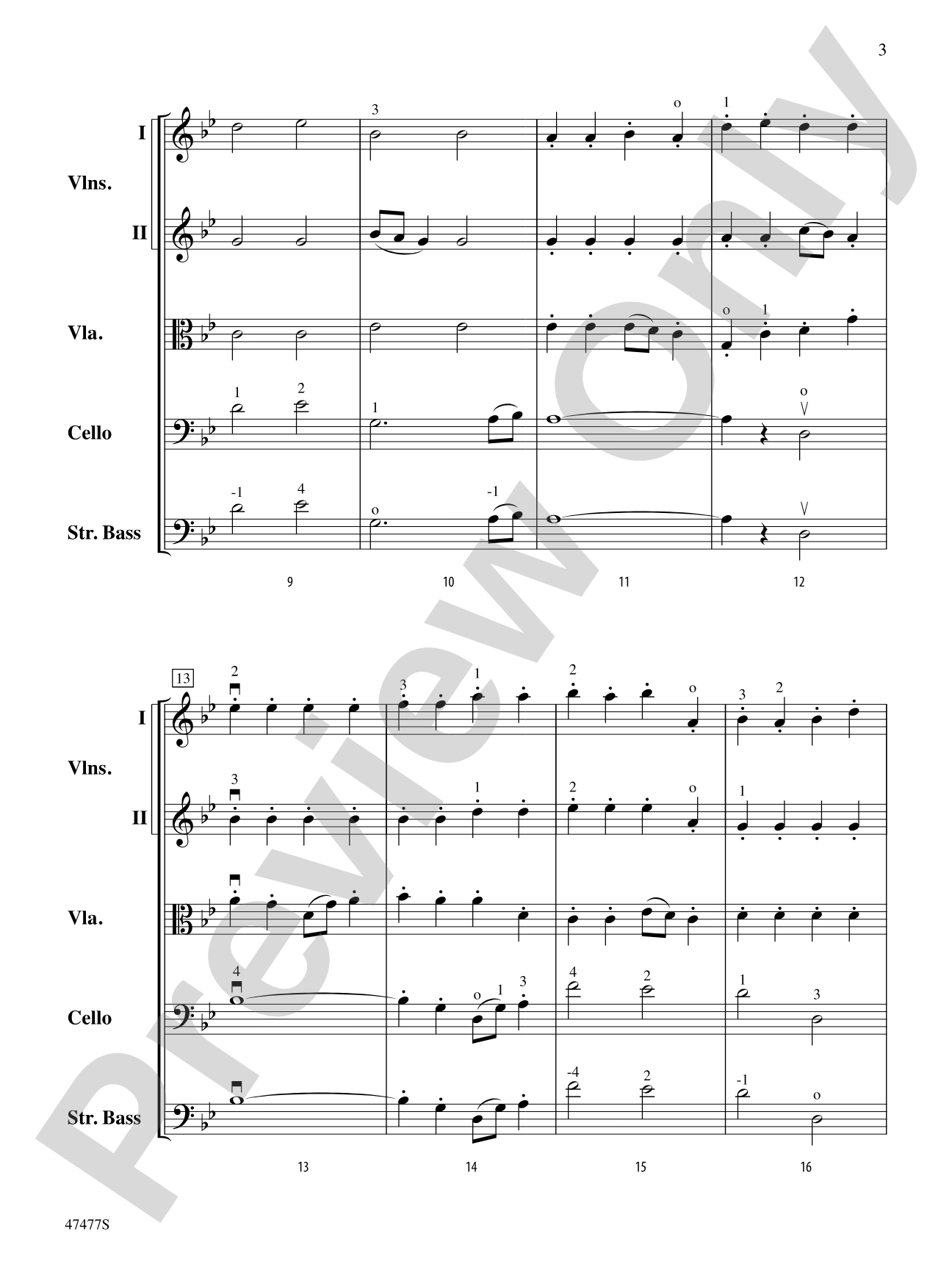
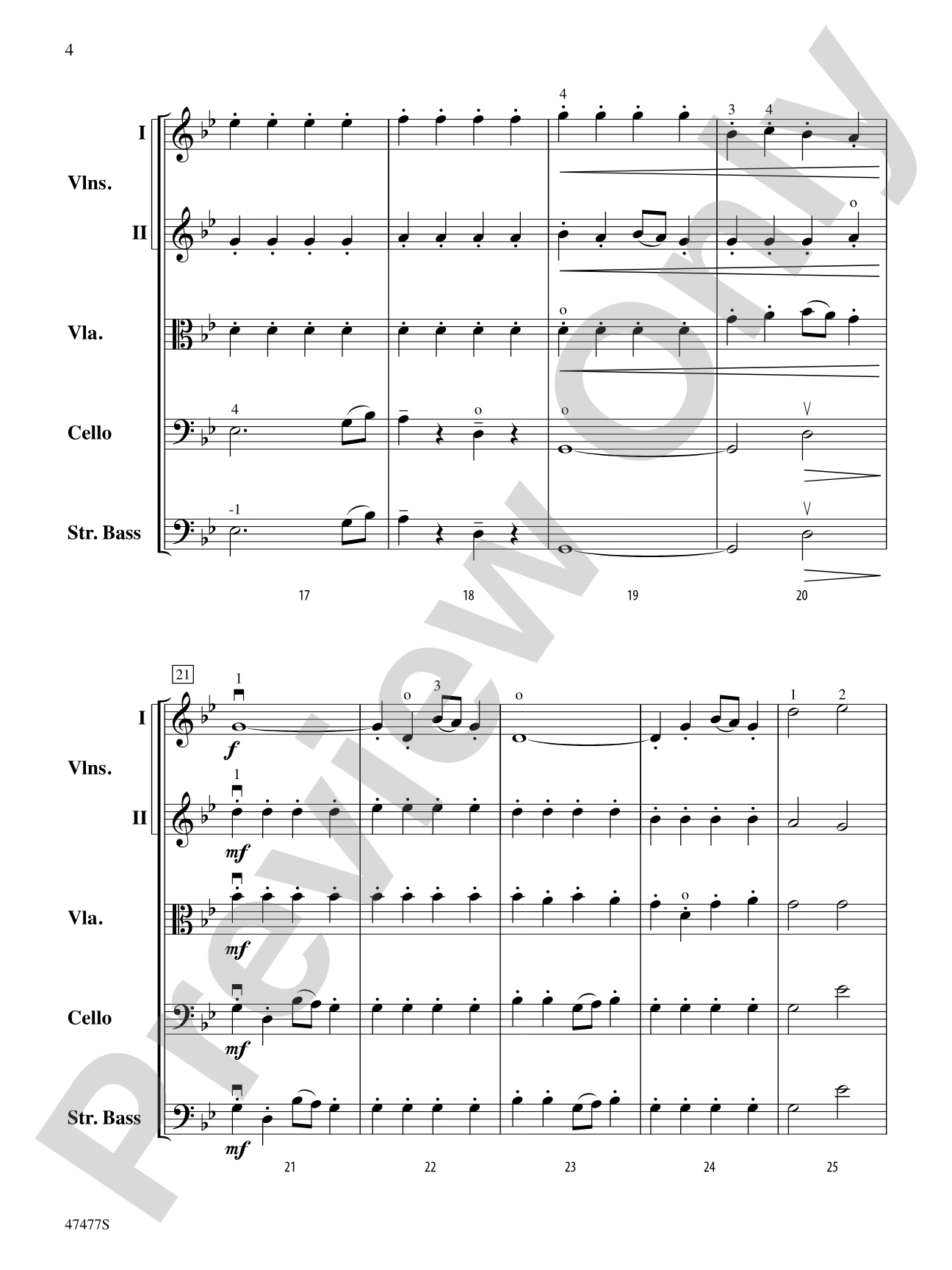
Written to help students understand the concept of positions, this entire piece can be played by the violins, violas, and cellos in 3rd position with no shifting! Playing in positions is often a challenging hurdle for many young musicians yet an important prerequisite for advanced techniques. The rhythms are kept very simple so students can focus on playing in a new way.
With a dark, mature sound and named after an ancient Roman border river, this piece allows plenty of room for expression. To "cross the Rubicon" is to pass a point of no return and enter into a new realm. "This work is both a valuable teaching tool for a new musical adventure and a thrilling concert piece that students will be excited to show off in concert. (1:45)


With a dark, mature sound and named after an ancient Roman border river, this piece allows plenty of room for expression. To "cross the Rubicon" is to pass a point of no return and enter into a new realm. "This work is both a valuable teaching tool for a new musical adventure and a thrilling concert piece that students will be excited to show off in concert. (1:45)
Don't just read it, hear it, play along with it, and watch your students grow with it. In MakeMusic Cloud, Rubicon: Score comes alive with professional accompaniment, adjustable tempo, and built-in practice tools that turn solo practice into real progress.
Open in the Player
Jump straight in and assign it today.
Start Your Free Trial
Open this title and explore the full library in minutes.
Sample Audio
1
Audio File
--:--
0:00
0:00
Sample Video
Additional Details
Series:
Highland/Etling String Orchestra
Publisher:
Alfred Music
Page Count:
124
SKU:
00-PR-0006210
More about this title
About the Composer: Doug Spata

Doug Spata comes to composition with an orchestral educator's perspective. While trained as a clarinetist, his years in the string classroom shaped his voice as a composer, leading him to focus primarily on works for strings. His distinctive writing has earned recognition from teachers and audiences nationwide, with performances spanning concert halls across the U.S. and internationally.
Beyond student repertoire, Spata has composed operas, ballets, symphonies, and chamber works for ensembles of all sizes. His award-winning catalog reflects both his deep understanding of young musicians' needs and his ambition as a concert music creator.
Why we love this
Rubicon solves a real pedagogical problem without sacrificing musicality. Most position-based pieces feel like etudes, but Spata delivers a concert-ready work with genuine dramatic weight, so students feel they're performing a real composition rather than a technical exercise. The maturity of the sound lets you program it confidently on a festival or concert without worrying about it sounding like a drill.
What to expect
Dark and purposeful, with a sense of crossing into uncertain territory. The simple rhythmic framework creates space for rich harmonic color, and the mature character gives young players permission to play with restraint and depth rather than brightness.
Who it's for
String orchestras at the early intermediate level who are ready to tackle position work with a piece that justifies the effort. Directors working with students in grades 4-6 will find this especially valuable as a gateway to higher positions and more sophisticated repertoire.
How to get the most out of it
- Spend rehearsal time exploring the range of dynamics marked in the score. Even though the rhythms are straightforward, the piece demands nuance from the very first entrance, so students won't coast on simplicity.
- Invest in teaching consistent finger placement within 3rd position before running through measures. Five minutes on hand position accuracy will prevent frustration and unlock the confident tone that makes this piece shine.
- Balance the lower voices carefully in the tutti sections. Violas and cellos in 3rd position can disappear under lighter violin texture; they need deliberate support in the mix to reveal the harmonic depth Spata built in.
How to use it
Program Rubicon as your anchor piece in a concert focused on position study or technical growth. The 1:45 length fits well in festival showcases, and pairing it with lighter, more lyrical work creates a compelling arc that demonstrates your ensemble's range.
Skills your students will build
- Playing consistently in 3rd position without shifting
- Sustaining accurate intonation across an extended range in a single position
- Balancing ensemble sound with limited shifting flexibility
- Interpreting expressive markings while managing technical demands
- Maintaining rhythmic clarity in simple meters