

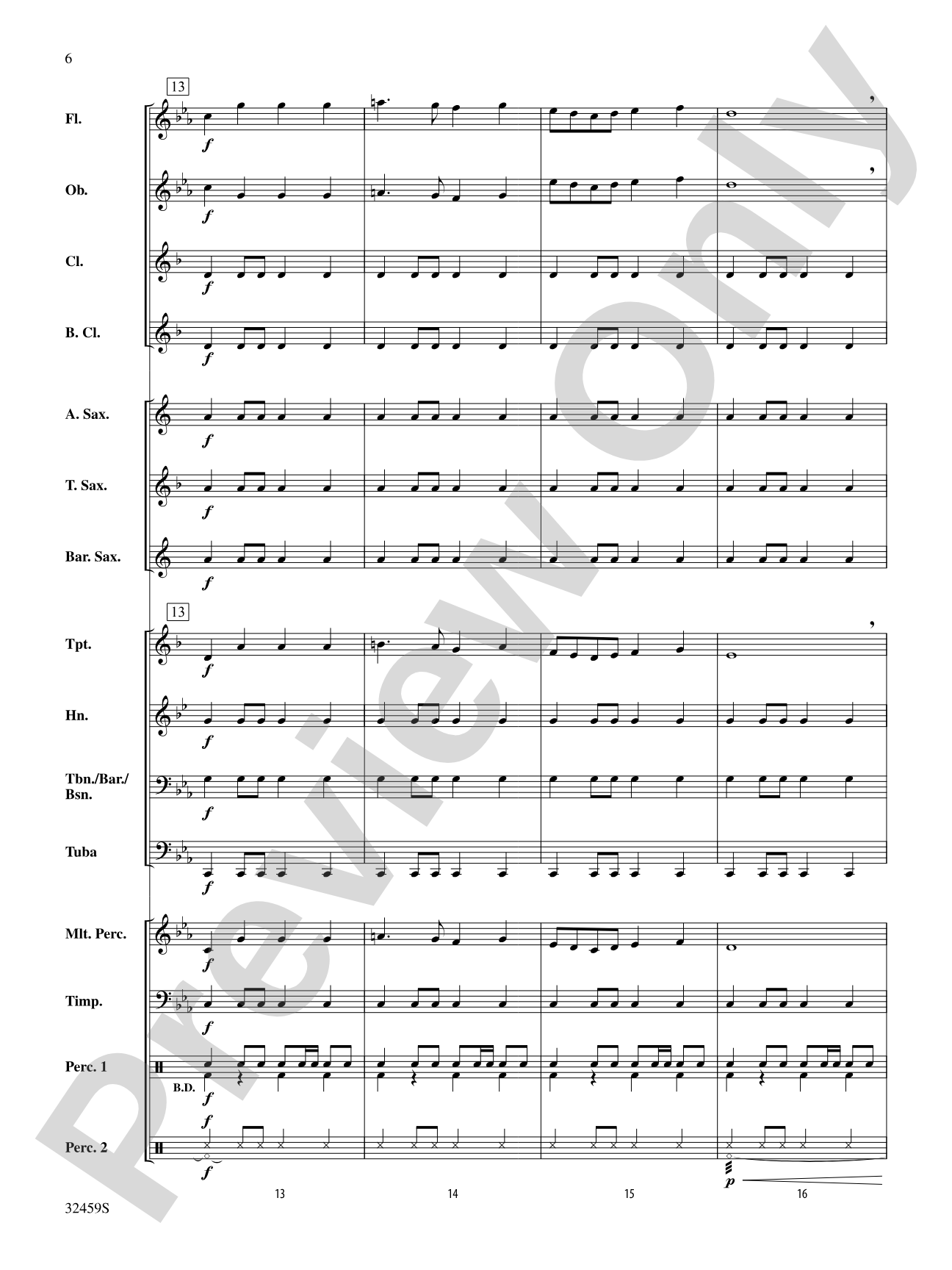
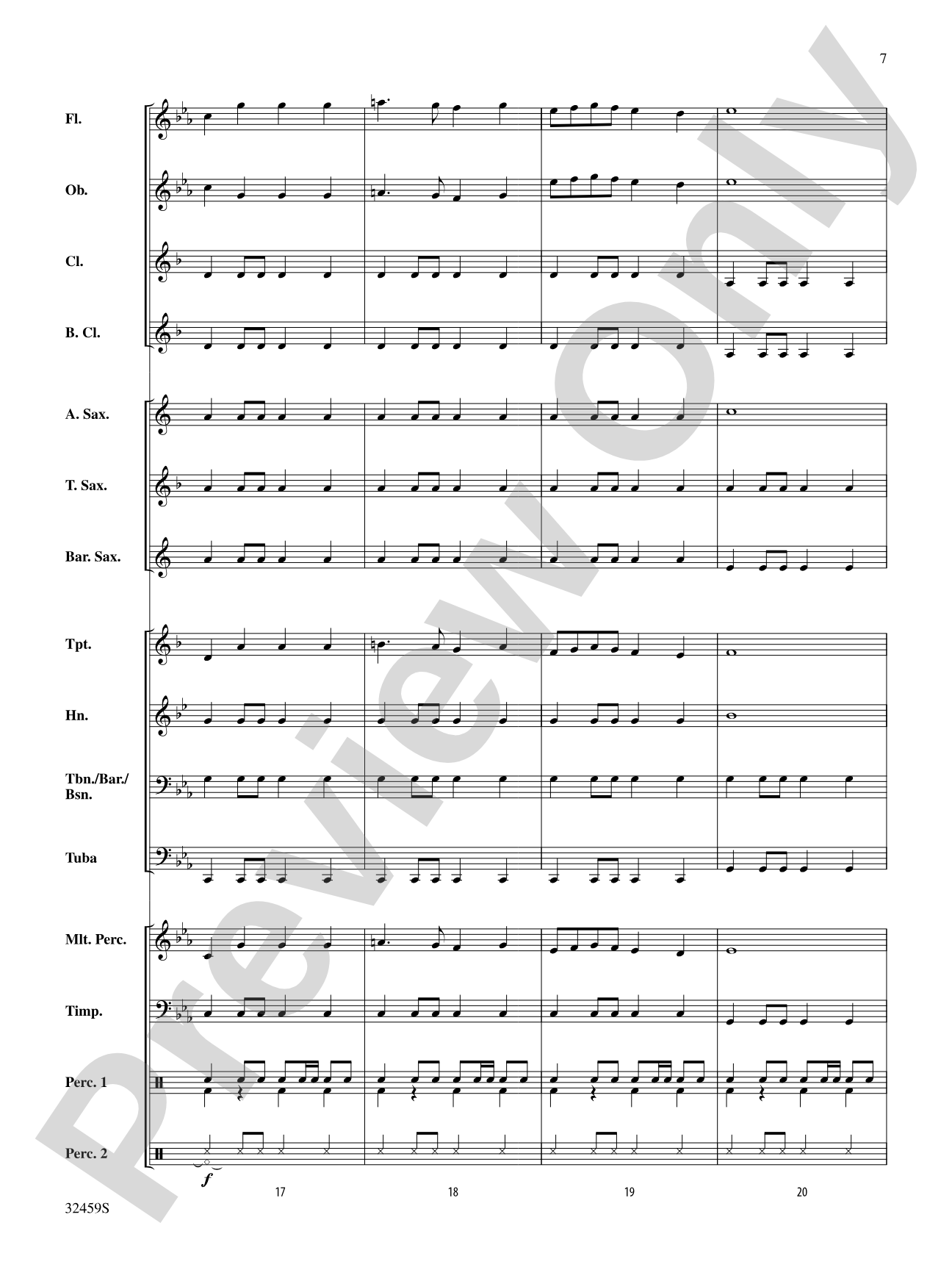
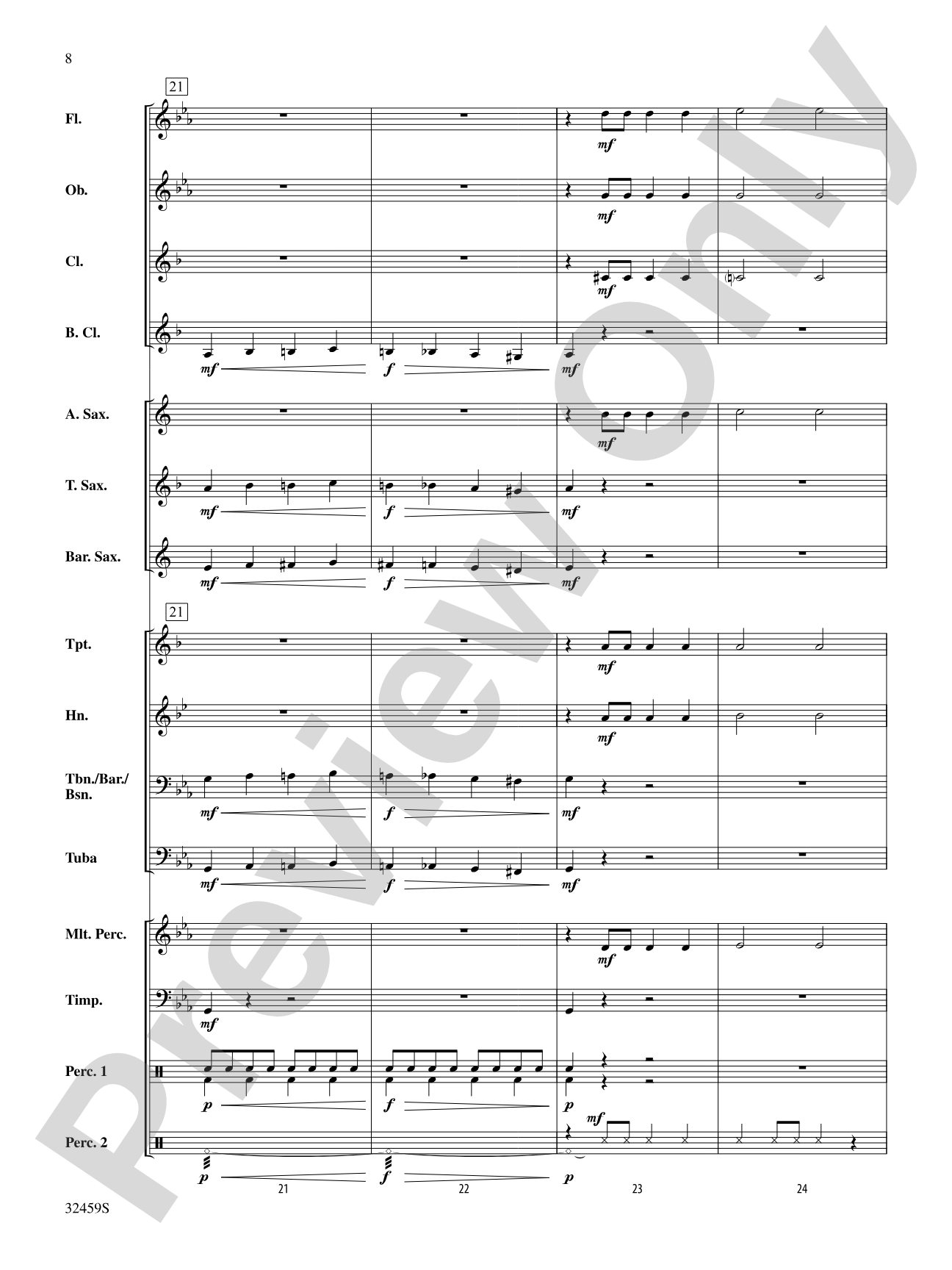
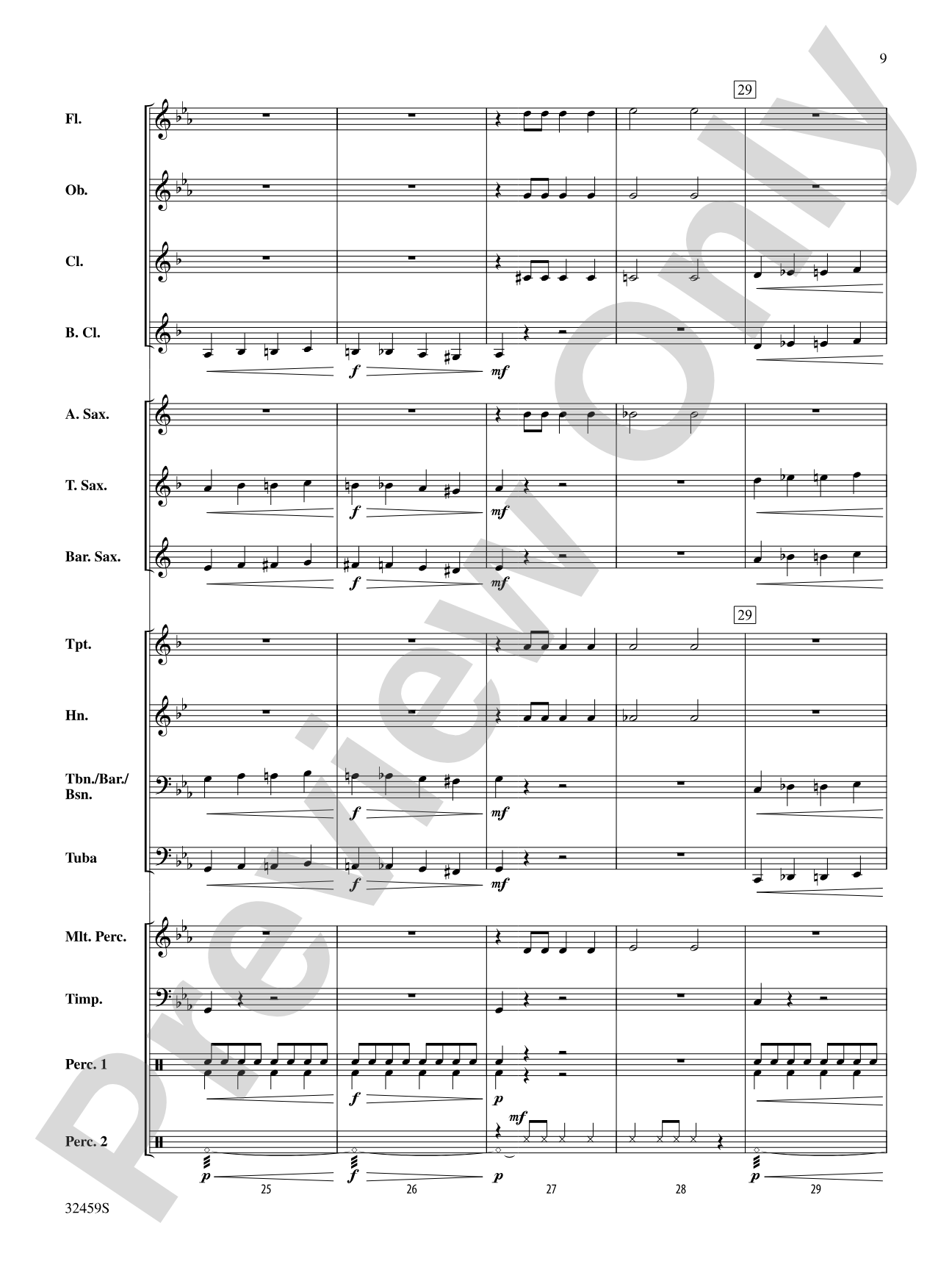
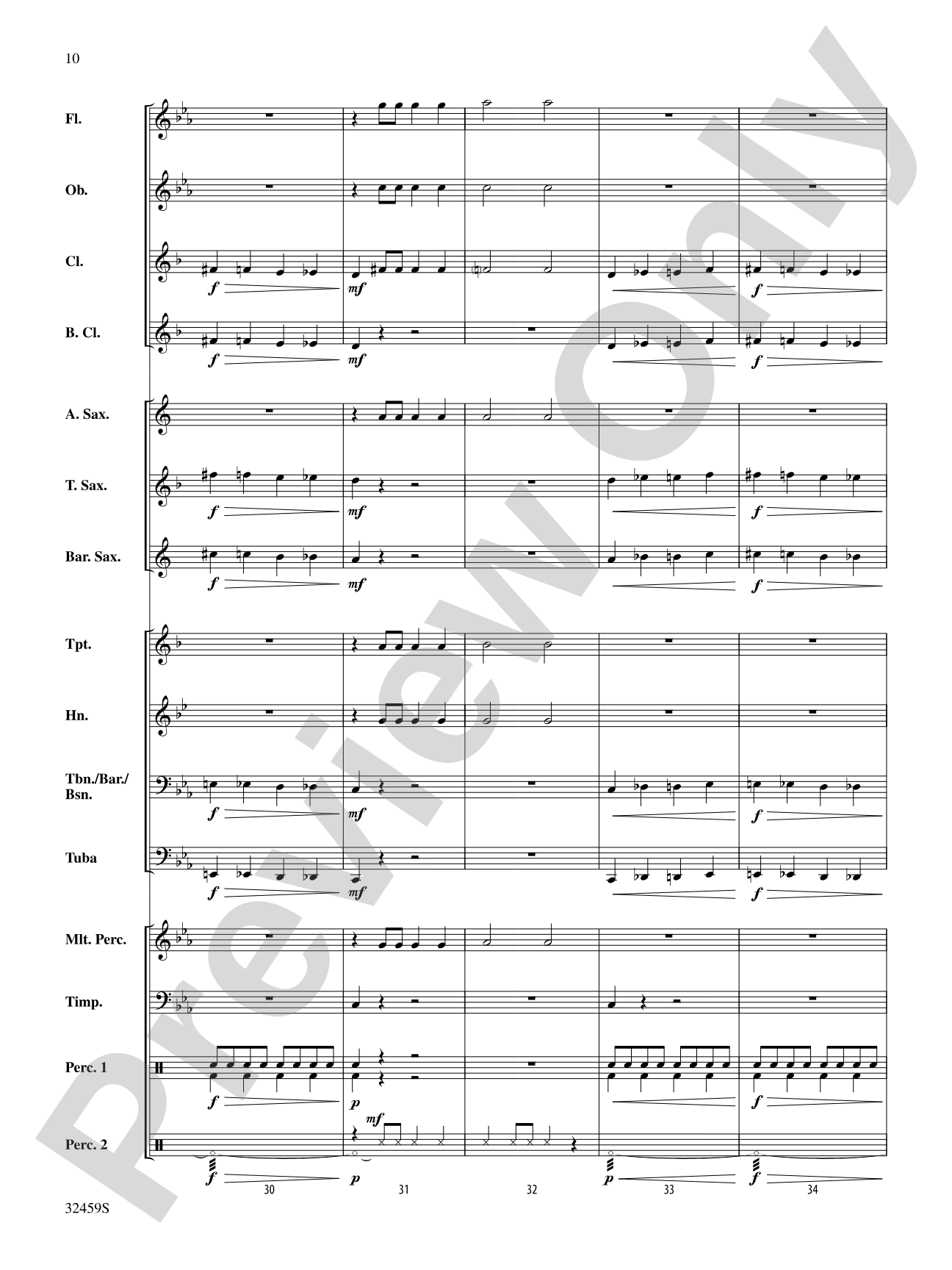
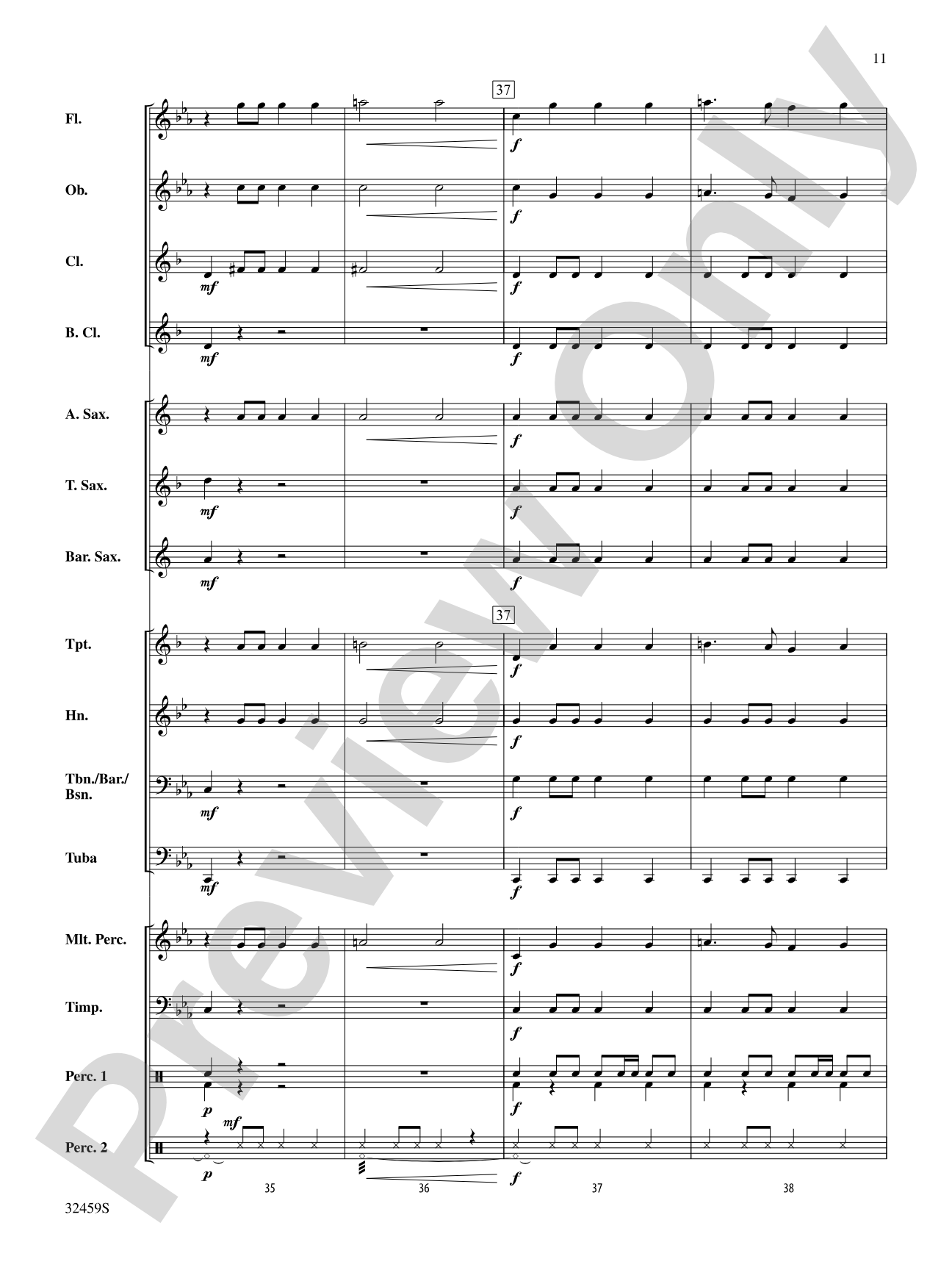
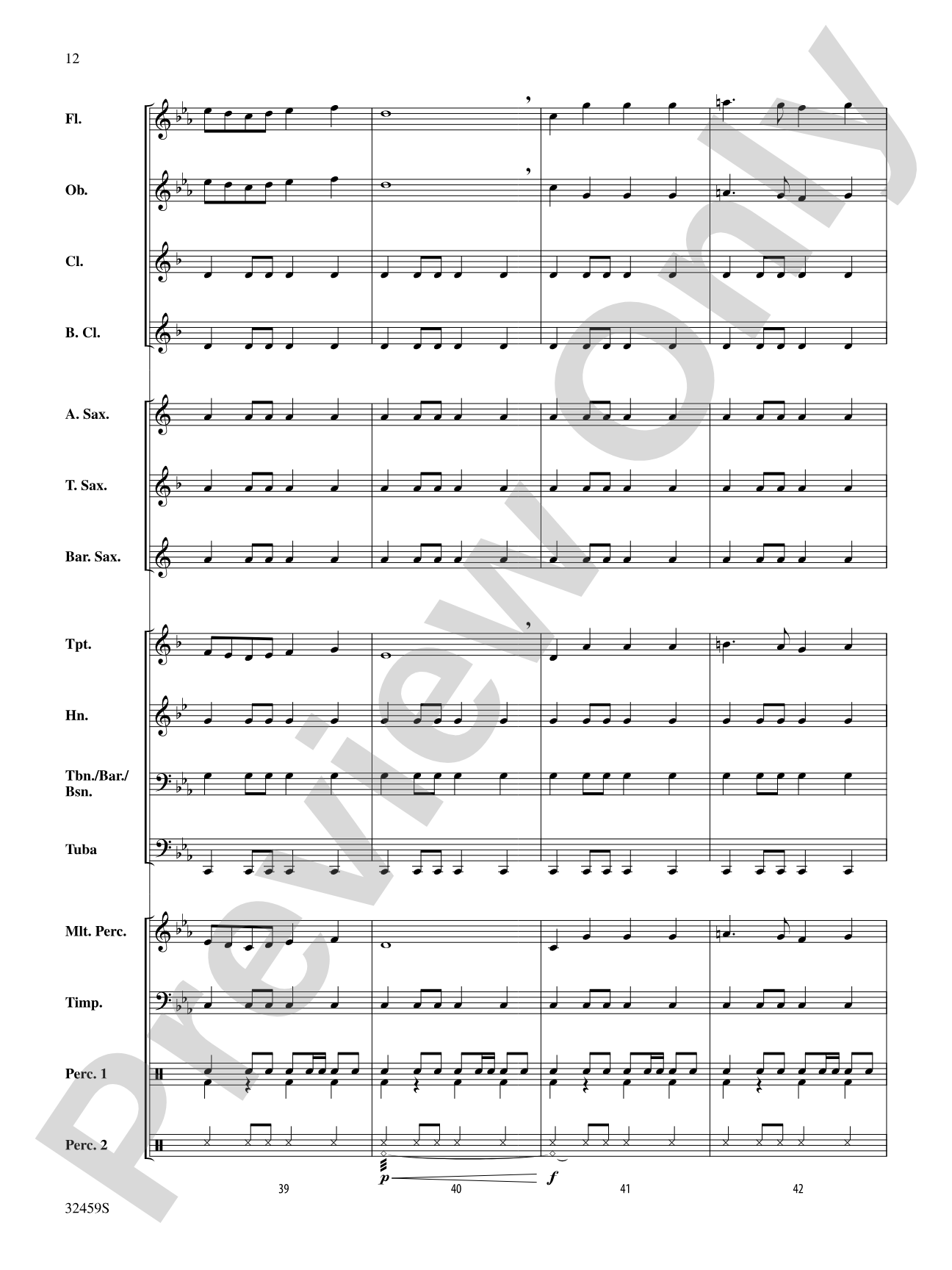
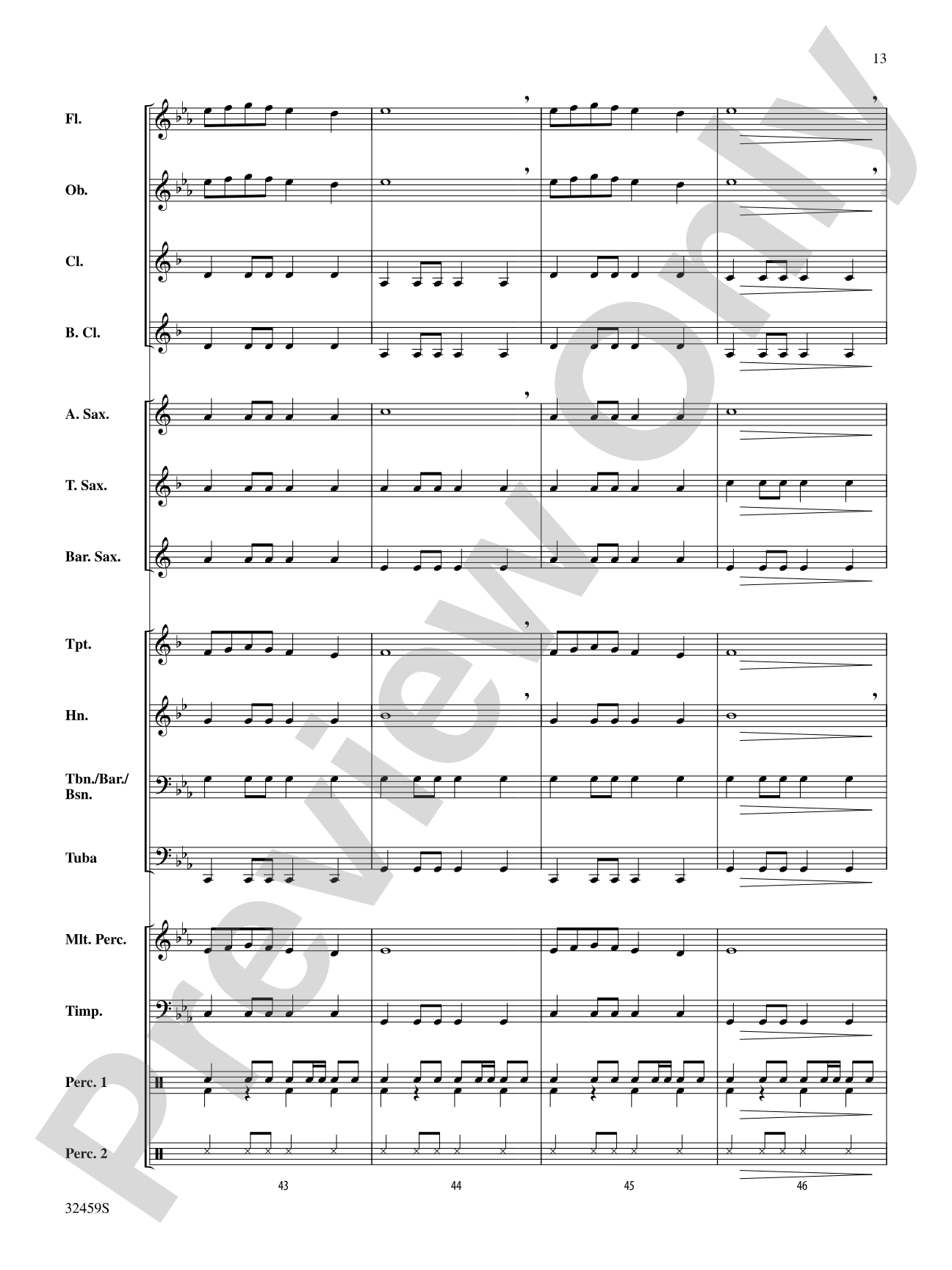
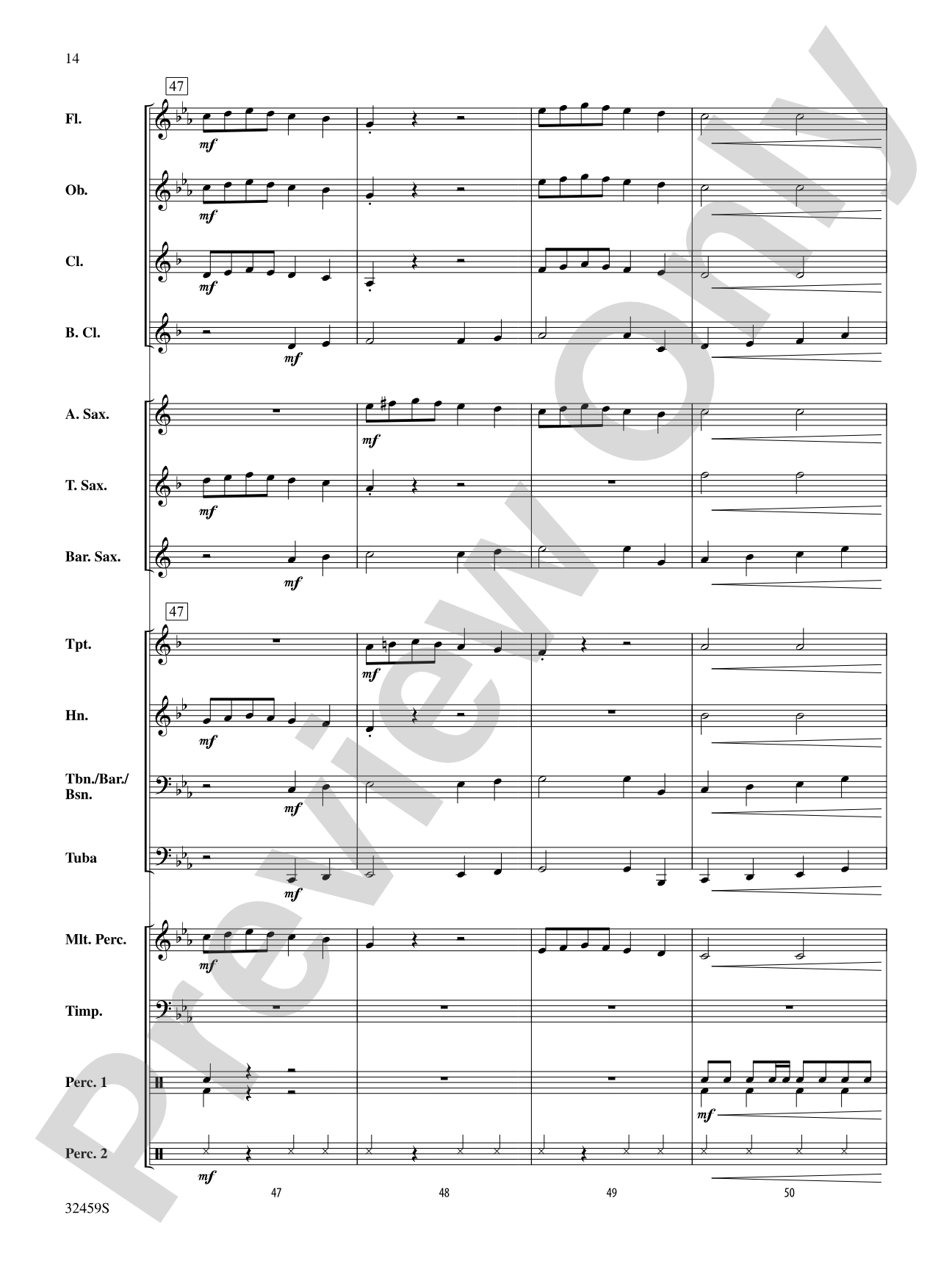
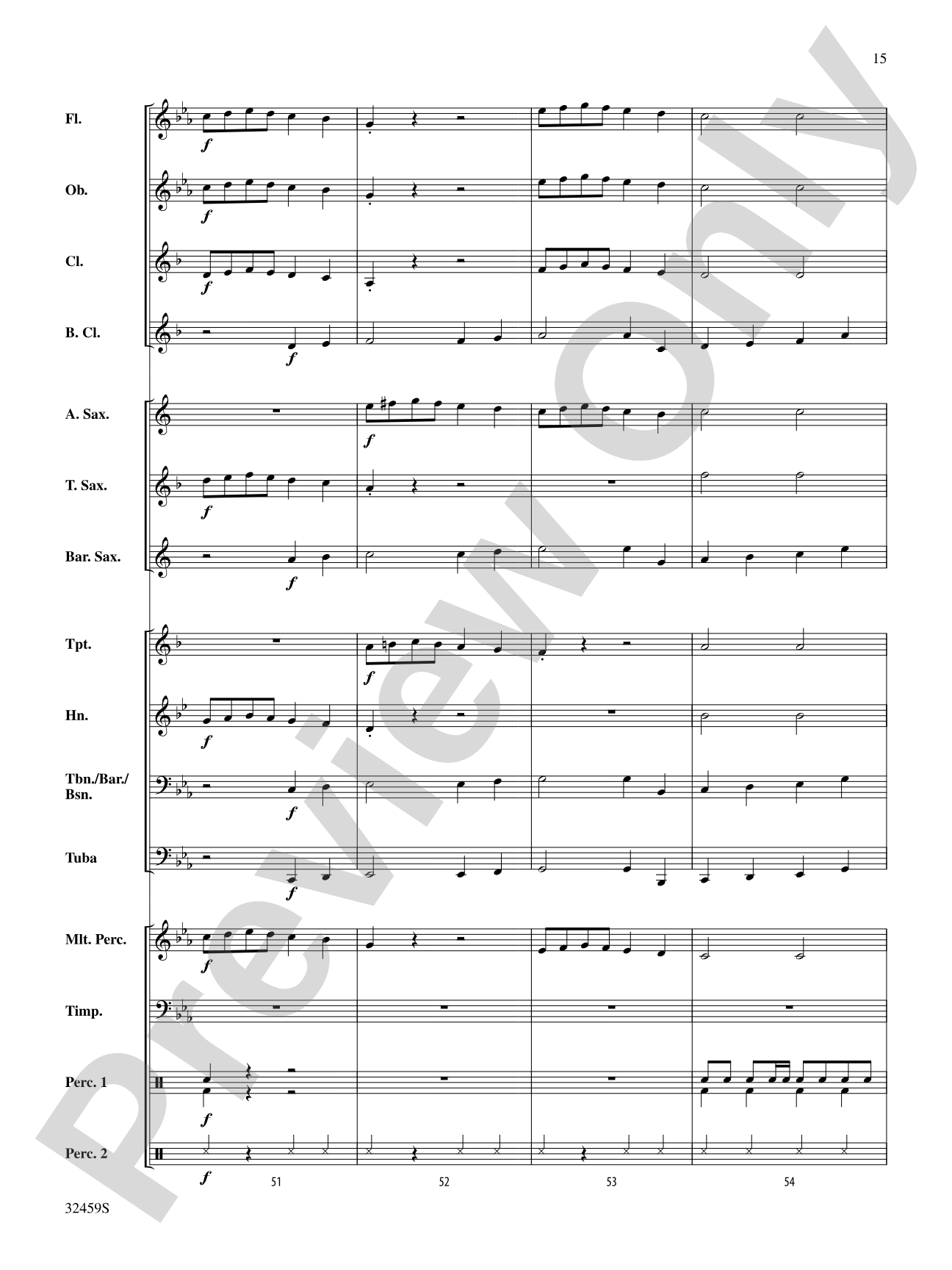
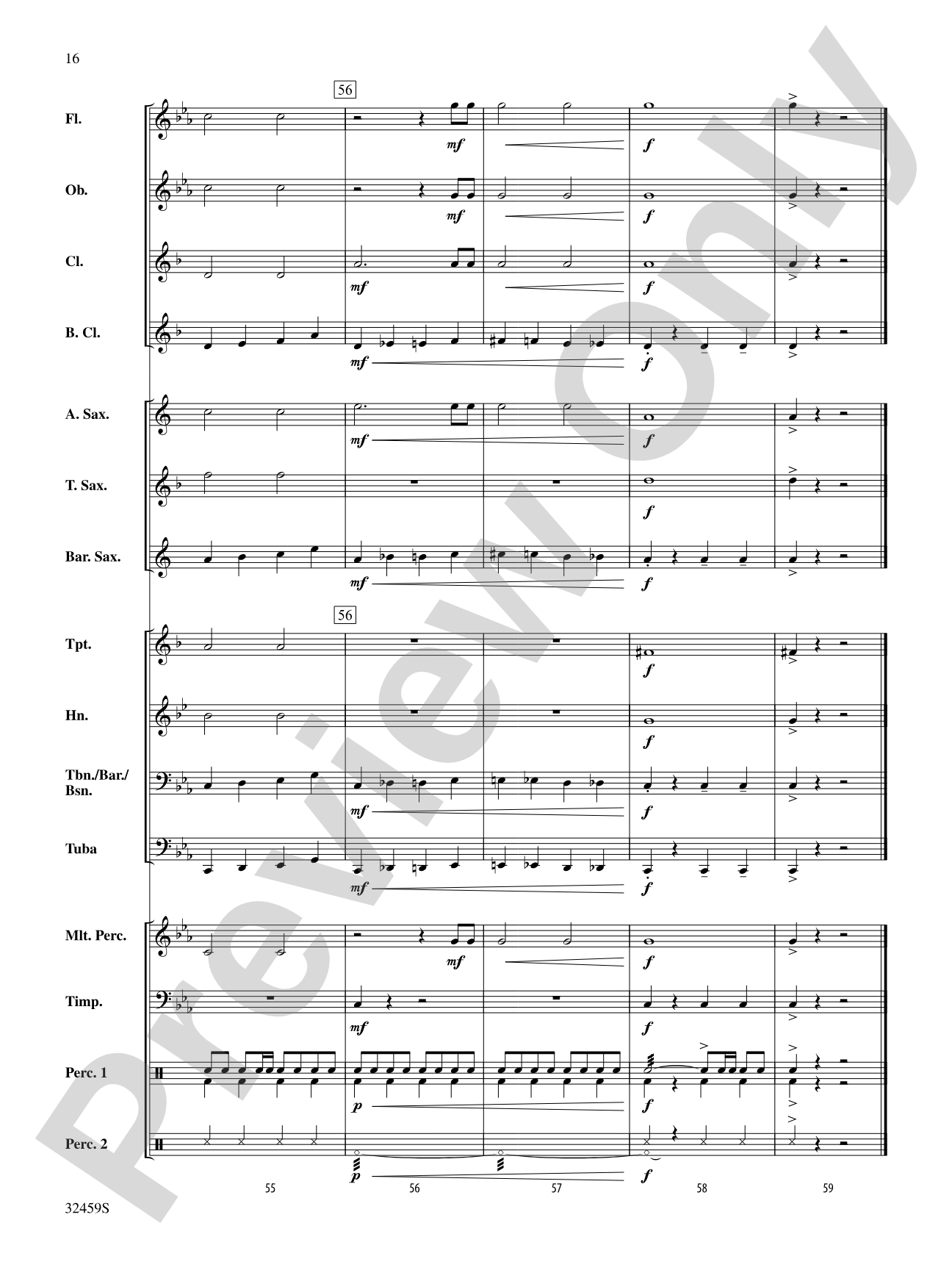

Royal March of the Lion: Score
From The Carnival of the Animals
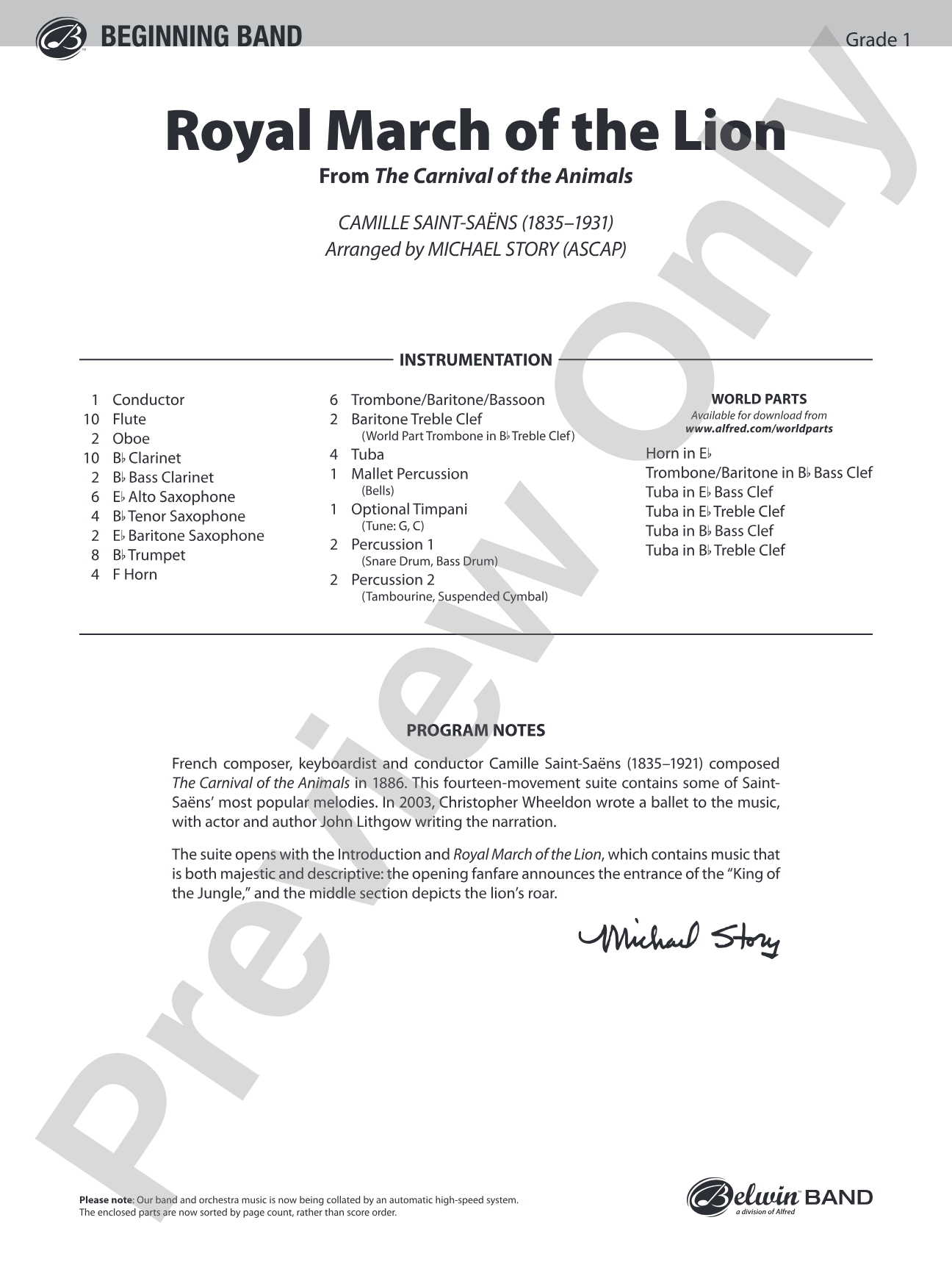
By Camille Saint-Saëns / arr. Michael Story
Grade: 1 (Very Easy)
Item: 00-PR-0002664
$8.00
Pickup currently not available
Description
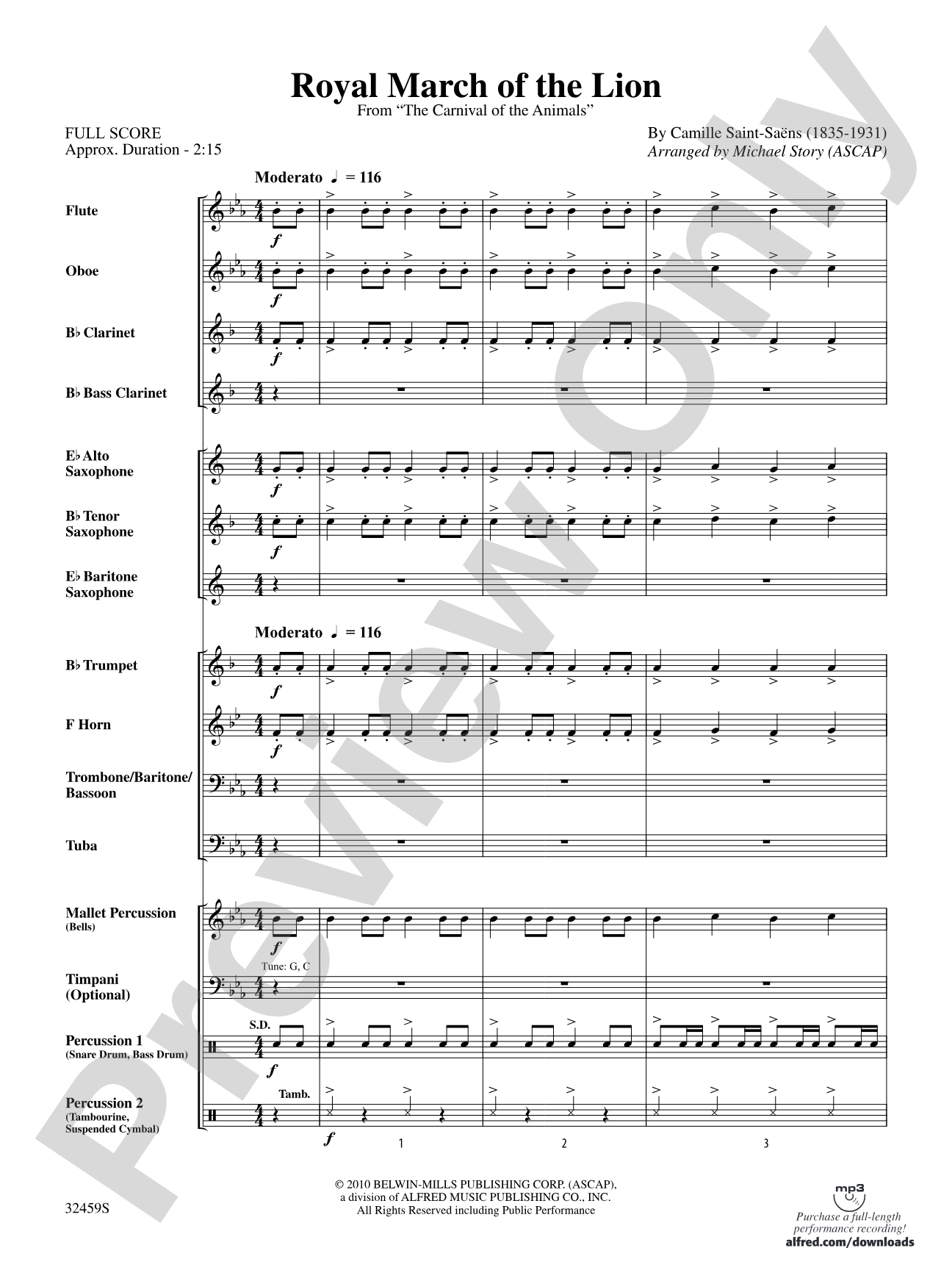
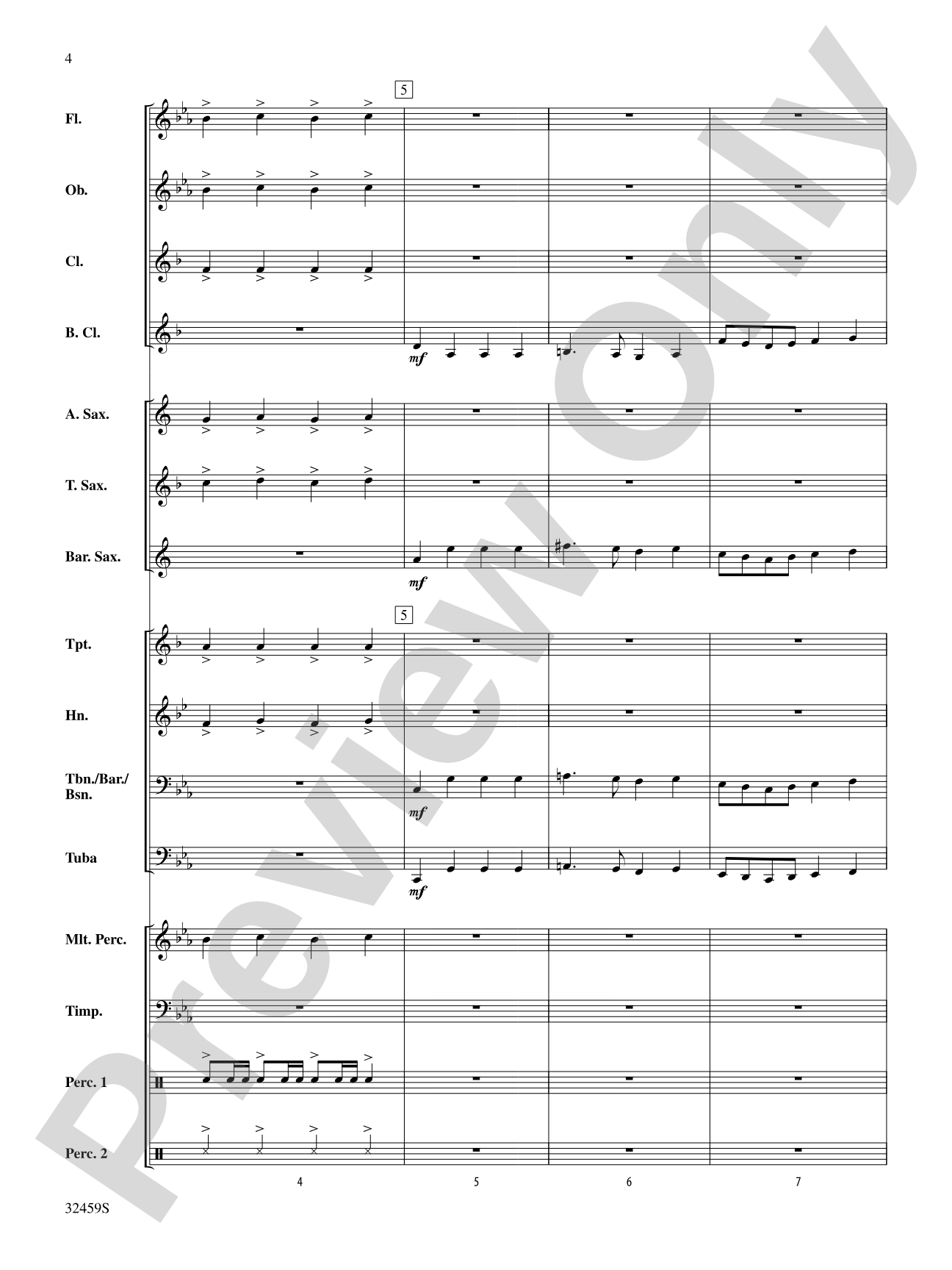
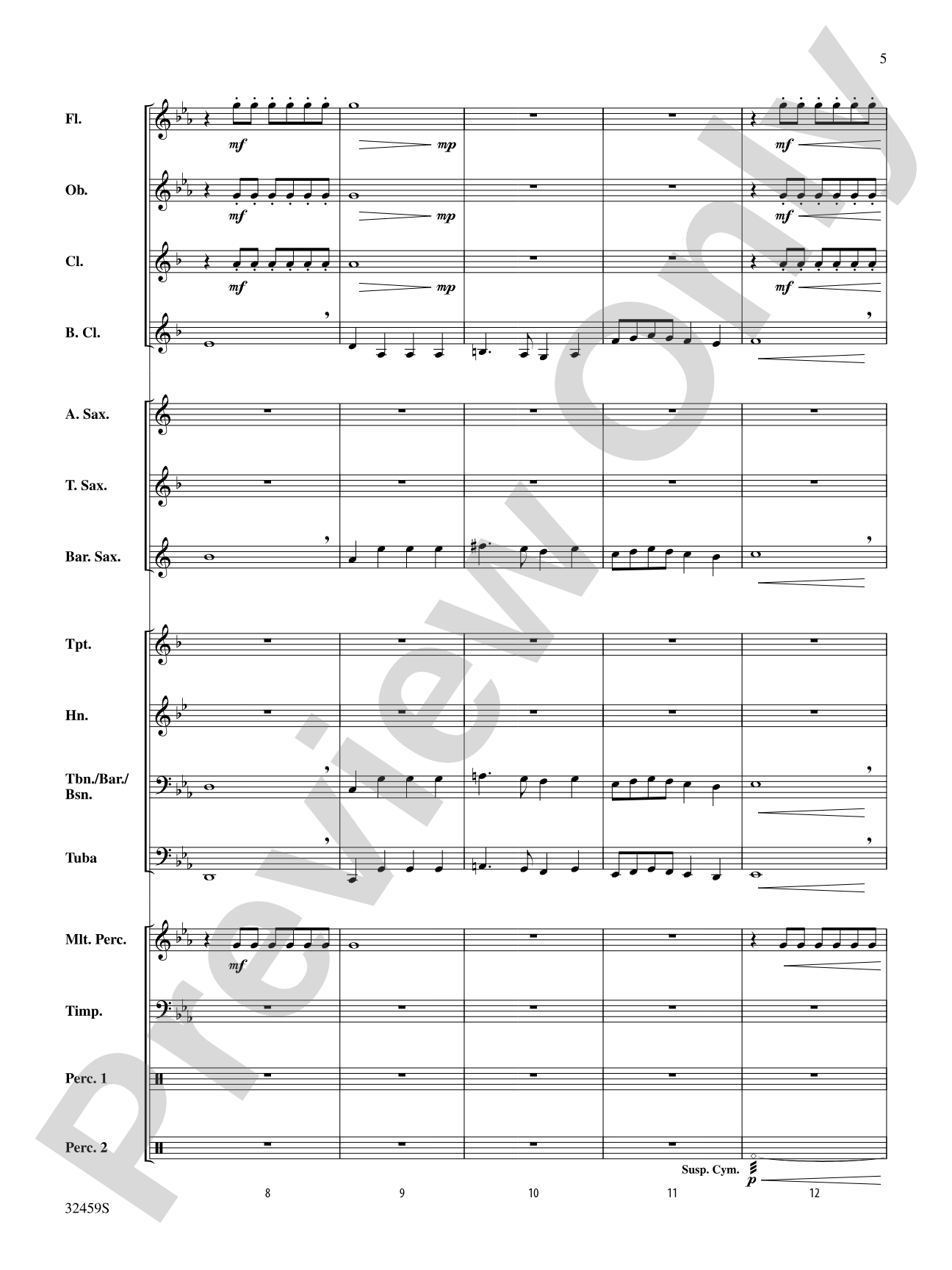
Crafting a charming beginning transcription of this march from Saint-Sean's "Carnival of the Animals," Michael Story has captured the grandeur of the king of the jungle. The work is majestic and descriptive with a fanfare-like opening. Make your beginners sound impressive with this dynamic scoring!


Don't just read it, hear it, play along with it, and watch your students grow with it. In MakeMusic Cloud, Royal March of the Lion: Score comes alive with professional accompaniment, adjustable tempo, and built-in practice tools that turn solo practice into real progress.
Open in the Player
Jump straight in and assign it today.
Start Your Free Trial
Open this title and explore the full library in minutes.
Sample Audio
1
Audio File
--:--
0:00
0:00
Sample Video
No sample videos found.
Additional Details
Series:
Belwin Beginning Band
Publisher:
Alfred Music
Page Count:
132
SKU:
00-PR-0002664
More about this title
About the Composer: Camille Saint-Saëns
Camille Saint-Saëns (1835-1921) was a French Romantic composer of extraordinary technical facility and prolific output. His works span symphonies, concertos, operas, and chamber music, yet he remains best known to young musicians through "Carnival of the Animals," a zoological fantasy that delights audiences and students alike with its wit, orchestration, and memorable melodies.
Why we love this
Michael Story's transcription distills the iconic lion theme into a Grade 1 arrangement that lets young bands deliver a polished, recognizable masterwork without overwhelming technical demands. The fanfare-like opening and majestic scoring create an immediate impression of accomplishment, making this an ideal early-season or concert-opening selection that engages both players and audiences.
What to expect
Regal and theatrical, with the grand entrance of a creature commanding respect. The march unfolds with dignified poise, its brass-driven melody conveying strength and nobility while remaining accessible and genuinely enjoyable for young musicians to perform.
Who it's for
Beginning and early intermediate concert bands (Grade 1) looking for a piece that sounds polished and ambitious without demanding extensive rehearsal. This arrangement works for young ensembles eager to perform recognizable classical literature and for directors seeking material that builds confidence alongside musicianship.
How to get the most out of it
- Shape the opening fanfare with clear articulation in the brass; the grandeur depends on crisp attacks rather than volume alone.
- Maintain steady pulse during the march section; young players often rush when excited by the forward momentum.
- Let the melody soar in the upper voices without drowning it in accompaniment; balance is key to revealing Saint-Saëns' vocal writing.
- Use dynamic contrasts to paint the lion's character: bold and confident in the strong sections, slightly recessed in gentler passages that follow.
How to use it
Open a concert with this to establish energy and polish from the first piece, or use it to bridge a classical-themed program by pairing it with other Romantic-era selections. At Grade 1 difficulty, it fits naturally in early-season performances where you want to showcase your ensemble's growth without overshadowing newer musicians.
Skills your students will build
- Balanced blend between melody and accompaniment in mixed ensembles
- Phrasing and shaping in a march-like form
- Dynamic contrast and expressive playing at an introductory level
- Secure intonation in brass fanfare writing
- Rhythmic precision in repeated accompanying figures