
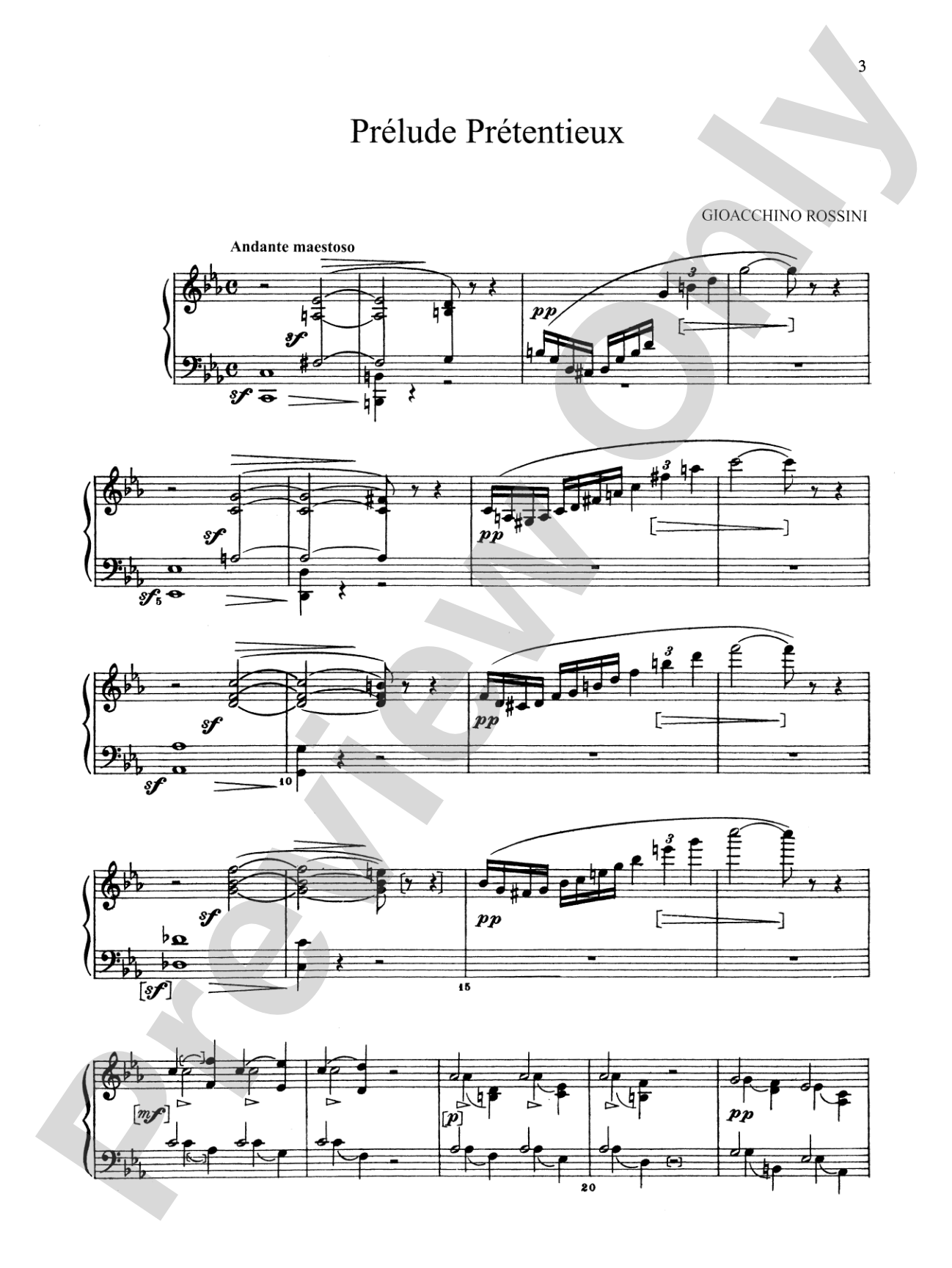
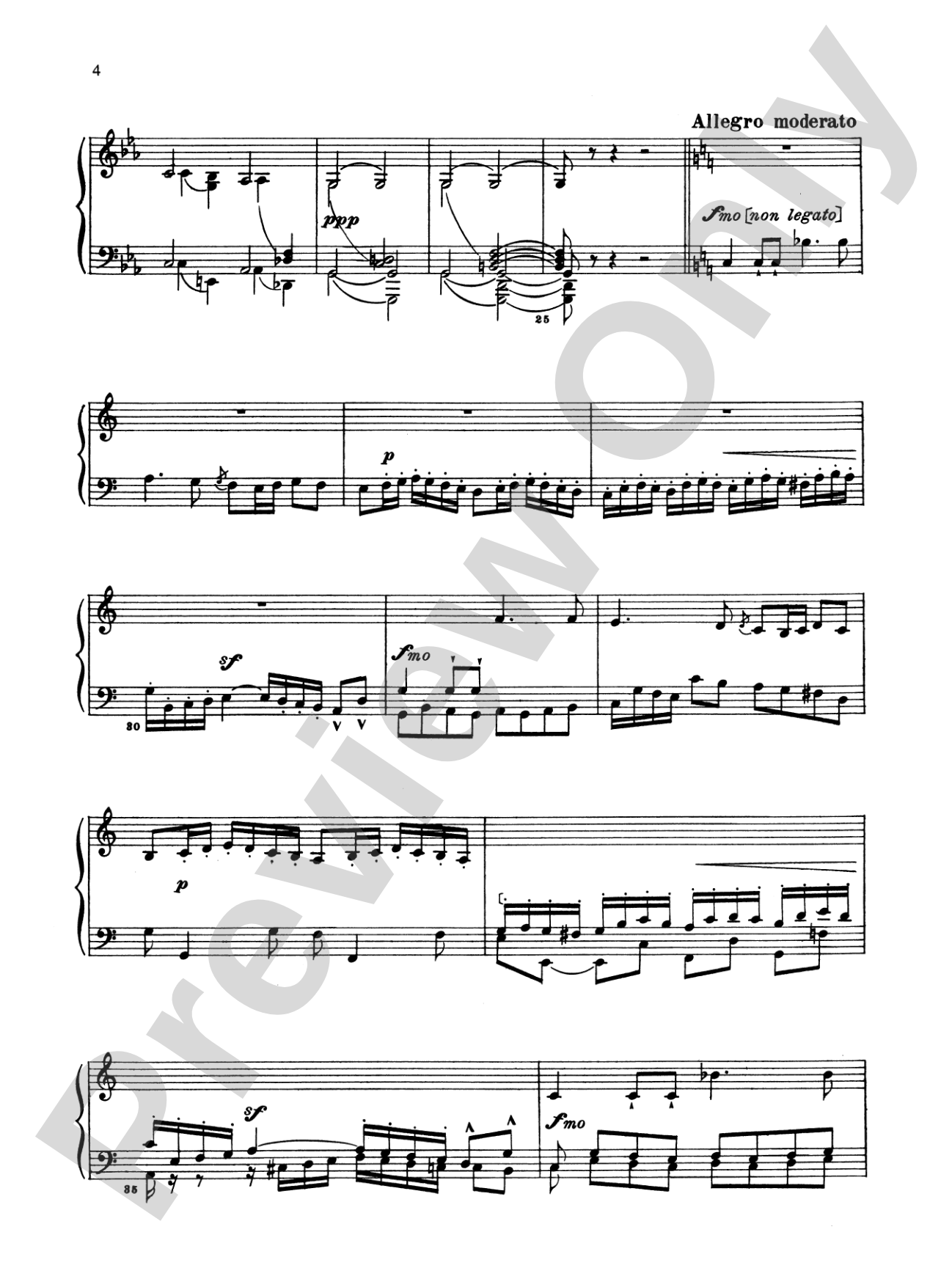
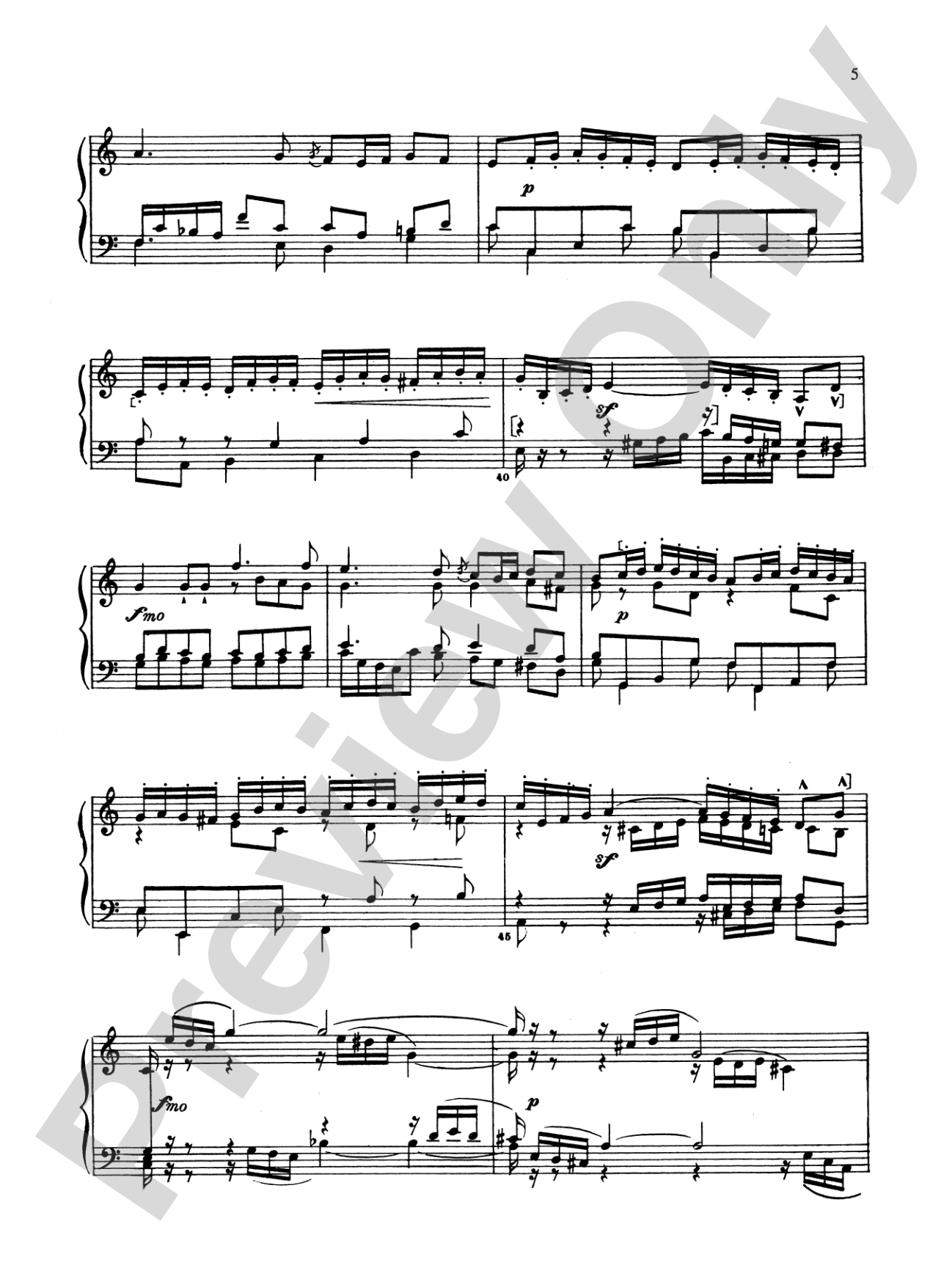
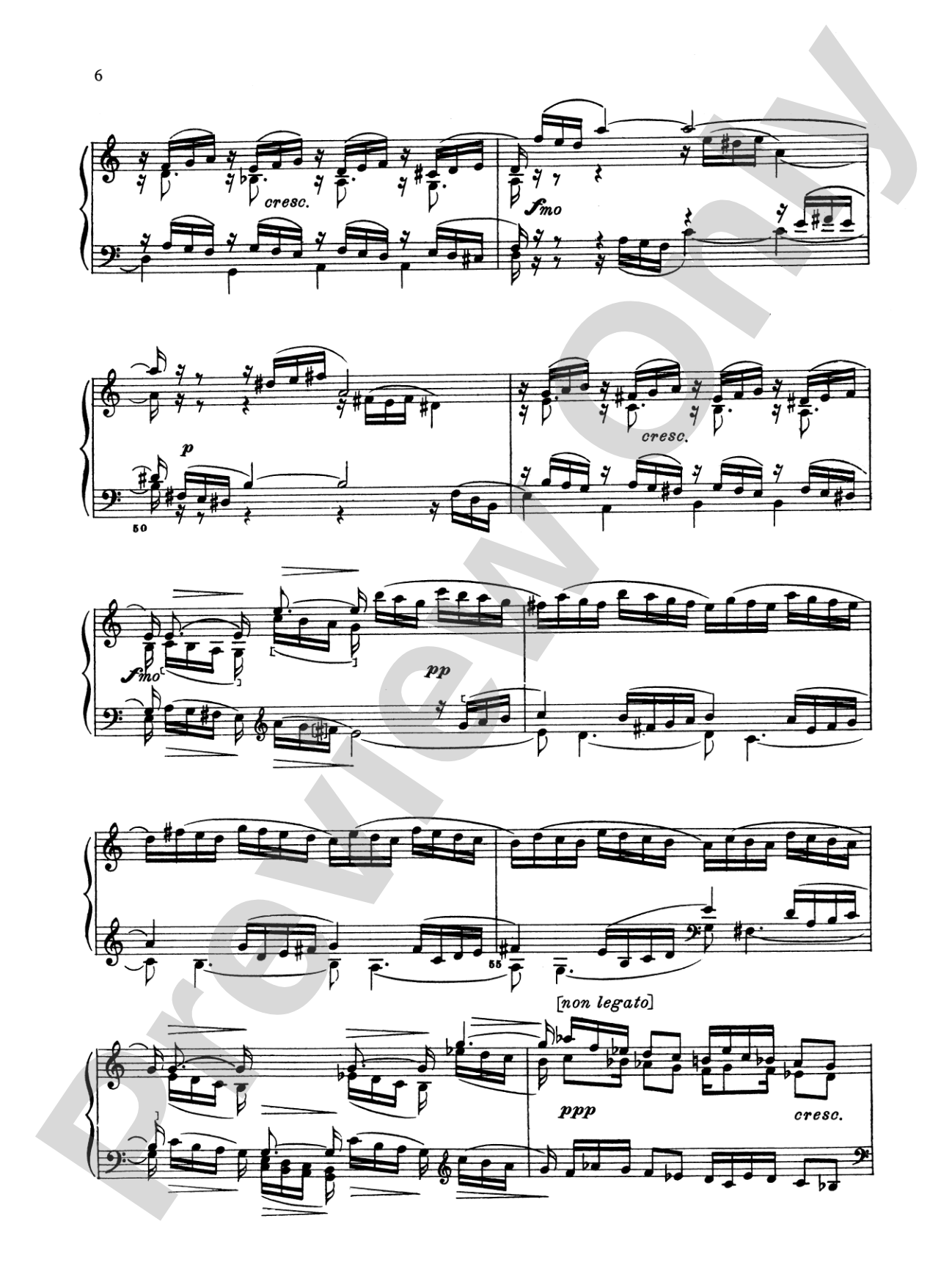

Rossini: Piano Works, Volume II: Piano Book
By Gioacchino Rossini
Item: 00-PK-0002727

$13.99
Pickup currently not available
Buy Extra Parts (Digital PDF Download)
| Product | Price | Quantity |
|---|---|---|
| Rossini: Piano Works, Volume II | $0.99 | |
| Rossini: Piano Works, Volume II | $0.99 | |
| Rossini: Piano Works, Volume II | $0.99 | |
| Rossini: Piano Works, Volume II | $0.99 | |
| Rossini: Piano Works, Volume II | $0.99 | |
| Rossini: Piano Works, Volume II | $0.99 | |
| Rossini: Piano Works, Volume II | $0.99 | |
| Rossini: Piano Works, Volume II | $0.99 | |
| Rossini: Piano Works, Volume II | $0.99 |
Parts Added to Cart!
Related Items
Piano Works, Volume II: Piano Book |
$13.99
|
View |
Description
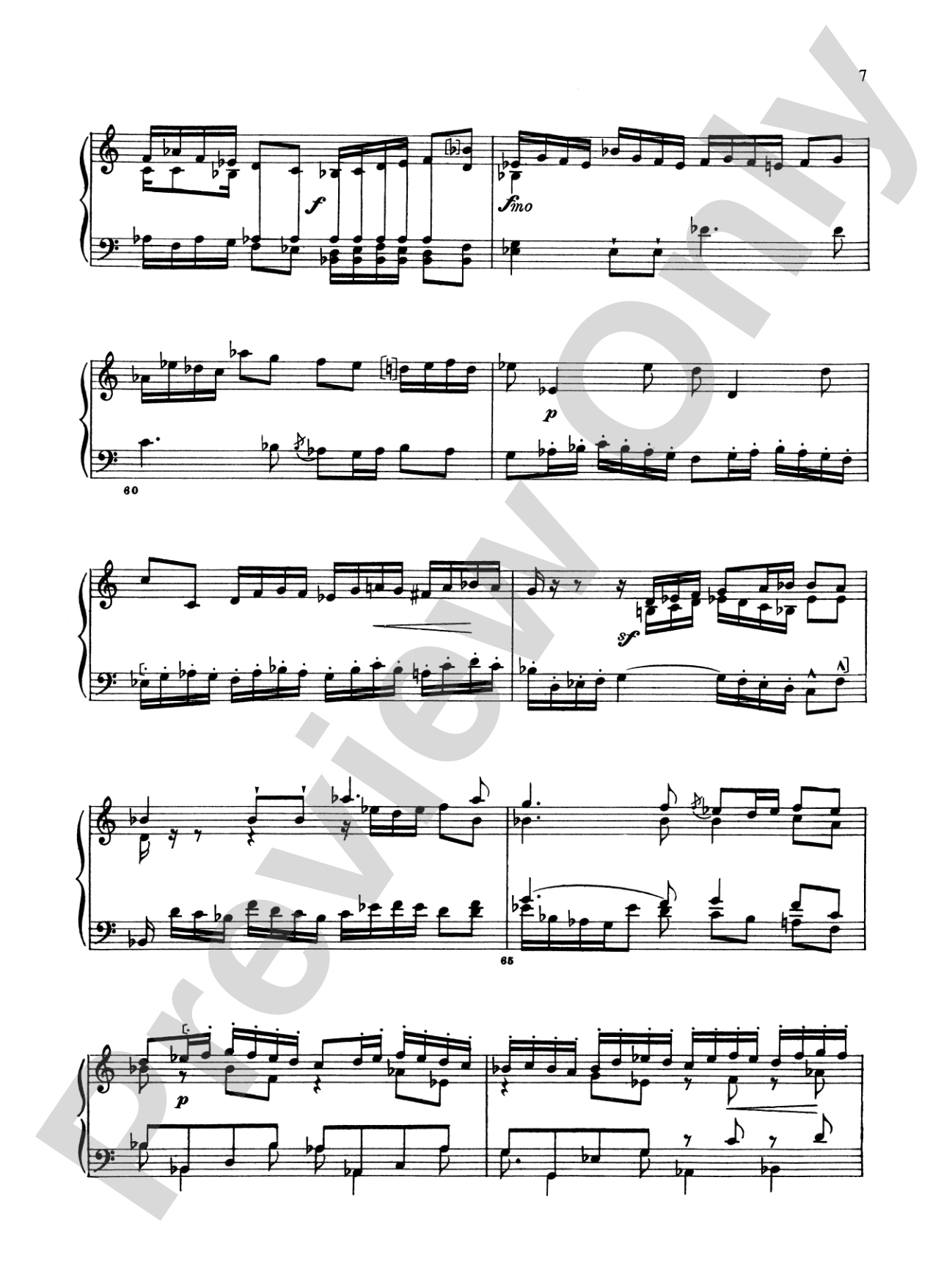
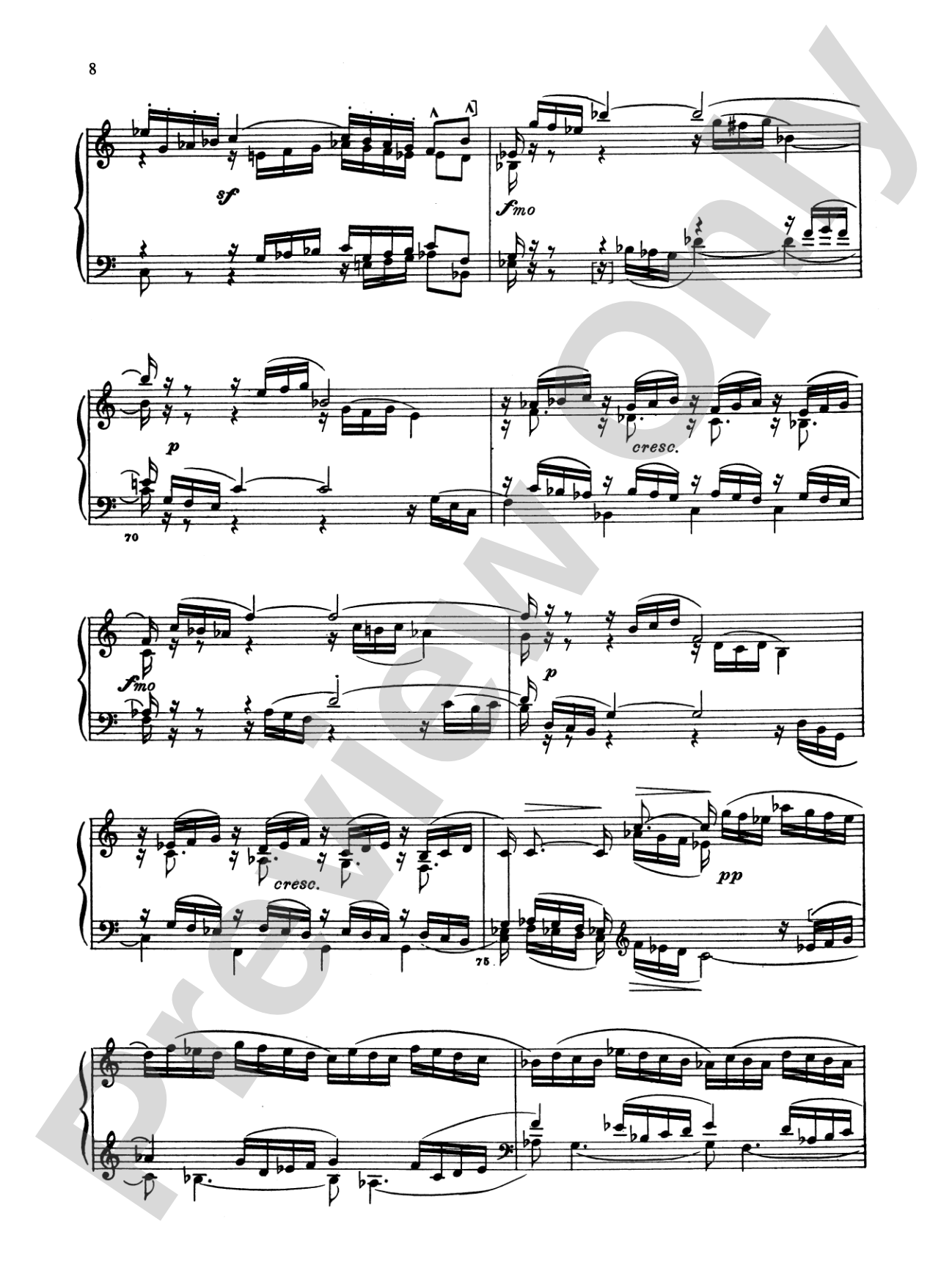
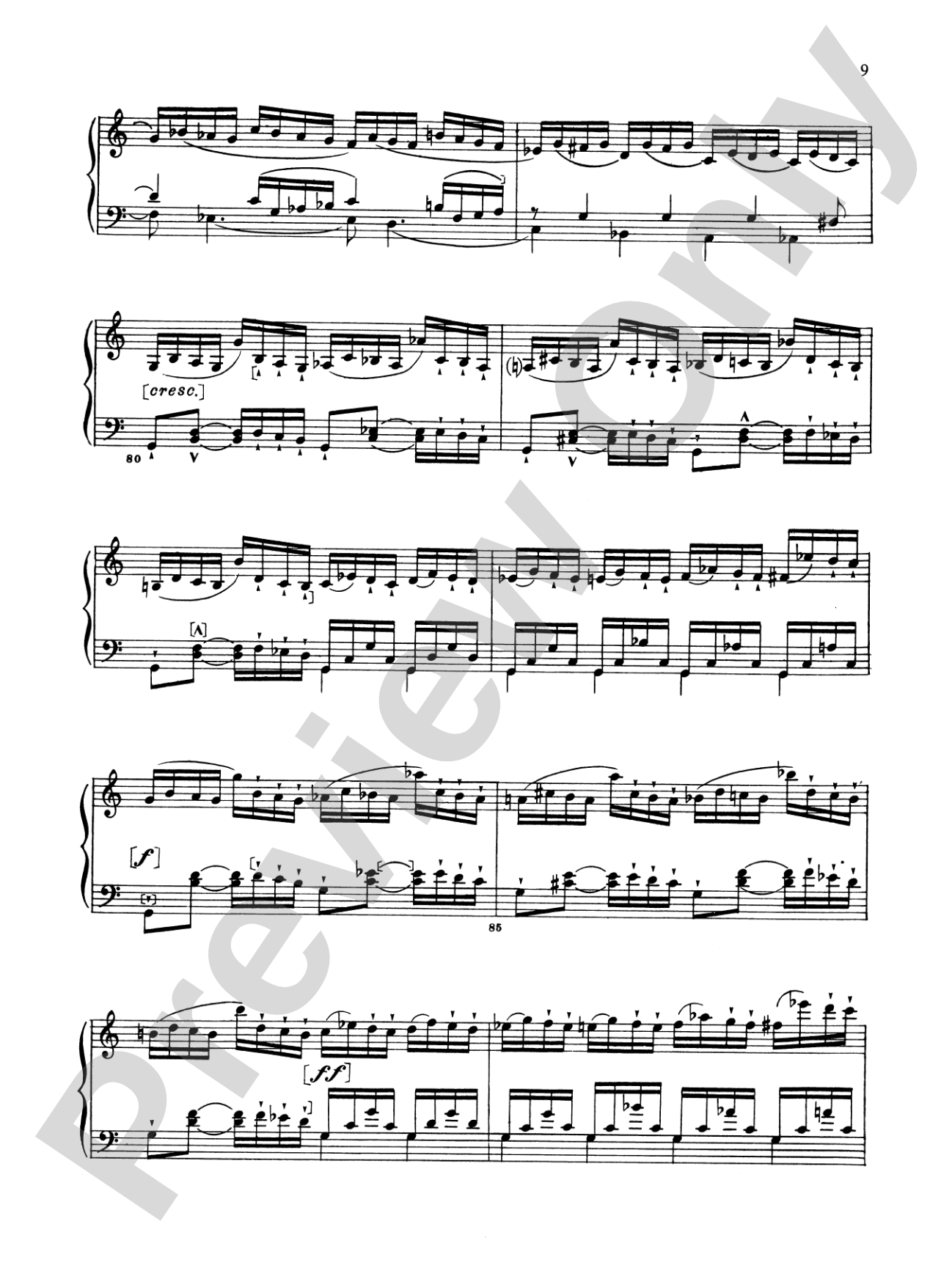
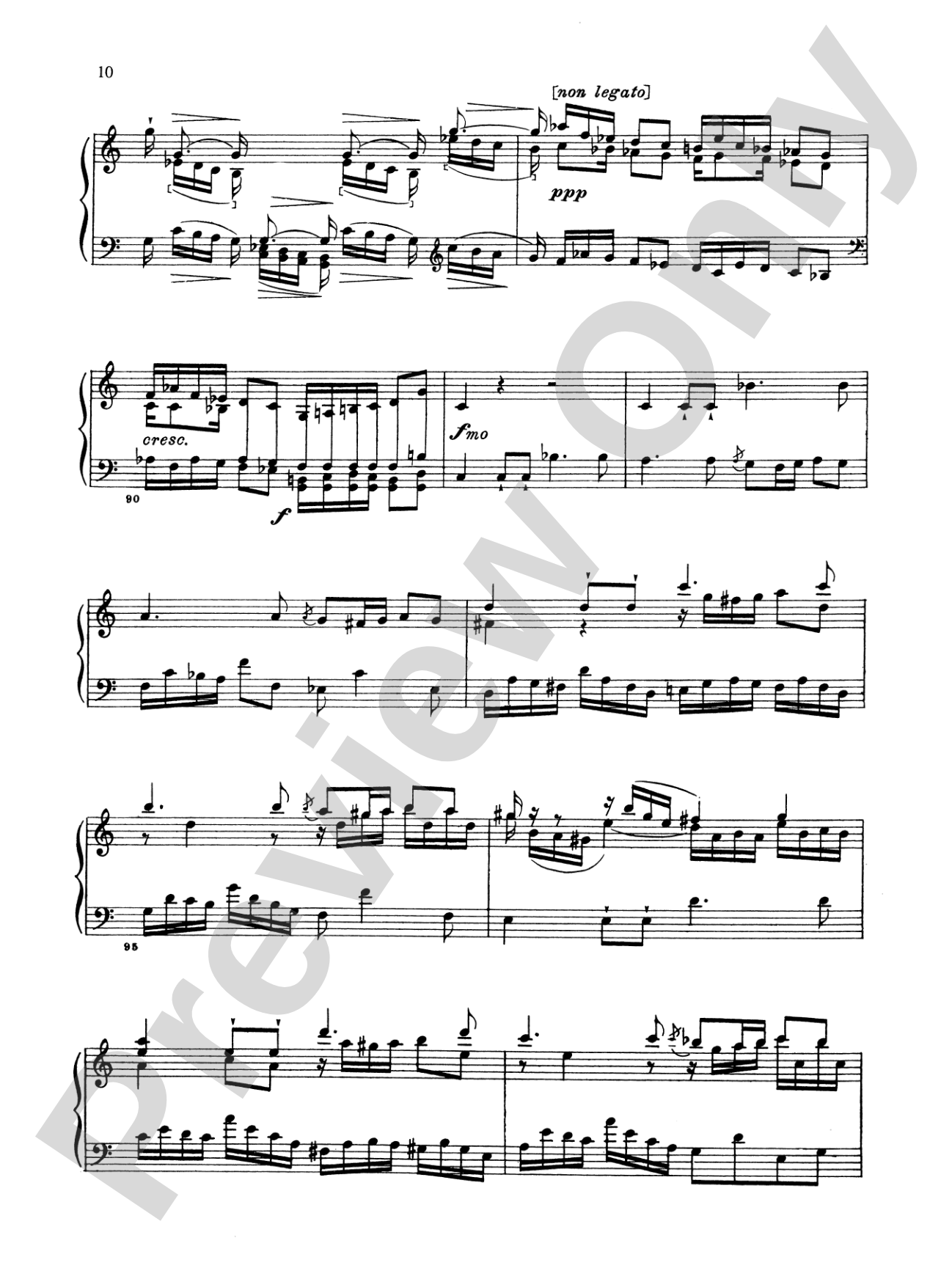
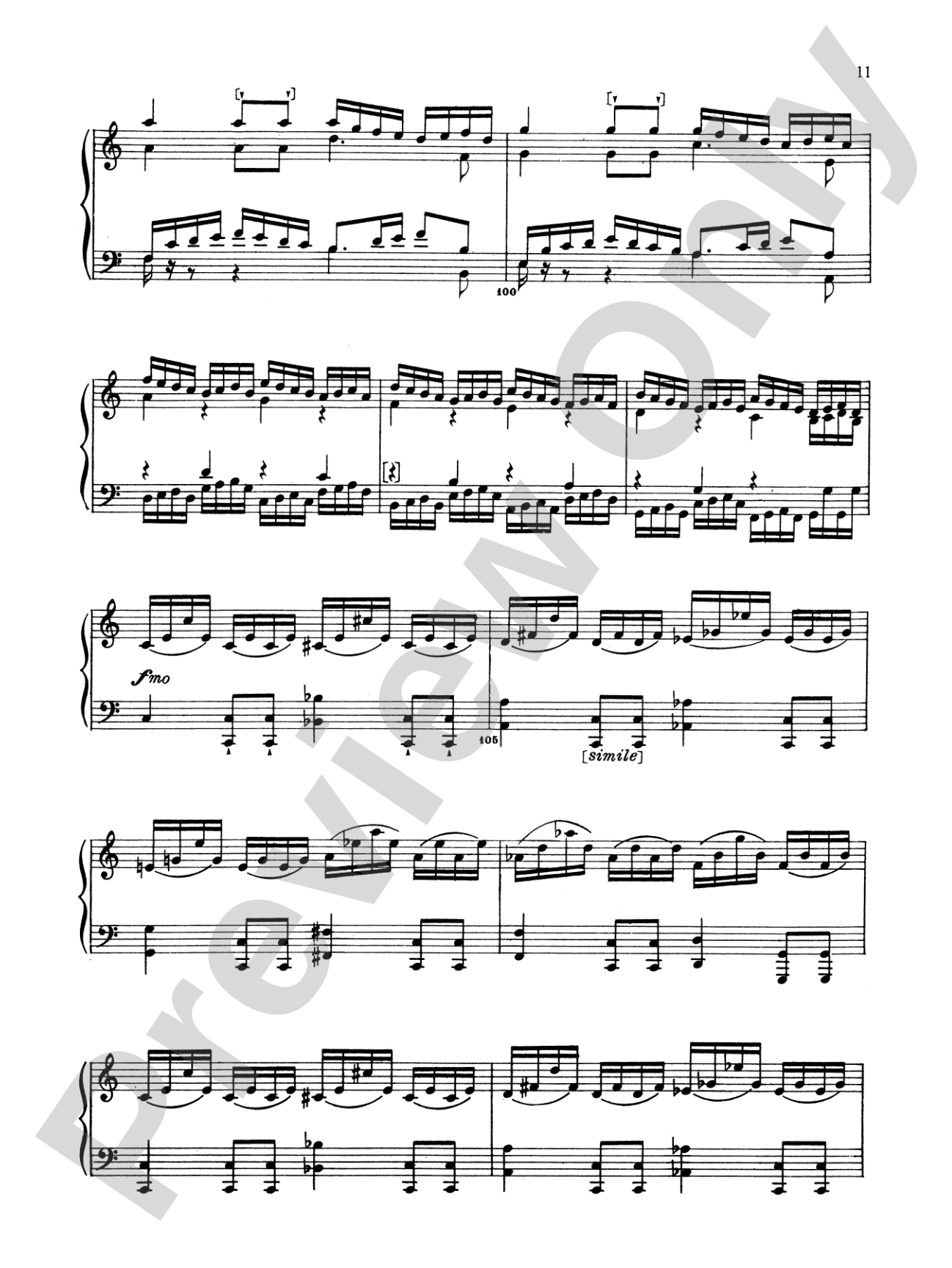
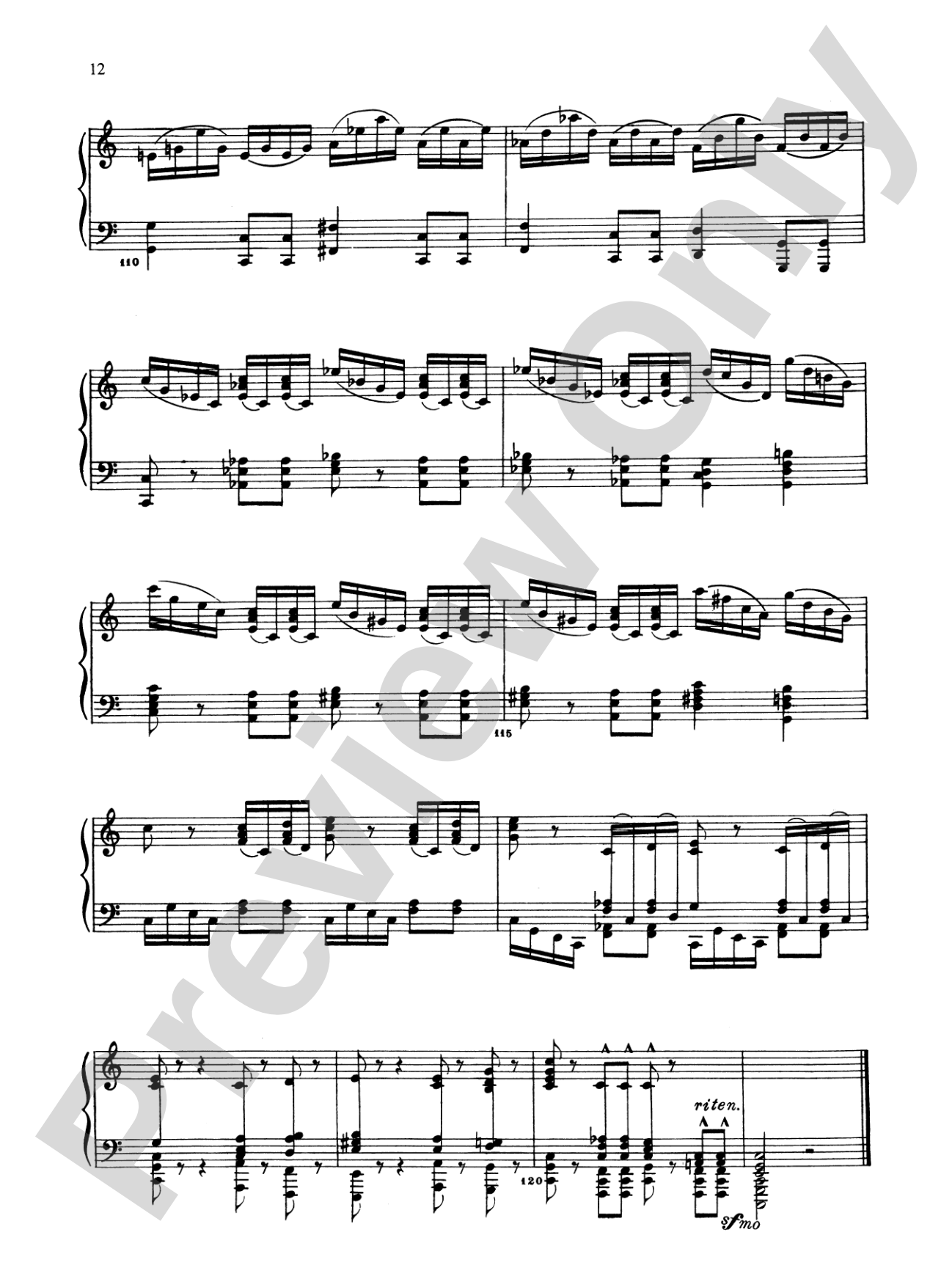
The second new volume of Rossini works features nine original piano compositions, formerly printed in two volumes. 128 pages. A great value!


Don't just read it, hear it, play along with it, and watch your students grow with it. In MakeMusic Cloud, Rossini: Piano Works, Volume II: Piano Book comes alive with professional accompaniment, adjustable tempo, and built-in practice tools that turn solo practice into real progress.
Open in the Player
Jump straight in and assign it today.
Start Your Free Trial
Open this title and explore the full library in minutes.
Sample Audio
No sample audio found.
Sample Video
No sample videos found.
Additional Details
Series:
Kalmus Edition
Publisher:
Alfred Music
Page Count:
128
SKU:
00-PK-0002727
More about this title
About the Composer: Gioacchino Rossini
Gioacchino Rossini (1792-1868) composed 39 operas that defined early 19th-century Italian opera, but his gifts extended well beyond the stage. His instrumental and keyboard works reveal a composer equally fluent in intimate musical forms, crafting pieces with the same melodic invention and harmonic sophistication that made his operas legendary.
Rossini's piano compositions occupy a smaller but significant corner of his output. Written across different periods of his career, these works showcase his ability to balance virtuosic display with genuine musical substance. For pianists and teachers, they offer an accessible entry point into the Romantic keyboard repertoire while preserving the theatrical flair and tunefulness that define his artistic voice.
Why we love this
Rossini's piano writing balances immediate melodic appeal with genuine compositional craft, making these pieces rewarding to teach and perform at multiple levels. The collection offers nine distinct works in one volume, giving students exposure to varied forms and textures without requiring multiple scores. The material spans accessible character pieces to more ambitious concert works, creating natural progression within a single, economical edition.
What to expect
Lyrical and elegant, with the theatrical sparkle of Rossini's operatic world translated to the keyboard. These pieces combine graceful ornamentation, singing lines, and moments of harmonic richness that reveal a composer at ease in multiple musical languages, from intimate salon pieces to more ambitious character studies.
Who it's for
Intermediate to advanced pianists seeking substantial Romantic-era repertoire with strong melodic content and manageable technical demands. This collection suits studio teachers building a mixed curriculum and students preparing recital programs that blend familiar operatic idioms with concert music.
How to get the most out of it
- Honor the vocal quality of Rossini's melodies by phrasing as you would sing; resist the temptation to rush through accompaniment figures that support the primary voice.
- Pay close attention to articulation markings and dynamic contrasts; Rossini's orchestral background shows in clear, detailed score notation that guides expressive interpretation.
- Balance technical passage work with structural clarity; decorative figuration serves the harmonic progression rather than existing for its own sake.
How to use it
Program individual works as recital fillers between larger Classical or early Romantic works, or schedule a complete Rossini evening to showcase the range within this single composer's keyboard output. These pieces also function well as supplementary repertoire for students studying 19th-century Italian musical aesthetics across ensemble and solo contexts.
Skills your students will build
- Reading ornamental figuration and executing decorative passages with clarity
- Balancing accompaniment texture with lyrical melody lines
- Interpreting dynamic and articulation markings that convey operatic character
- Performing multi-section forms that combine salon and concert idioms
- Sustaining phrase shape across harmonic movement typical of early Romantic writing