
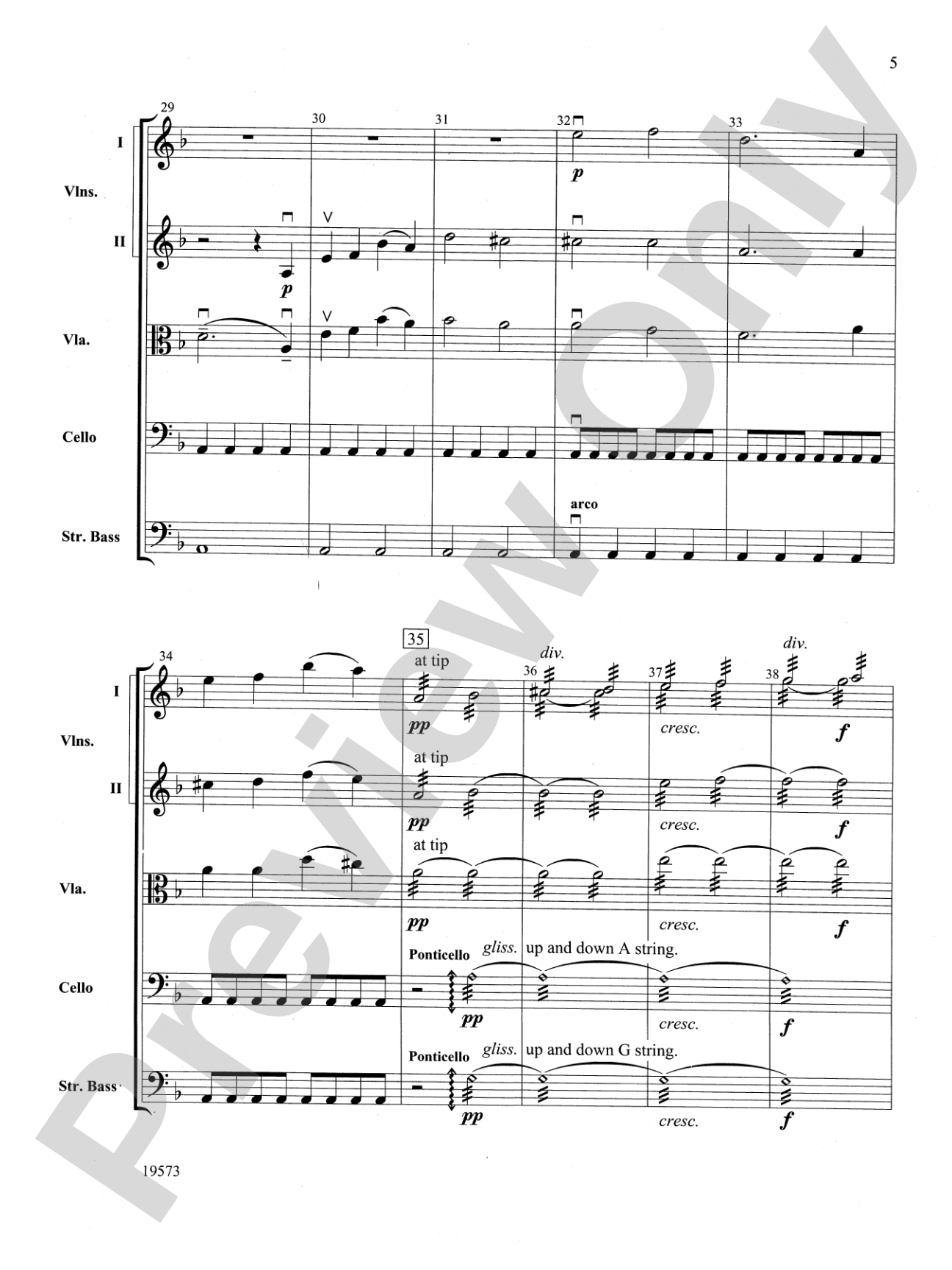
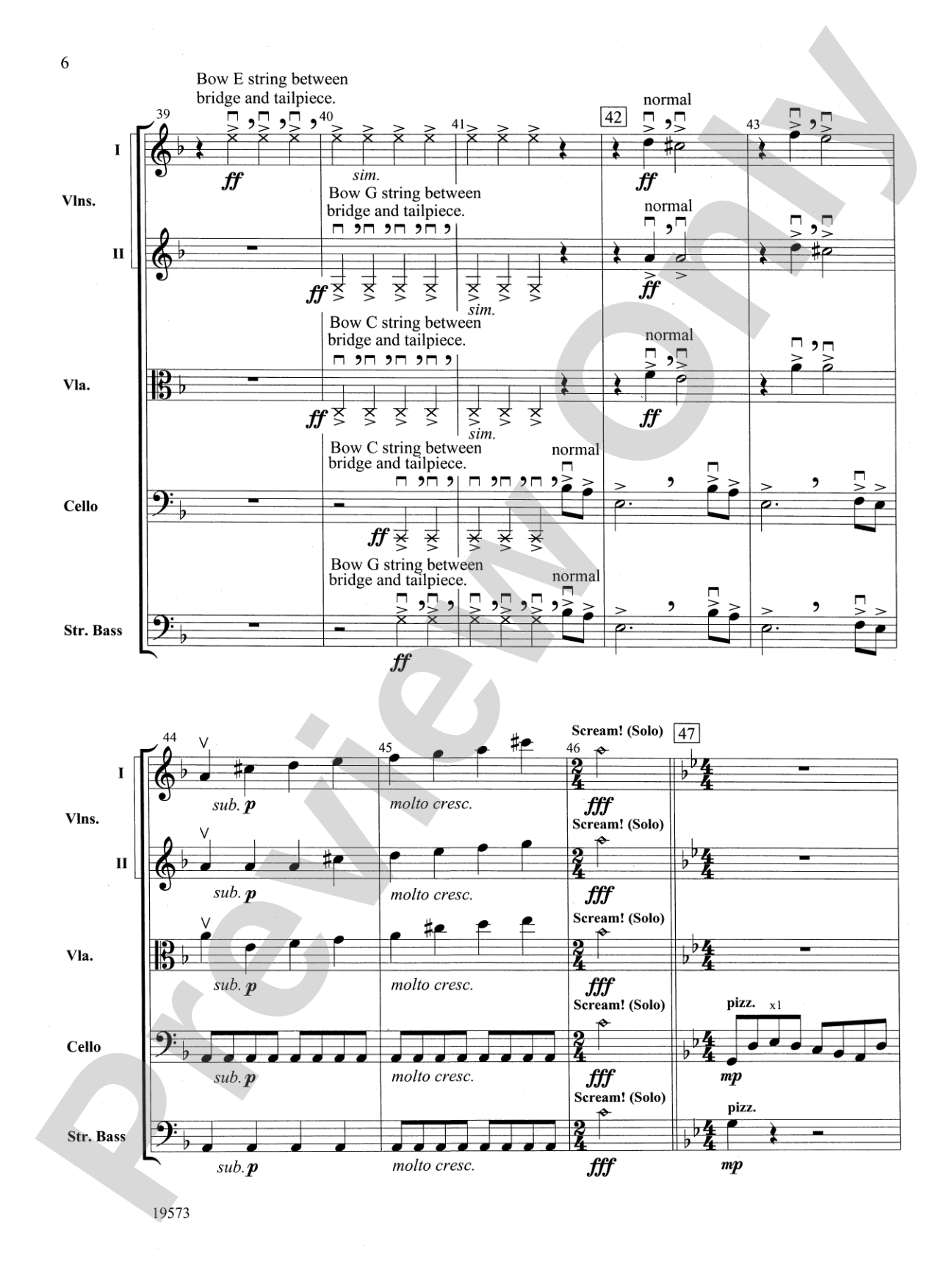
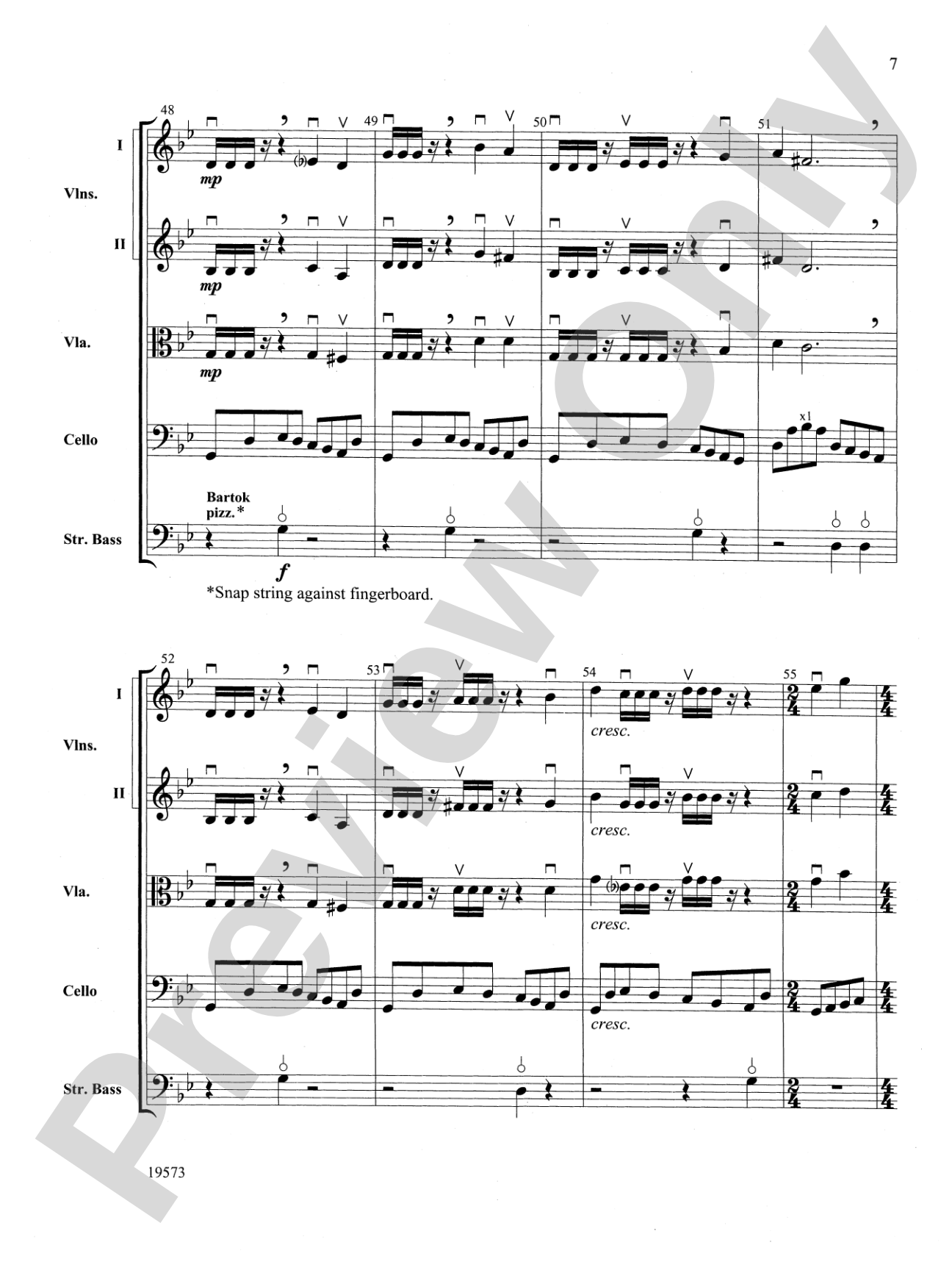
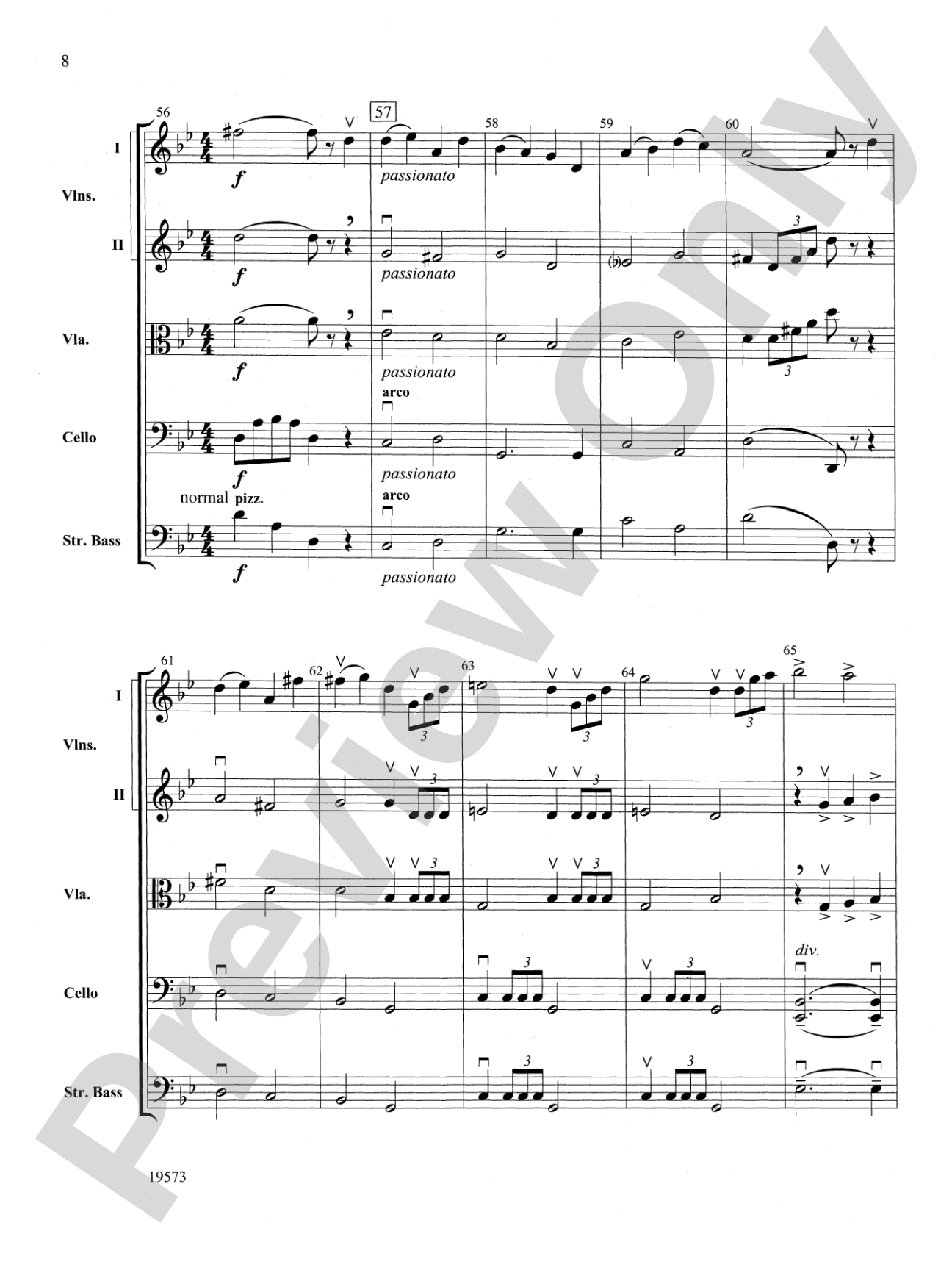


Rosin Eating Zombies from Outer Space: Score
By Richard Meyer
Grade: 3
Item: 00-PR-0000340
$9.00
Pickup currently not available
Description
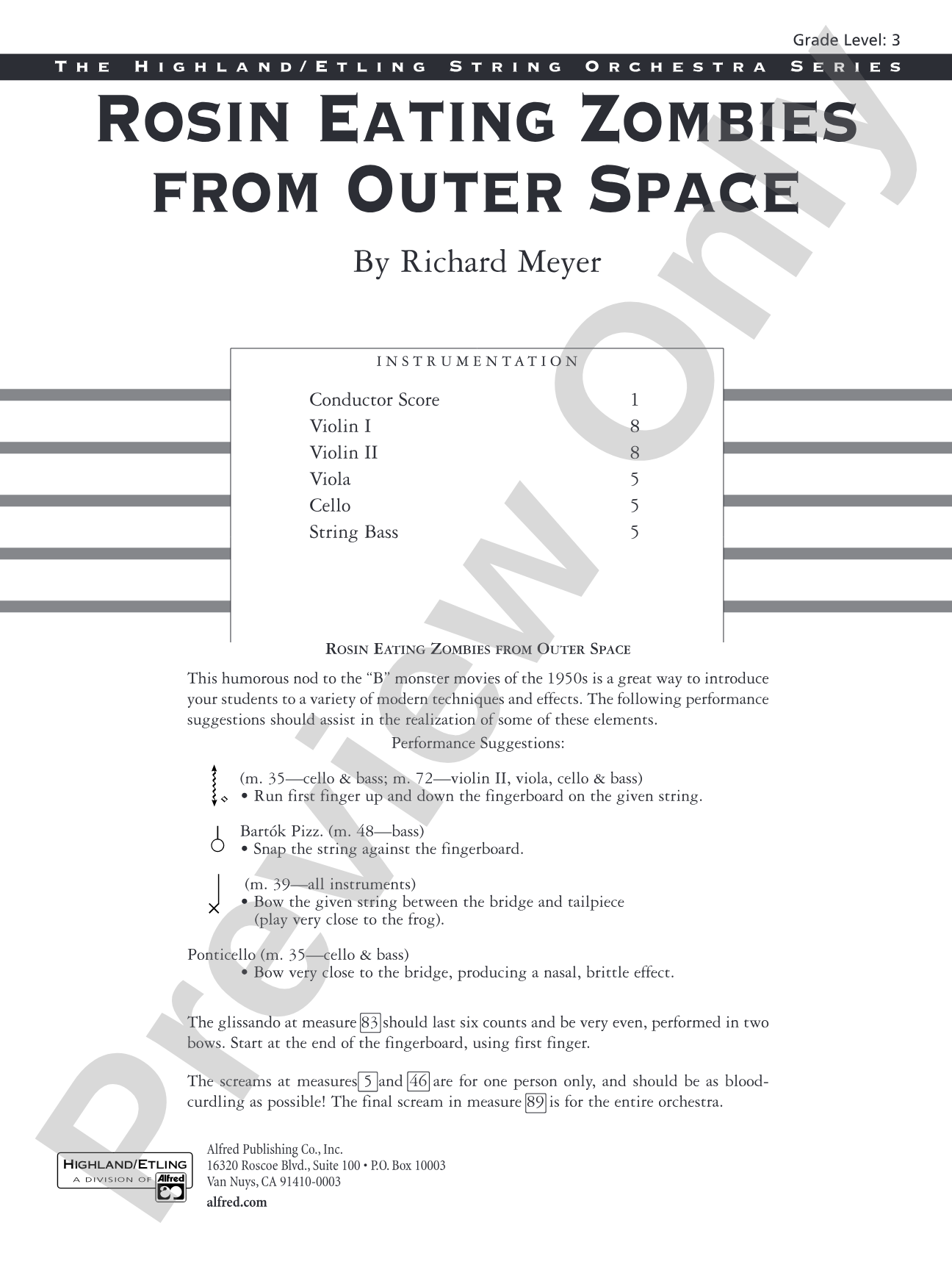
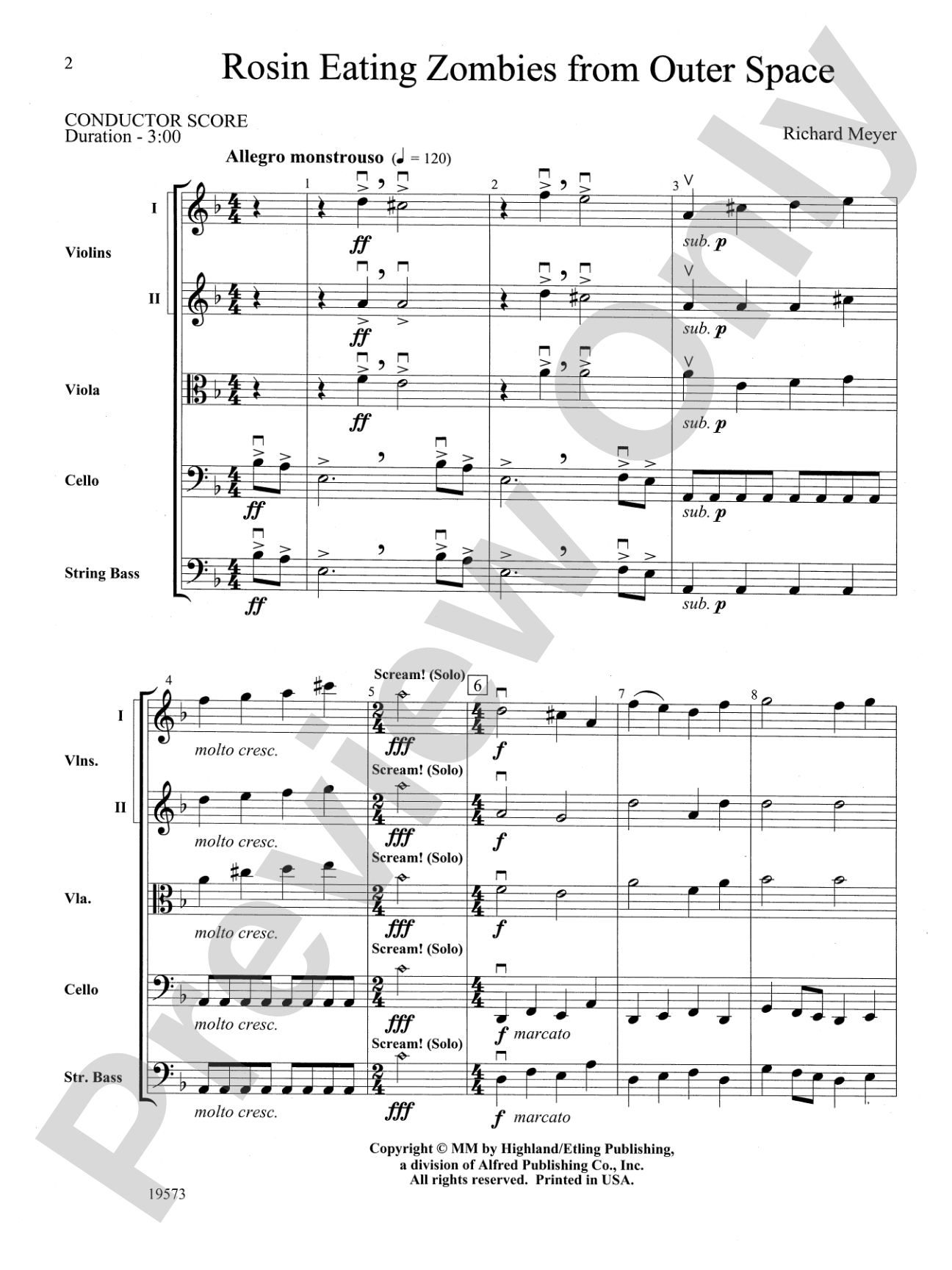
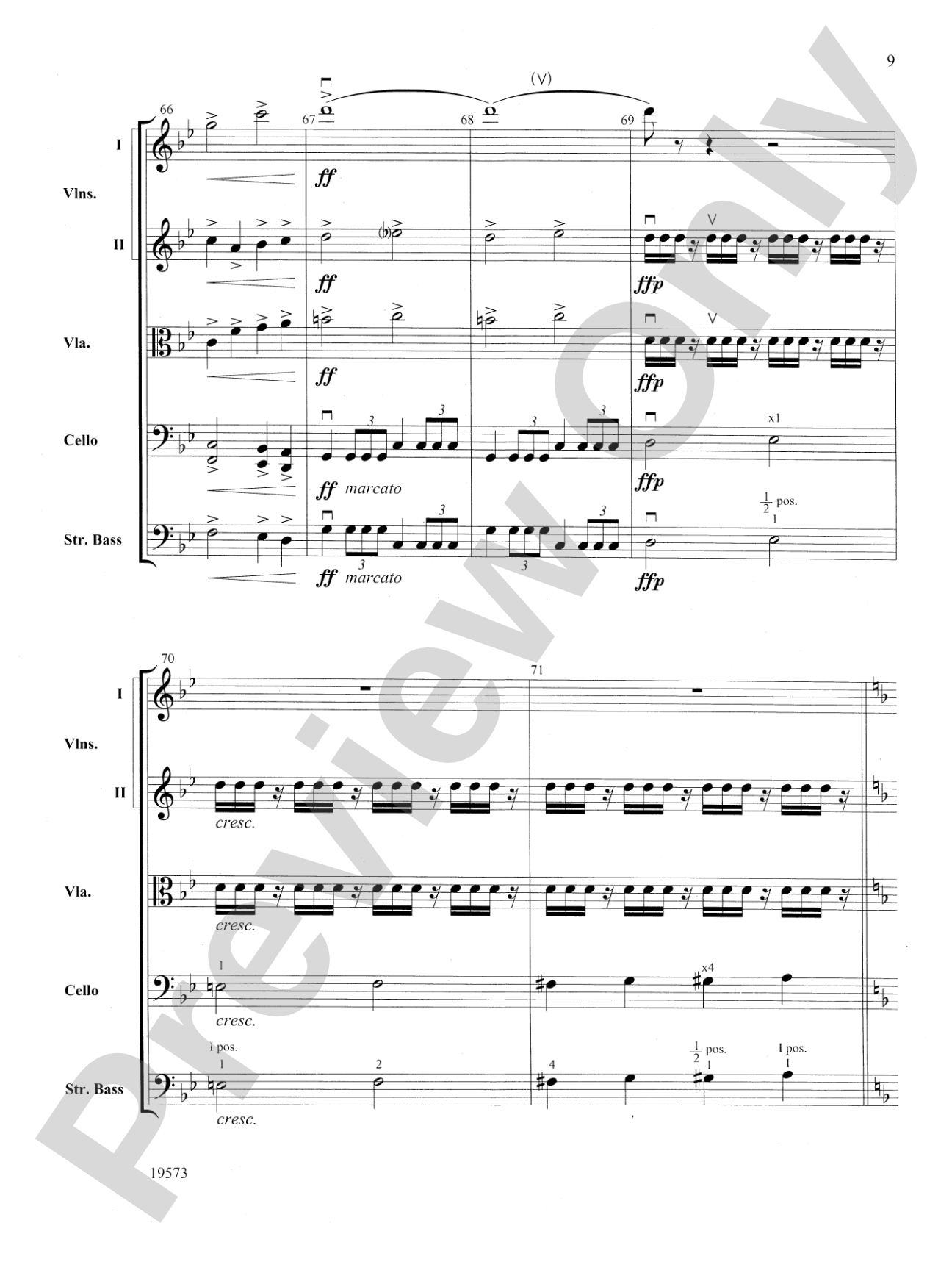
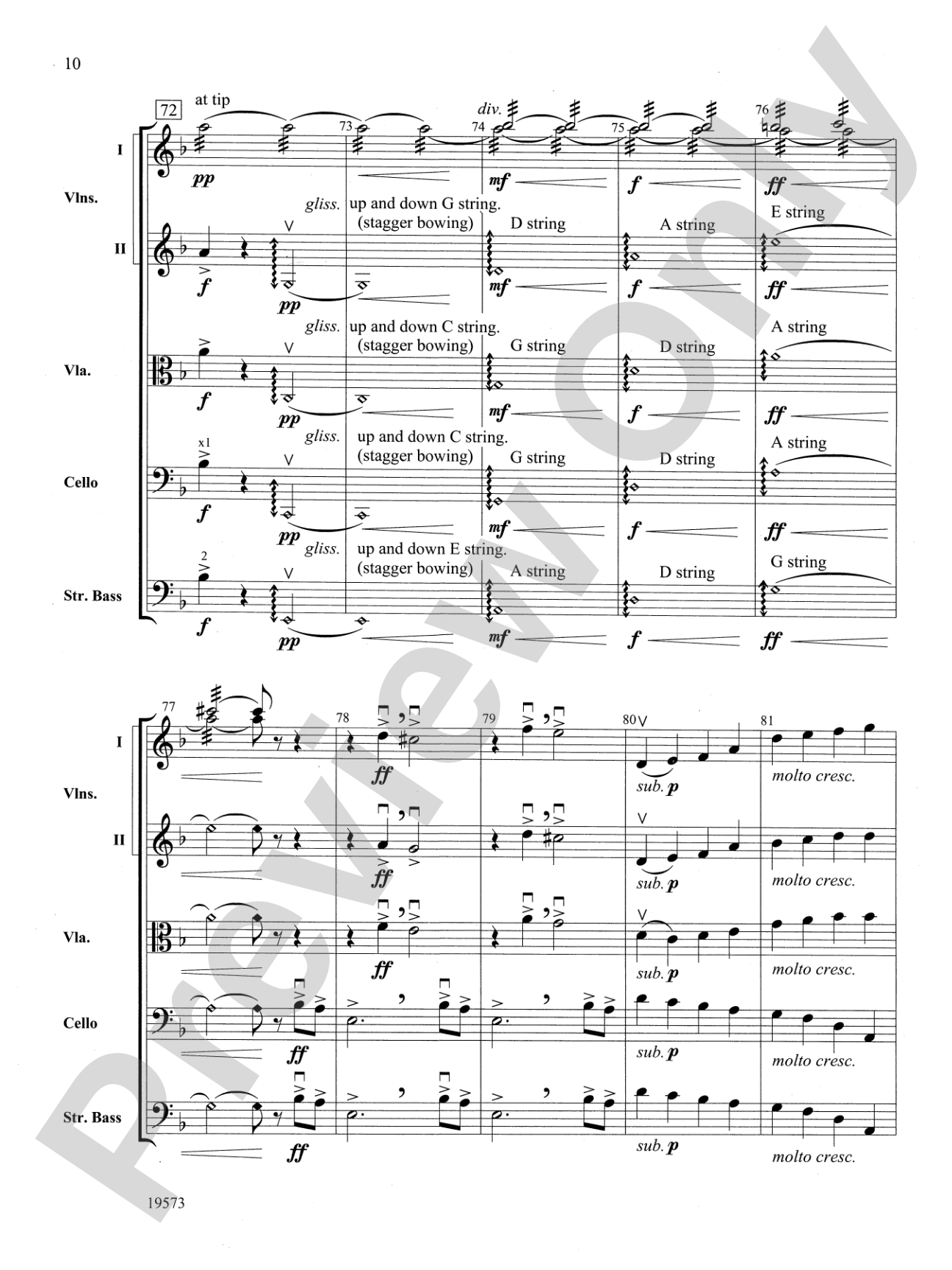
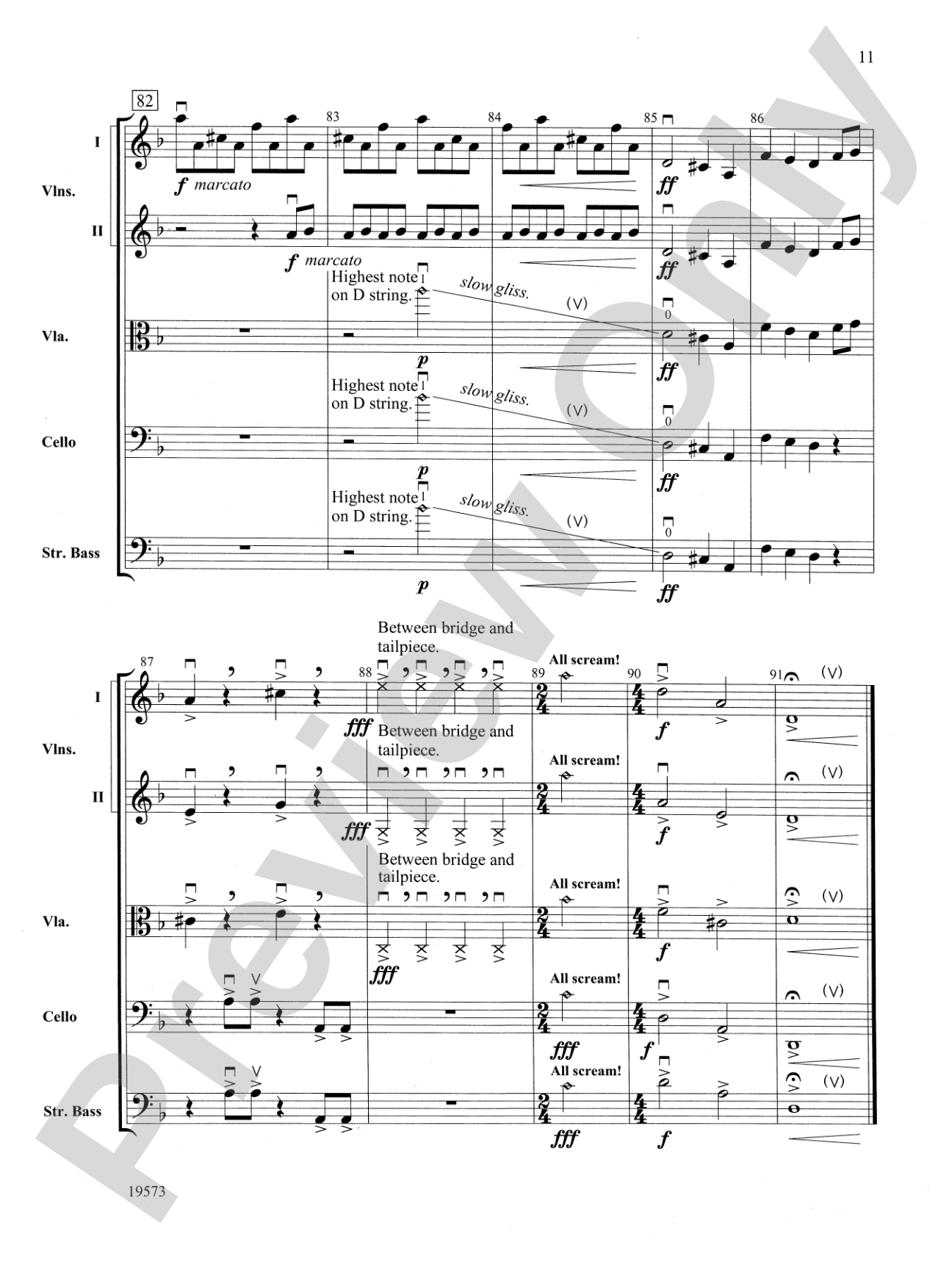
This humorous nod to the "B" monster movies of the 1950s is sure to be the hit of your next concert! The blood-curdling scream in the introduction sets the mood for the wild ride ahead. A great way to introduce your students to a variety of modern techniques and effects, including glissandos, Bartók pizzicatos, ponticello and more. . . . all clearly explained and notated. The only trouble you'll have with this piece is getting your students to stop playing it! (3:58) This title is available in MakeMusic Cloud.


Don't just read it, hear it, play along with it, and watch your students grow with it. In MakeMusic Cloud, Rosin Eating Zombies from Outer Space: Score comes alive with professional accompaniment, adjustable tempo, and built-in practice tools that turn solo practice into real progress.
Open in the Player
Jump straight in and assign it today.
Start Your Free Trial
Open this title and explore the full library in minutes.
Sample Audio
1
Audio File
--:--
0:00
0:00
Sample Video
No sample videos found.
Additional Details
Series:
Highland/Etling String Orchestra
Publisher:
Alfred Music
Page Count:
124
SKU:
00-PR-0000340
More about this title
About the Composer: Richard Meyer
Richard Meyer brings three decades of string teaching experience to his composition work, having spent 22 years building the orchestra program at Oak Avenue Intermediate School from 29 students to 200. His tenure as music director of the Pasadena Youth Symphony Orchestra for 16 years took him and his ensembles across North America, Europe, and Australia, experiences that shaped his understanding of what conductors and students actually need from their music.
Meyer's pedagogical influence extends beyond the podium. He developed the "Giving Bach" program, which uses interactive concerts to reach special needs and underserved students throughout Southern California, and he served as string editor for Alfred Publishing Company while co-authoring the String Explorer Series and Sight-read It for Strings. His catalog now includes over 190 published compositions and arrangements. He remains active as a guest conductor and clinician at major conferences and state honor orchestras.
Why we love this
Meyer treats humor and contemporary techniques as equal partners here, never sacrificing clarity for the joke. Your students get legitimate exposure to glissandos, Bartók pizzicatos, and ponticello playing within a context so entertaining that they won't realize how much they're learning. The piece lands that rare balance between audience applause and genuine musical growth.
What to expect
A gleeful romp through 1950s B-movie horror tropes, complete with blood-curdling screams and lurching rhythms that feel genuinely unsettling before they tip into comedy. The extended techniques (glissandos sliding downward, jarring pizzicatos, eerie ponticello effects) amplify the sci-fi-monster atmosphere while keeping everything musically purposeful. At under four minutes, it's a wild ride that leaves everyone grinning and wanting to play it again immediately.
Who it's for
Grade 3 string orchestras ready to explore contemporary extended techniques without sacrificing fun. This works perfectly for groups that have solid fundamentals in standard playing and are eager to expand their technical and artistic palette. Your students will beg to play it again, making it an ideal piece for building momentum and confidence in mid-level orchestras.
How to get the most out of it
- Clarify the extended techniques in sectional rehearsals before running the full piece. Meyer's notation is clean, but giving each section time to nail their pizzicatos and ponticello passages separately prevents frustration when everyone plays together.
- Lock in the rhythm section (cellos and basses) first. The comedic timing hinges on precise rhythmic foundation; once the lower strings have their part solid, the upper strings' effects and glissandos will land exactly when they should.
- Lean into the horror-movie atmosphere of the introduction. That opening scream needs commitment from your first violins. Don't undersell the theatrical setup; it's what makes the rest of the piece work.
- Mark your parts with cue lines so players know when they're coming in after effects passages. The modern techniques can create disorientation about where you are metrically, so visual landmarks help everyone stay locked.
How to use it
Program this as an audience-pleaser on a fall concert, especially Halloween season. It pairs well on a program with more serious repertoire, offering a palate cleanser and memory-maker that families will talk about. The short runtime also makes it excellent for pops concerts, school assemblies, or youth orchestra showcases where you want to demonstrate both musicality and personality.
Skills your students will build
- Playing glissandos with control and consistent speed
- Executing Bartók pizzicatos (snap pizzicatos) with precision
- Producing clear ponticello (sul ponticello) tone and maintaining pitch
- Reading and executing modern notation for extended techniques
- Maintaining ensemble rhythmic cohesion across complex rhythmic figures
- Balancing technical demands with expressive, character-driven playing