
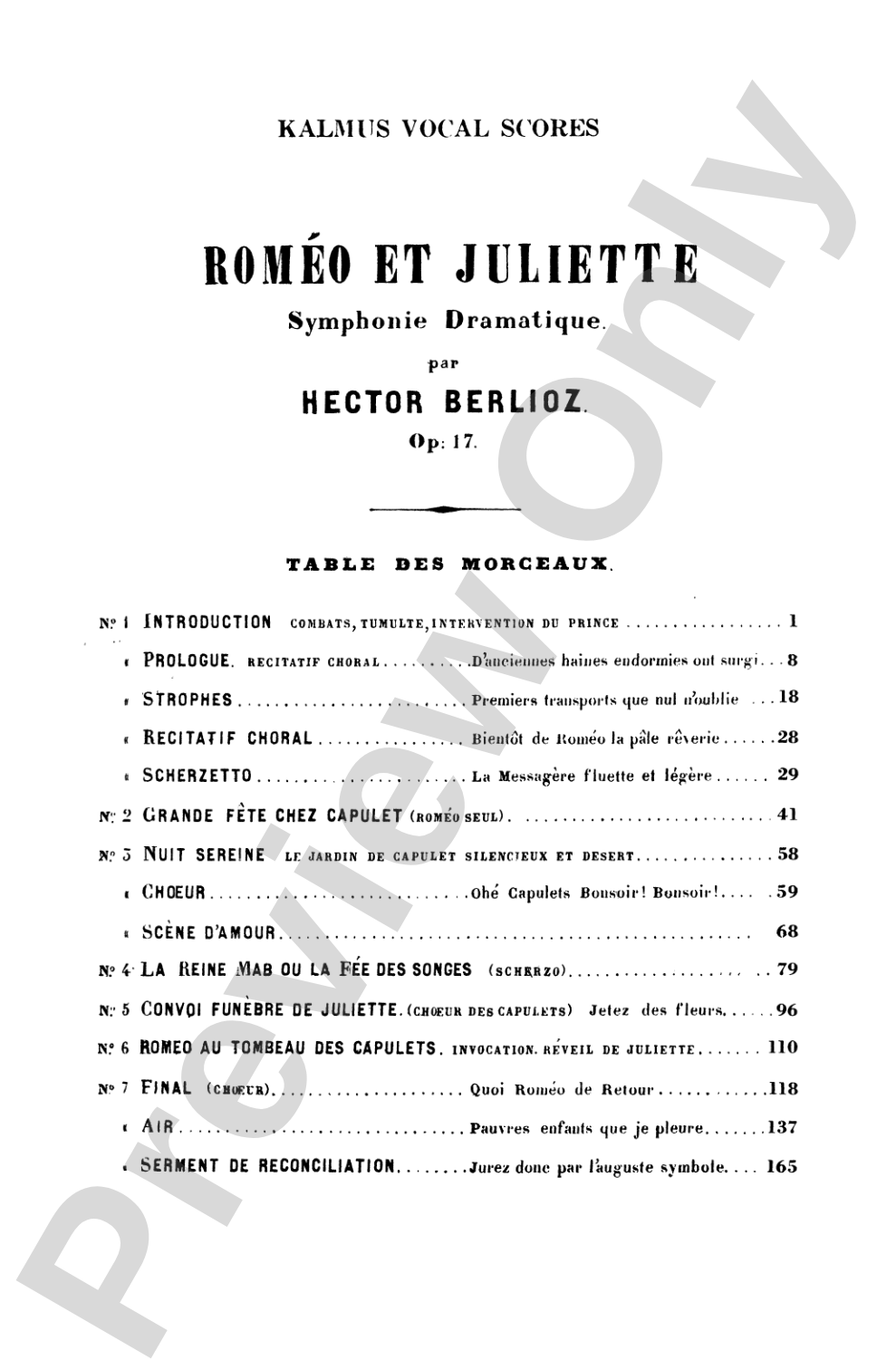
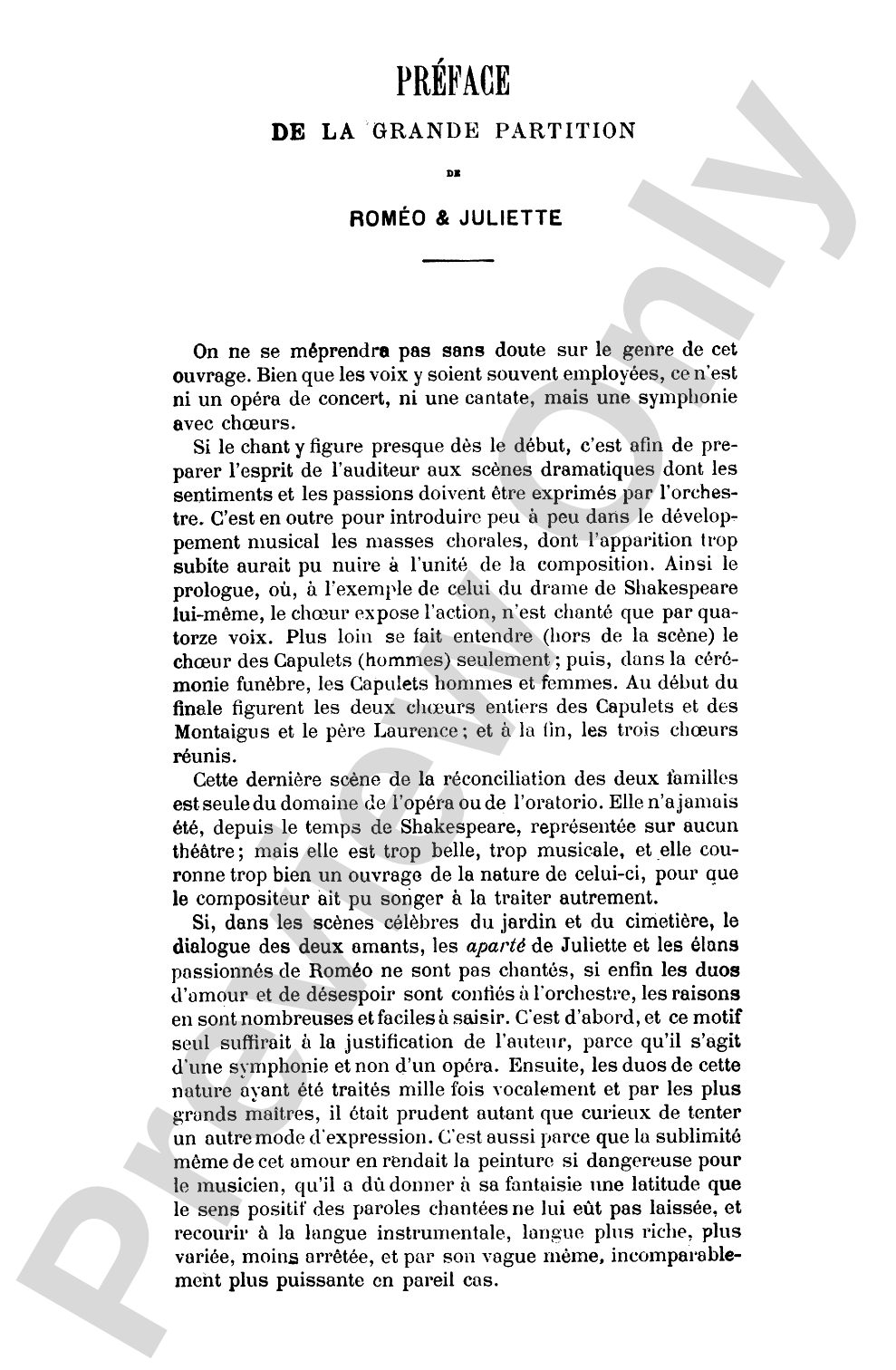
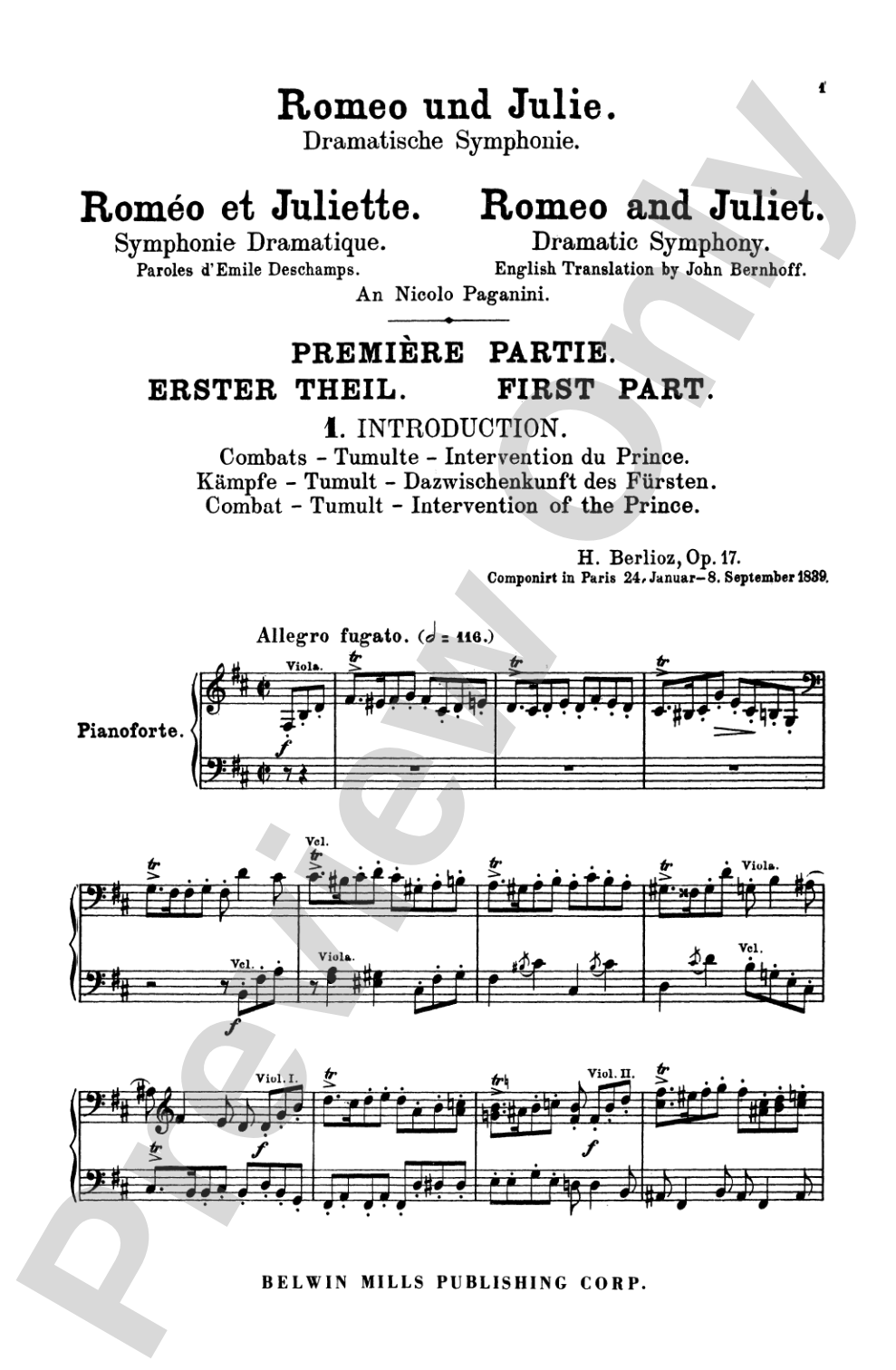
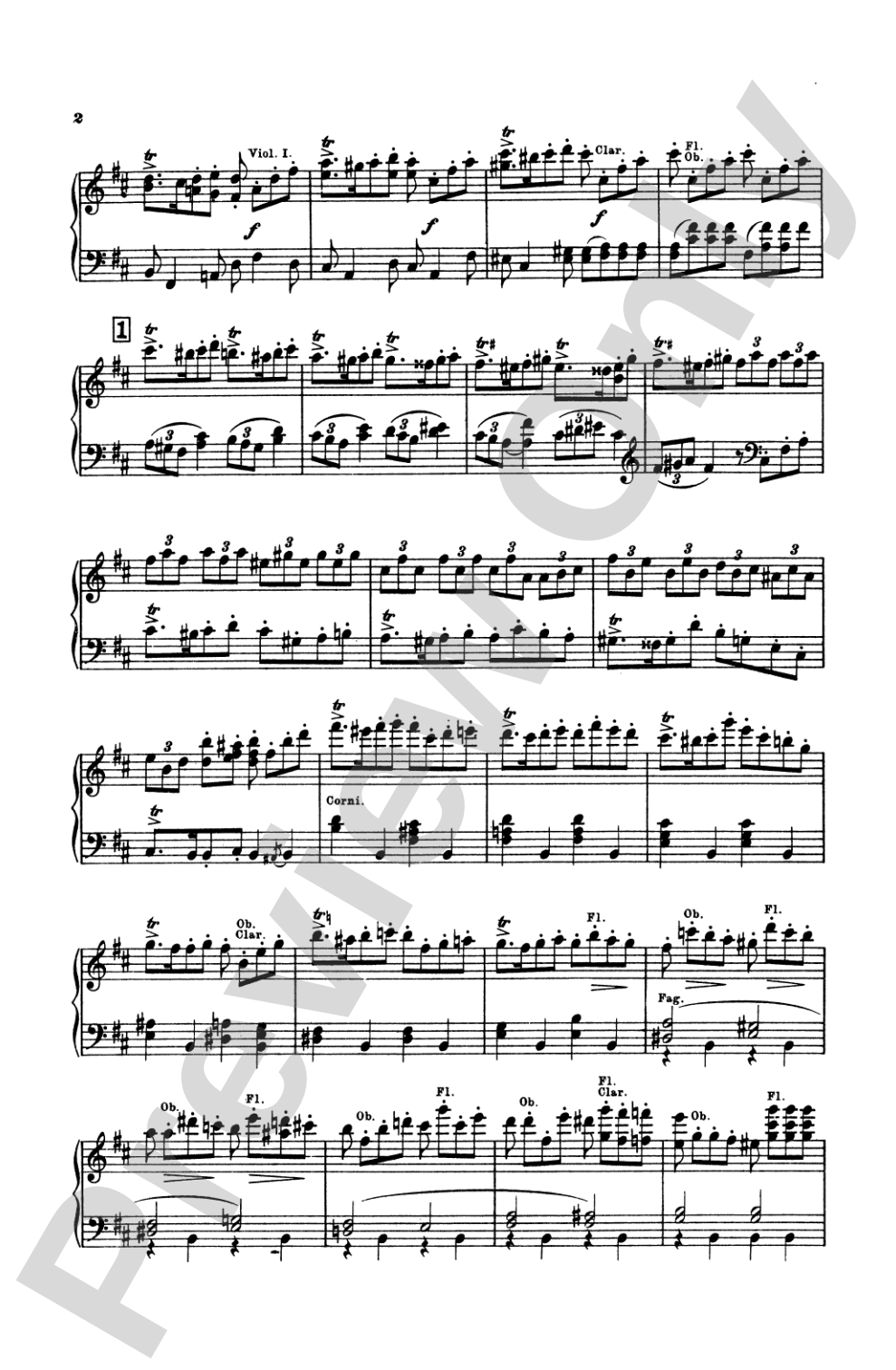
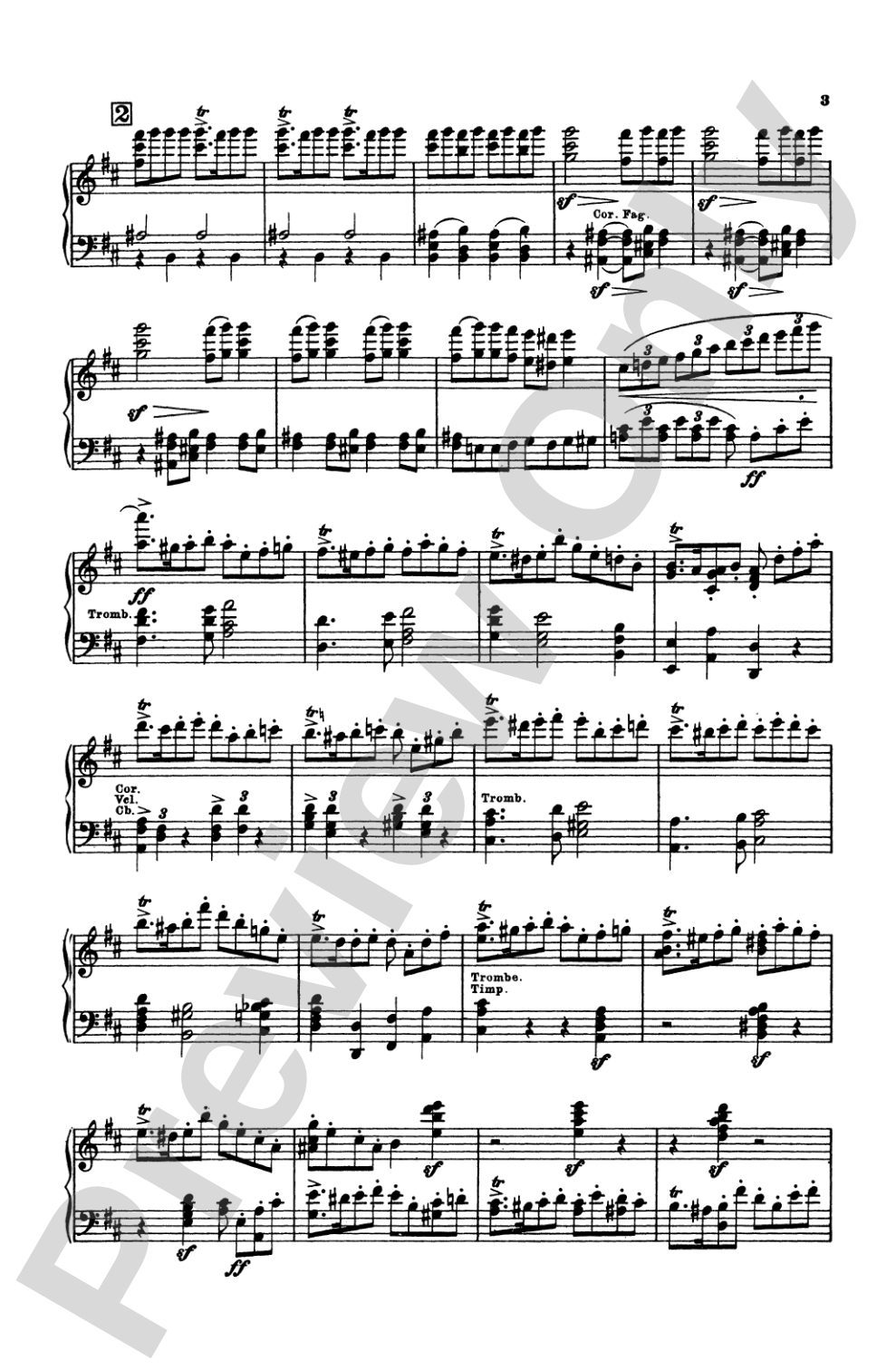
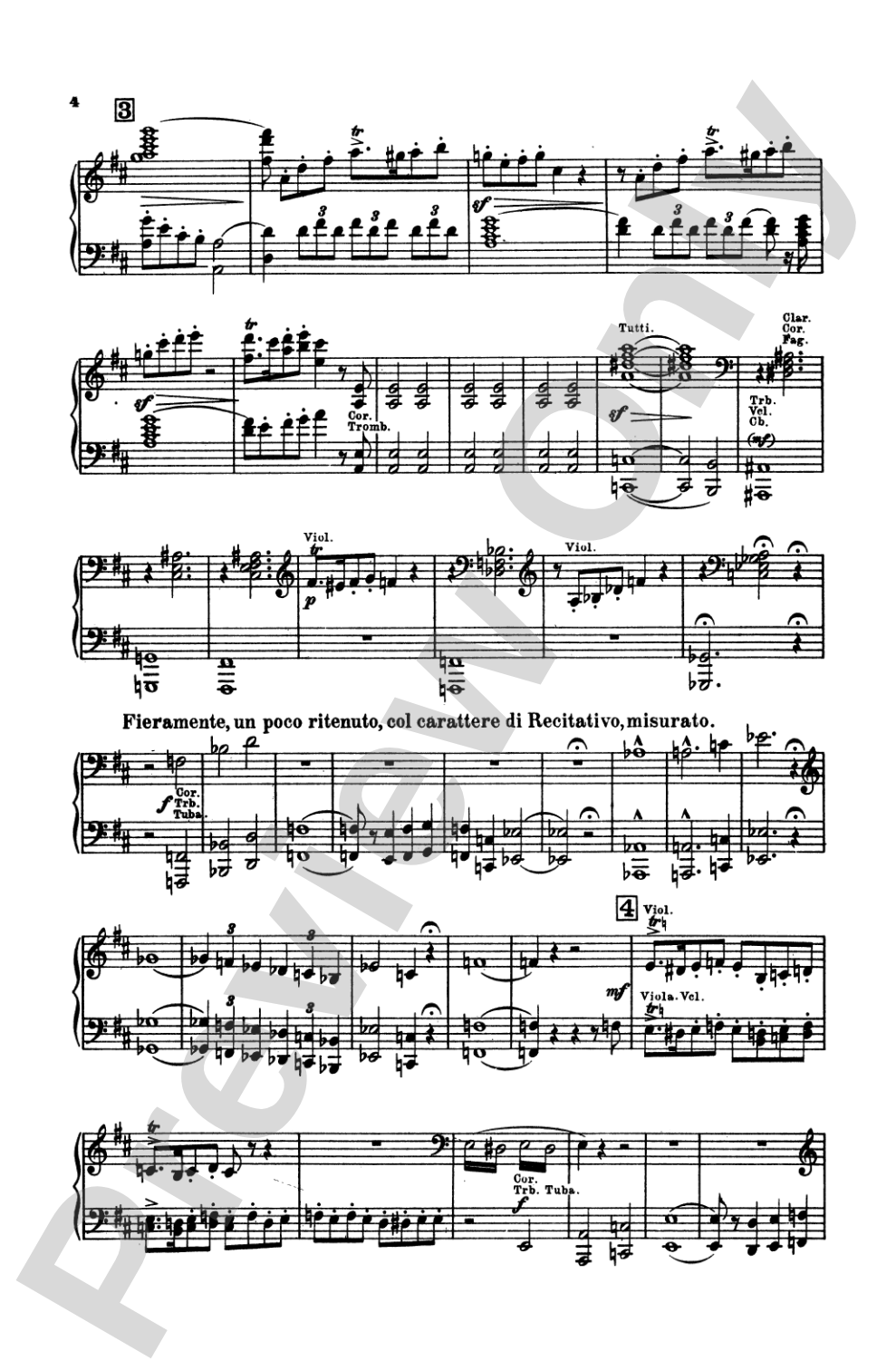
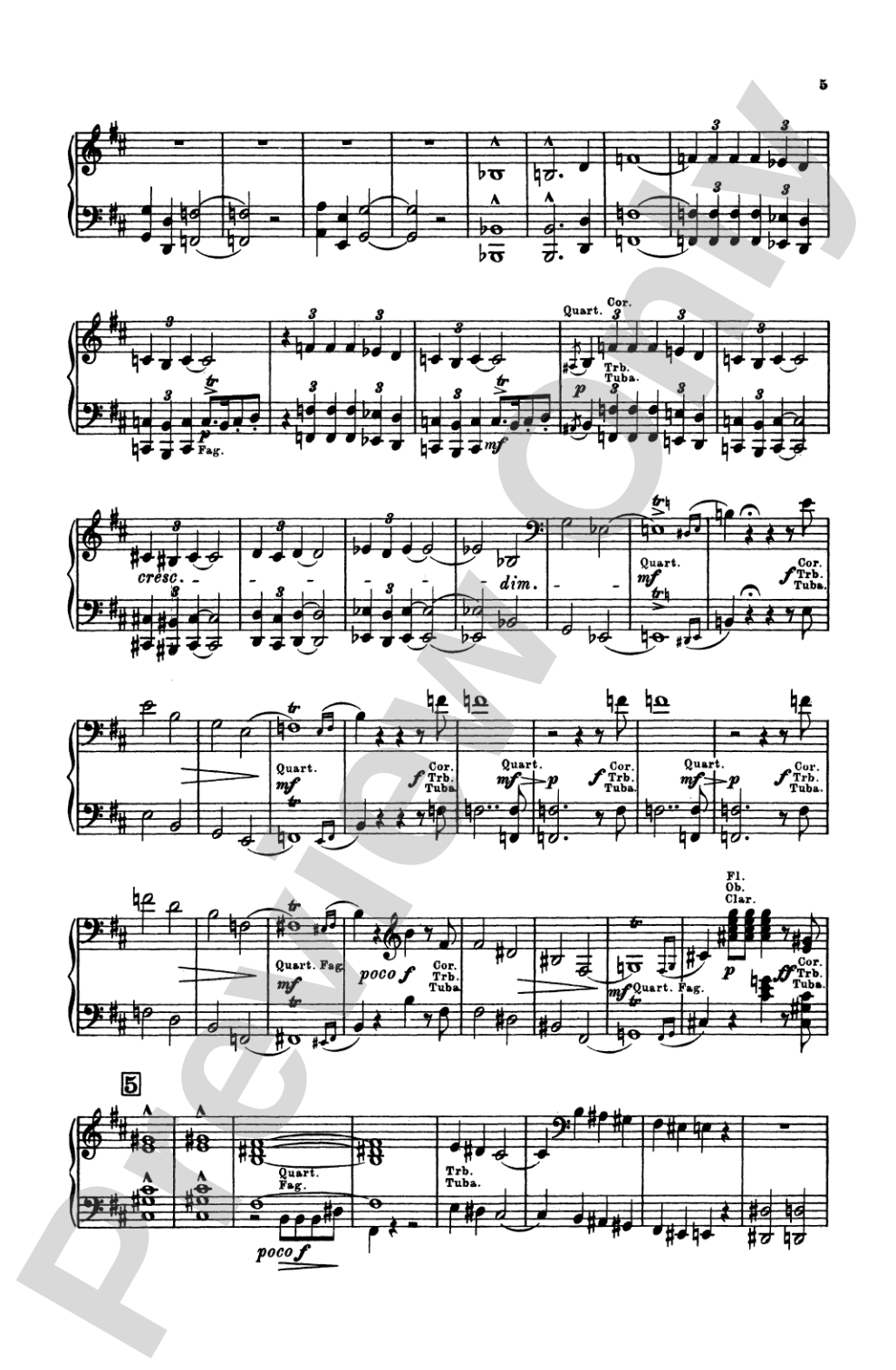
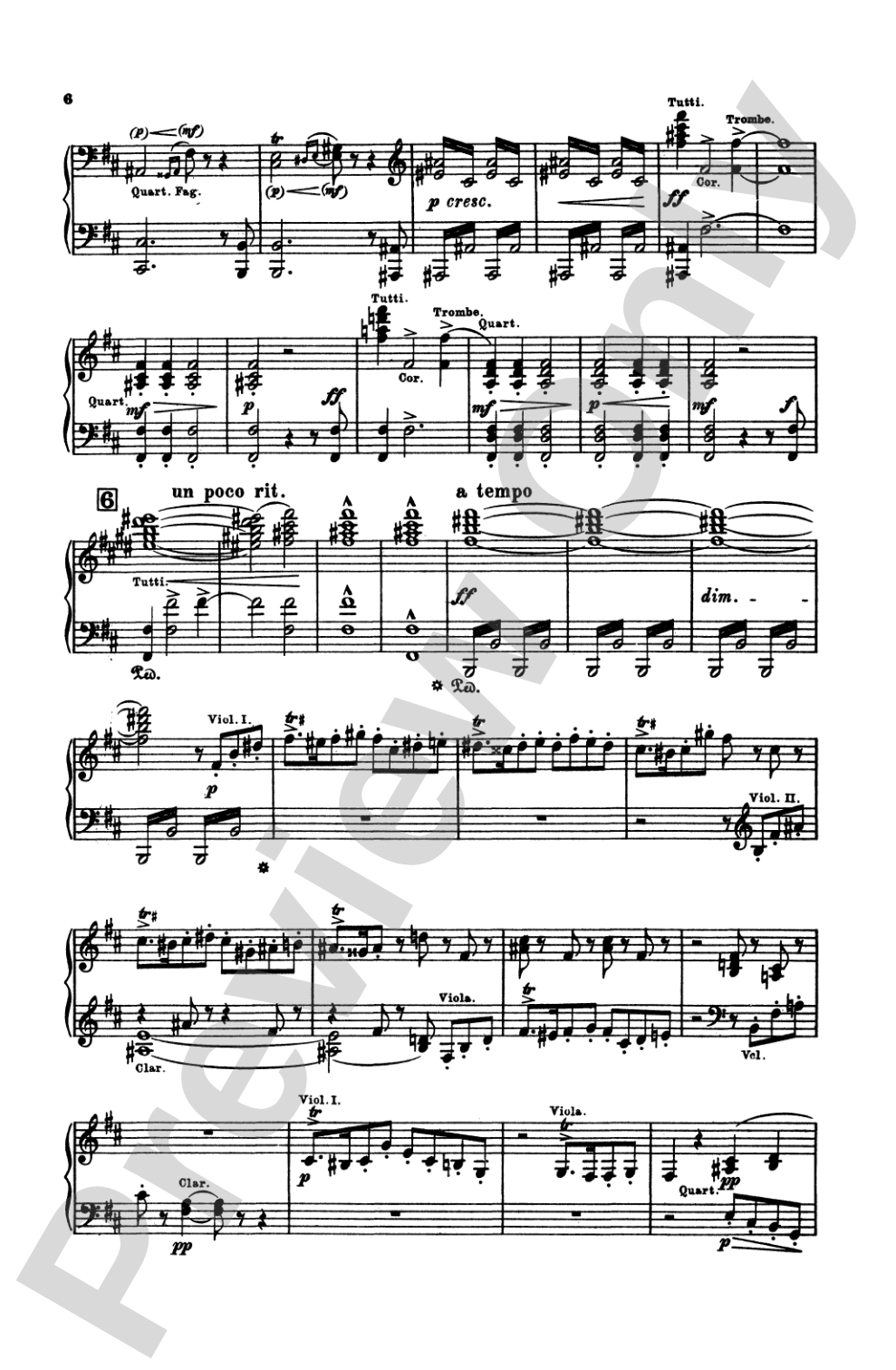
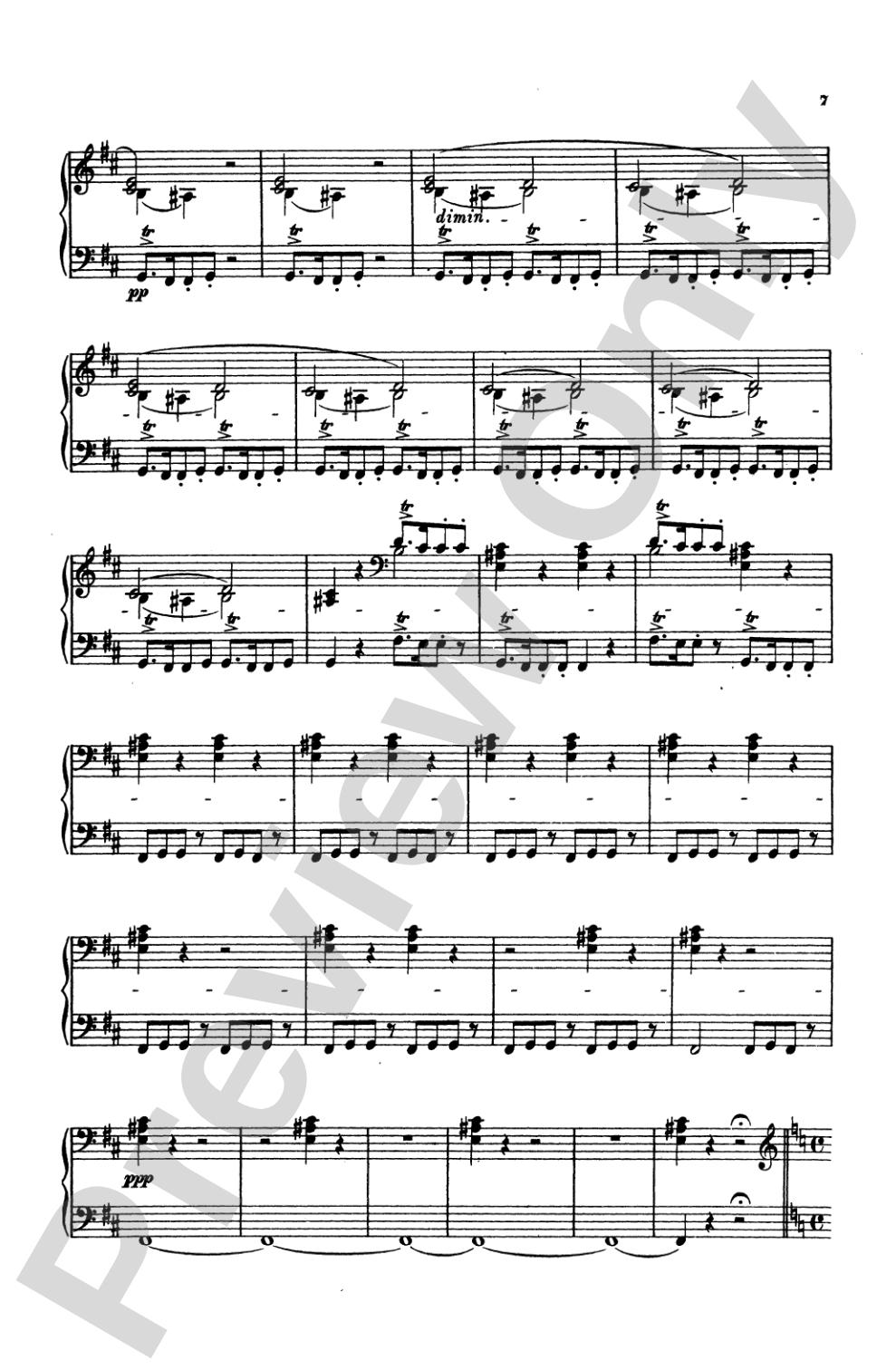
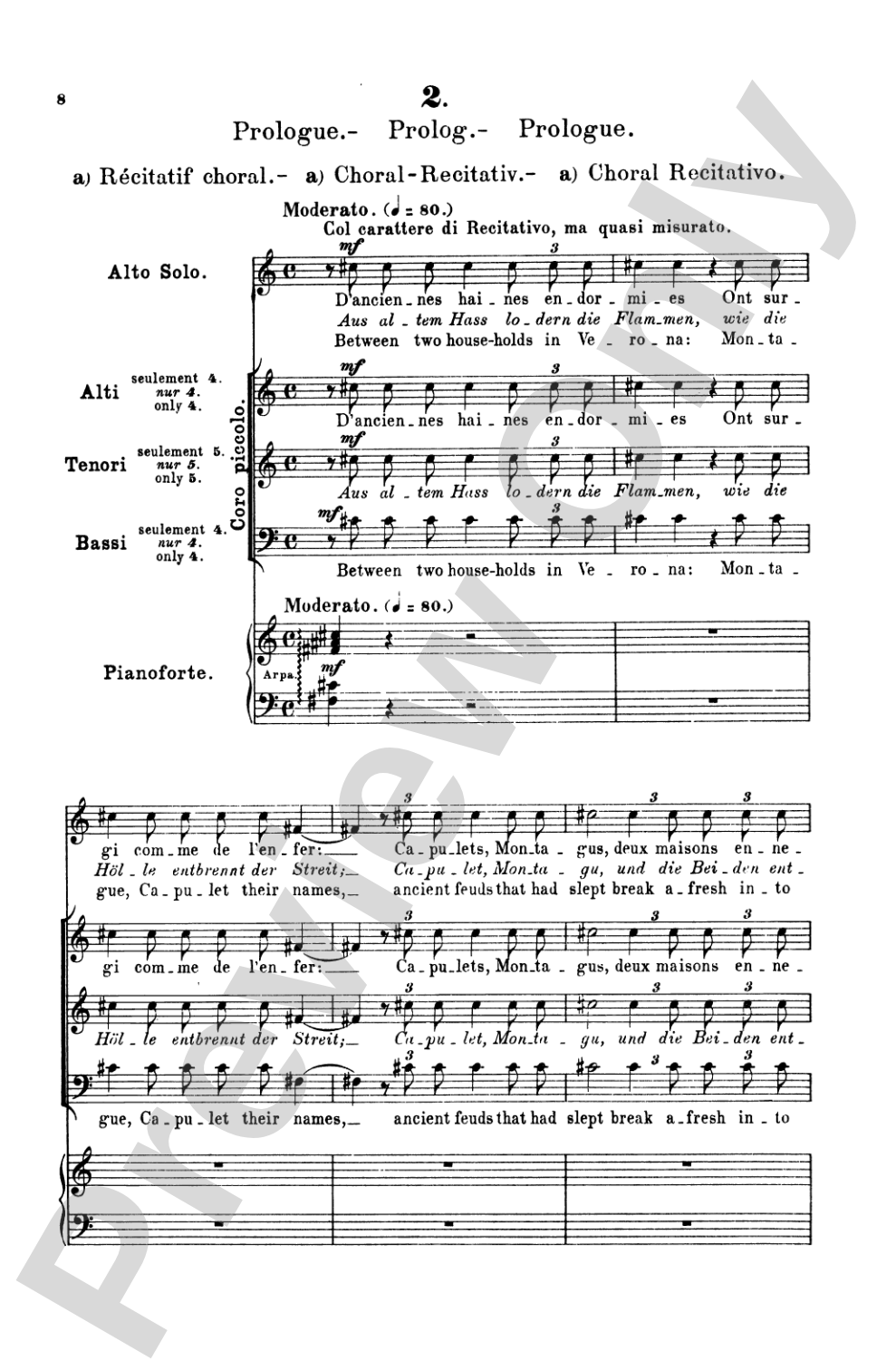
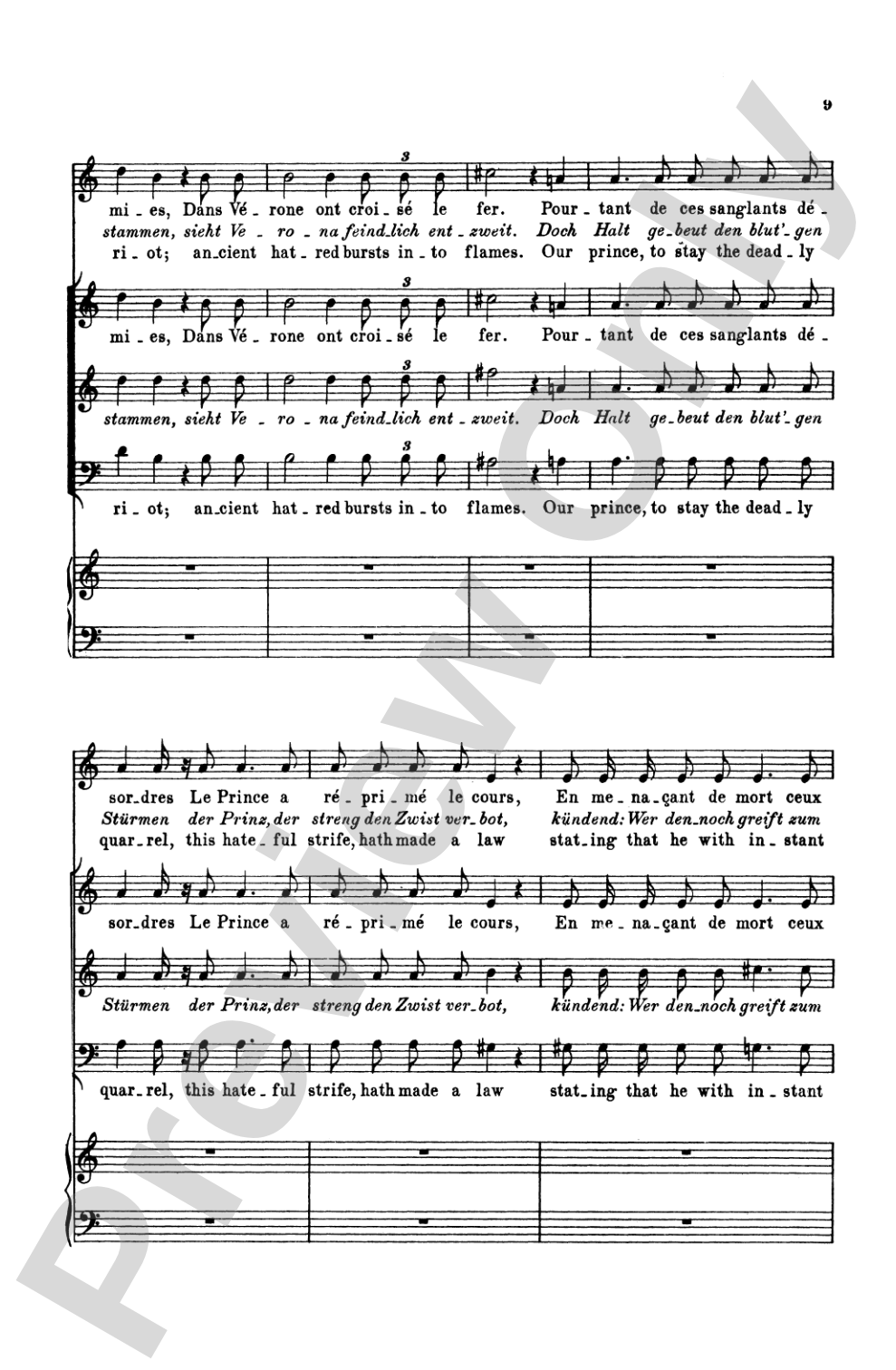
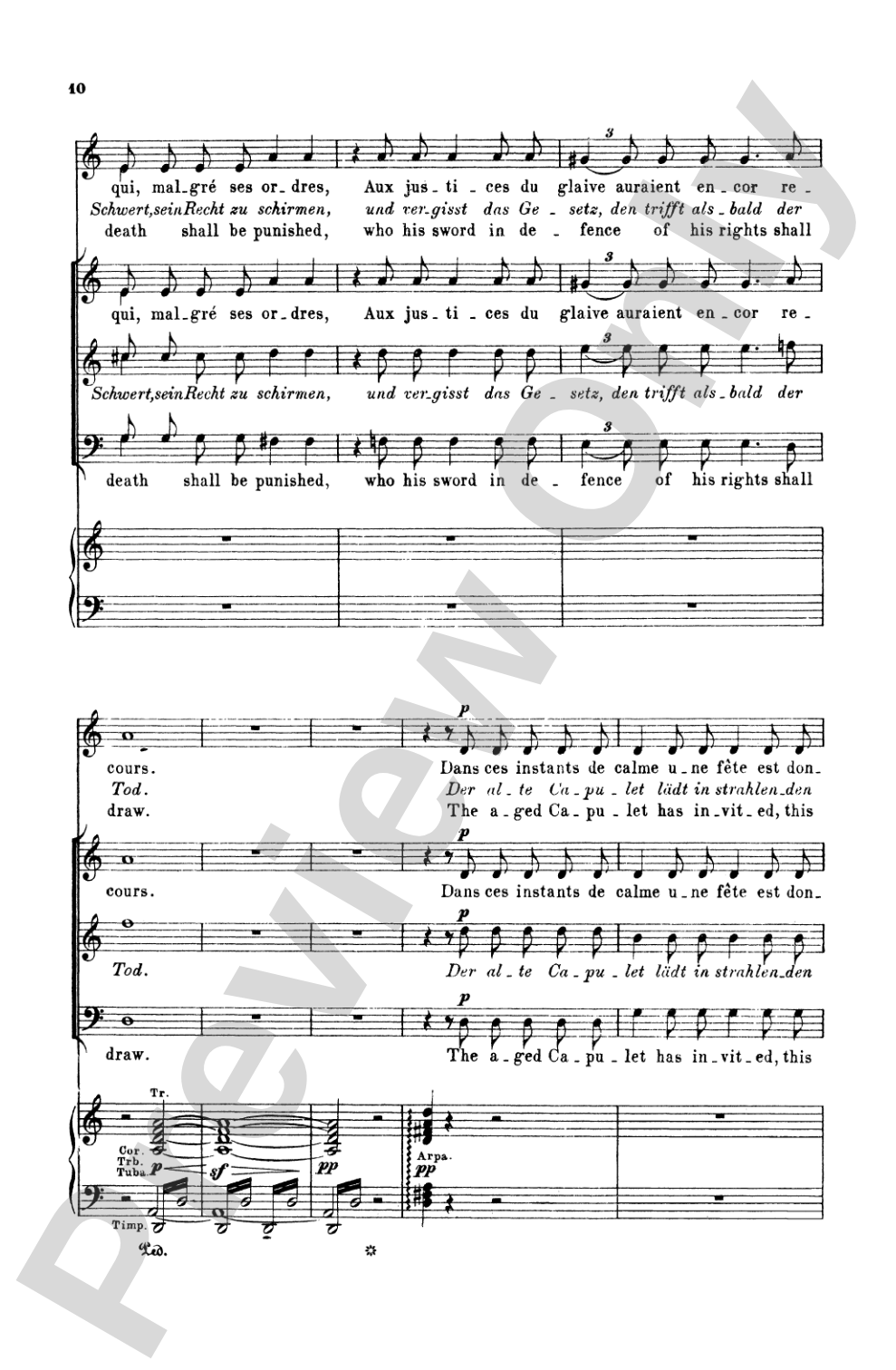
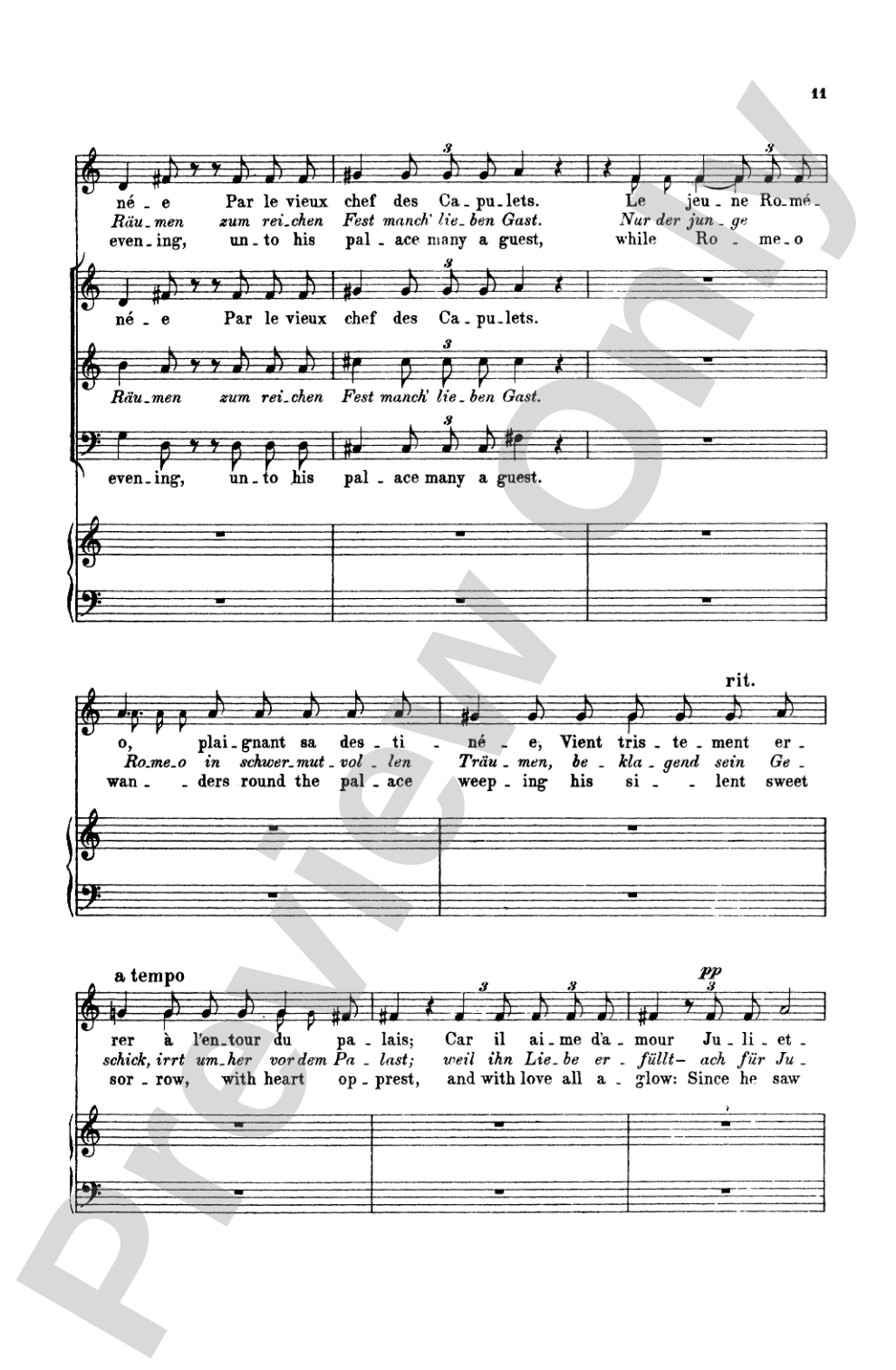
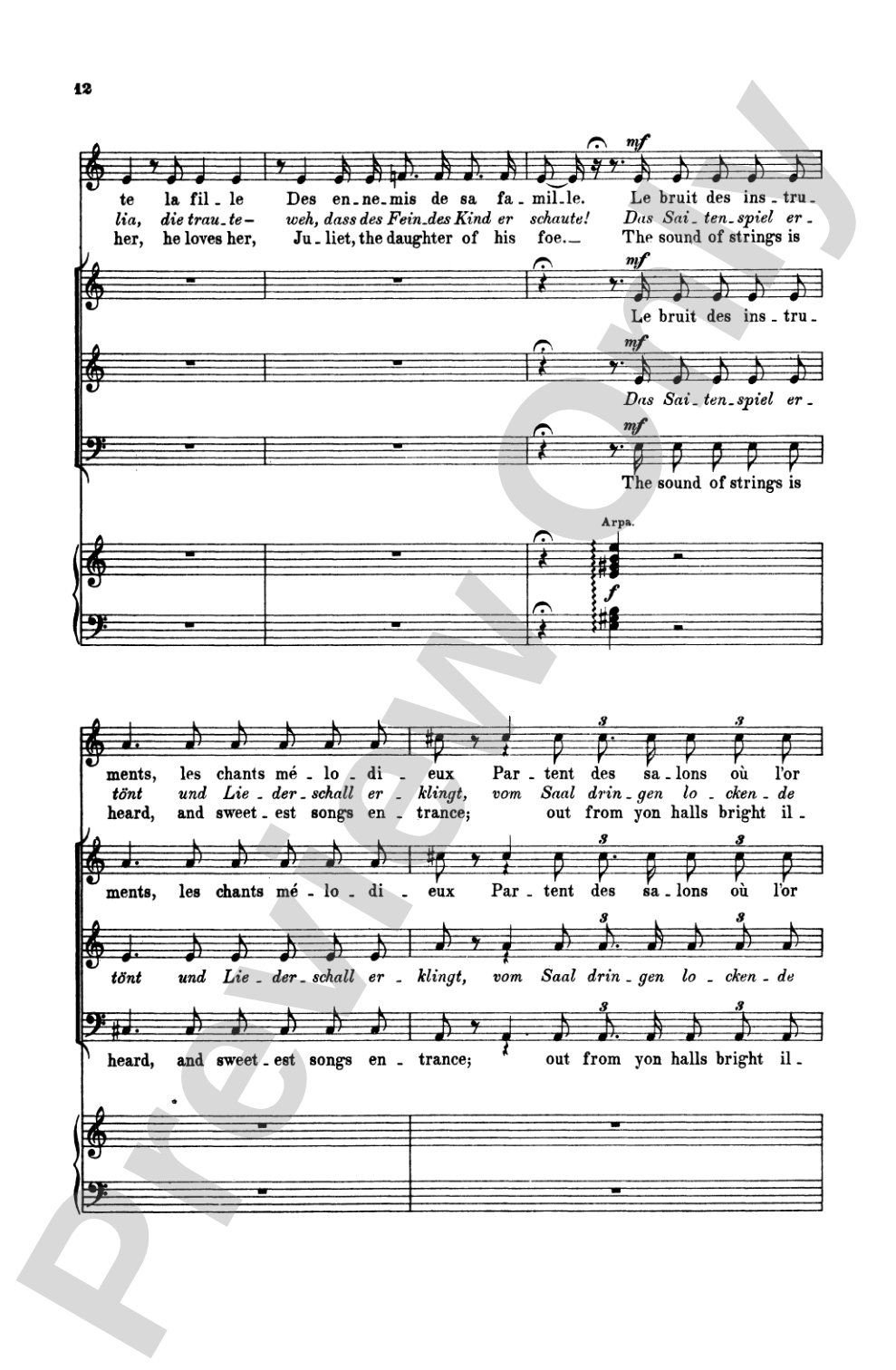
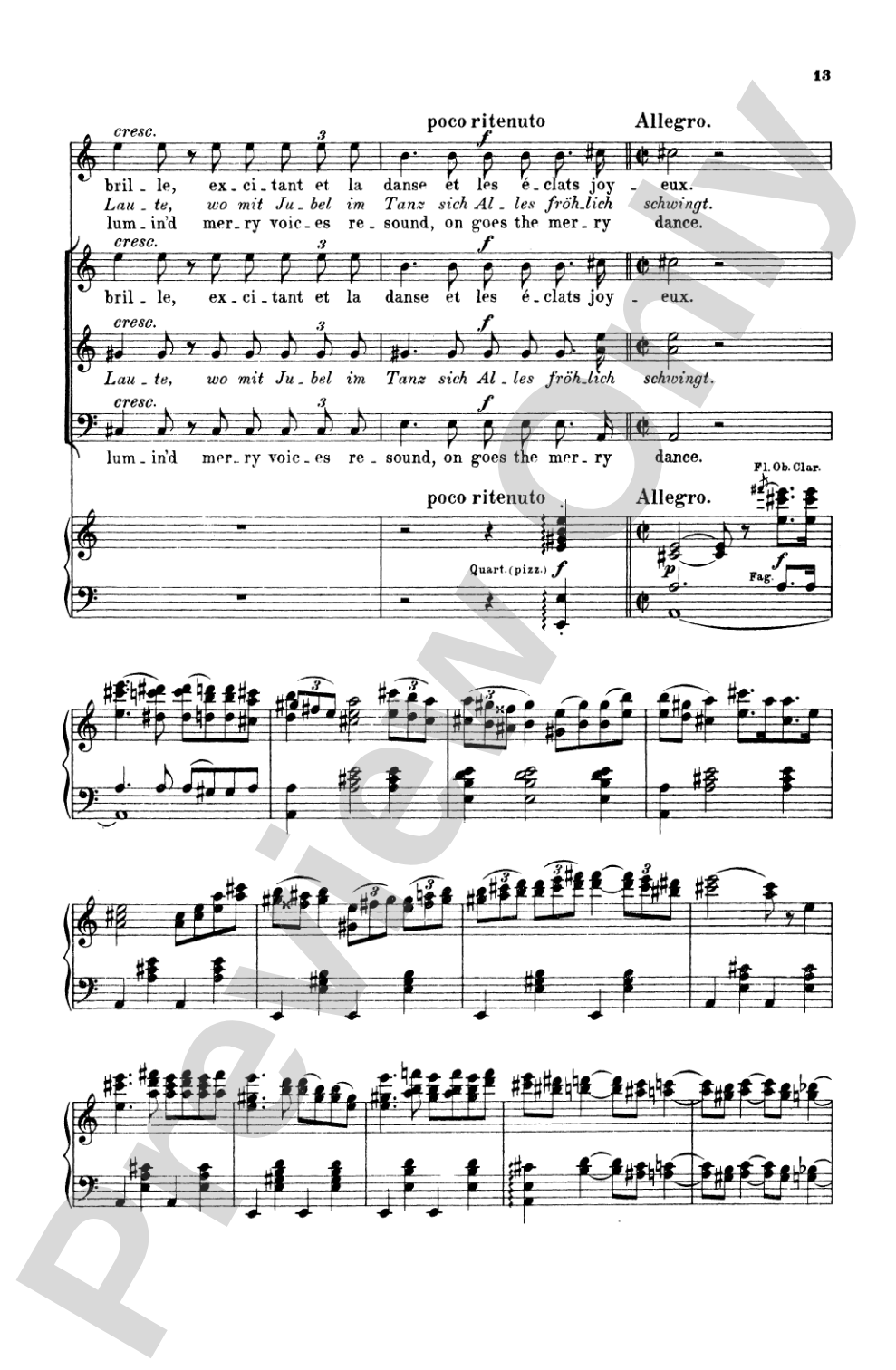
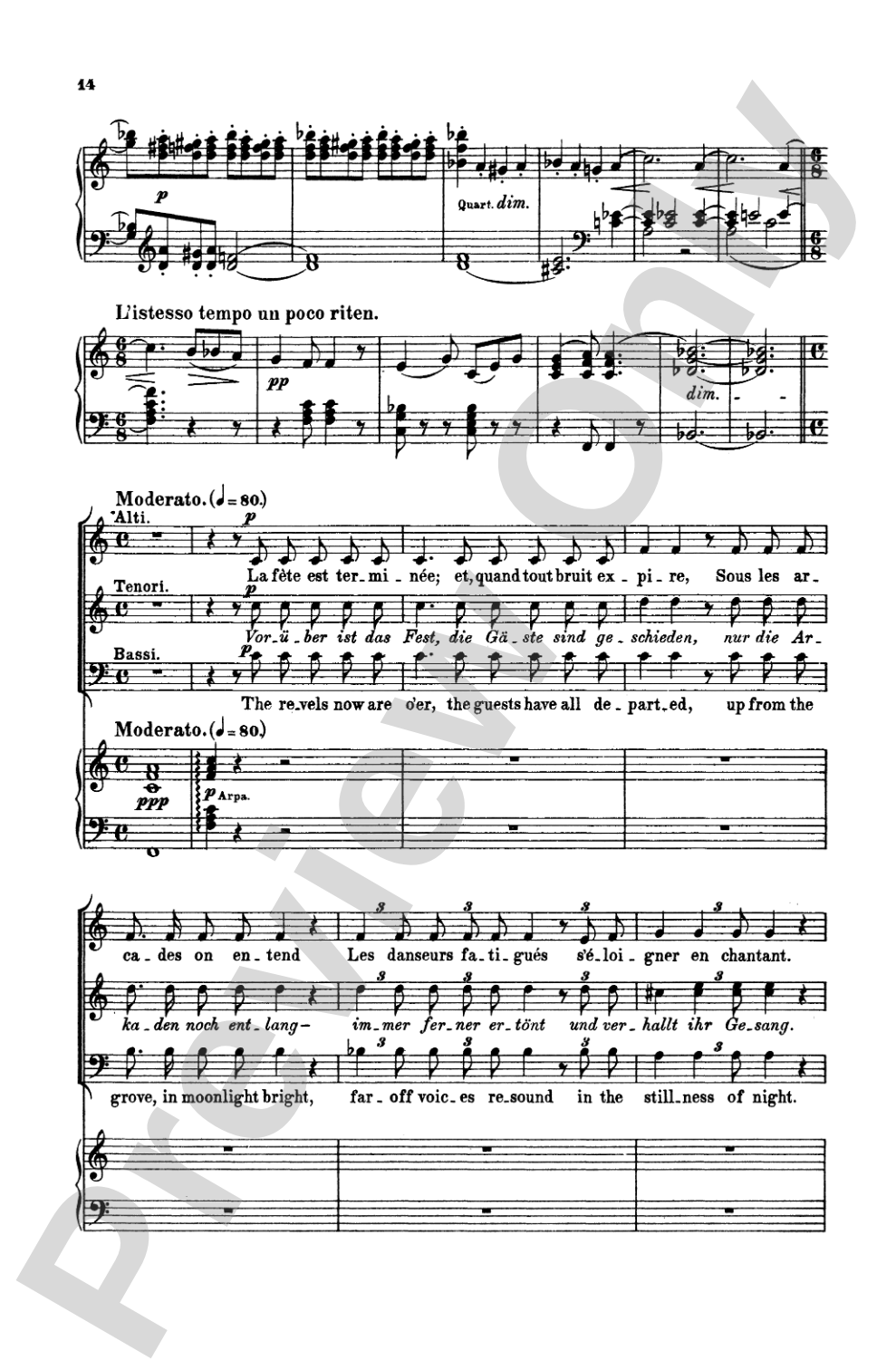
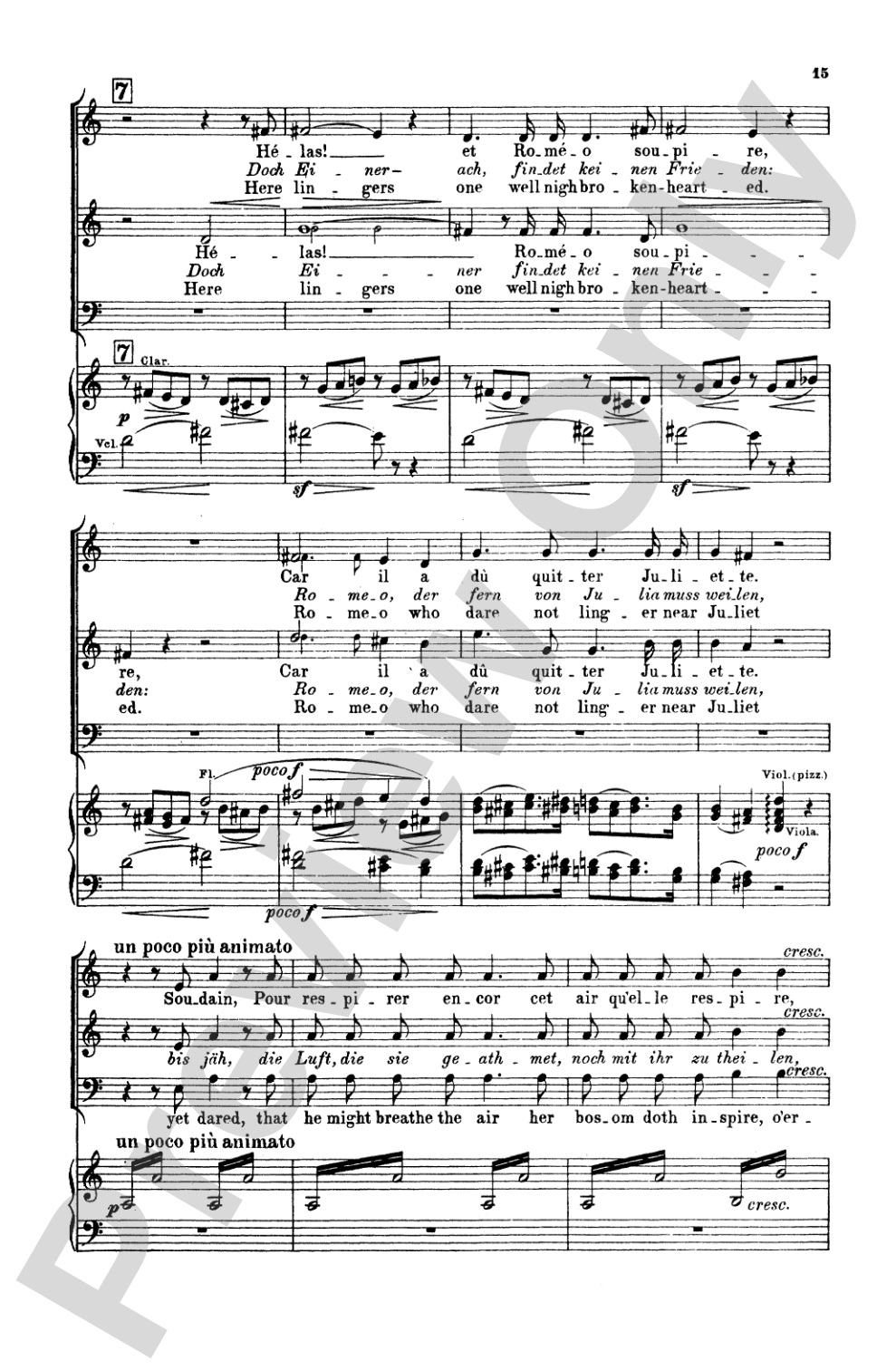
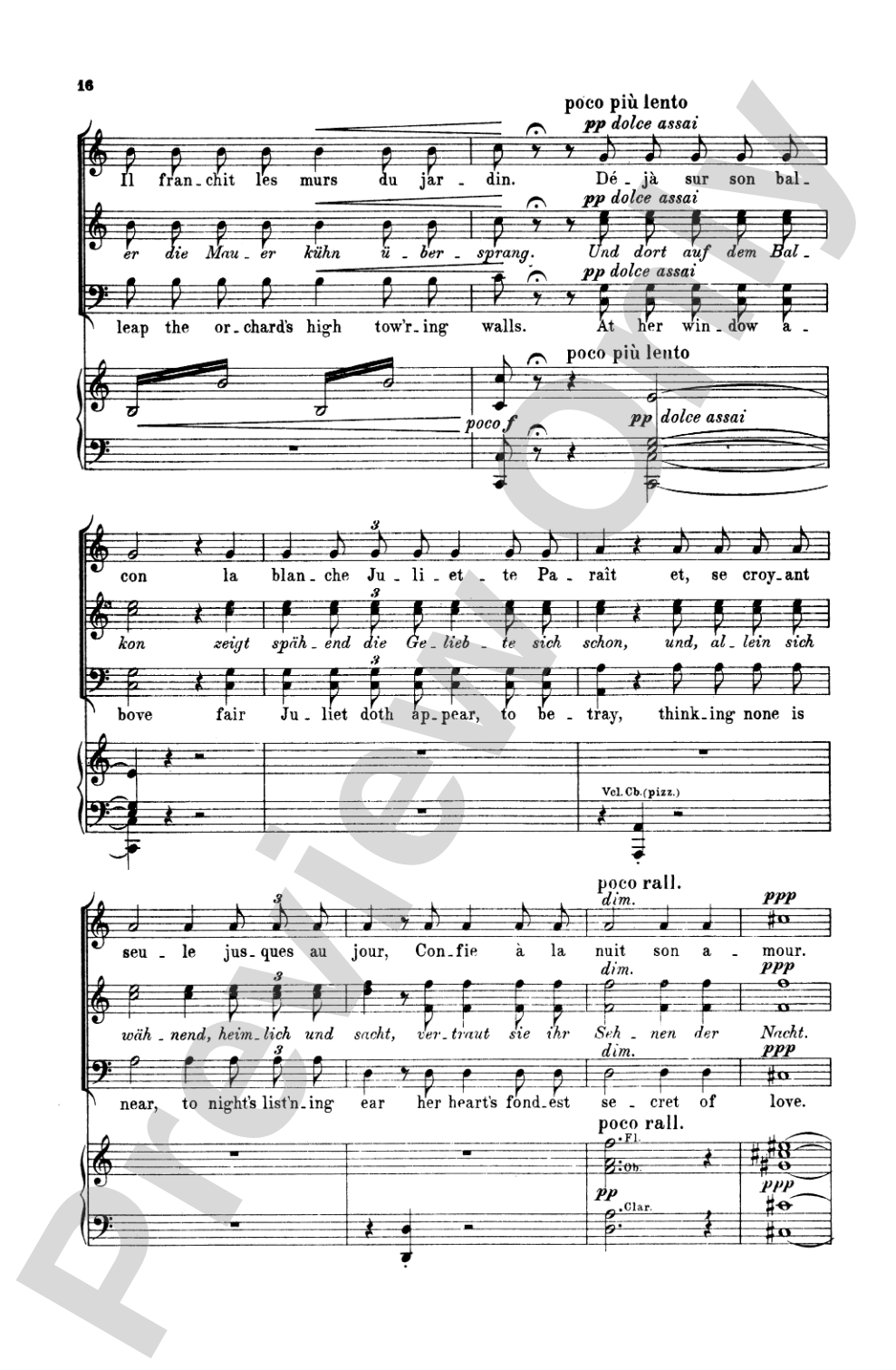
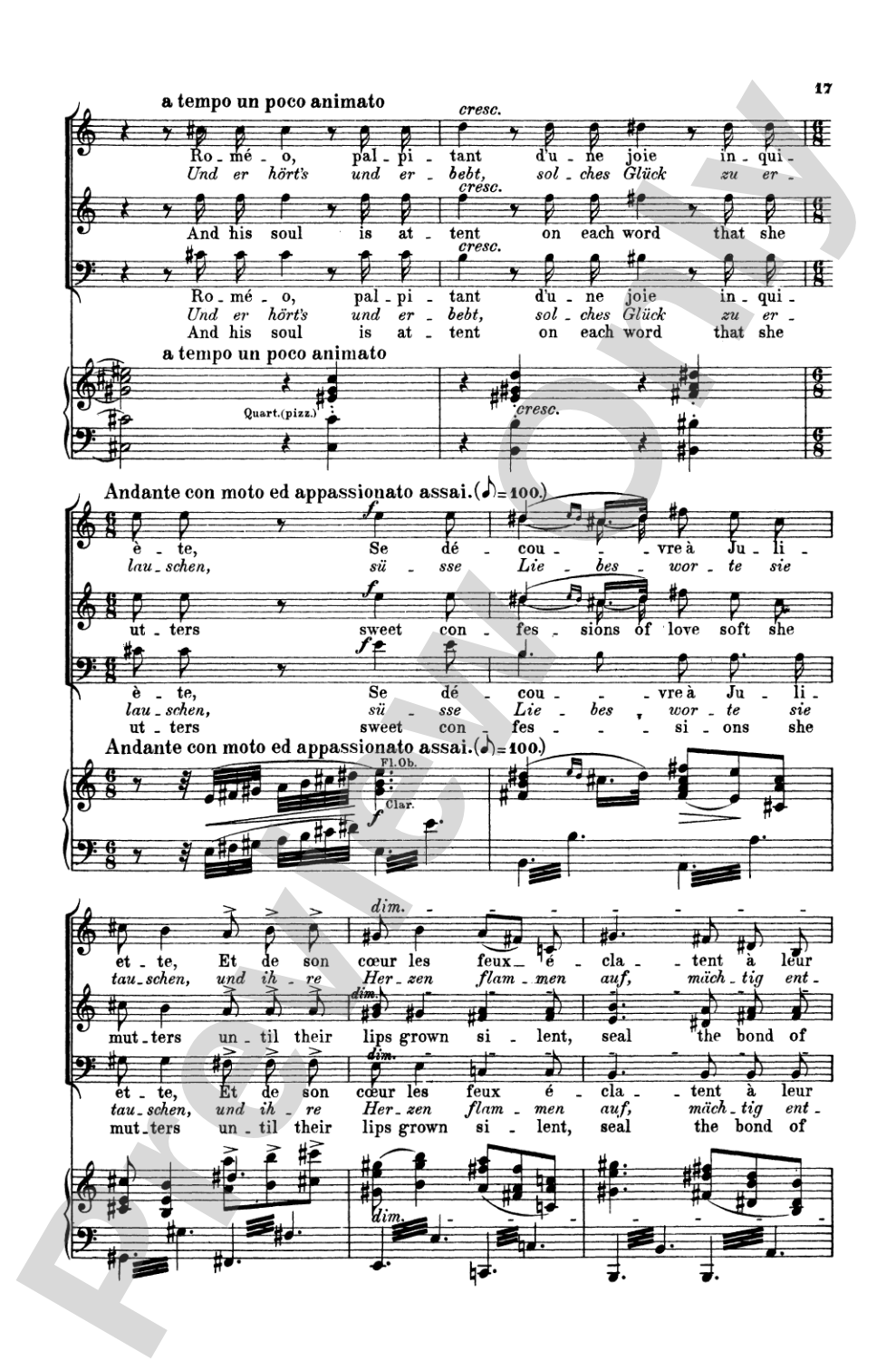
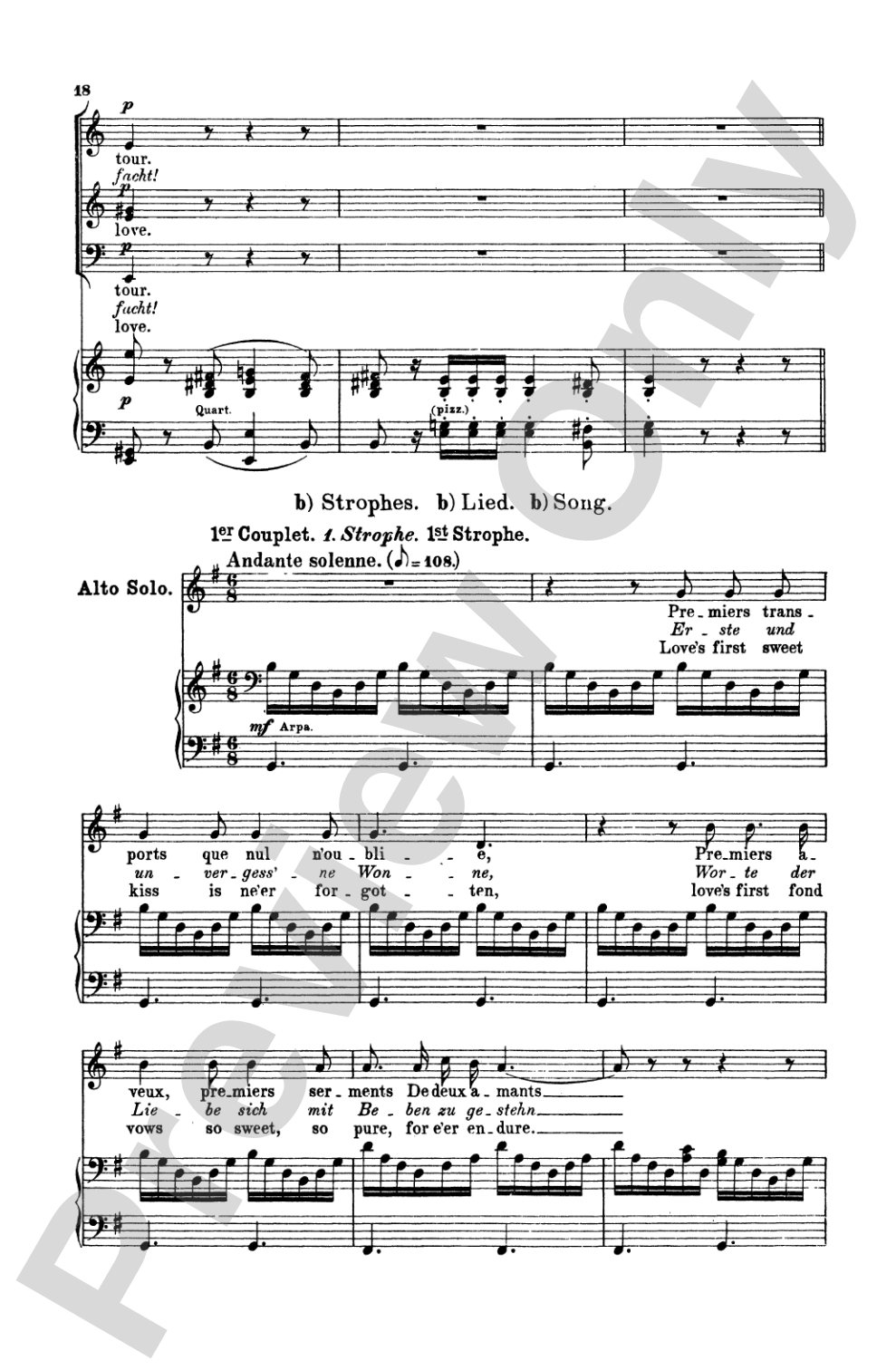
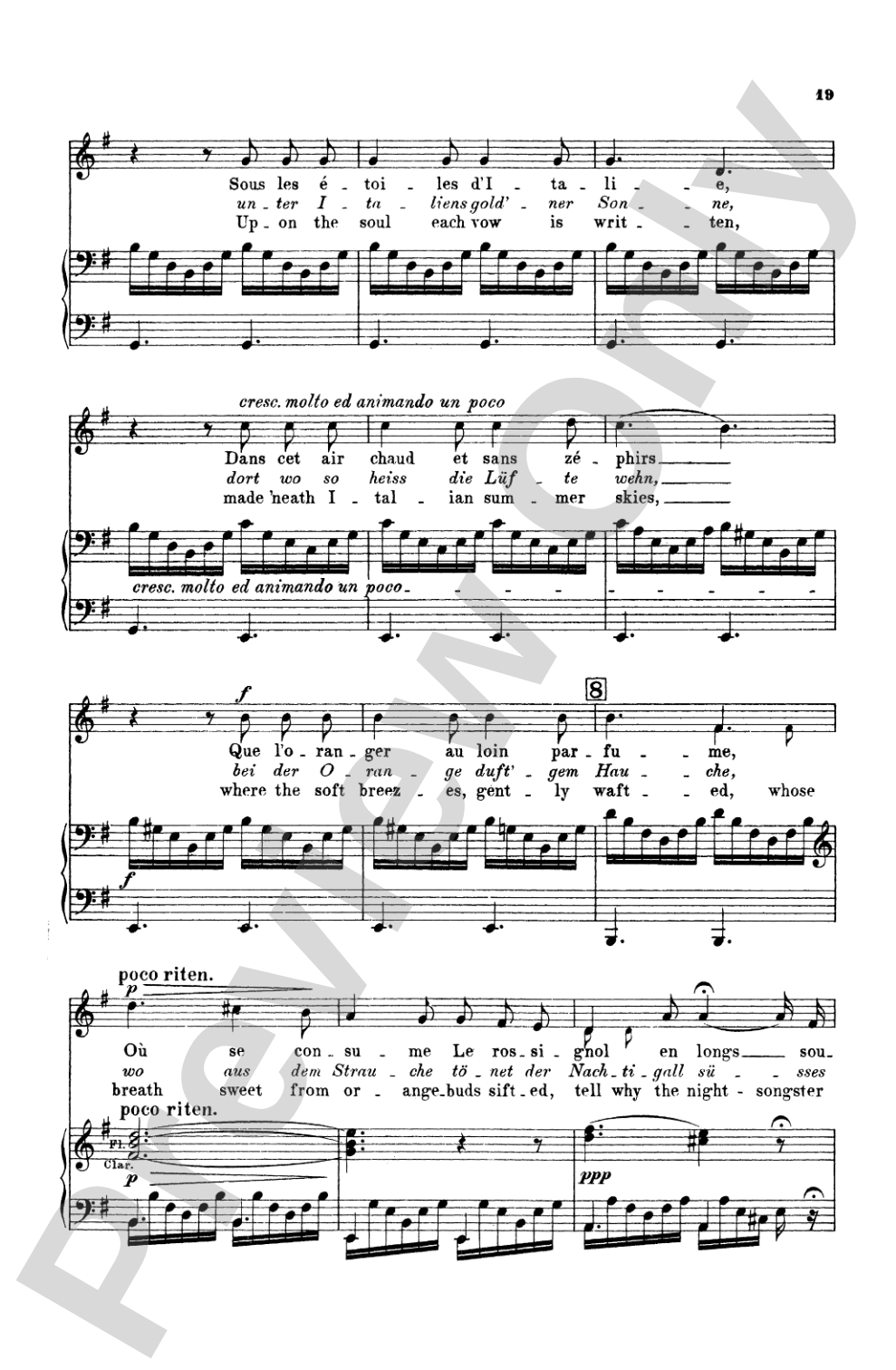
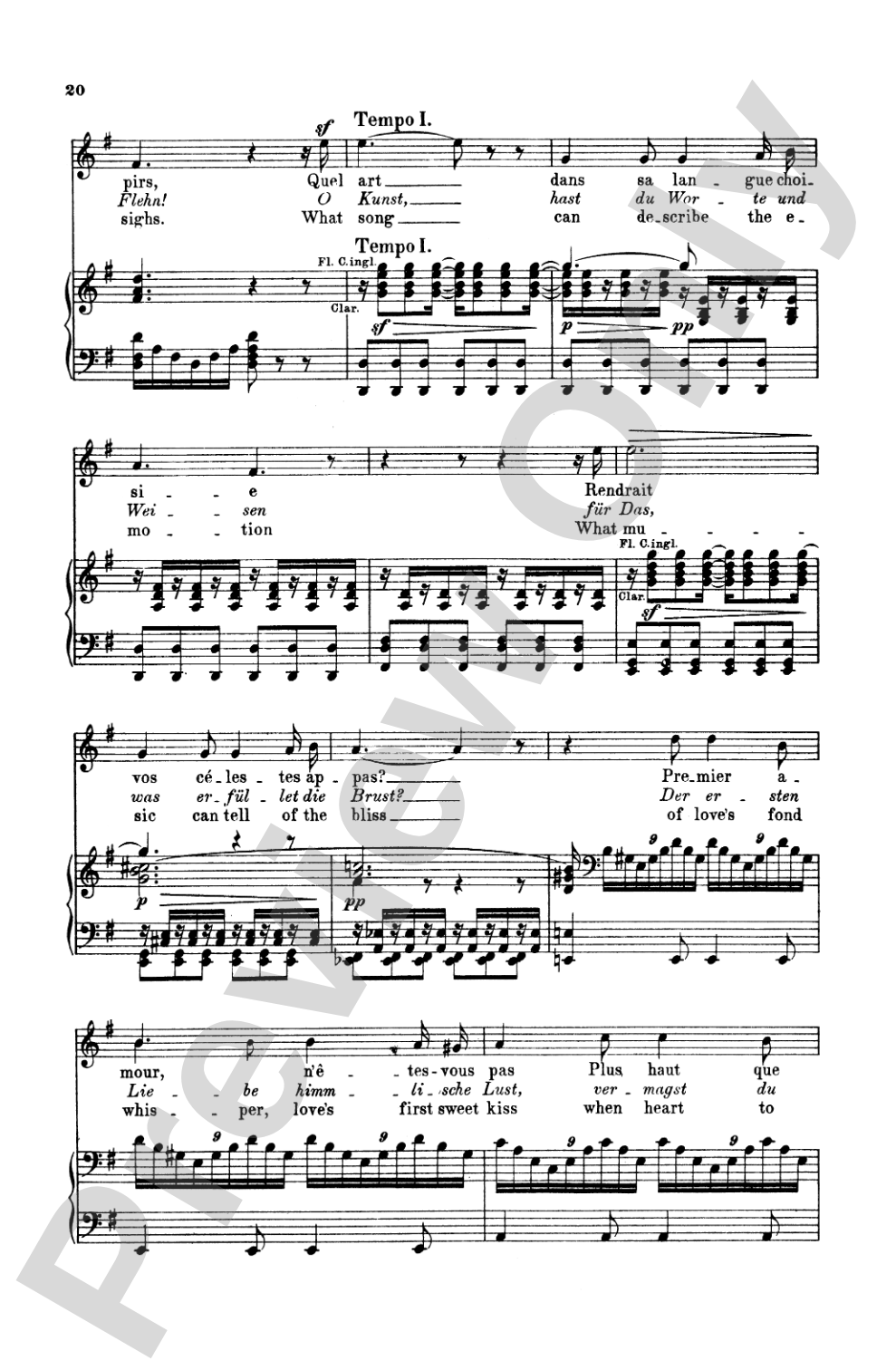
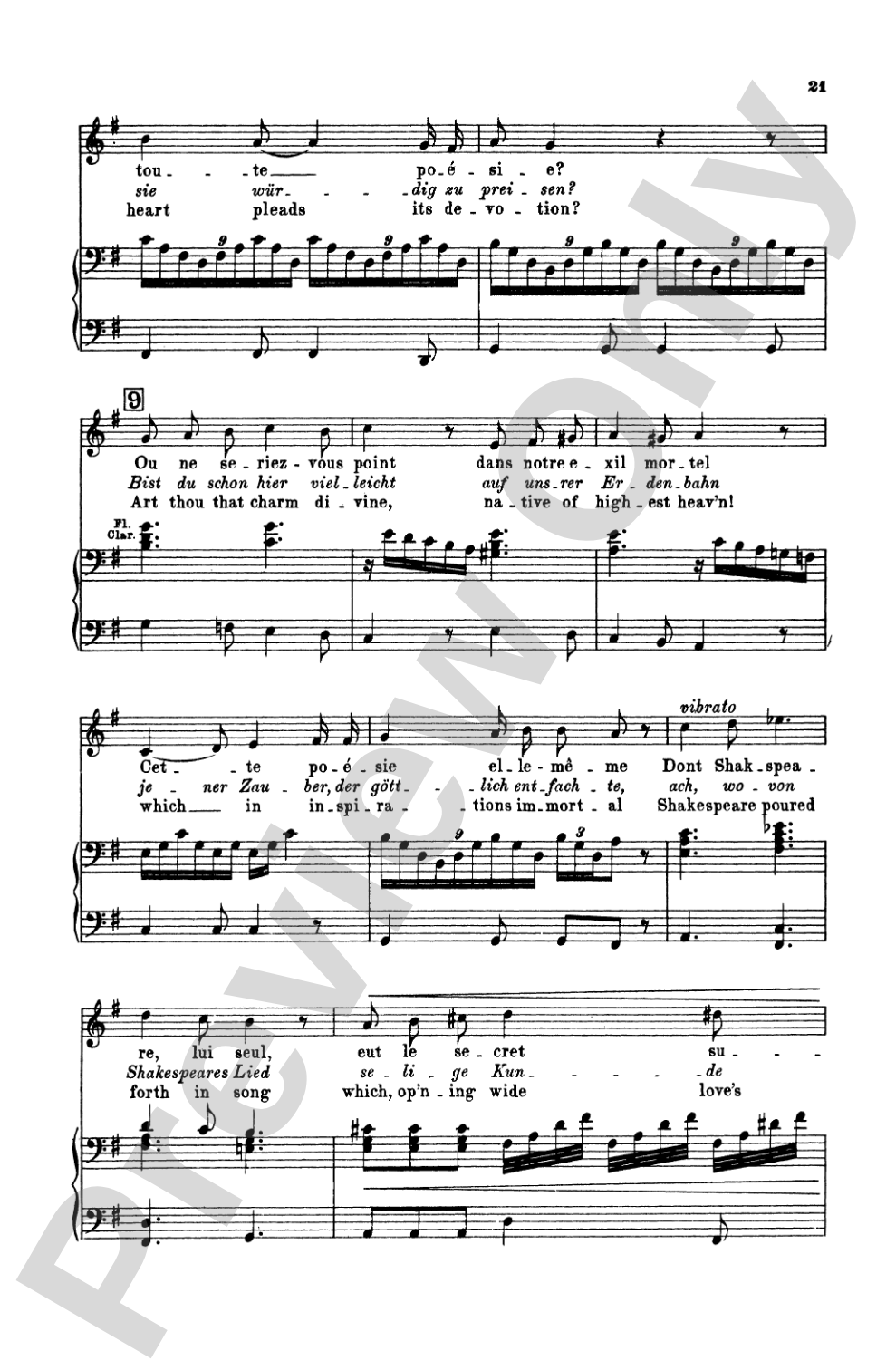
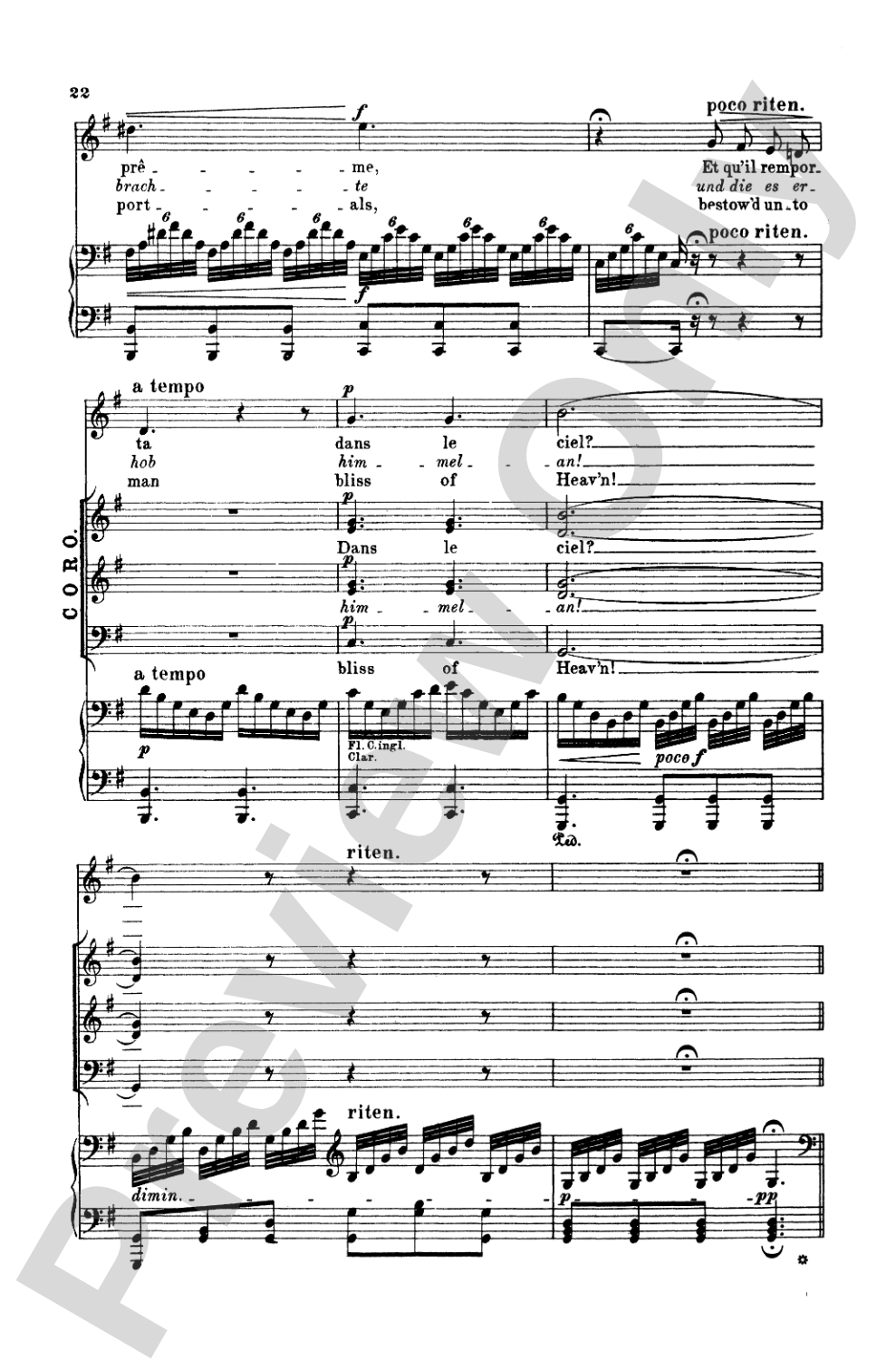
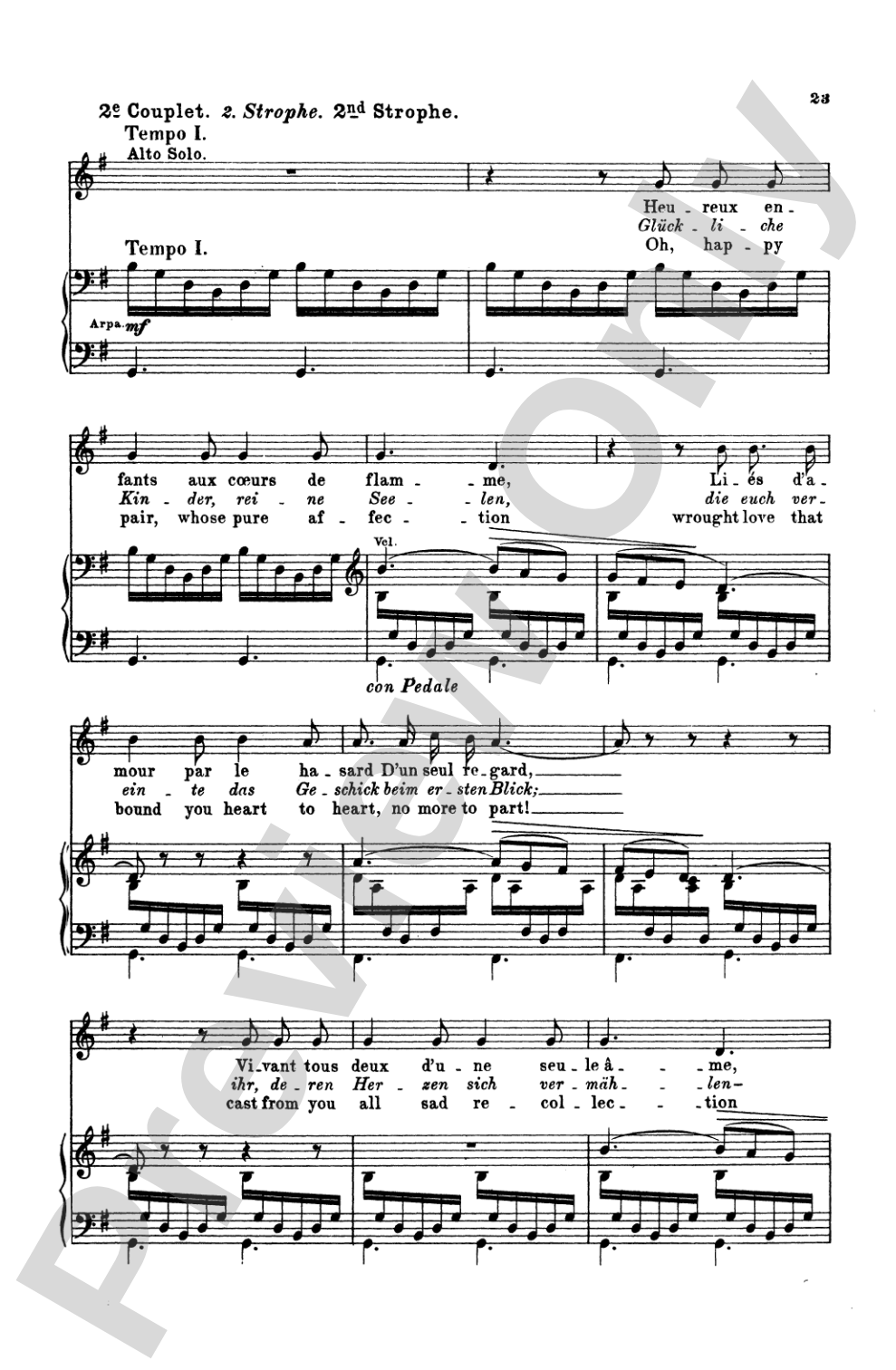
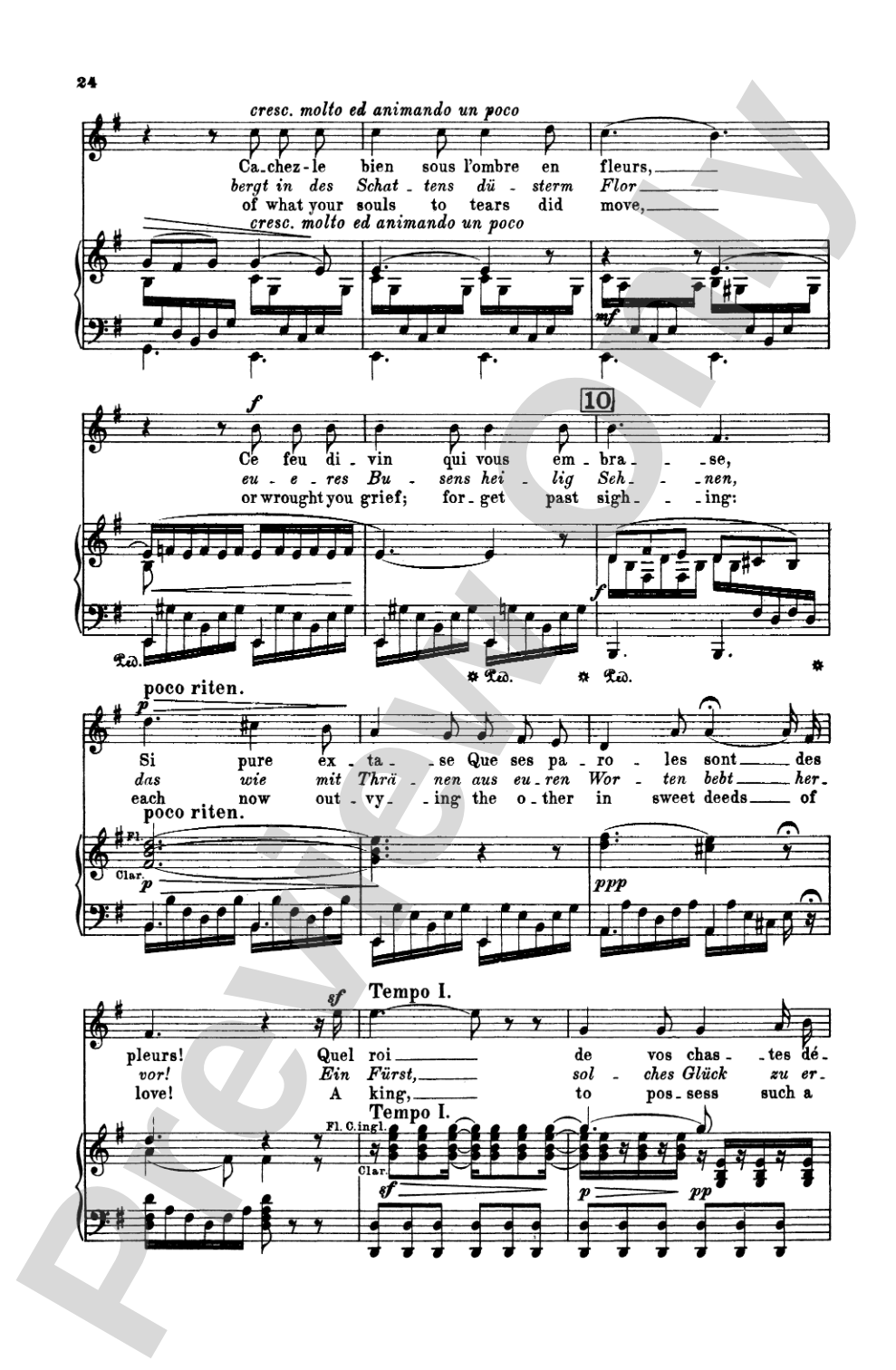
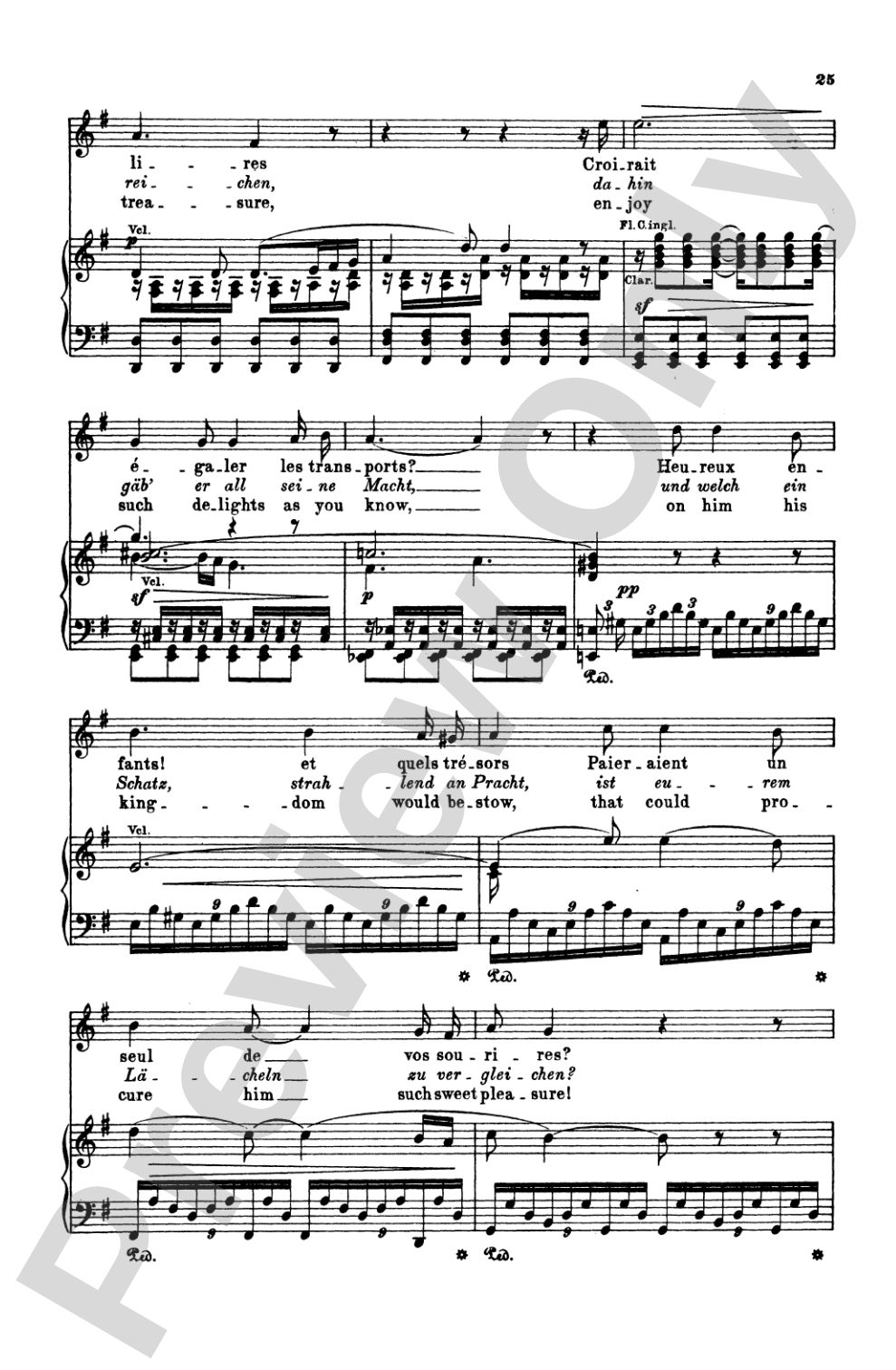
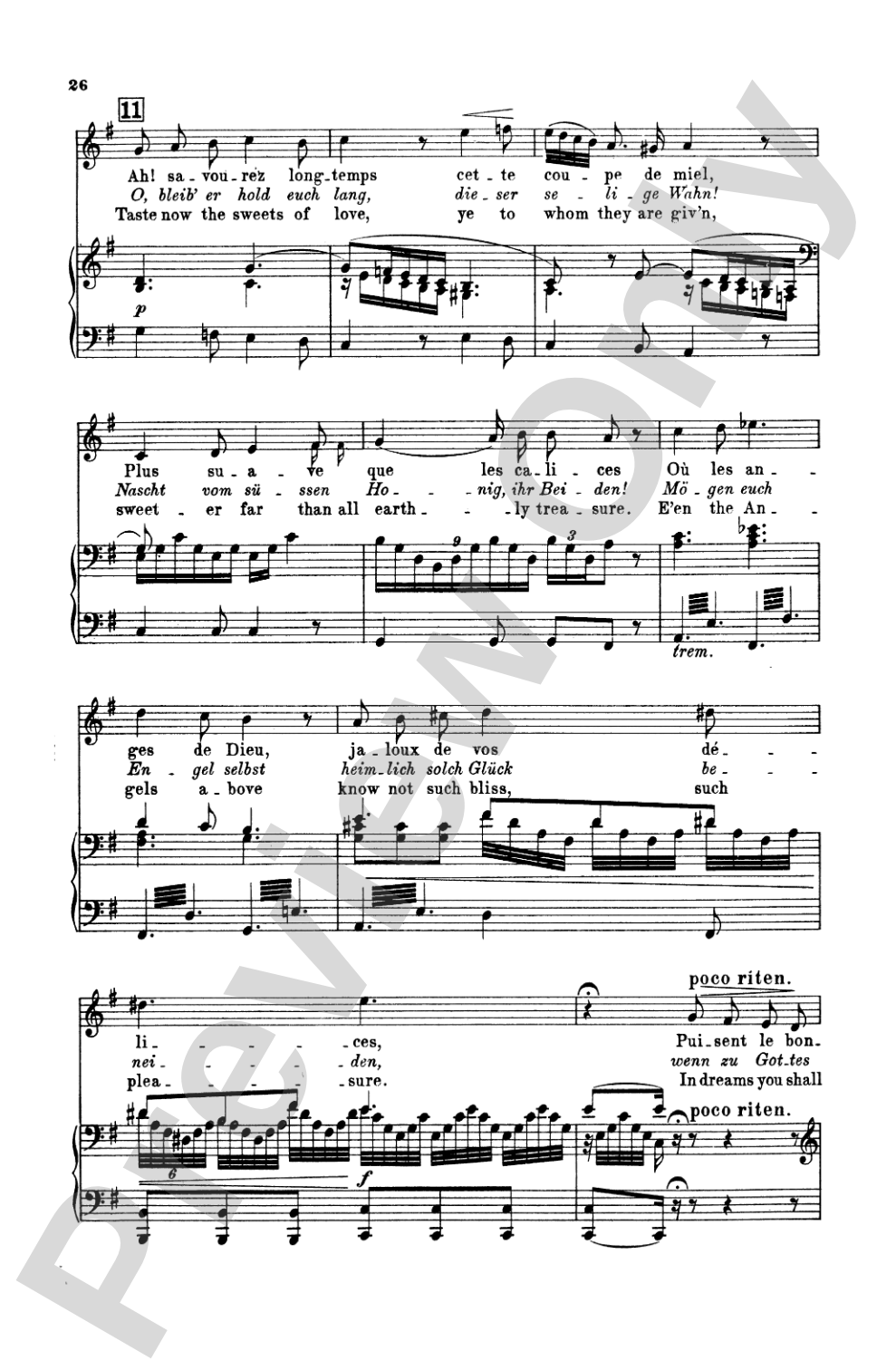
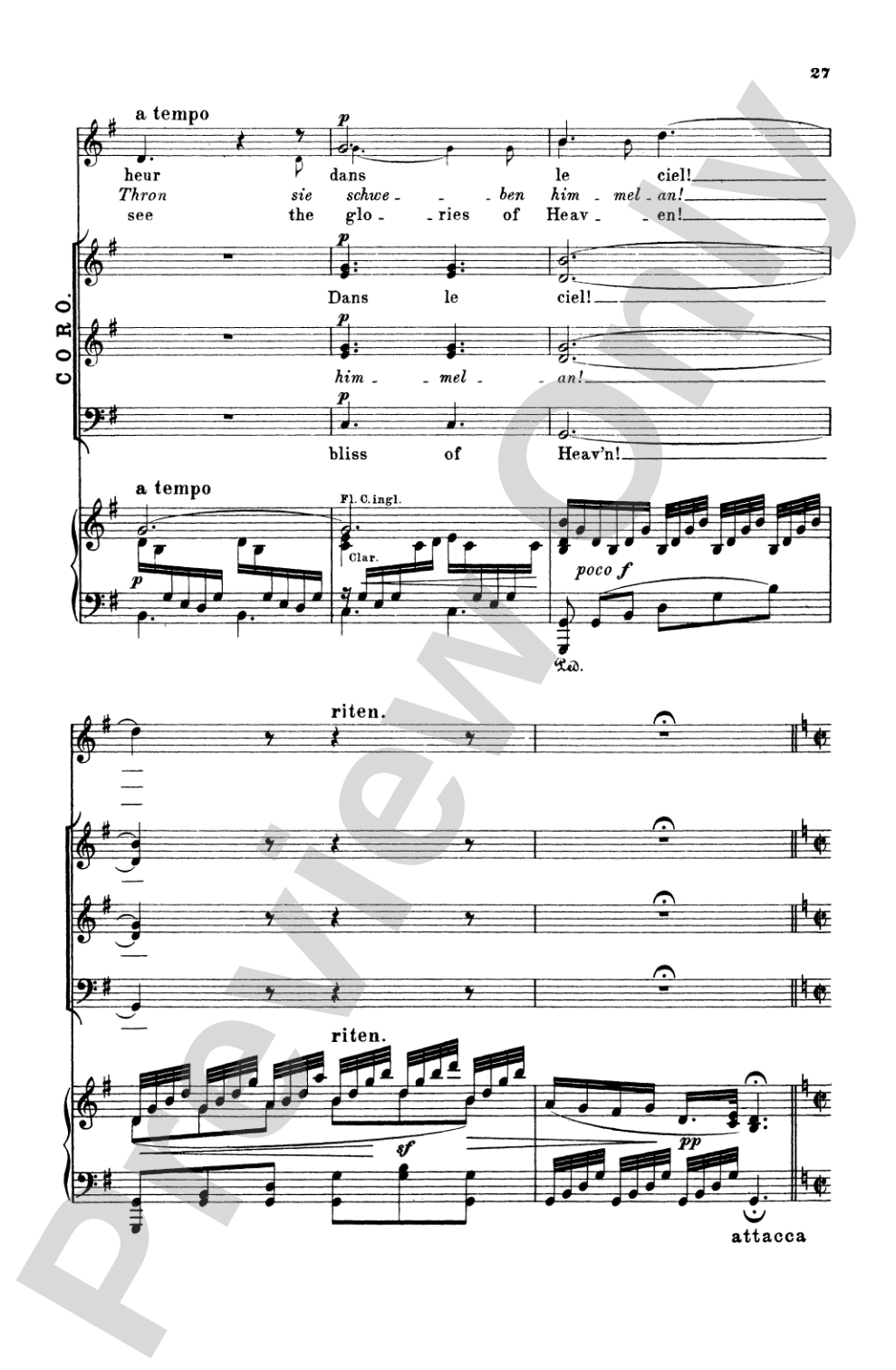
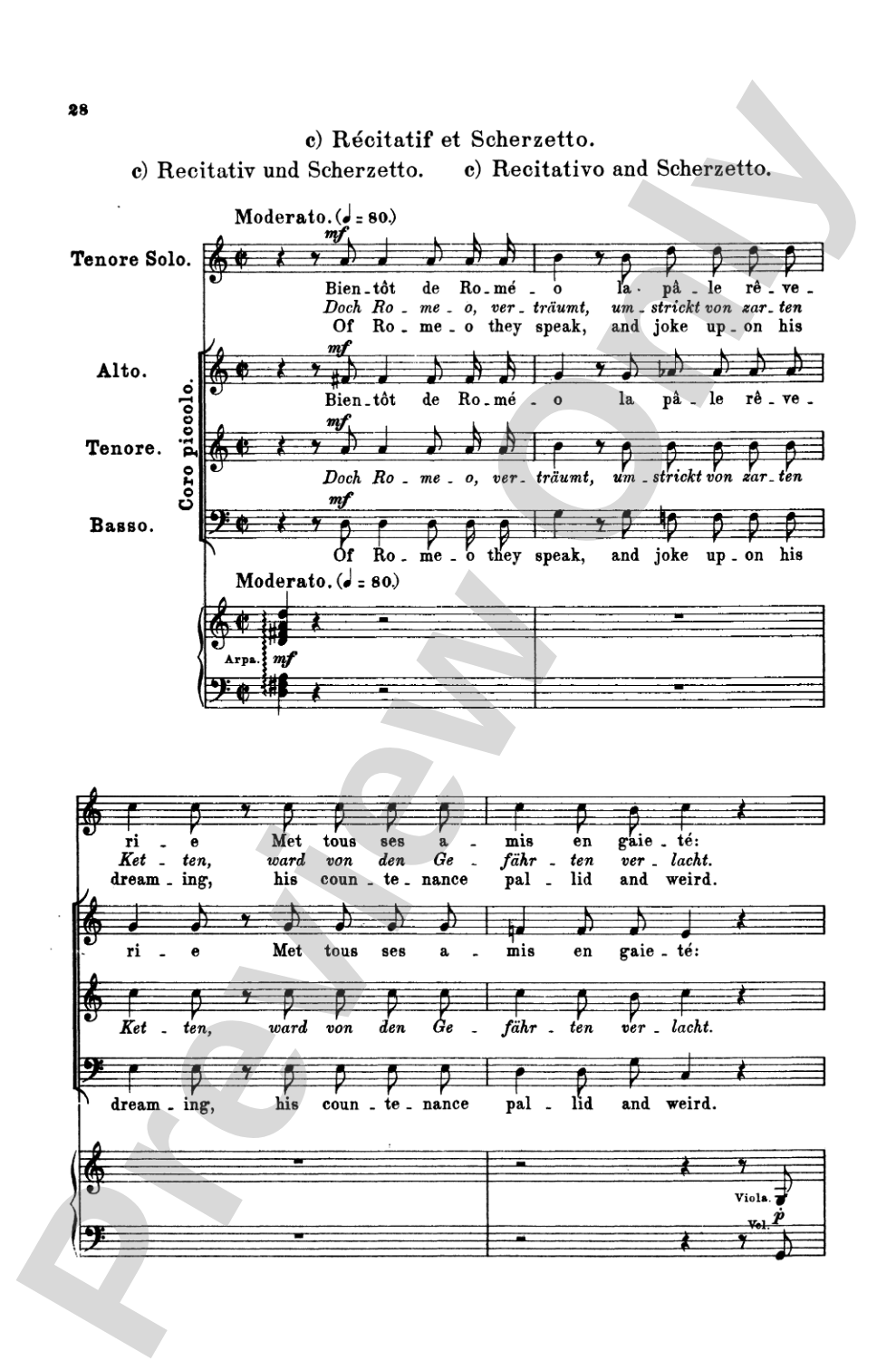
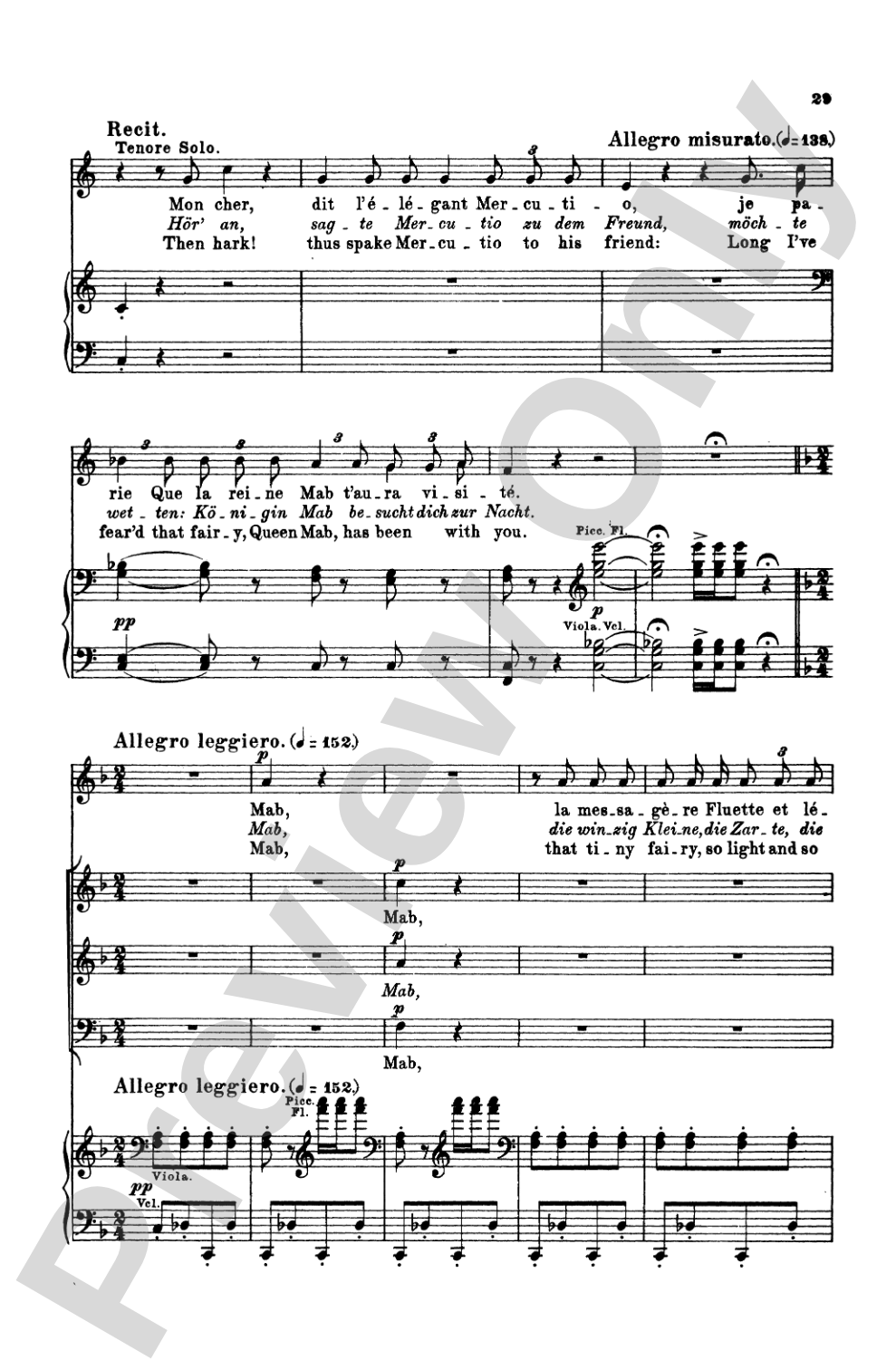
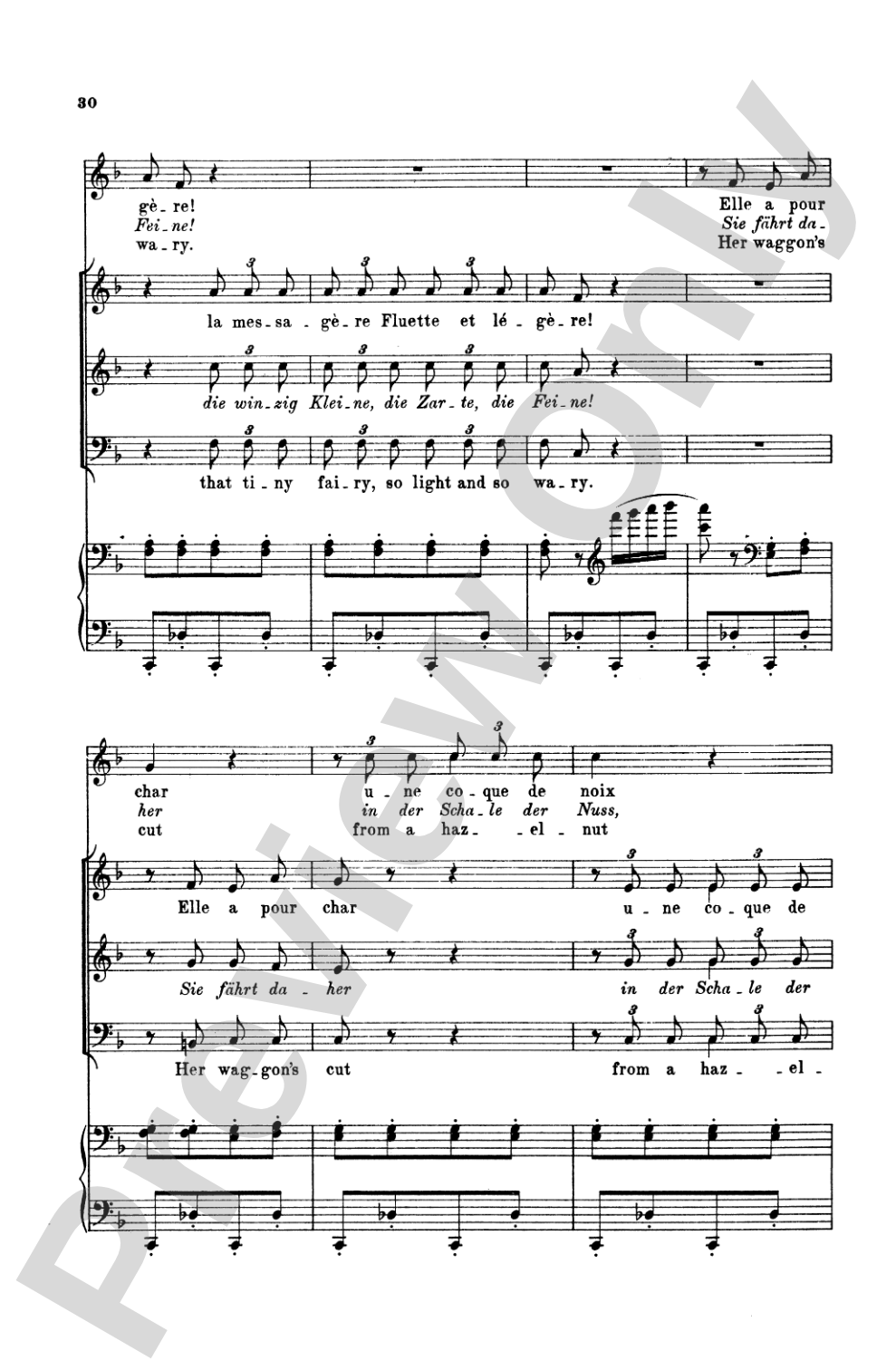
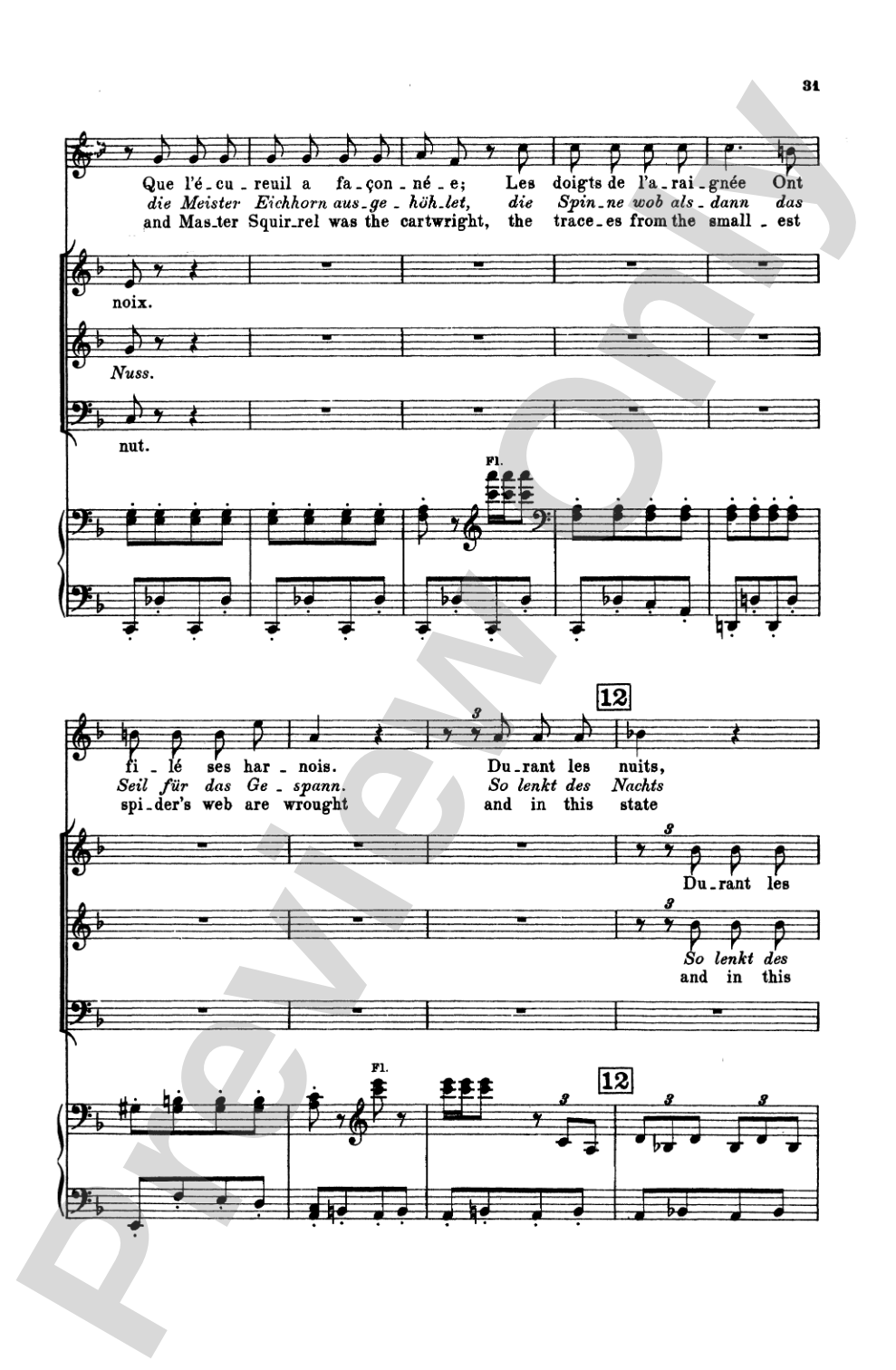
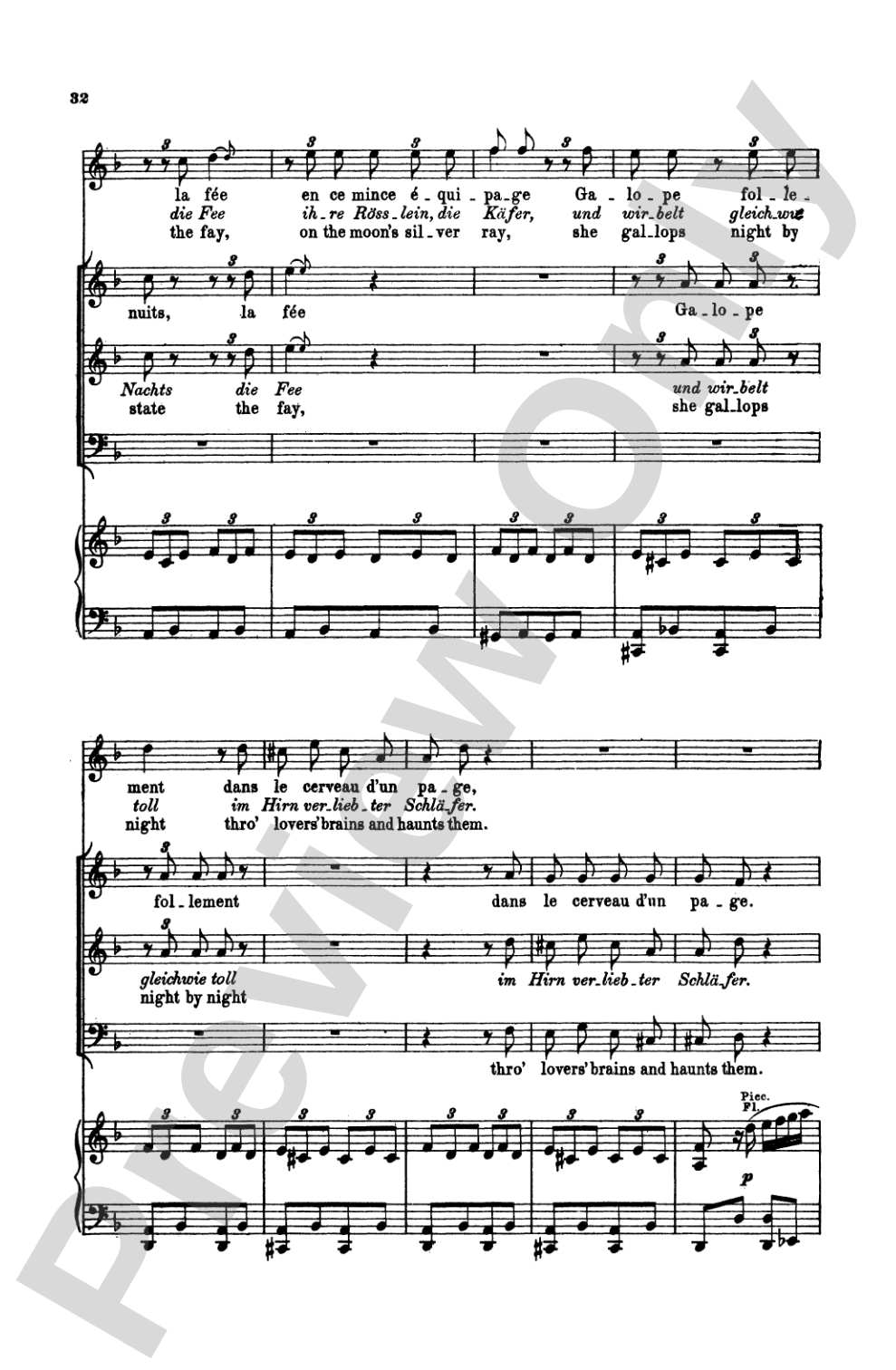
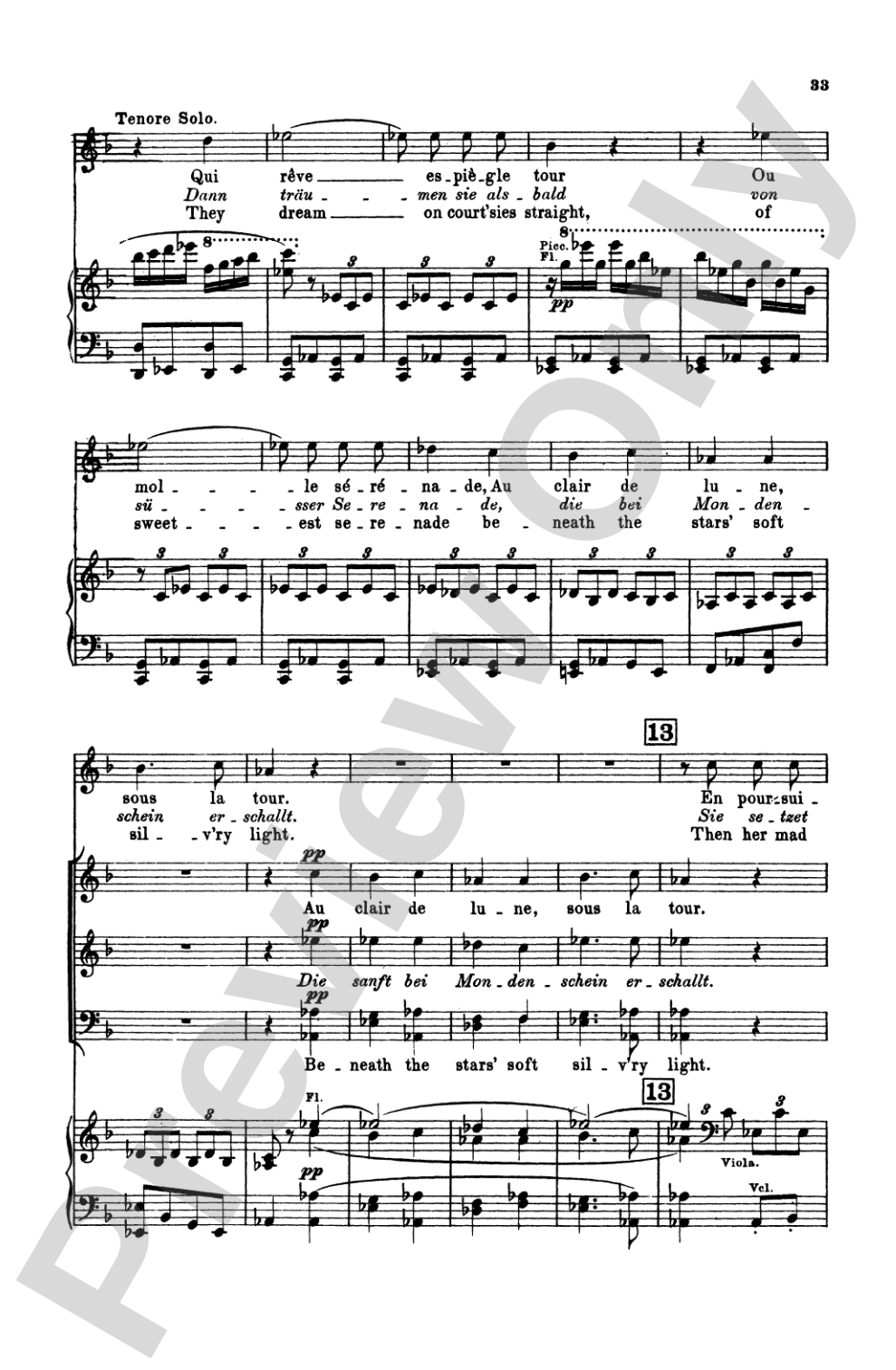
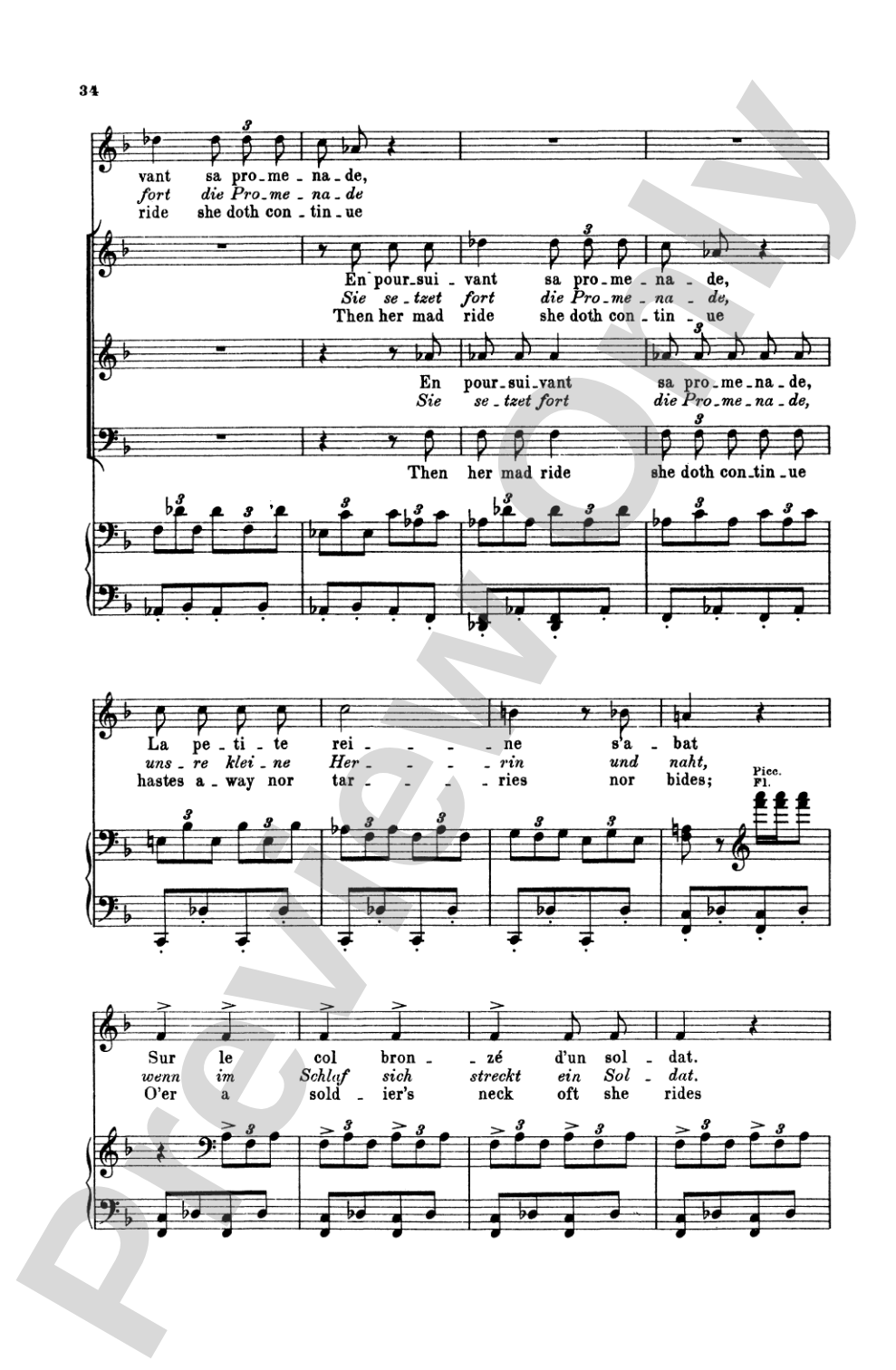
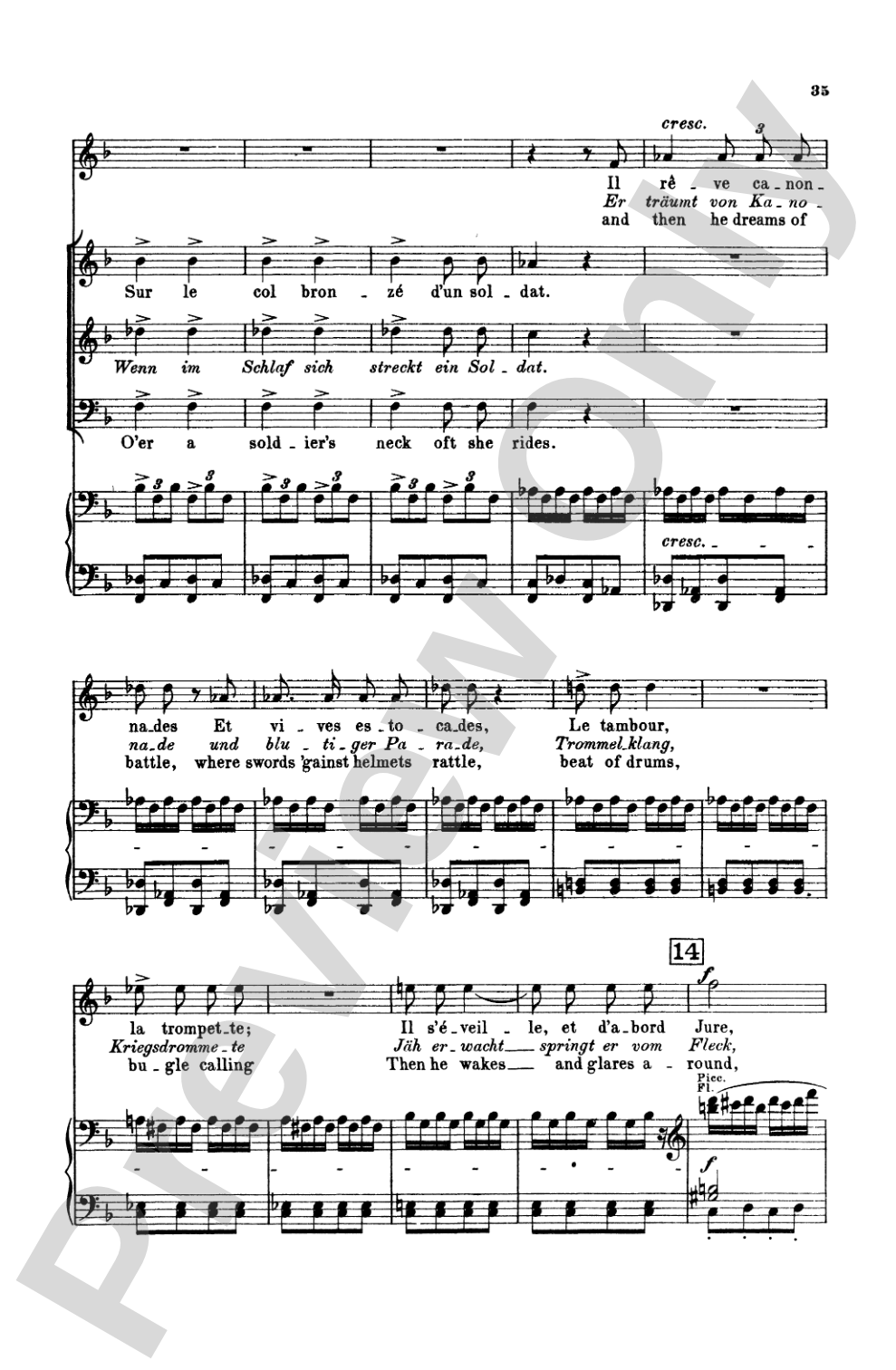
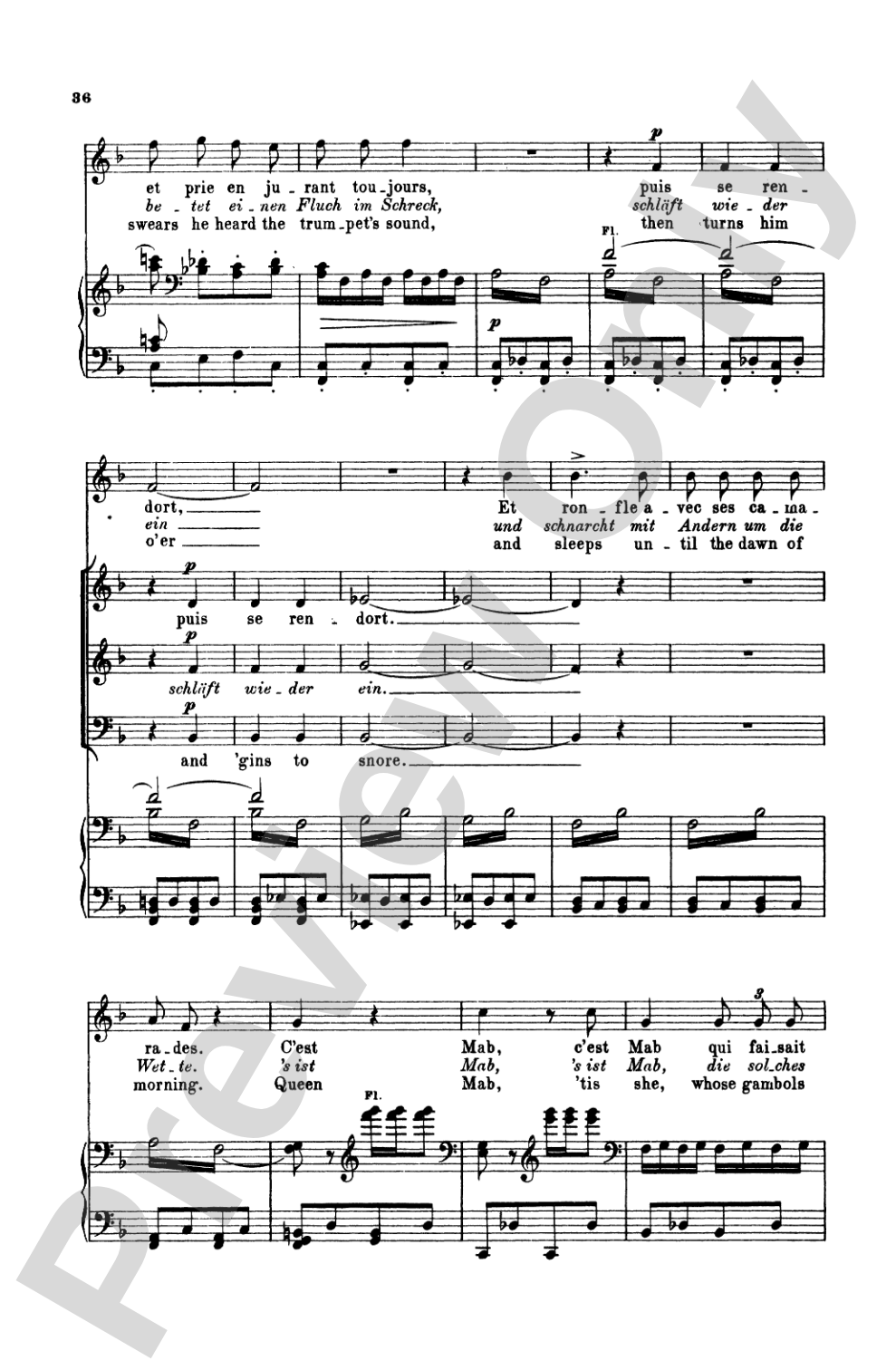
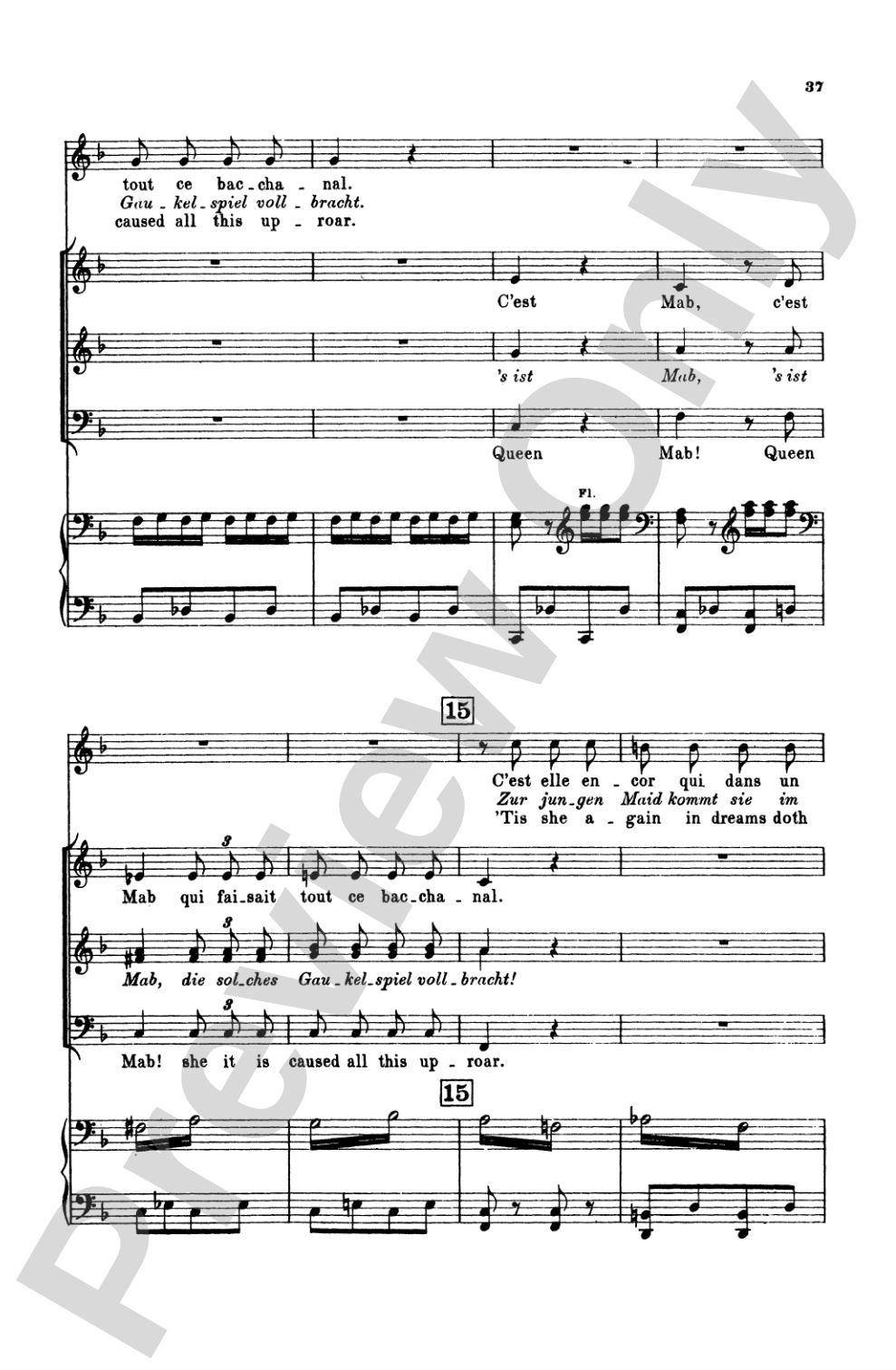

Romeo & Juliet: Choir
By Hector Berlioz
Item: 00-PB-0001156
$26.95
Pickup currently not available
Related Items
Romeo & Juliet: SATB or SSAATTBB with A,T,Bar. Soli Choral Book |
$26.95
|
View |
Description
A choral piece for SATB or SSAATTBB with A,T,Bar. Soli composed by Hector Berlioz.


Romeo & Juliet: Choir isn't in MakeMusic Cloud just yet...but it could be. Let us know you'd like to see it, and you'll help shape what comes next. In the meantime, start a free trial and dive into thousands of interactive titles your students can play along with today.
Request This Title
Tell us you want it.
Start Your Free Trial
Explore everything that's ready to play right now.
Sample Audio
No sample audio found.
Sample Video
No sample videos found.
Additional Details
Series:
Kalmus Edition
Publisher:
Alfred Music
Page Count:
192
SKU:
00-PB-0001156
Instrumentation:
Orch.
More about this title
About the Composer: Hector Berlioz
Hector Berlioz (1803–1869) fundamentally expanded what orchestral and choral music could express. A visionary of the Romantic era, he wrote with unprecedented freedom, layering instrumental color and vocal lines to achieve emotional intensity that his contemporaries found both thrilling and bewildering. His influence on later composers cannot be overstated; he showed that ambitious choral works could stand as equals to symphonic structures.
Berlioz's approach to the voice reveals his deep understanding of singers. He wrote idiomatically for different voice types and combinations, understanding that a soprano soloist carries different weight than a chorus section. Romeo and Juliet exemplifies this philosophy, treating the choir as both narrator and participant in one of literature's most consuming tragedies.
Why we love this
Berlioz crafted a choral work that refuses to sit in the background of a concert. The dramatic architecture here gives your singers real narrative responsibility; they are not decorative but essential storytellers. The flexible voicing options (SATB or SSAATTBB) let you write for the ensemble you have rather than scrambling to accommodate fixed voice parts.
What to expect
Passionate and unrelenting. Berlioz's setting captures the headlong momentum of Shakespeare's tragedy, with moments of tenderness that only intensify the surrounding anguish. The orchestration frames everything in rich color; even when the harmony sits comfortably, the colors shift and deepen.
Who it's for
Advanced choirs with strong soloists and secure ensemble technique. Directors programming substantive concert works will find this demands real preparation and rewards it with a piece that holds listeners completely. This is repertoire for singers ready to engage with sophisticated harmonic language and dramatic storytelling.
How to get the most out of it
- Balance the soloists against the full choir deliberately. The soli sections need to cut through without the ensemble retreating to near silence; Berlioz expects tension between individual and collective voices.
- Study the orchestral score alongside the vocal score. Understanding what instruments carry melodic material helps singers find their role in the larger texture, especially in sections with dense counterpoint.
- Mark phrase breathe points in rehearsal before you encounter them in performance. The Romantic harmonic language creates natural resting spots, but some phrases will challenge breathing conventions from earlier repertoire.
- Secure rhythmic unity early. The work modulates keys and shifts meters in ways that sound organic but require precise ensemble alignment to land effectively.
How to use it
Consider this a capstone work for a season devoted to ambitious choral literature. It pairs naturally with other large-scale Romantic choral works or stands alone as a substantial second half of a concert. The piece carries enough weight and theatrical presence to serve as a finale, leaving the audience with something that lingers.
Skills your students will build
- Reading Romantic era harmonic language and functional harmony at advanced levels
- Navigating textual declamation in French across multiple voice parts
- Balancing solo and ensemble sections with clear dramatic purpose
- Responding to orchestral accompaniment and finding individual vocal lines within complex textures
- Sustaining dramatic intensity across an extended work with varied tempos and moods