
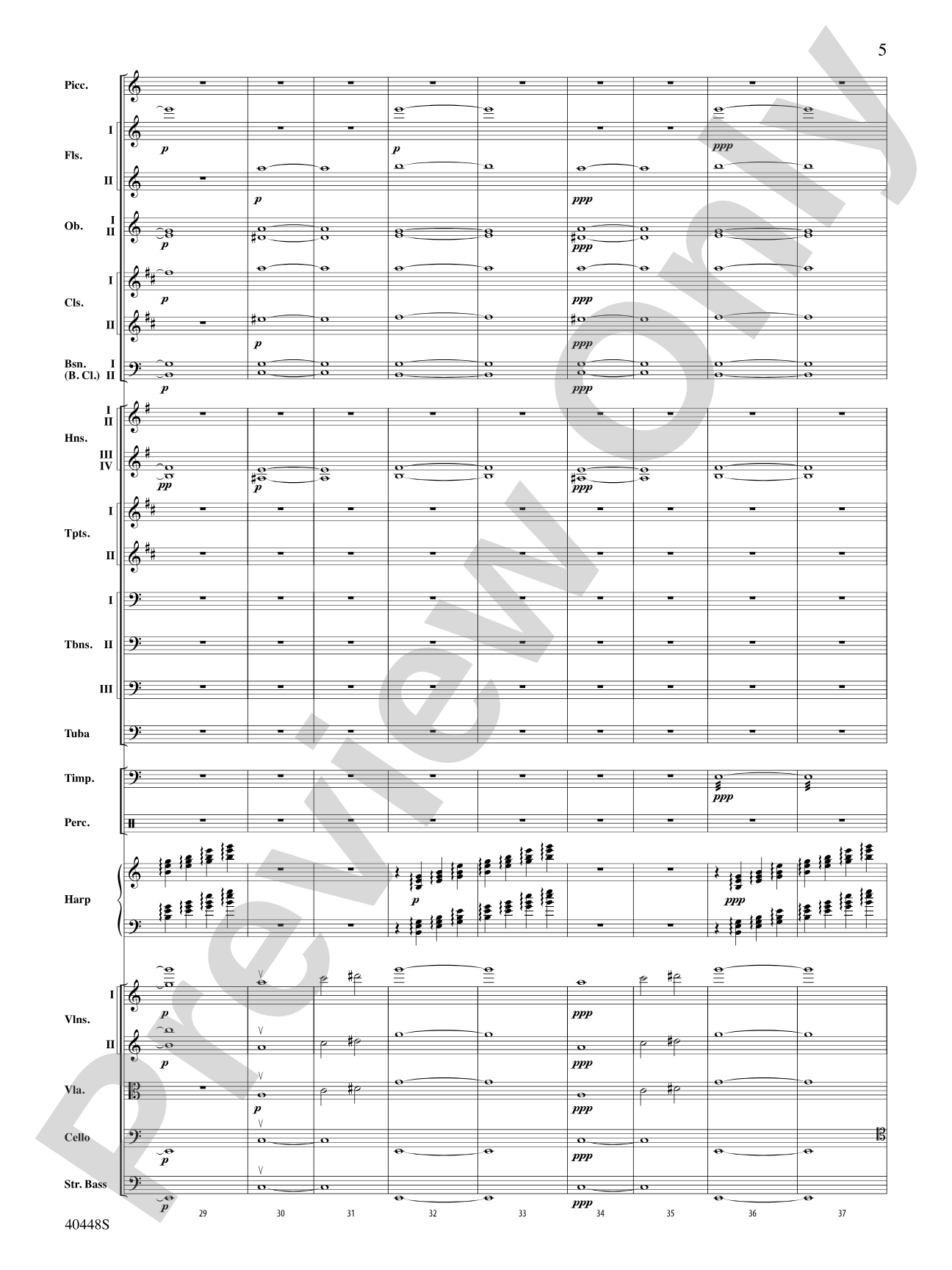
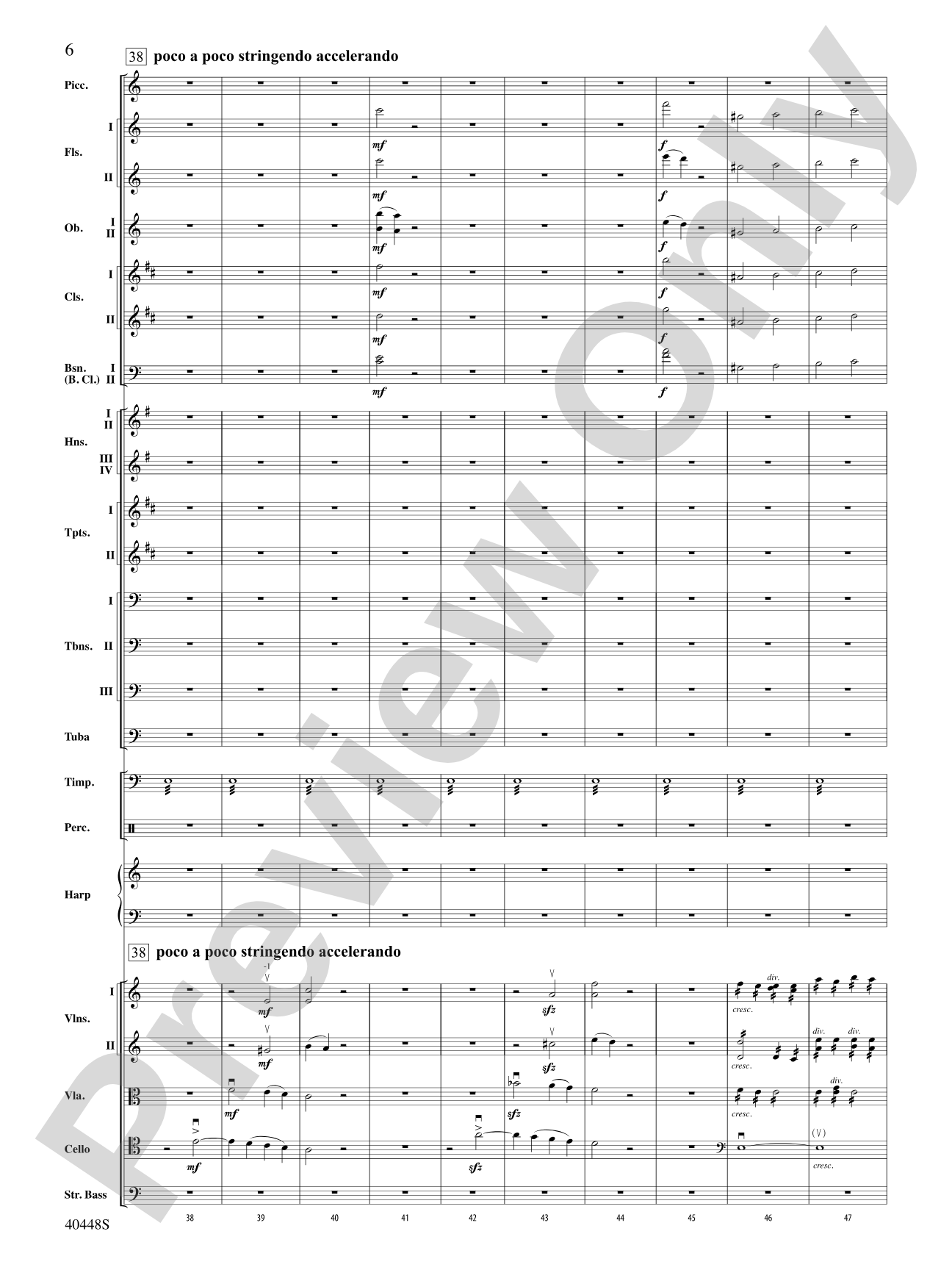
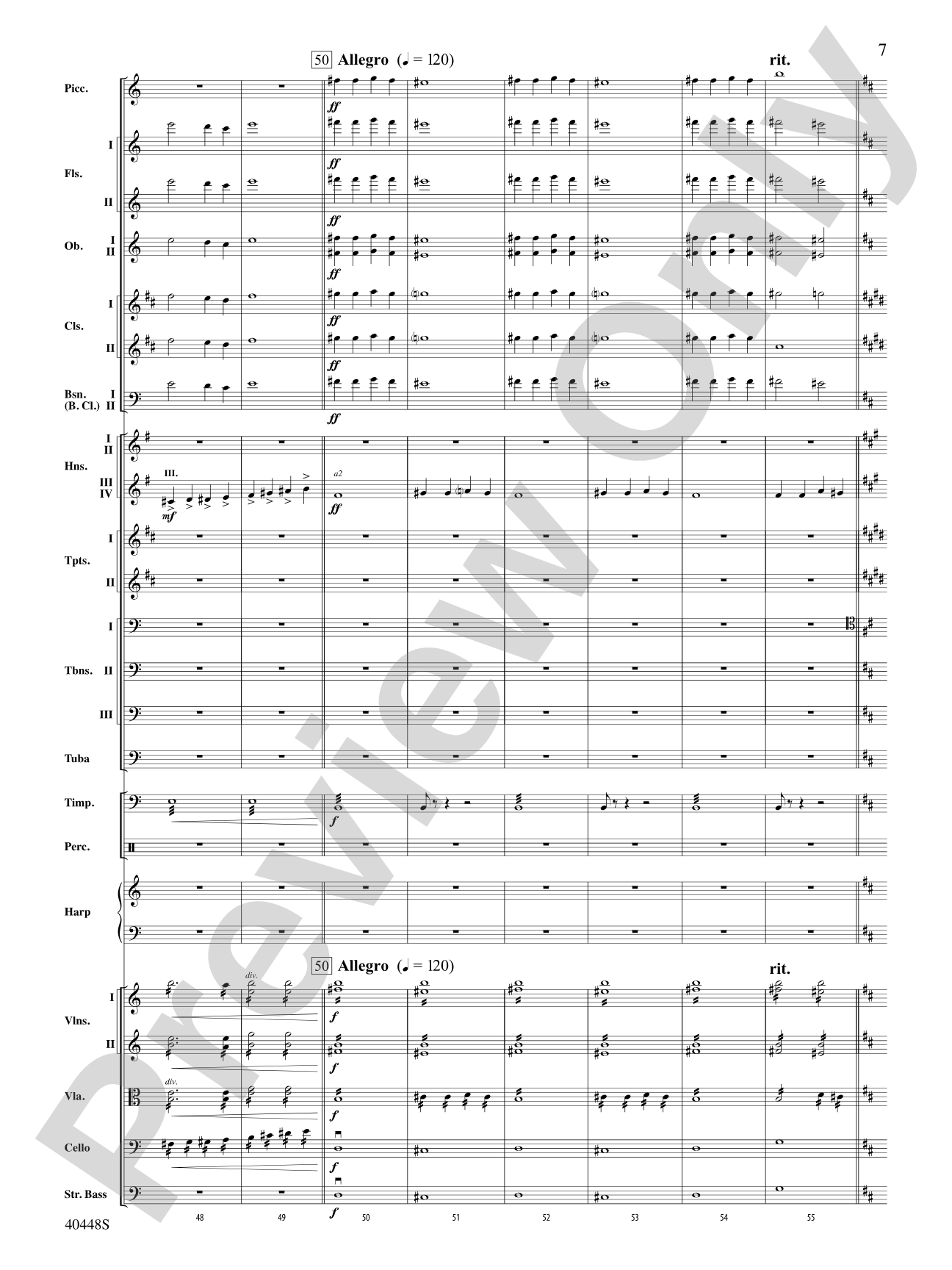
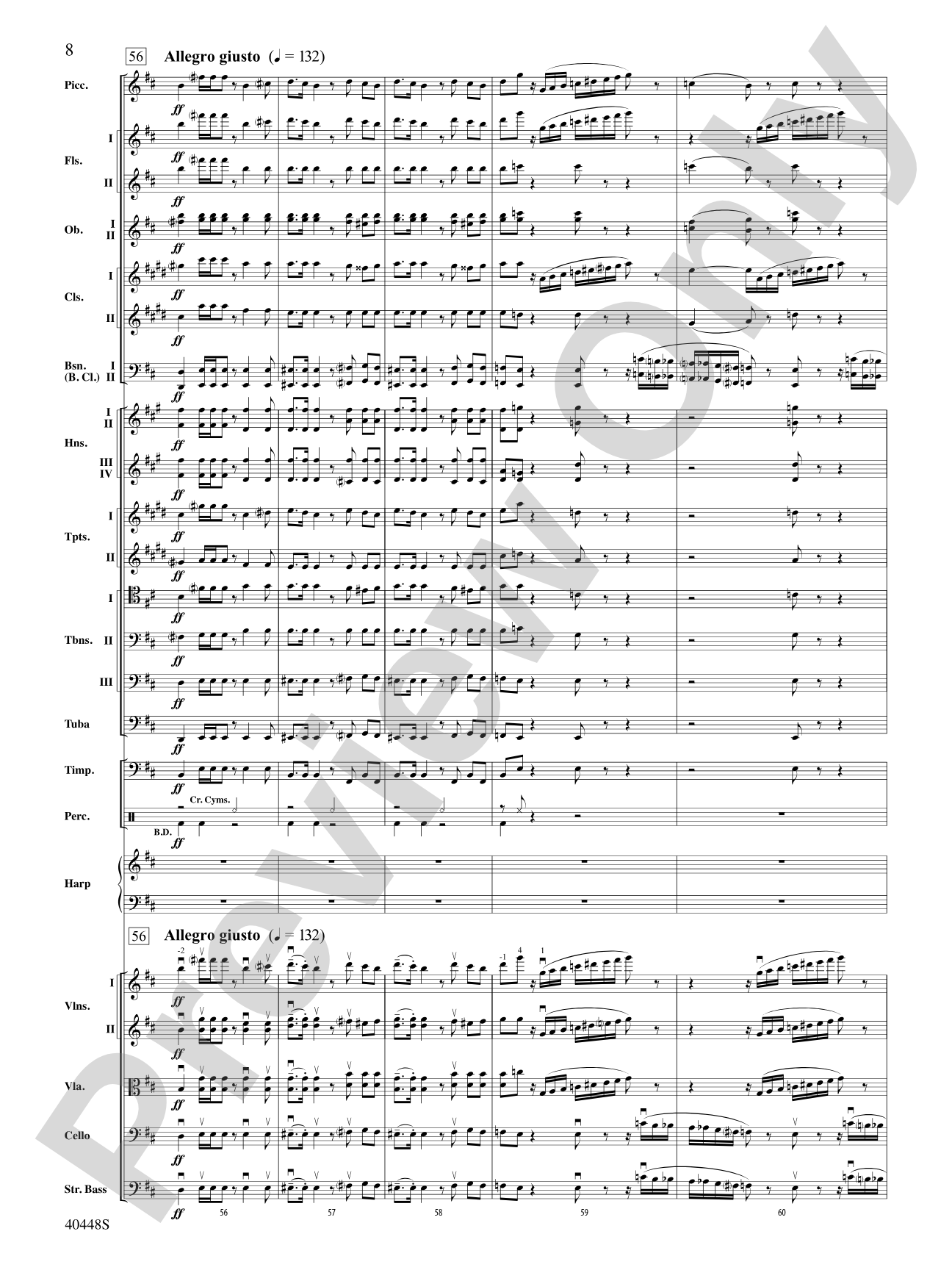
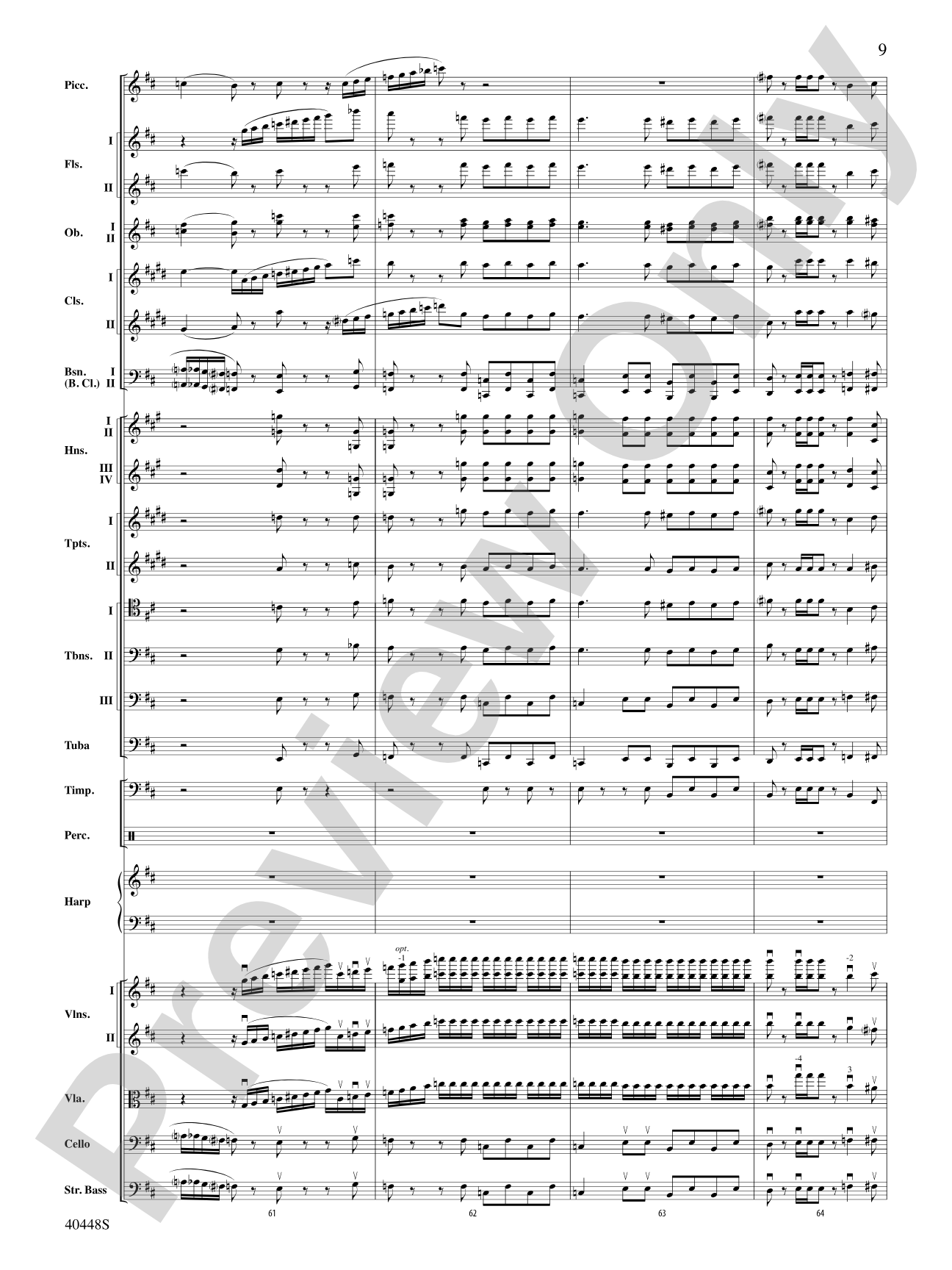
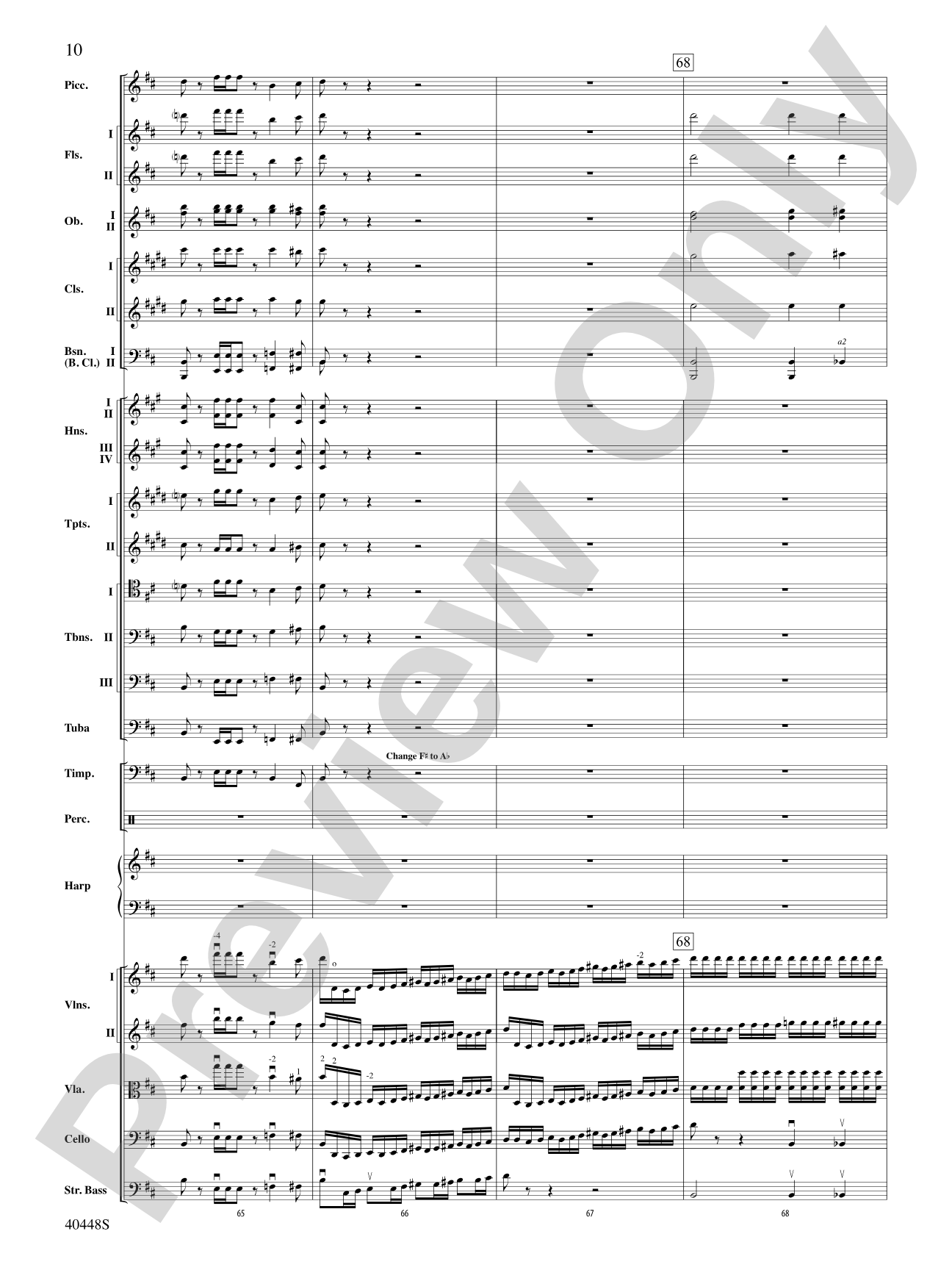
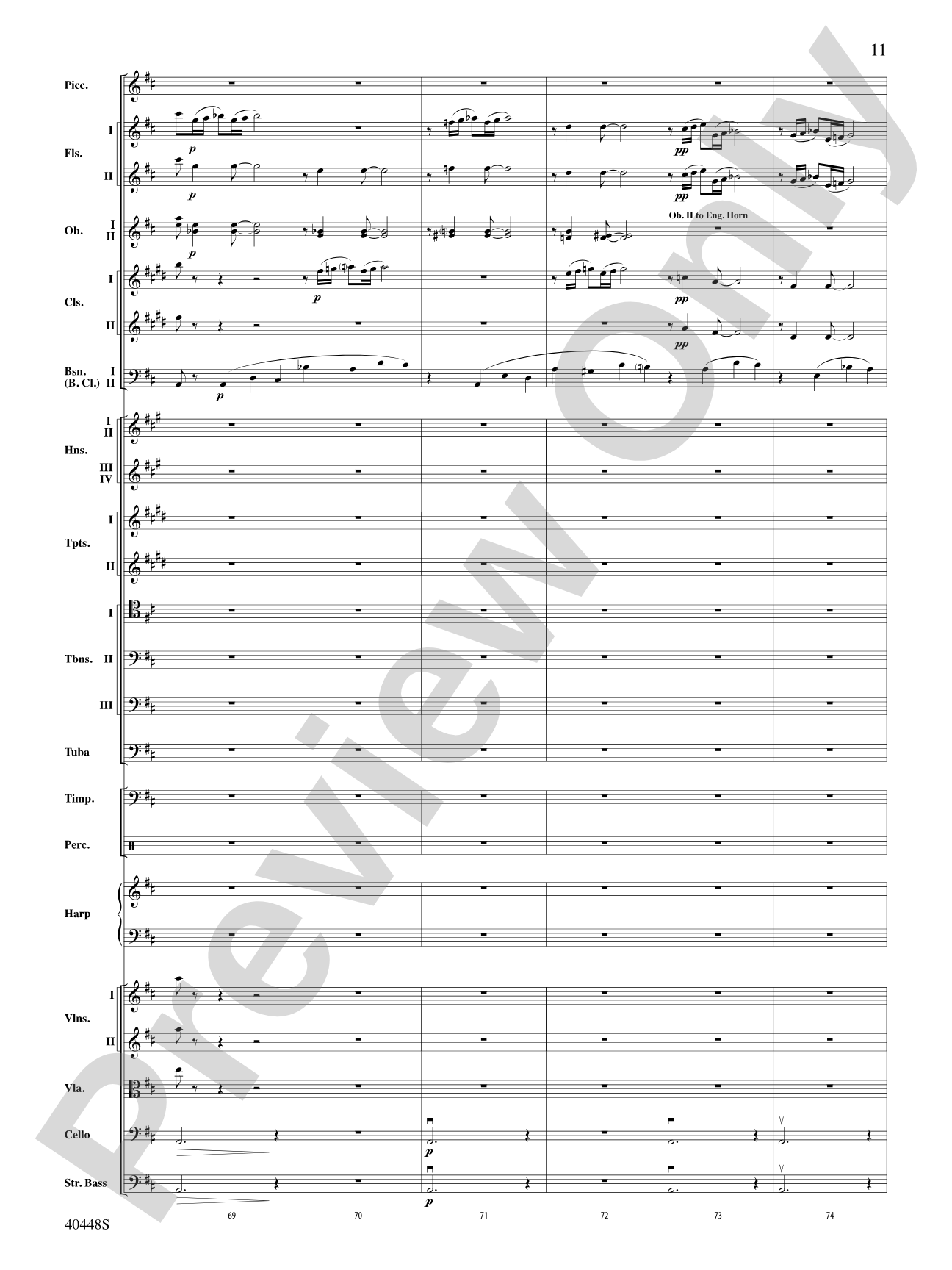
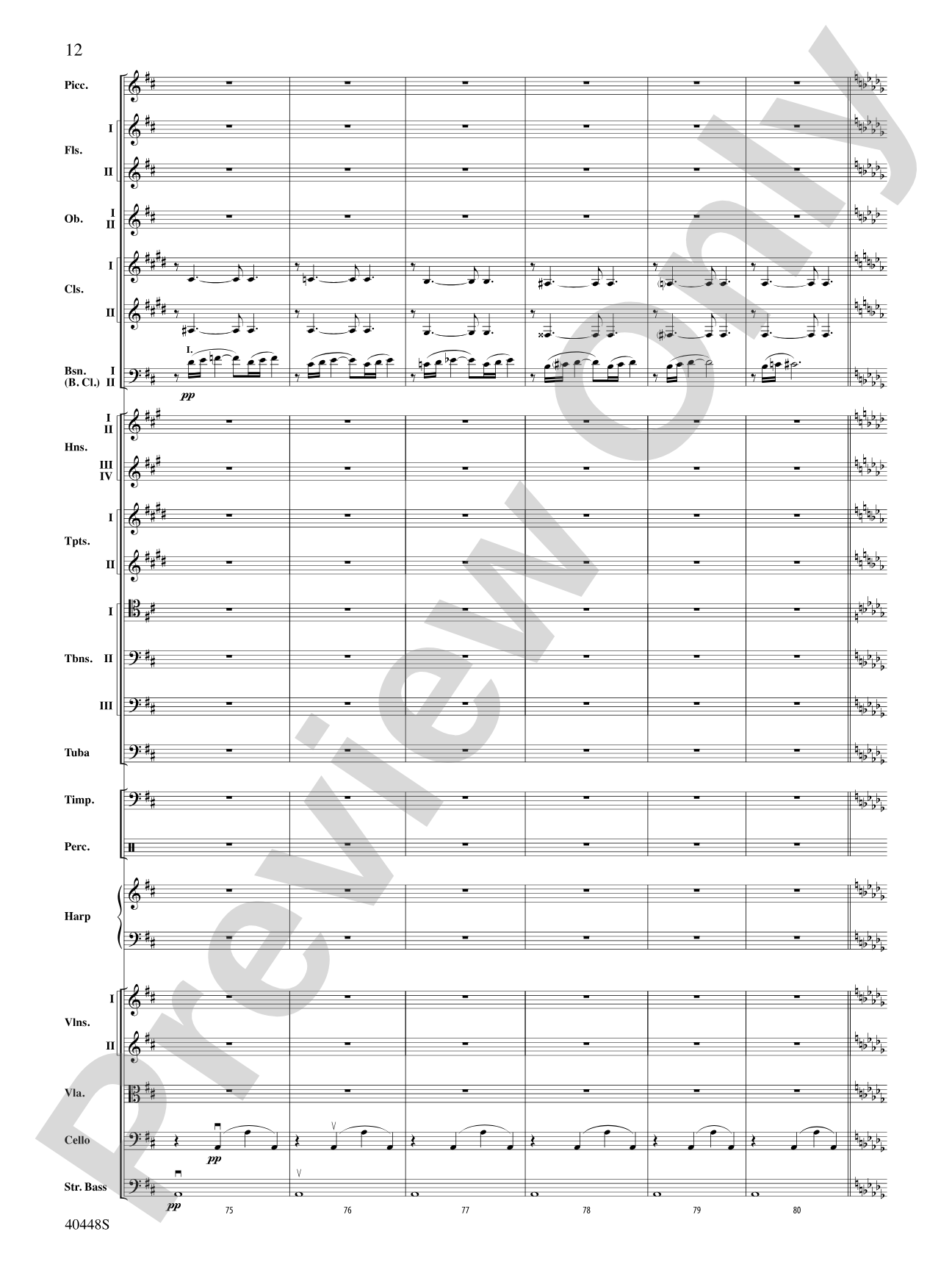
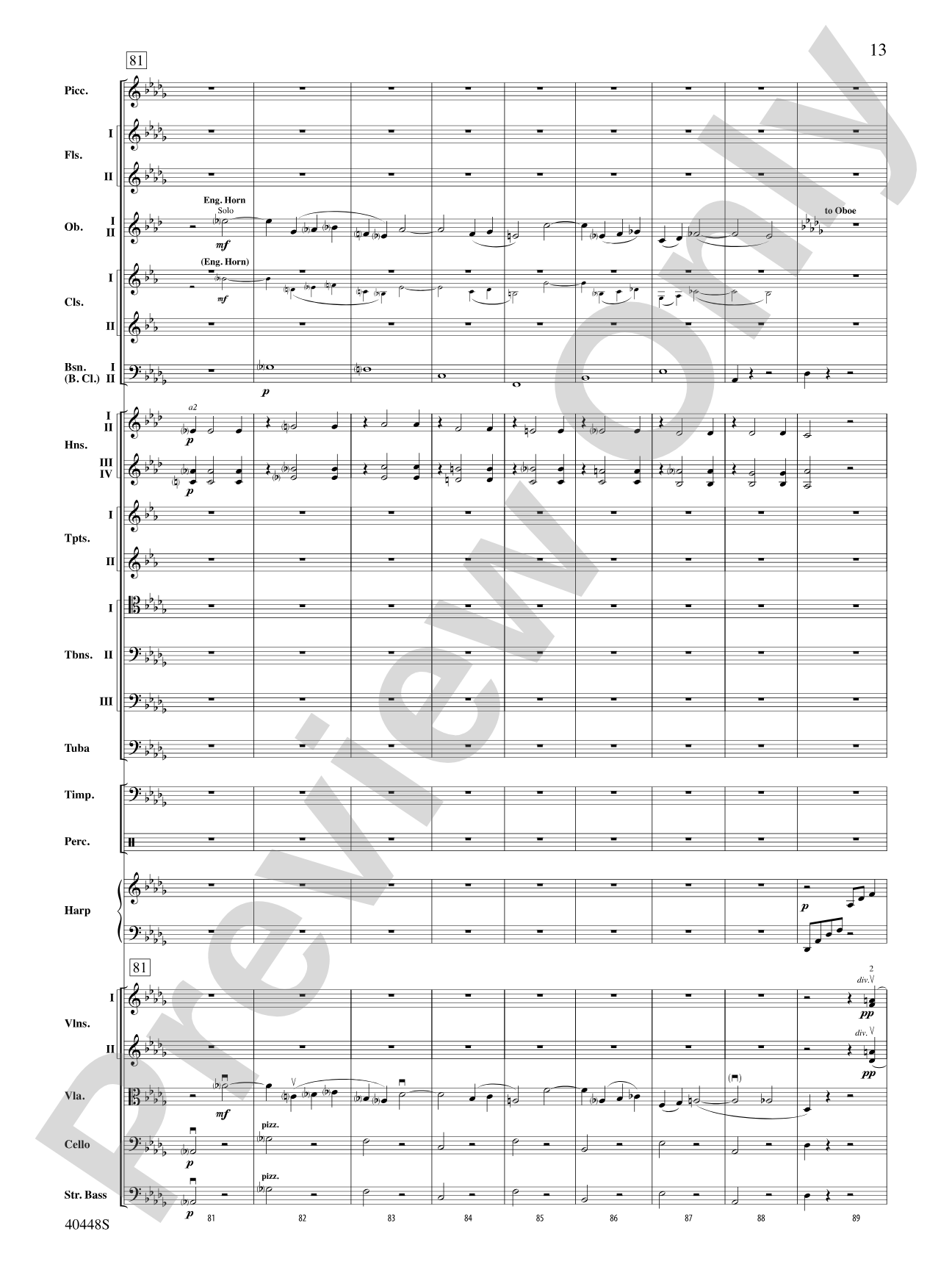
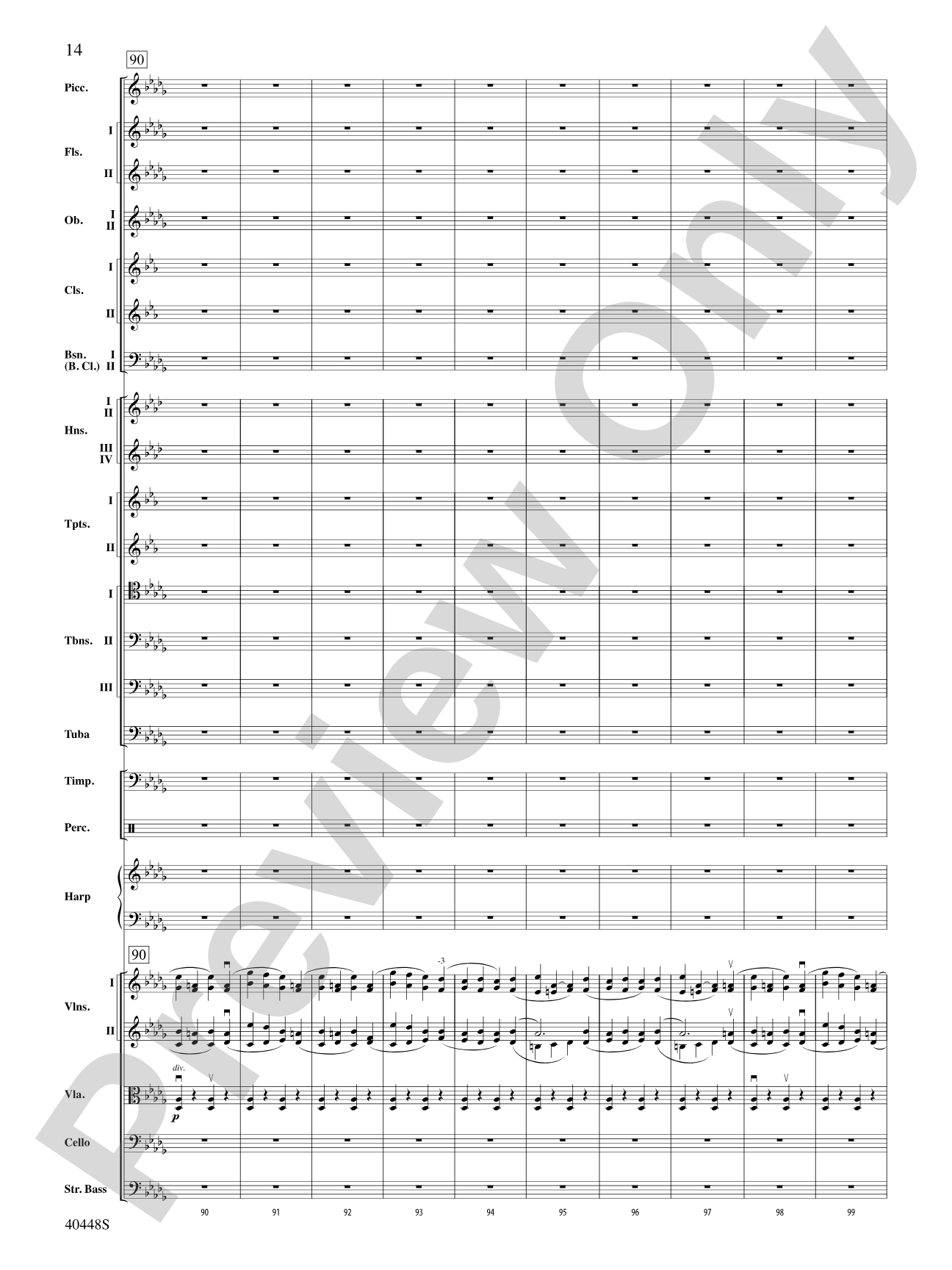
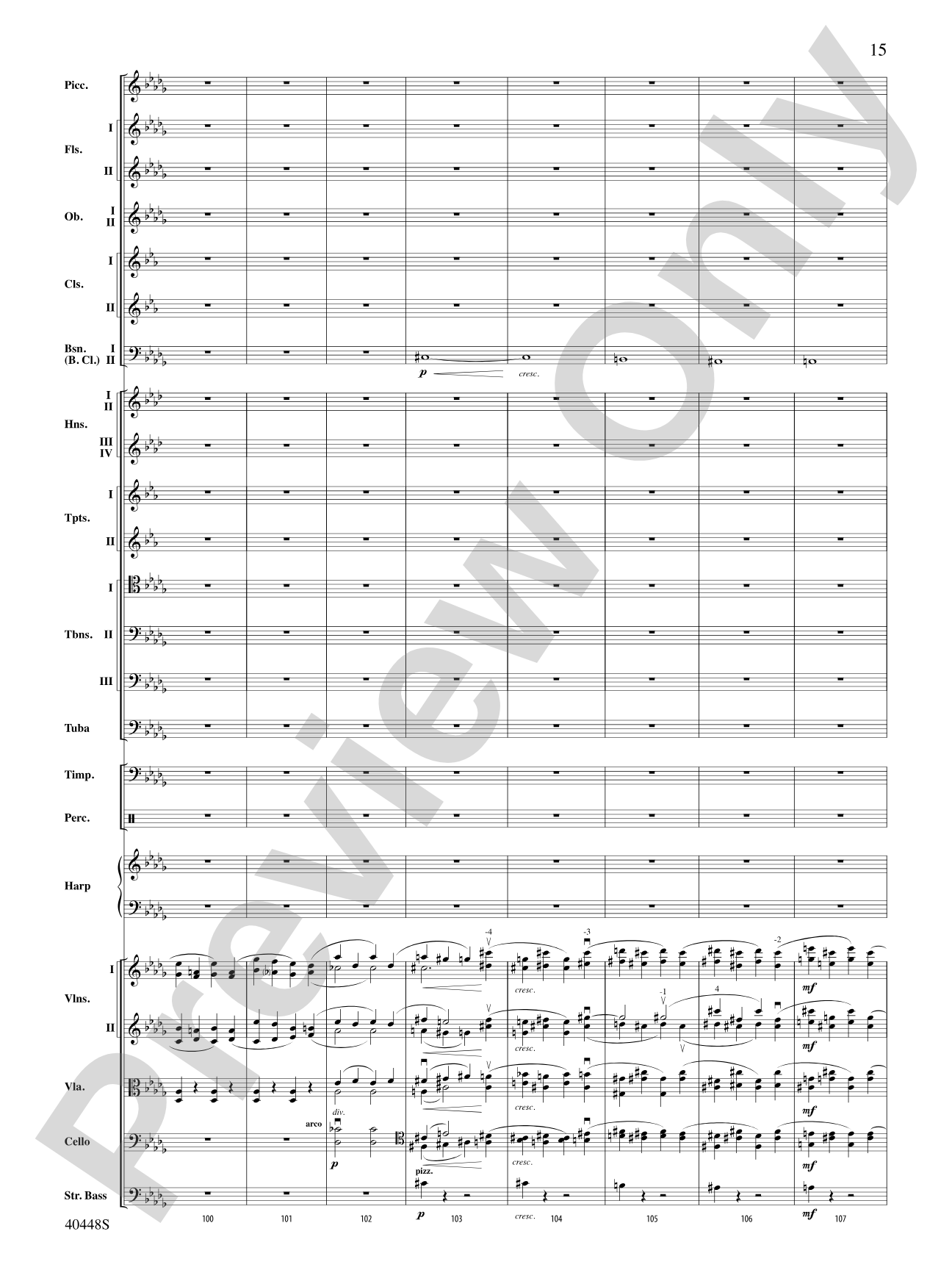
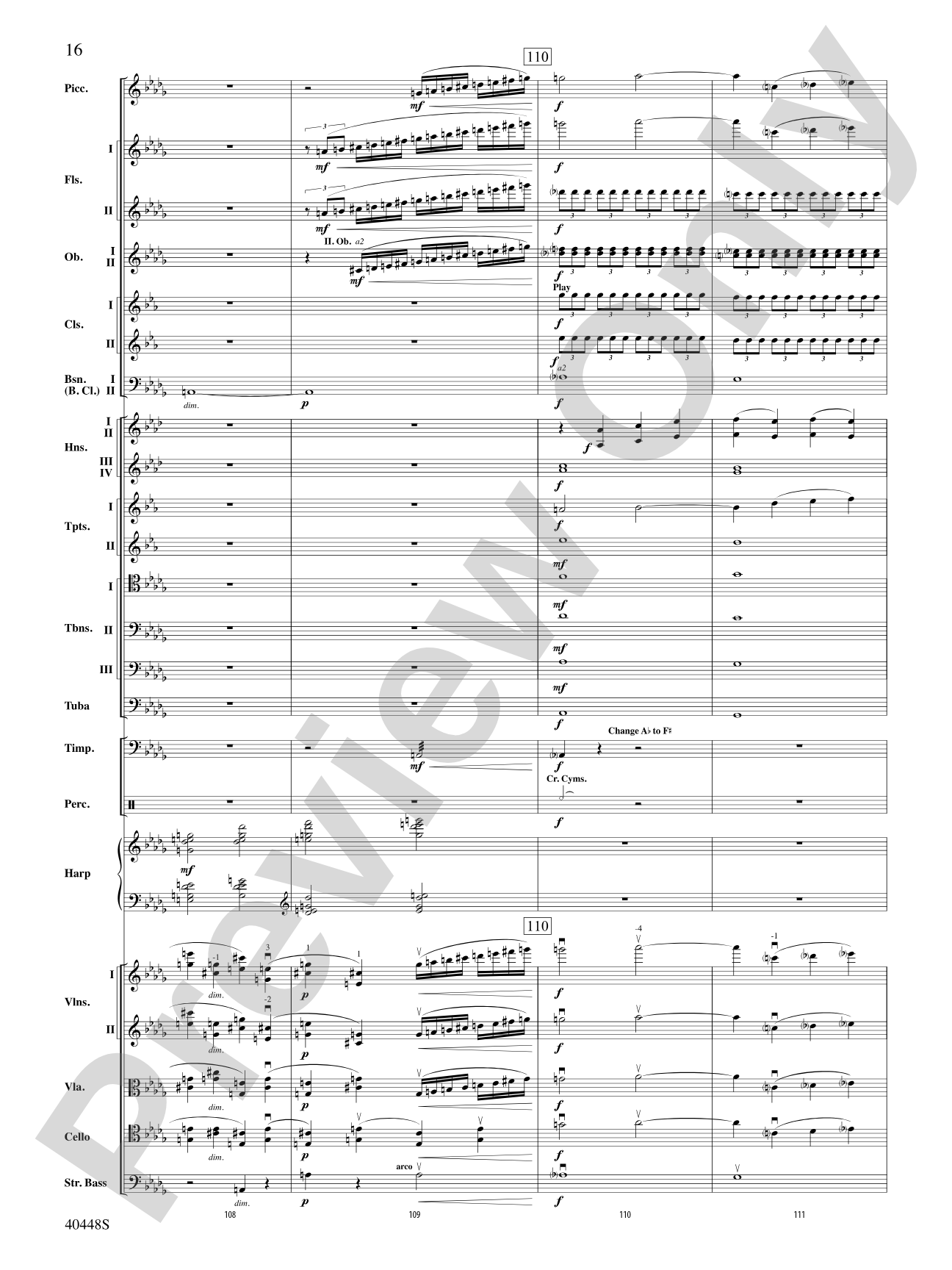
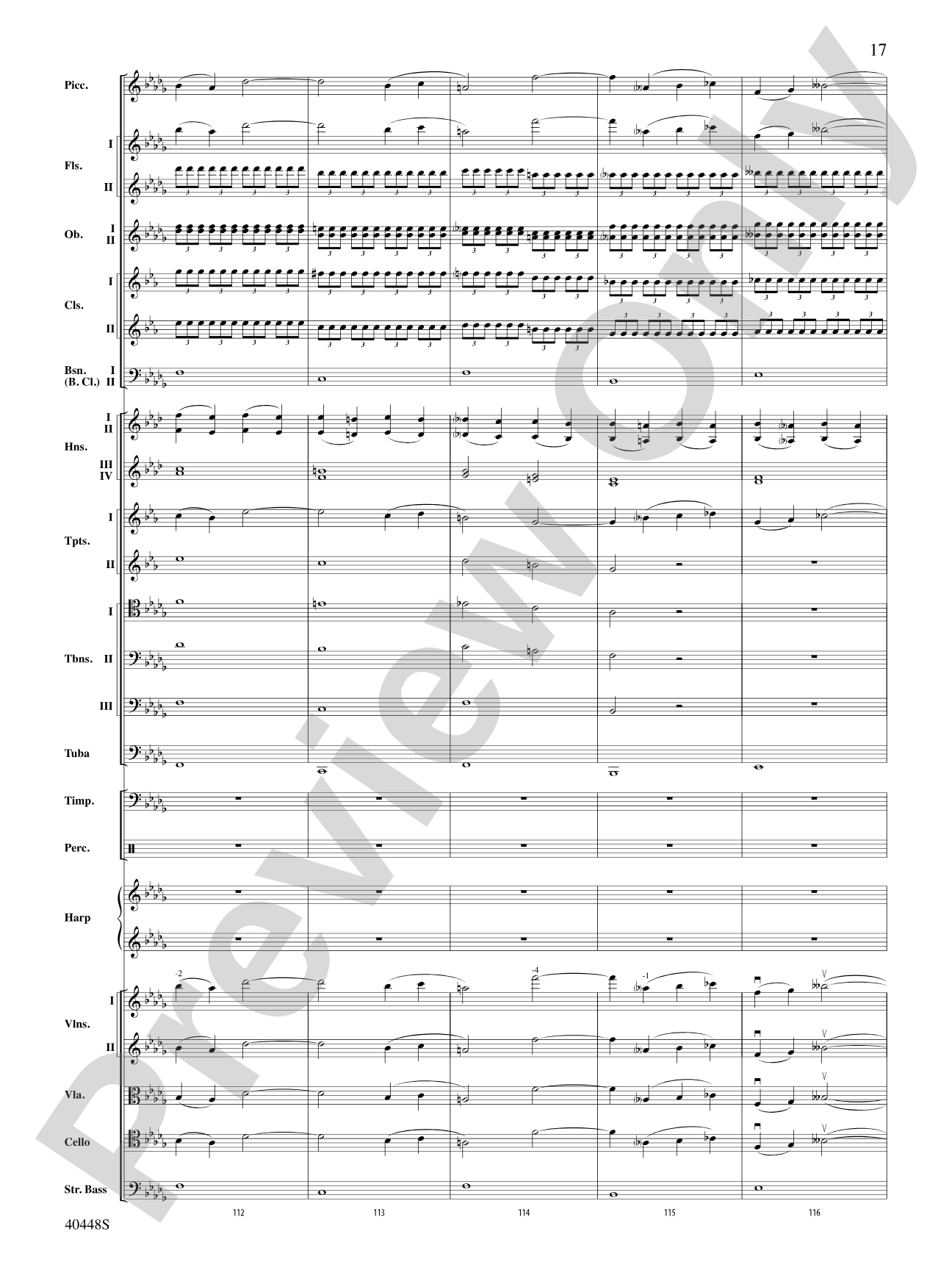
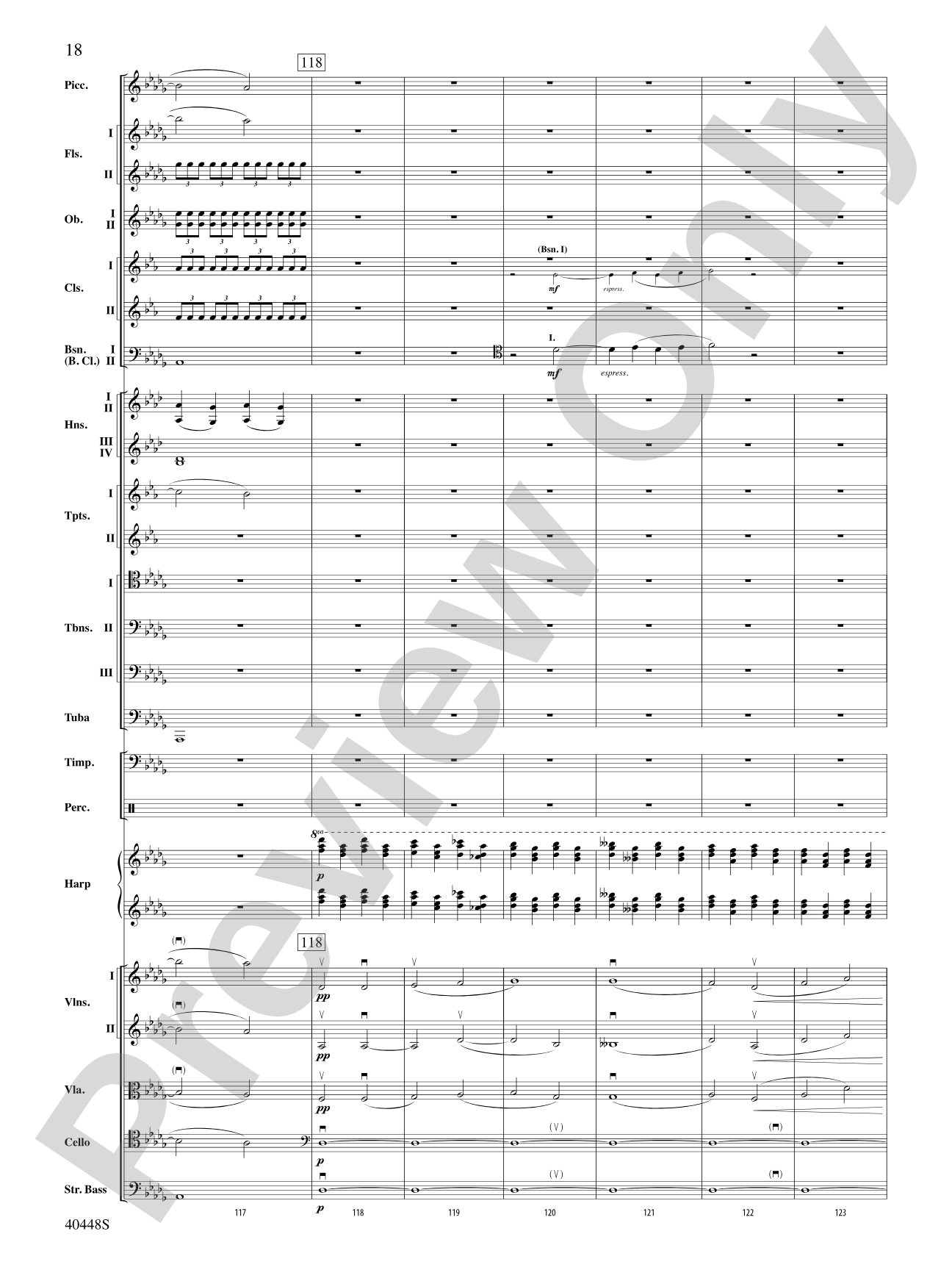
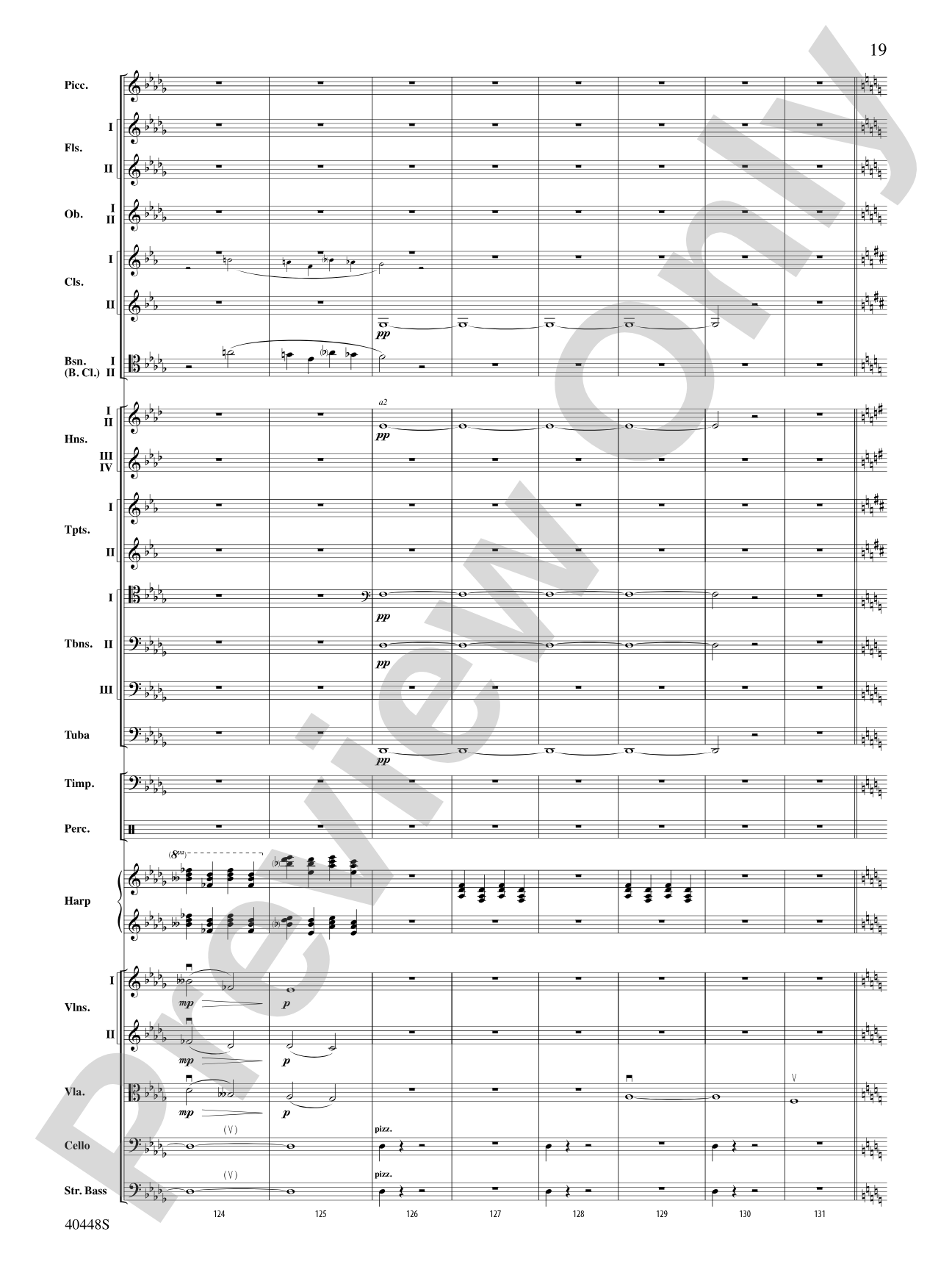
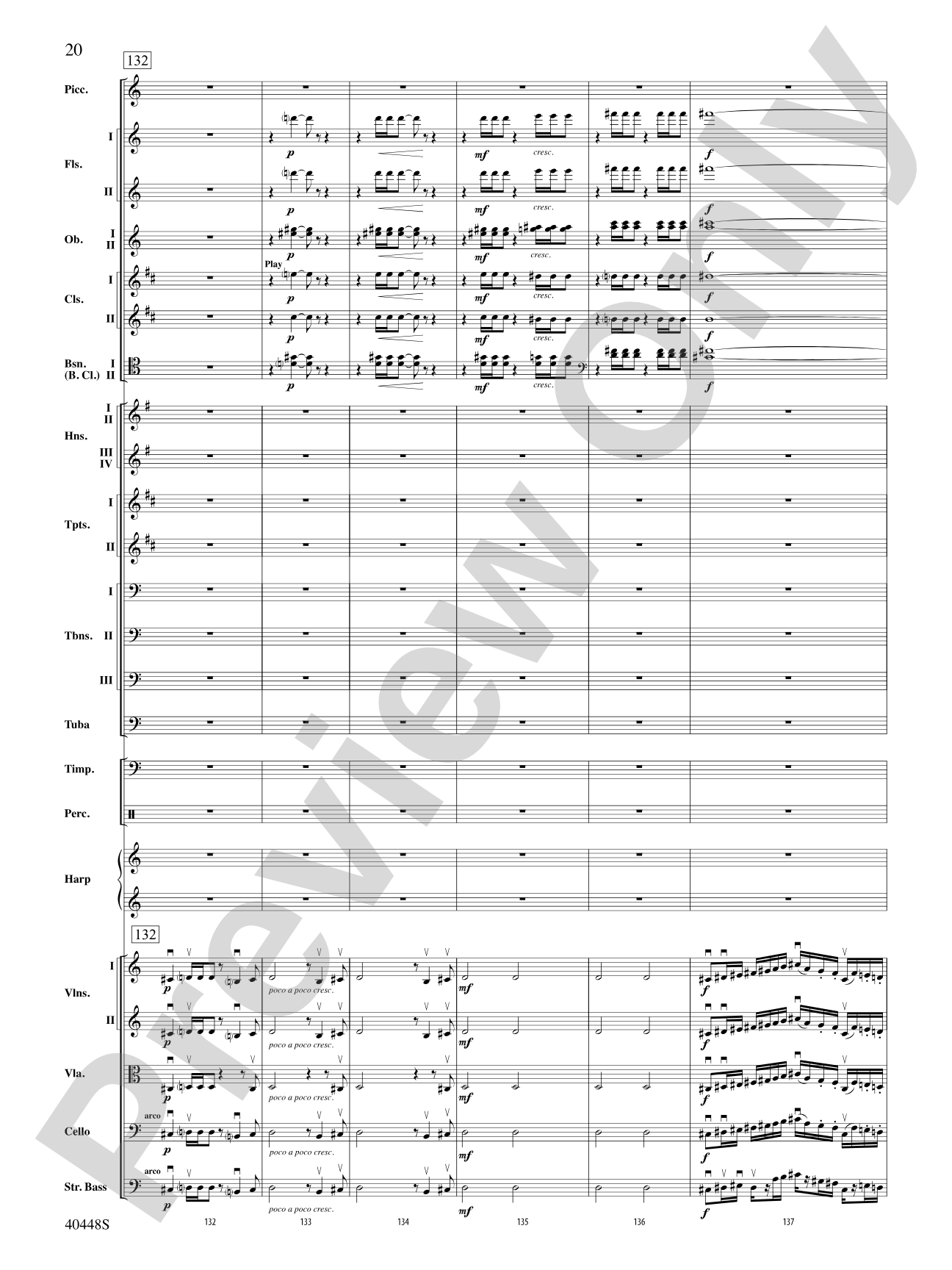
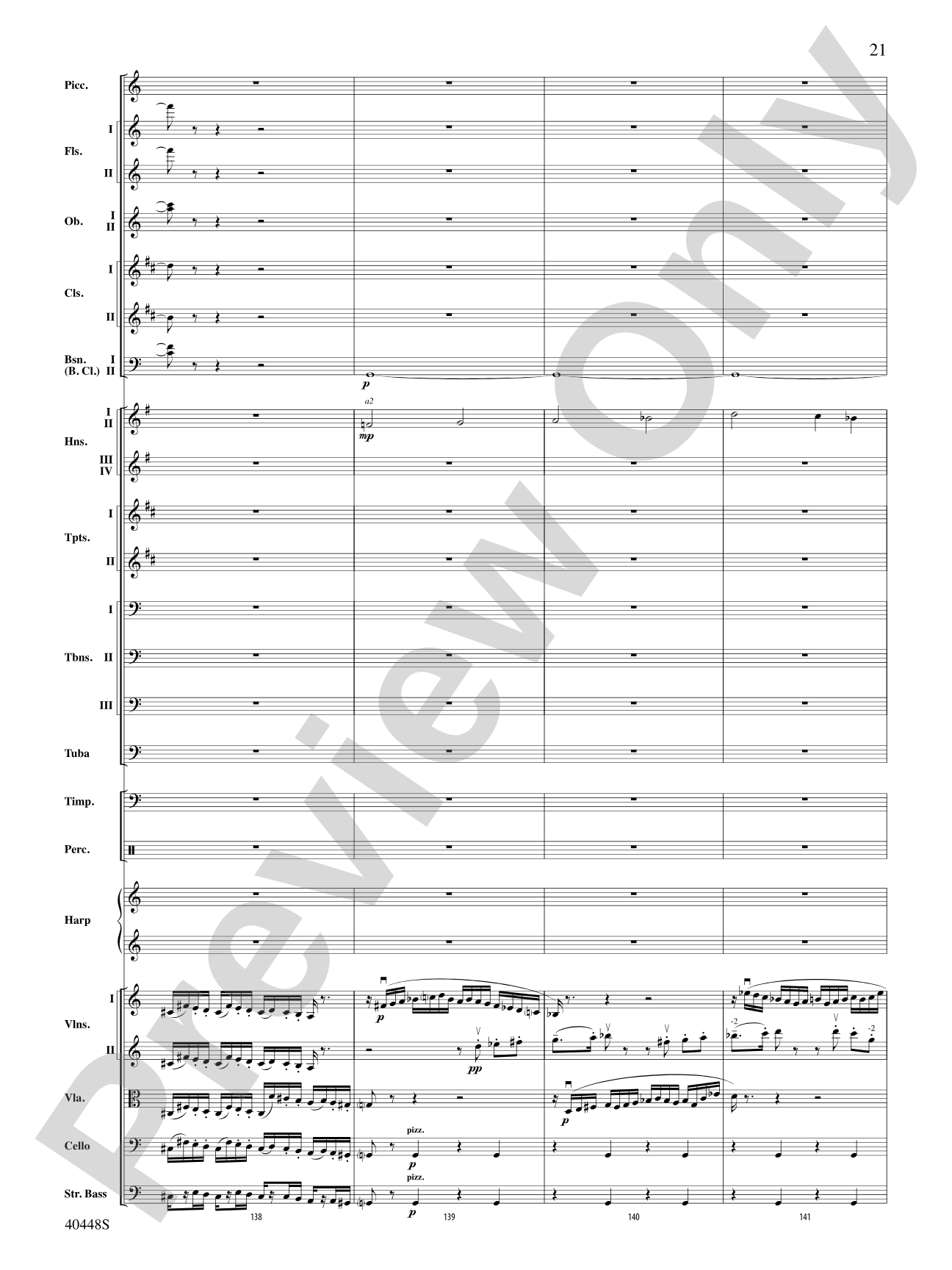
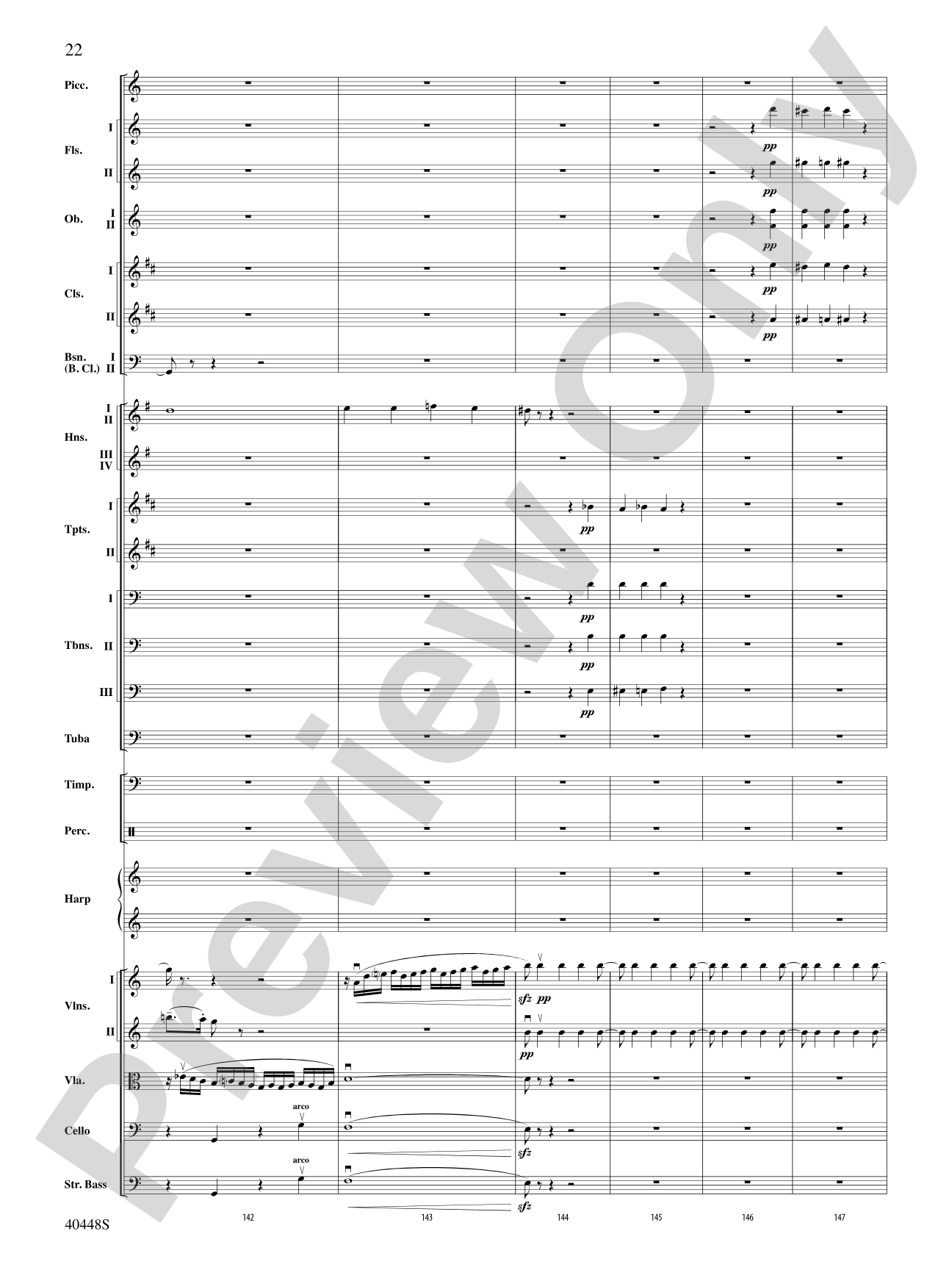
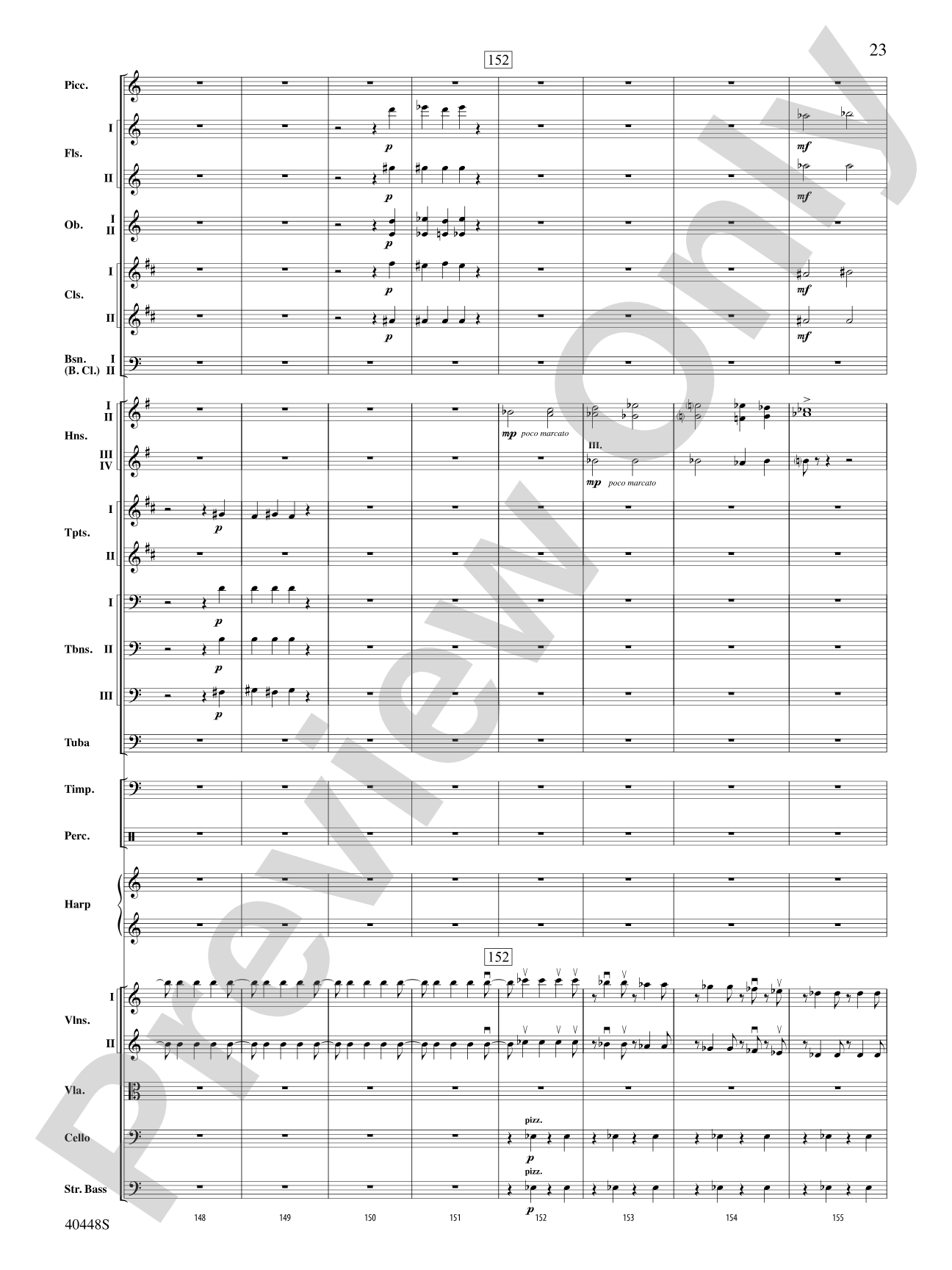
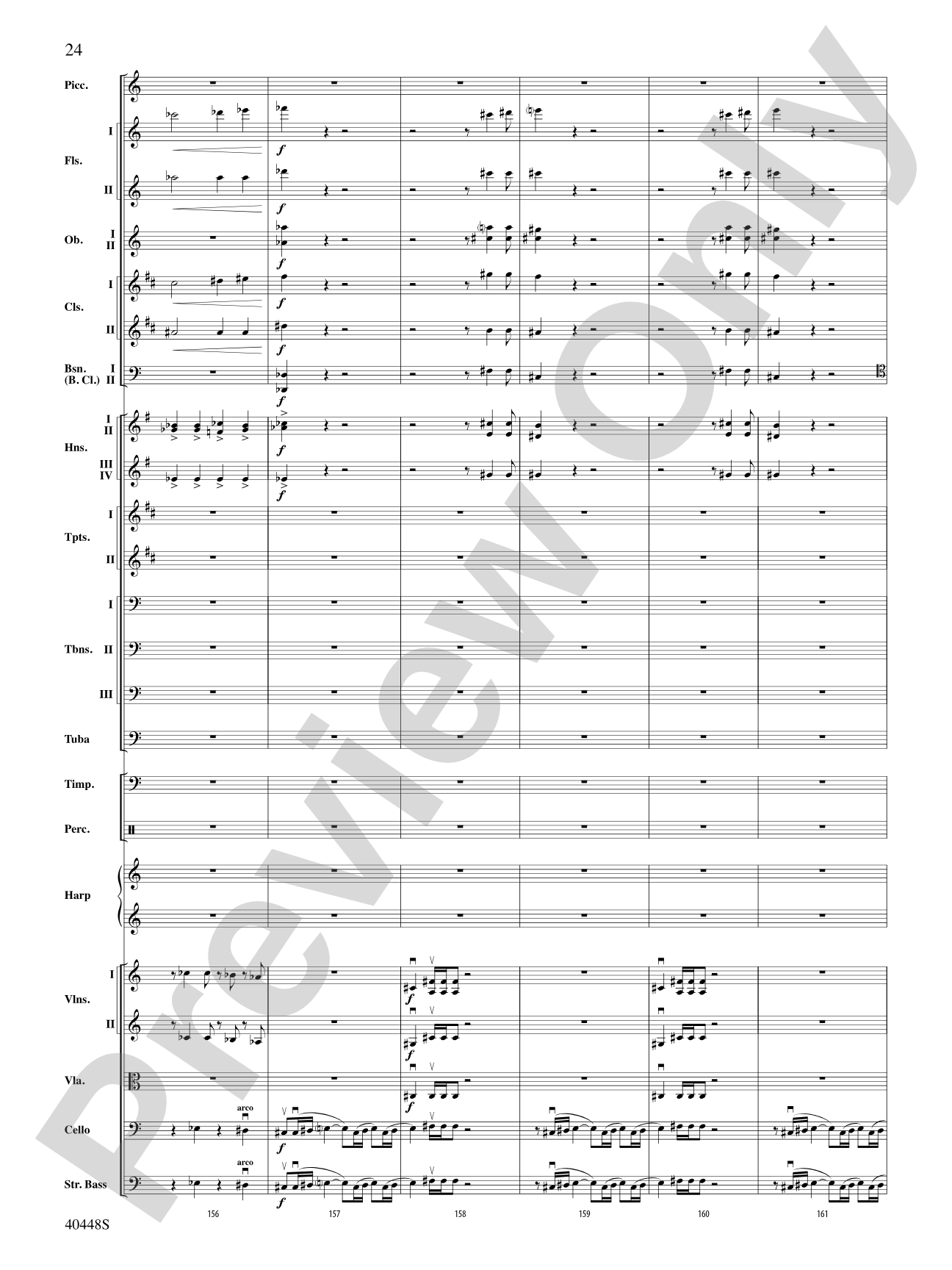
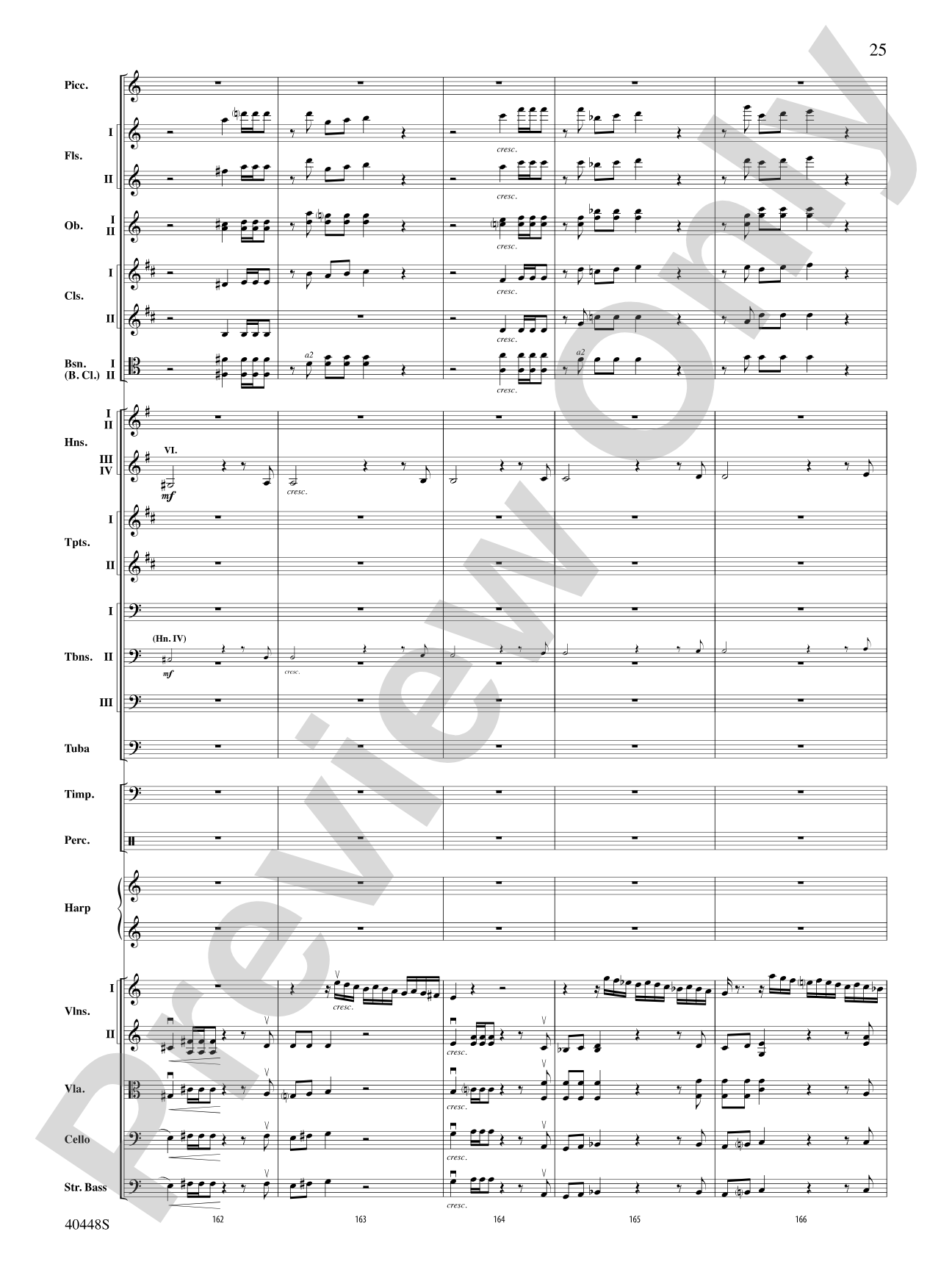
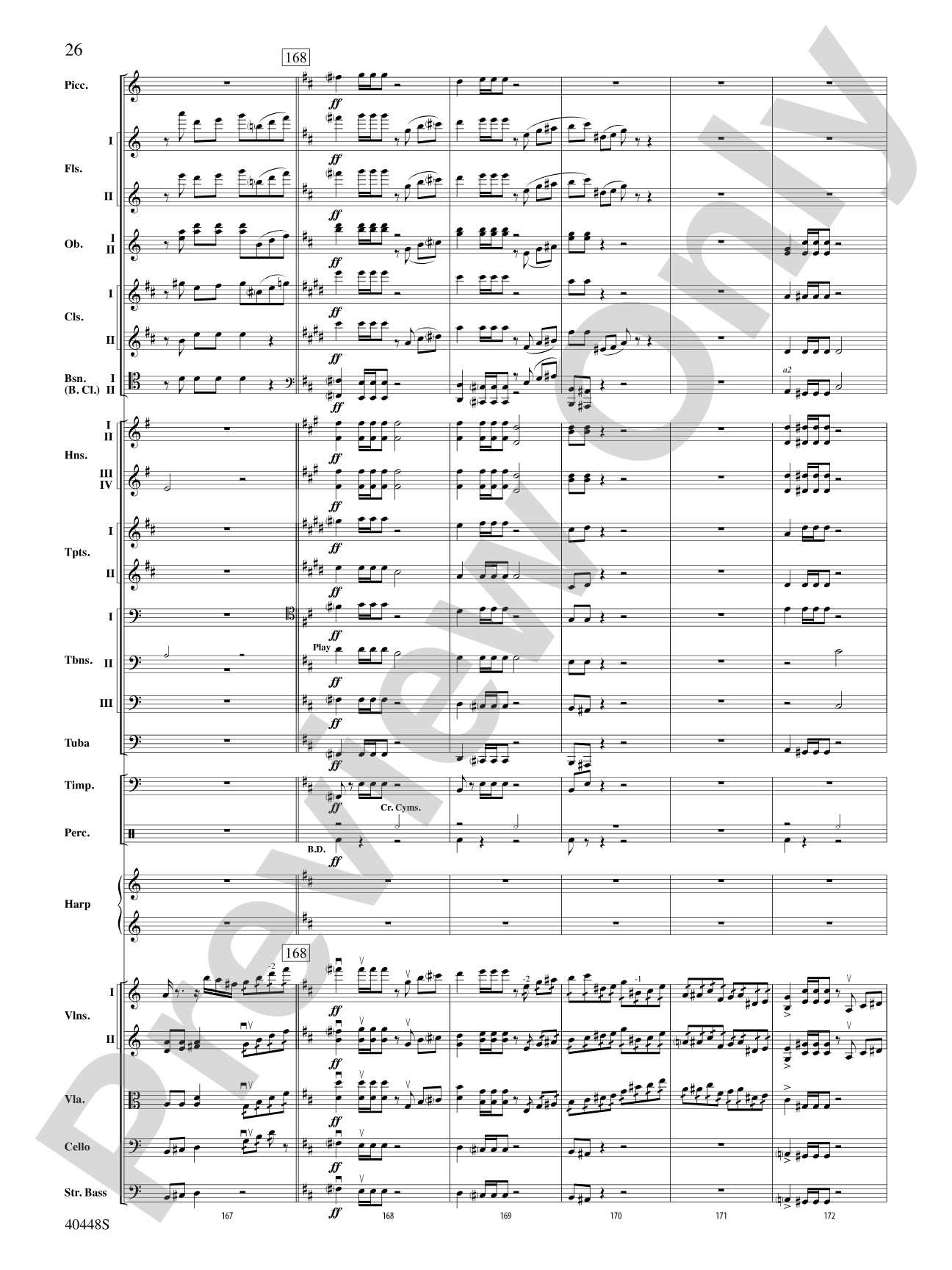
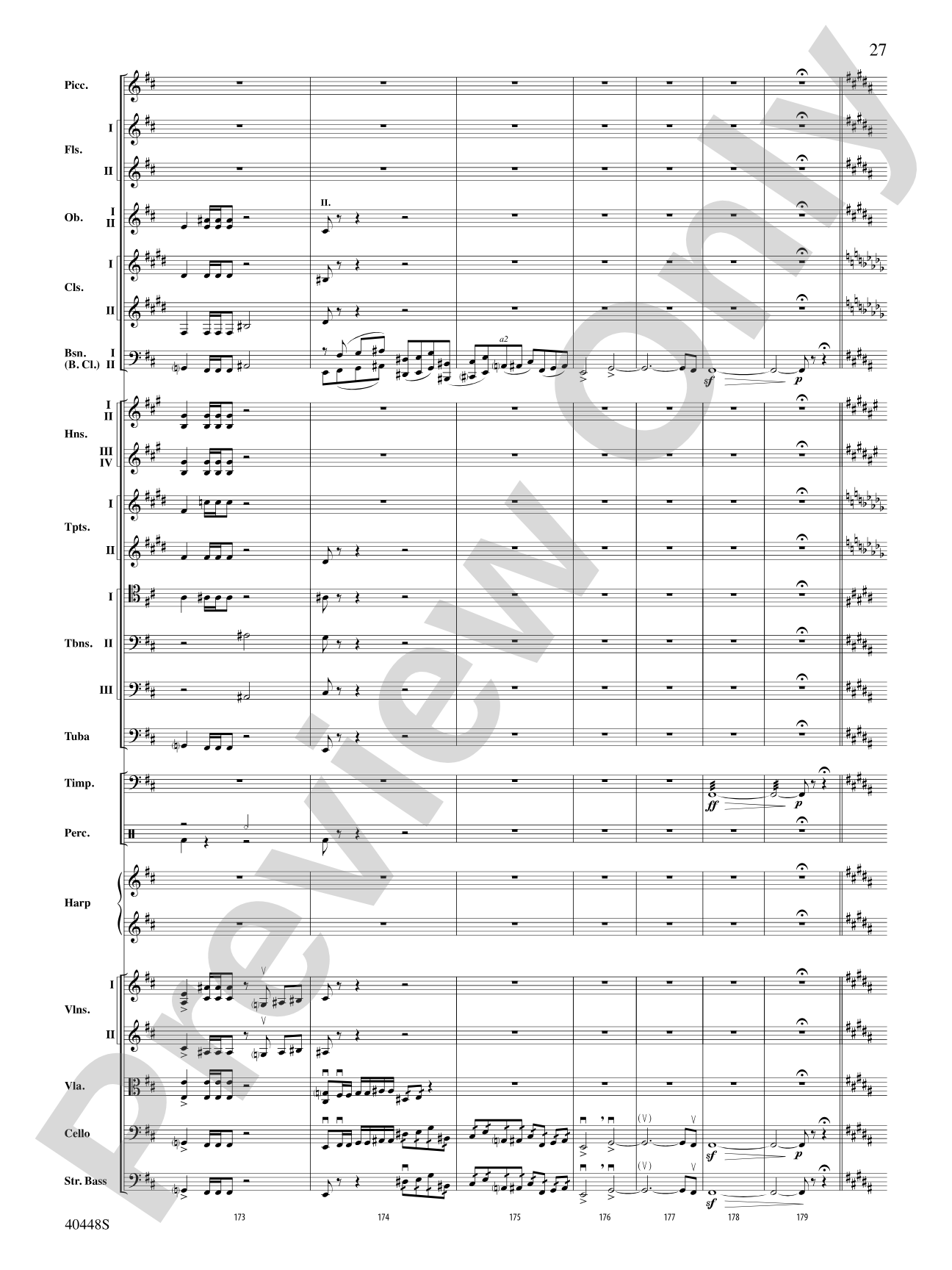
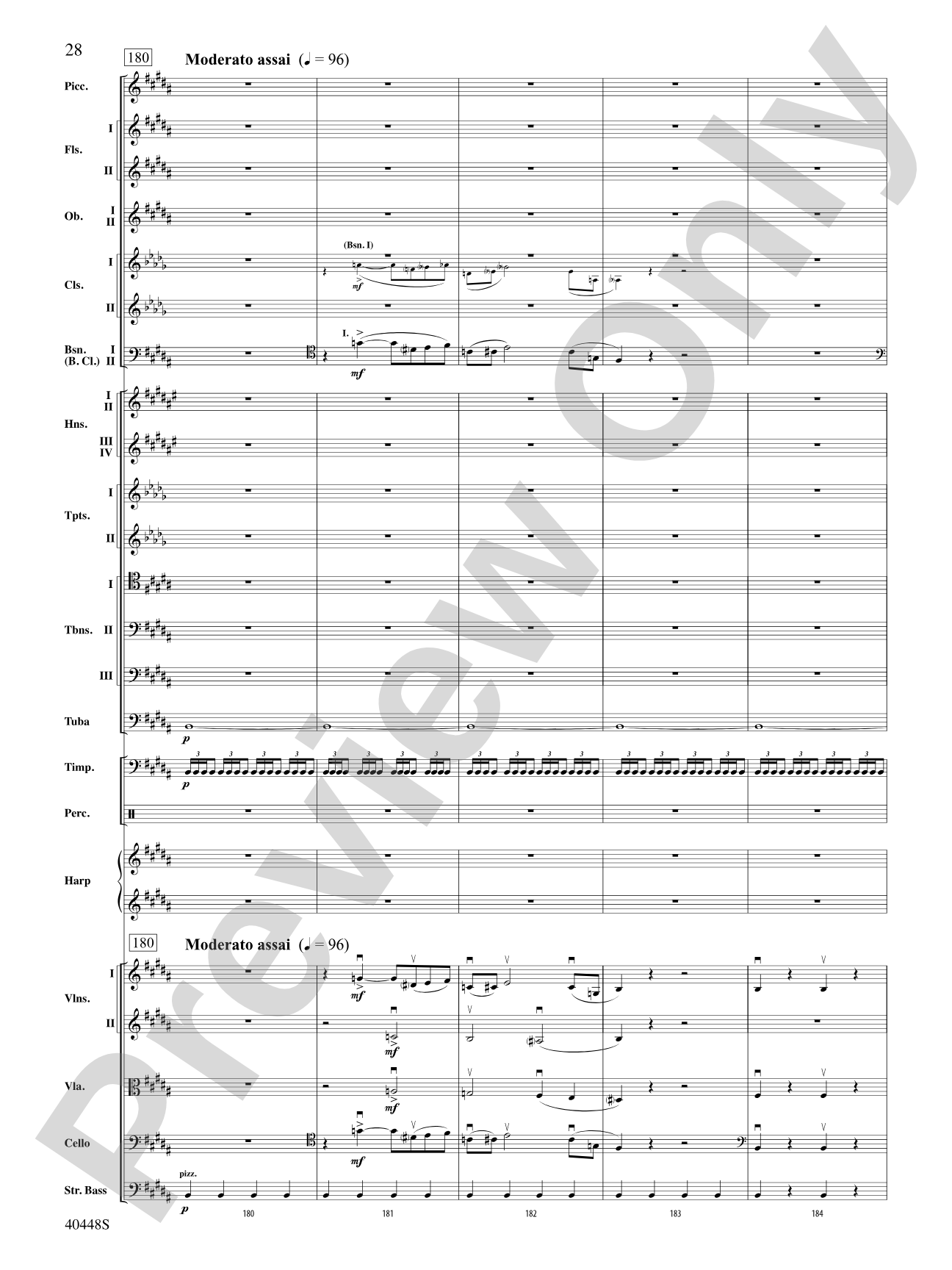
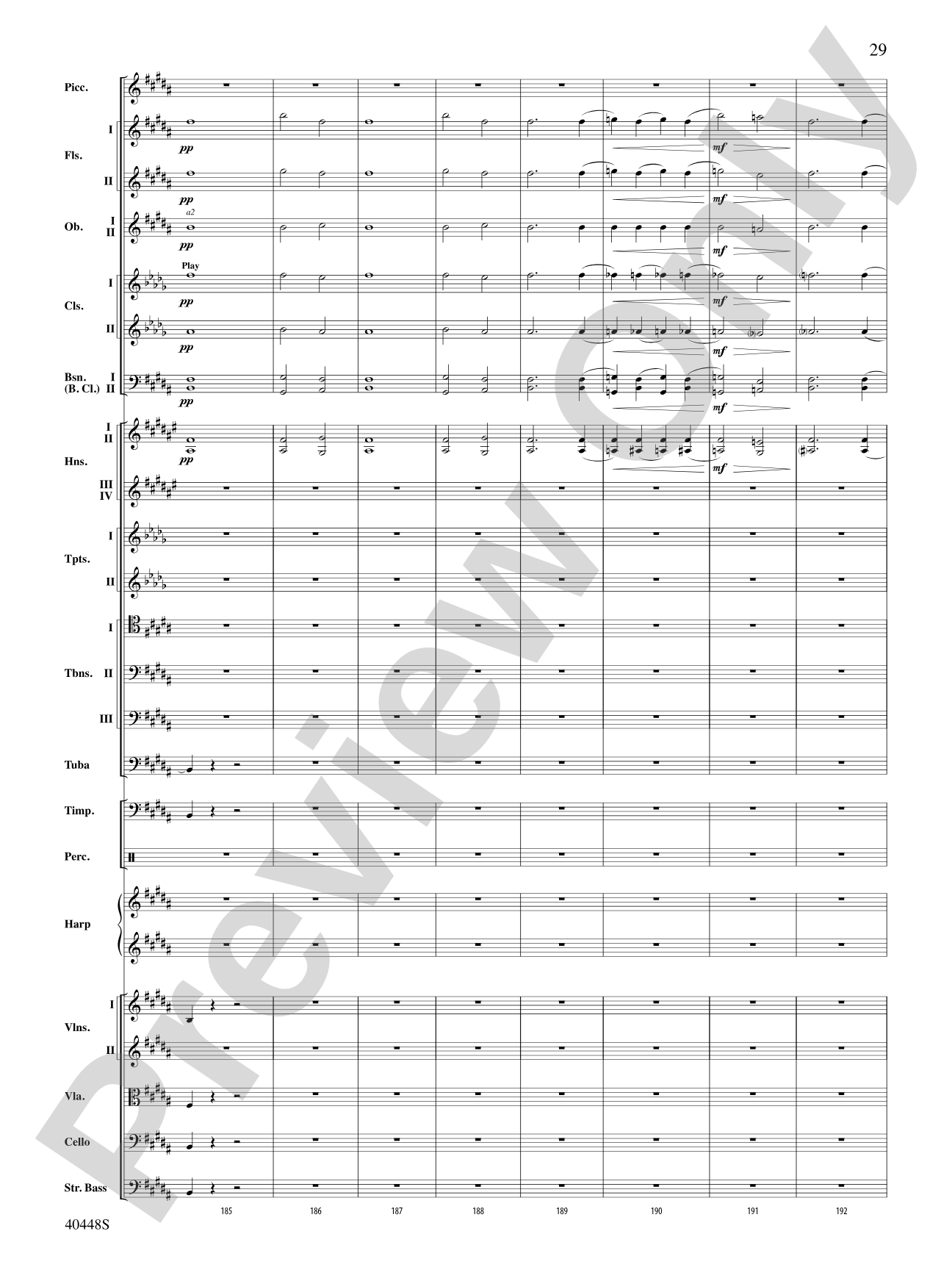
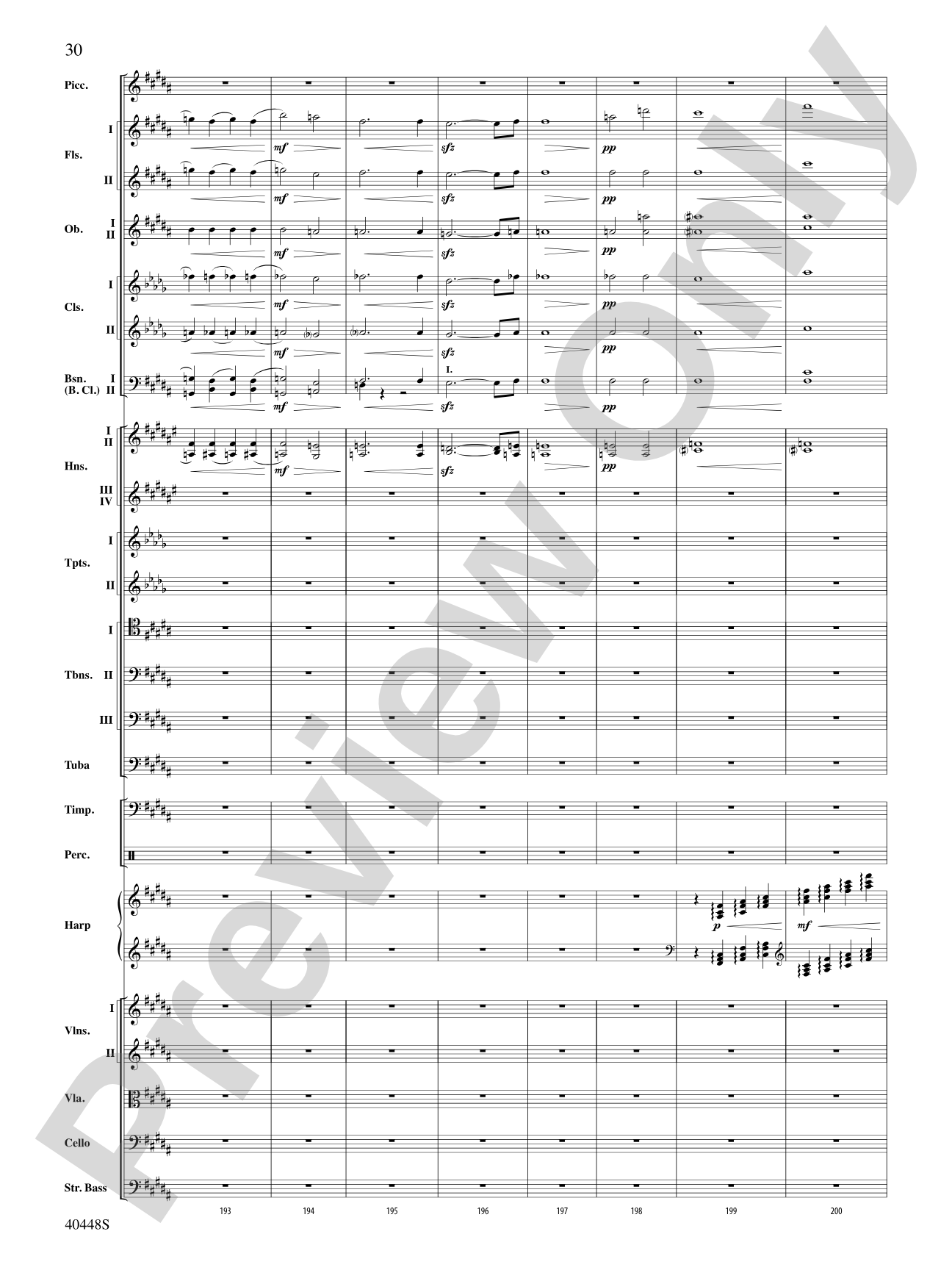
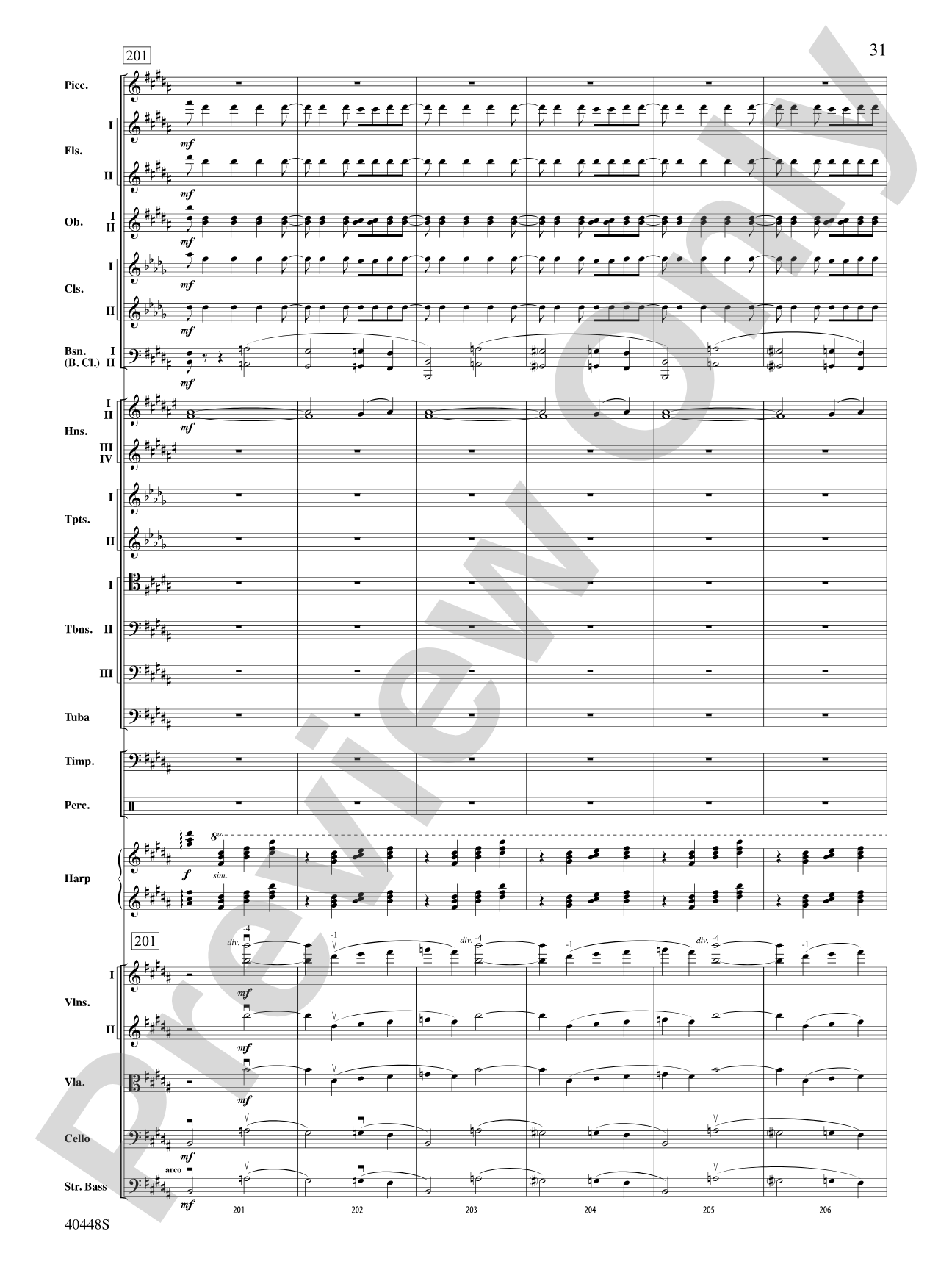
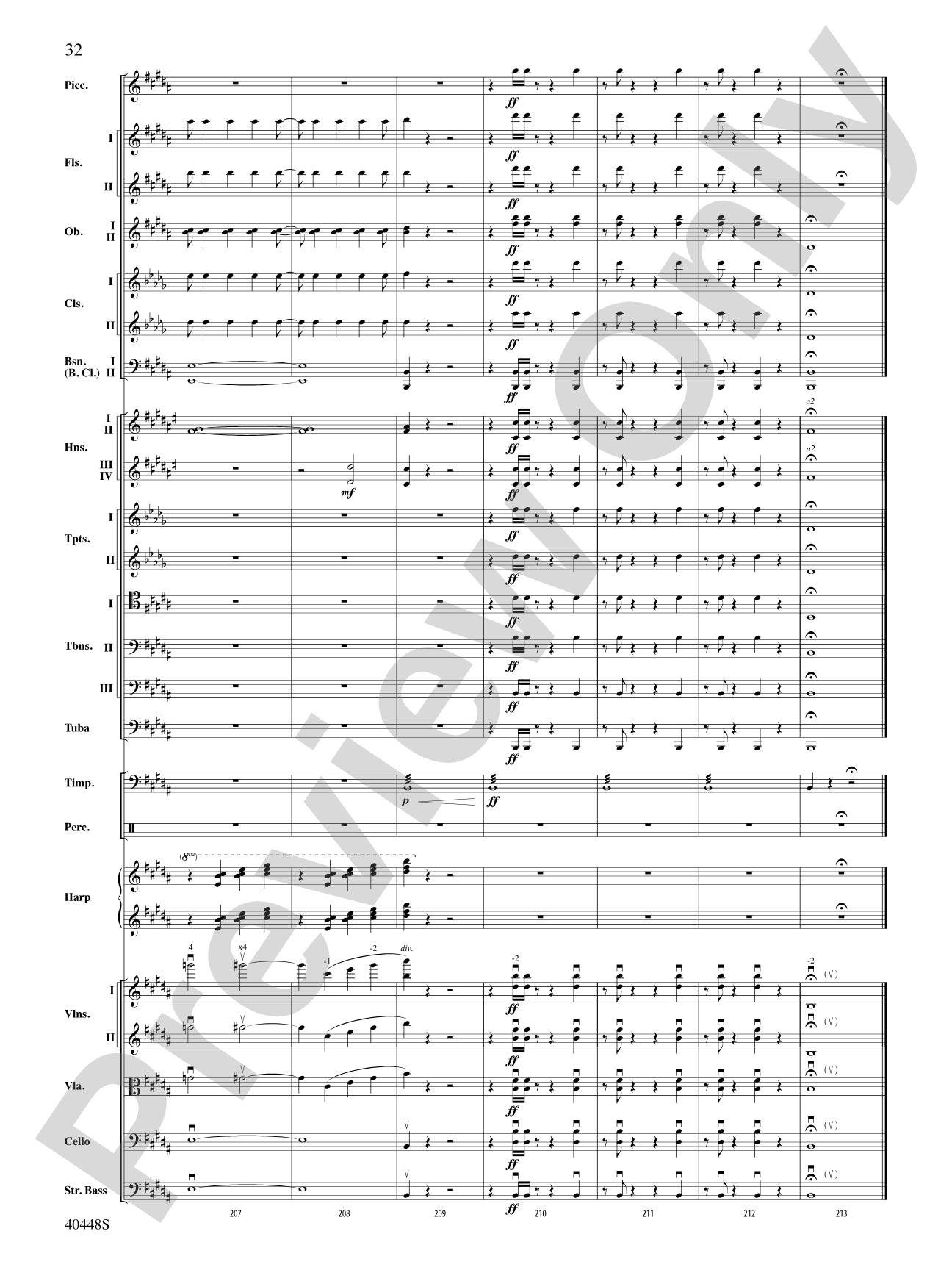

Romeo and Juliet Overture: Score
Op. 49
By Piotr Ilyich Tchaikovsky [Peter Ilyich Tchaikovsky] / arr. Jerry Brubaker
Grade: 5
Item: 00-PR-0004292
$11.00
Pickup currently not available
Description
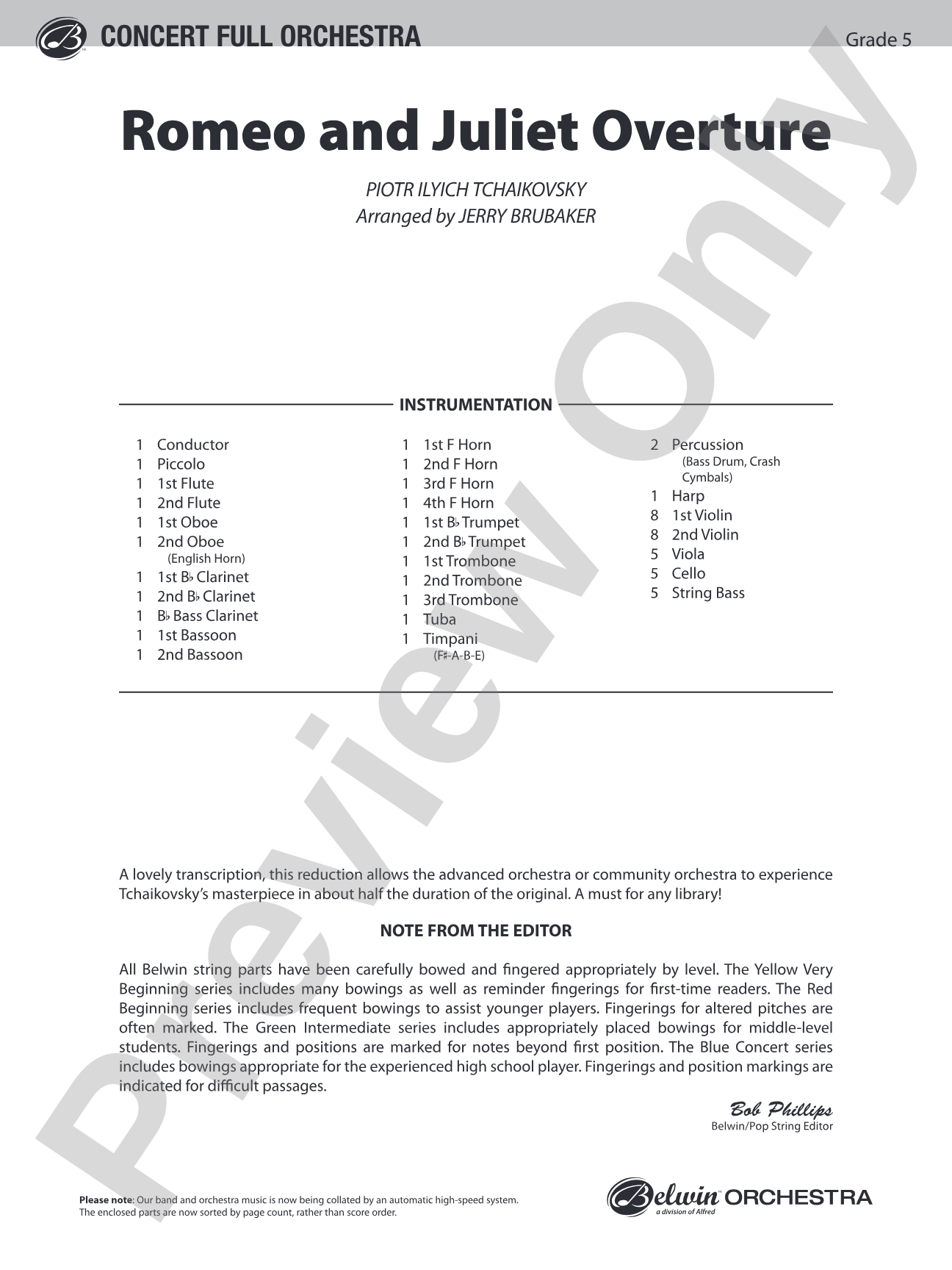
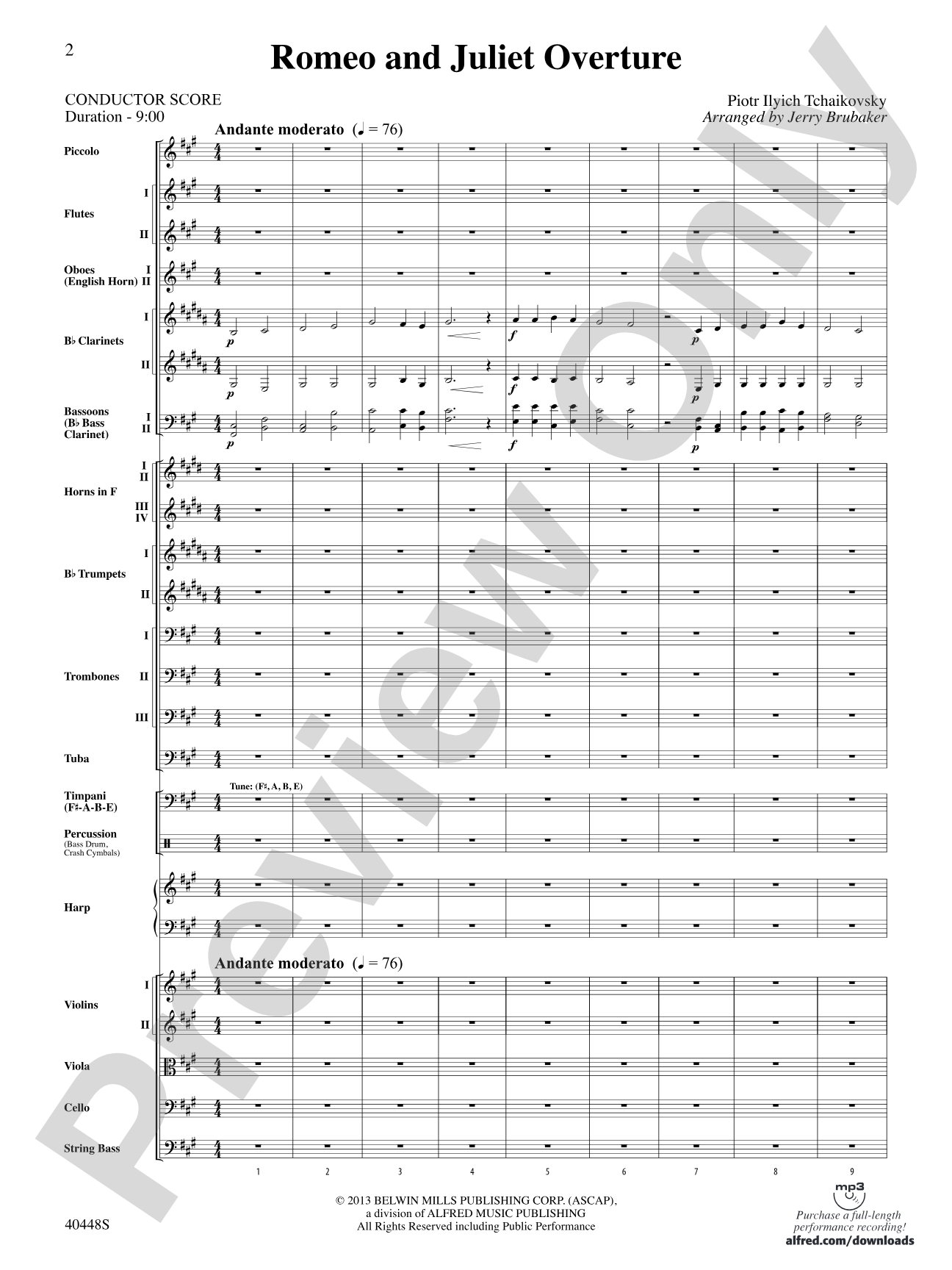
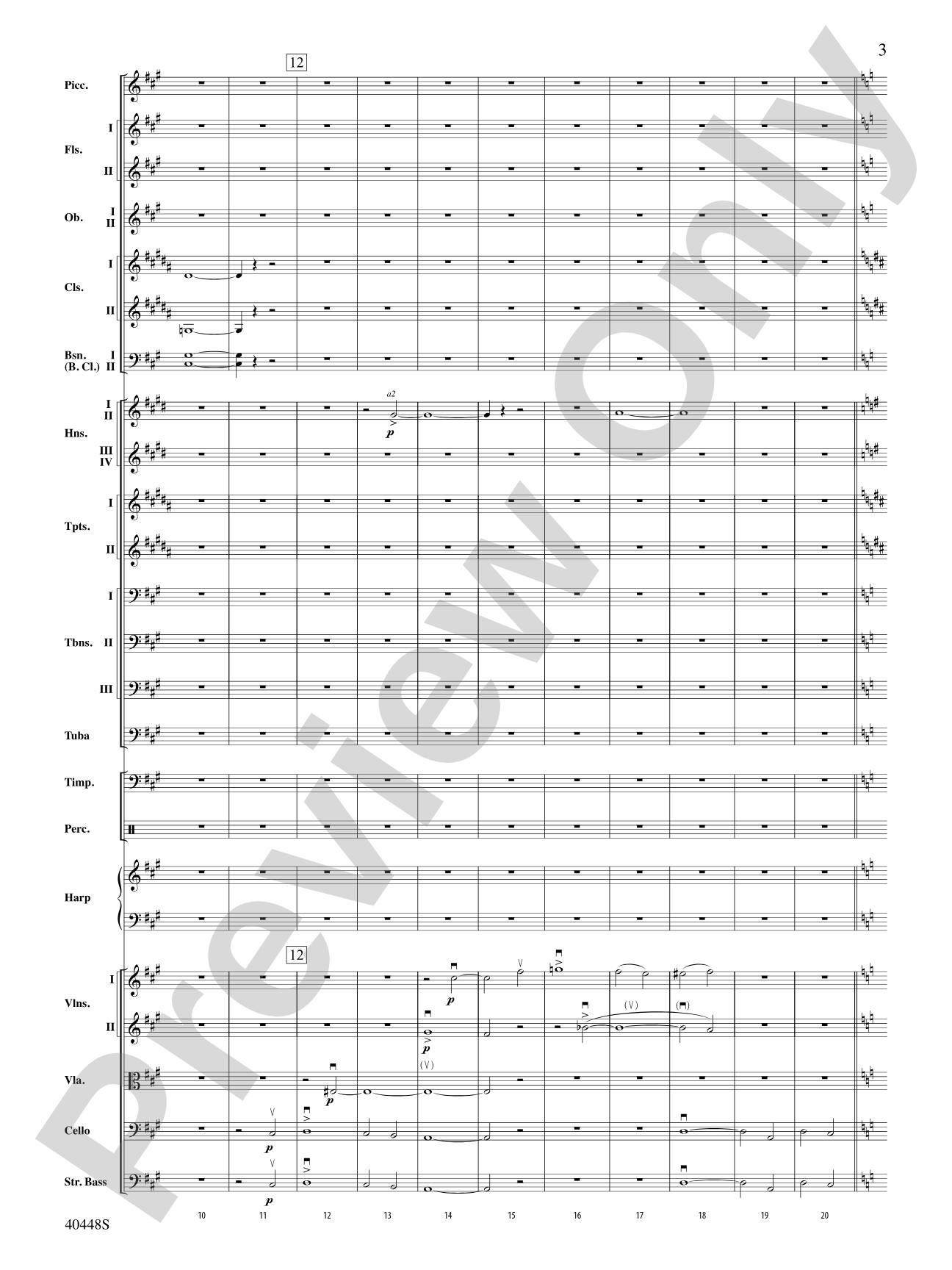
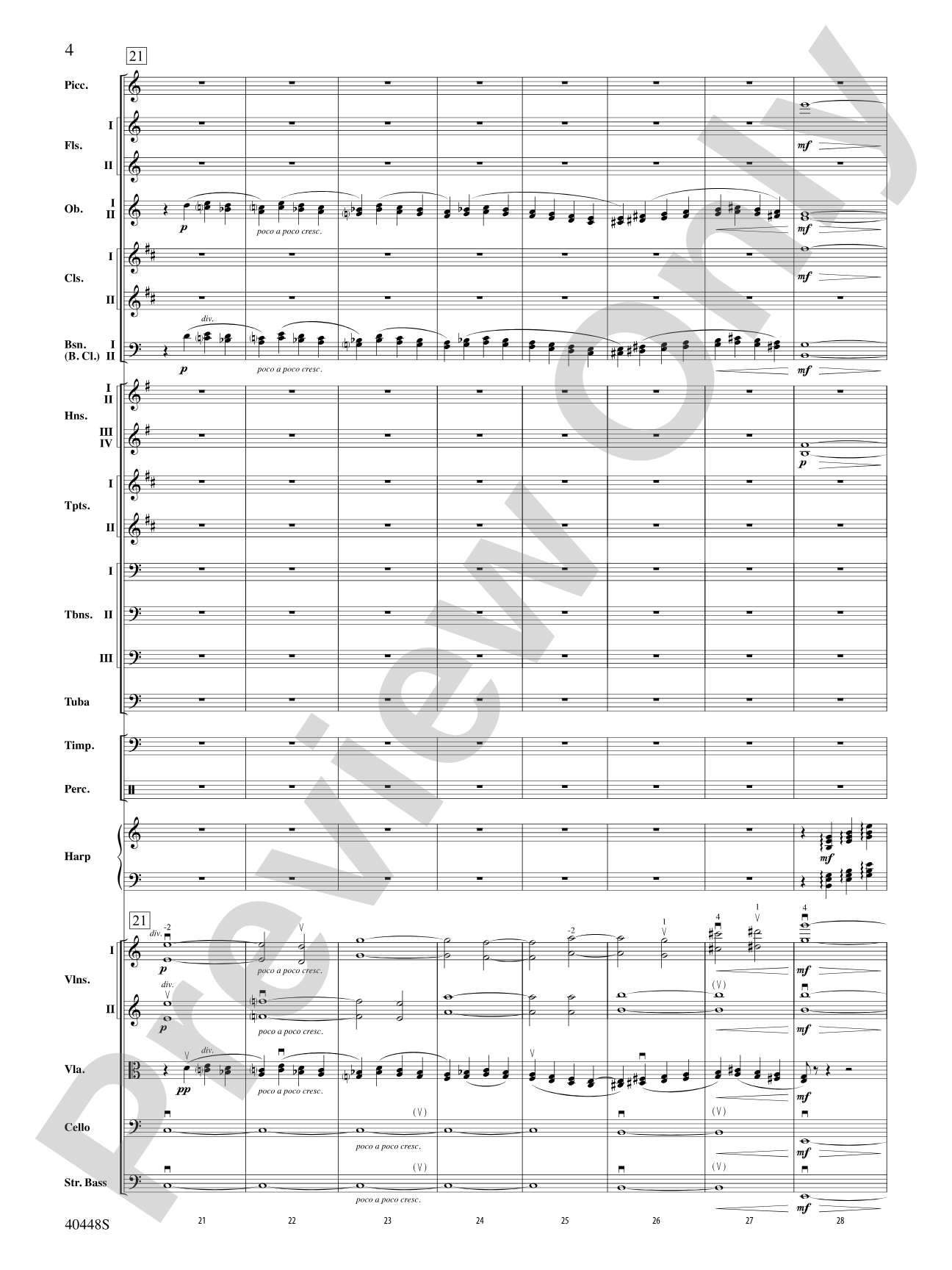
A lovely transcription, this reduction allows the advanced orchestra or community orchestra to experience Tchaikovsky's masterpiece in about half the duration of the original. A must for any library! This title is available in MakeMusic Cloud.


Don't just read it, hear it, play along with it, and watch your students grow with it. In MakeMusic Cloud, Romeo and Juliet Overture: Score comes alive with professional accompaniment, adjustable tempo, and built-in practice tools that turn solo practice into real progress.
Open in the Player
Jump straight in and assign it today.
Start Your Free Trial
Open this title and explore the full library in minutes.
Sample Audio
1
Audio File
--:--
0:00
0:00
Sample Video
No sample videos found.
Additional Details
Series:
Belwin Concert Full Orchestra
Publisher:
Alfred Music
Page Count:
200
SKU:
00-PR-0004292
More about this title
About the Composer: Piotr Ilyich Tchaikovsky
Tchaikovsky (1840–1893) was a Russian composer whose gift for orchestration and emotional directness made him one of the most performed composers worldwide. His works span ballet, symphonies, concertos, and overtures; he possessed an unparalleled ability to craft sweeping melodies and build dramatic tension through instrumentation and harmonic color.
Why we love this
Jerry Brubaker's reduction captures the narrative sweep and orchestral brilliance of Tchaikovsky's original without sacrificing the work's emotional core. At Grade 5, this arrangement opens the door for advanced community and school orchestras to tackle a true masterwork in a single rehearsal season, making it ideal for programs that want canonical repertoire with genuine musical substance.
What to expect
A sweeping tale of passion and conflict unfolds through Tchaikovsky's lush harmonies and soaring melodies. The work moves between moments of intimate, almost aching beauty and explosive dramatic intensity, painting the feuding families and doomed lovers in vivid orchestral color.
Who it's for
Advanced high school orchestras, college community orchestras, and semi-professional ensembles seeking Grade 5 repertoire with concert and festival appeal. Directors looking for a programmatic centerpiece that delivers Romantic-era orchestration and storytelling without the rehearsal demands of the full original.
How to get the most out of it
- Balance the competing melodic lines across sections; the famous theme passes between strings and woodwinds, and each must sing clearly without drowning out the harmonic support beneath.
- Attend carefully to Tchaikovsky's dynamic shapes, particularly the crescendos that build toward the work's climactic moments. Gradual layering of instruments creates the sense of mounting urgency.
- Coordinate the harp and percussion parts to anchor rhythmic stability during the faster sections; these often drive the pulse while strings handle the melody.
- Shape the opening brooding theme with restraint and legit vibrato in the violins. The work's drama emerges from contrast, not immediate intensity.
How to use it
Feature this as the anchor work on a concert exploring Romantic-era drama, or pair it with lighter contemporary pieces to showcase orchestral range. Its programmatic nature makes it excellent for a thematic concert around literature, and it works equally well as a festival contest piece or a concert-season centerpiece.
Skills your students will build
- Balancing competing melodic lines across the full orchestra
- Shaping extended crescendos and dynamic contours over multiple measures
- Coordinating independent rhythmic figures in different sections
- Interpreting and executing a programmatic narrative through ensemble playing
- Reading and responding to detailed conductor cues in complex textures