
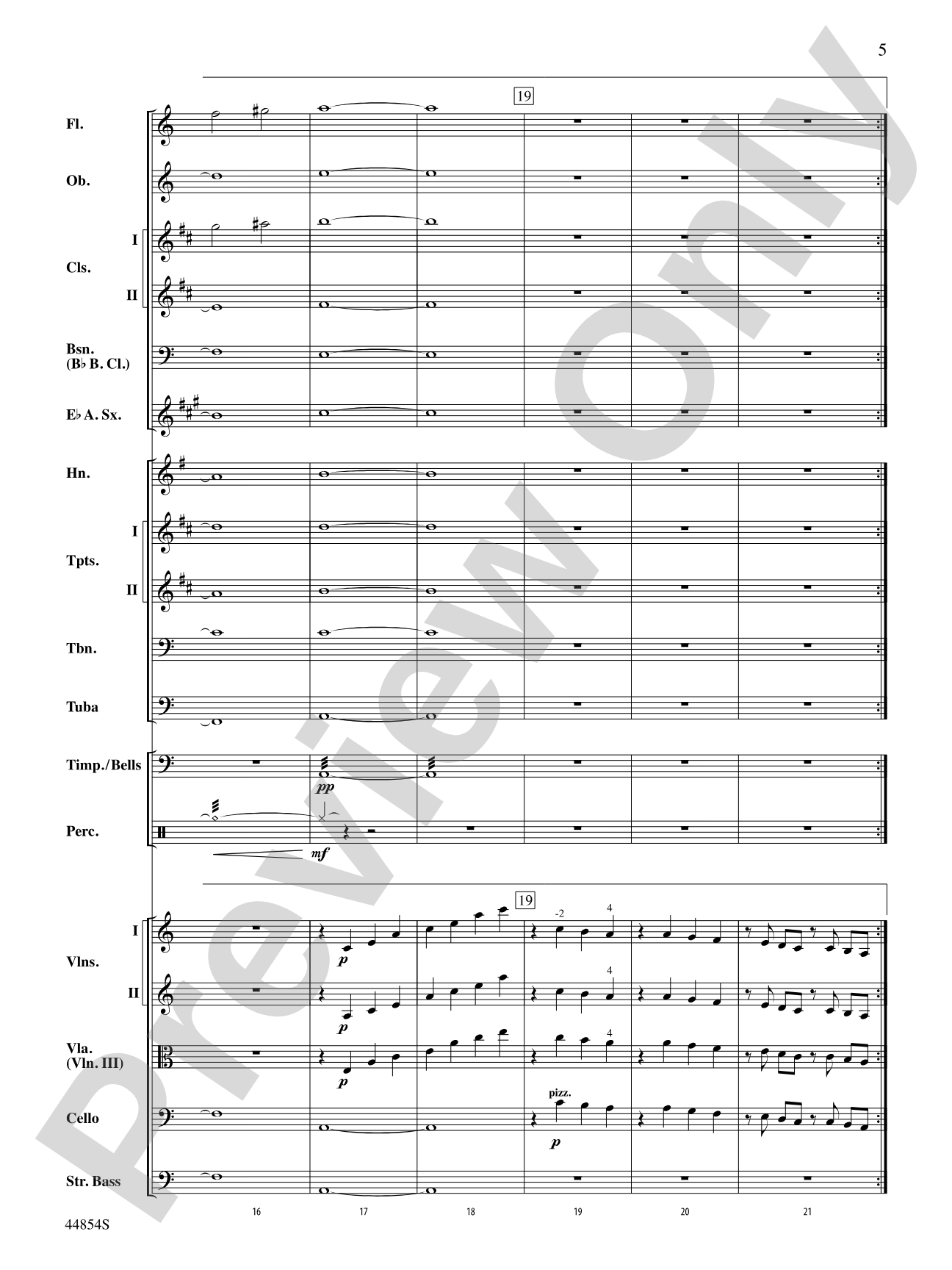
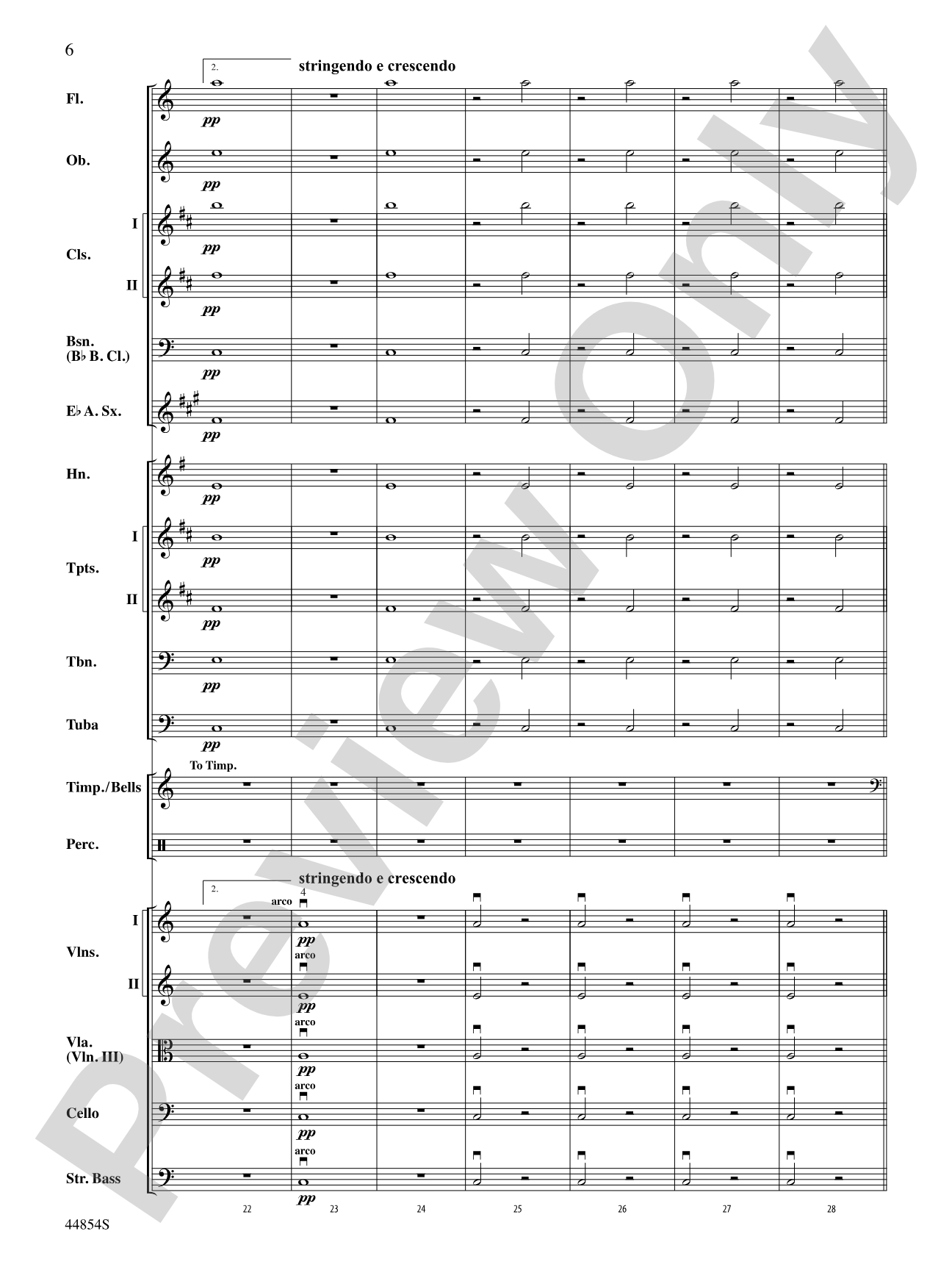
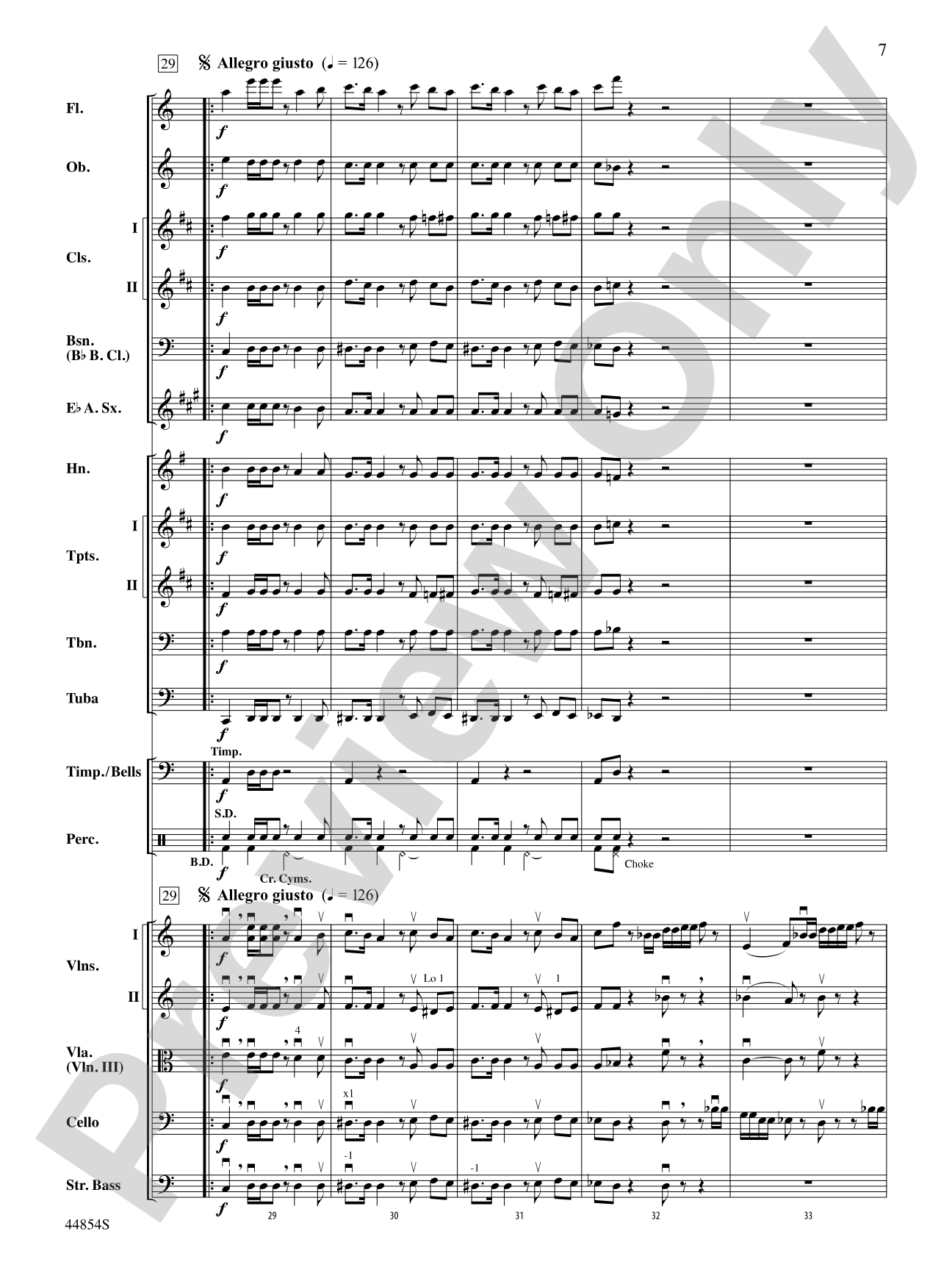
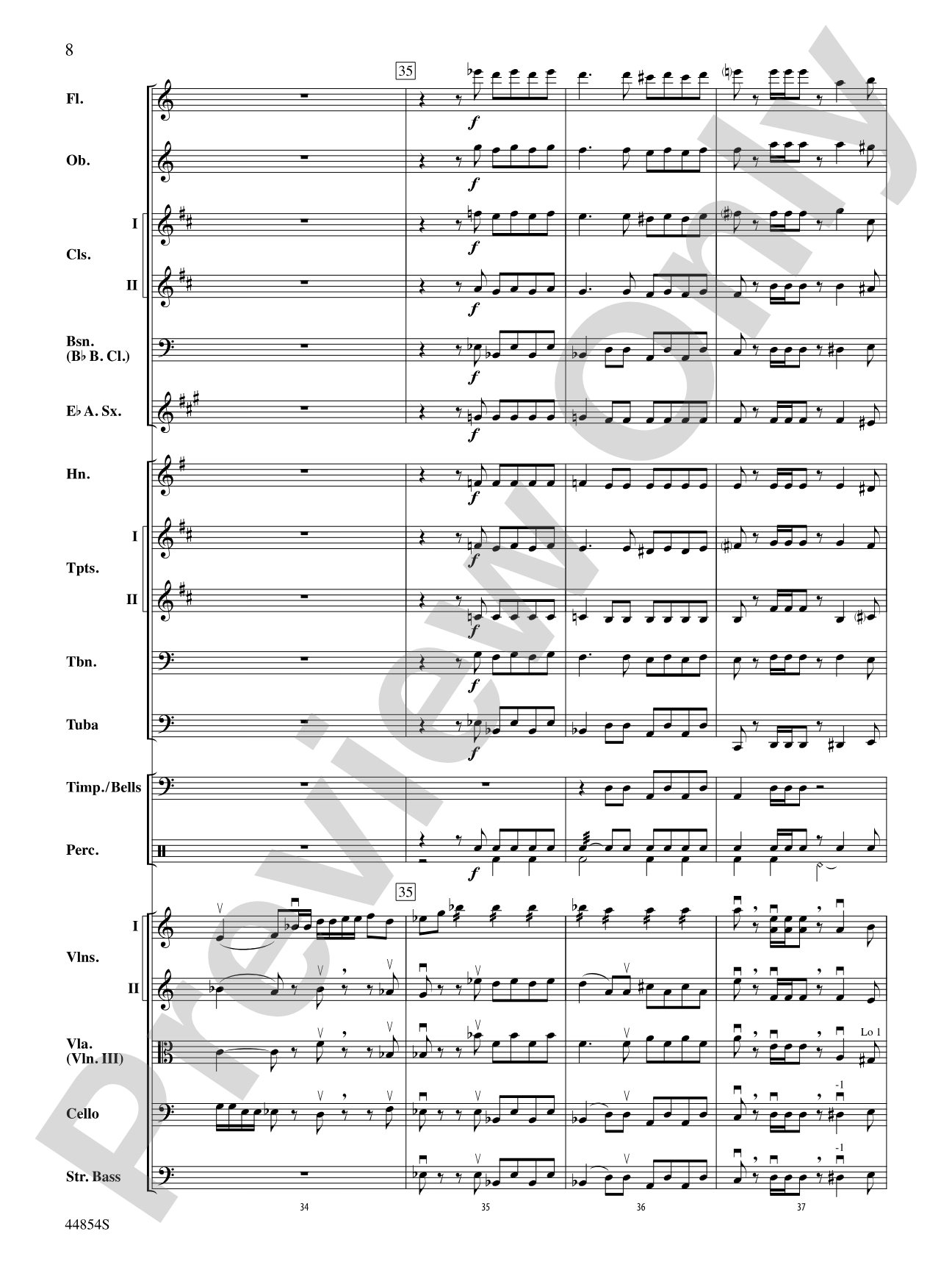
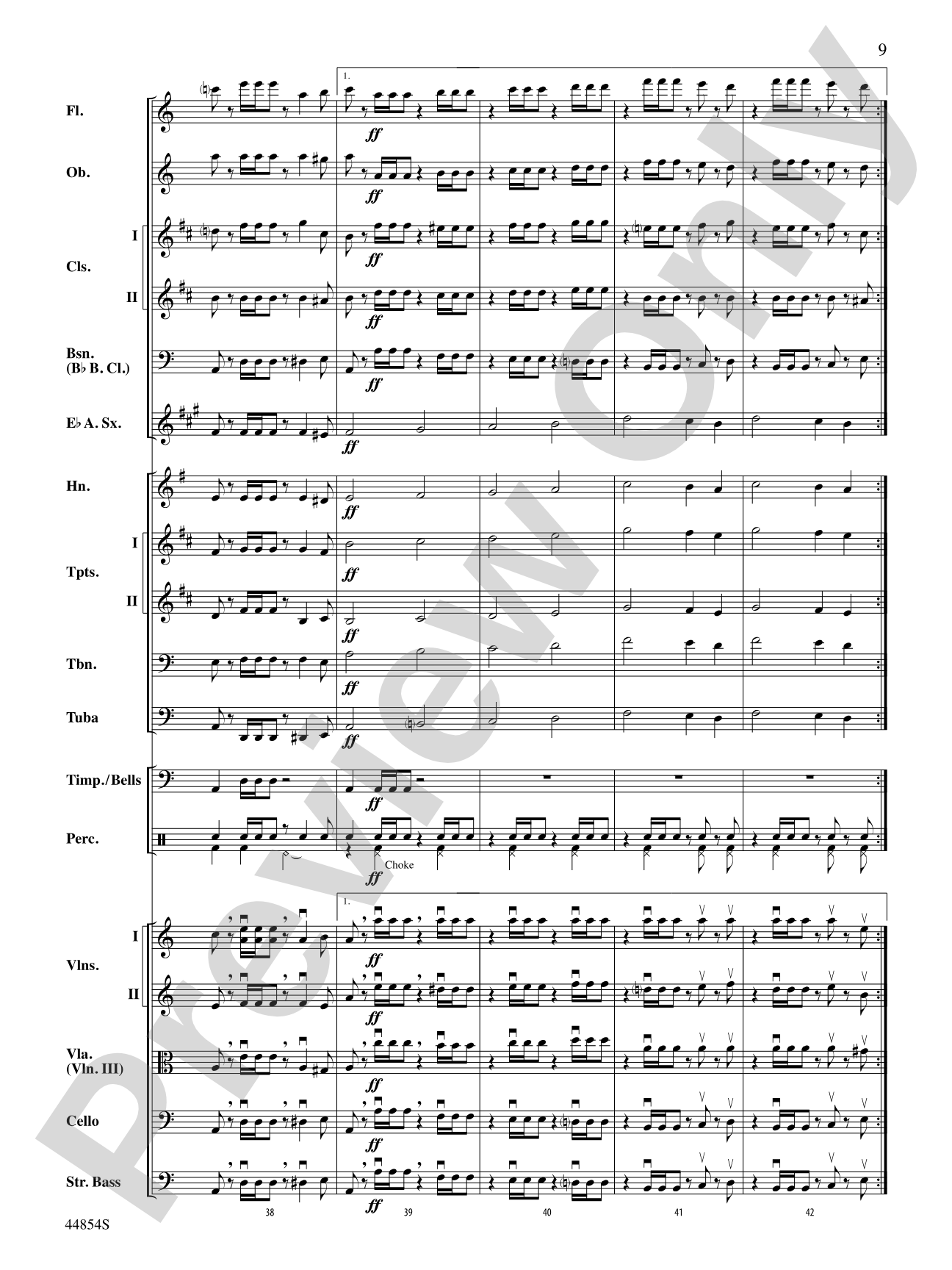
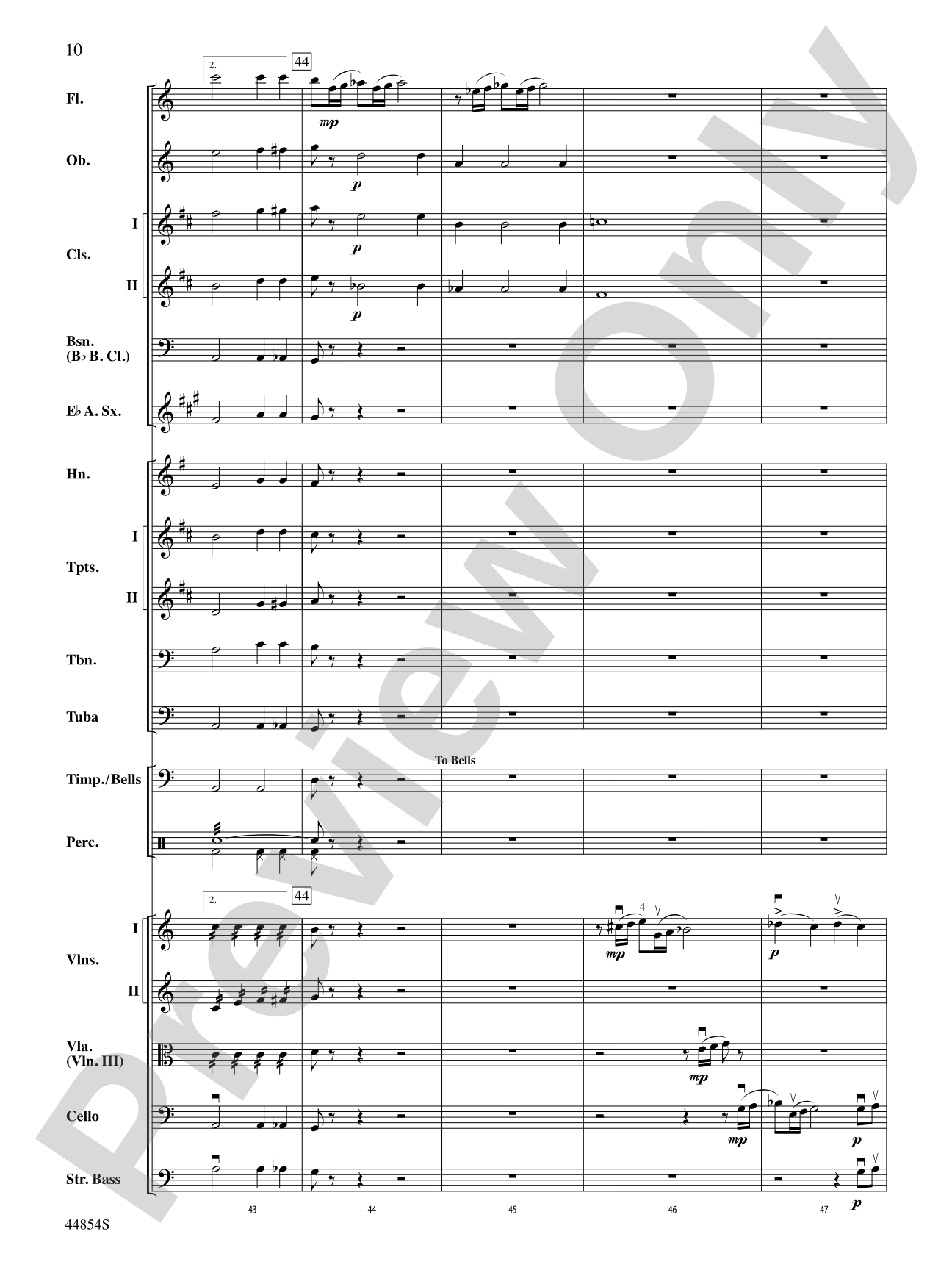
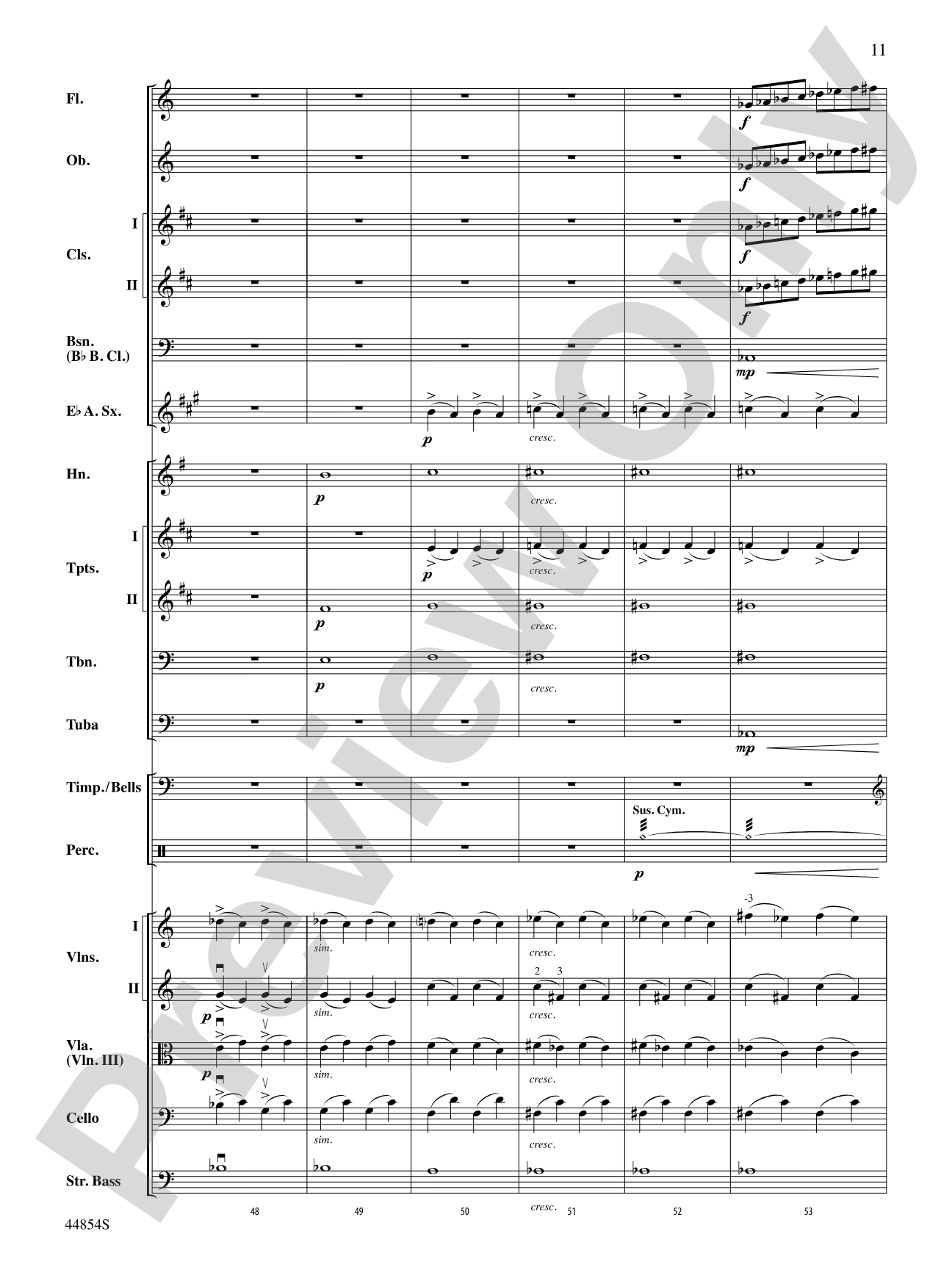
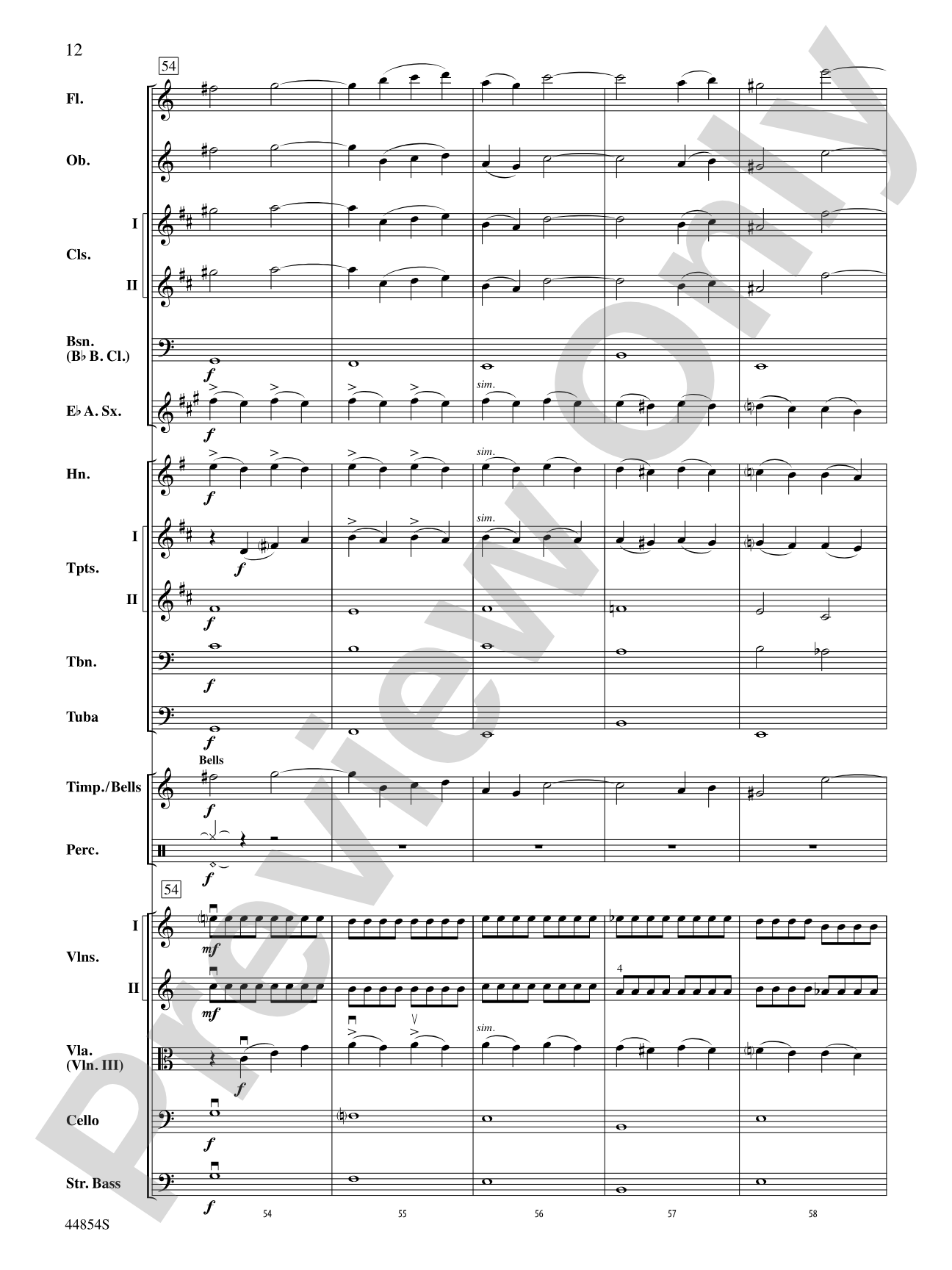
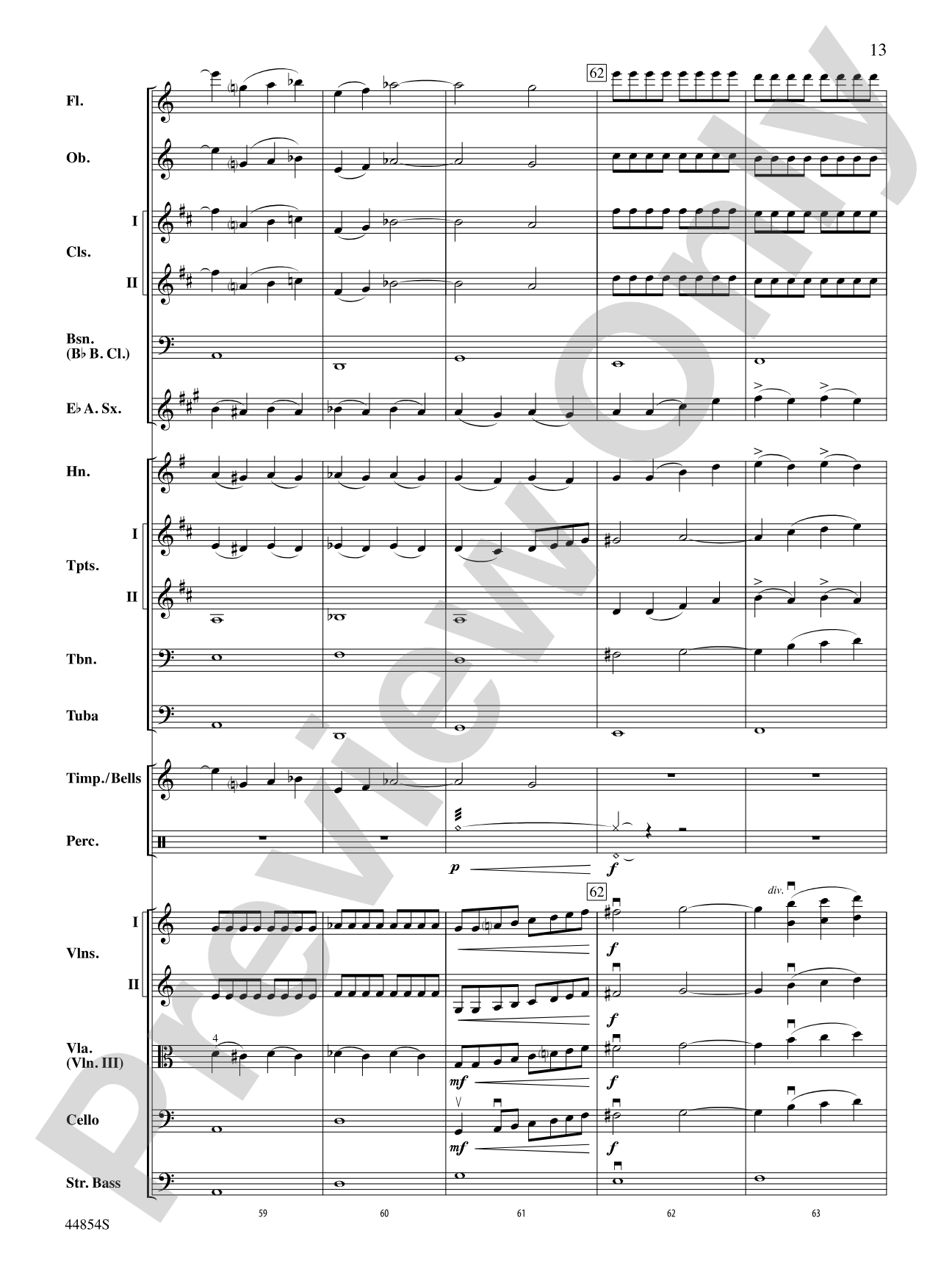
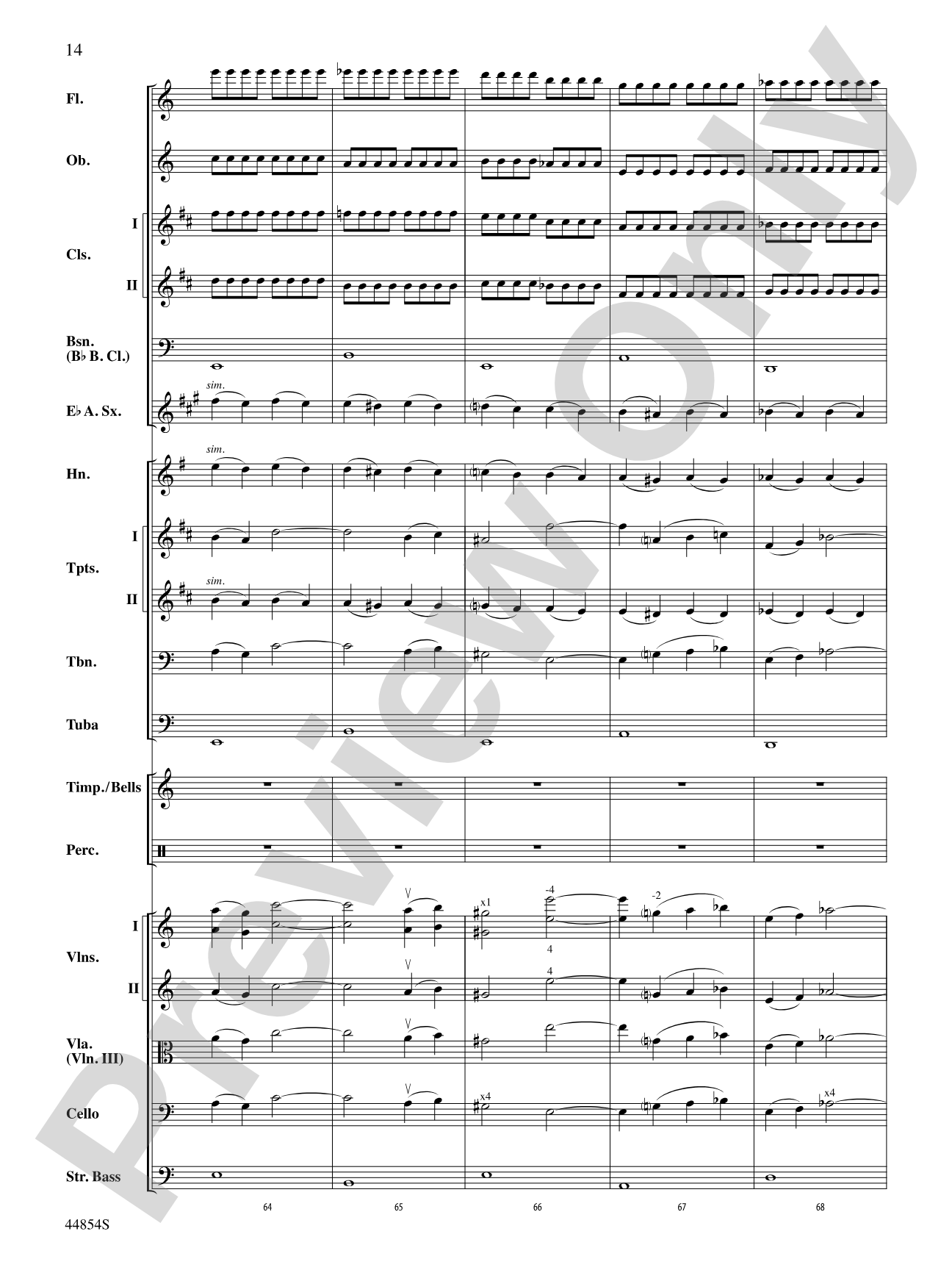
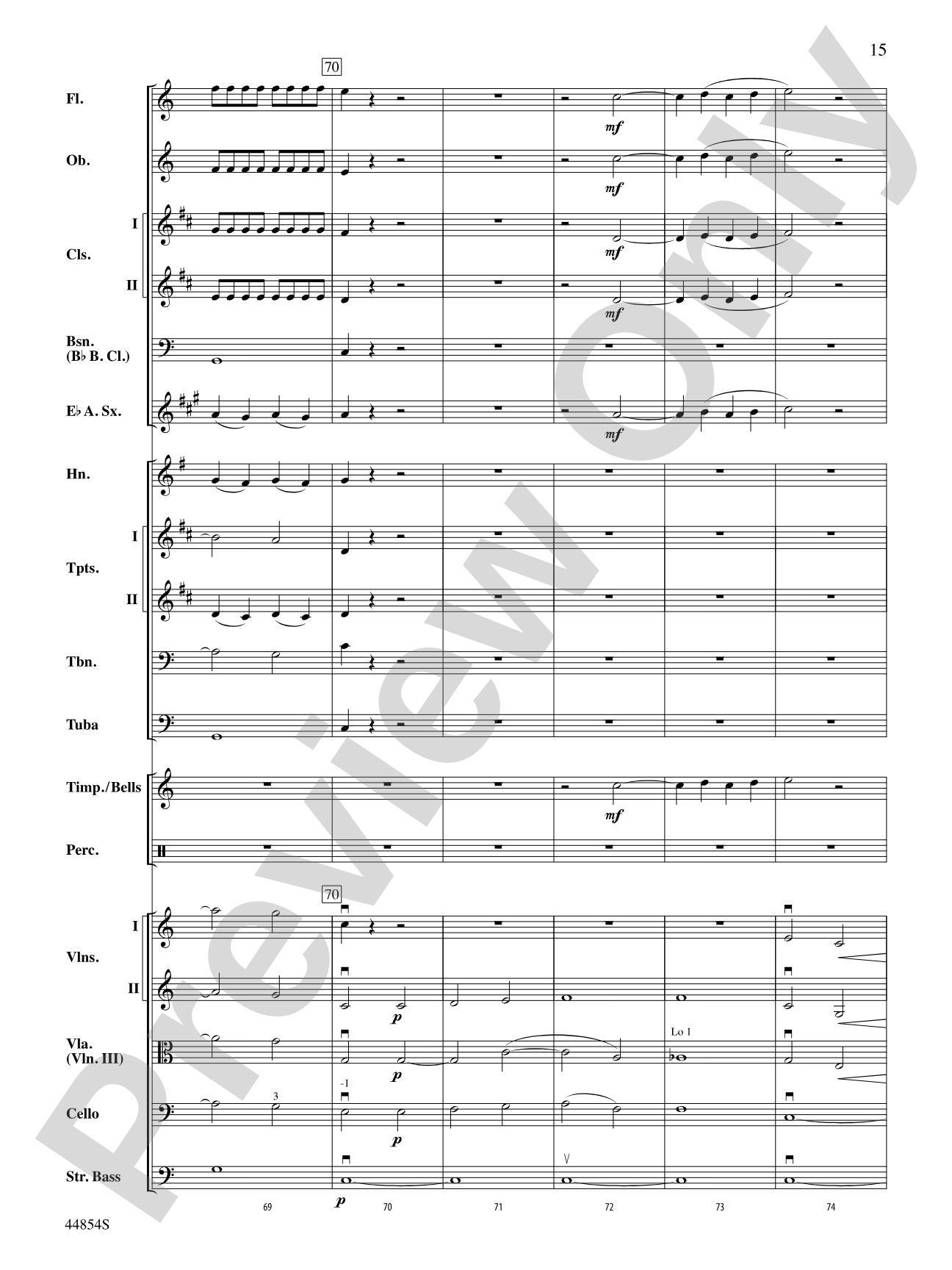
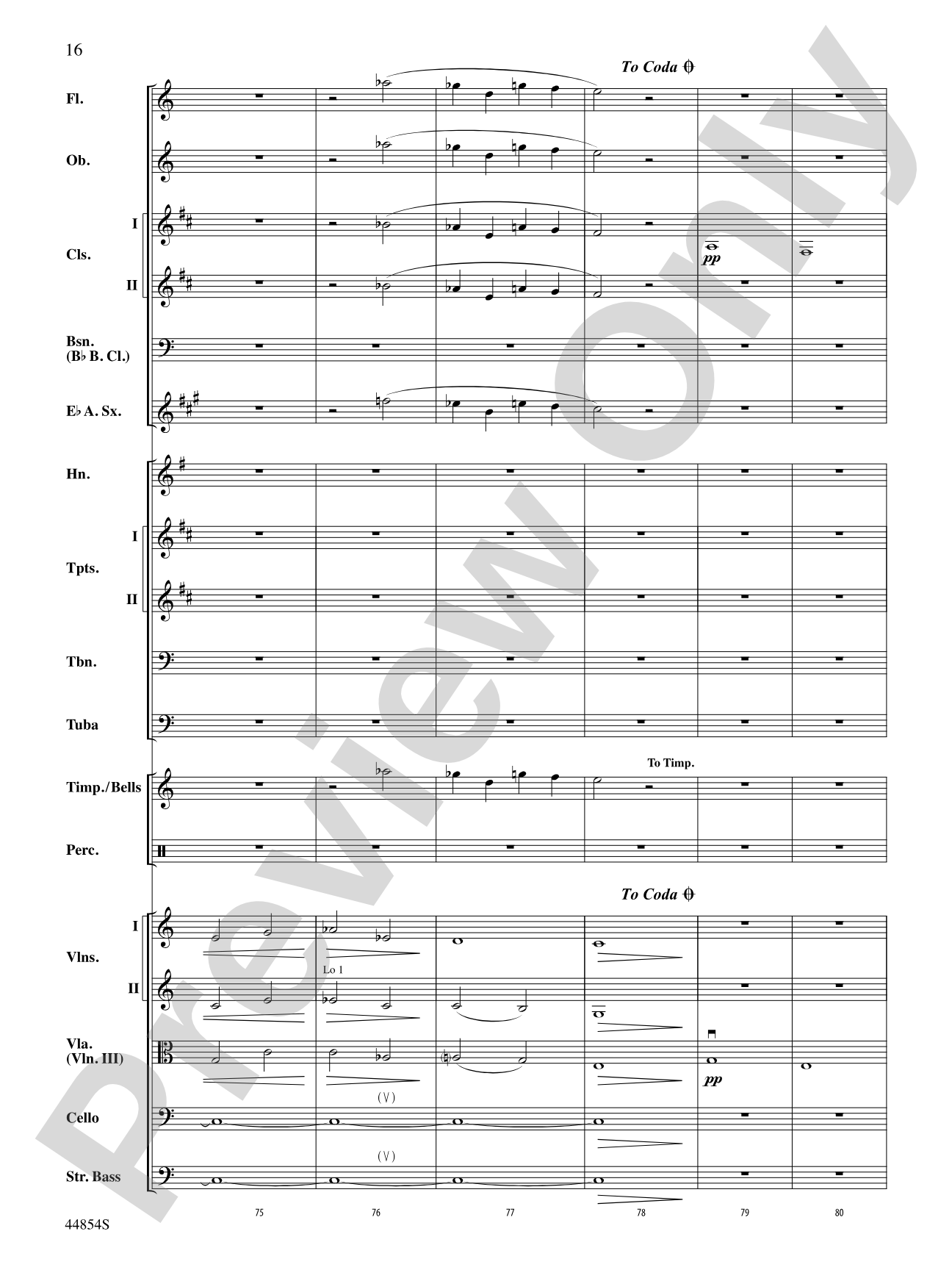
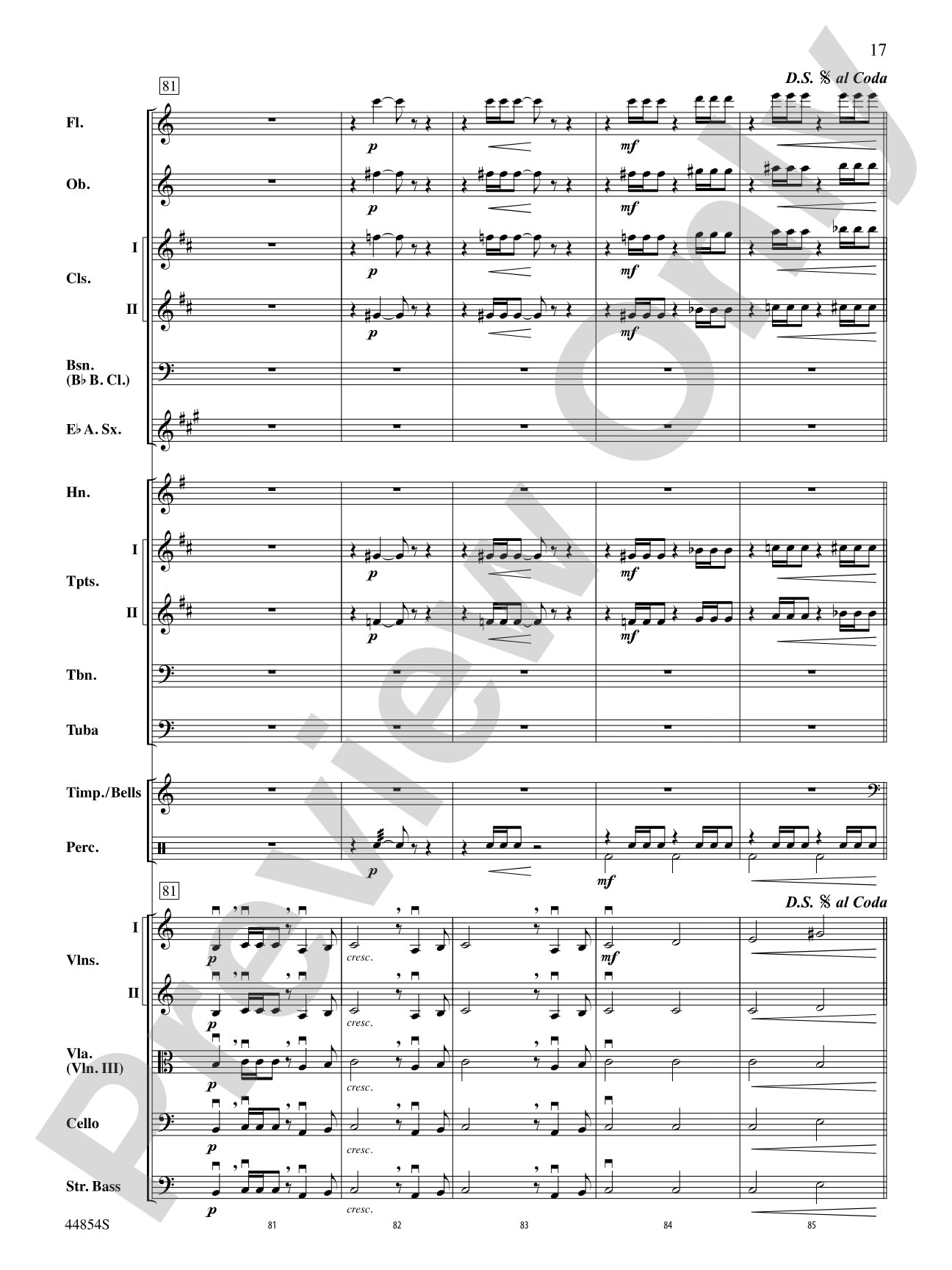
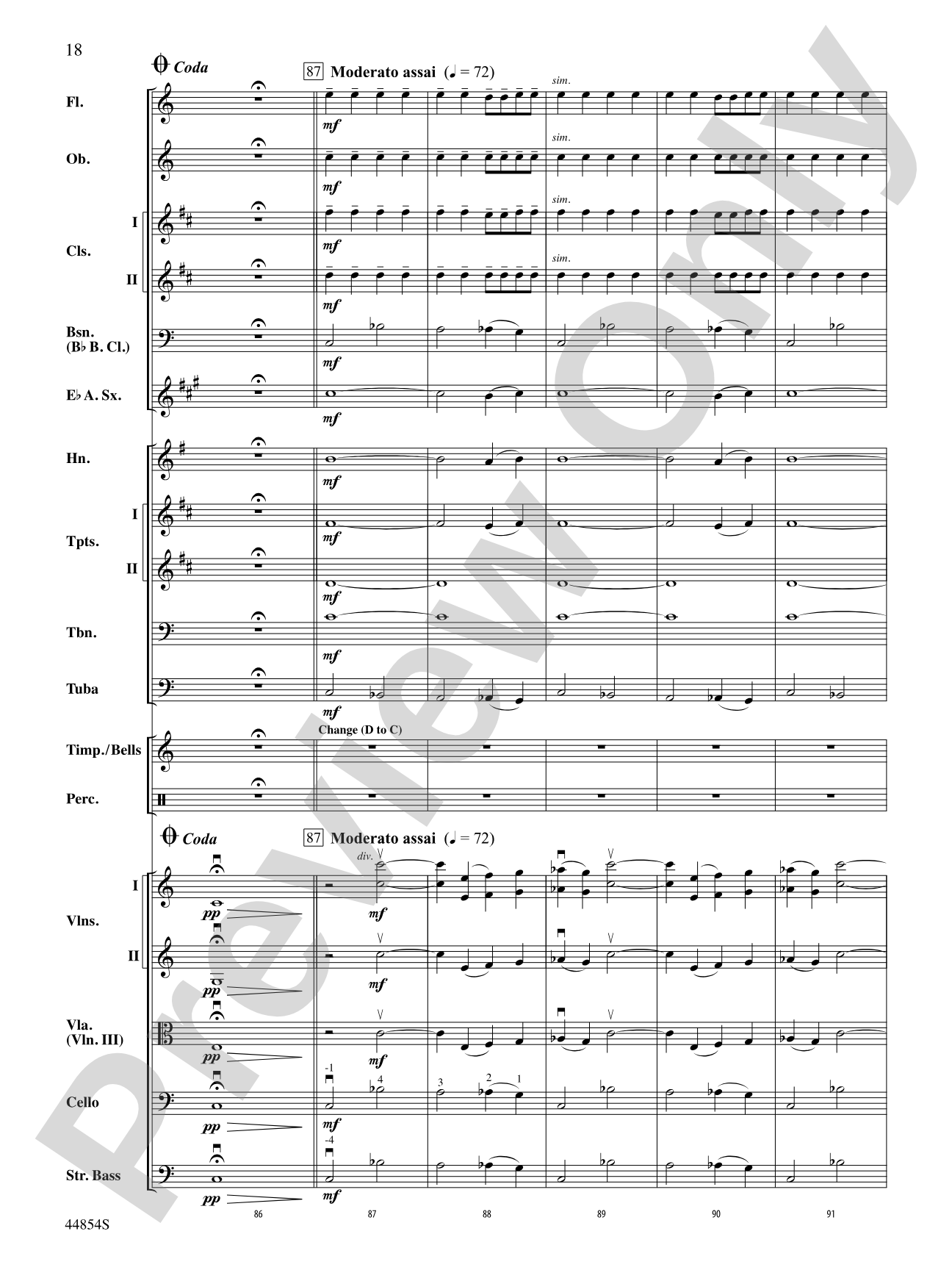
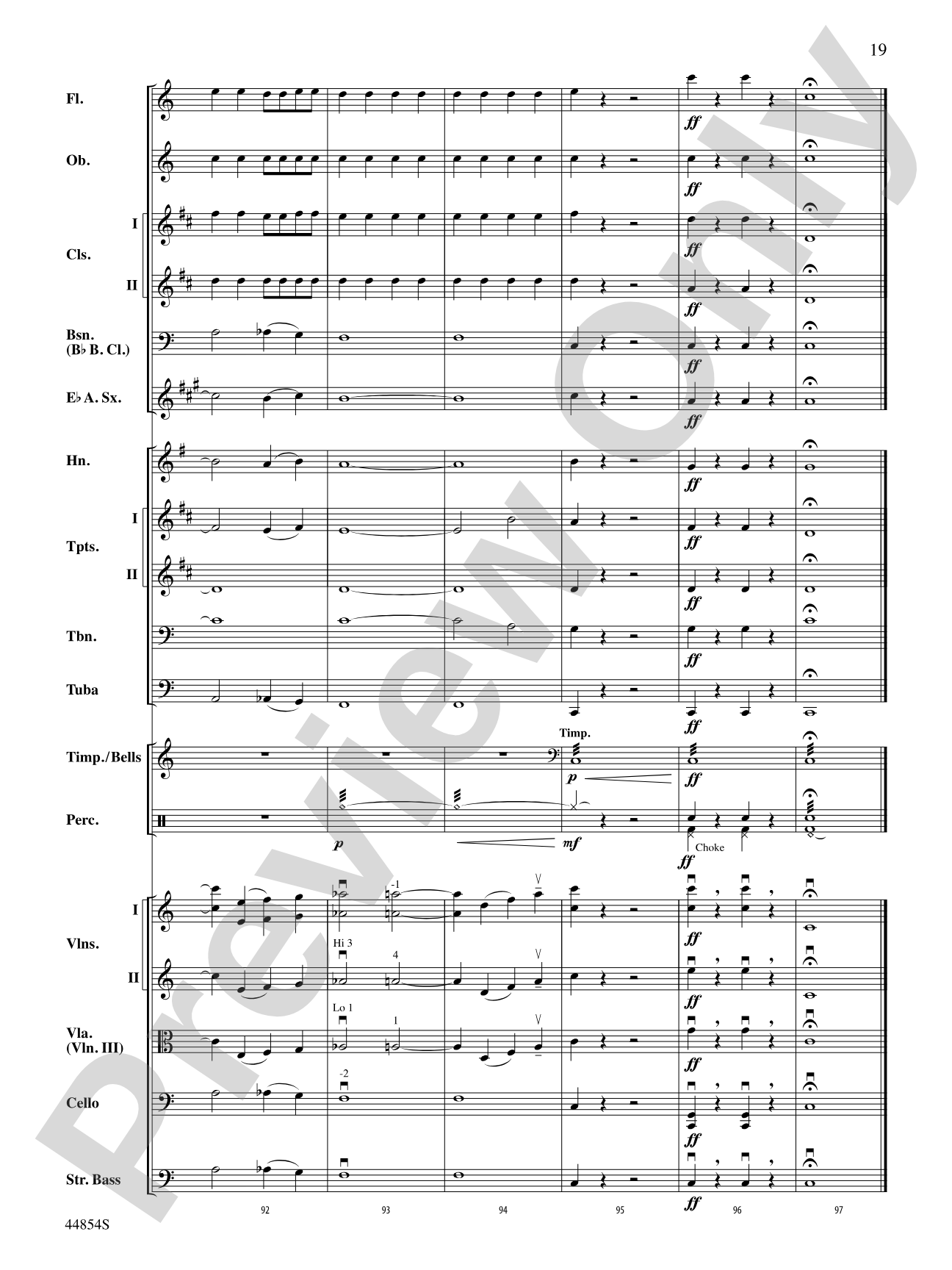

Romeo and Juliet Overture: Full Orchestra Conductor Score & Parts
By Piotr Ilyich Tchaikovsky / arr. Richard Meyer
Grade: 2.5
Item: 00-PK-0007126

$59.00
Pickup currently not available
Buy Extra Parts (Digital PDF Download)
Parts Added to Cart!
Description
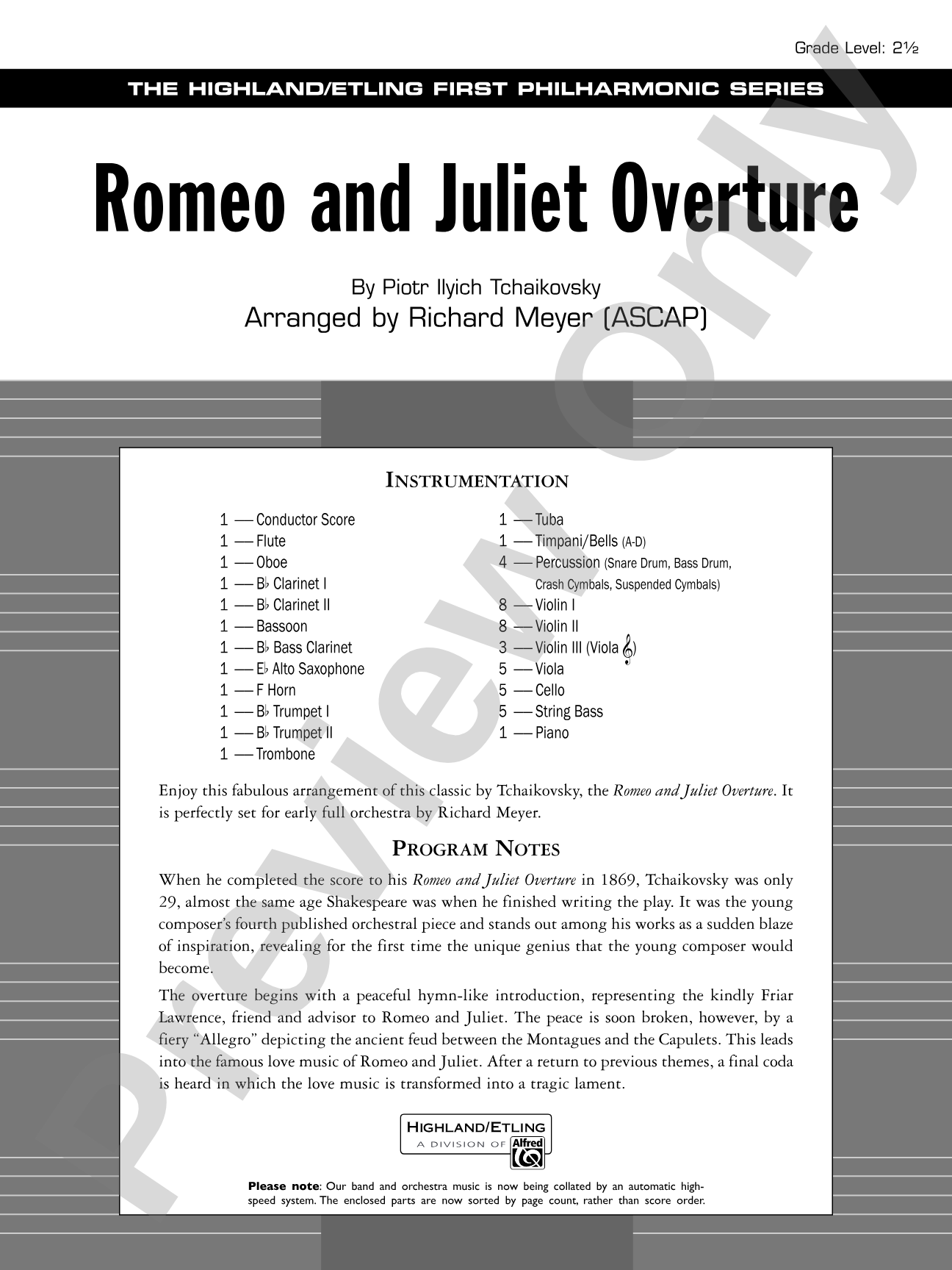
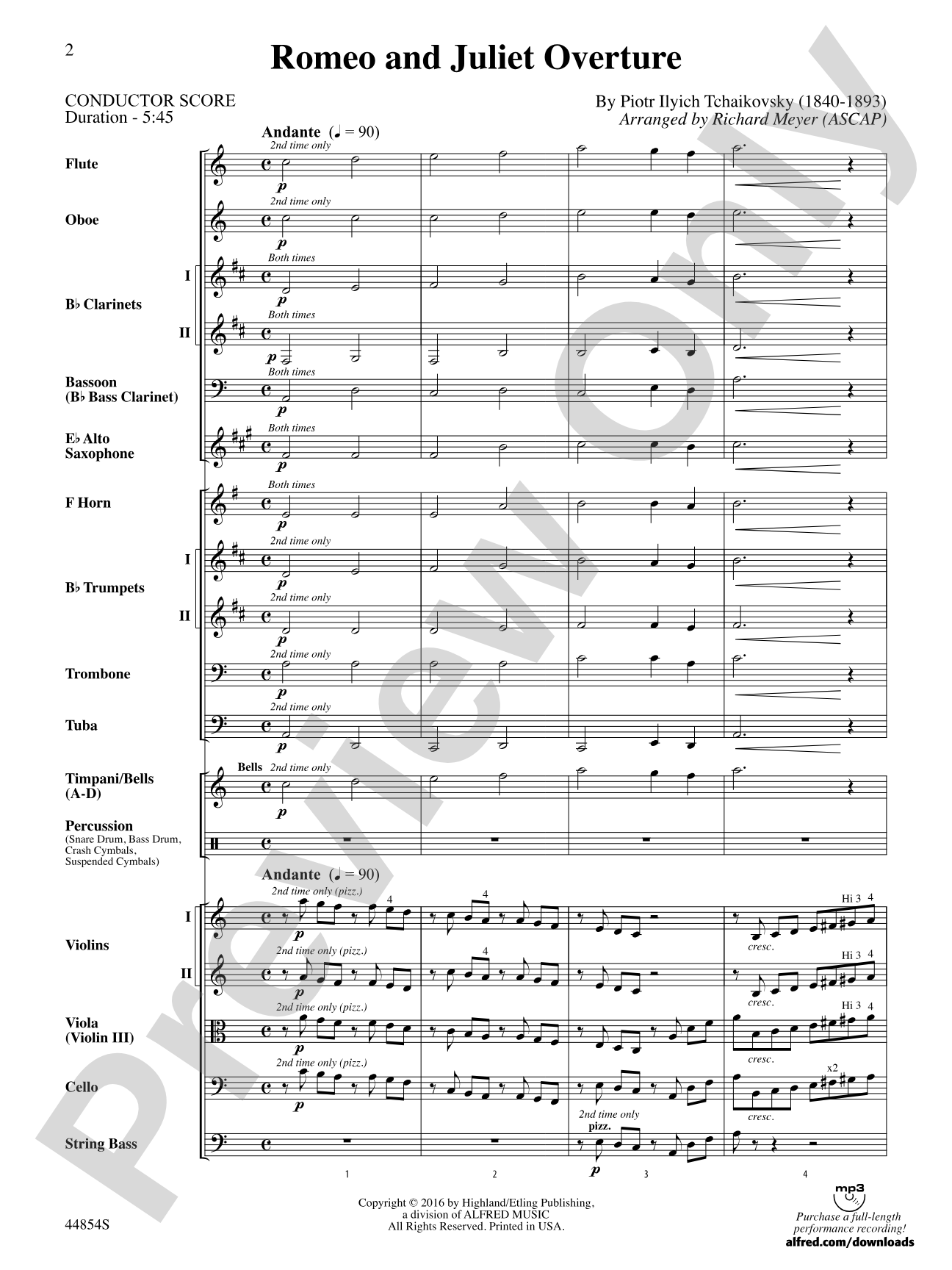
Enjoy this fabulous arrangement of the beloved and classic overture, perfectly set for early full orchestra. (5:45)


Don't just read it, hear it, play along with it, and watch your students grow with it. In MakeMusic Cloud, Romeo and Juliet Overture: Full Orchestra Conductor Score & Parts comes alive with professional accompaniment, adjustable tempo, and built-in practice tools that turn solo practice into real progress.
Open in the Player
Jump straight in and assign it today.
Start Your Free Trial
Open this title and explore the full library in minutes.
Sample Audio
1
Audio File
--:--
0:00
0:00
Sample Video
Additional Details
Series:
Highland/Etling First Philharmonic
Publisher:
Alfred Music
Page Count:
206
SKU:
00-PK-0007126
More about this title
About the Composer: Piotr Ilyich Tchaikovsky
Piotr Ilyich Tchaikovsky (1840-1893) stands as one of the most performed composers in the orchestral repertoire, and for good reason. His gift for melody, emotional directness, and orchestral color made him a bridge figure between Romantic tradition and modern concert life. The Romeo and Juliet Overture, composed in 1869 and revised in 1880, showcases his mastery of program music, where instrumental storytelling and structural clarity merge seamlessly.
For music educators, Tchaikovsky's work offers immediate engagement with students. Young players respond to the narrative arc, the lush harmonies, and the accessibility of his themes. His orchestrations, while sophisticated, remain transparent enough for developing ensembles to learn from, making him essential repertoire across all levels.
Why we love this
Richard Meyer's Grade 2.5 arrangement delivers the full dramatic sweep of this masterwork without oversimplifying the musical substance. Young orchestras get to experience genuine Tchaikovsky storytelling: the serene opening, the mounting passion, the tragic climax. This is the kind of arrangement that convinces students they're playing a real concert piece, not a study exercise.
What to expect
The overture unfolds like a theatrical narrative. It opens with quiet, almost dreamlike beauty, then gradually builds tension and urgency as the famous lovers' fate draws near. The final tragic climax hits with genuine emotional weight, leaving audiences moved by what young musicians have just conveyed. There's nobility in playing Tchaikovsky at any level.
Who it's for
Early full orchestras (Grade 2.5) ready to tackle a piece with genuine musical substance and dramatic arc. Ensembles need solid fundamentals in intonation and balance, but this arrangement meets them where they are musically and intellectually. Conductors seeking to program a recognizable masterwork that engages audiences and challenges young players will find exactly what they need here.
How to get the most out of it
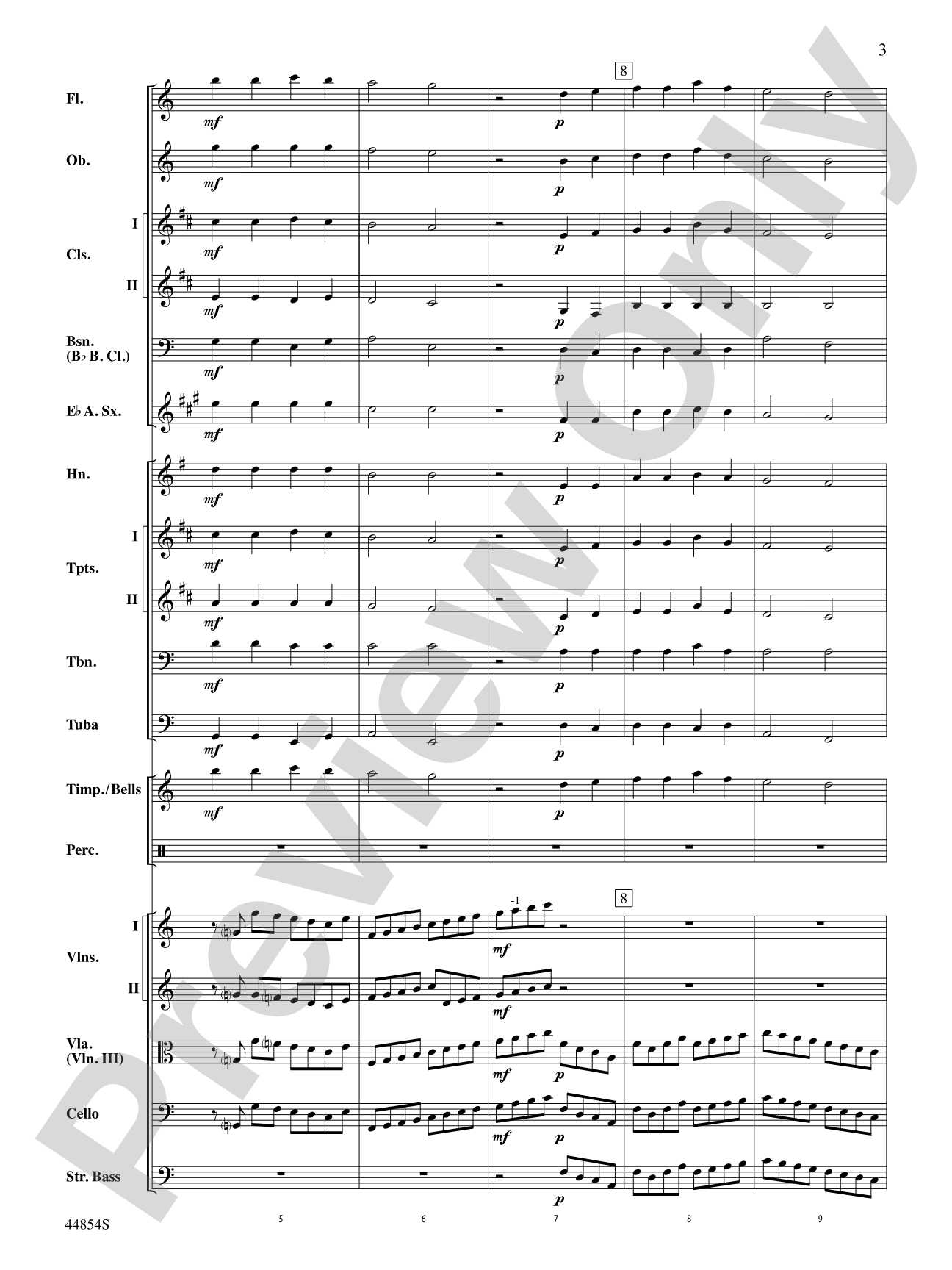
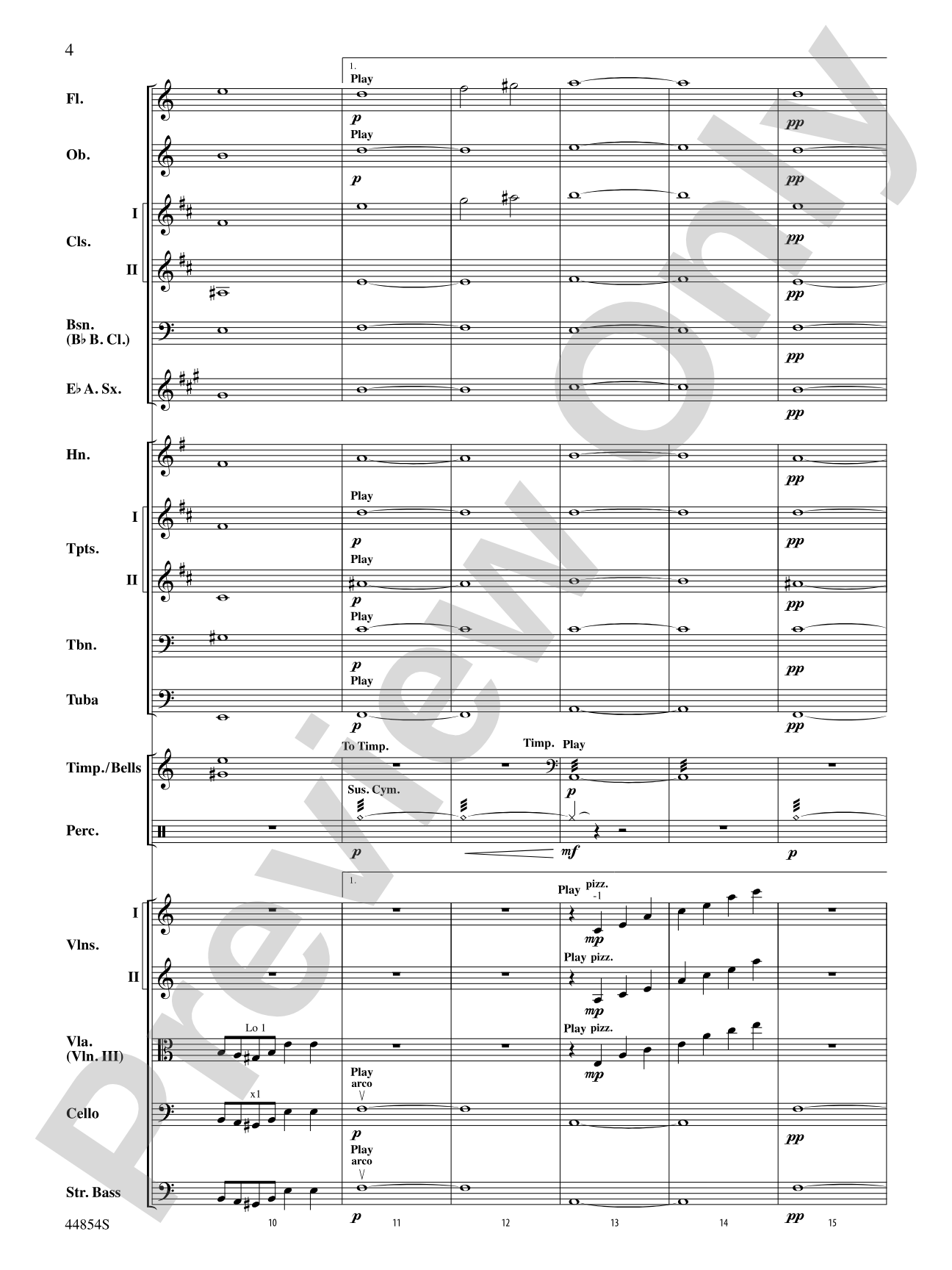
- Balance the opening theme between first and second violins, allowing the woodwind harmonic foundation to support without overwhelming the melody.
- Shape the accelerating sections with gradual dynamic growth rather than sudden jumps; let the tempo increase and the layering of instrumental lines create the building intensity.
- Coordinate the brass entrance in the climactic passages with precision; slight rhythmic unevenness here will muddy the powerful moment Tchaikovsky built.
- Use the recorded accompaniment (available separately) as a reference for tempo, phrasing, and the orchestral weight you're aiming for, but encourage your ensemble to find its own interpretive voice within the framework.
How to use it
This works beautifully as the centerpiece of a concert that includes lighter or shorter works; its five-minute-plus runtime and emotional arc deserve prime placement. It also pairs well in a "Masterworks" concert format where you're introducing students to canonical orchestral literature. Consider programming it early in the year once your ensemble has developed basic cohesion, as the narrative engagement will motivate continued ensemble building.
Skills your students will build
- Balancing melody and accompaniment across multiple sections
- Sustaining musical momentum through tempo changes and dynamic shaping
- Coordinating complex rhythmic entries across the full orchestra
- Interpreting programmatic content through tone quality and phrasing
- Reading parts with key signatures and accidentals typical of Romantic repertoire