
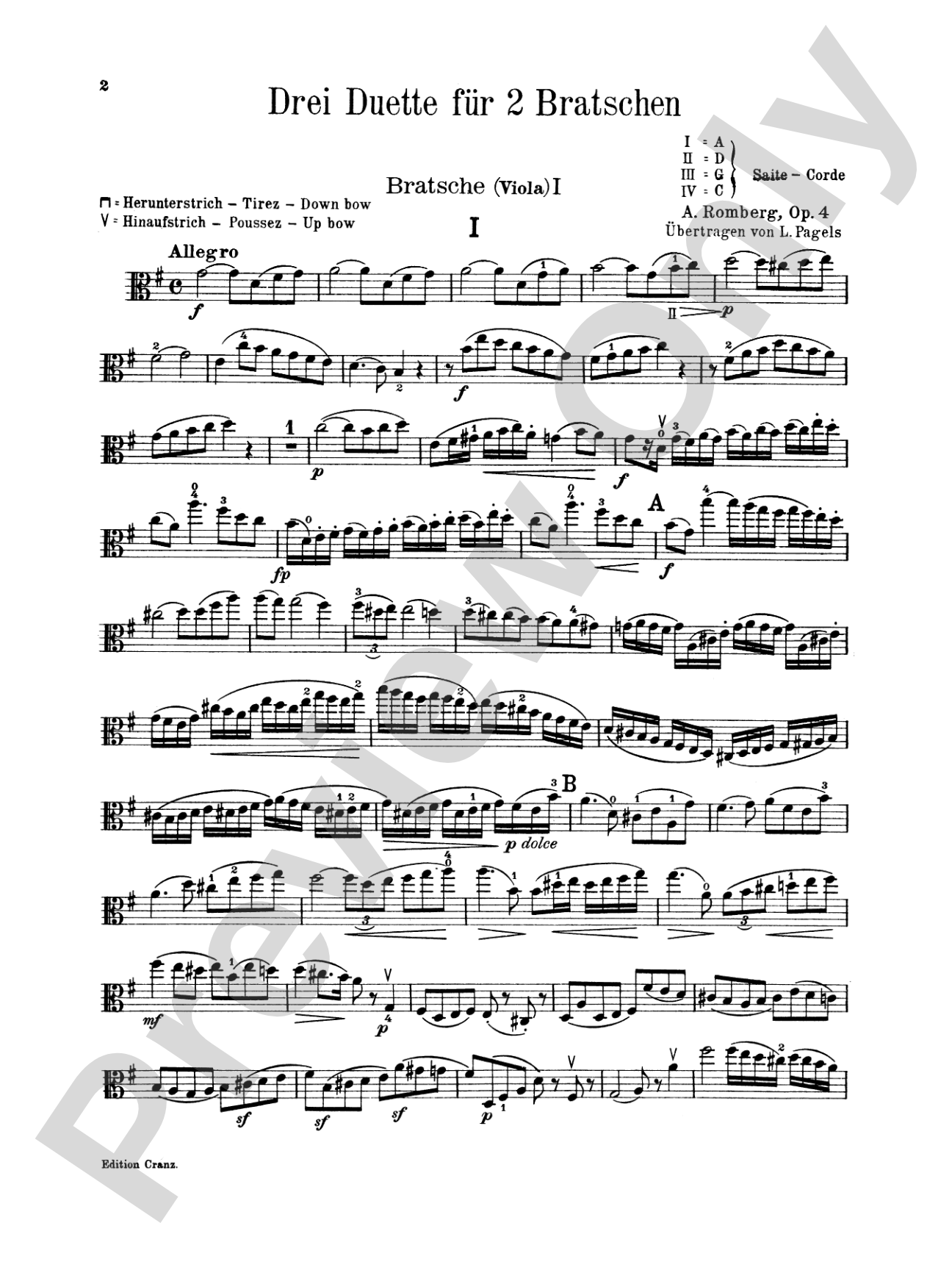
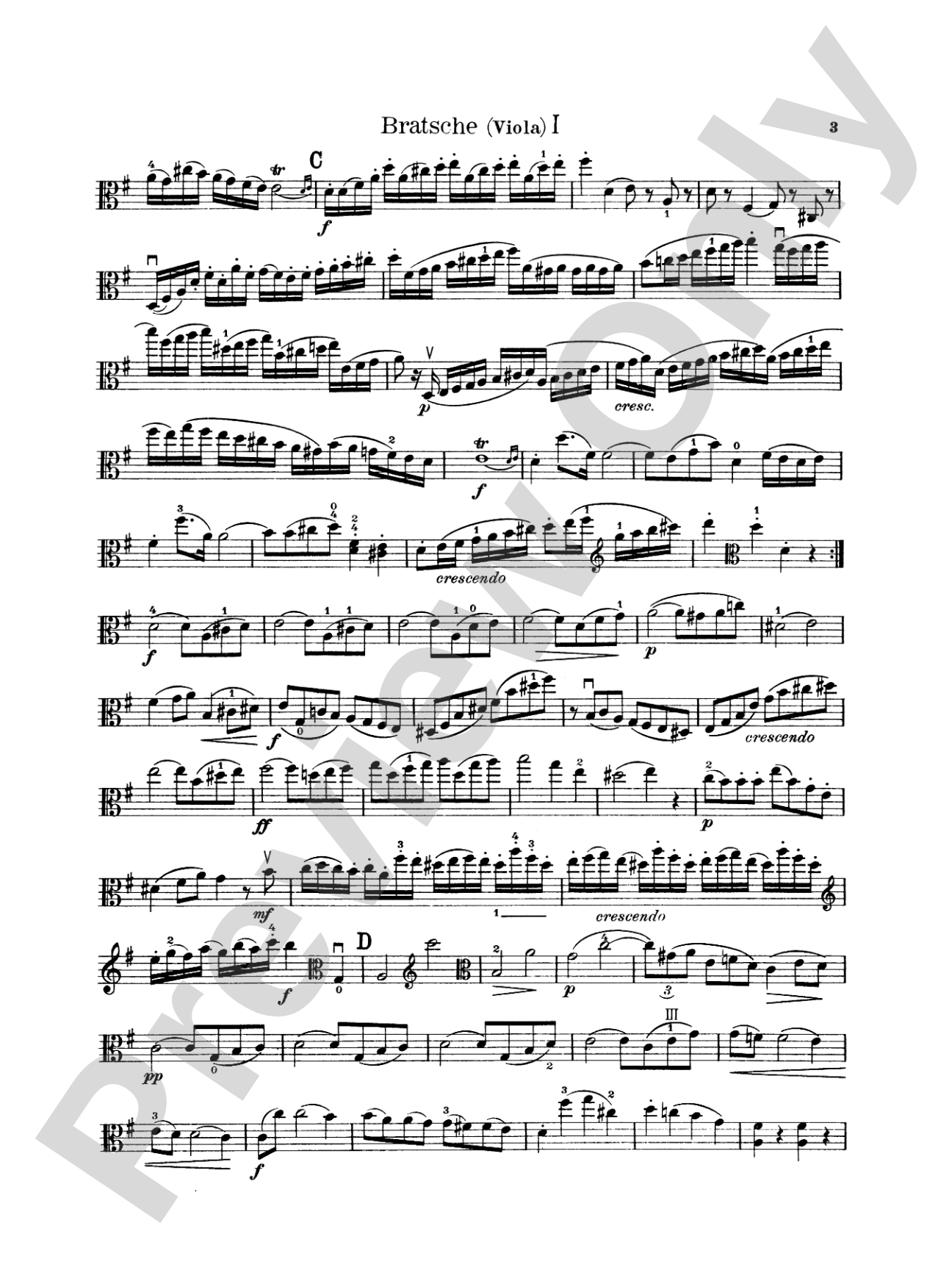
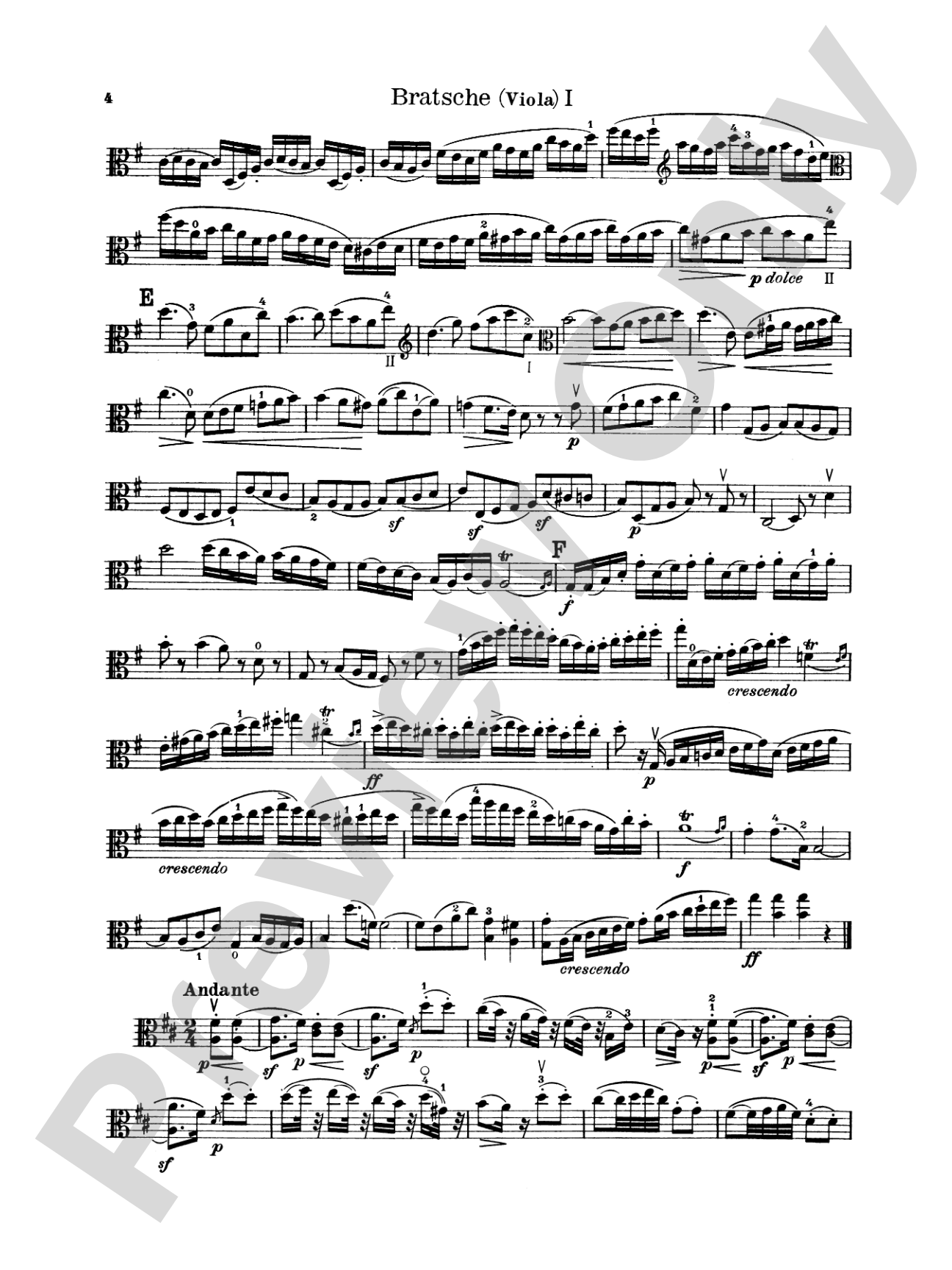
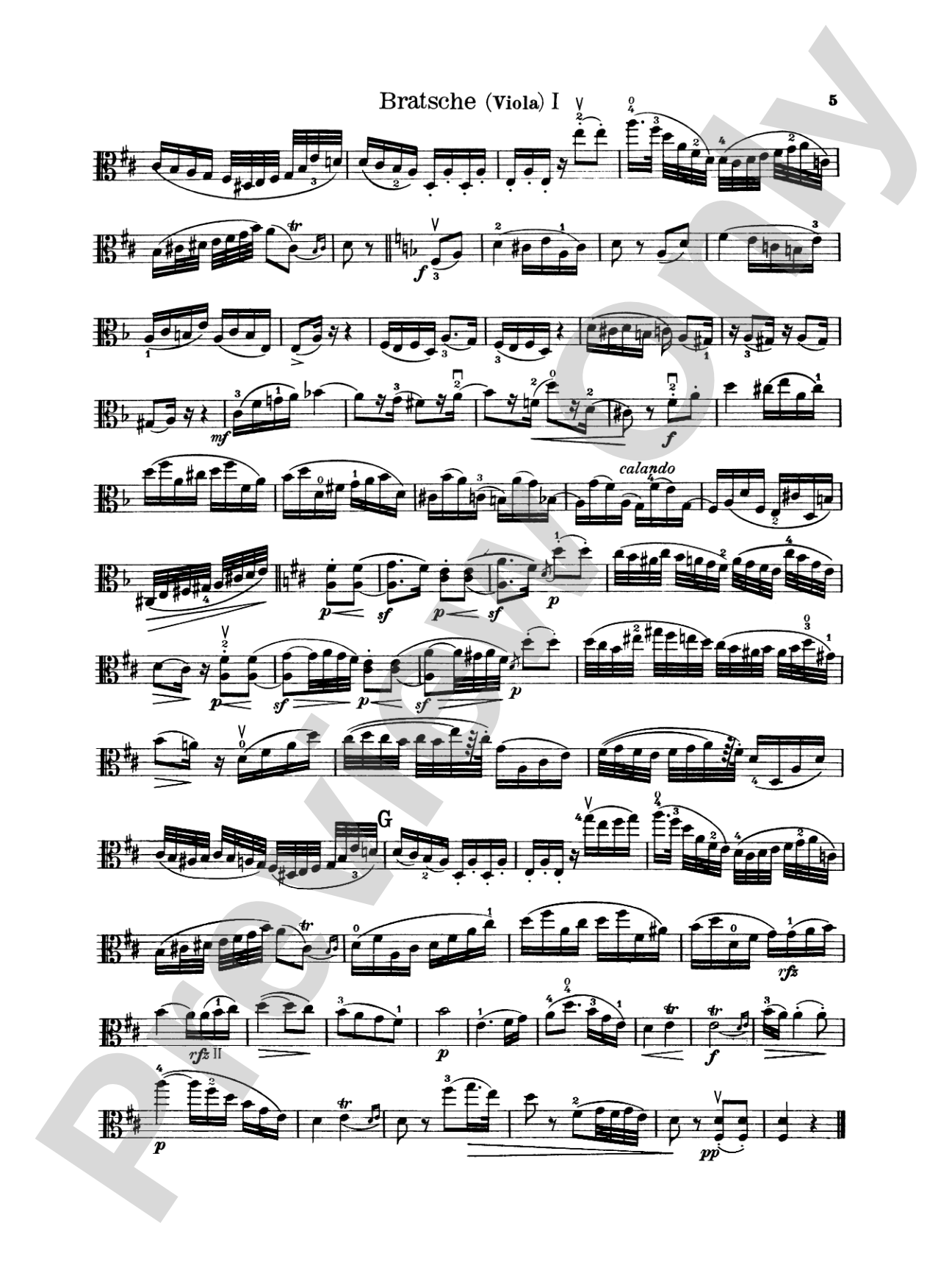
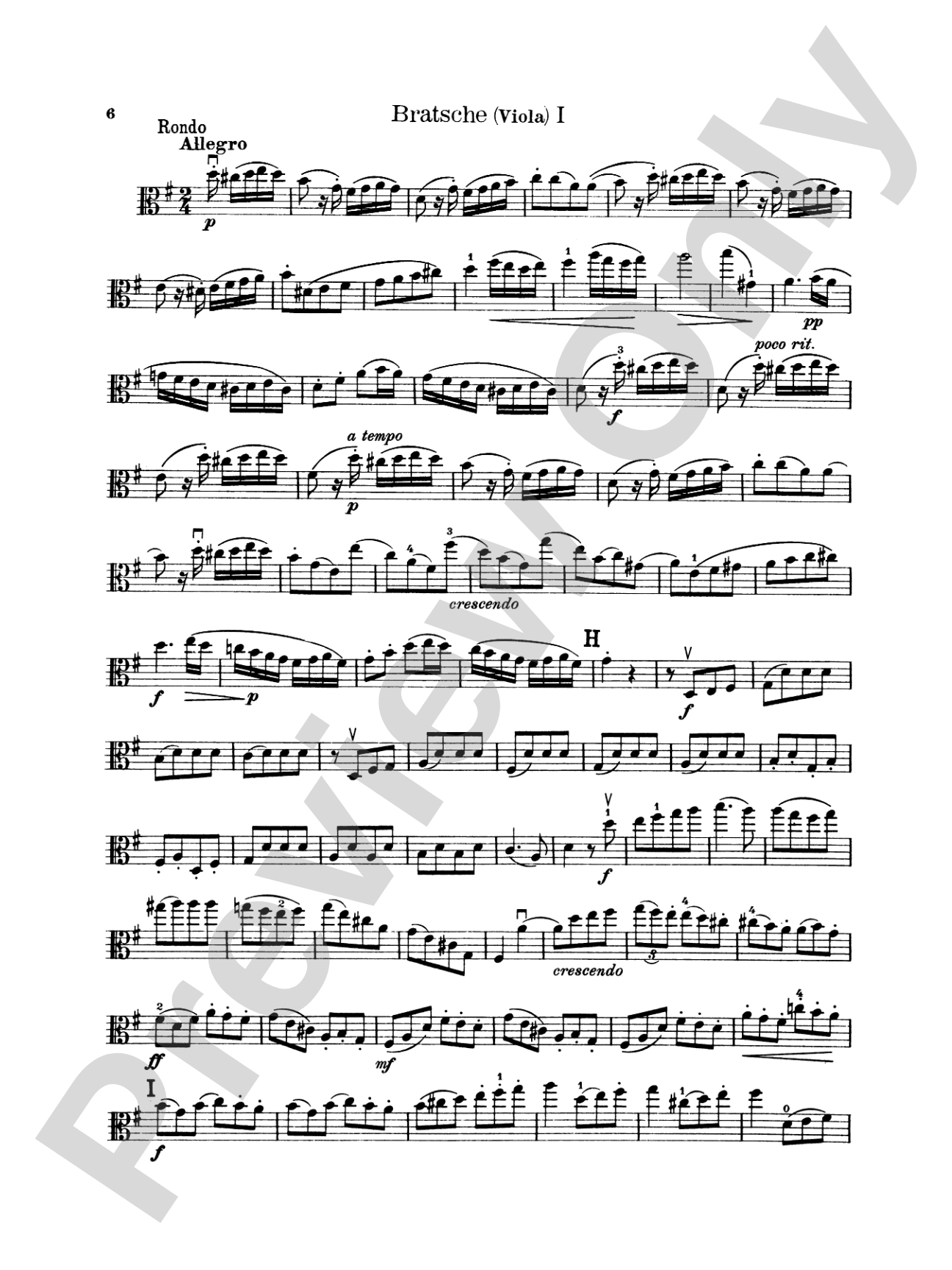
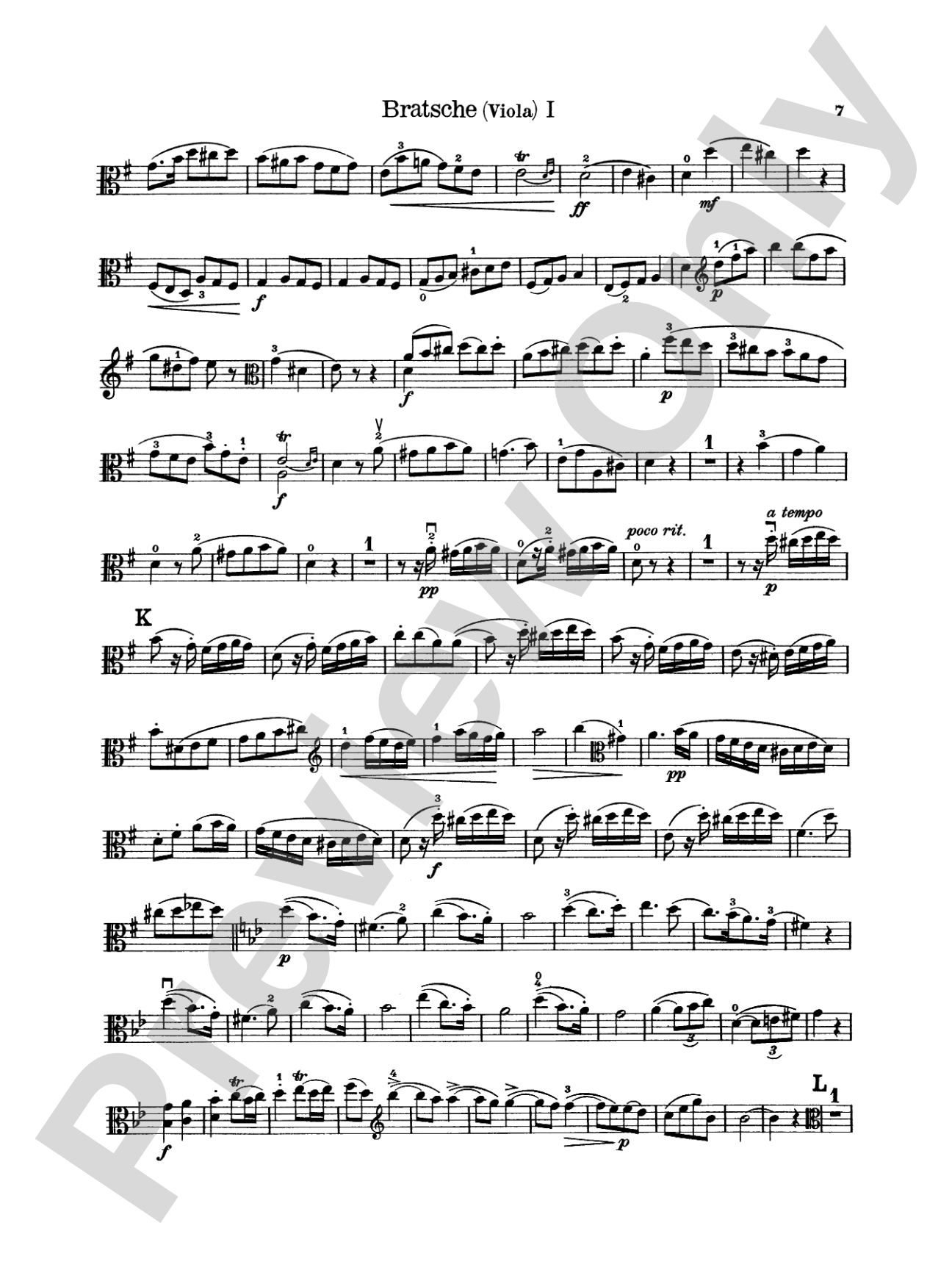
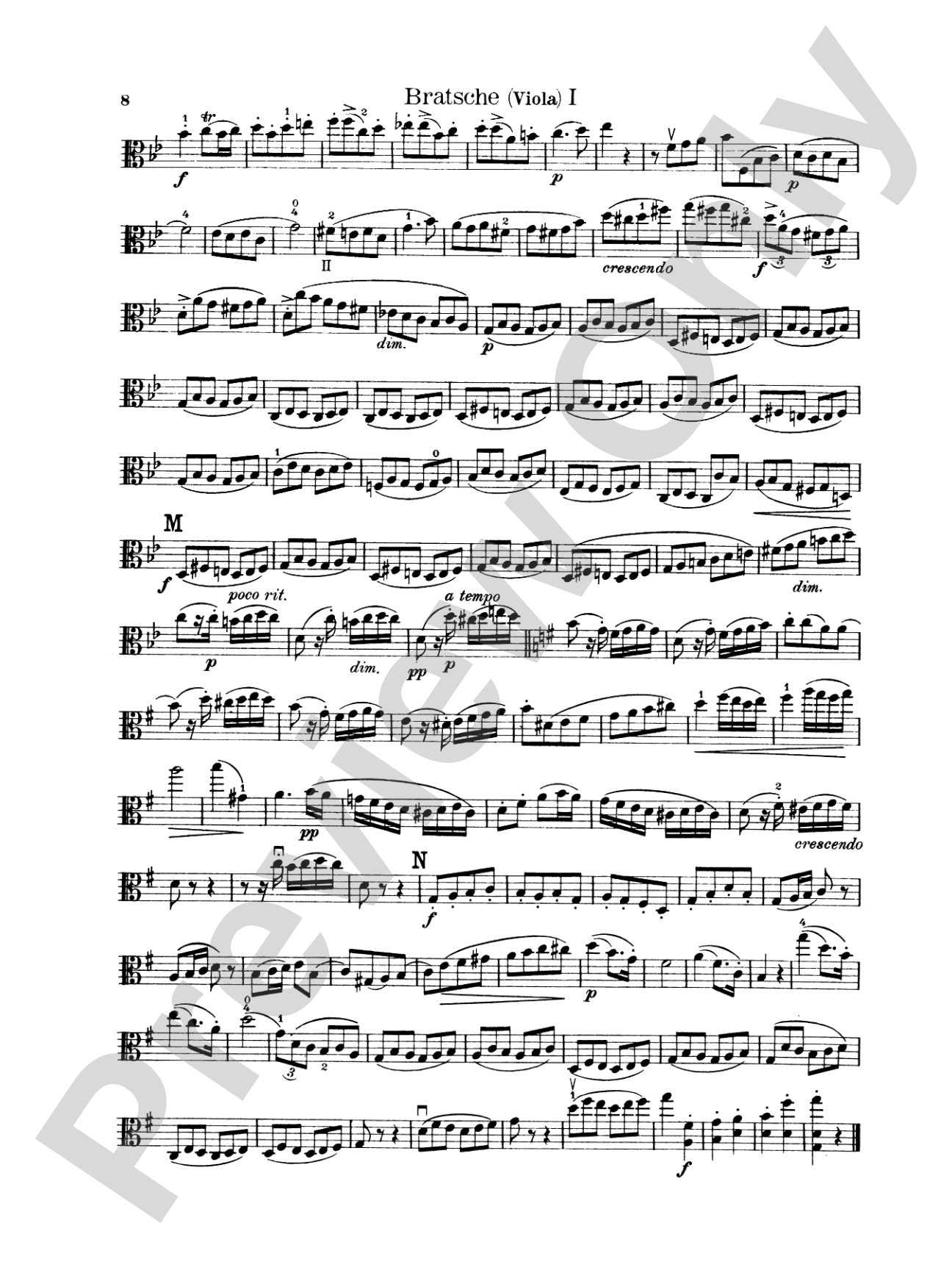

Romberg: Three Duets, Op. 4: Viola Book
By Andreas Jakob Romberg
Item: 00-PK-0002805

$9.99
Pickup currently not available
Buy Extra Parts (Digital PDF Download)
| Product | Price | Quantity |
|---|---|---|
| Romberg: Three Duets, Op. 4 | $0.99 | |
| Romberg: Three Duets, Op. 4 | $0.99 | |
| Romberg: Three Duets, Op. 4 | $0.99 | |
| Romberg: Three Duets, Op. 4 | $0.99 | |
| Romberg: Three Duets, Op. 4 | $0.99 | |
| Romberg: Three Duets, Op. 4 | $0.99 |
Parts Added to Cart!
Related Items
Three Duets, Opus 4: Viola Book |
$9.95
|
View |
Description
Andreas Jakob Romberg (1767-1821), a German violinist and composer, was a contemporary and acquaintance of Beethoven and Haydn. His compositional techniques were modeled after Haydn and Mozart. He wrote eight operas, numerous sacred and secular vocal pieces, 10 symphonies, 20 violin concertos, and various other string quartets and chamber music.


Don't just read it, hear it, play along with it, and watch your students grow with it. In MakeMusic Cloud, Romberg: Three Duets, Op. 4: Viola Book comes alive with professional accompaniment, adjustable tempo, and built-in practice tools that turn solo practice into real progress.
Open in the Player
Jump straight in and assign it today.
Start Your Free Trial
Open this title and explore the full library in minutes.
Sample Audio
No sample audio found.
Sample Video
No sample videos found.
Additional Details
Series:
Kalmus Edition
Publisher:
Alfred Music
Page Count:
20
SKU:
00-PK-0002805
More about this title
About the Composer: Andreas Jakob Romberg
Andreas Jakob Romberg (1767-1821) was a German violinist and composer whose career flourished during the Classical era. He moved in the same circles as Beethoven and Haydn, and his compositional voice absorbed the structural clarity and melodic elegance that defined his more famous contemporaries. While Romberg's reputation rested primarily on his violin works and operas, his chamber music reveals a composer fully in command of counterpoint, form, and instrumental writing.
Romberg's output was substantial: eight operas, ten symphonies, twenty violin concertos, and a rich catalog of vocal and instrumental chamber works. Yet his music fell into relative obscurity after his death, overshadowed by the towering figures around him. For musicians today, his duets and chamber works offer direct access to the working methods of Classical composition without the weight of historical mythology. His writing is efficient, musical, and genuinely rewarding to play.
Why we love this
Romberg's duets sit at the sweet spot where technical writing meets genuine musicality. These pieces demand secure intonation and rhythmic independence from both players, making them ideal for advancing violists who are ready for something beyond student duets but need clear, unpretentious musical substance.
What to expect
Elegant and purposeful. Romberg's writing flows with the easy sophistication of well-made Classical chamber music, offering melodic phrases that sing naturally on the viola while the harmonic support stays engaged and alive. The music feels conversational, as though two musicians are discussing ideas rather than one showing off.
Who it's for
Intermediate to advanced violists comfortable reading at this level and ready to partner with another player at similar ability. These duets work well for chamber music festivals, lesson studio recitals, or youth orchestra players developing ensemble literacy.
How to get the most out of it
- Balance the melodic and accompaniment roles by ear rather than by volume alone; in Classical duet writing, the supporting line needs shape and independence even when it's not the primary voice.
- Work the passage work slowly enough to ensure clean articulation and rhythmic precision before bringing the tempo up; Romberg's Haydn-influenced idiom relies on clarity of texture.
- Shape phrases with attention to harmonic rhythm, not just melodic contour; these duets reward thoughtful voice leading that highlights the underlying harmonic movement.
How to use it
Feature these as part of a chamber recital, pairing them with other Classical duets or small ensemble works to demonstrate viola repertoire beyond the standard violin-centric canon. They also serve as excellent repertoire for string festival competitions or as an accessible entry point to Romberg's music for younger players.
Skills your students will build
- Independent melodic and harmonic thinking in duo settings
- Intonation precision in unaccompanied string writing
- Handling of Classical phrasing and articulation conventions
- Rhythmic independence while maintaining ensemble cohesion
- Reading and interpreting period-appropriate ornaments and expression marks