
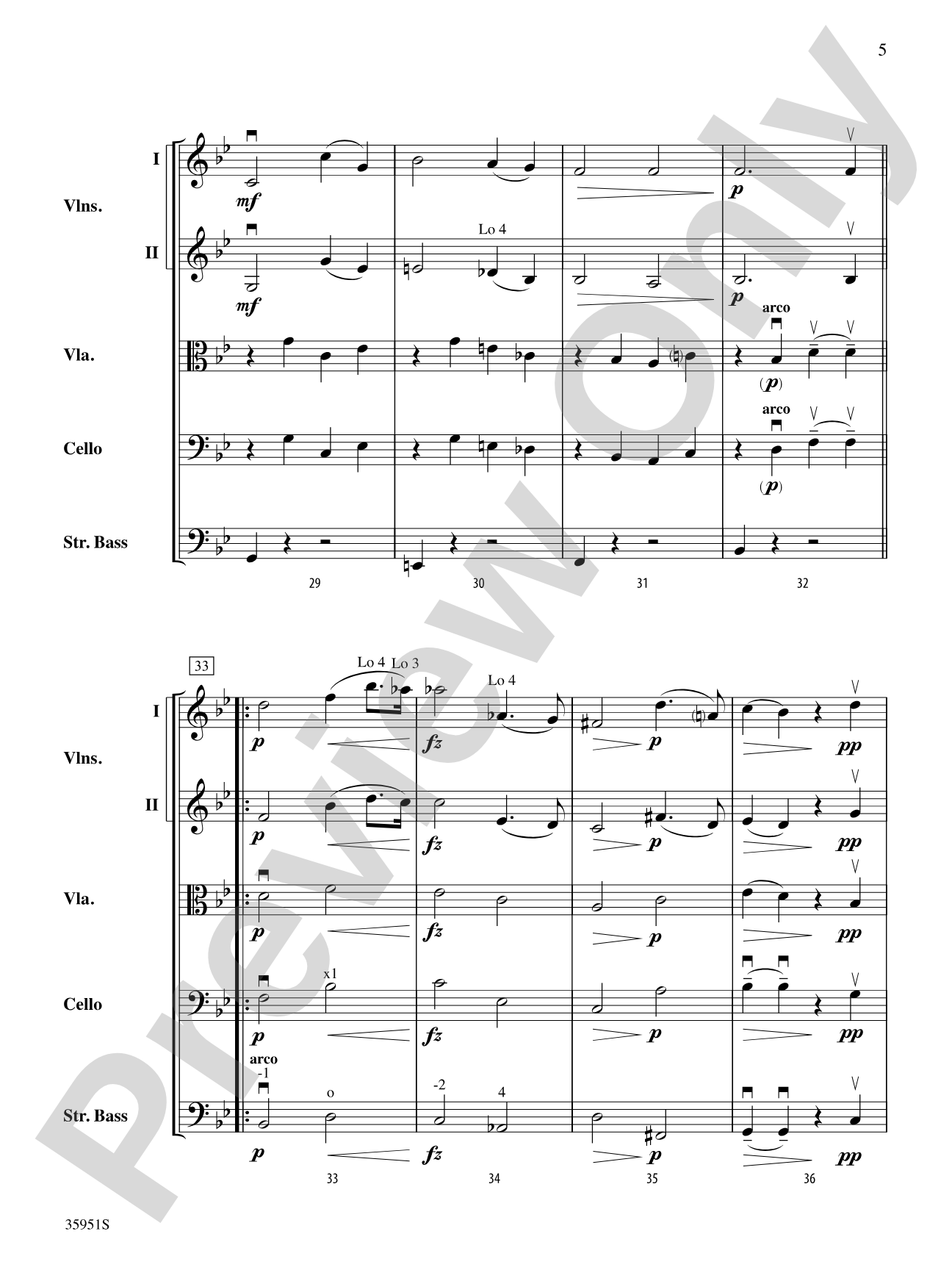
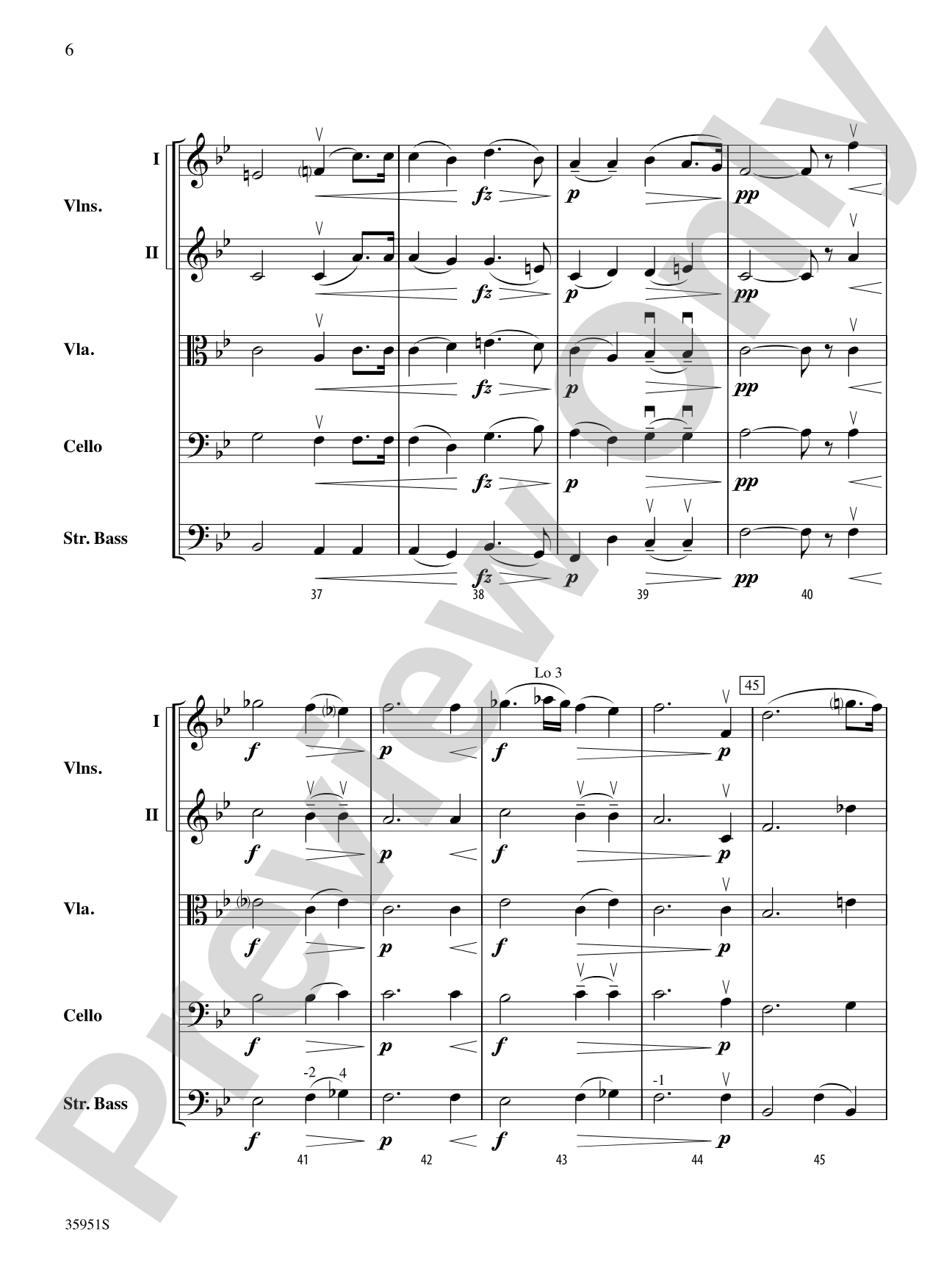
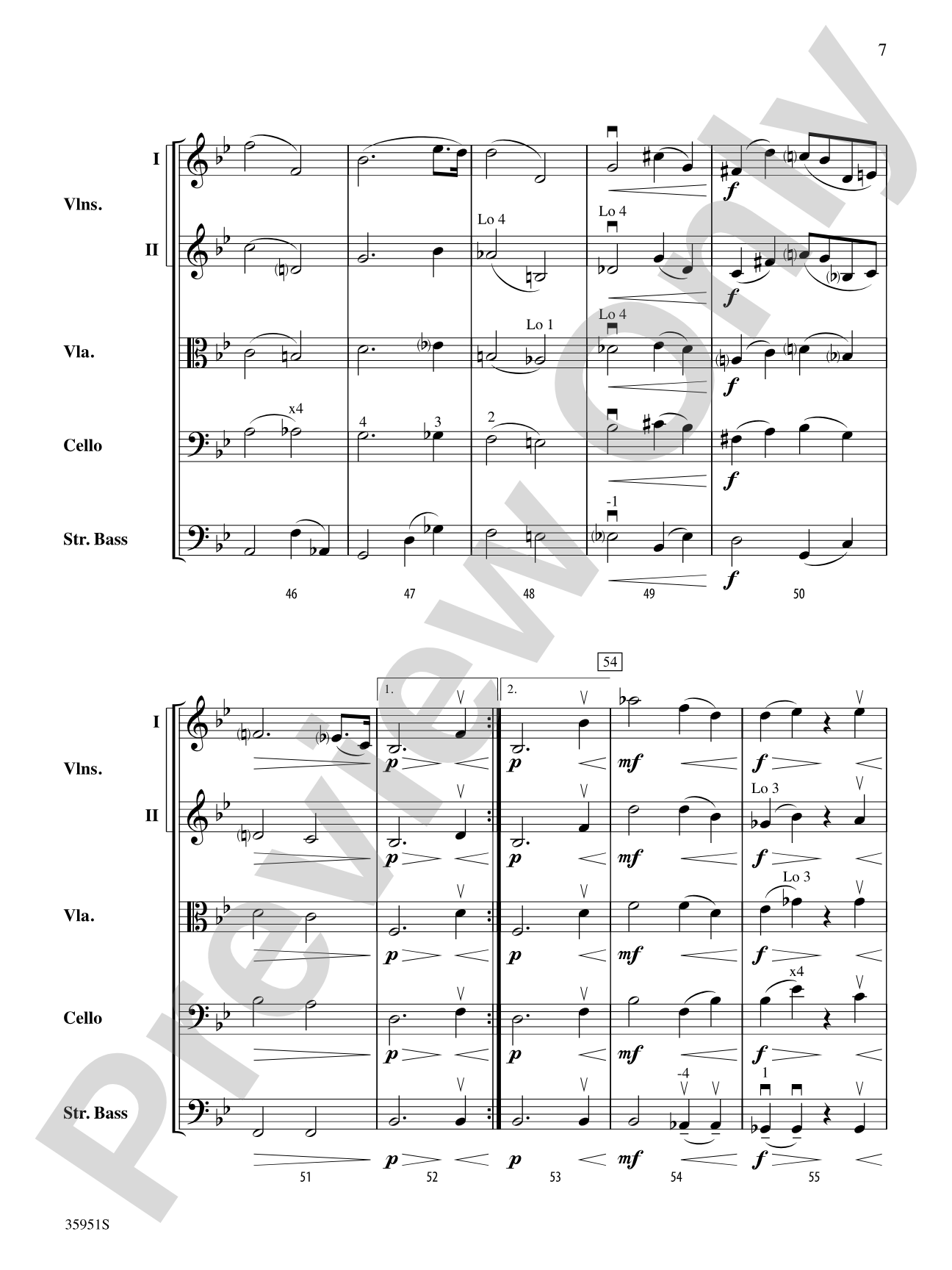
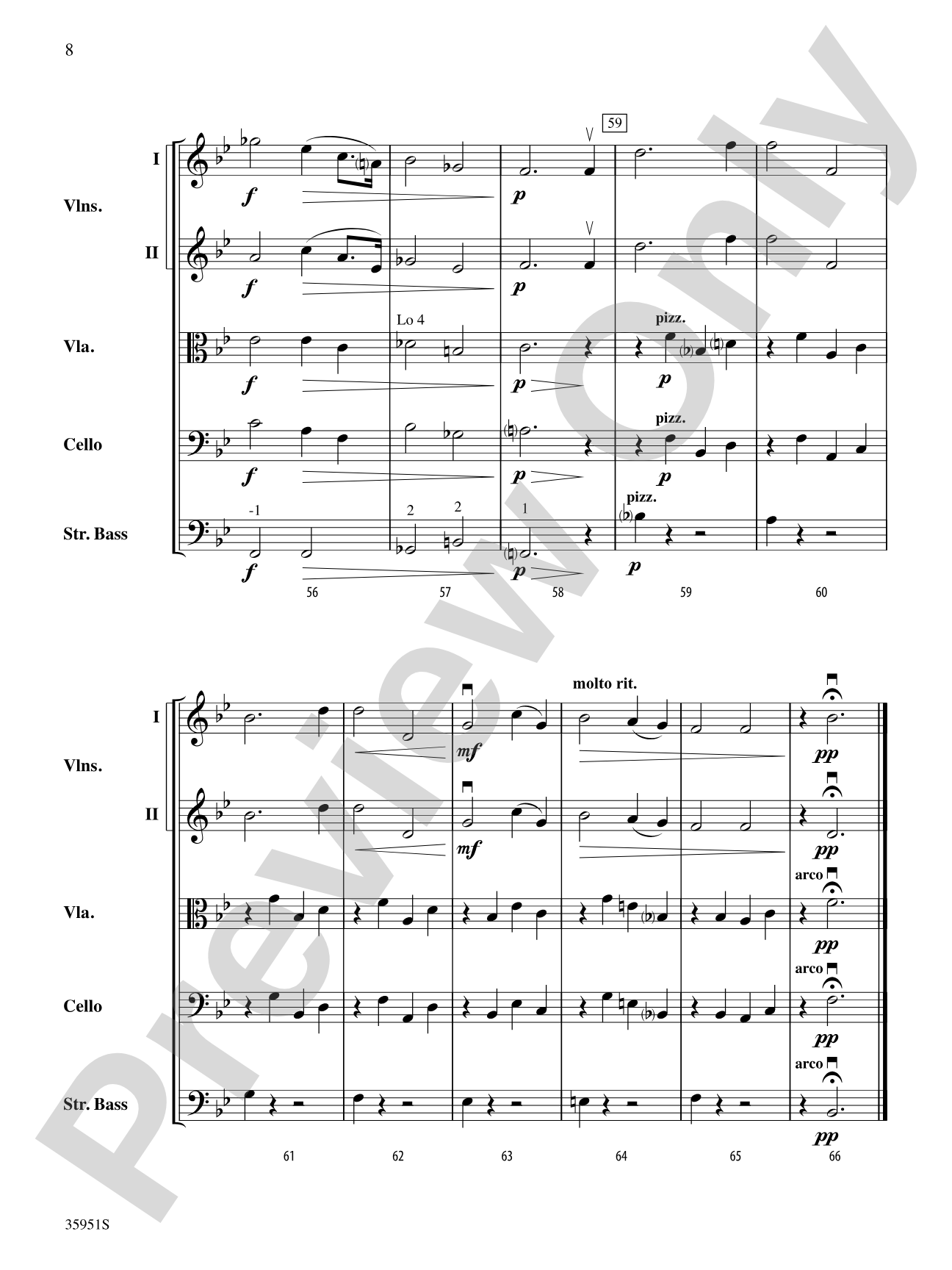

Romance, Op. 75, No. 1: String Orchestra Conductor Score & Parts
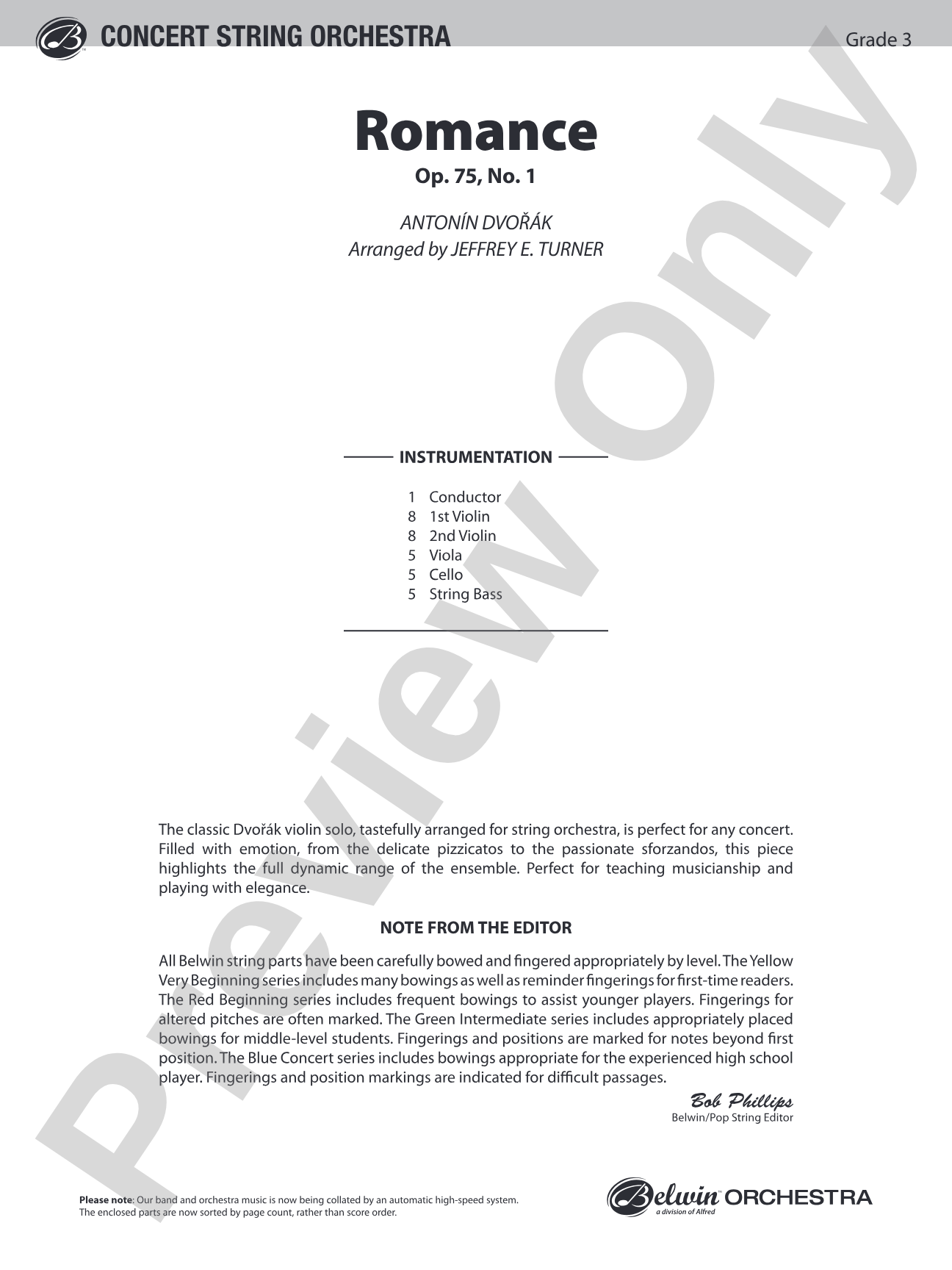
By Antonín Dvorák / arr. Jeffrey E. Turner
Grade: 3
Item: 00-PK-0004738

$55.00
Pickup currently not available
Buy Extra Parts (Digital PDF Download)
| Product | Price | Quantity |
|---|---|---|
| Romance, Op. 75, No. 1: Score | $8.00 | |
| Romance, Op. 75, No. 1: 1st Violin | $5.99 | |
| Romance, Op. 75, No. 1: 2nd Violin | $5.99 | |
| Romance, Op. 75, No. 1: Viola | $5.99 | |
| Romance, Op. 75, No. 1: Cello | $5.99 | |
| Romance, Op. 75, No. 1: String Bass | $5.99 |
Parts Added to Cart!
Description
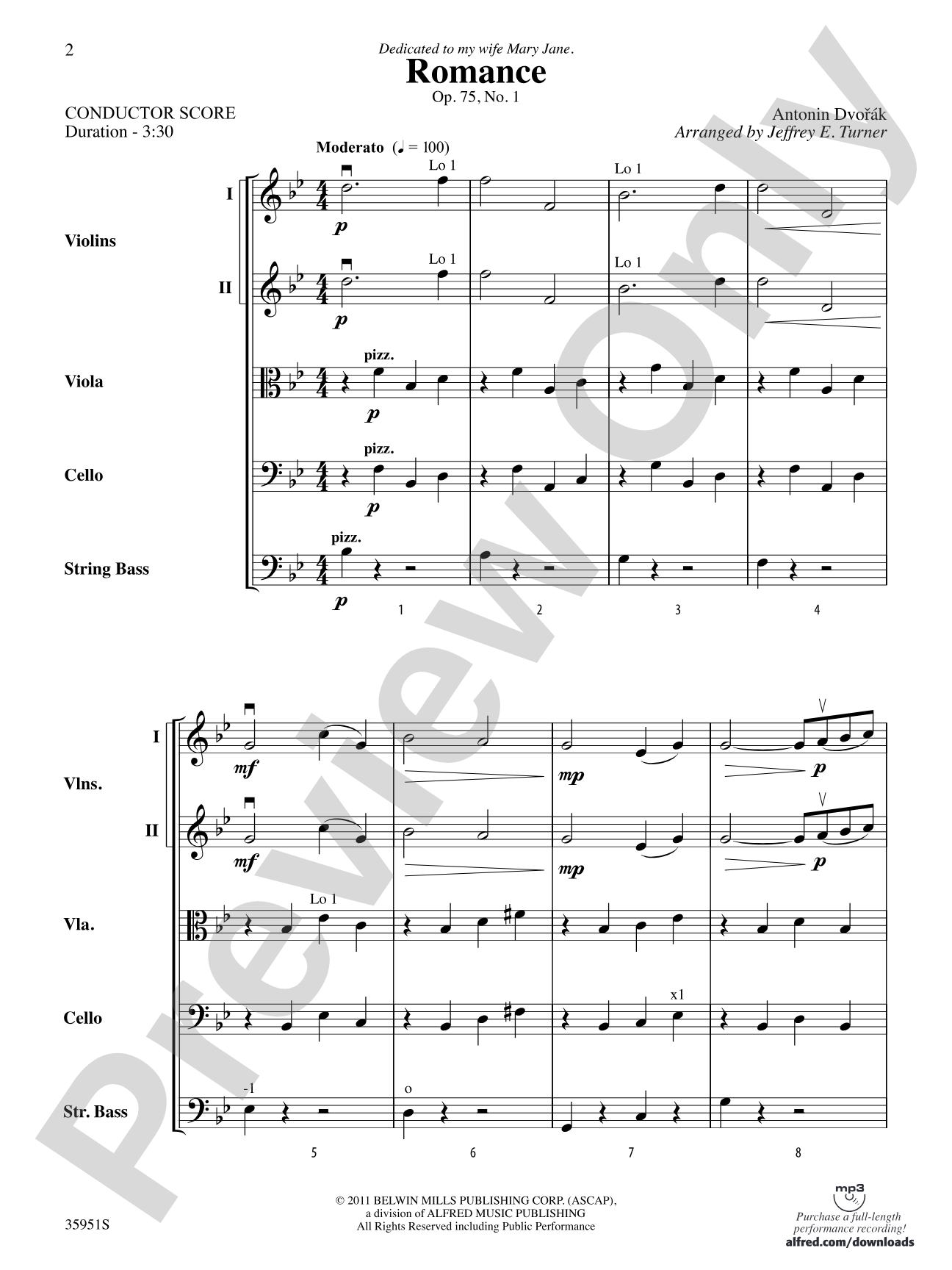
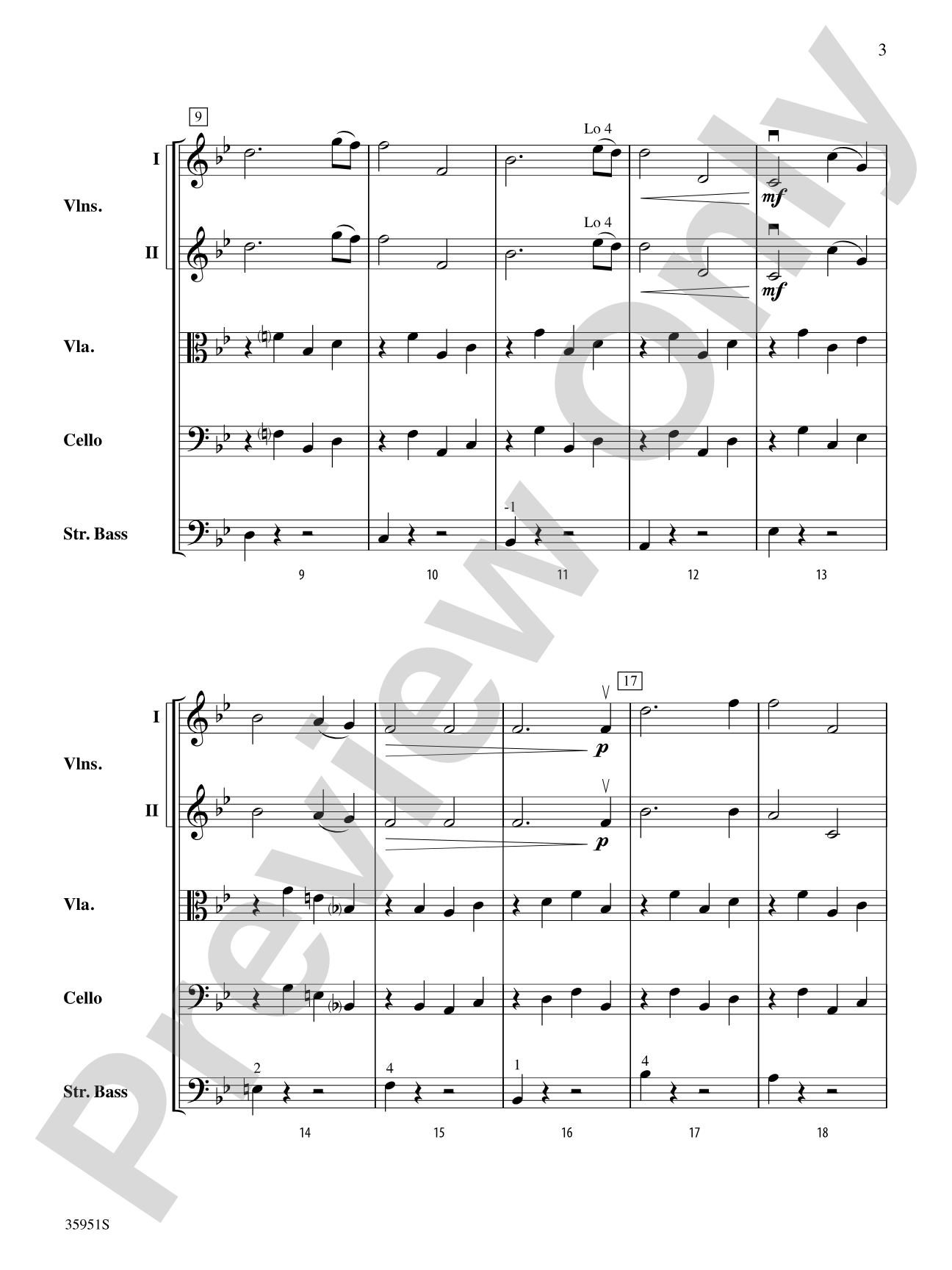
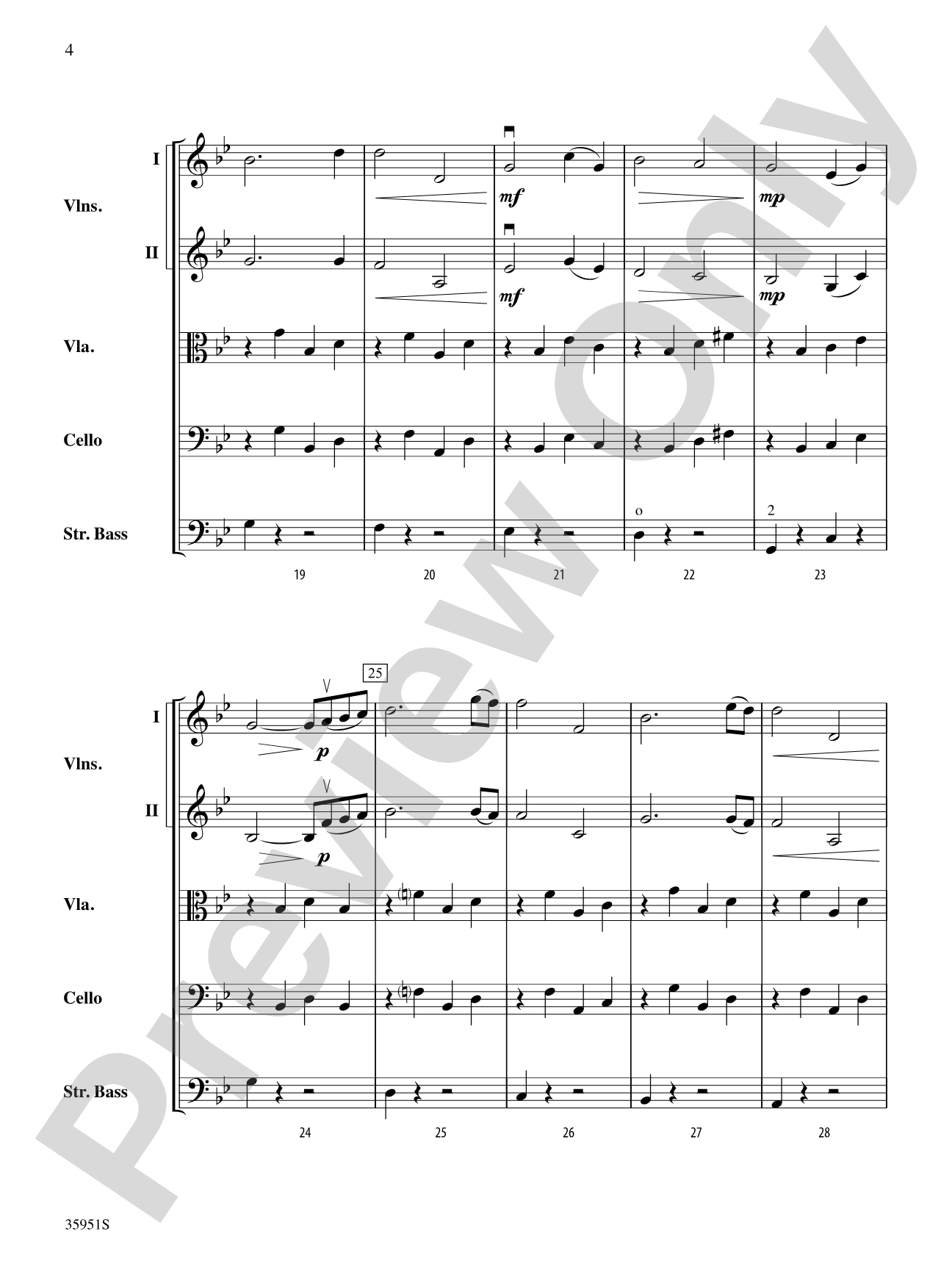
The classic Dvorák violin solo, tastefully arranged for string orchestra, is perfect for any concert. Filled with emotion from the delicate pizzicatos to the passionate sforzandos, this piece highlights the full dynamic range of the ensemble. Perfect for teaching musicianship and playing with elegance.


Don't just read it, hear it, play along with it, and watch your students grow with it. In MakeMusic Cloud, Romance, Op. 75, No. 1: String Orchestra Conductor Score & Parts comes alive with professional accompaniment, adjustable tempo, and built-in practice tools that turn solo practice into real progress.
Open in the Player
Jump straight in and assign it today.
Start Your Free Trial
Open this title and explore the full library in minutes.
Sample Audio
1
Audio File
--:--
0:00
0:00
Sample Video
No sample videos found.
Additional Details
Series:
Belwin Concert String Orchestra
Publisher:
Alfred Music
Page Count:
62
SKU:
00-PK-0004738
Instrumentation:
string
More about this title
About the Composer: Antonin Dvorák
Antonín Dvořák (1841-1904) stands as one of the most performed composers of the Romantic era, bridging European classical tradition with the melodic richness of Czech folk music. His chamber and orchestral works remain central to the repertoire because of their emotional directness, memorable themes, and masterful orchestration. Dvořák's influence on music education extends far beyond his most famous works; his compositions teach fundamental lessons about phrasing, voice leading, and the power of a singable melody.
The Romance, Op. 75, No. 1, originally written for violin and piano, exemplifies Dvořák's gift for creating music that speaks to both professional and student musicians. Its accessibility combined with genuine artistic substance makes it an ideal teaching work for developing string players who are ready to explore Romantic-era expression without overwhelming technical demands.
Why we love this
Jeffrey E. Turner's arrangement respects the original's songlike character while distributing the melodic and harmonic material across the full string section, giving every stand a moment to contribute meaningfully. The piece balances transparency with fullness, allowing conductors to hear and shape individual lines while maintaining the sweeping, lyrical quality that makes Dvořák's melodies unforgettable. This is concert-ready repertoire that actually deepens students' understanding of how a melody grows and breathes across an ensemble.
What to expect
Romance unfolds as a heartfelt conversation, beginning tenderly with delicate pizzicato underpinnings that anchor a soaring violin melody. The piece breathes with Romantic-era lyricism, moving between intimate moments of vulnerability and broader, more passionate climaxes that let the full ensemble sing together. Throughout, there's a sense of yearning and elegance, inviting players to discover their own emotional connection to the music.
Who it's for
This arrangement works for intermediate string orchestras that have developed secure intonation and basic ensemble discipline. It suits programs seeking concert repertoire that demonstrates musicianship and emotional maturity without requiring virtuosic technical demands. Both rehearsal time and performance will reward groups ready to move beyond unison playing and simple accompaniment patterns.
How to get the most out of it
- Shape the opening melody as a single, unbroken phrase rather than counting beats. Let the violins breathe together at natural cadence points, keeping the line singing even through the quieter passages.
- Balance the pizzicato accompaniment carefully; it should sit beneath the melody without rushing or losing its rhythmic precision. Cue the attacks clearly so the accompaniment anchors rather than competes.
- Approach the sforzando moments as expressive peaks, not violent attacks. Dvořák marks passion with weight and direction, not percussion.
- Bring out the inner voices in the harmonic progressions. Second violins and violas often carry important moving lines that prevent the texture from feeling static.
How to use it
Program this as the centerpiece of a concert celebrating Romantic-era works, pairing it with lighter contemporary pieces or transcriptions that offer contrast in mood or style. Its moderate length and emotional accessibility make it ideal for festival performances or concerts emphasizing musical storytelling rather than technical display. Consider placing it midsection in your program, where audiences have settled and the ensemble can fully command attention.
Skills your students will build
- Sustaining long melodic lines with consistent tone and phrasing
- Balancing accompaniment textures with principal melody voices
- Responding to expressive markings (sforzando, pizzicato, dynamic shaping) with musical intention
- Listening across the full ensemble to maintain harmonic tuning and blend
- Interpreting Romantic-era style conventions and performance practice