

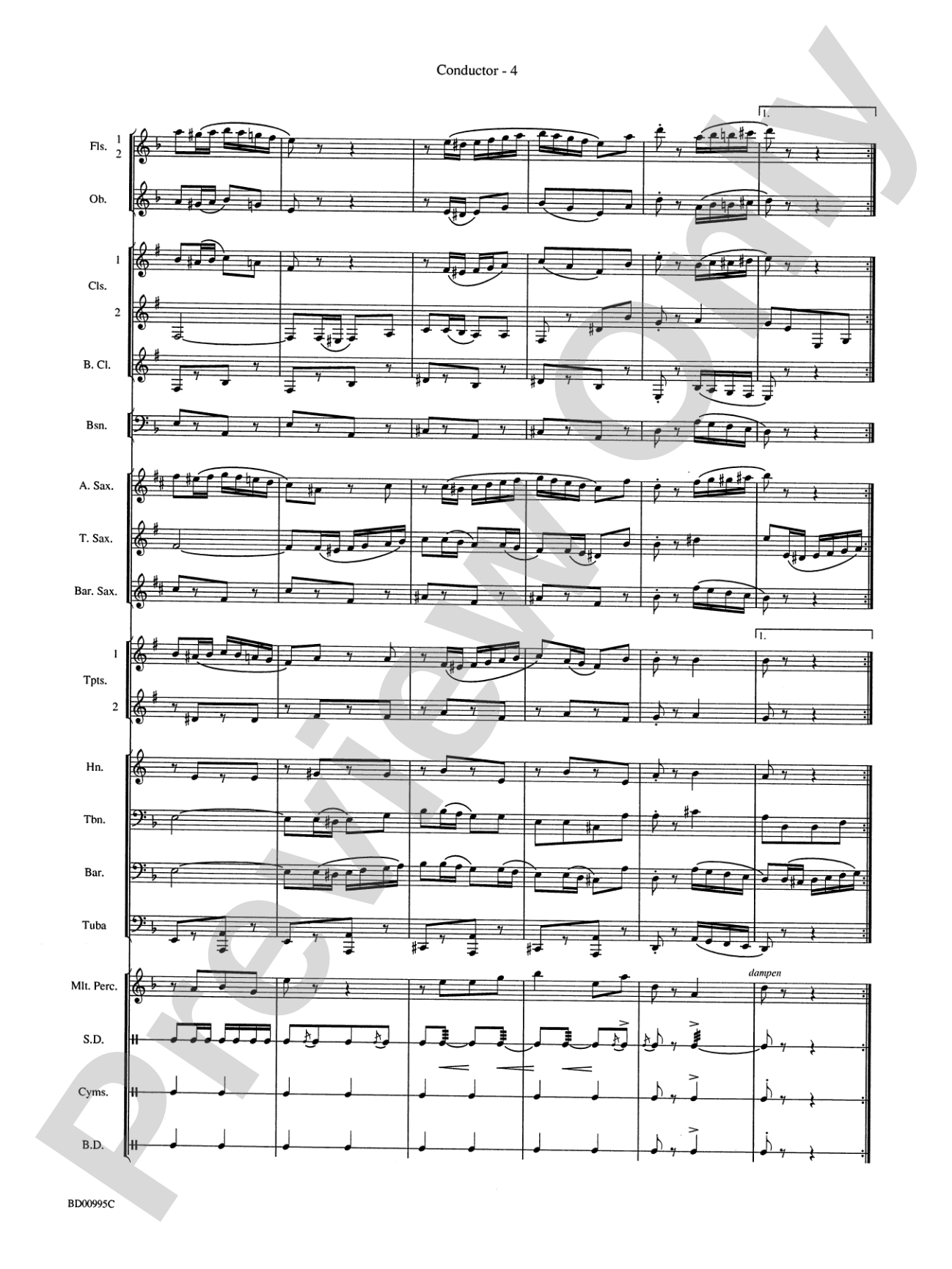
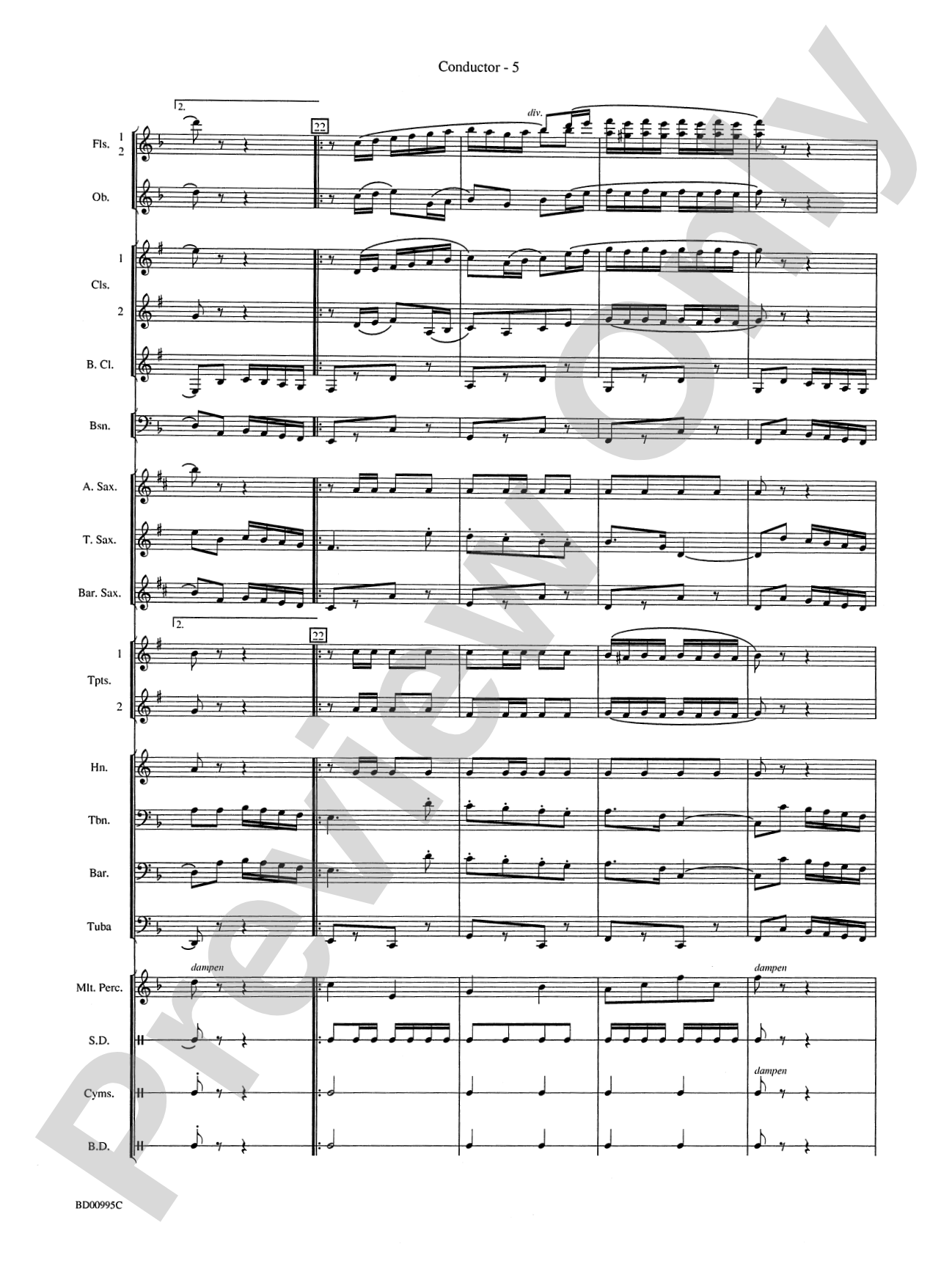
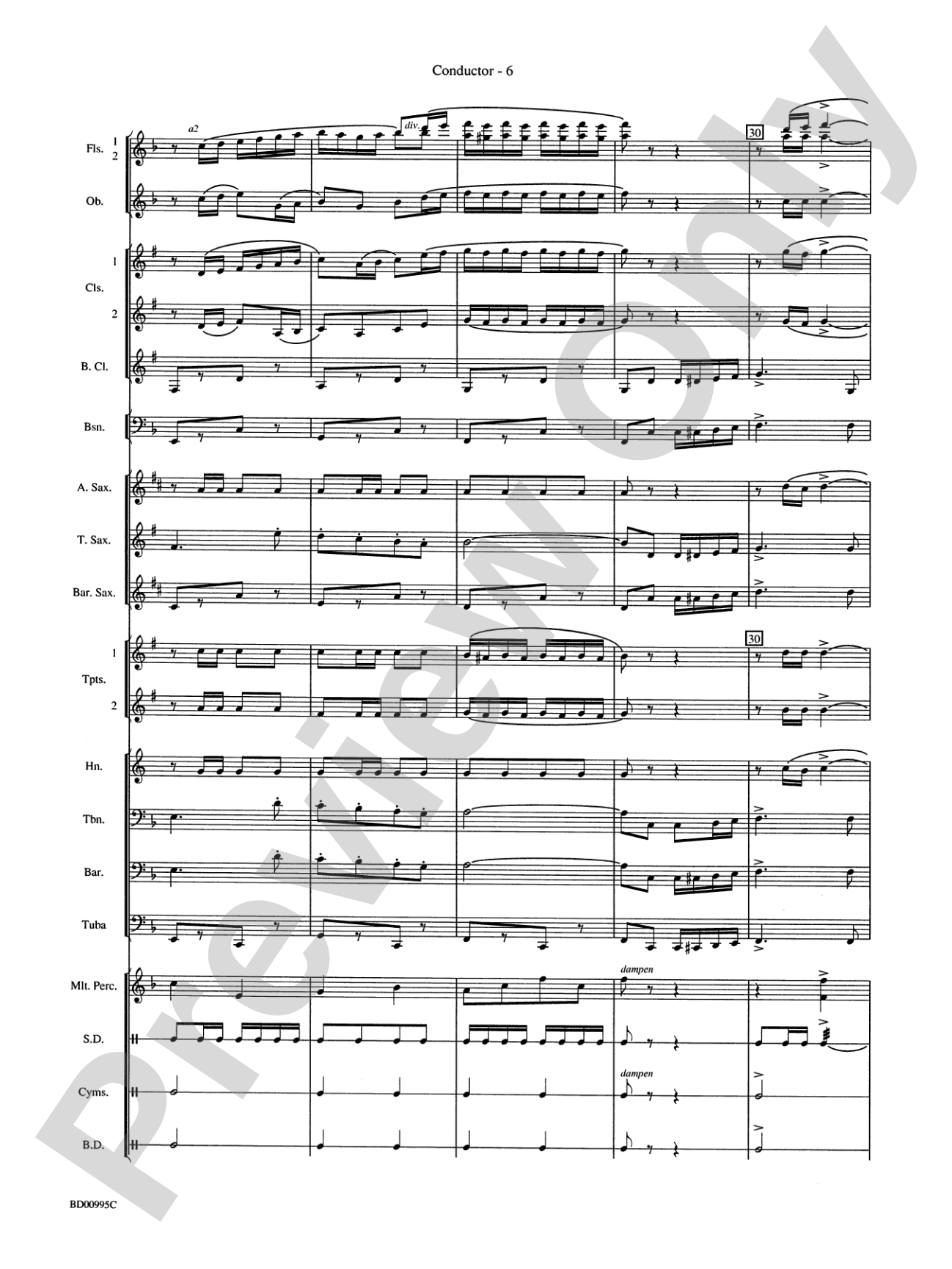
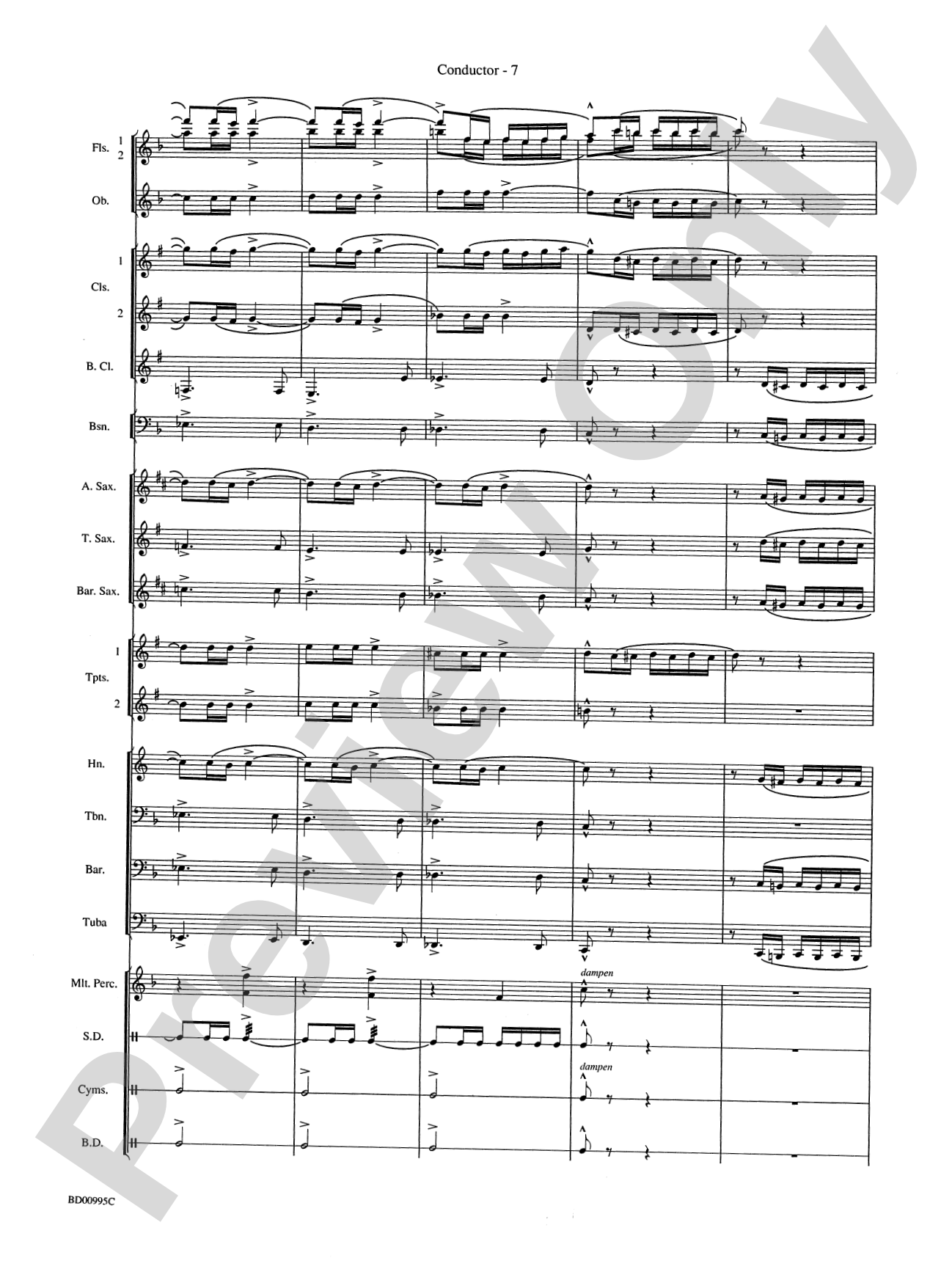
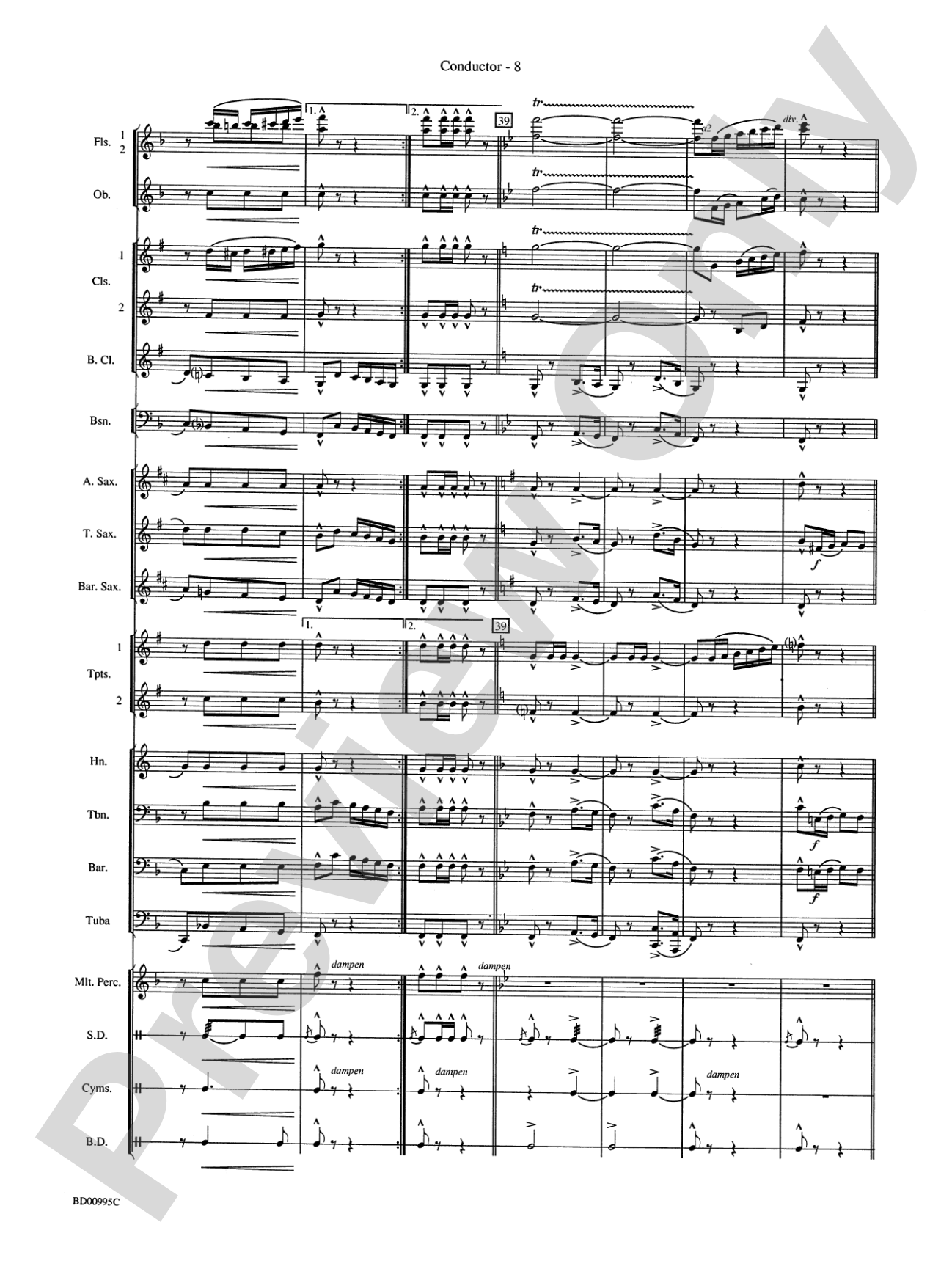
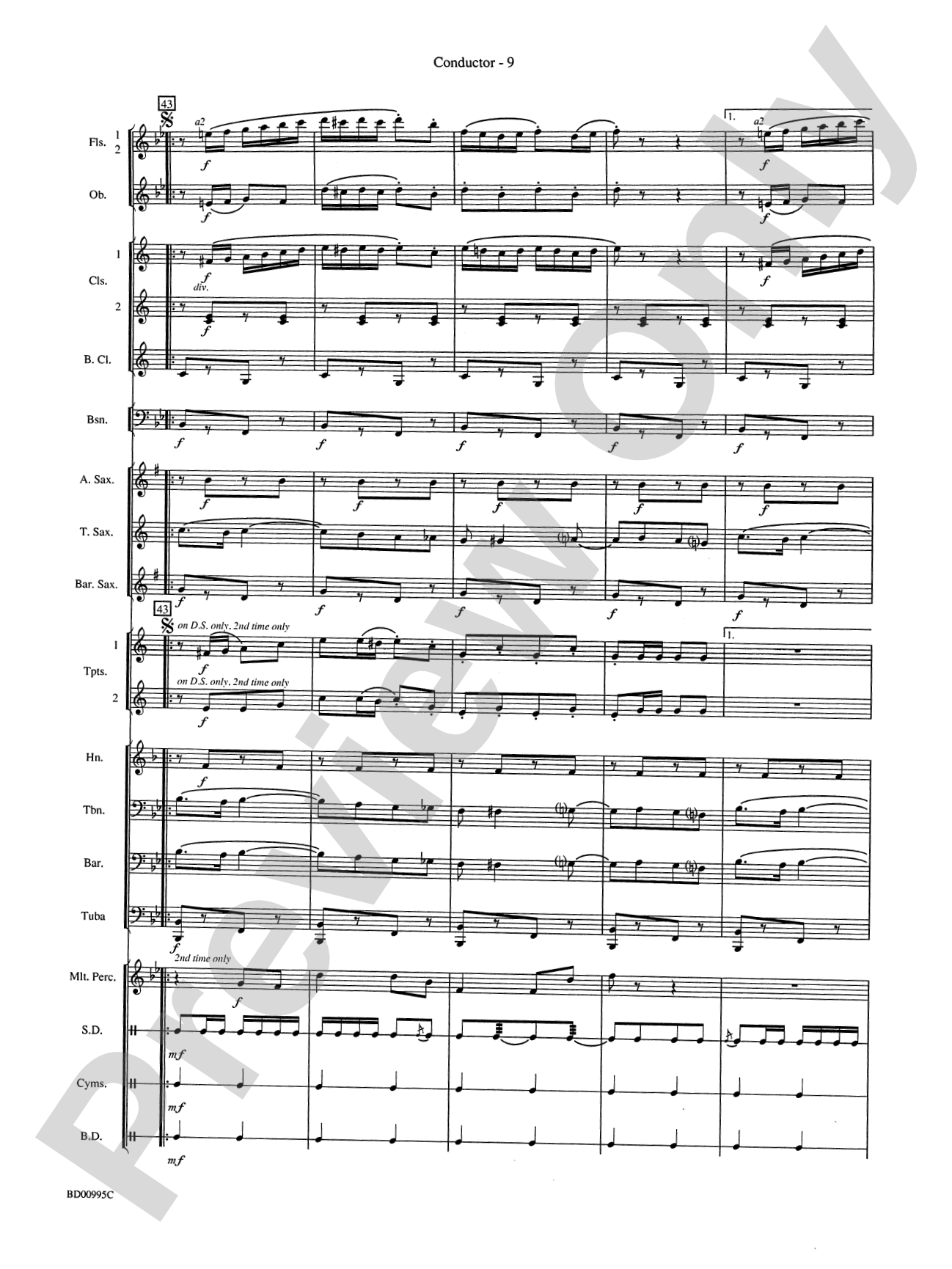
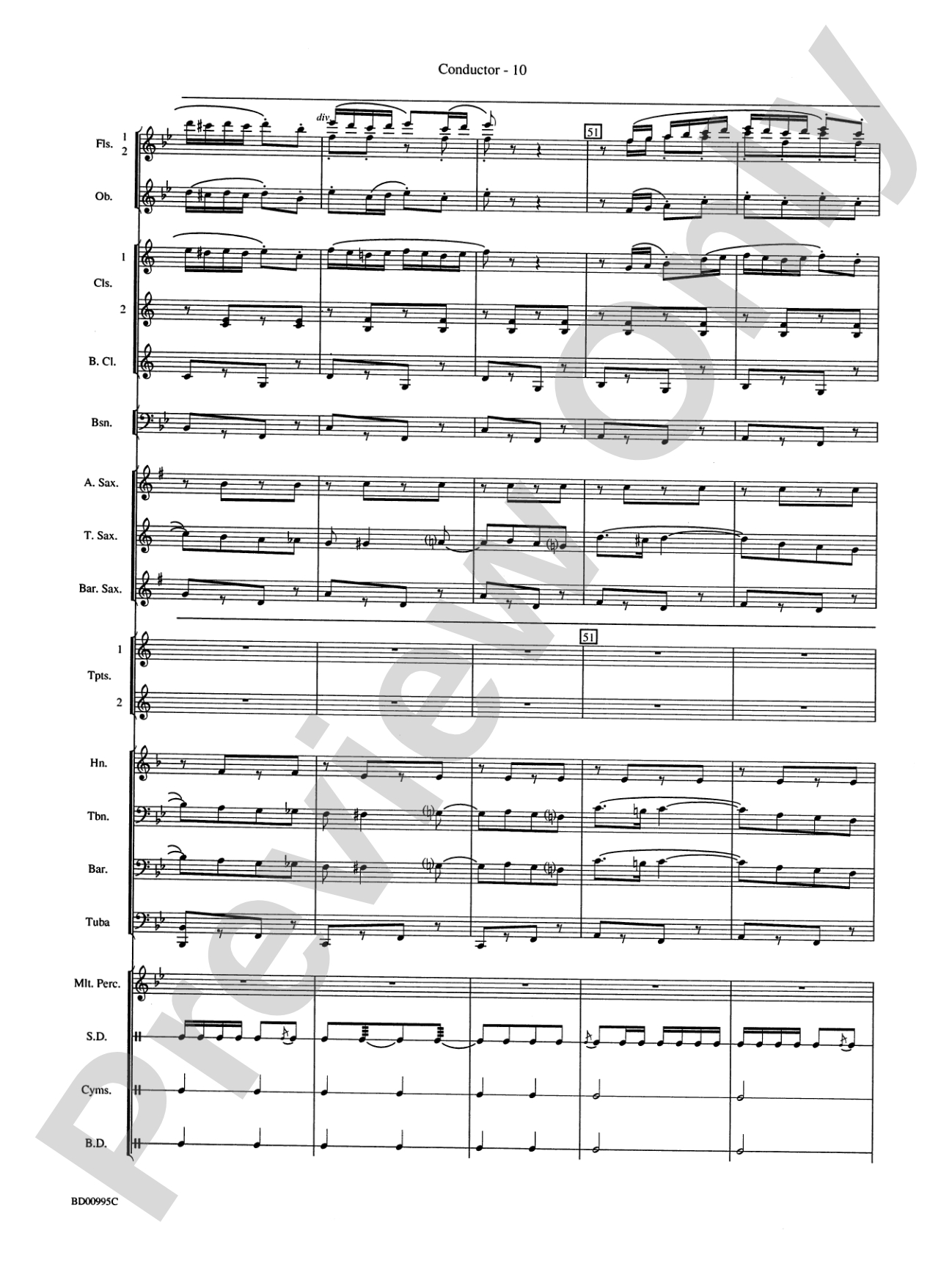
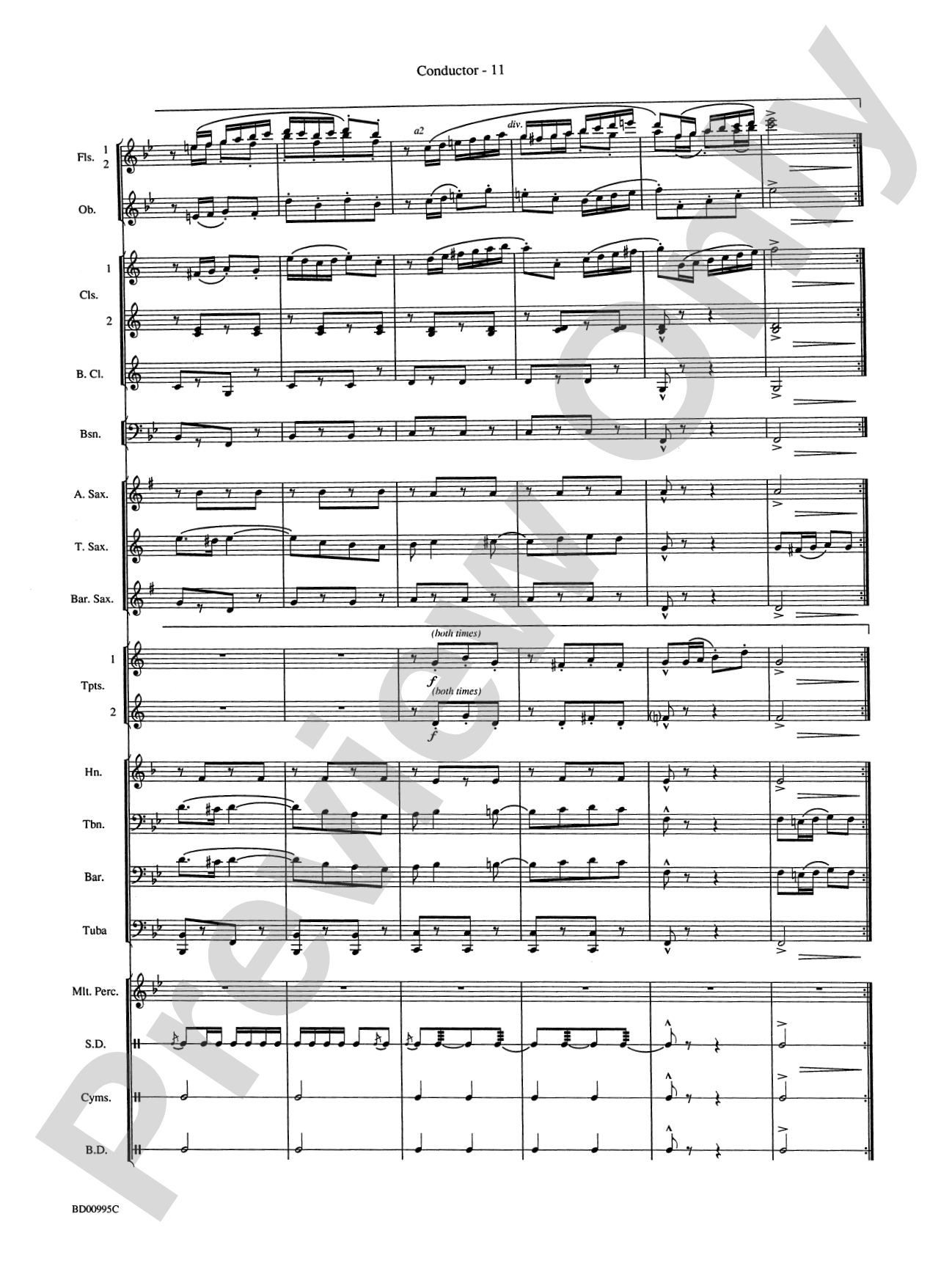
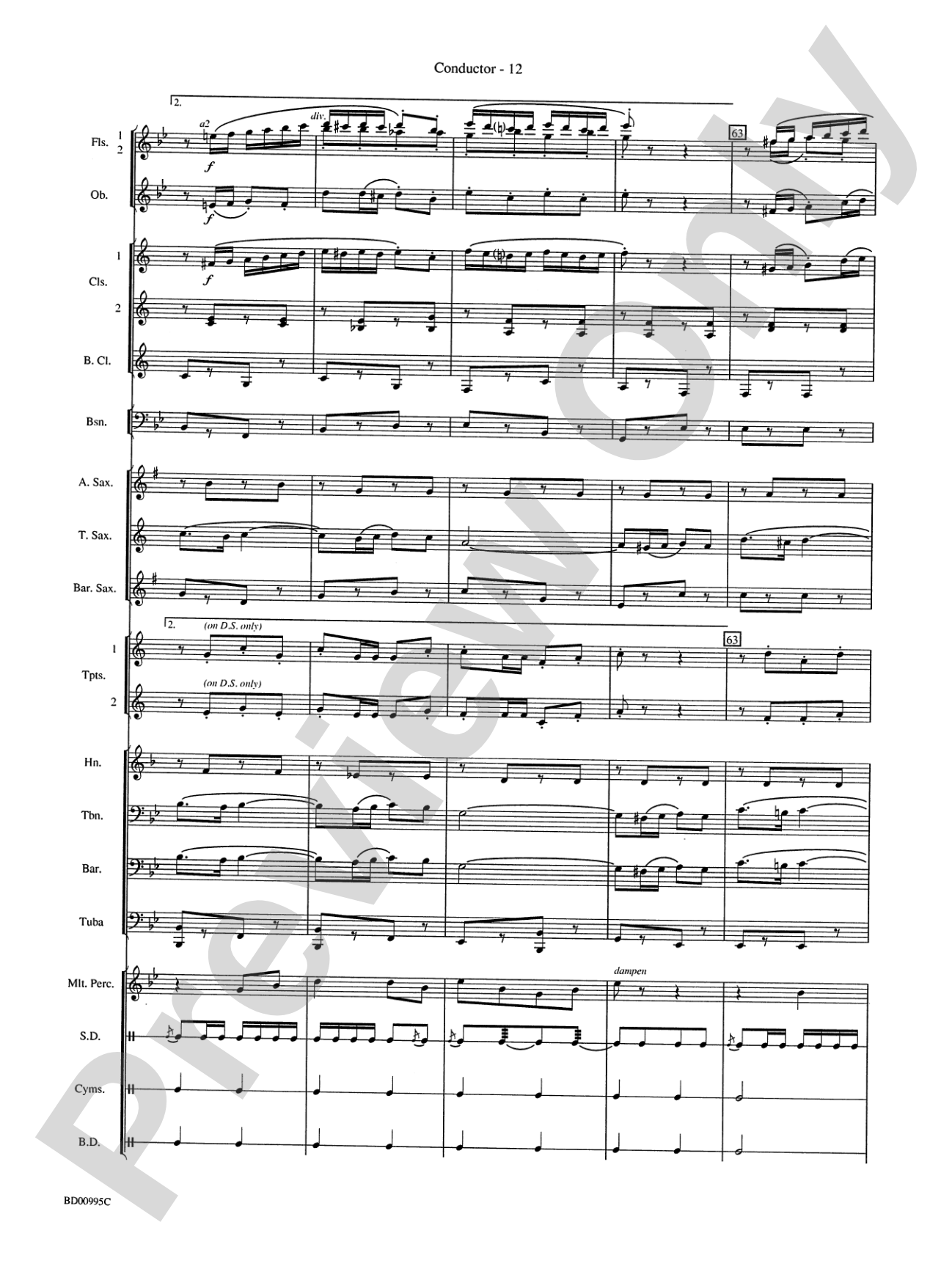
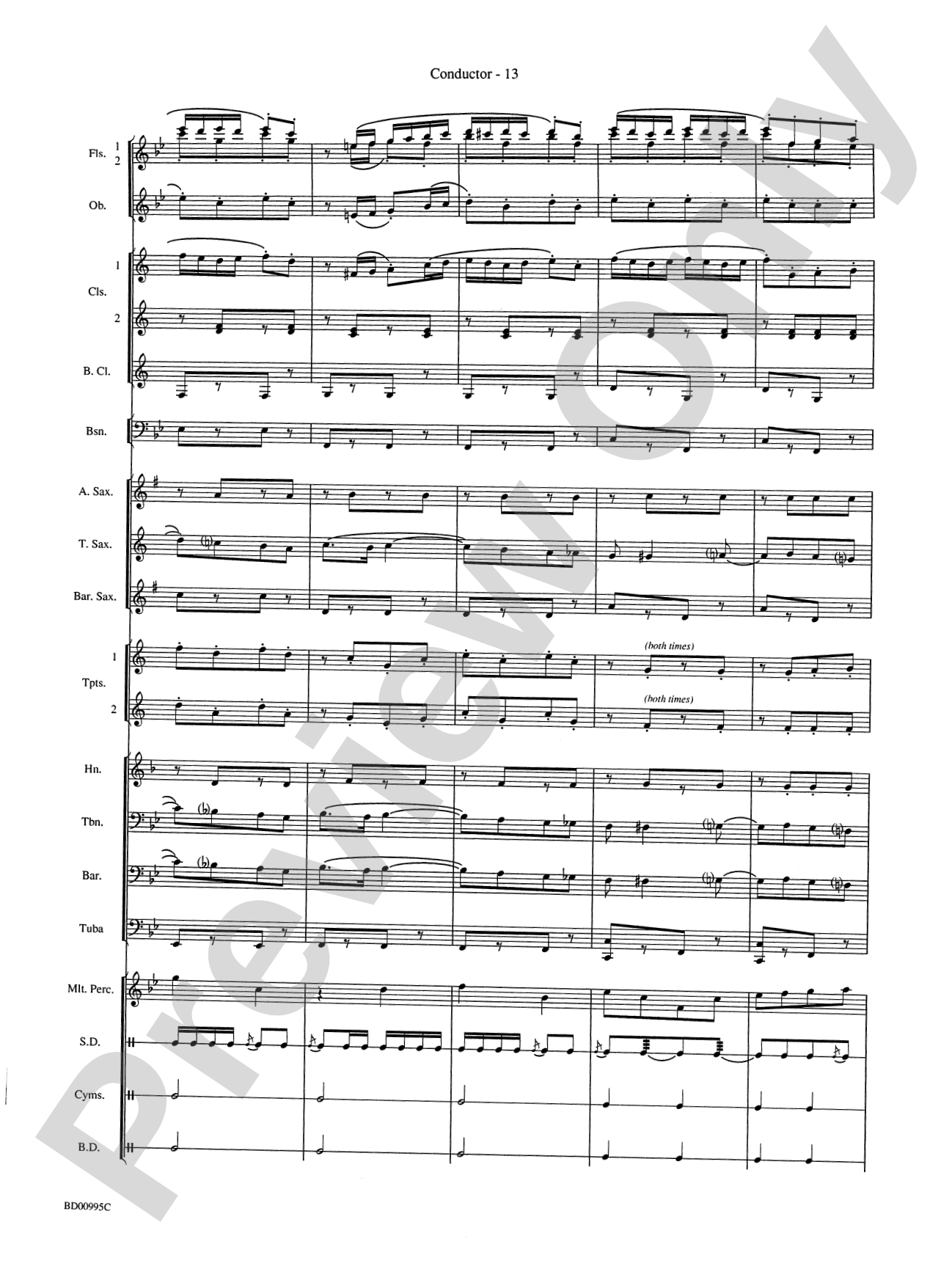
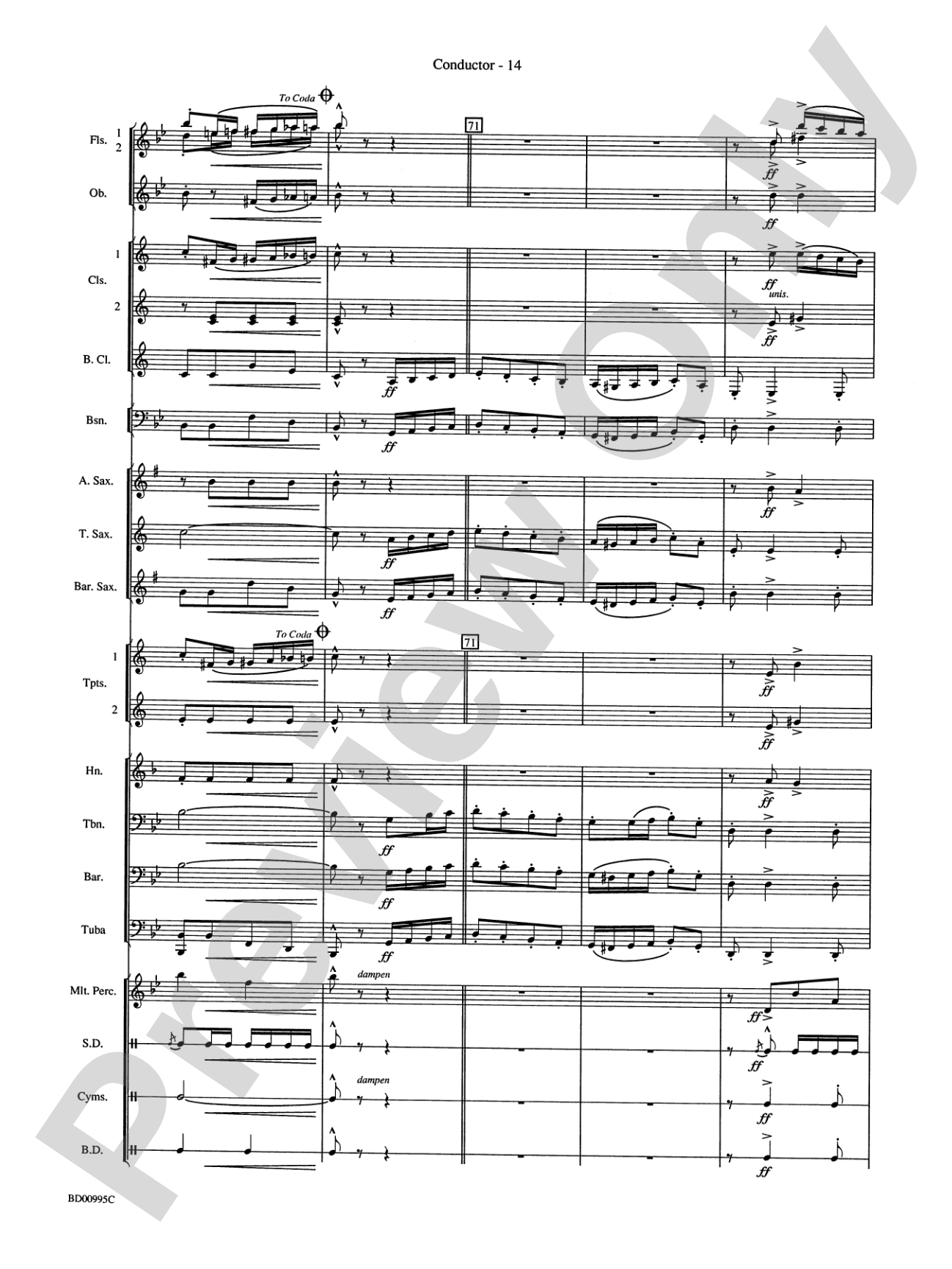
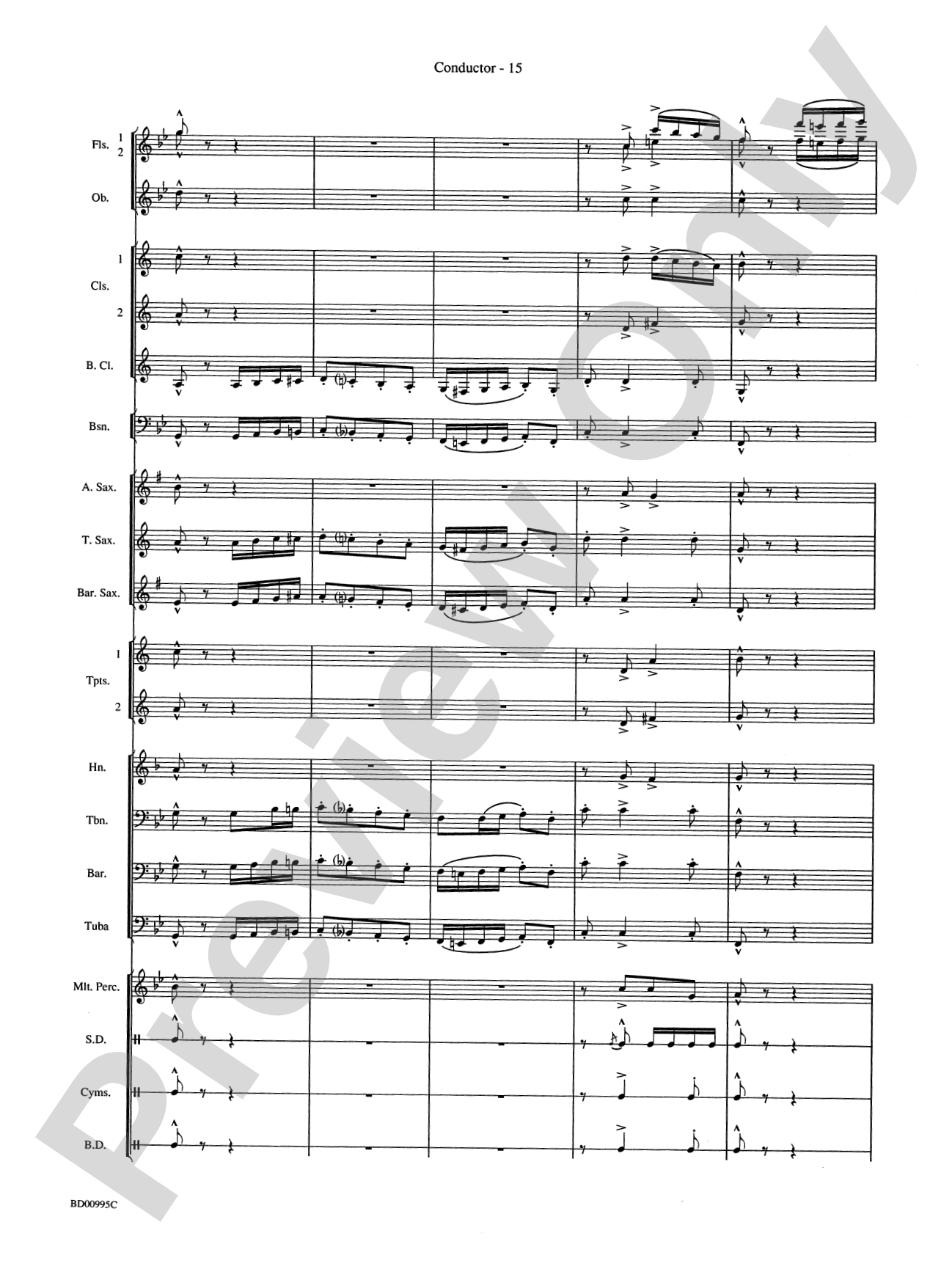
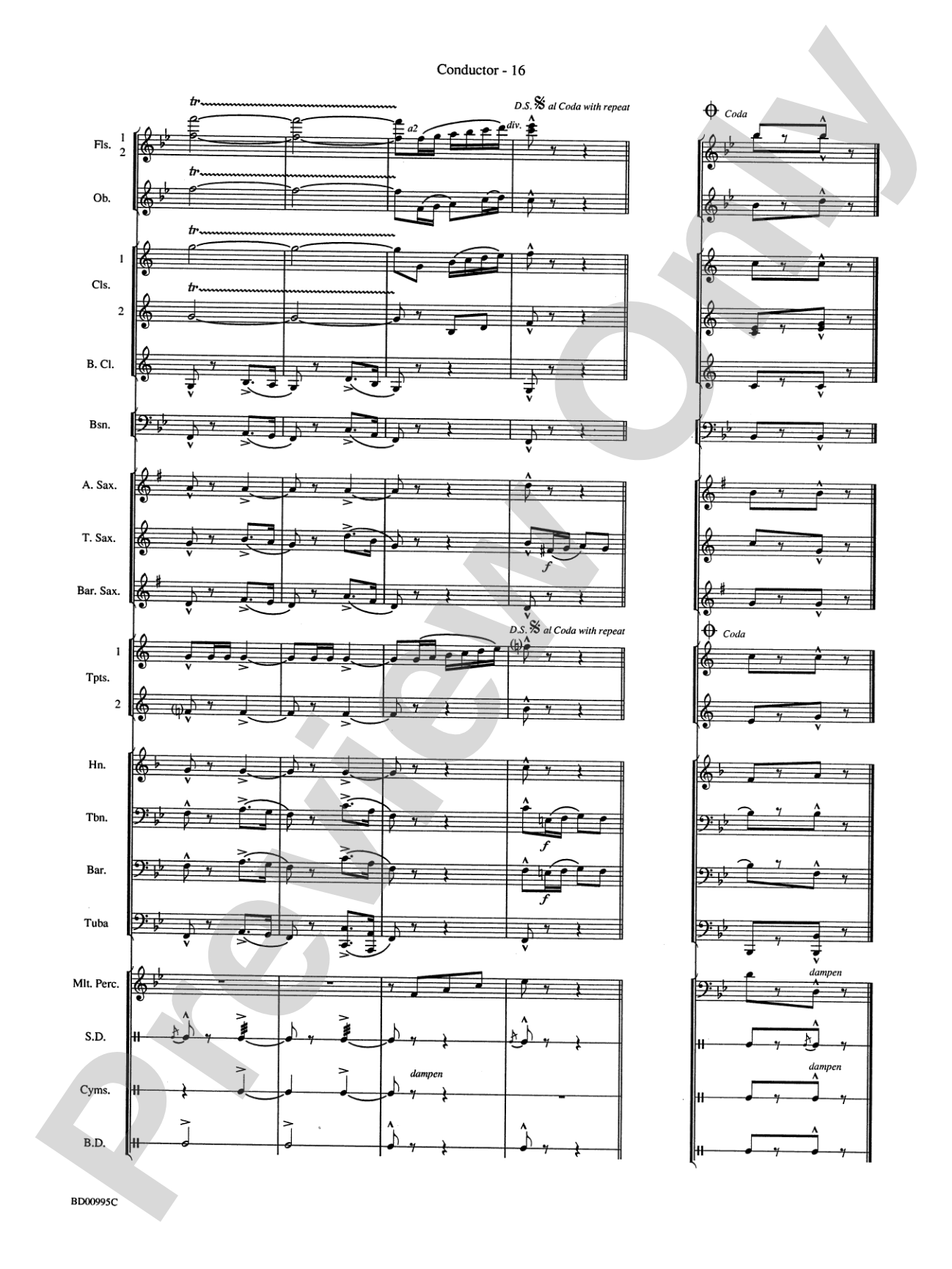



Rolling Thunder (Concert March): Concert Band Conductor Score & Parts
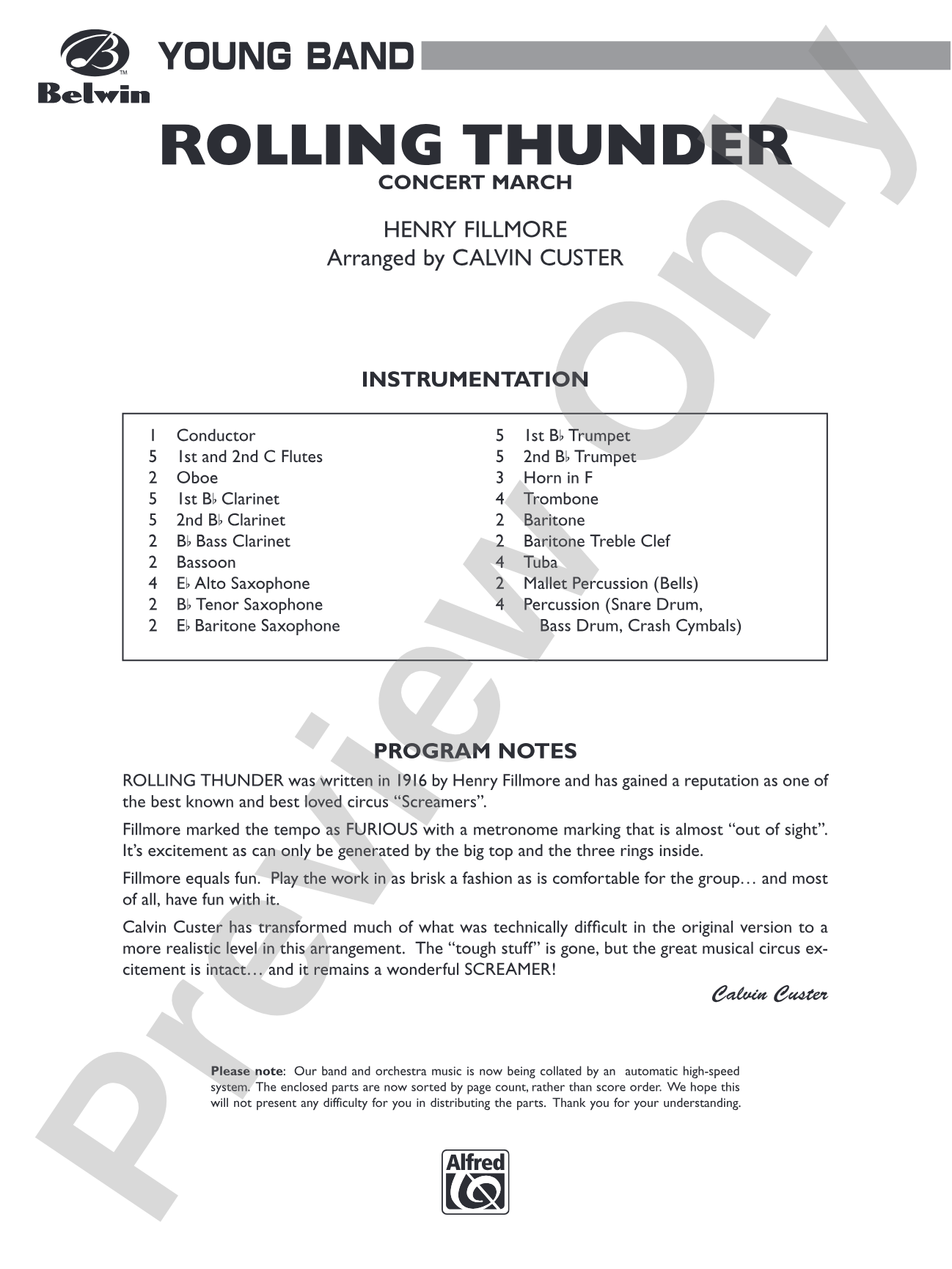
By Henry Fillmore / arr. Calvin Custer
Grade: 2 (Easy)
Item: 00-PK-0002007

$65.00
One moment…
Description
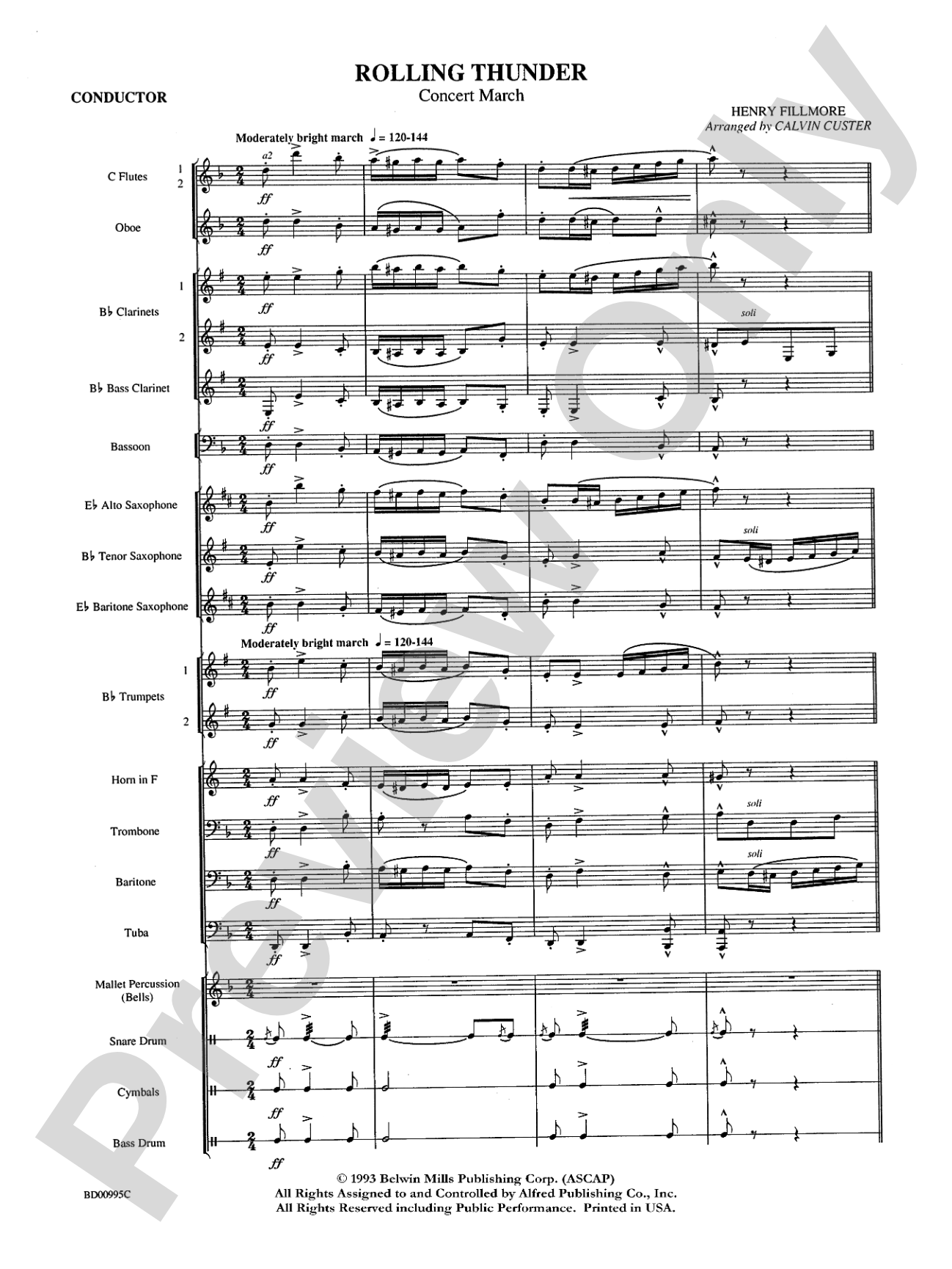
Henry Fillmore's Rolling Thunder is a great circus march, as breathtaking in its excitement as the action feats in the center ring. Calvin Custer takes this terrific march classic and reduces just the technical demands. Now your band can smell the sawdust and have all the fun. On with the show! (2:12)


Don't just read it, hear it, play along with it, and watch your students grow with it. In MakeMusic Cloud, Rolling Thunder (Concert March): Concert Band Conductor Score & Parts comes alive with professional accompaniment, adjustable tempo, and built-in practice tools that turn solo practice into real progress.
Open in the Player
Jump straight in and assign it today.
Start Your Free Trial
Open this title and explore the full library in minutes.
Sample Audio
1
Audio File
--:--
0:00
0:00
Sample Video
No sample videos found.
Additional Details
Series:
Belwin Concert Band
Publisher:
Alfred Music
Page Count:
196
SKU:
00-PK-0002007
More about this title
About the Composer: Henry Fillmore
Henry Fillmore (1881-1956) was one of America's most prolific march composers, creating over 250 works during a career that spanned vaudeville, silent film, and concert hall settings. His marches stand apart for their theatrical energy and accessibility; Fillmore understood how to write music that thrilled audiences while remaining playable by community and school bands at every level.
Rolling Thunder exemplifies Fillmore's gift for narrative composition. Rather than rely solely on technical display, he builds excitement through clever orchestration, unexpected harmonic shifts, and relentless forward momentum. His marches have remained staples of American band repertoire because they deliver genuine drama without requiring virtuosic performers.
Why we love this
Calvin Custer's reduction captures everything that makes Rolling Thunder a showstopper while genuinely respecting Grade 2 players' capabilities. Your band gets to inhabit a piece with real musical substance and theatrical flair, not a simplified sketch; the march architecture, harmonic color, and dramatic arc all remain intact. This is the rare arrangement where simplification actually preserves what makes the original shine.
What to expect
Sawdust, bright lights, and the roar of a crowd. Rolling Thunder feels like a procession of impossible feats and wild celebration unfolding in real time. The music swells with optimism and rhythmic vitality, propelled forward by triumphant brass lines and the steady pulse of march tradition.
Who it's for
Grade 2 bands seeking an energetic march with genuine personality for concerts, festival programming, or parades. Directors looking for repertoire that excites young musicians and audiences alike will find Rolling Thunder delivers impact without demanding advanced technical skills from any section.
How to get the most out of it
- Anchor the march's momentum with a steady, confident tempo rather than rushing into the faster sections. Let the groove establish itself in the early A strain before building intensity.
- Balance the melody and accompaniment carefully so the tune can soar. Brass sections often overwhelm the line; pull back slightly on the harmonies to let the lead voices sing.
- Emphasize dynamic contrast between sections. The march's theatrical power emerges when you genuinely soften for calmer passages and then hit the fortissimo moments with full commitment.
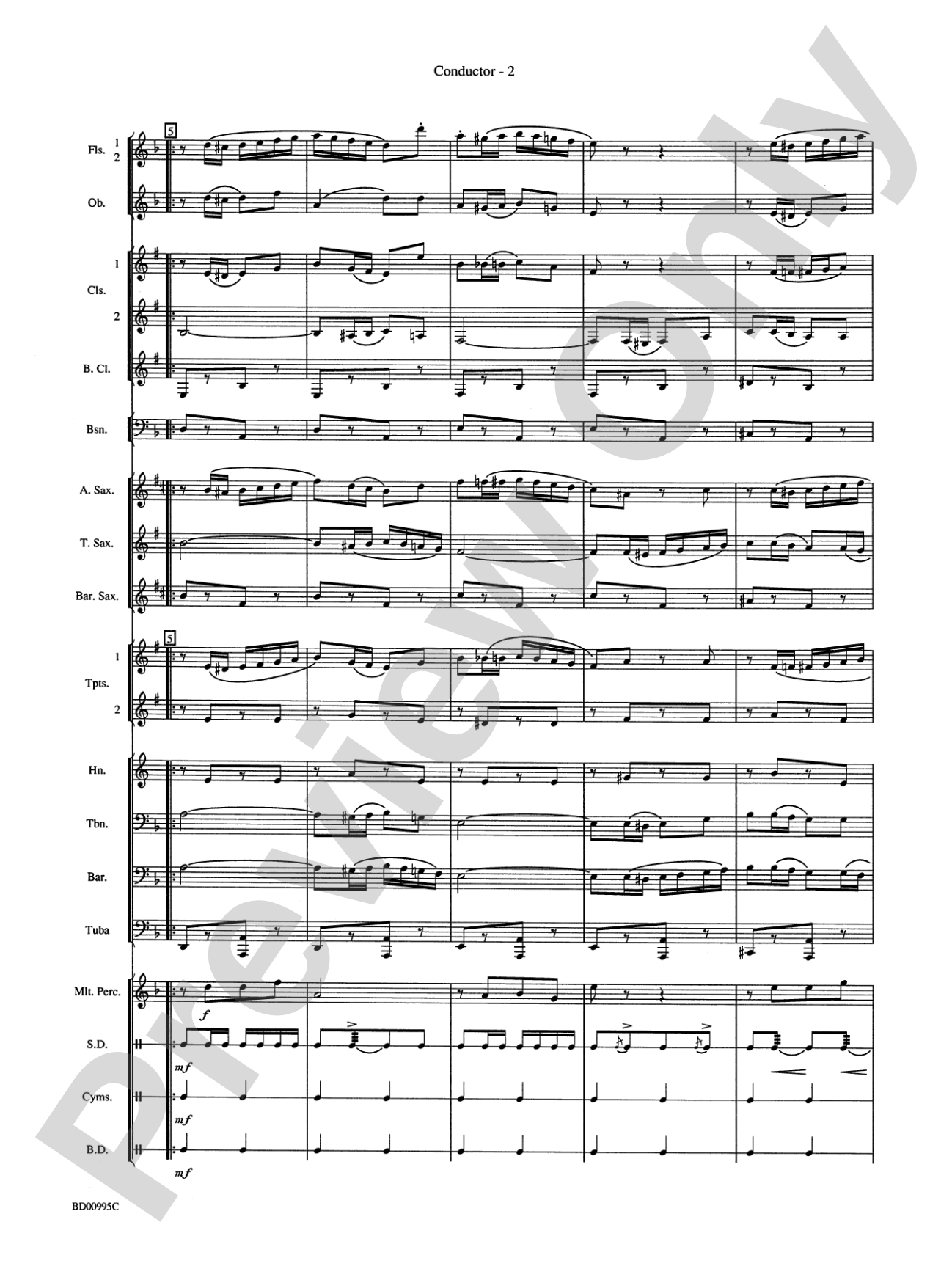
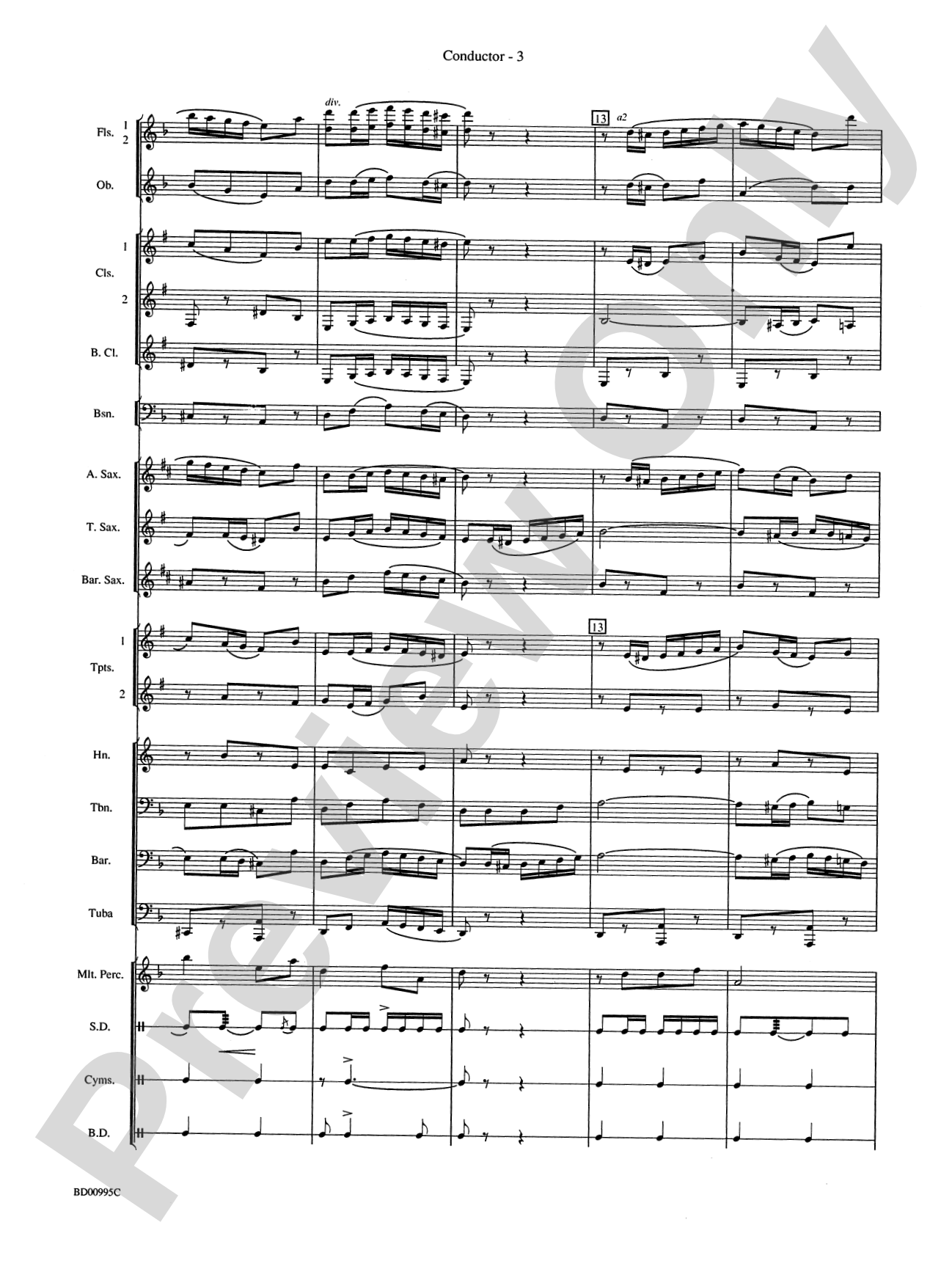
- Treat the percussion section as an active storyteller, not mere timekeeping. Each rhythm figure supports the excitement; let timpani rolls and snare articulation give the march its kinetic energy.
How to use it
Program this as an opener or closer on your spring concert to set a high-energy tone. It pairs well alongside lighter character pieces and provides a refreshing contrast to more introspective works. For festival or competition performances, the theatrical nature and straightforward Grade 2 difficulty make it an accessible choice that still commands attention.
Skills your students will build
- Controlling rhythmic precision in march time (2/4)
- Balancing melody and harmony in full ensemble contexts
- Responding to dynamic contrasts and terraced intensity
- Executing clean articulation at varying tempos
- Reading and performing in concert band voicing