
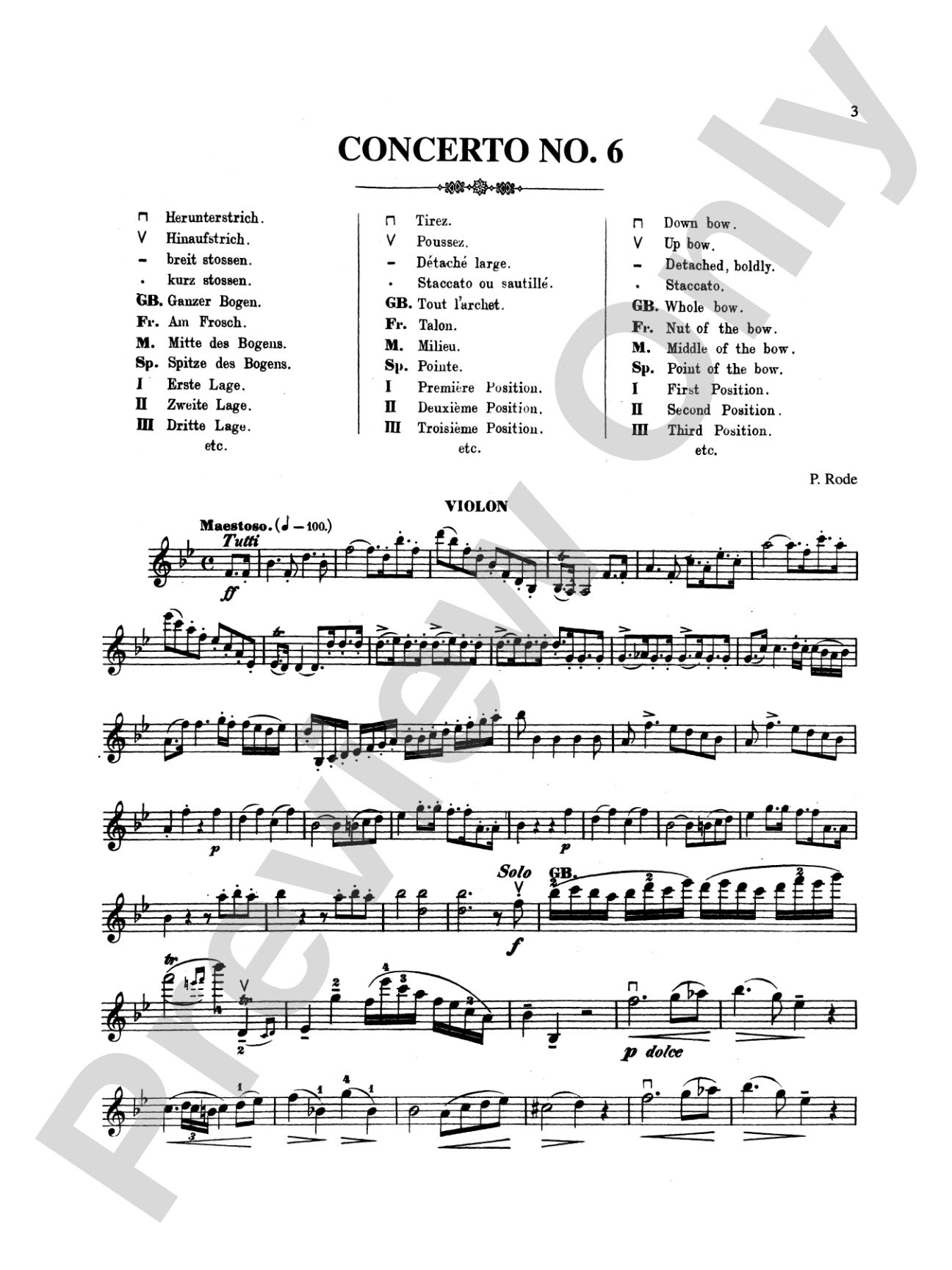
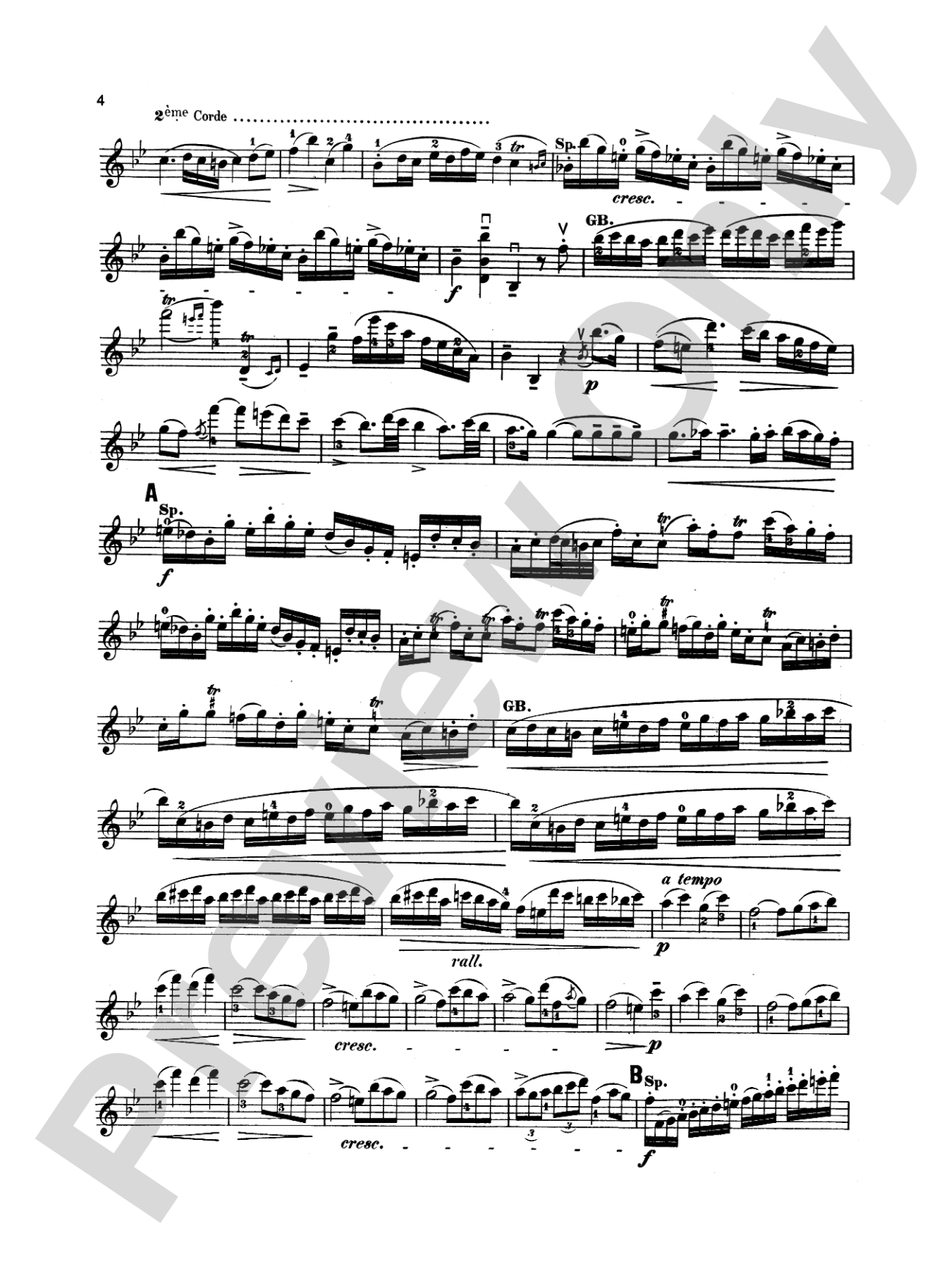
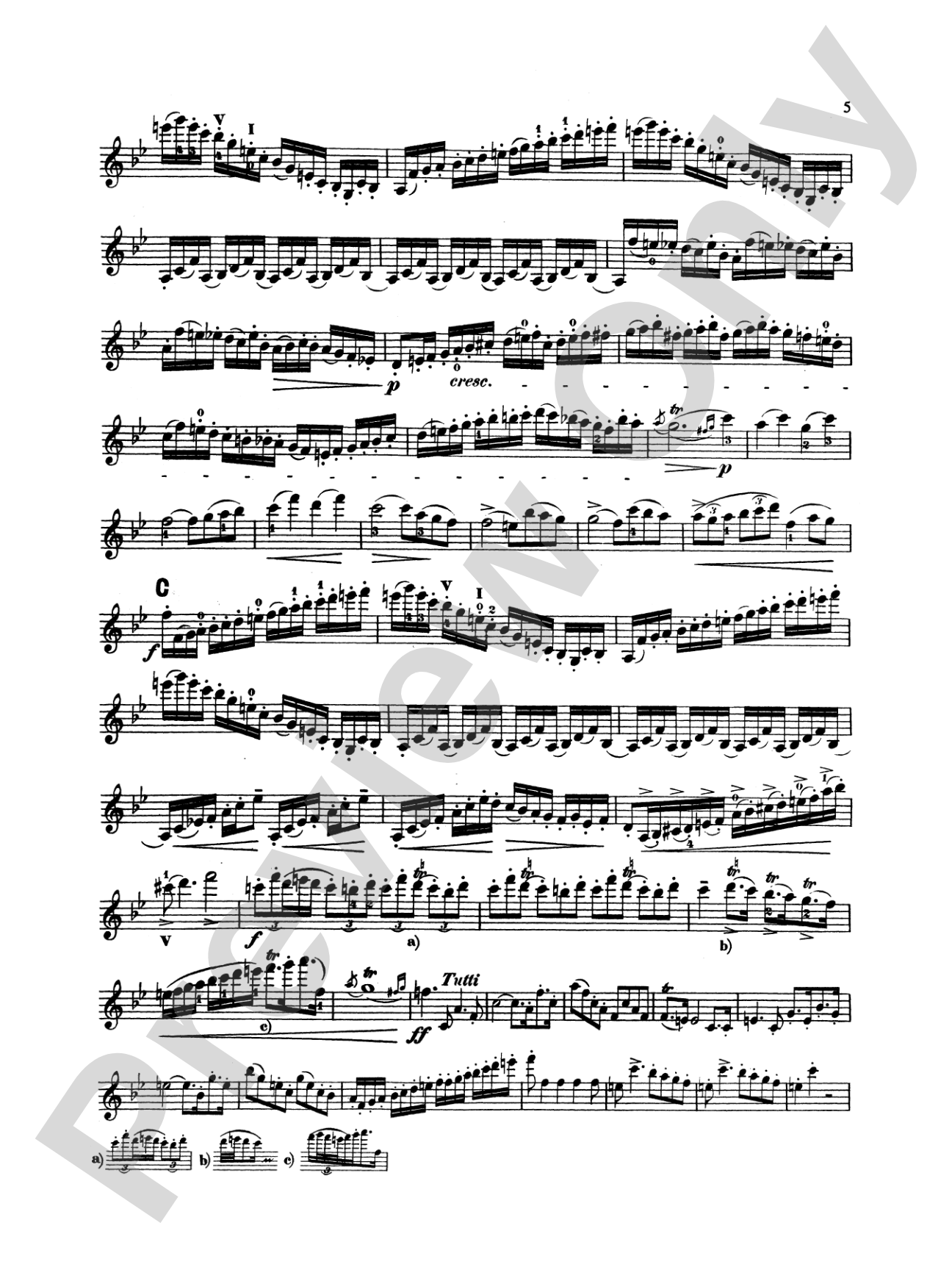
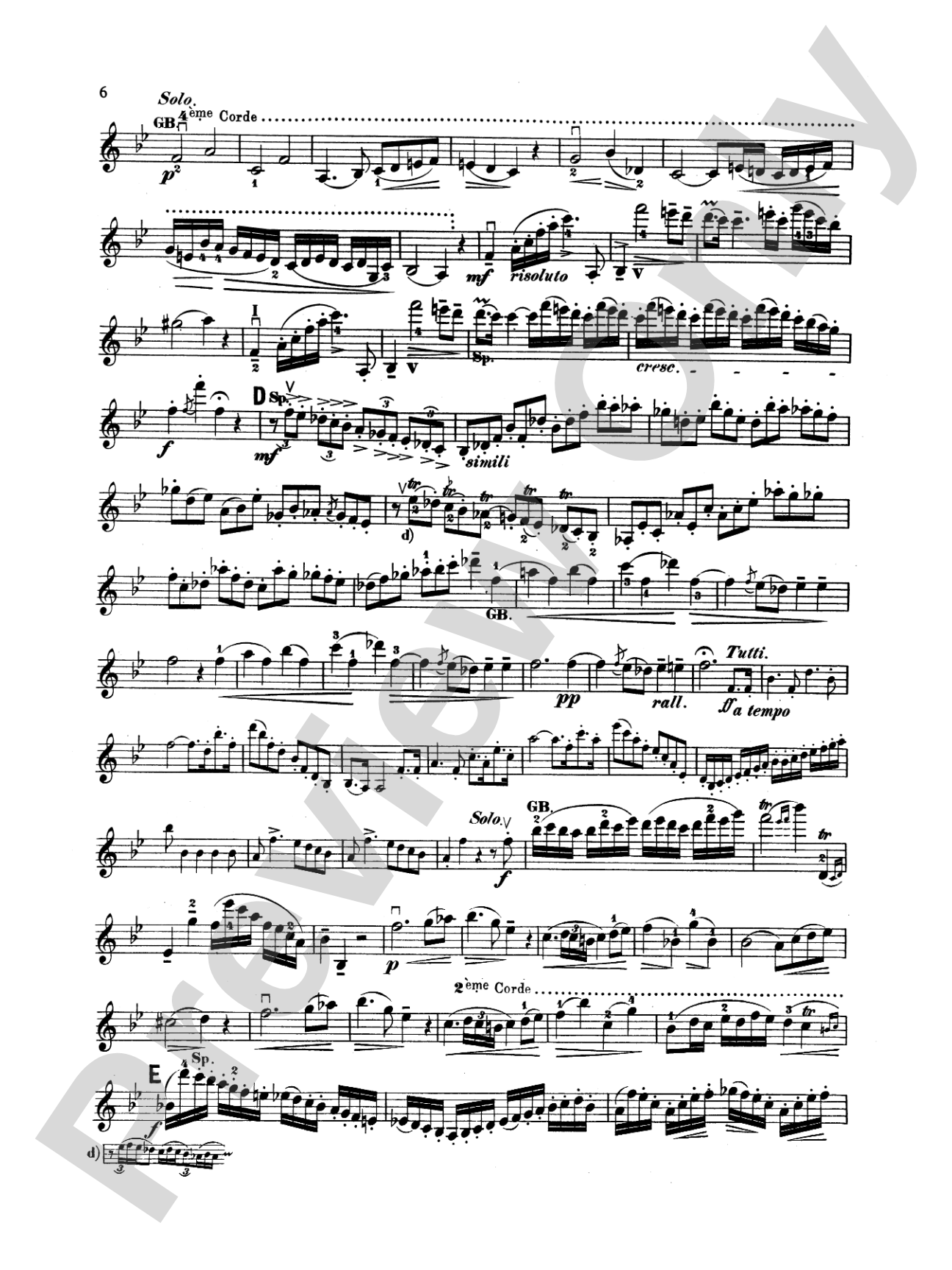
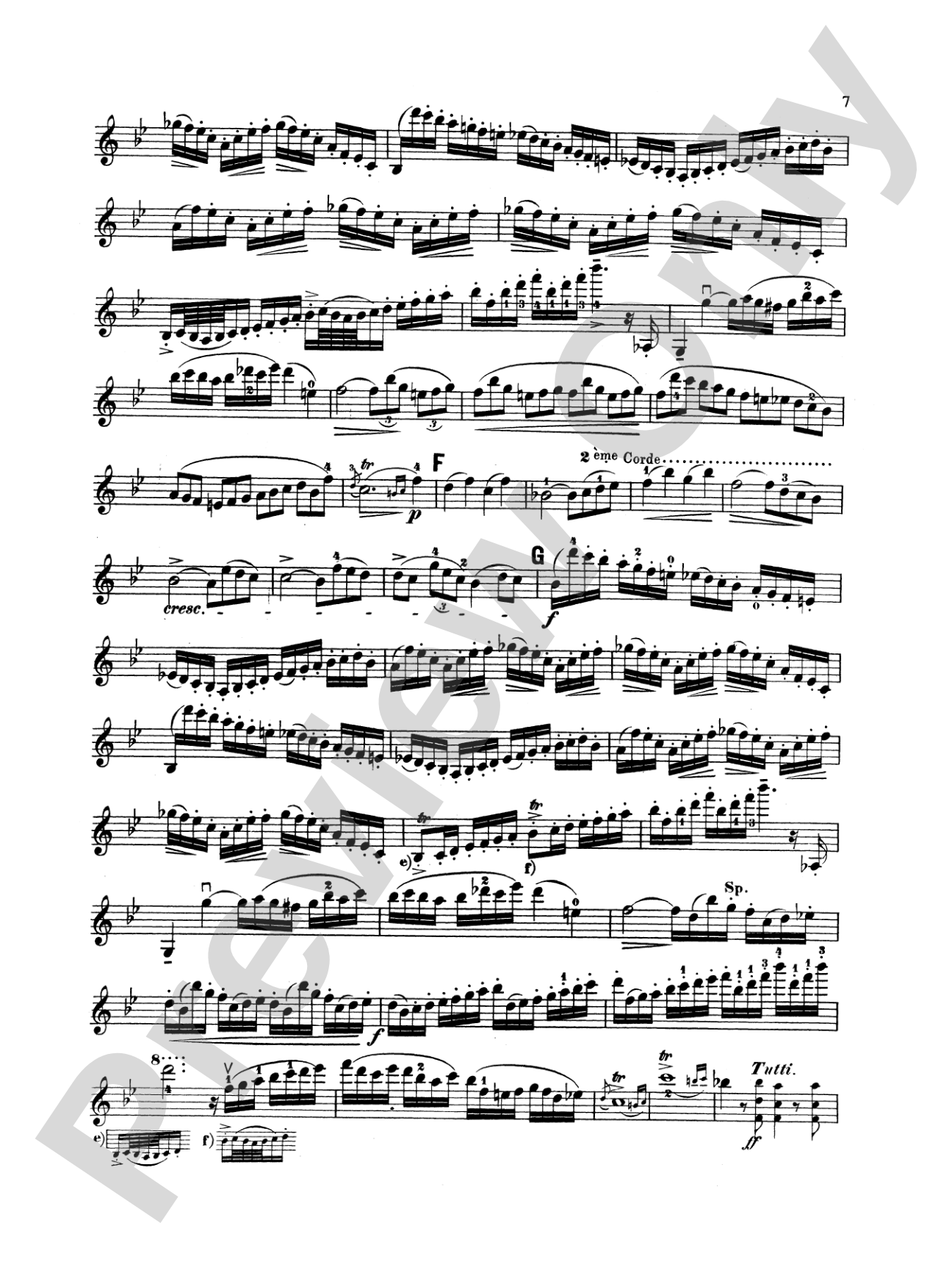
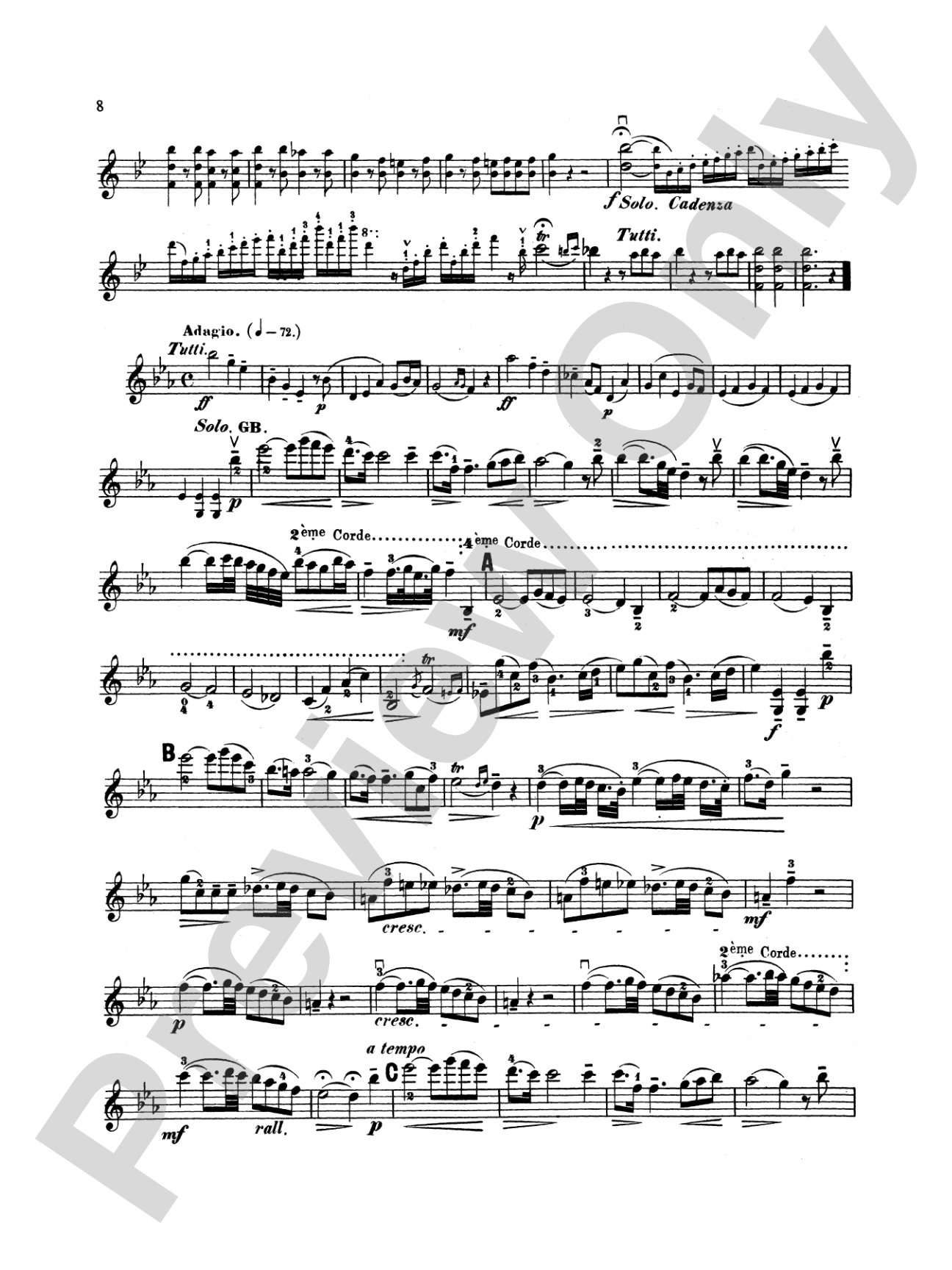
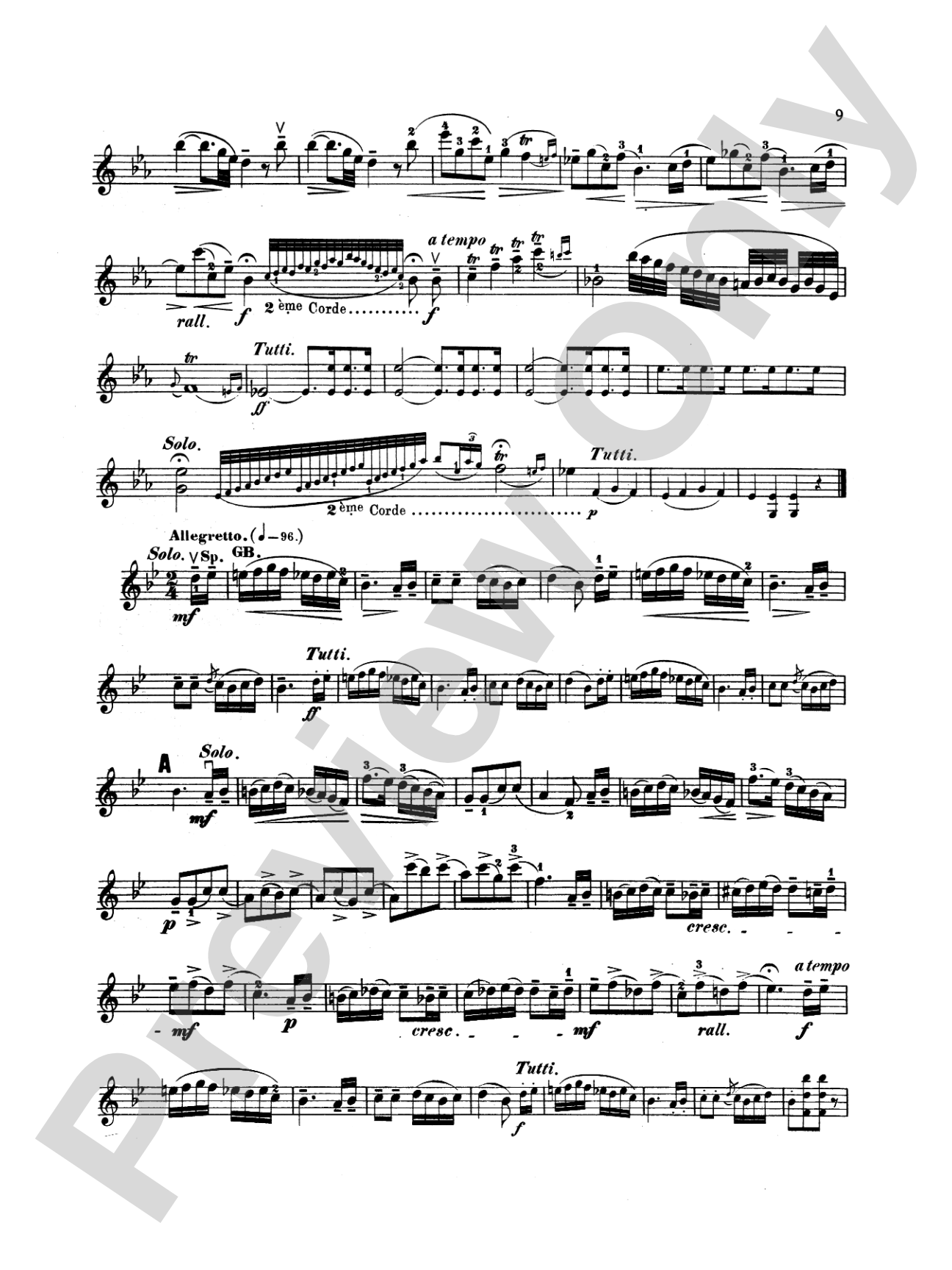
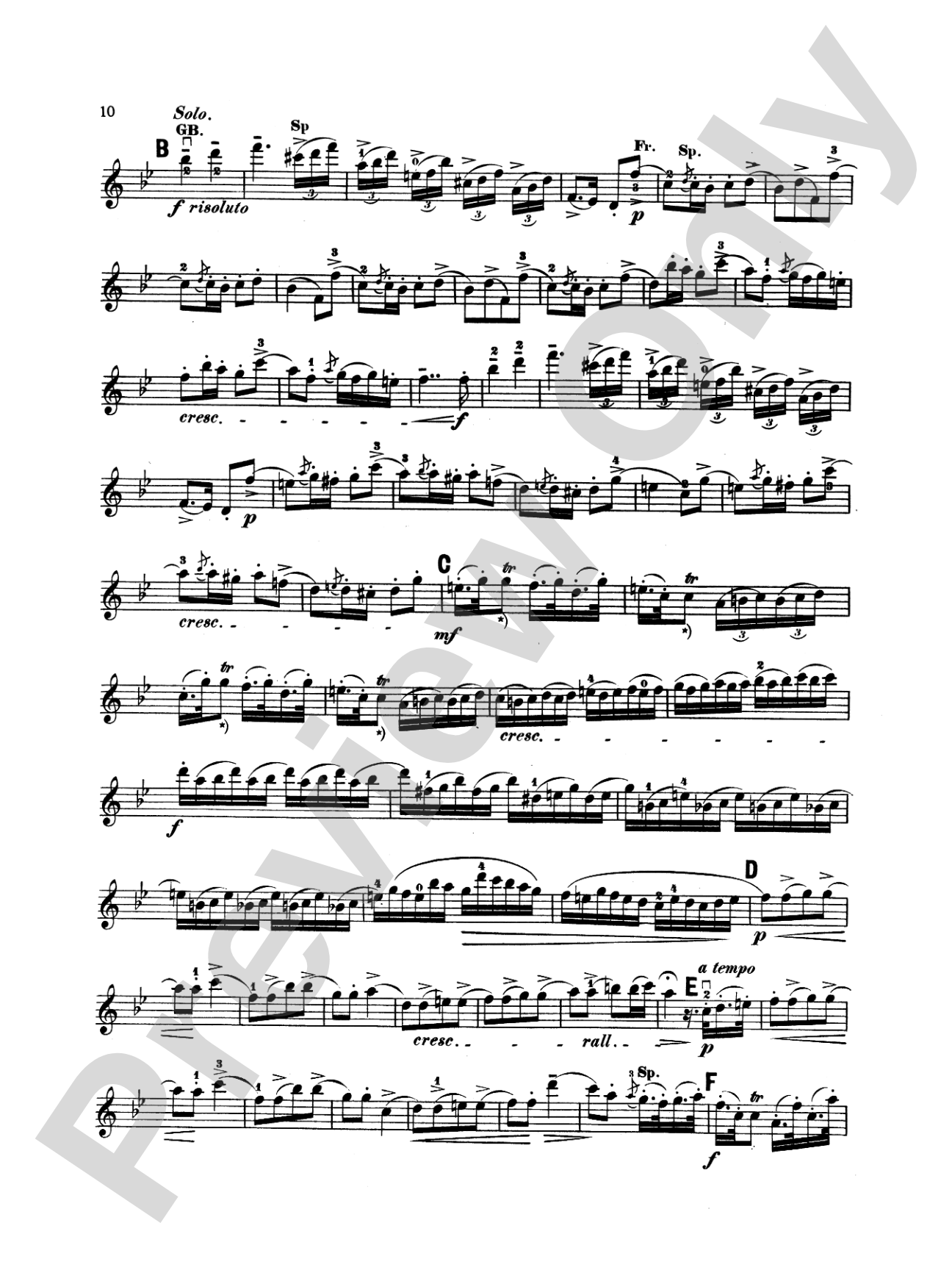
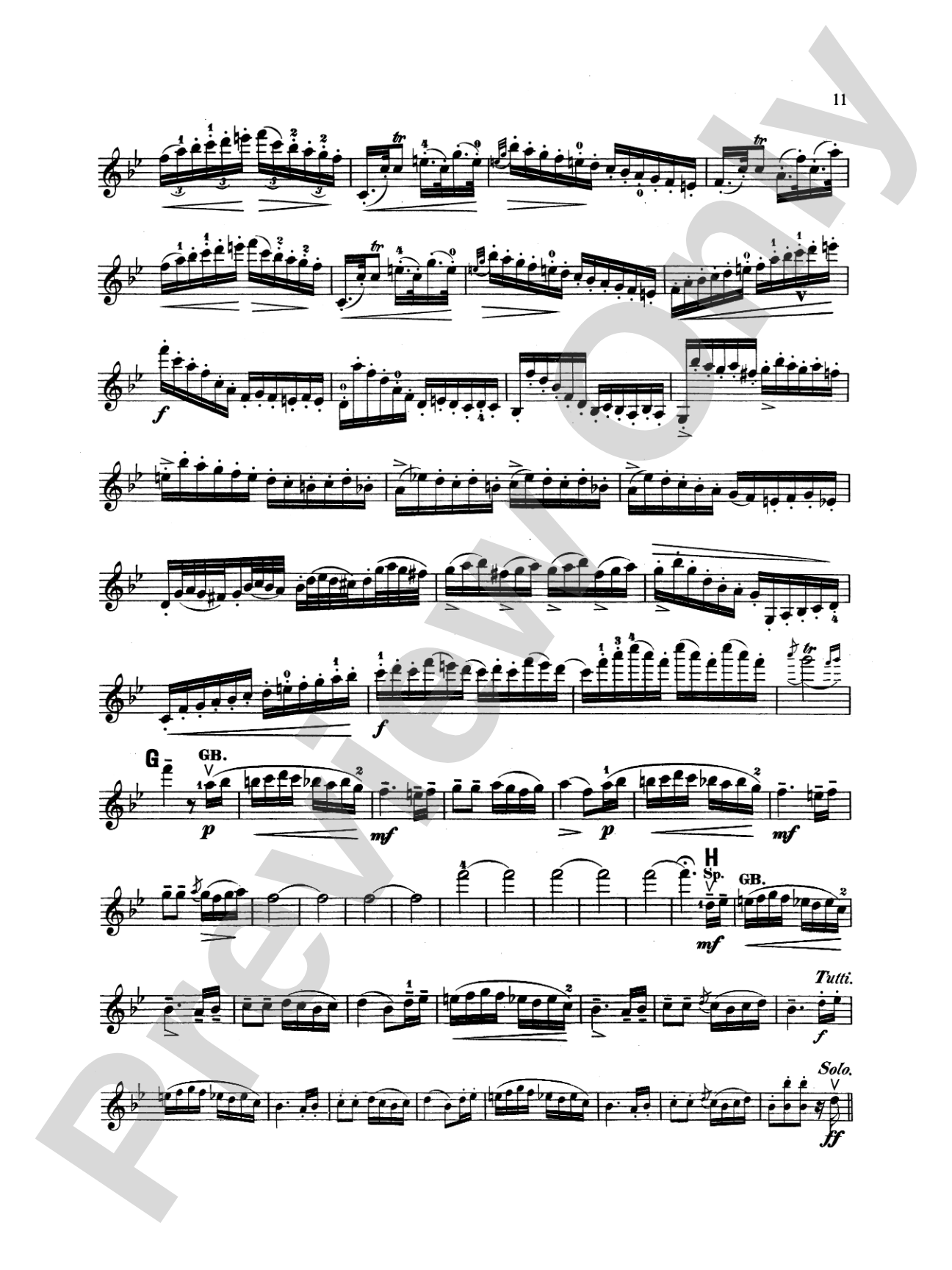
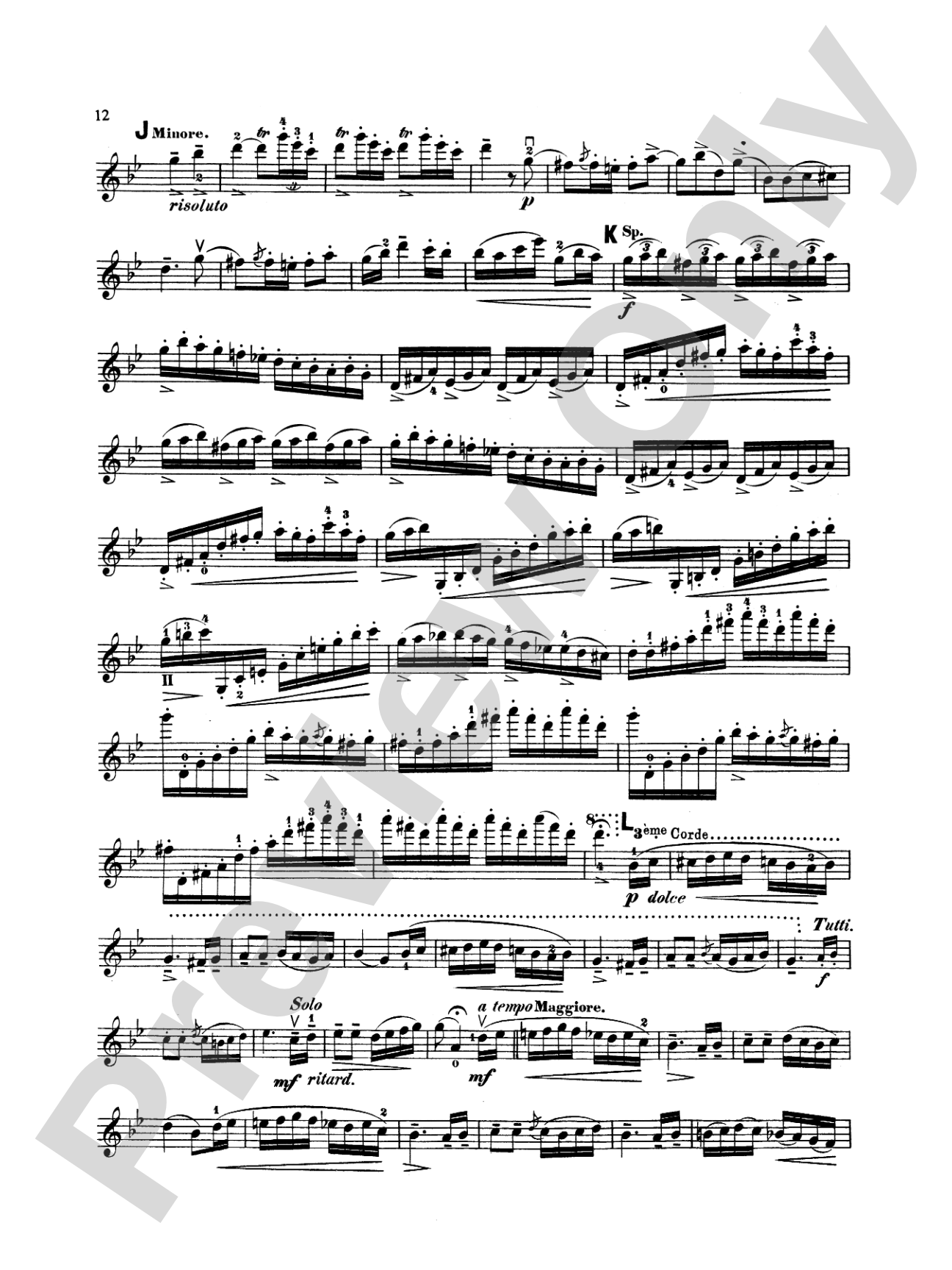
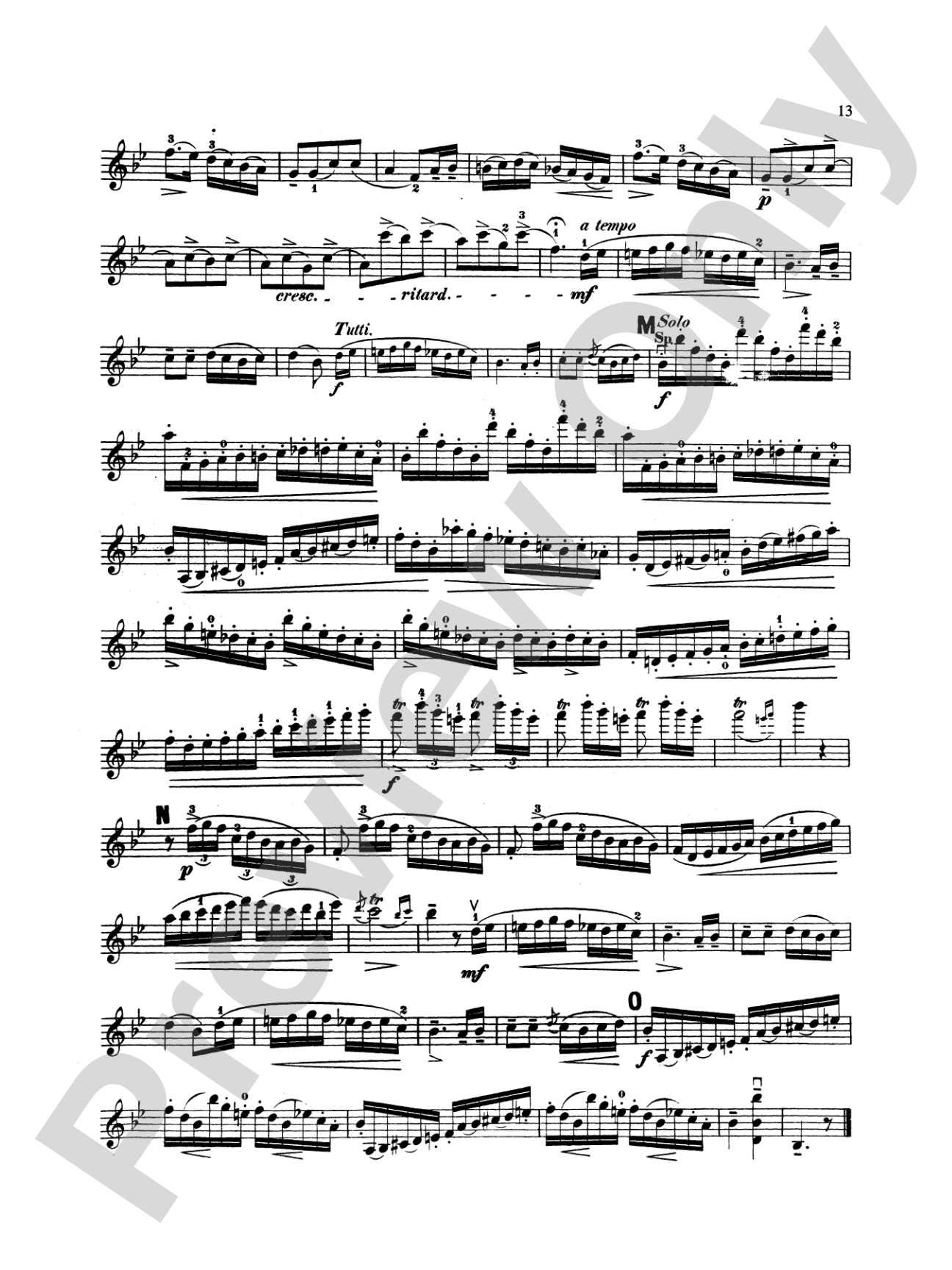

Rode: Concertos Nos. 6 and 7 (Ed. Grünwald): Violin Book
By Pierre Rode / ed. Grünwald
Item: 00-PK-0002714

$11.99
Pickup currently not available
Buy Extra Parts (Digital PDF Download)
| Product | Price | Quantity |
|---|---|---|
| Rode: Concertos Nos. 6 and 7 (Ed. Grünwald) | $1.99 | |
| Rode: Concertos Nos. 6 and 7 (Ed. Grünwald) | $1.95 | |
| Rode: Concertos Nos. 6 and 7 (Ed. Grünwald) | $1.99 | |
| Rode: Concertos Nos. 6 and 7 (Ed. Grünwald) | $1.99 |
Parts Added to Cart!
Related Items
Concertos Nos. 6 and 7: Violin Book |
$11.95
|
View |
Description
Kalmus introduces two concertos to its catalog that are gems. Rarely found yet worthy of performance and study. Both violin and piano parts are included.


Don't just read it, hear it, play along with it, and watch your students grow with it. In MakeMusic Cloud, Rode: Concertos Nos. 6 and 7 (Ed. Grünwald): Violin Book comes alive with professional accompaniment, adjustable tempo, and built-in practice tools that turn solo practice into real progress.
Open in the Player
Jump straight in and assign it today.
Start Your Free Trial
Open this title and explore the full library in minutes.
Sample Audio
No sample audio found.
Sample Video
No sample videos found.
Additional Details
Series:
Kalmus Edition
Publisher:
Alfred Music
Page Count:
64
SKU:
00-PK-0002714
More about this title
About the Composer: Pierre Rode
Pierre Rode (1774-1830) was a French violinist and composer whose concertos defined the Classical violin repertoire. A student of Giovanni Viotti, Rode became a celebrated performer across Europe and composed 13 violin concertos that showcase brilliant passagework alongside singing melodic lines characteristic of the French school. His works bridge the Classical and early Romantic periods, valued by pedagogues and performers for their musicality and technical clarity.
Why we love this
Rode's concertos occupy a sweet spot between the Classical elegance of Mozart and the Romantic bravura that followed. These two works are rarely programmed, which means your students will encounter music that feels fresh and challenging without the weight of overexposure. The Grünwald edition makes them accessible while preserving the character that made Rode essential to 19th-century violinists.
What to expect
These concertos balance Classical clarity with lyrical warmth. The opening movements unfold with elegant phrasing and virtuosic passages that never overshadow the singing melodic line, while the slow movements invite an intimate dialogue between violin and piano. Rode's writing feels both assured and generous, offering solace alongside sparkle.
Who it's for
Advancing high school violinists and early college students ready for substantial concerto repertoire beyond the standard Mozart and Beethoven canon. Teachers seeking to broaden their students' experience with Classical-era concerto writing and French violin style will find these works both pedagogically rewarding and musically genuine.
How to get the most out of it
- Attend to the singing quality of the opening themes; Rode prizes melodic continuity over flashy display, so shape phrases with the bow rather than relying on left-hand agility alone.
- Use the cadenza passages to demonstrate control of dynamics and tone color. These moments reveal technique but demand musicality, not speed.
- Collaborate closely with your pianist on the dialogue between soloist and accompaniment, particularly in the slow movements where the piano provides harmonic and textural support.
- Balance the Classical proportions of these forms with subtle Romantic inflection in tempo and vibrato, reflecting the stylistic bridge Rode occupies.
How to use it
Pair these concertos in a recital focused on Classical and early Romantic violin literature, or program one as a substantial solo work at a student concerto competition. They work equally well in a chamber context where the piano part can be appreciated for its own merit, making them valuable repertoire for young musicians developing recital independence.
Skills your students will build
- Sustained phrasing across entire sections without overuse of vibrato or dynamic variation
- Double-stop and rapid passagework with rhythmic precision
- Stylistic navigation between Classical form and Romantic expression
- Communication with piano accompanist in concerto form
- Intonation and tone control at dynamic extremes (sustained pp and ff passages)