
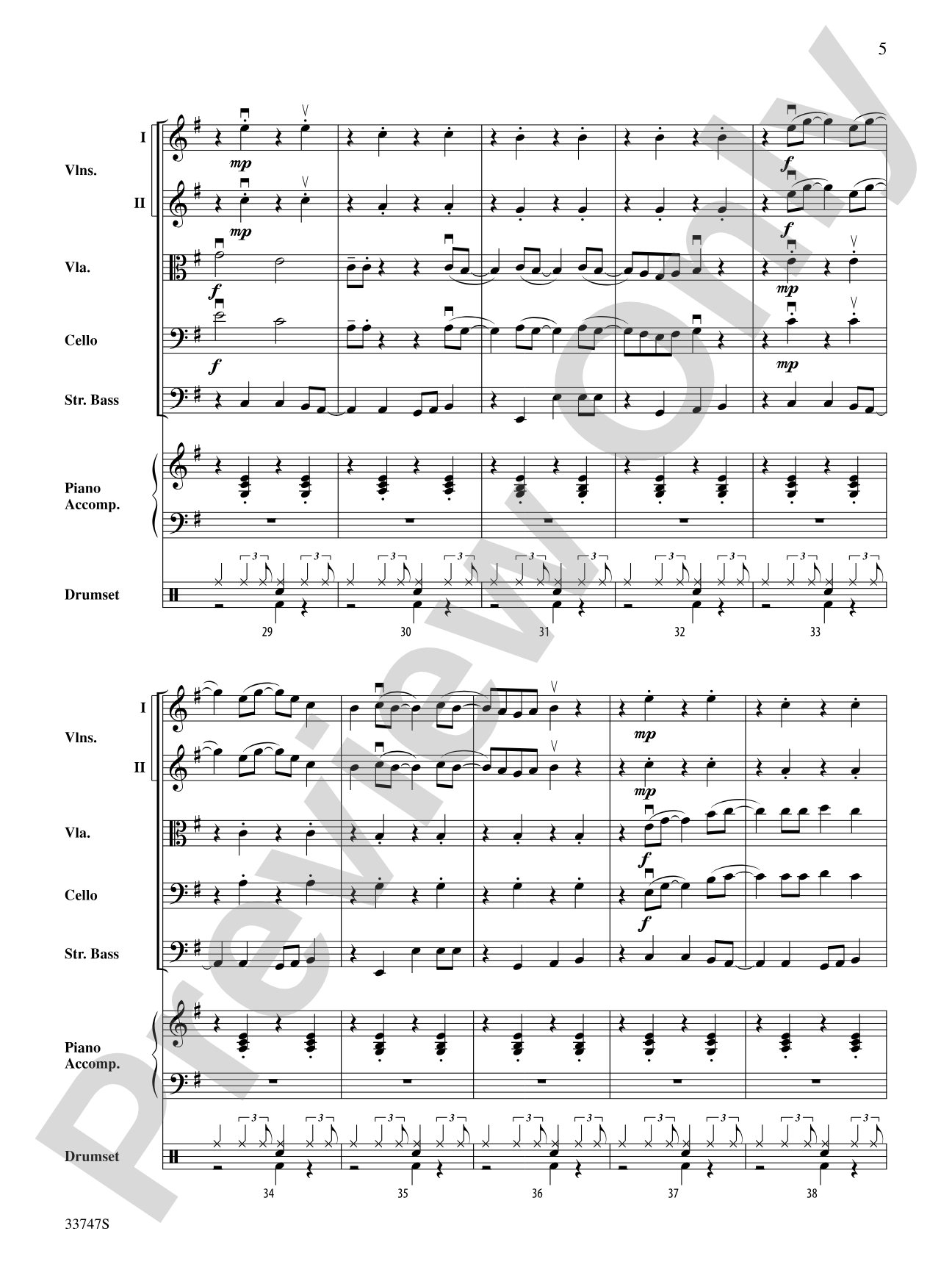
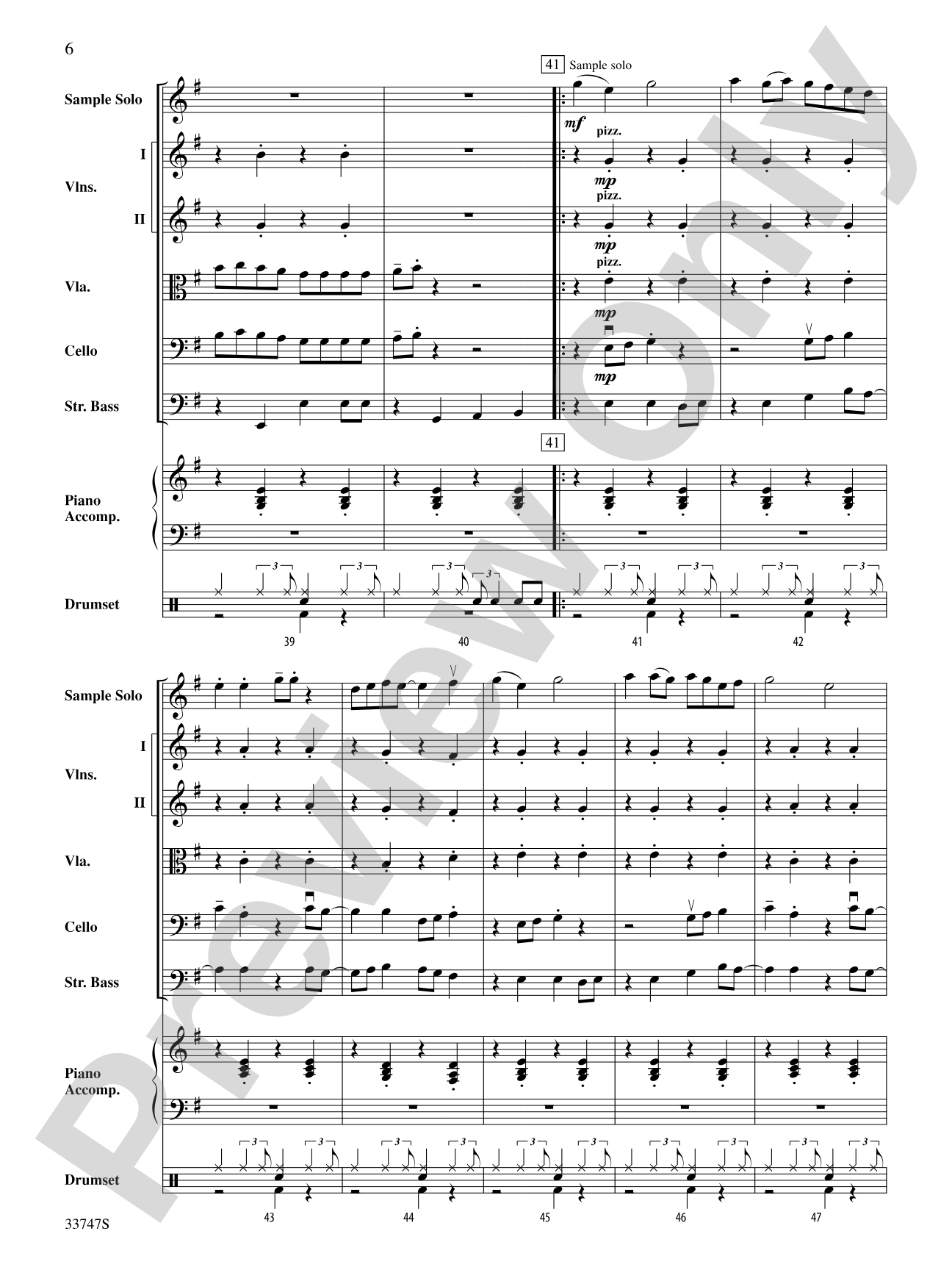
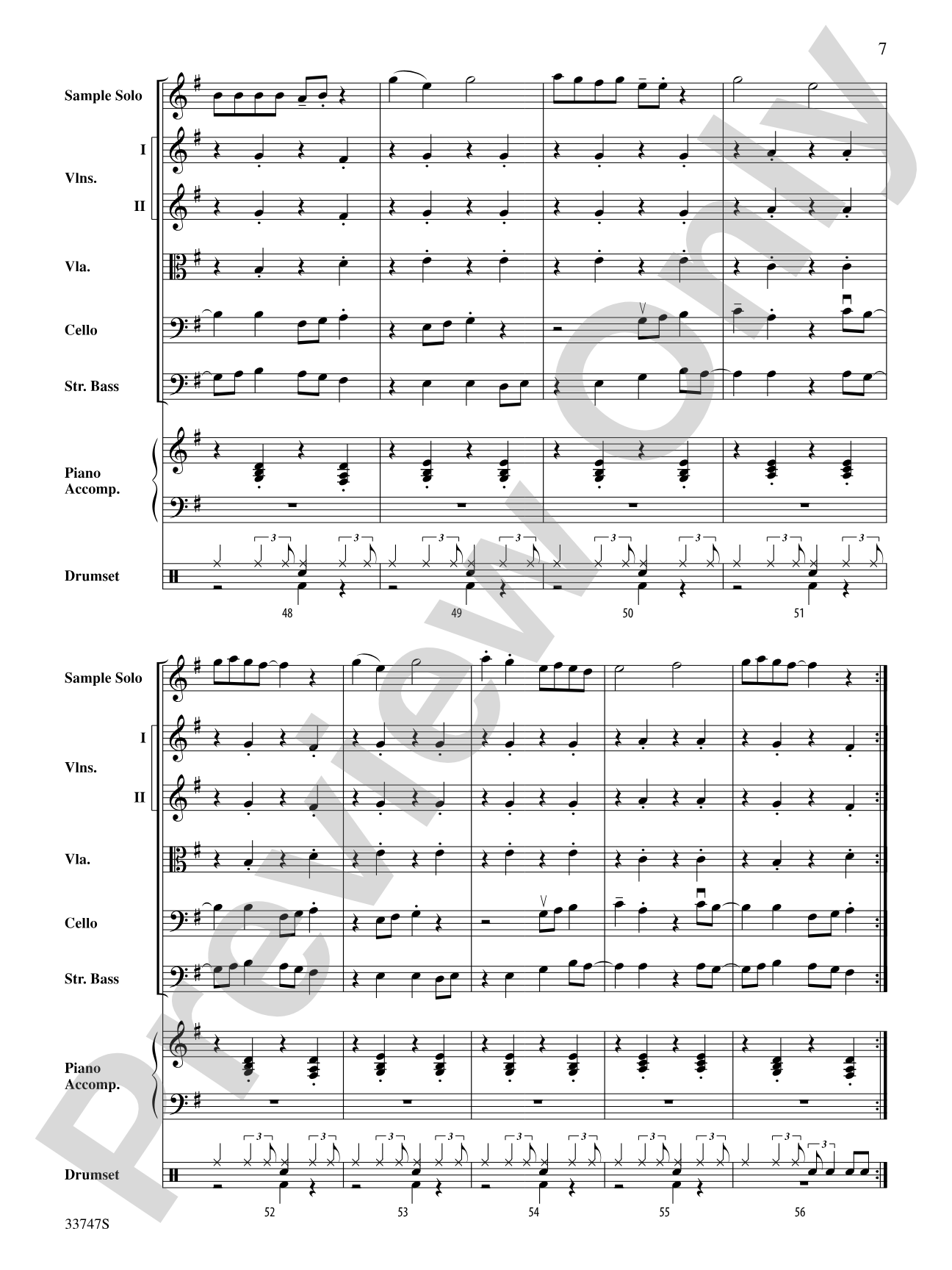
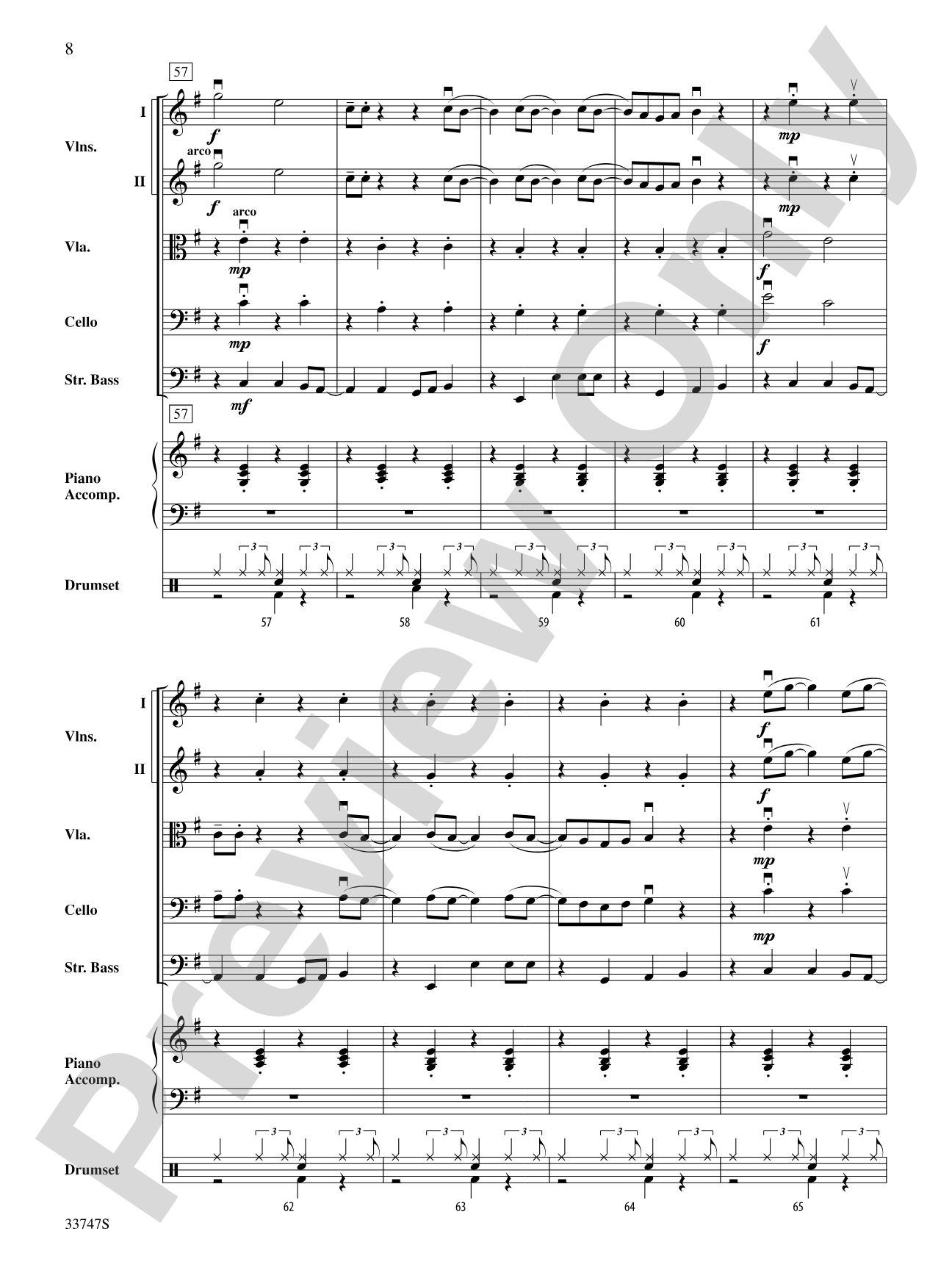
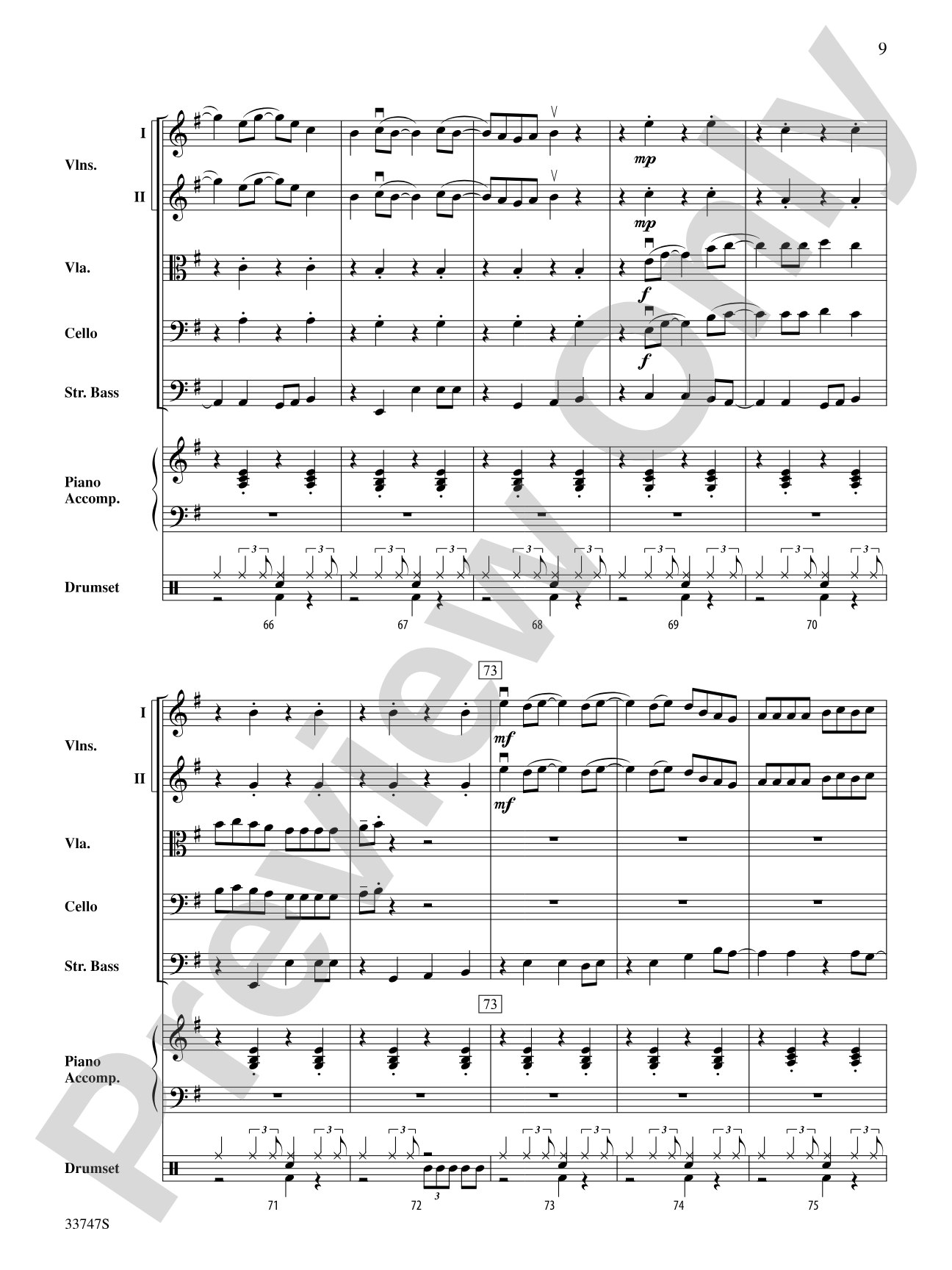
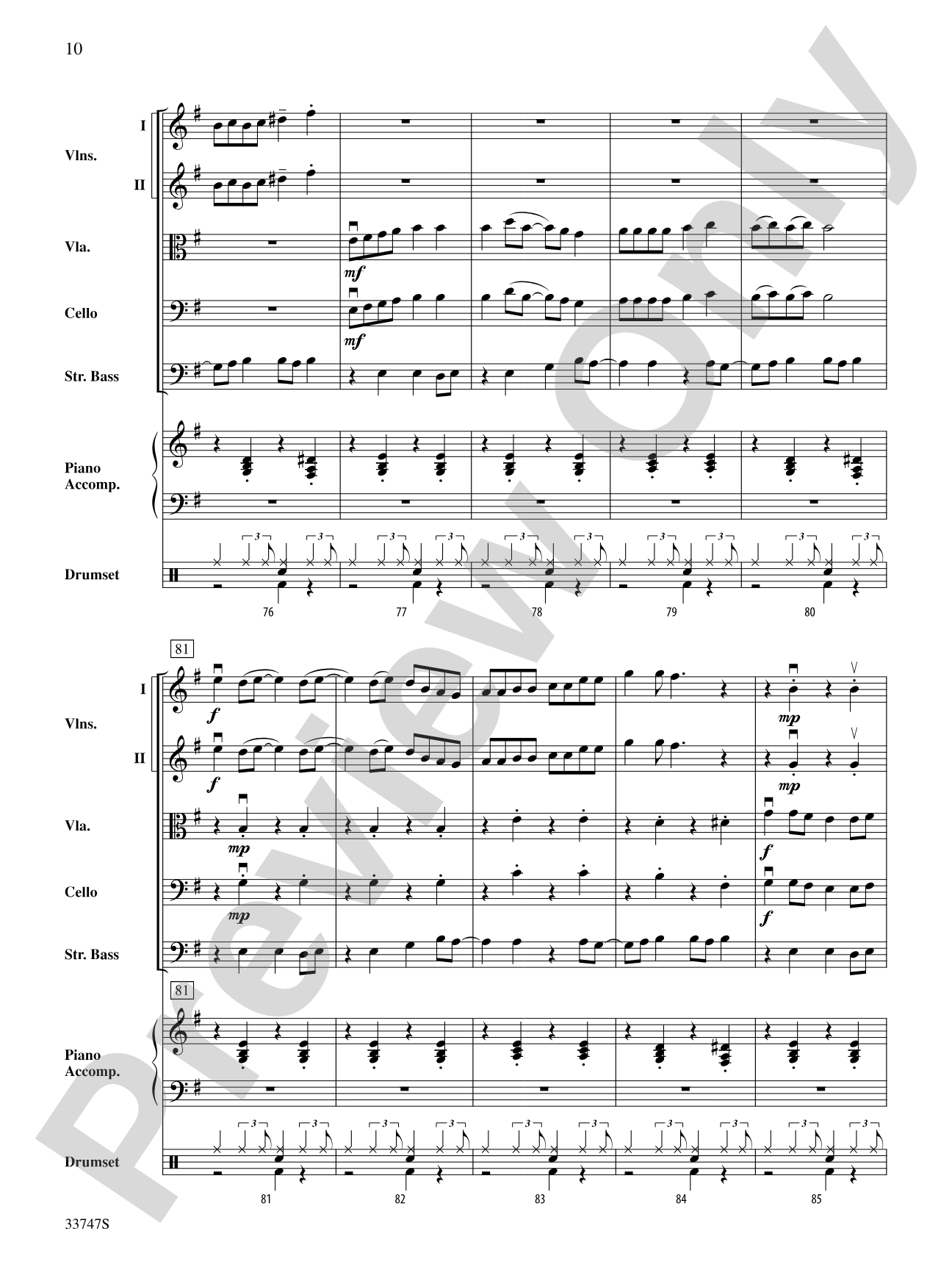
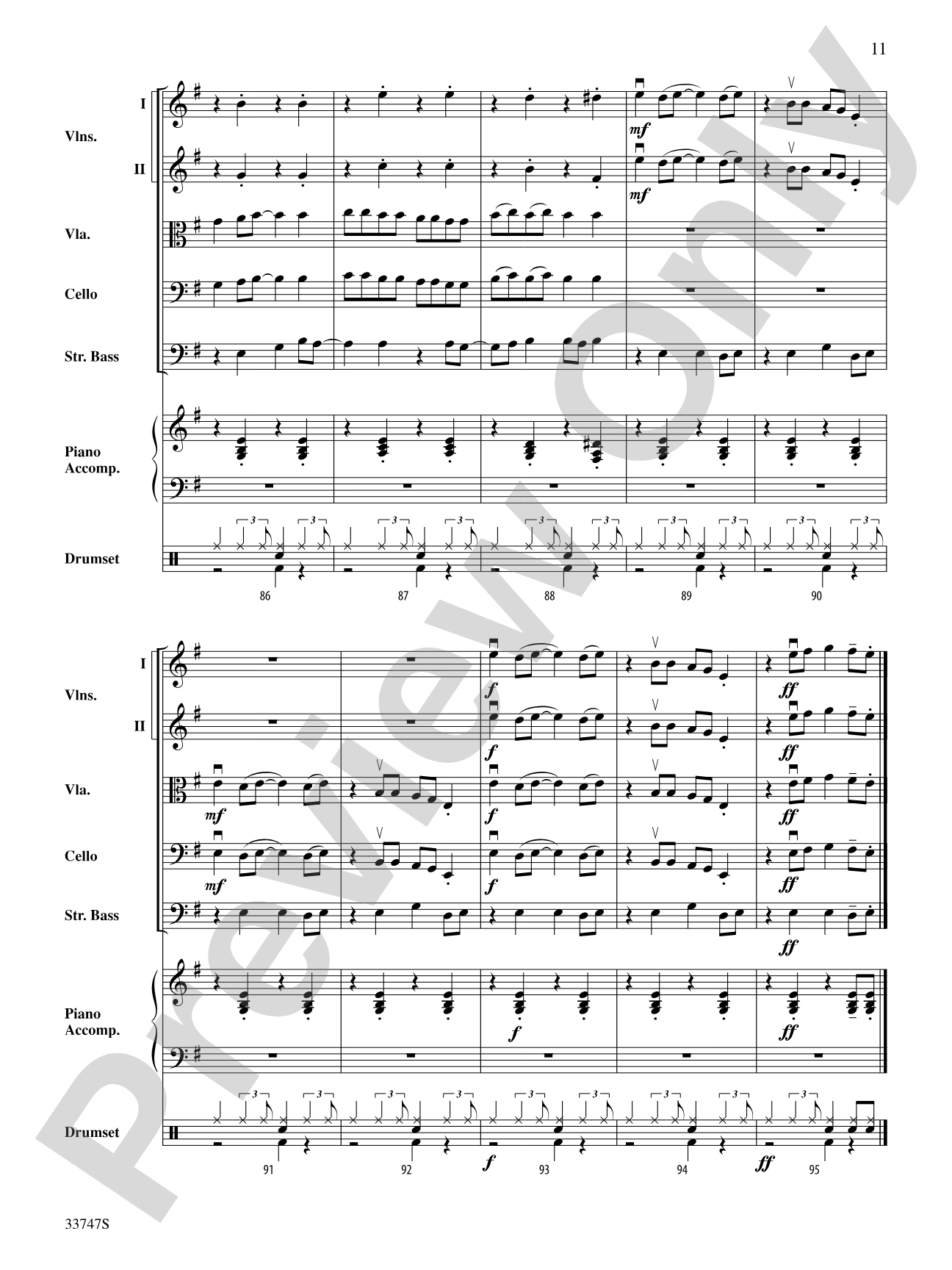


Rocksteady Reggae: Score
By Matt Turner
Grade: 2.5
Item: 00-PR-0002850
$7.00
Pickup currently not available
Description
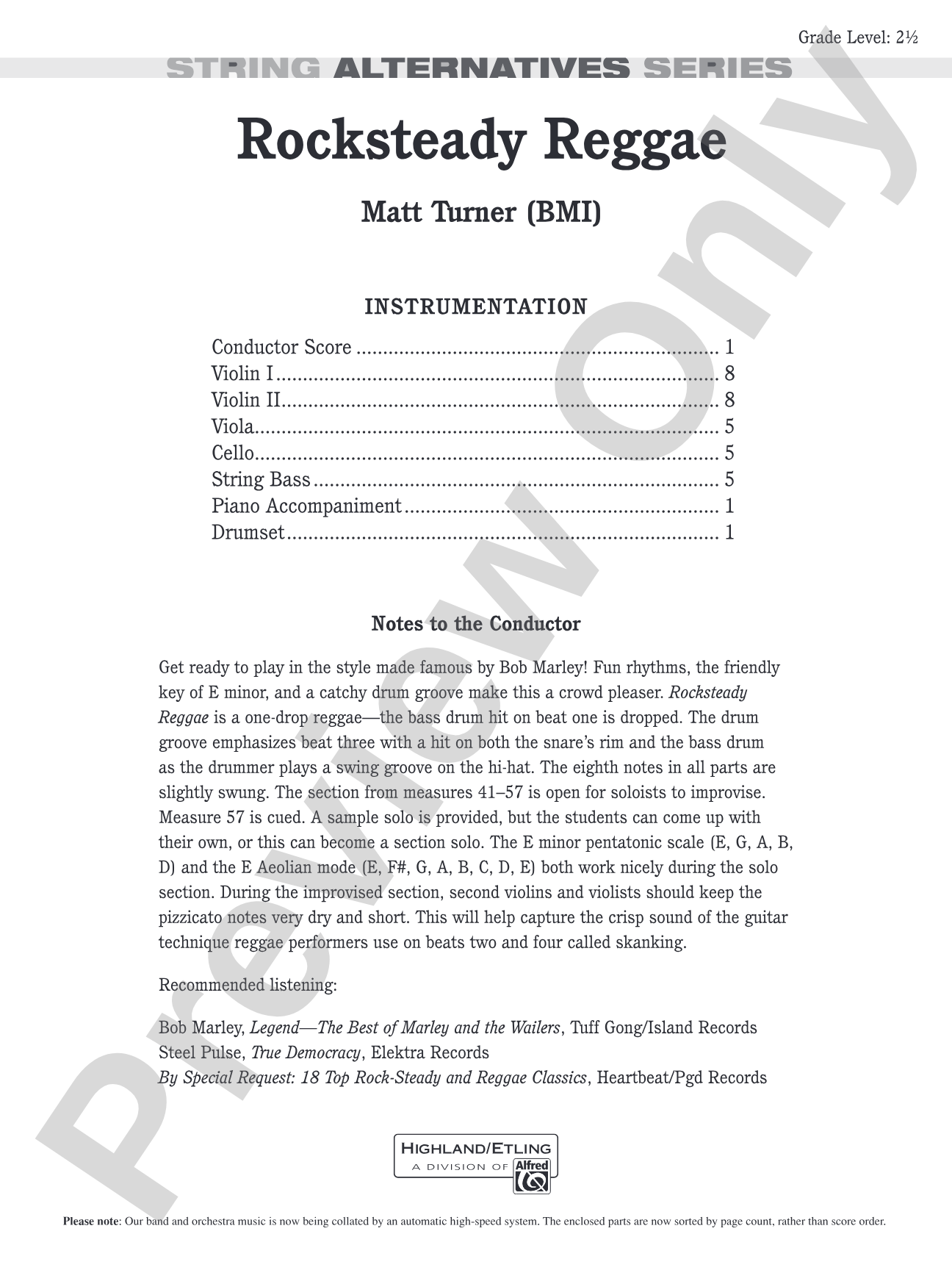
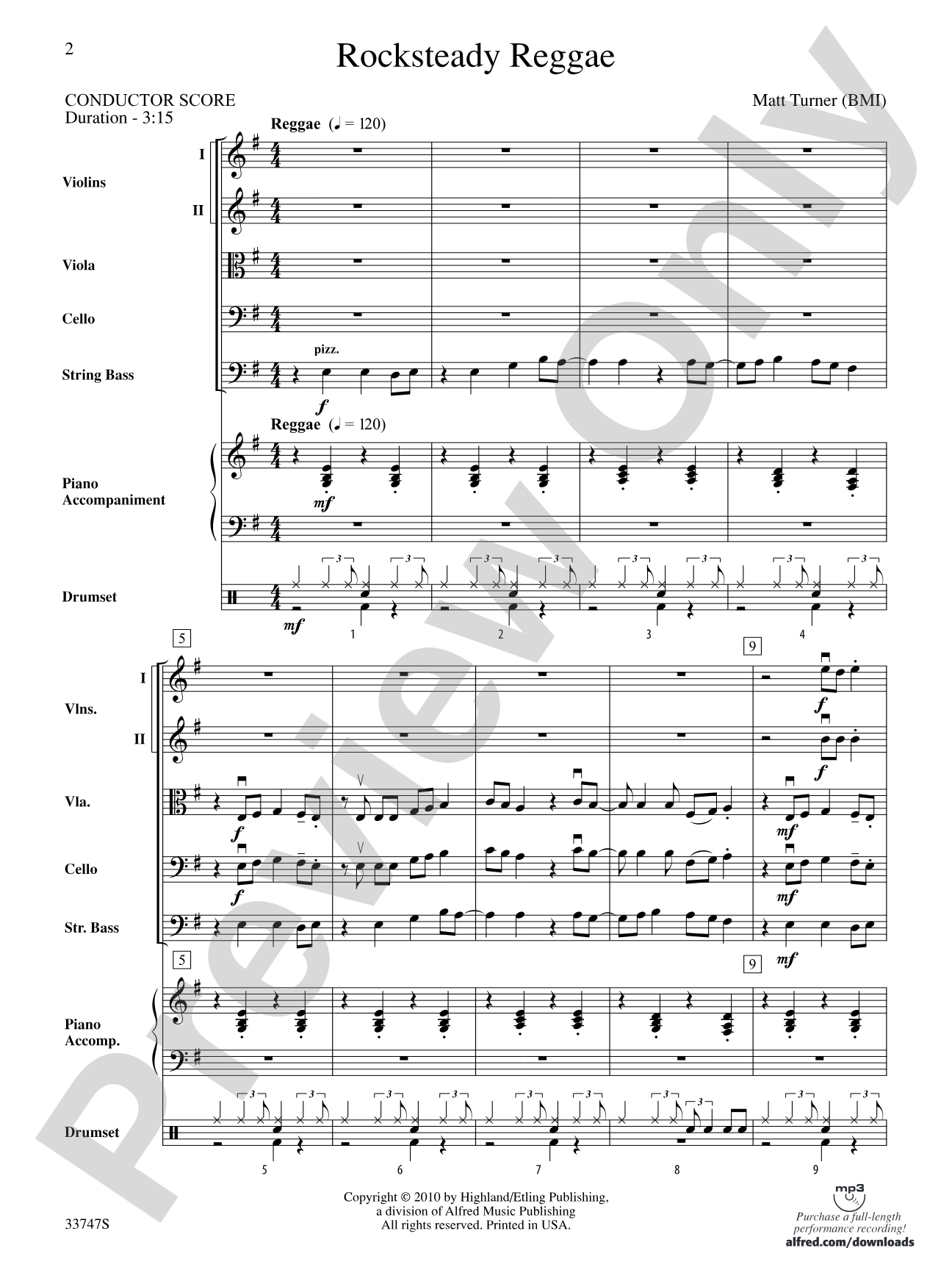
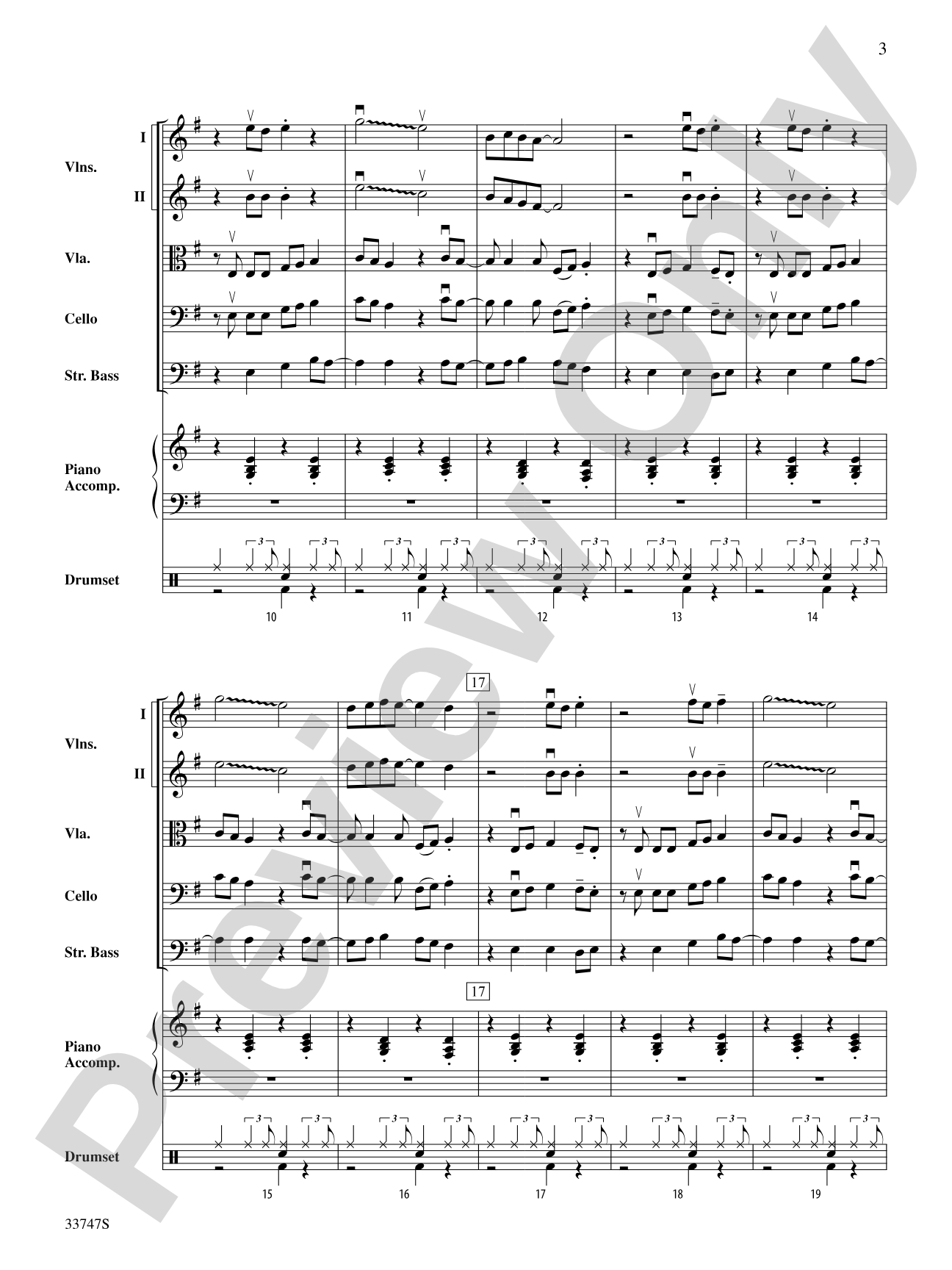
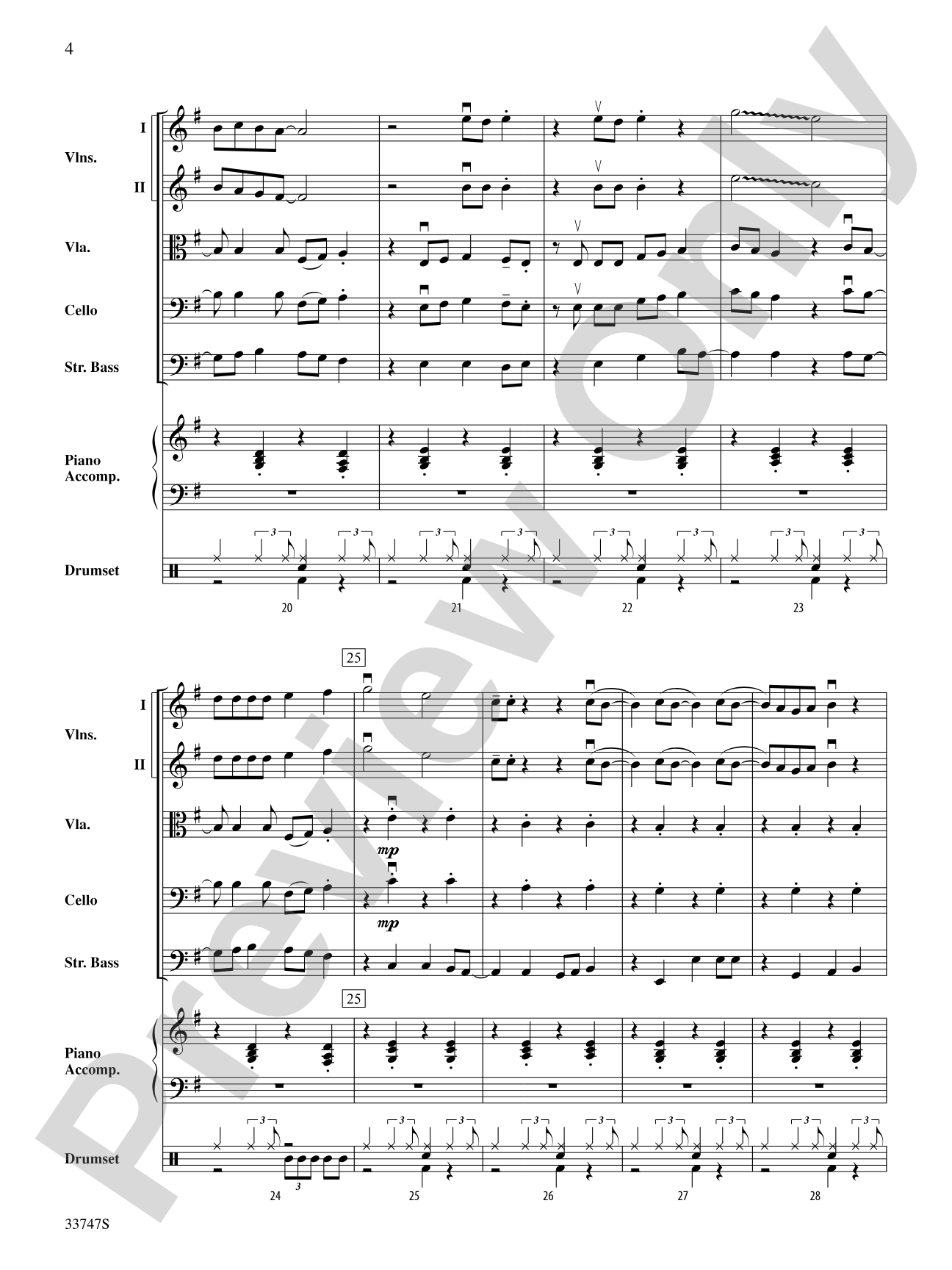
Get ready to play in the style made famous by Bob Marley! Fun rhythms, the friendly key of E minor, and a catchy drum groove make this a crowd pleaser. The improvisation section includes a solo for a single player or multiple players, but students can come up with their own.


Don't just read it, hear it, play along with it, and watch your students grow with it. In MakeMusic Cloud, Rocksteady Reggae: Score comes alive with professional accompaniment, adjustable tempo, and built-in practice tools that turn solo practice into real progress.
Open in the Player
Jump straight in and assign it today.
Start Your Free Trial
Open this title and explore the full library in minutes.
Sample Audio
1
Audio File
--:--
0:00
0:00
Sample Video
No sample videos found.
Additional Details
Series:
Highland/Etling String Alternatives
Publisher:
Alfred Music
Page Count:
130
SKU:
00-PR-0002850
More about this title
About the Composer: Matt Turner

Matt Turner is a cellist and pianist whose work spans classical, jazz, and experimental traditions. His career has included collaborations with improvisers, folk musicians, and avant-garde artists across North America, Europe, and Asia, with recordings across more than a dozen labels including Harmonia Mundi and Cadence Jazz.
Turner earned his Master of Music degree in Contemporary Improvisation from the New England Conservatory, where he studied with Dave Holland, Geri Allen, and Joe Maneri. He teaches improvisation at Lawrence University and the Renaissance School for the Arts, bringing his deep experience with cross-genre musicianship directly to students.
Why we love this
Turner writes with real knowledge of how string players actually engage with groove and swing. Rather than simplifying reggae into a generic rhythm pattern, the piece respects the pocket while keeping the orchestration accessible for Grade 2.5 players. The improvisation section is genuinely open; students aren't just playing prepared solos but making real musical choices, which shifts the piece from "fun exercise" to "real performance experience."
What to expect
Warm, propulsive, and inviting. The reggae pocket gives the piece its backbone, but Turner's orchestration keeps things light and spacious, never crowded. There's a genuine sense of ease here, the kind of feeling that makes an audience want to move with the music.
Who it's for
String orchestras at the intermediate level who want to expand beyond traditional classical repertoire without oversimplifying their musical experience. This works for ensembles that thrive on accessible, groovebased material and students who engage more deeply when they recognize a style they hear in the world outside the rehearsal room.
How to get the most out of it
- Establish the reggae pocket first by isolating the drum groove with rhythm section parts; lock that in before layering strings so students hear how the melody sits inside the rhythm, not on top of it.
- Encourage soloists during the improvisation section to listen to their ensemble mates. The solo becomes more interesting and more musical when the player responds to what's happening around them.
- Keep the feel light and conversational rather than forcing intensity. Reggae's power comes from restraint and pocket, not volume.
- Use the E minor tonality to your advantage; it sits naturally under the hands and opens space for students to listen to tone color and blend rather than struggle with fingerings.
How to use it
Pair this with a lighter classical work and a more demanding piece to create a concert set that feels complete and varied. It also serves as an excellent bridge into discussions of world music and contemporary styles, showing students that orchestra can speak in multiple languages without losing its voice.
Skills your students will build
- Executing swing eighths and reggae rhythmic figures with accuracy and feel
- Playing with ensemble groove and pocket awareness
- Improvisation within a harmonic and rhythmic structure
- Listening and responding to ensemble balance across multiple voice parts
- Articulation and phrasing choices that serve a non-classical style