


Rockin' 67 Blues: String Orchestra Conductor Score & Parts
By Bob Phillips
Grade: 3
Item: 00-PK-0008236

$60.00
Pickup currently not available
Buy Extra Parts (Digital PDF Download)
| Product | Price | Quantity |
|---|---|---|
| Rockin' 67 Blues: Score | $9.00 | |
| Rockin' 67 Blues: 1st Violin | $3.00 | |
| Rockin' 67 Blues: 2nd Violin | $3.00 | |
| Rockin' 67 Blues: Viola | $3.00 | |
| Rockin' 67 Blues: Cello | $3.00 | |
| Rockin' 67 Blues: String Bass | $3.00 | |
| Rockin' 67 Blues: Drums | $3.00 |
Parts Added to Cart!
Description
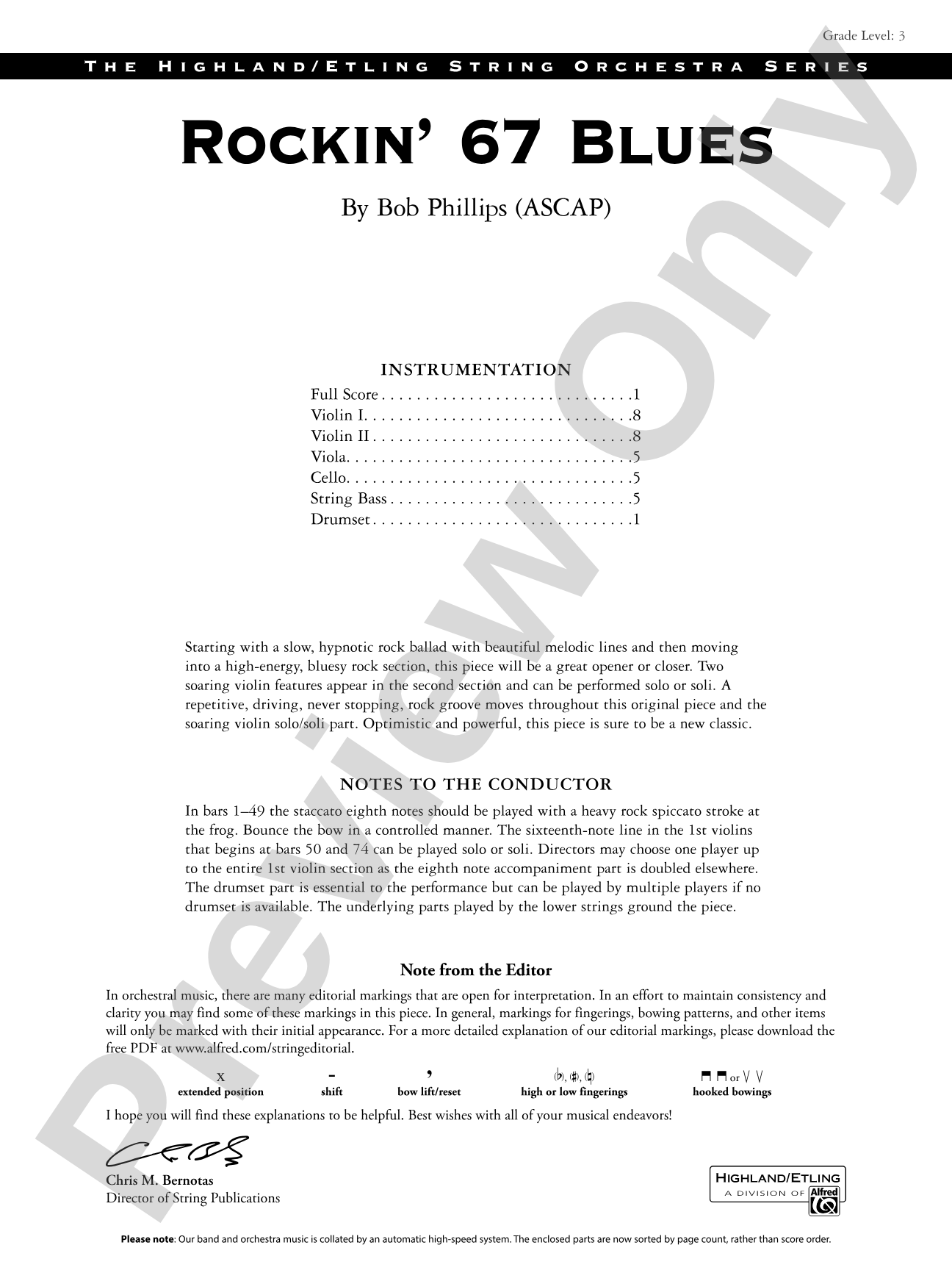
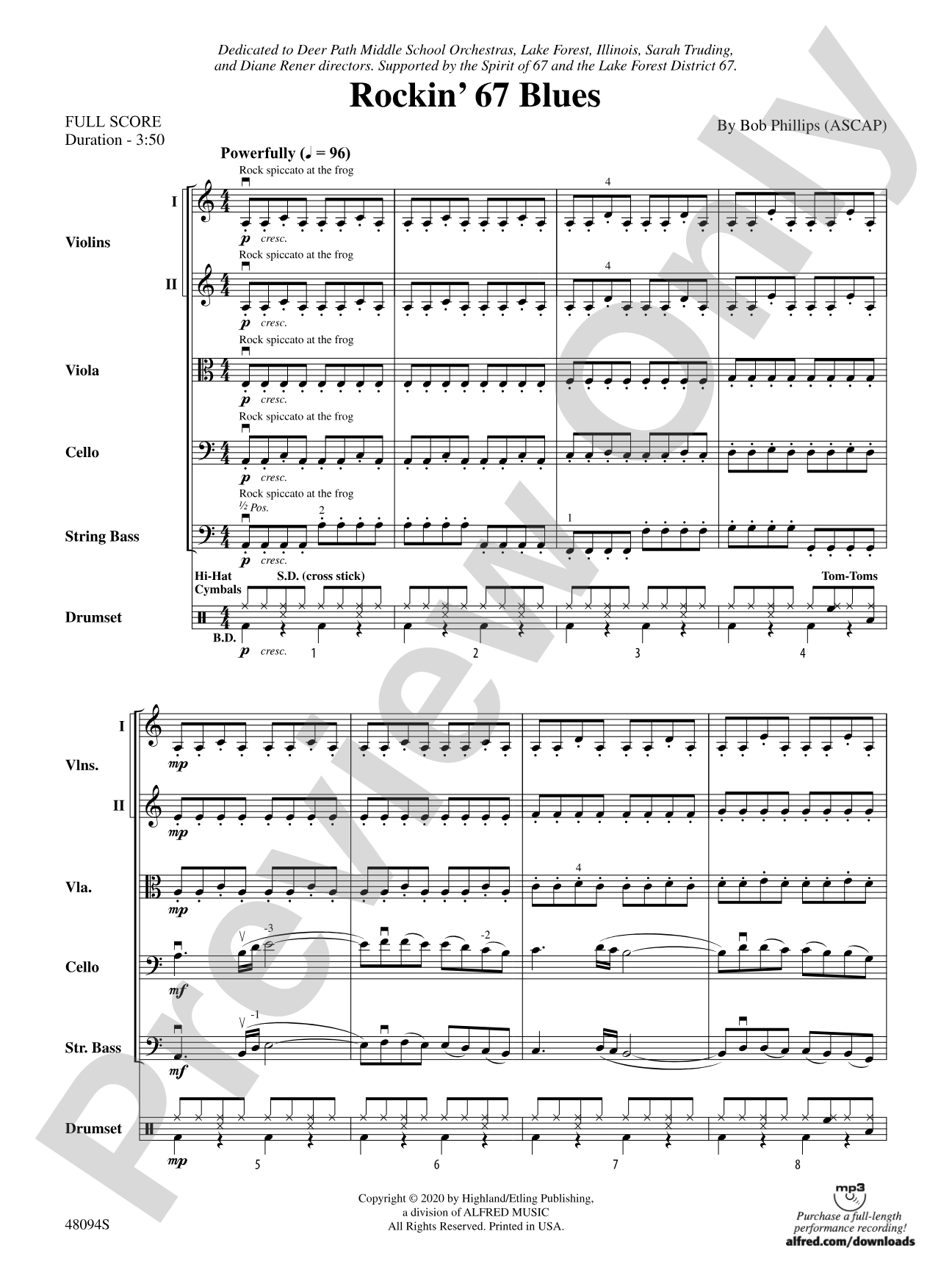
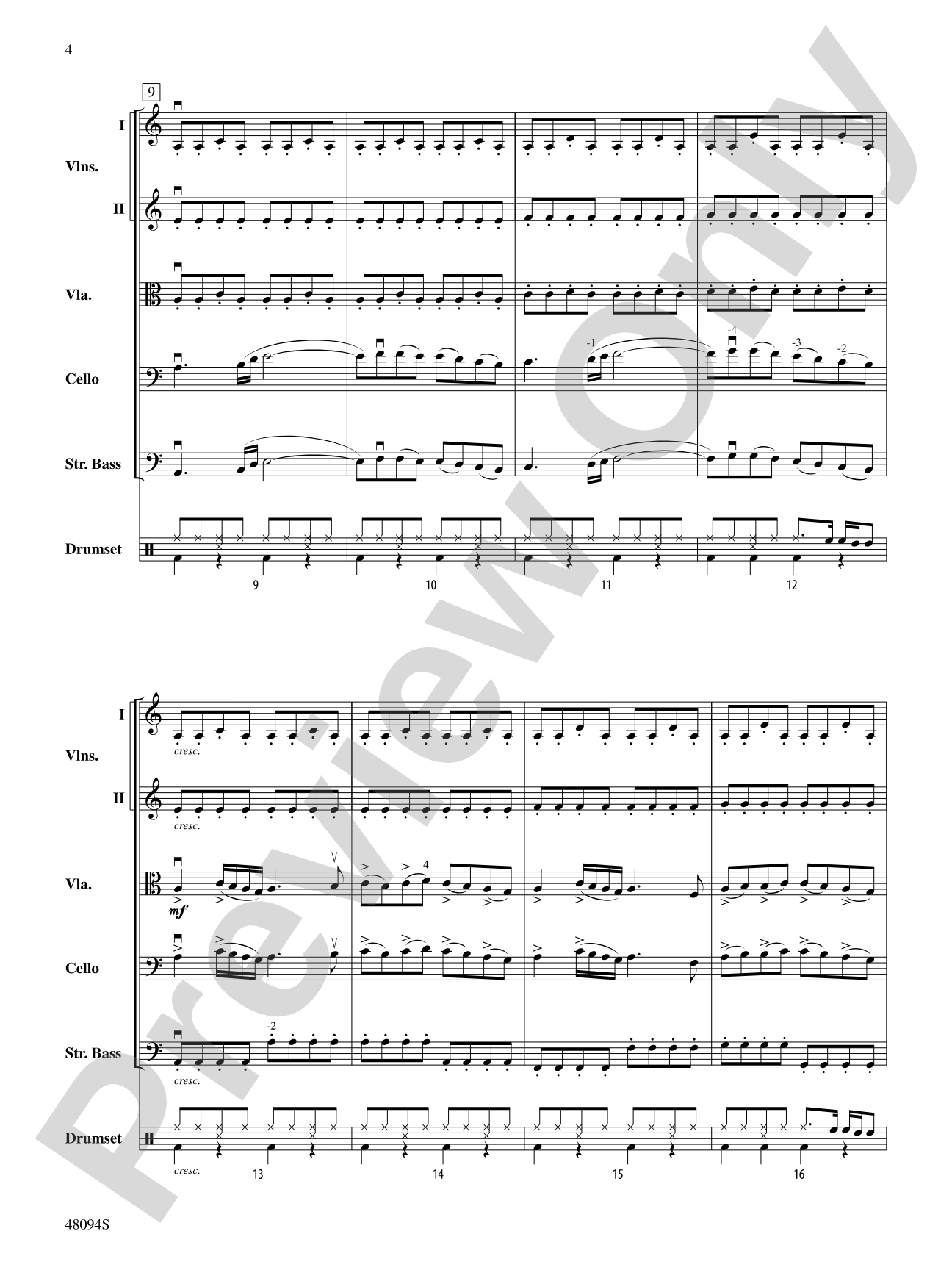
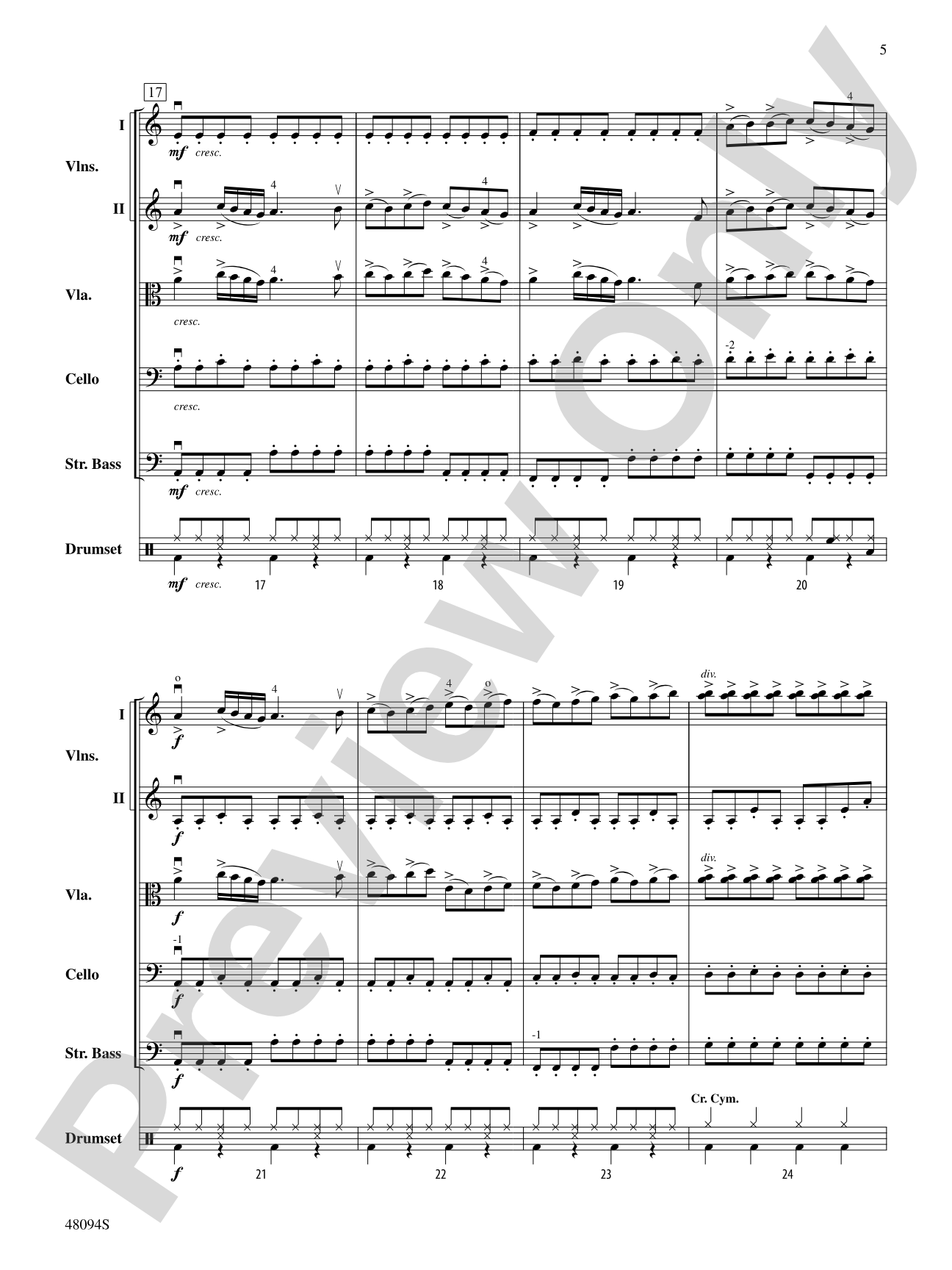
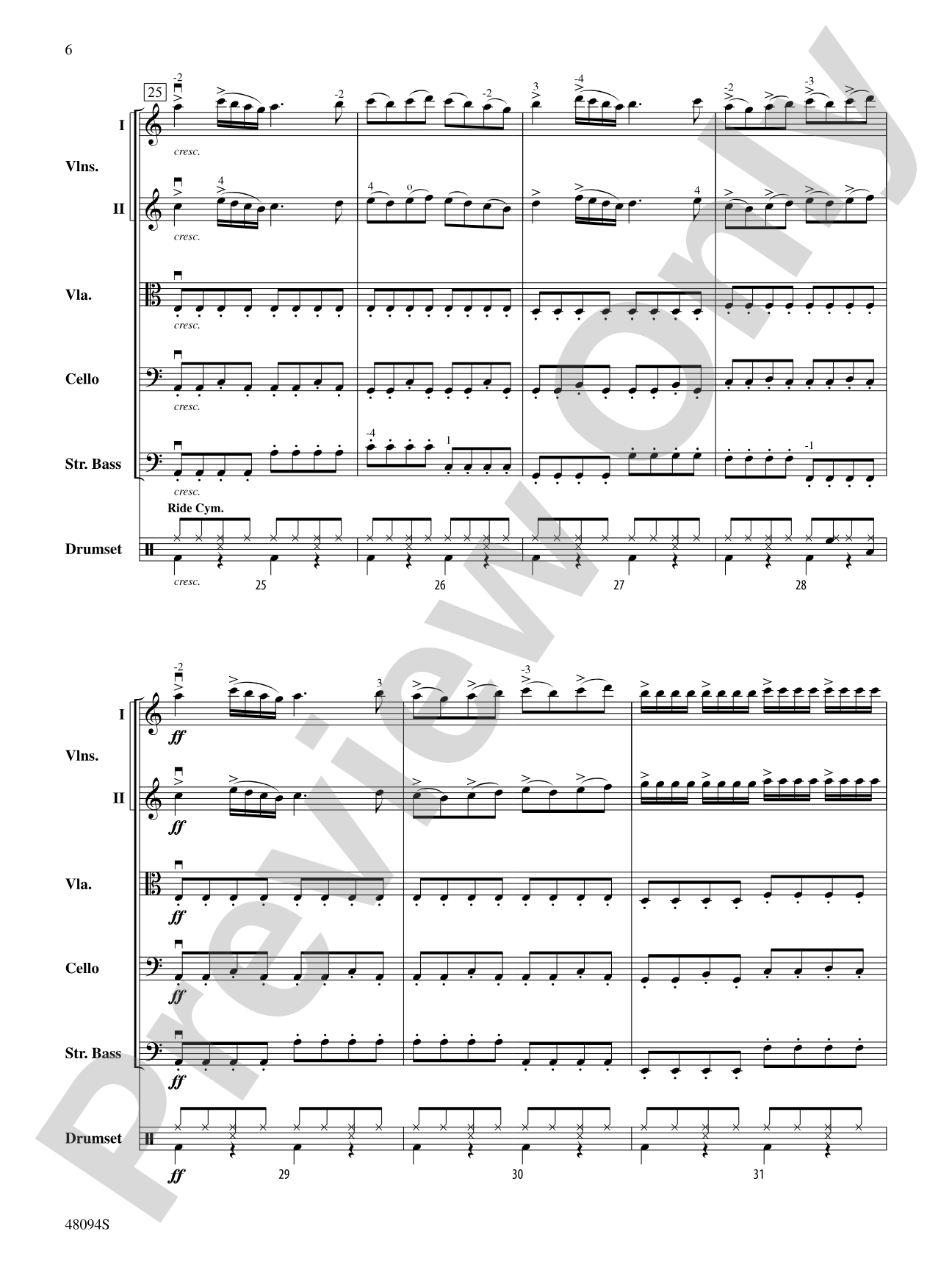
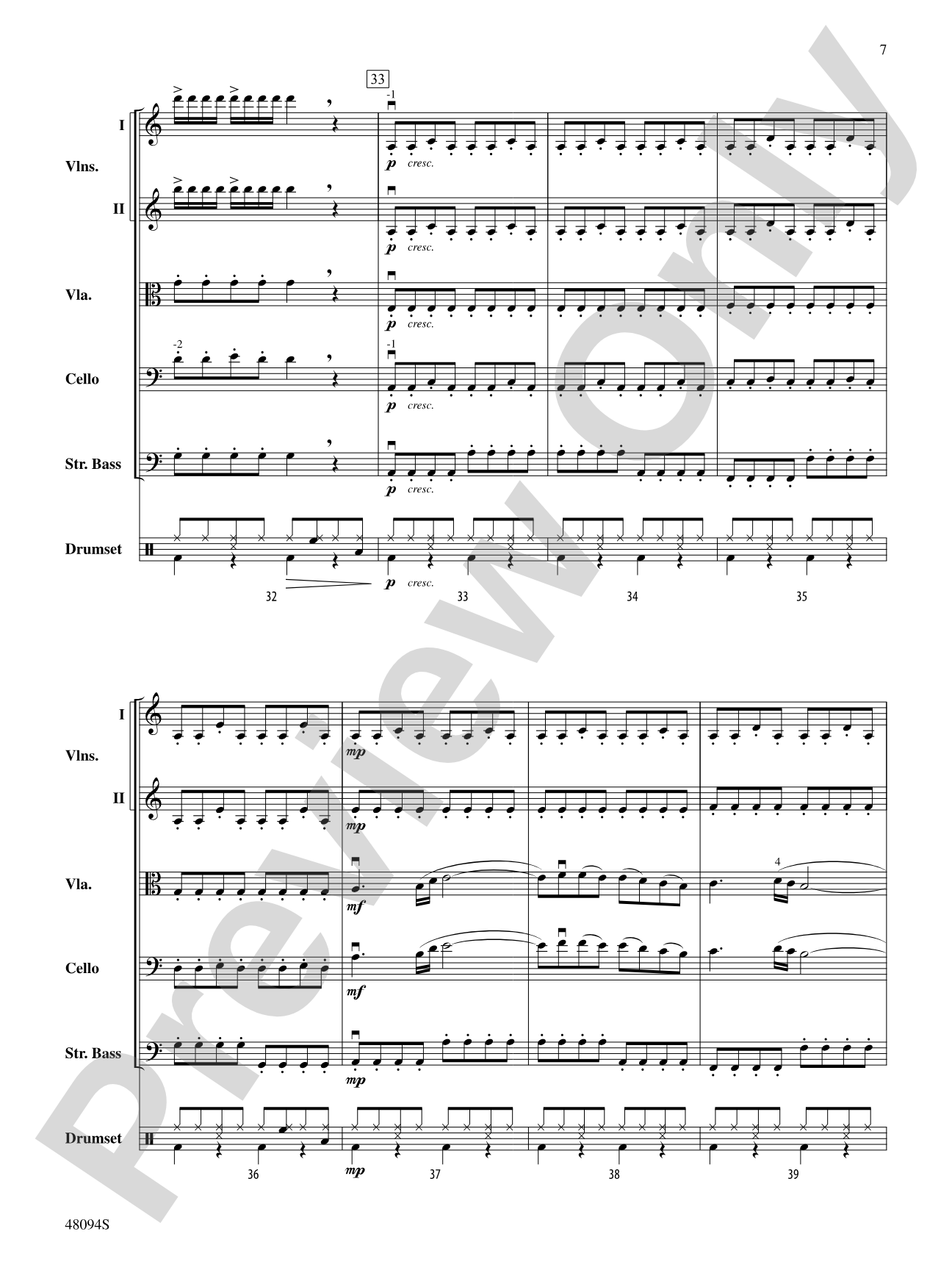
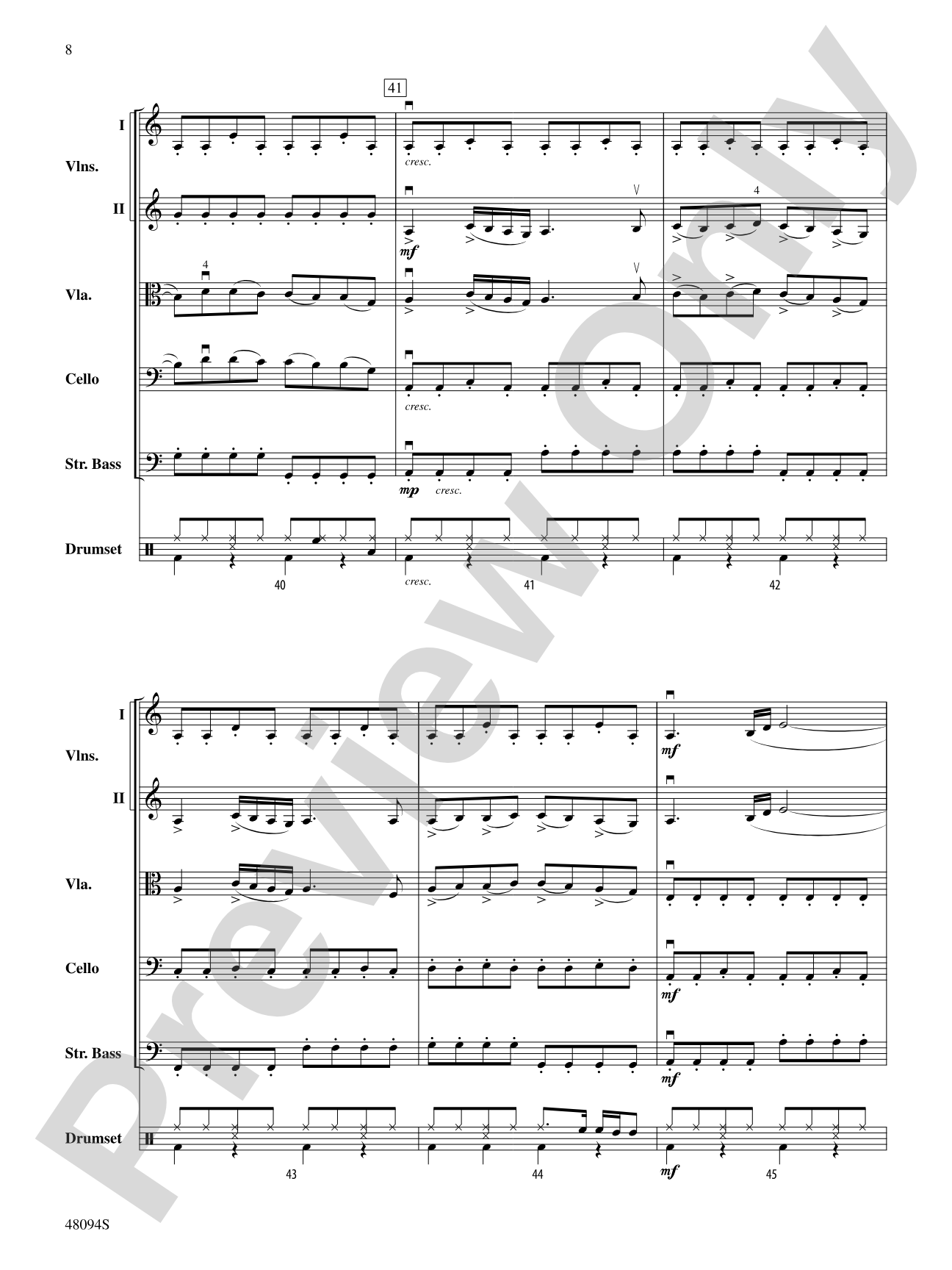
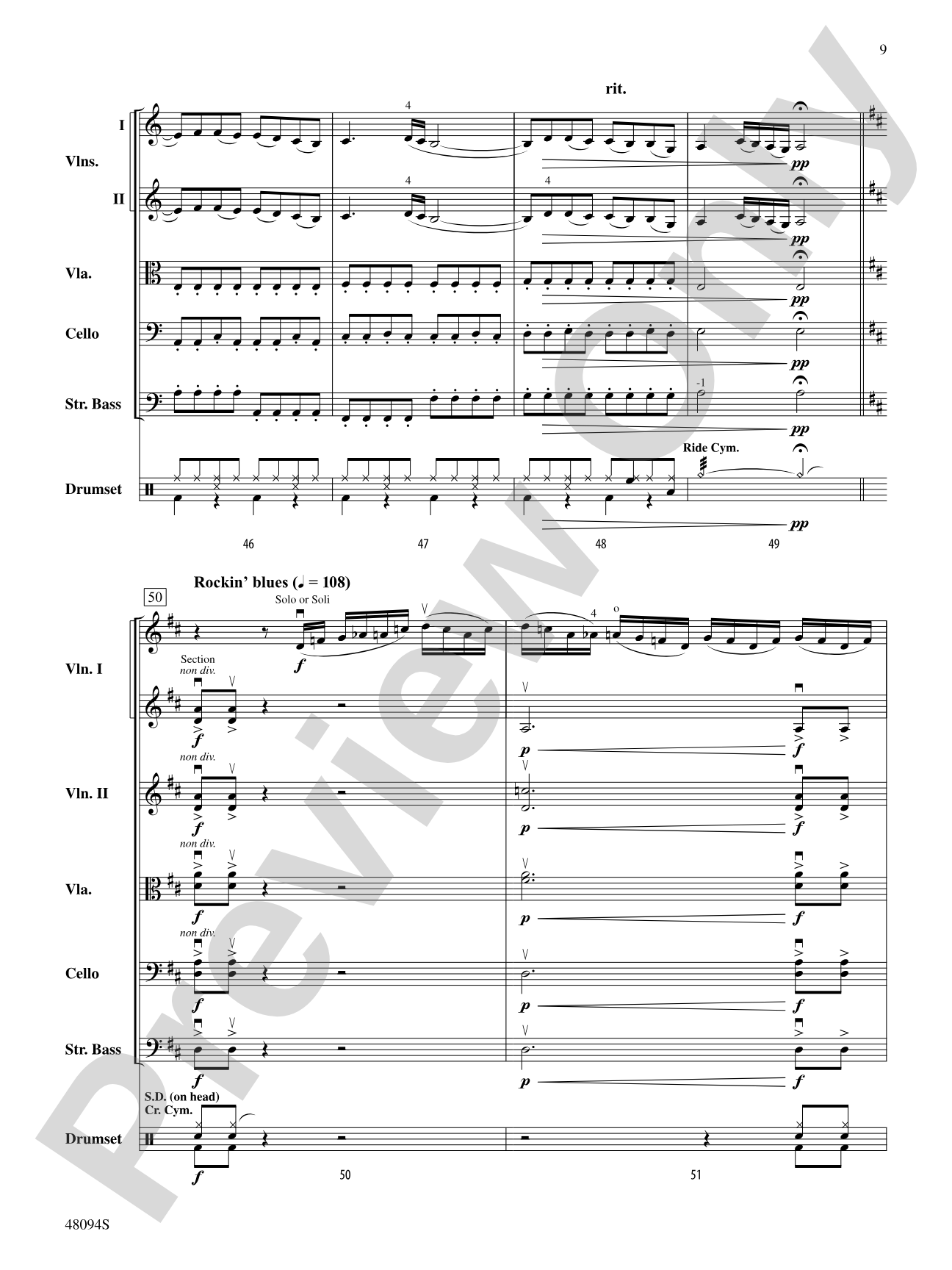
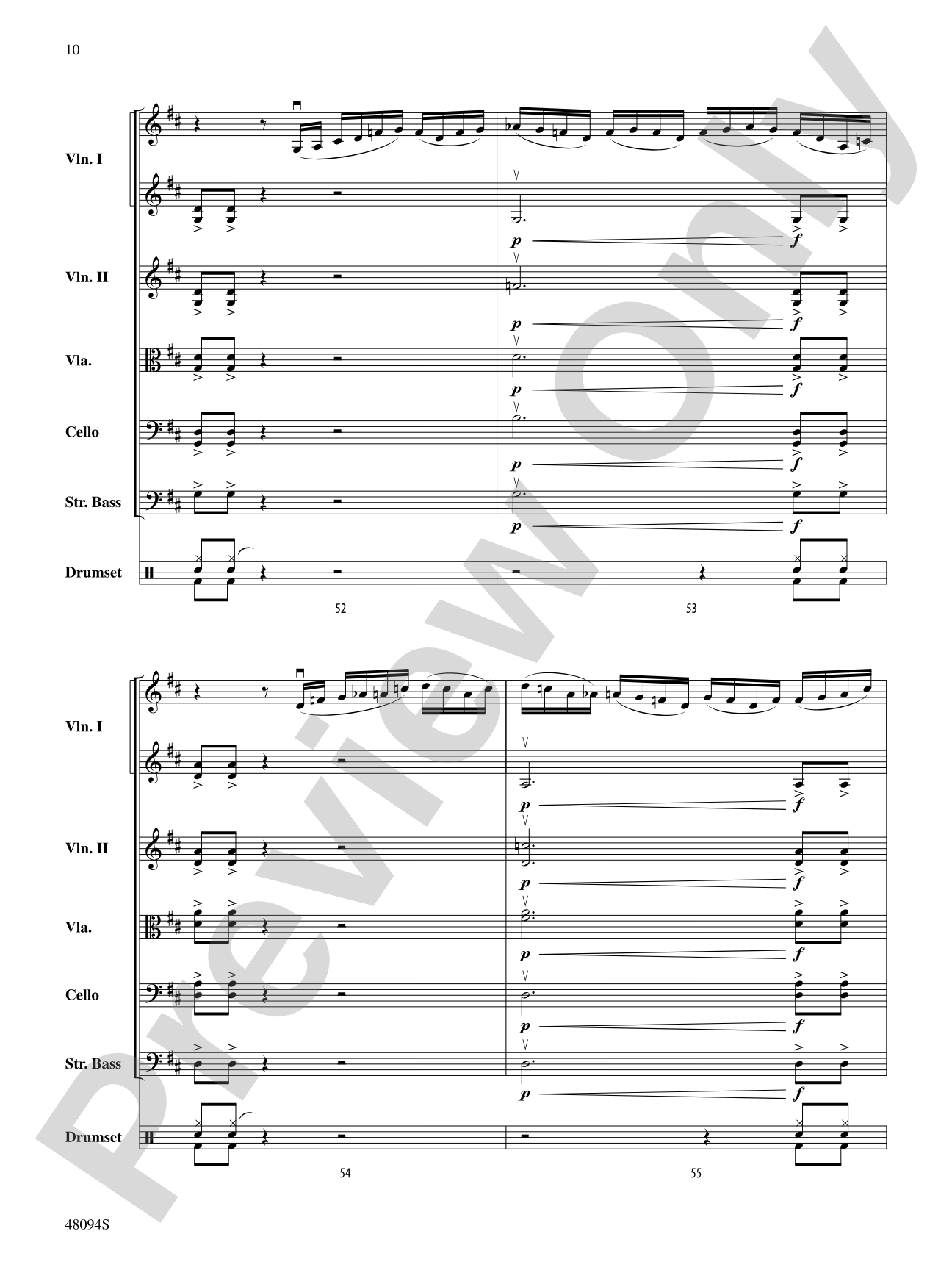
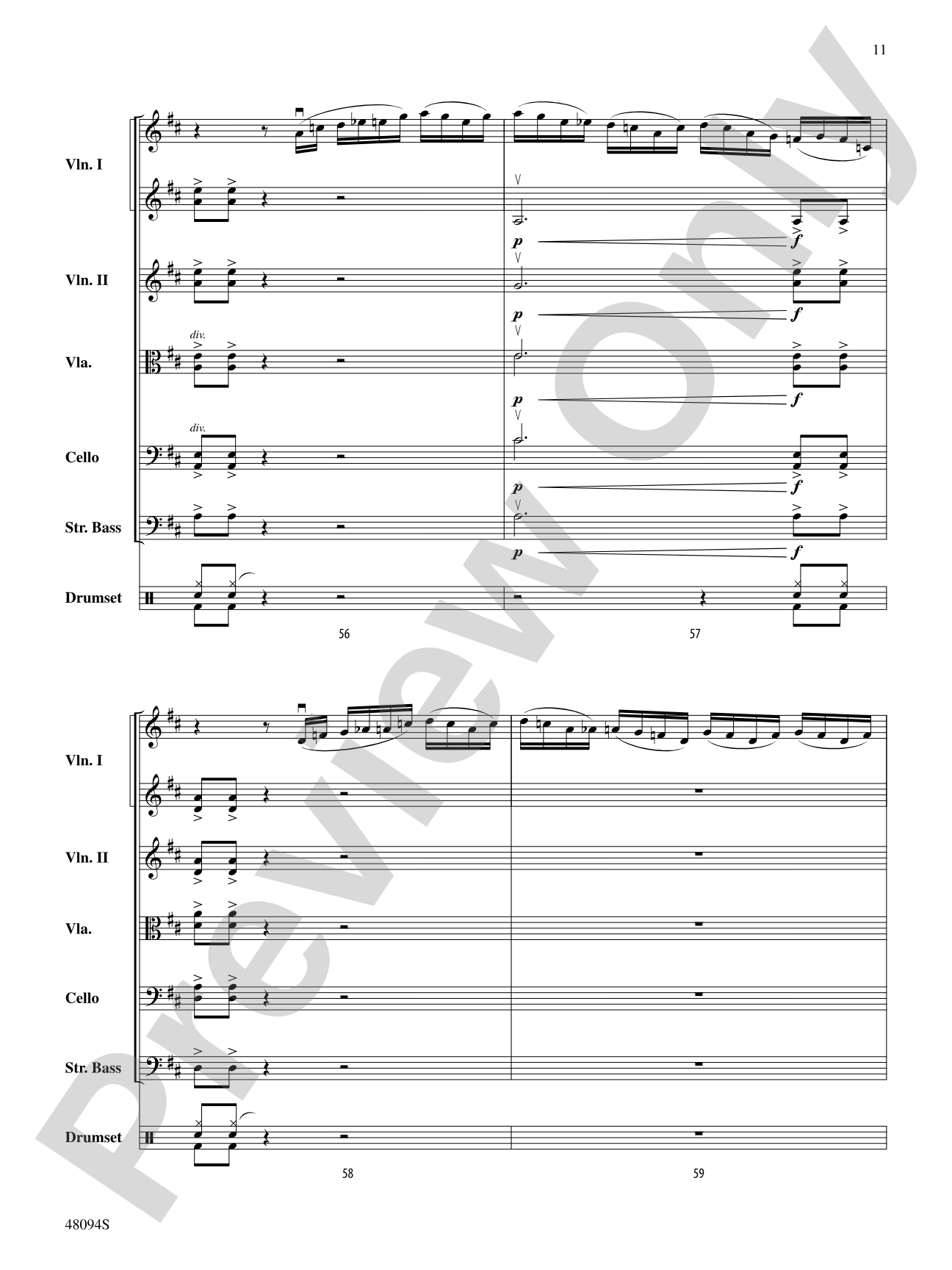
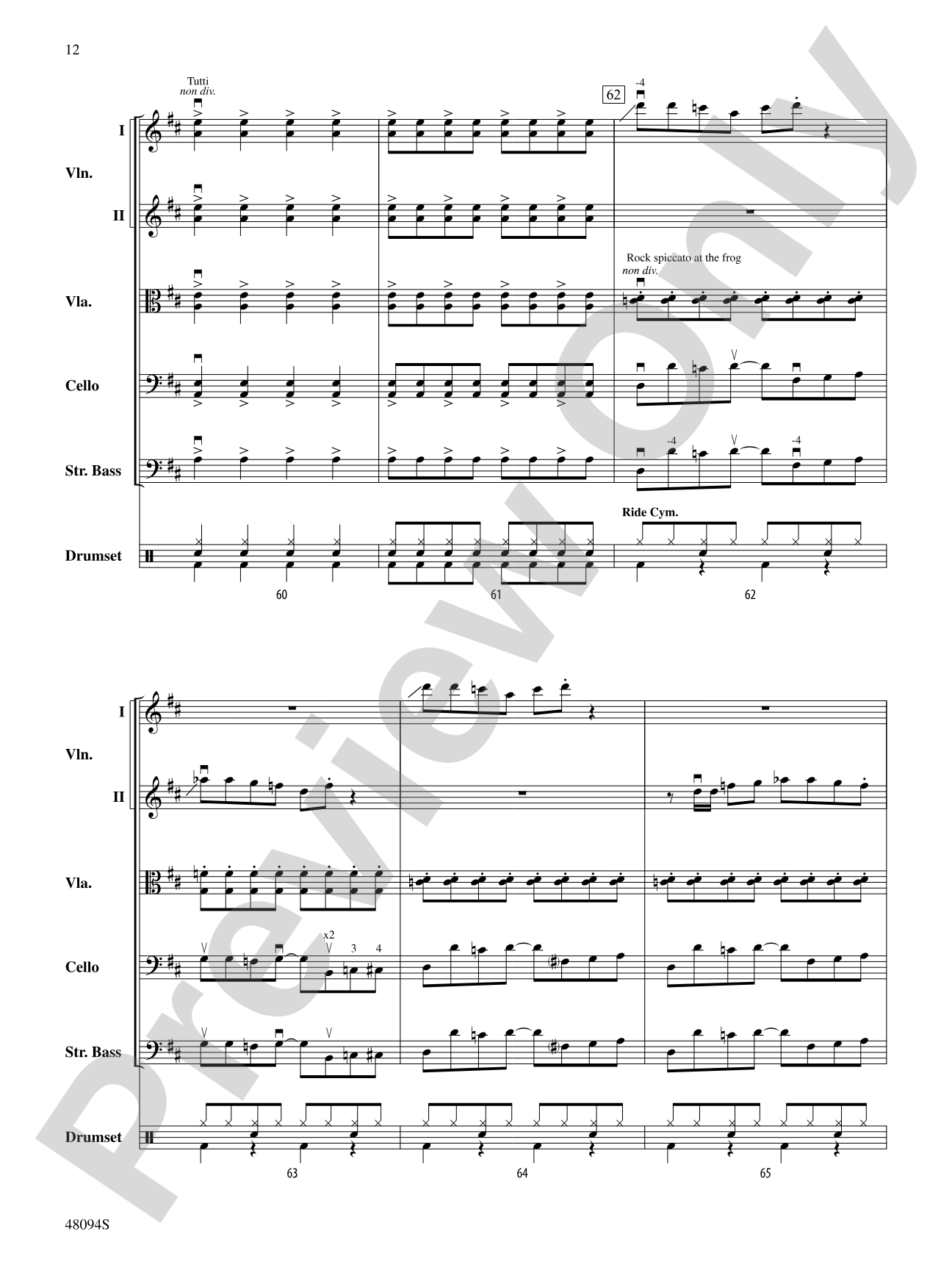
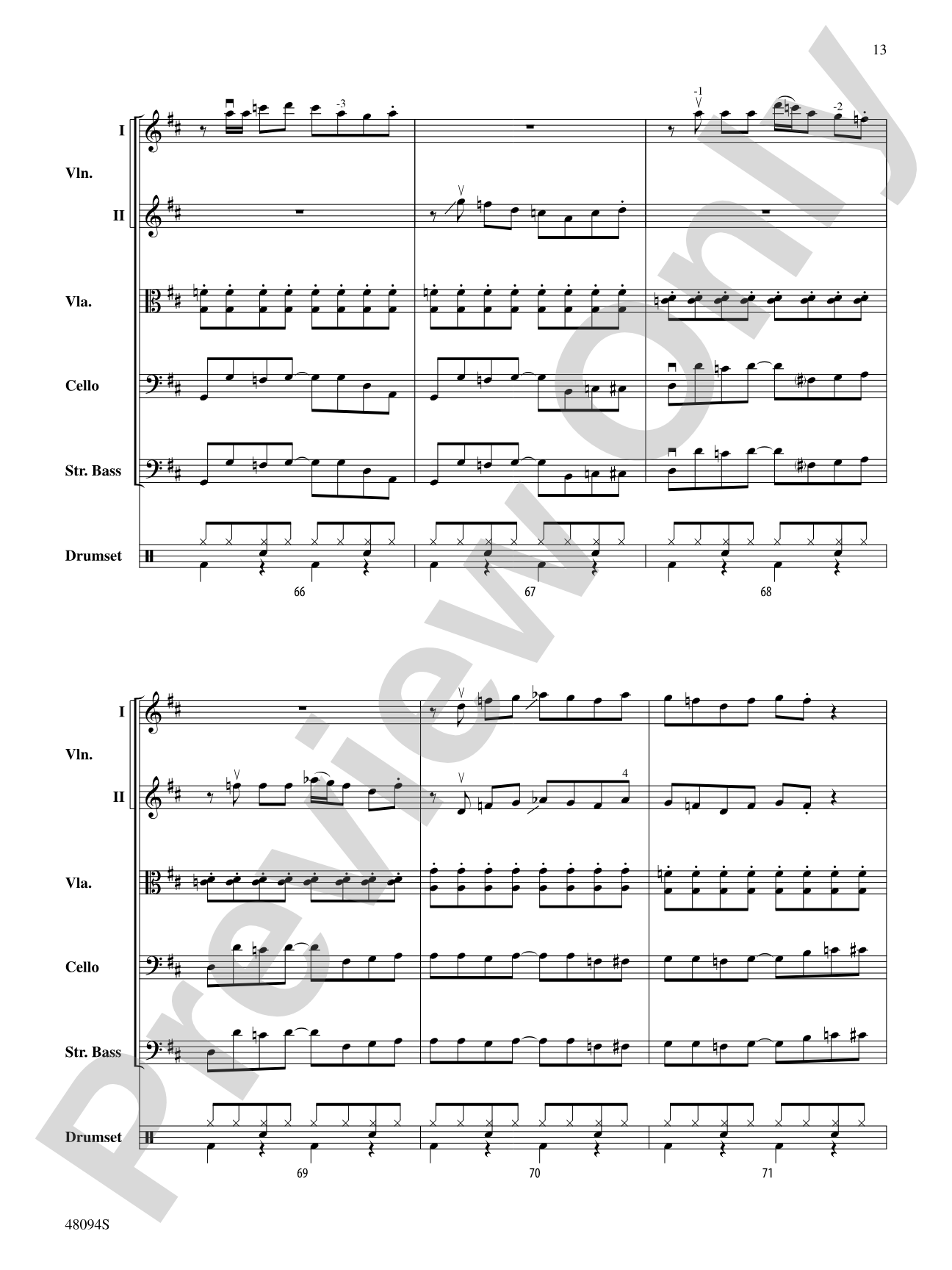
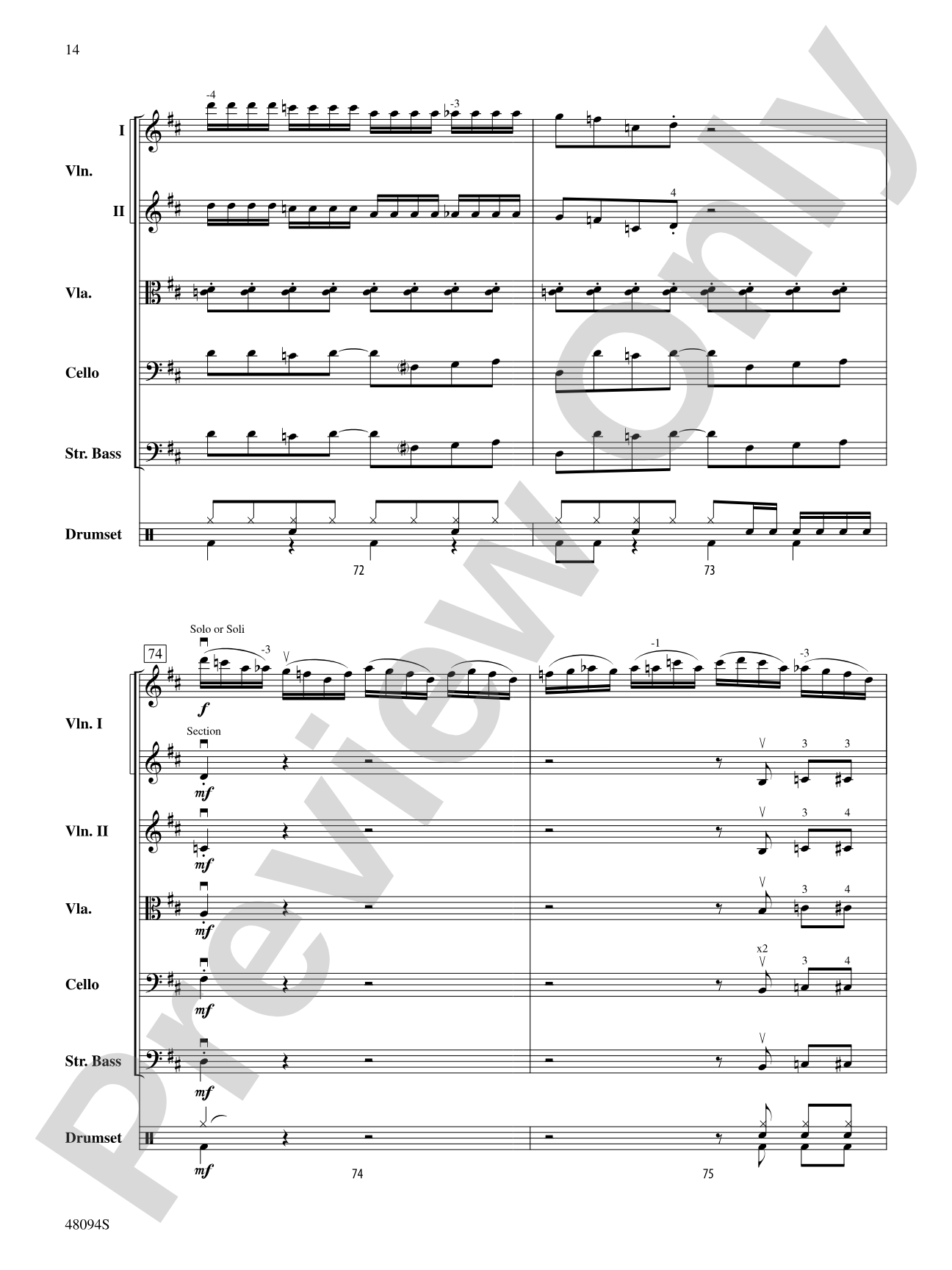
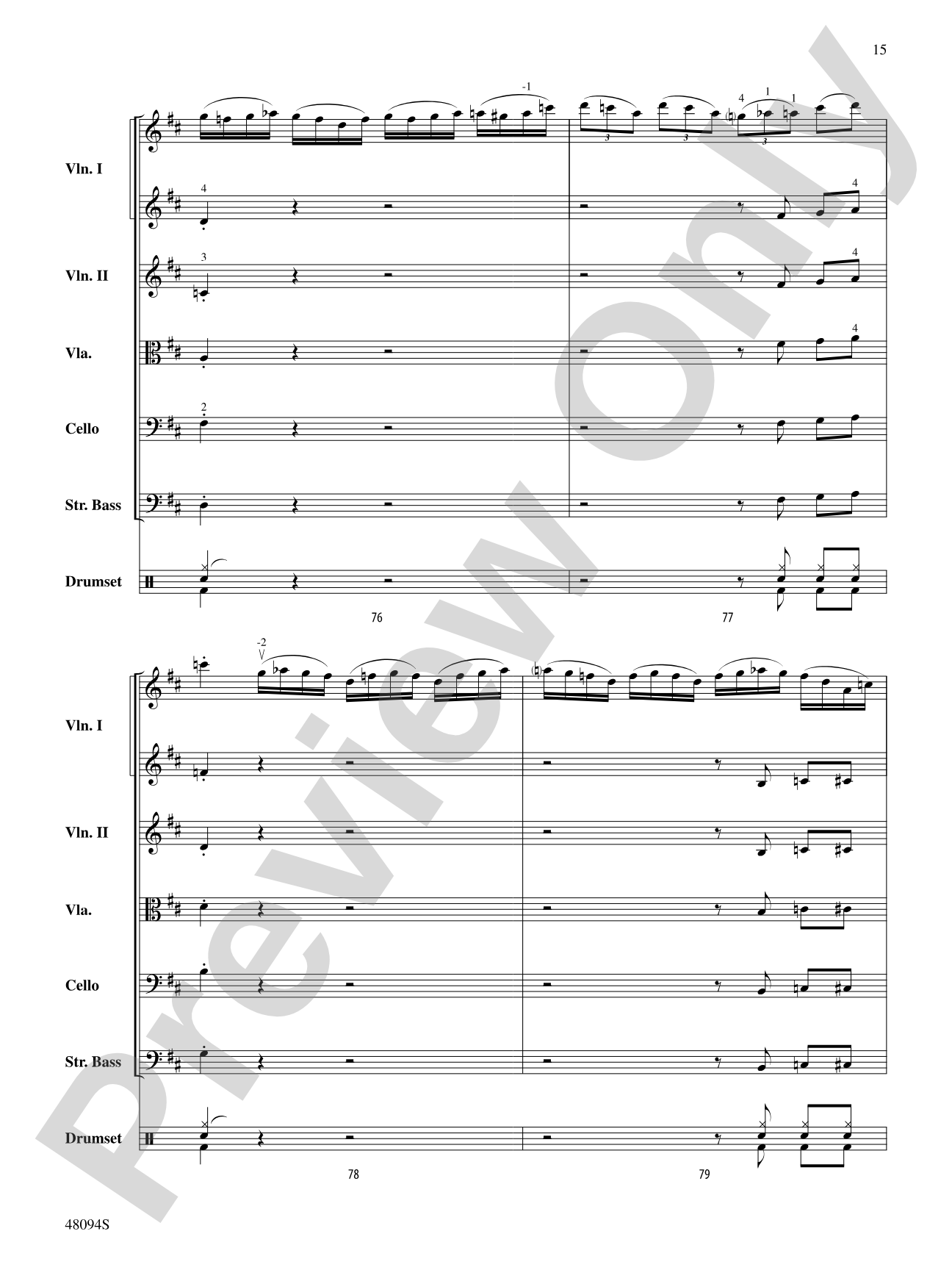
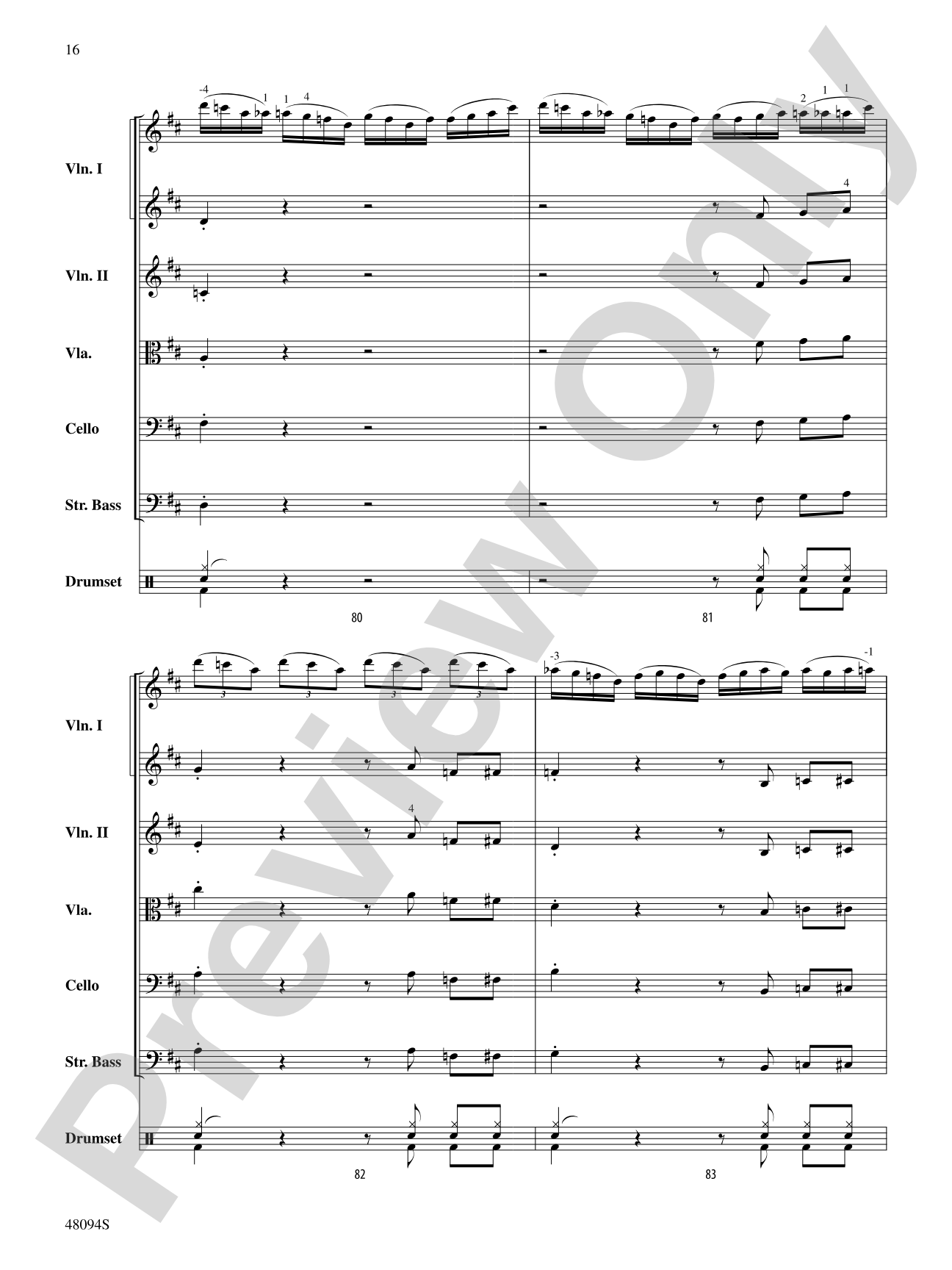
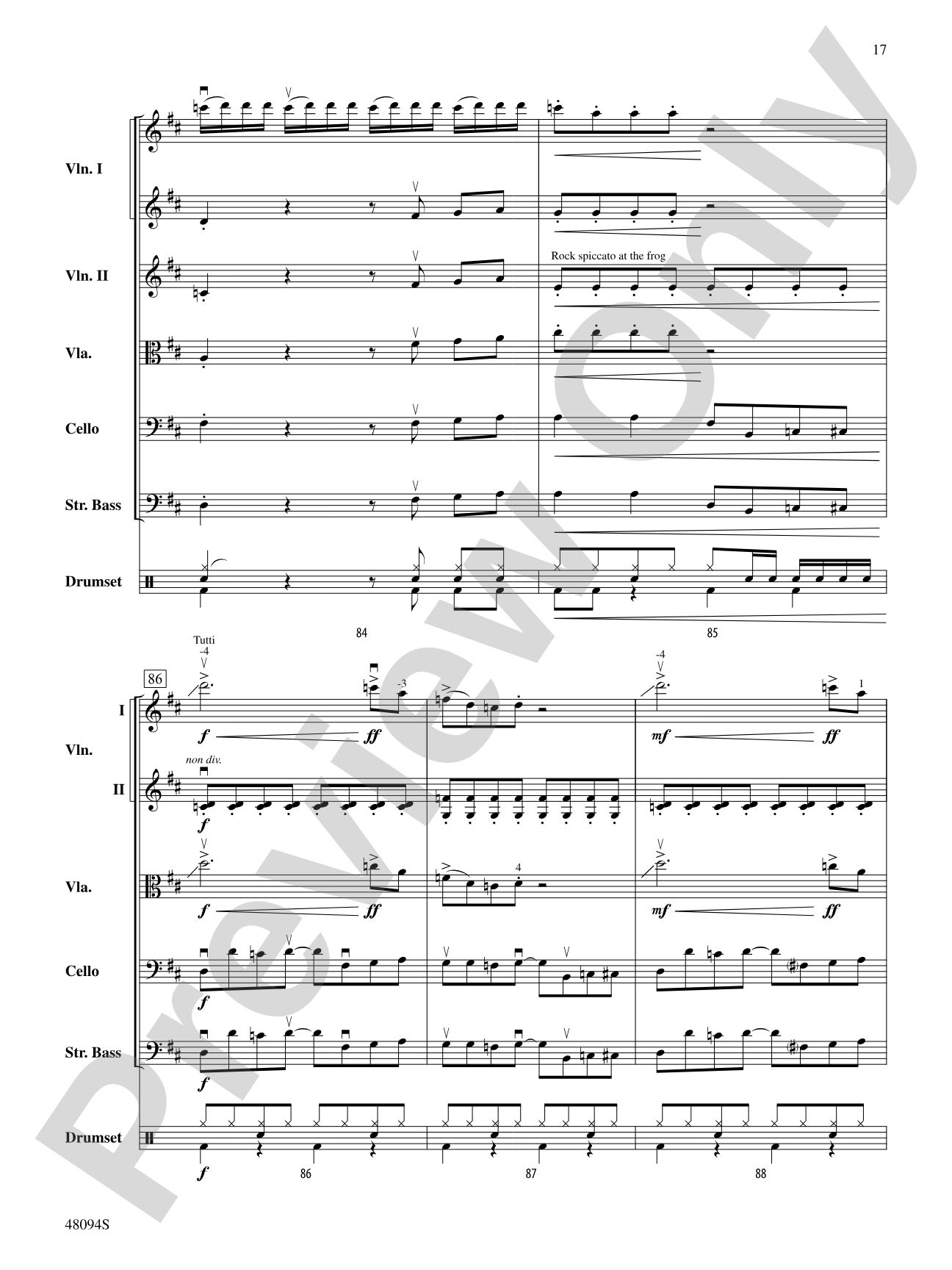
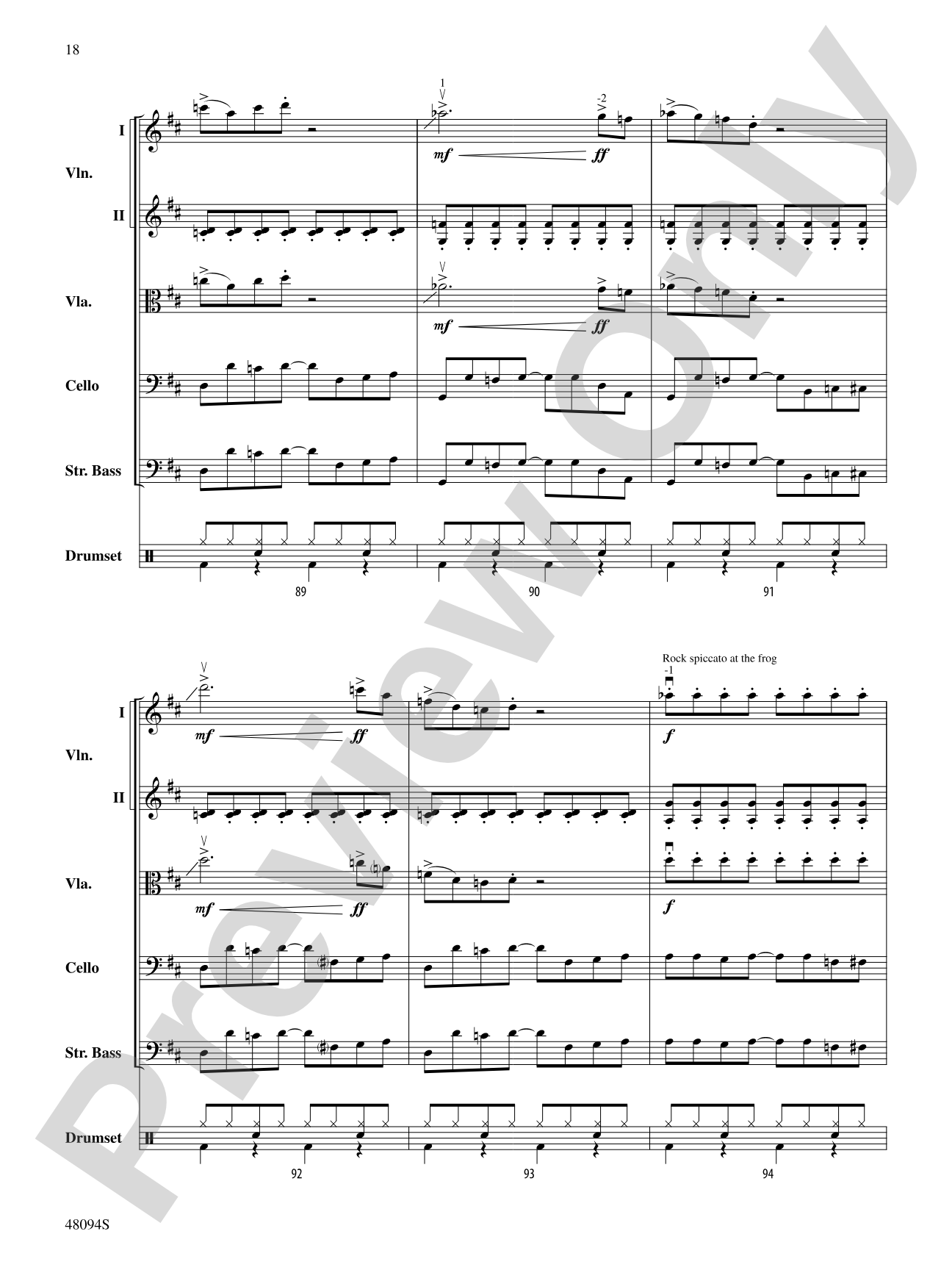
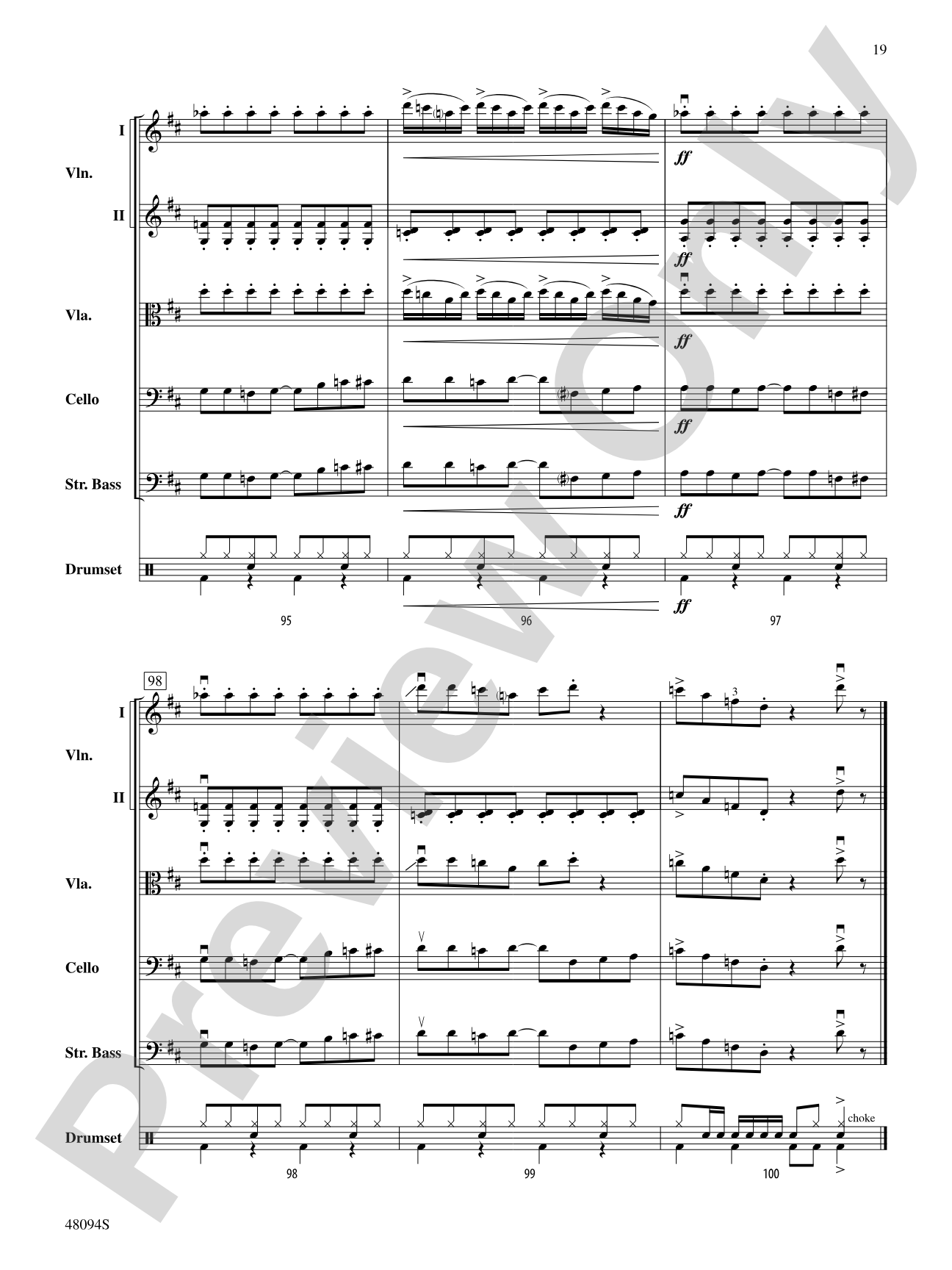
Starting with a slow, hypnotic rock ballad with beautiful melodic lines and then moving into a high-energy, bluesy Rock section, this piece by Bob Phillips will be a great opener or closer. Two soaring violin features appear in the second section and can be performed solo or soli. A repetitive, driving, never-stopping rock groove moves throughout this original piece and the soaring violin solo/soli part. Optimistic and powerful, Rockin' 67 Blues is sure to be a new classic. (3:50) This title is available in MakeMusic Cloud.


Don't just read it, hear it, play along with it, and watch your students grow with it. In MakeMusic Cloud, Rockin' 67 Blues: String Orchestra Conductor Score & Parts comes alive with professional accompaniment, adjustable tempo, and built-in practice tools that turn solo practice into real progress.
Open in the Player
Jump straight in and assign it today.
Start Your Free Trial
Open this title and explore the full library in minutes.
Sample Audio
1
Audio File
--:--
0:00
0:00
Sample Video
Additional Details
Series:
Highland/Etling String Orchestra
Publisher:
Alfred Music
Page Count:
128
SKU:
00-PK-0008236
More about this title
About the Composer: Bob Phillips

Bob Phillips (b. 1953) has shaped string education through his prolific work as a composer, pedagogue, and conductor. Over the past several decades, he has authored more than 25 book series and published over 200 orchestral and band works, earning recognition as an ASCAP award-winning composer whose pieces are performed regularly at the Midwest Clinic.
For 27 years, Phillips built a 700-student string program in Saline, Michigan that became a national model for both classical and eclectic repertoire. Beyond the classroom, he founded the Saline Fiddlers Philharmonic, which gained international recognition and performed at venues including the White House. He has served as resident conductor for the Wintergrass Festival and guest conductor for honors orchestras and all-state ensembles across the country.
Why we love this
Phillips brings a sure hand to blending rock vernacular with string writing that sits naturally for players at this level. The two-section architecture gives you a real programming tool: use the ballad section to showcase lyricism, then pivot into a groove-based closer that leaves audiences energized without requiring advanced technical chops.
What to expect
The piece opens with moody hypnotic restraint, building atmosphere through sustained harmonies and gentle melodic contours. Once the rock section ignites, it transforms into something propulsive and confident; the violin lines soar above a relentless, propulsive rhythm that feels contemporary without abandoning the warmth of acoustic strings.
Who it's for
String orchestras in grades 3-4 who are ready to expand beyond traditional classical repertoire. This works equally well for ensembles seeking a concert opener or closer and for directors wanting to engage students through contemporary rock idioms without oversimplifying the writing.
How to get the most out of it
- Lock the accompaniment figures (viola and cello) into the rock pulse early in rehearsal; this groove anchors the soaring violin lines and prevents the piece from feeling loose.
- The violin features in the second section can be divided between two players or taken as a unison soli passage. Experiment both ways in rehearsal to determine which suits your ensemble's strengths.
- Lean into the repetitive rock rhythm rather than fighting it. This is where string players can discover the satisfaction of driving a groove, not just decorating one.
How to use it
Program this as a closing number on a concert mixing classical and contemporary repertoire. The ballad opening pairs well with lyrical classical selections, while the rock section gives you a high-energy finale. Alternately, use it as an unexpected opener to signal that your orchestra is comfortable across multiple musical worlds.
Skills your students will build
- Sustaining long melodic lines over rhythmic accompaniment patterns
- Executing and maintaining a driving rock groove across multiple sections
- Balancing solo and soli textures within a contemporary idiom
- Transitioning between contrasting musical characters (ballad to rock) without losing ensemble cohesion