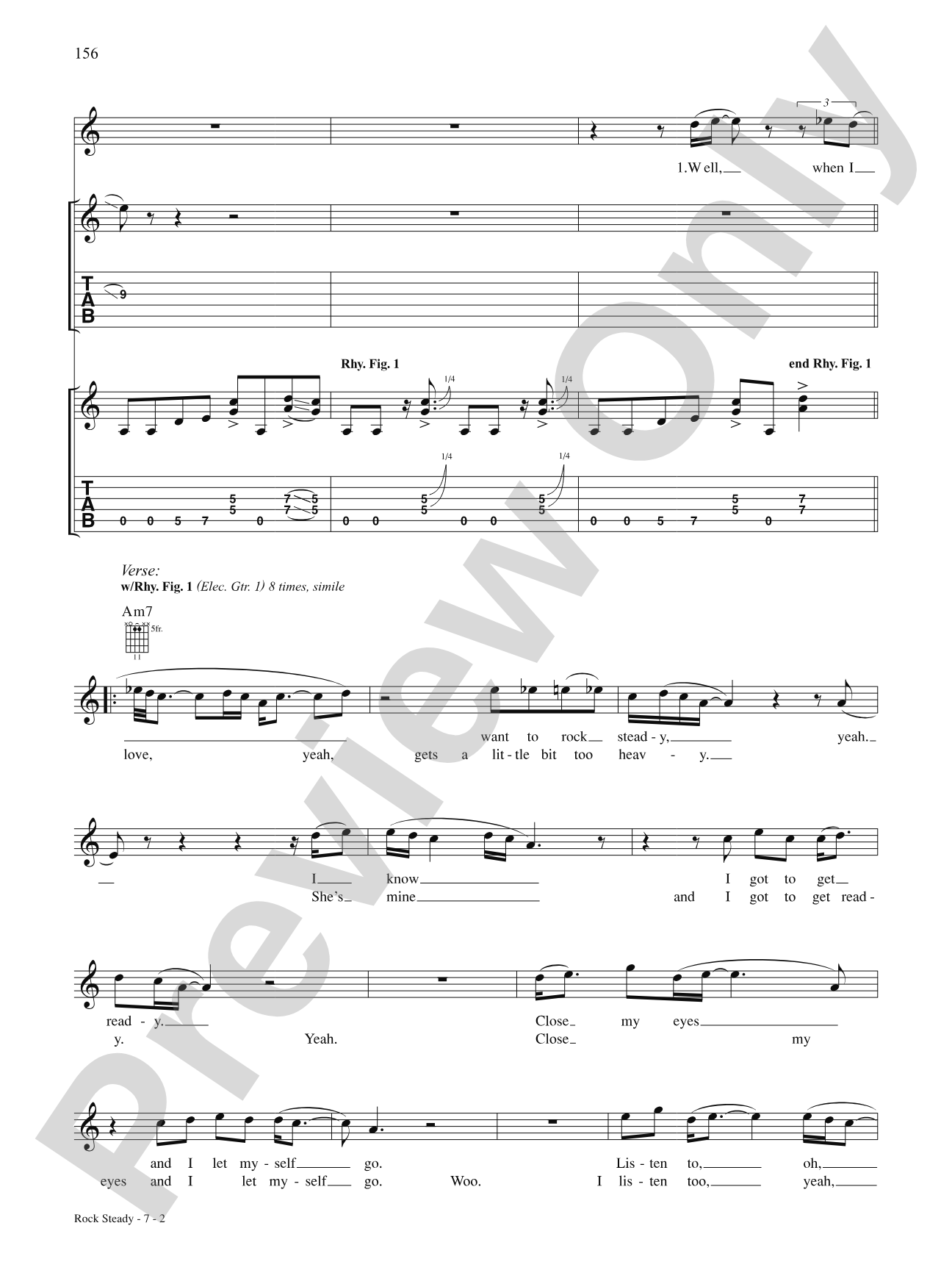
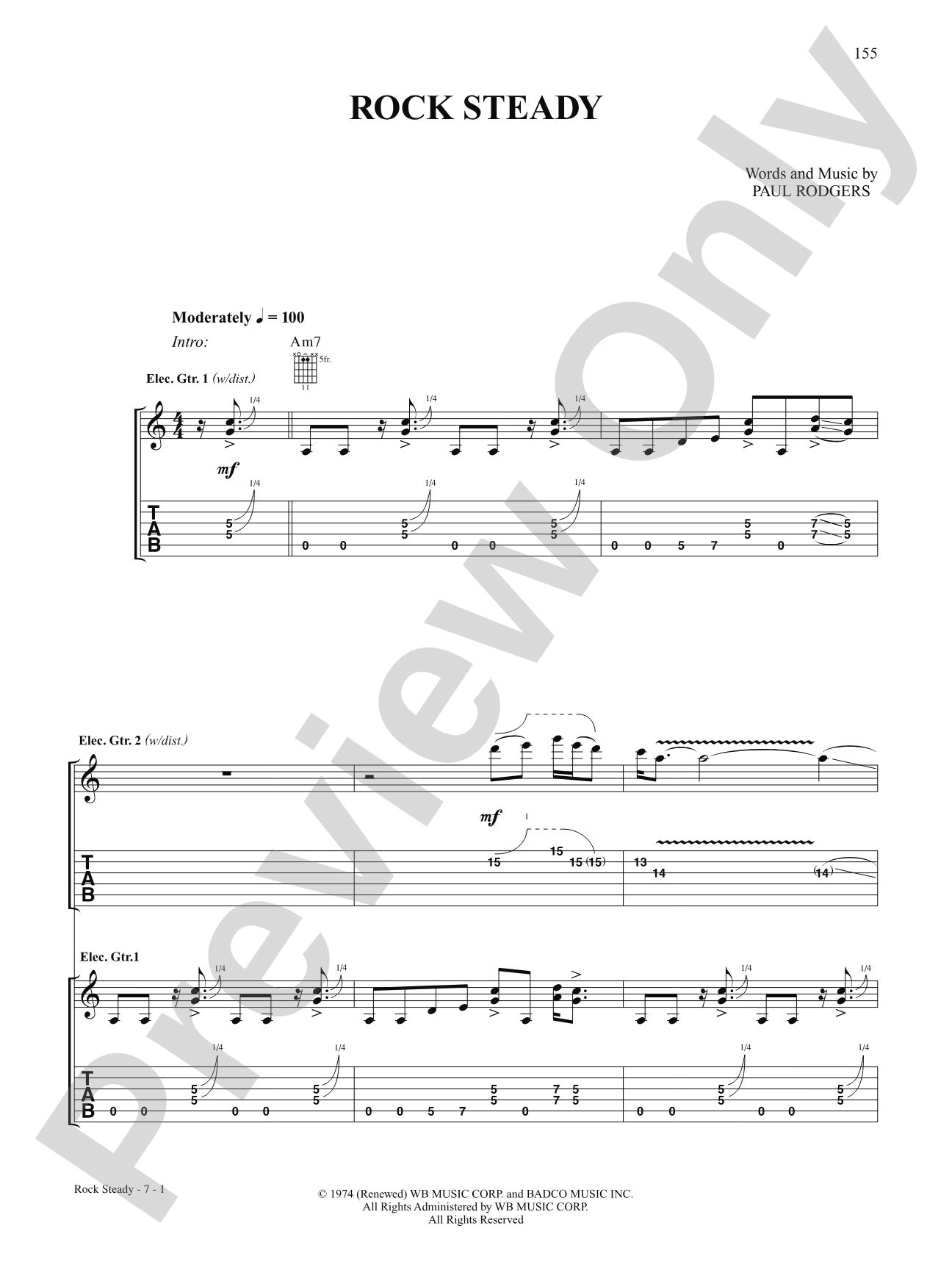
Rock Steady Sheet Music Preview

Rock Steady: Authentic Guitar TAB

Item: 00-PS-0011403

Digital Download
$5.99

One moment…

Description
Alfred's Guitar Big Book series presents the best songs of each decade and each genre in complete note-for-note guitar tab transcriptions. Most books in the series are well over 250 pages and contain 30 to 40 or more songs each. With over 20 books in the series, the Big Books are a great way to build a complete reference library of all your favorite songs.

Artists are: AC/DC, America, Bad Company, Bad Finger, Boston, Harry Chapin, Jim Croce, John Denver, Doobie Brothers, Bob Dylan, Eagles, Eric Clapton, Grateful Dead, Jackson Browne, Elton John, Gordon Lightfoot, Loggins and Messina, Van Morrison, New York Dolls, Santana, Paul Simon, Bruce Springsteen, Traffic, Yes, and Neil Young.

Rock Steady: Authentic Guitar TAB isn't in MakeMusic Cloud just yet...but it could be. Let us know you'd like to see it, and you'll help shape what comes next. In the meantime, start a free trial and dive into thousands of interactive titles your students can play along with today.

Sample Audio
No sample audio found.
Sample Video
Additional Details
Series: Guitar Big Book Series
Publisher: Alfred Music
Page Count: 276
SKU: 00-PS-0011403

More about this title

About the Composer: Paul Rodgers

Paul Rodgers earned his reputation as one of rock's most distinctive vocalists and songwriters through his work with Free and Bad Company, bands that defined the blues-rock sound of the 1970s. His ability to blend soulful phrasing with raw emotional power shaped the direction of hard rock and influenced generations of musicians across multiple decades.

Why we love this

This collection captures the guitar-driven essence of 1970s rock through note-for-note transcriptions that reward close listening and serious study. Rather than simplified versions, you get the actual parts played on these recordings, making it an authentic reference for understanding how these songs were constructed and performed.

What to expect

These songs carry the swagger and backbone of seventies rock: thick, riff-driven grooves backed by committed playing that values feel and ensemble tightness. The guitar work ranges from bluesy, pentatonic-driven leads to melodic rhythm parts that lock solidly with bass and drums, creating that warm, organic sound that defined the era.

Who it's for

Guitarists who want to understand how the classic rock sound was built, from players preparing for cover bands to those studying the vocabulary of 1970s rock songwriting. This collection also serves as a transcription reference for teachers introducing students to rock history through learning the actual parts they hear on the radio.

How to get the most out of it

  • Study the recorded versions alongside the tab to internalize the tone and feel; Bad Company's tone is inseparable from the song's identity.
  • Pay attention to rhythmic phrasing and swing that might not be obvious from tab alone; rock rhythm is as much about feel as it is about note placement.
  • Work through sections slowly to lock in the exact fingerings before increasing tempo; these parts often have efficient voicings that open up at performance speed.
  • Layer the parts if playing with other guitarists; many of these songs benefit from rhythm and lead guitar interplay that becomes clear when you see the full arrangement.

How to use it

Build repertoire depth by having different students tackle different songs from this collection, then perform them as a guitar ensemble program showcasing the evolution of rock in a single decade. You can also use individual pieces as reference material when teaching specific techniques or styles, since each song demonstrates different aspects of rock guitar playing.

Skills your students will build

  • Reading and playing authentic rock rhythm patterns and groove feels
  • Translating recorded performances to tab notation and understanding arrangement context
  • Finger efficiency and voicing choices in blues-based rock idioms
  • Blend and balance when playing rhythm and lead parts together
  • Stylistic interpretation of dynamic and tonal choices from the original recordings

You May Also Like