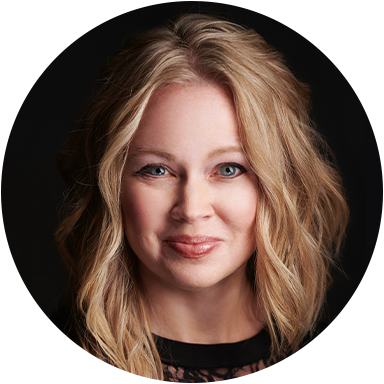
Heather Sorenson has built a composing and arranging career that spans churches, universities, concert halls, and competitions across the globe. Based in Dallas, Texas, she commands both traditional and contemporary Christian music idioms with equal fluency, creating a signature sound that weaves these worlds together in unexpected ways. Her commissions have ranged from Texas A&M University to Carnegie Hall, and she continues to shape the field through her prolific output and mentorship.
Beyond the page, Sorenson has invested deeply in music education, teaching elementary music, serving as an adjunct professor at Baylor University, and leading workshops at worship conferences and universities nationwide. She regularly conducts and speaks at churches across America and frequently organizes benefit concerts for causes she champions. Her dual commitment to composition and pedagogy informs every piece she writes.
Why we love this
Sorenson's arrangement respects the hymn's architecture while infusing it with contemporary harmonic color and textural variety. The piece sits comfortably for most choirs and uses a four-page format that feels substantial without becoming unwieldy for rehearsal and performance.
What to expect
The arrangement holds the timeless reassurance of a familiar hymn while stepping into fresher harmonic territory. It feels both grounded and contemporary, honoring tradition while speaking directly to modern ears.
Who it's for
This octavo works for church choirs of mixed abilities and school concert ensembles seeking sacred repertoire with modern harmonic sensibility. Directors can teach through this piece without requiring advanced singers, making it suitable for community and volunteer choirs alongside more skilled groups.
How to get the most out of it
Bring out the text clarity in the opening sections; Sorenson's part writing rewards precise diction from all four voices.
Balance the SATB texture by ensuring sopranos aren't dominant; this arrangement needs transparency across all ranges.
Consider the emotional arc across all four pages and shape phrases to reflect the theological progression of the text.
How to use it
Program this as a centerpiece for a sacred concert segment or as an anchor piece for a choir's liturgical year. Its length and style also make it effective as a processional or closing number when you want both textual weight and musical substance without excessive technical demands.
Skills your students will build
Blending SATB voicing with varying harmonic density
Sustaining line integrity through rhythmically independent parts
Connecting liturgical text to harmonic color and emotional intent
You May Also Like
Scan to Complete Your Purchase
Use your phone's camera to scan the code below
You'll log in on your phone and the order will be added to your account