
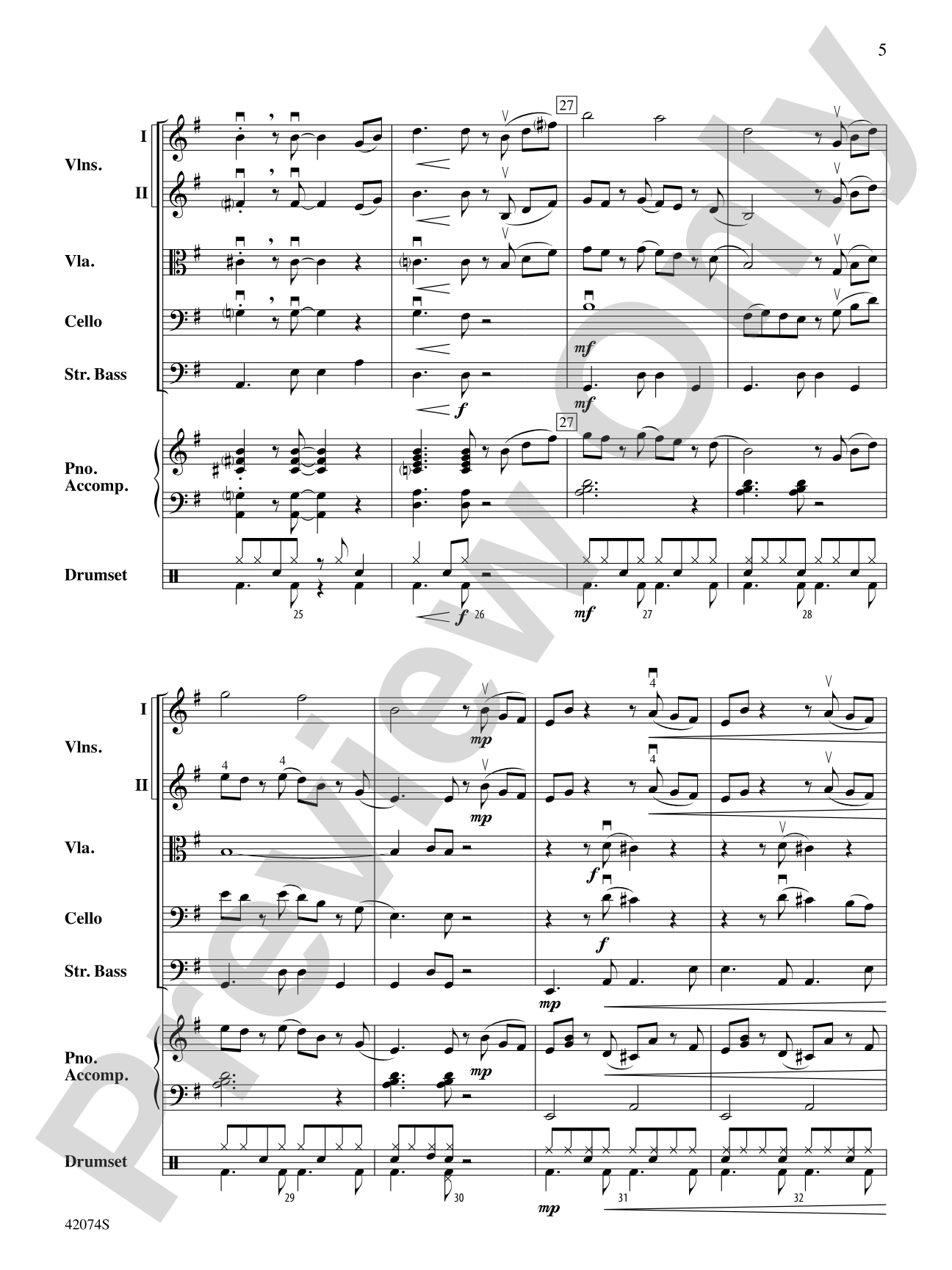
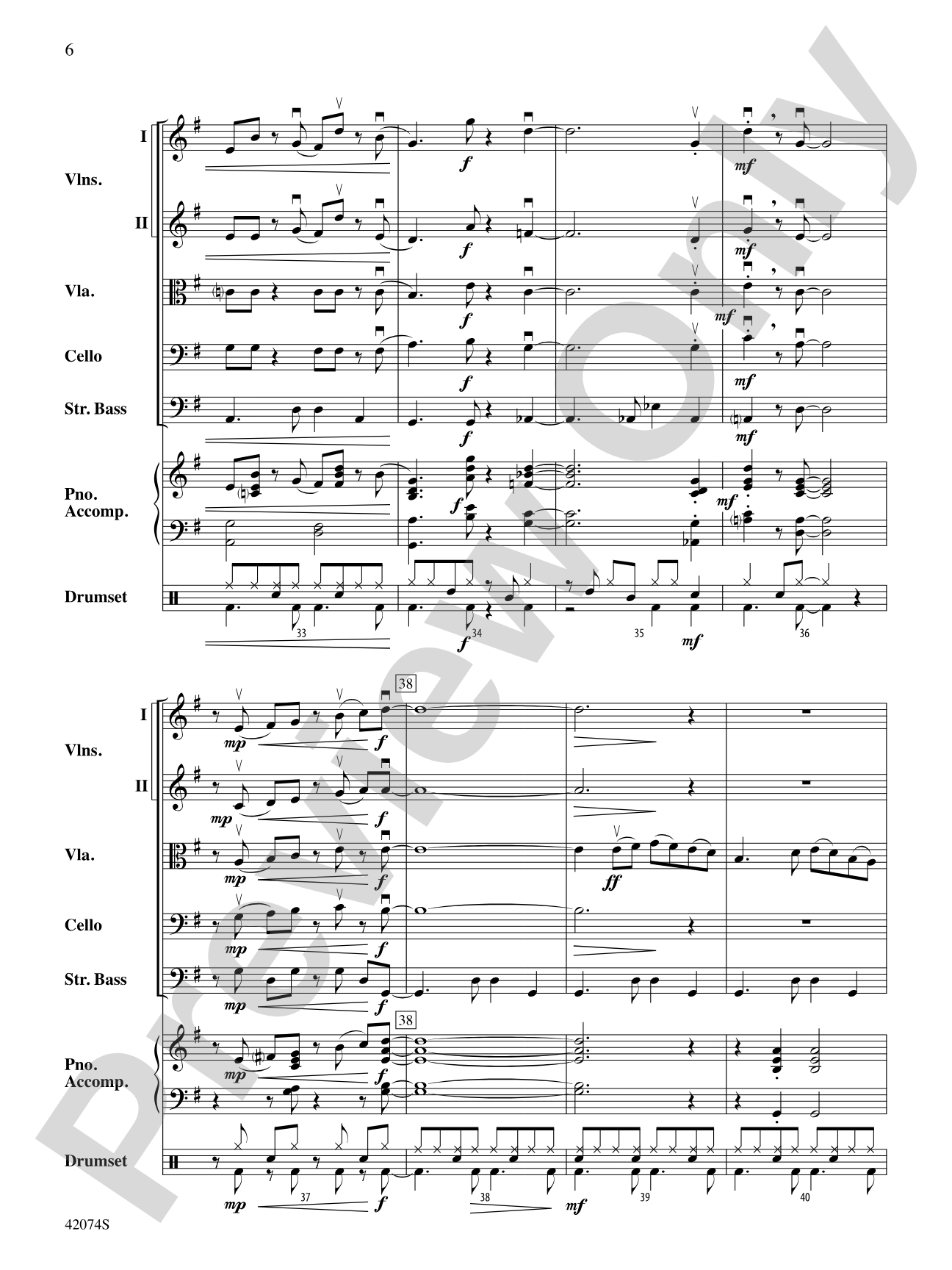
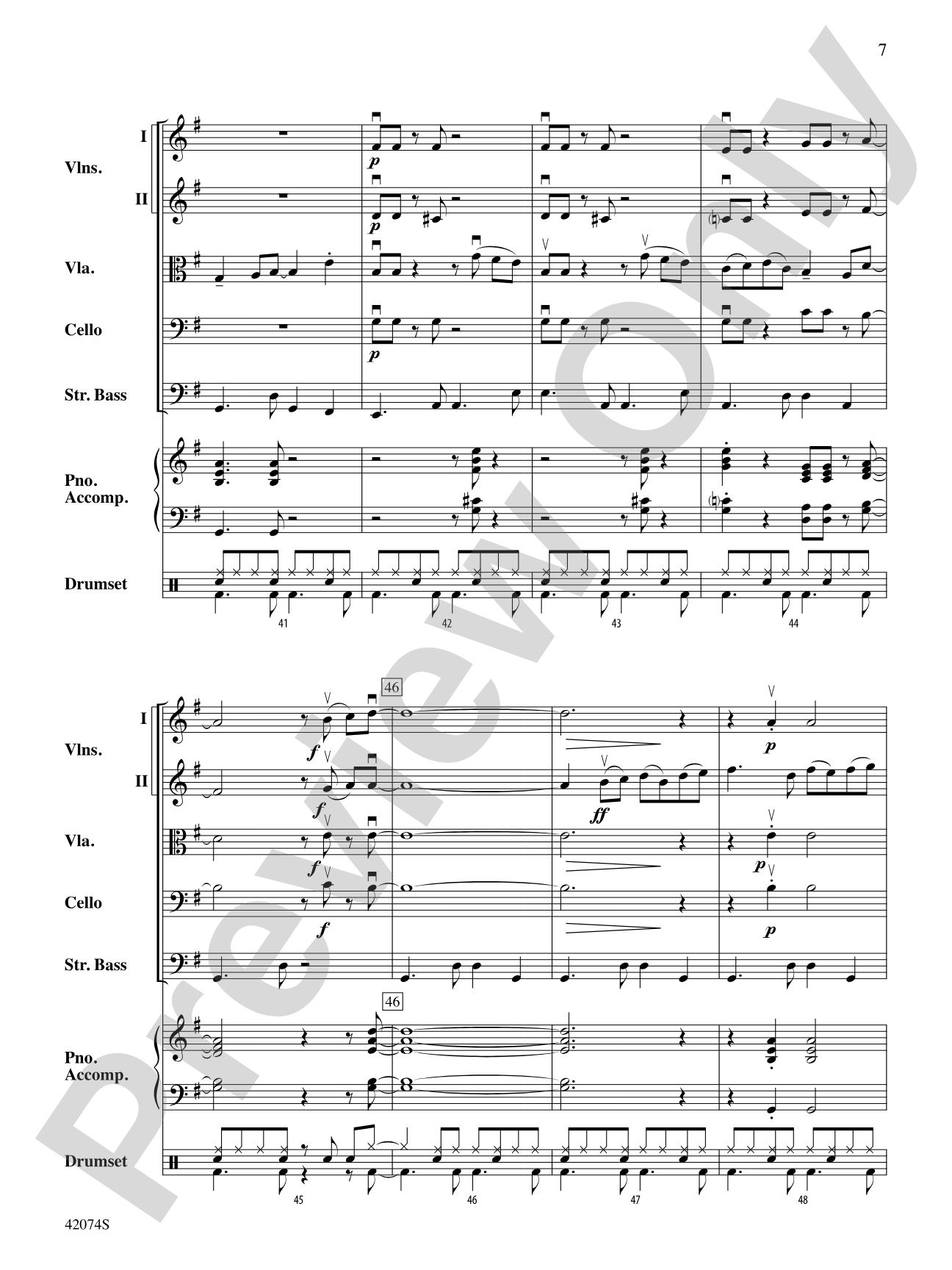
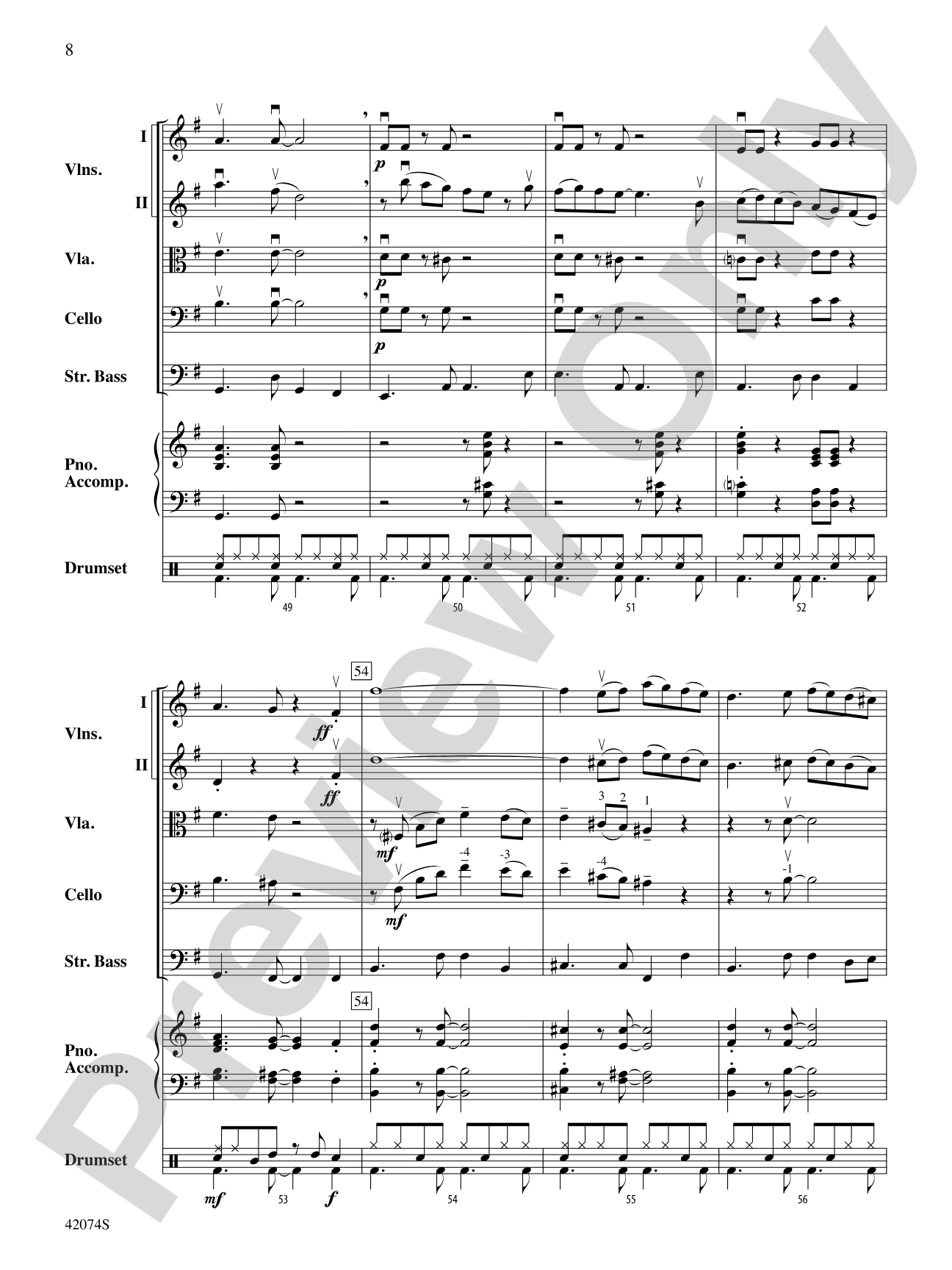
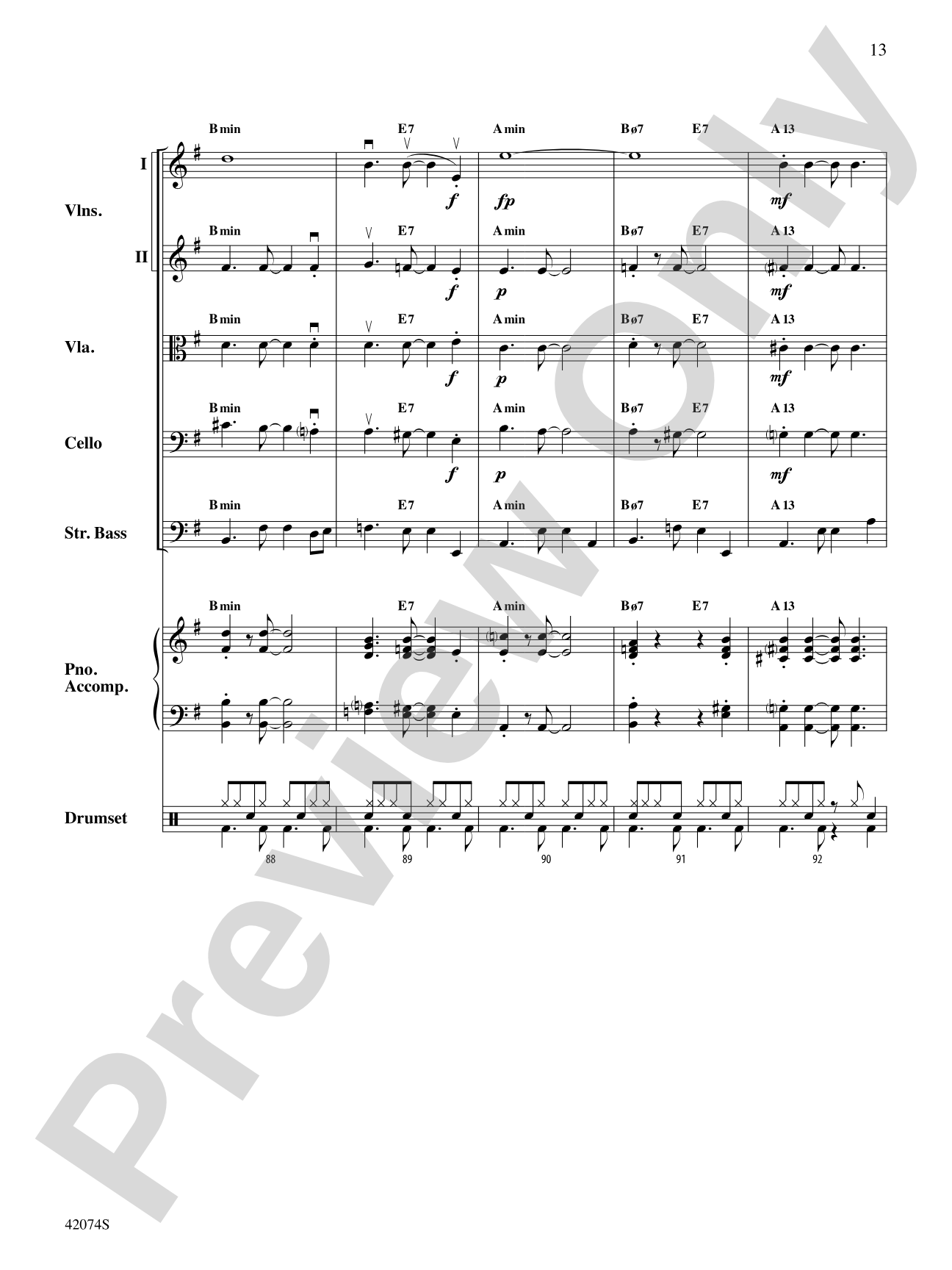
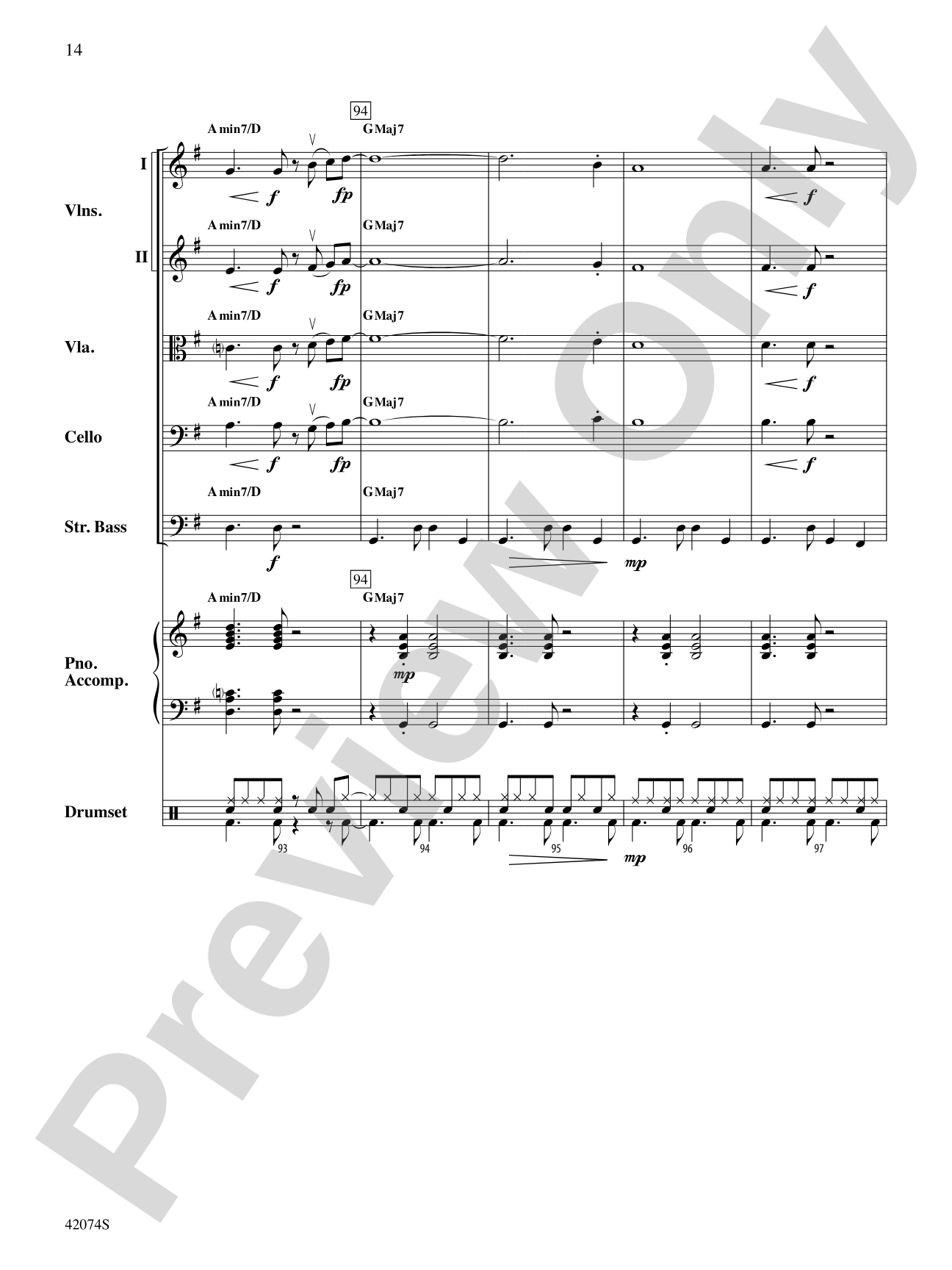
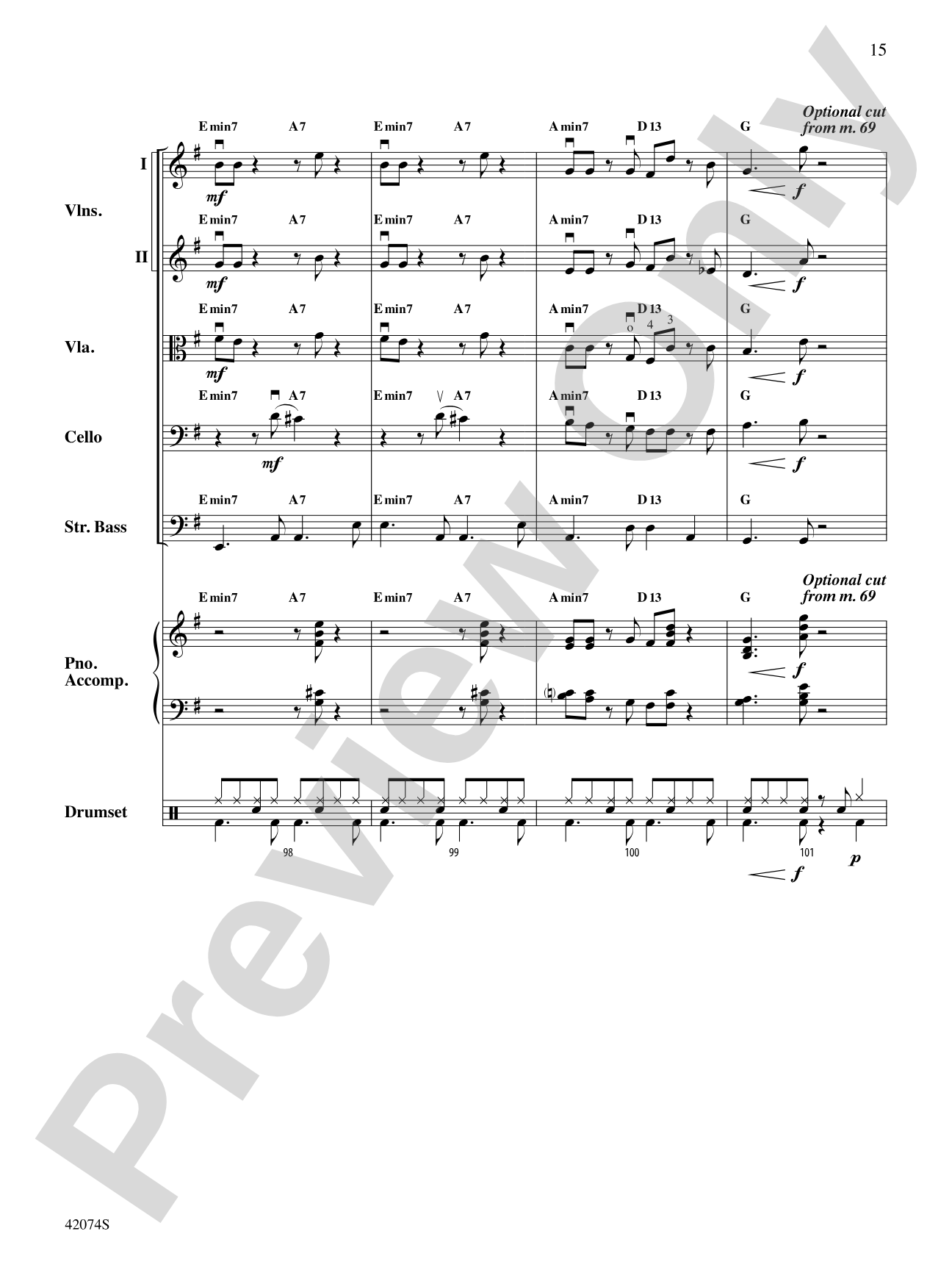
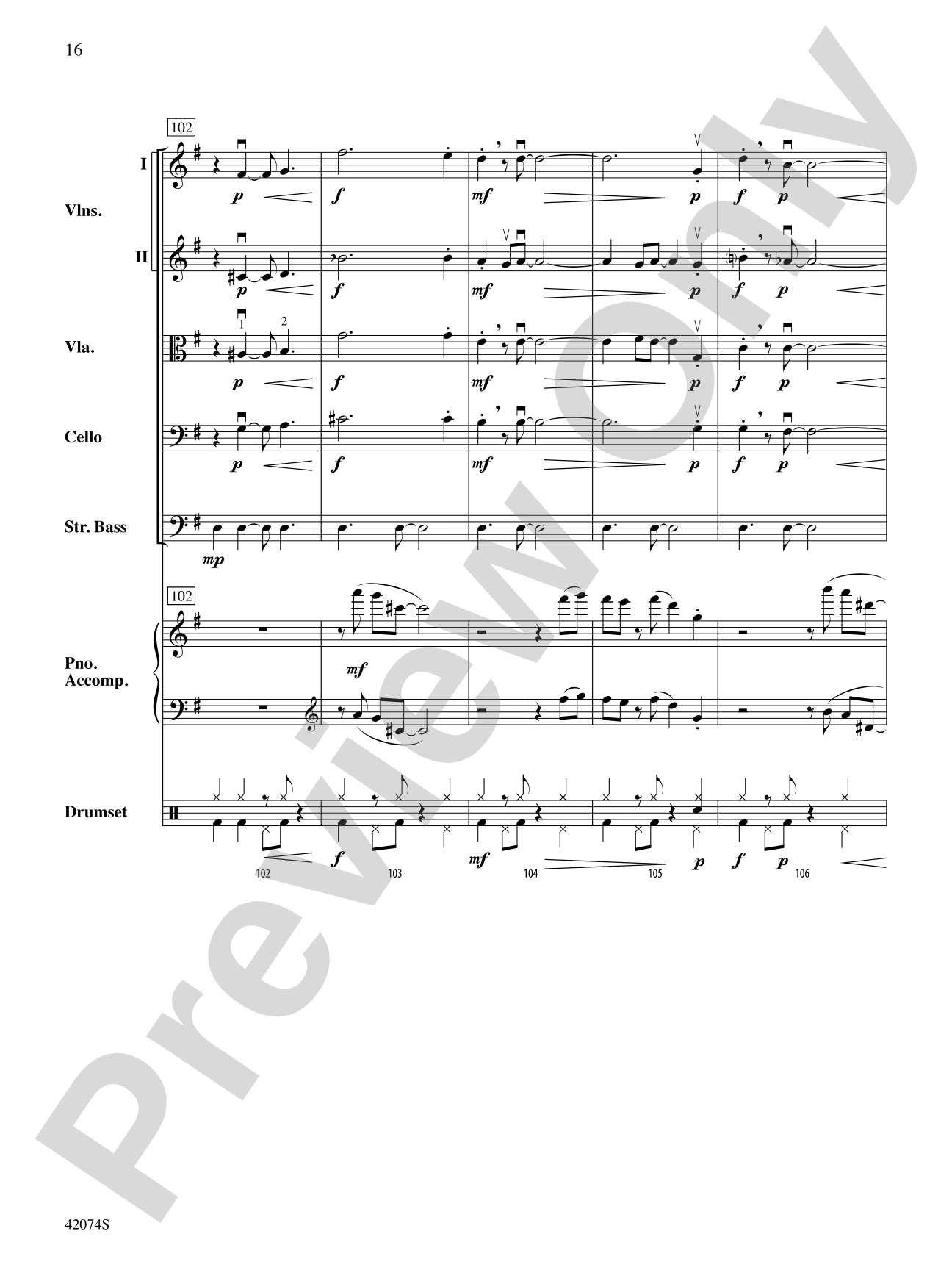
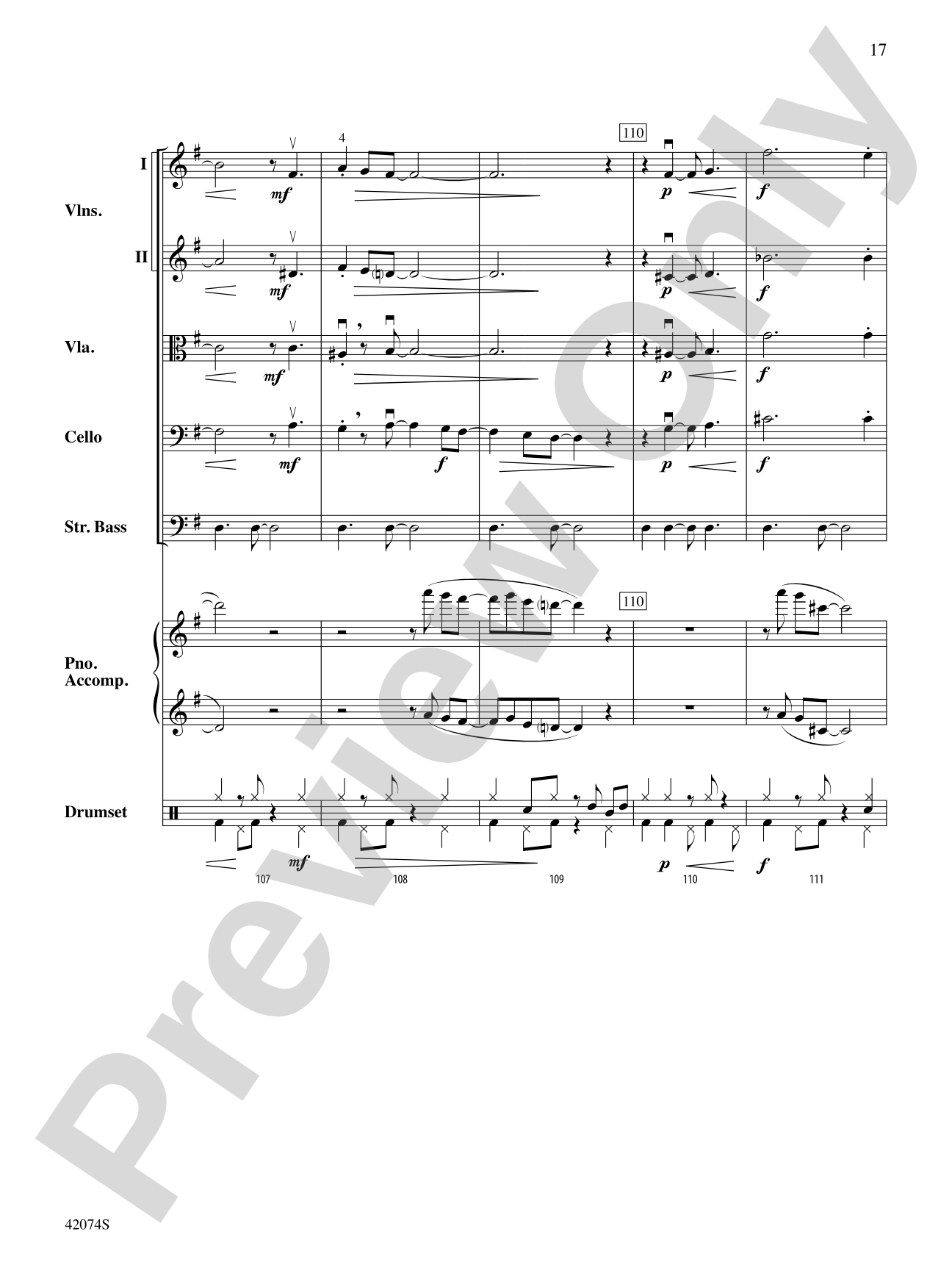
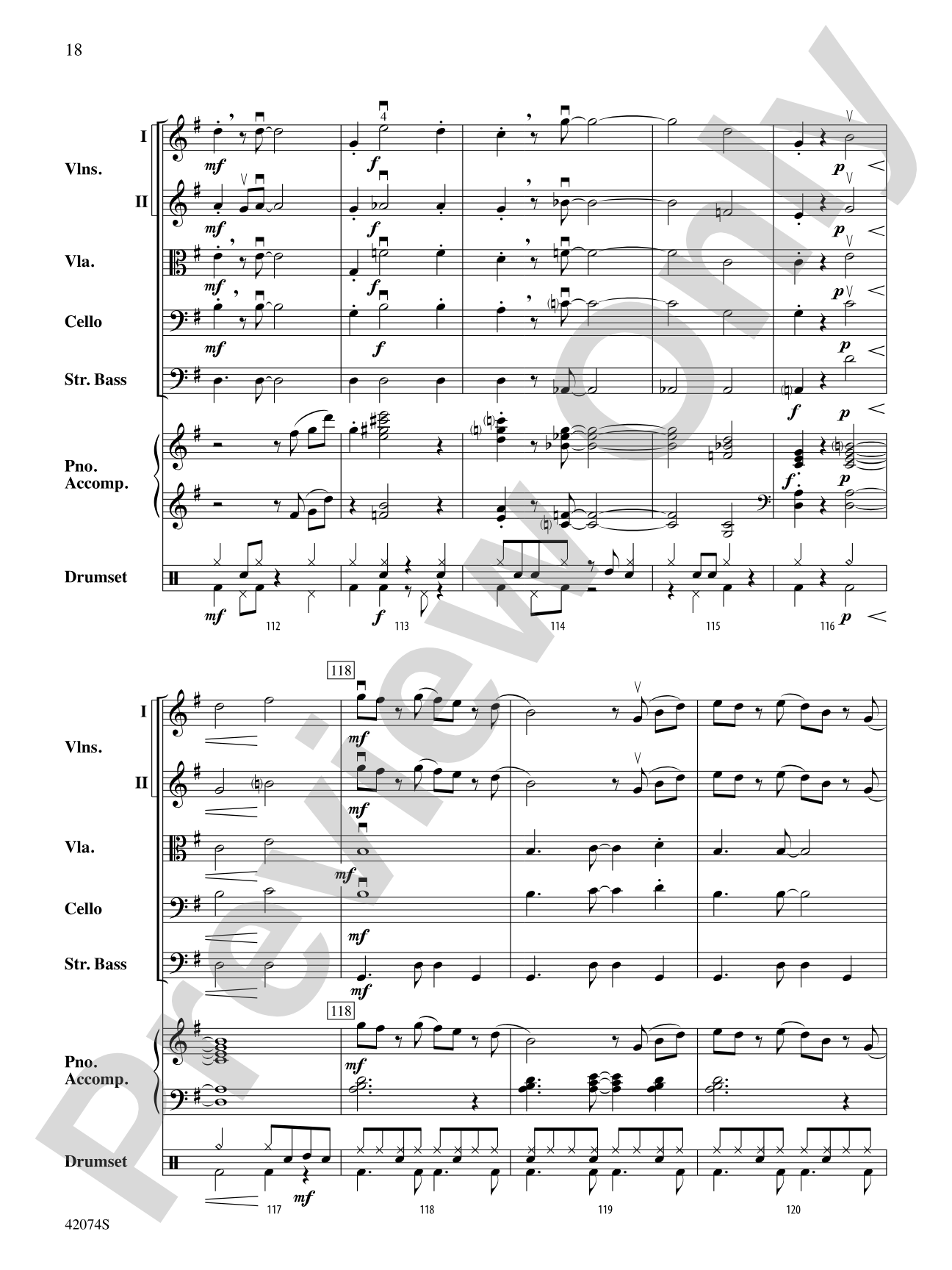
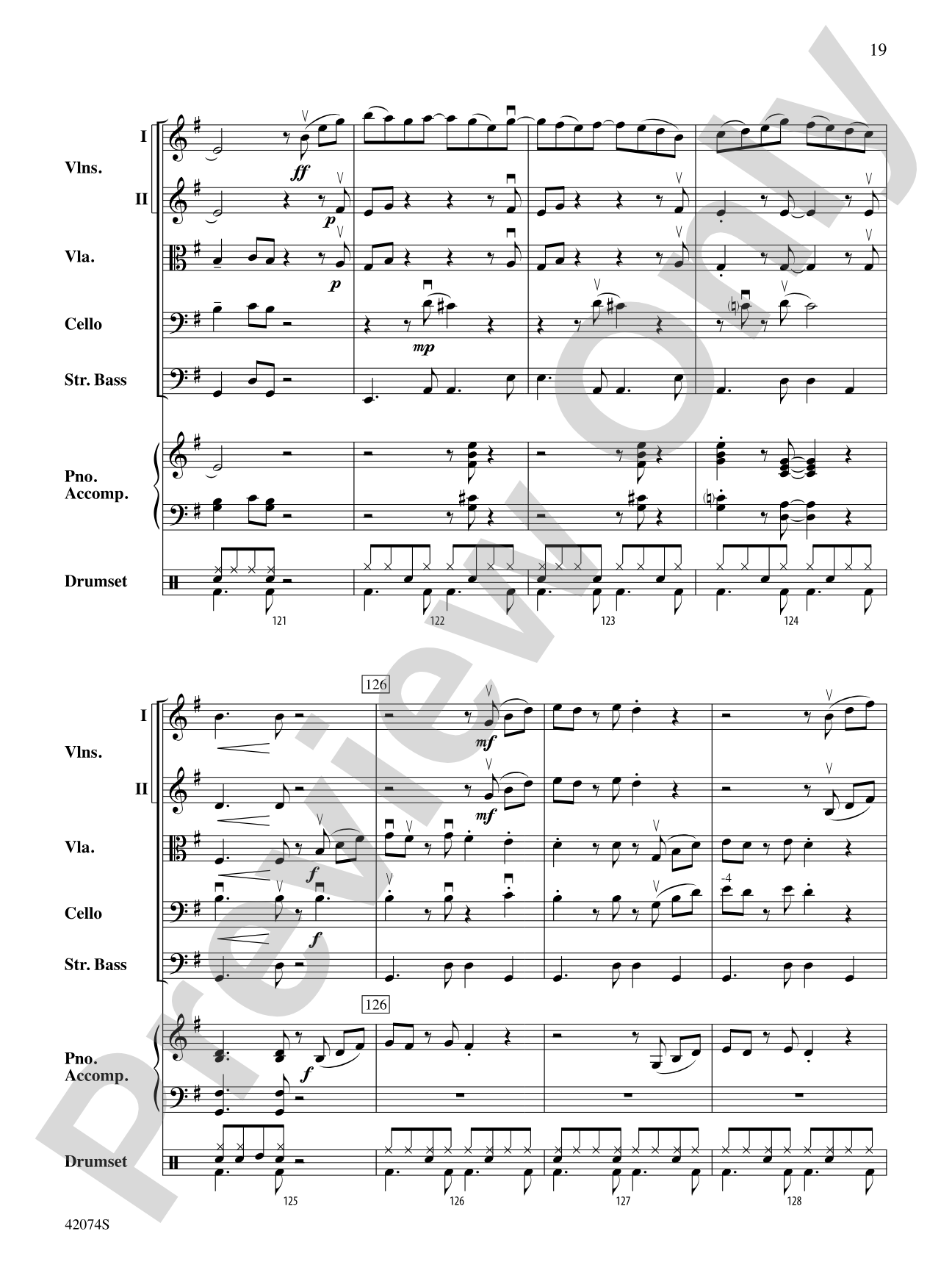
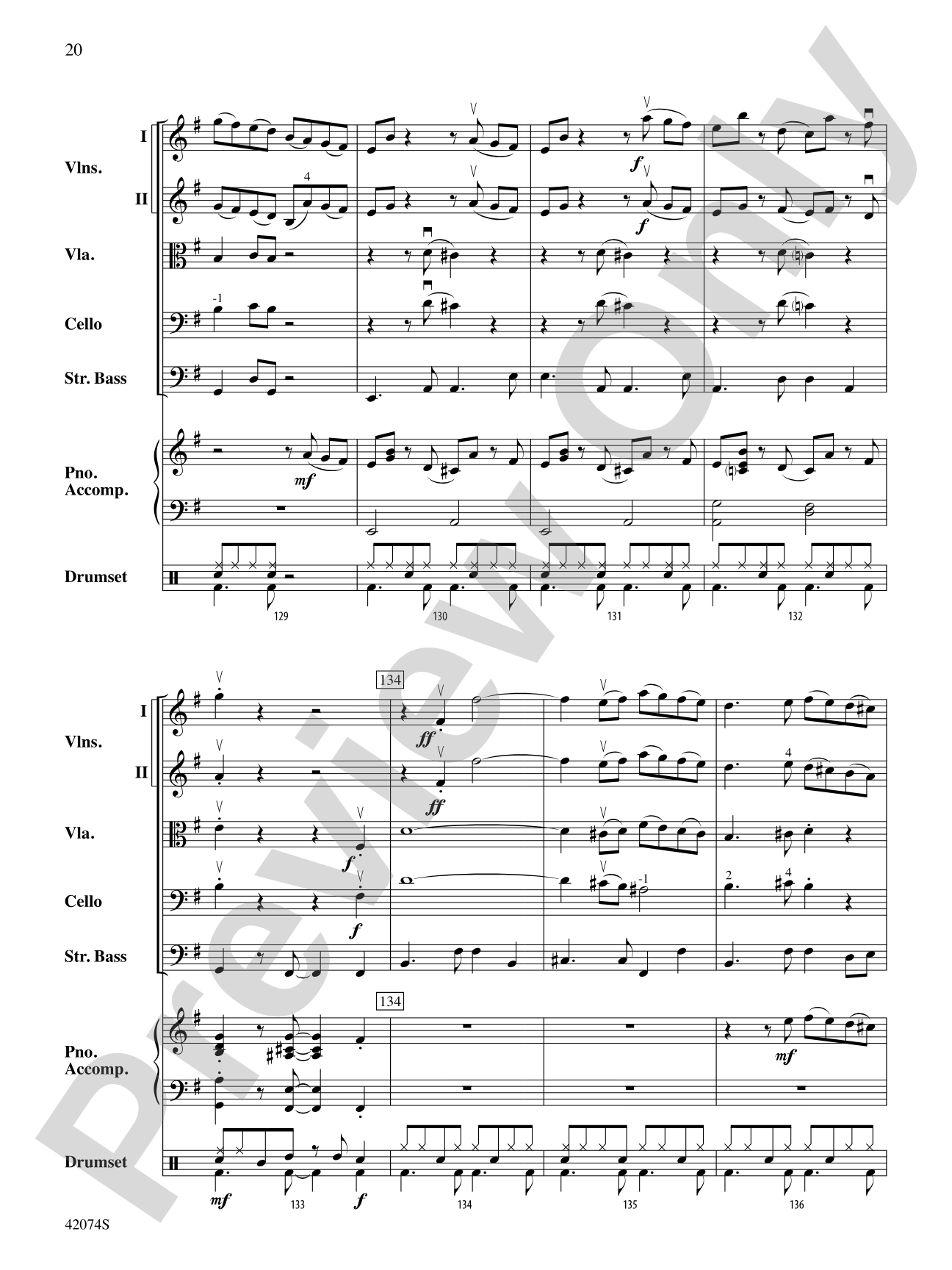

Road Trip to Rio: String Orchestra Conductor Score & Parts
By Bert Ligon
Grade: 3
Item: 00-PK-0006210

$55.00
Pickup currently not available
Buy Extra Parts (Digital PDF Download)
| Product | Price | Quantity |
|---|---|---|
| Road Trip to Rio: Score | $7.00 | |
| Road Trip to Rio: Drums | $5.99 | |
| Road Trip to Rio: 1st Violin | $5.99 | |
| Road Trip to Rio: 2nd Violin | $5.99 | |
| Road Trip to Rio: Viola | $5.99 | |
| Road Trip to Rio: Cello | $5.99 | |
| Road Trip to Rio: String Bass | $5.99 | |
| Road Trip to Rio: Piano Accompaniment | $5.99 |
Parts Added to Cart!
Description
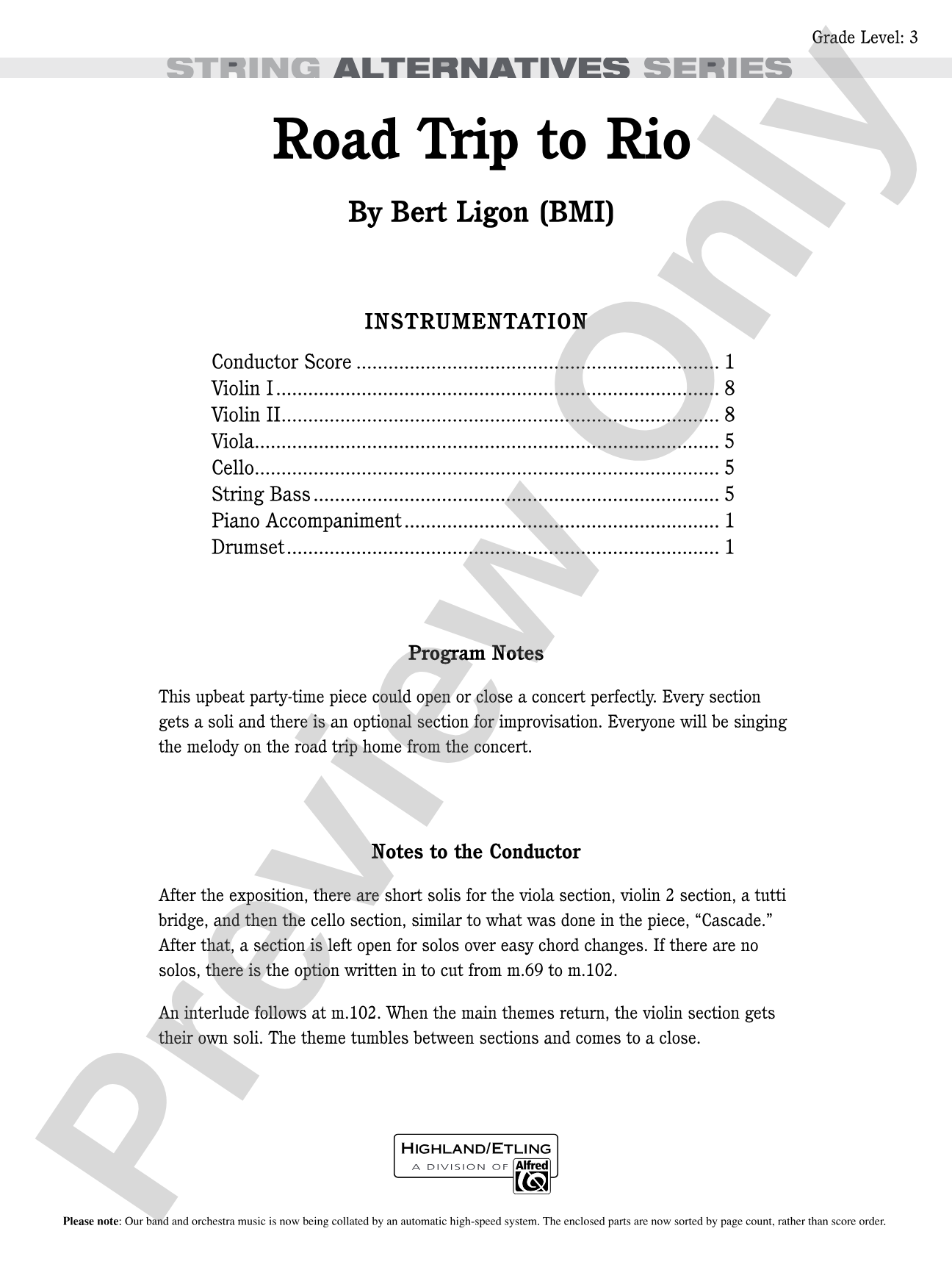
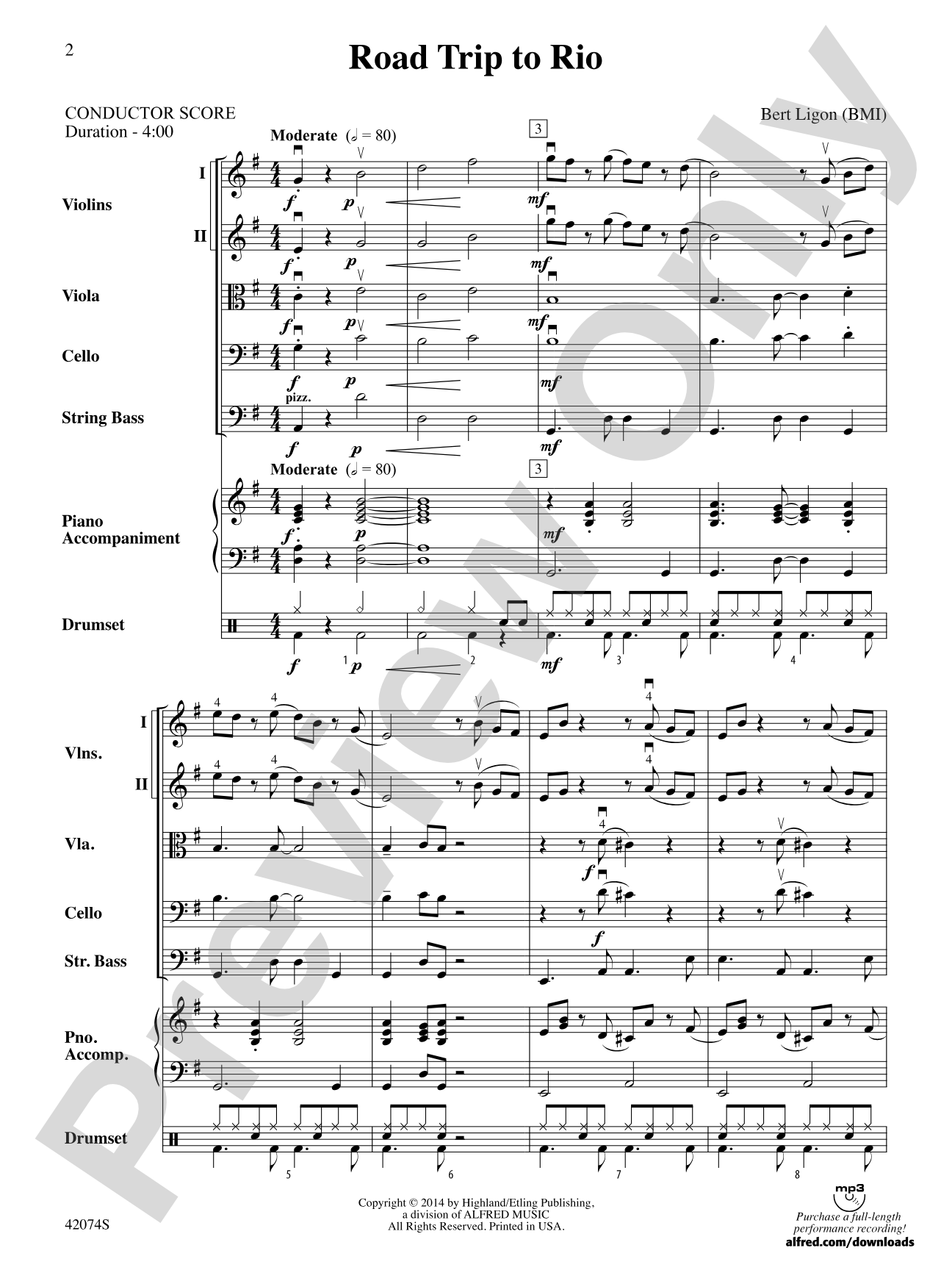
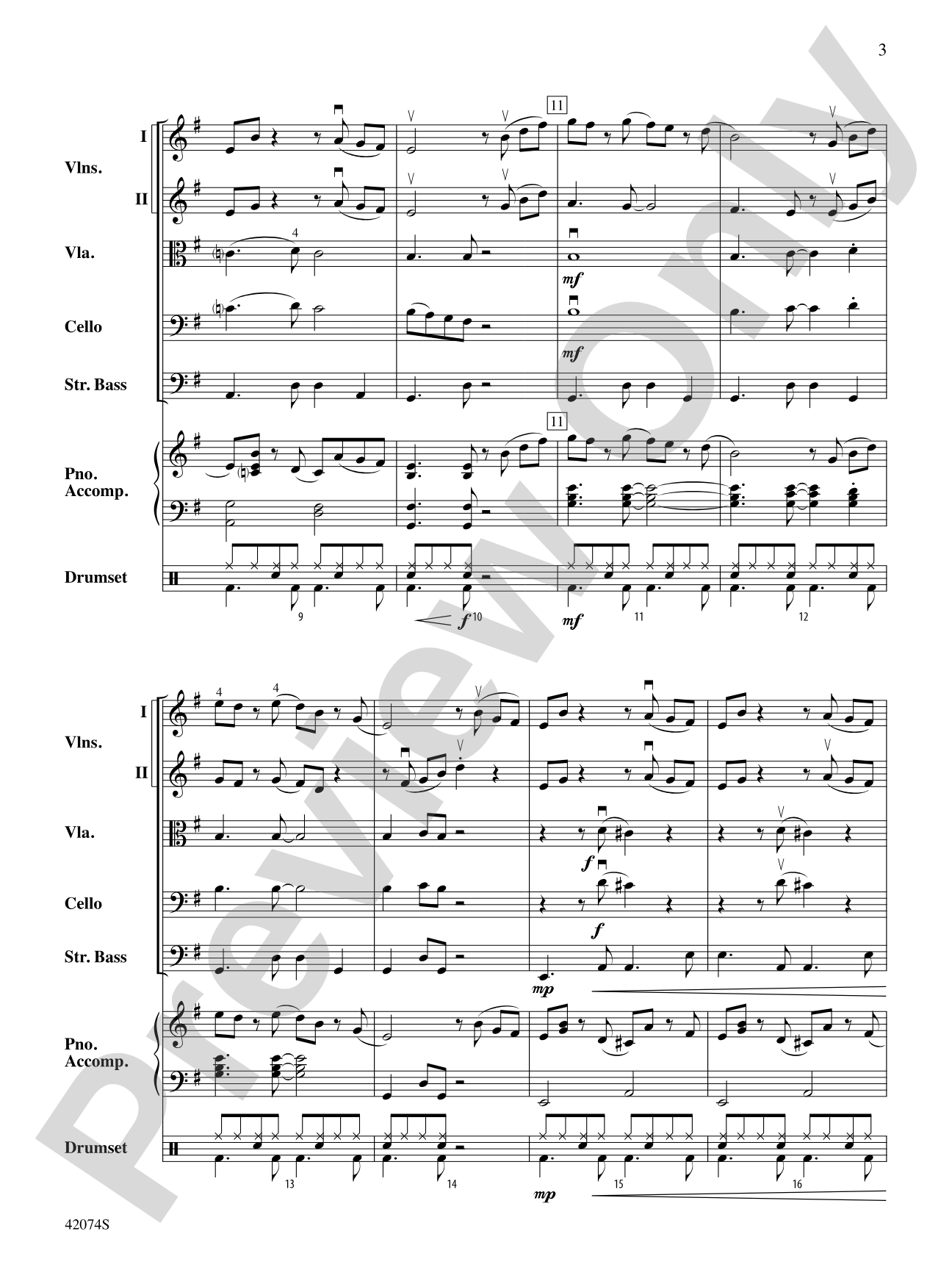
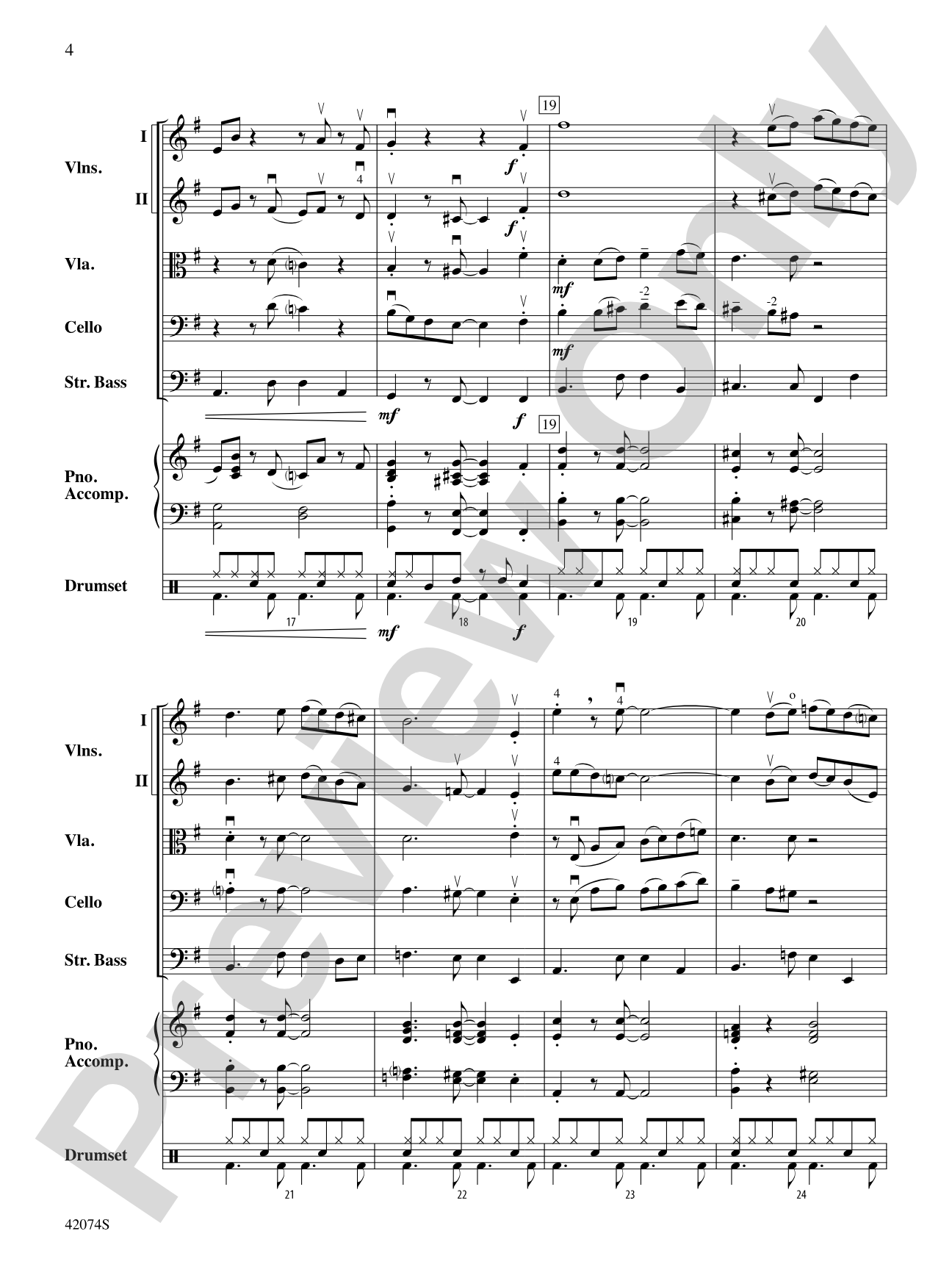
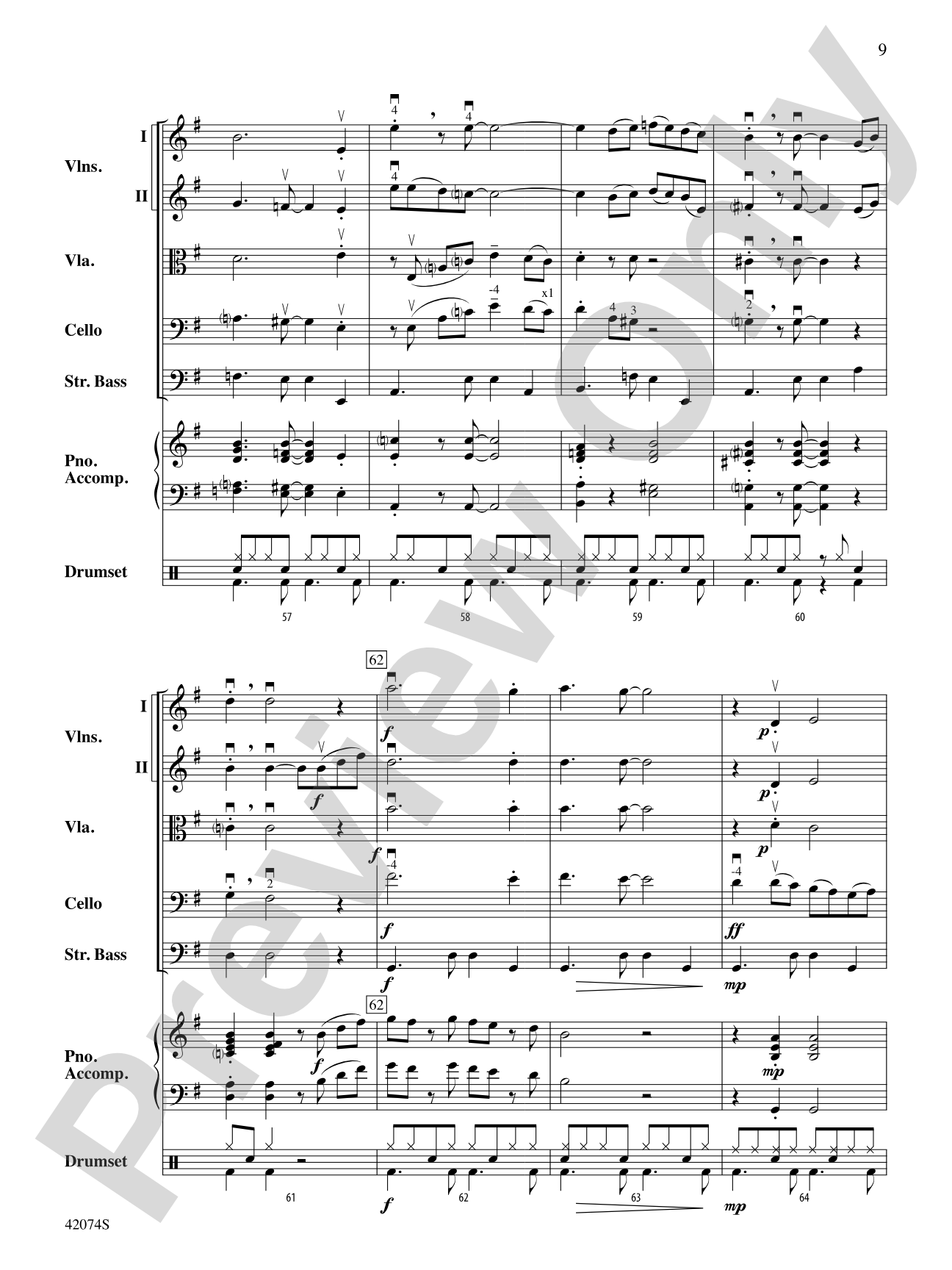
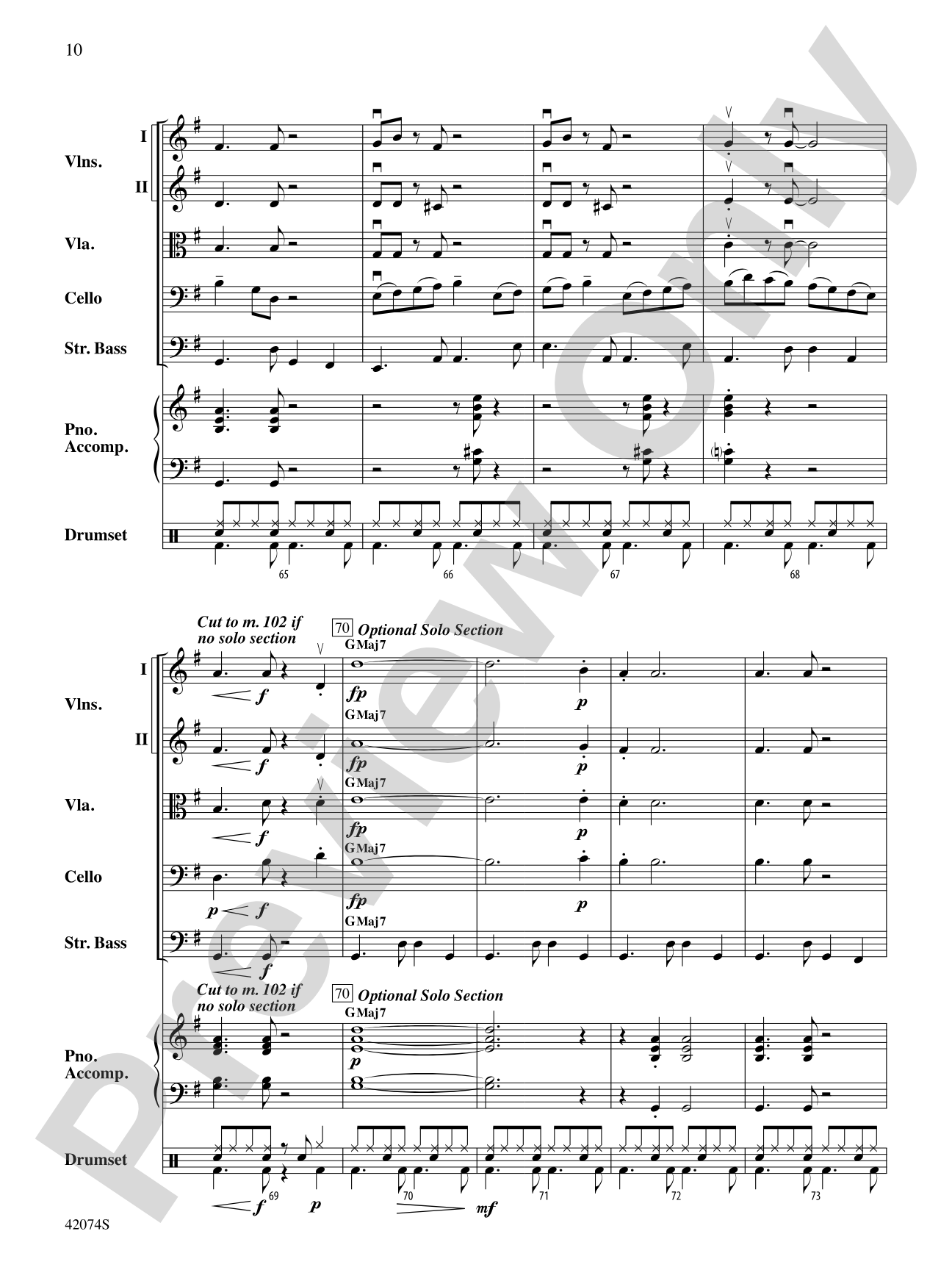
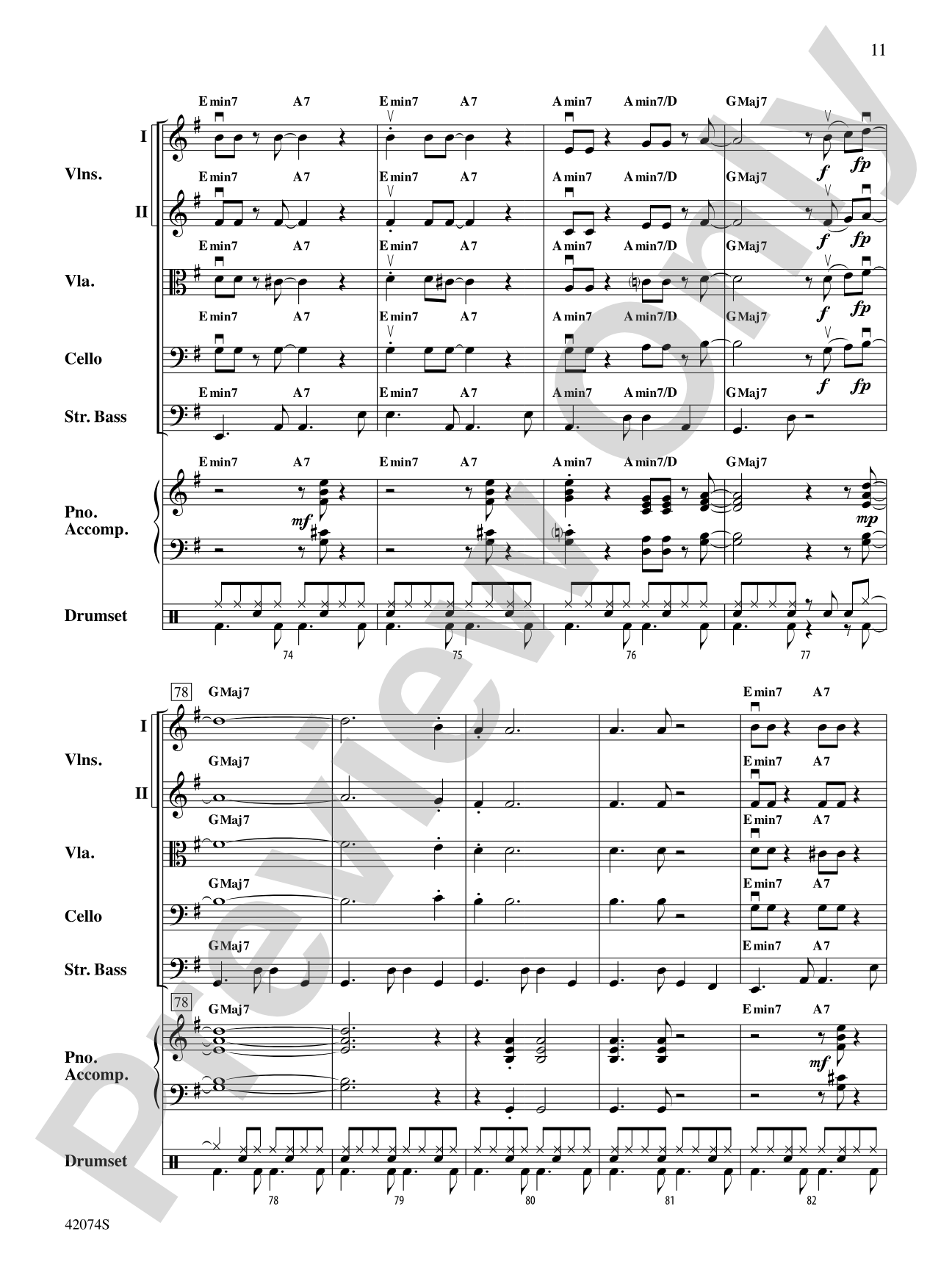
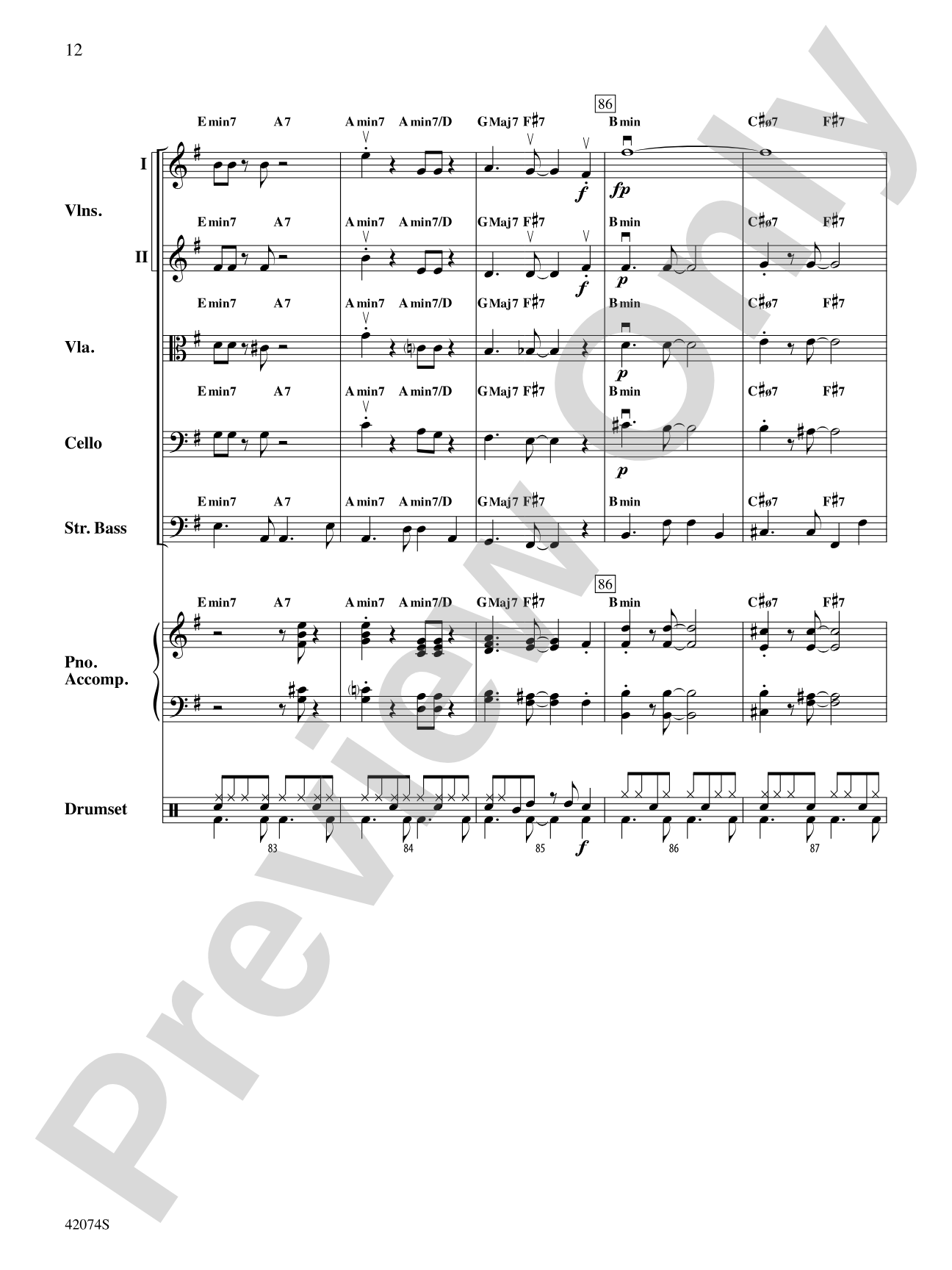
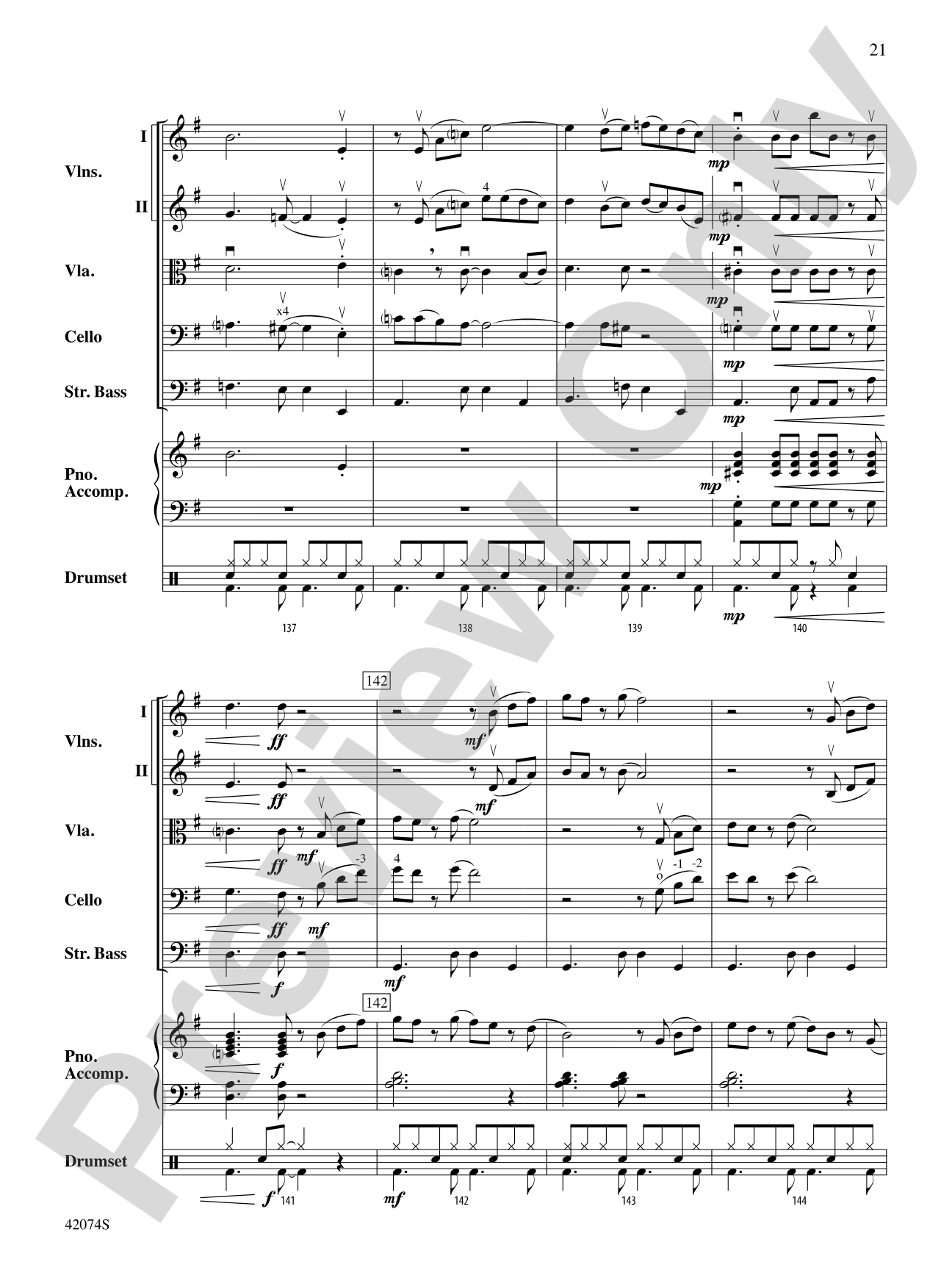
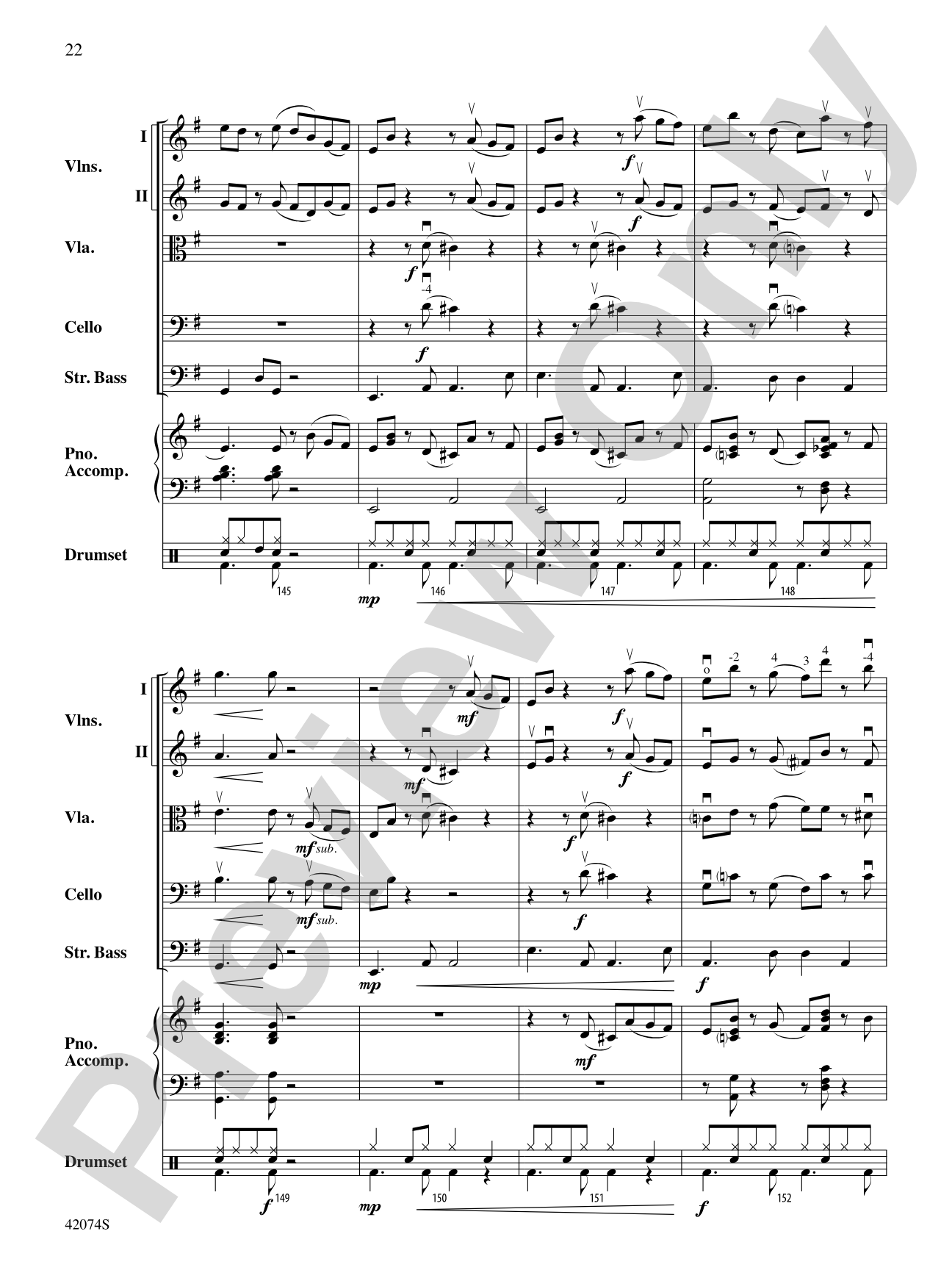
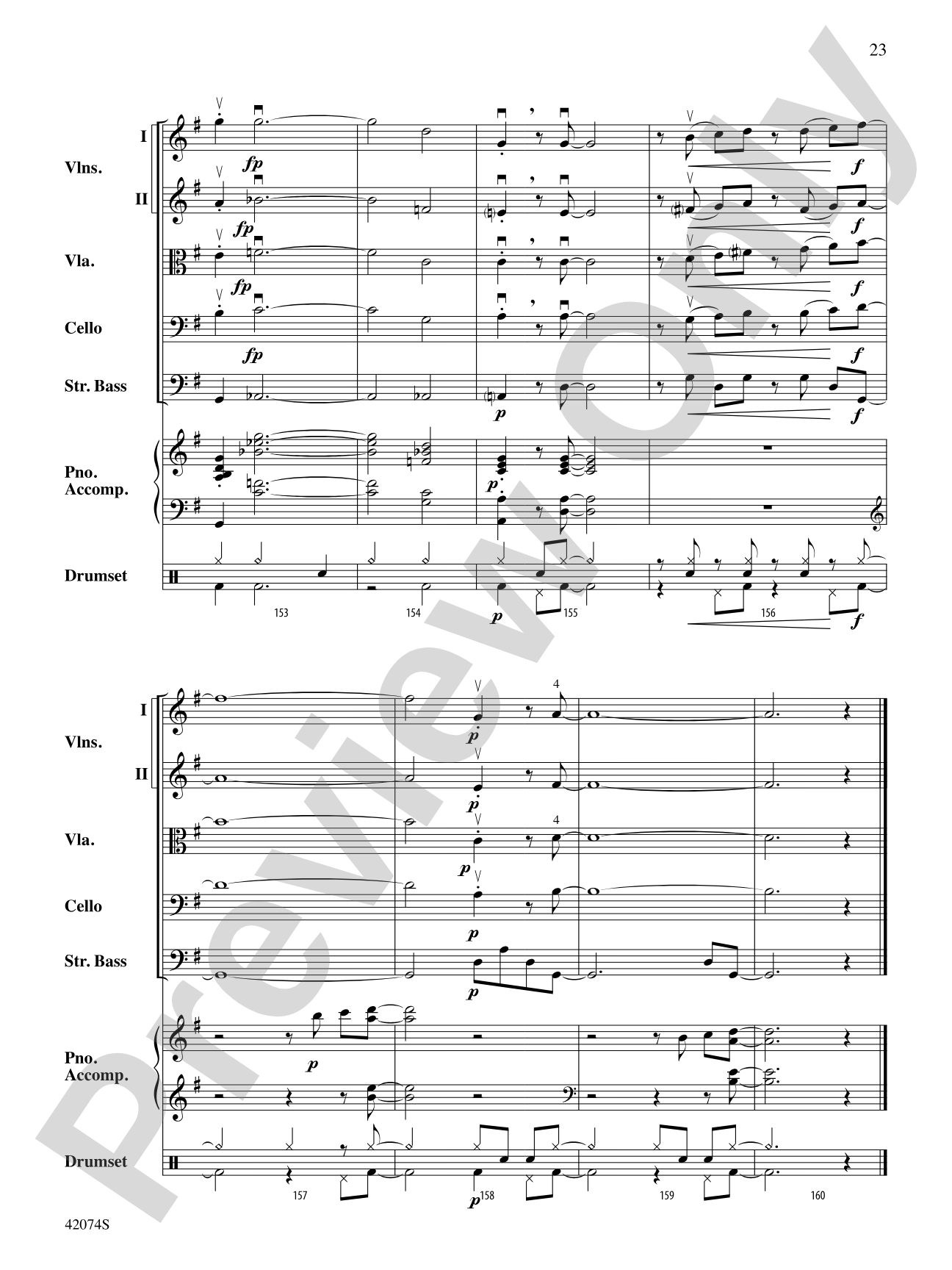
This upbeat party-time piece could open or close a concert perfectly. Every section gets a soli and there is an optional section for improvisation. Everyone will be singing the melody on the road trip home from the concert. (4:00)


Don't just read it, hear it, play along with it, and watch your students grow with it. In MakeMusic Cloud, Road Trip to Rio: String Orchestra Conductor Score & Parts comes alive with professional accompaniment, adjustable tempo, and built-in practice tools that turn solo practice into real progress.
Open in the Player
Jump straight in and assign it today.
Start Your Free Trial
Open this title and explore the full library in minutes.
Sample Audio
1
Audio File
--:--
0:00
0:00
Sample Video
No sample videos found.
Additional Details
Series:
Highland/Etling String Alternatives
Publisher:
Alfred Music
Page Count:
136
SKU:
00-PK-0006210
More about this title
About the Composer: Bert Ligon

Bert Ligon directs the jazz studies program at the University of South Carolina, where he teaches improvisation, arranging, jazz theory, and applied lessons across combos and big bands. His compositional output spans big band, orchestra, jazz ensemble, steel band, and string settings, reflecting a deep engagement with both classical and jazz idioms.
Ligon has authored three books on jazz technique and theory: Connecting Chords with Linear Harmony, Comprehensive Technique for the Jazz Musician, and Jazz Theory Resources Vol. 1 & 2. As a performer, he plays piano and guitar and has recorded as a pianist on the 2006 jazz trio album that paired his work with violinist Martin Norgaard and cellist Renata Bratt.
Why we love this
Ligon writes for strings with a natural understanding of what makes ensembles sound alive and engaged. The built-in solo passages ensure every section gets a moment to shine, and the optional improvisation section invites creativity rather than locking the performance into one interpretation. You'll find this piece equally effective as a high-energy opener or a celebratory finale that sends audiences (and your string players) out smiling.
What to expect
Buoyant and rhythmically propulsive, with a Brazilian party atmosphere that feels immediate and joyful. The piece radiates infectious energy without demanding technical heroics, making it accessible while never feeling patronizing.
Who it's for
String orchestra directors looking for Grade 3 repertoire that engages the full ensemble while building musicianship through solo opportunities and optional improvisation. This works equally well for concert orchestras, school string programs, or community ensembles that value contemporary, rhythmically vital writing.
How to get the most out of it
- Balance the soli passages carefully; each section should feel genuinely featured, not buried under ensemble texture. Adjust dynamic relationships in rehearsal rather than assuming standard markings will translate.
- Approach the optional improvisation with intention. Even Grade 3 players benefit from clear guidelines: assign who improvises, establish chord changes beforehand, and run it several times so everyone develops confidence.
- Let the Brazilian flavor inform your tempo and articulation choices. A relaxed, groove-oriented feel serves this piece far better than metronomic precision.
- The four-minute length works because energy never flags. Maintain forward motion throughout; any sagging in rehearsal usually signals you need to brighten the tempo slightly.
How to use it
Use this as a concert opener to establish excitement from the first notes, or as a closing piece that celebrates your ensemble's work while leaving the audience energized. The four-minute duration fits comfortably into festival programs, school concerts, or community performances where you want a statement piece that connects with diverse audiences.
Skills your students will build
- Solo performance and leadership within ensemble settings
- Reading and playing jazz-inflected rhythms and articulations
- Improvisation within a harmonic framework
- Balancing individual expression with ensemble cohesion
- Responding to Brazilian and multicultural musical influences