
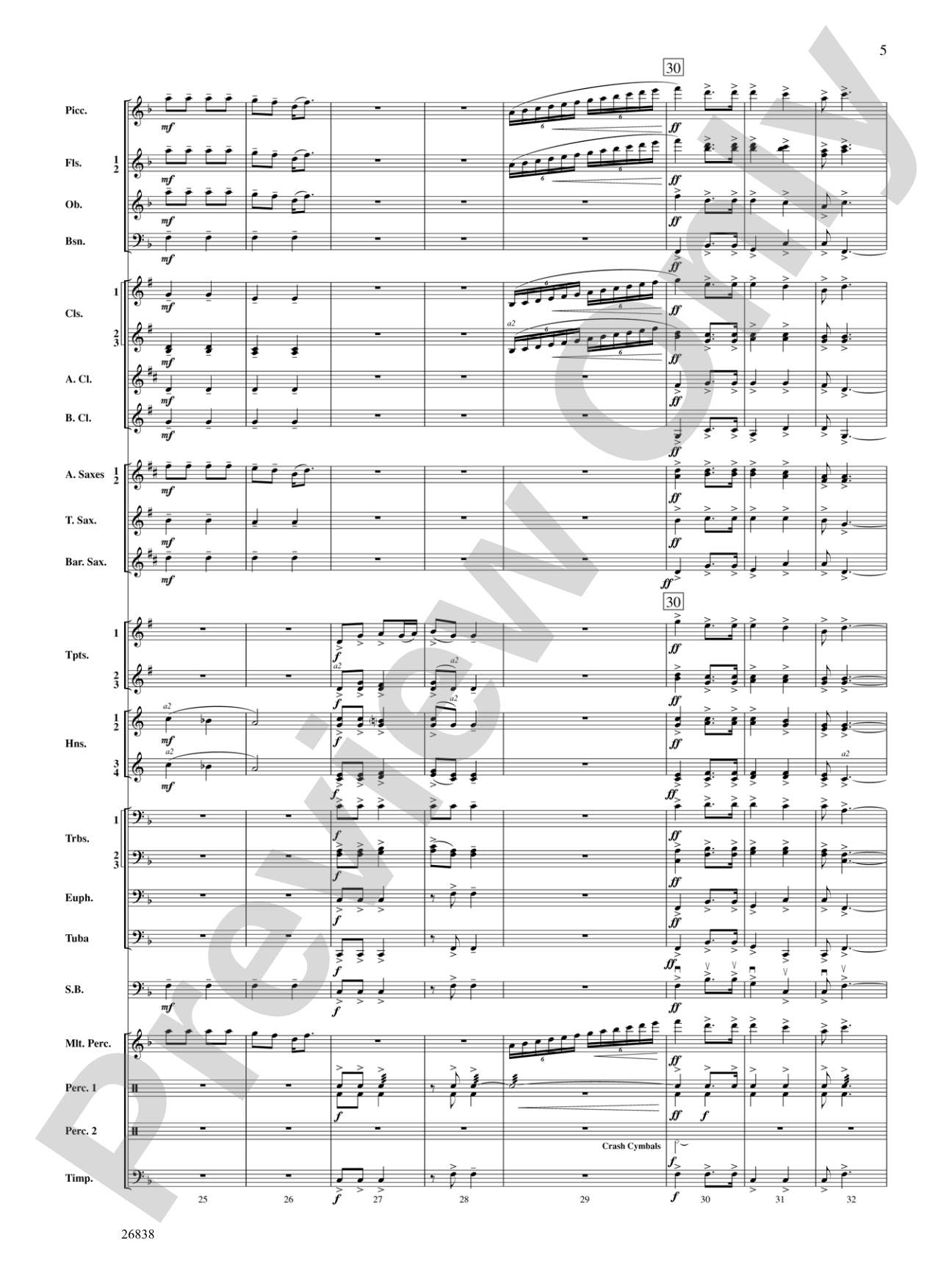
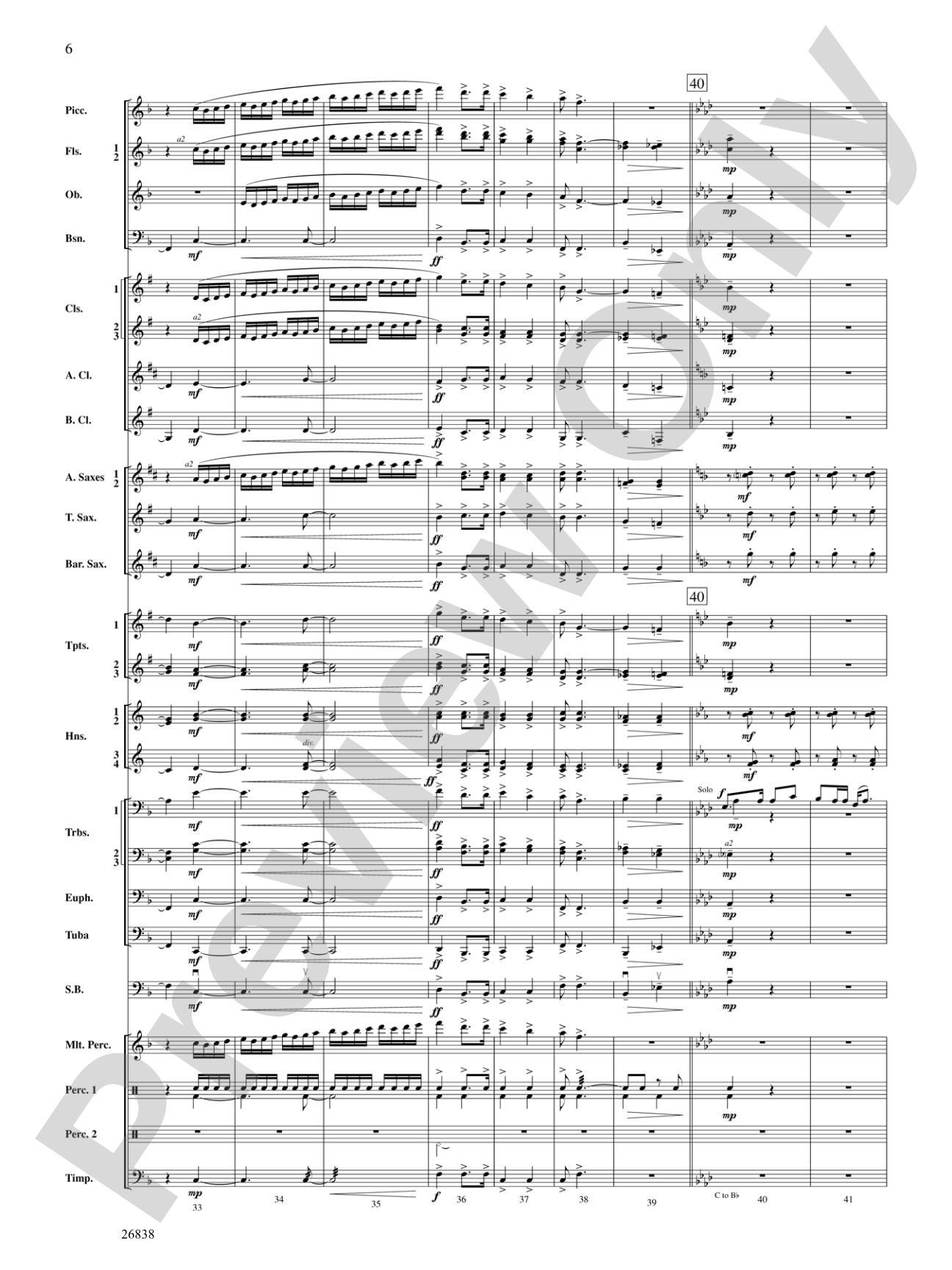
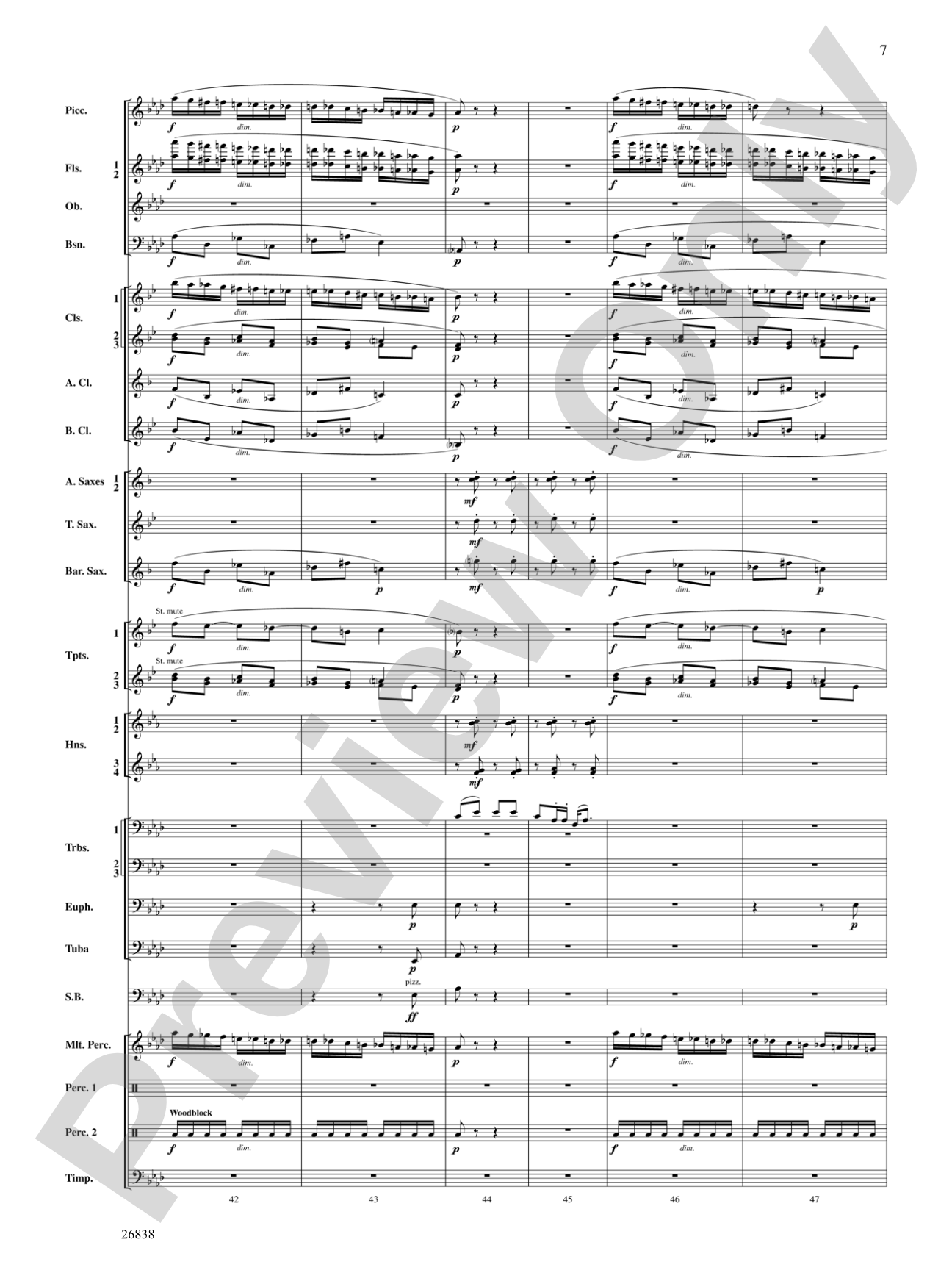
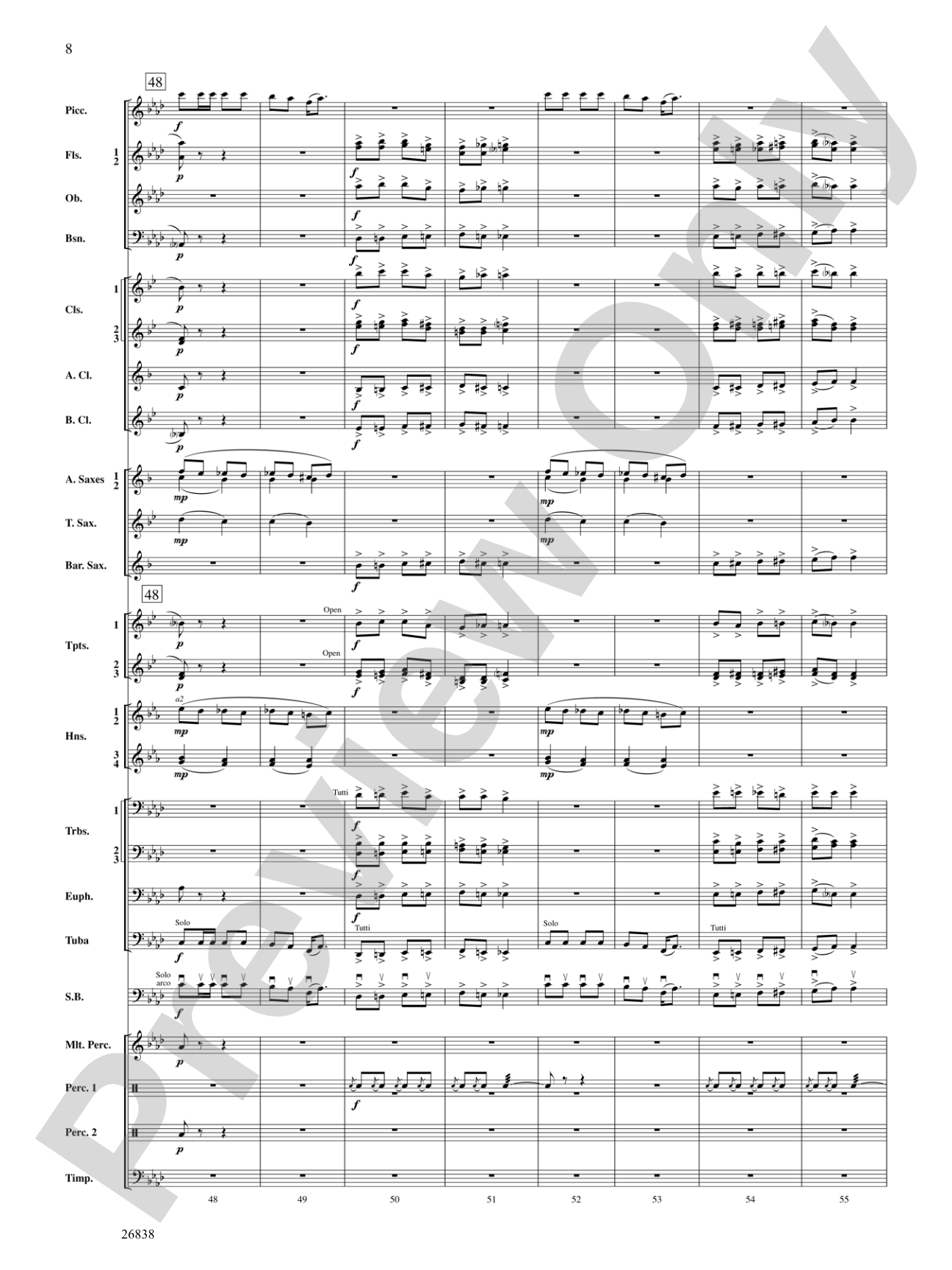
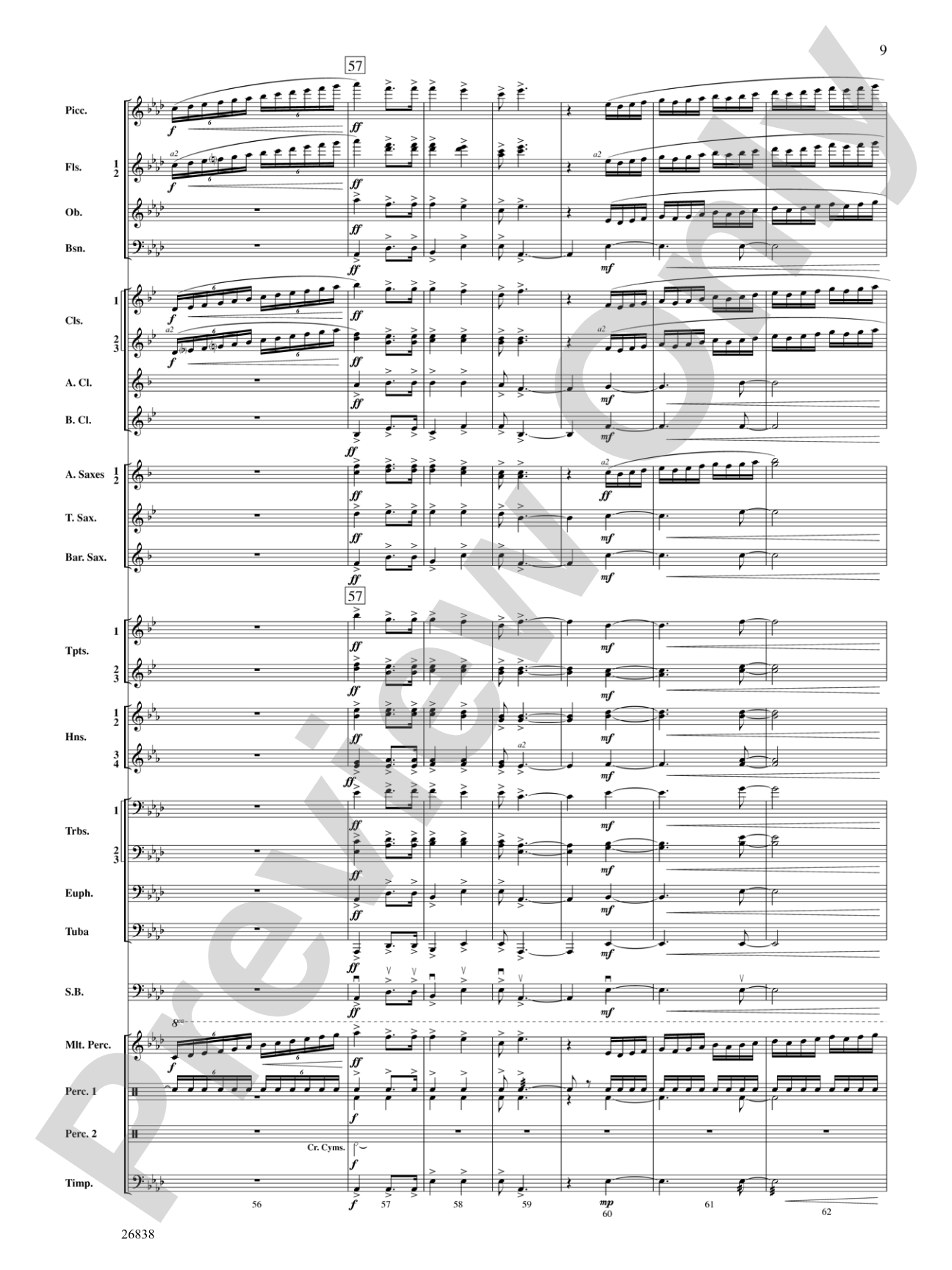
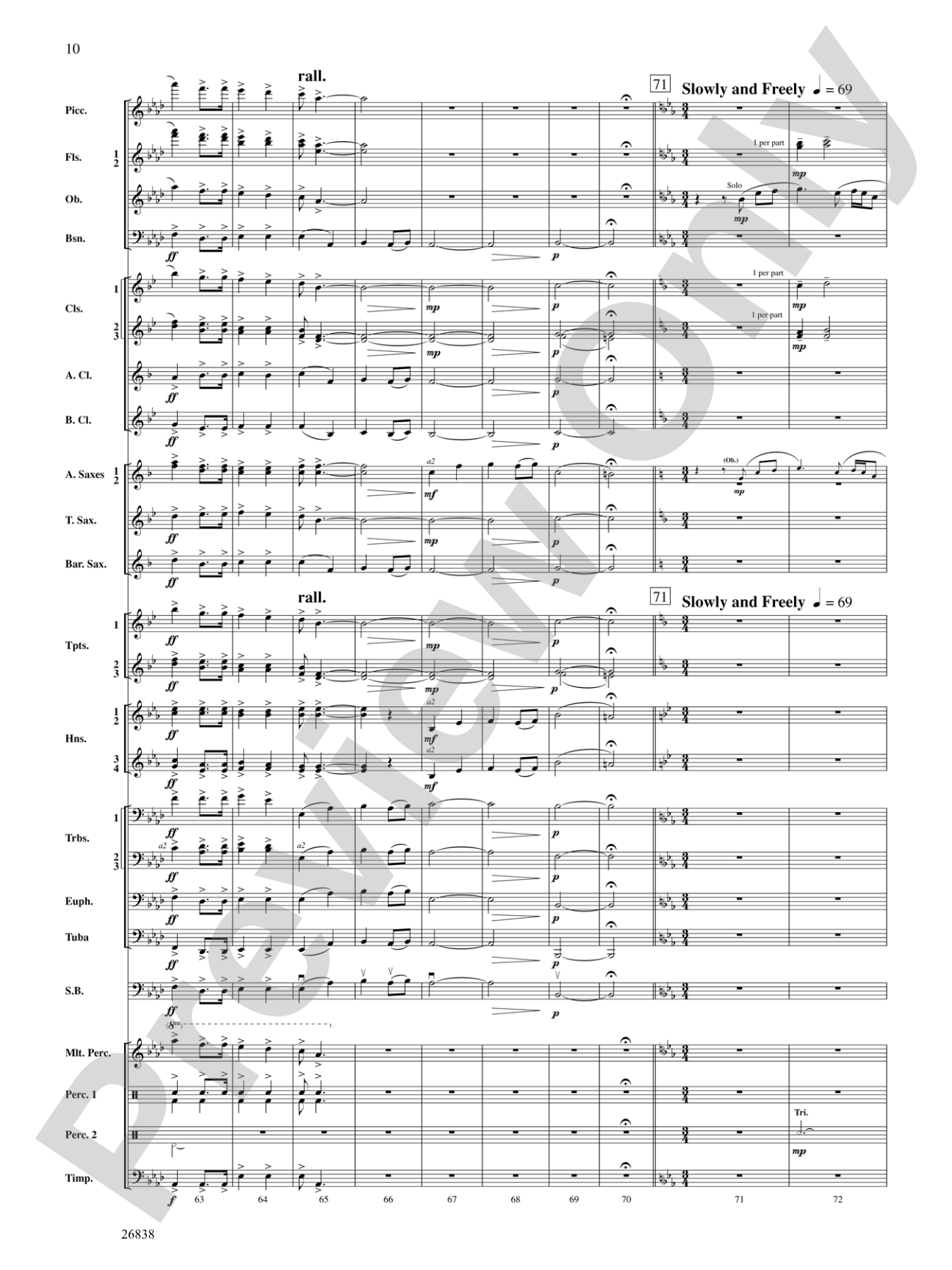
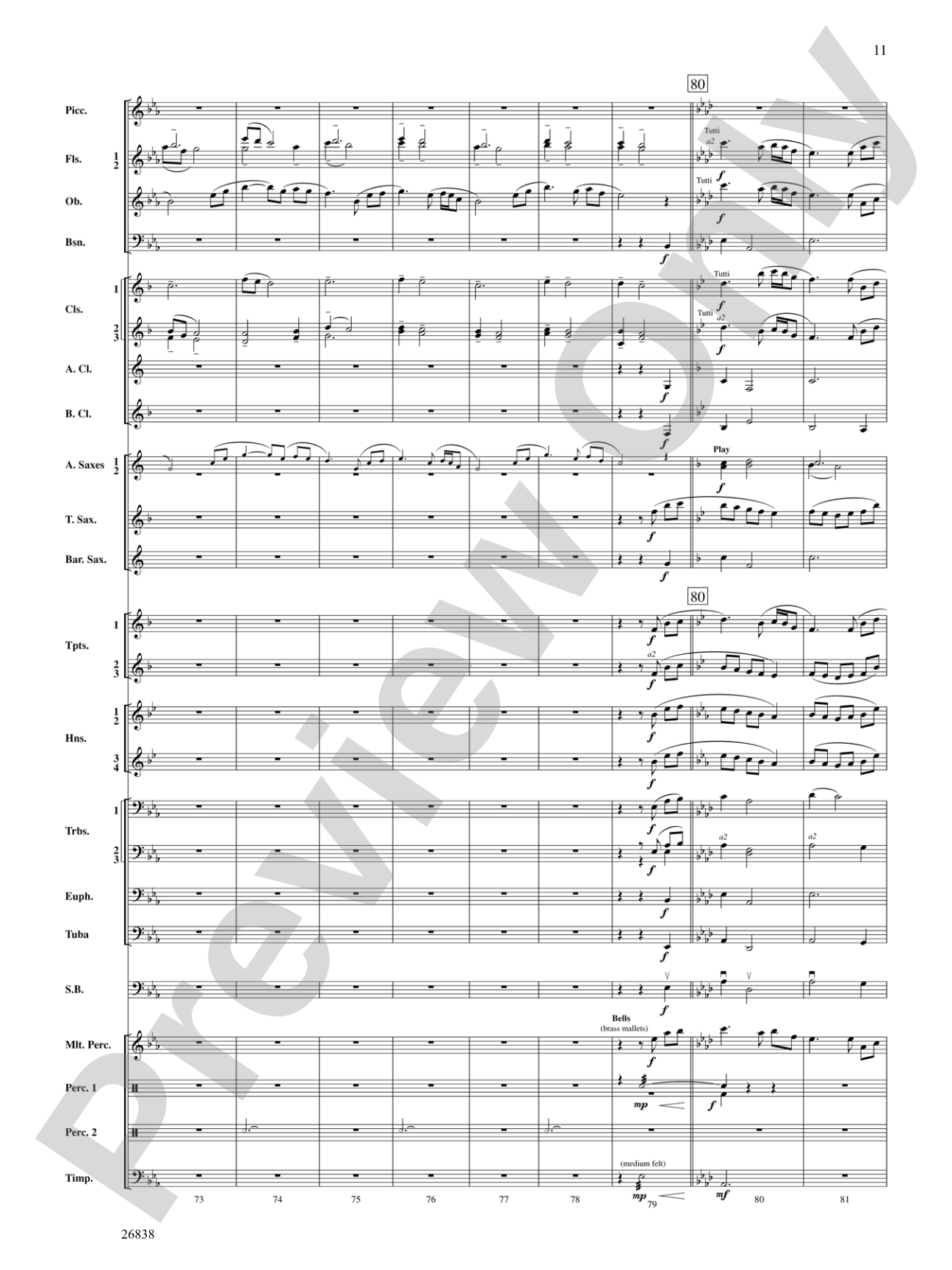
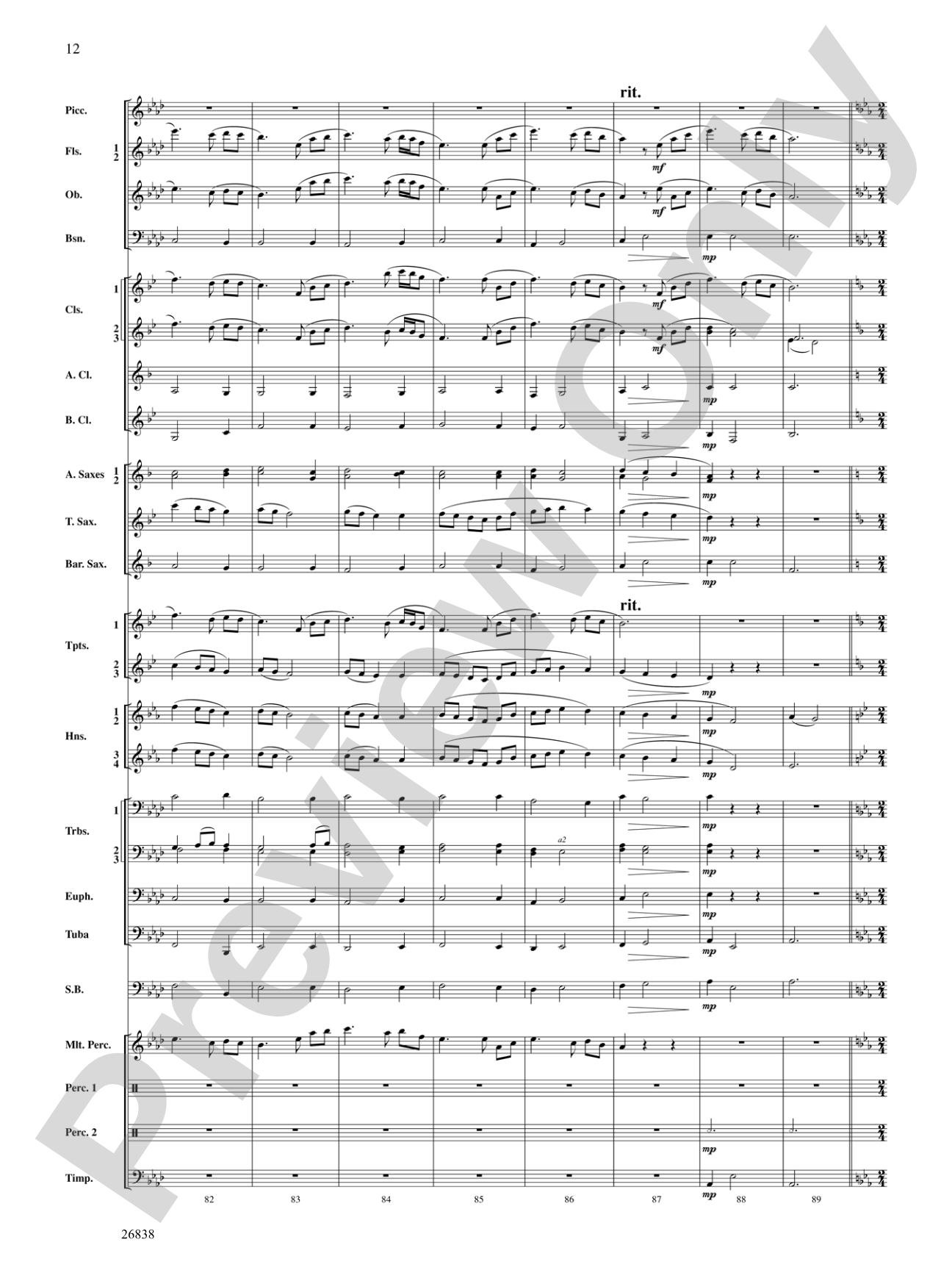
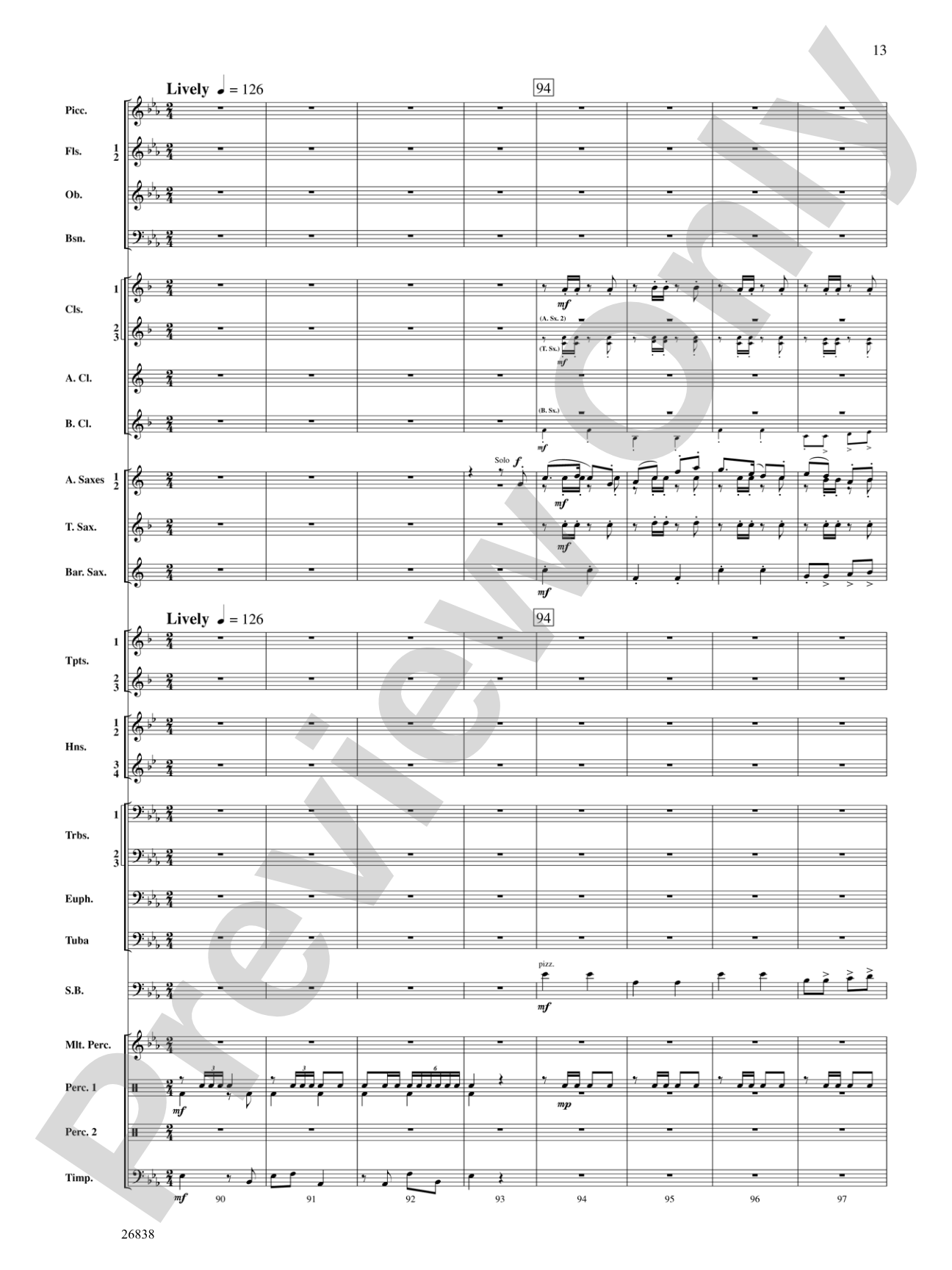
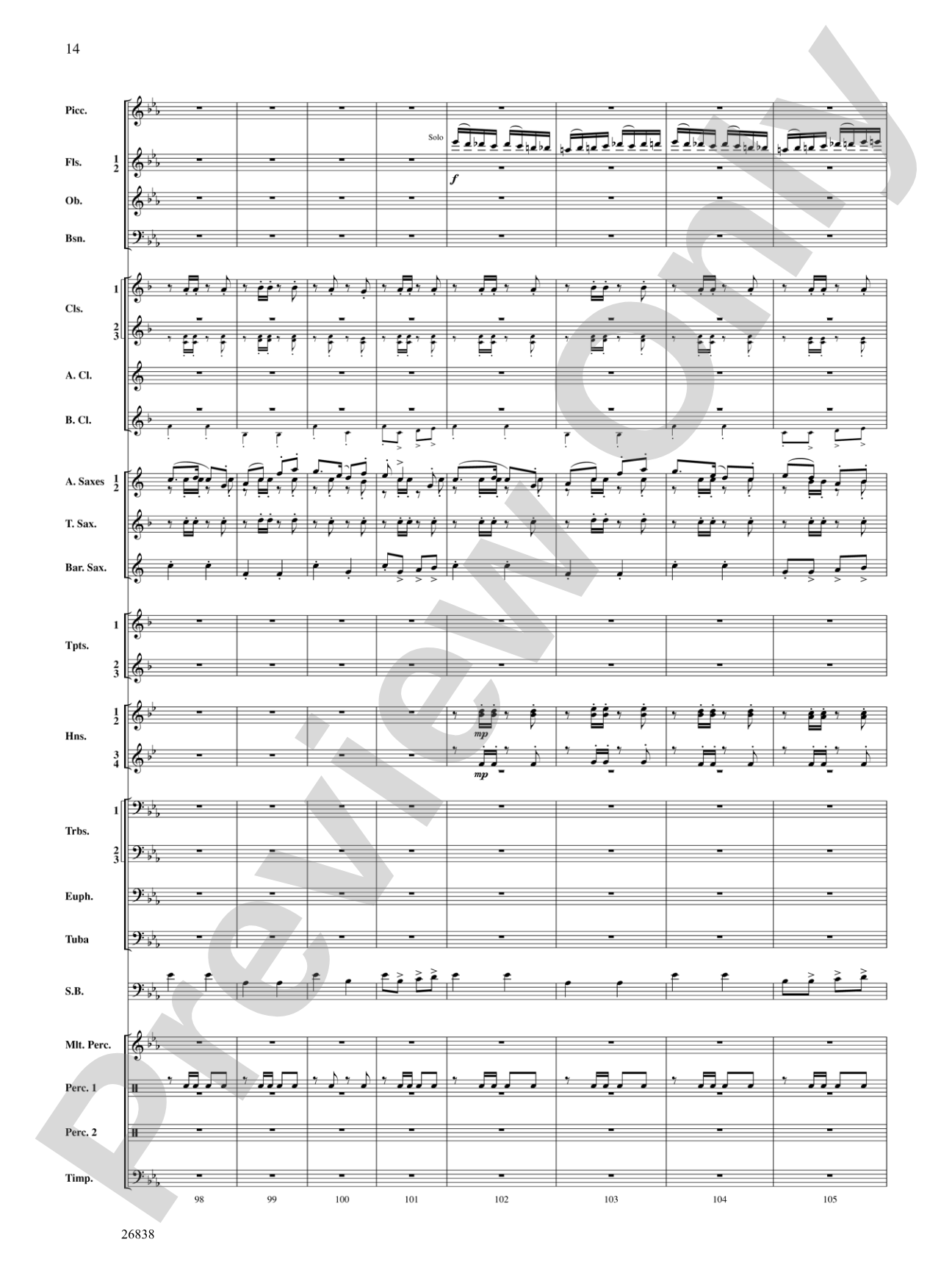
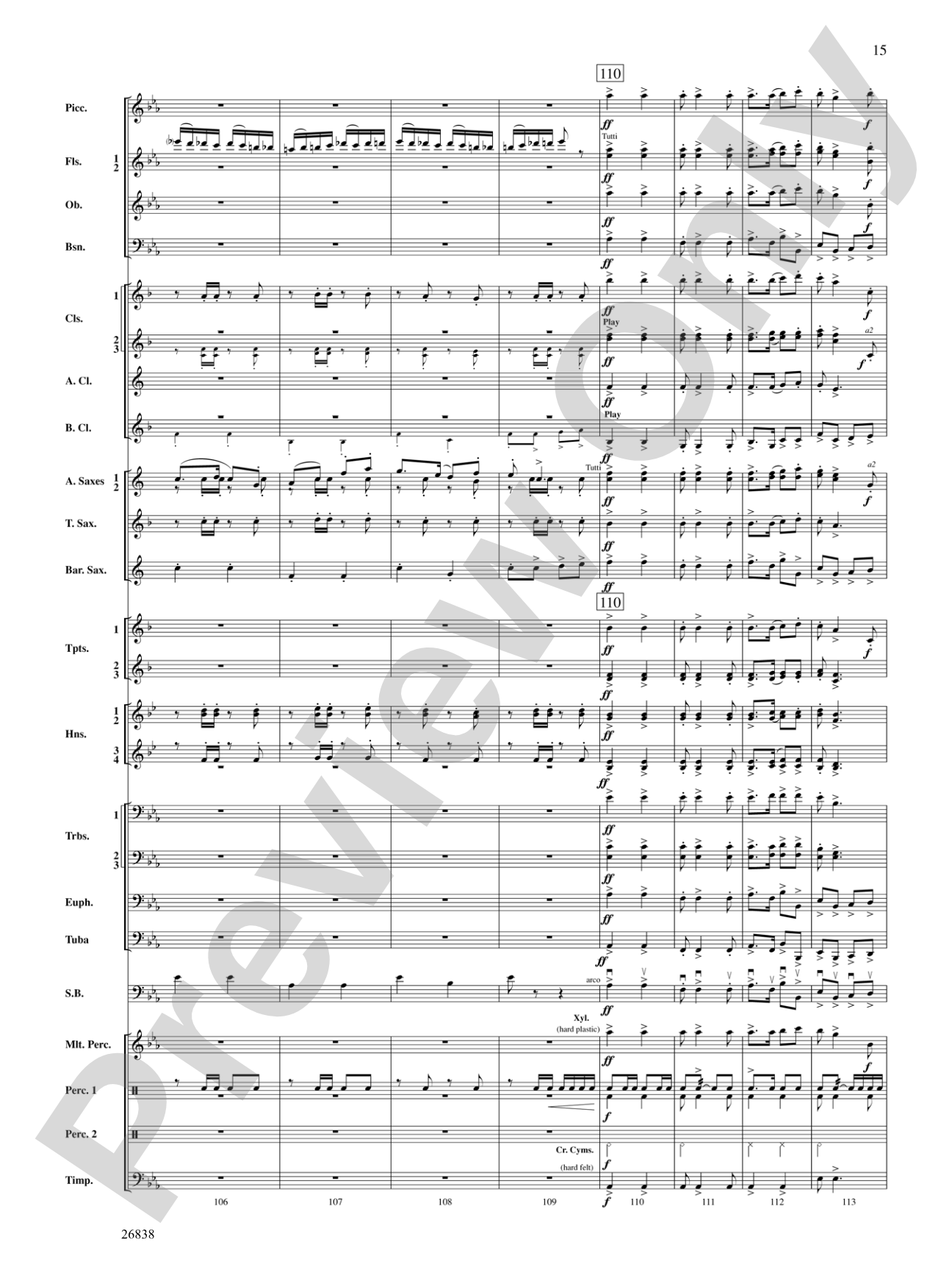
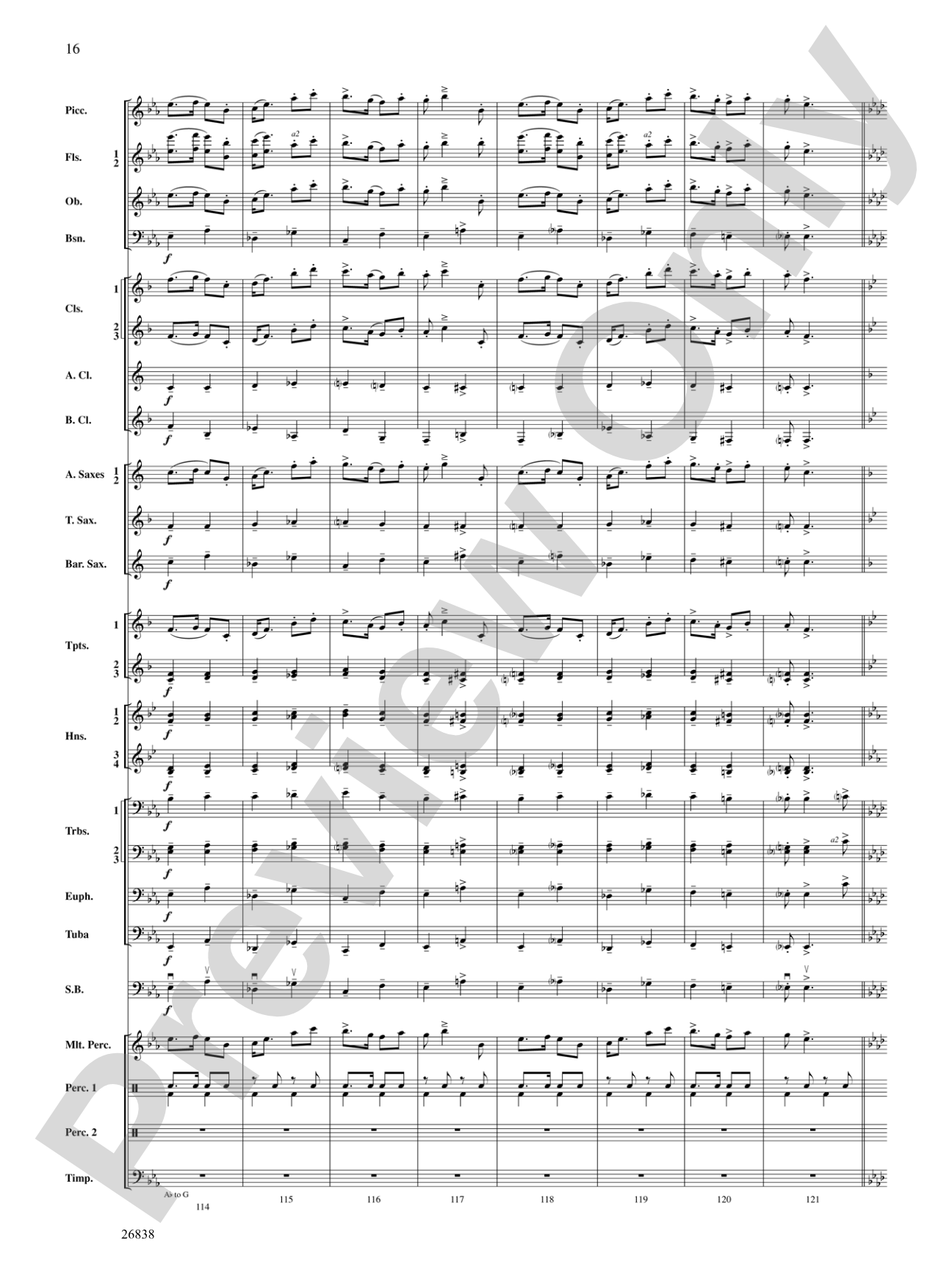
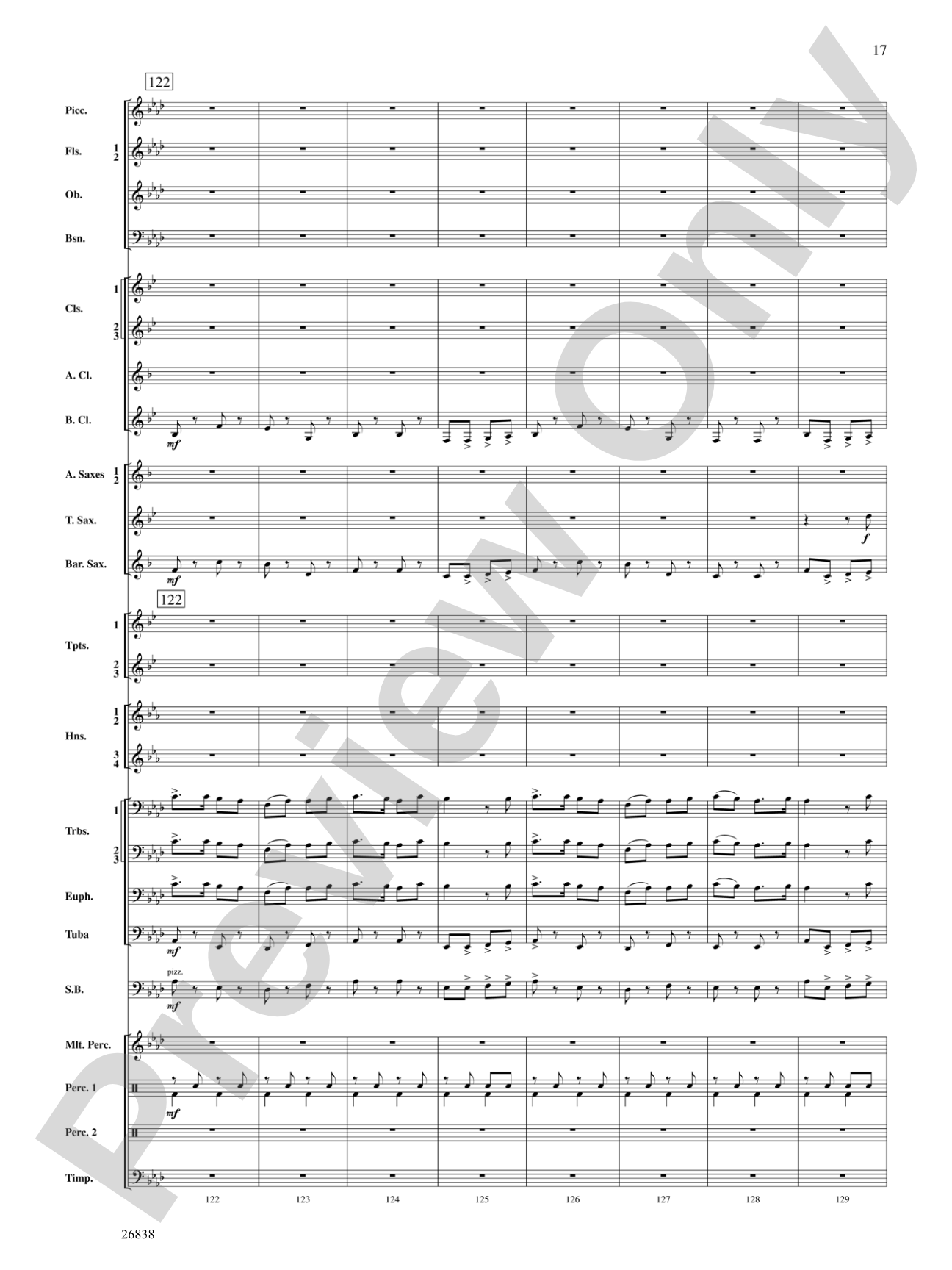
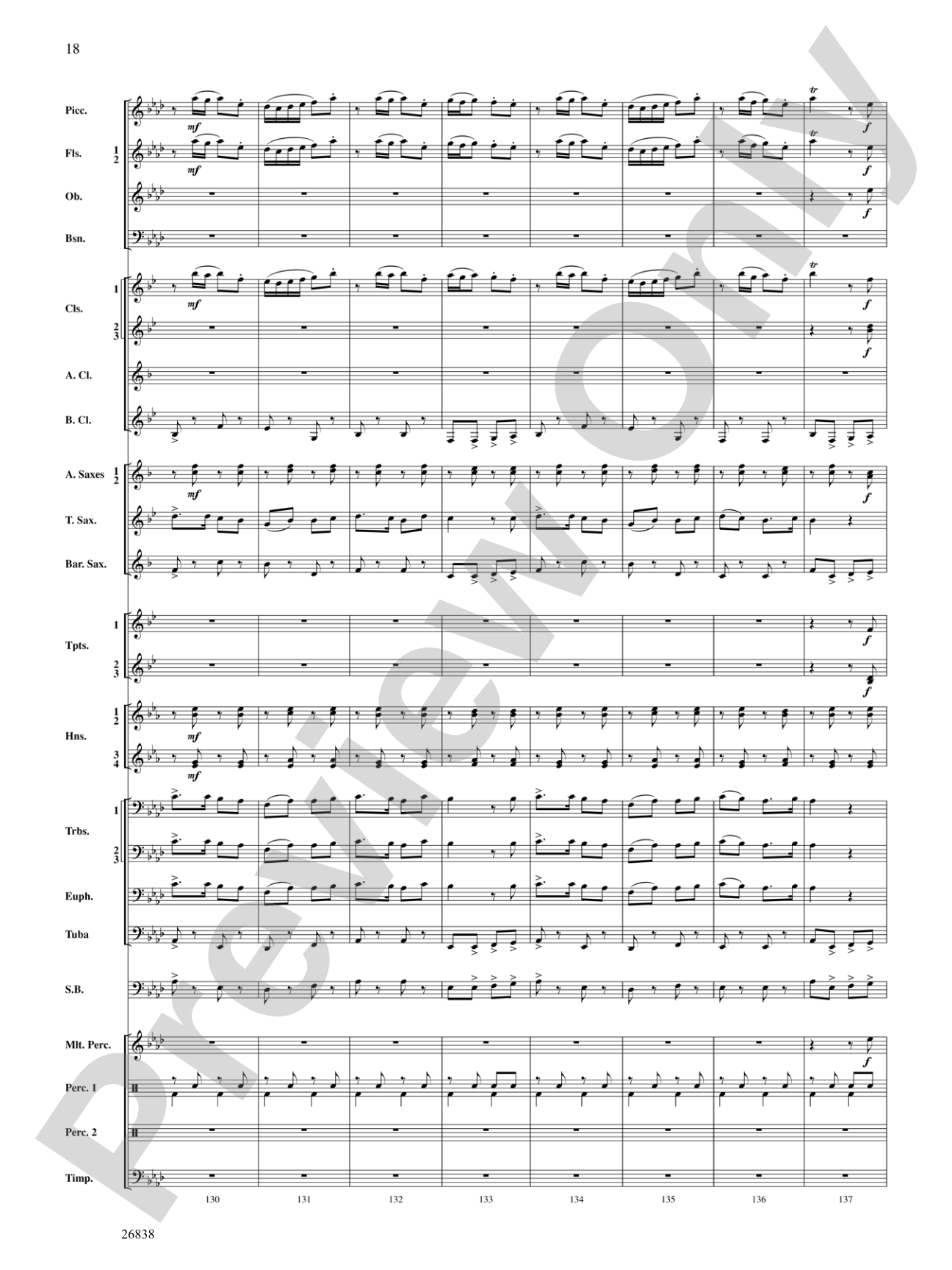
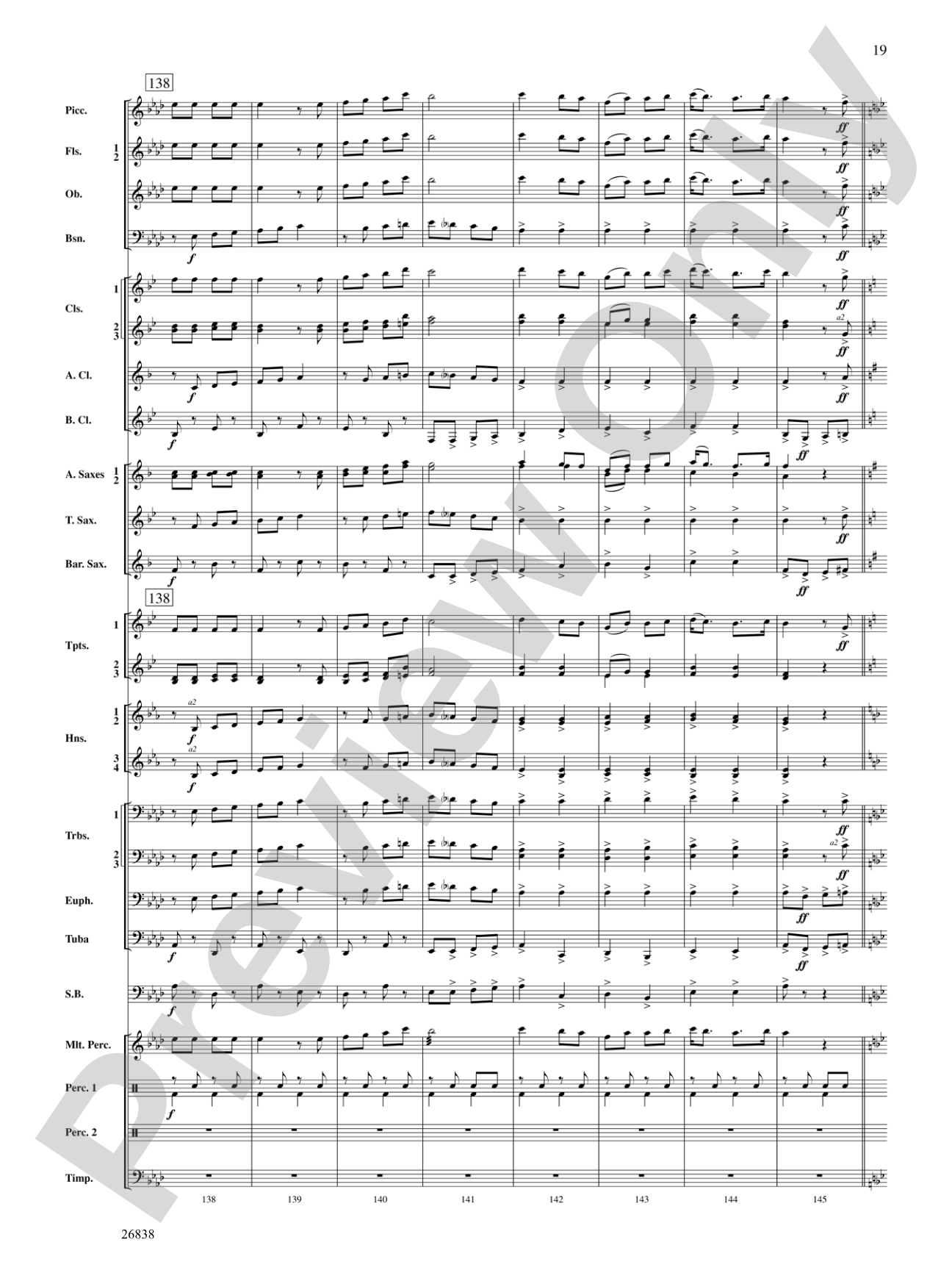
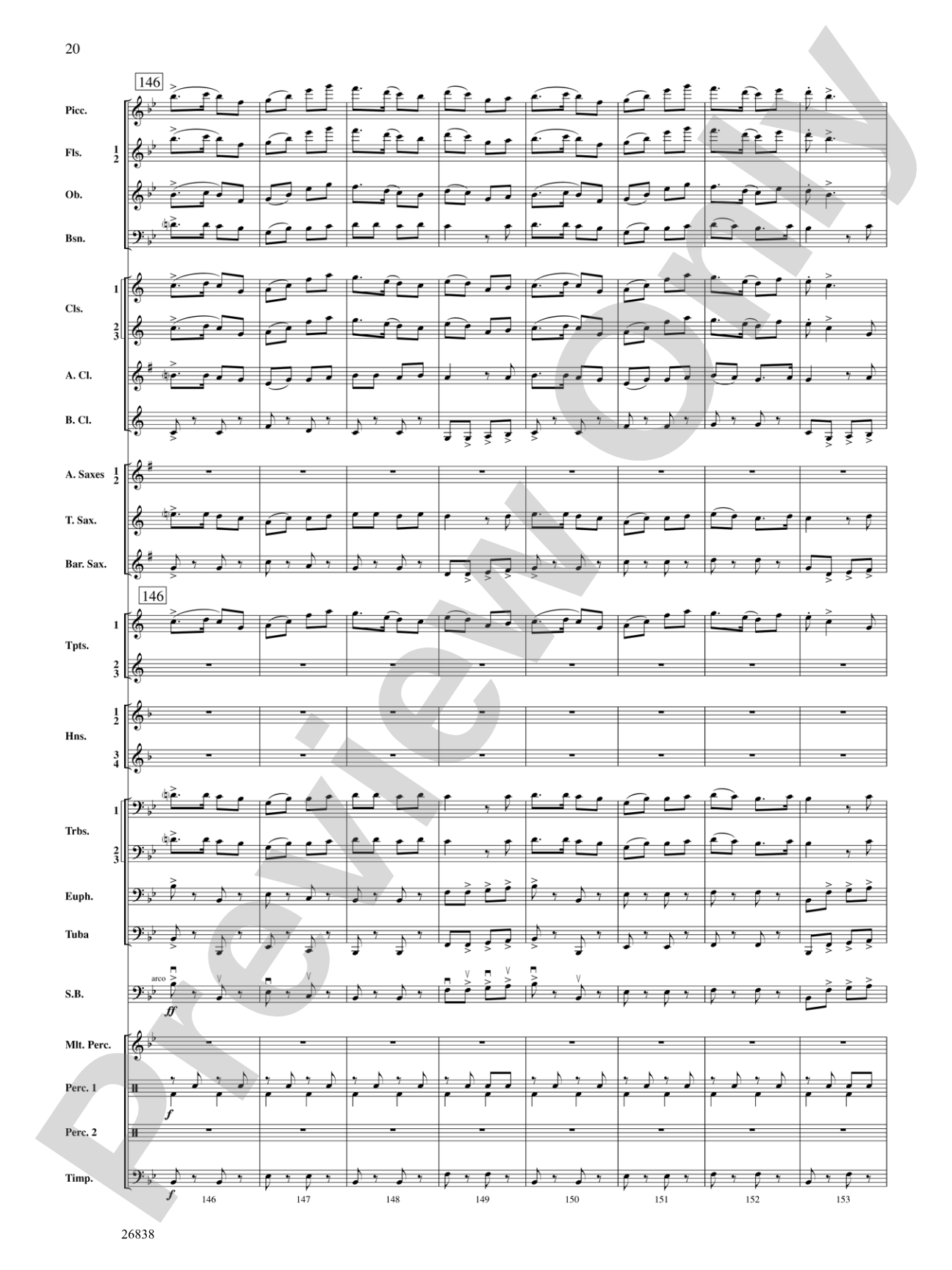
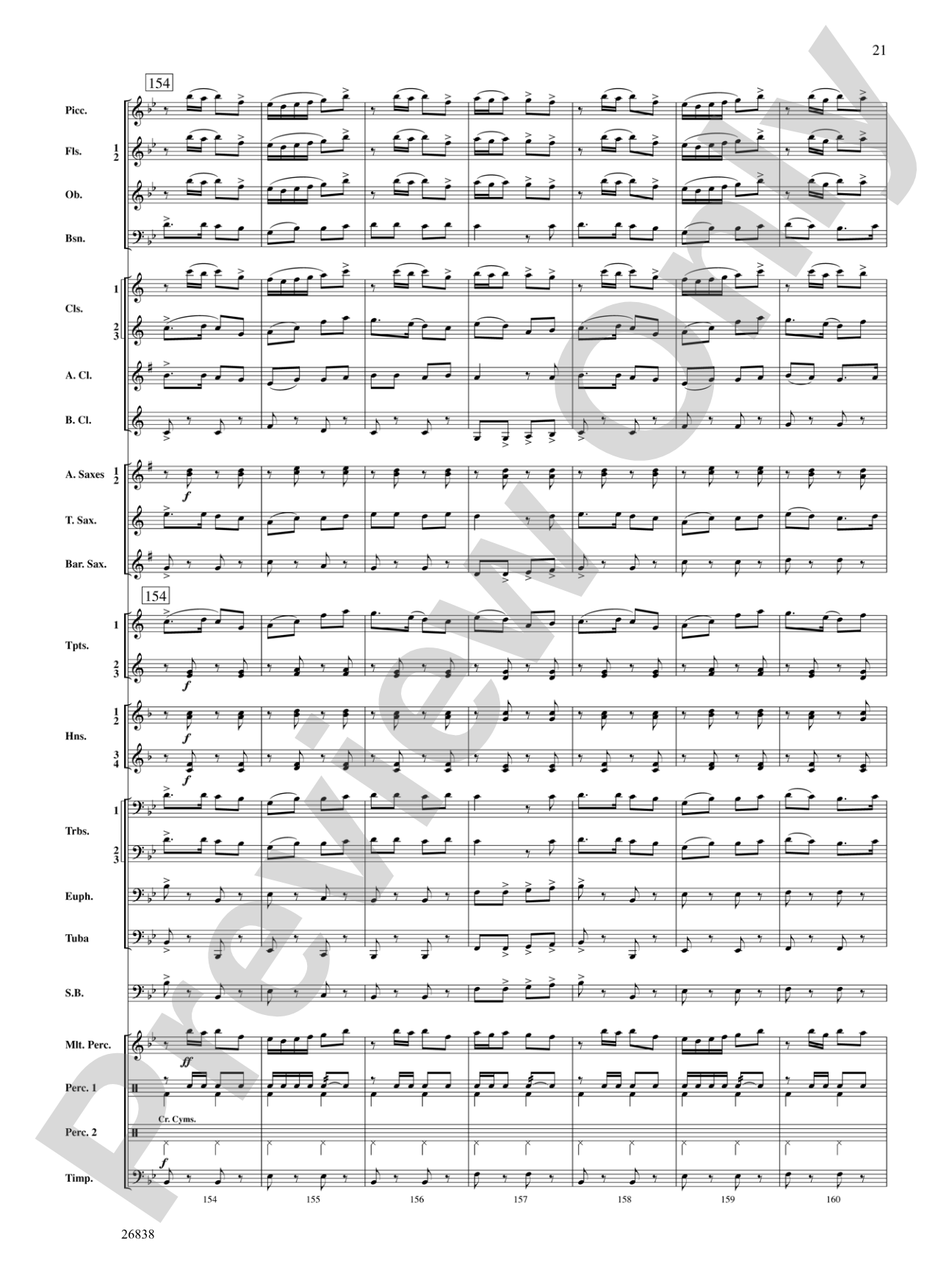
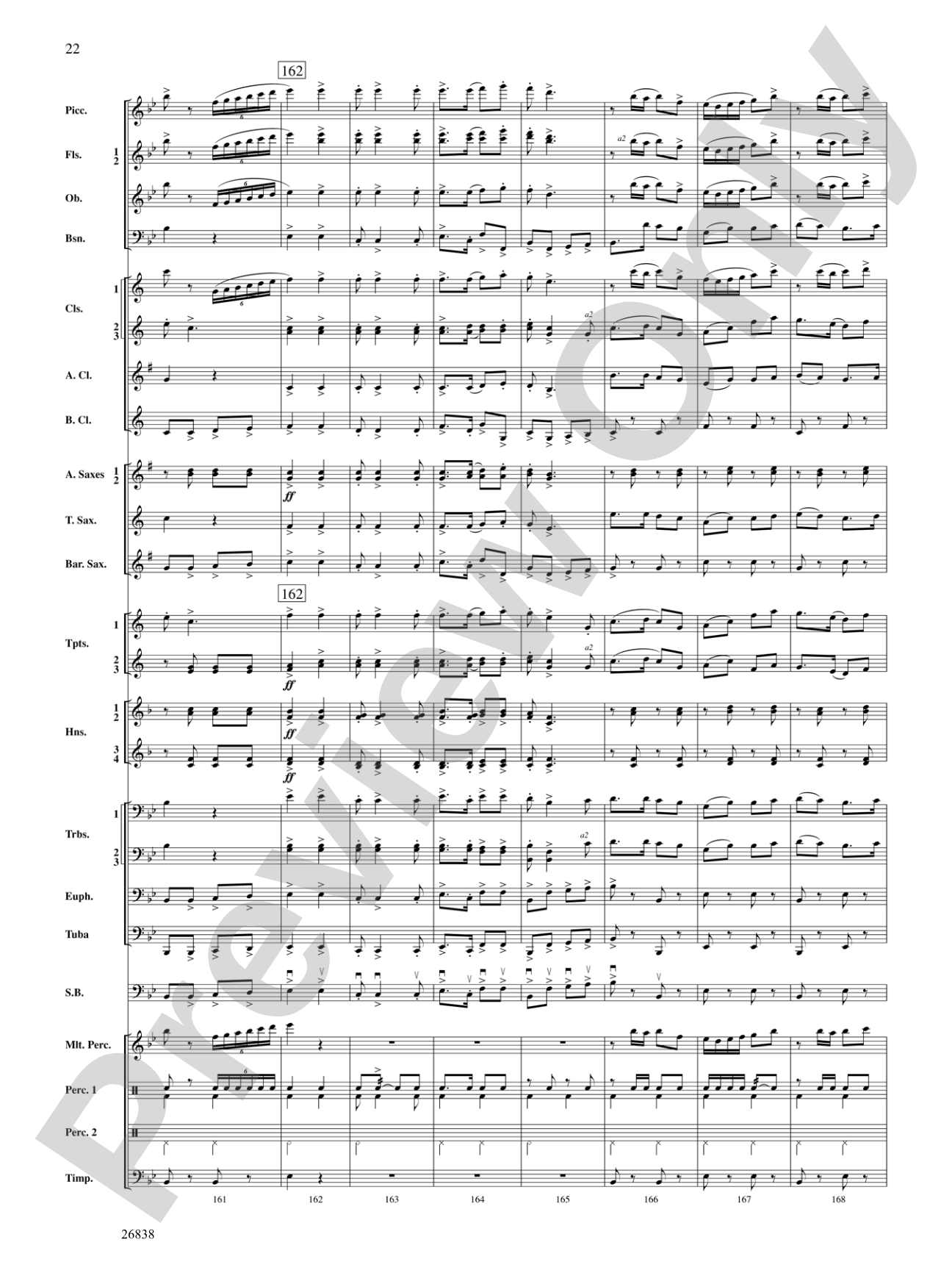
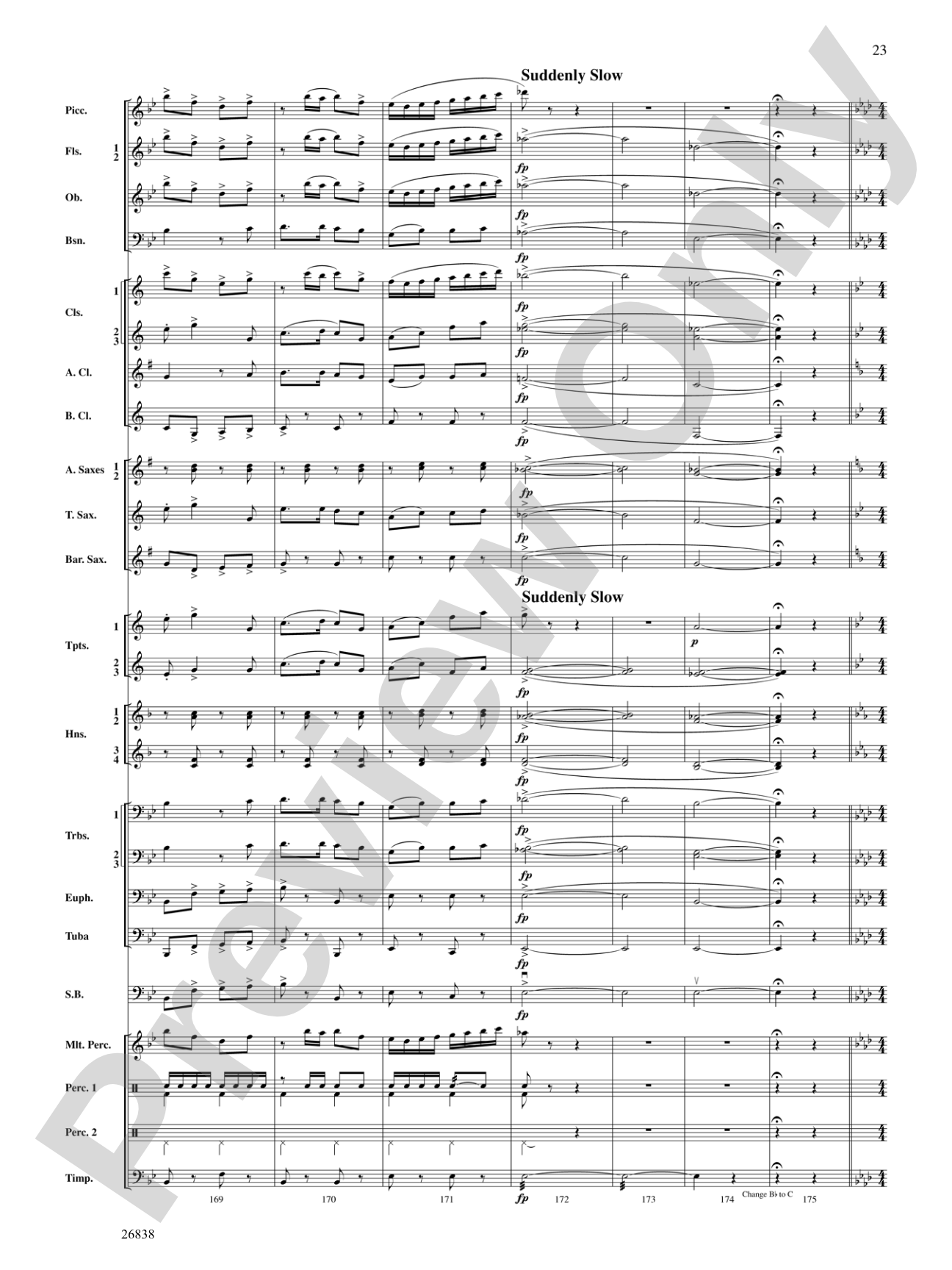
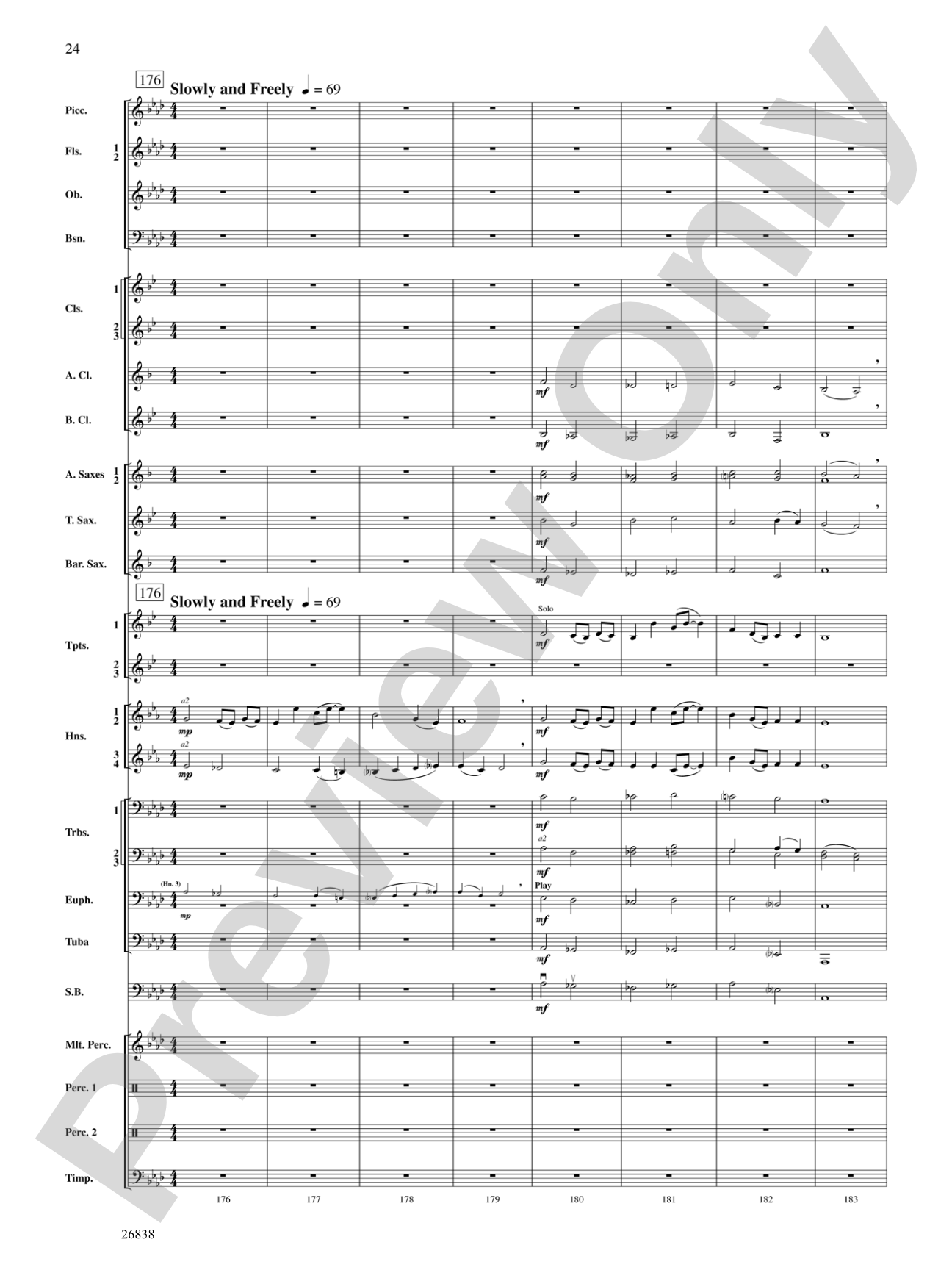
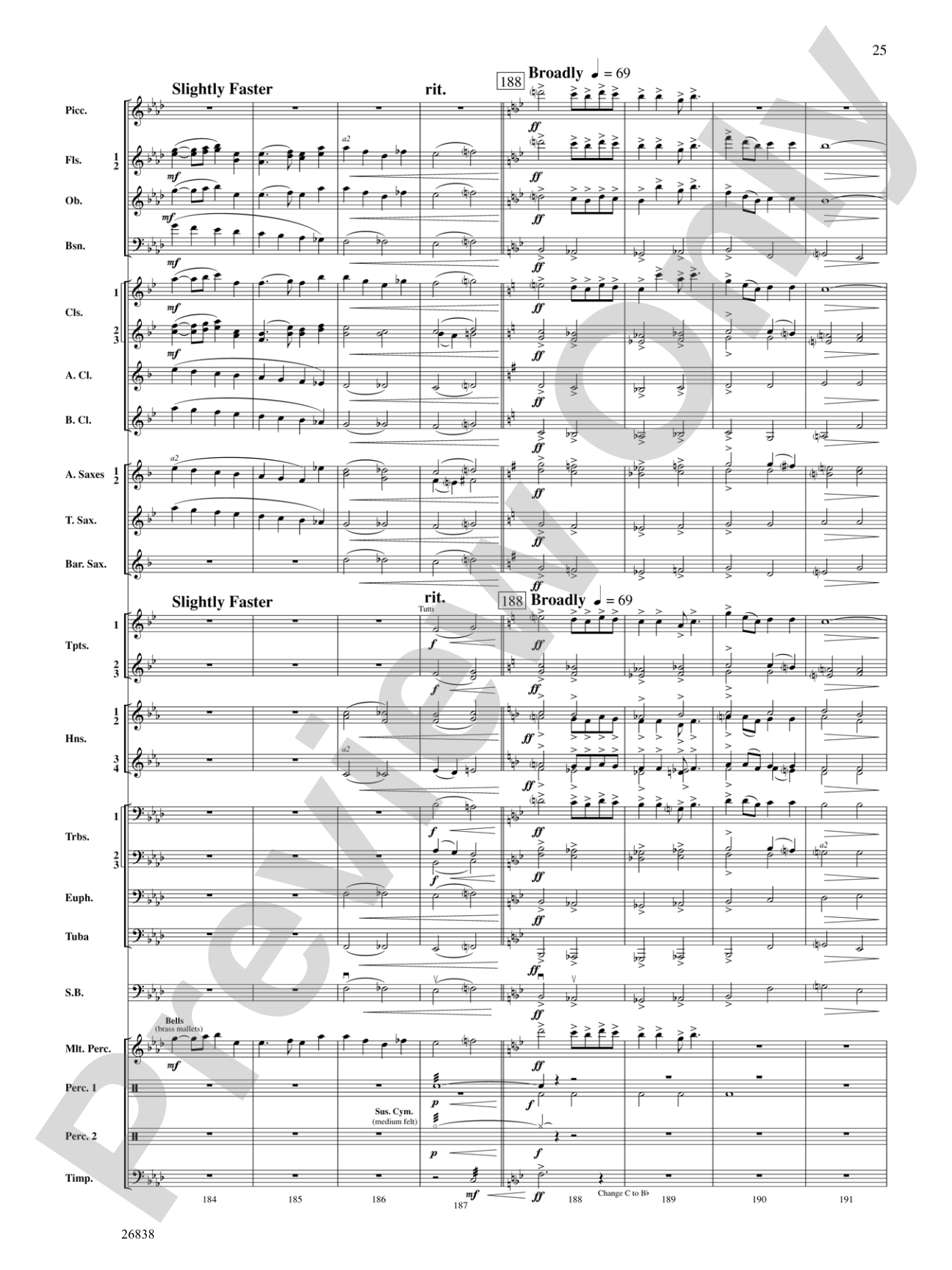
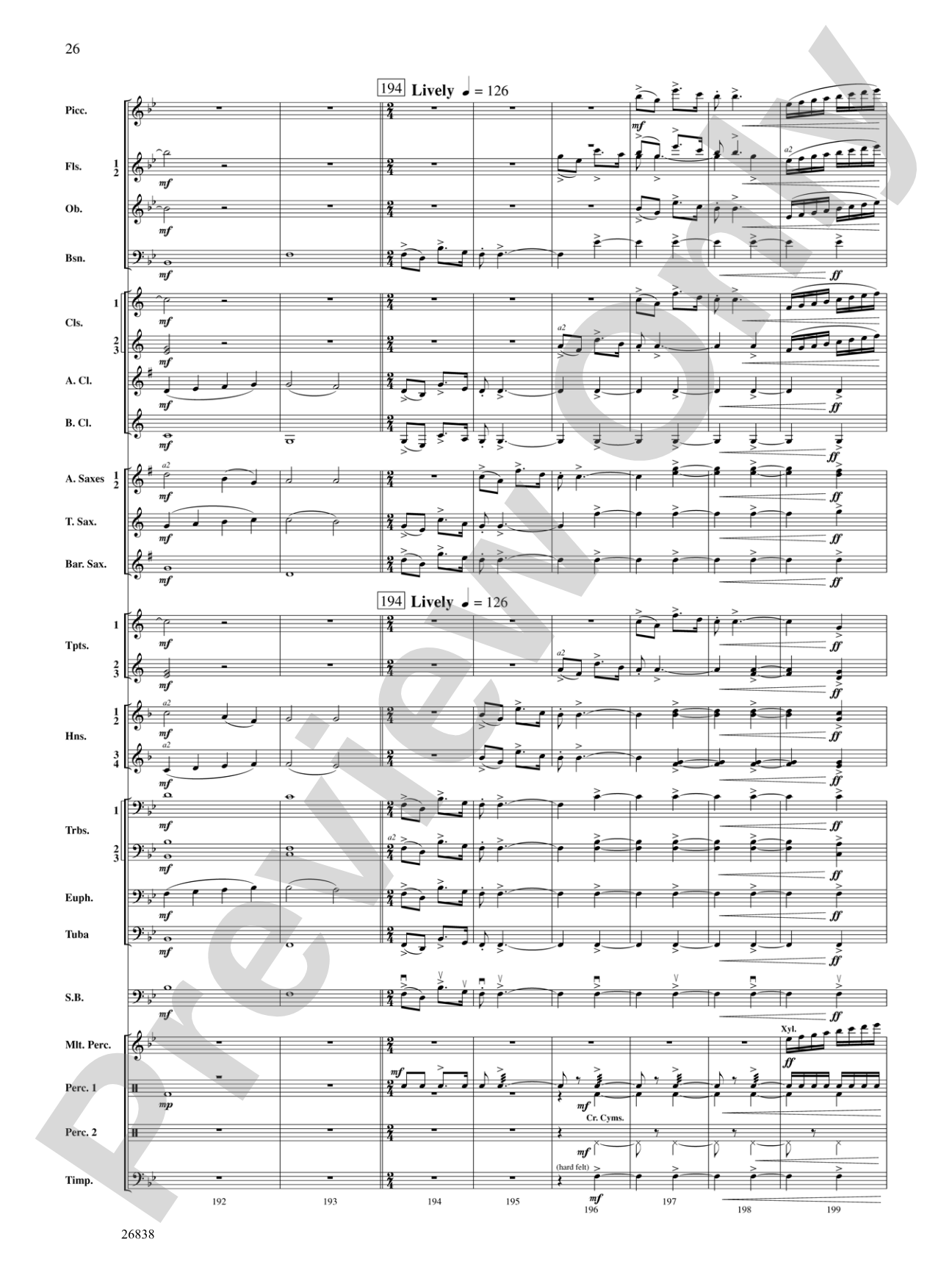
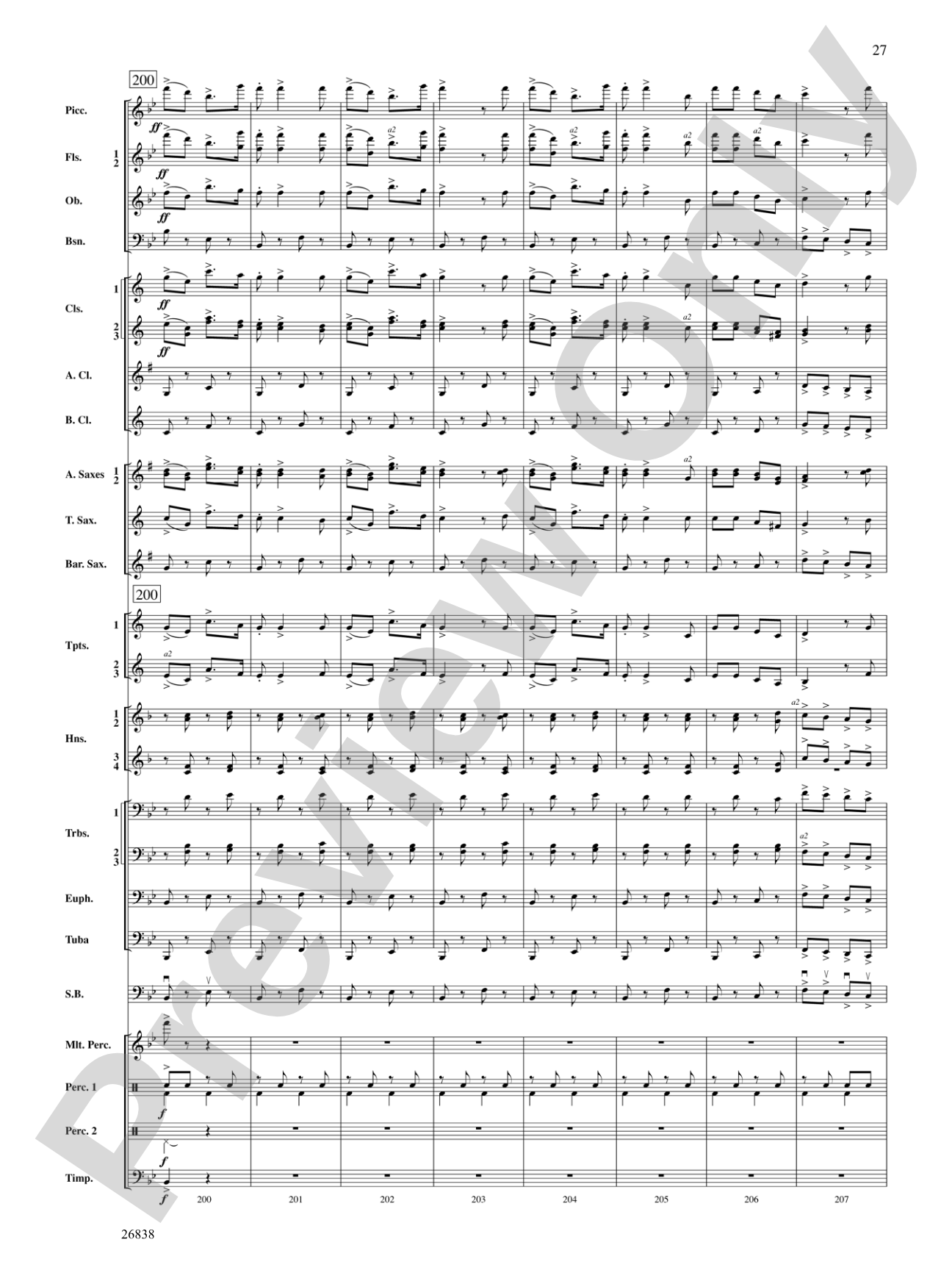
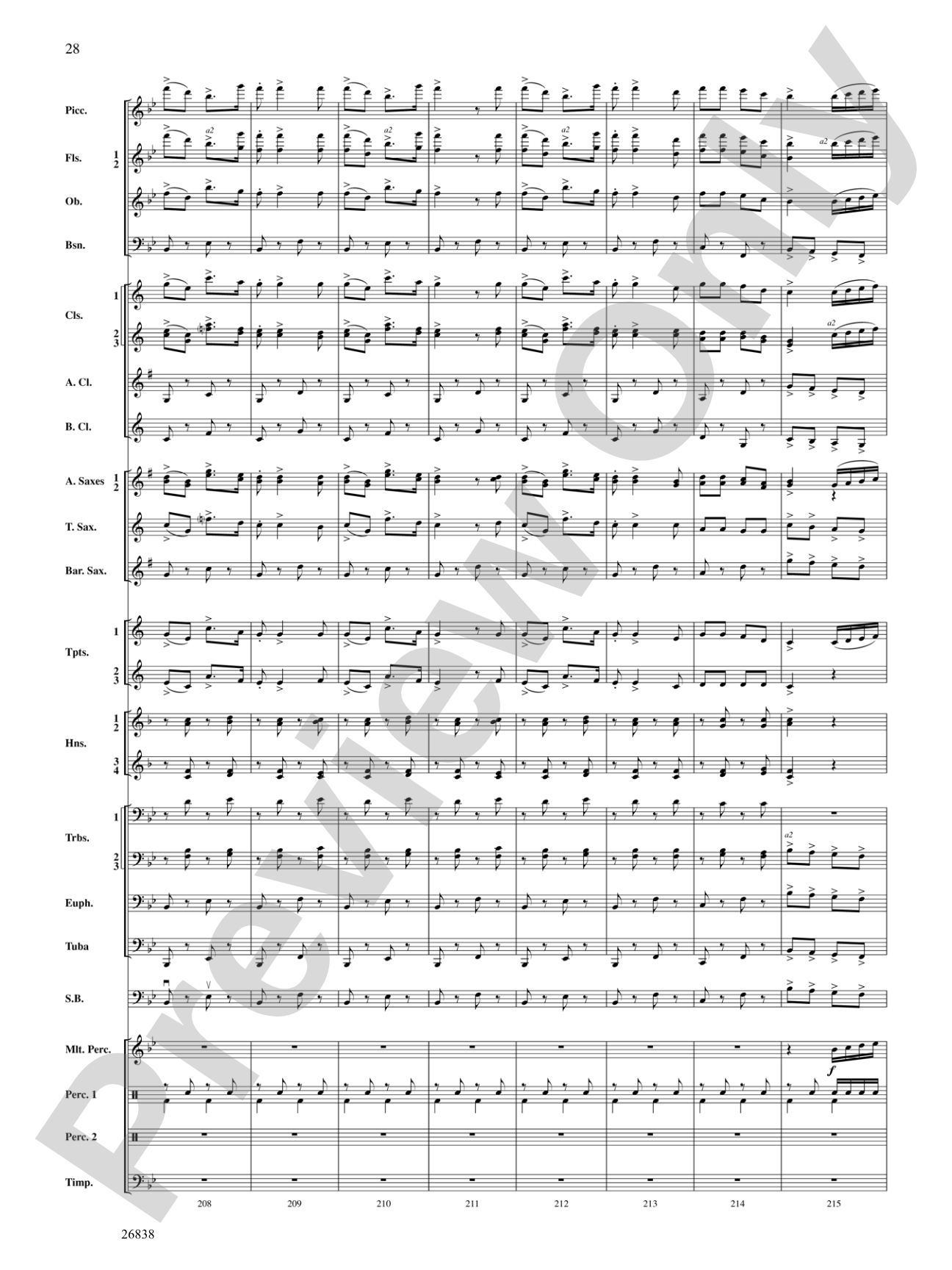
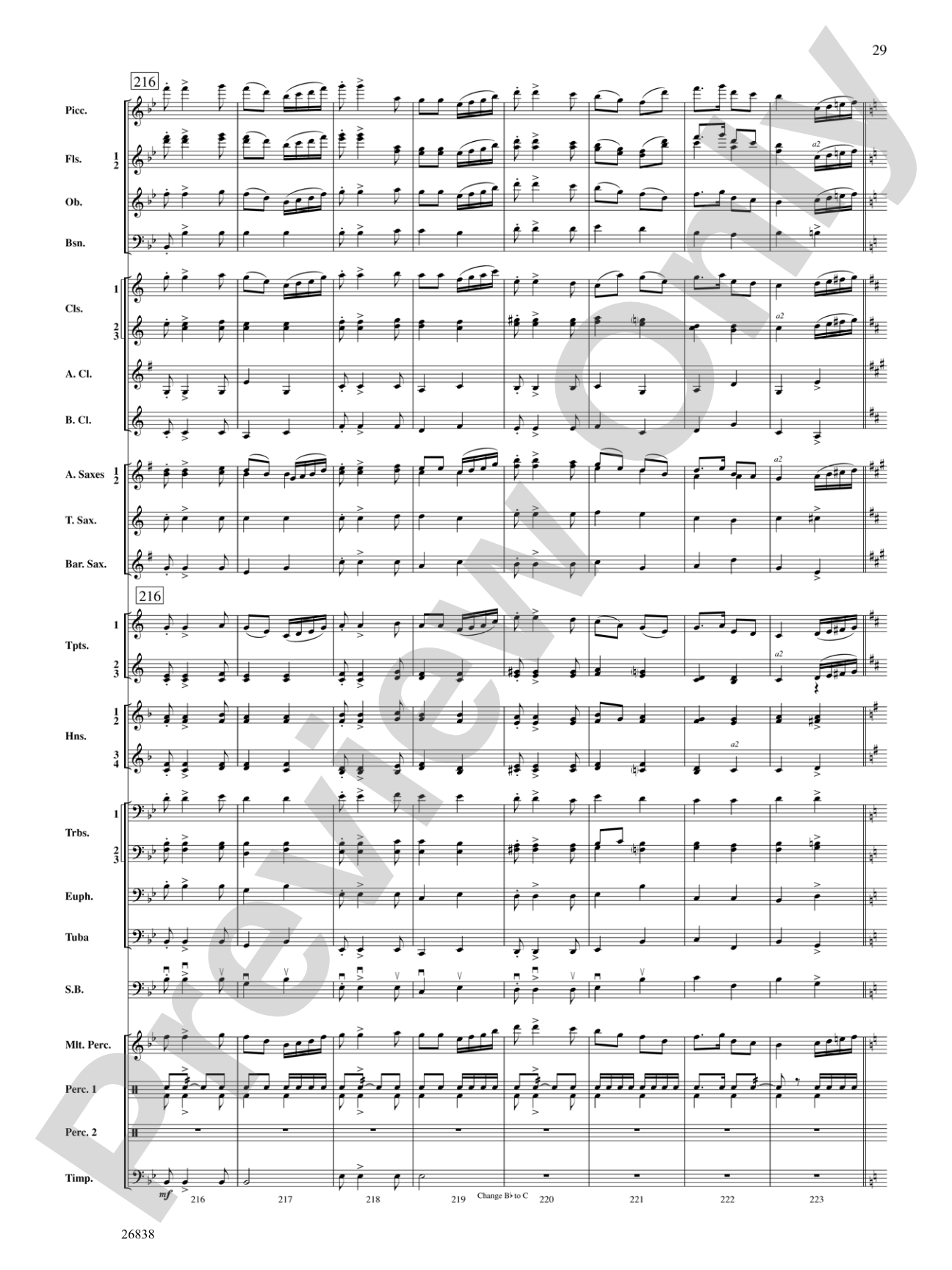
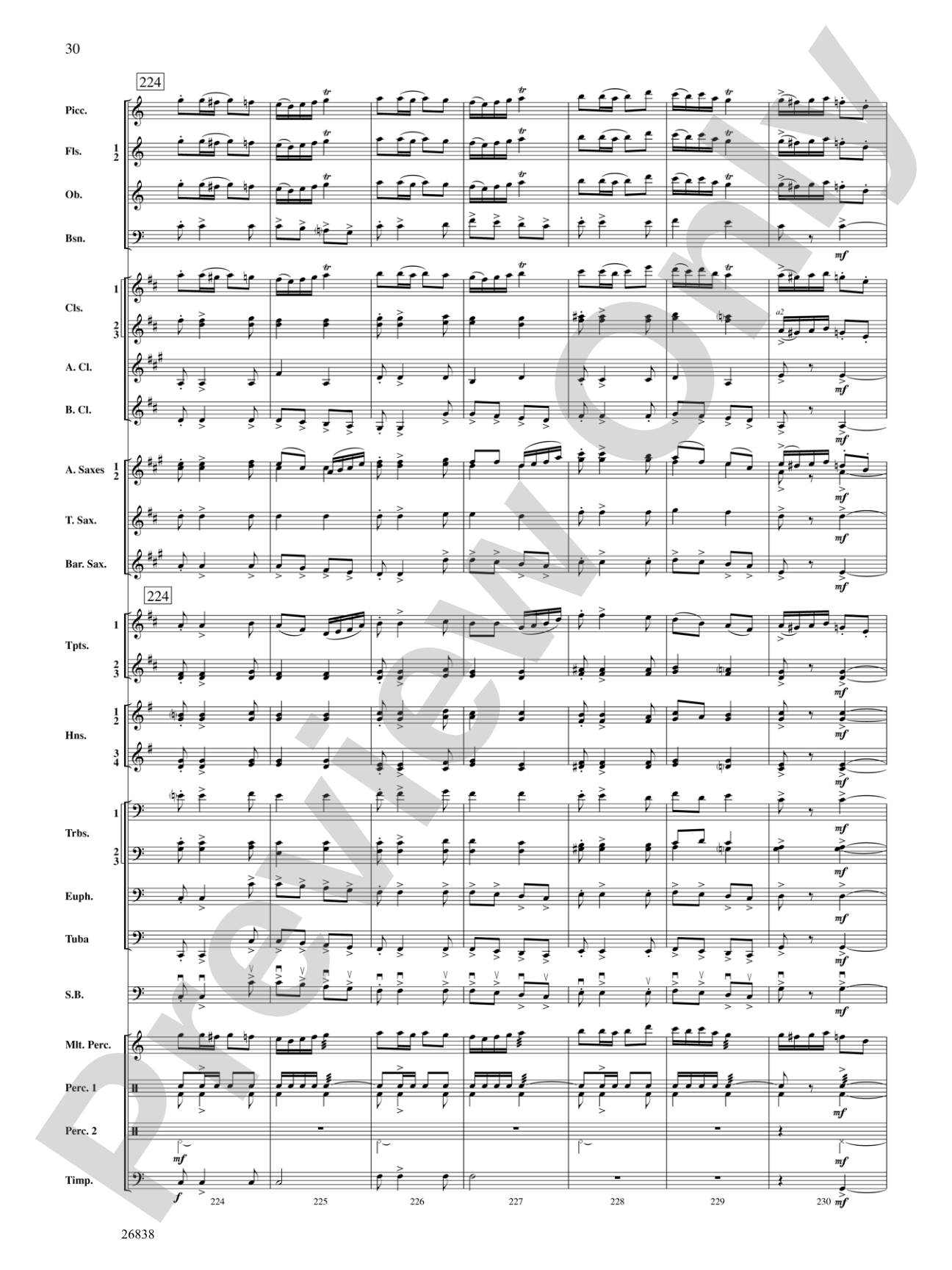
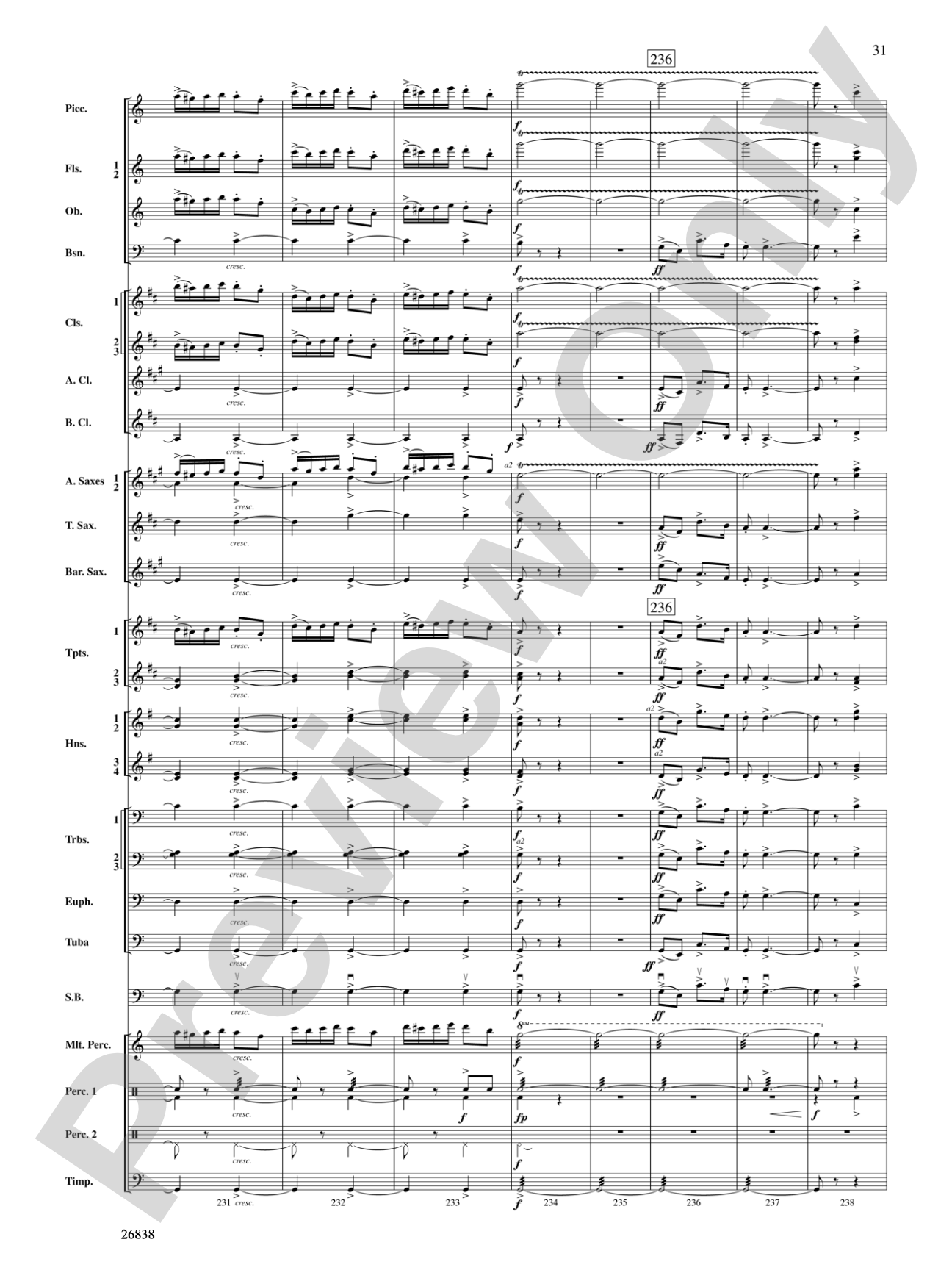
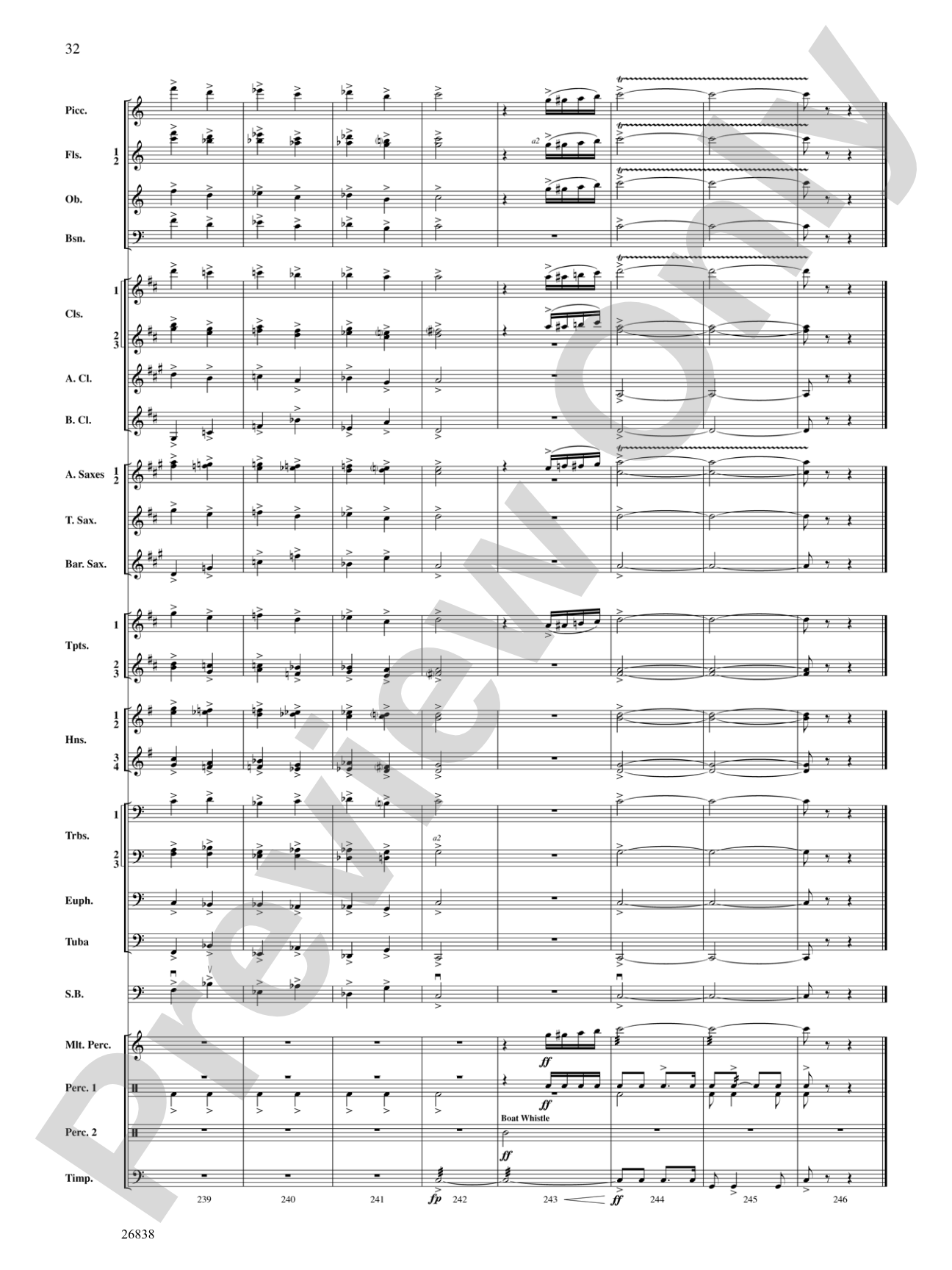

River Songs of the South: Score
By William G. Harbinson
Grade: 4 (Medium Difficult)
Item: 00-PR-0001261
$10.00
Pickup currently not available
Description
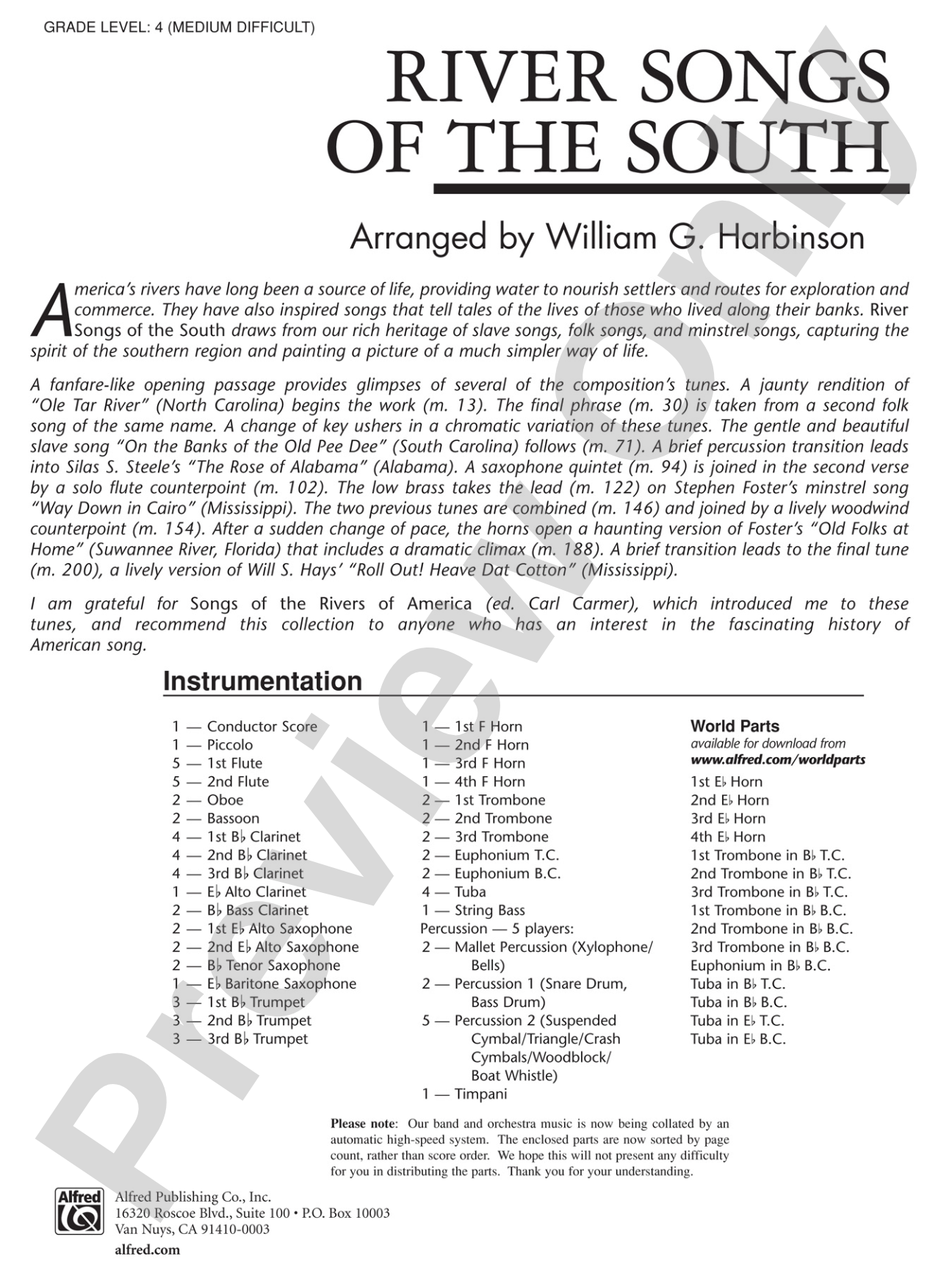
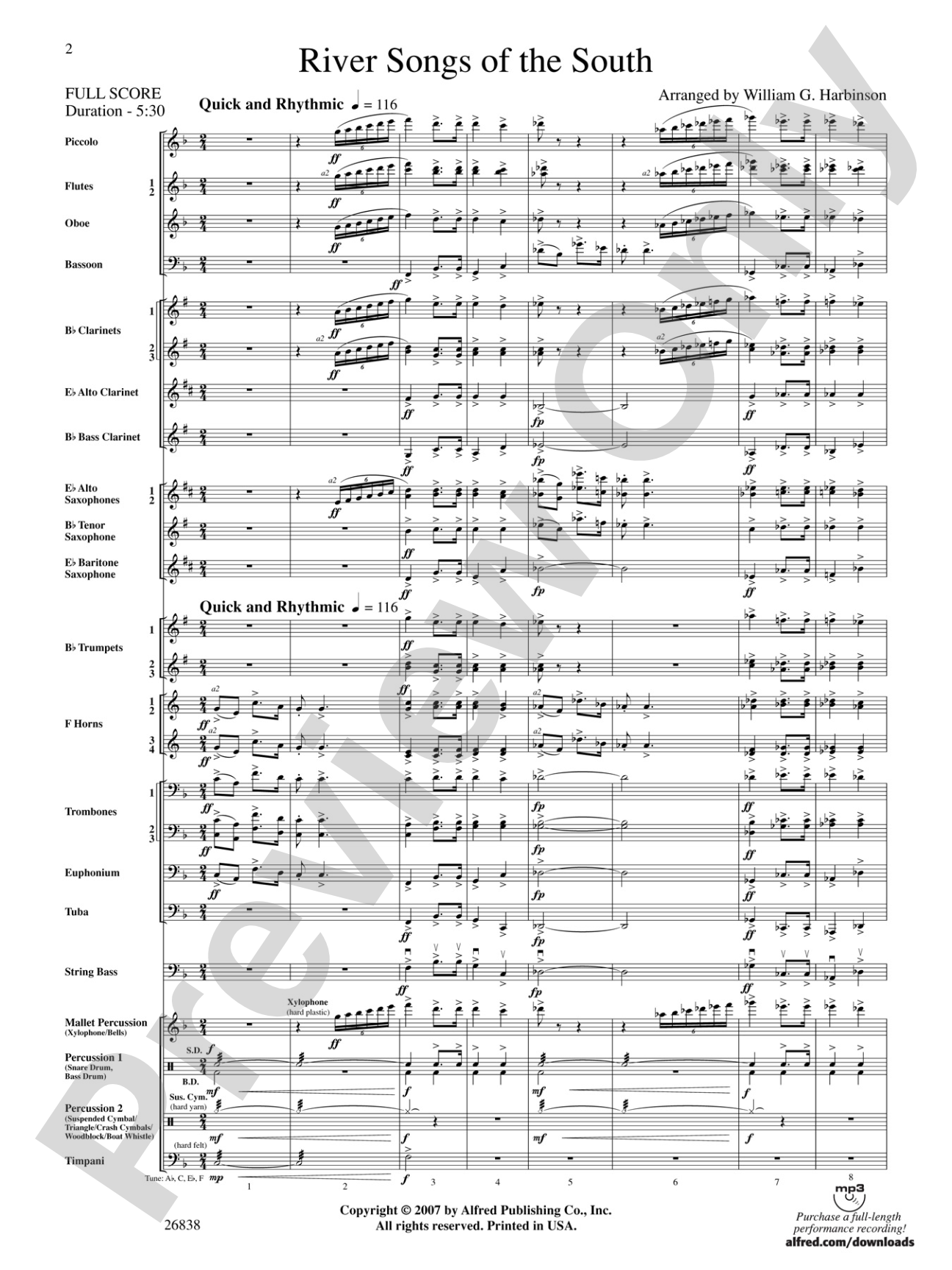
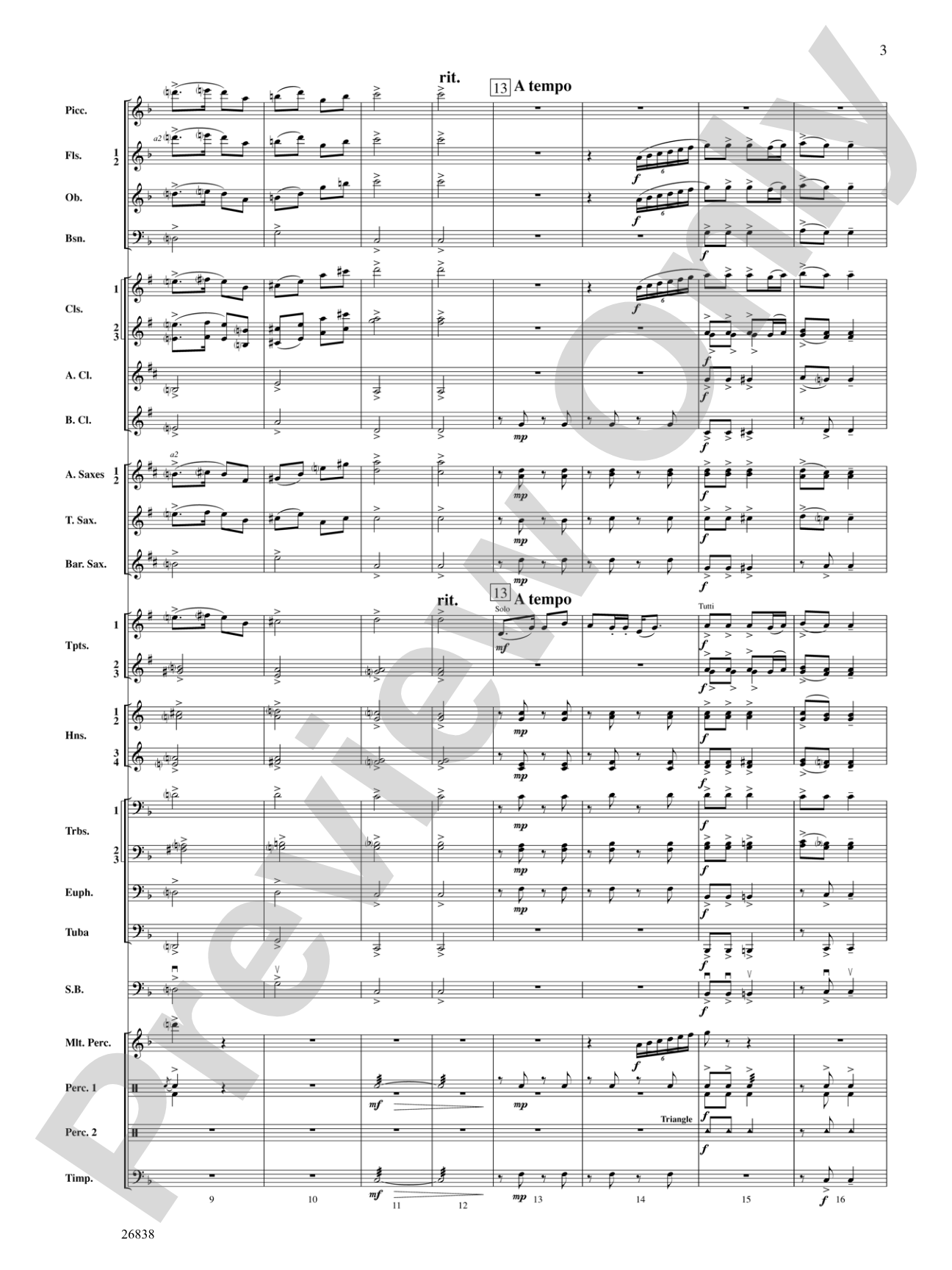
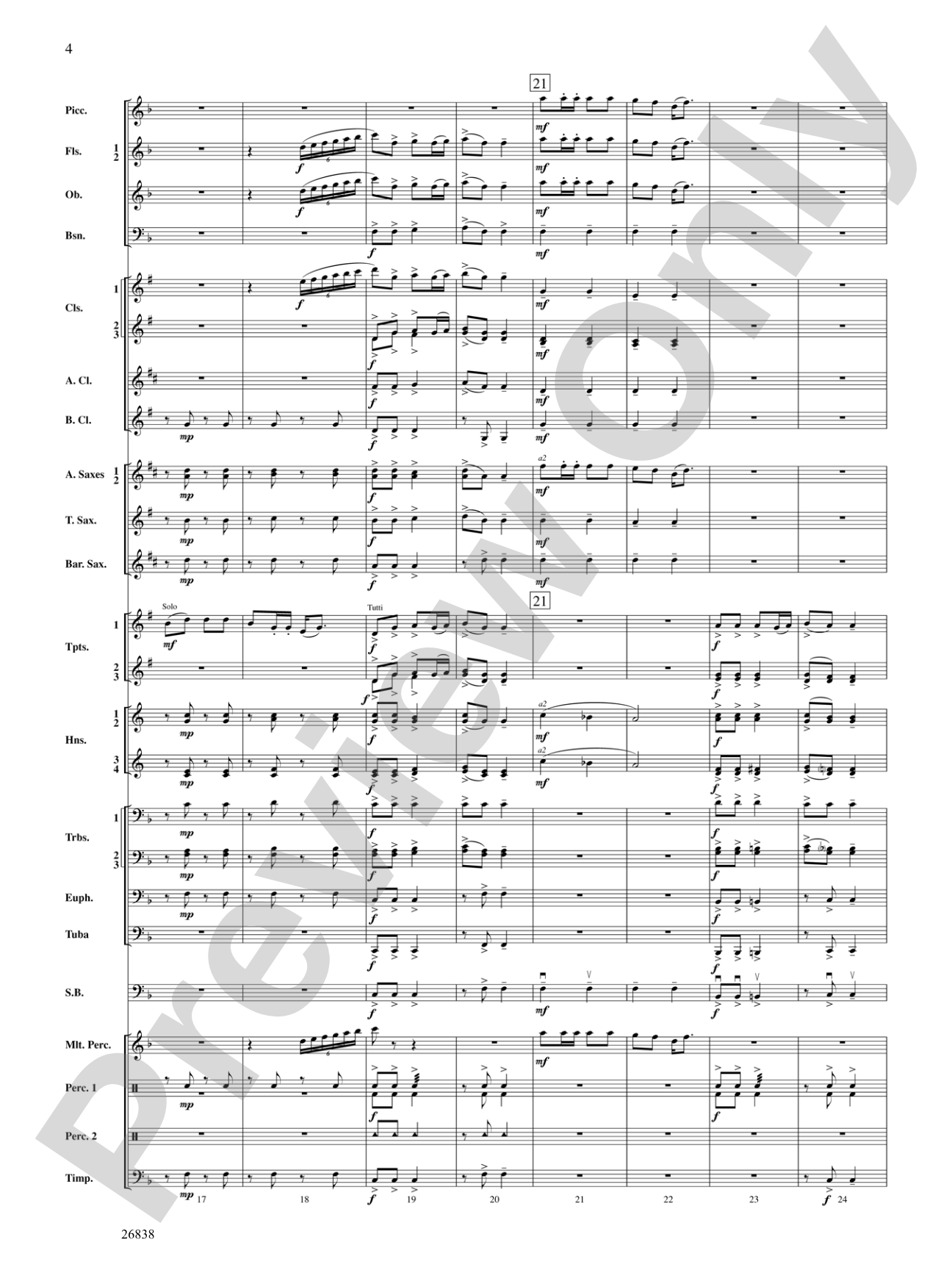
America's rivers have long been a source of life, providing water to nourish the settlers and routes for exploration and commerce. These rivers have inspired many songs that tell tales of those who prospered from the shores. River Songs of the South draws from America's history of slave, folk and minstrel songs. A celebrated addition to any program! This title is available in MakeMusic Cloud.


Don't just read it, hear it, play along with it, and watch your students grow with it. In MakeMusic Cloud, River Songs of the South: Score comes alive with professional accompaniment, adjustable tempo, and built-in practice tools that turn solo practice into real progress.
Open in the Player
Jump straight in and assign it today.
Start Your Free Trial
Open this title and explore the full library in minutes.
Sample Audio
1
Audio File
--:--
0:00
0:00
Sample Video
No sample videos found.
Additional Details
Series:
Alfred Concert Band
Publisher:
Alfred Music
Page Count:
286
SKU:
00-PR-0001261
More about this title
Why we love this
Harbinson has crafted an arrangement that honors the historical weight and musical richness of American river songs without sanitizing their origins. The Grade 4 scoring opens these important pieces to bands ready for substantive repertoire, making this an ideal choice for directors seeking concert and contest programming that deepens students' understanding of American musical heritage.
What to expect
These arrangements carry the spirit of the water itself: flowing, sometimes turbulent, rooted in the stories of people who depended on rivers for survival and freedom. The score balances folk authenticity with concert band color, creating music that feels both intimate and grand.
Who it's for
Concert bands at the Grade 4 level seeking meaningful repertoire that connects American history to musical performance. Directors programming festivals, contests, or thematic concerts will find this collection serves both educational and artistic goals.
How to get the most out of it
- Study the historical context of each song before rehearsals begin. Share background on the slave, folk, and minstrel traditions with your ensemble so students understand what they're interpreting.
- Balance the ensemble carefully during lyrical passages. The arrangement likely features solo or sectional moments that need to sing through without overwhelming the full band texture.
- Pay close attention to dynamic shaping and phrase direction. River songs depend on narrative momentum, so avoid letting phrases settle flatly at their ends.
How to use it
Consider programming this as a unified thematic concert or breaking individual songs into different concert halves. The historical dimension makes it particularly effective alongside educational presentations or community dialogue about American music and its contexts. It also serves well in festival settings where judges appreciate both musicianship and cultural awareness.
Skills your students will build
- Balancing solo or sectional lines against full ensemble textures
- Interpreting historical musical styles authentically within a modern concert band setting
- Shaping lyrical phrases with direction and purpose
- Reading concert band scoring at Grade 4 complexity