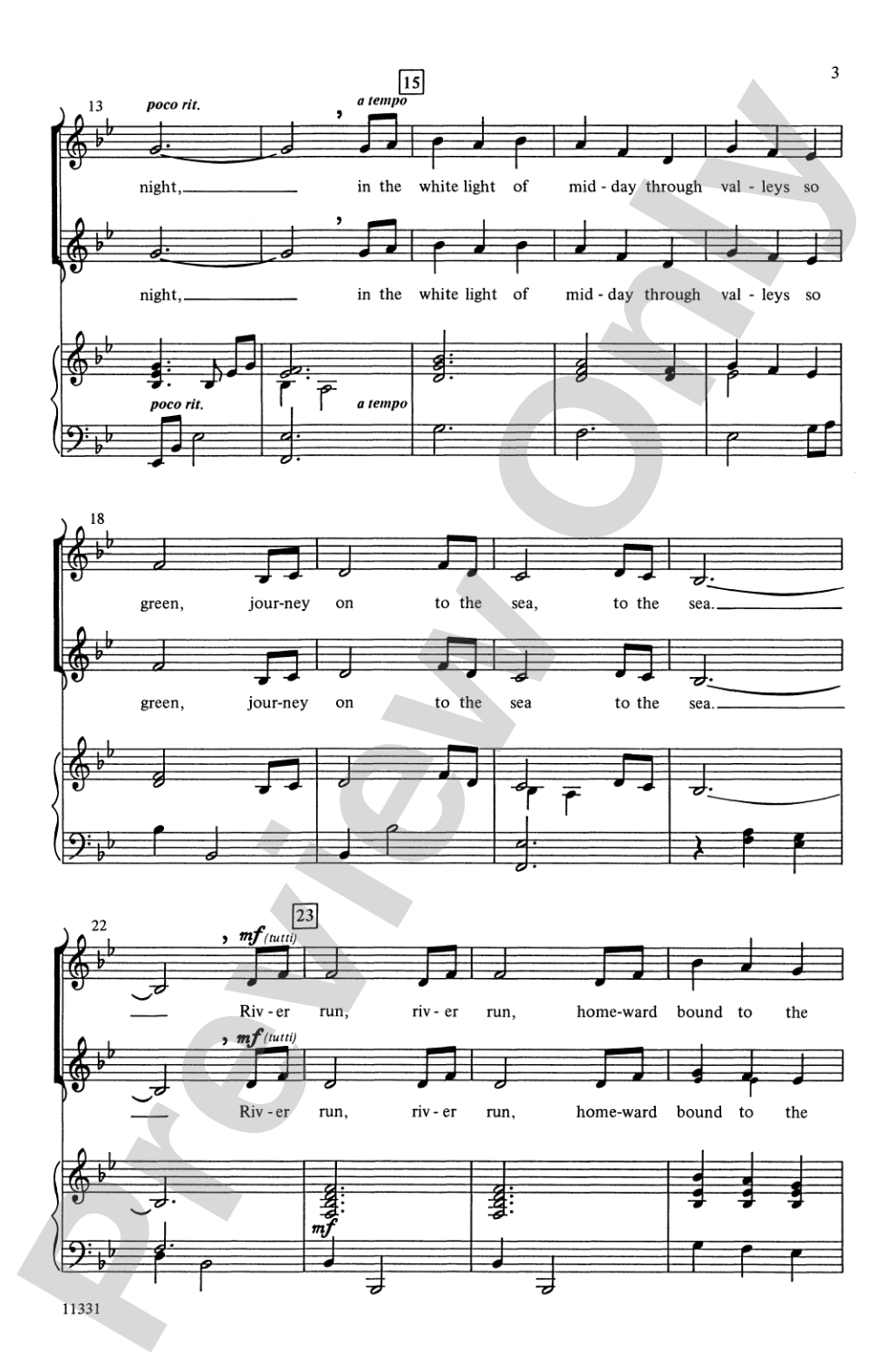
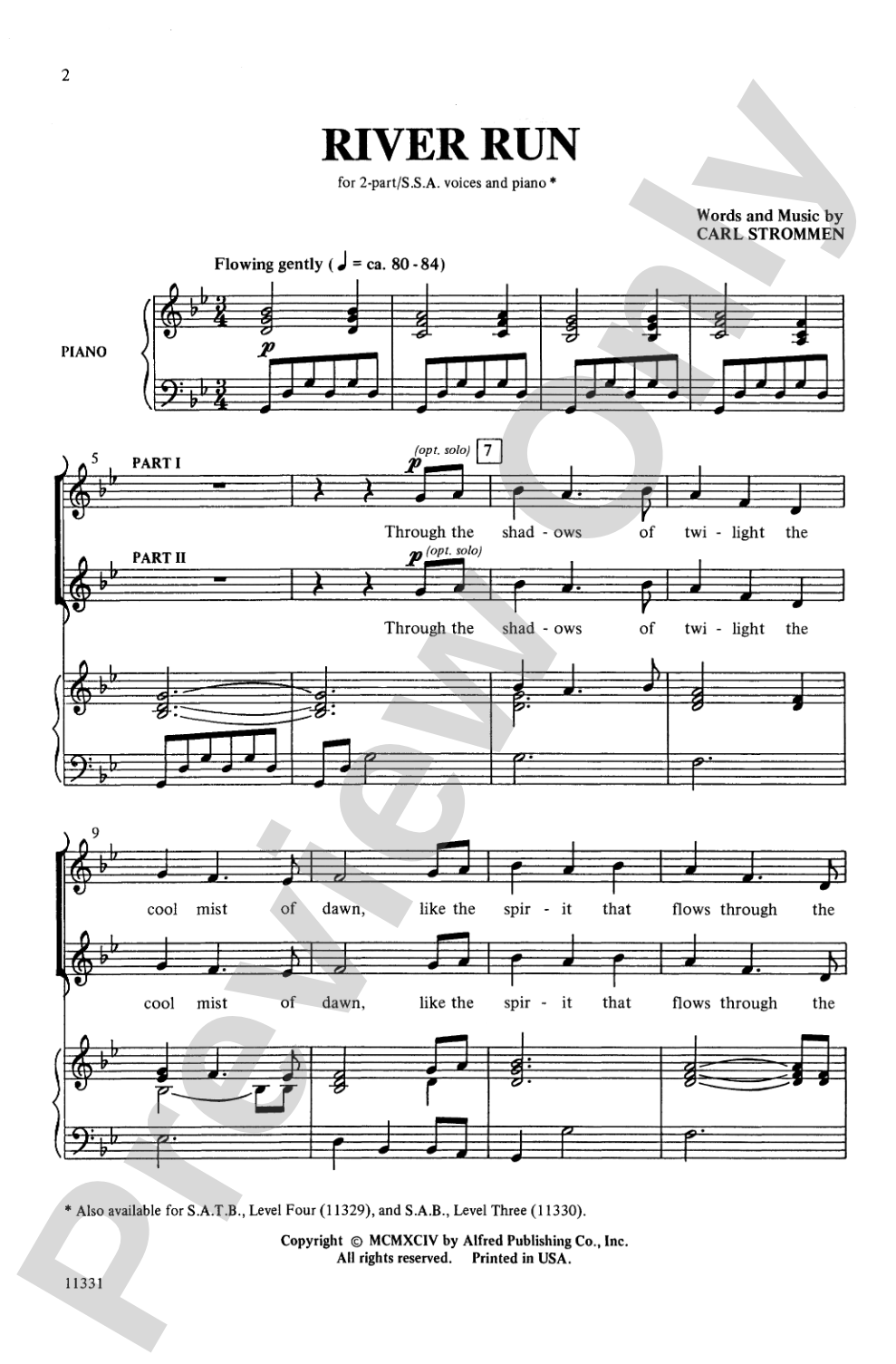
River Run Sheet Music Preview

River Run: 2-Part/SSA Choral Octavo

Music by Carl Strommen

Item: 00-PO-0003788

Digital Download
$2.25

Minimum order quantity: 20 copies

Description
This gently flowing choral work by Carl Strommen evokes all the mysteries of a river flowing "homeward bound to the sea." Includes several optional solos or small group sections. All parts have an opportunity to sing the lovely melody. Carl Strommen's choral writing and meaningful texts have charmed conductors and singers for years. Don't miss it!

River Run: 2-Part/SSA Choral Octavo isn't in MakeMusic Cloud just yet...but it could be. Let us know you'd like to see it, and you'll help shape what comes next. In the meantime, start a free trial and dive into thousands of interactive titles your students can play along with today.

Sample Audio
No sample audio found.
Sample Video
Additional Details
Series: Alfred Archive Edition: Alfred Choral Designs
Publisher: Alfred Music
Page Count: 8
SKU: 00-PO-0003788

More about this title

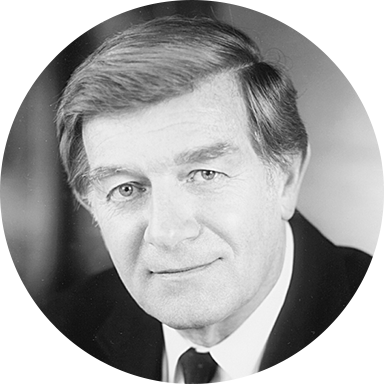
About the Composer: Carl Strommen

Carl Strommen

Carl Strommen has earned recognition as one of the most frequently performed composer/arrangers across band, orchestra, jazz ensemble, and choral contexts in North America and beyond. His music appears regularly in concert halls, on television, and in film scores. He maintains an active schedule as both a clinician and a commissioned composer, and his consistent output has garnered the annual ASCAP Standard Writers Award throughout his career.

A graduate of City College of New York, Strommen remains connected to music education as an adjunct professor of orchestration and composition at C.W. Post Campus of Long Island University in Brookville, New York. He divides his time between Long Island and extended family stays in Colorado.

Why we love this

Strommen's gift for melody shines here: the tune unfolds naturally across all voice parts, so every singer gets to carry the primary line at some point. The optional solo and small group passages add interpretive flexibility without complicating the overall structure, making this accessible for singers at different confidence levels while keeping rehearsal time focused on ensemble blend and meaningful phrasing.

What to expect

The music captures the quiet power of water in motion: reflective and meditative, yet with an underlying sense of purpose and direction. There is an intimacy to the writing that invites singers to connect emotionally with the journey described, creating space for meaningful musical expression without requiring virtuosity.

Who it's for

This octavo works equally well for 2-part and SSA/SSAA ensembles, making it suitable for middle school choirs, high school treble choirs, or mixed groups that prefer a less demanding voicing. Its moderate length and lyrical character appeal to singers who respond to text painting and storytelling.

How to get the most out of it

  • Let the river metaphor guide your dynamic shaping. Start with a gentle current in the opening phrases, then allow the music to build and recede like water moving downstream, creating a sense of inevitable forward motion without forcing the tempo.
  • Distribute the optional solos strategically across your ensemble rather than assigning them all to your strongest singers. This piece works beautifully when different section members step out for these moments.
  • Attend to vowel consistency across the divisi passages. Since all parts share the main melody at different points, unified vowel placement will make the melodic line sound cohesive even when sung in parallel parts.

How to use it

This piece fits naturally into spring concerts, particularly those with a nature or journey theme. Its contemplative quality also makes it a strong choice for programs exploring folk traditions or paired alongside other secular works that value lyrical simplicity. The optional solos make it engaging for concert programming that showcases emerging student leaders.

Skills your students will build

  • Singing sustained melodic lines with consistent phrasing across multiple voice parts
  • Blending parallel voicing while maintaining individual part independence
  • Responding to text-based imagery for expressive interpretation
  • Building confidence in small group or solo singing within an ensemble context

You May Also Like