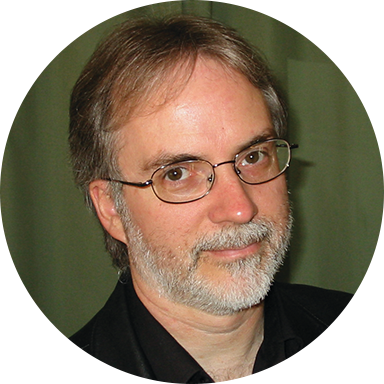
David Lantz III teaches vocal music in Pennsylvania's public schools while maintaining an extraordinarily productive composing career. His catalog of roughly 500 published works spans sacred and secular choral writing, orchestral and band music, jazz arrangements, and chamber pieces. He brings practical classroom experience to everything he writes.
Beyond composition, Lantz works as a music editor and engraver, directs church choirs, and performs regularly as a bassist and vocalist in pop and jazz settings. He shares his home in northeastern Pennsylvania with his wife, composer Marti Lunn Lantz, and their five musically active children.
Why we love this
Lantz crafts Easter anthems that feel fresh without abandoning the warmth and sincerity the season demands. The text setting is intelligent, melodies sit comfortably for singers at various levels, and the harmonic language supports rather than overwhelms the message. Risen Up! delivers the kind of piece that energizes a choir and moves an Easter congregation in equal measure.
What to expect
Risen Up! carries the joy and affirmation of Easter without sentimentality. The harmonic writing supports an uplifting character while the text setting keeps singers connected to the meaning they are conveying. This is music that feels both celebratory and honest.
Who it's for
Directors programming Easter services or spring concerts need anthems that work for mixed choirs of moderate ability. This ten-page octavo sits comfortably for school and church choirs seeking music that respects both the occasion and the singers' capabilities.
How to get the most out of it
Balance the four voices so that the harmonic foundation never disappears beneath the soprano line. SATB writing often needs intentional attention to alto and tenor presence.
Let the text drive your interpretation. Mark where the meaning shifts from stanza to stanza and adjust the emotional weight accordingly.
Consider how this piece sits in your Easter service or concert. Does it need to lead into something else, or does it stand alone? That context shapes tempo and final phrase energy.
How to use it
Place this as a centerpiece in an Easter service or as a strong closing number for a spring concert. Its moderate length and general appeal make it useful for both liturgical and secular programming contexts. Consider pairing it with a simpler unison piece or a brief instrumental interlude to shape the emotional arc of your concert.
Skills your students will build
SATB voice independence and balance
Text expression and interpretive choices
Sustaining vocal line through longer phrases
Harmonic listening within four-part writing
You May Also Like
Scan to Complete Your Purchase
Use your phone's camera to scan the code below
You'll log in on your phone and the order will be added to your account