
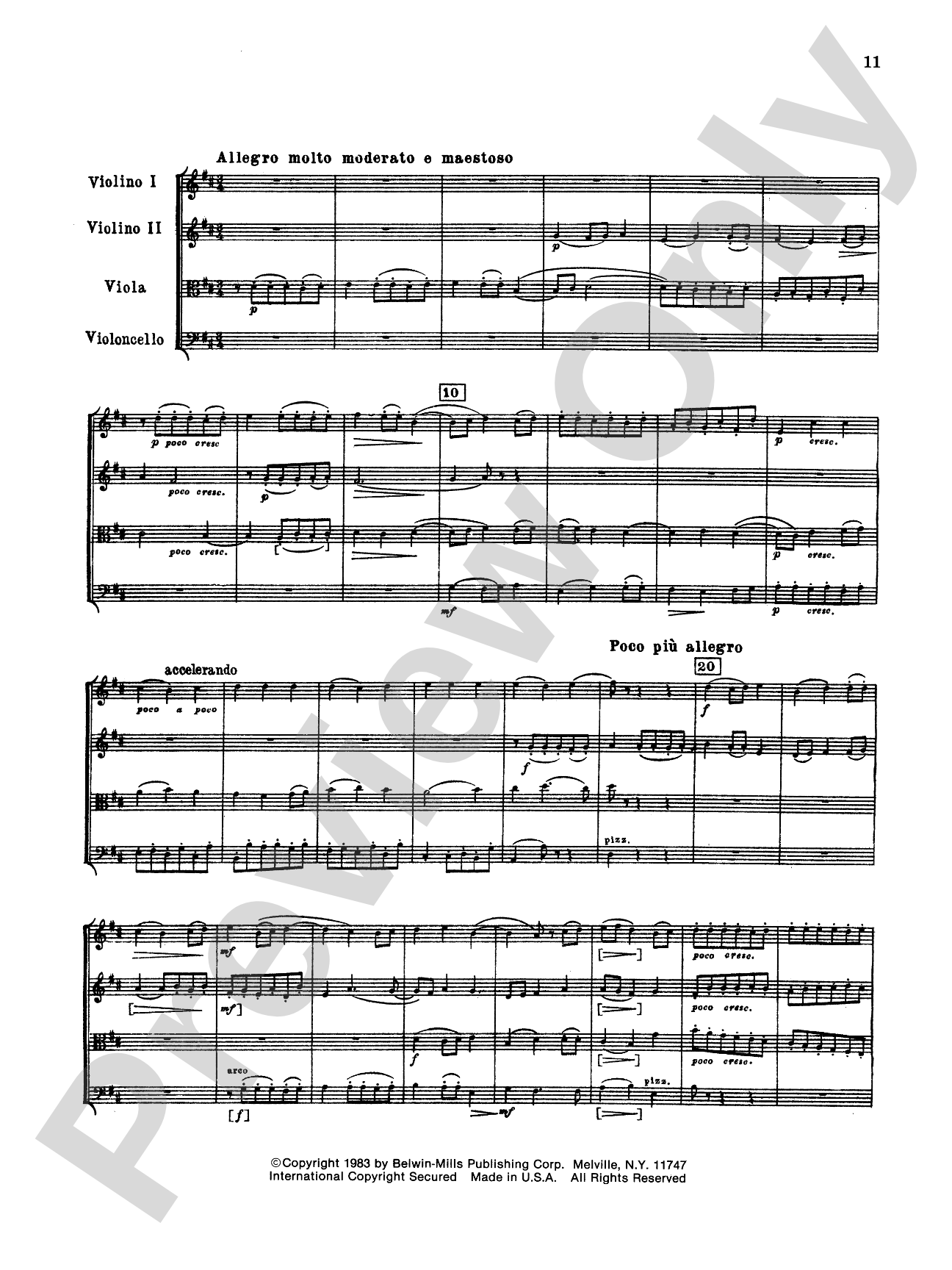
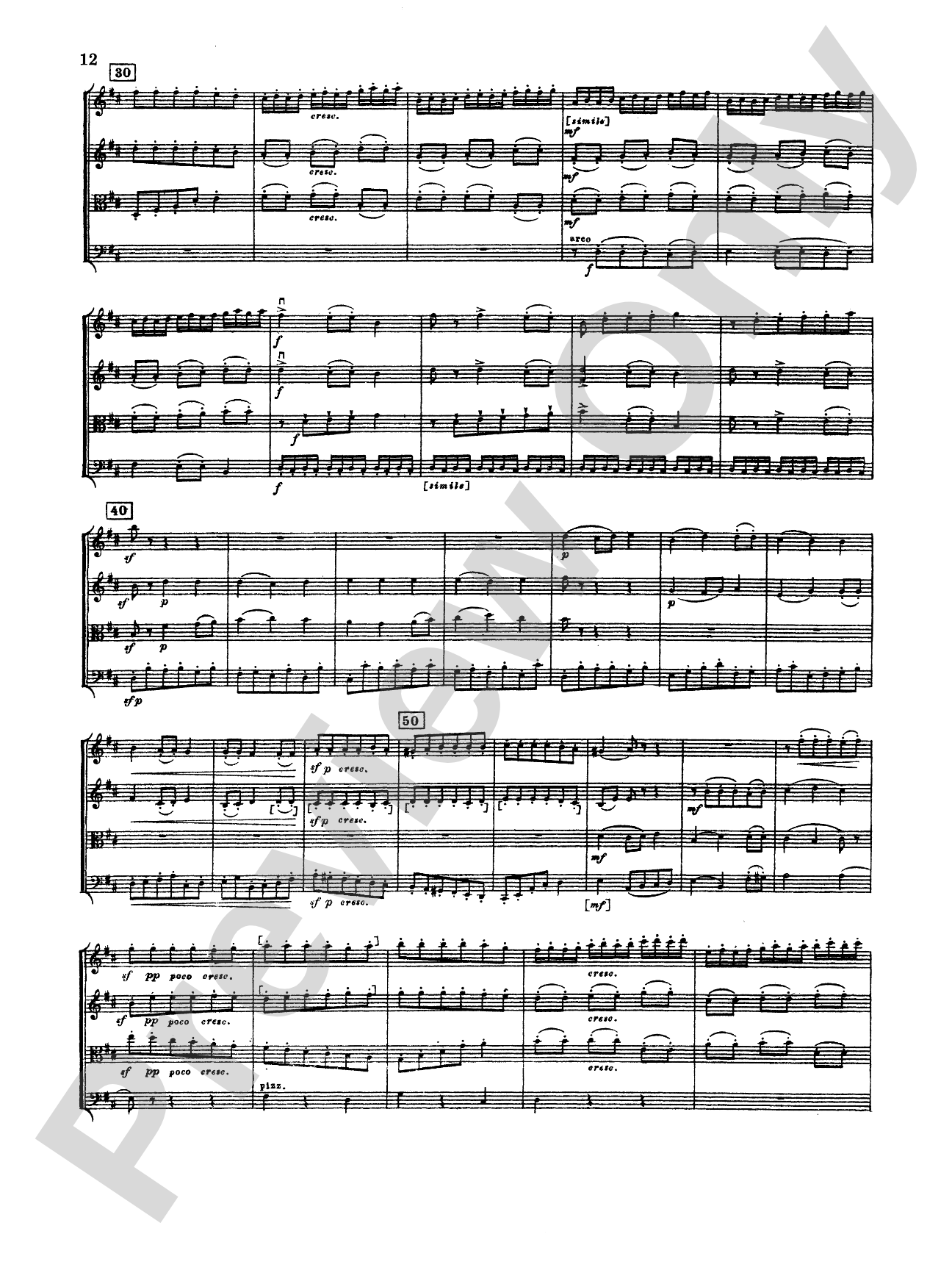
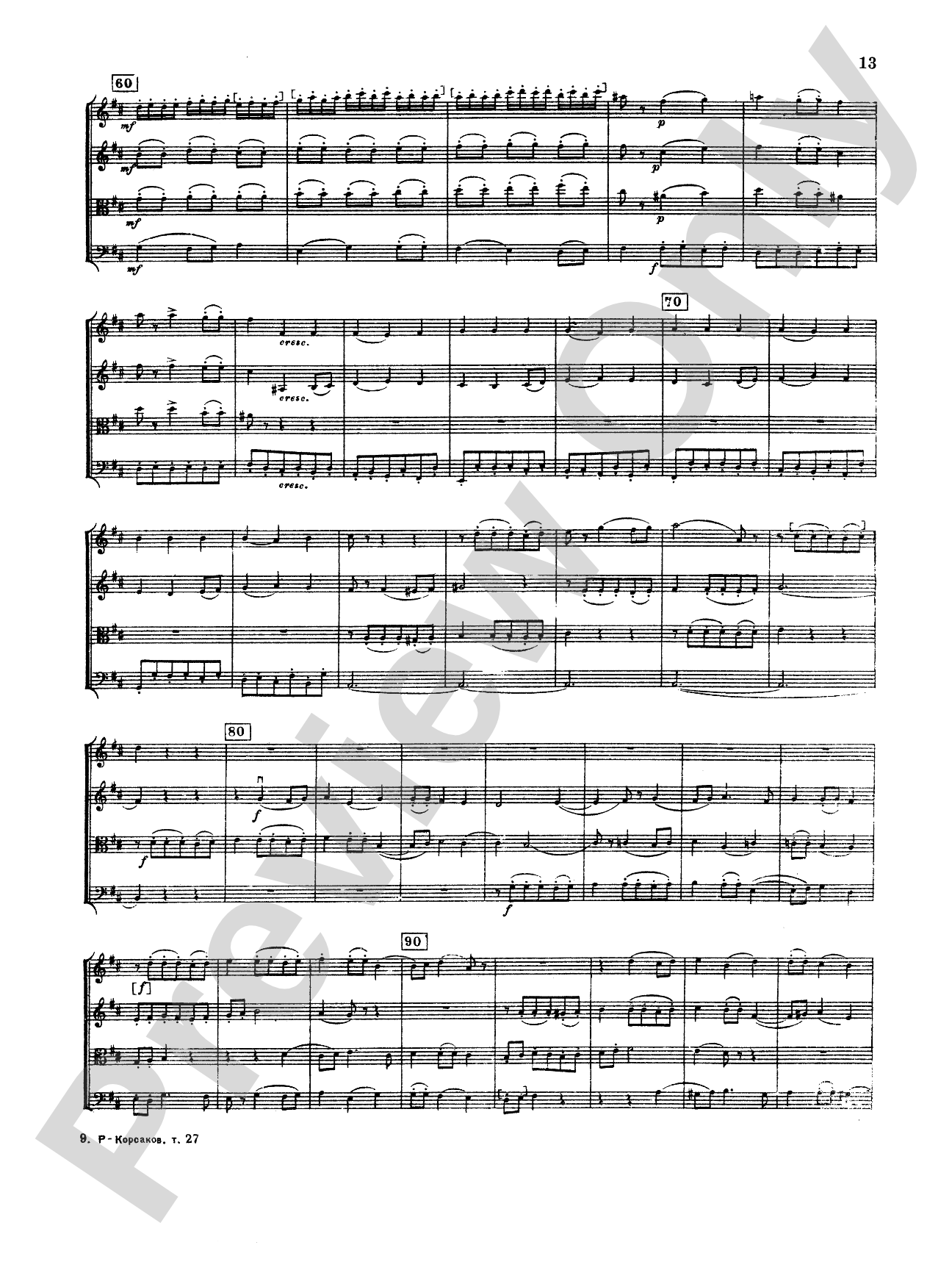
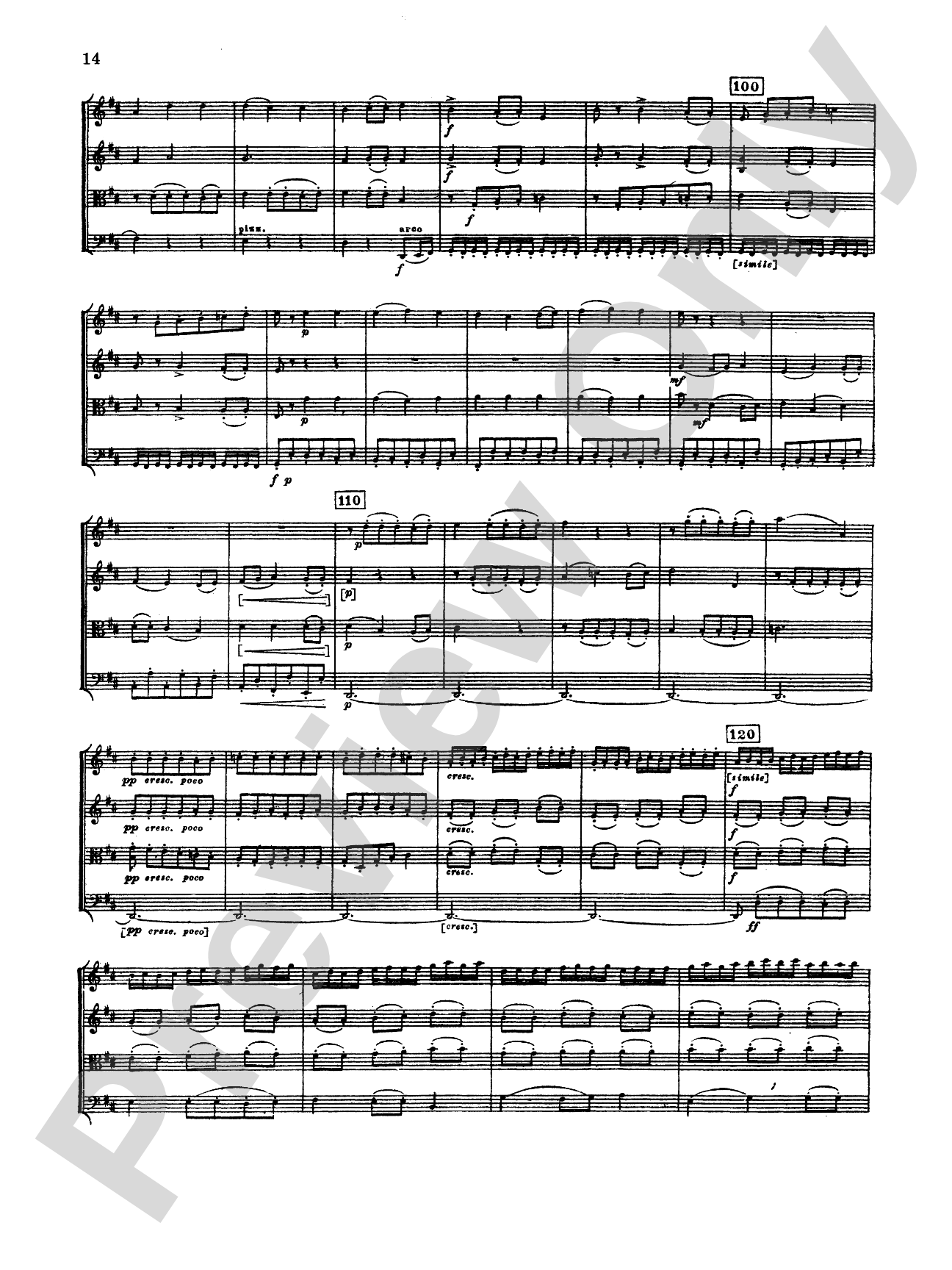
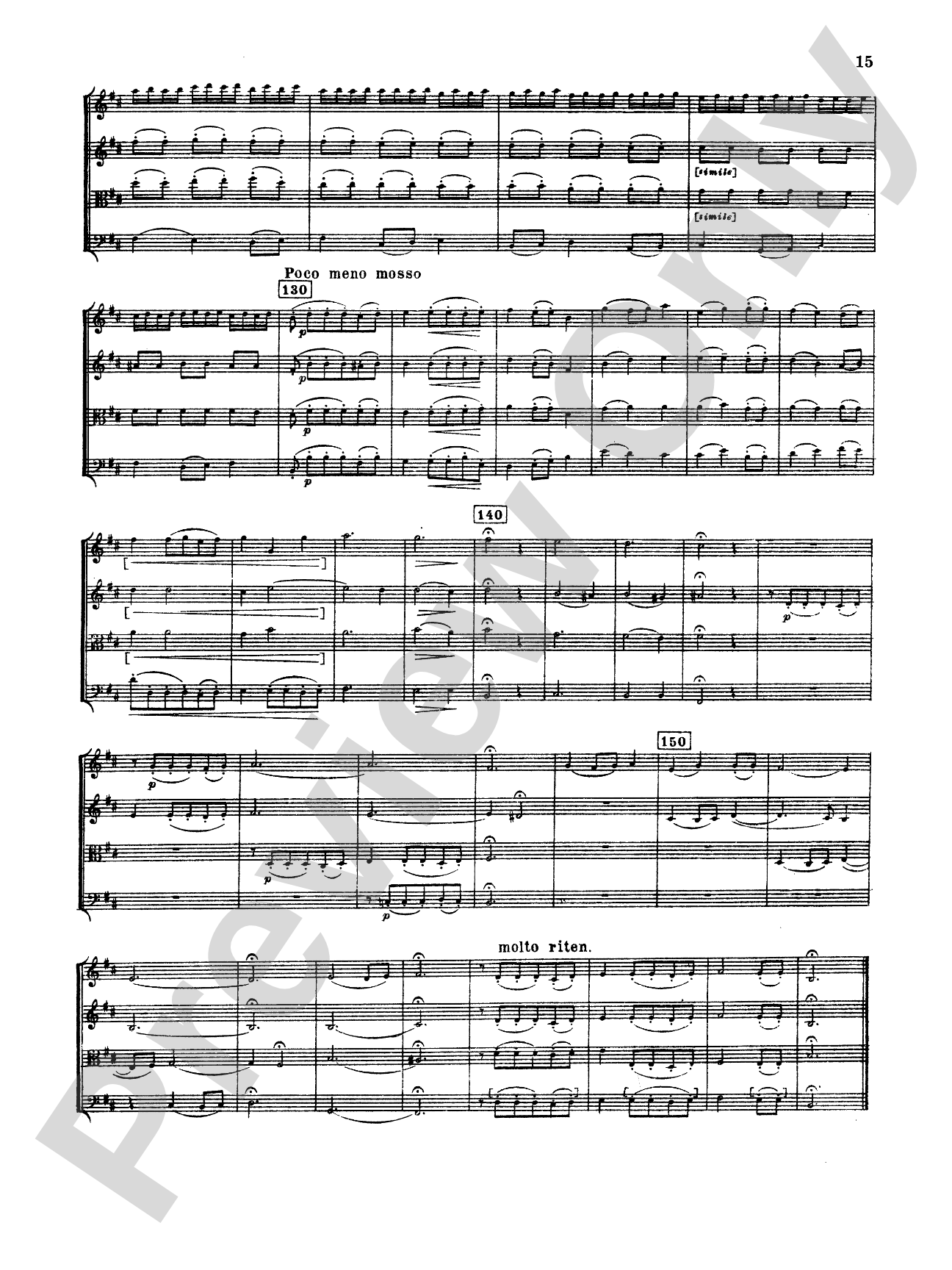

Rimsky-Korsakov: Two String Quartets: String Quartet Book
For Two Violins, Viola and Violoncello
By Nicolai Rimsky-Korsakov
Item: 00-PK-0003627
$29.99
Pickup currently not available
Buy Extra Parts (Digital PDF Download)
| Product | Price | Quantity |
|---|---|---|
| Rimsky-Korsakov: Two String Quartets | $13.99 | |
| Rimsky-Korsakov: Two String Quartets | $13.95 |
Parts Added to Cart!
Related Items
Two String Quartets: Fugue "In the Monastery" and String Quartet in G Major: String Quartet Book |
$29.95
|
View |
Description
Two string quartets, composed by Nicolai Rimsky-Korsakov.


Rimsky-Korsakov: Two String Quartets: String Quartet Book isn't in MakeMusic Cloud just yet...but it could be. Let us know you'd like to see it, and you'll help shape what comes next. In the meantime, start a free trial and dive into thousands of interactive titles your students can play along with today.
Request This Title
Tell us you want it.
Start Your Free Trial
Explore everything that's ready to play right now.
Sample Audio
No sample audio found.
Sample Video
No sample videos found.
Additional Details
Series:
Kalmus Edition
Publisher:
Alfred Music
Page Count:
132
SKU:
00-PK-0003627
More about this title
About the Composer: Nicolai Rimsky-Korsakov
Nicolai Rimsky-Korsakov (1844-1908) stands as one of Russia's most influential orchestral composers, yet his chamber music reveals an equally sophisticated harmonic palette and structural command. His work as a naval officer, composition teacher, and conductor at the St. Petersburg Conservatory shaped a compositional voice that balanced nationalist impulses with rigorous European training, creating music of both structural integrity and vivid orchestral color that translates powerfully to chamber settings.
Rimsky-Korsakov's string quartets, though less frequently performed than his symphonic works, demonstrate the same inventive harmony and melodic gift that made pieces like "Scheherazade" enduring repertoire. These works offer string quartets a window into the compositional thinking of a master who influenced generations of Russian composers and remain valuable explorations of Romantic-era string writing.
Why we love this
Rimsky-Korsakov's quartets occupy rare territory: substantial works by a major figure that don't appear on every contest program, giving your ensemble repertoire that feels both musically substantial and distinctive. The harmonic language is more adventurous than standard Romantic quartet fare, with coloristic touches that reward careful voicing and blend work. Programming these pieces signals serious artistic ambition while exposing players to the compositional techniques of a master orchestrator translated to the chamber medium.
What to expect
These quartets inhabit a landscape of lyrical warmth and harmonic subtlety, with the orchestral sensibility Rimsky-Korsakov brought to every genre. You'll find moments of luminous, almost impressionistic harmony nestled alongside passages of direct Romantic lyricism, creating a soundworld that feels both familiar and distinctly Russian in its melodic contours and harmonic color.
Who it's for
Advanced string quartets preparing for festival competition or concert performance will find substantial, artistically rewarding music that challenges both technical facility and interpretive maturity. College and pre-college ensembles serious about expanding their Romantic-era repertoire beyond the familiar German canon gain access to a major Russian voice. Programs seeking to diversify their chamber music offerings with works of genuine historical and musical weight benefit from the sophistication and originality these pieces bring.
How to get the most out of it
- Approach the harmonic language with the same attention to color balance you'd apply to orchestral scoring; Rimsky-Korsakov's voice leading often prioritizes timbral effect over traditional string writing conventions, so listen across all four parts rather than following individual lines.
- Pay particular attention to the dynamic markings and their relationship to melodic weight. Rimsky-Korsakov frequently shifts the leading voice between instruments, and clarity depends on subtle adjustments in tone production and projection rather than volume alone.
- Use the extended length of this collection (132 pages) as an opportunity to study compositional development across two works; comparing the harmonic strategies and structural choices between the quartets reveals how Rimsky-Korsakov refined his approach to the medium.
- Shape phrases with awareness of the Russian vocal traditions that influenced Rimsky-Korsakov's melodic writing; long-breathed, lyrical lines characterize much of the material and benefit from singing through multiple measures without unnecessary breaks.
How to use it
Feature these as a standalone quartet concert or incorporate one work into a mixed recital featuring Russian chamber music alongside contemporary selections. Their concert-hall scale and Festival/Contest designation make them natural centerpieces for spring competition or concert programs where ensembles want to demonstrate range and artistic depth. The two-quartet format also allows flexibility: program one as a complete evening work, or choose the quartet that best complements your overall concert narrative.
Skills your students will build
- Harmonic independence and color sensitivity across all four voices
- Balancing melodic projection with transparent ensemble sound
- Phrase shaping in long-breathed, vocally influenced line writing
- Managing rubato and expressive timing in Romantic-era style
- Shifting the tonal center of the ensemble as thematic material passes between instruments