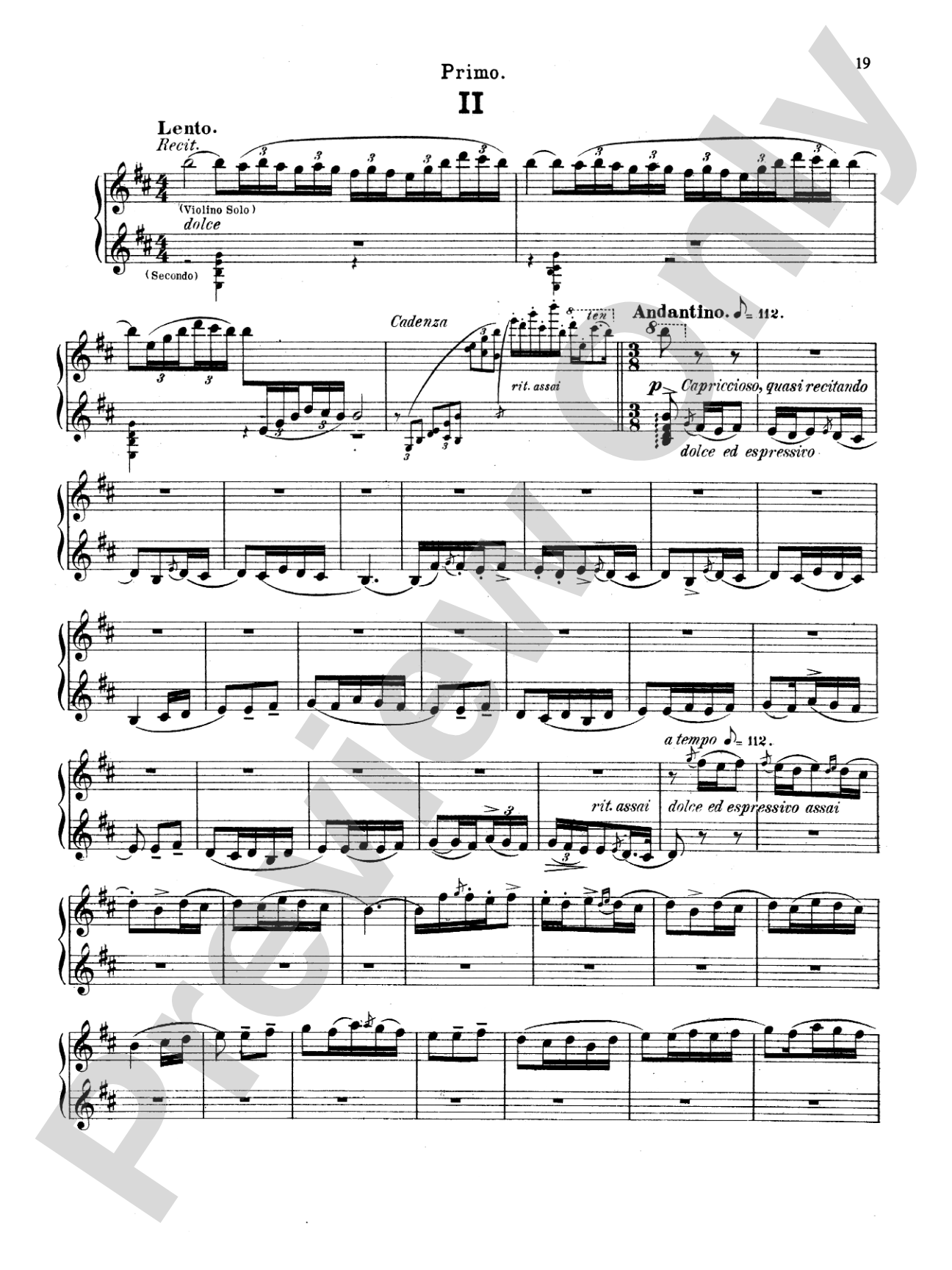
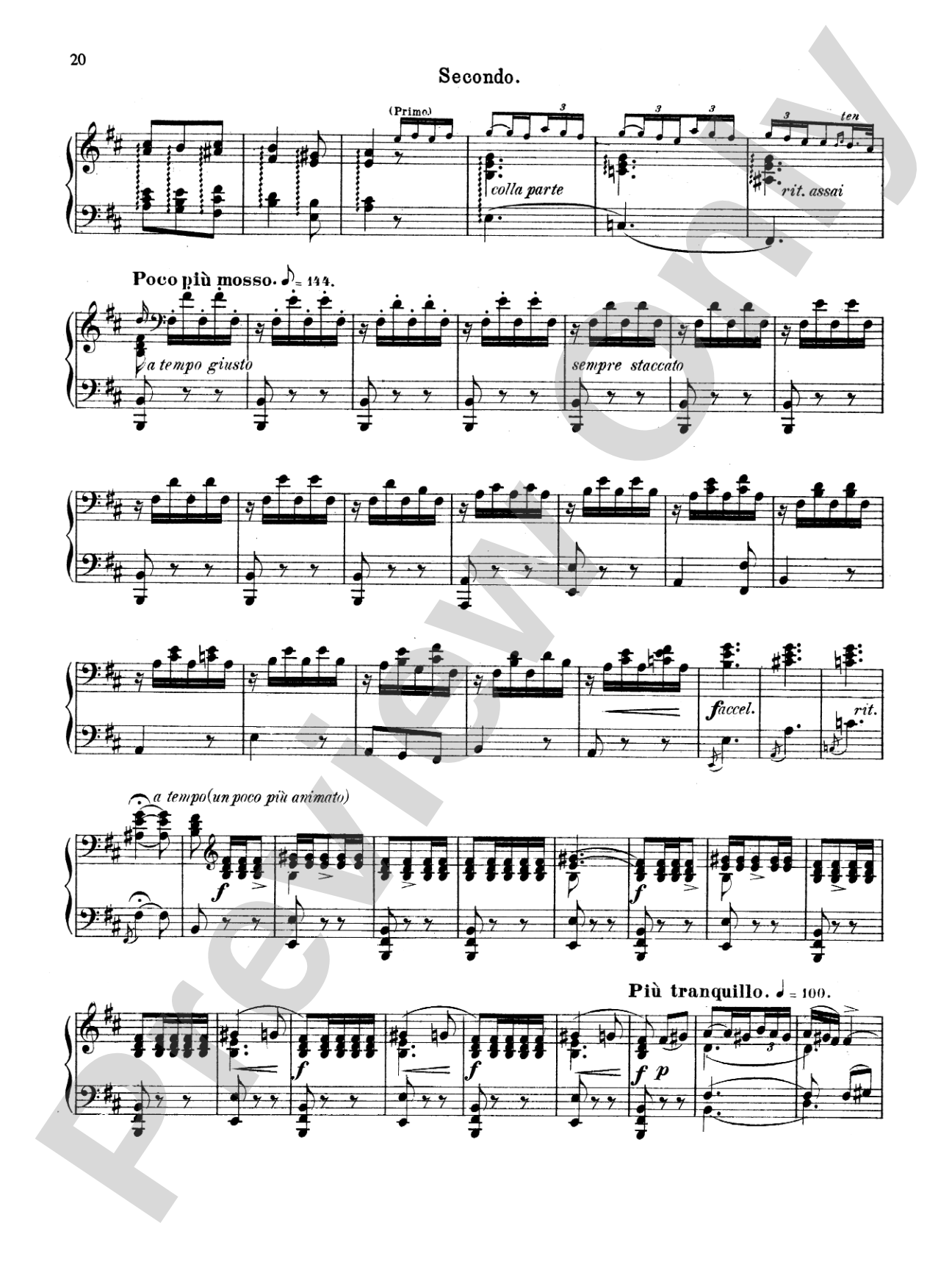
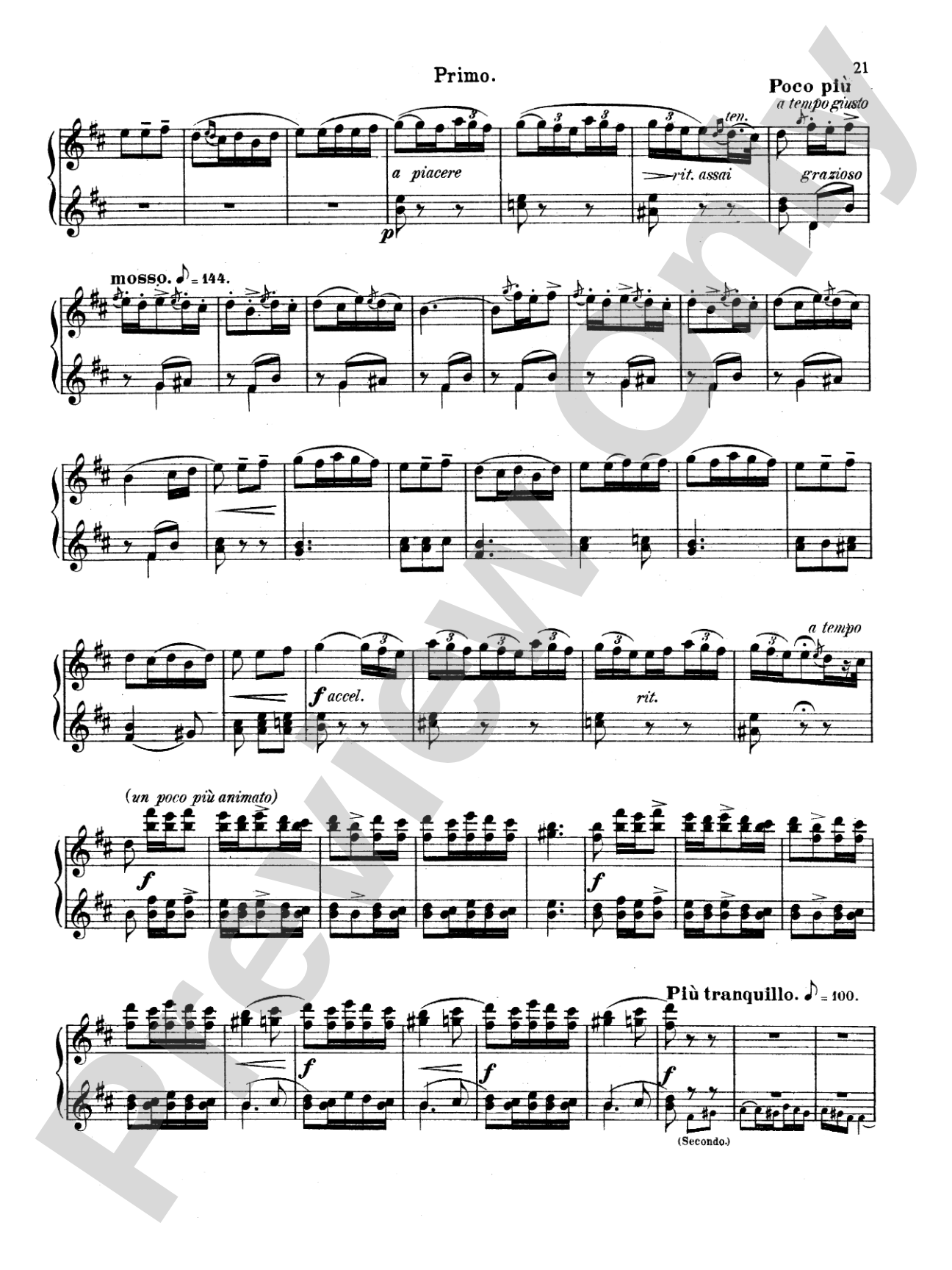
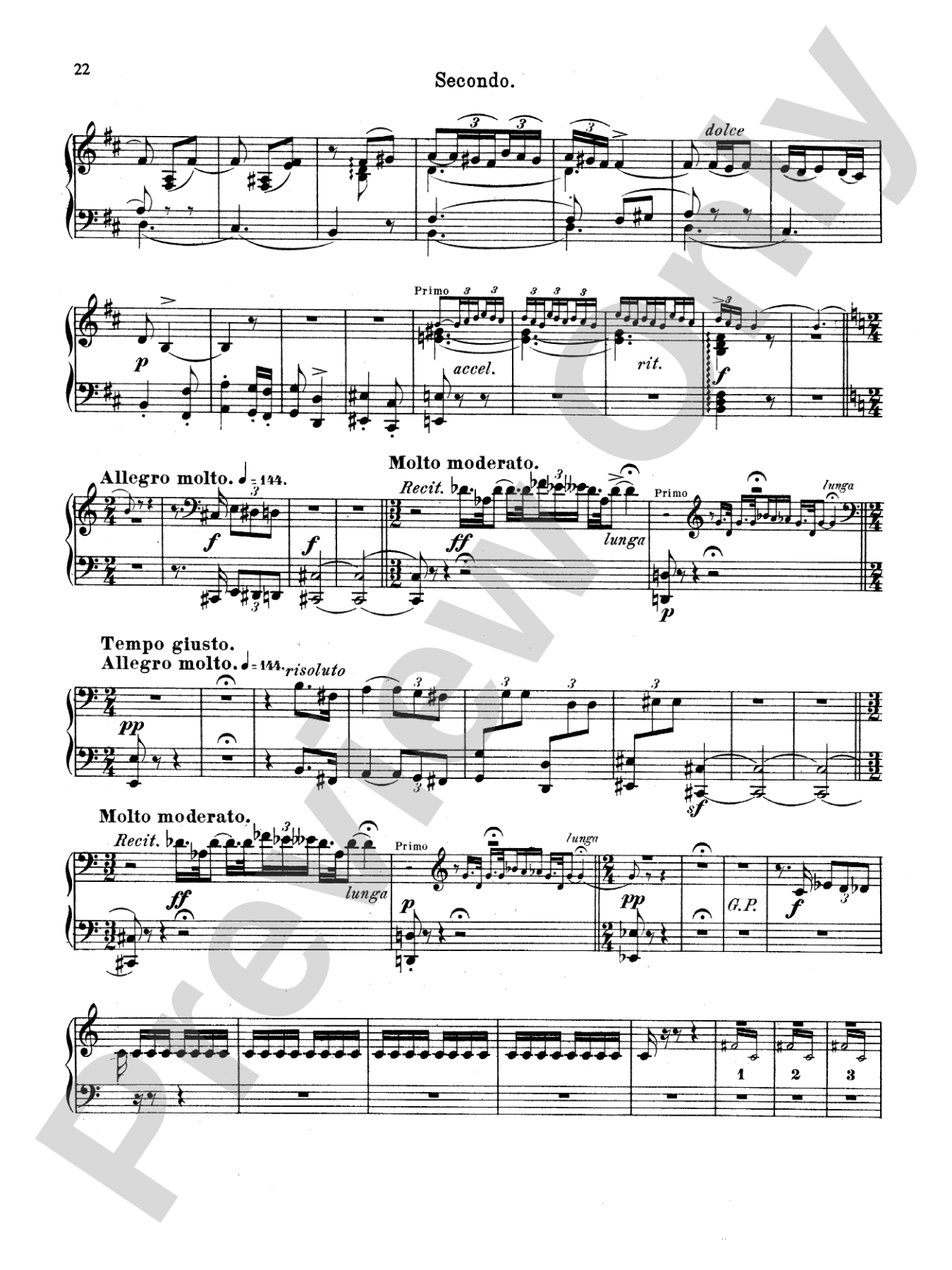
Rimsky-Korsakov: Scheherazade (Suite Symphonique, Op. 35) Sheet Music Preview

Rimsky-Korsakov: Scheherazade (Suite Symphonique, Op. 35)

By Nicolai Rimsky-Korsakov

Item: 00-PC-0003576

Digital Download
$2.95
Description
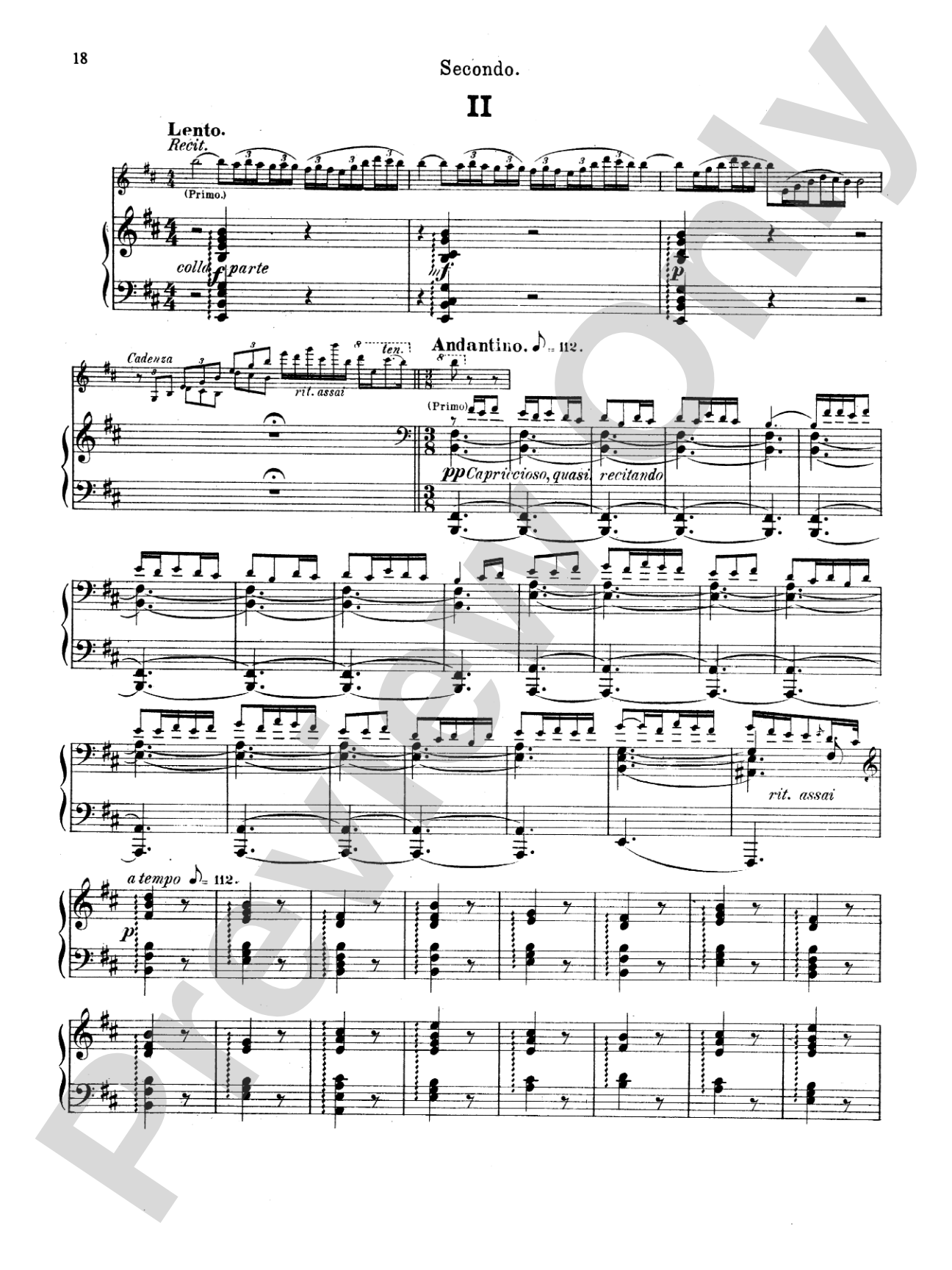
Here is a wonderful transcription of the famed orchestral piece Scheherazade for one pianofour hands that will be enjoyed by the players as much as the audience.

Don't just read it, hear it, play along with it, and watch your students grow with it. In MakeMusic Cloud, Rimsky-Korsakov: Scheherazade (Suite Symphonique, Op. 35) comes alive with professional accompaniment, adjustable tempo, and built-in practice tools that turn solo practice into real progress.

Sample Audio
No sample audio found.
Sample Video
Additional Details
Series: Kalmus Edition
Publisher: Alfred Music
Page Count: 92
SKU: 00-PC-0003576

More about this title

About the Composer: Nicolai Rimsky-Korsakov

Nicolai Rimsky-Korsakov (1844-1908) was a Russian composer and master orchestrator whose gifts for color and invention shaped the sound of late Romantic music. A member of the Russian Five and later a professor of composition at the St. Petersburg Conservatory, he wrote operas, symphonies, and orchestral works that became staples of the concert hall. His facility with instrumental combinations and his deep knowledge of the orchestra made him one of the most influential teachers of his generation.

Scheherazade stands as one of his finest achievements. Completed in 1888, the work draws on the musical storytelling tradition of the Arabian Nights, with each movement portraying episodes from Scheherazade's tales. The piece demonstrates his genius for melody, harmonic color, and structural clarity, qualities that have made it enduringly popular with audiences and musicians alike.

Why we love this

This transcription captures the orchestral splendor of one of music's great showpieces while making it accessible to two advanced pianists at a single instrument. The writing preserves Rimsky-Korsakov's signature orchestration effects—shimmering textures, lyrical solos, and dramatic contrasts—in a form that challenges both players equally and rewards careful partnership.

What to expect

Scheherazade unfolds like a musical story, brimming with exotic colors and soaring melodies that evoke ancient tales and faraway places. The writing shimmers with harmonic richness and rhythmic vitality, moving fluidly between moments of intimate beauty and broad, sweeping grandeur.

Who it's for

Advanced amateur pianists and pre-conservatory students seeking substantial duet repertoire that is both technically engaging and musically rewarding. Professional duos will find it an excellent addition to their concert programs, offering a work of genuine substance that audiences recognize and love.

How to get the most out of it

  • Balance the primo and secondo voices carefully; the primo doesn't always carry the main melody. Listen constantly for how each line contributes to the overall texture, especially in passages where accompaniment patterns shift between hands.
  • Attend to the character of each movement. The opening "Sinbad" section demands nobility and breadth; the "Scheherazade" theme calls for tender lyricism; the "Kalendar Prince" requires rhythmic vigor and clarity.
  • Practice hands separately first to secure the technical passages, then begin duet work slowly enough that you can hear and respond to your partner's phrasing and tone quality rather than just playing notes.
  • Use the full dynamic range. Rimsky-Korsakov composed for a large orchestra; lean into the forte passages and shape the softer moments with deliberate control to recreate that orchestral breadth on the keyboard.

How to use it

Program this as a substantial centerpiece in a piano duet recital, or pair it with shorter contemporary works to create a program that showcases both Romantic mastery and modern sensibilities. It also serves as an excellent finale to a studio recital featuring multiple duet partnerships, since its orchestral weight and emotional depth will leave a strong final impression.

Skills your students will build

  • Balancing two equally important melodic and harmonic lines in a shared keyboard space
  • Interpreting Romantic orchestral color and phrasing on piano
  • Coordinating rhythmic precision and expressive timing with a partner across four hands
  • Managing rapid passage work and virtuosic figurations while maintaining musical direction

You May Also Like