
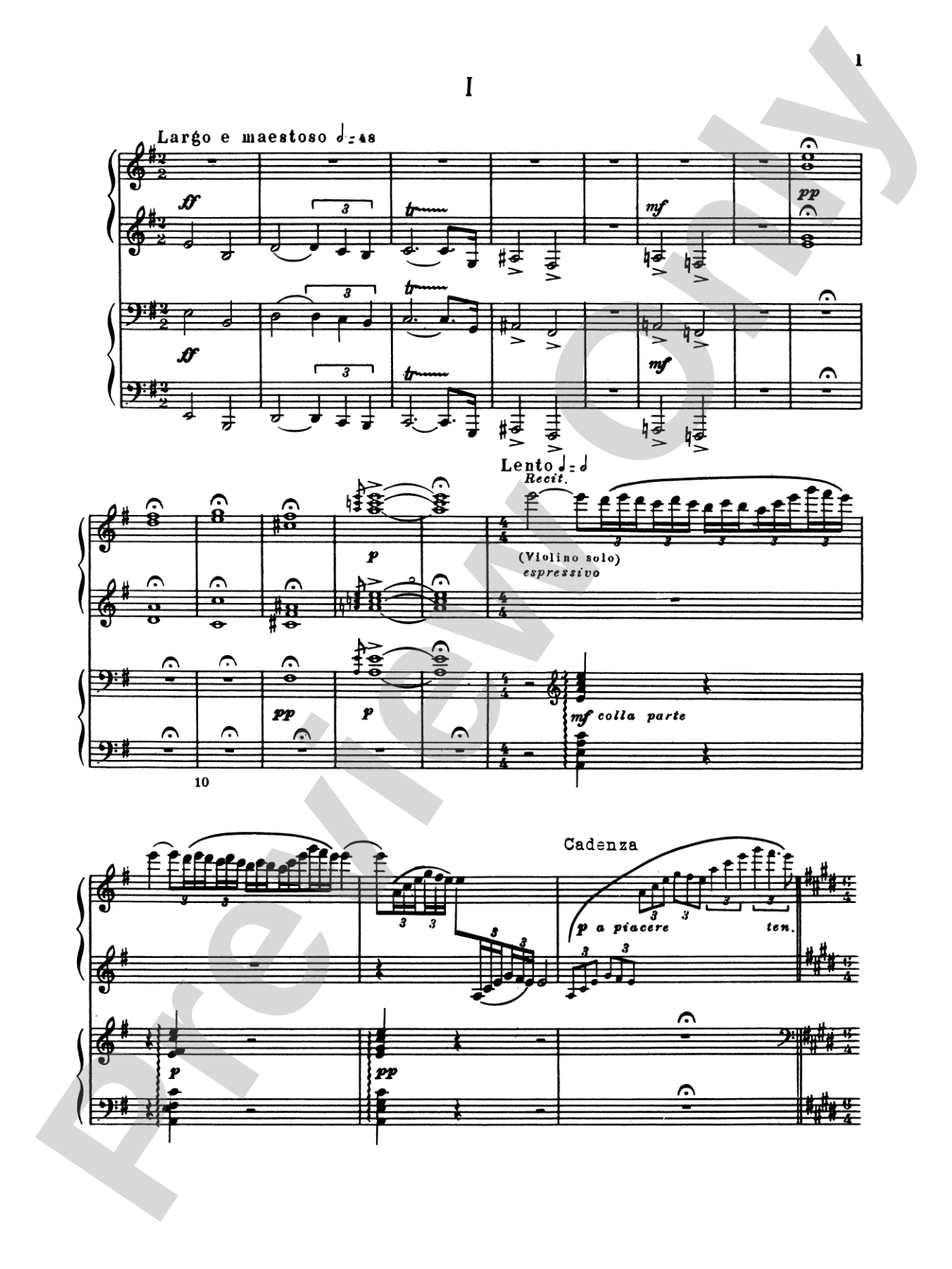
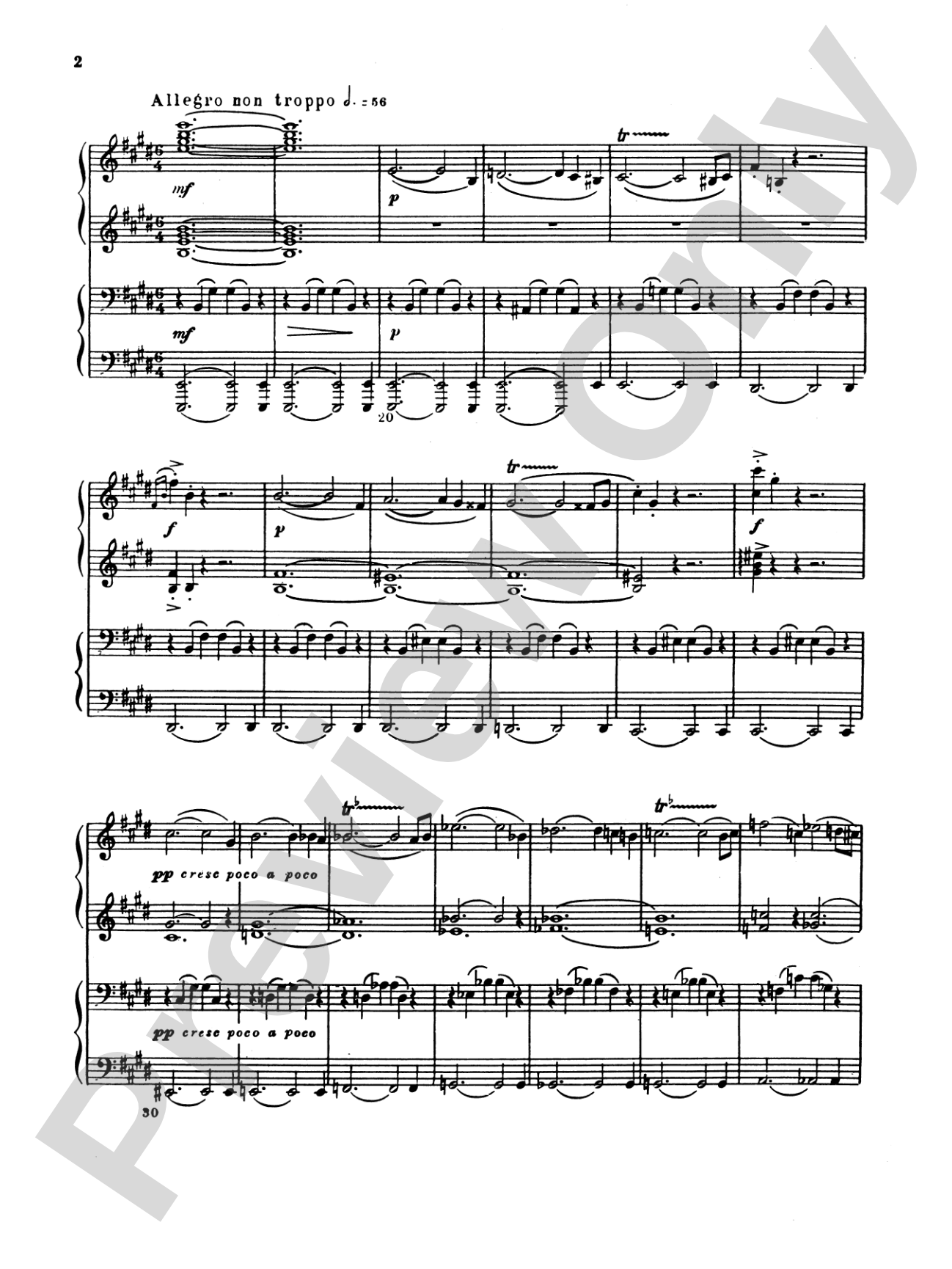
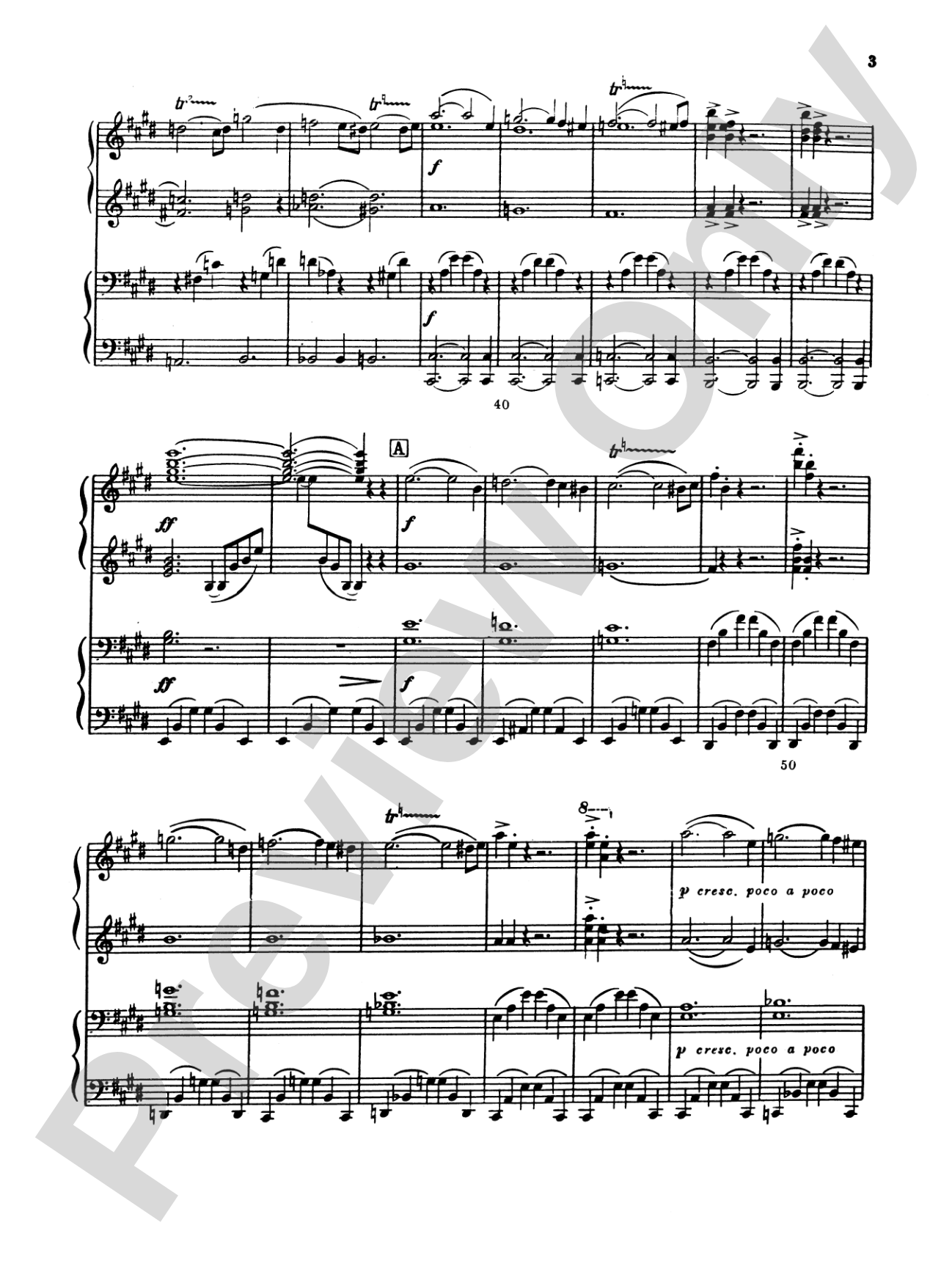
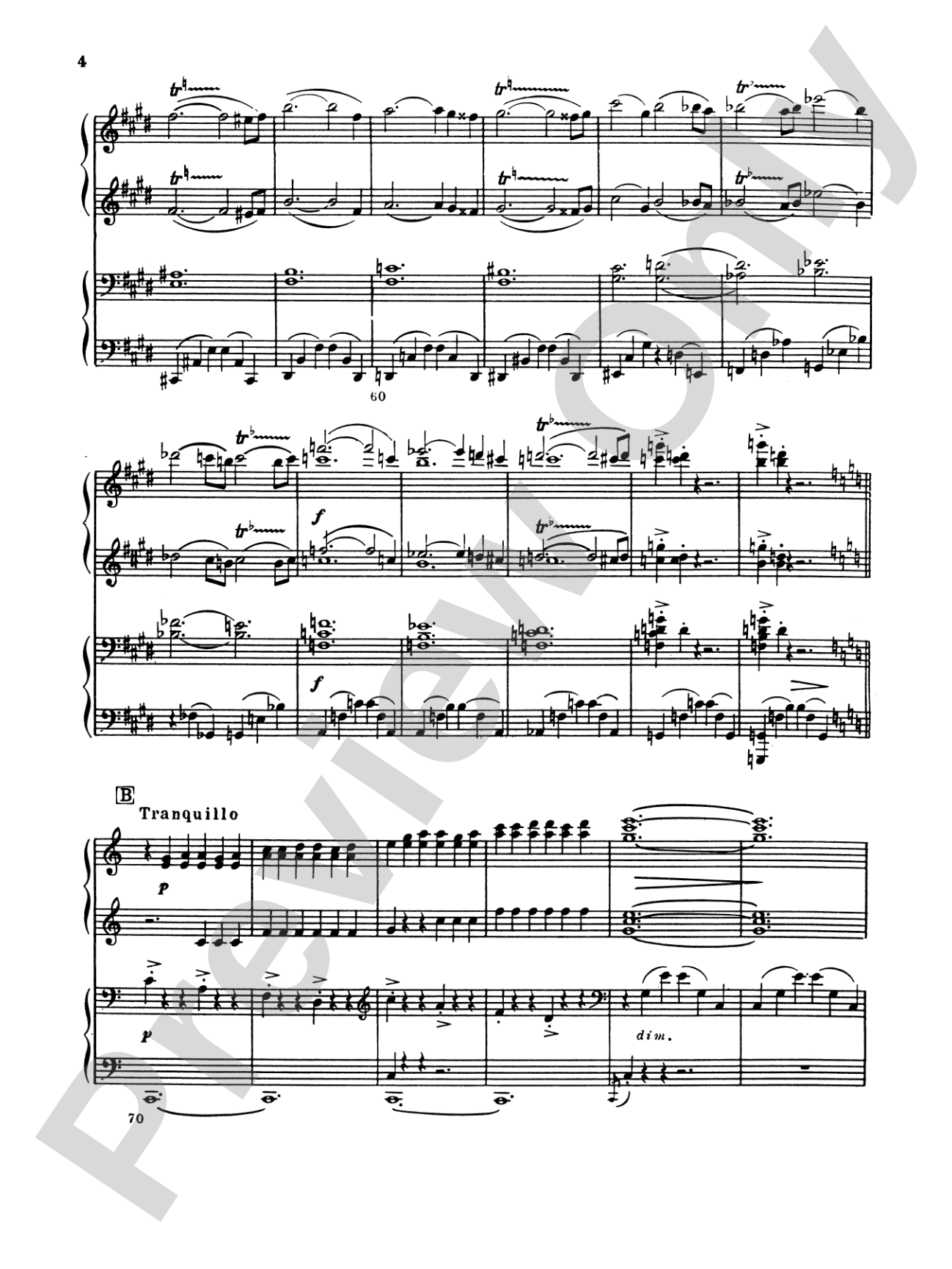
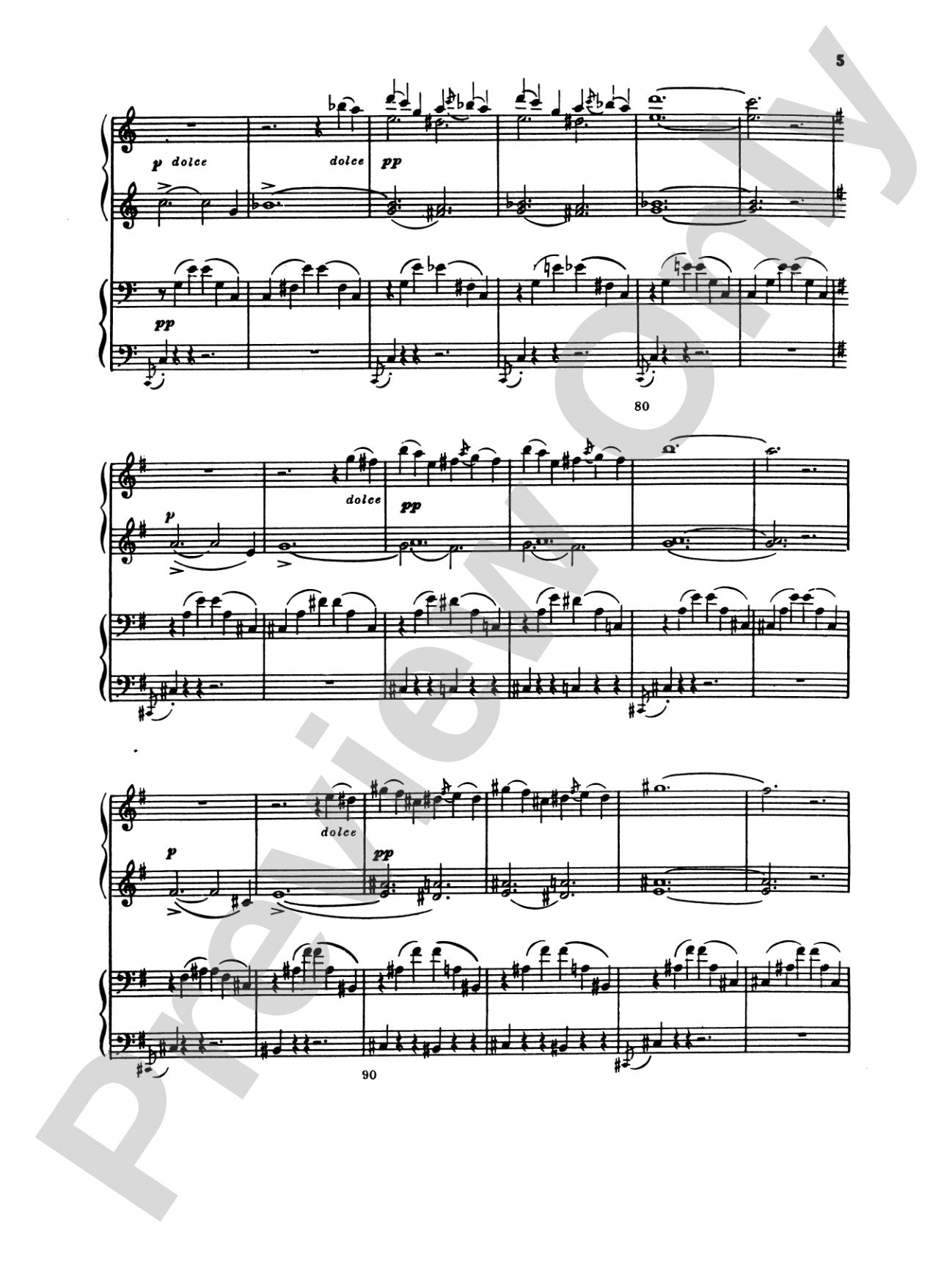
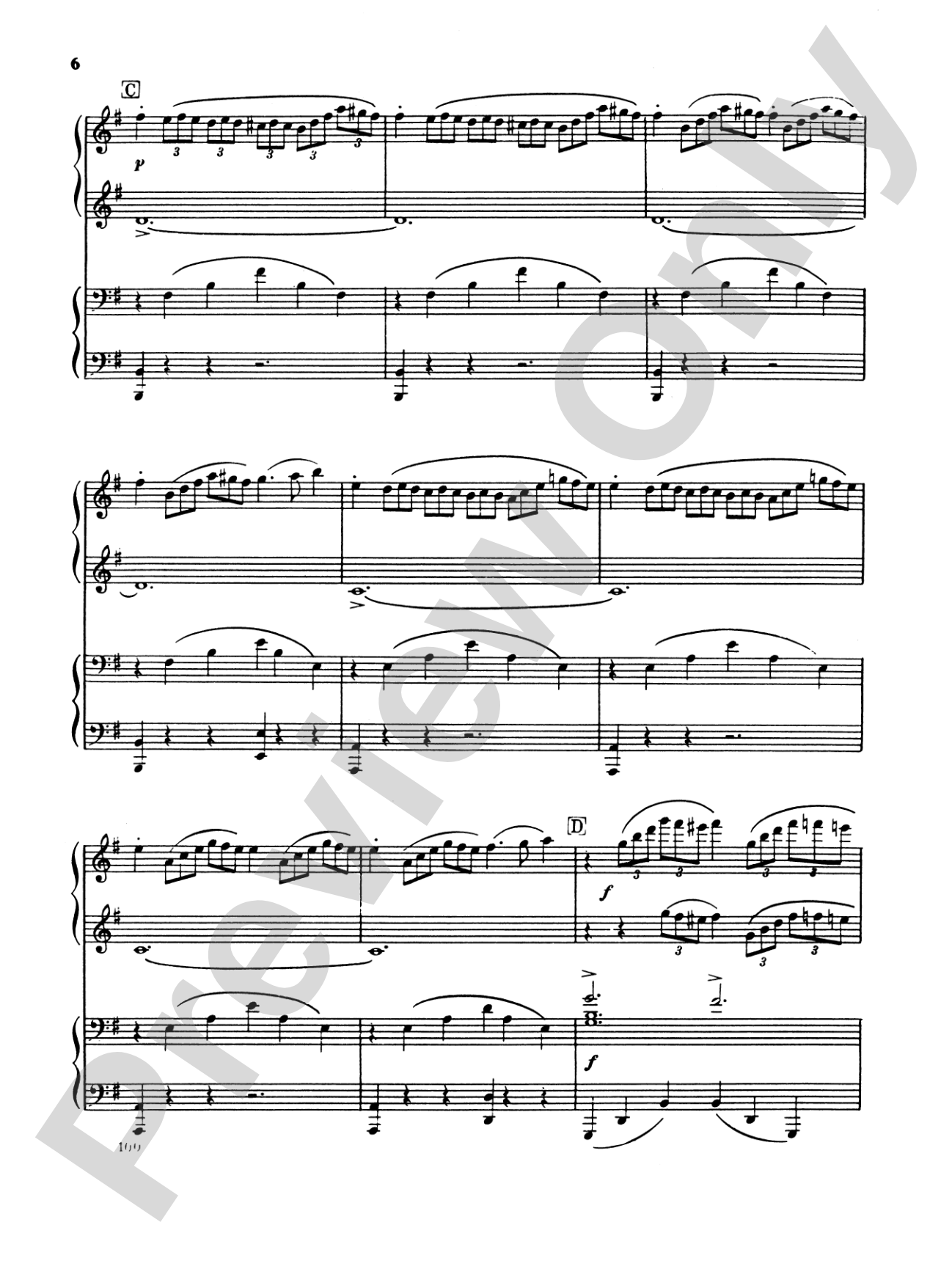
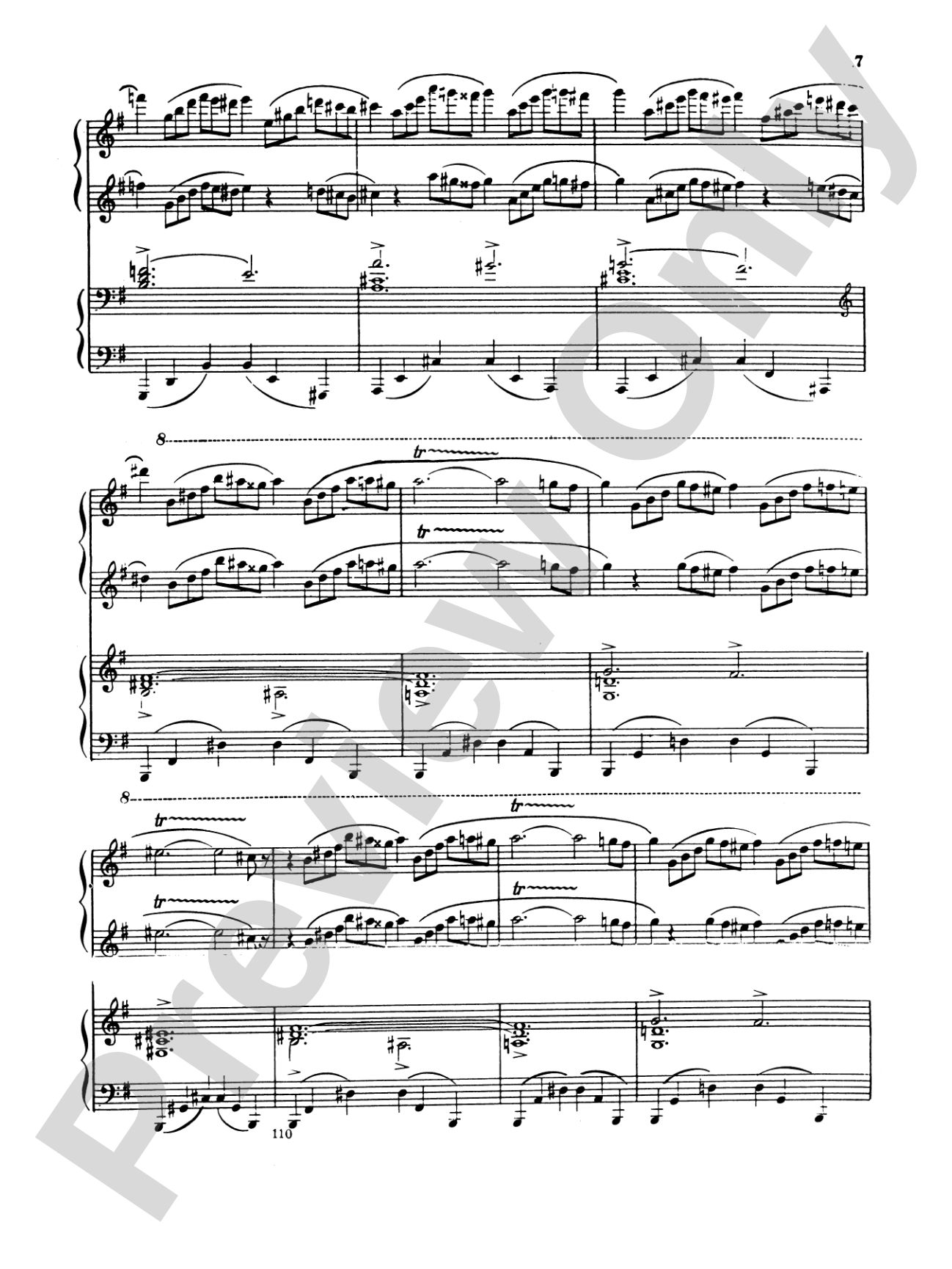
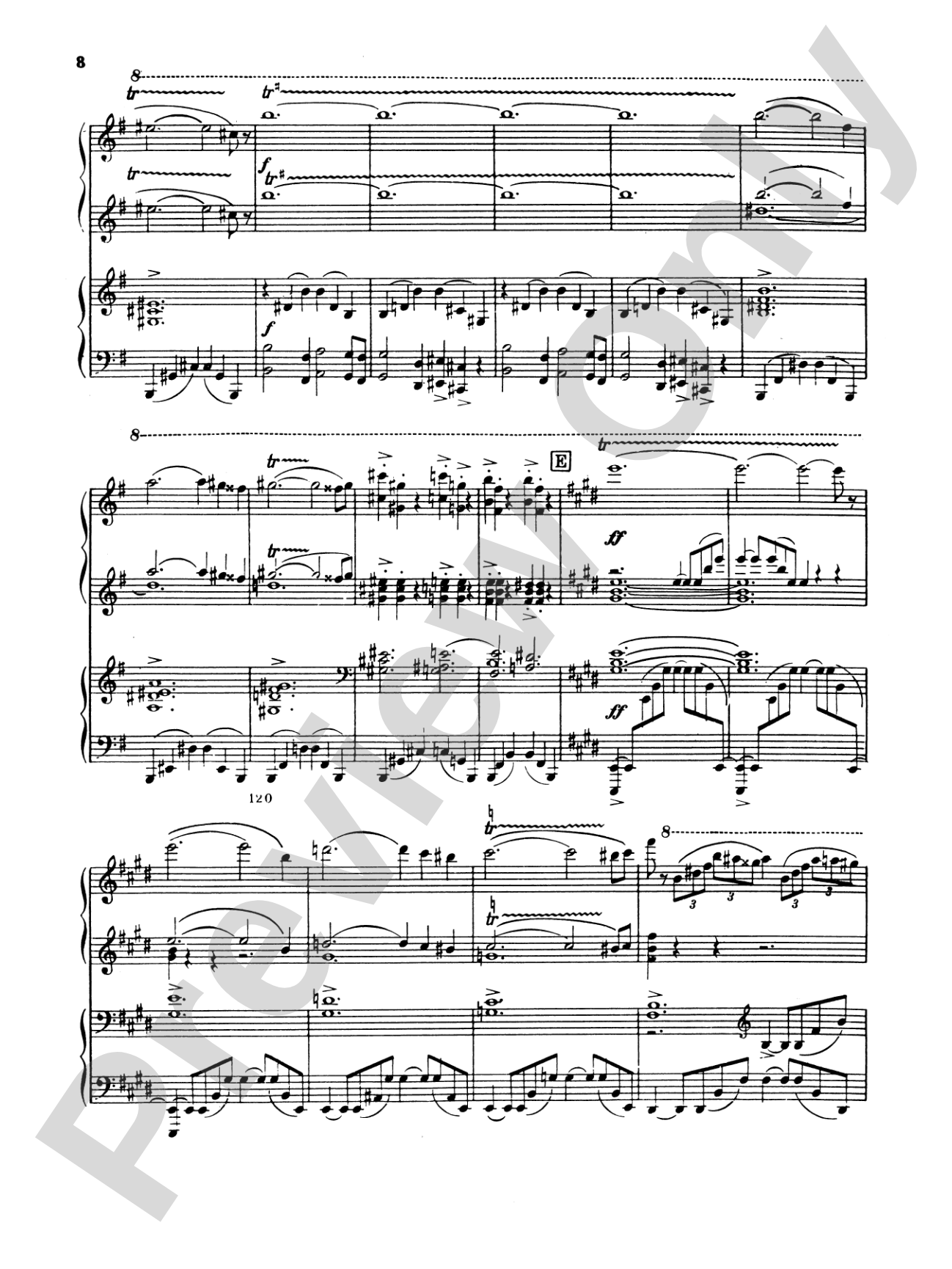
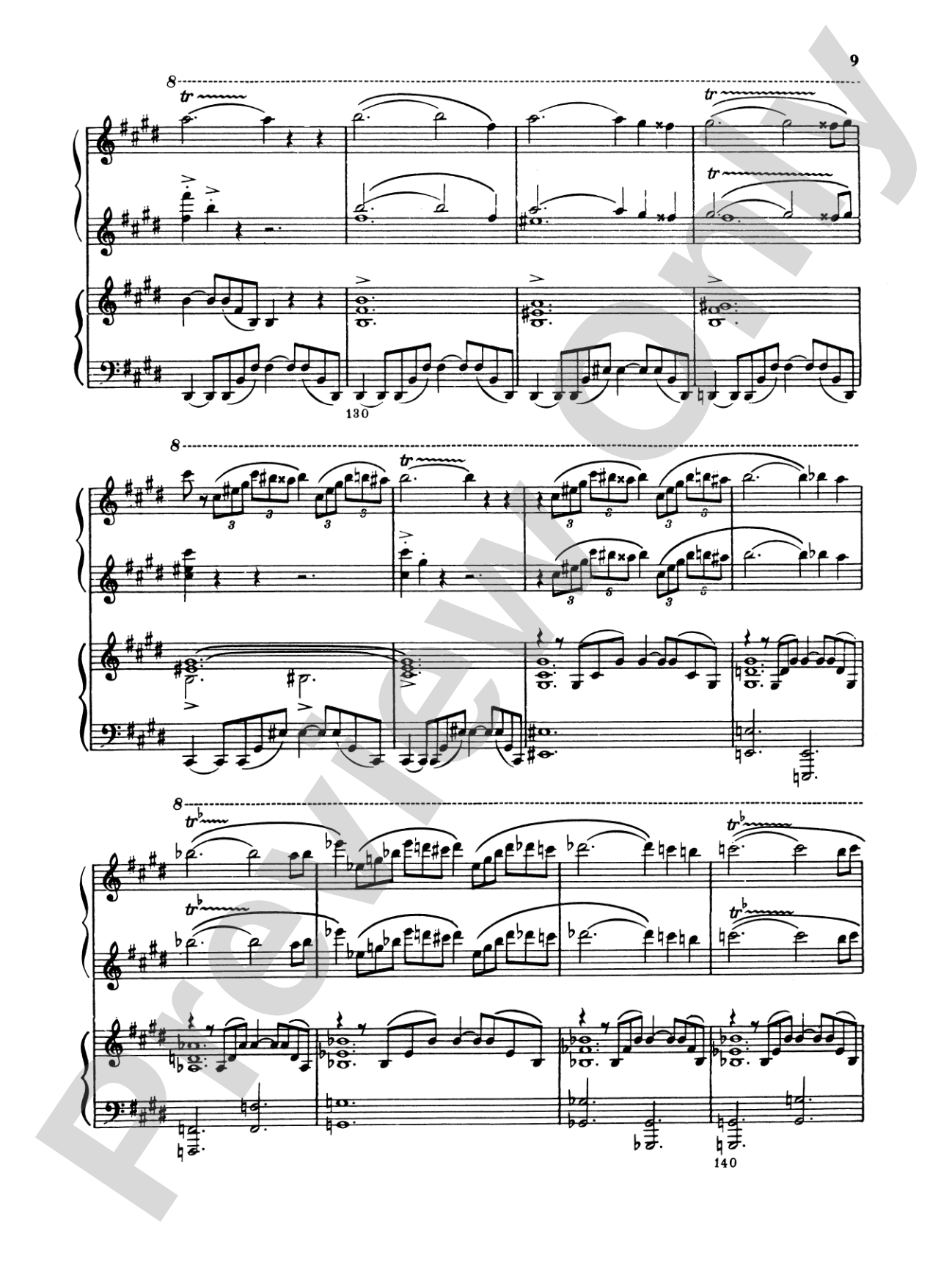
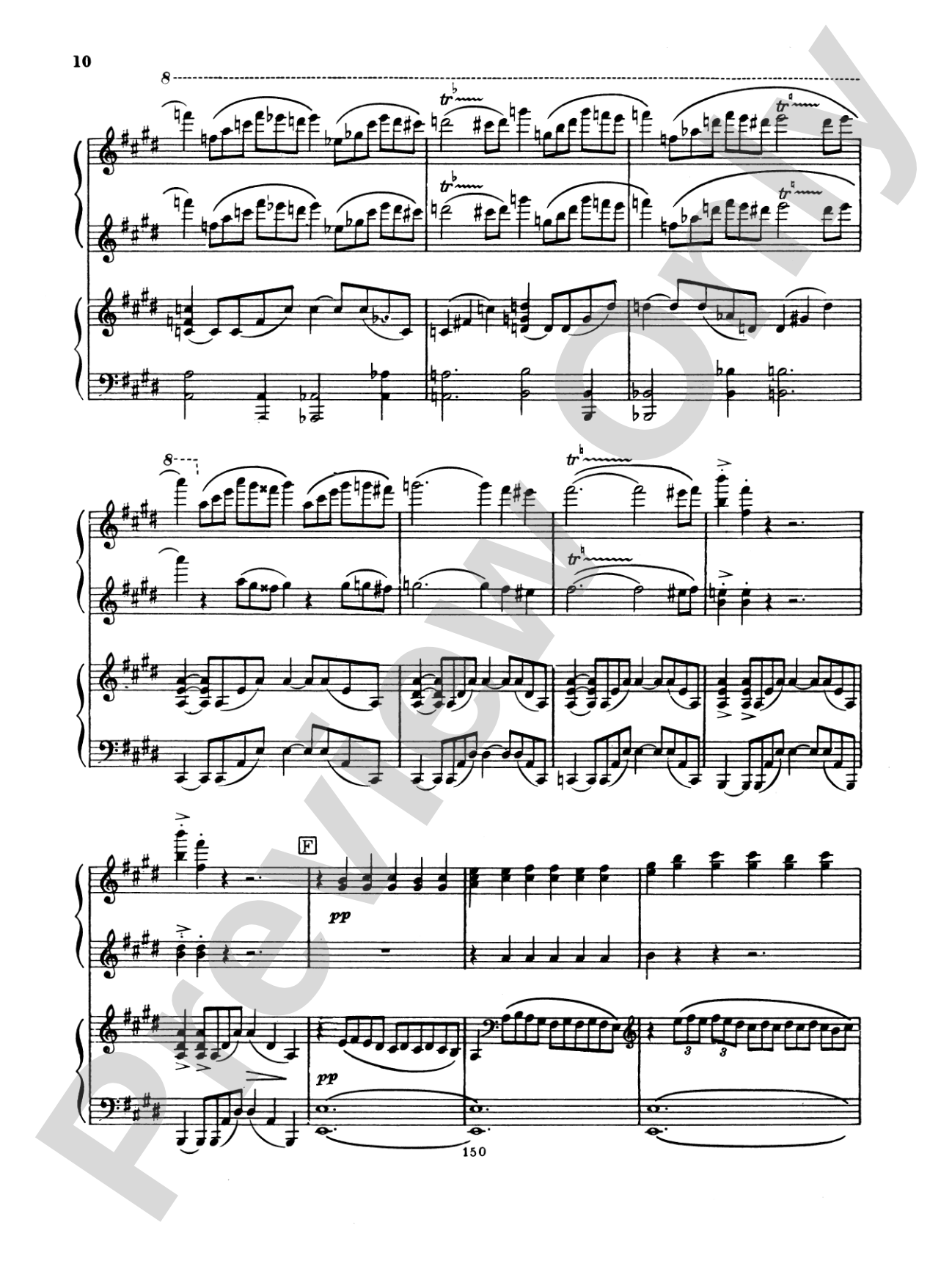
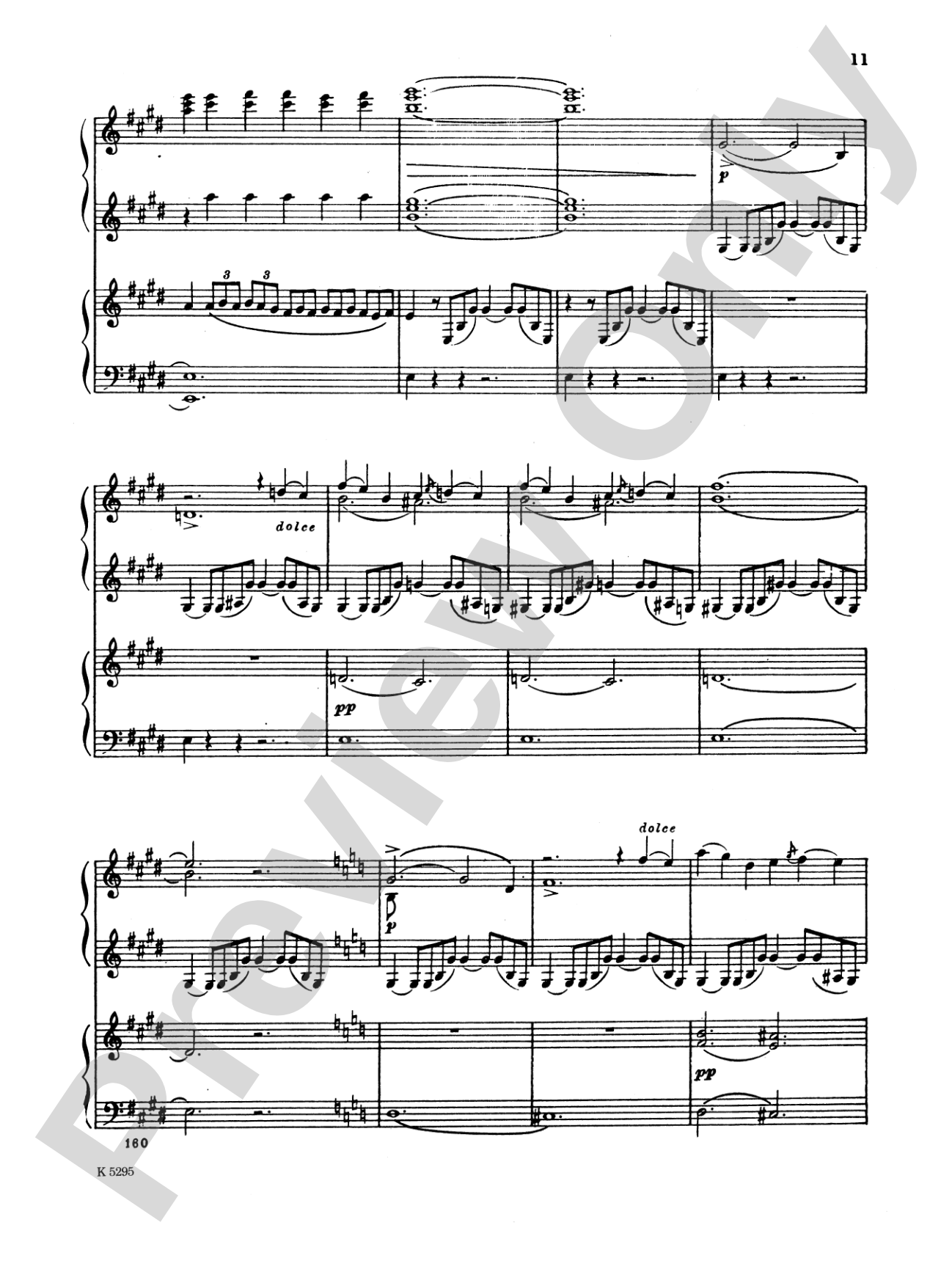
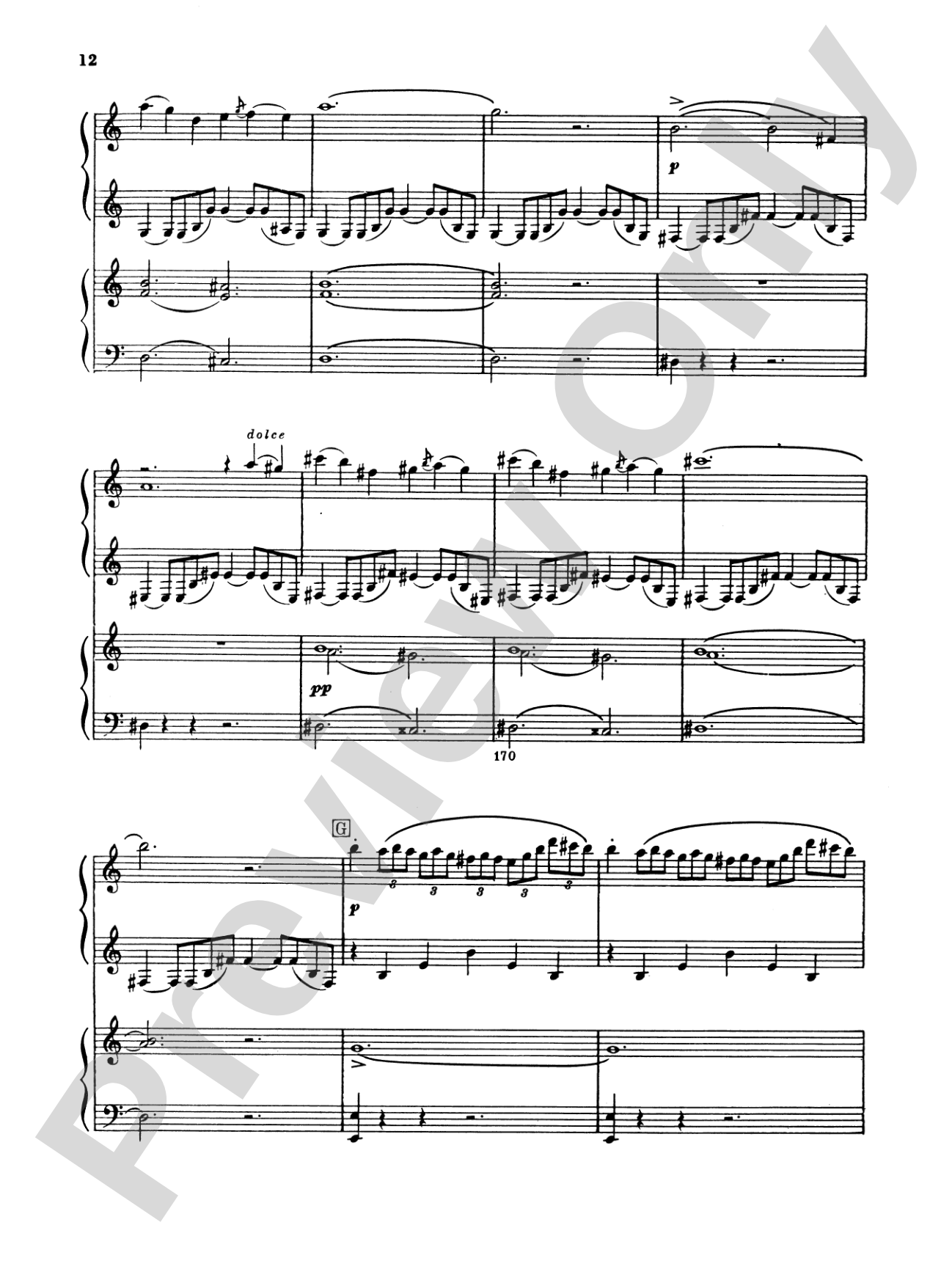
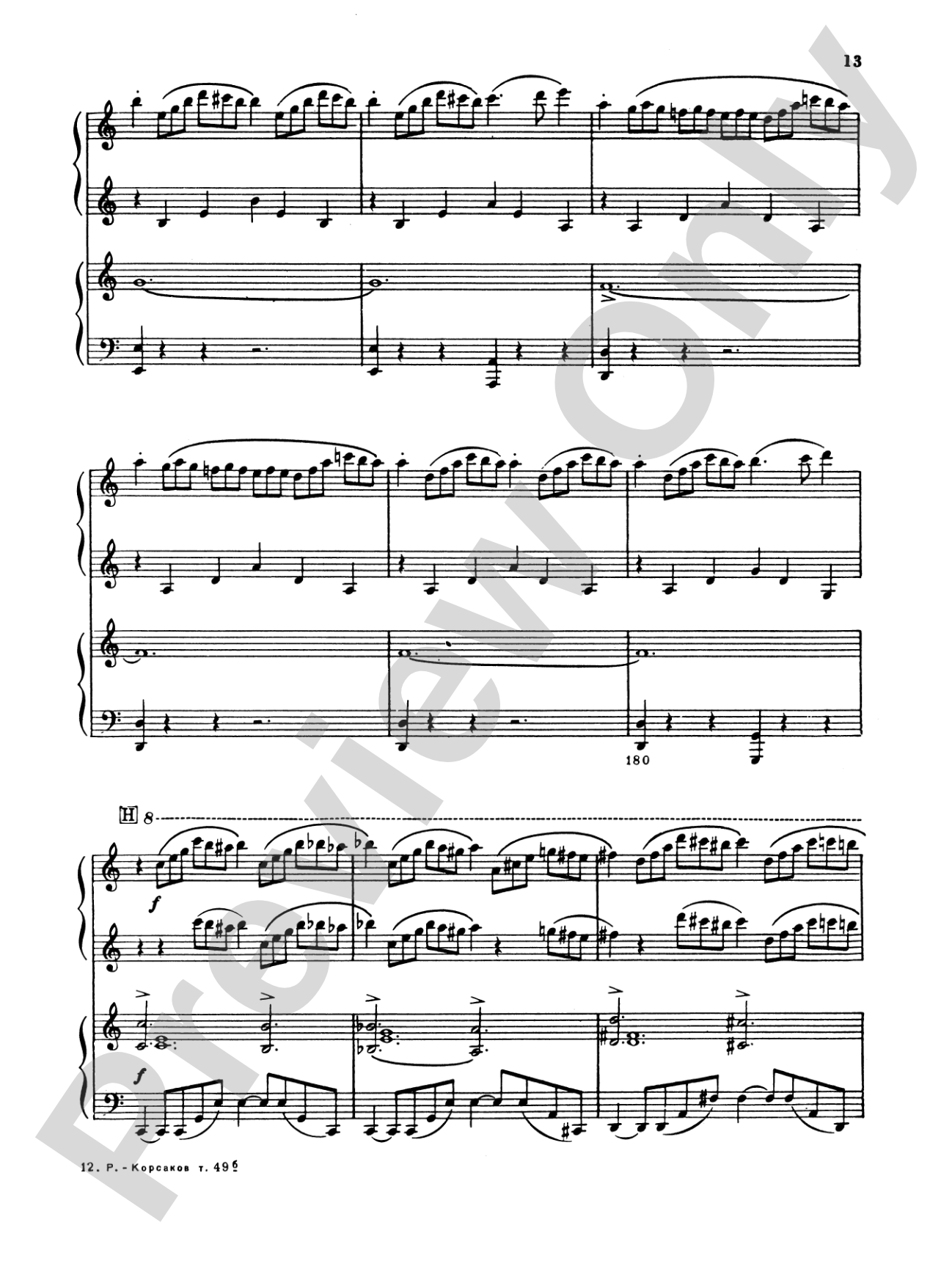
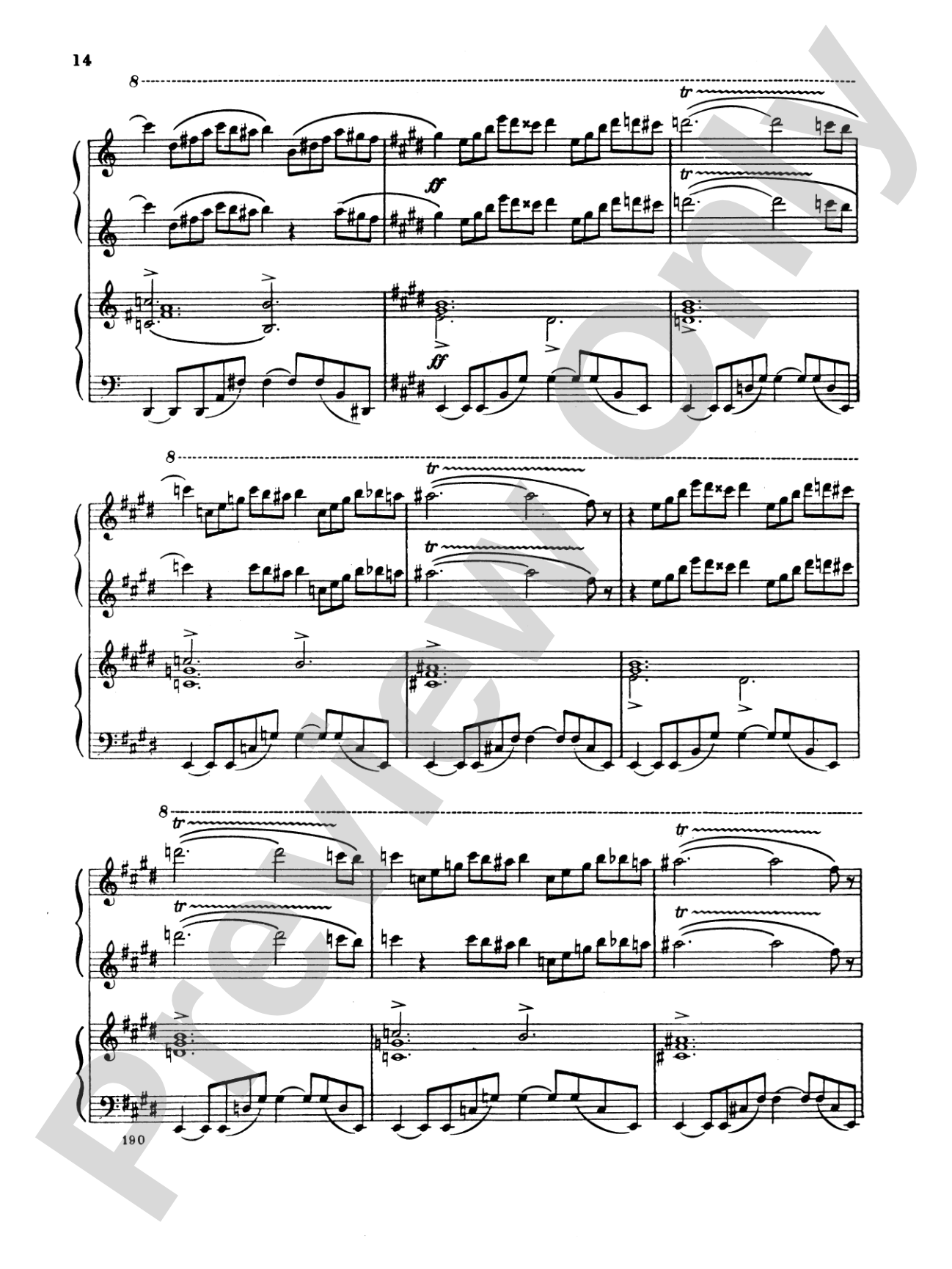
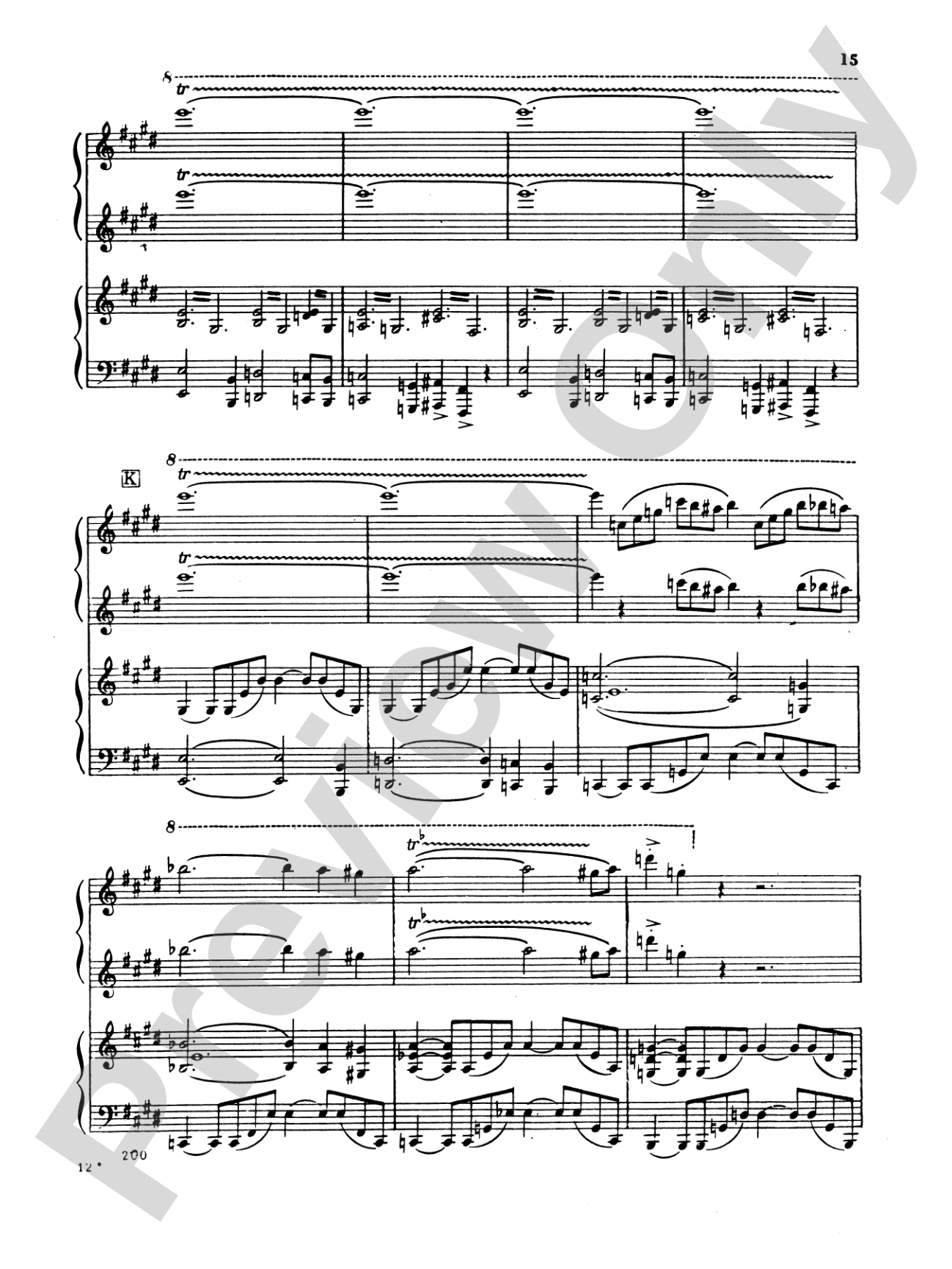
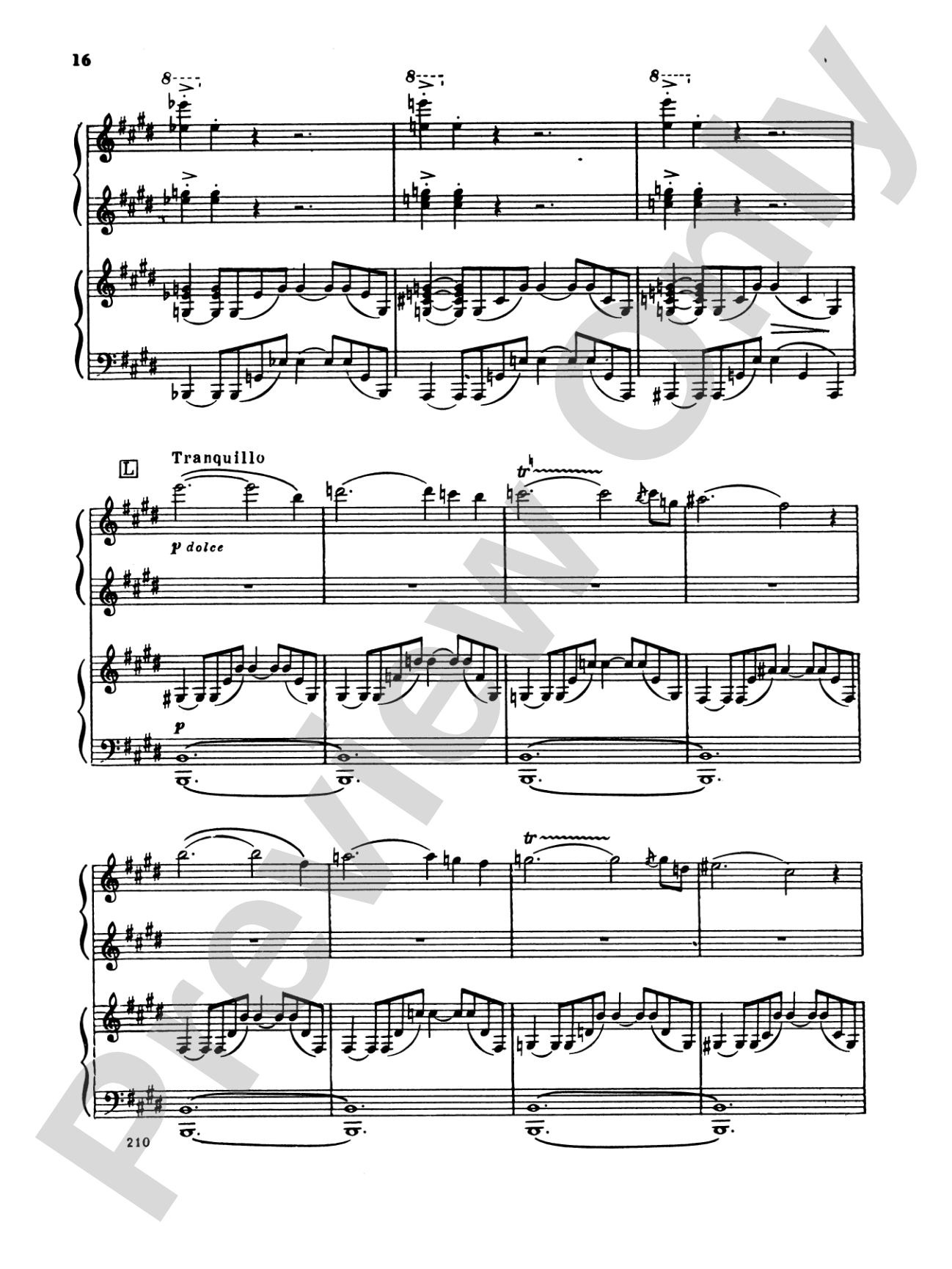
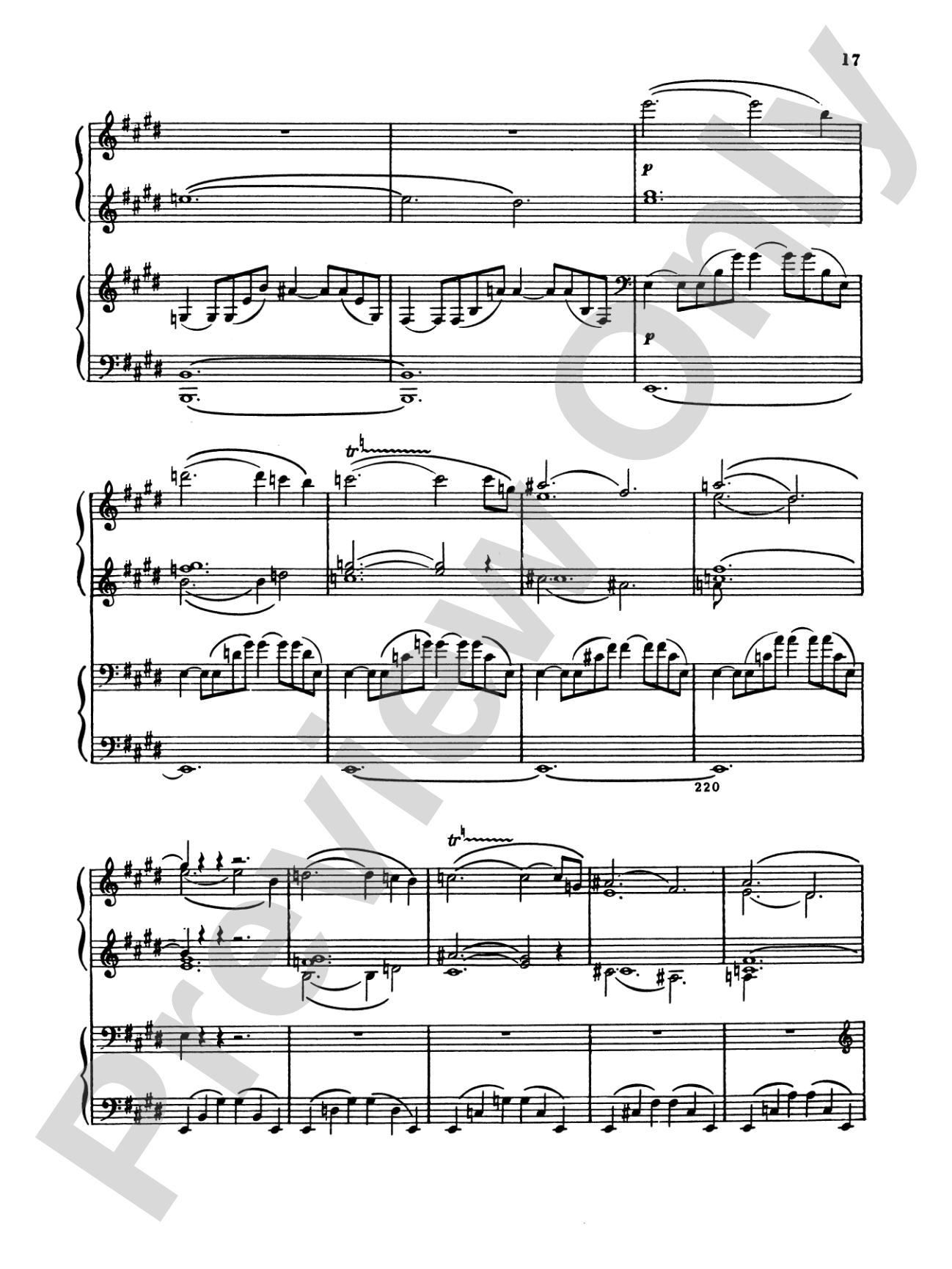
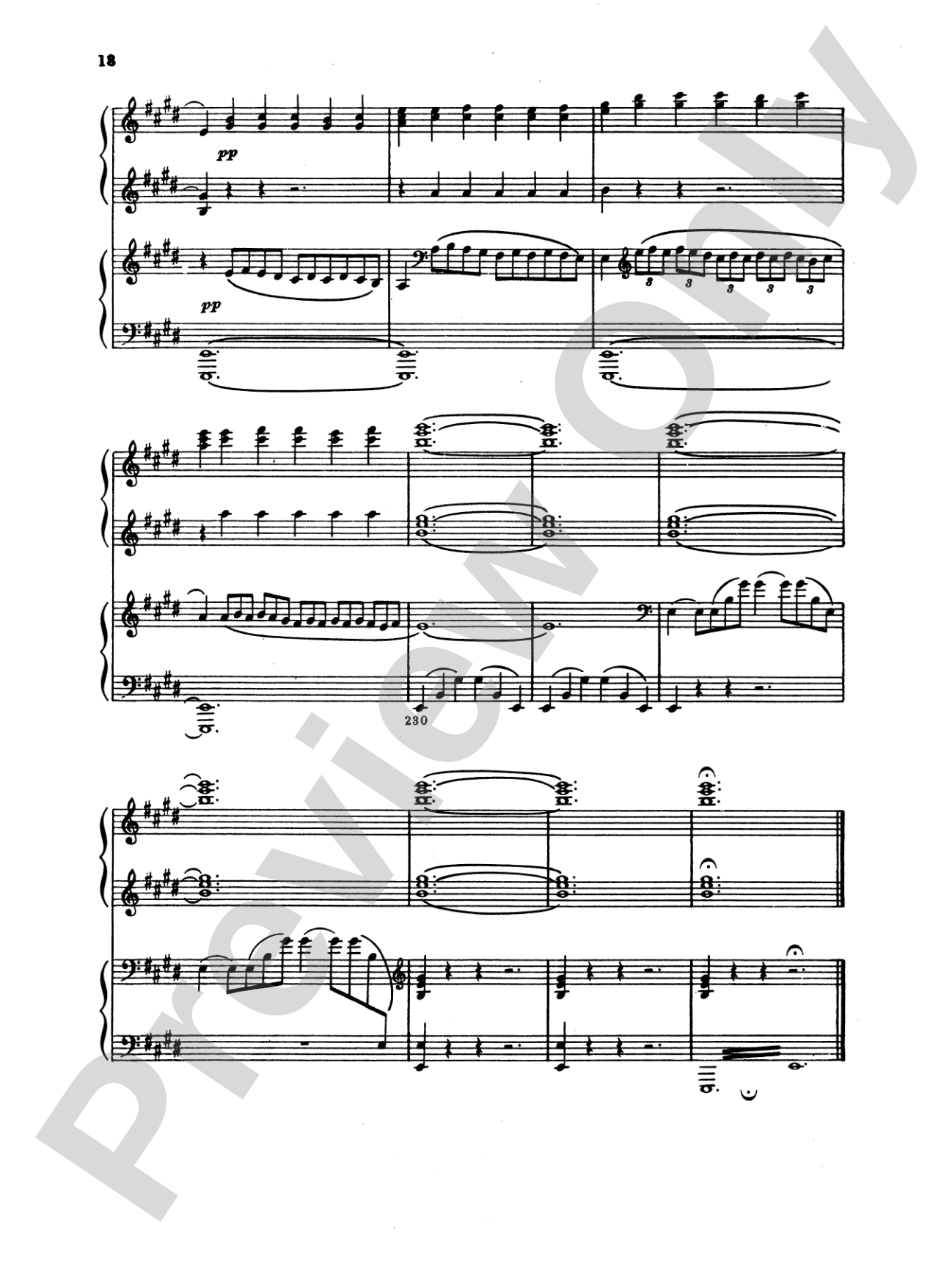

Rimsky-Korsakov: Scheherazade: Piano Duet (1 Piano, 4 Hands) Book
By Nicolai Rimsky-Korsakov
Level: Intermediate / Advanced
Item: 00-PK-0003634

$19.99
Pickup currently not available
Buy Extra Parts (Digital PDF Download)
| Product | Price | Quantity |
|---|---|---|
| Rimsky-Korsakov: Scheherazade | $3.99 | |
| Rimsky-Korsakov: Scheherazade | $3.95 | |
| Rimsky-Korsakov: Scheherazade | $3.99 | |
| Rimsky-Korsakov: Scheherazade | $3.95 |
Parts Added to Cart!
Related Items
Scheherazade, Opus 35: Piano Duet (1 Piano, 4 Hands) Book |
$19.95
|
View |
Description


Don't just read it, hear it, play along with it, and watch your students grow with it. In MakeMusic Cloud, Rimsky-Korsakov: Scheherazade: Piano Duet (1 Piano, 4 Hands) Book comes alive with professional accompaniment, adjustable tempo, and built-in practice tools that turn solo practice into real progress.
Open in the Player
Jump straight in and assign it today.
Start Your Free Trial
Open this title and explore the full library in minutes.
Sample Audio
No sample audio found.
Sample Video
No sample videos found.
Additional Details
Series:
Kalmus Edition
Publisher:
Alfred Music
Page Count:
104
SKU:
00-PK-0003634
More about this title
About the Composer: Nicolai Rimsky-Korsakov
Nicolai Rimsky-Korsakov (1844-1908) was a Russian composer and orchestrator who fundamentally shaped the sound of late 19th-century classical music. Trained as both a naval officer and a musician, he brought scientific precision to his craft, becoming obsessed with color and timbre in ways that influenced generations of composers who followed. His mastery of orchestration and harmonic innovation made him one of the most performed Russian composers in the concert hall.
Rimsky-Korsakov's gift for melodic invention and his deep knowledge of Russian folk traditions allowed him to create works that feel both intellectually rigorous and immediately accessible. He spent his final decades as a composition professor and conductor, transmitting his techniques to younger composers and establishing principles of orchestration that remain essential to music education today.
Why we love this
This four-hand arrangement opens one of classical music's most vivid orchestral masterworks to the intimate world of the duet. The score preserves Rimsky-Korsakov's shimmering harmonic language and exotic melodic turns while giving two pianists the chance to navigate the work's narrative arc together, making it an ideal vehicle for advancing players who want to experience a major work without needing an orchestra.
What to expect
Scheherazade unfolds like a musical fairy tale, moving from mysterious opening gestures into passages that shimmer with exotic harmonies and sensual instrumental colors. The work's shifting moods capture the restlessness and wonder of a thousand nights of storytelling, with moments of tenderness alternating with rhythmic vitality and sudden harmonic surprises.
Who it's for
Intermediate to advanced pianists seeking substantial duet repertoire that genuinely challenges both partners will find this arrangement exceptionally rewarding. Music teachers looking to introduce serious students to orchestral masterworks in an accessible format will discover this a natural fit for upper-level studio work or chamber performance contexts.
How to get the most out of it
- Balance the primo and secondo parts carefully in passages where the secondo carries important thematic material; resist the urge to let the primo dominate simply because it sits in a higher register.
- Use the page turns strategically during the work's quieter moments to avoid breaking the momentum of Scheherazade's storytelling flow.
- Coordinate pedal changes between both players so the harmonic washes blend seamlessly rather than creating murky transitions between color shifts.
- Shape the phrases around Scheherazade's signature melodic gestures rather than measuring time in strict counts; this will help the duet sound like a cohesive conversation rather than two independent parts.
How to use it
Position this as a centerpiece for an all-duet recital or feature it as a concert opener that showcases your advanced students' collaborative skills and interpretive maturity. The work's substantial length and sophisticated harmonies make it equally suitable for a spring competition program or studio recital where you want to highlight what accomplished duet partnerships can achieve.
Skills your students will build
- Balancing independent lines while maintaining unified phrasing across four hands
- Navigating complex harmonic progressions and chromatic voice leading
- Coordinating shared pedal work and managing textural density at the keyboard
- Interpreting rubato and expressive timing as an ensemble rather than as individuals
- Reading and realizing a large-scale orchestral work through the reduction medium