
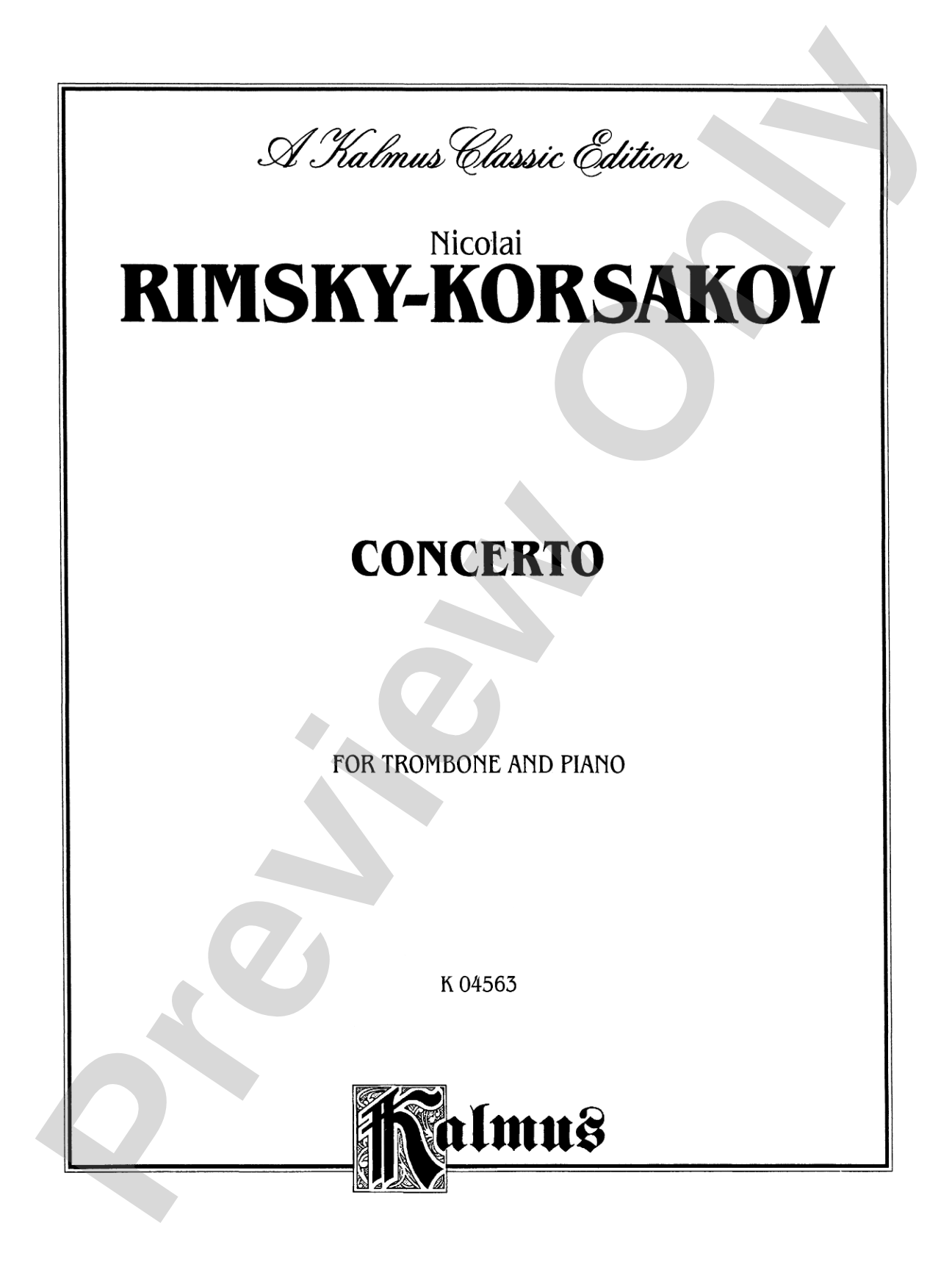

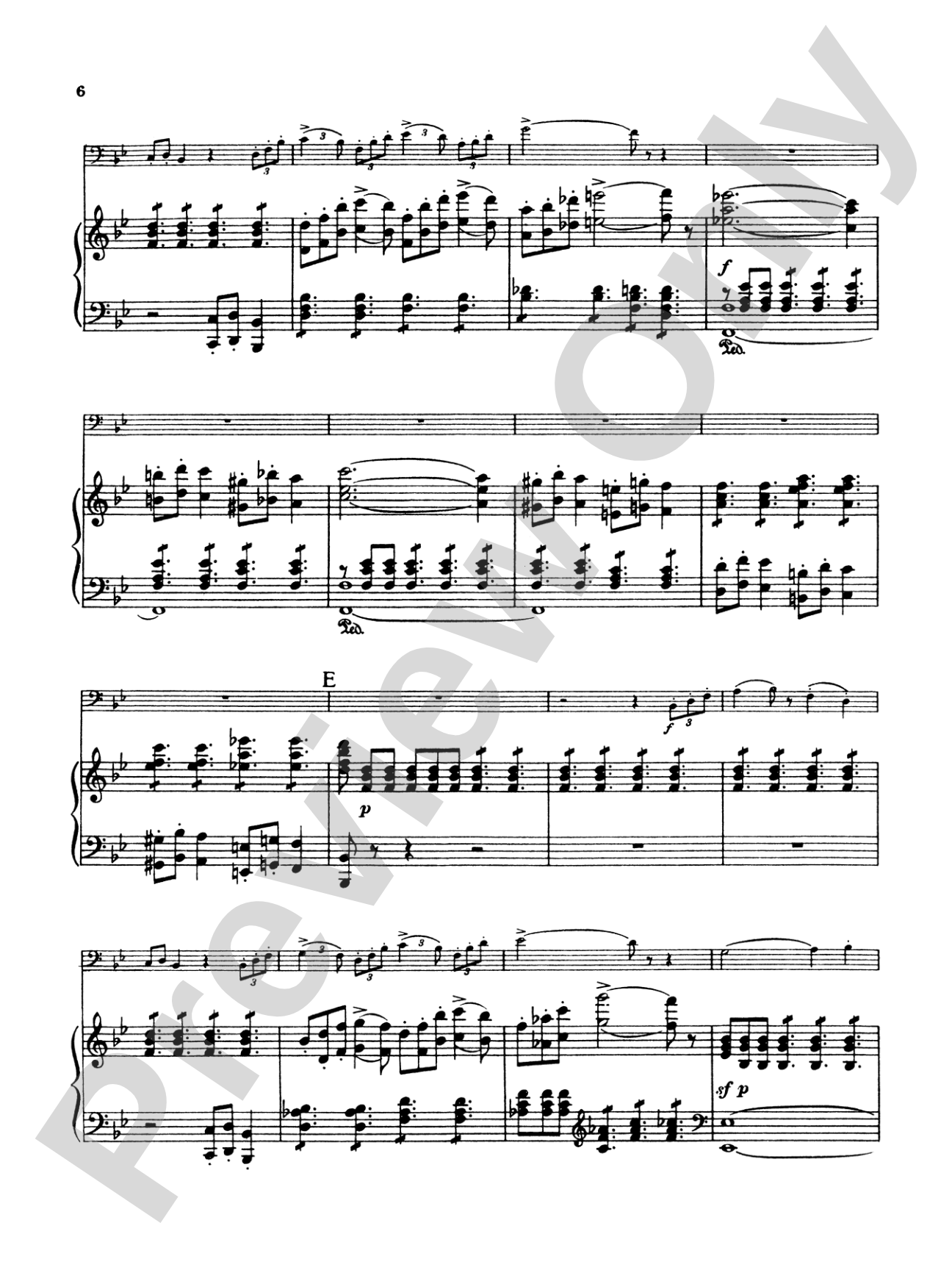
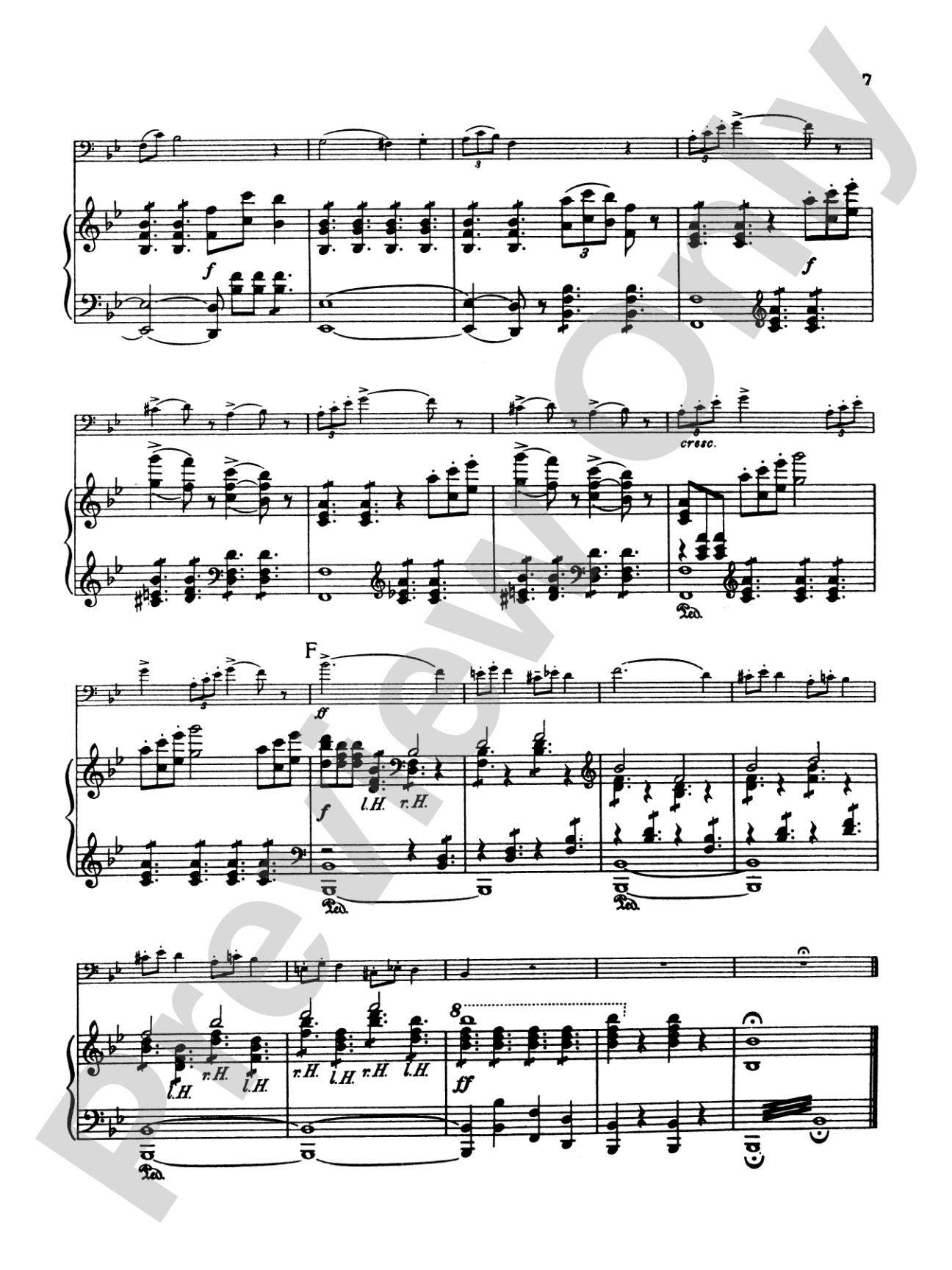
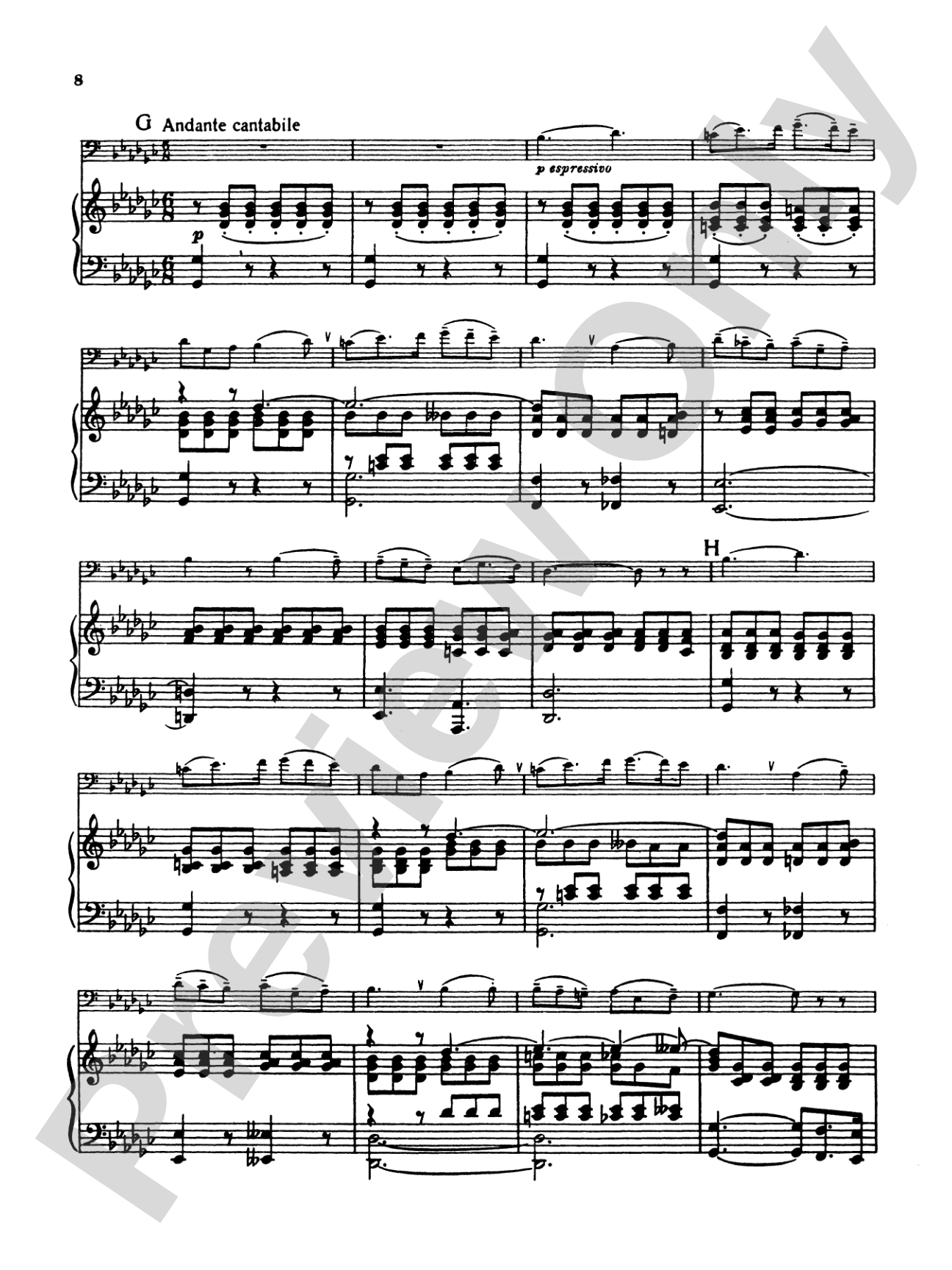
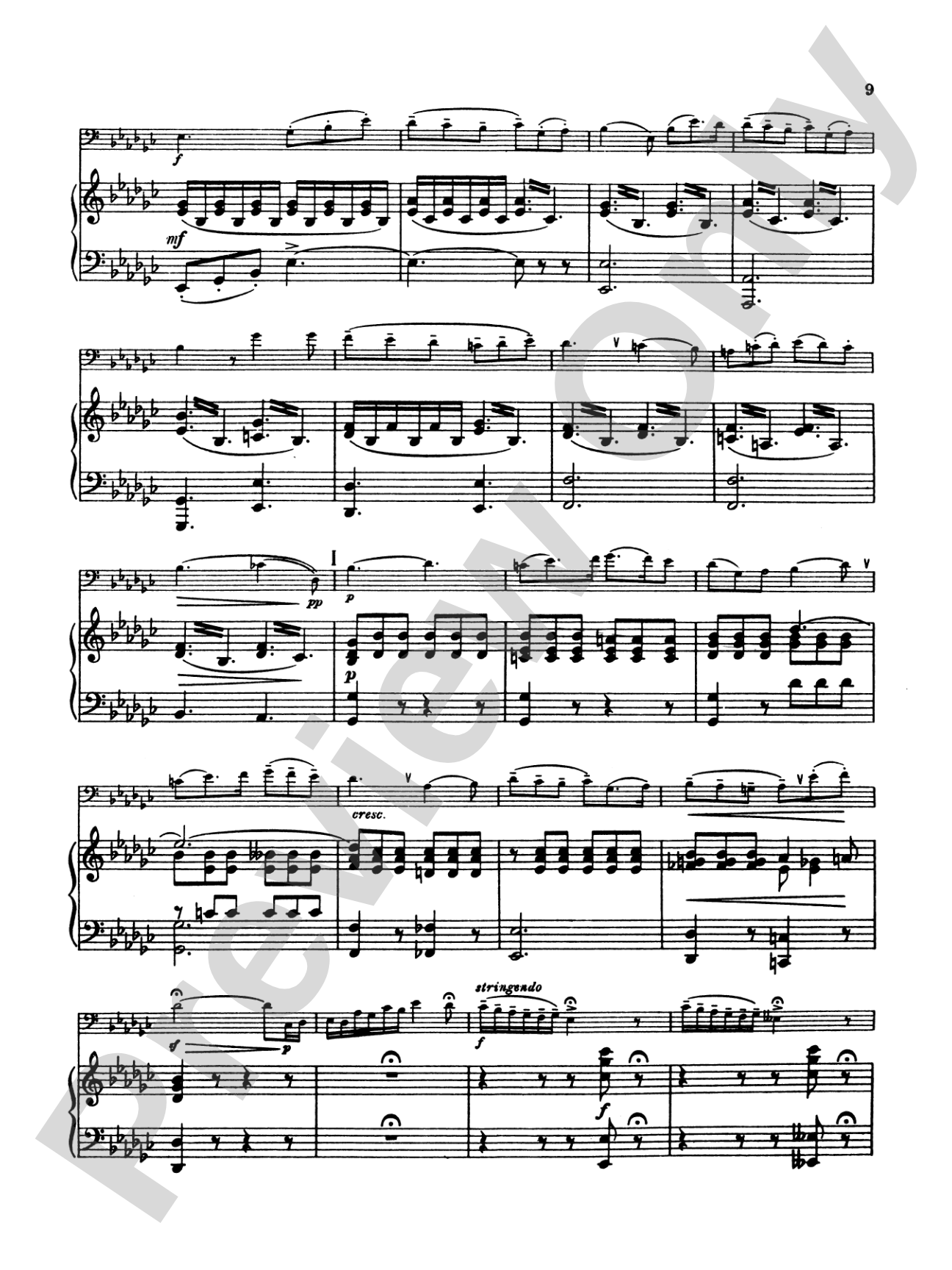
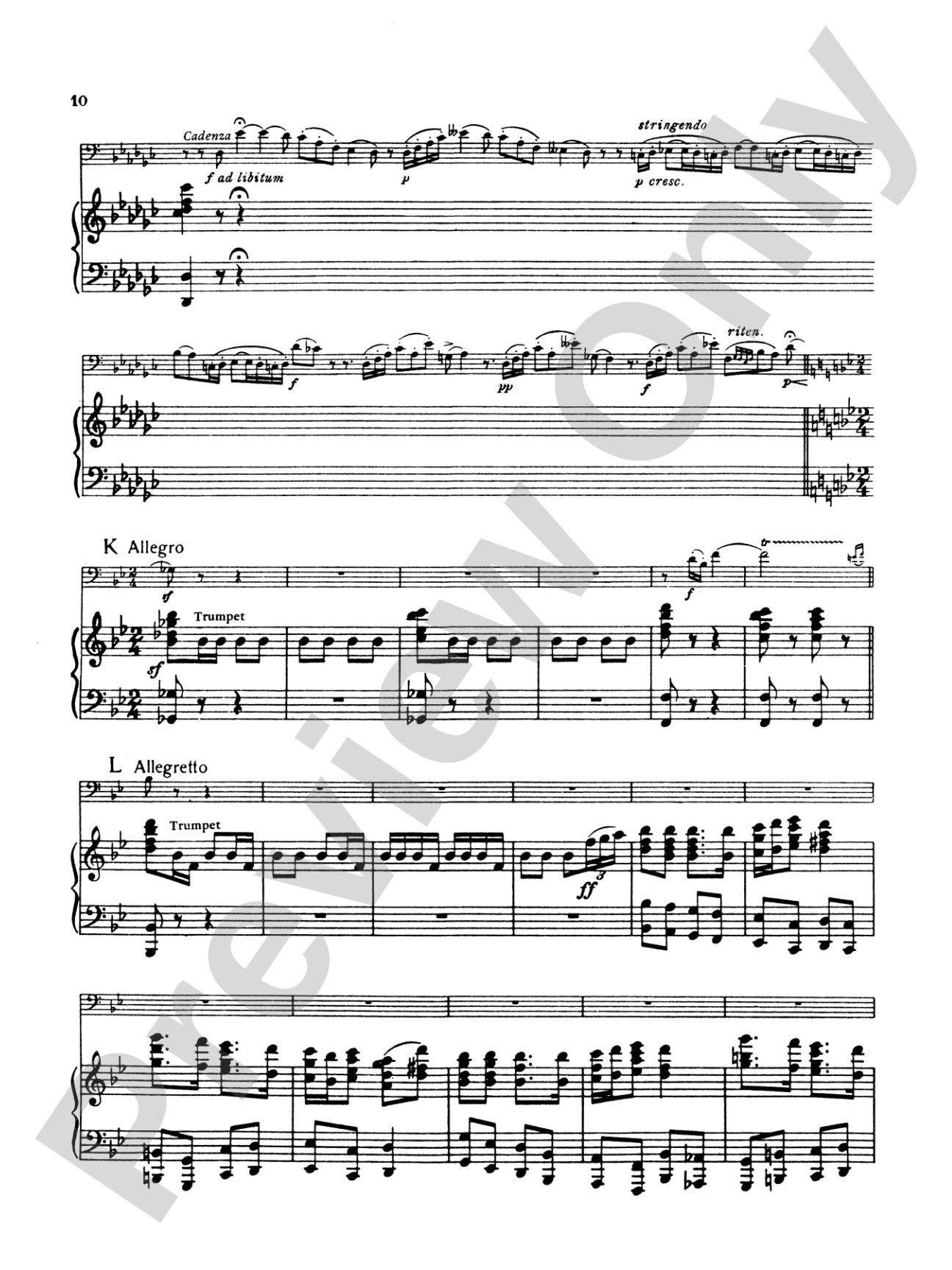
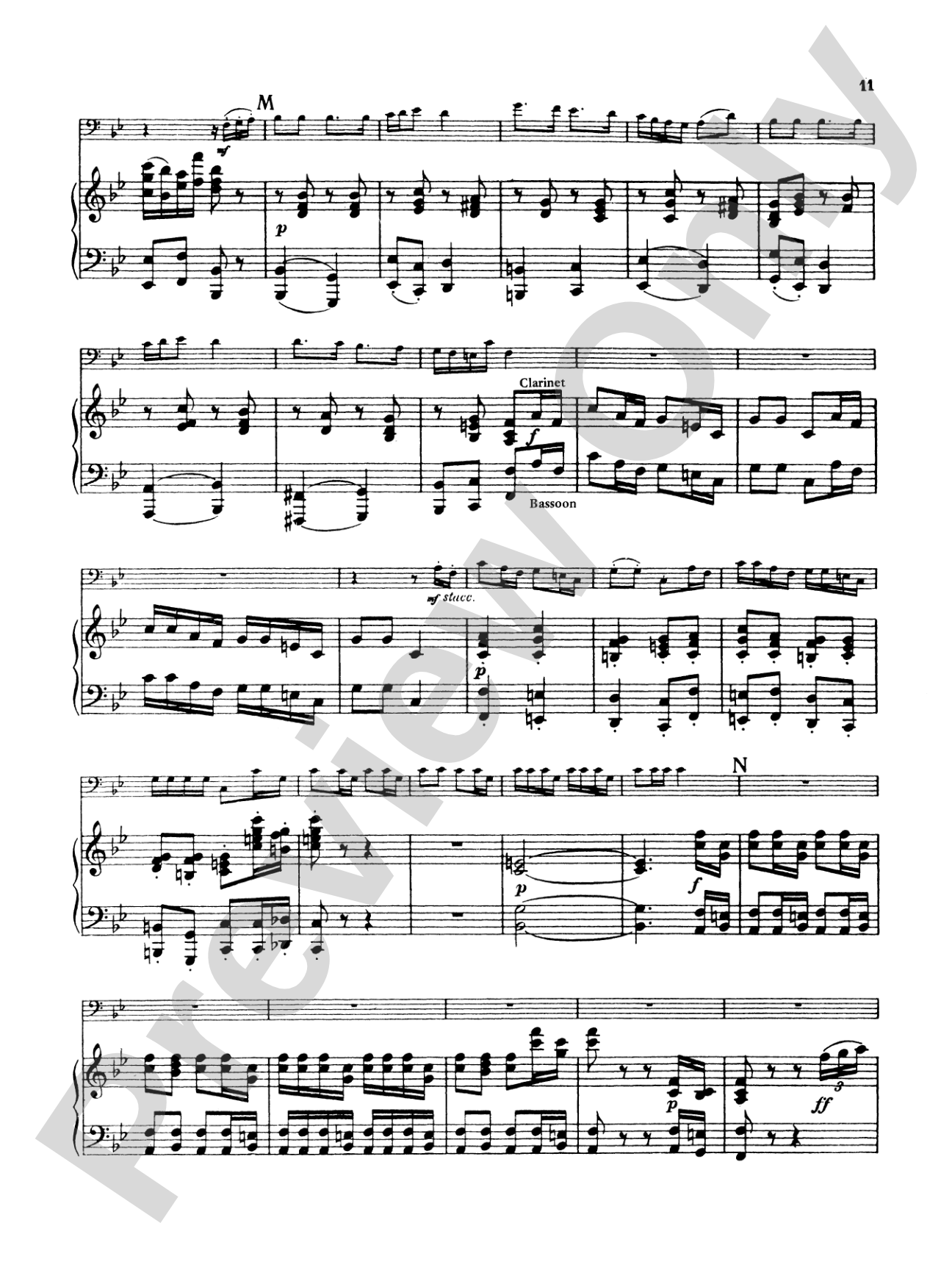
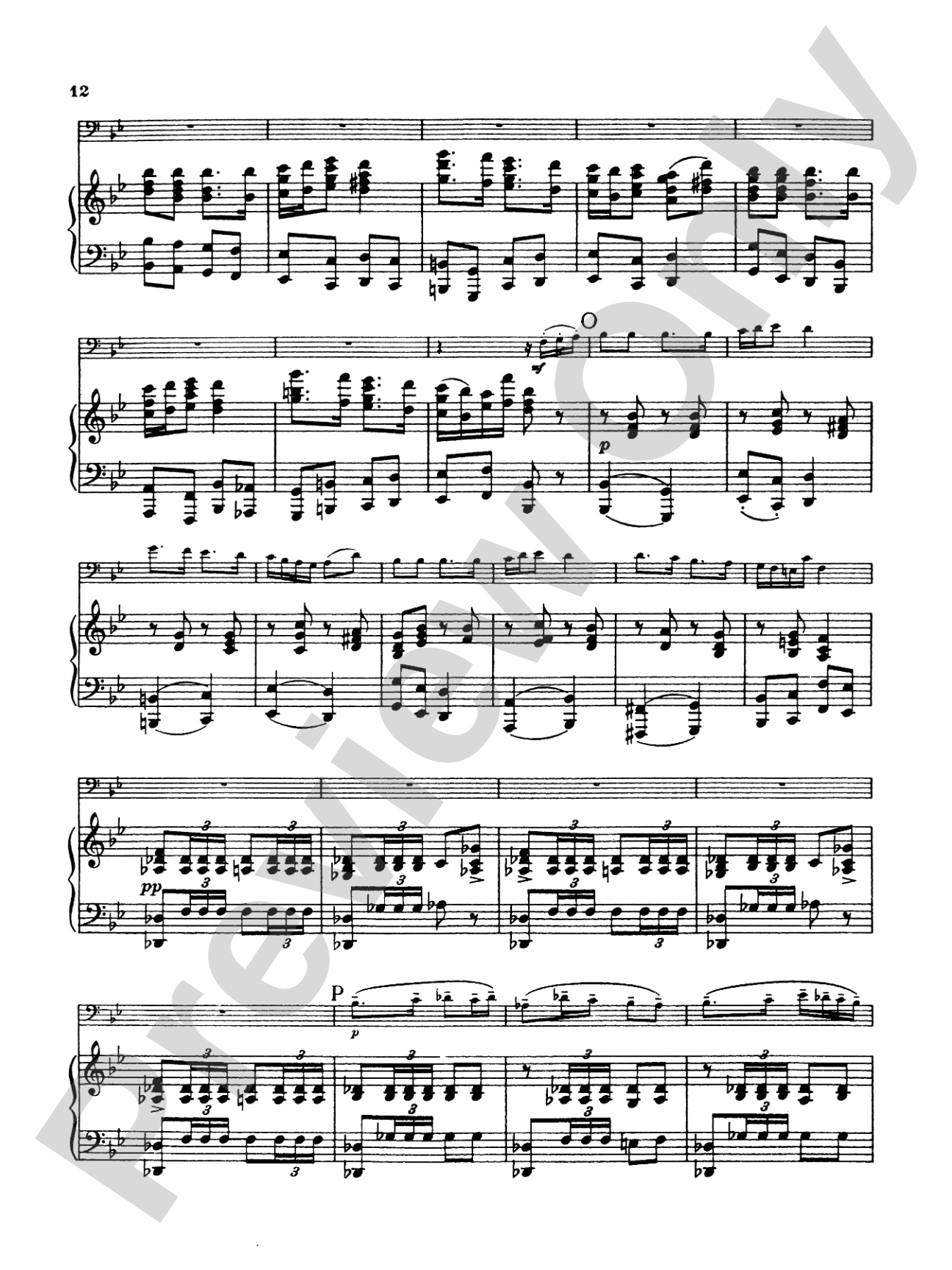
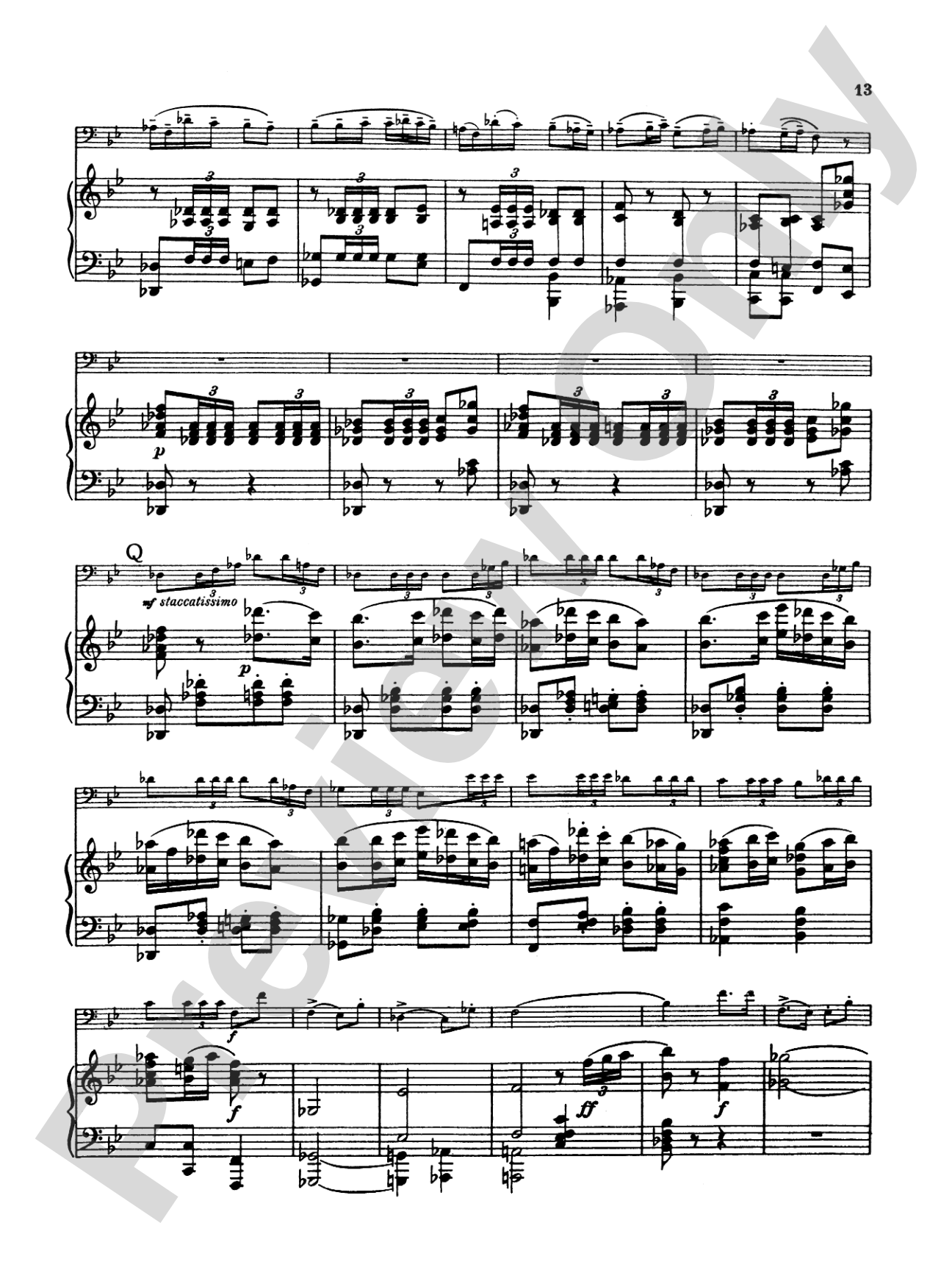
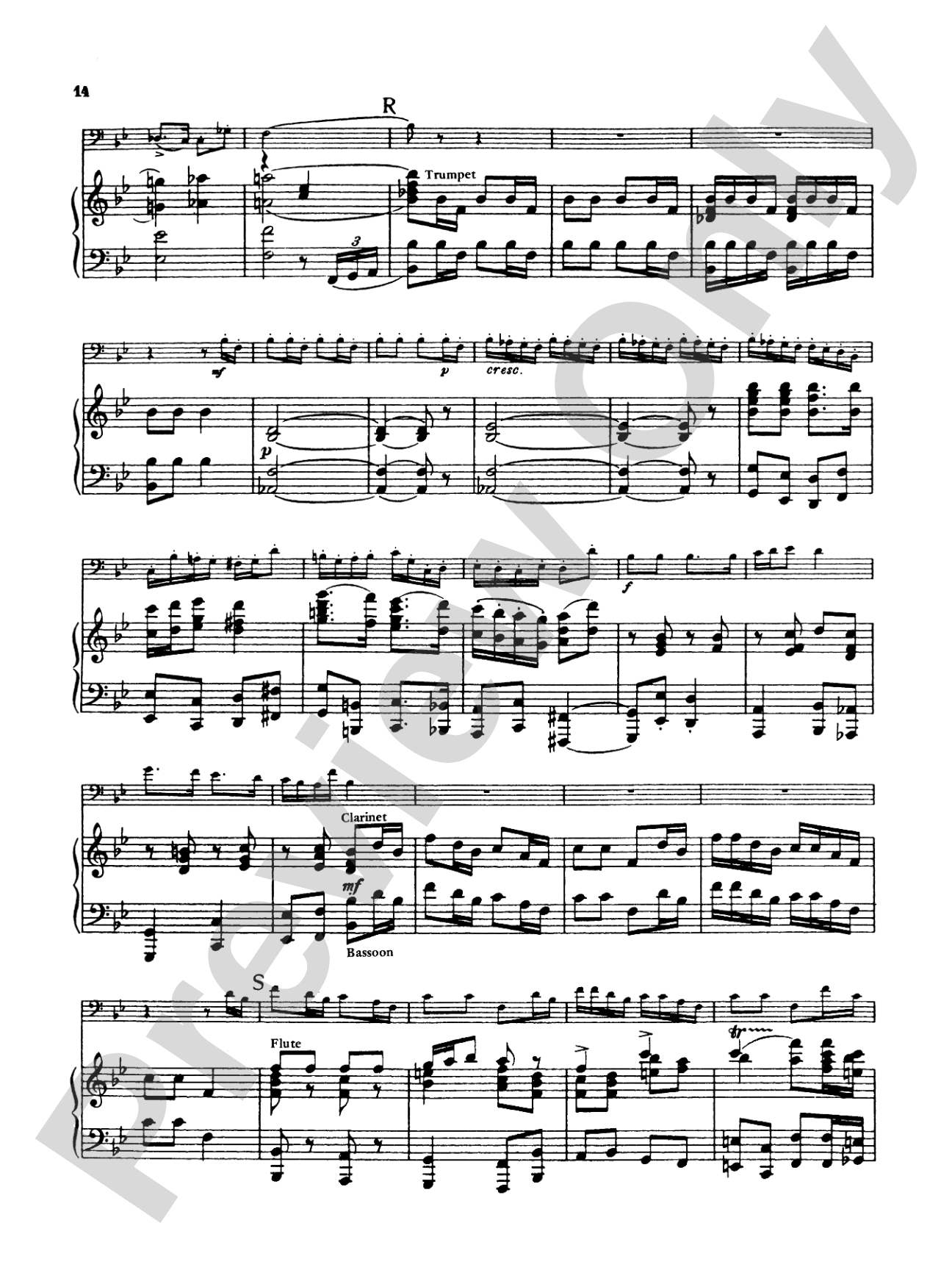
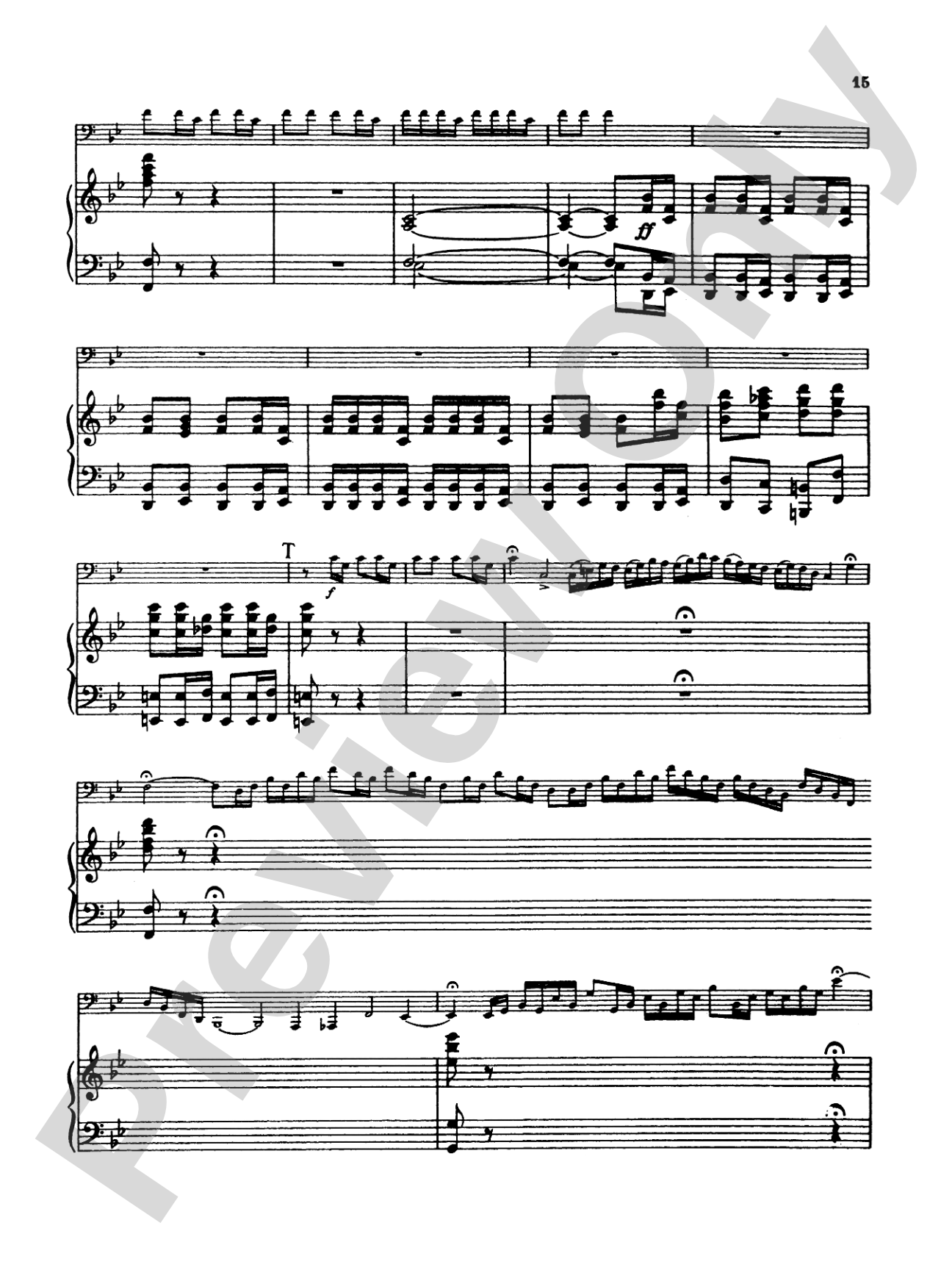
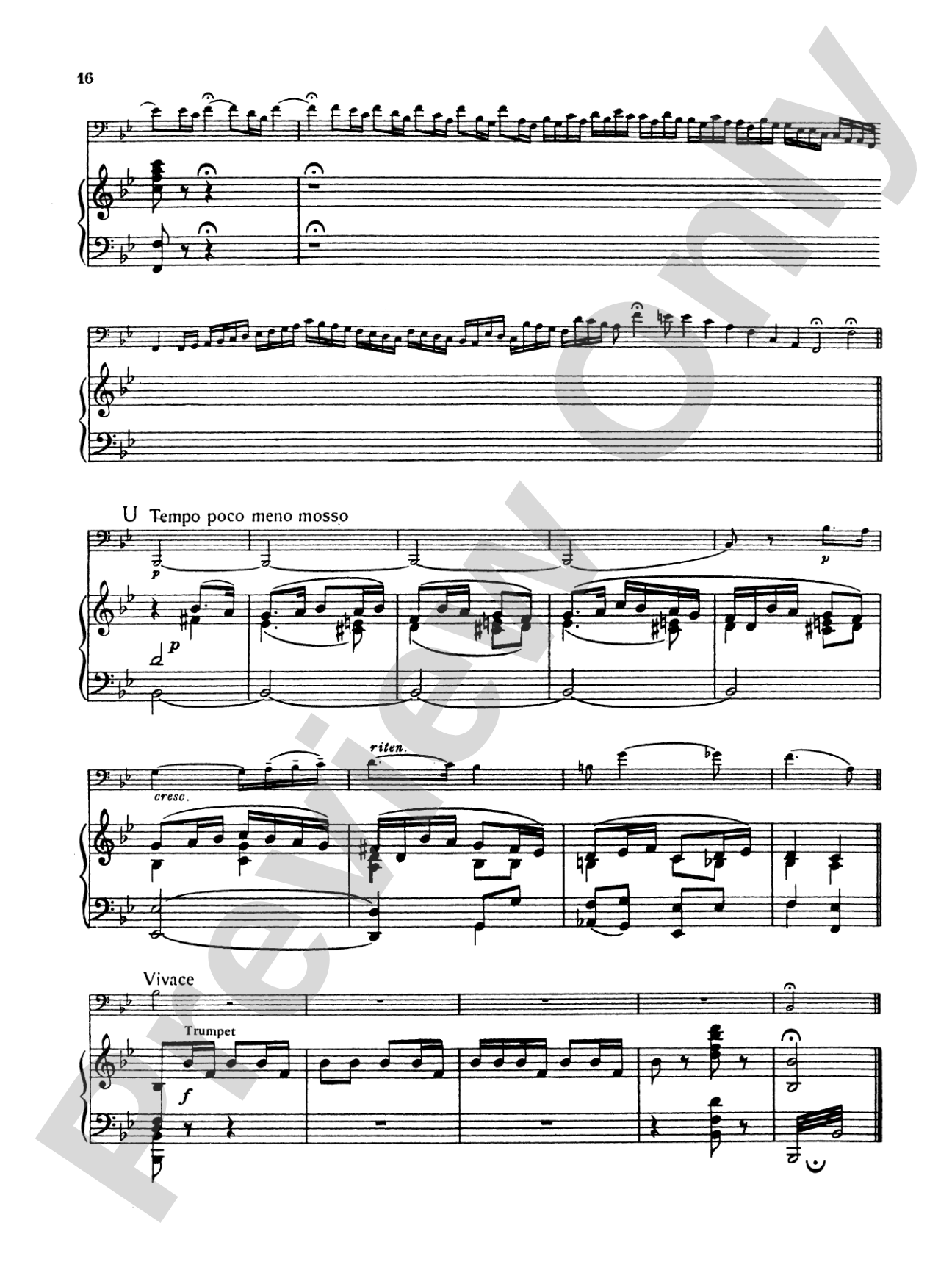

Rimsky-Korsakov: Concerto: Trombone Part(s)
By Nicolai Rimsky-Korsakov
Item: 00-PK-0003556
$9.95
Pickup currently not available
Parts Added to Cart!
Related Items
Trombone Concerto: Trombone Part(s) |
$9.95
|
View |
Description
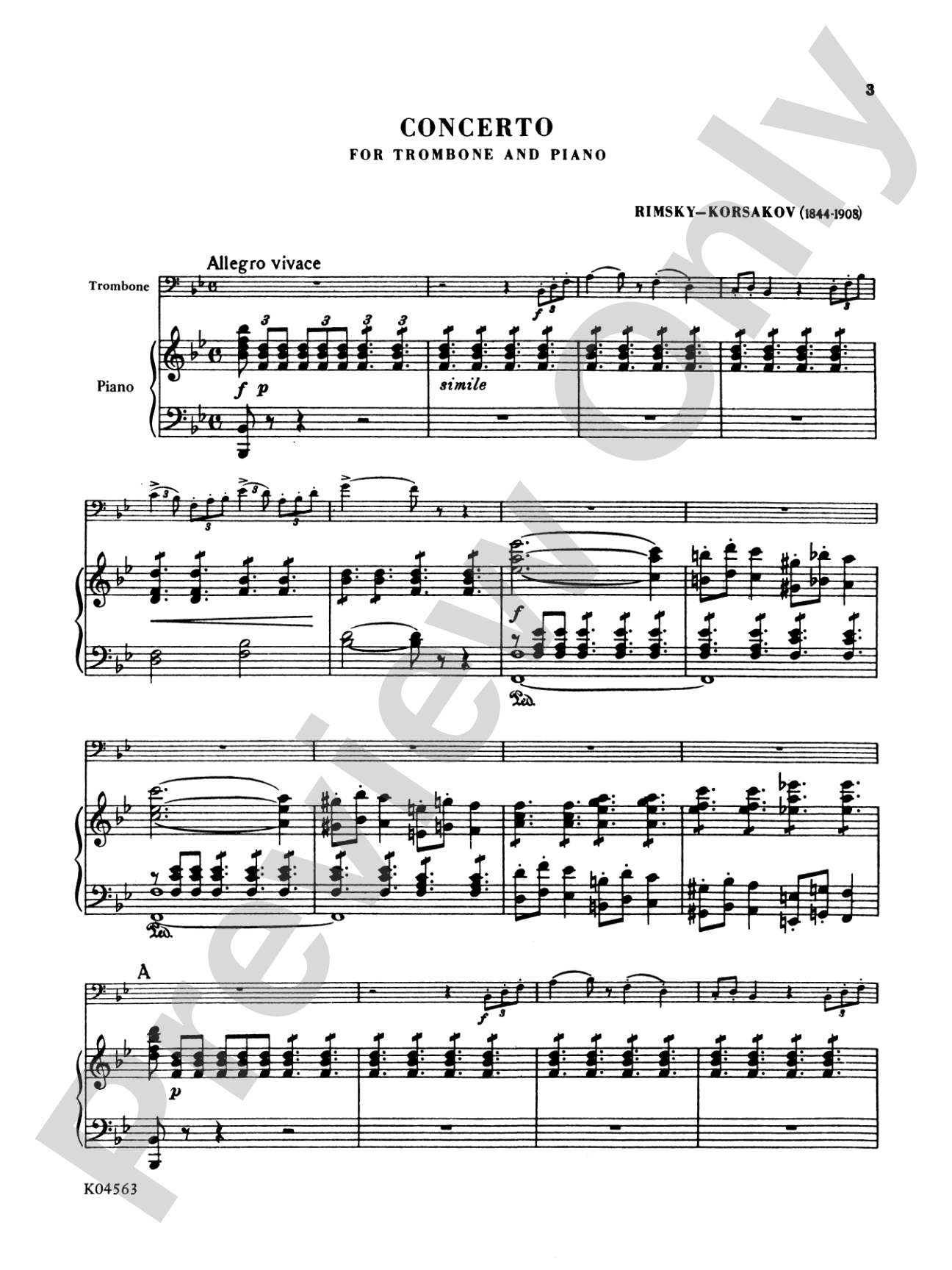
Composed in 1877, Nicolai Rimsky-Korsakov's Concerto for Trombone and Military Band was composed for a marine officer friend and was first played at a concert at Kronstadt in1878. Includes: Allegro Vivace * Andante Cantabile * Allegro.


Discover MakeMusic Cloud: thousands of interactive titles your students can play along with today.
Sample Audio
No sample audio found.
Sample Video
No sample videos found.
Additional Details
Series:
Kalmus Edition
Publisher:
Alfred Music
Page Count:
20
SKU:
00-PK-0003556
More about this title
About the Composer: Nicolai Rimsky-Korsakov
Nicolai Rimsky-Korsakov (1844–1908) was a Russian composer and orchestrator whose gift for vivid orchestration and exotic harmonic colors shaped the sound of late 19th-century music. A naval officer who came to composition late, he balanced military service with prolific composition, eventually becoming a professor at the St. Petersburg Conservatory and one of the most influential voices in Russian music.
Rimsky-Korsakov wrote this concerto in 1877 for a friend serving as a marine officer, capturing the composer's flair for writing idiomatically for brass instruments while maintaining the melodic generosity and harmonic refinement his orchestral works are known for. His ability to blend virtuosity with lyricism makes this concerto a lasting showcase for trombone artistry.
Why we love this
This concerto sits in that rare territory where virtuosity and musicality feel equally at home. Rimsky-Korsakov understood the trombone's voice intimately, writing passages that require technical agility in the fast movements while gifting the soloist a genuinely singing Andante that rewards expressive phrasing over showiness. It's a work that contests and recital programs both take seriously.
What to expect
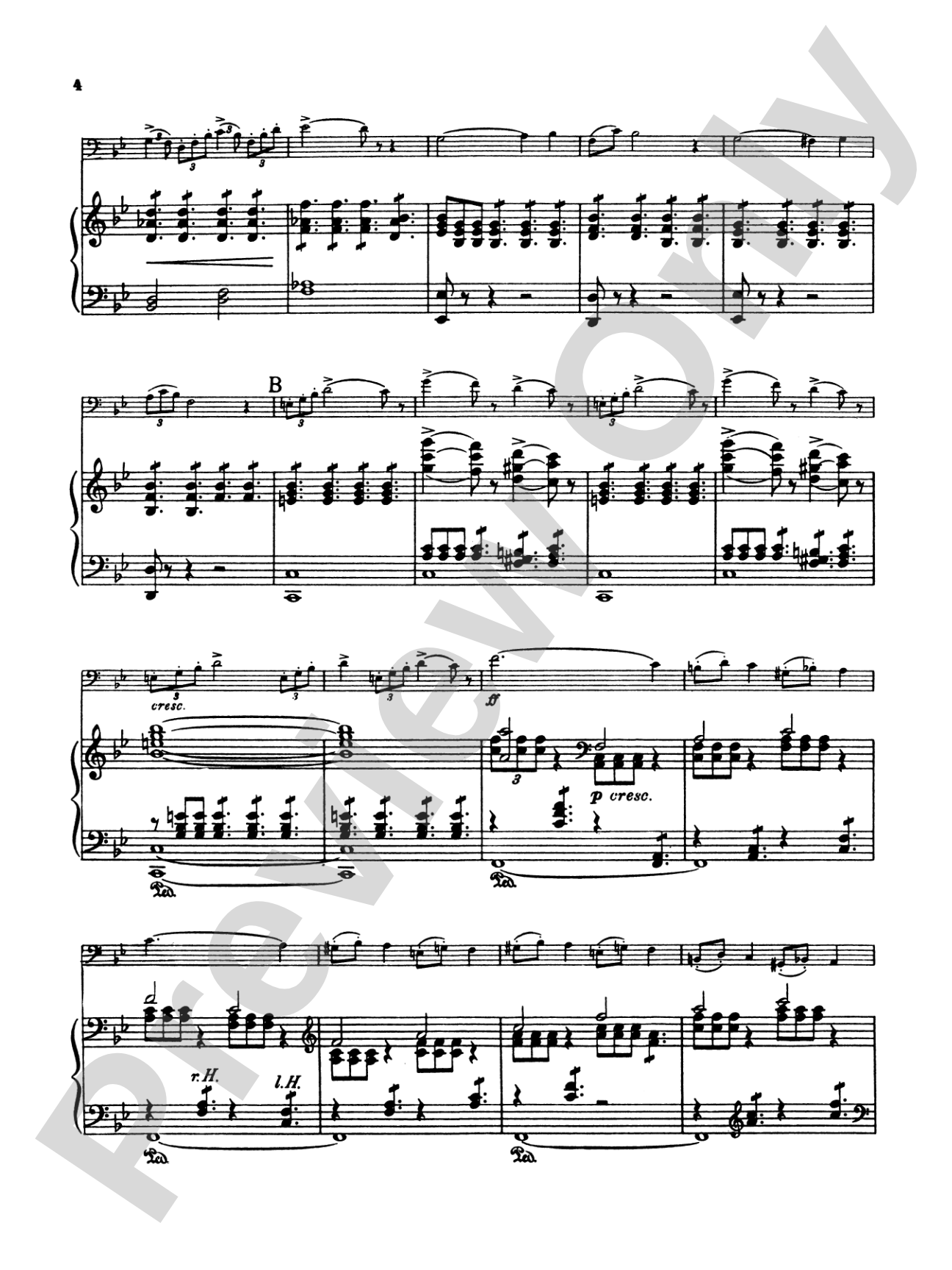
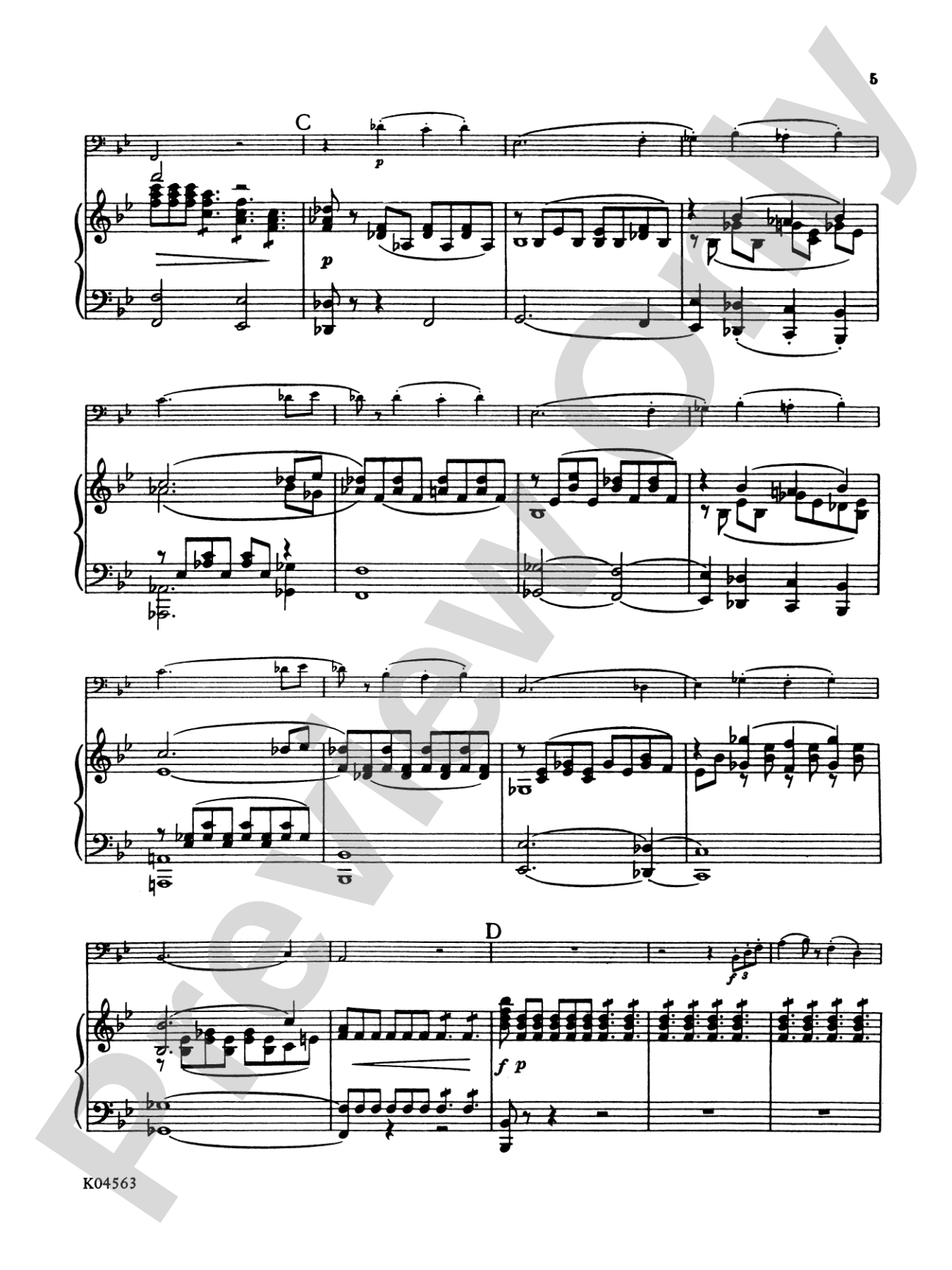
The concerto unfolds as a journey from spirited brilliance through intimate lyricism and back again. The opening Allegro Vivace leaps with energy and character, full of motivic play and textural variety. The Andante Cantabile invites you to inhabit a quietly noble, introspective space before the final Allegro sweeps back in with renewed vigor and virtuosic flair.
Who it's for
Advanced high school and college trombonists who are ready for concerto-level demands and have developed sufficient facility to navigate the technical passagework in the Allegro movements. This work suits soloists preparing for regional or state-level competitions, as well as recitalists with the musicianship to bring depth to its contrasting movements.
How to get the most out of it
- Lean into the lyricism of the Andante Cantabile; this movement's beauty hinges on a warm, sustained tone and careful phrase shaping rather than technical display.
- In the Allegro movements, clarity of articulation separates the figurative passages from the melodic lines. Crisp tonguing keeps the fast passagework transparent without sacrificing legato.
- Balance the solo part against the band accompaniment by projecting from the diaphragm rather than forcing; the concerto's architecture depends on the soloist being heard effortlessly above the full ensemble.
- Work the harmonic language carefully, particularly in chromatic sections where Rimsky-Korsakov's orchestration creates rich colors. Let the written pitches resonate; resist the urge to overblend.
How to use it
Schedule this as a feature solo on a band or concert wind band program where it commands its own spotlight. Its three-movement structure and balance of virtuosity and song make it equally compelling for competitions, honors festivals, or brass-centered recitals. It pairs naturally with other 19th-century brass concertos or with Russian orchestral selections.
Skills your students will build
- Sustaining a singing tone across register transitions and extended phrases
- Technical facility in rapid passagework with consistent articulation and precision
- Harmonic awareness in chromatic and altered harmonic contexts
- Balancing solo projection against full ensemble accompaniment
- Musicality in contrasting movement types (fast-slow-fast forms)