Right Place Wrong Time Sheet Music Preview

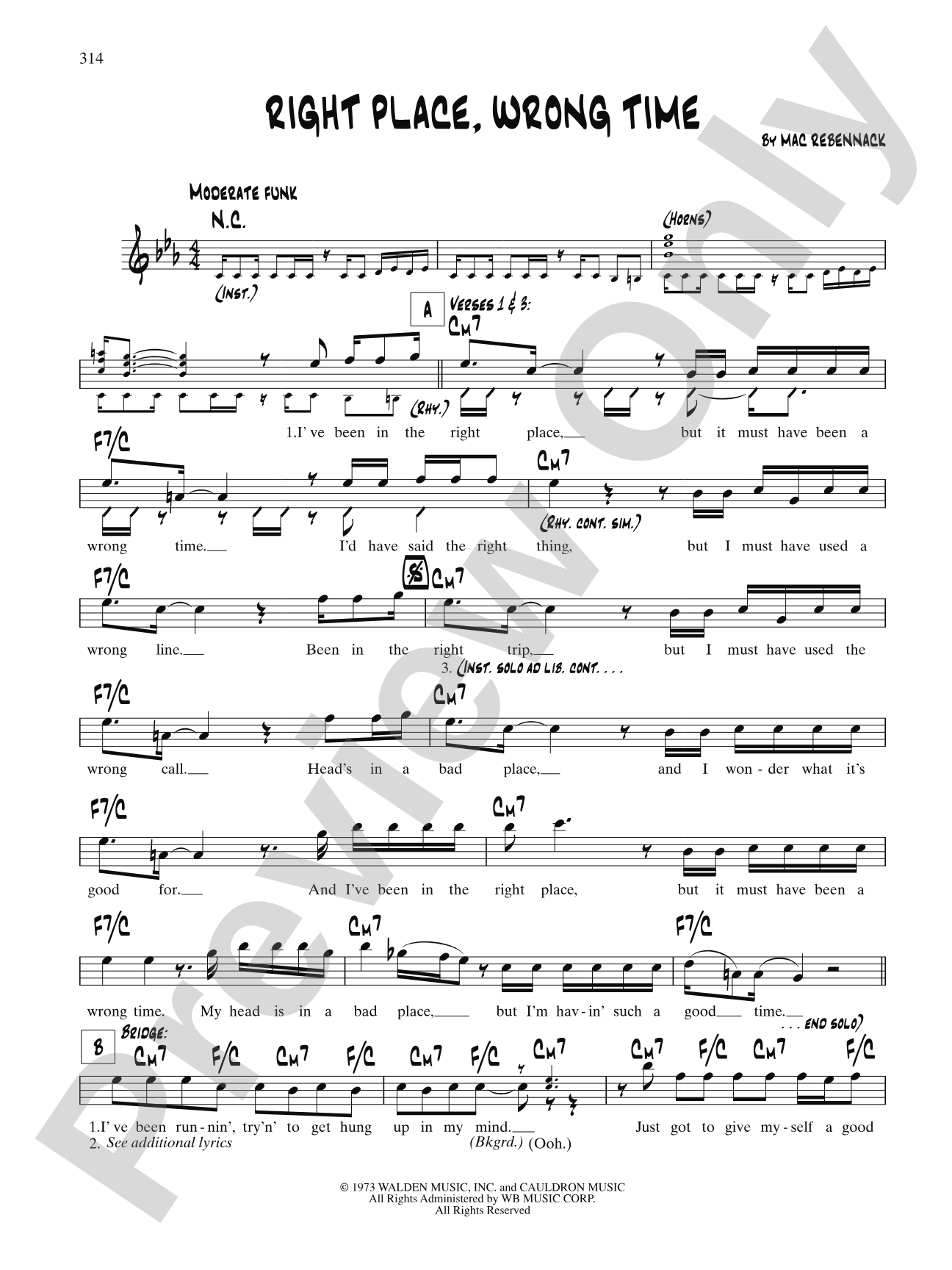
Right Place Wrong Time: Lead Sheet

B. B. King

Item: 00-PSL-000370

Digital Download
$1.99

One moment…

Description
Our folio matches the monumental boxed set release from this unparalleled bluesman. The 77 titles include: Blues at Midnight * Don't Get Around Much Anymore * Into the Night * Let the Good Times Roll * Lucille * Never Trust a Woman * Right Time, Wrong Place * The Thrill Is Gone * When Love Comes to Town.

Right Place Wrong Time: Lead Sheet isn't in MakeMusic Cloud just yet...but it could be. Let us know you'd like to see it, and you'll help shape what comes next. In the meantime, start a free trial and dive into thousands of interactive titles your students can play along with today.

Sample Audio
No sample audio found.
Sample Video
Additional Details
Publisher: Alfred Music
Page Count: 292
SKU: 00-PSL-000370

More about this title

About the Artist: B. B. King

B. B. King (1925–2015) was the most influential blues guitarist of the second half of the 20th century. His expressive, single-note soloing style and emotional vocal delivery shaped modern blues guitar and influenced rock, soul, and jazz musicians across generations. King performed over 250 nights a year for decades, building a catalog of standards that define the blues idiom.

As an educator through his music, King demonstrated that blues guitar is built on clarity of tone, melodic phrasing, and genuine emotional communication rather than technical excess. His compositions and recordings remain essential listening and playing material for anyone serious about understanding American music.

Why we love this

This collection gives guitarists direct access to the repertoire that defined King's legacy and the blues tradition itself. The 77 titles span his most recognizable works and deeper catalog cuts, making it possible to study his compositional voice across decades of creative output. Students and professionals alike will find essential blues vocabulary embedded in every tune.

What to expect

These lead sheets unlock the honest, direct emotional voice of the blues. King's melodies balance simplicity with profound expressiveness, moving between sparse, poignant phrases and more elaborate lines that showcase his command of the guitar's voice. Each tune carries the weight of lived experience and decades of refinement.

Who it's for

Intermediate to advanced guitarists exploring blues idiom, whether for jazz studies, songwriting, or personal repertoire building. It serves music students who want to understand the foundational texts of American blues and the harmonic and melodic language that influenced rock, soul, and modern music.

How to get the most out of it

  • Study the phrasing and vibrato techniques in King's original recordings before interpreting these lead sheets. His note bending and sustain create the emotional weight that makes these melodies distinctive.
  • Use the lead sheet as a starting point for understanding harmony and chord movement; the real artistry emerges when you learn how King's phrasing sits against the rhythm section and anticipates or delays chord changes.
  • Practice the melody with dynamics that mirror vocal inflection. These songs are rooted in call-and-response and speech patterns, not strictly instrumental gesture.
  • Experiment with blues scale extensions and approach notes to develop your own solo vocabulary while honoring the melodic integrity of each composition.

How to use it

Use these arrangements in jazz guitar curricula to ground students in blues fundamentals before moving into bebop or contemporary idioms. They work equally well as standalone recital repertoire or as the foundation for ensemble jazz projects. Programming a full King tribute concert or a blues history curriculum becomes feasible with this comprehensive collection.

Skills your students will build

  • Blues melody construction and phrasing
  • Interpreting lead sheets in jazz/blues contexts
  • Vibrato, bending, and expressive note control
  • Understanding blues form variations (12-bar, 16-bar, non-traditional structures)
  • Reharmonization and accompaniment techniques over blues changes
  • Developing personal solo voice within a traditional idiom

You May Also Like