
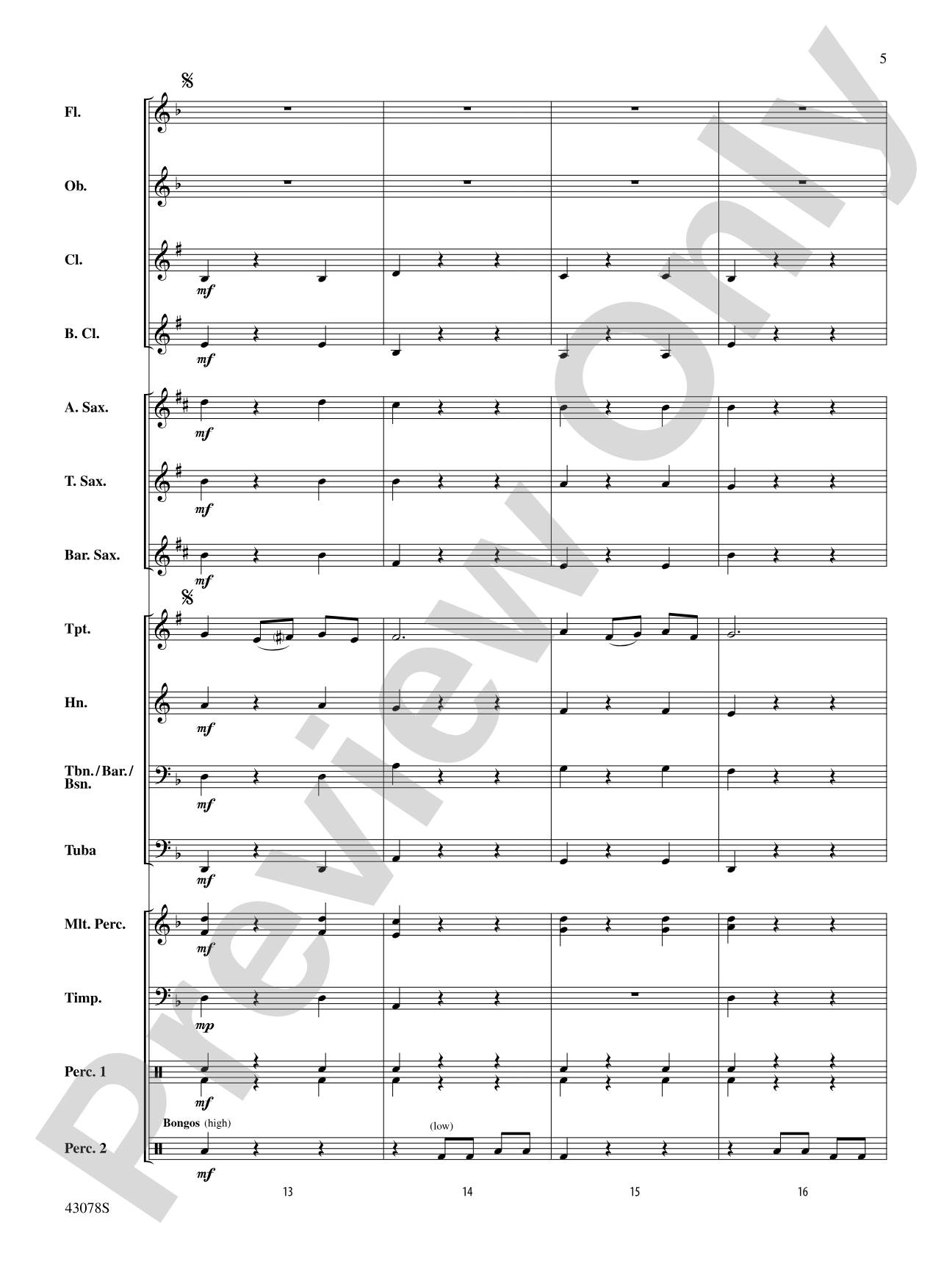
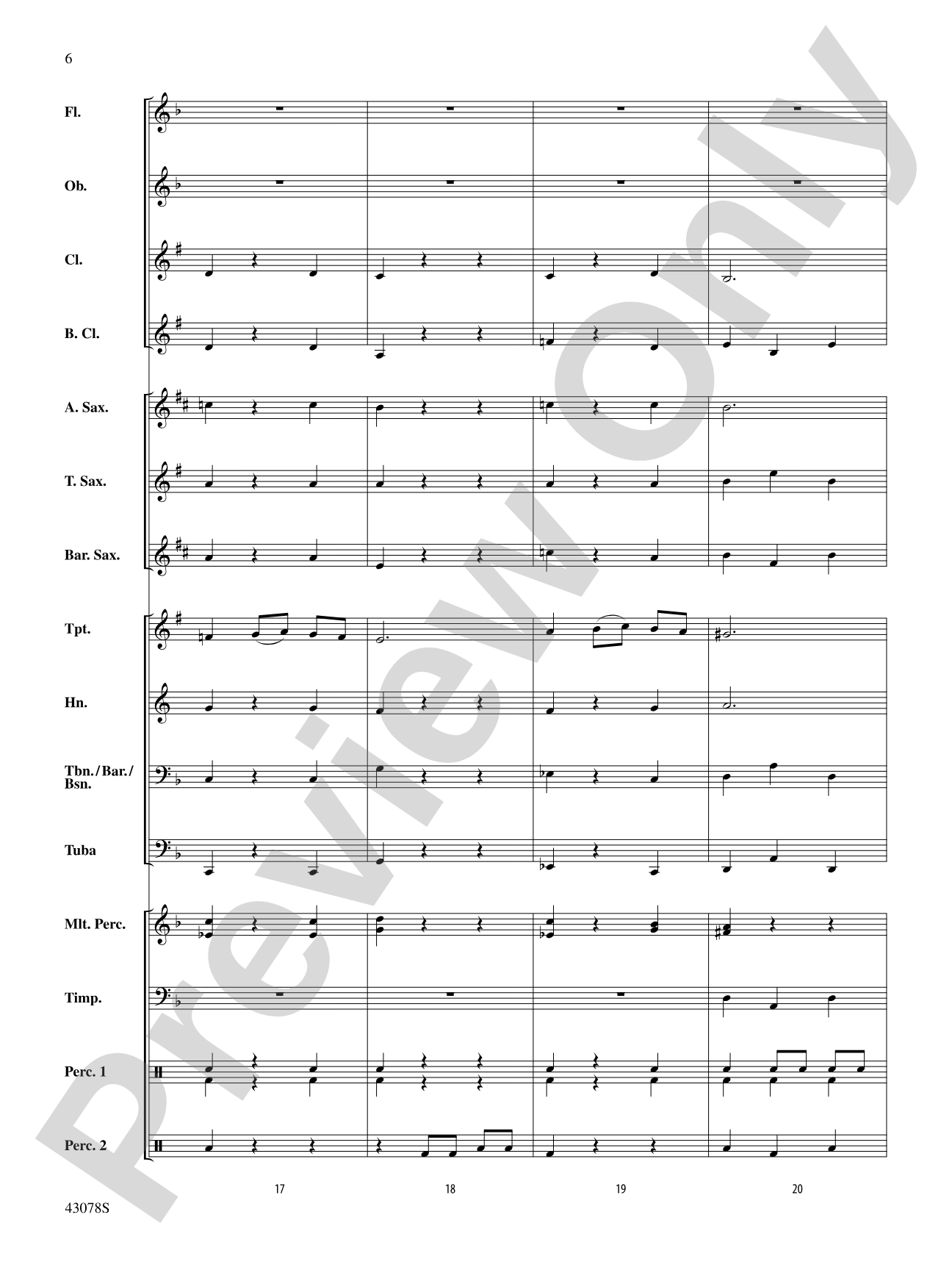
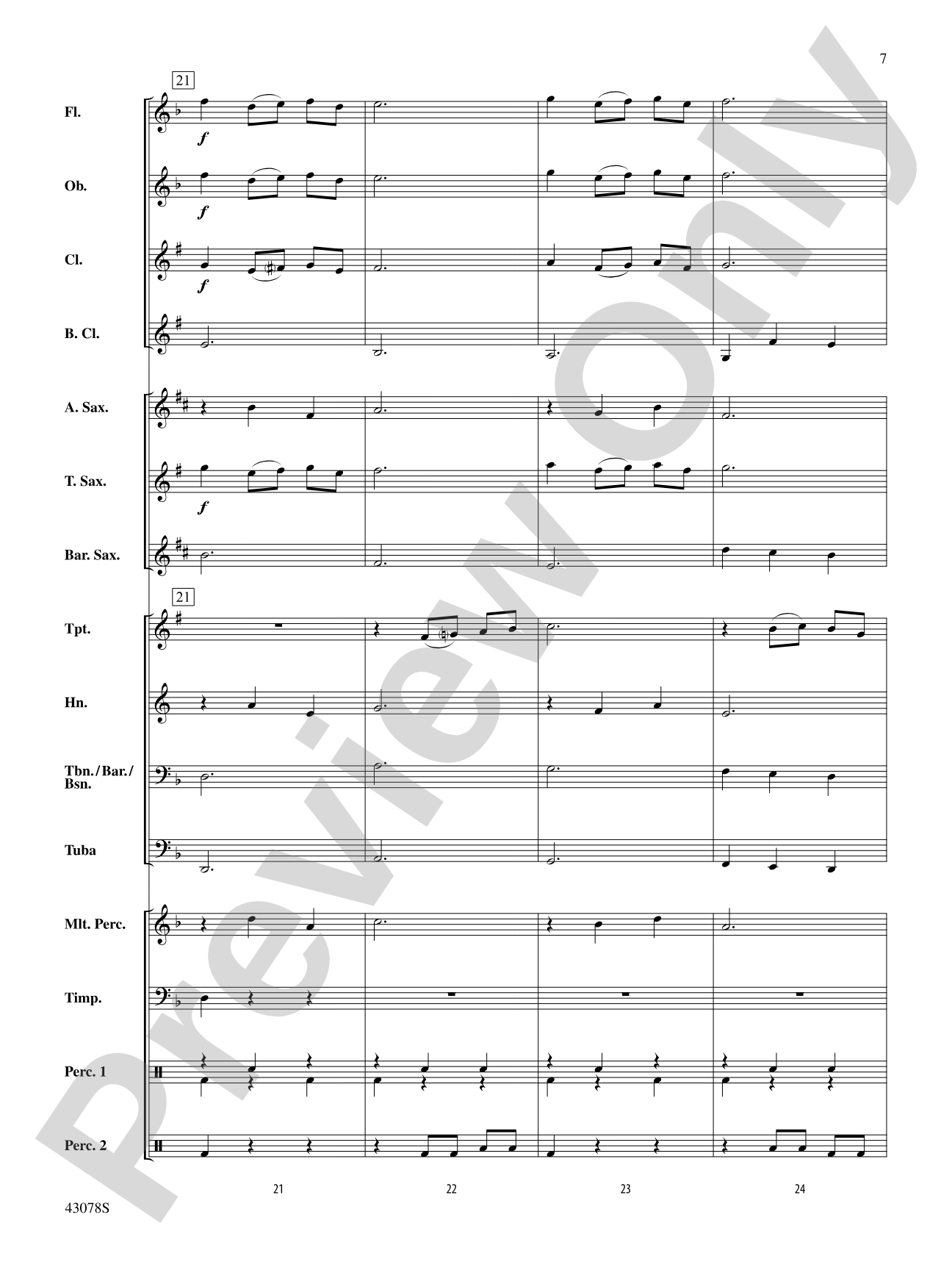
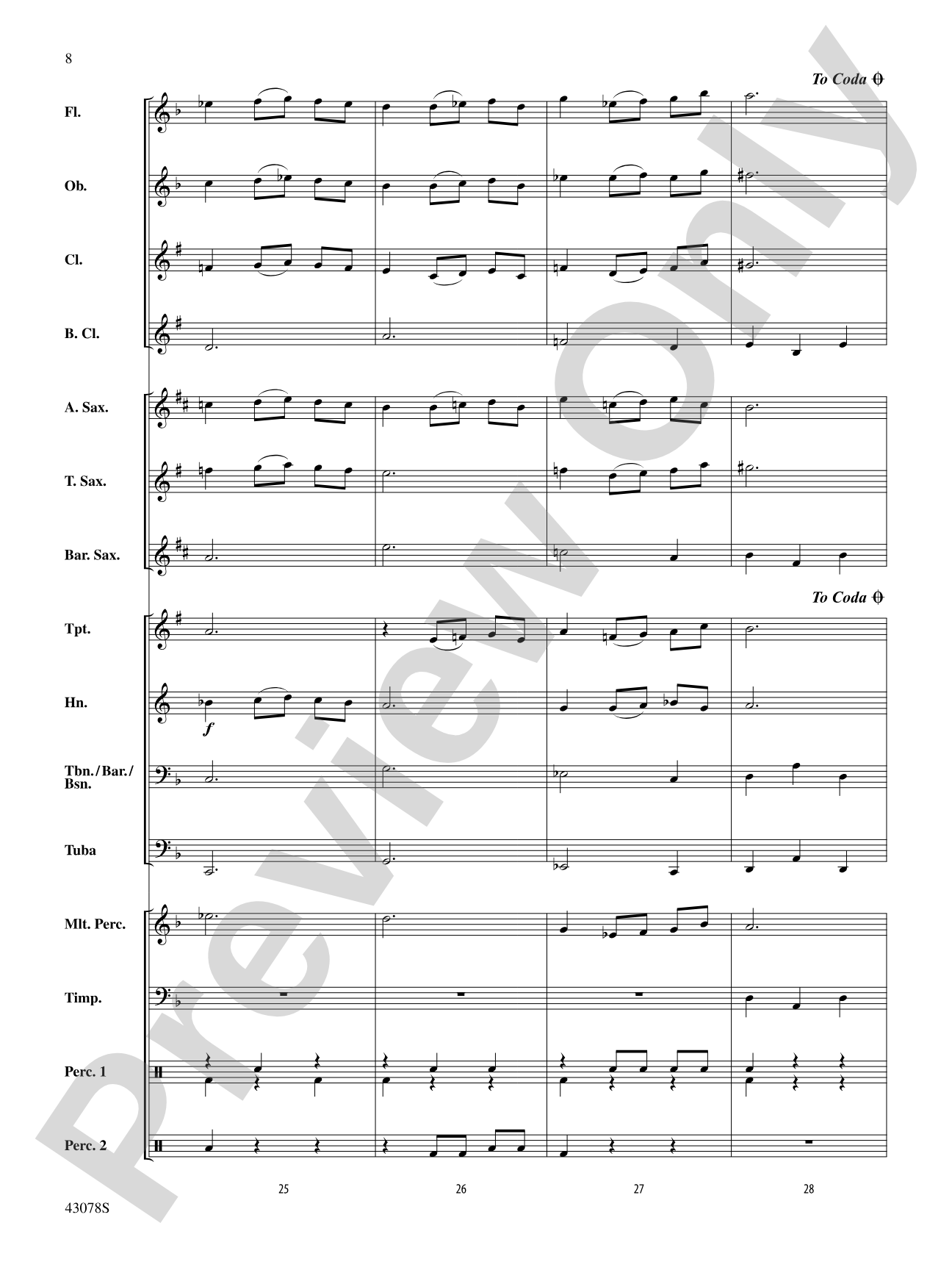
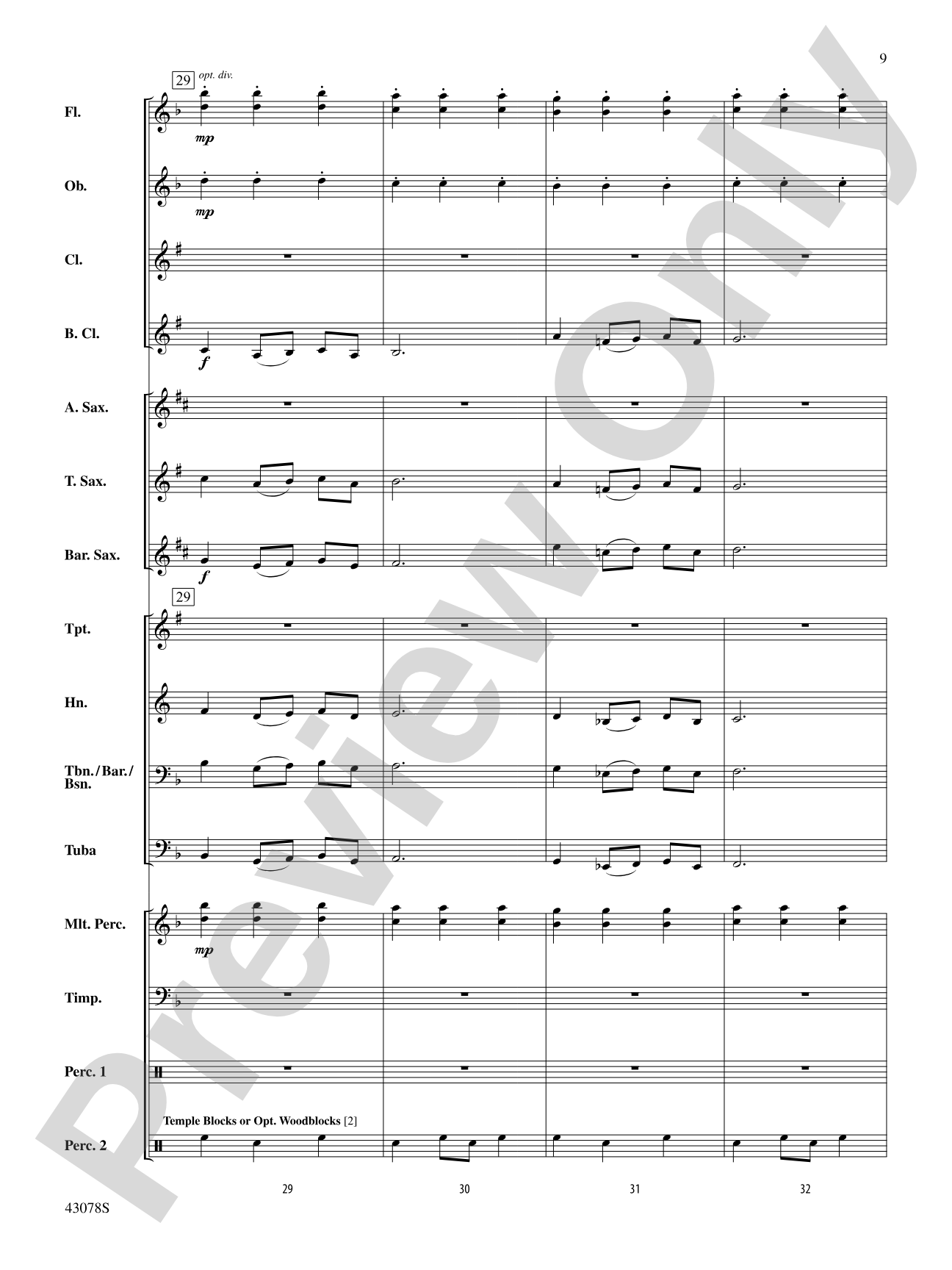
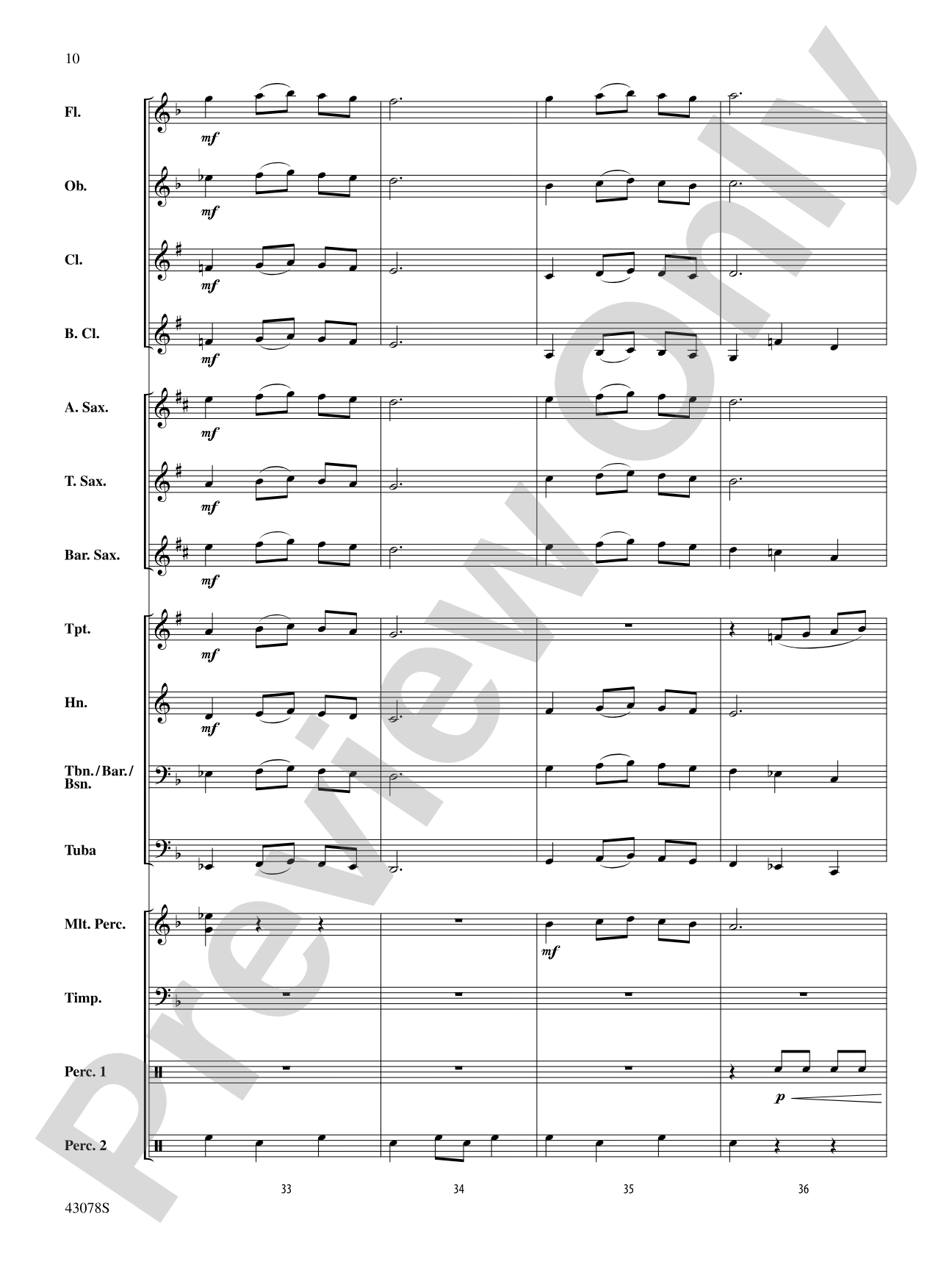
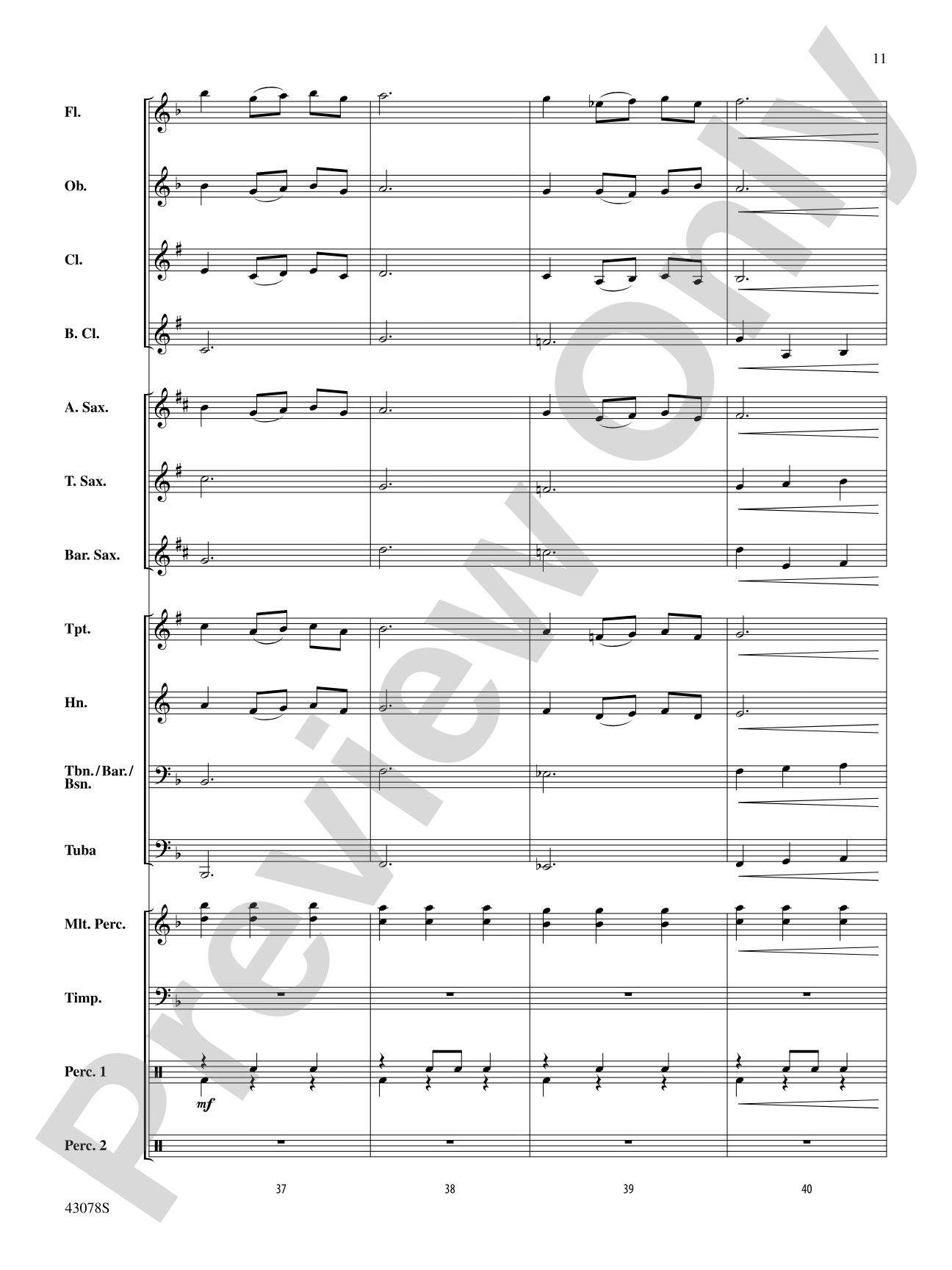
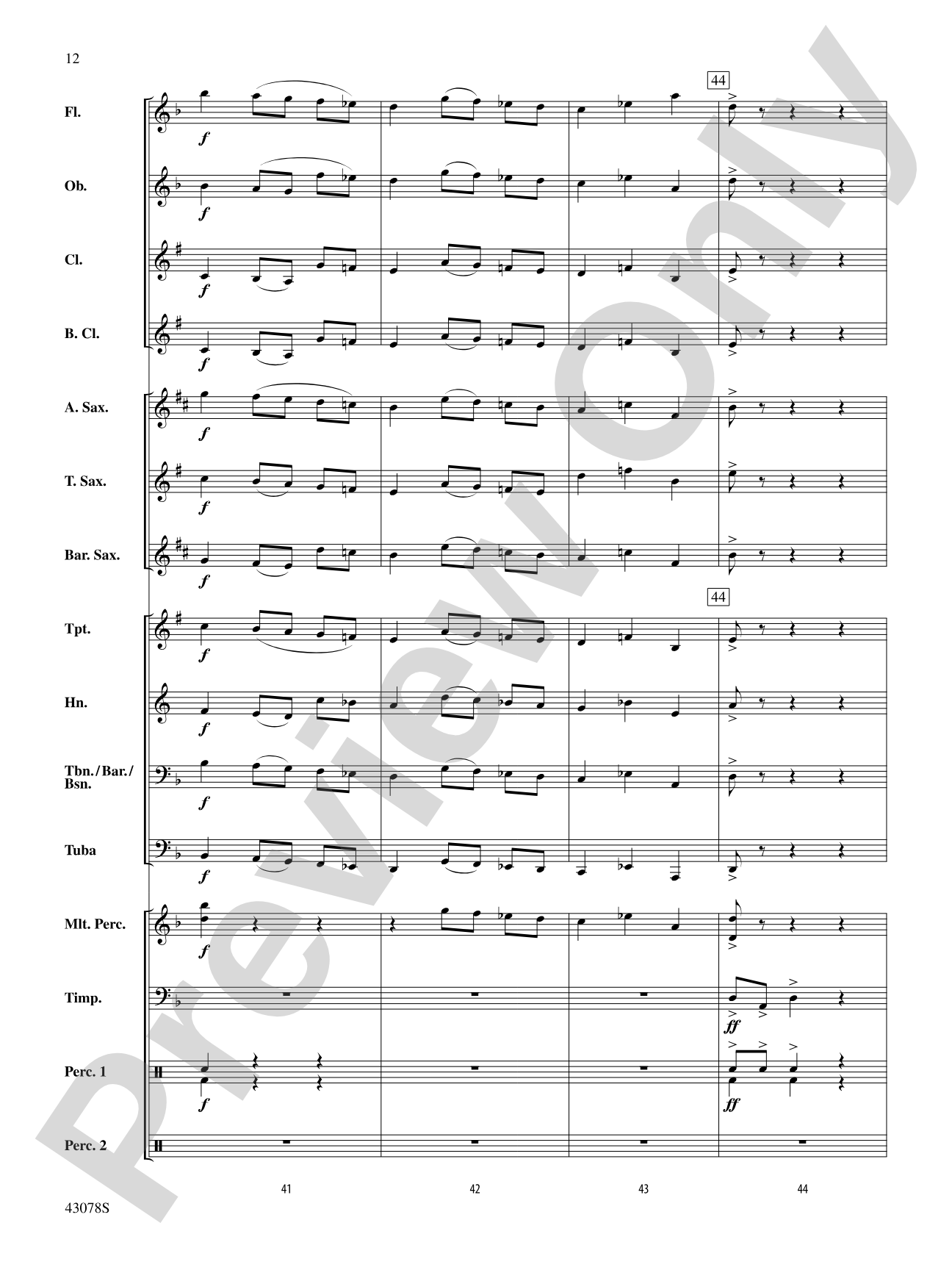
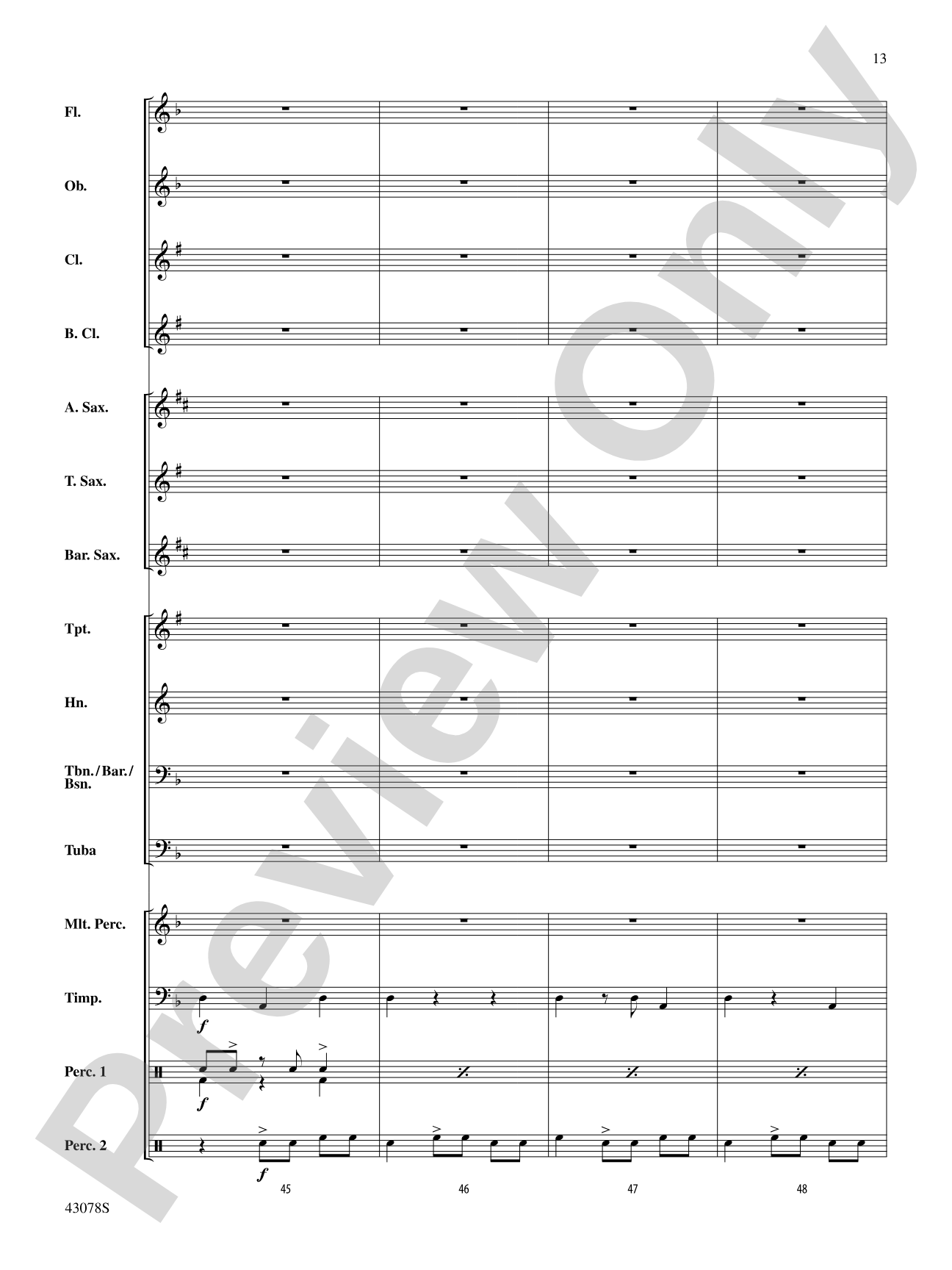
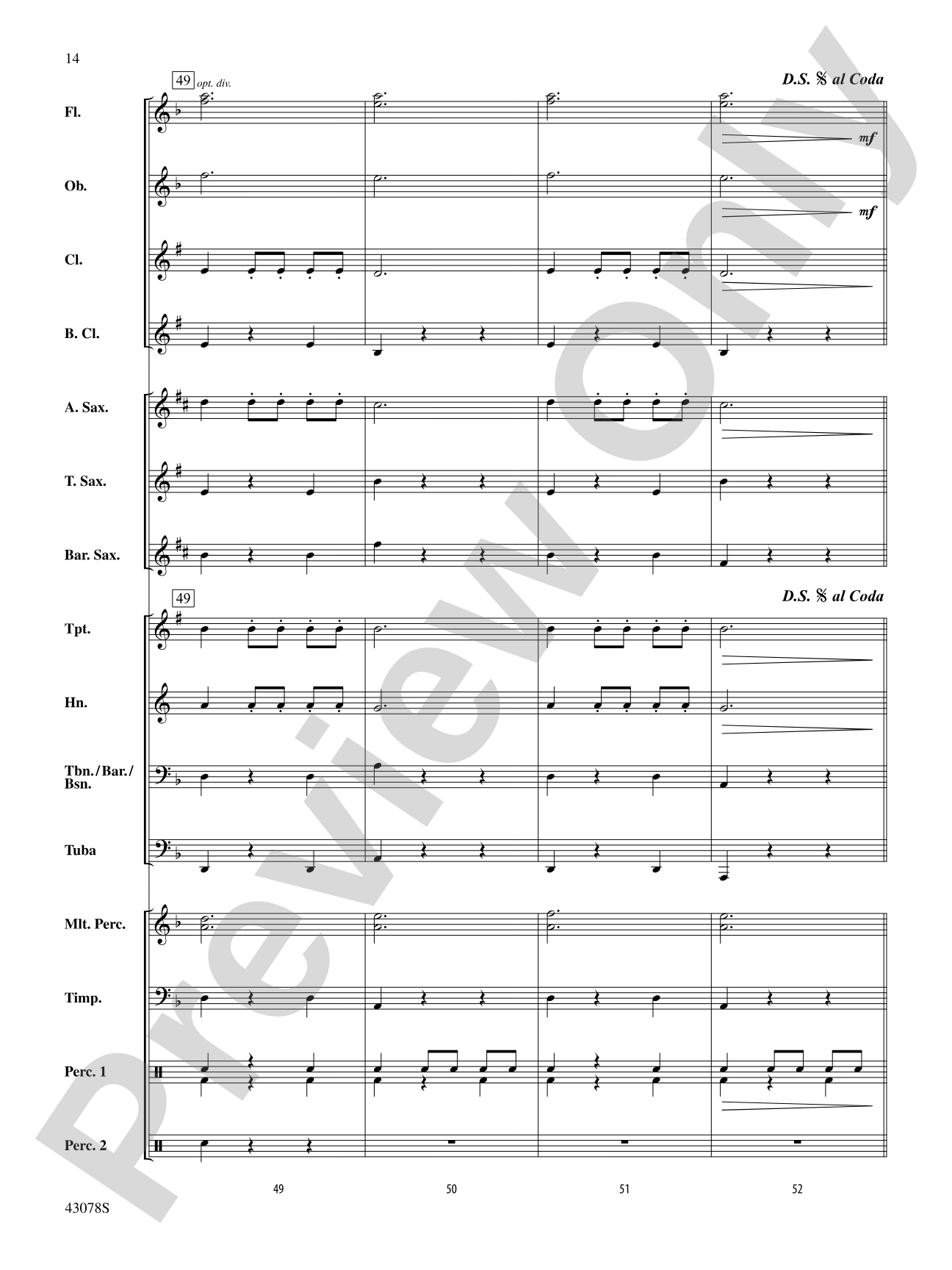
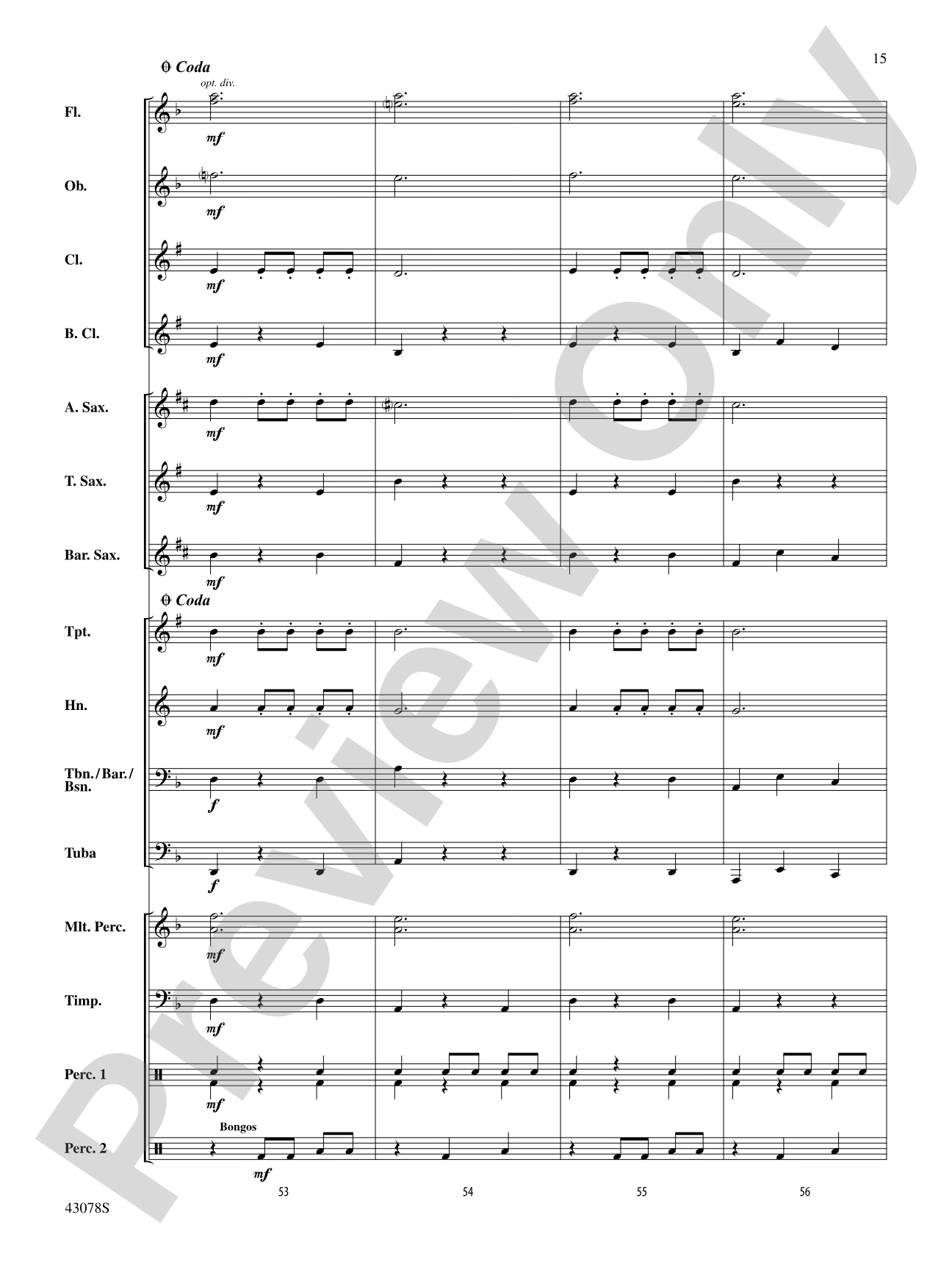
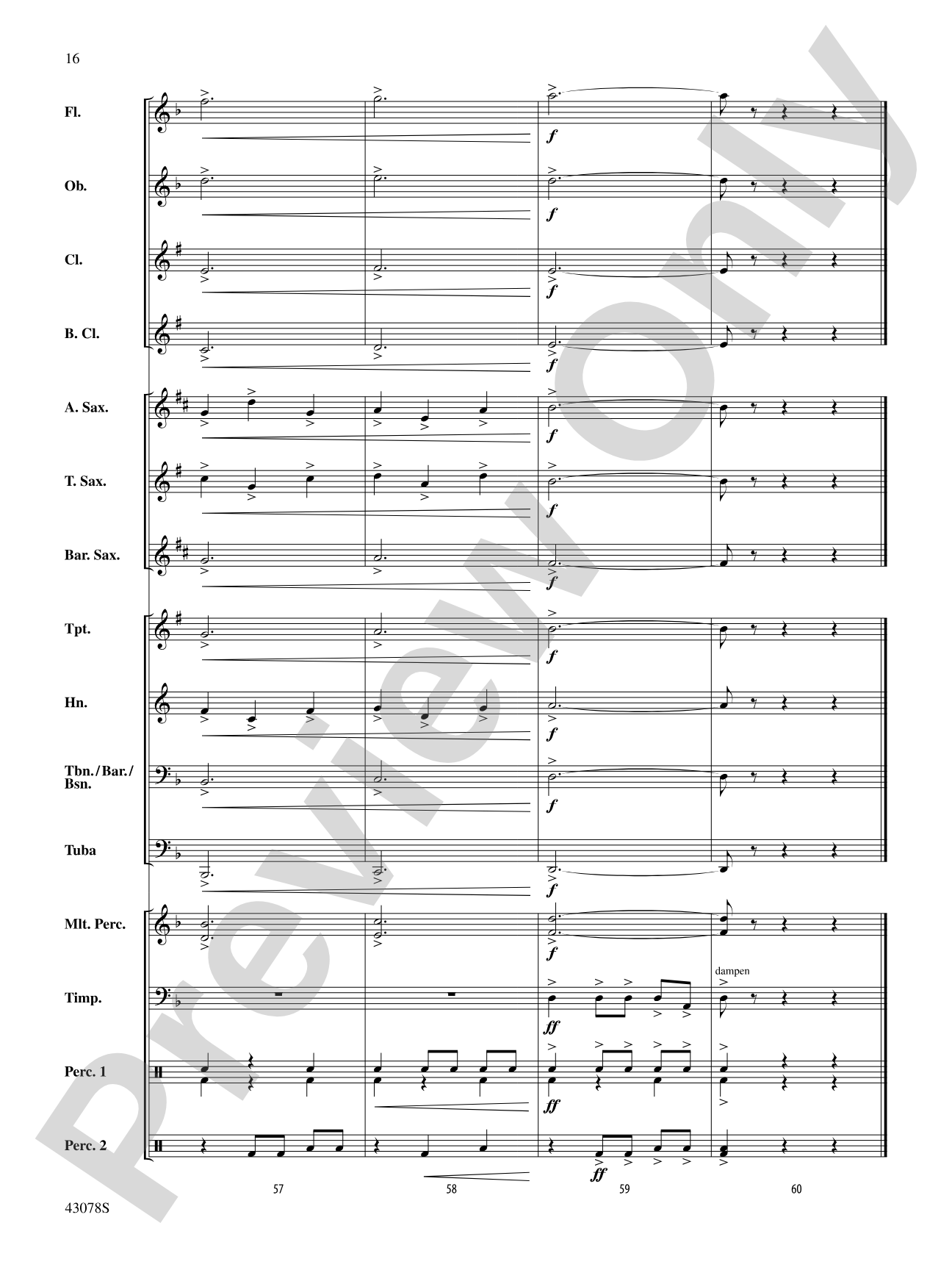

Ride of the Knights: Concert Band Conductor Score & Parts
By Victor López
Grade: 1 (Very Easy)
Item: 00-PK-0006486

$51.00
Pickup currently not available
Buy Extra Parts (Digital PDF Download)
Parts Added to Cart!
Description
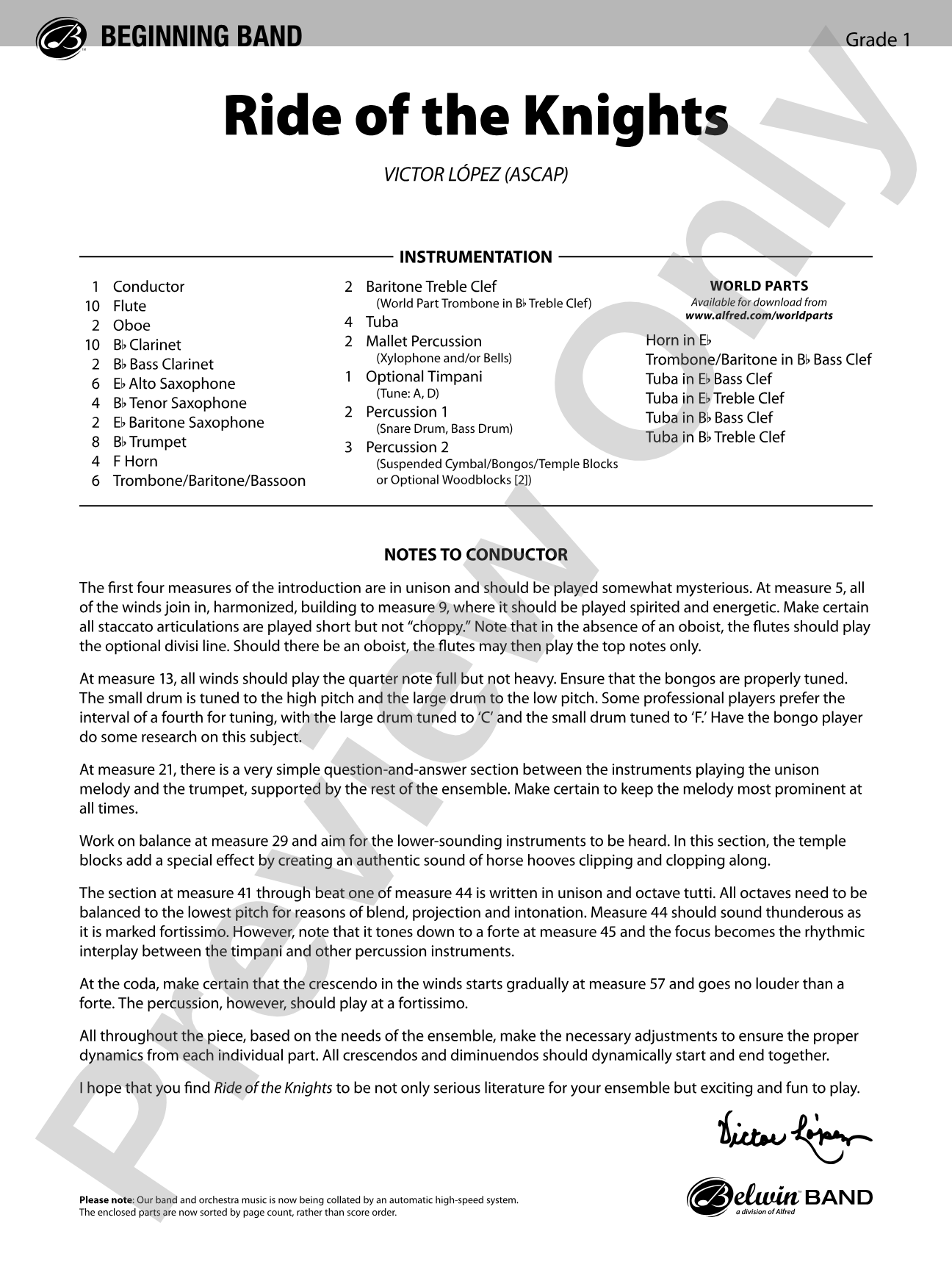
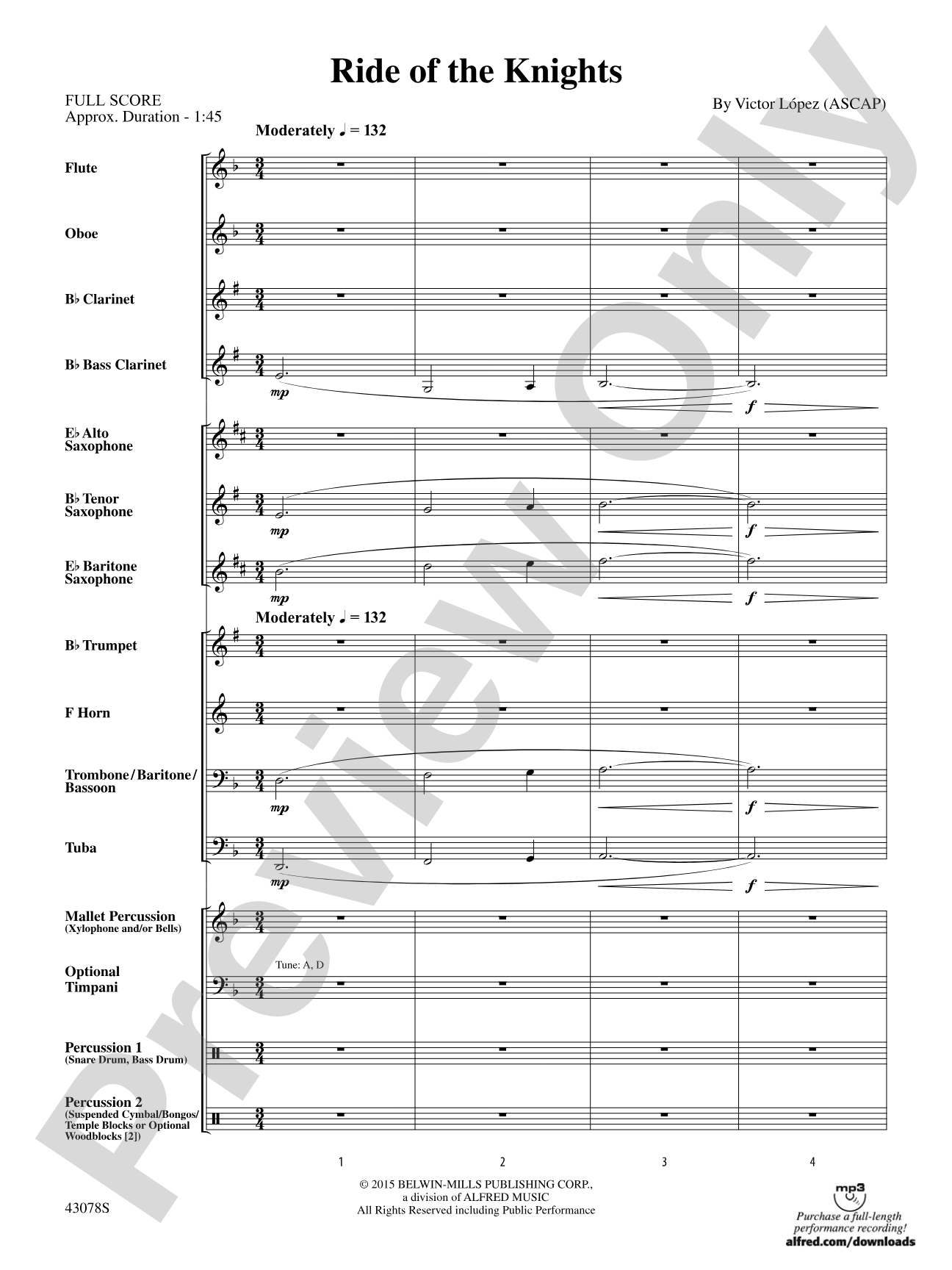
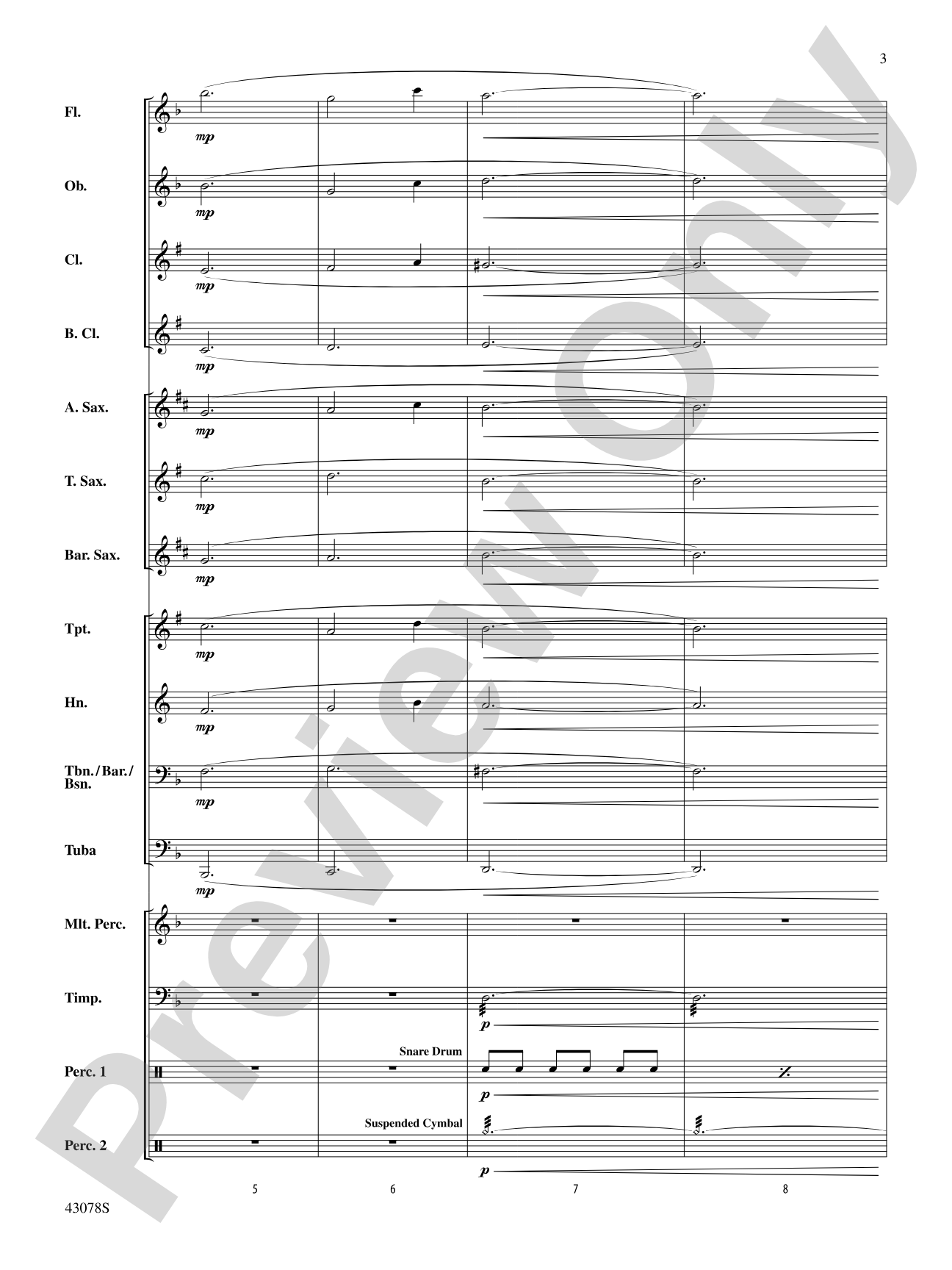
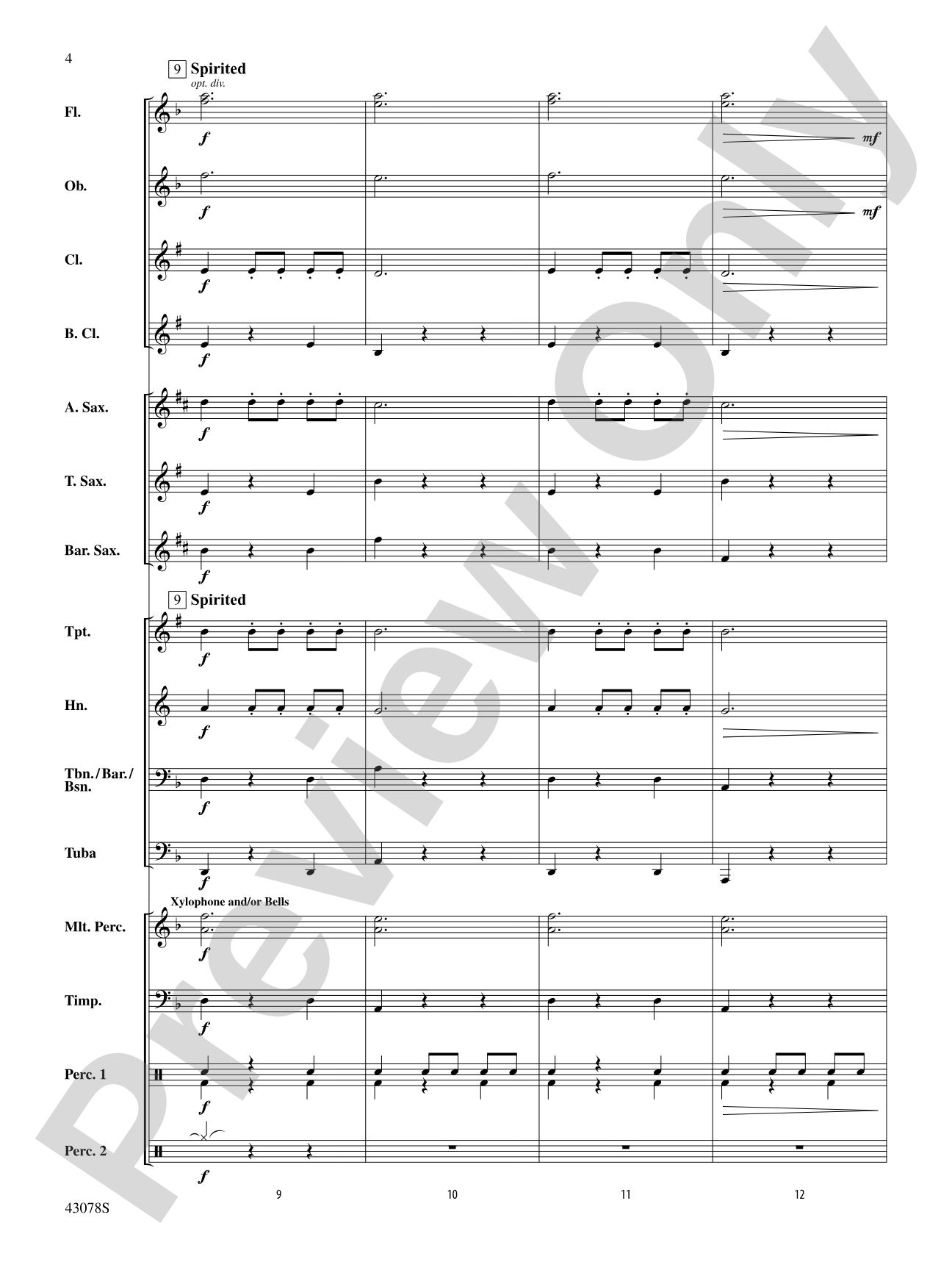
This exciting original work for developing band was conceptualized as a contest / festival selection. It is high energy and vigorous, and will make your ensemble sound like professionals. Written in triple meter, this work provides an opportunity to learn and teach key modality, articulations, phrasing, dynamics---and the complex structure of combining the melodic, rhythmic, and harmonic materials. This piece intensely portrays the mysterious history of ancient knights as a force with which to be reckoned. (1:45)


Don't just read it, hear it, play along with it, and watch your students grow with it. In MakeMusic Cloud, Ride of the Knights: Concert Band Conductor Score & Parts comes alive with professional accompaniment, adjustable tempo, and built-in practice tools that turn solo practice into real progress.
Open in the Player
Jump straight in and assign it today.
Start Your Free Trial
Open this title and explore the full library in minutes.
Sample Audio
1
Audio File
--:--
0:00
0:00
Sample Video
No sample videos found.
Additional Details
Series:
Belwin Beginning Band
Publisher:
Alfred Music
Page Count:
146
SKU:
00-PK-0006486
More about this title
About the Composer: Victor López
Victor López is a prolific composer and arranger whose works for band and orchestra have become staples in music education. His catalog spans elementary through advanced levels, with a gift for writing music that sounds sophisticated while remaining accessible to developing ensembles. López understands what student musicians need to grow: clear textures, engaging melodies, and harmonic language that challenges without overwhelming.
Why we love this
López crafts a piece that checks every box for a developing band concert or festival entry: a strong concept (knights in history), energy that keeps audiences engaged, and writing that gives each section its moment to shine. The triple meter and key modality work feel purposeful, not like pedagogical exercises tacked onto a thin arrangement. Your students will feel like they're performing real music.
What to expect
Mysterious and galloping, building from quiet intensity into vigorous momentum. The triple meter gives it a natural swing and forward drive, while the harmonic movement and modal writing create an atmosphere of history and intrigue. By the time the piece reaches its climax, your ensemble will feel the power of playing together as a unified force.
Who it's for
Directors leading Grade 1 or beginning band ensembles who want a concert or festival piece with real substance. This works equally well as a centerpiece for a spring concert or as a contest selection when your students need to demonstrate musicality beyond just playing the notes.
How to get the most out of it
- Shape the articulations with intention. The crisp staccatos and legato passages define the character; uneven articulation will blur the knightly imagery and sound tentative.
- Balance the bass and harmonic foundation carefully. As key modality shifts, keep the lower voices grounded so the melodic lines have something to push against.
- Use dynamic contrast as a structural tool. The transitions between sections will feel sharper and more professional when you shape the overall arc rather than treating each phrase in isolation.
- Establish a steady pulse in triple meter early in rehearsal. This piece's energy depends on students feeling the broader beat, not subdividing into smaller units.
How to use it
This piece sits comfortably as a standalone concert work in a mixed program, or use it to open a set with high energy. At under two minutes, it pairs well with a slower chorale or hymn arrangement, giving you natural programming contrast without requiring lengthy rehearsal time for multiple selections.
Skills your students will build
- Reading and executing articulations in various combinations (staccato, legato, tenuto)
- Playing in triple meter with consistent pulse and phrasing
- Understanding key modality and harmonic movement
- Balancing melody and accompaniment across the ensemble
- Controlling dynamics to shape phrases and support structural transitions
- Responding to directional cues that shape the overall arc of a piece