

Rhythm Speller: For Piano: Piano
For Piano
By John W. Schaum
Item: 00-PB-0001898
$7.95
Pickup currently not available
Related Items
Rhythm Speller: Piano Book |
$7.95
|
View |
Description
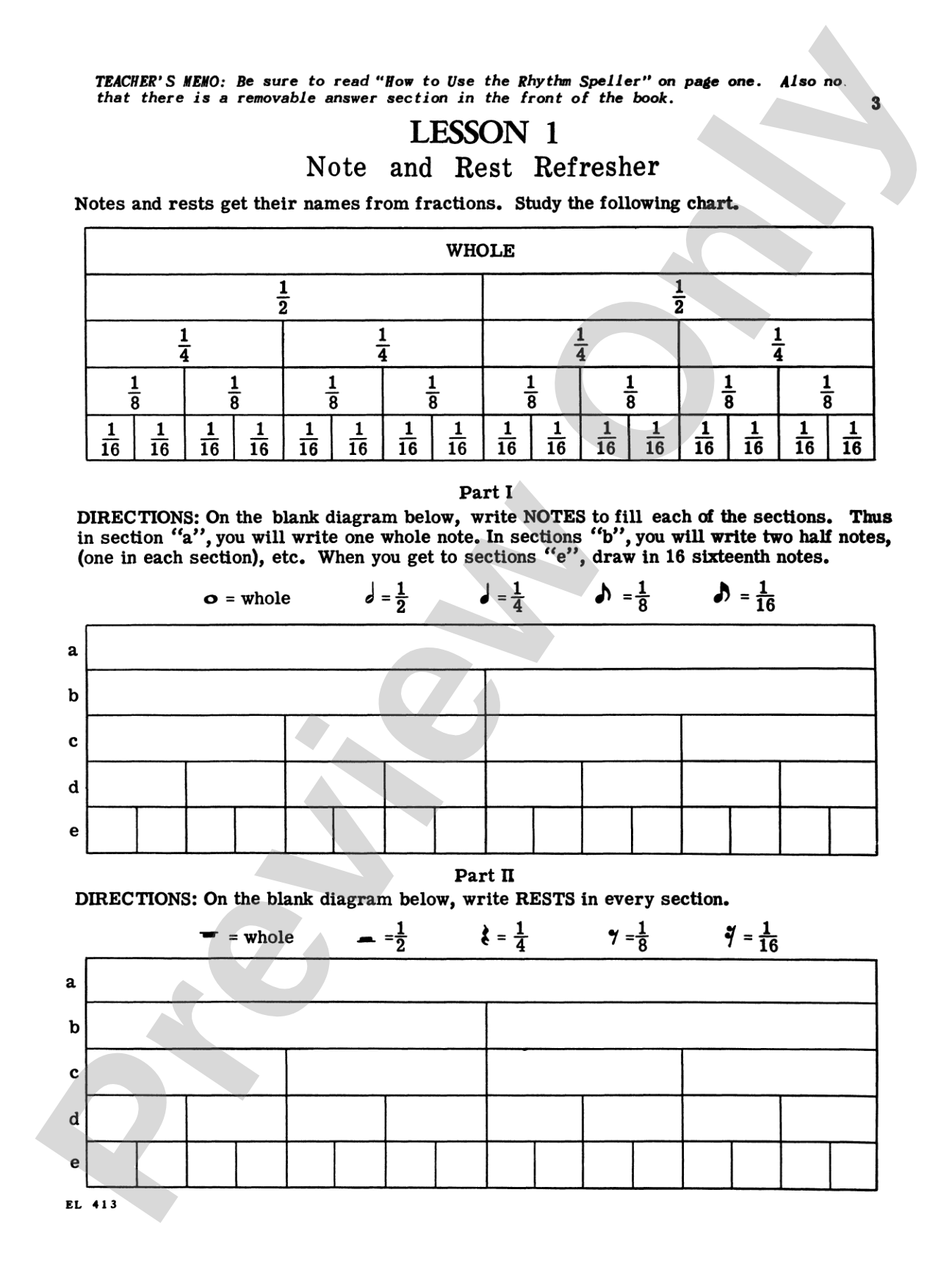
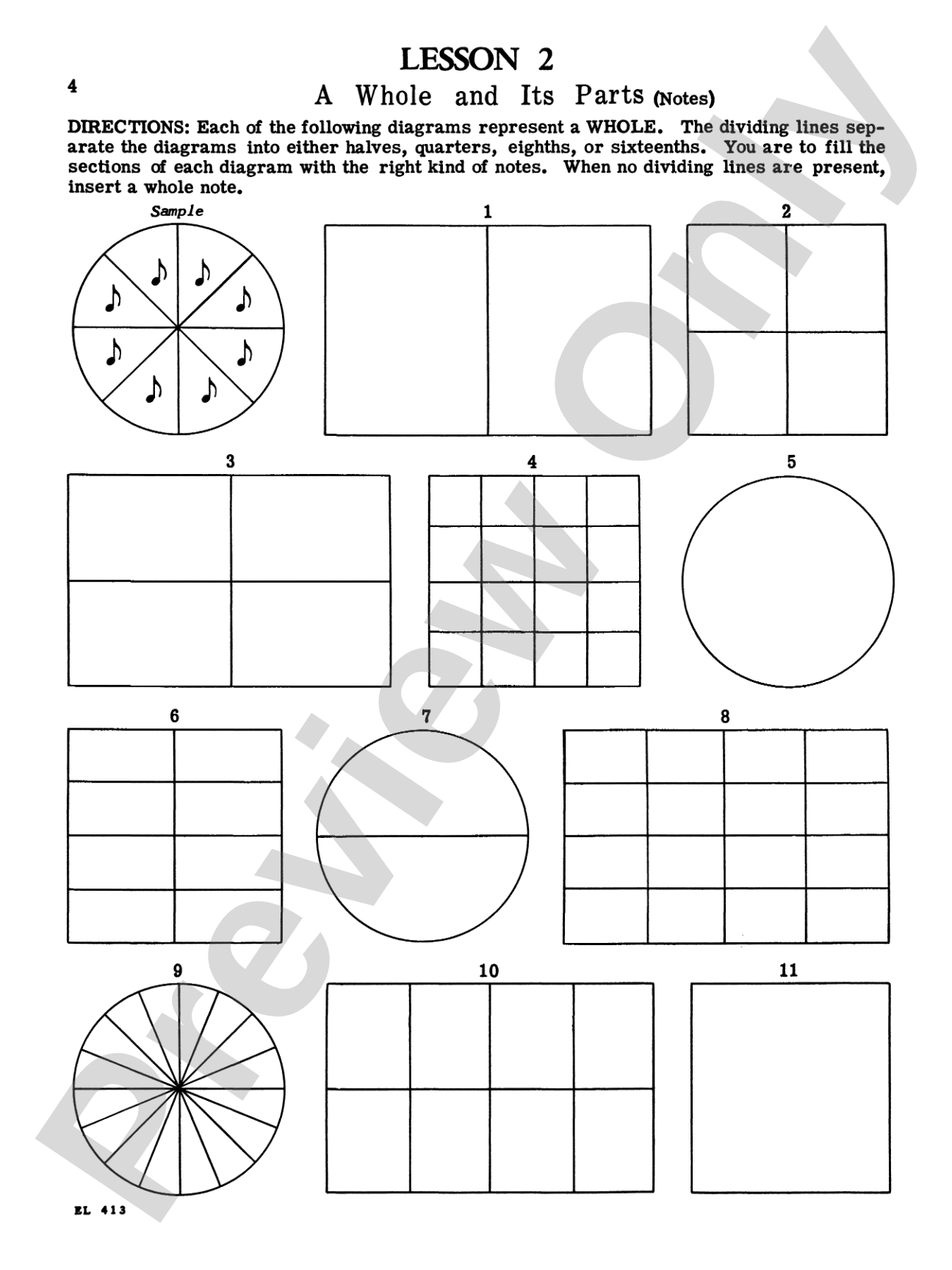
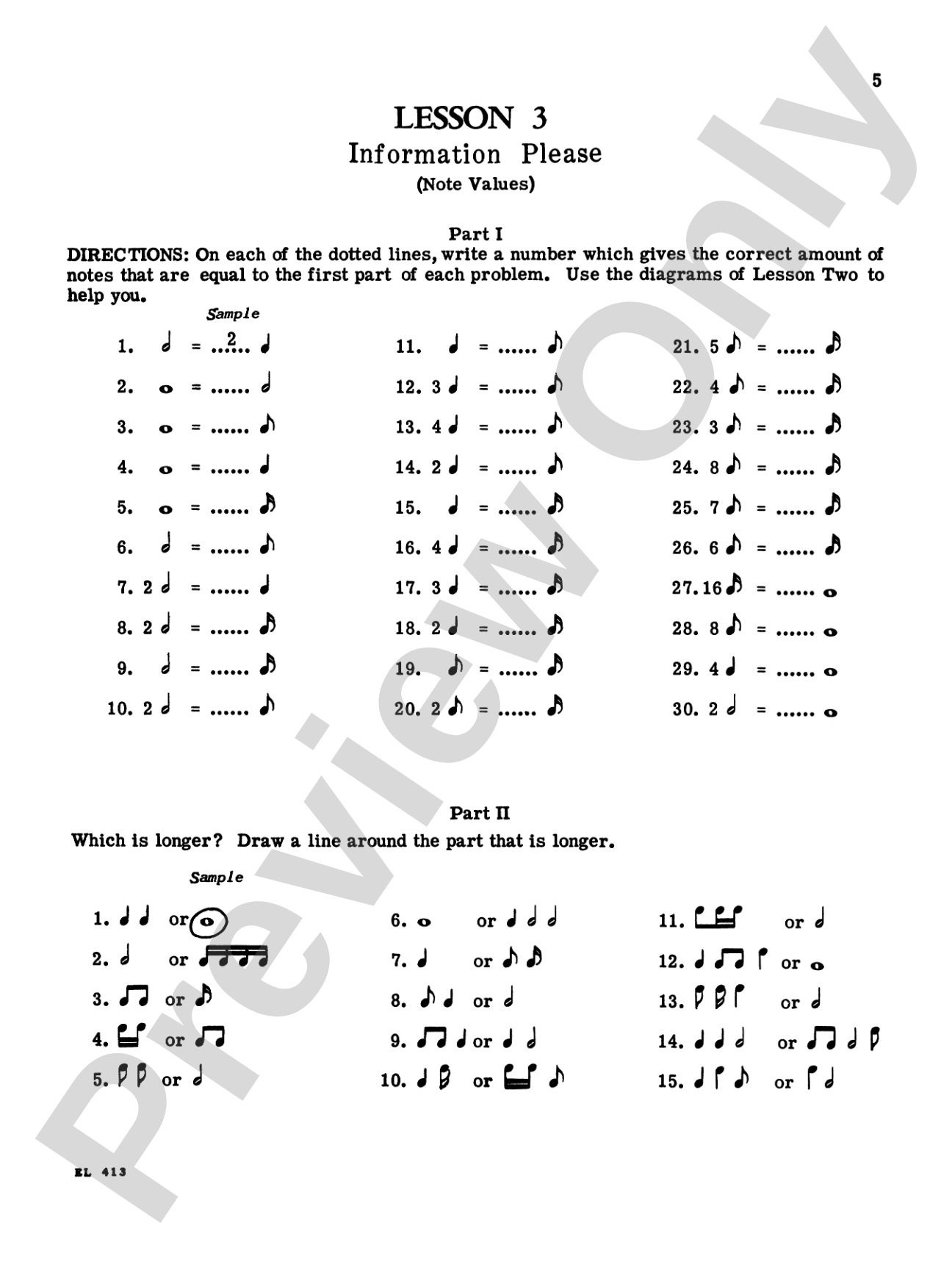
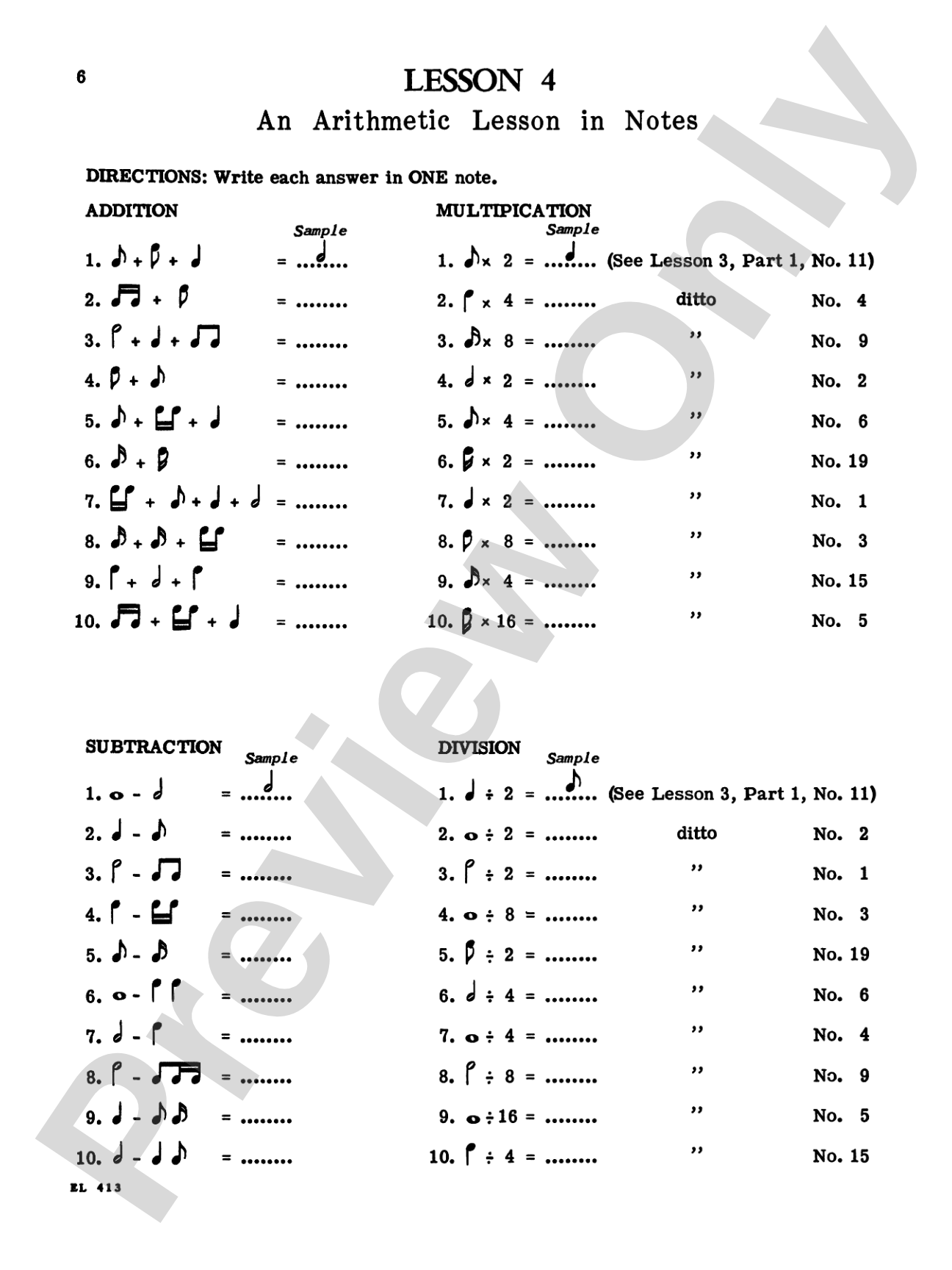
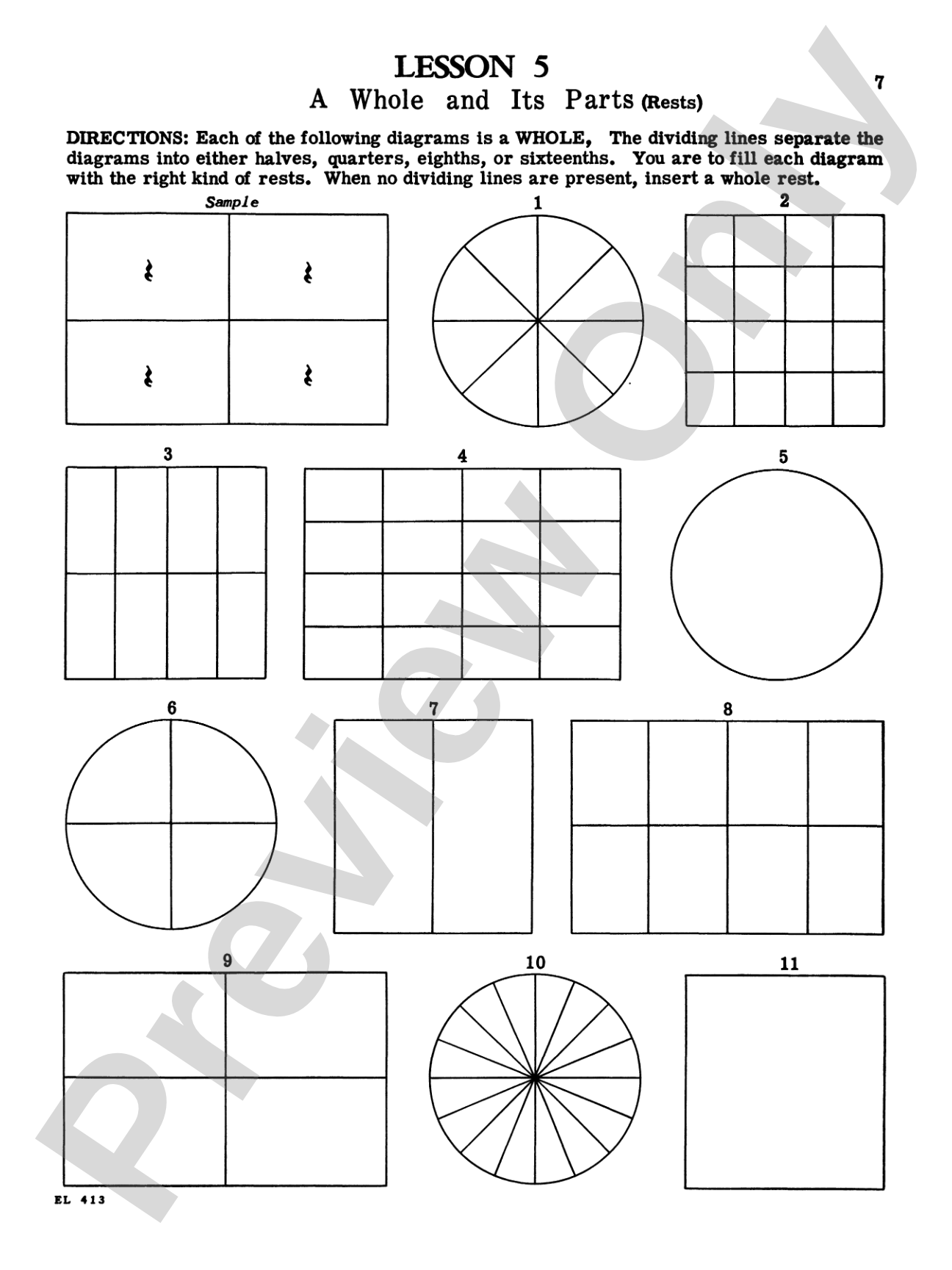
The John W. Schaum RHYTHM SPELLER makes no attempt to teach the feeling of rhythm. That would require the guidance of a competent teacher. The RHYTHM SPELLER does aim to present an understanding of note and rest values so that the student will be able to comprehend the raw materials that combine to make rhythm: the fractional values of notes, rests, beats, measures, etc. The Schaum Theory Lessons and Note Spellers have stressed pitch and staff recognition primarily and delayed fractional problems to conform with the pupil's mental readiness. For that reason, this detailed and comprehensive rhythmic study is presented as a follow-on to these first writing books. A Teacher's Answer Key is provided in the back.


Discover MakeMusic Cloud: thousands of interactive titles your students can play along with today.
Sample Audio
No sample audio found.
Sample Video
No sample videos found.
Additional Details
Series:
Schaum Method Supplement
Publisher:
Alfred Music
Page Count:
32
SKU:
00-PB-0001898
More about this title
About the Composer: John W. Schaum
John W. Schaum revolutionized piano pedagogy in the mid-20th century by building method books around the principle of sequential readiness. Rather than overwhelming beginners with simultaneous demands, he deliberately separated pitch recognition from rhythmic understanding, allowing students to master one concept before encountering the next.
Schaum's approach to theory supplements reflects this same philosophy. His workbooks function as structured companions to applied lesson material, giving students the conceptual scaffolding they need to understand what their hands are playing. This Rhythm Speller exemplifies his belief that rhythm requires systematic study of its components before a student can internalize its feeling.
Why we love this
This workbook zeroes in on the exact obstacle that frustrates many piano students: translating written note values into coherent playing. Schaum refuses to skip steps or assume musical intuition will fill gaps. Instead, he builds rhythm literacy from fractional values upward, giving students the conceptual tools to self-correct when something sounds wrong.
What to expect
A methodical unpacking of rhythm's building blocks. Page by page, the student discovers that rhythm is not mysterious or intuitive but rather a system of proportions and relationships. What initially felt like guesswork becomes something knowable and predictable.
Who it's for
Piano students who can identify notes on the staff but struggle to make sense of how values combine within measures. This supplement works best once a student has completed Schaum's initial Note Speller and is ready to understand the mathematical logic underlying rhythm.
How to get the most out of it
- Work through the fractional value exercises before assigning rhythmic passages in the student's lesson material. Seeing how quarter notes divide into eighths, how half notes equal two quarters, makes sight-reading far more reliable.
- Use the answer key to spot which fractional relationships trip up your student. Some students stumble on dotted rhythms; others miscount measures. The diagnostics in this book reveal exactly where to focus conversation.
- Have the student verbalize note values while writing answers. Saying "half note gets two beats" while writing creates a multi-sensory anchor that sticks.
How to use it
Assign this concurrently with the student's Schaum Level lesson book. Spending five to ten minutes on one page of Rhythm Speller weekly gives the student a conceptual foundation that immediately improves note accuracy and measure awareness during hands-on practice.
Skills your students will build
- Understanding note value relationships (whole, half, quarter, eighth, sixteenth notes and their rests)
- Calculating beat counts within measures of various time signatures
- Recognizing and writing dotted note values and tied notes
- Identifying fractional divisions and how notes combine to fill a measure
- Reading and interpreting rhythmic notation independently