Rhythm 'n' Style, Book 1 Cover Image

Rhythm 'n' Style, Book 1: Piano Book

$6.99 USD
Sale price  $6.99 USD Regular price 
Skip to product information
Rhythm 'n' Style, Book 1 Cover Image

Rhythm 'n' Style, Book 1: Piano Book

7 Late Elementary Piano Solos That Celebrate the Joy and Exhilaration of Rhythm

By George Peter Tingley

Level: Late Elementary

Item: 00-18892

$6.99
Shipped

One moment…

Description
These are collections of solos containing the kind of ragtime, Latin and swing pieces that students love to practice and perform. Book One was written specifically to stimulate the rhythmic development of late elementary pianists, while Book Two is geared toward early intermediate levels. Teachers will find many exciting recital opportunities in these collections.

Rhythm 'n' Style, Book 1: Piano Book isn't in MakeMusic Cloud just yet...but it could be. Let us know you'd like to see it, and you'll help shape what comes next. In the meantime, start a free trial and dive into thousands of interactive titles your students can play along with today.

Sample Pages

Sample Audio
No sample audio found.
Sample Video
Additional Details
Publisher: Alfred Music
Page Count: 16
ISBN10: 0-7390-0564-2
ISBN13: 978-0-7390-0564-4
UPC: 038081171692
SKU: 00-18892

More about this title

About the Composer: George Peter Tingley
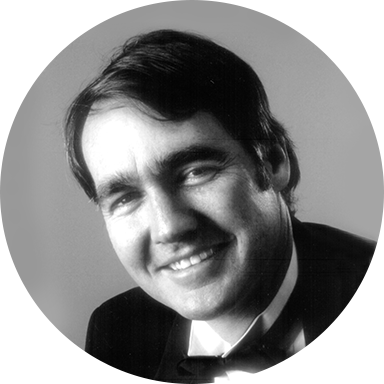
George Peter Tingley

George Peter Tingley brings decades of musical training and real-world performance experience to his educational compositions. Born in Oakland, California, he began violin at age four before switching to piano at ten, where he immediately started improvising and composing. He holds a Bachelor of Arts in Piano Performance from California State University, Hayward, and completed both Bachelor and Master degrees in Music Theory at USC. During the 1970s, he studied composition privately with Nadia Boulanger in Paris, one of the twentieth century's most influential composition teachers.

After returning to the United States, Tingley established himself as a private teacher and began composing for educational markets in 1989. His catalog now includes over 75 published piano pieces, with several gaining national recognition. His composition for Olympic figure skater Kristi Yamaguchi was arranged for full orchestra and featured Tingley as piano soloist on recordings and televised performances. He remains active as a composer and teacher in the San Francisco Bay Area.

Why we love this

Tingley understands exactly what late elementary pianists need to stay engaged: infectious rhythmic patterns and styles they genuinely want to play. This collection delivers ragtime, Latin, and swing idioms that make practice feel like discovery rather than obligation. The pieces balance technical growth with immediate musicality, so students hear themselves making real music from page one.

What to expect

Opening this book feels like stepping into a jazz club or a Caribbean street festival. The pieces sparkle with the syncopation and swagger of real popular music: ragtime bounces with stride piano energy, Latin selections pulse with infectious percussion-driven grooves, and swing pieces swing hard with bluesy charm. These aren't simplified versions of professional styles; they're genuine miniatures that capture the spirit of each idiom.

Who it's for

Late elementary pianists who need repertoire that builds rhythmic sophistication without dampening their enthusiasm for music. Students in this book thrive on variety and enjoy exploring different genres, making this collection an ideal fit for students around Level 3-4 who are ready for more rhythmic complexity but still need accessible note reading.

How to get the most out of it

  • Listen to classic recordings of the style each piece inhabits. Hearing how professional musicians phrase ragtime stride patterns or Latin percussion grooves will inform your own interpretation and rhythmic precision.
  • Work through the rhythmic patterns slowly at first, isolating any syncopations that feel unfamiliar. Once the rhythms sit comfortably under your hands, the tempo can build naturally.
  • Pay attention to articulation markings as a guide to style. A staccato touch in a ragtime piece creates the bounce and snap that makes the genre recognizable.
  • Record yourself playing these pieces. Listening back helps you hear whether the rhythmic drive is clear and whether the left hand accompaniment stays steady and supportive.

How to use it

Use individual pieces throughout the year as recital selections, programming them alongside classical etudes to show students the full spectrum of piano repertoire. A single Tingley solo works beautifully on a mixed-level student recital or as a memorable closer to a shorter performance. Book 1 also serves as excellent bridge material for students transitioning from elementary technique building into more interpretive, stylistically aware playing.

Skills your students will build

  • Syncopated rhythm reading and execution in multiple meters
  • Swing eighth-note interpretation and jazz phrasing
  • Left-hand accompaniment patterns specific to ragtime and Latin styles
  • Rhythmic independence between hands
  • Style-specific articulation and dynamic shaping
  • Confidence performing in popular music idioms beyond classical tradition

You May Also Like