Rhythm Games for Perception & Cognition Sheet Music Preview

Rhythm Games for Perception & Cognition

By Robert M. Abramson

Item: 00-PB-0002533

Digital Download
$21.99
Description
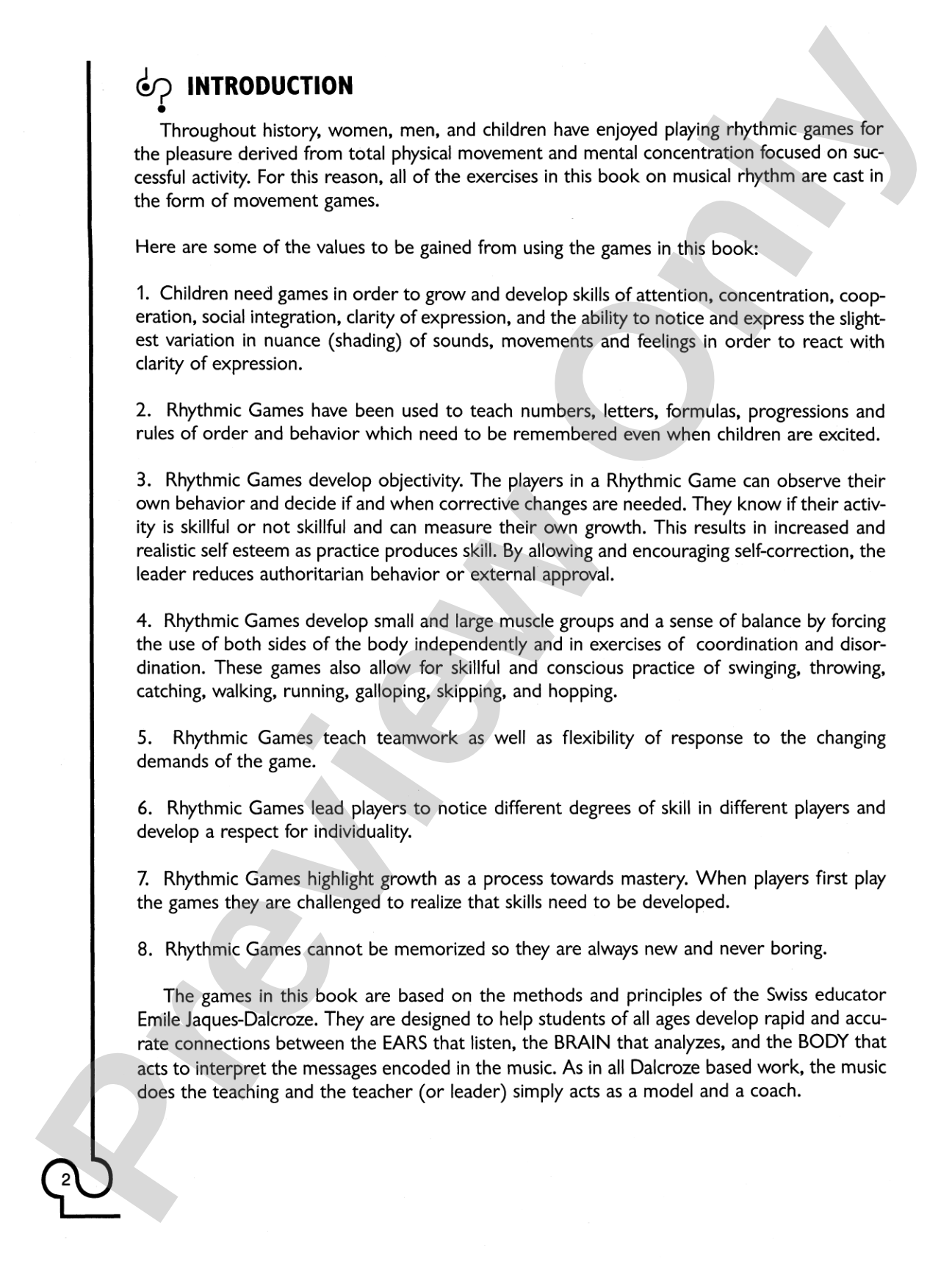
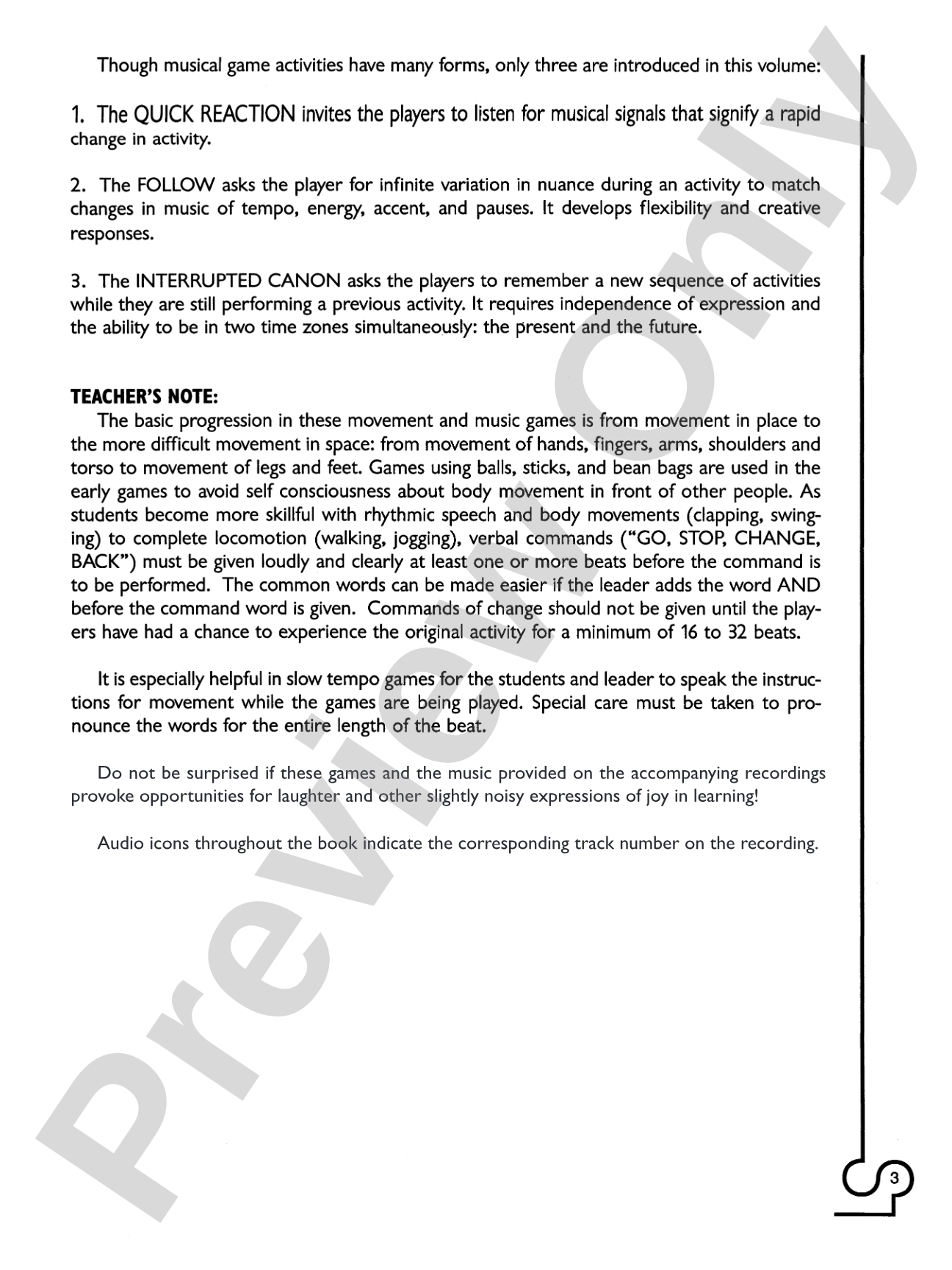
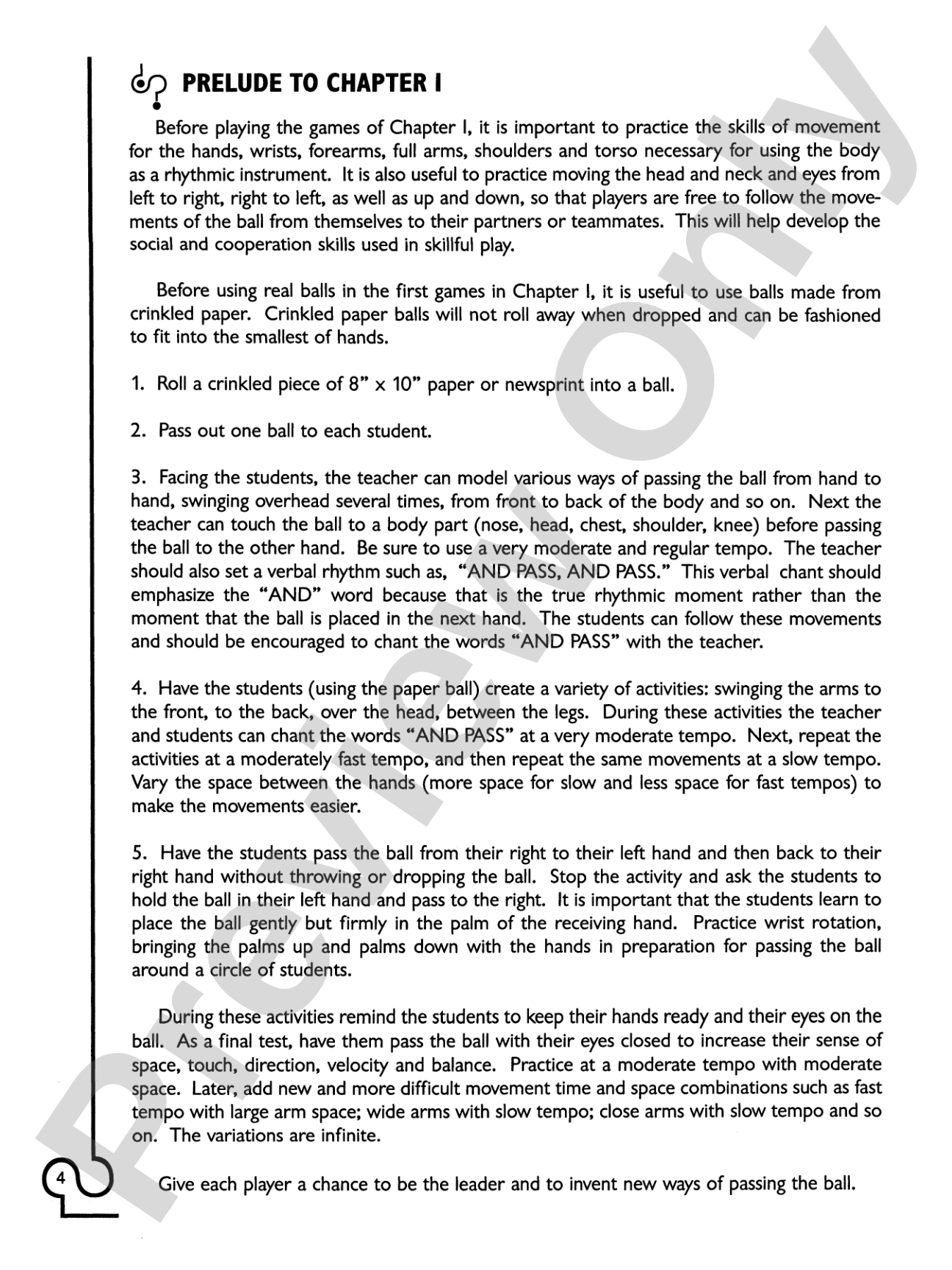
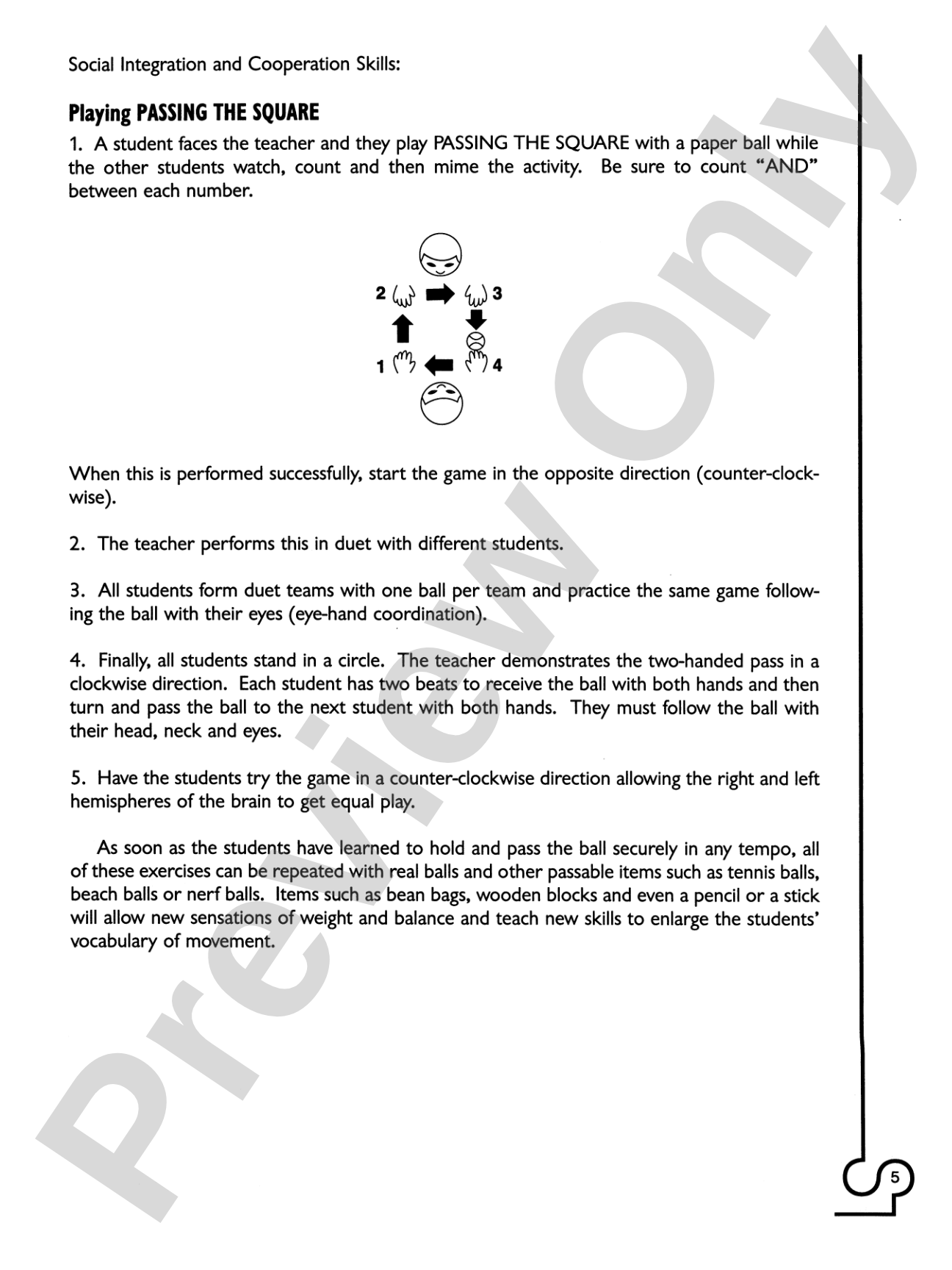
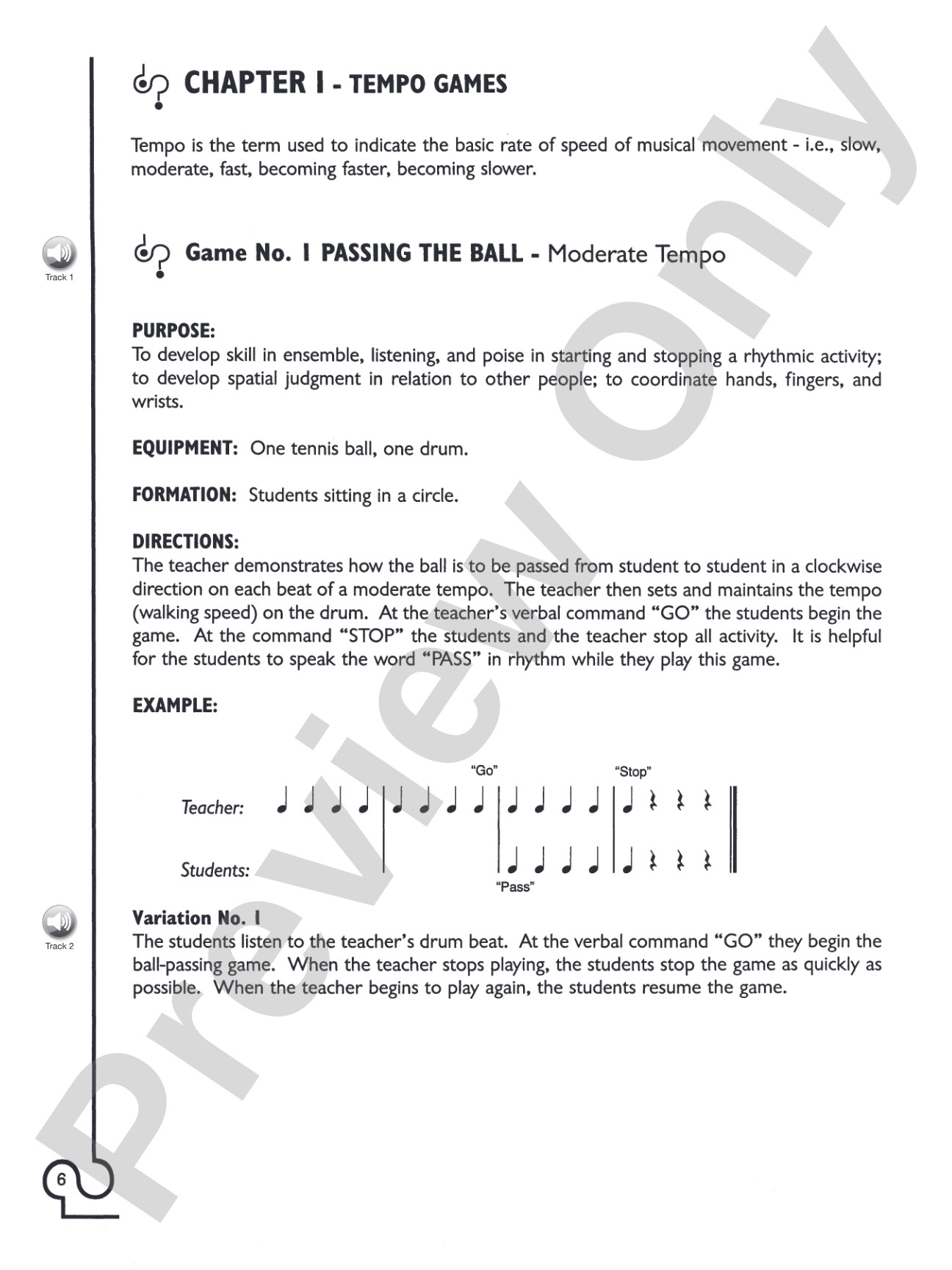
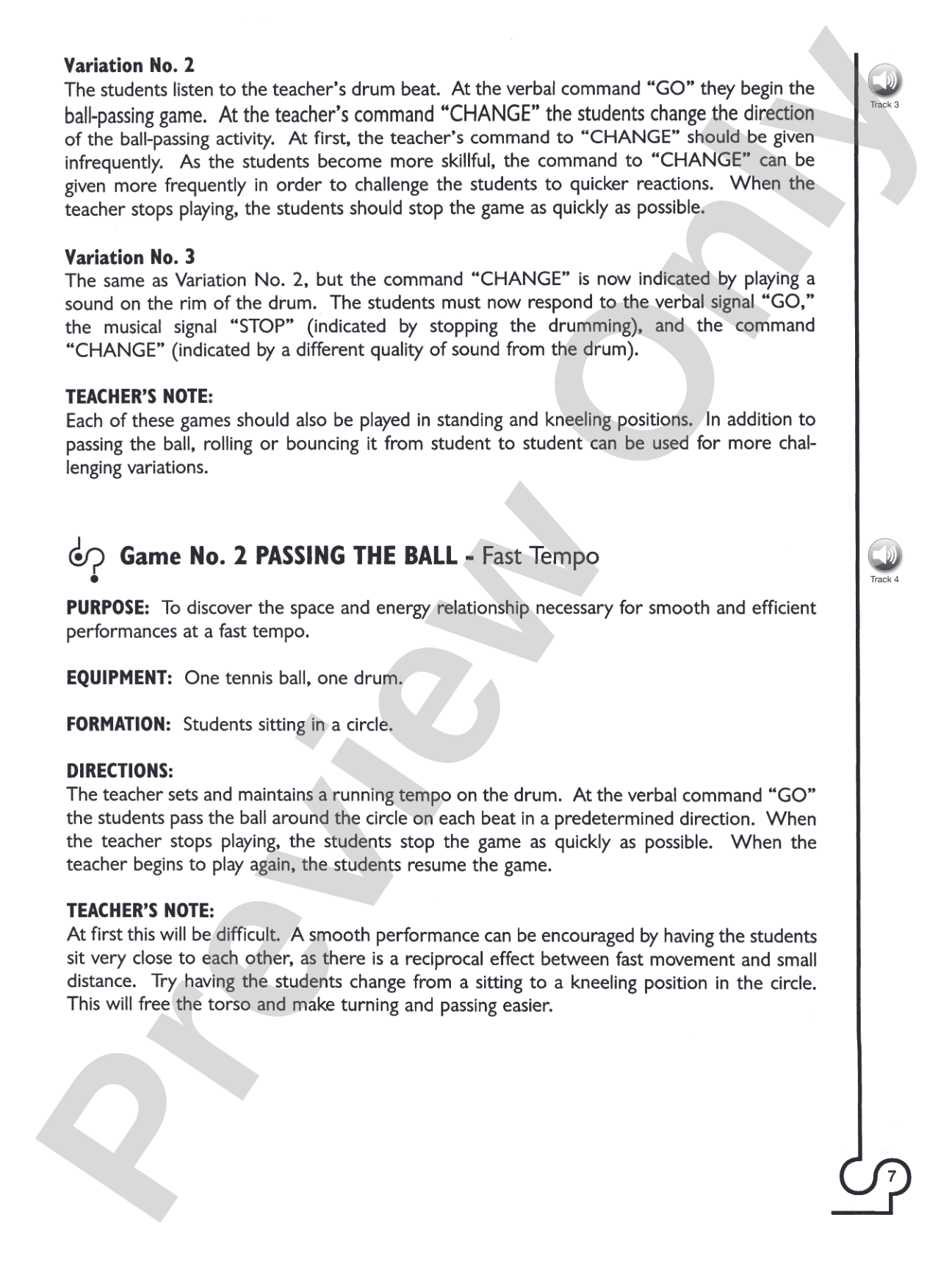
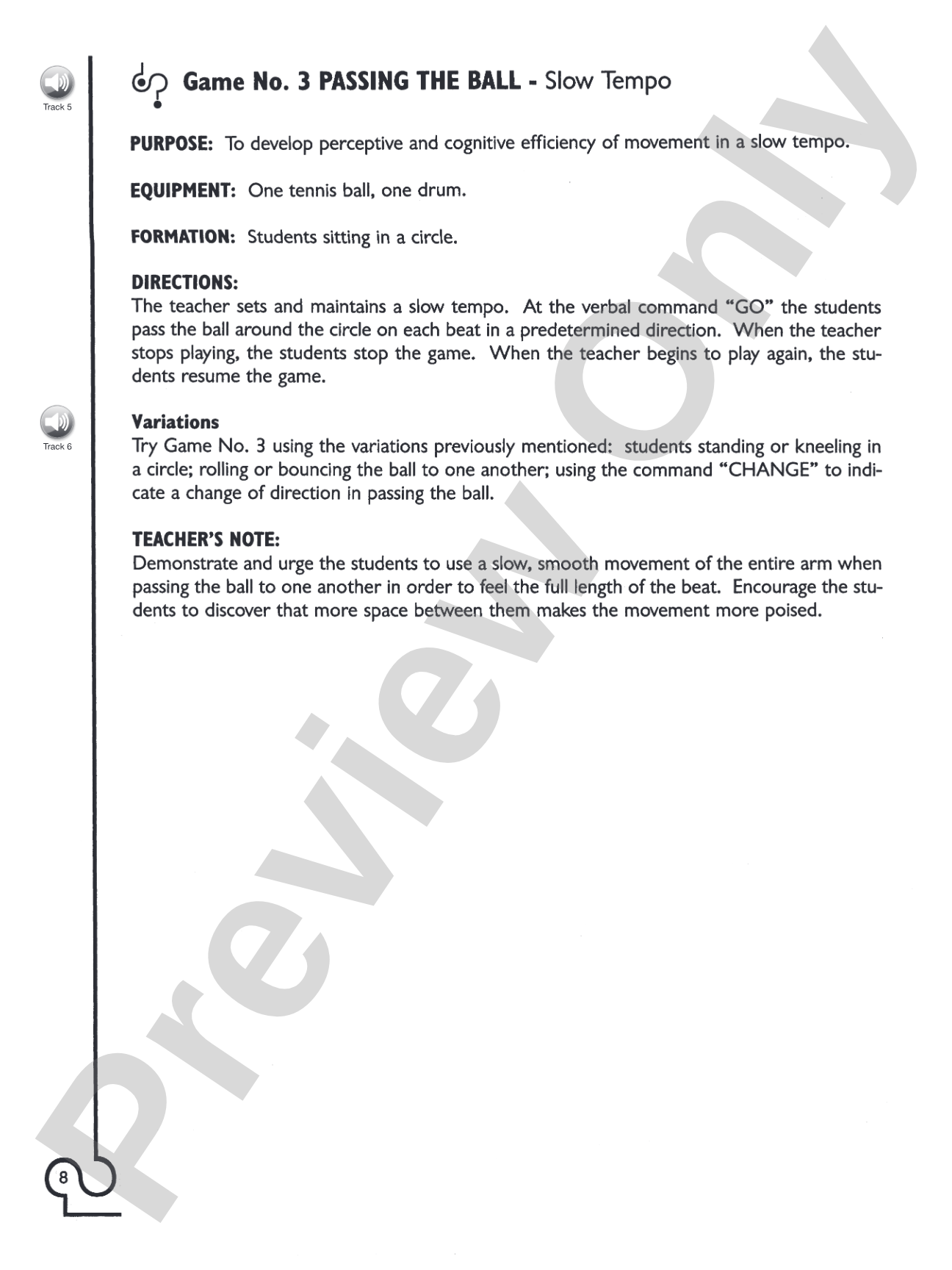
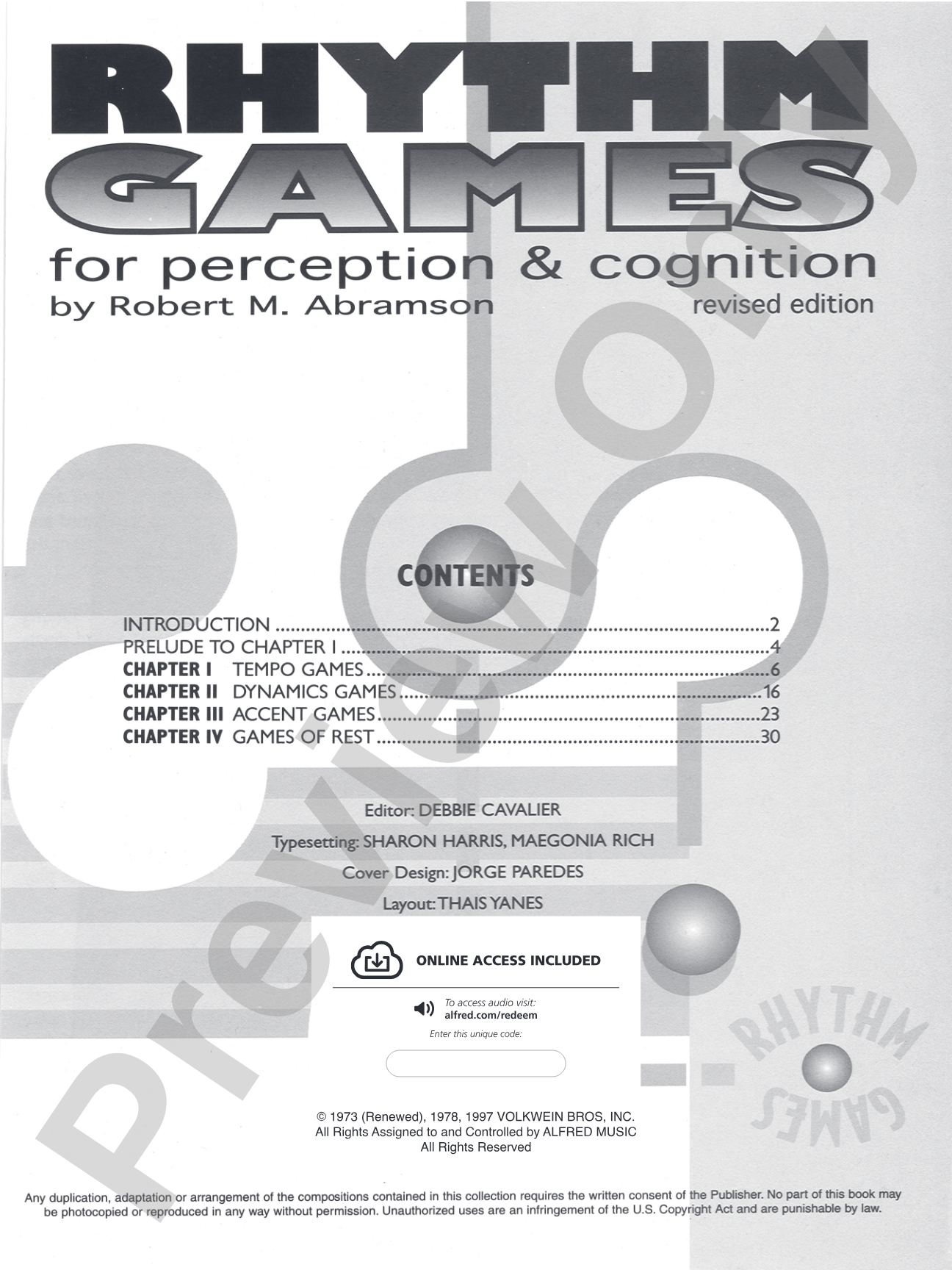
The revised edition of Dr. Robert Abramson's time-tested educational pillar. Complete with online audio, this wonderful collection contains games and activities that follow the Dalcroze model. It encourages teachers and students to invent their own variations for active participation in music and movement. Perfect for all ages.

Discover MakeMusic Cloud: thousands of interactive titles your students can play along with today.

Sample Audio
No sample audio found.
Sample Video
Additional Details
Publisher: Alfred Music
Page Count: 36
SKU: 00-PB-0002533

More about this title

About the Composer: Robert M. Abramson

Robert M. Abramson devoted his career to translating Emile Jaques-Dalcroze's principles into practical, teachable frameworks for American music education. His work bridges the gap between eurhythmics theory and classroom reality, making embodied music learning accessible to teachers working across age groups and ability levels.

Abramson's contributions shaped how generations of educators approach rhythm instruction through movement. His books and materials remain foundational texts in Orff and Dalcroze training programs, valued for their clarity and their trust in teachers' capacity to innovate within structured pedagogical models.

Why we love this

This collection succeeds because it respects both structure and spontaneity. Abramson provides clear frameworks and activities, then actively invites you to break them open, adapt them, and make them your own. That approach transforms rhythm games from lockstep exercises into genuine creative experiences that keep students engaged across years of study.

What to expect

Active and immediate. These games put students in their bodies and their ears simultaneously, breaking down the artificial separation between thinking and moving that plagues so much rhythm instruction. The presence of the accompanying audio creates an anchor point, but the real energy comes from the invention, the group listening, and the physical engagement.

Who it's for

General music teachers, Orff and Dalcroze specialists, and band or choir directors seeking rhythm and perception work outside their primary ensemble. This works for elementary through adult learners; the games scale elegantly with sophistication and speed as students mature.

How to get the most out of it

  • Let students lead variations once they understand the basic game. A child who invents a new clapping pattern owns it in a way that copying never achieves.
  • Record your students playing these games. Listening back to their rhythmic choices and group precision builds metacognitive awareness without requiring judgment.
  • Pair the audio tracks with movement in different spaces. A gym, classroom, or outdoor area will change how students experience the same rhythm in meaningful ways.
  • Start each game at half speed or with a simplified version. Student mastery of the foundation makes elaboration feel earned, not overwhelming.

How to use it

Integrate these as warm-up material in rehearsals when rhythm precision or ensemble listening needs work. They also function well as stand-alone rhythm curriculum in general music classes, or as enrichment activities during sectional rehearsals when you need focused, small-group listening work.

Skills your students will build

  • Internalizing steady beat through physical response
  • Distinguishing rhythmic layers and polyrhythms
  • Translating aural input into accurate physical motion
  • Creating and notating original rhythm patterns
  • Listening for and reproducing precise rhythmic relationships
  • Collaborating on musical decisions without written notation

You May Also Like