Rhythm Dance Cover Image

Rhythm Dance: 3-Part Mixed Choral Octavo

$2.05 USD
Sale price  $2.05 USD Regular price 
Skip to product information
Rhythm Dance Cover Image

Rhythm Dance: 3-Part Mixed Choral Octavo

By Kirby Shaw

Item: 00-31309

$2.05
Shipped

One moment…

Description
Sung entirely on scat syllables, this stylized piece is equally appropriate for concert or jazz choirs. Dig the new-age groove!

Rhythm Dance: 3-Part Mixed Choral Octavo isn't in MakeMusic Cloud just yet...but it could be. Let us know you'd like to see it, and you'll help shape what comes next. In the meantime, start a free trial and dive into thousands of interactive titles your students can play along with today.

Sample Pages

Sample Audio
0:00
0:00
Sample Video
Additional Details
Series: Alfred Choral Designs
Publisher: Alfred Music
Page Count: 8
UPC: 038081340777
SKU: 00-31309

More about this title

About the Composer: Kirby Shaw
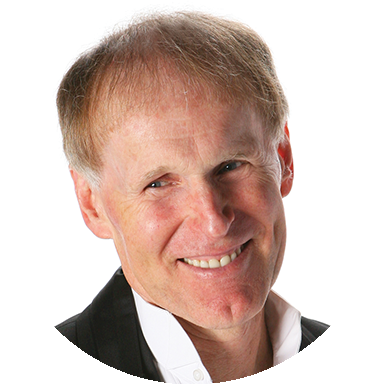
Kirby Shaw

Kirby Shaw brings decades of choral innovation to music education, having presented workshops and masterclasses across North America, Europe, and beyond. He holds degrees in Music Education and Choral Composition from San Jose State University and a DMA in Choral Conducting from the University of Washington. His teaching style combines deep musicianship with infectious humor and an unmistakable creative energy.

Shaw's impact on vocal jazz education runs particularly deep. He founded and directed acclaimed vocal jazz ensembles at College of the Siskiyous, Colorado State University, and the University of Missouri at Kansas City, and currently directs the Jefferson State Choral Coalition at Southern Oregon University. His mentorship extends to individual collaboration with legendary scatters including Bobby McFerrin, Mark Murphy, Al Jarreau, and Jon Hendricks. As a composer and arranger with over 2,500 works in print that have sold nearly 20 million copies worldwide, Shaw has also received multiple ASCAP awards and a recent commission from the Mormon Tabernacle Choir.

Why we love this

Shaw's mastery of scat writing shines here. Rather than asking singers to navigate complex text and choreography simultaneously, the scat syllables free your choir to focus on rhythmic precision, blend, and groove while the accompaniment track keeps everyone locked in. The piece works equally well as a concert closer or a jazz ensemble feature, making it genuinely versatile.

What to expect

Fresh and playful, with a rhythmic vitality that keeps audiences awake. The scat syllables create an almost vocal-percussion texture, bouncing over a groove that feels modern yet timeless. It's the kind of piece that reminds singers why they love making music together.

Who it's for

Concert choirs looking to expand their repertoire with contemporary energy and jazz-influenced phrasing will find this piece immediately engaging. It's especially valuable for mixed choirs that want to explore the scat tradition without requiring advanced jazz training; Shaw's writing is accessible yet sophisticated.

How to get the most out of it

  • Lock the rhythmic feel in rehearsal before layering the scat syllables. Have singers speak the rhythm patterns on a single syllable first, then add the notated syllables once the pulse is secure.
  • Balance the parts carefully so no voice overwhelms the groove. The "new-age groove" Shaw describes relies on the three parts locking together rather than standing apart.
  • Let the recorded accompaniment do heavy lifting during early rehearsals so singers can concentrate on their parts without managing a full rhythm section.
  • Push for clarity on the scat articulations. Crisp consonants and clean vowel shapes will make the piece sparkle and keep the contemporary feel from sounding dated.

How to use it

Use this as a concert closer to send audiences home energized, or feature it in a jazz-focused concert segment alongside other contemporary choral works. It pairs naturally with other Kirby Shaw arrangements or works from composers embracing scat and groove-based writing.

Skills your students will build

  • Rhythmic precision in scat syllables and syncopated passages
  • Blend and balance across three-part texture
  • Understanding of contemporary vocal jazz idioms and phrasing
  • Articulation control with varied consonants and vowels
  • Groove-based listening and ensemble lock

You May Also Like