
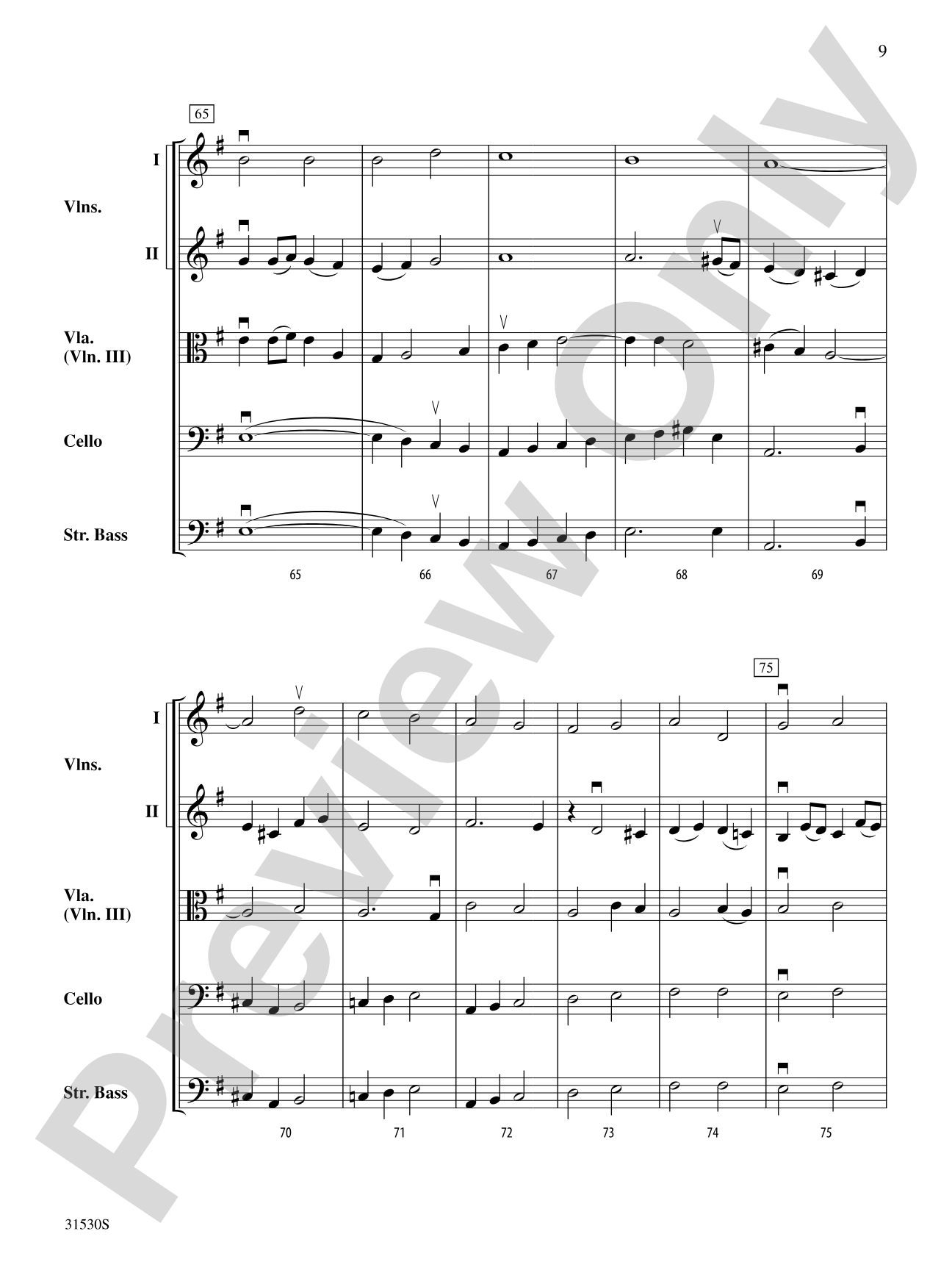
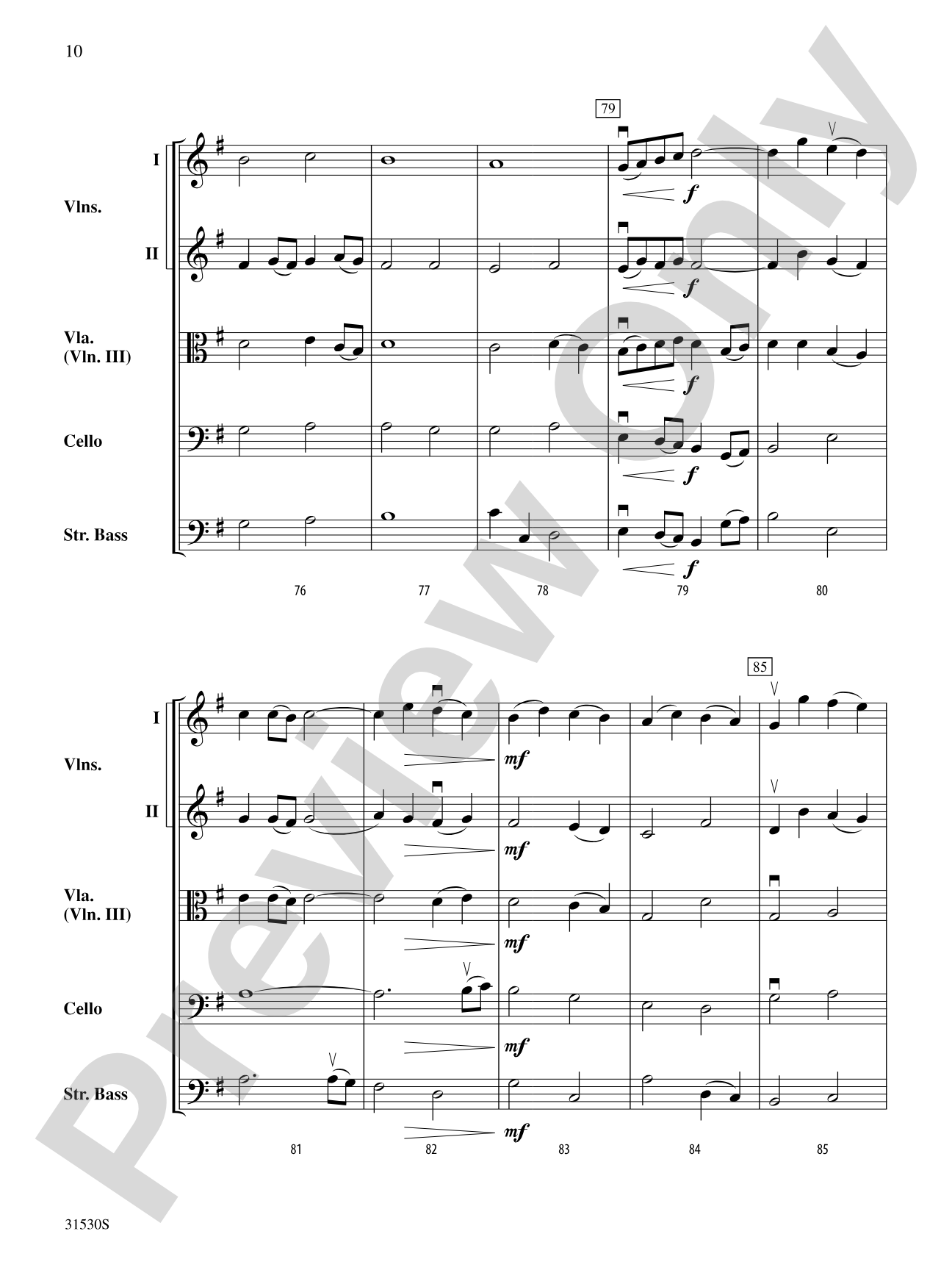
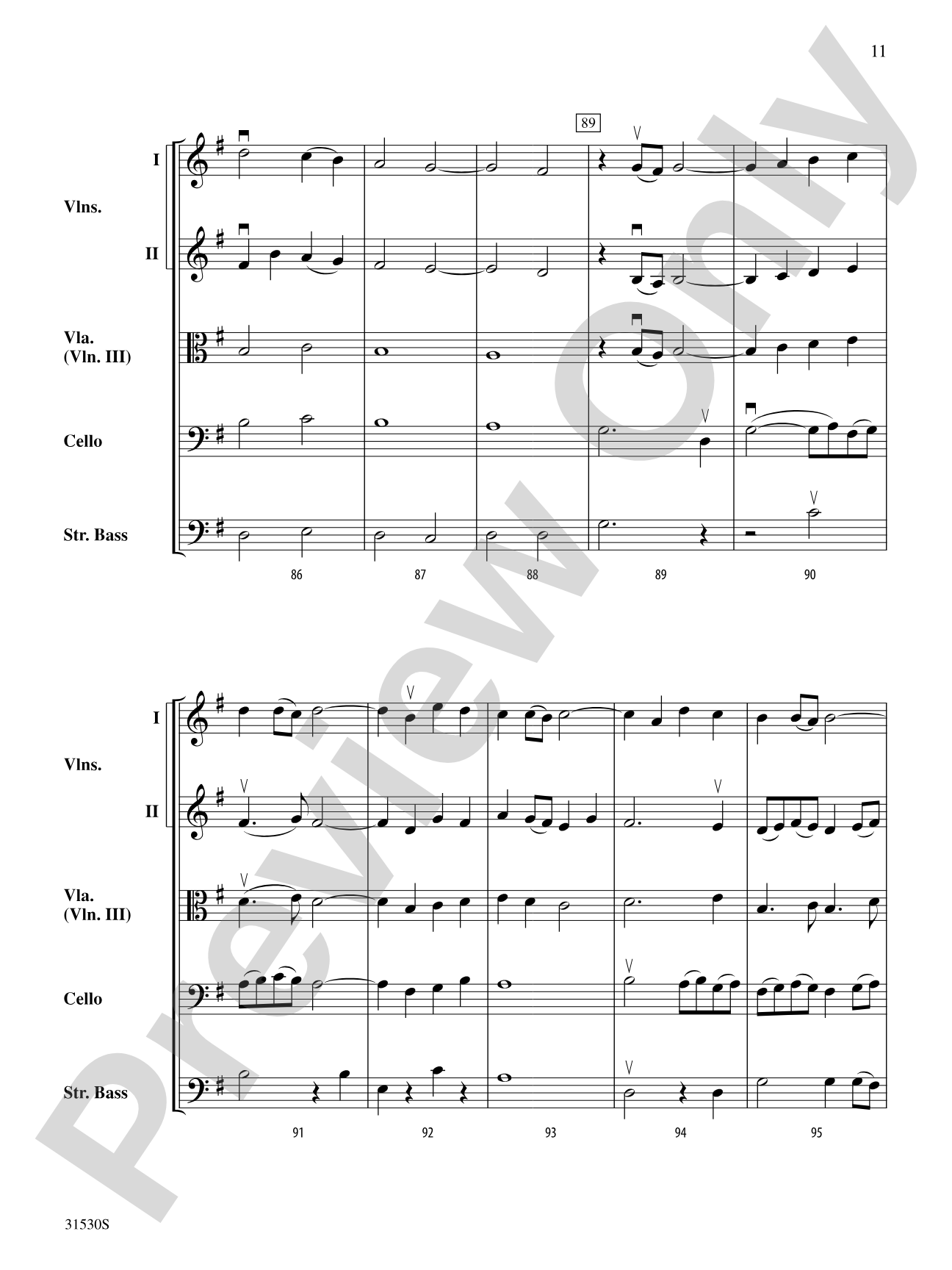
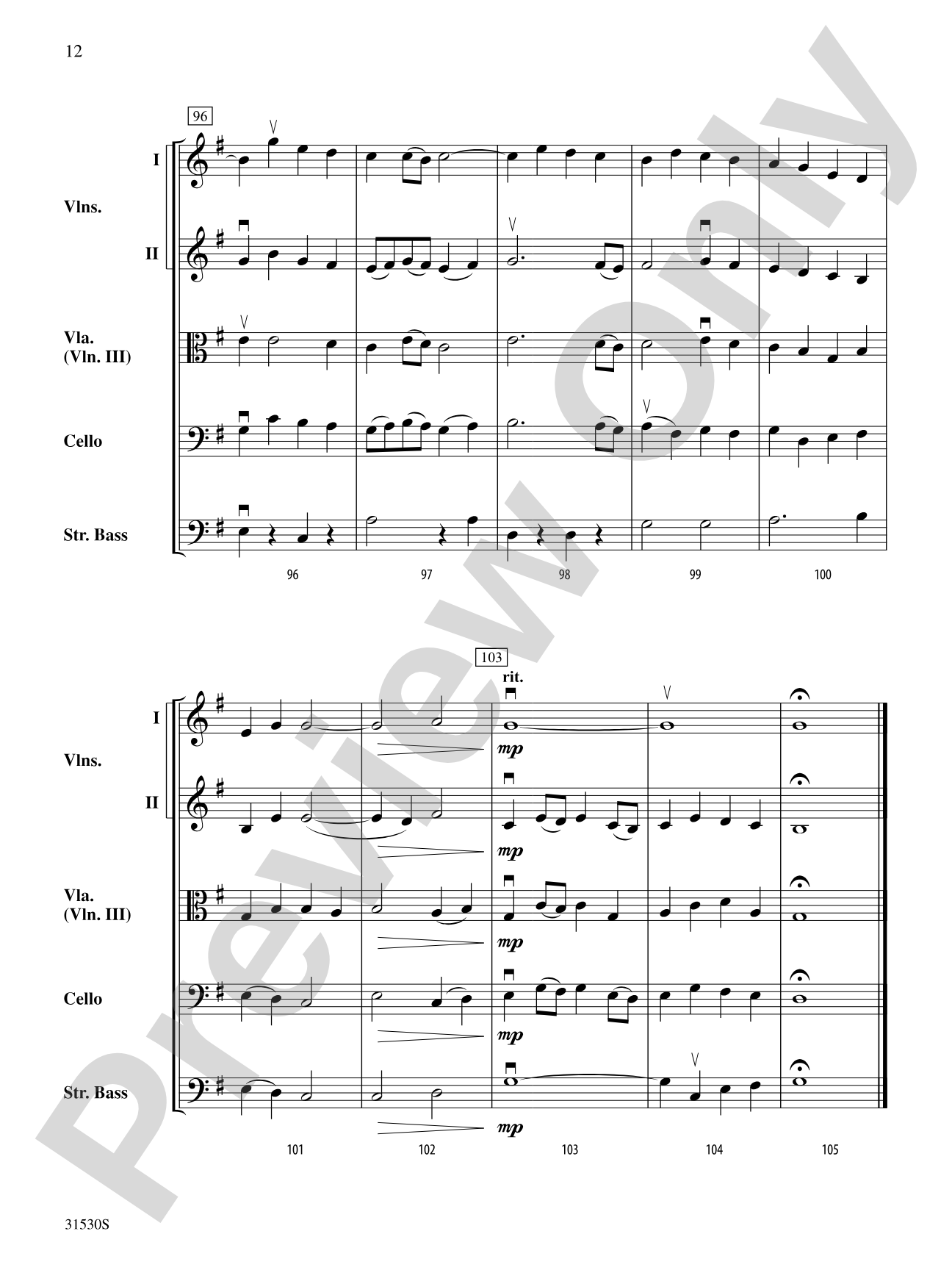

Rhosymedre (from Three Preludes): String Orchestra Conductor Score & Parts
By Ralph Vaughan Williams / arr. Douglas E. Wagner
Grade: 3
Item: 00-PK-0001729

$56.00
Pickup currently not available
Buy Extra Parts (Digital PDF Download)
Parts Added to Cart!
Description
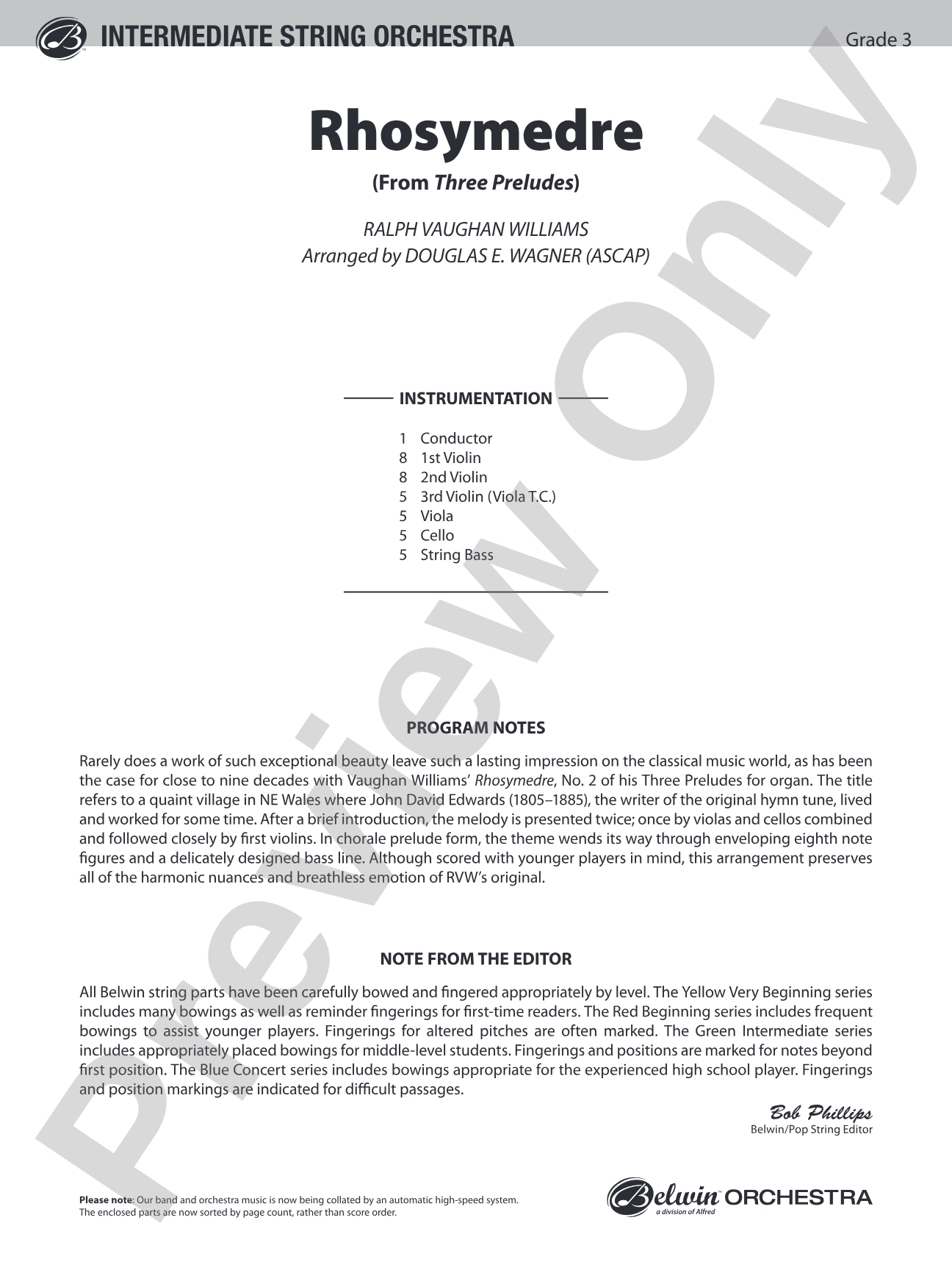
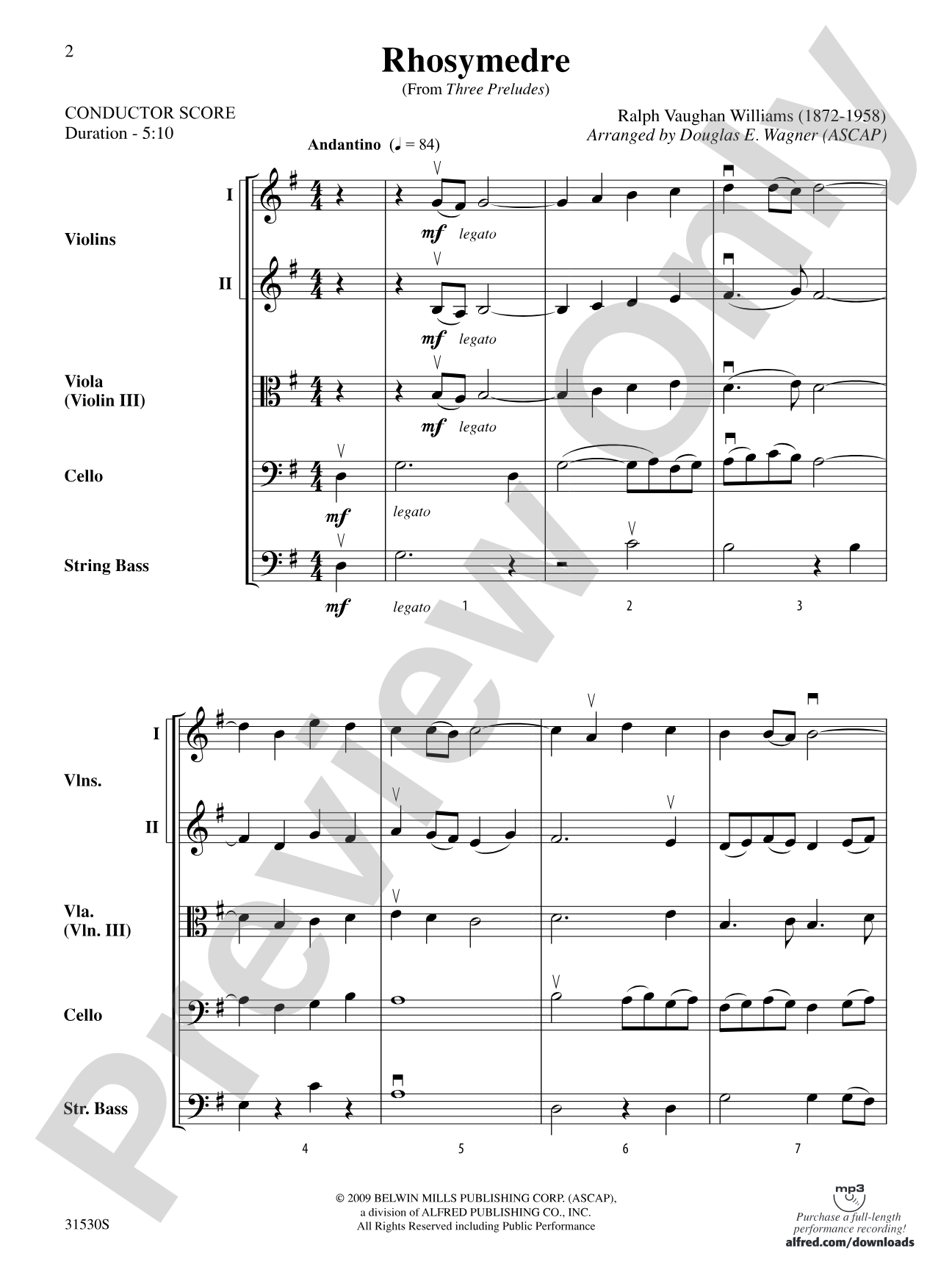
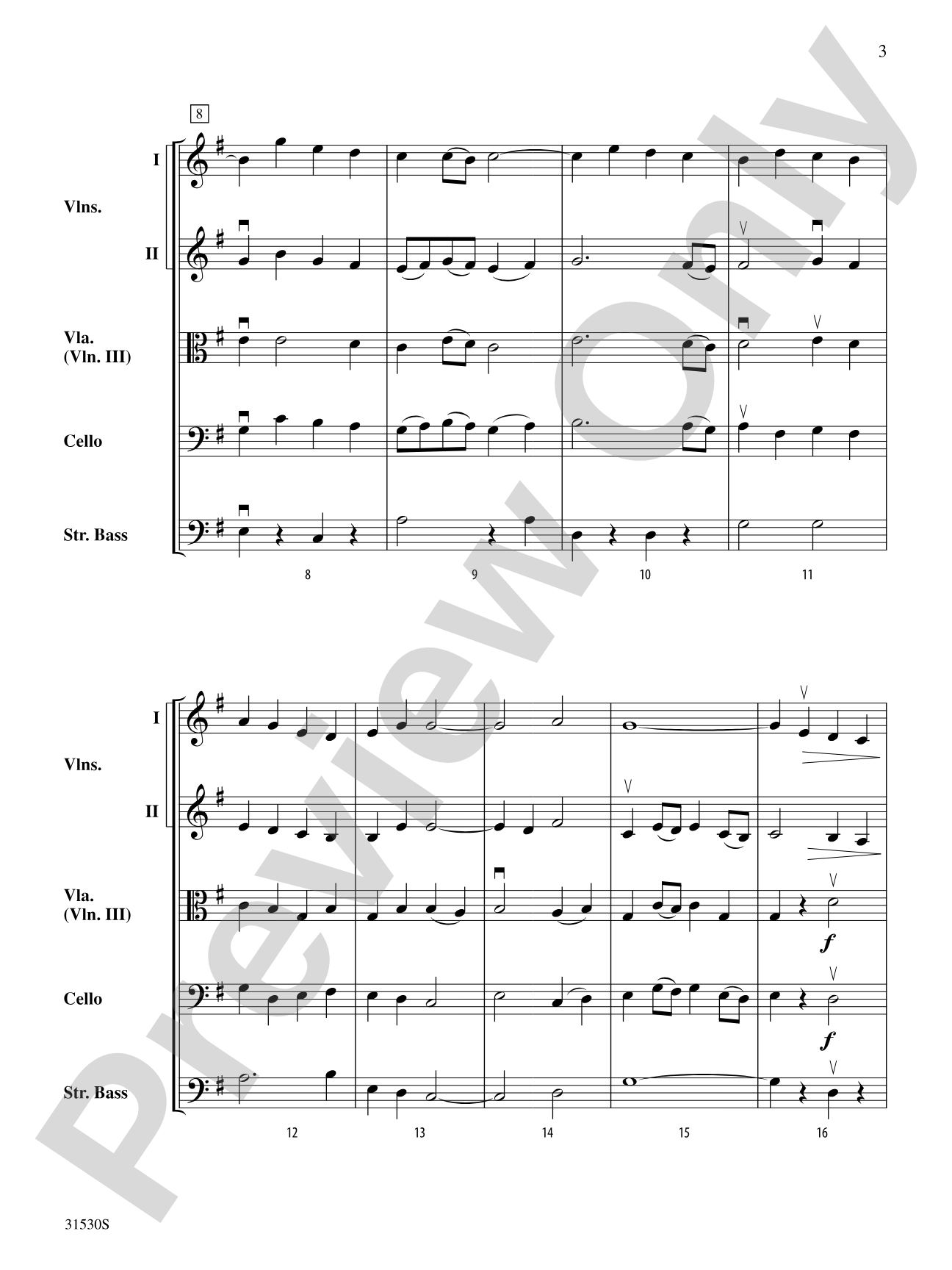
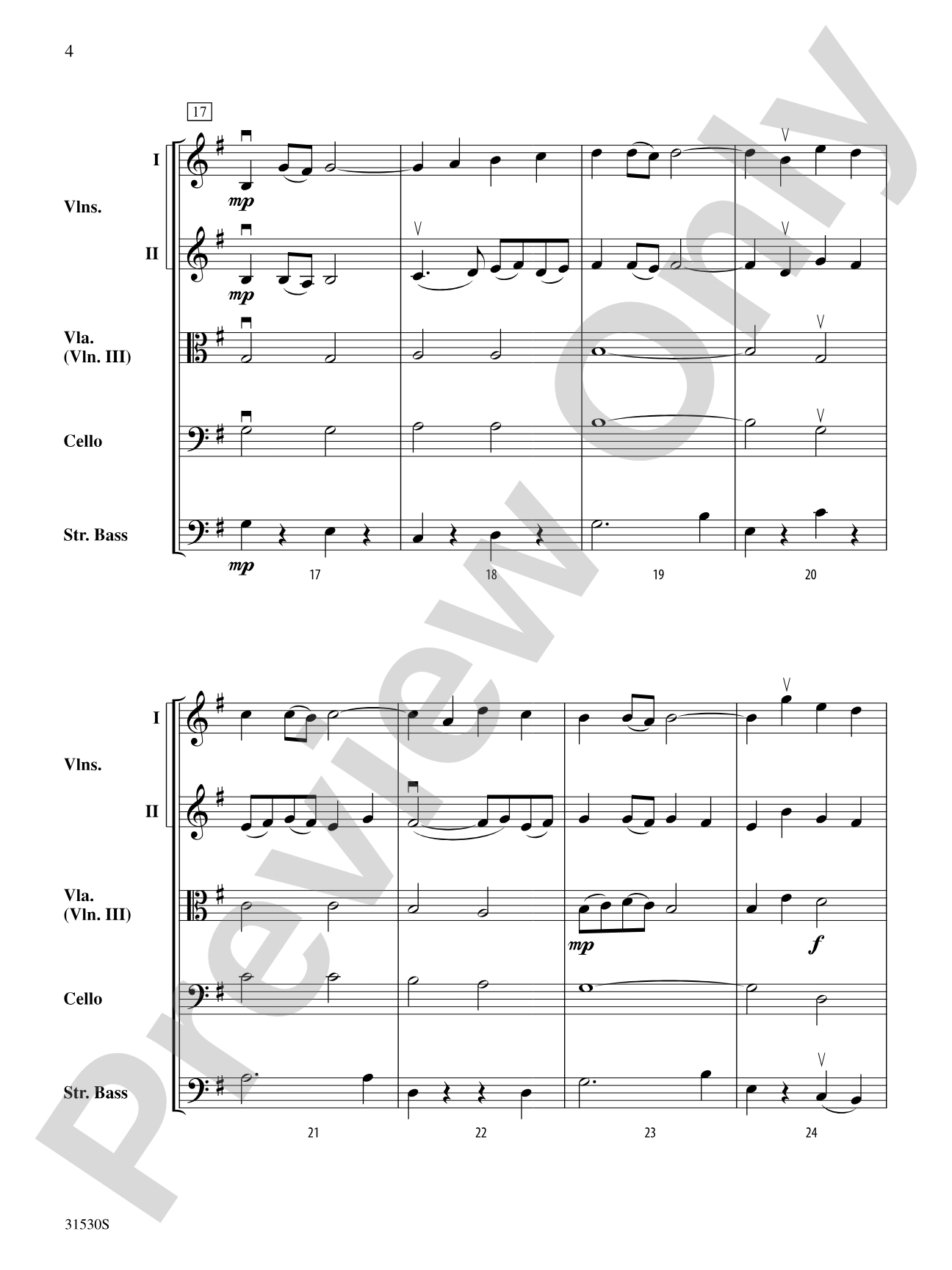
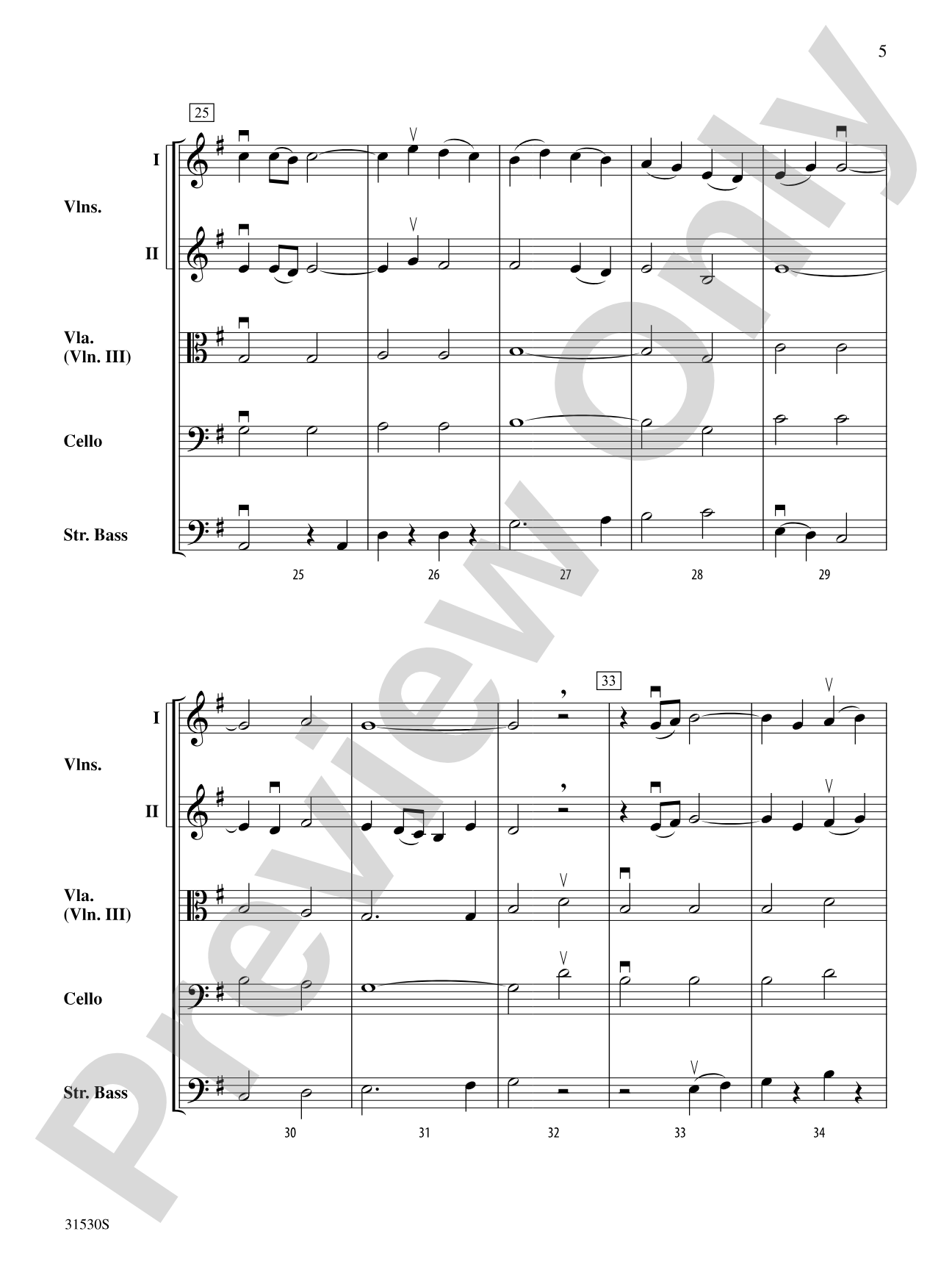
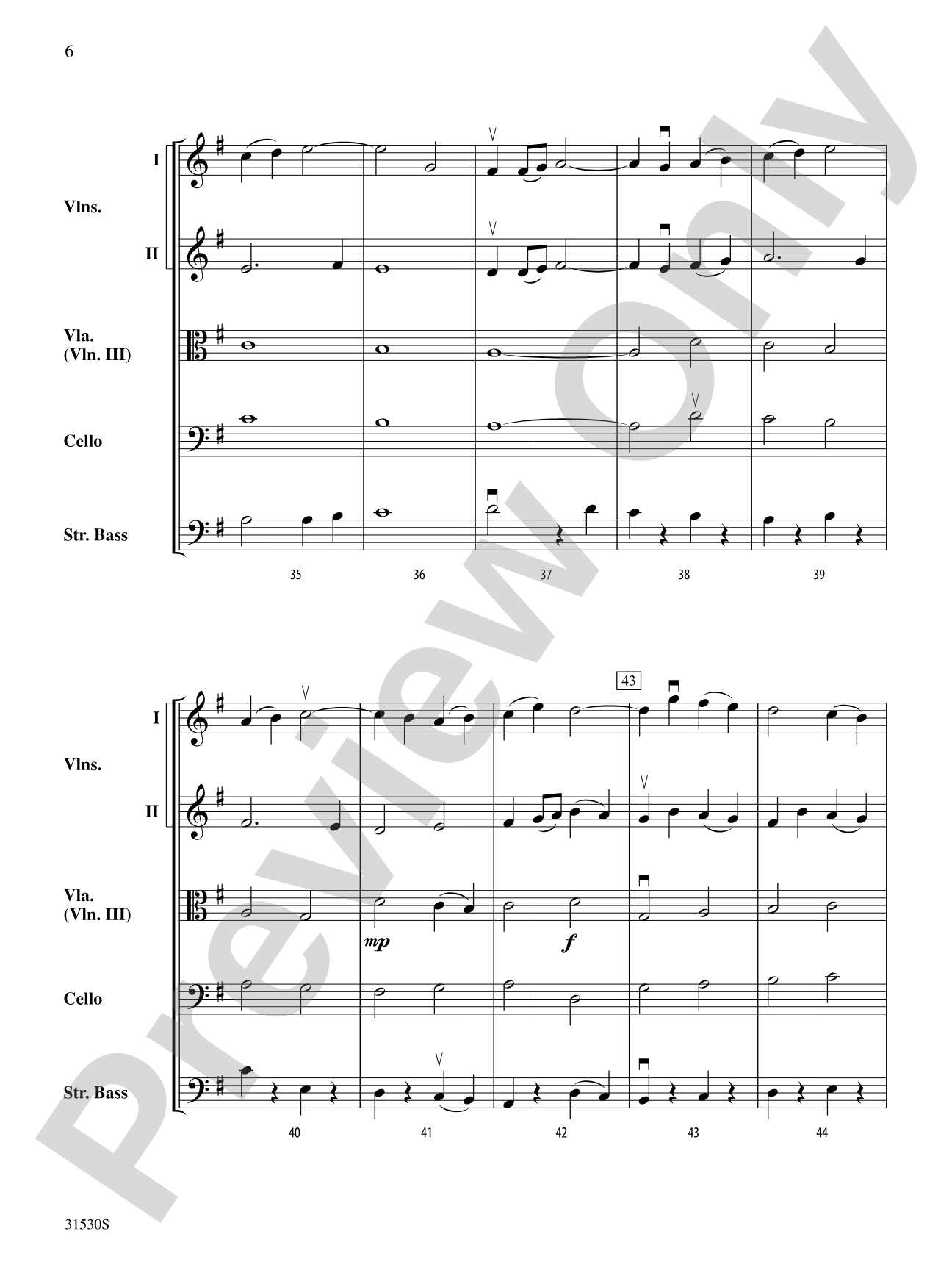
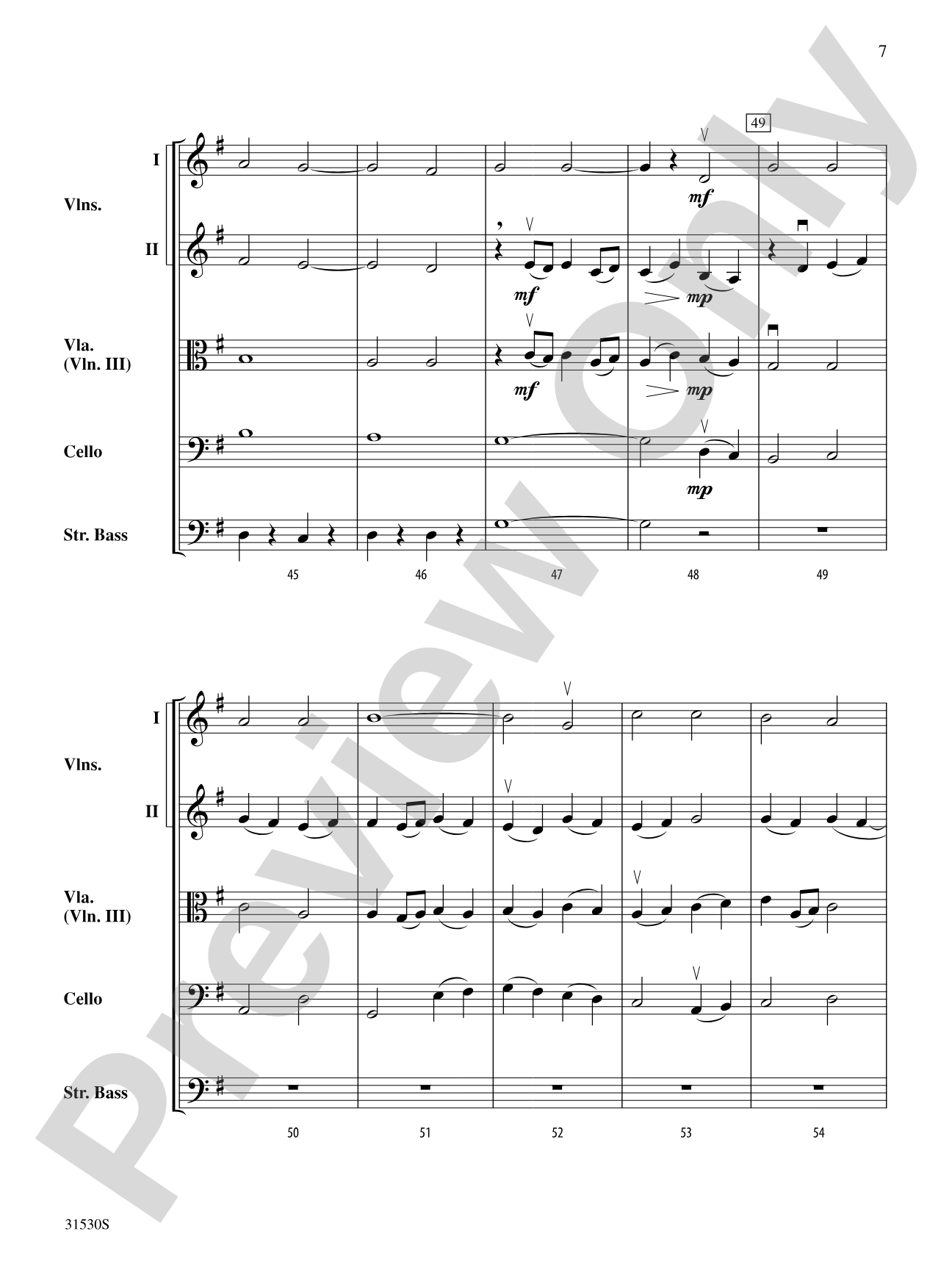
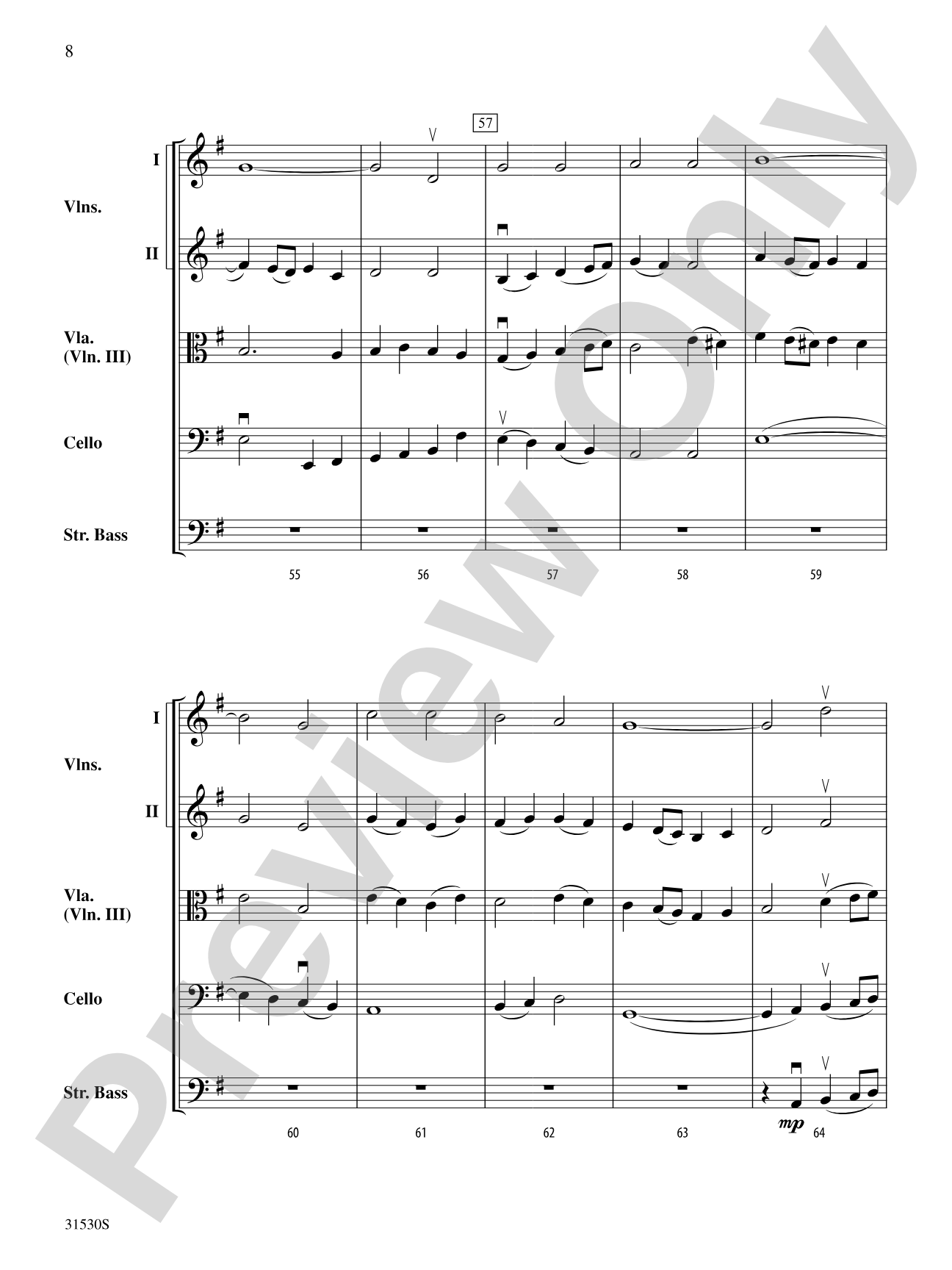
Rarely does a work of such exceptional beauty leave such a lasting impression on the classical music world as this one has. Although scored with younger players in mind, this arrangement preserves all of the harmonic nuances and breathless emotion of RVW's original. Violins, violas and cellos share the melody. A perfect introduction to the music of Vaughan Williams! This title is available in MakeMusic Cloud.


Don't just read it, hear it, play along with it, and watch your students grow with it. In MakeMusic Cloud, Rhosymedre (from Three Preludes): String Orchestra Conductor Score & Parts comes alive with professional accompaniment, adjustable tempo, and built-in practice tools that turn solo practice into real progress.
Open in the Player
Jump straight in and assign it today.
Start Your Free Trial
Open this title and explore the full library in minutes.
Sample Audio
1
Audio File
--:--
0:00
0:00
Sample Video
No sample videos found.
Additional Details
Series:
Belwin Intermediate String Orchestra
Publisher:
Alfred Music
Page Count:
144
SKU:
00-PK-0001729
More about this title
About the Composer: Ralph Vaughan Williams
Ralph Vaughan Williams (1872, 1958) shaped the sound of English classical music by drawing deeply from folk song, hymn melody, and modal harmony. His output spanned every genre, symphonies, concertos, operas, choral works, yet he never lost sight of music's power to speak directly to ordinary listeners. Vaughan Williams believed that composers had a responsibility to write music that connected with their own people, and his democratic approach to composition made him one of the most performed and beloved British composers of the twentieth century.
Why we love this
This arrangement captures everything that makes Vaughan Williams essential repertoire: the soaring melodic lines, rich harmonic language, and emotional restraint that define his best work. Young orchestras can experience a genuine masterwork without the technical barriers of the original scoring, and that's no small thing.
What to expect
Rhosymedre unfolds with hymn-like simplicity and profound spiritual depth. The melody passes between sections like a gentle conversation, supported by harmonies that shimmer with unexpected warmth and occasional poignancy, creating an experience that feels both reflective and uplifting.
Who it's for
Grade 3 string orchestras ready to engage with genuine classical repertoire. This works equally well for ensembles preparing contest material or seeking a substantial concert piece that respects young musicians' musicality.
How to get the most out of it
- Shape the melody with a warm, singing tone across all three string sections; the beauty of this piece depends on unified phrasing rather than technical precision.
- Balance the inner voices carefully during harmonic passages so the harmonic nuances don't blur into homogeneous texture.
- Resist the urge to rush; this music unfolds through patient phrase development, and younger players often need reminders that stillness and space are just as important as the notes themselves.
- Attend to the dynamic arc of each phrase rather than individual dynamic markings; each line breathes as part of a larger musical gesture.
How to use it
Program this as a concert centerpiece that demonstrates your orchestra's maturity and musicianship without demanding virtuosity. It pairs beautifully alongside contemporary works or lighter fare, offering contrast through its contemplative character while showcasing what young string players can express through focused ensemble playing.
Skills your students will build
- Singing tone production and phrase shaping across sustained passages
- Balance and blend when melody distributes across multiple sections
- Listening to inner voices and harmonic clarity
- Expressive playing at moderate tempos without relying on technical flashiness
- Understanding how folk music and hymn traditions inform modern classical composition